

Transform Your Backyard: The Heartfelt, Smart Way To Raise Happy Chickens
By Tom Seest
At BackyardChickenNews, we help people who want to raise backyard chickens by collating information and news blended with our own personal experiences.
Be sure to read our other related stories at BackyardChickenNews to learn more about raising chickens in your backyard.
3D Print a Full Custom Coop That Fits Your Yard Perfectly
In the world of backyard chickens, the dream of fresh eggs laid by happy, healthy hens can feel like a distant fantasy. But what if you could bring that dream to life with a coop that fits your yard not just in dimensions but in style, ethos, and purpose? Imagine a structure that reflects your personality, your backyard, and the nurturing environment you wish to create for your feathered friends. Crafting a custom coop through 3D printing isn’t merely a practical solution; it’s a journey that allows you to bond with your backyard and the little lives it nurtures.
Picture a time when you settled into your yard, surrounded by the soft flutter of wings and the gentle clucking of chickens pecking in the grass. Each coop you pass by is a testament to someone’s commitment, yet many lack the creativity or personal touch they deserve. With 3D printing, you can transform that image into reality. It’s not just about function; it’s about design, aesthetics, and your unique vision coming alive in a way that standard kits simply can’t achieve. It’s a true reflection of you—every angle, every curve designed for both utility and beauty.
On a more practical level, 3D printing opens a world of possibilities. No more settling for cookie-cutter options that might not suit your space. You can customize everything, from ventilation systems to nesting boxes that cater to your chickens’ specific needs. It’s about creating a sanctuary where they feel secure, which is just as important as ensuring your yard looks good. It’s this blend of emotion and logic that drives the spirit of backyard farming, making it not just a hobby but a commitment to caregiving.
Beyond aesthetics and functionality, your 3D printed coop could become a social hub—a point of pride shared with neighbors, friends, and family. It fosters connections, inspiring others to join the movement of backyard farming, enhancing local ecosystems, and perhaps even forming a community of fellow enthusiasts.
By embracing this modern manufacturing technique, you’re not just building a home for your chickens; you’re making ethical choices about sustainability and caring for your environment. Each time you step outside, greeted by the cheerful clucking of your happy hens, you’re reminded of the beautiful connection you’ve nurtured. This isn’t just about chickens; it’s about establishing roots—both in your yard and in the hearts of those around you. With a custom 3D printed coop, the dream of backyard chickens becomes a shared experience, multiplying joy and community spirit as it does so.
3D Print a Full Custom Coop That Fits Your Yard Perfectly
3D Print a Full Custom Coop That Fits Your Yard Perfectly
- Dream of fresh eggs from happy, healthy hens can be realized with a personalized chicken coop.
- Custom coops through 3D printing reflect individual personality and create a nurturing environment.
- 3D printing transforms the standard coop design, allowing for unique aesthetics and functionality.
- Customizable features enhance the coop’s suitability, such as ventilation and nesting boxes for chickens’ needs.
- 3D printed coops foster community connections and inspire backyard farming among neighbors and friends.
- Embracing 3D printing promotes sustainability and ethical choices in caring for the environment.
- A custom coop enhances the joy of keeping chickens, establishing roots in both the yard and community.

3D Print a Full Custom Coop That Fits Your Yard Perfectly
Table Of Contents
- 3D Print a Full Custom Coop That Fits Your Yard Perfectly
- What Design Features Would Make Your Dream Coop Come to Life?
- How Can a Custom Coop Enhance Your Backyard Experience?
- What Are the Benefits Of 3D Printing for Coop Customization?
- What Materials Ensure Durability In a Backyard Coop?
- What Savings Can You Expect By 3D Printing Your Custom Coop?
- Conclusion
- Other Resources
- Glossary Of Terms
- Other Questions
- Haiku
- Poem
- Checklist
What Design Features Would Make Your Dream Coop Come to Life?
When envisioning the perfect coop for your backyard chickens, think beyond mere aesthetics; consider how each feature impacts you, your flock, and the space you’ve chosen for this unique endeavor. Imagine a thoughtfully designed sanctuary that harmonizes with the rhythm of nature while catering to the needs of your feathered friends. This isn’t just about wood and nails—it’s about creating a nurturing environment where both you and your chickens can thrive.
Start with the location of your coop. Nestling it near your home fosters a deeper connection with your poultry. You’ll want to hear the gentle clucking as you sip your morning coffee, the sounds a reminder that life is bustling around you. Position the coop where the sun will spill in during the day, offering warmth, and a bit of shade for those sweltering afternoons. Think about the materials you’ll use; durable, sustainable choices not only ensure longevity but also reflect the ethics of responsible farming. Reclaimed wood or eco-friendly paints can tell a story of respect for the environment, inviting both admiration and warmth into your backyard.
Ventilation is another essential feature that shouldn’t be overlooked. Proper airflow protects your flock from respiratory issues, ensuring they remain healthy and happy. Here’s where your gut instinct can guide you. Think of it like a well-ventilated room in your home. Without that fresh air, things can get stale fast. Your chickens deserve the same comfort and care you afford your family.
Consider the nesting boxes. Design them low to the ground for easy access, allowing you to check on the eggs with the casual ease you’d expect from a family pet. It’s not just about practicality; it’s about the joy of discovering those first eggs, a tangible reward for your dedication. Moreover, think about featuring window boxes filled with edible plants—herbs and greens that your chickens can nibble on. It invites a sense of community between you and your flock, a shared ecosystem thriving on what you both have to offer.
Finally, let’s talk about aesthetics. A coat of vibrant paint or a splash of creativity in the design can transform a simple structure into an eye-catching feature of your backyard, sparking conversations with neighbors and friends. Engaging them in your journey builds a sense of camaraderie; after all, who doesn’t love to talk about backyard chickens? As you dream up your perfect coop, remember that it’s not just a home for your birds, but a testament to the love and care you pour into every aspect of your life—one feathered friend at a time.

What Design Features Would Make Your Dream Coop Come to Life?
What Design Features Would Make Your Dream Coop Come to Life?
- Design the coop to harmonize with nature and cater to both your needs and those of your chickens.
- Position the coop near your home for easy interaction and to enjoy the sounds of your flock.
- Ensure the coop has adequate sunlight and shade for comfort throughout the day.
- Use durable, sustainable materials like reclaimed wood or eco-friendly paints.
- Provide proper ventilation to protect chickens from respiratory issues and ensure their well-being.
- Include low nesting boxes for easy access and the joy of collecting eggs.
- Add window boxes with edible plants to create a shared ecosystem with your chickens.
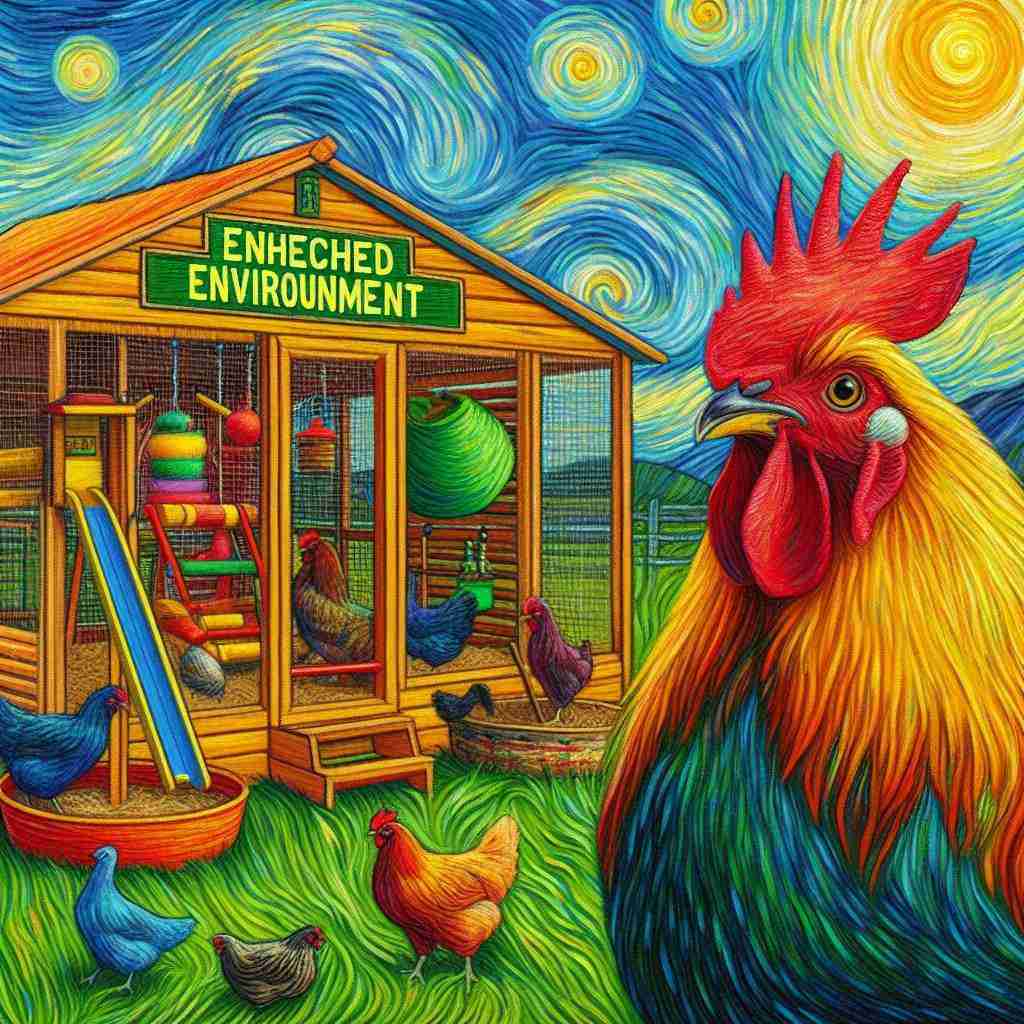
What Design Features Would Make Your Dream Coop Come to Life?
How Can a Custom Coop Enhance Your Backyard Experience?
There’s something profoundly satisfying about raising backyard chickens. Imagine the sound of gentle clucking as you step into your own little slice of homestead. A custom coop isn’t just a shelter; it’s a gateway to cultivating a connection with nature and a reminder of simpler times. When you design a coop tailored to your backyard and your unique lifestyle, you’re not just building a home for your feathered friends; you’re creating a space that breathes life into your garden and enriches your daily routine.
Consider the stories of those who’ve undertaken this rewarding journey. One couple, tired of the demands of city life, transformed their mundane backyard into a vibrant oasis, complete with a bespoke coop. The joy of collecting fresh eggs became a daily ritual, bonding them not only with their chickens but also with their children, who delighted in learning about responsibility and caring for living beings. This isn’t just about eggs; it’s about nurturing a lifestyle, fostering a renewed appreciation for where our food comes from, and understanding the delicate balance of nature right there in their backyard.
A custom coop invites creativity, allowing you to innovate and personalize your space. Whether you incorporate a whimsical design or practical features like nesting boxes, ventilation, or even a mini-vegetable garden atop the structure, your coop becomes an expression of you. It’s not merely functional; it’s a conversation starter and a centerpiece of your outdoor living area, sparking connections with friends and neighbors who marvel at your work.
Choosing to invest in a custom coop also aligns with ethical living, affirming a commitment to sustainable agriculture and animal welfare. By providing a safe, healthy environment for your chickens, you become an advocate for their well-being while embodying values of responsibility and care. This practice resonates with others, encouraging a community ethos centered around supporting local, humane farming.
Beyond just utilitarian benefits, this experience has a profound impact on our psyche. Engaging with your backyard chickens can ground you, providing a constant reminder that life’s simplest joys come from being present in the moment. Picture yourself having coffee in the morning sun as you watch your hens scratch in the dirt, a peaceful connection that draws you back to a more connected existence.
Ultimately, a custom coop is an investment not just in chickens but in a richer, more fulfilling life experience. It teaches us about patience, responsibility, and the rewards of nurturing – lessons that extend far beyond the confines of your backyard.

How Can a Custom Coop Enhance Your Backyard Experience?
How Can a Custom Coop Enhance Your Backyard Experience?
- Raising backyard chickens fosters a satisfying connection to nature and simpler living.
- A custom coop serves as a unique home for chickens while enhancing the garden and daily routine.
- This experience can bond families through shared responsibilities like collecting fresh eggs.
- Custom coops allow for personal creativity and innovation in design and function.
- Investing in a coop promotes ethical living, sustainable agriculture, and animal welfare.
- Interacting with chickens offers mental grounding and enjoyment in daily life.
- A custom coop teaches important values such as patience and responsibility beyond backyard care.

How Can a Custom Coop Enhance Your Backyard Experience?
What Are the Benefits Of 3D Printing for Coop Customization?
In a world where the simple joys of raising backyard chickens can transform our lives, 3D printing emerges as a game changer for customizing coops tailored to our needs. Imagine stepping into your garden, feeling the dirt beneath your feet, and witnessing the happiness of your feathered friends as they scurry about in a space designed just for them—a place that speaks to your unique vision of poultry paradise.
3D printing unlocks a pathway to creativity that lets you manifest your dreams in tangible form. Picture crafting a coop that not only meets your chickens’ needs for comfort and safety but also blends seamlessly with your backyard aesthetics. It’s not just about functionality; it’s about creating a haven for your chickens that reflects your personality. Instead of settling for cookie-cutter options, you can design features: maybe a charming, whimsical flower motif or a sleek, modern design that stands proud.
Beyond aesthetics, there’s a compelling rationality to customized coops. With the ability to print unique parts, repairs and upgrades become as straightforward as a click of a button. Did a storm take a toll on the roof? No problem. With 3D printing, you have the power to recreate components on-demand, saving time and money while ensuring a quick return to that safe space for your flock. This encourages a sense of resilience and adaptability that resonates with every chicken keeper.
Let’s not forget the ethical angle. By using sustainable materials for your 3D prints, you contribute to a greener planet. You become part of an evolving community that values responsible living—not just for your chickens, but for future generations as well. This brings an element of pride, knowing that every coop you customize represents a conscious choice to prioritize the environment.
Think of the countless stories woven through the act of chicken-keeping. Each coop designed through 3D printing is not just a structure; it’s a narrative built around companionship, childhood memories, or a newfound hobby bringing neighbors together. You might find yourself hosting gatherings where friends admire your handiwork, share tips, and swap stories of beak and feather adventures.
So, dive into the world of 3D printing to create a coop that’s more than just a shelter. It’s a canvas for your aspirations, a fortress of feathers, and a cornerstone in the social fabric of your backyard community: a tribute to the simple yet profound joys of raising backyard chickens.

What Are the Benefits Of 3D Printing for Coop Customization?
What Are the Benefits Of 3D Printing for Coop Customization?
- 3D printing revolutionizes the customization of chicken coops, enhancing the joy of raising backyard chickens.
- It allows for the creation of coops that meet both the practical needs of chickens and the aesthetic preferences of their owners.
- Custom designs can include unique motifs, making each coop a personal expression rather than a generic option.
- 3D printing simplifies repairs and upgrades, enabling quick and cost-effective maintenance for coop structures.
- Using sustainable materials in 3D printing contributes to environmental responsibility and community values.
- Each customized coop becomes part of a larger narrative, fostering connections among chicken keepers and communities.
- Engaging in 3D printing creates a coop that serves not only as shelter but also as a representation of values and creativity.

What Are the Benefits Of 3D Printing for Coop Customization?
What Materials Ensure Durability In a Backyard Coop?
Building a backyard coop is more than just a project; it’s a commitment to nurturing life. When selecting materials that ensure durability in your coop, think of it as crafting a home for your backyard chickens—these creatures will bring you joy, laughter, and perhaps even fresh eggs. Every choice you make reflects your values and your determination to provide a safe haven for them.
First and foremost, consider using quality wood for the frame. Pressure-treated lumber, while often seen as an industrial choice, can stand the test of time against weather, pests, and the wear-and-tear of daily life. Imagine that sturdy frame holding up through stormy winters and scorching summers, just as your resilience does through life’s challenges. This isn’t just framing; it’s laying the groundwork for a nurturing environment.
Now, let’s talk roofing. Metal roofs, while possibly intimidating in their cost, offer unparalleled durability and protection. Think of them as the steel wool of your coop’s universe, weatherproof and immune to the relentless scratch of time. Picture your backyard chickens nestled safely beneath a roof that shields them from rain and snow while allowing the sun to spill in, creating a paradise of clucking and pecking.
Next, don’t overlook the importance of sturdy hardware. Galvanized screws, hinges, and locks might seem like a minor detail, but think of them as the guardians of your coop. A single weak point can be an invitation for predators; it’s the tale of the tortoise and the hare where the tortoise—a well-built coop—ultimately prevails.
Moreover, consider incorporating wire mesh with smaller openings for the coop’s run. This mesh acts like a fortress, keeping out uninvited guests while allowing your flock to bask in the fresh air. It’s not just a functional barrier; it’s a promise of safety, ensuring your backyard chickens can enjoy their space without fear.
Finally, embrace recycled materials where possible. Using reclaimed wood or upcycled pallets is an inspiring choice that embodies sustainability. You’re not just building a coop; you’re telling a story of conservation, aligning your backyard with the ethos of a community that values resourcefulness and stewardship.
Every material you choose shapes not only the longevity of your coop but also the quality of life for your chickens. A durable structure built with intention fosters a bond between you and your backyard flock, turning your work into a legacy that speaks to the heart of what it means to care. Your coop isn’t just a shelter; it’s a testament to the life you’re cultivating, one egg at a time.

What Materials Ensure Durability In a Backyard Coop?
What Materials Ensure Durability In a Backyard Coop?
- Building a backyard coop is a commitment to nurturing life for chickens.
- Use quality wood, like pressure-treated lumber, for a durable frame.
- Metal roofs provide long-lasting protection against weather conditions.
- Sturdy hardware, such as galvanized screws and locks, prevents predator access.
- Incorporate wire mesh with smaller openings for added safety in the coop’s run.
- Utilize recycled materials like reclaimed wood to promote sustainability.
- Every material choice affects the coop’s longevity and the chickens’ quality of life.

What Materials Ensure Durability In a Backyard Coop?
What Savings Can You Expect By 3D Printing Your Custom Coop?
Imagine standing in your backyard, the sun rising, a gentle breeze stirring the leaves, and the soft clucking of your chickens filling the air. You’ve built a custom coop that not only houses your feathered friends but also reflects your personality and values. But let’s talk numbers, because at the end of the day, those clucks translate to savings.
When you opt for 3D printing your chicken coop, you’re opening the door to both financial and emotional benefits. Traditional coops can run you anywhere from a few hundred to several thousand dollars, depending on size and materials. However, when you harness the power of 3D printing, you can create a bespoke design tailored to your needs, often for a fraction of the cost. Think about it: by utilizing local resources and sustainable materials, you’re not just saving money—you’re engaging in ethical consumption that supports your community and the environment.
The process itself can be a story worth sharing. Picture this: you gather your friends and family for a weekend of creativity. Designing the coop becomes more than just a task; it’s a bonding experience. Everyone pitches in, from sketching ideas to choosing colors. Each layer of printed material holds the laughter and enthusiasm of a collaborative effort, and that sense of community adds value that dollar signs can’t quantify.
Now, let’s break down the hard facts. By opting for a 3D-printed coop, you may save anywhere from 30% to 50% on costs compared to conventional options. The beauty is not just in savings; it’s also about durability and customization. Your coop can be engineered to withstand the elements of your specific climate, reducing maintenance costs down the line. Plus, being able to adjust your design for future needs—like expanding your flock—will give you ongoing returns on your initial investment.
It’s not just about economics; it’s about empowerment. You’re taking control of your backyard, embracing sustainability, and fostering a deeper connection with your food source. You get to witness firsthand the journey from egg to chick, knowing that your efforts have a tangible impact.
Investing in a 3D-printed custom coop is more than a financial decision—it’s a lifestyle commitment that blends practicality with passion, community with creativity. You’re not just raising backyard chickens; you’re crafting a narrative interwoven with savings, sustainability, and a sense of belonging. So, let that vision of clucking joy inspire you to take action—and begin building your coop today.

What Savings Can You Expect By 3D Printing Your Custom Coop?
What Savings Can You Expect By 3D Printing Your Custom Coop?
- 3D printing a chicken coop combines financial savings and emotional benefits.
- Traditional coops can cost hundreds to thousands of dollars; 3D printing is more cost-effective.
- Utilizing local resources and sustainable materials promotes ethical consumption.
- The design process fosters community as friends and family collaborate.
- Cost savings range from 30% to 50% compared to conventional coops.
- Customizable designs enhance durability and adaptability for future needs.
- Building a coop reflects a commitment to sustainability and deeper connections with food sources.
What Savings Can You Expect By 3D Printing Your Custom Coop?
Conclusion
Imagine your backyard transformed into a vibrant sanctuary, filled with the joyful clucking of chickens nurtured in a space that mirrors your values and aspirations. With the power of 3D printing, the dream of raising happy, healthy hens takes a tangible form, creating coops that are not only functional but deeply personal. This isn’t merely about assembly; it’s about crafting a habitat that embodies your commitment to ethical farming and sustainable living.
A custom coop designed through 3D printing allows you to break free from the constraints of pre-made models, giving you the freedom to innovate. Picture a design that caters to your chickens’ specific needs, from efficient ventilation to cozy nesting boxes—each feature thoughtfully crafted for their comfort and your ease. You’re not just erecting a shelter; you’re laying the groundwork for a flourishing ecosystem that encourages a genuine bond between you and your flock.
Consider the stories beginning to unfold around you as friends and neighbors drop by, intrigued by your unique creation. Each visit sparks conversations about sustainability, nurturing, and the rewards of homegrown food. Think of the memories made each time you collect fresh eggs with family, teaching children about responsibility and the joys of caring for another life. This isn’t just about farming; it’s about building a community where shared experiences—of laughter, learning, and love—flourish alongside your chickens.
3D printing encourages an ethos of resourcefulness and innovation. By utilizing sustainable materials and local resources, you’re making a steadfast commitment to the environment and local economy. Each coop is a reflection of your ideals, a narrative interwoven with ethical choices that resonate on a broader scale. In a world dominated by mass production, your custom coop stands as a beacon of individuality and moral farming practices, inspiring others to think differently about where their food comes from.
Moreover, this venture transcends mere utility. The tranquility of watching your chickens thrive amidst the rhythms of nature feeds your soul, grounding you in the moment and reminding you of simpler joys in life. A custom coop isn’t just a structure; it’s a sanctuary that embodies your journey toward greater awareness, fulfilling a vision that starts with one egg at a time. Embrace this opportunity to foster joy in your backyard and cultivate a deeper connection to the world around you. With every cluck, you’re not just raising chickens; you’re nurturing love, community, and sustainability. So take that leap—bring your dreams to life, and let your backyard coop become an inspiration for yourself and those around you.
Conclusion
Conclusion:
- Transform your backyard into a vibrant sanctuary with 3D printed chicken coops.
- Create a habitat that reflects your values of ethical farming and sustainable living.
- Design coops tailored to meet your chickens’ specific needs, ensuring comfort and practicality.
- Foster community by attracting friends and neighbors, sparking meaningful conversations about sustainability.
- Utilize sustainable materials and local resources to support the environment and economy.
- Experience personal fulfillment and tranquility while nurturing your chickens and embracing nature.
- Inspire others to rethink food sources and embrace individuality through moral farming practices.
Conclusion
Other Resources

Other Resources
Here is a list of other resources you can review online to learn more:
- Swedish Black Hen
- centipedes
- Tapeworms
- leafy greens
- Ameraucanas
- Avian Pox
- game bird feed
- Austra White
- leghorn
- Omphalitis
- United Orpington Club
- grower feed
- White Leghorn
- Jaerhon
- Cream Legbar
- Brown Leghorn
- Visceral Leukosis
- Black Copper Marans
Use This Prompt To Get More Resources With Your Favorite Online AI Tool: Please provide me with a list of online articles with their URLs in a bulleted list that I can read regarding 3D Print a Full Custom Coop That Fits Your Yard Perfectly

Other Resources
Glossary Terms
3D Print a Full Custom Coop That Fits Your Yard Perfectly – Glossary Of Terms
1. Parametric CAD — Design method using adjustable dimensions and constraints so coop parts can be resized to fit yard dimensions while maintaining functional relationships.
2. STL file — Standard 3D mesh format exported from CAD that represents the coop geometry for slicing and printing.
3. Slicer — Software that converts an STL into printer instructions, setting layer height, infill, supports, and generating G-code.
4. G-code — Line-by-line machine instructions produced by the slicer that control printer movements, extrusion, temperature, and speeds.
5. Toolpath — The precise route the printer nozzle follows to create each layer; optimized toolpaths improve strength and surface finish.
6. Layer height — Vertical thickness of each printed layer; influences print speed, surface resolution, and structural bonding.
7. Nozzle diameter — Size of the printer nozzle opening; larger diameters speed up printing and improve bridging for large coop panels.
8. Infill — Internal printed lattice density and pattern that balances strength, weight, and material use for structural panels and ribs.
9. Wall/shell thickness — Number and thickness of external perimeters; critical for weather resistance and load-bearing elements.
10. Support structures — Temporary printed scaffolding to hold overhangs during printing; removed and cleaned in post-processing.
11. Overhang — Sections of the model that extend outward past a printable angle without support; design and orientation reduce need for supports.
12. Build plate / bed adhesion — Methods and surfaces (tape, glue, heated bed) to keep large panels anchored to the print surface and prevent lifting.
13. Heated bed — Temperature-controlled print bed that reduces warping of large-format prints by maintaining consistent base temperature.
14. Printer enclosure — Insulated chamber around the printer that stabilizes ambient temperature for better layer bonding and reduced distortion.
15. Filament types — Material families (PLA, PETG, ABS, ASA, nylon) chosen for strength, UV/weather resistance, flexibility, and ease of printing.
16. UV-stabilized material — Filament or additives formulated to resist sun degradation and color fading for outdoor coop longevity.
17. Weatherproofing — Post-print treatments (sealants, gaskets, overhangs) and design features to prevent water ingress and protect parts from elements.
18. Structural ribs — Integrated printed reinforcements and webs that increase panel stiffness without excessive material use.
19. Fasteners and inserts — Mechanical hardware (screws, T-nuts, heat-set inserts) used to join printed parts reliably and allow disassembly.
20. Snap-fit joint — Engineered interlocking features printed into panels for tool-free assembly; require tight tolerance control.
21. Mechanical tolerances — Allowances specified for clearances, interference fits, and thermal expansion to ensure parts assemble correctly after printing.
22. Warping and deformation — Thermally induced distortions of printed parts; managed by material choice, print settings, orientation, and enclosure.
23. Post-processing — Actions after printing such as sanding, solvent smoothing, drilling, sealing, or painting to improve fit, finish, and durability.
24. Assembly sequence — Planned order of joining modules and installing hardware to simplify construction and avoid access conflicts.
25. Modular panels — Interchangeable, repeatable printed sections that enable customization, transportability, and scalable coop sizes.
26. Anchoring and foundation — Methods (ground anchors, concrete pads, skids) to secure the coop to the site against wind, predators, and settling.
27. Roof pitch — Angle of slope designed for water runoff, snow load shedding, and compatibility with printed roofing panels or covers.
28. Drainage and guttering — Integrated or attached channels that direct rainwater away from the coop footprint and foundation.
29. Ventilation and airflow — Designed openings, baffles, or adjustable vents to provide fresh air, control humidity, and prevent condensation.
30. Predator-proofing — Reinforcements such as printed lock boxes, hardware cloth mounting points, buried skirts, and tamper-resistant fastenings to deter predators.
Glossary Of Terms
Other Questions
3D Print a Full Custom Coop That Fits Your Yard Perfectly – Other Questions
If you wish to explore and discover more, consider looking for answers to these questions:
- What exactly does “3D printing a coop” involve and which 3D printing methods are suitable?
- What size of 3D printer do I need to print full coop components or will I print modular parts?
- Which filaments or printing materials are best for outdoor use and safe for chickens?
- How weather-resistant and UV-stable are 3D-printed parts over time?
- What structural strength can I expect from printed parts and how do they compare to wood or metal?
- How do I design load-bearing elements (roof, frame, floor) using 3D-printed components?
- What infill, wall thickness, and print settings are recommended for durability?
- How do I join printed parts together and to traditional materials (screws, adhesives, fasteners)?
- Can I print a complete coop from plastic alone or is a hybrid (printed + wood/metal) better?
- How do printed components handle thermal expansion, contraction, and warping in different climates?
- What coatings or post-processing are recommended to improve weatherproofing and longevity?
- Are 3D-printed materials non-toxic and safe for chickens (pecking, dust exposure)?
- How do I design effective ventilation for respiratory health while minimizing drafts?
- What ventilation dimensions, mesh sizes, and placement optimize airflow without letting predators in?
- How should nesting boxes be sized and positioned for accessibility and hen comfort?
- How many hens can a custom coop hold safely and how do I calculate space per bird?
- What predator-proofing measures should be integrated into a printed coop (locks, mesh, latches)?
- Which wire mesh types and mesh sizes are best to prevent predators and rodents?
- How do I design the coop foundation or anchoring system to resist tipping or digging predators?
- What roofing options work best with printed components (metal, printed panels, hybrid)?
- How do I insulate the coop for cold climates and cool it for hot climates using printed parts?
- What are best practices for drainage, moisture control, and preventing rot or mold?
- How do I make the coop easy to clean and maintain (access doors, removable trays, smooth surfaces)?
- What bedding and flooring solutions pair well with printed floors or inserts?
- How do I integrate feeders, waterers, and automated doors into a printed design?
- What electrical or smart features can be safely added (automatic doors, sensors, lighting)?
- How do printed parts fare with heating lamps or other heat sources in winter?
- What is the expected lifespan of a 3D-printed coop compared to a traditional build?
- How easy is repair and replacement of broken parts—can I print spares on demand?
- What are typical print times for major components and what is the overall build time?
- What are the true cost breakdowns for materials, filament, printer wear, and time versus prefab coops?
- How accurate is the claimed 30–50% savings and what factors most affect cost savings?
- What tools, skills, and software do I need to design, slice, and print coop parts (CAD, slicer, STL editing)?
- Where can I find or buy ready-made coop STL files, plans, or community-shared designs?
- How customizable are designs for different yard shapes, slopes, or existing landscaping?
- What are common failure modes for printed coop parts (UV degradation, brittleness, cracking)?
- How recyclable or eco-friendly are common filaments and can I use recycled materials safely?
- Are there recommended filaments that balance sustainability, durability, and cost (PETG, ASA, recycled blends)?
- What local regulations, zoning laws, or HOA rules should I check before installing a coop?
- How do I minimize noise, odor, and neighbor concerns with a coop near the house?
- What biosecurity and parasite-prevention features should be designed into the coop?
- How do I scale or expand the coop later if I increase my flock size or add chicks?
- What safety considerations exist for using plastics around open flames, heat, or electrical components?
- How do I test and validate a printed design for weatherproofing, strength, and predator resistance before full deployment?
- Are there workshops, maker spaces, or local services that can print large coop parts if I don’t own a printer?
- How do I balance aesthetics and functionality when designing a coop that complements my backyard?
- What community resources, forums, or examples can inspire and guide a first-time 3D-printed coop builder?

Other Questions
Haiku
3D Print a Full Custom Coop That Fits Your Yard Perfectly – A Haiku
Custom coop for hens,
Heart, home, and savings emerge—
Nature’s bonds take flight.
Haiku
Poem
3D Print a Full Custom Coop That Fits Your Yard Perfectly – A Poem
In gardens where dreams take flight,
Chickens dance in morning light.
A coop designed with heart and care,
Crafted for love, nurtured with flair.
3D prints shape a cozy home,
Beyond mere wood, their spirits roam.
A sanctuary that tells your tale,
Reflects your passions, weaves a trail.
A bond grows strong in daily sights,
Gentle clucks turn mornings bright.
The joy of fresh eggs, a shared delight,
Uniting friends in simple life’s light.
Creativity flows with every choice,
Each window, each box, a loving voice.
Sustainable dreams, a legacy built,
Every structure, a story of care and guilt.
In this circle of life, connections grow,
Neighbors gather, shared wisdom flows.
Together we tend, together we thrive,
In this backyard haven, our spirits arrive.
Not just a coop, but a tapestry spun,
Of love, laughter, and life’s simple fun.
So raise your flock, let joy take wing,
In this heartfelt journey, together we sing.
Poem
Checklist
3D Print a Full Custom Coop That Fits Your Yard Perfectly – A Checklist
Heartfelt Appeals
✅______ Visualize your dream coop that reflects your personality and values.
✅______ Aim for a nurturing environment that fosters joy for both you and your chickens.
✅______ Consider the emotional connection you’ll build with your flock.
Logical/Rational Appeals
✅______ Evaluate the cost savings of 3D printing versus traditional coop options (savings of 30% to 50%).
✅______ Research materials that ensure durability and meet your climate needs.
✅______ Think about functional design elements like ventilation and nesting boxes.
Ethical Appeals
✅______ Choose sustainable materials for your coop to promote environmental stewardship.
✅______ Reflect on the ethical implications of raising chickens and supporting local ecosystems.
✅______ Make design choices that prioritize animal welfare and responsible farming practices.
Authority Appeals
✅______ Seek advice from experienced chicken keepers or expert builders in the community.
✅______ Utilize local resources and professionals to inform your design and construction choices.
Narrative Appeals
✅______ Incorporate personal stories or testimonials from others who have built custom coops.
✅______ Share your journey and experiences in designing and building your coop with friends and neighbors.
✅______ Engage your family in the process to create lasting memories and shared responsibilities.
Social Appeals
✅______ Build connections by inviting friends to participate in the coop creation process.
✅______ Showcase your finished coop as a centerpiece for gatherings and discussions about backyard farming.
✅______ Inspire others in your community to consider raising chickens and fostering a local backyard farming culture.

Checklist
At BackyardChickenNews, we help people who want to raise backyard chickens by collating information and news blended with our own personal experiences.
Be sure to read our other related stories at BackyardChickenNews to learn more about raising chickens in your backyard.