

Empowering The Next Generation With Sustainable Food Choices
By Tom Seest
At BackyardChickenNews, we help people who want to raise backyard chickens by collating information and news blended with our own personal experiences.
Be sure to read our other related stories at BackyardChickenNews to learn more about raising chickens in your backyard.
A Kinder Approach to Protein – Helping Kids See Sustainability In Action
Picture this: a sunny afternoon in a backyard bustling with life. Kids are giggling, chasing each other around, and in the corner, a clucking chorus emerges from a colorful coop. These aren’t just any chickens; they’re backyard champions, hard at work providing eggs that are as clean as the hearts of the kids who care for them. Imagine the moment a child discovers that sustainable protein can come from their own hands. It’s an awakening—a tangible lesson in responsibility, connection, and the environment.
In a world dominated by fast food and quick fixes, teaching kids about sustainability through simple acts like raising backyard chickens delivers messages that resonate deeply. It’s not just about farming; it’s about cultivating awareness. When children gather eggs, they grasp the concept of food production, learning that nourishment does not come from the store, but from nature and, often, hard work. This rudimentary understanding lays the groundwork for a lifetime of ethical eating choices. They come to see food not as a commodity, but as a cycle intertwined with respect for the planet and its creatures.
Let’s think about the benefits here, rationally. Each egg harvested from those hens is a lesson in resourcefulness—a protein-packed gift that nurtures growing bodies. But there’s also the ethical side. With every sunrise, our kids can connect with nature, witnessing the joy and challenges of caring for another living being. This kind of responsibility fosters empathy and compassion, crucial traits for nurturing both character and community.
And then, there’s the narrative. Imagine gathering around the breakfast table, plates piled high with eggs that are truly local. The stories that come from the effort they put in—the feathers that flew, the unexpected pet adoptions—turn the mundane into shared memories. These are the stories that bind families, coaxing visible smiles over scrambled eggs and toast.
This venture isn’t just about chickens; it’s about cultivating a sense of purpose. When kids connect the dots between their backyard and their plate, they begin a journey towards nurturing not only themselves but the world around them. They don’t just see protein; they see possibility, knowing that their actions today can lead to a kinder, more sustainable tomorrow. So, let’s get those kids out into the yard—because nothing is more empowering than growing a meal together.

A Kinder Approach to Protein – Helping Kids See Sustainability In Action
A Kinder Approach to Protein – Helping Kids See Sustainability In Action
- A sunny backyard afternoon filled with happy children and chickens in a colorful coop.
- Backyard chickens serve as a source of clean, sustainable protein and teach kids about responsibility and connection.
- Engaging with food production fosters understanding of ethical eating choices and respect for nature.
- Harvesting eggs promotes resourcefulness and empathy by caring for living beings.
- Creating shared memories around meals from backyard sources strengthens family bonds.
- The venture encourages a sense of purpose, helping kids recognize their impact on the environment.
- Raising chickens empowers children to cultivate a kinder, more sustainable future through hands-on experiences.

A Kinder Approach to Protein – Helping Kids See Sustainability In Action
Table Of Contents
- A Kinder Approach to Protein – Helping Kids See Sustainability In Action
- How Can We Inspire Kids to Choose Sustainable Protein Sources?
- How Can We Teach Empathy for Animals Through Dietary Choices?
- Are We Setting the Right Example for Our Children In Food Choices?
- What Stories Can We Share to Make Sustainability Relatable for Kids?
- How Can We Engage Kids In Cooking with Sustainable Ingredients?
- Are We Making Healthy and Sustainable Choices Easy for Families?
- What Impact Does Our Protein Consumption Have on the Planet?
- Conclusion
- Other Resources
- Glossary Of Terms
- Other Questions
- Haiku
- Poem
- Checklist
How Can We Inspire Kids to Choose Sustainable Protein Sources?
In a world where food choices don’t just fill our stomachs but shape our future, it’s time to grab our kids, roll up our sleeves, and get involved. Imagine this: a sunny Saturday morning in your backyard, gathering eggs from your very own flock of Backyard Chickens. It’s not just a chore; it’s an adventure that stirs curiosity and responsibility. Kids learning where their food comes from—how incredible is that? Suddenly, they’re not just consumers; they’re stewards of the earth.
But let’s get real for a moment. The meat on the supermarket shelf often feels safer, more convenient—less messy. Yet, deep down, we know that relying solely on mass-produced options has ecological consequences that buck against our common sense. When children grasp the realities of animal welfare and environmental stewardship, they start to connect the dots, understanding that every meal has a story behind it. Illustrating how raising chickens can minimize environmental impact translates complex concepts into something tangible and relatable.
Let’s take it up a notch—integrating these lessons into family discussions can elevate their impact. Use stories from local farmers or community gardens to showcase how ethical choices make a difference. When kids hear narratives of resilience—how one family’s decision to embrace sustainable practices transformed their farm—they become invested in preserving that story. They begin to realize that their choices extend beyond the plate, echoing within their communities and, ultimately, across the planet.
Moreover, peer influence plays a significant role in shaping values. When children see their friends participating in sustainable practices, like raising their own food or sharing recipes that prioritize plant-based proteins, they feel encouraged to explore these options. That’s the beauty of community learning—expanding minds in the company of others fosters a sense of belonging.
In a world filled with uncertainty, teaching our kids about sustainable protein sources not only empowers them to make thoughtful choices but also nurtures a generation that cares for the planet. So, let’s set the stage—grab some seeds, or encourage them to visit a local farm. Teach them not just to eat, but to value every meal and consider what it means to choose a better tomorrow, one sustainable bite at a time.

How Can We Inspire Kids to Choose Sustainable Protein Sources?
How Can We Inspire Kids to Choose Sustainable Protein Sources?
- Engage children in food choices by involving them in activities like raising Backyard Chickens.
- Teaching kids about food origins fosters curiosity and responsibility, transforming them into earth stewards.
- Mass-produced food often feels safer but has ecological consequences that should be acknowledged.
- Understanding animal welfare and environmental stewardship helps kids see the story behind each meal.
- Family discussions on ethical food choices, motivated by local farmer stories, enhance learning impact.
- Peer influence encourages children to participate in sustainable practices and explore healthier options.
- Teaching kids about sustainable protein sources empowers thoughtful choices and nurtures planet-conscious values.

How Can We Inspire Kids to Choose Sustainable Protein Sources?
How Can We Teach Empathy for Animals Through Dietary Choices?
Let’s take a moment to reflect on what it truly means to care for the creatures that share our planet. We often find ourselves caught up in the hustle and bustle of daily life, but when we pause to consider our food choices, we step into a world where empathy can flourish. When we choose to raise Backyard Chickens, for instance, we forge a bond with the very animals that contribute to our diet, transforming our meals from mere sustenance to a connection rooted in compassion.
Imagine walking out to your backyard and finding your chickens scratching and pecking, their clucks filling the air. It’s hard not to feel something when they recognize you, when their eyes sparkle with trust. With each egg collected, you’re reminded that these creatures have lives, personalities, and needs—much like our own. This simple act of caring for them not only provides you with food but also cultivates a deeper understanding of their plight in a larger system that often forgets their sentience.
But it isn’t just about raising chickens. It’s about the everyday choices we make in the grocery store or at restaurants. When we choose to support local, humane farms that treat their animals with respect, we send a clear message: we value life. This reliance on ethical sourcing resonates not just within our hearts but in our wallets, driving demand for practices that honor animal welfare. Think about it: every delicious bite becomes an endorsement for a more ethical food system, fostering growth in compassion-driven agriculture.
This isn’t just a food choice; it’s a lifestyle movement. Picture families gathering around the dinner table, discussing the importance of treating all beings with dignity. When we share our stories—how we raise our own food, support humane practices, or simply educate our loved ones—we cultivate a culture rooted in empathy, creating ripples that extend far beyond our kitchens.
Let’s not shy away from these conversations. The more we talk about our dietary choices, the more we invite others to join us in this journey. It’s about connecting through our shared love for animals, uniting as a community of change-makers. So here’s an invitation: let’s take a stand, reevaluate our plates, and champion a world where empathy isn’t just for our fellow humans, but for all sentient beings. It all starts with us.

How Can We Teach Empathy for Animals Through Dietary Choices?
How Can We Teach Empathy for Animals Through Dietary Choices?
- Reflect on what it means to care for the creatures on our planet and the impact of our food choices.
- Raising Backyard Chickens fosters a bond with animals, transforming meals into connections rooted in compassion.
- Interacting with chickens creates an emotional connection, highlighting their personalities and needs.
- Supporting local, humane farms promotes animal welfare and ethical sourcing in our food choices.
- Each meal becomes a statement for compassionate and ethical agricultural practices.
- Encouraging discussions about food choices cultivates a culture of empathy and awareness within families and communities.
- Joining together as a community can create positive change for all sentient beings, starting with our personal choices.

How Can We Teach Empathy for Animals Through Dietary Choices?
Are We Setting the Right Example for Our Children In Food Choices?
When it comes to the food choices we make, it’s not just about nourishment; it’s about setting a precedent for future generations. Each meal we prepare serves as a lesson, a glimpse into our values, habits, and priorities. Consider for a moment the impact of our everyday choices on the little ones gathering ‘round the table. It’s not just what’s on their plates that shapes their development, but the stories and values associated with those foods.
Think back to a simpler time—maybe a memory from childhood where you helped your parents in the kitchen or tended to backyard chickens. There’s something profoundly human about planting seeds, nurturing them, and harvesting the fruits of your labor. Sharing these practices with children instills a sense of connection to the earth and a tangible understanding of where their food comes from. It’s a valuable lesson in responsibility and sustainability, fostering a deeper appreciation for nature’s bounty.
But we must also face the reality that convenience often trumps conscientiousness in our modern food landscape. Fast food chains and processed options greet us at every corner, painting a tantalizing picture of instant gratification. However, the cost of convenience can be steep—our health, our well-being, and the environment pay the price. It begs the question: Are we truly modeling the habits we want our children to embrace?
This isn’t just a matter of personal choice; it’s an ethical obligation to raise a generation that is conscious of their choices, well-informed, and proactive about their health. By choosing to prepare wholesome meals and teaching our kids about nutrition, we cultivate a culture of awareness. Invite them into the cooking process—let them chop, sauté, or even visit local farms. These hands-on experiences reinforce trust and confidence in what we eat and ultimately shape their lifelong habits.
Moreover, in a world driven by social connections, let’s embrace the power of community. Share your experiences and challenges, celebrate victories, and learn from one another. There’s camaraderie in our struggles, and together we can forge a new narrative around food that values quality, sustainability, and health. So let’s roll up our sleeves, lead by example, and inspire our children not only to eat better but to live better. After all, the legacy we leave begins with the meals we share today.

Are We Setting the Right Example for Our Children In Food Choices?
Are We Setting the Right Example for Our Children In Food Choices?
- Food choices impact not just personal nourishment but also set a precedent for future generations.
- Meals serve as lessons reflecting our values, habits, and priorities to children.
- Sharing cooking and gardening experiences with children fosters a connection to the earth.
- Convenience often overshadows conscientious food choices, leading to negative health and environmental impacts.
- It’s an ethical obligation to raise well-informed children who are proactive about their health.
- Engaging children in the cooking process cultivates awareness and shapes lifelong habits.
- Building community around food choices can promote sustainability and healthier living.

Are We Setting the Right Example for Our Children In Food Choices?
What Stories Can We Share to Make Sustainability Relatable for Kids?
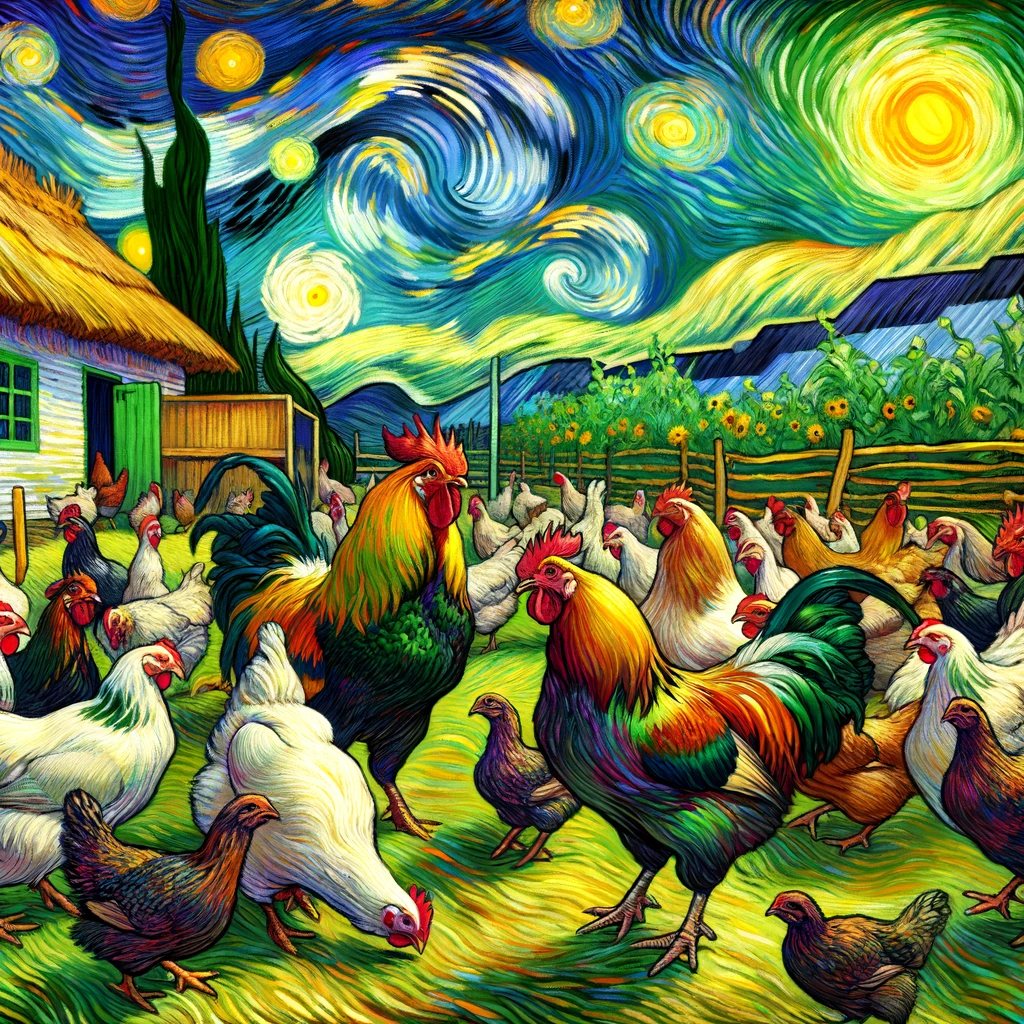
What stories can we share to make sustainability relatable for kids? The answer lies in the simple, everyday lives we lead and the small, yet impactful, choices we make. Let’s step into a backyard—a space not just for play, but a living classroom. Imagine a few clucking backyard chickens strutting around. These remarkable creatures serve a dual purpose: they provide fresh eggs and, more importantly, turn waste into nourishment. When kids help feed these chickens leftovers, they’re not just throwing away scraps; they’re learning about the circular economy and how every action has a reaction, a fundamental lesson in sustainability.
Now, let’s paint a picture of storytelling. Picture a child waking up to the sound of chickens cackling, racing down to greet them. Each egg gathered is more than breakfast; it’s a spark of curiosity. Where did that egg come from? How did it get here? Every chicken has a story—the ones saved from the factory farms, the ones rescued from being unloved. This emergency rescue narrative provides a powerful ethical framework, teaching children empathy toward animals and the planet.
Consider a community garden bursting with veggies. Invite kids to roll up their sleeves and dig in the dirt. Not only are they planting seeds for food, but they’re also planting seeds of respect for nature. When they witness the connection between the soil, the sun, and the food on their plate, the concept of sustainability becomes tangible. Talk about how growing their own food counters pollution from transport and packaging—this bridges their hearts and heads, igniting a sense of urgency that resonates with their very core.
And let’s not forget the importance of friends and neighbors. Share stories in a way that invites kids to engage with their community. Have them host a “garden party” where they can showcase their harvests, encouraging others to join in the fun. Crafting these experiences turns sustainability from a lecture into a shared journey.
Each of these moments can cultivate a newfound appreciation and a sense of responsibility. Let’s inspire the next generation to make choices that not only benefit them but help create a ripple effect across their communities—a world where empathy, connection, and sustainability thrive side by side. After all, isn’t that what we all want? A brighter future, nurtured from the ground up and shared among friends.

What Stories Can We Share to Make Sustainability Relatable for Kids?
What Stories Can We Share to Make Sustainability Relatable for Kids?
- Sustainability can be made relatable for kids through simple, everyday actions and choices.
- Backyard chickens can provide fresh eggs and teach kids about the circular economy by turning waste into nourishment.
- Storytelling about the journey of eggs fosters curiosity and empathy towards animals and the planet.
- A community garden experience encourages children to respect nature and understand the connection between soil, sun, and food.
- Growing their own food helps kids realize the environmental impact of reducing transport and packaging pollution.
- Engaging with friends and neighbors via community-related activities promotes a collective journey towards sustainability.
- These experiences can inspire responsibility and a ripple effect of positive choices in communities for a brighter, sustainable future.
What Stories Can We Share to Make Sustainability Relatable for Kids?
How Can We Engage Kids In Cooking with Sustainable Ingredients?
When it comes to engaging kids in cooking, especially with sustainable ingredients, we’re not just stirring pots—we’re shaping futures. Imagine for a moment, an afternoon in your backyard, where kids are running around, laughter ringing through the air as they check on your very own flock of backyard chickens. It’s a simple yet powerful scene. Each minute spent nurturing these birds creates a tangible connection to food, far removed from the sterile aisles of a grocery store.
This isn’t merely about teaching recipes; it’s about nurturing a sense of responsibility, ethics, and this newfound understanding of where our nourishment comes from. When kids see those chickens scratching away in the dirt, it opens up a dialogue. “What do they eat? Why does it matter if we treat them well?” The answers to these questions ground them. They develop a respect for living things, an appreciation for the hard work that goes into what ends up on their plates.
Emotionally, there’s something magical about the first time a child separates an egg from a chicken and cracks it open for a breakfast scramble. There’s a celebration of flavors, colors, and textures that comes directly from the earth. And let’s face it, every child deserves to experience the pride that follows preparing a meal from start to finish. This isn’t just cooking; it’s a rite of passage, sculpting them into conscientious eaters, mindful of their choices.
Then there’s the head aspect. Cooking with sustainable ingredients often means introducing kids to local produce and seasonal foods, sparking curious questions about why certain fruits and vegetables shine at specific times of the year. This promotes critical thinking and understanding of the food cycle, not to mention the environmental benefits of eating locally grown ingredients.
On a broader scale, socially, we create a community around cooking. Organizing a family cook-off or involving neighbors in a potluck using only sustainable ingredients can create a vibrant network. Kids bond over their culinary quests, building relationships while understanding the importance of sustainability, including how it impacts our environment and future generations.
So, roll up your sleeves, invite your kids into the kitchen, and remind them that sustainability can be delicious. Let them crack those eggs; let them stir, taste, and innovate. You’ll be fostering lifelong skills, memories, and a deeper connection to the food we eat, all while cultivating a sense of satisfaction that lasts far beyond the dinner table.

How Can We Engage Kids In Cooking with Sustainable Ingredients?
How Can We Engage Kids In Cooking with Sustainable Ingredients?
- Engaging kids in cooking with sustainable ingredients shapes their future and fosters a connection to food.
- Nurturing backyard chickens teaches responsibility and ethics, grounding children in their food origins.
- Experiencing the process of collecting and cooking eggs instills pride and appreciation for cooking.
- Cooking with seasonal produce promotes critical thinking about food cycles and environmental awareness.
- Creating community through family cook-offs or potlucks encourages social bonding and sustainability understanding.
- Encouraging kids to participate in cooking fosters lifelong skills and cherished memories.
- Sustainability can be delicious; hands-on cooking cultivates satisfaction that extends beyond the dinner table.

How Can We Engage Kids In Cooking with Sustainable Ingredients?
Are We Making Healthy and Sustainable Choices Easy for Families?
Let’s talk about family meals—those moments when the world quiets, and the kitchen becomes the epicenter of laughter, stories, and sustenance. When did we lose touch with what it means to eat well and care for our bodies? For most families today, the connection between good food and good health has become muddied in a sea of convenience and hectic schedules. But what if we could turn things around?
Imagine a Saturday morning in your backyard, the sun shining. You open your door to find your kids giggling as they chase around a flock of chickens, the very creatures that will lay fresh eggs for breakfast. Raising backyard chickens doesn’t just provide nutritious eggs; it fosters responsibility, teaches kids about nature, and sparks curiosity about where their food comes from. The warmth of those moments, the bonding over breakfast made with care, is a gift that keeps giving long after the plates have been cleared.
From a rational standpoint, the issue of food choices can feel overwhelming. Yes, fast food is easy and cheap, but consider the long-term ramifications of opting for convenience over quality. Studies have shown the impact of diet on physical and mental health—children growing up eating processed foods are more likely to struggle with obesity, diabetes, and anxiety. This isn’t just about feeling good today; it’s about nurturing generations to come.
Ethically, it begs the question: are we taking responsibility for the health of our families and our planet? The plastic-wrapped produce in the grocery store tells a story of disconnect. By choosing to grow your own vegetables or source from local farms, you’re making a deliberate choice to support sustainable practices. It’s a small yet powerful act that empowers your family and strengthens your community.
Lastly, think about the social aspect. When families come together to grow, cook, and share food, they reinforce their bonds. They build a culture that respects the bounty of the earth and learns to appreciate hard work and togetherness—lessons often overshadowed in today’s fast-paced society.
So here’s the challenge: could we step back, roll up our sleeves, and invite healthier choices back into our lives? By engaging in simple acts like raising backyard chickens or planting a garden, we can instill a sense of pride and purpose. Together, let’s reclaim our kitchens and make healthy, sustainable choices the easy, joyful norm for our families. It’s not just food; it’s life.

Are We Making Healthy and Sustainable Choices Easy for Families?
Are We Making Healthy and Sustainable Choices Easy for Families?
- Family meals are cherished moments that bring laughter and connection.
- Modern life complicates the link between good food and health due to convenience and busy schedules.
- Raising backyard chickens provides fresh eggs and teaches kids responsibility and curiosity about food sources.
- Overreliance on fast food has long-term health consequences for children, including obesity and anxiety.
- Choosing to grow food or source locally fosters sustainable practices and strengthens community ties.
- Cooking and sharing meals together reinforces family bonds and teaches appreciation for hard work.
- The challenge is to embrace healthier, sustainable choices to reclaim our kitchens and lives.

Are We Making Healthy and Sustainable Choices Easy for Families?
What Impact Does Our Protein Consumption Have on the Planet?
When you think about the food on your plate, it’s easy to overlook the broader picture—the impact our protein consumption has on the planet. Yes, those juicy steaks and succulent chicken breasts are tasty, but contemplate the journey they undertook to get there. From carbon footprints to water usage, our food choices reflect our values, our ethics, and how we relate to the world around us.
Consider your own backyard—perhaps you’ve dabbled in raising chickens. There’s a kind of grounding experience that comes with tending to animals that directly provide for you. You learn their quirks and personalities, each cluck and flutter reinforcing your connection to the very circle of life you participate in. But while a few backyard chickens can lead to fresher eggs and less waste, large-scale meat production has cast a long shadow. The environmental toll is staggering, from deforestation for livestock grazing to the staggering amounts of water needed to feed and hydrate animals.
It’s not just an ecological situation, but one that touches the heart. Farmers, ranchers, and everyday individuals are grappling with these realities, attempting to balance tradition and sustainability. Ethical food consumption doesn’t just revolve around where we buy our food—it questions the systems and narratives behind it. As consumers, we have the power to shift demand toward more sustainable protein sources.
This isn’t just about doing what’s right; it’s practical. Alternative proteins—such as plant-based options—are gaining traction, and manufacturers are responding with increasing innovation. They’re finding ways to create meat substitutes that tantalize the taste buds while lightening the ecological load. Think of it as a shared journey toward a better future.
We all crave connection, whether it’s with our friends, our families, or the world around us. Changing how we consume protein provides an opportunity to foster meaningful connections with farmers, local markets, and sustainable practices. Each time you choose a more sustainable option, you’re casting a vote for the kind of planet you want to inhabit.
So, next time you savor that delightful grilled chicken, pause and reflect on its journey. Consider how your choices resonate with your values and the legacy you wish to leave for future generations. Together, let’s embark on a path where our protein consumption nurtures not just our bodies, but our planet as well.

What Impact Does Our Protein Consumption Have on the Planet?
What Impact Does Our Protein Consumption Have on the Planet?
- The impact of protein consumption extends beyond taste, affecting the planet’s health.
- Tending to backyard animals like chickens fosters a deeper connection to food sources.

What Impact Does Our Protein Consumption Have on the Planet?
Conclusion
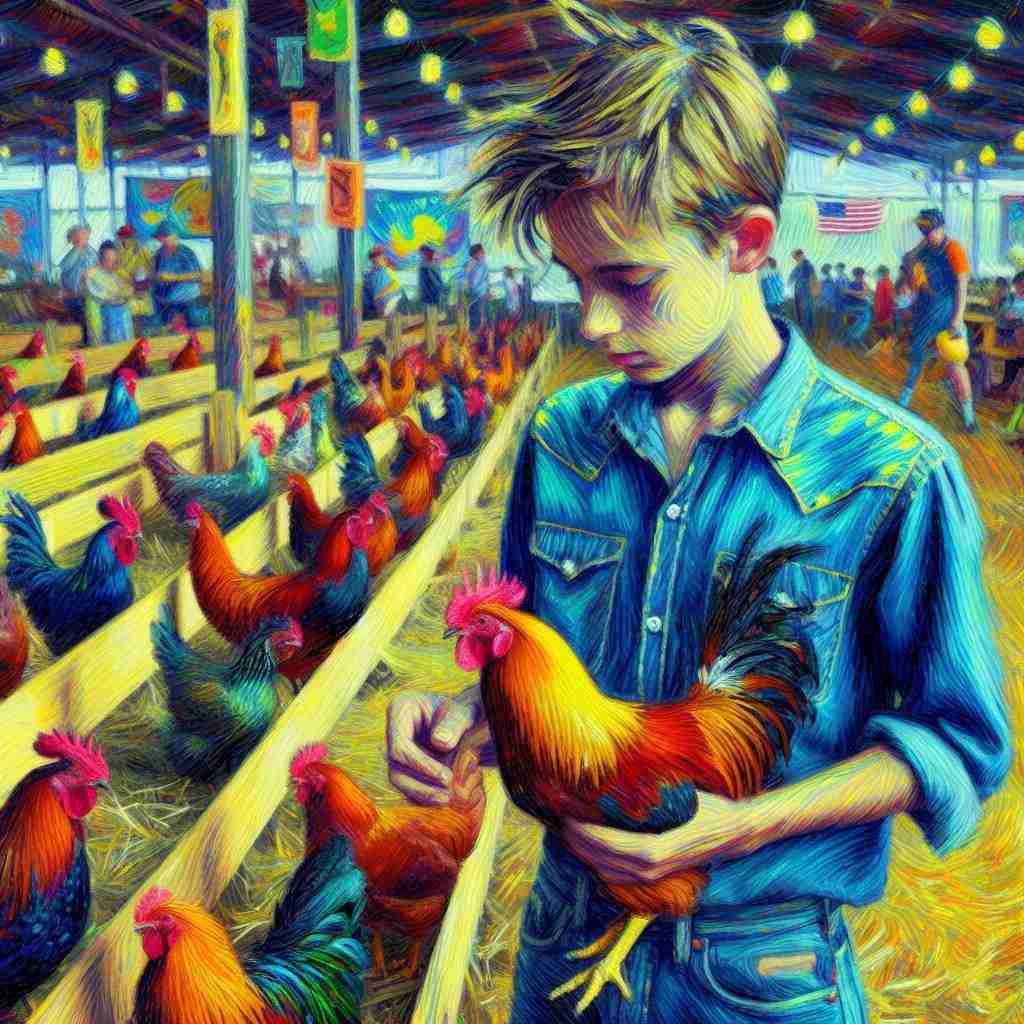
Imagine a world where children connect with their food in a way that shapes both their character and the environment. It starts with simple actions—like gathering fresh eggs from backyard chickens—that foster a deep understanding of sustainability. Each egg gathered represents a lesson in responsibility, care, and the natural cycles that sustain life. It’s here that curiosity is sparked, transforming kids into stewards of the environment rather than mere consumers.
In today’s fast-paced society, the convenience of processed food often obscures the impact of our dietary decisions. But when children actively engage in the food production process, they learn that nourishment is not a commodity. It’s a story intertwined with empathy, ethics, and respect for both animals and the planet. They begin to see food not merely as sustenance but as a cycle linked to their actions and the health of their communities.
Taking this journey a step further can ignite critical conversations. As families gather at the table and share experiences about where their food comes from, they create bonds that resonate with familial love and a shared commitment to sustainability. These moments become catalysts for lifelong habits centered around making informed choices, not just for their health but for the world they inhabit.
But this endeavor isn’t solely limited to personal households; it expands into the community, highlighting the significance of peer influence. When kids witness their friends participating in sustainable practices—like planting gardens or sharing healthy recipes—they feel empowered to join in. This social aspect nurtures an inclusive culture of learning, motivating them to embrace ethics in their food choices.
The real kicker? By cultivating an understanding of sustainable protein practices, we set an ethical precedent for future generations. Children who learn to care for animals, nurture gardens, and engage in cooking become adults who value health and sustainability—leaders who can influence change in our food systems. The responsibility falls upon us to model these values. It goes beyond teaching healthy eating; it’s about weaving stories of resilience and connection into the fabric of our lives.
So let’s roll up our sleeves and dig into this vital work. Let’s empower our kids to not just eat but to appreciate food in a way that honors both the earth and its inhabitants. Together, we can craft a legacy where kindness, sustainability, and conscientious choices are the norms, ensuring a brighter, more compassionate future for all.

Conclusion
Conclusion:
- Children connect with food, shaping character and environmental stewardship.
- Simple actions, like gathering eggs, foster responsibility and understanding of sustainability.
- Engagement in food production teaches empathy, ethics, and respect for both animals and the planet.
- Family discussions about food origins create bonds and promote informed choices for health and sustainability.
- Peer influence enhances sustainable practices, motivating kids to participate in ethical food choices.
- Teaching sustainable practices sets a precedent for future generations, fostering leaders in health and sustainability.
- Empowering children to appreciate food honors the earth and ensures a compassionate future for all.
Conclusion
Other Resources

Other Resources
Here is a list of other resources you can review online to learn more:
- Speckled Sussex
- crickets
- Black Copper Marans
- Leghorn
- Mastodon
- Mycoplasmosis
- coop
- Olive Egger
- earthworms
- Golden Comet
- Capillary Worms
- Yokohama
- Air Sac
- ISA Brown
- Sunflower
- turnip greens
- Quail Disease
- Faverolles
Use This Prompt To Get More Resources With Your Favorite Online AI Tool: Please provide me with a list of online articles with their URLs in a bulleted list that I can read regarding A Kinder Approach to Protein – Helping Kids See Sustainability In Action

Other Resources
Glossary Terms
A Kinder Approach to Protein – Helping Kids See Sustainability In Action – Glossary Of Terms
1. Sustainability: The ability to maintain healthy ecosystems and balance ecological processes over time without depleting resources.
2. Protein: A vital macronutrient made up of amino acids, essential for growth, development, and bodily functions in children.
3. Kindness: Compassionate behavior towards others, including the planet, emphasizing empathy in food choices.
4. Plant-based: Diet or food items primarily derived from plants, reducing reliance on animal products for protein.
5. Eco-friendly: Products, practices, or lifestyles that have a minimal negative impact on the environment.
6. Renewable resources: Natural resources that can be replenished naturally over time, promoting sustainable use.
7. Food chain: The sequence of organisms in an ecosystem where each is dependent on the next as a source of food.
8. Nutrition education: Instruction on dietary choices and the benefits of food variety, promoting healthy eating habits.
9. Environmental impact: The effect of human activities on the natural world, including biodiversity, pollution, and climate change.
10. Biodiversity: The variety of life forms within an ecosystem, crucial for resilience and function in natural environments.
11. Local sourcing: The practice of purchasing food produced in close proximity, reducing carbon footprints and supporting local economies.
12. Ethical eating: Making food choices that consider animal welfare, environmental sustainability, and fair trade practices.
13. Veganism: A lifestyle and dietary choice that excludes all animal products, often motivated by ethical, environmental, and health concerns.
14. Flexitarian: A mostly vegetarian diet that occasionally includes meat or fish, promoting plant-based eating while still allowing flexibility.
15. Carbon footprint: The total greenhouse gas emissions caused directly or indirectly by an individual, organization, or product.
16. Waste reduction: Strategies aimed at minimizing the amount of waste generated, particularly in food production and consumption.
17. Nutrient density: The amount of essential nutrients in a food relative to its calorie content, focusing on healthier food choices.
18. Food security: Access to sufficient, safe, and nutritious food to maintain a healthy and active life, influenced by sustainability practices.
19. Conservation: The protection and preservation of natural resources and habitats to maintain biodiversity.
20. Alternative protein sources: Non-traditional protein options, such as legumes, nuts, and insects, which can be more sustainable than meat.
21. Mindful eating: The practice of being fully present during meals, considering food choices and their impacts on health and the environment.
22. Bioethics: The study of ethical issues emerging from advances in biology and medicine, including food production and consumption.
23. Agroecology: The application of ecological principles in agricultural practices, promoting sustainability and environmental stewardship.
24. Food system: The interconnected network of food production, processing, distribution, consumption, and waste management.
25. Community gardens: Shared plots of land where individuals grow food collaboratively, fostering community engagement and sustainability.
26. Regenerative agriculture: Farming practices aimed at restoring and maintaining healthy ecosystems while producing food.
27. Intergenerational equity: The principle of ensuring that future generations have access to natural resources and a healthy environment.
28. Horticulture: The branch of agriculture dealing with the art and science of cultivating plants, crucial for sustainable food production.
29. Permaculture: A design system for sustainable agriculture and living, emphasizing harmony with nature and self-sufficiency.
30. Climate-smart agriculture: Practices that sustainably increase productivity while helping to adapt to and mitigate climate change impacts.
Glossary Of Terms
Other Questions
A Kinder Approach to Protein – Helping Kids See Sustainability In Action – Other Questions
If you wish to explore and discover more, consider looking for answers to these questions:
- What are some practical steps families can take to start raising backyard chickens?
- How can we teach kids the importance of reducing food waste?
- What are the benefits of choosing plant-based proteins compared to animal proteins?
- How can communities support families in their sustainable food practices?
- What resources are available for educating kids about sustainable farming?
- What role do schools play in promoting sustainability and ethical eating?
- How can parents incorporate sustainability lessons into everyday conversations?
- What challenges might families face when trying to adopt sustainable eating habits?
- How can storytelling be utilized to engage children in sustainability efforts?
- What are effective ways to measure the impact of sustainability practices on children’s behavior?

Other Questions
Haiku
A Kinder Approach to Protein – Helping Kids See Sustainability In Action – A Haiku
Backyard laughter blooms,
Chickens teach through care and eggs,
Future hands grow green.

Haiku
Poem
A Kinder Approach to Protein – Helping Kids See Sustainability In Action – A Poem
In sunlit yards where laughter springs,
Amongst the clucking, hope takes wings,
Children chase and joy ignites,
With backyard chickens in their sights.
Eggs gathered warm from feathered friends,
A cycle of care that never ends,
From soil to plate, they start to see,
The threads of life that bind you and me.
With each egg cracked, a truth unfolds,
Sustainable stories waiting to be told,
Not just food, but lessons learned,
Empathy for creatures, compassion earned.
In kitchens bright with family cheer,
Healthy choices made, year after year,
Little hands knead dough, and seeds are sown,
In nurturing acts, connection has grown.
Let’s challenge the fast-food ease,
To rethink, to reflect, aiming to please,
With every meal, a message we send,
A kinder tomorrow is ours to tend.
So roll up sleeves, let’s dig in deep,
With sustainable meals, our values we keep,
Together we’ll raise a generation bold,
In every shared bite, a future unfolds.
For in each moment, let’s strive to show,
The impact of choices, the seeds that we sow,
In laughter and learning, we forge the way,
To honor the earth, and cherish each day.

Poem
Checklist
A Kinder Approach to Protein – Helping Kids See Sustainability In Action – A Checklist
Checklist for Sustainable Food Choices for Families
Heart Appeals
_____ Cultivate Empathy for Animals
_____ Discuss animal welfare and the importance of humane treatment.
_____ Share experiences about caring for pets or backyard chickens to develop compassion.
_____ Create Emotional Connections
_____ Encourage family discussions about favorite meals and their stories.
_____ Make the act of cooking together a joyful, memorable experience.
Head Appeals
_____ Educate About Food Production
_____ Introduce kids to the journey of food from farm to table.
_____ Explain the impact of dietary choices on health and the environment.
_____ Encourage Critical Thinking
_____ Discuss the environmental effects of meat production versus local and sustainable options.
_____ Explore seasonal eating and local produce benefits.
Gut Appeals
_____ Nurture Responsibility and Stewardship
_____ Involve children in growing and raising food (e. g. , vegetables, chickens).
_____ Assign age-appropriate chores related to food preparation and sustainability.
_____ Promote Healthy Eating Habits
_____ Prepare meals together using whole, natural ingredients.
_____ Share the health benefits of reducing processed and fast foods.
Ethical Appeals
_____ Emphasize Ethical Choices
_____ Discuss the moral implications of food sourcing and animal rights.
_____ Encourage supporting local farmers and humane practices.
_____ Engage in Community Conversations
_____ Participate in local sustainability initiatives or farm visits as a family.
_____ Share knowledge and experiences with peers to foster community awareness.
Authority Appeals
_____ Learn from Experts
_____ Read books or watch documentaries about sustainable agriculture and nutrition together.
_____ Connect with local farmers or sustainable food advocates for firsthand knowledge.
Narrative Appeals
_____ Share Personal Stories
_____ Create a family cookbook filled with recipes and the stories behind them.
_____ Foster traditions that revolve around gathering and sharing meals.
_____ Incorporate Local Narratives
_____ Introduce kids to stories of local farmers and the history of their food.
_____ Discuss family memories involving food preparation and sharing meals.
Social Appeals
_____ Encourage Group Activities
_____ Host neighborhood potlucks featuring sustainable dishes.
_____ Form a local gardening club with friends and family to cultivate community bonds.
_____ Promote Positive Peer Influence
_____ Share experiences of raising food or cooking at home with friends.
_____ Encourage friends to join in sustainable practices, creating a supportive environment.
Use this checklist to empower children and families to make sustainable food choices that resonate emotionally, intellectually, and socially.
Checklist
At BackyardChickenNews, we help people who want to raise backyard chickens by collating information and news blended with our own personal experiences.
Be sure to read our other related stories at BackyardChickenNews to learn more about raising chickens in your backyard.