

. Sheltering Your Flock: A Practical And Compassionate Approach
By Tom Seest
At BackyardChickenNews, we help people who want to raise backyard chickens by collating information and news blended with our own personal experiences.
Be sure to read our other related stories at BackyardChickenNews to learn more about raising chickens in your backyard.
A Pragmatic Keeper’s Guide to Weatherproofing the Flock
When you step into the world of backyard chickens, you’re not just adding a flock to your yard; you’re inviting a whole new rhythm into your life. There’s something profound about nurturing a creature that, in return, offers not just eggs but companionship, resilience, and a connection to nature. Weatherproofing your flock isn’t merely a chore; it’s an act of love wrapped in practicality.
Imagine the first chill of autumn creeping in. You feel it in your bones, a twinge of worry for your feathered friends. You know those little beings are reliant on you to shield them from the harsh realities of nature. This responsibility doesn’t just tickle your conscience; it stirs a deeper instinct, a timeless duty that has echoed through generations. You’re acting not just for today, but for the well-being of the critters who provide for you.
Begin with the basics: a snug chicken coop. This isn’t about constructing a fortress; it’s about crafting a haven. Insulate the walls with straw bales or recycled materials; it’s a small investment for sheltering your beloved hens from frostbite and icy winds. And let’s face it, a well-built coop is also your armor against potential predators. The better you secure your flock, the more you can sleep at night, knowing they’re safe and sound.
But, just as you wouldn’t want to be cooped up in a cramped space, neither do your chickens. Ensure proper ventilation; this is pivotal from both an ethical and practical standpoint. Stale air harbors illness and discomfort. A happy chicken lays eggs, and we’re all in this for that golden bounty, right?
Let’s not forget, your efforts ripple out into your community. By sharing tips on weatherproofing with fellow backyard chicken enthusiasts, you’re fostering a network of support that goes beyond eggs and feathers. This is about creating a tribe—individuals who respect and nurture life together.
So, whether it’s reinforcing the coop or ensuring there’s plenty of fresh bedding, remember that every action counts. Each effort you make isn’t just for a flock; it’s for a thriving ecosystem in your backyard and a lesson in responsibility for those around you. Weatherproofing your flock doesn’t just shield them from nature’s wrath; it solidifies your role as a guardian of life, bringing warmth and purpose to your own.

A Pragmatic Keeper’s Guide to Weatherproofing the Flock
A Pragmatic Keeper’s Guide to Weatherproofing the Flock
- Adds a new rhythm to life by nurturing backyard chickens.
- Chickens provide not only eggs but also companionship and a connection to nature.
- Weatherproofing is an act of love and practical responsibility towards your flock.
- A snug, insulated chicken coop protects hens from cold and predators.
- Proper ventilation is essential for chicken health and egg production.
- Sharing weatherproofing tips fosters community support among chicken enthusiasts.
- Every effort contributes to a thriving ecosystem and teaches responsibility.

A Pragmatic Keeper’s Guide to Weatherproofing the Flock
Table Of Contents
- A Pragmatic Keeper’s Guide to Weatherproofing the Flock
- What Heartwarming Stories Inspire You to Protect Your Flock?
- How Would a Well-Prepared Flock Improve Your Peace Of Mind?
- What Are the Key Factors to Consider for Weatherproofing Your Animals?
- How Can Understanding Local Weather Patterns Inform Your Flock Care?
- How Can You Build Community Support for Better Flock Care Practices?
- What Are the Risks Of Neglecting Weather Protection for Your Flock?
- How Can Storytelling Help In Sharing Best Practices for Animal Care?
- Conclusion
- Other Resources
- Glossary Of Terms
- Other Questions
- Haiku
- Poem
- Checklist
What Heartwarming Stories Inspire You to Protect Your Flock?
When we think about the simple joys in life, few things rival the feeling of stepping out into the morning light, coffee in hand, to greet your flock of backyard chickens. These feathered companions bring so much more than just fresh eggs; they also inspire responsibility and connection to nature. It’s a small but powerful reminder of our role as stewards of the earth. Each cluck and flutter speaks to our hearts, igniting a protective instinct rooted in love and compassion.
Consider the young girl who nurtured her first chick—the way she would cradle it in her palms, whispering gentle words of encouragement as it struggled to stand on its tiny feet. That moment becomes a vivid memory, a lesson in resilience, not only for the chick but for her as well. These stories remind us that every creature, no matter how small, has value and deserves our care. When we protect our flock, we’re not just safeguarding their lives; we are cultivating empathy within ourselves and teaching future generations the significance of compassion.
Moreover, think about the backyard chicken community. It’s astounding how a simple tweet about coop upgrades or egg production can spark a conversation that stretches across miles and unites people from all walks of life. In a world increasingly divided, the love for these birds fosters connection, helping us realize that we share more similarities than differences. When a neighbor gifts you a basket of fresh eggs, wrapped with care, it’s a gesture that transcends mere friendship; it’s an act of kindness that echoes the very heart of community.
On the ethical frontier, it’s about making conscious choices, understanding where our food comes from, and treating living beings with the respect they deserve. Educating ourselves and others about humane practices fuels this important dialogue. The authority of experience can’t be understated; stories told by seasoned chicken keepers carry the wisdom of years, teaching us that caring for our animals aligns our actions with our values.
As we smile while watching our flock roam freely in the sun-drenched yard, we must remember this simple truth: by protecting our backyard chickens, we’re protecting a piece of ourselves—of our shared humanity. Each protective act resonates deeply, urging us all to embrace a lifestyle filled with responsibility and compassion. Together, let’s nurture these relationships, cultivating not just chickens, but a spirit of caring that flourishes beyond the coop.

What Heartwarming Stories Inspire You to Protect Your Flock?
What Heartwarming Stories Inspire You to Protect Your Flock?
- Stepping into morning light with coffee and chickens brings joy and instills responsibility.
- Backyard chickens serve as reminders of our role as stewards of the earth.
- Moments shared with animals teach resilience and the value of every living creature.
- Protecting our flock cultivates empathy and compassion for future generations.
- A vibrant backyard chicken community unites people across diverse backgrounds.
- Conscious choices about food promote respect for living beings and ethical practices.
- Caring for chickens enriches our humanity and encourages a lifestyle of responsibility.
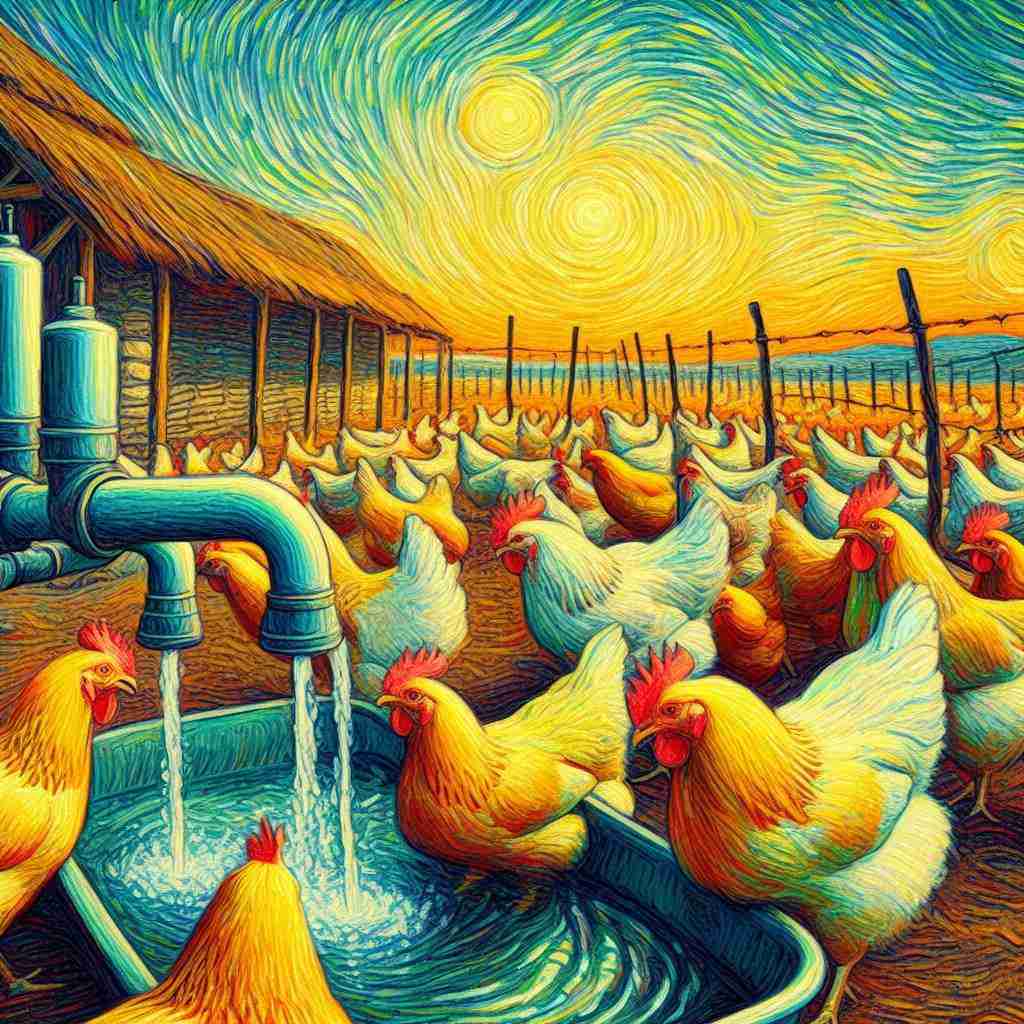
What Heartwarming Stories Inspire You to Protect Your Flock?
How Would a Well-Prepared Flock Improve Your Peace Of Mind?
When you step into your yard to greet your flock of backyard chickens, you’re not just visiting a few feathered friends; you’re witnessing the fruit of hard work and wise decisions. The journey to becoming a well-prepared flock owner starts with more than just feeding and watering. It’s about cultivating a sense of security that reaches deep into your heart, resonates in your mind, and anchors itself in your gut.
Picture this: the sun rises, and there’s a sense of peace enveloping your home. You stroll to your coop, greeted by the gentle clucking of chickens that depend on you. Each bird represents not just a commitment but an opportunity. These backyard chickens become part of your daily rhythm and embody a trust building within your household. You are no longer merely a spectator in life’s play — you’re the lead actor, shaping your food source, and ensuring your family enjoys safe, homegrown eggs.
Now, let’s connect the dots between preparation and tranquility. Ethically, knowing where your food comes from, how it’s raised, and what it’s fed sets you apart in today’s world. You’re not just tossing money at a grocery store; you’re investing in a sustainable practice that bolsters your community. This is a decision rooted in righteousness, where your choices reflect your values.
Rationally, a well-prepared flock brings forth a steady supply of nutritious eggs, reducing reliance on commercial sources that may not prioritize animal welfare or quality. The result? You save money in the long run. You control your supply chain! It’s a gratifying feeling, like standing on solid ground after having weathered a storm.
Let’s face it: it also feels good to share your freshly laid eggs with friends, bringing smiles around the breakfast table. It builds community. Your backyard chickens become a conversation starter, allowing you to exchange tips, recipe ideas, and the thrill of backyard farming with friends and neighbors.
This isn’t just a hobby; it’s a lifestyle choice that uplifts your spirit and reconnects you to the cycle of nature. So as you gather those eggs, feel the weight of your actions: you’re not only nurturing life but creating a narrative rich in trust, generosity, and fulfillment. In nurturing your flock, you nurture yourself — and that, my friend, is the ultimate reward.

How Would a Well-Prepared Flock Improve Your Peace Of Mind?
How Would a Well-Prepared Flock Improve Your Peace Of Mind?
- Owning backyard chickens represents hard work and wise decisions in food sourcing.
- Greeted by your flock, you cultivate a deep sense of security and commitment.
- Chickens become part of your routine, embodying trust and responsibility in your household.
- Ethical practices showcase transparency in food sourcing, distinguishing you from mass consumers.
- A well-prepared flock provides nutritious eggs, reducing reliance on commercial suppliers.
- Sharing fresh eggs fosters community, creating connections and conversation with others.
- Nurturing your flock enriches your life, promoting a fulfilling lifestyle connected to nature.

How Would a Well-Prepared Flock Improve Your Peace Of Mind?
What Are the Key Factors to Consider for Weatherproofing Your Animals?
When it comes to weatherproofing your animals, there’s a deep connection between us and the creatures we care for—whether they’re loyal dogs that greet us with wagging tails or a flock of robust backyard chickens clucking for their morning treats. Protecting them goes beyond mere shelter; it’s about nurturing their well-being.
First, consider the temperature extremes your animals might face. Protecting them from biting winds and sweltering heat isn’t just about providing a roof—it’s about fostering a sanctuary where they can thrive. Insulation has a role, but so does proper ventilation. Stale air can be harmful, leading to respiratory issues. Just like humans sneeze and cough when the air turns stale, animals can struggle too. Think of your chickens crammed in a coop that’s too hot or too cold; it’s not just a discomfort, it’s a barrier to their happiness.
Next, contemplate the layout of your space. Does it allow them to move freely and comfortably? Chickens, like all animals, crave space to roam and forage, even if it’s just a run in your backyard. A secure, spacious environment encourages natural behaviors and keeps their spirits high. Plus, a purposeful design can protect them from predators, ensuring their safety and your peace of mind.
Weatherproofing is also about the materials you choose. Go for durable, non-toxic materials that withstand the elements. It speaks volumes when you invest in your animals’ comfort; they sense your commitment. Just imagine your chickens strutting about, feathers gleaming in healthy vibrancy, all because you took the time to create a safe haven for them.
Equally important is the social aspect of animal care. Have we asked ourselves how our approach to animal husbandry reflects on our community values? When we look out for the well-being of the animals in our care, we cultivate a spirit of responsibility and empathy that resonates with those around us. It creates a culture of care, where more individuals step up to safeguard their own animals and make choices that benefit both the environment and society.
Ultimately, weatherproofing your animals isn’t merely a task; it’s a labor of love. It’s taking action grounded in responsibility, understanding that the bond we share with our animals enriches our lives. When we step up and make weatherproofing a priority, we aren’t just building structures—we’re building a future of compassion and connection.
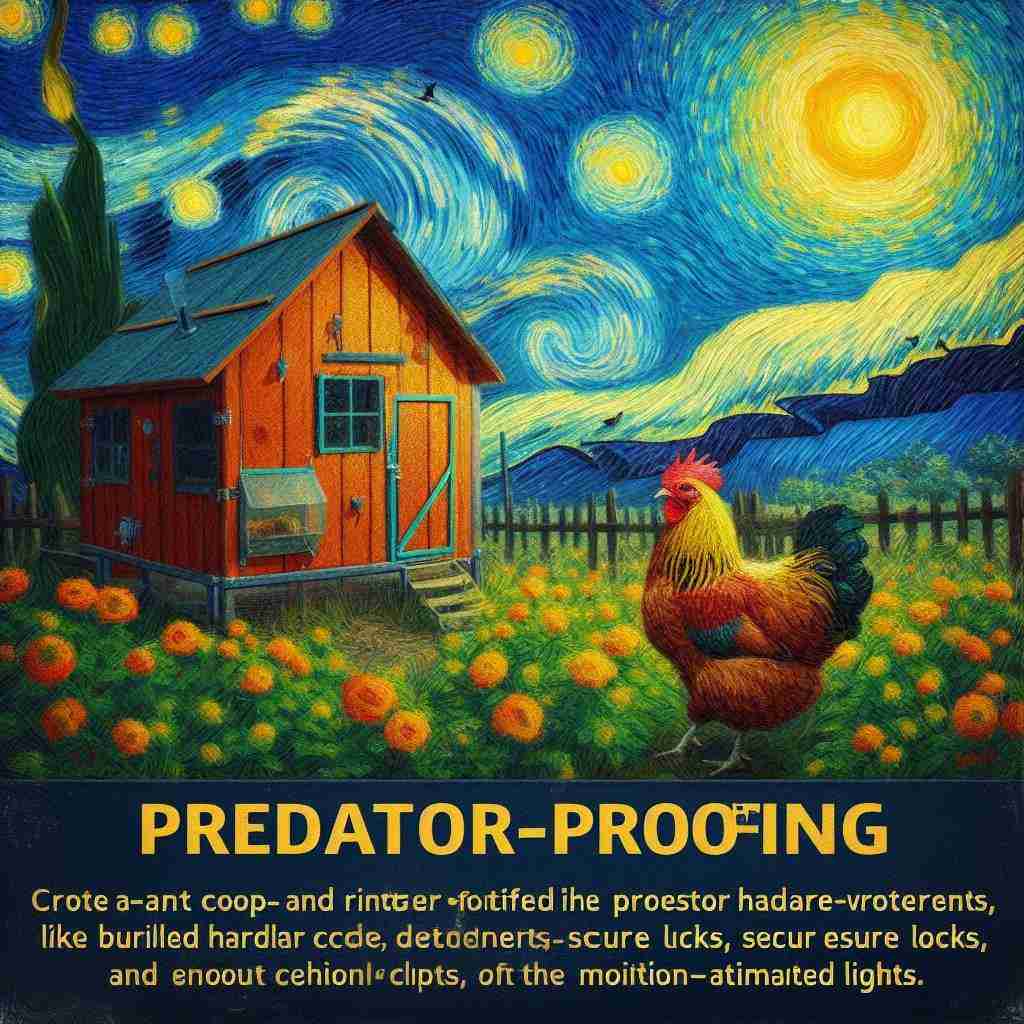
What Are the Key Factors to Consider for Weatherproofing Your Animals?
What Are the Key Factors to Consider for Weatherproofing Your Animals?
- Weatherproofing extends beyond shelter; it nurtures animal well-being.
- Consider temperature extremes and ensure proper ventilation to prevent respiratory issues.
- A well-designed layout allows animals to move freely and encourages natural behaviors.
- Use durable, non-toxic materials for a safe and comfortable environment.
- Caring for animals reflects community values and fosters a culture of responsibility and empathy.
- Weatherproofing is a labor of love that enriches the bond between humans and animals.
- Making weatherproofing a priority promotes compassion and connection in our relationships with animals.

What Are the Key Factors to Consider for Weatherproofing Your Animals?
How Can Understanding Local Weather Patterns Inform Your Flock Care?
When it comes to raising backyard chickens, understanding local weather patterns is not just a matter of keeping your flock comfortable; it’s about safeguarding their wellbeing—a responsibility that comes with the territory of being a dedicated caretaker. Imagine looking out at your hens, their feathers glinting in the morning sun, and knowing that everything you’ve done has prepared them for whatever Mother Nature throws their way. That sense of confidence is rooted not just in experience but in awareness.
In the sweltering heat of summer, chickens can suffer from heat stress, which can lead to decreased egg production or even serious health issues. Knowing when the temperature will spike allows you to take preemptive measures: crafting a shady retreat in your coop or ensuring plenty of cool water is readily available. This is more than just good management—it’s a compassionate response grounded in respect for the animals in your care. You’re not just raising hens for eggs; you’re nurturing living beings that rely on you.
As the seasons change, so too do the needs of your flock. Autumn, with its crisper air, beckons a shift in dietary focus to bolster their immune systems as winter approaches. Understanding the patterns of cold fronts moving in means you can adjust their nutrition, ensuring they have the energy to stay warm and healthy. Think of it as prepping for a long winter’s journey. It requires forethought, but the rewards are plentiful.
Rationally speaking, chickens are social animals, and their wellbeing is intrinsically tied to their environment. If you know that a storm is brewing, you can provide a secure coop for them to ride the storm out, easing their anxiety. It’s not just a protective measure; it’s a moral commitment to providing a safe haven.
On a broader scale, when communities come together to share insights on local weather, it fosters a network of support that can only enhance the experience of keeping backyard chickens. Imagine the stories shared around local farm stands, neighbors swapping tales of successful flock care adapted to unique climates.
Ultimately, understanding local weather patterns isn’t just a smart practice; it’s an ethical duty and a heart-driven commitment to those feathered friends that bring joy and purpose to your life. It’s this intimate knowledge that empowers you as a farmer and caretaker, allowing you to act with confidence and compassion, ensuring your flock thrives in every season.

How Can Understanding Local Weather Patterns Inform Your Flock Care?
How Can Understanding Local Weather Patterns Inform Your Flock Care?
- Understanding local weather patterns is crucial for the wellbeing of backyard chickens and reflects the responsibilities of a dedicated caretaker.
- Chickens can suffer from heat stress during summer, requiring preemptive measures like shade and cool water to maintain their health.
- As seasons change, so do the dietary needs of hens; adjusting their nutrition helps bolster their immune systems for winter.
- Being aware of impending storms allows caretakers to provide safe coops, reducing anxiety for the birds.
- Sharing local weather insights among communities enhances the experience of keeping backyard chickens and builds support networks.
- Understanding weather patterns is both a smart practice and an ethical duty, fostering a compassionate approach to caring for chickens.
- This awareness empowers caretakers to ensure their flock thrives year-round, bringing joy and purpose to their lives.

How Can Understanding Local Weather Patterns Inform Your Flock Care?
How Can You Build Community Support for Better Flock Care Practices?
Building community support for better flock care practices is about more than just the welfare of our feathered friends; it’s about knitting a tight-knit tapestry of shared values and mutual respect among neighbors. Imagine for a moment, a row of backyards bustling with the harmonious clucks of backyard chickens, each pen a testament to care, innovation, and compassion. This isn’t just agriculture; it’s a statement about who we are and what we prioritize as a community.
First, let’s engage the heart. Every time you see a child gently pet a chicken, or an elderly neighbor share a laugh while collecting fresh eggs, you witness the pure joy that comes from caring for these animals. By sharing stories about the simple pleasures of backyard chickens, you foster connections that resonate deeply. Those stories are vital; they breathe life into our communities and build empathy between seasoned chicken keepers and novices alike. Local gatherings or potlucks featuring homegrown chicken dishes can bring people together, merging food, friendship, and commitment to quality care.
Now, let’s not ignore the head. Rational arguments for flock care are convincing. Well-cared-for chickens produce higher-quality eggs, which benefits everyone. Healthy birds lead to healthier communities, as they are less likely to spread diseases. Hosting workshops led by local experts on topics like nutrition, disease prevention, and humane handling will uplift everyone involved. Knowledge empowers the community, and as people become educated, they become advocates. It’s about creating a culture where each voice counts, each experience matters.
From an ethical standpoint, it’s crucial to highlight our shared responsibilities. Caring for animals ethically ensures we meet both legal standards and moral ones. This creates a ripple effect, encouraging others to adopt better practices. Forming committees or support groups allows individuals to hold each other accountable. As the saying goes, iron sharpens iron—when we come together, we strengthen our resolve.
Lastly, there’s the power of social appeal. Highlight success stories from neighbors who transformed their backyard into a thriving micro-farm. Bring in guests who’ve seen remarkable changes in their flocks due to community efforts. As these stories spread, they can inspire more people to join in.
When we unite in our passion for backyard chickens, we not only improve the lives of our flock but also enrich our community as a whole. Together, let’s create a space where every voice is heard, every story matters, and every chicken gets the care it deserves.
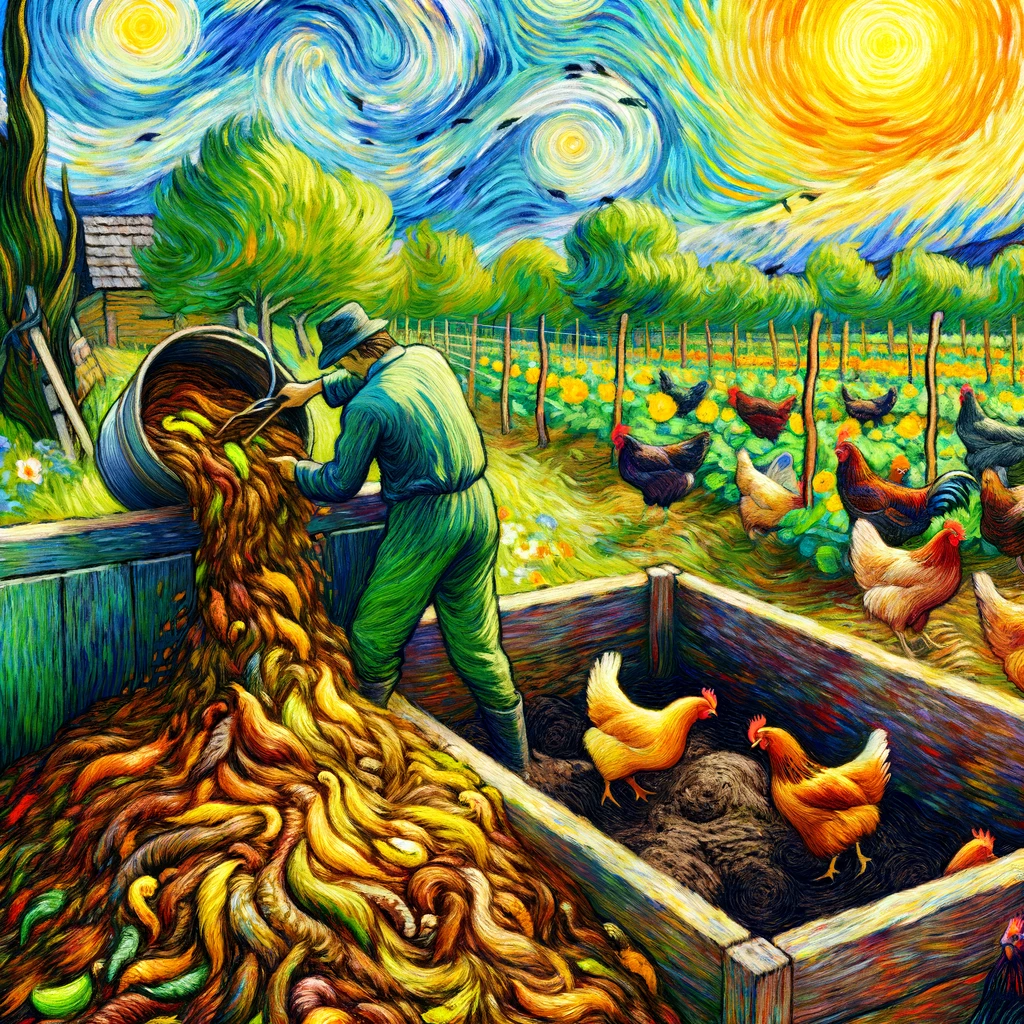
How Can You Build Community Support for Better Flock Care Practices?
How Can You Build Community Support for Better Flock Care Practices?
- Building community support for flock care promotes shared values and mutual respect among neighbors.
- Engagement through personal stories fosters connections and empathy between experienced and novice chicken keepers.
- Local gatherings such as potlucks enhance community ties and commitment to quality care.
- Rational arguments highlight the benefits of well-cared-for chickens, including higher-quality eggs and healthier communities.
- Hosting educational workshops empowers community members to become advocates for responsible flock care.
- Ethical animal care meets legal and moral standards, encouraging accountability through support groups and committees.
- Success stories from community members inspire others to improve their flock care practices, enriching the community as a whole.

How Can You Build Community Support for Better Flock Care Practices?
What Are the Risks Of Neglecting Weather Protection for Your Flock?
Every morning, as the first light breaks over the horizon, there’s a sense of possibility in the air. The gentle clucking of your backyard chickens can warm even the coldest of hearts. But that same tranquility can be shattered in an instant if we neglect the essential need for weather protection. The truth is, overlooking the shelter your flock requires affects not only their health but the fabric of your entire backyard ecosystem.
Imagine your chickens huddled together in a downpour, feathers soaked and spirits dampened. It’s heart-wrenching to see these resilient creatures, who give so much with their eggs and companionship, struggling against the elements. They depend on you for safety, and their well-being speaks to your compassion as a caretaker. When you make the choice to provide adequate weather protection, you’re nurturing a bond of trust that deepens every time they greet you at dawn.
From a rational perspective, the risks of neglecting weather protection can be staggering. Chickens are extremely susceptible to both heat and cold stress. High humidity can lead to respiratory issues, while bitter winds can decimate body condition. Think of the financial burden that comes with lost livestock or increased vet bills. By investing in proper shelter today, you save yourself the headache—and heartache—tomorrow.
Ethically, we all share a duty to care for those creatures that depend on us. Keeping your backyard chickens comfortable isn’t just good husbandry; it’s a commitment to a way of life that respects animal welfare. You’re not just raising birds; you’re fostering a thriving environment that benefits both feathered friends and your family.
Socially, there’s a strong community of backyard poultry owners who resonate with these struggles. Engage with your fellow chicken enthusiasts, share stories, swap tips, and offer support. When we come together, we reinforce the collective value we place on kindness and stewardship, elevating not only our own practices but also that of our neighbors.
So, as the winds howl and the storms rage outside, remember that your flock looks to you for guidance and shelter. Protect them not just from the elements, but from the uncertainty that comes with neglect. Stand tall as their guardian, and in doing so, embrace the responsibility and joy that comes with raising happy, healthy backyard chickens. Together, let’s weather any storm.

What Are the Risks Of Neglecting Weather Protection for Your Flock?
What Are the Risks Of Neglecting Weather Protection for Your Flock?
- Mornings bring a sense of possibility and warmth, aided by the gentle clucking of backyard chickens.
- Neglecting weather protection can harm both chicken health and the local ecosystem.
- Chickens suffer in adverse weather conditions, which can lead to emotional and financial burdens for caretakers.
- Providing adequate shelter fosters trust and strengthens the bond between chickens and their owner.
- Caring for chickens is an ethical duty that supports animal welfare and enriches family life.
- Joining a community of backyard poultry owners enhances knowledge and promotes kindness and stewardship.
- As guardians, it’s crucial to protect chickens from the elements and the uncertainties of neglect.

What Are the Risks Of Neglecting Weather Protection for Your Flock?
How Can Storytelling Help In Sharing Best Practices for Animal Care?
When you think about Best Practices in animal care, what comes to mind? Is it the meticulous attention to detail, the science behind nutrition, or perhaps the gentle handling that makes all the difference in the lives of animals? Now imagine walking through a backyard filled with clucking BackYard Chickens, the warmth of the sun behind you, and the palpable gratitude of those hens as they graze freely. Storytelling draws us into these everyday moments, igniting a passion that transcends mere facts and guidelines.
Consider a local farmer who transitioned from traditional methods to more humane practices in caring for their animals. Through storytelling, they can share their journey: the sleepless nights filled with doubt, the breakthrough moments of connection with their animals, and the satisfaction of seeing healthier, happier creatures. Stories like this don’t just present facts; they resonate at a gut level, creating an emotional bridge that transforms how we view animal care. It offers an intimate glimpse into the heart behind the care—what it means to nurture, to protect, and ultimately, to honor the life of another being.
From a rational perspective, sharing these stories also demonstrates the tangible benefits of applying best practices. A narrative rooted in real-life experiences can illuminate the science behind animal behavior, showcasing how proper care can lead to enhanced productivity, reduced stress, and better health outcomes. When best practices are wrapped within a compelling story, they inspire trust and empower others to take action. It’s not just about following the rules; it’s about embracing a commitment to ethical care that uplifts entire communities.
Then there’s the social aspect: we are, after all, creatures who thrive on connection. As we share stories about backyard chickens, we cultivate a culture of compassionate stewardship, where good practices are celebrated and elevated. Each tale serves as an invitation for others to join the conversation—encouraging back-and-forth exchanges that reinforce the importance of what we do for animals.
When we embrace storytelling in the realm of animal care, we’re not just sharing practices; we’re creating a movement. A movement that encourages everyone to look beyond the hows and whys and delve into the heart of animal welfare. It’s here, wrapped in captivating narratives, that real change begins.

How Can Storytelling Help In Sharing Best Practices for Animal Care?
How Can Storytelling Help In Sharing Best Practices for Animal Care?
- Best practices in animal care emphasize attention to detail, nutrition, and gentle handling.
- Storytelling connects us to everyday moments, igniting a passion for animal welfare.
- A local farmer’s journey from traditional to humane practices illustrates emotional connections with animals.
- Sharing personal stories creates an emotional bridge, reshaping perceptions of animal care.
- Narratives highlight the benefits of best practices, leading to better health and productivity in animals.
- Storytelling fosters a culture of compassionate stewardship and encourages community engagement.
- Embracing storytelling in animal care can inspire a movement towards ethical practices and real change.
How Can Storytelling Help In Sharing Best Practices for Animal Care?
Conclusion
Stepping into the world of backyard chickens goes beyond tending to feathered friends; it’s an invitation to embrace a meaningful lifestyle steeped in responsibility, compassion, and community. As custodians of these animals, every act of care is an extension of our humanity—each meal shared, each coop reinforced, becomes a testament to our commitment to nurture life. Weatherproofing your flock is not merely a task on a checklist; it’s a profound expression of love that highlights our role as guardians of their well-being.
Imagine the first hints of autumn chill, the instinctive urge to protect your chickens from nature’s harsh realities. This is where practicality and passion intersect. A snug, well-ventilated coop not only shields your hens from frostbite but also enhances their comfort and productivity. Employing simple, sustainable materials, about creating a safe haven, enrich your household and instill peace of mind. After all, a well-prepared flock yields nourishing eggs, reflective of your dedication.
Nurturing these connections doesn’t stop at your backyard. Sharing insights with neighbors fosters a community rooted in shared values, where a simple exchange of tips can transform into a network of support. These conversations build a culture of empathy; they remind us that backyard chickens (and the joy they impart) are a communal asset. In times of uncertainty or adversity, this collective spirit is what weaves the fabric of a resilient community.
Moreover, the act of caring encapsulates ethical considerations. By understanding local weather patterns, we take proactive steps that resonate deeply. With each adjustment made for the welfare of our flock, we affirm our commitment not just to our birds, but to a holistic lifestyle that is conscientious and just. This ethical grounding equips us to make more informed choices, creating a narrative that connects the heart’s compassion with the mind’s rationale.
Animals deserve both our attention and respect, and this isn’t a responsibility we carry alone. Engaging others through storytelling not only elevates knowledge but also ignites passion for animal welfare, ensuring that ethical practices form the bedrock of our collective endeavors. Each shared story reinforces the understanding that caring for our animals reflects who we are—both as individuals and as a community. In every act to weatherproof your flock, you’re participating in a larger dialogue about kindness, empathy, and connection.
Let’s resolve to protect these precious creatures not only from the whims of nature but from the potential neglect inherent in overlooked responsibilities. By cultivating a community that celebrates caring for backyard chickens, we nurture not just these feathered companions, but also the very essence of our shared humanity. Together, through love and commitment, we can weather any storm.
Conclusion
Conclusion:
- Backyard chickens symbolize a lifestyle of responsibility, compassion, and community.
- Caring for chickens demonstrates our humanity through meals and enhanced coops.
- Weatherproofing chickens is an expression of love and commitment to their well-being.
- A well-ventilated coop enhances comfort and productivity for the hens.
- Sharing tips with neighbors fosters a supportive community centered around backyard chickens.
- Understanding local weather patterns helps ensure the welfare of the flock and promotes ethical living.
- Engaging in storytelling reinforces the importance of animal welfare and collective responsibility.

Conclusion
Other Resources

Other Resources
Here is a list of other resources you can review online to learn more:
- Barbu d’Uccle
- Jersey Giant
- Red Sex Link
- Brahmas
- Ayam Cemani
- cooked beans
- Cornish Cross
- Booted Bantam
- Strawberries
- Delaware
- avocado
- Welsummer
- Derbyshire Redcap
- rhubarb
- scratch
Use This Prompt To Get More Resources With Your Favorite Online AI Tool: Please provide me with a list of online articles with their URLs in a bulleted list that I can read regarding A Pragmatic Keeper’s Guide to Weatherproofing the Flock

Other Resources
Glossary Terms
A Pragmatic Keeper’s Guide to Weatherproofing the Flock – Glossary Of Terms
1. Aviary: A large enclosure for birds, providing space for them to fly and live in a protected environment.
2. Biosecurity: Measures implemented to protect livestock from disease by controlling exposure to pathogens.
3. Coop: A shelter for keeping birds, primarily designed to protect them from predators and harsh weather conditions.
4. Drafts: Uncontrolled air currents in a structure that can lead to temperature fluctuations and discomfort for birds.
5. Enclosure: A contained area where birds are kept, often designed to allow natural behaviors while providing safety.
6. Feeders: Devices used to hold and dispense food for birds, often designed to minimize waste and contamination.
7. Flock management: Strategies and practices employed to maintain the health and productivity of a group of birds.
8. Free-range: A farming method that allows birds to roam freely outdoors, providing natural foraging opportunities.
9. Heat source: Equipment or systems used to provide warmth in shelters to protect birds from cold temperatures.
10. Insulation: Material used to reduce heat loss or gain in structures, ensuring a stable temperature for birds.
11. Moisture control: Techniques and systems designed to manage humidity levels in bird housing to prevent health issues.
12. Nesting boxes: Enclosed spaces where birds can lay eggs and raise their young, that provide safety and comfort.
13. Predator-proofing: Strategies employed to protect birds from potential predators, ensuring their safety and welfare.
14. Rainwater harvesting: Collecting and storing rainwater for use in managing flocks, particularly for drinking or cleaning purposes.
15. Roost: A perch or resting place for birds, essential for their health and comfort during sleep.
16. Sanitation: Practices aimed at maintaining cleanliness in housing areas to prevent disease transmission among flocks.
17. Shade structures: Facilities that provide protection from direct sunlight, essential for preventing overheating in birds.
18. Supplemental feeding: Providing additional food sources during harsh weather conditions or when foraging is limited.
19. Ventilation: The process of ensuring adequate airflow in shelters to maintain air quality and reduce moisture buildup.
20. Weatherproofing: Techniques used to protect birds and their housing from adverse weather conditions.
21. Windbreaks: Barriers designed to shield birds from wind, often made of trees, hedges, or artificial structures.
22. Temperature regulation: Methods employed to maintain a stable and suitable temperature for birds throughout the seasons.
23. Water supply: Systems and devices that provide clean drinking water, essential for the health and hydration of birds.
24. Winterizing: Preparatory measures taken to insulate and secure bird housing against cold weather.
25. Pest control: Managing insects and rodents that can threaten the health of birds and their environment.
26. Breeding cycle: The seasonal reproductive patterns of birds that require specific environmental conditions for success.
27. Disease prevention: Strategies designed to minimize the risk of illness within a flock, including vaccinations and health checks.
28. Climate adaptation: Adjusting practices and infrastructure to better suit the local climate conditions affecting bird welfare.
29. Flock dynamics: The behavior and social interactions within a group of birds, influencing their overall well-being.
30. Sustainability: Practices that promote the long-term health of both the flock and the environment, ensuring responsible resource use.

Glossary Of Terms
Other Questions
A Pragmatic Keeper’s Guide to Weatherproofing the Flock – Other Questions
If you wish to explore and discover more, consider looking for answers to these questions:
- What materials are best for insulating a chicken coop?
- How can I ensure proper ventilation in my chicken coop?
- What are the signs that my chickens are suffering from weather-related stress?
- What specific local weather patterns should I monitor for effective flock care?
- How do seasonal changes affect chicken health and behavior?
- What are some creative solutions for keeping chickens cool in the summer?
- How can I create a safe outdoor space for my chickens during extreme weather?
- What community resources are available for backyard chicken keepers?
- How do I build a strong support network among fellow chicken enthusiasts?
- What ethical considerations should I keep in mind when caring for my flock?
- How can I effectively communicate the importance of flock care to my neighbors?
- What are the economic benefits of raising backyard chickens?
- How can storytelling enhance the backyard chicken keeping community?
- What are the common mistakes made by new chicken owners regarding weather protection?
- How can I prepare my flock for unexpected weather events?

Other Questions
Haiku
A Pragmatic Keeper’s Guide to Weatherproofing the Flock – A Haiku
Flock in morning light,
Guardians of warmth and care.
Hearts and homes unite.
Haiku
Poem
A Pragmatic Keeper’s Guide to Weatherproofing the Flock – A Poem
In a yard where clucks and flutters play,
A bond of care in light of day,
You gather hens, their feathers bright,
Guardians of life, under sun’s warm light.
As autumn’s chill begins to creep,
Worry stirs, a promise to keep,
Not just for eggs, but love entwined,
A duty echoes, hearts aligned.
Construct a haven, snug and sound,
Where warmth and safety can be found,
Insulate walls with tender care,
A fortress built, for those who dare.
Ventilate the spaces, let fresh air flow,
A happy flock, with health will glow,
Each choice you make, each act of grace,
Ripples through the community’s embrace.
Sharing tales of resilience, empowerment blooms,
From a young girl’s cradle to darkened rooms,
Each cluck and story, a bridge we span,
Uniting hearts, community’s plan.
Embrace the lessons, nature’s fulfilling lore,
Understand the patterns, prepare for more,
For storms may gather, seasons may shift,
With knowledge in hand, you’ll give them a gift.
By caring deeply, fostering trust,
You build not just structures, but a future robust,
For every effort, every thoughtful deed,
Nurtures not just chickens, but the hope we need.
In laughter and sharing of eggs from your hand,
You cultivate kindness, a vibrant stand,
So gather your flock, protect them with might,
In their gentle presence, may your heart ignite.

Poem
Checklist
A Pragmatic Keeper’s Guide to Weatherproofing the Flock – A Checklist
Checklist for Weatherproofing Your Flock: A Heartfelt and Practical Guide
Heart Appeals
_____ Reflect on Your Bond: Take a moment to appreciate the companionship your chickens provide. Write down a heartwarming story or memory you have with your flock.
_____ Foster Empathy: Discuss with your family how caring for your chickens can teach responsibility and compassion to future generations.
Head Appeals
_____ Assess Your Coop: Evaluate if your chicken coop provides adequate insulation and ventilation. List out improvements needed for both warmth and airflow.
_____ Understand Local Weather: Research common weather patterns in your area and note how they could impact your flock’s health.
Gut Appeals
_____ Prepare for Emergencies: Identify potential weather-related threats (extreme heat, cold, storms) and create a plan for each scenario, including needed supplies and shelter adjustments.
_____ Trust Your Instincts: Regularly check on your flock’s well-being. If something doesn’t feel right, investigate and adjust your care practices accordingly.
Emotional Appeals
_____ Share Your Experience: Write a small anecdote about how your flock enriches your life. Consider creating a blog or social media post to connect with others.
_____ Join a Community: Find local backyard chicken groups or online forums to share experiences, challenges, and successes.
Rational Appeals
_____ Calculate Costs vs. Benefits: List the financial and emotional benefits of investing in better weatherproofing for your chickens compared to potential losses if neglect occurs.
_____ Educate Yourself: Attend workshops or read articles about animal welfare and proper flock management to enhance your knowledge and practices.
Ethical Appeals
_____ Commit to Ethical Practices: Reflect on the ethical implications of keeping chickens and what responsibilities you have towards their care.
_____ Advocate for Better Standards: Share insights about humane practices within your community to elevate collective awareness and care for backyard chickens.
Authority Appeals
_____ Learn from Experts: Follow seasoned chicken keepers and veterinarians to gather tips and insights on effective weatherproofing techniques.
_____ Document Your Learning: Create a reference guide based on credible sources for weatherproofing strategies you can implement for your flock.
Narrative Appeals
_____ Tell Your Story: Create a narrative about your journey with backyard chickens, focusing on lessons learned and the impact of weatherproofing on their health and happiness.
_____ Cultivate Community Stories: Encourage neighbors to share their experiences about caring for chickens, especially during adverse weather conditions, to learn from one another.

Checklist
At BackyardChickenNews, we help people who want to raise backyard chickens by collating information and news blended with our own personal experiences.
Be sure to read our other related stories at BackyardChickenNews to learn more about raising chickens in your backyard.