

Empowering Ethical And Sustainable Chicken Farming
By Tom Seest
At BackyardChickenNews, we help people who want to raise backyard chickens by collating information and news blended with our own personal experiences.
Be sure to read our other related stories at BackyardChickenNews to learn more about raising chickens in your backyard.
Allowing Chickens to Free Range Safely
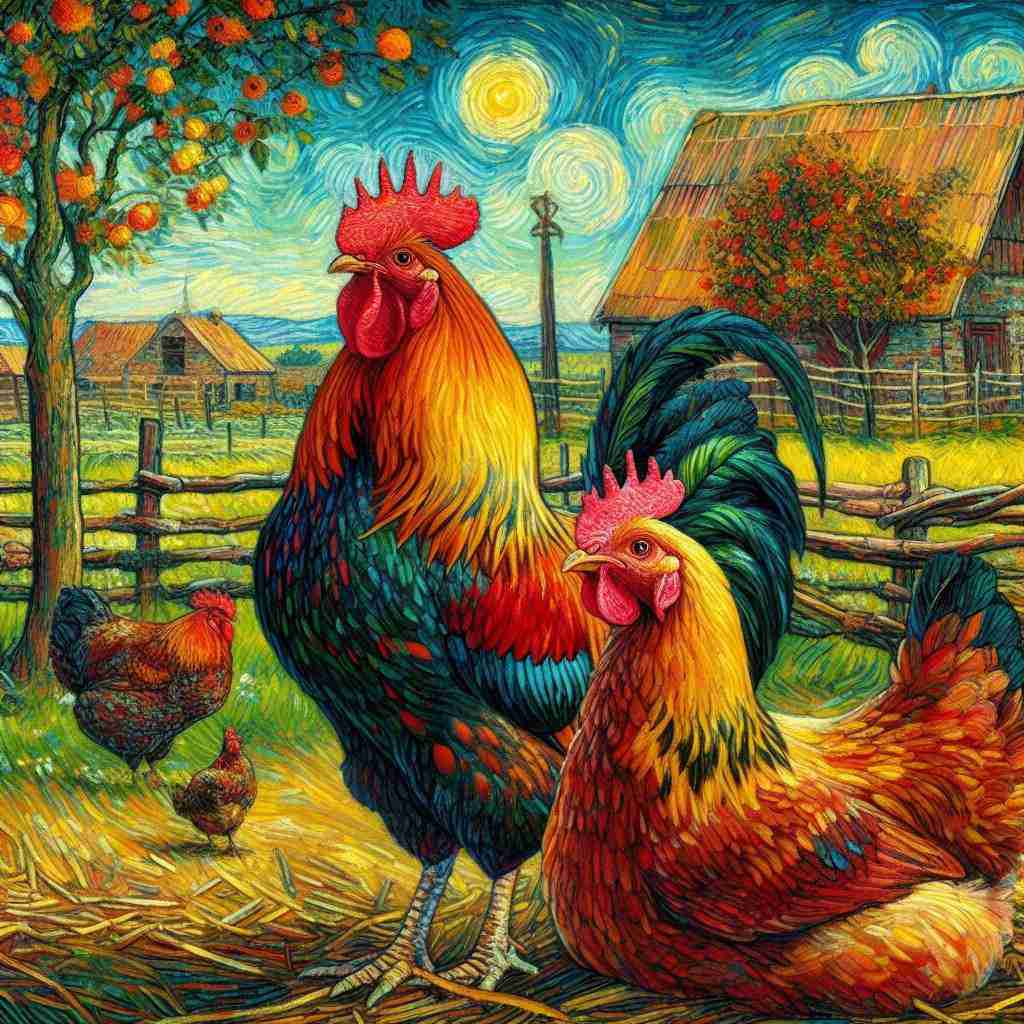
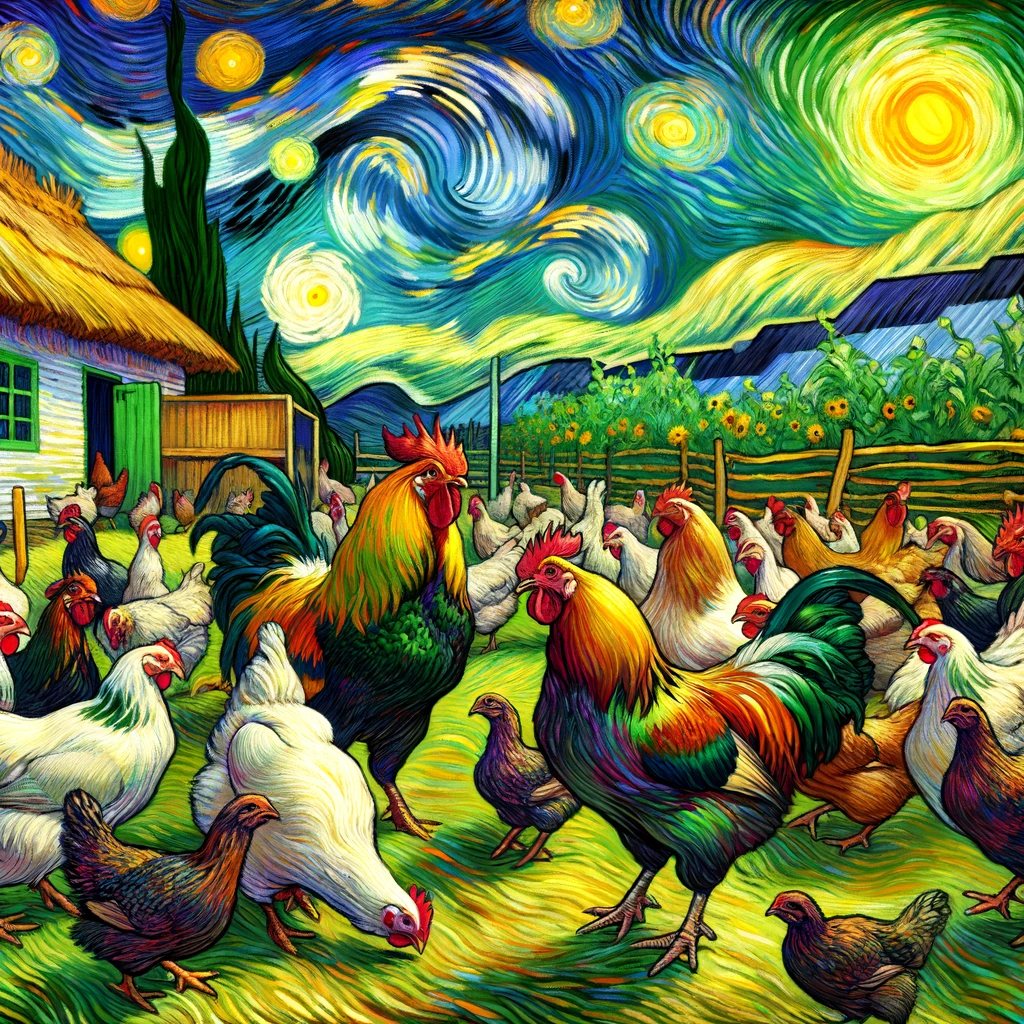
When it comes to keeping Backyard Chickens, the call of free-ranging is as alluring as the promise of golden yolks on a Sunday morning. Imagine the pecking, the scratching, and the clucking as your feathered friends roam freely under the sun, adding a vibrant pulse to your yard. But here’s the truth: with freedom comes responsibility. It’s essential to create a safe haven for your chickens—a battleground where they can thrive without falling victim to the lurking dangers of the outside world.
Let’s dive into the reality: the predators. Whether it’s a hawk soaring high above, a sly raccoon slinking through the night, or even that ever-curious neighbor’s dog, your chickens face threats daily. It’s not just an issue of safety; it’s about their quality of life, too. You wouldn’t want your beloved hens to spend their days in fear, would you? That’s where your role as protector kicks in. Building a sturdy enclosure combined with strategic fencing creates a sanctuary that allows them to experience the joys of free-ranging while minimizing risks.
Now, let’s talk about the impact on your ecosystem. Allowing your Backyard Chickens to free range isn’t just a feel-good notion; it’s a chance to cultivate a mini-ecosystem. Their natural behavior of foraging for bugs and weeds helps aerate your soil and fertilize it with rich nutrients. Every scratch and peck contributes to a healthier backyard, making it a symbiotic relationship that gives back in ways you might not appreciate until you’re knee-deep in tomato plants flourishing like never before.
Ethically, you’re also setting a standard of care. Raising chickens in a responsible and humane manner mirrors our greater responsibility to animals in general. By allowing them to roam freely yet safely, you champion their happiness, showing that you respect their needs as living beings.
Engage with your community, share your experiences, and inspire others to follow suit. Every story you tell about your chicken adventures, every time you extol the virtues of fresh eggs or pest control, can lead somebody else down this rewarding path. It becomes not just about you and your chickens; it’s about building a network of like-minded individuals who dare to foster a living, breathing space that nurtures life.
In the grand tapestry of backyard living, giving your chickens the chance to roam safely is more than a duty; it’s a commitment to a lifestyle that values connection, care, and sustainability. So go ahead—unlock that coop door, but do it wisely. For every scratch they make in the earth, there’s a lesson in trust, responsibility, and the joy of letting them be just chickens.
Allowing Chickens to Free Range Safely
Allowing Chickens to Free Range Safely
- Free-ranging chickens brings joy and vibrancy to your backyard.
- With freedom comes the responsibility to create a safe environment for your chickens.
- Keep chickens protected from predators like hawks, raccoons, and dogs to ensure their safety and quality of life.
- Free-ranging chickens contribute to a healthier ecosystem by foraging for bugs and fertilizing the soil.
- Ethical chicken-keeping reflects a broader commitment to humane treatment of animals.
- Share your chicken-raising experiences with the community to inspire others in sustainable living.
- Creating a safe free-ranging space is a commitment to a lifestyle of connection, care, and sustainability.
Allowing Chickens to Free Range Safely
Table Of Contents
- Allowing Chickens to Free Range Safely
- What Does It Mean To Prioritize The Well-Being Of Your Chickens?
- What Are The Best Practices For Protecting Chickens From Predators?
- How Can You Ensure Your Property Is Safe For Free-Ranging Birds?
- What Ethical Considerations Come Into Play When Letting Chickens Roam?
- What Community Support Is Available For Chicken-Keeping Enthusiasts?
- How Can You Share Your Free-Range Experiences With Others Effectively?
- What Legal Requirements Should You Consider Before Free-Ranging?
- Conclusion
- Other Resources
- Glossary Of Terms
- Other Questions
- Haiku
- Poem
- Checklist
What Does It Mean To Prioritize The Well-Being Of Your Chickens?
What does it mean to prioritize the well-being of your chickens? At first glance, one might think it’s simply about keeping them fed and housed. But if you dig a little deeper, you’ll uncover a rich tapestry of care and commitment—much like tending to any living creature that shares our lives.
Imagine your backyard thriving with the soft clucking of hens, each with a personality as unique as your own. These backyard chickens are not just egg-laying machines; they are living beings that feel, express, and have their own social structures. When you prioritize their well-being, you’re doing more than just feeding them; you’re entering a partnership that transcends the mere act of cohabitation. It’s about creating an environment where they can roam, scratch, and express natural behaviors.
Your chickens deserve a good life. Beyond the cold calculations of profit or productivity, ethical farming practices consider the quality of life of these feathery companions. Picture them basking in the sun or finding the perfect dust bath, their clucking voices creating a symphony that fills the air with life. This image can’t help but tap into our deeper values— empathy, responsibility, and stewardship.
From a rational perspective, healthy chickens are productive chickens. By investing in their mental and physical health, you are ensuring they lay more eggs and remain disease-free. Quality and quantity go hand in hand, breaking the cycle of the industrial mindset that equates success with sheer output. Instead, think of the return on investment from happy hens who thrive in a nurturing environment—each egg a testament to the quality care you provide.
We often speak of community, and the well-being of your flock resonates beyond the coop into the neighborhood, where people notice the difference. Your chickens become ambassadors of sustainable living, and as your friends and neighbors see the vibrancy of your hens, they too may be inspired to embrace a more humane approach to animal care.
Let’s face it: caring for chickens is about forming a bond. It’s about understanding their needs, coaxing them out of their shells—both figuratively and literally. When you prioritize their well-being, you’re inviting connection. It’s more than mere responsibility; it’s a shared responsibility that enriches your life just as much as it does theirs. So, let’s step up and give our backyard chickens the love and respect they truly deserve.

What Does It Mean To Prioritize The Well-Being Of Your Chickens?
What Does It Mean To Prioritize The Well-Being Of Your Chickens?
- Prioritizing chicken well-being involves more than just feeding and housing; it’s about a deep commitment and care for their lives.
- Backyard chickens are unique individuals with their own personalities, social structures, and natural behaviors.
- Creating a nurturing environment allows chickens to roam and express themselves, enhancing their well-being.
- Ethical farming focuses on the quality of life for chickens, fostering empathy and responsibility in animal care.
- Healthy chickens are more productive, leading to better egg quality and disease resistance through invested care.
- Chickens can become symbols of sustainable living, inspiring the community to adopt more humane practices.
- Caring for chickens fosters a bond that enhances the lives of both the chickens and their caretakers.

What Does It Mean To Prioritize The Well-Being Of Your Chickens?
What Are The Best Practices For Protecting Chickens From Predators?
When you bring home a flock of backyard chickens, they become more than just livestock; they become part of your family. Protecting them from predators isn’t just about their safety—it’s about safeguarding the joy they bring to your life. From the gentle clucking to the playful pecking, there’s something almost magical about watching these feathered friends roam your yard. So, how do we keep them safe?
First, let’s talk about awareness. It’s essential to know who the real threats are lurking in your corner of the world. Raccoons, hawks, and snakes—you name it, and they all have a keen interest in your chickens. The wise backyard chicken keeper surveys the land, identifying potential dangers and preparing for them like a seasoned sailor reading the horizon for storms. Keeping an eye on local wildlife gives you a head start and a better plan to protect your flock.
The physical environment matters too. A solid, secure coop is your chicken’s fortress. That means heavy-duty fencing, perhaps with an underground barrier to deter digging predators. Ensure there are no gaps for a raccoon to slip through or overhead space that a hawk can use to swoop down. Think of your coop as your chickens’ first line of defense—a place where they feel safe and sound, a true home where they can thrive.
Then there’s the daily routine. Make it a ritual to check on your chickens, not just for health but for security. Change their living conditions up occasionally to keep predators guessing. Chickens thrive on routine, but too much predictability can be a predator’s best friend. By monitoring their environment and being vigilant, you’re not just protecting them; you’re participating in their lives, building relationships that feel genuine.
Finally, consider your community. Engage with fellow chicken enthusiasts who share in this journey. They can provide invaluable insights and support. Social media groups, local farms, or even backyard chicken meet-ups are great ways to exchange tips and stories, creating a culture of shared wisdom.
Protecting your backyard chickens isn’t simply about fencing and fortifications; it’s about the love, care, and community that surrounds them. It’s about fostering a bond that transcends mere ownership, transforming you into a guardian of not just chickens, but a lifestyle enriched by their presence. By investing time and care in their safety, you embody a commitment that speaks to the heart, nurtures your soul, and brings peace of mind. After all, there’s nothing quite like the feeling of knowing your feathery companions are safe and sound.

What Are The Best Practices For Protecting Chickens From Predators?
What Are The Best Practices For Protecting Chickens From Predators?
- Backyard chickens become part of the family, beyond just livestock.
- Awareness of local predators, such as raccoons, hawks, and snakes, is crucial for their safety.
- A secure coop acts as a fortress, with heavy-duty fencing and no gaps for predators to exploit.
- Regularly check on the chickens for health and security, and occasionally change their living conditions.
- Engage with fellow chicken enthusiasts for insights, support, and shared experiences.
- Protecting chickens involves love, care, and community connections, transforming guardianship into a lifestyle.
- Investing in their safety nurtures a bond that brings joy and peace of mind.
What Are The Best Practices For Protecting Chickens From Predators?
How Can You Ensure Your Property Is Safe For Free-Ranging Birds?
Creating a safe haven for free-ranging birds is more than just a task; it’s a commitment to the delicate balance of nature and a heartfelt salute to the feathered friends that grace our lives. Whether you’re a seasoned bird enthusiast or just starting with backyard chickens, ensuring their safety is paramount. Imagine the peaceful clucking of your chickens as they roam freely, pecking at the grass and basking in the sun—it’s a scene that warms the heart but also demands responsibility.
To start, consider your property’s perimeter. Fencing might seem like a simple barrier, but it’s your first line of defense against predators. A sturdy fence or hedging can keep out unwanted guests like raccoons and foxes, giving your birds the freedom to roam without constant fear. Use wire mesh buried a foot underground, so sneaky diggers don’t make their way into your sanctuary. Visualize this security as a protective embrace, letting you breathe easier as those little cluckers frolic.
Next, assess the microclimates and natural shelter in your yard. Trees and bushes not only provide shade but also serve as refuge spots when a hawk decides to pay an unwelcome visit. By crafting an environment that respects their instincts, you cultivate a symbiotic relationship—the birds thrive, and you reap the benefits of happy pets that spread joy and life into your backyard.
Now, let’s not forget the importance of enrichment. Just as humans crave mental stimulation, so do our feathered amigos. Introduce perches, dust baths, and foraging opportunities to keep their spirits soaring. This isn’t just about providing a home; it’s about fostering an environment where they can express their natural behaviors, which in turn, creates a deeper ethical bond between you and your chickens.
Talk to your neighbors, too; share your journey and the value of free-ranging birds. Create a community that understands the importance of safe habitats for all feathered life. Building those connections fosters trust and knowledge sharing, establishing a network that respects and protects the space we all share.
Ultimately, making your property safe for free-ranging birds is an act of love—an invitation to nurture life, to relish in the simple joys, and to stand as a steward of the land. Whether it’s a small gesture or a larger commitment, each step adds to the tapestry of care you weave for your courtyard companions. Let your heart guide your hands, and your chickens will flourish.

How Can You Ensure Your Property Is Safe For Free-Ranging Birds?
How Can You Ensure Your Property Is Safe For Free-Ranging Birds?
- Creating a safe haven for free-ranging birds is a commitment to nature and the joy they bring to our lives.
- Fencing is essential for protection against predators; consider using sturdy barriers and buried wire mesh.
- Assess your yard’s microclimates and natural shelters like trees and bushes for shade and refuge from threats.
- Enrichment is crucial; provide perches, dust baths, and foraging opportunities to support natural behaviors.
- Engage with neighbors to share the importance of safe habitats and build a supportive community for bird care.
- Making your property safe for birds is an act of love that nurtures life and fosters joy in your backyard.
- Every effort, small or large, contributes to a caring environment for your poultry companions.

How Can You Ensure Your Property Is Safe For Free-Ranging Birds?
What Ethical Considerations Come Into Play When Letting Chickens Roam?
When you decide to bring a flock of backyard chickens into your life, you’re not just adding a few feathered friends to your property; you’re embarking on a journey that requires some hefty ethical considerations. Free roaming chickens might evoke images of pastoral bliss, but let’s dig deeper into what this actually means for those charming cluckers.
First off, let’s consider their well-being. Chickens, like any other creature, deserve a life that’s not solely about production—be it eggs or meat. Allowing them to roam freely can enrich their lives, providing them with opportunities to scratch, peck, and explore. A chicken that has room to roam is often a happier chicken, living a life that mimics their wild ancestors. But here’s the kicker: if their roaming area isn’t secure, they’re at risk from predators. That’s where the heart of the matter lies. You have to ask yourself: how much of their freedom are you willing to risk for safety? This isn’t just about the chickens; it’s a reflection of who you are as a caretaker and a steward of the land.
Aligning your practices with ethical considerations extends beyond mere care; it delves into your responsibilities as a chicken keeper in a community setting. Free-roaming chickens might disturb gardens, make messes, or create ruckus in the neighborhood, stirring up frustration among those who don’t appreciate their clucking chorus. This element brings in the social appeal. It implores us to act not just in our chickens’ best interests, but in the interests of our neighbors and the broader community. When we act thoughtfully, we inspire trust and demonstrate that our love for our chickens doesn’t outweigh our obligations to others.
Economically, letting backyard chickens roam can lead to delightful benefits such as pest control and fertilization of the soil. However, we must weigh these benefits against the responsibility we assume. Authority in chicken care often calls for a balance that only a thoughtful, informed keeper can strike. The knowledge of what’s best for them—whether that’s allowing freedom or providing a safe, confined space—is power.
So, whether you’re considering those fuzzy bundles of joy for the first time or you’re a seasoned pro, keep these ethical considerations close to your heart and mind. After all, true care for your chickens means knowing that their lives are interwoven with the lives of those around you. By fostering connections rooted in responsibility and compassion, you can create a thriving environment for all.

What Ethical Considerations Come Into Play When Letting Chickens Roam?
What Ethical Considerations Come Into Play When Letting Chickens Roam?
- Bringing backyard chickens involves significant ethical considerations, focusing on their well-being.
- Free roaming chickens can enjoy enriched lives but are at risk from predators without secure areas.
- Chicken keeping reflects a caretaker’s ethics and responsibilities toward both the animals and the land.
- Free-roaming chickens can disrupt gardens and disturb neighbors, necessitating consideration of community impact.
- Delightful economic benefits of free ranging include natural pest control and soil fertilization.
- A thoughtful chicken keeper must balance the chickens’ freedom with their safety and community obligations.
- True care for chickens involves recognizing the interconnectedness of their lives with those of their caretakers and neighbors.

What Ethical Considerations Come Into Play When Letting Chickens Roam?
What Community Support Is Available For Chicken-Keeping Enthusiasts?
Picture this: you wake up to the sound of gentle clucks, the smell of fresh earth, and the sight of your hens pecking around happily in your own backyard. Raising chickens isn’t just a hobby; it’s a lifestyle, one that brings with it a hearty dose of community support. Whether you’re a seasoned keep-er or a novice contemplating whether to dive into the world of backyard chickens, the collective wisdom and camaraderie of fellow enthusiasts can be a game changer.
From your local farmers’ markets to online forums, the resources available are vast and vibrant. Local chicken-keeping clubs can be invaluable. They offer a treasure trove of information, from breed selection to effective coop designs. That’s right—there are people out there who truly understand your passion, and they want to share what they’ve learned over countless sunny days and late-night feedings.
Then there’s social media, a phenomenal platform that connects you with chicken keepers across the globe. Through just a few clicks, you can join groups dedicated to everything from heirloom breeds to premium feed options. Think about it: a community of like-minded individuals willing to swap recipes, troubleshoot health concerns, and share success stories. It’s tough to find that kind of support elsewhere.
But let’s get real for a moment—raising chickens isn’t just about livestock. It’s about ethics, sustainability, and chaotic joy. When you raise your own hens, you cultivate a sense of responsibility that spreads to the way you approach your own life and the environment. This isn’t just about the eggs, folks; it’s about knowing where your food comes from and nurturing a relationship with the earth. That connection is immeasurable.
And while you’re pouring your heart and soul into your little flock, remember to look for mentorship. Reach out to experienced keepers in your community who have weathered the ups and downs. Their stories of resilience can be inspiring, and their guidance invaluable. After all, who better to trust than someone who has already walked the rocky road of chicken-rearing?
Lastly, consider attending workshops, fairs, or county events dedicated to poultry. These gatherings can fill your gut with laughter, excitement, and the shared knowledge that binds the chicken-keeping community together. You’ll find that the support you receive not only enriches your egg-laying experience, but it guarantees you never have to venture into this rewarding realm alone. Join this community, and discover the lifelong friendships waiting to hatch right in your backyard.

What Community Support Is Available For Chicken-Keeping Enthusiasts?
What Community Support Is Available For Chicken-Keeping Enthusiasts?
- Raising chickens is a lifestyle that fosters community support and connection.
- Local farming clubs provide valuable resources on breed selection and coop design.
- Social media connects chicken keepers globally for recipe swaps and troubleshooting.
- Raising hens promotes ethics, sustainability, and a deeper connection to food sources.
- Seek mentorship from experienced chicken keepers for guidance and resilience.
- Attend workshops and events to enhance knowledge and foster community bonds.
- Join the chicken-keeping community to discover lasting friendships and shared experiences.

What Community Support Is Available For Chicken-Keeping Enthusiasts?
How Can You Share Your Free-Range Experiences With Others Effectively?
When it comes to sharing your free-range experiences, think of it as telling a story around a crackling fire—warm, inviting, and brimming with life. Each time you step outside with your backyard chickens or explore the untamed edges of your natural world, you’re not just enjoying a personal journey; you’re also holding a treasure trove of experiences that can connect with others on a profound level.
Start with your heart—those moments with your chickens when the sun casts a golden glow on their feathers, and you realize that this simple act of caring reveals so much about resilience and joy. Share how they cluck and scratch, reminding you of the beauty in the ordinary, and invite your friends into this quiet joy. Photos and anecdotes can serve as windows to your experiences, capturing smiles and joy in ways mere words can’t. A simple snapshot of a chicken in mid-scramble can evoke laughter and memories of your childhood, creating an empathetic bond.
Now, let’s engage the head. Offer rational insights about the benefits of free-range living. Discuss the nutritional advantages of eggs from your hens, their impact on local ecosystems, and the joy of knowing where your food comes from. You’re not just sharing experiences; you’re building a case for healthier, more sustainable choices that resonate with those around you. When people see the tangible benefits—like fresh eggs with vibrant yolks—they’ll feel the pull to join the movement.
But it’s not just about the facts; it’s also an ethical conversation. Frame your experiences within the larger narrative of sustainability and animal welfare. Speak about the responsibility that comes with caring for living creatures, and how it reflects on our role in this world. When your friends see your commitment, it inspires them to reconsider their choices, creating a ripple effect.
Finally, create a community. Host gatherings where stories are exchanged, ideas are birthed, and laughter ripples through the air. When people witness your passion and authenticity in caring for those backyard chickens, they’ll feel compelled to share their own stories. This connection not only enriches your life but inspires others to take action in their own lives, creating a network of like-minded individuals committed to a freer, more fulfilling existence. By sharing your experiences authentically, you create a fertile ground for trust, confidence, and a shared vision of what it means to live freely.

How Can You Share Your Free-Range Experiences With Others Effectively?
How Can You Share Your Free-Range Experiences With Others Effectively?
- Sharing free-range experiences is like storytelling around a fire, inviting and full of life.
- Capture moments with your chickens that reveal resilience and joy, inviting others into your experiences.
- Use photos and anecdotes to evoke laughter and memories, building empathetic connections.
- Present rational insights about the benefits of free-range living, such as nutritional advantages and local ecosystem impacts.
- Engage in ethical conversations about sustainability and animal welfare, inspiring others to reconsider their choices.
- Create community through gatherings to exchange stories and inspire action among like-minded individuals.
- Authentic sharing fosters trust and confidence, building a shared vision for a fulfilling and free life.

How Can You Share Your Free-Range Experiences With Others Effectively?
What Legal Requirements Should You Consider Before Free-Ranging?
When you decide to welcome backyard chickens into your life, the idea of free-ranging them can evoke the picturesque image of feathered friends clucking cheerfully while pecking around a sunlit yard. But before you allow your happy hens to roam freely, it’s essential to pause and consider the legal landscape surrounding your newfound flock. The rules that govern backyard chickens can vary widely, and understanding these legal requirements is more than just a bureaucratic hassle; it’s a commitment to being a responsible steward of both your livestock and your community.
First, think about your neighbors. Are they ready for your chickens to cluck at dawn? Some jurisdictions have regulations against noise, and hefty fines might await you if you’ve ruffled the wrong feathers. Free-ranging can lead to unexpected discoveries in neighboring gardens or yards, sparking potential disputes. You want your backyard chickens to promote good will, not resentment. Ensuring compliance with your local ordinances fosters a harmonious relationship with those living around you while showcasing your commitment to responsible animal husbandry.
Consider zoning laws, too. In some areas, you might be limited to how many chickens you can keep, or even whether you can keep them at all. Reading up on local or municipal policies is a step in the right direction. It’s not merely about keeping the peace; it’s about being an informed and ethical chicken keeper. Your chickens are part of a larger ecosystem, and understanding your community’s stance on poultry can create a more supportive environment for everyone involved.
Also, think about biosecurity. Beyond the emotional connection to your clucking companions lies the practical: safeguarding your flock from disease, pests, and other threats. Some regions may require specific vaccinations or health checks. Being proactive is not just about compliance; it’s about making sure your birds live long and healthy lives, and they do so by the rules.
Finally, the greater social responsibility rests on your shoulders. The actions you take with your backyard chickens can inspire others to consider sustainable practices, leading to a ripple effect of responsible gardening and ethical food sourcing. When you connect your passion for raising chickens with compliance and care, you’re not just free-ranging poultry; you’re cultivating a community.
So before you let those birds out to scratch in the sun, equip yourself with the knowledge of legal requirements. This isn’t just a box to check—it’s part of a journey toward stewardship, responsibility, and connection to your neighbors and the land. With a little diligence, your profitable backyard endeavor can thrive harmoniously within the community.

What Legal Requirements Should You Consider Before Free-Ranging?
What Legal Requirements Should You Consider Before Free-Ranging?
- Consider legal regulations governing backyard chickens, as they can vary by location.
- Be mindful of neighbors and noise; regulations may exist to prevent disturbances.
- Understand zoning laws, as there may be limits on the number of chickens allowed.
- Prioritize biosecurity to protect your flock from diseases and pests.
- Stay informed about vaccination and health check requirements for your chickens.
- Recognize your social responsibility in fostering sustainable practices and community engagement.
- Equip yourself with knowledge of legal requirements before releasing chickens to roam freely.

What Legal Requirements Should You Consider Before Free-Ranging?
Conclusion
In the world of backyard chickens, the allure of free-ranging isn’t just about the idyllic vision of hens exploring your yard; it’s a profound commitment that intertwines ethics, responsibility, and joy. Keeping chickens is not merely feeding and sheltering them; it’s about fostering a vibrant ecosystem where these feathery companions can thrive while you embrace the role of protector and caretaker. Imagine the lively scenes in your yard, where clucking and scratching tell a story of happiness and natural behaviors. This beautiful bond is built on the back of intentionality and understanding the risks and rewards that come with allowing chickens to roam.
Yet, amidst these joys lies the sobering reality of dangers. Predators loom, from hawks to raccoons, making safety paramount in your free-ranging venture. Consider your backyard as a sanctuary, a fortified space that nurtures their instinctive behaviors while keeping them secure. A well-built coop and strategic fencing symbolize your devotion to their quality of life—a powerful expression of ethical farming that demonstrates your commitment to their welfare, mirroring the larger responsibilities we have towards all living beings.
This journey extends beyond your yard. By sharing your experiences—whether through local meet-ups, social media, or casual conversations—you lay the groundwork for a community that embraces sustainable practices and humane treatment of animals. Your chickens become ambassadors of this ethos, inspiring others to recognize the beauty in nature and the joy of ethical farming.
Engaging with your neighbors, being mindful of local laws, and respecting your community is equally vital. This shared responsibility lays the framework for harmonious cohabitation, where chickens enhance lives rather than disrupt them. The ripple effect of your actions can influence your broader neighborhood, encouraging sustainable choices in food sourcing and animal care.
Ultimately, prioritizing your chicken’s well-being transforms your yard into a thriving microcosm of life. Every flick of their wings and cheerful cluck reflects your shared journey—one marked by love, trust, and mutual respect. Allowing your chickens to roam safely is not just a whimsical choice; it’s a reaffirmation of your commitment to stewardship and connection, enriching not only their lives but yours as well. Embrace this path with gratitude, for in nurturing these creatures, you are always learning, growing, and celebrating the joys of a life well-lived.

Conclusion
Conclusion:
- Free-ranging chickens involves a commitment to ethics, responsibility, and joy.
- Keeping chickens is about fostering a thriving ecosystem and being a protective caretaker.
- Safety is a major concern due to potential predators; a well-built coop and fencing are essential.
- Sharing experiences can foster a community that supports sustainable practices and humane treatment.
- Engaging with neighbors and respecting local laws enhances community harmony.
- The well-being of chickens transforms your yard into a vibrant microcosm of life.
- Nurturing chickens leads to mutual growth and a deepened connection to nature and ethical farming.
Conclusion
Other Resources

Other Resources
Here is a list of other resources you can review online to learn more:
- Lymphoid Leukosis
- Old English Game
- Barnevelder
- United Orpington Club
- Quail Disease
- Golden Comet
- Sunflower
- Marek’s Disease
- Serama
- Golden Laced Wyandotte
- Barbu d’Uccle
- Turken
- Brown Leghorn
Use This Prompt To Get More Resources With Your Favorite Online AI Tool: Please provide me with a list of online articles with their URLs in a bulleted list that I can read regarding Allowing Chickens to Free Range Safely

Other Resources
Glossary Terms
Allowing Chickens to Free Range Safely – Glossary Of Terms
1. Free Range: A method of poultry farming where chickens are allowed to roam outdoors for a significant portion of the day, promoting natural behaviors.
2. Henhouse: A shelter designed for domestic hens that offers protection from predators and inclement weather.
3. Foraging: The act of searching for and gathering food in the wild, which enhances chickens’ diets with natural nutrients.
4. Predators: Animals such as foxes, hawks, and raccoons that can pose threats to free-ranging chickens.
5. Fencing: Barrier installations around the chicken area to keep out predators while allowing chickens to explore freely.
6. Pasture: Land covered with grass and other low plants suitable for grazing and browsing, ideal for chickens to forage.
7. Run: An enclosed outdoor area where chickens can exercise and forage while being protected.
8. Poultry: Domestic birds raised for meat or eggs, commonly including chickens, ducks, and turkeys.
9. Nutrient Distribution: The varied vitamins and minerals found in natural foraging that contribute to the overall health of free-ranging chickens.
10. Housing: The physical structure where chickens sleep and lay eggs, providing protection from outside elements.
11. Water Source: A reliable and clean water supply necessary for chickens’ hydration and health.
12. Health Monitoring: Regular checks on chickens for signs of disease or distress to ensure their well-being.
13. Clipping Wings: A practice of trimming the feathers of one wing to prevent chickens from flying over fences.
14. Dust Bathing: A natural behavior in which chickens roll in dust to help control parasites and maintain feather condition.
15. Herbivore: An animal that primarily eats plants, as chickens do when they forage.
16. Supplemental Feeding: Providing additional feed to chickens to ensure they receive a balanced diet when foraging is insufficient.
17. Coop: A structure that provides shelter for chickens at night, keeping them safe from predators.
18. Free Ranging Benefits: The advantages of allowing chickens to roam freely, including improved health, reduced feed costs, and better egg production.
19. Territory: The area that chickens feel is their own and may defend against others.
20. Broodiness: A natural behavior of hens to sit on eggs to incubate them, which can affect their free-ranging habits.
21. Integration: The process of introducing new chickens to an existing flock while maintaining harmony and reducing stress.
22. Behavioral Enrichment: Providing activities and environmental features that encourage natural behaviors in free-ranging chickens.
23. Egg-laying: The process of hens producing eggs, which can be influenced by their diet and environment.
24. Pasture Rotation: Moving chickens between different grazing areas to prevent overgrazing and promote soil health.
25. Biosecurity: Practices designed to protect chickens from disease by limiting exposure to potential contaminants.
26. Roosting: The natural instinct of chickens to perch at night, often facilitated by providing adequate structures in their housing.
27. Social Structure: The hierarchy within a flock that influences behaviors and interactions among chickens.
28. Grazing: The act of eating grass and plants, an important aspect of a chicken’s diet in free-range systems.
29. Chicken Tractor: A movable coop that allows chickens to forage on fresh grass while providing shelter.
30. Organic Farming: A method of agriculture that avoids synthetic chemicals, promoting natural growth and health of chickens and their environment.

Glossary Of Terms
Other Questions
Allowing Chickens to Free Range Safely – Other Questions
If you wish to explore and discover more, consider looking for answers to these questions:
- What are the common predators that threaten backyard chickens?
- How can I build a safe chicken enclosure?
- What are some effective methods for monitoring chicken health and behavior?
- How can free-ranging chickens benefit my garden?
- What types of enrichment can I provide for my chickens?
- What are the signs of a happy and healthy chicken?
- How do I balance chicken safety with their need for freedom?
- What community resources are available for beginner chicken keepers?
- What are the best practices for integrating chickens with other pets?
- How can I educate my neighbors about the benefits of backyard chickens?
- What should I do if my chickens start roaming into neighboring properties?
- What are the potential legal consequences of not following local chicken-keeping laws?
- How do I handle conflicts that arise from keeping backyard chickens?
- What guidelines should I follow for responsible feeding of chickens?
- How can I involve my family in chicken care and management?
Other Questions
Haiku
Allowing Chickens to Free Range Safely – A Haiku
Chickens roam with grace,
Safe gardens nurture their joy,
Life shared, trust embraced.
Haiku
Poem
Allowing Chickens to Free Range Safely – A Poem
In the dawn’s gentle light, where the soft clucks resound,
A journey begins, with feathered hearts unbound.
Free range their spirits, beneath the vast sky,
Yet safety must cradle each trusting sigh.
Chickens in gardens, pecking with glee,
A dance of pure joy, wild and free.
But lurking in shadows, threats whisper and creep,
So build them a fortress, their dreams to keep.
With sturdy defenses, the risks we can quell,
A safe haven nurtures—oh, what stories to tell!
For every scratch in the earth tells of trust,
In choosing to care for each life, we must.
A bond intertwines, beyond mere exchange,
In their clucking camaraderie, we grow and we change.
Each happy hen mirrors the love we impart,
Echoing values of kindness, embedded in heart.
Engage with your neighbors, share tales that inspire,
Let your journey awaken that same burning fire.
A community blossoms when stories unite,
In the spirit of chicken-keeping, that feels so right.
Consider the laws that guide feathered strides,
For harmony rests where respect abides.
Zoning and welfare—these rules are our guides,
Reflecting our mission to safeguard their lives.
So unlock that coop with wisdom and grace,
Empower their roaming—let them find their place.
In the tapestry woven from feathers and dreams,
Lies a testament to care in life’s beautiful themes.

Poem
Checklist
Allowing Chickens to Free Range Safely – A Checklist
Checklist for Ethical and Sustainable Chicken Farming
Heart Appeals:
1. Create a Safe Haven: Build secure enclosures and fencing to protect your chickens from predators.
2. Develop a Bond: Spend quality time with your chickens to understand their needs and personality.
3. Share Your Joy: Encourage friends and family to engage with your chicken-keeping journey by sharing photos and stories.
Head Appeals:
4. Educate Yourself: Research potential predators and effective safety measures to implement.
5. Assess the Environment: Identify and mitigate risks in your backyard to ensure a healthy habitat for your chickens.
6. Evaluate Nutritional Benefits: Understand the advantages of free-range eggs for your health and well-being.
Gut Appeals:
7. Engage with Community: Join local chicken-keeping groups for support and shared wisdom on best practices.
8. Attend Workshops: Participate in poultry events to expand your knowledge and connect with other enthusiasts.
9. Cultivate Empathy: Reflect on the ethical considerations of chicken care, prioritizing their well-being over mere productivity.
Ethical Appeals:
10. Commit to Responsible Care: Ensure your practices reflect a high standard of animal welfare and environmental responsibility.
11. Consider Neighborhood Impact: Be aware of local ordinances and maintain good relations with neighbors regarding noise and roaming.
12. Be a Good Steward: Educate others about the benefits and joys of ethical chicken keeping to inspire community awareness.
Authority Appeals:
13. Follow Legal Guidelines: Research and adhere to local regulations, zoning laws, and biosecurity measures regarding chicken ownership.
14. Seek Expert Advice: Consult seasoned chicken keepers or agricultural experts for guidance on best practices.
15. Stay Informed: Keep up with research and developments in sustainable farming and animal husbandry.
Narrative Appeals:
16. Share Your Journey: Document and narrate your experiences, challenges, and successes in chicken keeping to inspire others.
17. Use Visuals: Capture moments of your chickens enjoying their environment to create a connection through storytelling.
18. Encourage Participation: Invite others to experience the joys of chicken farming or participate in related community activities.
Social Appeals:
19. Build Connections: Network with fellow chicken enthusiasts to foster a supportive community experience.
20. Host Gatherings: Organize meetups to share insights, successes, and challenges people face in chicken keeping together.
21. Promote Sustainable Practices: Advocate for sustainable and ethical care in your social circles to inspire a broader impact.

Checklist
At BackyardChickenNews, we help people who want to raise backyard chickens by collating information and news blended with our own personal experiences.
Be sure to read our other related stories at BackyardChickenNews to learn more about raising chickens in your backyard.