

Protect Your Family: The Hidden Dangers In Every Chicken Purchase
By Tom Seest
At BackyardChickenNews, we help people who want to raise backyard chickens by collating information and news blended with our own personal experiences.
Be sure to read our other related stories at BackyardChickenNews to learn more about raising chickens in your backyard.
Avoid Costly Mistakes – Scan Any Chicken Before Bringing It Home
When you decide to welcome backyard chickens into your home, it’s more than just a step towards sustainability or fresh eggs; it’s a commitment. Before you acquire these feathered friends, it’s essential to adopt a cautious approach, scanning any chicken before bringing it home. This isn’t just about inspecting feathers or ensuring they cluck healthily—it’s about understanding the responsibility you’re taking on and the lives you’re intertwining with your own.
Imagine this: You stroll into a bustling farm store, the scent of hay filling the air, and there they are—chickens of all sizes, each one a potential member of your family. Your heart races with excitement, but take a moment to engage your mind. Each chicken has a story—you only see the glossy feathers and lively beaks, but what lurks beneath? Illness can spread amongst flocks like wildfire, and a seemingly healthy chicken can harbor hidden maladies that could jeopardize your entire backyard haven.
Consider your local community and the ethics behind your choices. By scanning your potential purchase—checking for signs of illness or unhealthy behavior—you are not just protecting your investment; you’re ensuring you’re not contributing to the spread of health issues in local chicken populations. It’s about doing right by these creatures and being a responsible part of the agricultural tapestry that we all share.
Many have learned this lesson the hard way. A friend of mine once bought a pair of chickens that looked perfectly healthy. It wasn’t until a few weeks later that he noticed something amiss. The flock health plummeted, leading to heartache, unexpected veterinary bills, and a loss of trust in his new companions. His experience serves as a cautionary tale: engaging in a thorough scan—not only before purchasing but also throughout the chickens’ lives—is paramount.
What’s the one original insight to take away? Treat your yard like a sanctuary. Before those chickens roost in your coop, invest in a solid, informed inspection process. Learn to understand what health looks like, ask the right questions, and build a relationship with your supplier. Share your experiences with other backyard chicken enthusiasts in your community; it’s a collective journey.
In this endeavor, you’re not alone. Join the conversation, share your stories, and let this create a strong bond with those who share your passion. Scanning a chicken is not just an action; it’s an invitation to a more profound connection with these remarkable creatures. Let your backyard chickens thrive, and you’ll find fulfillment in every cluck and scratch.

Avoid Costly Mistakes – Scan Any Chicken Before Bringing It Home
Avoid Costly Mistakes – Scan Any Chicken Before Bringing It Home
- Welcoming backyard chickens is a commitment to both sustainability and animal welfare.
- It is crucial to inspect chickens for health issues before acquiring them.
- Seemingly healthy chickens can harbor hidden illnesses that threaten flock health.
- Scanning chickens helps prevent the spread of diseases in local chicken populations.
- The importance of thorough inspections spans throughout the chickens’ lives.
- Building relationships with suppliers and community sharing enhances the experience.
- Creating a supportive environment allows chickens to thrive and fosters a deeper connection.
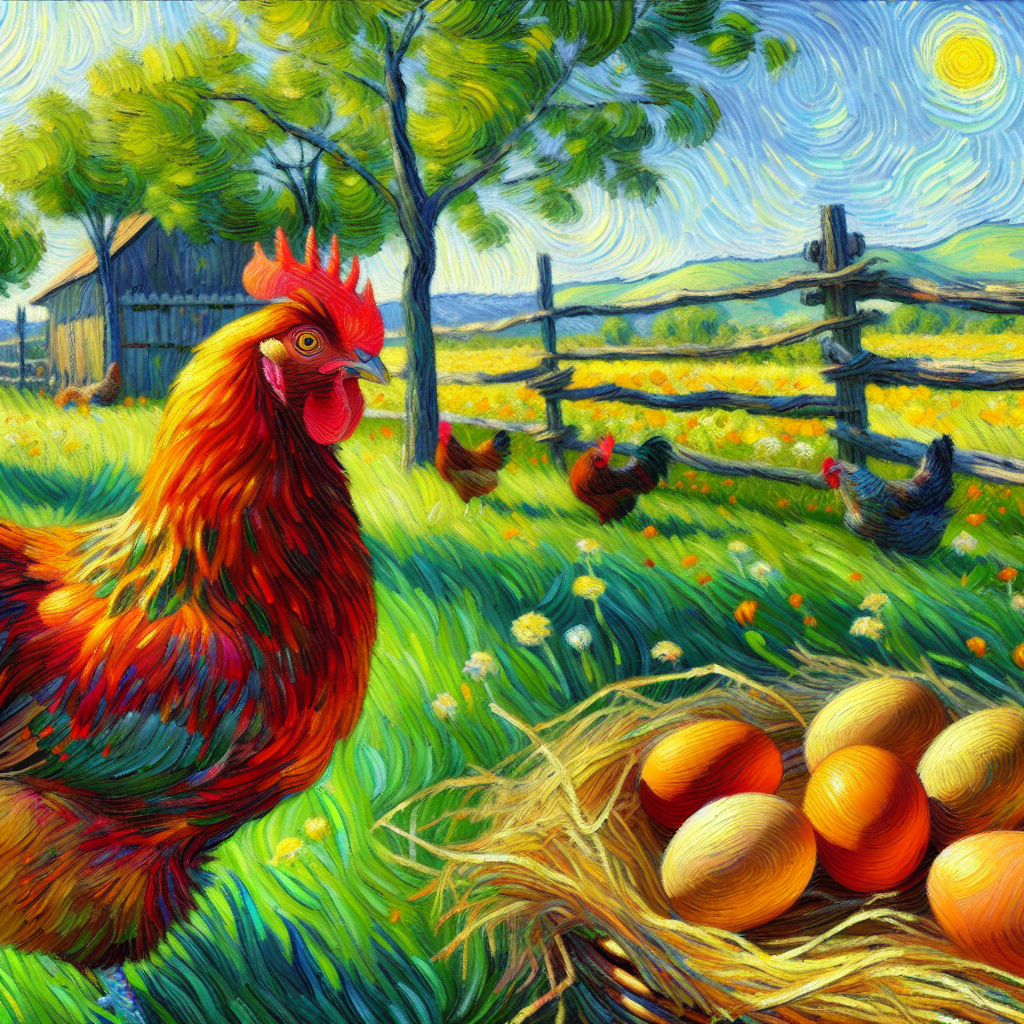
Avoid Costly Mistakes – Scan Any Chicken Before Bringing It Home
Table Of Contents
- Avoid Costly Mistakes – Scan Any Chicken Before Bringing It Home
- What Red Flags Should You Look for In Chicken Quality?
- How Does Scanning Chicken Save You Money?
- What Ethical Practices Ensure Safe Chicken Sourcing?
- How Can Expert Advice Prevent Chicken-Related Health Issues?
- What Stories Have Others Shared About Their Chicken Purchase Regrets?
- Conclusion
- Other Resources
- Glossary Of Terms
- Other Questions
- Haiku
- Poem
- Checklist
What Red Flags Should You Look for In Chicken Quality?
When you think about the humble chicken, what comes to mind? For many, it’s a convenient protein on their dinner plates, but the quality of that chicken goes far beyond the packaging. Your connection to your food begins long before it lands on your table, and that’s where the red flags come into play.
Imagine the backyard chickens clucking in a sunny yard, pecking at the earth, living their best lives. You can almost feel the warmth of their sunlit haven. Now, contrast this with the stark, sterile environment of a commercial farm, where chickens are cooped up and deprived of their natural behaviors. Your first red flag should relate to their living conditions. Chickens raised in cramped spaces with poor ventilation and minimal access to sunlight often carry far more than just meat—they carry the burden of suffering. When you’re buying chicken, look for labels indicating free-range or pasture-raised. Not only do these hint at better living conditions, but they also signal better flavor and nutritional value.
Next, consider the color. Fresh chicken should have a rich, vibrant hue, reminiscent of those backyard chickens. A pale, lifeless appearance can be a sign of refrigeration that’s gone too long, or worse, unhealthy practices in processing. As you stand in the grocery aisle, trust your gut; if something looks off, it probably is.
Now, let’s touch on the smell. Fresh chicken should have a clean, neutral scent. If there’s a pungent odor wafting up—trust me, it’s not supposed to be there. Your instincts are key players in this decision-making process. Think of it like meeting a new friend; if they give off an iffy vibe, you might want to take a step back.
Finally, take a moment to think about the story behind your chicken. Every piece of poultry has a narrative, from the farmer who raised them to the distribution chain that brought it to your local store. Support companies that prioritize ethical farming practices. By choosing wisely, you’re also making a statement about the kind of food system you want to endorse.
Paying attention to these red flags isn’t just about quality—it’s about making choices that reflect your values. Whether you’re grilling in your backyard or whipping up a stir-fry at home, remember that quality chicken is a reflection of respect for the animal, the farmer, and ultimately, yourself. Trust your heart, head, and gut, and support a more humane and flavorful approach to chicken.
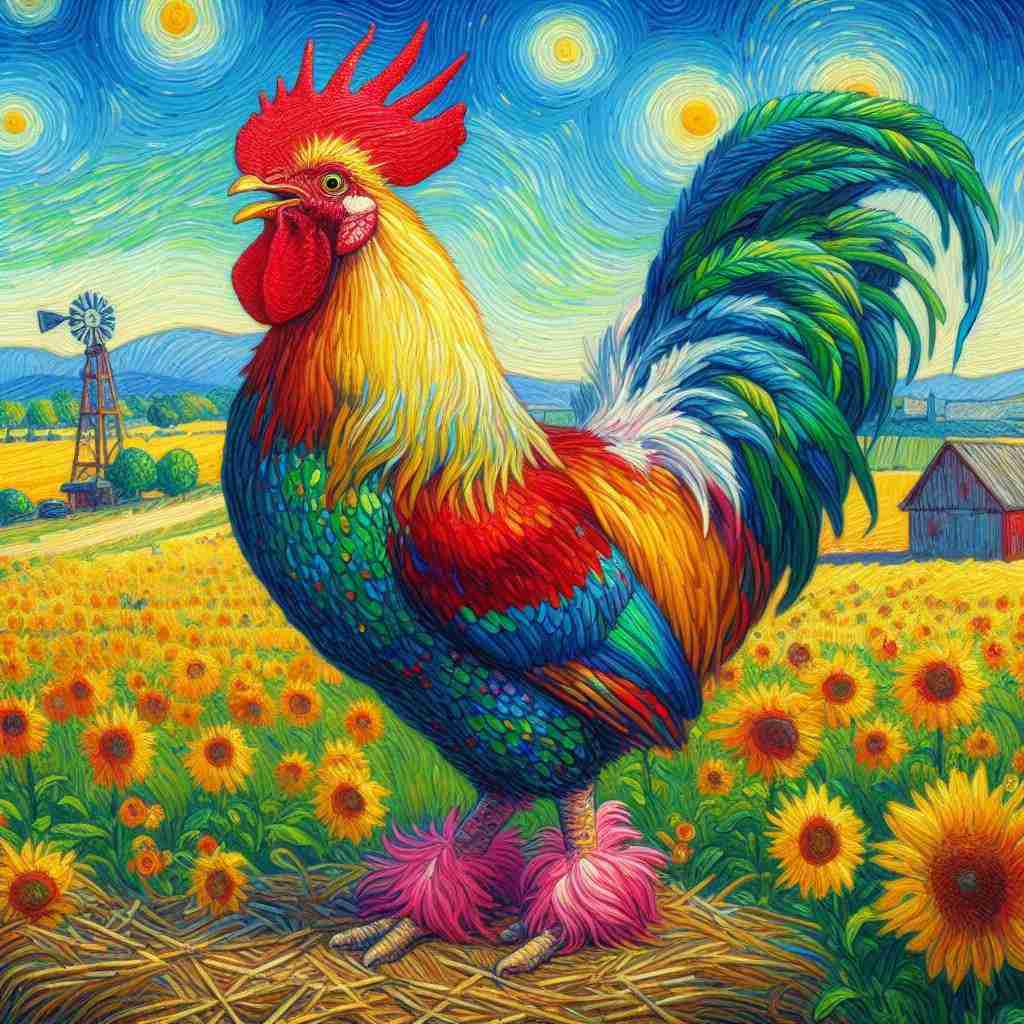
What Red Flags Should You Look for In Chicken Quality?
What Red Flags Should You Look for In Chicken Quality?
- Chicken quality extends beyond packaging; consider living conditions.
- Red flags include cramped spaces and poor ventilation in commercial farms.
- Look for labels indicating free-range or pasture-raised for better quality.
- Fresh chicken should have a vibrant color; pale hues may indicate poor handling.
- A clean, neutral scent is essential; unusual odors signify unsuitability.
- Support ethical farming practices and consider the story behind your chicken.
- Making informed choices reflects personal values and promotes humane treatment.

What Red Flags Should You Look for In Chicken Quality?
How Does Scanning Chicken Save You Money?
Imagine stepping into your backyard, the sun shining down on your own little piece of paradise. You hear the soft clucking of your backyard chickens, a sound synonymous with freedom and self-sufficiency. Raising chickens isn’t just a quaint hobby; it’s a savvy financial decision. Picture this: each morning, you walk out to collect fresh eggs, knowing exactly what your feathered friends have been fed and the environment they dwell in. The subtle crunch of fresh grass and the peck of wholesome grains add richness to your meals and your wallet.
In a world increasingly dominated by corporate farms and supermarket aisles dominated by artificial ingredients, there’s something deeply reassuring about raising backyard chickens. It evokes a sense of pride and connection to your food, reminiscent of simpler times. But let’s peel back the layers and get to the savings.
When you invest in a few chickens, you’re not just buying livestock; you’re cultivating sustainability. Sure, the initial costs may appear daunting—coop construction, feed, and basic healthcare—but consider what you gain in return. With careful planning, those beautiful birds can provide a steady supply of eggs, drastically slashing your grocery bill. One hen can lay an egg almost daily, and over a year, that’s a significant stash.
There’s also the lesser-known benefit of reducing food waste. Chickens are nature’s recyclers. They gobble up scraps that would otherwise end up in landfills, turning yesterday’s leftover vegetable peels into today’s hearty breakfast. This not only cuts down expenses but also contributes to a healthier planet—a win for the ethical consumer in all of us. The connection grows deeper when you realize that each meal shared together, whether breakfast or a family dinner, begins with the efforts of those birds that you raised with care.
But let’s not stop there. The narrative shifts again when you involve your community. Raising backyard chickens can foster relationships with neighbors. Perhaps they share in the bounty of eggs, or they offer tips and tricks gleaned from their own experiences. This creates a shared sense of purpose, reinforcing the notion that savings extend beyond dollars and cents—they extend to a lifestyle enriched by collaboration and mutual support.
Ultimately, when you scan your chicken’s nutritional value and track your spending, you’re not merely saving money; you’re investing in a more sustainable, ethical way of living—one that resonates deeply with the heart, the head, and indeed, the gut. In a time when food prices fluctuate wildly, having your own source of nourishment becomes an empowering choice, ensuring that you are not just surviving, but thriving.

How Does Scanning Chicken Save You Money?
How Does Scanning Chicken Save You Money?
- Raising backyard chickens provides a sense of freedom and self-sufficiency.
- Collecting fresh eggs daily can reduce grocery bills significantly.
- Chickens contribute to sustainability and reduce food waste by consuming scraps.
- Raising chickens fosters a connection to food and the environment.
- Community involvement enhances relationships with neighbors through shared resources.
- Investing in chickens supports a more ethical and sustainable lifestyle.
- Having a personal source of nourishment empowers individuals amidst fluctuating food prices.

How Does Scanning Chicken Save You Money?
What Ethical Practices Ensure Safe Chicken Sourcing?
When it comes to sourcing chicken, the conversation often veers off into the realm of industrial farms and commercial production lines, but there’s another path—one that starts in the backyard. Picture a row of backyard chickens, pecking around happily, living in conditions that respect their well-being. These small-scale operations paint a picture of ethical sourcing that isn’t just rooted in regulations but in a communal ethos. When we talk about safety, our minds typically jump to labels and certifications, but trust begins in the heart of the community.
Imagine visiting a local farm where the chickens roam free, scratching in the dirt and basking in the sun. These birds are raised with respect and care, not as mere products, but as living beings. This narrative of compassion applies a whole different lens to chicken sourcing. When consumers step into that relationship—knowing the farmers and their practices—they’re not just purchasing meat; they’re buying into a story, investing in a promise of ethical treatment.
Rationally speaking, both the health of the chicken and the health of the environment benefit from ethical practices. Chickens raised in comfortable, humane conditions are less prone to disease, resulting in safer consumption for everyone involved. The old adage “you are what you eat” applies writ large. When chickens are sourced from responsible farms, the quality of the meat is often exponentially higher, appealing to the gut in a visceral way.
Ethically, we must confront the consequences of our eating habits. Every choice carries weight, echoing through the lives of the animals we consume and the farmers who dedicate themselves to nurturing them. By supporting ethical practices, we cast our votes for a food system that prioritizes welfare over profit, fostering a societal norm that demands more from producers.
Consider the power of community-supported agriculture (CSA) models, where people invest directly in local farms. These relationships empower both farmers and consumers; this shared commitment makes everyone feel like part of a bigger solution. The result? A deeper understanding of our food systems, sparking not just conversation but action toward safe, ethical consumption.
Every time you opt for chicken from a responsible source, think of those backyard chickens. Envision the warmth of a community that thrives on transparency, ethical practices, and collective responsibility. There’s a unique power in sourcing chicken mindfully—it’s not just food; it’s a statement of our values, a testament to what we work toward, nourishing not just our bodies but our collective spirit.
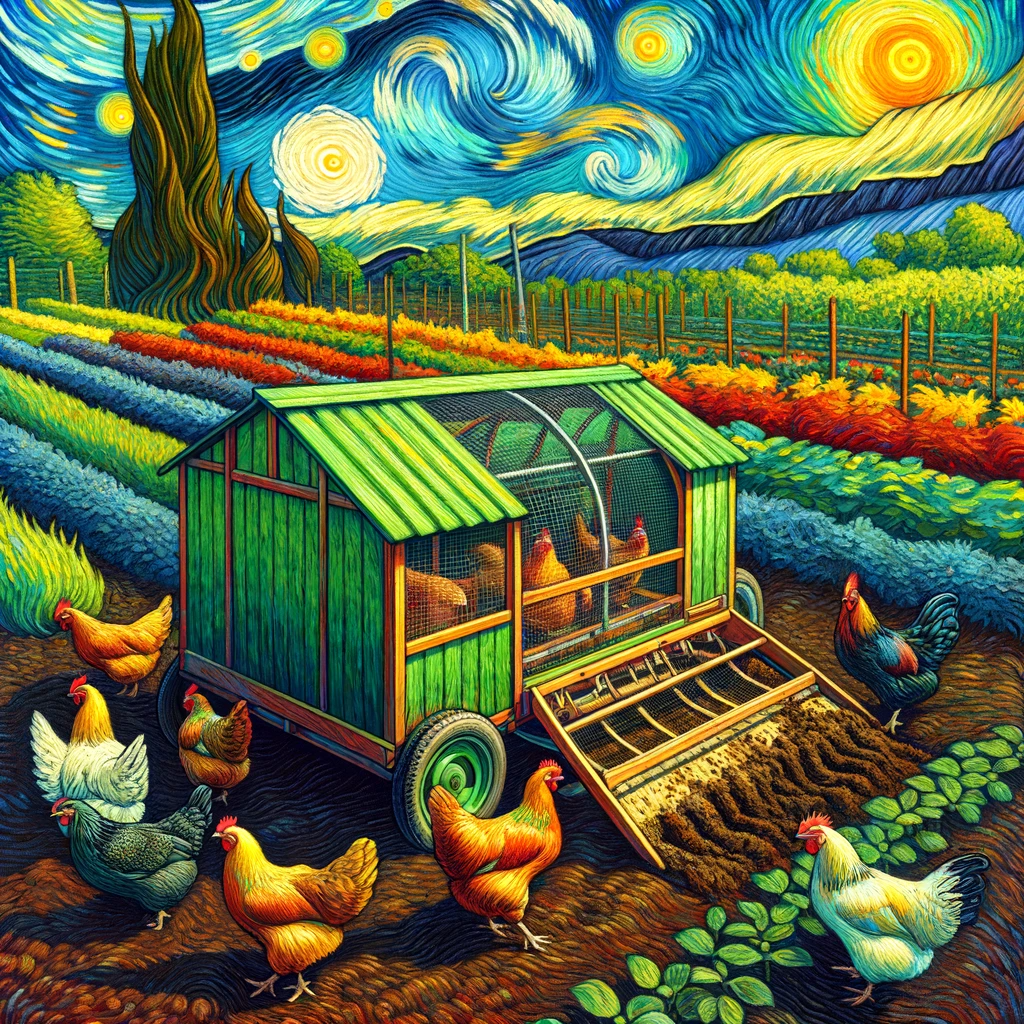
What Ethical Practices Ensure Safe Chicken Sourcing?
What Ethical Practices Ensure Safe Chicken Sourcing?
- Sourcing chicken can be approached through ethical, small-scale operations rather than industrial farms.
- Backyard chickens represent humane treatment and respect for animal well-being.
- Consumers engage in a narrative of compassion when they know the farmers and their practices.
- Ethical practices lead to healthier chickens and safer consumption for everyone.
- Choosing responsible sources reflects our values and fosters a food system prioritizing welfare over profit.
- Community-supported agriculture (CSA) empowers local farmers and consumers, creating a shared commitment.
- Sourcing chicken mindfully supports transparency, ethical practices, and collective responsibility.
What Ethical Practices Ensure Safe Chicken Sourcing?
How Can Expert Advice Prevent Chicken-Related Health Issues?
In homes across America, the allure of backyard chickens has become impossible to resist. These feathered companions cluck and scratch their way into our hearts and lives, offering fresh eggs and a dose of charm. However, the excitement of raising these birds must be tempered with practical wisdom to avoid potential health pitfalls that can affect both chickens and their caretakers. This is where expert advice comes into play, guiding us through the complexities of poultry husbandry.
Imagine a sunny afternoon in your backyard, children giggling as they chase after a flock of hens. It’s idyllic, but without proper guidance, a simple oversight can turn joy into anxiety. Expert advice acts as a sturdy fence—not to confine, but to protect. This guidance helps you recognize signs of illness and know the importance of vaccinations and biosecurity measures. The journey into backyard chicken keeping isn’t just about raising birds; it’s about cultivating a healthy living ecosystem that benefits your family.
When facing potential health issues, emotional connections often drive our decisions. Picture your daughter’s smile as she collects eggs, her pride glowing as she places them in her basket. Those moments can quickly dim if improper handling leads to foodborne illnesses. Experts remind us that conscious practices—such as maintaining clean coops and proper hygiene—don’t just prevent health issues; they nurture those bonds, transforming worry into trust.
Rationally, we must consider the statistics. Reports show that improper chicken care can lead to salmonella outbreaks. When families consult professionals, they arm themselves with knowledge, reducing the likelihood of illness significantly. Understanding that a few proactive steps, like learning how to handle and store eggs safely, can shield loved ones from harm is not merely a detail; it’s a responsibility we owe to ourselves and our communities.
On an ethical level, we have to recognize the impact our choices have on the world. Backyard chickens can promote sustainable living, but only when we commit to best practices. Embracing expert advice fosters not just a healthy home but a healthier planet, empowering us to become responsible stewards of our environment.
Ultimately, the narratives we create with our backyard chickens resonate within our families. They transform from mere livestock into living memories, where health, happiness, and heritage intertwine. Following expert advice is not just about avoiding health issues; it’s about nurturing a lifestyle where each cluck reinforces our connection to the earth and each other, making our communities stronger and more vibrant.
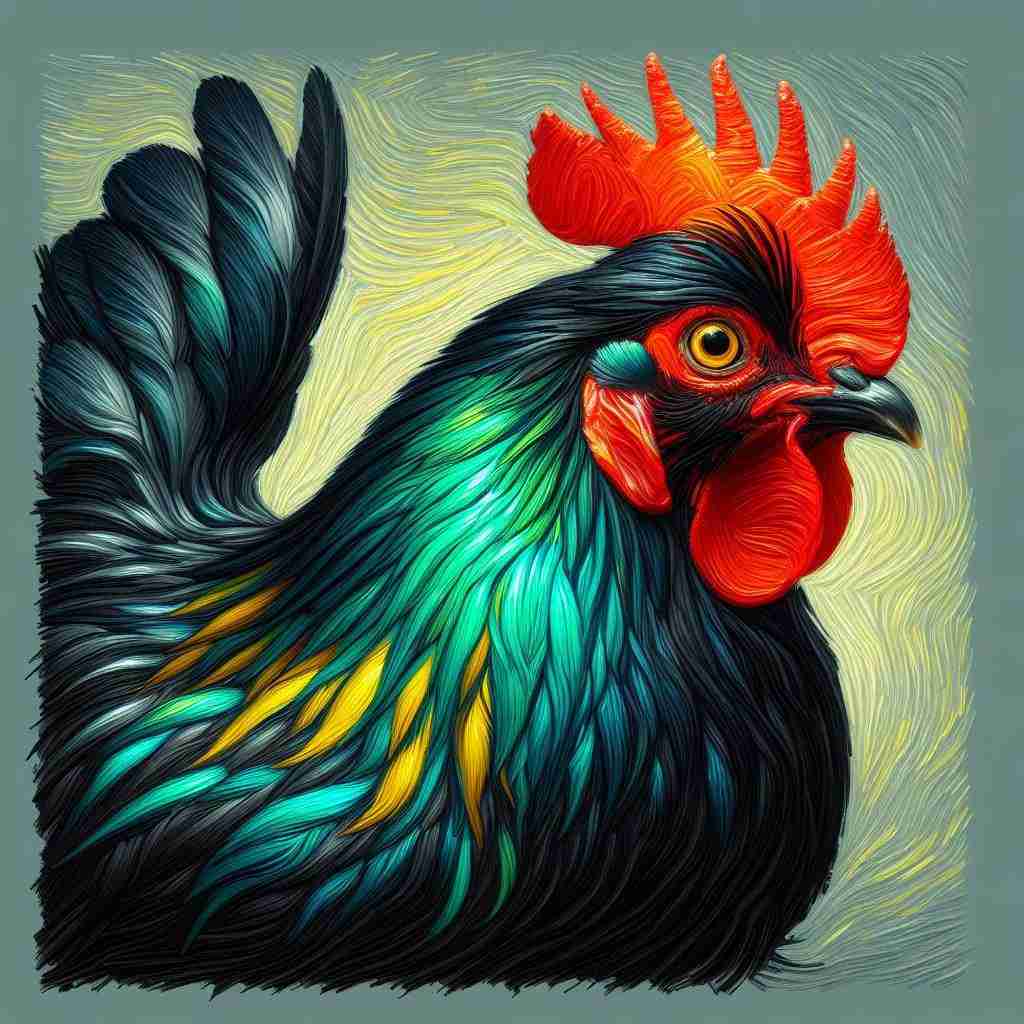
How Can Expert Advice Prevent Chicken-Related Health Issues?
How Can Expert Advice Prevent Chicken-Related Health Issues?
- Backyard chickens provide fresh eggs and charm, becoming beloved companions in American homes.
- Proper guidance is crucial to avoid health pitfalls for both chickens and their caretakers.
- Expert advice helps recognize illness signs and emphasizes the importance of vaccinations and biosecurity.
- Maintaining clean coops and hygiene nurtures emotional bonds while preventing foodborne illnesses.
- Improper chicken care can lead to salmonella outbreaks, highlighting the need for knowledge and best practices.
- Backyard chickens can promote sustainable living under responsible stewardship and adherence to expert recommendations.
- The relationships formed with backyard chickens create lasting family memories and strengthen community connections.

How Can Expert Advice Prevent Chicken-Related Health Issues?
What Stories Have Others Shared About Their Chicken Purchase Regrets?
When people embark on the journey of raising backyard chickens, they often envision sunny days filled with fresh eggs and the delightful clucking of contented birds. However, beneath that idyllic dream lies a trove of stories, often tinged with a blend of disappointment and learned lessons. These tales of chicken purchase regrets remind us of the intricate dance between expectation and reality.
Take Jane from rural Ohio, for instance. She envisioned her backyard transformed into a bustling mini-farm, chickens ruling the roost like feathery queens. The reality, however, was messy. Chickens, while endearing, come with their own brand of chaos—muddy coops, uninvited pests, and the ceaseless squawking that can sometimes grate on the nerves. Jane shared one particularly humorous story: she once discovered a chicken had taken up residence in her vegetable garden, turning her lovingly nurtured tomatoes into a buffet. It was a lesson in the unexpected joy and chaos of backyard living—a reminder that while the dream is delightful, it requires labor, vigilance, and a good dose of humor.
Then there’s Tom from Texas, whose desire to support sustainable living led him to adopt five hens on a whim. After a few months, the reality of daily care and commitment hit him hard. He found himself regretting the impulsive decision not due to the chickens themselves but because he didn’t realize the demands they would place on his time. Tom’s confession resonates; he learned that owning chickens entails more than just providing feed and water. It requires a commitment to understanding their needs, behavior, and, inevitably, some elbow grease.
These stories weave together a common thread: the ethical responsibility and emotional investment that come with raising backyard chickens. It’s not merely about producing eggs; it’s about the connection forged with these creatures—understanding their quirks and knowing they rely on you. This bond transforms regrets into moments of growth, fostering a deeper appreciation for the cycle of life in your backyard.
Every backyard chicken is a character in its own right, with stories waiting to be shared. The regret often lies not in the chickens themselves but in the unspoken commitment to their care. So, before you bring home those fluffy little peepers, remember: their well-being and happiness rest on your shoulders. Investing in the right resources and knowledge can transform your initial regret into a richly rewarding experience. After all, embracing the journey with confidence can turn a mere idea into a vibrant reality.

What Stories Have Others Shared About Their Chicken Purchase Regrets?
What Stories Have Others Shared About Their Chicken Purchase Regrets?
- Raising backyard chickens often starts with idealistic expectations of fresh eggs and happy birds.
- Realities include challenges such as messy coops, pests, and the noisy nature of chickens.
- Case study: Jane from Ohio faced unexpected chaos when a chicken invaded her vegetable garden.
- Tom from Texas learned that owning chickens requires daily commitment beyond just feeding them.
- There is an ethical responsibility and emotional investment involved in caring for chickens.
- The relationship with chickens involves understanding their needs and quirks, transforming regrets into growth.
- Investing in knowledge and resources can lead to a rewarding experience in backyard chicken keeping.

What Stories Have Others Shared About Their Chicken Purchase Regrets?
Conclusion
Bringing chickens into your backyard is a journey that transcends mere egg production; it’s an invitation to a deeper, more meaningful relationship with both your food and the natural world surrounding you. The allure of those feathered friends can mask the significant responsibility that comes with them. Before committing to this venture, it’s vital to approach your decision with a careful mindset. Scanning or inspecting any potential purchase is not just a practical step; it symbolizes a profound commitment to the health of your family, the wellbeing of the birds, and the integrity of the local chicken community.
Imagine walking through a farm store filled with the vibrant life of chickens, each one holding a story you’ll soon become part of. That initial excitement should come with a dose of reality. Illnesses can lurk beneath glossy feathers, and what appears healthy can often lead to unforeseen challenges down the line. By taking time to assess potential purchases, you not only protect your investment but also contribute to a larger ethical framework supporting happy, healthy flocks.
There’s no shortage of cautionary tales reflecting the importance of this scrutiny. Friends and neighbors can share their stories—how overlooking a simple inspection led to heart-wrenching losses, unexpected veterinary fees, and the disappointment of seeing their cherished pets suffer. These stories serve as reminders that diligence in chicken care leads not only to success but to a more enriching experience for everyone involved.
Embrace the idea that your backyard is a sanctuary, a living testament to the responsibility and connection we hold towards these creatures. The beauty of raising chickens is not merely in the eggs; it’s in the relationships forged with your plots of earth and the community around you. Sharing experiences, challenges, and triumphs with fellow chicken enthusiasts enriches this journey even further.
Investing time and care in researching health signals, asking the right questions, and choosing ethical suppliers cultivates a lifestyle promoting sustainability and community consciousness. In each decision made—whether for improved chicken welfare or better food sourcing—you cast a vote for a system that values humane treatment and environmental respect.
When you actively scan your chicken purchases and remain attentive to their needs, you transform a simple hobby into a powerful statement about your values. From reinforcing personal connections to nourishing not just the body but the spirit, the backyard chicken experience captures the essence of a more thoughtful, community-focused approach to living. Thus, every cluck and scratch becomes not just a sound but a tribute to the conscious choices you make along the way.
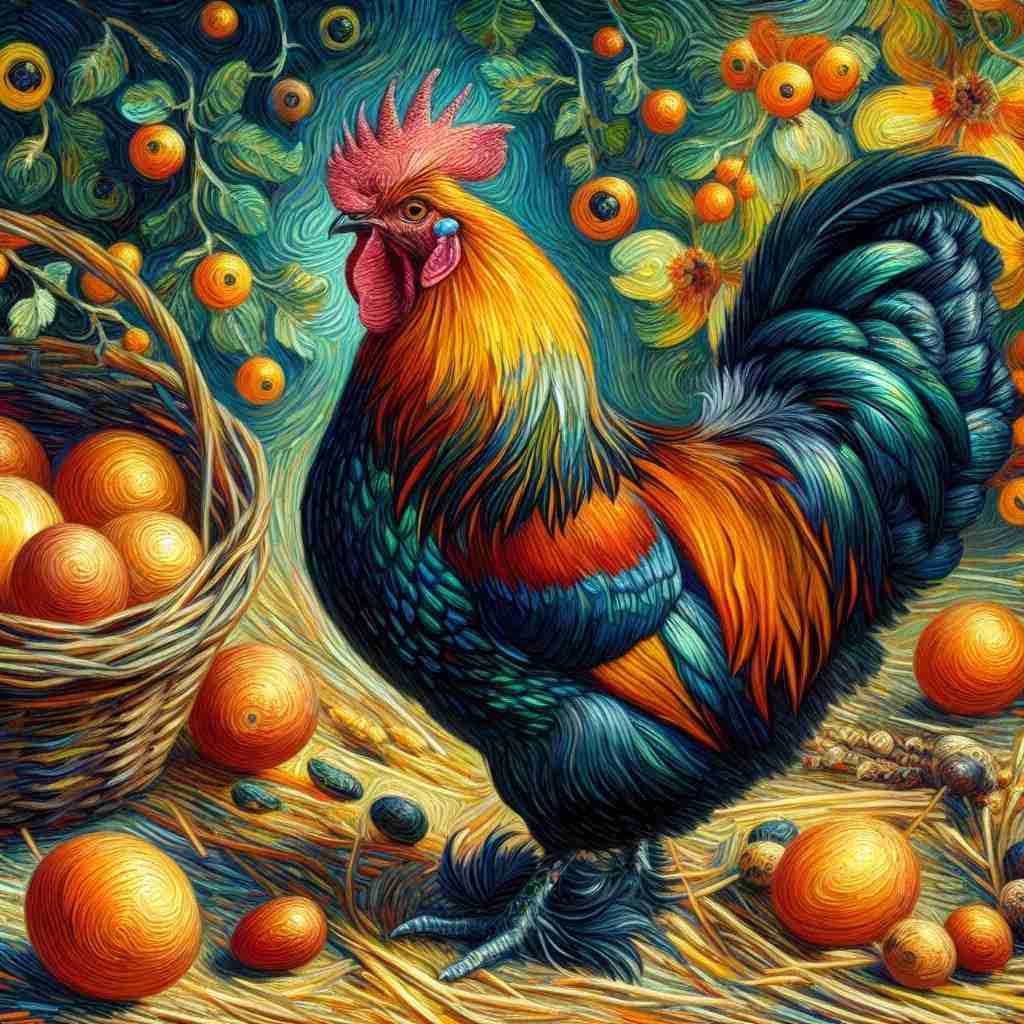
Conclusion
Conclusion:
- Bringing chickens into your backyard invites a deeper relationship with food and nature.
- Proper inspection of chickens is crucial for family health and bird wellbeing.
- Initial excitement of raising chickens should be tempered with practical considerations.
- Cautionary tales highlight the importance of scrutiny to avoid losses and veterinary costs.
- Your backyard can become a sanctuary reflecting responsibility towards chickens and community.
- Researching health signals and ethical suppliers fosters sustainability and community consciousness.
- Engaging in chicken care transforms a hobby into a statement of personal values and community focus.

Conclusion
Other Resources

Other Resources
Here is a list of other resources you can review online to learn more:
- Dominique
- vegetation
- Sultan
- Sicilian Buttercup
- Necrotic Enteritis
- Welsummer
- Pekin Bantam
- Blue Laced Red Wyandotte
- citrus fruit
- Pullorum Disease
- Mycoplasmosis
- Rye
- Salmonella
- Avian Pox
- Phoenix
- Marans of America Club
Use This Prompt To Get More Resources With Your Favorite Online AI Tool: Please provide me with a list of online articles with their URLs in a bulleted list that I can read regarding Avoid Costly Mistakes – Scan Any Chicken Before Bringing It Home

Other Resources
Glossary Terms
Avoid Costly Mistakes – Scan Any Chicken Before Bringing It Home – Glossary Of Terms
1. Biosecurity — Practices that prevent disease introduction and spread (clean hands, footwear, equipment, and controlled bird movement).
2. Quarantine — Isolating new birds for a set period to monitor for illness before mixing with an existing flock.
3. Carrier bird — An apparently healthy chicken that can carry and spread pathogens to others.
4. Vaccination record — Documentation of vaccines administered (type and date) that indicates prior disease protection.
5. Health certificate — Official paperwork from a veterinarian or seller confirming the bird’s apparent health and any testing.
6. Vent (cloaca) — The bird’s external opening; inspect for discharge, swelling, parasites, or prolapse.
7. Crop — The storage pouch in the throat; check for abnormal swellings, sour smell, or impacted crop.
8. Respiratory signs — Coughing, sneezing, wheezing, nasal discharge, or noisy breathing that may indicate infection.
9. Diarrhea (scours) — Loose or discolored droppings suggesting internal infection, parasites, or digestive upset.
10. Lameness — Limping, reluctance to move, or swollen joints that can indicate injury, infection, or deformity.
11. Body condition score (BCS) — Assessment of muscle and fat to gauge if a bird is underweight, ideal, or obese.
12. Feather condition — Quality and coverage of feathers; missing, brittle, or patchy feathers can indicate parasites, molt, or pecking.
13. Broodiness — Maternal behavior where a hen persistently sits on eggs; affects egg production and may signal hormonal state.
14. Pecking order — Social hierarchy signs (aggression or bullying) that can indicate stress or unsuitability for certain flock dynamics.
15. External parasites — Lice, mites, and other ectoparasites visible on skin, feathers, or around the vent and under wings.
16. Lice — Small, visible insects that cause feather damage, irritation, and weight loss if heavy infestation.
17. Mites — Tiny blood-feeding parasites (including red mites and scaly-leg mites) that cause irritation, anemia, and leg scaling.
18. Internal parasites — Worms and protozoa that affect weight, droppings, and overall health; often revealed by fecal testing.
19. Coccidiosis — A common protozoal intestinal disease causing bloody or watery droppings, lethargy, and poor growth.
20. Salmonella — Bacterial infection that can cause illness in birds and humans; check seller biosecurity and history.
21. Avian influenza — Viral respiratory disease with variable signs; inquire about regional outbreaks and testing history.
22. Marek’s disease — Viral nerve and tumor disease; vaccination status and flock history are relevant for risk assessment.
23. Deformities — Structural abnormalities (splayed legs, crooked toes, missing beak parts) affecting mobility or long-term care.
24. Comb and wattles — Color, texture, and temperature of comb/wattles; pale, darkened, or dry tissue can indicate health issues.
25. Egg production history — Records or seller claims about laying rate, egg quality, and consistency for hens.
26. Breed type — Classification (heritage, hybrid, bantam, utility) that determines purpose, temperament, and care needs.
27. Sexing — Determination of male or female by vent, feather patterns, or behavior; important for flock composition.
28. Age estimation — Approximate bird age based on beak/feather wear, leg scales, and seller information; impacts productivity.
29. Source reputation — Credibility of seller, hatchery, or rescue; affects disease risk, honesty of records, and bird condition.
30. Transport stress — Signs of recent shipping or handling stress (closed eyes, panting, droppings on feathers) that may mask underlying problems.

Glossary Of Terms
Other Questions
Avoid Costly Mistakes – Scan Any Chicken Before Bringing It Home – Other Questions
If you wish to explore and discover more, consider looking for answers to these questions:
- How do I properly scan a live chicken before bringing it home—step by step?
- What specific physical signs indicate a chicken may be sick or stressed?
- How long should I quarantine a new chicken and what should I monitor during that time?
- What vaccines or preventative treatments should new backyard chickens have?
- Which common poultry diseases should backyard chicken owners watch for and what are their early symptoms?
- What questions should I ask the seller or hatchery before buying live chickens?
- How can I verify the health history and source of chickens from a farm store or breeder?
- What biosecurity measures should I implement to protect my existing flock?
- How do I choose breeds best suited to my climate, space, and egg needs?
- What are realistic costs to expect for coop setup, feed, healthcare, and ongoing maintenance?
- How many hens do I need to meet my household egg needs and what is expected egg production per hen?
- How do I handle and store eggs safely to avoid salmonella and other foodborne illnesses?
- What are the legal or zoning restrictions for keeping backyard chickens in my area?
- How do labels like “free-range,” “pasture-raised,” and “organic” differ and how reliable are they?
- What signs indicate store-bought chicken meat is spoiled or of poor quality?
- How can scanning packaged chicken at the store protect me from food safety or quality issues?
- What humane and ethical farming practices should I prioritize when buying chicken meat or live birds?
- How do processing and distribution practices affect the safety and taste of chicken meat?
- What should I do if a newly purchased chicken becomes ill after bringing it home?
- When should I consult a veterinarian and what information should I provide them?
- How can I reduce the risk of parasites, lice, and mites in my flock?
- What nutritional needs do backyard chickens have and how do I choose appropriate feed?
- How do I prevent chickens from damaging my garden or landscaping?
- What predator-proofing measures are most effective for coops and runs?
- How can community networks, CSAs, or local forums help me find reliable suppliers or share health alerts?
- What are the ethical implications of impulse purchases versus planned sourcing of chickens?
- How long do backyard chickens typically live and what are common causes of early mortality?
- What are the environmental impacts of different chicken-raising systems (backyard, pasture, industrial)?
- How do I transport chickens safely from seller to home without stressing or injuring them?
- What record-keeping should I keep for flock health, vaccinations, and egg production?

Other Questions
Haiku
Avoid Costly Mistakes – Scan Any Chicken Before Bringing It Home – A Haiku
Chickens call to hearts,
Nature’s bond in golden light—
Scan for safe, deep roots.
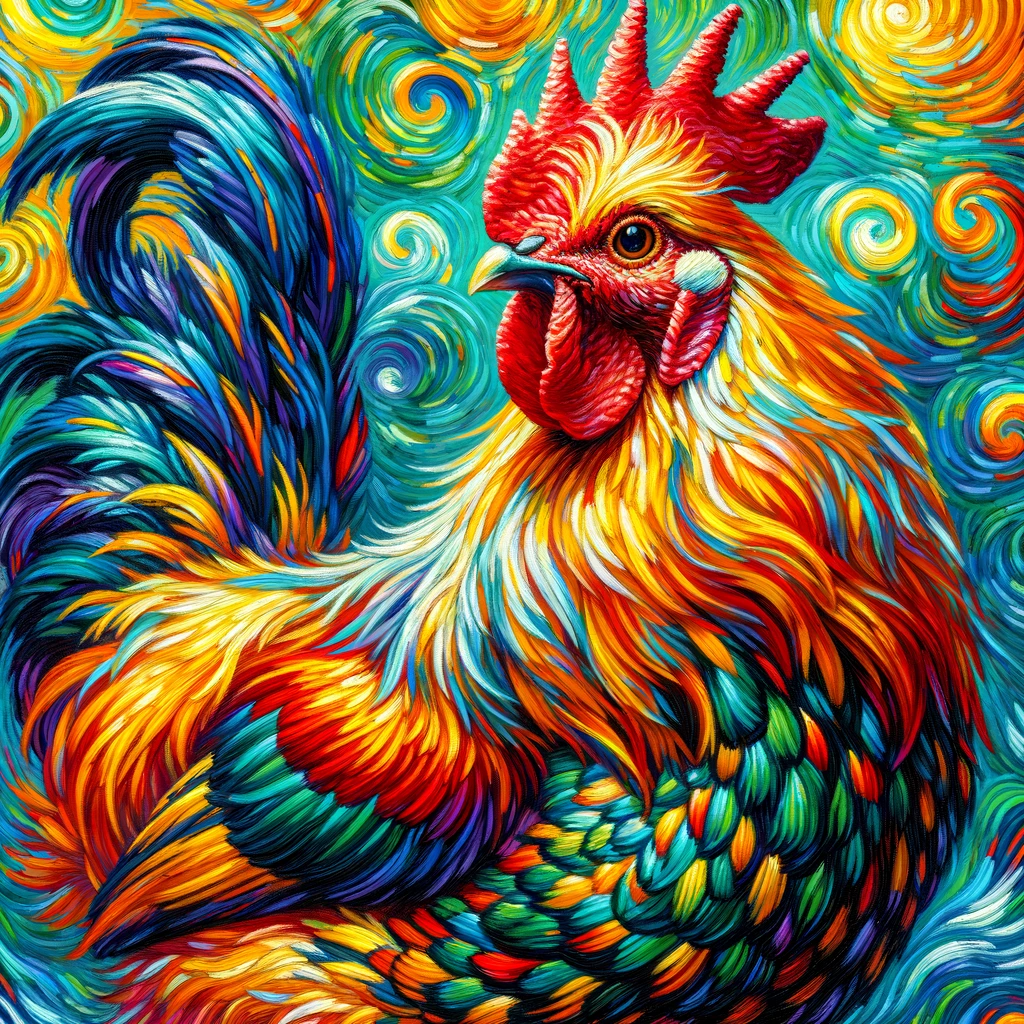
Haiku
Poem
Avoid Costly Mistakes – Scan Any Chicken Before Bringing It Home – A Poem
In the barns embrace, a tale unfolds,
Of feathered friends, their stories bold.
Beyond the eggs and joy they bring,
Lies a bond of care, a sacred thing.
Before you choose, heed the warning sound,
Scan for health where love is found.
In each cluck and scratch, a life’s deep thread,
For every choice, a promise wed.
Behind glossy feathers, shadows may creep,
Hidden dangers, in silence they seep.
Raising them right isn’t just a chore,
It’s a responsibility, an open door.
Community thrives where ethics reside,
Support the good, let compassion guide.
When you see their joy in the sunlit yard,
Remember, their care isnt just a card.
Scan for health, protect your kin,
Nourish your heart where this journey begins.
With every egg, with every meal shared,
A life of purpose, a future prepared.
Listen to tales of those who’ve strayed,
Learn from their paths, the price they paid.
Embrace the love, the laughter, the strife,
In backyard chickens, you’ll find a new life.
Let their companionship brighten your days,
In the careful balance of nature’s ways.
Invest in knowledge, share the load,
For raising them right, a heartfelt ode.
Together we build, strong and true,
A sustainable path for me and you.
So cherish each cluck, each gentle peep,
In your backyard, let love run deep.

Poem
Checklist
Avoid Costly Mistakes – Scan Any Chicken Before Bringing It Home – A Checklist
Checklist for Selecting Healthy Chickens
✅______ Consider the bond you’ll form with your chickens—are you ready for the emotional commitment?
✅______ Reflect on the joy and satisfaction of raising animals that become a part of your family.
Head Appeal Rational Considerations
✅______ Research signs of healthy chickens—inspect feathers, eyes, and behavior before purchasing.
✅______ Verify the living conditions of chickens—look for free-range or pasture-raised labels.
✅______ Understand the nutritional value of healthy chicken and its impact on your family’s diet.
Gut Appeal Instinctive Checks
✅______ Trust your instincts when selecting—if something feels off, reconsider your choice.
✅______ Pay attention to the smell and color of the chicken; fresh should be vibrant and clean.
Ethical Appeal Responsible Sourcing
✅______ Choose to support local farmers who prioritize humane practices.
✅______ Be aware of the ethical implications of your chicken sourcing—commit to responsible consumption.
Authority Appeal Expert Guidance
✅______ Consult resources or experts in poultry care for best practices and health management.
✅______ Stay informed about common health issues like salmonella and the measures to prevent them.
Narrative Appeal Sharing Experiences
✅______ Engage with the community—share your insights and learn from fellow chicken owners.
✅______ Keep a journal of your chicken-raising journey to share successes and lessons learned.
Social Appeal Community Connection
✅______ Build relationships with local chicken farmers and suppliers for continued support.
✅______ Join local or online chicken-keeping groups to foster a sense of community and shared responsibility.
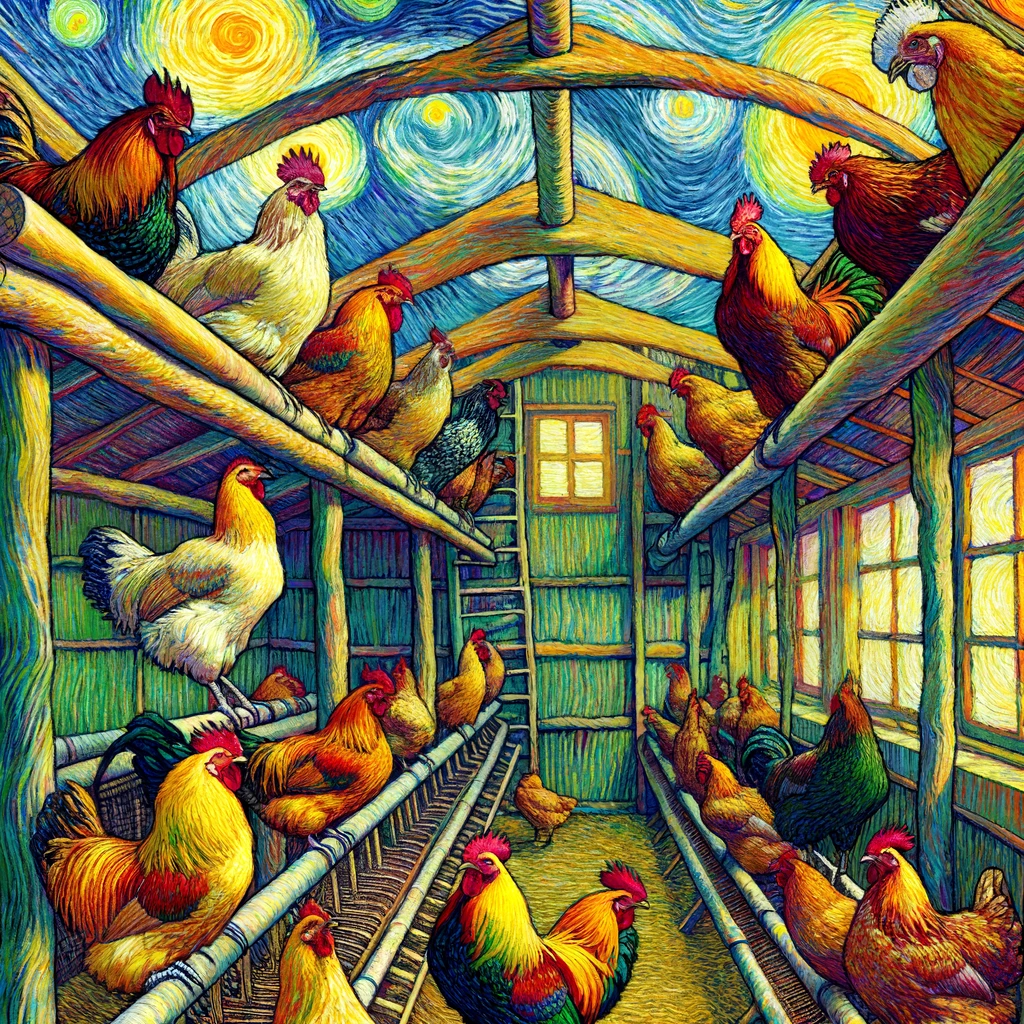
Checklist
At BackyardChickenNews, we help people who want to raise backyard chickens by collating information and news blended with our own personal experiences.
Be sure to read our other related stories at BackyardChickenNews to learn more about raising chickens in your backyard.