

Rediscovering The Heart And Wisdom Of Traditional Chicken Keeping
By Tom Seest
At BackyardChickenNews, we help people who want to raise backyard chickens by collating information and news blended with our own personal experiences.
Be sure to read our other related stories at BackyardChickenNews to learn more about raising chickens in your backyard.
Back When Chicken Keeping Was Learned From the Porch, Not the Web
In a world inundated with how-to videos and glossy blog posts, there was a time when the art of chicken keeping was as simple as a chat on the porch with the neighbor. Picture this: a gentle breeze carrying the sound of laughter and clucking, where knowledge wasn’t a screen tap away, but a shared experience woven from years of trial, error, and occasional chicken escapes. Back then, raising backyard chickens wasn’t just a novelty; it was a rite of passage, a connection to roots, to the earth, and to each other.
The wisdom passed down through generations was rich with stories as vibrant as the feathers of a Rhode Island Red. You’d learn which breeds flourished in your climate, or how to catch an egg-producer on its best day—or worst. Each nugget of advice wasn’t about perfecting an Instagram feed; it was about gathering around the coop, listening intently to how one brave soul inadvertently created an all-feathered mess when introducing new chicks. That bonding over misadventures is how communities formed trust. It’s how we learned to lean on each other.
Today, amidst online forums where the latest trend in poultry colors is just a click away, we risk losing the heart of chicken keeping. It’s not simply about raising Backyard Chickens; it’s about cultivating relationships—not only with your flock but with your family and neighbors. This hands-on craft fosters a sense of responsibility that can ground us amidst the digital storm. There’s an undeniable satisfaction in knowing that you’ve tended to living beings, that each morning you’re greeted by soft coos and the promise of fresh eggs.
And let’s not forget the ethical connection that comes from keeping chickens. It’s empowering to know where your food comes from, to have the control over what your birds eat and how they live. Imagine the rich yolks of home-raised eggs, the vibrant sunshine in your breakfast—colors and flavors that cannot be matched by store-bought varieties.
So, step outside, breathe in the fresh air, and croon sweet nothings to your hens. Forge a relationship—both with them and with those around you. Because sometimes the best knowledge doesn’t come from a screen, it comes from the voices of those who’ve already walked the path. Let’s bring back that porch wisdom.

Back When Chicken Keeping Was Learned From the Porch, Not the Web
Back When Chicken Keeping Was Learned From the Porch, Not the Web
- The art of chicken keeping used to be a communal experience shared through conversations, not online content.
- Raising backyard chickens was a rite of passage, connecting people to their roots and each other.
- Generational wisdom was rich in practical, experience-based advice, emphasizing community and trust.
- Today’s online trends risk overshadowing the deeper relationships that chicken keeping fosters.
- Raising chickens encourages responsibility and a grounded connection amidst digital distractions.
- Keeping chickens provides ethical benefits, allowing for control over food sources and quality.
- Rediscovering porch wisdom and hands-on experiences enhances relationships with both chickens and neighbors.

Back When Chicken Keeping Was Learned From the Porch, Not the Web
Table Of Contents
- Back When Chicken Keeping Was Learned From the Porch, Not the Web
- What Lessons Did Our Grandparents Teach Us About Raising Chickens?
- How Did Chicken Keeping Shape Our Local Communities In the Past?
- What Emotional Connections Do We Lose When We Rely on the Internet?
- How Can Sharing Stories About Chicken Keeping Connect Us with Others?
- What Authority Did Porch Mentors Hold In Teaching Chicken Care?
- How Can Backyard Chickens Bring Joy and Fulfillment to Our Lives?
- Conclusion
- Other Resources
- Glossary Of Terms
- Other Questions
- Haiku
- Poem
- Checklist
What Lessons Did Our Grandparents Teach Us About Raising Chickens?
When we think of raising chickens, many of us conjure up images of sprawling farms or quaint rural landscapes. But if we take a moment to dig a little deeper, we might recall the simple wisdom our grandparents imparted, often found lurking in the nooks of backyard chicken coops. Their teachings were steeped in profound lessons that resonate with anyone who has dared to take up the challenge of raising chickens in our own backyards.
These feathered friends teach us patience, a lesson handed down through generations. Each morning, we’re greeted by the expected yet miraculous sight of those clucking comedians, reminding us that growth takes time. From those tiny peeps to proud hens laying eggs, every step requires diligent care. It’s a process that mirrors our own journeys—life doesn’t happen overnight.
They also remind us of responsibility. Just like our grandparents tended their flocks with devotion, we too are called to nurture and protect our chickens. It’s a commitment that demands honesty and integrity. We learn to check in on them daily, to provide for their needs, and to create a safe, nurturing environment. This isn’t just a lesson in farming; it’s a foundational pillar of our character.
Beyond these personal growth lessons, our backyard chickens instill a sense of community. They draw neighbors closer—a kind smile and a dozen eggs can bridge the gap between even the most unlikely acquaintances. In their clucking, we find a shared connection, an unspoken bond that reminds us we are part of something larger. Whether it’s swapping stories at the fence or heading to the local feed store for supplies, chickens spark a dialogue that enriches our lives.
Tapping into meaningful experiences, our grandparents taught us ethics too. Raising chickens means making thoughtful decisions about their feed, their shelter, and their care—all choices that ripple out into broader conversations about sustainability and animal welfare. The respect we owe to these creatures echoes the respect we should show one another in our communities.
As we embark on this journey of raising backyard chickens, we celebrate the small victories—an egg collected, a healthy chick hatched, a family meal enriched. In this endeavor, we’re not just tending to a flock; we’re cultivating memories, building community, and passing down the treasured lessons of resilience and nurturing care. And that, my friends, is the heart of what our grandparents understood all along.

What Lessons Did Our Grandparents Teach Us About Raising Chickens?
What Lessons Did Our Grandparents Teach Us About Raising Chickens?
- Raising chickens evokes images of farms and rural landscapes, yet teaches valuable life lessons from our grandparents.
- Chickens instill patience, as their growth from peeps to laying hens mirrors our own personal journeys.
- They foster a sense of responsibility, requiring daily care, nurturing, and protection, which shape our character.
- Backyard chickens promote community, bringing neighbors together through shared experiences and resources.
- Ethical considerations in raising chickens encourage conversations about sustainability and animal welfare.
- This endeavor celebrates small victories and cultivates memories while passing down important life lessons.
- At its core, raising chickens embodies the timeless wisdom understood by our grandparents.

What Lessons Did Our Grandparents Teach Us About Raising Chickens?
How Did Chicken Keeping Shape Our Local Communities In the Past?
Once upon a time, in neighborhoods small and large, chicken keeping was more than just a way to get fresh eggs—it was a heartbeat that connected families and fostered community spirit. Imagine a time when each backyard held a treasure trove of clucks and feathers. “Backyard chickens” were not just pets; they were little engines of economy and social glue, creating bonds between neighbors and nurturing a sense of shared responsibility. You could hear laughter over the sounds of chicken chatter as children chased after their feathery friends, learning lessons of life, care, and respect for nature.
But beyond the joy of collecting warm eggs in the morning, there’s a deeper story woven into those coops. Chicken keeping sparked conversations over fences and forged friendships that crossed cultural boundaries. People gathered at annual chicken fairs, exchanging tips, breeds, and recipes, pooling knowledge and forming connections that often lasted a lifetime. Those connections were a powerful antidote to the isolation that often crept in as communities shifted from agrarian lifestyles to urban sprawl.
From a rational perspective, chickens provided practical benefits—fresh eggs, natural pest control, and organic fertilizer—bolstering food security right at home. In a time when grocery stores weren’t always nearby and plenty wasn’t guaranteed, raising chickens was a proactive solution, reducing reliance on distant food sources. You might say it was a feathered form of resilience in a world that constantly seemed to demand more from its people.
But it didn’t stop there. The ethical implications of keeping chickens resonated deeply with those who chose to embrace this lifestyle. It was a choice to live sustainably and mindfully, teaching generations about the value of food and the effort involved in producing it. The commitment to animal welfare and environmental stewardship created a moral compass within neighborhoods, prompting folks to think critically and act locally.
In today’s fast-paced world, revisiting the simple act of keeping chickens can inspire a revival of those community values—an invitation to reconnect, to share stories, lessons, and even laughter. So, whether you’re a seasoned farmer or just contemplating your first flock, consider how a few clucking companions might change not just your backyard, but your entire neighborhood, turning spaces into vibrant hubs of connection, purpose, and authenticity.

How Did Chicken Keeping Shape Our Local Communities In the Past?
How Did Chicken Keeping Shape Our Local Communities In the Past?
- Chicken keeping traditionally fostered community spirit and connected families.
- Backyard chickens served as a source of fresh eggs and social interaction among neighbors.
- Children learned valuable life lessons through the care of chickens, promoting respect for nature.
- Chicken keeping facilitated friendships and knowledge-sharing across cultural boundaries.
- Practical benefits included fresh eggs, natural pest control, and organic fertilizer enhancing food security.
- The lifestyle promoted ethical living, sustainability, and animal welfare within communities.
- Revisiting chicken keeping today can inspire a revival of community values and connectivity.

How Did Chicken Keeping Shape Our Local Communities In the Past?
What Emotional Connections Do We Lose When We Rely on the Internet?
In an age where our lives are shaped by a ceaseless stream of notifications and glowing screens, it’s easy to forget that real connections often thrive in simplicity. Picture this: a person tending to their backyard chickens, feeling the warmth of the sun on their skin, the chorus of clucks resonating in the background. This isn’t just a pastime; it’s a breath of fresh air in our increasingly disconnected world.
Our reliance on the internet has transformed the fabric of communication, but at what cost? We’ve traded heartfelt conversations for quick texts, genuine laughter for emojis, and the palpable comfort of a friend’s presence for a video call. While convenience rules the day, let’s not ignore the emotional price we pay. Those fleeting moments of eye contact and shared smiles create lasting bonds, building trust that a screen simply can’t replicate.
The gut instinct tells us something is amiss when we realize we share more memes than memories. Consider your last meaningful conversation. Was it online, or did it unfold over a cup of coffee, where laughter brought forth vulnerability and connection? Relying solely on our devices for communication can lead to feelings of isolation, leaving us craving the depth of human interaction.
Ethically, there’s an obligation to nurture relationships that transcend likes and shares. We owe it to ourselves and to those we care about to invest time and energy into authentic connections. Think of the stories that shape us: the comforting words of a loved one when we’re down or the thrill of a spontaneous adventure with friends. These narratives are the lifeblood of our experience, far richer than anything we can scroll through online.
Furthermore, let’s not overlook the impact of social interactions in our communities. Community events, gatherings, or even tending to our very own backyard chickens spark connections that weave us into a larger tapestry of support. When we step away from our screens, we step into a world brimming with possibility – where neighbors become friends and moments become memories.
So, as the digital sirens beckon us to remain glued to our devices, let’s take a step back and ask ourselves: what emotions are we missing out on? The tangible warmth of companionship, the thrill of genuine laughter, and the comfort of shared experiences are golden treasures that slip away when we allow screens to dominate our lives. Choosing to disconnect, even just for a little while, might just reconnect us to what truly matters.

What Emotional Connections Do We Lose When We Rely on the Internet?
What Emotional Connections Do We Lose When We Rely on the Internet?
- Real connections thrive in simplicity amidst a world of notifications.
- Our reliance on the internet has changed communication, sacrificing depth for convenience.
- Genuine interactions create lasting bonds that screens cannot replicate.
- Sharing memories is more significant than sharing memes or likes online.
- Authentic connections require time and energy invested in relationships.
- Community interactions enrich our lives and foster support among neighbors.
- Disconnecting from screens can help us reconnect with what truly matters.

What Emotional Connections Do We Lose When We Rely on the Internet?
How Can Sharing Stories About Chicken Keeping Connect Us with Others?
When we think about sharing stories related to chicken keeping, it’s easy to dismiss them as simple anecdotes about feathery friends. But let’s not overlook the deeper connections waiting to emerge from these seemingly mundane experiences. Picture a group of neighbors gathered in a backyards, animatedly exchanging tales about their backyard chickens. Each cluck and clatter carries a thread of personal history, offering a glimpse into our lives that resonates with glimmers of shared joy, frustration, and victory. From the chicken that laid an egg for the first time to the one who outsmarted the local raccoon, every story is a bridge, creating threads of camaraderie that bind us together.
Emotionally, these stories tap into the simple, honest rituals of life. They remind us that keeping backyard chickens isn’t just about producing fresh eggs; it’s about the laughter and lessons woven into each day. Perhaps you recall the first time your child held a chick, beaming with pride and wonder. It’s those moments that fill our hearts and expertly rip away the veneer of isolation that we often wear. Through these narratives, we unlock a treasure trove of relatable experiences that cultivate community.
On a rational level, sharing insight on chicken keeping has the power to streamline our collective knowledge. Whether you’re troubleshooting a broody hen or raving about the health benefits of farm-fresh eggs, these exchanges harness years of individual expertise. This isn’t just about raising chickens; it’s about a growing movement toward sustainable living and ethical choices that resonate with our shared values. As moral beings, we are compelled to do better, and this endeavor serves as a catalyst for our collective understanding and action.
Every chicken story is a testament to resilience and adaptability. Chickens, after all, are remarkable little creatures that offer life lessons in communication, patience, and responsibility—qualities that translate into our daily lives. When we speak about our experiences, we invite others into our journey and inspire them to embrace their own.
So, as we gather to recount our chicken tales, let’s recognize the deeper connections we are forging—connections that go beyond eggs and feathers. In sharing these stories, we become a part of something bigger: a thriving community bound together by the love of life, respect for nature, and the pursuit of a more connected existence. By sharing our stories, we not only nurture trust but inspire others to leap into this rewarding endeavor.

How Can Sharing Stories About Chicken Keeping Connect Us with Others?
How Can Sharing Stories About Chicken Keeping Connect Us with Others?
- Chicken keeping stories go beyond simple anecdotes, revealing deeper connections.
- Shared experiences, like neighbors exchanging tales, foster a sense of camaraderie.
- These narratives tap into emotional experiences, enriching our lives and reducing isolation.
- Sharing insights on chicken keeping aids in collective knowledge advancement.
- Conversations about chickens support sustainable living and ethical choices.
- Each chicken story embodies resilience, communication, and responsibility lessons.
- Recalling our chicken tales helps strengthen community bonds and encourages participation.

How Can Sharing Stories About Chicken Keeping Connect Us with Others?
What Authority Did Porch Mentors Hold In Teaching Chicken Care?
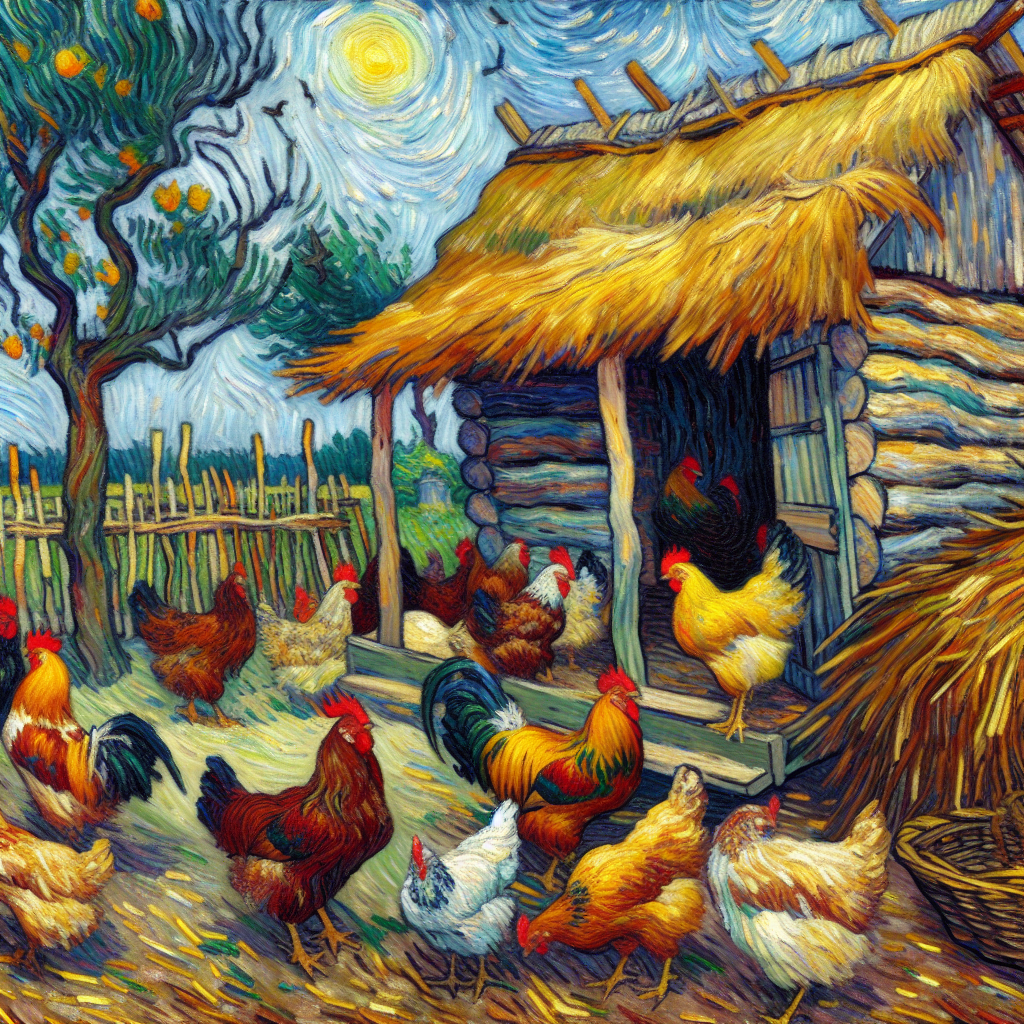
When it comes to teaching chicken care, the portrait painted by porch mentors is a vivid one—brimming with warmth, wisdom, and an undeniable sense of community. Picture a sun-drenched afternoon, the air filled with a chorus of clucks and the rich scent of fresh hay. Neighbors gather, leaning in close, as seasoned poultry enthusiasts share their stories and practical skills. These mentors don’t just wield authority; they embody it, stemming from their hands-on experience as caretakers of their backyard chickens.
The authority held by porch mentors isn’t backed by formal degrees—rather, it is woven from trials, errors, and the triumphant joy of nurturing life. Their lessons aren’t confined to text; they live in the creased smiles of those who’ve gathered eggs for breakfast after learning how to properly care for a flock. This expertise resonates deeply, appealing to our hearts as we consider the simple yet profound connection between humans and animals. Every mentor’s nurturing spirit serves as a bridge, guiding novices through the often-overlooked joys and subtle nuances of chicken care.
Rationally, new chicken owners might initially feel overwhelmed by the plethora of online resources—each promising the secret to a healthy flock. However, nothing beats the wisdom that comes from the warmth of a smile, an encouraging nod, or a reassuring tip shared over a cup of lemonade. These porch mentors teach not just how to manage a coop but how to appreciate the rhythm of nature—helping others understand that chickens are more than just creatures; they are companions.
Ethically, the mentorship shared in those backyard gatherings has a ripple effect, fostering a sense of responsibility and stewardship towards our feathered friends. It’s about ensuring their comfort and health while feeding a growing desire for sustainable living. When someone learns how to mindfully care for one chicken, they often find the courage to embrace larger responsibilities—perhaps even inspiring their children or neighbors to do the same.
Furthermore, by engaging in this mentorship, we forge connections that transcend individual backyards. Those who join in this chicken care adventure are part of a larger narrative, a grassroots movement steeped in tradition and mutual respect. By inviting others into the fold, porch mentors cultivate a community that thrives not just on chicken care but on shared values of growth, kinship, and the simple understanding that together, we’re all clucking along in this wild, wonderful journey called life.

What Authority Did Porch Mentors Hold In Teaching Chicken Care?
What Authority Did Porch Mentors Hold In Teaching Chicken Care?
- Porch mentors provide a vivid, community-focused approach to teaching chicken care.
- They share hands-on experiences rather than formal academic authority.
- Their expertise fosters a meaningful connection between humans and chickens.
- Mentors help new owners appreciate the joys and nuances of chicken care.
- Face-to-face guidance often outweighs online resources, promoting comfort and support.
- This mentorship encourages a sense of responsibility and sustainable living.
- Engaging in chicken care builds community connections and shared values.
What Authority Did Porch Mentors Hold In Teaching Chicken Care?
How Can Backyard Chickens Bring Joy and Fulfillment to Our Lives?
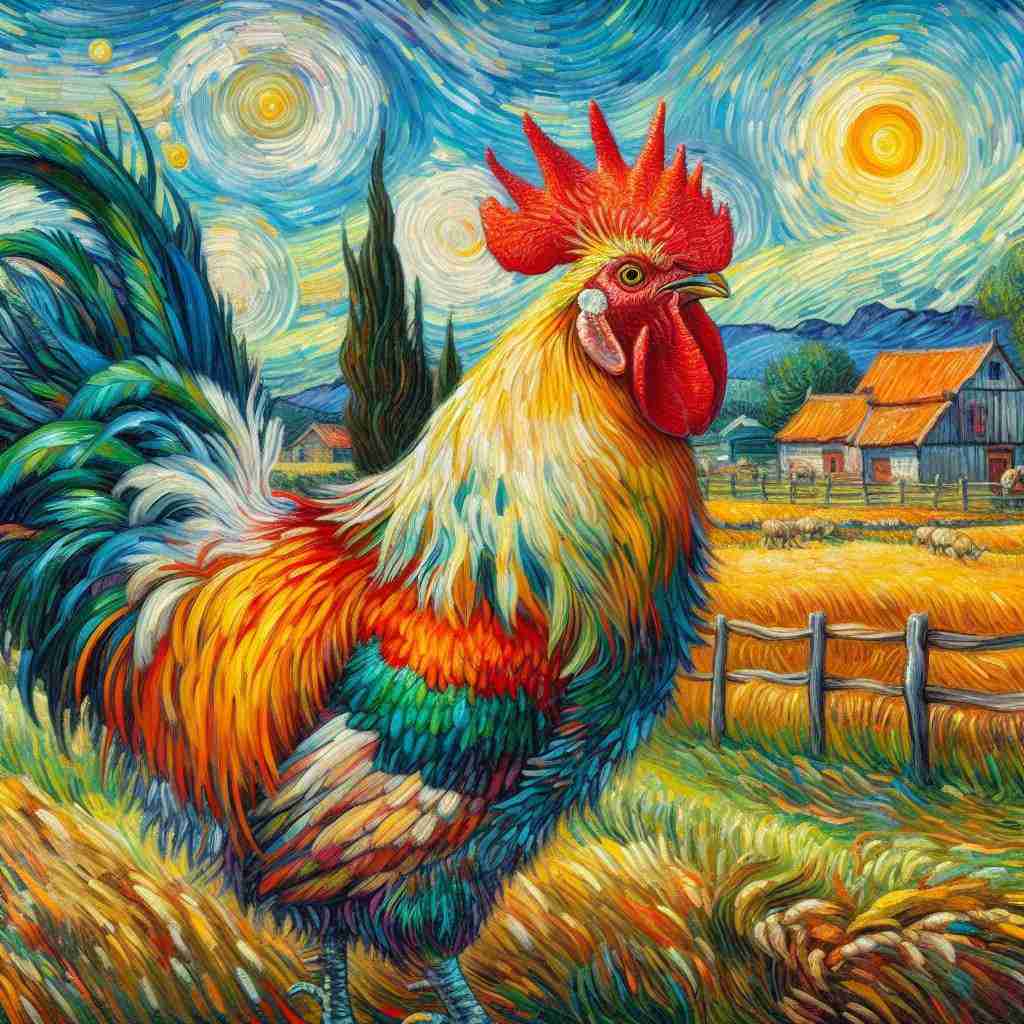
When we think about Backyard Chickens, we often picture a quaint slice of rural life, clucking away under the sun. Yet, these feathery companions offer far more than just fresh eggs and colorful feathers; they bring joy and fulfillment into our daily lives in a manner that resonates deeply within our hearts, heads, and guts.
Let’s start with the simple joy of watching them. There’s something incredibly soothing about sitting quietly while your flock pecks around in the grass, their clucks and coos creating a gentle symphony. This connection to nature, right in our backyards, is a reminder that life is teeming with wonders, even in the most ordinary moments. It’s a stress reliever, a much-needed pause from the cacophony of daily life. That contentment is not only emotional; it’s also rooted in a simple truth: nurturing animals fosters a sense of responsibility and care that enriches our human experience.
Now, let’s approach this from a practical perspective. Raising your own chickens means access to fresh, organic eggs. It’s empowering to know exactly where your food comes from, and many people find that the taste of homegrown eggs beats store-bought any day. Not to mention the environmental benefits; keeping chickens reduces kitchen waste and can even help cultivate a lush garden through their natural fertilization. When we think rationally about our choices, Backyard Chickens become more than just pets; they evolve into ethical partners in our quest for sustainable living.
Moreover, we’re part of a larger movement. Communities are increasingly turning toward self-sufficiency and local food networks. As more people raise chickens, they create connections not just within their own homes, but with neighbors, local farmers, and like-minded individuals who share similar goals. Chicken-keeping transcends the barriers of age, status, and experience—it invites everyone into a shared experience of growth.
And let’s not forget the stories. Each chicken has its own personality and quirks that become a part of our daily narratives, enriching our lives with laughter and surprise. These are the tales we share with friends and family, the anecdotes that bind us closer together.
So, if you’re pondering the idea of welcoming Backyard Chickens into your life, know that it’s not just about eggs or barnyards; it’s about cultivating joy, connection, and fulfillment in ways you might never have imagined. Embrace the opportunity to nurture not only these animals but also your spirit and your community. In doing so, you might just find that happiness roams freely within your own backyard.
How Can Backyard Chickens Bring Joy and Fulfillment to Our Lives?
How Can Backyard Chickens Bring Joy and Fulfillment to Our Lives?
- Backyard chickens symbolize a quaint rural lifestyle while providing emotional fulfillment beyond just fresh eggs.
- Observing chickens in the yard offers soothing stress relief, creating a connection to nature.
- Nurturing chickens fosters responsibility and care, enriching human experience.
- Raising chickens provides access to fresh, organic eggs, empowering individuals with knowledge of their food sources.
- Chickens contribute to environmental sustainability by reducing waste and providing natural fertilization for gardens.
- Chicken-keeping encourages community connections and promotes self-sufficiency among neighbors and local farmers.
- Each chicken has unique personalities that enrich daily life with stories and laughter, deepening bonds with family and friends.

How Can Backyard Chickens Bring Joy and Fulfillment to Our Lives?
Conclusion
Imagine a world where the heartbeat of community resonates through the simple act of chicken keeping. Gone are the days when neighbors gathered on porches sharing tales, tips, and laughter that pulled us closer. It was a time when wisdom wasn’t found in web searches but in the lived experiences of those who had gone before us. In today’s fast-paced, digitally dominated environment, we often overlook the emotional richness of these interactions. Raising chickens isn’t just about gathering eggs; it’s about nurturing connections with our families, neighbors, and the environment.
Every time we step outside, tend to our flock, and engage with nature, we ground ourselves amidst the chaos of modern life. The gentle coos of contented hens remind us of simpler pleasures and the value of responsibility. It’s not just the fresh, vibrant yolks of home-raised eggs that bring nourishing joy—it’s also the lessons in patience, care, and ethical living they offer. By understanding where our food comes from, we cultivate a deeper appreciation for sustenance and a commitment to sustainability.
Every chicken has its story—a mischievous escapee or a hen that laid her very first egg. Sharing these narratives with those around us elicits smiles and laughter, fostering a sense of shared humanity. Each story builds a bridge that connects us to others, transforming mere acquaintances into friends. Chicken keeping has an unparalleled ability to nurture community bonds, sparking conversations that transcend generational, cultural, and geographical gaps.
Ethically, it’s about fostering a lifestyle that respects our animals and the planet. It cultivates responsibility while inspiring others to engage in sustainable practices that can ripple through the community. As backyard chicken keepers, we find ourselves part of a growing movement—a resurgence of the values our grandparents cherished. We’re not just raising chickens; we’re building robust networks grounded in trust, respect, and shared experience.
In a world that often prioritizes the virtual over the tangible, embracing chicken keeping can reconnect us to what truly matters—the bonds we form with those around us and the simple joy of nurturing life. So step outside, revel in the clucking chorus of your backyard, and allow those playful moments to remind you that the richest experiences aren’t found online. Let’s revive that vanished porch wisdom and breathe new life into the heart of community. After all, it’s not just about the chickens; it’s about us—growing, laughing, and thriving together.

Conclusion
Conclusion:
- Chicken keeping fosters community connections and revives the lost art of neighborly interaction.
- Engaging with chickens offers grounding moments amidst the chaos of modern, digital life.
- Raising chickens teaches valuable lessons in patience, care, and ethical living.
- Sharing stories about chicken experiences builds bridges and transforms acquaintances into friends.
- Chicken keeping promotes sustainability and responsibility, inspiring community engagement.
- It reflects a resurgence of cherished values from past generations, strengthening community bonds.
- Embracing chicken keeping helps reconnect us with the tangible joys of life and interpersonal relationships.

Conclusion
Other Resources

Other Resources
Here is a list of other resources you can review online to learn more:
- bobcats
- White Rock
- Blue Laced Red Wyandotte
- Oatmeal
- leafy greens
- roundworms
- Houdan
- turnip greens
- apples
- Austra White
- Tapeworms
- mealworms
- chicken run
- Sultan
- Tomaru
- Australorp
Use This Prompt To Get More Resources With Your Favorite Online AI Tool: Please provide me with a list of online articles with their URLs in a bulleted list that I can read regarding Back When Chicken Keeping Was Learned From the Porch, Not the Web

Other Resources
Glossary Terms
Back When Chicken Keeping Was Learned From the Porch, Not the Web – Glossary Of Terms
1. Chicken Keeping: The practice of raising chickens for eggs, meat, or companionship.
2. Heritage Breeds: Traditional chicken breeds that have been preserved over time for their specific traits and adaptability.
3. Cackle: The distinctive sound made by hens, often associated with contentment or the announcement of egg-laying.
4. Pecking Order: The social hierarchy established among chickens that dictates access to food, space, and mates.
5. Nest Box: A designated space within the coop where hens lay their eggs, often lined with bedding for comfort.
6. Broodiness: A behavioral condition in hens where they exhibit a strong desire to incubate eggs and care for chicks.
7. Foraging: The act of chickens searching for food in their environment, often includes scratching, pecking, and exploring.
8. Free Range: A type of chicken keeping that allows birds to roam freely outdoors rather than being confined to a coop.
9. Coop: A shelter designed for chickens that provides protection from predators and harsh weather.
10. Run: An enclosed outdoor area adjacent to a coop where chickens can exercise and forage safely.
11. Grit: Small stones or coarse materials chickens ingest to aid digestion, as they lack teeth to grind food.
12. Molting: The natural process where chickens shed old feathers to make way for new growth, often occurring annually.
13. Pecking: A natural behavior where chickens use their beaks to investigate their environment, establish dominance, or forage.
14. Feed: The nutritional supplements provided to chickens, which can vary by purpose (layer, broiler, etc. ).
15. Broiler: A type of chicken bred specifically for meat production, known for its rapid growth and muscle development.
16. Layer: A hen raised primarily for egg production, often characterized by specific breed traits and dietary needs.
17. Flock: A group of chickens that stay together for social interaction, foraging, and protection.
18. Coccidiosis: A common parasitic infection affecting chickens, often caused by contaminated feed or water.
19. Stress: A condition in chickens that can affect health and egg-laying, often triggered by changes in environment or handling.
20. Vaccination: The process of administering vaccines to prevent diseases common in poultry, ensuring long-term health.
21. Chick: A young chicken, typically referred to from hatching until reaching juvenile growth stages.
22. Rooster: An adult male chicken known for crowing, protecting the flock, and mating with hens.
23. Hen: An adult female chicken, primarily known for laying eggs.
24. Chick Starter: A specialized feed designed for young chicks, rich in protein and essential nutrients for growth.
25. Roost: A perch where chickens sleep at night, usually positioned higher off the ground for safety.
26. Incubator: A device used to hatch eggs artificially by controlling temperature and humidity levels.
27. Compost: Decomposed organic matter that can be produced from chicken waste and bedding, beneficial for gardening.
28. Predator: Any animal that threatens chickens, including foxes, raccoons, hawks, and domestic pets.
29. Biosecurity: Practices aimed at preventing disease introduction and spread within a flock.
30. Bedding: Material, such as straw or wood shavings, used in the coop to provide comfort and absorb waste.

Glossary Of Terms
Other Questions
Back When Chicken Keeping Was Learned From the Porch, Not the Web – Other Questions
If you wish to explore and discover more, consider looking for answers to these questions:
- What are the best chicken breeds for beginners?
- How can I create a safe and comfortable coop for my chickens?
- What are the signs of a healthy chicken?
- How can I handle common chicken health issues?
- What are some effective ways to train chickens?
- How do I ensure my chickens have a balanced diet?
- What are the benefits of raising chickens beyond just eggs?
- How can chicken keeping promote sustainability in urban areas?
- What local laws and regulations should I be aware of when raising chickens?
- How can I involve my children in the chicken-keeping process?
- What are some creative ways to share my chicken experiences with others?
- How has the perception of chicken keeping changed over the years?
- What resources can I access for more information on chicken keeping?

Other Questions
Haiku
Back When Chicken Keeping Was Learned From the Porch, Not the Web – A Haiku
Chickens cluck on porches,
Hearts weave threads of laughter,
Roots in soil connect.
Haiku
Poem
Back When Chicken Keeping Was Learned From the Porch, Not the Web – A Poem
Once upon a porch, under skies of blue,
Neighbors shared laughter, their wisdom grew.
With feathered friends in coops, not just for the feed,
They nurtured compassion, sowed trust as a seed.
In sunlit corners where stories took flight,
Lessons of patience emerged in the light.
Each egg, a reminder of life’s gentle sway,
Tied communities closer, bringing warmth to the day.
For chicken in hand, brings heart to the home,
Joy in the simple, prompt smiles on the roam.
No online tutorial could weave such a tale,
As the laughter shared over mishaps that sail.
Through clucks and through coos, a bond is ignited,
A remedy stout when the soul feels slighted.
Neighbors become friends, in the rhythm they find,
Life woven together, with a bond intertwined.
With every soft peep, comes an echo of care,
An ethical choice, in the fresh morning air.
For the yolks of the sun are richer, it’s true,
When nurtured with love, with a farmer’s view.
So step to the coop, let the digital fade,
Reclaim the lost art of connections made.
In feathers and laughter, rediscover your heart,
Through the joy of the flock, let each moment impart.
In the wisdom of porches, the whispers of kin,
We learn from the chickens, as they thrive from within.
In our busy lives, let these lessons sustain,
For joy dwells in simplicity—let’s nurture again.

Poem
Checklist
Back When Chicken Keeping Was Learned From the Porch, Not the Web – A Checklist
Checklist for Rediscovering the Heart and Wisdom of Traditional Chicken Keeping
Emotional Appeals:
_____ Reflect on your own cherished experiences and memories associated with raising chickens.
_____ Identify opportunities to spend quality time outdoors and connect with nature.
_____ Share your personal chicken stories with friends, family, or neighbors to foster emotional bonds.
Rational Appeals:
_____ List practical benefits of chicken keeping (e. g. , fresh eggs, natural pest control).
_____ Explore the sustainability aspects of raising chickens and their impact on local ecosystems.
_____ Assess the financial savings of growing your own food versus purchasing from stores.
Ethical Appeals:
_____ Consider the ethical responsibility of caring for animals and what that teaches about compassion.
_____ Evaluate your food sources and the impact of knowing where your eggs come from.
_____ Reflect on sustainable living choices and how raising chickens contributes to this philosophy.
Authority Appeals:
_____ Seek mentorship from seasoned chicken keepers in your community for hands-on learning.
_____ Attend local workshops or fairs to deepen your knowledge and skills in poultry care.
_____ Create a network of chicken enthusiasts to share resources and advice.
Narrative Appeals:
_____ Compile stories from your experience or those of other chicken keepers in your community.
_____ Share anecdotes that highlight the life lessons learned from keeping chickens.
_____ Document the journey of raising your flock, celebrating small victories along the way.
Social Appeals:
_____ Connect with neighbors to foster relationships through chicken keeping (e. g. , egg exchanges).
_____ Organize local chicken keeping meetups or backyard tours to build community.
_____ Encourage discussions on social platforms about the joys and challenges of raising chickens.
Practical Action Items:
_____ Create a schedule for daily chicken care routines to instill responsibility.
_____ Designate a specific area in your yard for chicken keeping that aligns with your lifestyle.
_____ Keep a journal documenting your experiences, insights, and shared knowledge with the community.
Checklist
At BackyardChickenNews, we help people who want to raise backyard chickens by collating information and news blended with our own personal experiences.
Be sure to read our other related stories at BackyardChickenNews to learn more about raising chickens in your backyard.