

Embracing The Art Of Composting: A Timeless Tradition
By Tom Seest
At BackyardChickenNews, we help people who want to raise backyard chickens by collating information and news blended with our own personal experiences.
Be sure to read our other related stories at BackyardChickenNews to learn more about raising chickens in your backyard.
Back When Compost Wasn’t a Trend-It Was a Way Of Life
Back in the day, long before the trendy hashtags and Instagram posts touting the virtues of sustainability, composting wasn’t some stylish hobby; it was a gritty, everyday reality. Picture a warm afternoon in a modest backyard. You’d find yourself in the company of a well-worn garden, the soil rich and dark, a sign of life’s hidden cycles at work. That’s where the real magic happened—it was about connection to the earth, simple yet profound.
Imagine the humble act of tossing vegetable scraps, coffee grounds, and old newspapers into a heap, knowing that these leftovers weren’t waste but the very ingredients that would nurture the next generation of crops. Back then, composting was less about eco-certification and more about survival. Our grandparents knew that turning scraps into soil enriched not only their gardens but also their spirits. They understood that their efforts were not just for today; they were forging a bond with nature that guaranteed the health of their family and community for years to come.
And let’s not forget the Backyard Chickens. They weren’t just charming companions strutting about while clucking their little hearts out; they were part of an intricate cycle. Each egg collected, each cluck echoing through the yard, symbolized self-sustainability. Those chickens transformed kitchen waste into eggs and fertilizer, enriching both diet and soil. The truth is, these simple practices brought families together, created a tapestry of shared stories, laughter, and an unwavering work ethic—lessons learned through sweat and dirt that an Instagram post could never capture.
On a practical level, composting conserves resources and diminishes waste. Less reliance on store-bought fertilizers means putting money back into your pocket—a rational choice with a real impact. Ethically, it means refusing to be part of a disposable culture that diminishes our planet’s health. The authority of our ancestors speaks through these actions, empowering us to take ownership of our footprint.
Not just a trend, it was a way of life driven by necessity and reciprocation to the earth. Our predecessors didn’t need flashy marketing to convince them; they felt it in their bones. As you gather your own scraps today, remember that you’re not just composting; you’re joining a legacy, a powerful narrative rooted in respect for the cycles of life. Your backyard is more than a patch of grass—it’s a testament to a relationship built on trust, resilience, and connection to something far greater than ourselves. So roll up your sleeves and dig in; it’s time to get back to the basics that once nourished us all.

Back When Compost Wasn’t a Trend-It Was a Way Of Life
Back When Compost Wasn’t a Trend-It Was a Way Of Life
- Composting was once a gritty, everyday reality, not a trendy hobby associated with sustainability.
- The act of composting vegetable scraps and other leftovers enriched gardens and nurtured future crops.
- Previous generations viewed composting as a survival necessity that forged a deep bond with nature.
- Backyard chickens played a vital role in self-sustainability, turning kitchen waste into eggs and fertilizer.
- Composting conserves resources, reduces waste, and minimizes dependency on store-bought fertilizers.
- It reflects a refusal to participate in a disposable culture, promoting the health of the planet.
- Engaging in composting today connects individuals to a legacy of respect for the cycles of life.
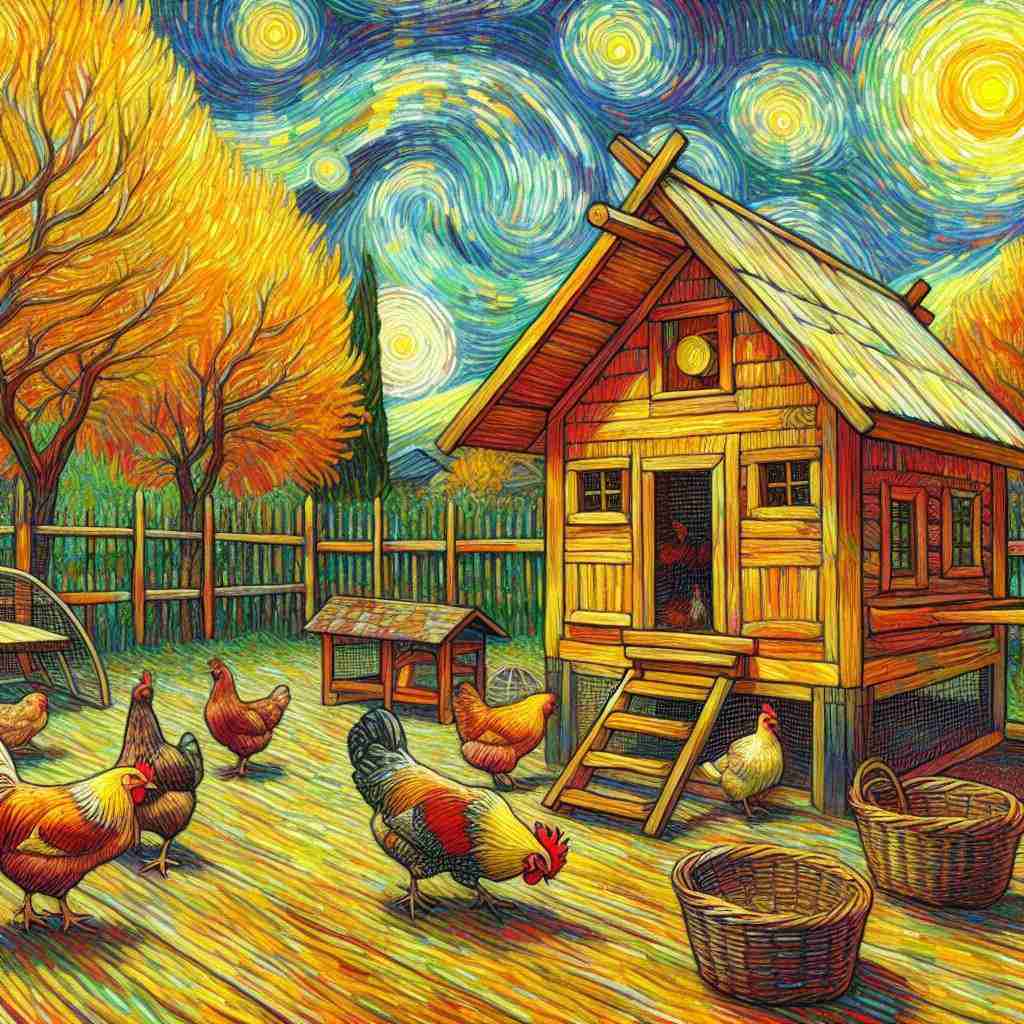
Back When Compost Wasn’t a Trend-It Was a Way Of Life
Table Of Contents
- Back When Compost Wasn’t a Trend-It Was a Way Of Life
- What Memories Do You Have Of Traditional Composting Methods?
- How Can We Reconnect with Nature Through Composting Today?
- What Are the Environmental Reasons to Embrace Composting Right Now?
- How Can Composting Improve Soil Health for Future Generations?
- Are We Losing Important Agricultural Knowledge By Ignoring Composting?
- What Role Does Composting Play In Reducing Waste In Our Communities?
- Could Composting Be a Step Towards Sustainable Food Practices?
- Conclusion
- Other Resources
- Glossary Of Terms
- Other Questions
- Haiku
- Poem
- Checklist
What Memories Do You Have Of Traditional Composting Methods?
Picture this: a vibrant backyard, lively with the clucking of chickens — yes, the delightful sound of backyard chickens. It was a place where remnants of our meals mingled with scraps of paper and grass clippings, creating a small ecosystem of their own. As kids, we learned the simple yet profound lesson that nothing goes to waste, if you know what to do with it. That compost pile was a living, breathing entity, a testament to the rhythm of life and death, decay and renewal.
Every scoop of kitchen scraps flung into that heap wasn’t just a chore; it was an act steeped in generations of wisdom. We took pride in contributing to a cycle that nourished the earth, reminding us that our actions — no matter how small — matter. And who couldn’t feel a swell of pride and responsibility when the first vegetables of the season sprouted from that rich, dark soil? Nature rewards those who tend to her, an ethical lesson that feels increasingly relevant in our world of throwaway culture.
But let’s talk about the rational aspect. Traditional composting is sustainable — a smart use of resources that cuts down on waste. It’s not just about gardening; it’s about actively participating in the natural cycle. With the right techniques, we can return nutrients to the soil rather than send them off to a landfill, where they’ll never contribute to life again. Committing to composting means accepting our role as stewards of the land, balancing modern living with responsible actions.
Remember the camaraderie of gathering family and friends to sift through that rich black treasure? We bonded in the dirt, sharing tips and tricks, swapping stories. We laughed while debating the merits of browns versus greens, turning what could be mundane into a moment of connection. Gardening is an art that inspires confidence in our abilities, reminding us that we are capable of growing something beautiful.
It’s time to reconnect with these age-old practices. Let’s build that bond with our environment again, cultivating life instead of waste. So, gather that compost, embrace your backyard chickens, and remember: when you compost, you’re not just stacking scraps; you’re nurturing a relationship with nature that deserves to thrive. It’s an age-old remedy for modern woes — an act of love for our planet and ourselves.

What Memories Do You Have Of Traditional Composting Methods?
What Memories Do You Have Of Traditional Composting Methods?
- A vibrant backyard ecosystem filled with chickens teaches the lesson of waste management.
- The compost pile symbolizes life, decay, and renewal, emphasizing the importance of contributing to our environment.
- Composting is a source of pride and responsibility, leading to bountiful vegetable harvests.
- Traditional composting is sustainable, reducing waste and promoting responsible resource use.
- Composting fosters a sense of community, allowing family and friends to bond over gardening practices.
- Engaging in composting connects individuals with age-old practices and nurtures their relationship with nature.
- Embracing composting is a proactive step towards caring for the planet and combating throwaway culture.

What Memories Do You Have Of Traditional Composting Methods?
How Can We Reconnect with Nature Through Composting Today?
Composting is more than just a chore; it’s an invitation back to a simpler, more connected existence. When you dig your hands into the rich, dark earth of your compost pile, you engage with life itself—an ancient practice beloved by cultures throughout history. Just as our ancestors tended to their gardens, cultivating the soil and nurturing the seeds of future growth, we have an opportunity to breathe new vitality into our lives by embracing the cycles of nature.
Think about it: every banana peel, every leftover vegetable, and even the coffee grounds from your morning brew can transform into something extraordinary. When you compost, you’re not simply reducing waste; you’re becoming part of an intricate dance between life and decay, where every scrap of organic matter contributes to a healthy ecosystem. The beauty lies in the fact that within this decay, there is rebirth—a connection we often overlook in our fast-paced world.
Imagine walking out to your backyard, the sun warming your face, and the sound of clucking from your backyard chickens inviting you to witness the magic happening right beneath your feet. You have the power to create life-giving soil that will nourish your plants and enrich your community. Composting is not just a personal endeavor; it’s a vital contribution to your local environment. By diverting waste from landfills, you’re doing your part to combat climate change, one banana peel at a time.
Engagement with nature through composting also invites us to examine our consumption habits. What better way to understand the impact we have on our planet than to witness firsthand the transformation of our waste? This process instills a sense of responsibility, fostering a deeper respect for our resources. It speaks to the ethical imperative we have to care for the earth, a commitment that resonates more strongly now than ever.
So roll up your sleeves, and dive headfirst into the warm, earthy world of composting. It’s a messy affair, but think about the magic that awaits—a flourishing garden, vibrant life, and the satisfaction of contributing positively to the environment. Isn’t it time we all dig in and nurture our connection with nature? Join the movement; let’s embrace composting as a way to reconnect with what matters most in our lives.

How Can We Reconnect with Nature Through Composting Today?
How Can We Reconnect with Nature Through Composting Today?
- Composting invites a simpler, more connected existence, engaging with an ancient practice embraced by various cultures.
- Transform organic waste, like banana peels and coffee grounds, into valuable contributions to a healthy ecosystem.
- It’s a process of decay and rebirth, highlighting the connection often lost in our fast-paced lives.
- Composting enriches personal gardens and communities while helping to combat climate change by diverting waste from landfills.
- Engagement in composting prompts reflection on consumption habits and fosters a sense of responsibility towards the planet.
- This practice emphasizes our ethical duty to care for the earth and promote sustainability.
- Embrace composting as a way to nurture nature, enjoy a flourishing garden, and reconnect with what matters most.

How Can We Reconnect with Nature Through Composting Today?
What Are the Environmental Reasons to Embrace Composting Right Now?
When you think of composting, what comes to mind? A pile of rotting leaves and food scraps? For some, it might seem like a dirty chore, an obligation we grudgingly tackle. But here’s the kicker: that pile is one of the most powerful tools we have to heal our planet. Imagine this: every year, about 30% of the food we produce ends up in landfills, emitting carbon and methane gases that choke our atmosphere and raise global temperatures. By composting right now, we’re not just reducing waste; we’re taking a stand for our environment.
Turning kitchen scraps into nutrient-rich soil is a gateway to understanding our relationship with nature. When you compost, you’re engaging in an ancient dance of renewal. You’re not just throwing stuff away. No, you’re giving life back to the earth. Just think about the vegetables and fruits you might grow one day with your compost. Picture that juicy tomato or the crisp lettuce fresh from your own backyard, where your family gathers around to enjoy meals made from your labor and love. Maybe you’ll even toss a few scraps to the local backyard chickens, their clucks echoing the joyful cycle of life.
On the ethical side, composting is about making choices that matter. Each handful of decomposed material is a vote cast for sustainable practices over convenience. It’s saying “no” to unsustainable wastefulness while standing shoulder-to-shoulder with fellow composters who share the same values. We are stewards of our land, tasked with maintaining the delicate balance of our ecosystems for future generations. When you compost, you educate others, sparking conversations around sustainability in your neighborhood that might have seemed impossible before.
Plus, let’s talk about authority. Experts overwhelmingly advocate for composting, noting its benefits from reducing landfill waste to nurturing soil health. Why not listen to scientists and environmentalists whose credentials are unmatched?
So, whether you live in a condo, a house with a yard, or are even a proud owner of backyard chickens, composting is a small but mighty action. It’s about building a community, rekindling our connection to the earth, and knowing that every little bit counts. Every time we compost, we are not simply managing waste; we are crafting a legacy of sustainability and health for ourselves and the generations that follow. It’s time to roll up your sleeves and embrace composting—because the earth is counting on us now more than ever.

What Are the Environmental Reasons to Embrace Composting Right Now?
What Are the Environmental Reasons to Embrace Composting Right Now?
- Composting transforms food scraps into a powerful tool for environmental healing, as around 30% of food produced is wasted.
- It creates nutrient-rich soil, fostering a deeper connection with nature and promoting sustainable practices.
- Composting allows for the growth of home-grown produce, enhancing family meals with home labor and love.
- It embodies ethical decision-making, advocating for sustainability over convenience and fostering community values.
- Composting helps to educate others, sparking conversations about sustainability in local neighborhoods.
- Experts advocate for composting due to its many benefits, including reducing landfill waste and improving soil health.
- Composting is a unifying action that helps build community and craft a legacy of sustainability for future generations.

What Are the Environmental Reasons to Embrace Composting Right Now?
How Can Composting Improve Soil Health for Future Generations?
When you think about the dirt beneath our feet, do you see it as a mere foundation, or do you recognize it as a living, breathing tapestry of life? Soil is more than just a blanket for the earth; it’s a diverse community that sustains every plant, animal, and human being on this planet. So, how can composting uplift the health of that vital soil and, in turn, the future of generations yet to come? The answer lies in the cycle of life itself.
Picture this: your kitchen scraps—a wilted carrot, an apple core, maybe some stale bread—transformed into a powerhouse of nutrients. By composting, you’re taking those throwaways and breathing new life into them, creating a rich, organic matter that feeds the soil as well as the delicate ecosystem beneath its surface. With every handful of compost you add, you’re not just enriching your garden; you’re nurturing a legacy. In a world grappling with pollutants and declining soil fertility, each compost pile is like a quiet revolution against despair.
Now, let’s talk about our ethics. It’s our responsibility to ensure that the earth is healthy for our children’s children. Imagine a world where the struggle for fresh, healthy food is a thing of the past, where future generations can enjoy the rich bounty of their land instead of enduring the barren aftermath of industrialized farming. By composting today, we’re not just recycling our waste; we’re crafting fertile ground for tomorrow’s farmers and families to thrive.
But the connection doesn’t stop with the dirt. Think about the community you build in your backyard. Nothing brings people together quite like shared efforts and stories, whether you’re tending to composting bins or welcomed by a flock of backyard chickens. Sharing tips, successes, and even failures fosters a camaraderie centered on sustainability and growth. Your neighbors might stop and ask, “What’s that smell?” but eventually end up curious about your composting journey.
Trust me: every time we enrich the soil, we’re sculpting a healthier planet. So, roll up your sleeves and dive in. It’s not just about dirt; it’s about the future. Let’s dig deep and commit to nurturing our earth and the generations to come, one compost heap at a time.
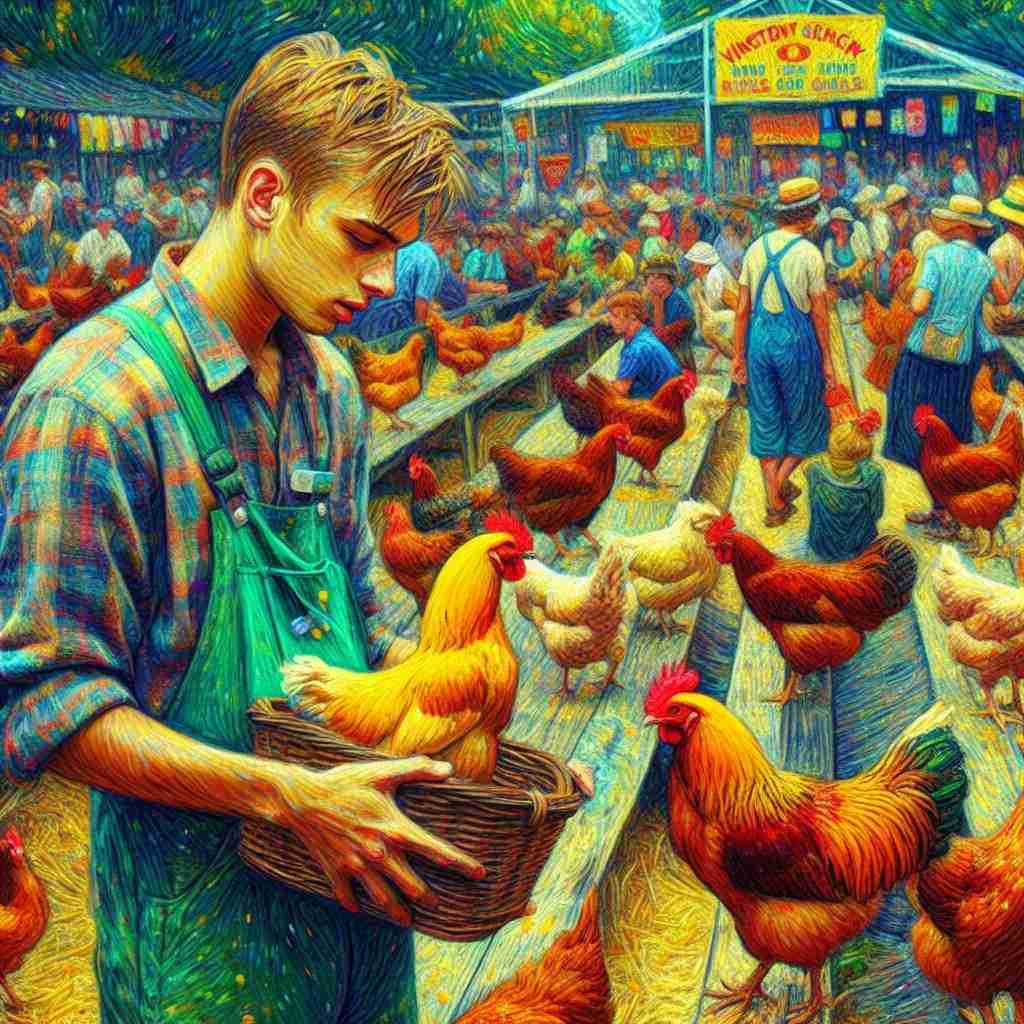
How Can Composting Improve Soil Health for Future Generations?
How Can Composting Improve Soil Health for Future Generations?
- Soil is a living tapestry that sustains all life on Earth.
- Composting transforms food scraps into nutrient-rich organic matter.
- Each compost pile represents a revolution against environmental degradation.
- Composting is a responsibility to future generations for healthy soil and food.
- It fosters community through shared gardening and composting efforts.
- Engaging in composting promotes sustainability and environmental awareness.
- Composting is a commitment to nurture the earth for the future.

How Can Composting Improve Soil Health for Future Generations?
Are We Losing Important Agricultural Knowledge By Ignoring Composting?
When we think of farming in today’s world, our minds often gravitate to sleek tractors, endless fields, and the latest innovations in technology. Yet, amidst all this progress, we risk overlooking some of the most age-old practices that could hold the key to a sustainable future: composting. Picture this: your grandmother’s backyard, bustling with life. She had it all—a small plot of vegetables, herbs growing wild, and even a few chickens scratching about. It wasn’t just charming; it was a system that made sense. She understood the delicate balance of nature, how to nurture soil, and the importance of waste—not as a burden, but as a resource.
Yet now, we’re racing further from that wisdom. In our quest for convenience, we’ve automated farming and traded hand tools for machines. The knowledge passed down from generations is fading, and in its absence, we risk losing understanding of how to cultivate not just our crops, but our communities and our very relationships with the Earth. Composting is less about turning scraps into soil and more about crafting a circular economy—a system where nothing is wasted and everything contributes.
Digging a little deeper, let’s address the head and gut. Composting makes rational sense; it reduces landfill waste, lowers greenhouse gas emissions, and provides rich nutrients for plants. It’s a waste management miracle that also yields better produce! As we worry about food security and environmental challenges, shouldn’t we prioritize practices that work in harmony with nature? We need to listen to the science and embrace the expertise of those who’ve been doing this for centuries—farmers who know that healthy soil means healthy plants which lead to healthy people.
On an ethical level, let’s consider our role as stewards of the land. When we ignore composting, we distance ourselves from cyclic sustainability. It’s not just a task; it’s a commitment to future generations. It says we care—about our health, our environment, and the legacy we leave behind. By incorporating simple practices, like composting at home or raising backyard chickens, we take tangible steps to foster resilience in our agricultural systems.
This isn’t just about soil; it’s about soul. When we reconnect with the land and its cycles, we not only contribute to a healthier planet but also nurture a sense of belonging and community. And isn’t that something worth holding on to?

Are We Losing Important Agricultural Knowledge By Ignoring Composting?
Are We Losing Important Agricultural Knowledge By Ignoring Composting?
- Modern farming focuses heavily on technology, often overlooking traditional practices like composting.
- Traditional farming, exemplified by practices of the past, emphasizes the balance of nature and resource management.
- The shift towards automation in farming has led to a loss of ancestral knowledge and community connection.
- Composting embodies a circular economy, reducing waste and enhancing soil health while yielding better produce.
- Emphasizing composting can improve food security and address environmental challenges in harmony with nature.
- Actively practicing composting and sustainable methods demonstrates stewardship and commitment to future generations.
- Reconnecting with the land through practices like composting fosters community and nurtures a sense of belonging.

Are We Losing Important Agricultural Knowledge By Ignoring Composting?
What Role Does Composting Play In Reducing Waste In Our Communities?
In the heart of our communities, composting stands as a quiet hero, working tirelessly to combat the staggering issue of waste. Picture this: a vibrant backyard garden, flourishing with life, where scraps that once might have ended up in a landfill are transformed into rich, fertile soil. This isn’t just about reducing what we toss in the trash; it’s about revolutionizing the way we think about our waste and our world.
Imagine your kitchen scraps—the peels of fruits and veggies, coffee grounds, and perhaps even leftover pasta—belittled as “garbage.” Yet, every day, these items possess untapped potential. When we embrace composting, we’re engaging in a powerful act of stewardship, revitalizing the earth beneath our feet. It’s a connection to nature that echoes through generations. Our grandparents might have leaned on composting to nourish their gardens, a practice that now welcomes us back to the simplicity and efficacy of sustainable living.
Let’s talk a little about the numbers. Landfills are bursting at the seams, emitting greenhouse gases that aggravate climate change. By composting, we can divert up to 30% of our household waste—materials that not only occupy space but also contribute to environmental degradation. With every pile of compost you create, you’re striking a blow against that waste crisis. Now that gets my gut churning with a sense of purpose!
But it’s not only about numbers; it’s about ethics. Each time you turn that compost, you make a conscious decision to reduce your carbon footprint. You can set an example for your family, your neighbors, and the next generation. Perhaps they’ll join you in the backyard, tending to the earthy treasures you’ve cultivated. Maybe they’ll even raise backyard chickens, turning food scraps into a closed-loop system that enriches your home. Can’t you almost hear those clucks? It’s a community endeavor, and one that can make us feel united in a common mission.
Composting connects us, not only to our environment but to each other. As we share tips, seeds, and maybe even a few roosters, we start to weave a network of care and commitment. Each handful of compost isn’t just soil—it’s a testament to our dedication to a healthier planet. This isn’t just about composting; it’s about participating in a movement, and that movement begins right in our backyards. So, let’s roll up our sleeves, dig in, and transform our waste into something extraordinary. Together, we can nurture the world around us.

What Role Does Composting Play In Reducing Waste In Our Communities?
What Role Does Composting Play In Reducing Waste In Our Communities?
- Composting serves as a vital solution to the growing issue of waste in our communities.
- Kitchen scraps, often viewed as garbage, hold significant potential for creating rich soil.
- This practice promotes a deeper connection to nature and sustainable living, reminiscent of methods used by previous generations.
- Landfills contribute to greenhouse gas emissions; composting can divert up to 30% of household waste.
- Engaging in composting helps reduce one’s carbon footprint and serves as a model for others.
- Composting fosters community and shared commitment, encouraging collaboration and knowledge sharing among neighbors.
- The movement towards composting enables individuals to transform waste into valuable resources, nurturing both the environment and community bonds.
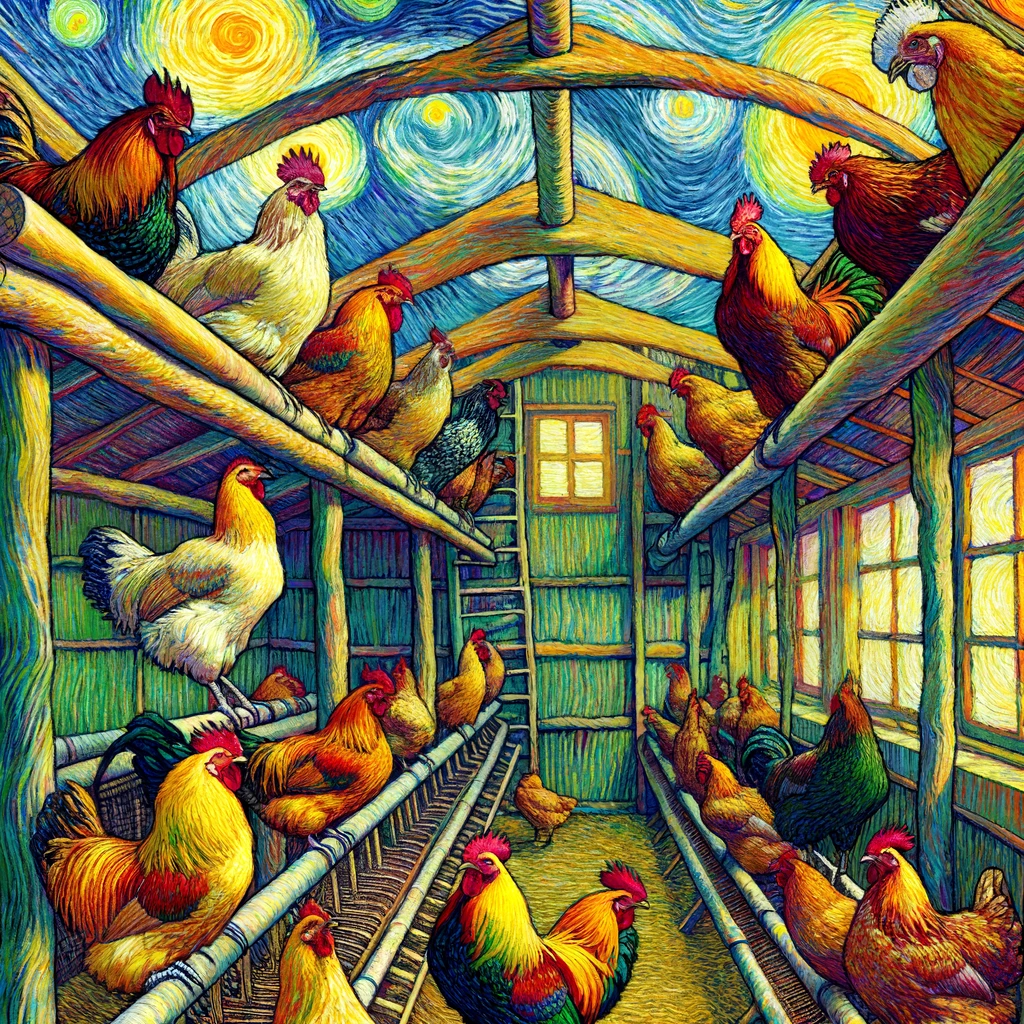
What Role Does Composting Play In Reducing Waste In Our Communities?
Could Composting Be a Step Towards Sustainable Food Practices?
Composting may seem like a mundane task, something relegated to the corners of our backyards, but it’s much more than that; it’s an act of connection, a bridge between our everyday lives and the health of our planet. Imagine that pile of vegetable scraps, coffee grounds, and autumn leaves transforming, day by day, into rich, fertile soil. There’s a certain magic in that process, a reminder that even what we consider waste can become something of value. It’s not just about reducing garbage; it’s about nurturing life itself.
Rationally speaking, think about the statistics: Around 30% of our waste is organic matter that can be composted. By diverting this waste from landfills, we are significantly cutting down on greenhouse gas emissions. That’s right — each peel, each stem we toss into a compost bin helps temper climate change. This isn’t just “green talk”; it’s math, and it’s actionable for anyone willing to take a few minutes to learn.
Ethically and socially, consider the impact of what we eat. The industrial food system is rife with inefficiencies; by turning our kitchen scraps into compost, we’re taking a stand against that wastefulness. It’s a gesture of respect for the hard work of farmers and a nod to the earth’s ability to renew itself. Plus, composting fosters community. Imagine neighborhoods coming together, sharing knowledge, and swapping tips about not only composting but also growing your own vegetables, perhaps even raising backyard chickens. It’s about building a local food culture that’s self-sustaining and resilient.
When you engage in composting, you form a bond with your food and the earth. You develop a deeper appreciation for what you consume. You start to see your kitchen scraps in a new light — as an opportunity rather than a burden. If you’ve ever seen kids marveling over a worm wriggling its way through the soil or delighted in watching seedlings sprout from composted earth, you know the impact is profound.
This is not just about composting; it’s an invitation to reclaim a relationship with nature. The cycle of life is at our fingertips, urging us to participate, to innovate, and to inspire others. Trust that composting is a step toward sustainable food practices, one that can change the world, starting right in our backyards. Join the movement; let’s cultivate a greener future, one compost bin at a time.

Could Composting Be a Step Towards Sustainable Food Practices?
Could Composting Be a Step Towards Sustainable Food Practices?
- Composting connects our daily lives to the health of the planet, transforming waste into fertile soil.
- About 30% of our waste is organic and compostable, reducing greenhouse gas emissions when diverted from landfills.
- Composting is an ethical stance against food waste and promotes respect for farmers and nature’s renewal processes.
- It fosters community by encouraging neighbors to share knowledge about composting and local food culture.
- Engaging in composting helps develop a bond with food, leading to a deeper appreciation for what we consume.
- The process of composting is a means to reclaim our relationship with nature and inspires sustainable practices.
- Participating in composting can initiate a movement toward a greener future, starting from our own backyards.

Could Composting Be a Step Towards Sustainable Food Practices?
Conclusion
Composting isn’t just about tossing your scraps into a bin; it’s a transformative journey that reconnects us to the earth—a journey our grandparents embraced long before it became a trend. Imagine a time when every peel, every leftover, was seen not as waste but as a vital contribution to the cycle of life. Simple acts like composting and raising backyard chickens forged stronger ties within families and communities, nurturing not just soil but also shared values and resilience.
Fast forward to today, and we stand at a crossroads. Our homes overflow with disposables, and landfills grow heavier, fueling climate change. Yet, each time you throw a banana peel into a compost pile, you are making a statement—a commitment to combat the throwaway culture that threatens our planet. Rationally, composting lowers your carbon footprint and fosters a healthier environment while providing nutrient-rich soil that enriches your garden. This isn’t just a noble hobby; it’s a practical approach that saves money and enhances the very air we breathe.
Ethically, composting reminds us of our responsibility as stewards of the earth. When we rediscover these age-old practices, we honor the wisdom of our ancestors, who understood the delicate balance of nature. The legacy they left us isn’t just a series of choreographed tasks; it’s a heartfelt bond with our surroundings. As we dive into this messy yet fulfilling work, we also cultivate a sense of community—sharing stories and techniques, building relationships rooted in shared experiences and laughter.
In essence, composting is more than just an eco-friendly act; it’s a reclaiming of our relationship with nature. It’s about understanding our consumption habits, becoming active participants in our food systems, and nurturing the health of future generations. Every ounce of dirt transformed from scraps tells a story of renewal and connection, a testament to the cycle of life, death, and rebirth.
So, let’s roll up our sleeves, embrace the dirt, and remember that every handful of compost isn’t just soil—it’s hope. It interweaves our present with a future where sustainable living is the norm, not the exception. Join the movement and celebrate the beauty of composting, a small action with immense impact that breathes new life into our world, one garden at a time.

Conclusion
Conclusion:
- Composting is a transformative journey that reconnects us to the earth, rooted in practices of previous generations.
- Every organic scrap was once viewed as a vital contribution, strengthening family and community bonds.
- Modern society faces a crisis of disposables and landfills, which exacerbate climate change.
- Composting reduces carbon footprints, promotes a healthier environment, and provides nutrient-rich soil for gardens.
- It serves as an ethical reminder of our stewardship of the earth and honors ancestral wisdom in nature’s balance.
- Composting fosters community building through shared practices, experiences, and connections.
- Ultimately, it is a reclaiming of our relationship with nature, highlighting the significance of sustainable living for future generations.

Conclusion
Other Resources

Other Resources
Here is a list of other resources you can review online to learn more:
- Buckeye
- seeds
- avocado
- Rye
- Barley
- crickets
- Alfalfa
- Sebright
- Erysipelas
- Sinusitis
- roaches
- Red Jungle Fowl
- mediterranean breed
- Marek’s Disease
- Columbian Wyandotte
- Jersey Giant
- roundworms
Use This Prompt To Get More Resources With Your Favorite Online AI Tool: Please provide me with a list of online articles with their URLs in a bulleted list that I can read regarding Back When Compost Wasn’t a Trend-It Was a Way Of Life

Other Resources
Glossary Terms
Back When Compost Wasn’t a Trend-It Was a Way Of Life – Glossary Of Terms
1. Active Composting: The process of creating compost by maintaining optimal conditions for microbial activity to break down organic material efficiently.
2. Aeration: The process of introducing air into compost to enhance microbial activity and reduce odors by facilitating aerobic decomposition.
3. Anaerobic Decomposition: Breakdown of organic material in the absence of oxygen, resulting in slower processes and potentially unpleasant odors.
4. Batch Composting: A method where a specific amount of organic matter is composted together in a single batch, rather than continuously adding to a pile.
5. Biodiversity: The variety of different species present in compost, including microorganisms, fungi, and invertebrates, which contributes to healthy decomposition.
6. Brown Materials: Carbon-rich components in compost, such as dried leaves, straw, and cardboard, that help balance nitrogen-rich green materials.
7. Composting: The process of recycling organic matter, such as food scraps and yard waste, into a valuable soil amendment.
8. Compost Tea: A liquid fertilizer made by steeping compost in water, providing nutrients to plants in a soluble form.
9. C:N Ratio: The carbon to nitrogen ratio, a key factor in balancing compost ingredients to facilitate efficient microbial activity; ideally around 30:1.
10. Decomposition: The natural breakdown of organic material into simpler substances by microorganisms and environmental factors.
11. Earthworms: Soil organisms that help aerate compost and enrich it with nutrient-rich castings, promoting effective decomposition.
12. Food Scraps: Organic materials from kitchens, including fruit peels, vegetable trimmings, and coffee grounds, often used in composting.
13. Green Materials: Nitrogen-rich components in compost, such as kitchen waste, fresh grass clippings, and plant trimmings, that provide protein for microbes.
14. Leachate: The liquid that drains from compost, which can contain nutrients but may also harbor pathogens if not managed properly.
15. Microorganisms: Tiny living organisms, including bacteria and fungi, that play a crucial role in breaking down organic matter in compost.
16. Mulch: A layer of organic material spread around plants to conserve moisture, suppress weeds, and enhance soil quality, often made from compost.
17. Nutrient Cycling: The natural process of recycling nutrients in the ecosystem, where compost plays a vital role in returning nutrients to the soil.
18. Odor Management: Techniques used to minimize unpleasant smells during the composting process, often through proper balancing of materials and aeration.
19. Pest Management: Strategies to control unwanted insects and rodents in compost piles, often focusing on maintaining the right conditions to deter them.
20. Phosphorus: An essential nutrient for plant growth, often found in compost, which supports root development and flowering.
21. Sanitation: Measures taken to ensure that composting practices do not pose health risks, including avoiding certain food waste and maintaining temperatures.
22. Temperature: A critical factor in composting that influences microbial activity; higher temperatures can speed up the decomposition process.
23. Turnings: The act of turning a compost pile to aerate it and mix materials, preventing anaerobic conditions and promoting uniform decomposition.
24. Vermicomposting: A method of composting that uses worms to break down organic material, resulting in nutrient-rich castings and improved soil structure.
25. Soil Amendment: Any material, such as compost, that is added to soil to improve its physical or chemical properties, enhancing plant growth.
26. Compost Bin: A container designed to hold compost materials, providing a controlled environment for composting.
27. Carbon Fixation: The process by which carbon is captured from the atmosphere and incorporated into organic matter, such as compost.
28. Soil Microorganisms: Beneficial organisms found in soil and compost that contribute to nutrient cycling and soil health.
29. Composting Systems: Various methods and setups for composting, including pile, bin, tumbler, and worm composting systems.
30. Composting Guidelines: Recommended practices for effective composting, covering material selection, maintenance, and end-use applications.

Glossary Of Terms
Other Questions
Back When Compost Wasn’t a Trend-It Was a Way Of Life – Other Questions
If you wish to explore and discover more, consider looking for answers to these questions:
- What are the basic steps for starting a compost pile at home?
- What materials can and cannot be composted?
- How does composting contribute to reducing greenhouse gas emissions?
- What are some common misconceptions about composting?
- How can schools incorporate composting into their curriculum?
- What are the financial benefits of composting?
- How does composting affect local biodiversity?
- What are the best practices for maintaining a compost pile?
- Can composting be done in urban environments or apartments?
- What role do worms and other organisms play in composting?
- How can community gardens benefit from composting initiatives?
- What resources are available for learning more about composting?
- How does composting influence food security in communities?
- What are the long-term benefits of composting for soil health?
- How can composting be integrated with other sustainable practices?

Other Questions
Haiku
Back When Compost Wasn’t a Trend-It Was a Way Of Life – A Haiku
Gathering scraps now,
From waste, rich soil will arise—
Life’s cycle reborn.

Haiku
Poem
Back When Compost Wasn’t a Trend-It Was a Way Of Life – A Poem
In days of old, before the trends took flight,
When composting was a rhythm, both humble and right,
A backyard dance of scraps, where waste knew no bounds,
In dark, rich soil, the true magic grounds.
Picture hands deep in earth, casting away what we shun,
Banana peels, coffee grounds, each morsel transformed into sun.
For every slice of vegetable thrown, a promise unfolds,
A legacy of life, where nature’s wisdom is told.
Backyard chickens cluck softly, their cadence a song,
Nurturing cycles, for that’s where we belong.
With laughter and stories, families thrived,
In gardens of plenty, where the spirit survived.
Rational choices saving pockets, ethical bonds we restore,
Those who tilled with grit knew fairness at their core.
Their legacy, a gentle nudge to honor the earth,
To see our actions ripple, planting seeds of rebirth.
Reduce the waste that fills our land and skies,
As 30% of our food in landfills quietly dies.
Every compost heap a counter to despair,
With every toss, we breathe life into the air.
Let’s unite in purpose, building bridges anew,
A community of caretakers, where respect is the brew.
For each pile we cultivate is more than mere dirt,
It’s a testament of love, a promise to exert.
So roll up your sleeves, let’s return to the roots,
Together we compost, share life’s fertile truths.
In the cycle of decay, find where renewal lies,
For in nurturing our soil, we grow hope to the skies.

Poem
Checklist
Back When Compost Wasn’t a Trend-It Was a Way Of Life – A Checklist
Composting Checklist: Reconnect with Nature and Build a Sustainable Future
Heartfelt Actions
1. Share Your Stories: Reflect on memories of traditional composting and share them with family and friends.
2. Involve Your Community: Host a composting workshop in your neighborhood to foster connections and share knowledge.
3. Appreciate the Cycle: Celebrate the transformation of scraps into soil and the life it nurtures.
Rational Steps
4. Understand Your Impact: Keep track of how much waste you divert from landfills by composting.
5. Learn the Basics: Research composting techniques that best suit your lifestyle (e. g. , bin composting, worm composting).
6. Calculate Savings: Assess how composting reduces grocery bills by producing your own vegetables.
Ethical Commitments
7. Make Sustainable Choices: Decide to compost instead of throwing away food scraps, showing respect for the earth.
8. Educate Others: Share information about the environmental benefits of composting with your network.
9. Advocate for Change: Support local policies promoting composting and sustainable practices in your community.
Authoritative Resources
10. Follow Experts: Read books and articles by recognized experts in composting and sustainable agriculture.
11. Join Online Communities: Engage with groups dedicated to composting and sustainable practices for ongoing support and ideas.
12. Attend Workshops: Participate in local or virtual seminars led by experts in composting for hands-on experience.
Narrative Connections
13. Create a Composting Journal: Document your composting journey and the lessons you learn along the way.
14. Engage Children: Introduce kids to composting through storytelling or hands-on activities to foster their connection to the earth.
15. Build Traditions: Start family traditions around composting, such as a “compost day” where everyone contributes scraps.
Social Engagement
16. Join a Community Garden: Collaborate with others to create nutrient-rich soil for collective gardening efforts.
17. Share the Harvest: Exchange your home-grown produce with neighbors to cultivate a stronger community base.
18. Connect with Local Farmers: Build relationships with nearby farmers and discuss the benefits of composting for shared agricultural practices.
Embrace these holistic steps to enhance your composting journey, nurturing not just your garden, but also your connection to family, community, and the earth.

Checklist
At BackyardChickenNews, we help people who want to raise backyard chickens by collating information and news blended with our own personal experiences.
Be sure to read our other related stories at BackyardChickenNews to learn more about raising chickens in your backyard.