

From Waste To Wisdom: Nature’s Lessons For Young Eco-Warriors
By Tom Seest
At BackyardChickenNews, we help people who want to raise backyard chickens by collating information and news blended with our own personal experiences.
Be sure to read our other related stories at BackyardChickenNews to learn more about raising chickens in your backyard.
Backyard Biology – How Chicken Waste Teaches Kids About the Planet
There’s a special kind of magic that happens in a backyard when you decide to let a few chickens scratch around your garden. Backyard chickens are not just a source of fresh eggs; they’re little teachers, nestled in the dirt and weeds, handing out lessons in biology, sustainability, and the delicate dance of our planet’s ecosystem.
Imagine your kids, wide-eyed and curious, peering out the window as the chickens peck their way through the grass. It stirs something in them—a connection to nature that many of us have lost in this fast-paced world. That connection is alive and well in that clucking little flock. Each time the chickens scatter their waste, they deposit a goldmine of nutrients back into the soil. It’s a cycle of life we often overlook, but it’s vital for our planet’s health.
Now, let’s think rationally for a moment. Learning through hands-on experience is a powerful tool. When children engage with these creatures, they witness firsthand the transformation of chicken waste into rich compost. They see how nature does not waste anything; it repurposes, rejuvenates, and reuses. This simple cycle can become a foundational lesson about conservation and sustainability. When we teach our kids about composting and soil health, we are equipping them to be stewards of the planet, aware of their impact on the world around them.
Ethically, why not empower our children to take responsibility for the environment? By introducing them to the ideas of waste recycling and nutrient cycling at a young age, we instill in them a sense of duty to tread lightly on the Earth. These lessons will stick with them, shaping their attitudes and actions towards the environment for a lifetime.
We often think of animals as mere backyard companions, but when we elevate the humble chicken from just a clucking presence to a biological mentor, we transform our relationship with the ecosystem. The fact that you can hear laughter, see dirt-smeared hands, and feel a sense of accomplishment as they master the art of maintaining a home for these feathered friends is an experience that bonds families.
So, step outside, take a breath of that fresh air, and invite the magic of backyard chickens into your lives. In doing so, you’re not just raising birds; you’re nurturing curious minds and fostering a generation that cares deeply about our shared planet, one cluck at a time.

Backyard Biology – How Chicken Waste Teaches Kids About the Planet
Backyard Biology – How Chicken Waste Teaches Kids About the Planet
- Backyard chickens offer a unique way to reconnect with nature, serving as educators in biology and sustainability.
- Children gain a sense of curiosity and connection to the natural world by observing chickens in the garden.
- Chicken waste enriches the soil, highlighting an often-overlooked cycle of life essential for the planet’s health.
- Hands-on experience with chickens teaches children about composting and the value of repurposing waste.
- Instilling a sense of responsibility toward the environment at a young age shapes lifelong attitudes about sustainability.
- Chickens serve as biological mentors, enriching family relationships through shared experiences in caring for them.
- Incorporating backyard chickens promotes both environmental awareness and fosters a caring mindset in future generations.

Backyard Biology – How Chicken Waste Teaches Kids About the Planet
Table Of Contents
- Backyard Biology – How Chicken Waste Teaches Kids About the Planet
- How Can Observing Chicken Waste Foster Empathy for Living Beings?
- In What Ways Can Backyard Chicken Projects Strengthen Community Bonds?
- How Can Stories About Chicken Waste Inspire Curiosity In Young Minds?
- What Role Do Chickens Play In Teaching Kids About Ecosystems?
- How Do Backyard Chickens Connect Children with Nature and Wildlife?
- How Can Chicken Waste Inspire A Love For Nature In Children?
- What Are The Environmental Benefits Of Utilizing Chicken Waste?
- Conclusion
- Other Resources
- Glossary Of Terms
- Other Questions
- Haiku
- Poem
- Checklist
How Can Observing Chicken Waste Foster Empathy for Living Beings?
When you think of backyard chickens, it’s easy to imagine the cheerful clucking, the freedom of foraging, and the warm eggs waiting patiently for breakfast. But what if I told you that observing chicken waste can actually kindle a profound sense of empathy for all living beings? Every droppings tells a story—one that connects us to these remarkable creatures and their intricate lives. Each little pile on the ground isn’t just waste; it’s a tangible reminder that they contribute to the cycle of life around us.
Let’s think about it for a moment. When you step into your yard and see those droppings, it’s a nod to the chickens’ nourishment and well-being. These birds thrive on scraps, whether it’s yesterday’s veggie peel or the remnants of your family’s lunch. Their waste is a rich fertilizer, nurturing the soil and supporting the greenery of your backyard. This symbiotic relationship beckons you to reflect on the greater ecosystem we all inhabit. How often do we pause to consider the interconnectedness of our actions and the impact they have on our furry, feathered, and scaly companions?
From a rational standpoint, understanding chicken waste highlights the importance of responsibility in raising these animals. When we care for our backyard chickens, we’re not just collecting eggs; we’re stewarding life. It’s an ethical call to recognize the dignity in these creatures, treating them not as mere livestock but as partners in our daily lives. By observing their droppings, we gain insight into their health and happiness, fostering comprehension that transcends simple ownership. In turn, that knowledge nurtures a deeper bond between humans and animals—a bond grounded in respect.
Moreover, there’s something primal, a gut reaction that comes from getting your hands dirty in the chicken coop. It’s a physical connection that roots us back to the earth. As we clean up after them, we become part of a narrative that goes far beyond our individual lives; it’s a story of compassion, resilience, and shared existence. This connection cultivates empathy, encouraging us to extend our hearts beyond our immediate surroundings.
So next time you observe chicken waste, don’t just see a chore. See a chance to engage, connect, and foster empathy—not just for those vibrant, feathered friends in your backyard, but for all living beings that share this planet.

How Can Observing Chicken Waste Foster Empathy for Living Beings?
How Can Observing Chicken Waste Foster Empathy for Living Beings?
- Backyard chickens symbolize joy, foraging, and the promise of fresh eggs.
- Observing chicken waste can evoke empathy for all living beings and highlights their role in the ecosystem.
- Chicken droppings serve as reminders of their nourishment and contribute to a natural cycle of life.
- Waste from chickens acts as rich fertilizer, enhancing soil health and supporting backyard greenery.
- Caring for chickens fosters responsibility and reshapes our perception of them from livestock to companions.
- Engaging with chickens and their environment deepens our emotional connections and encourages respect.
- Observing chicken waste can transform a routine chore into an opportunity for compassion and understanding for all creatures.

How Can Observing Chicken Waste Foster Empathy for Living Beings?
In What Ways Can Backyard Chicken Projects Strengthen Community Bonds?
When you think about raising Backyard Chickens, the first image that often springs to mind is a quaint little coop in a sunny yard. But dig a little deeper, and you’ll see that these feathered friends can become the very threads that weave our communities closer together. Picture this: a neighbor’s child flicks open the coop door and releases a flurry of clucking chaos, while other children giggle and chase after them, forging friendships. It’s more than just the joy of tending to chickens; it becomes a shared experience, where laughter and life lessons mingle seamlessly among neighbors.
The benefits extend beyond those sunny afternoons. Raising chickens requires cooperation, coordination, and communication—all essential ingredients for a thriving community. Picture block parties featuring backyard produce displays, where freshly laid eggs take the spotlight. Conversations flourish over omelet recipes, and an exchange of kindness happens as surplus eggs are shared, fostering a sense of goodwill. It’s a rational cycle of resourcefulness that excels in both ethical importance and emotional strength. Sharing not only sustains our physical needs but enriches our connections.
Moreover, Backyard Chickens can ignite critical conversations about sustainability and self-sufficiency. They are symbols of resilience in an era where the world feels increasingly disconnected. When people come together to discuss collective gardening solutions, composting techniques, or even the magical powers of chicken manure for fertilizing gardens, they’re participating in something larger than themselves—a community initiative that promotes ethical living.
Let’s not forget the stories. Every chicken has a name, a personality, and a unique journey that each backyards caretaker shares at neighborhood gatherings. The tale of a brave hen who faced a hawk or a rooster who serenades the sunrise can serve as a backdrop for connecting families, establishing bonds through shared narratives. Storytelling fosters understanding, relates us to one another, and ultimately binds us closer together.
When we embrace the Backyard Chickens adventure, we’re not just bringing home a few clucking companions; we are nurturing a microcosm of community. We create pathways for collaboration, empathy, and trust. And believe me, in this world that’s often divided, those pathways will lead us to a richer, more connected life—one egg at a time.

In What Ways Can Backyard Chicken Projects Strengthen Community Bonds?
In What Ways Can Backyard Chicken Projects Strengthen Community Bonds?
- Backyard chickens contribute to community bonding and friendship through shared experiences.
- Raising chickens promotes essential community skills like cooperation, coordination, and communication.
- They create opportunities for social gatherings, such as block parties featuring homegrown produce.
- Exchanging surplus eggs fosters goodwill and strengthens community ties.
- Backyard chickens encourage discussions on sustainability and self-sufficiency among neighbors.
- Each chicken has its own unique story, enhancing connections between families through storytelling.
- Embracing backyard chickens nurtures empathy and trust, leading to a richer, more connected community.

In What Ways Can Backyard Chicken Projects Strengthen Community Bonds?
How Can Stories About Chicken Waste Inspire Curiosity In Young Minds?
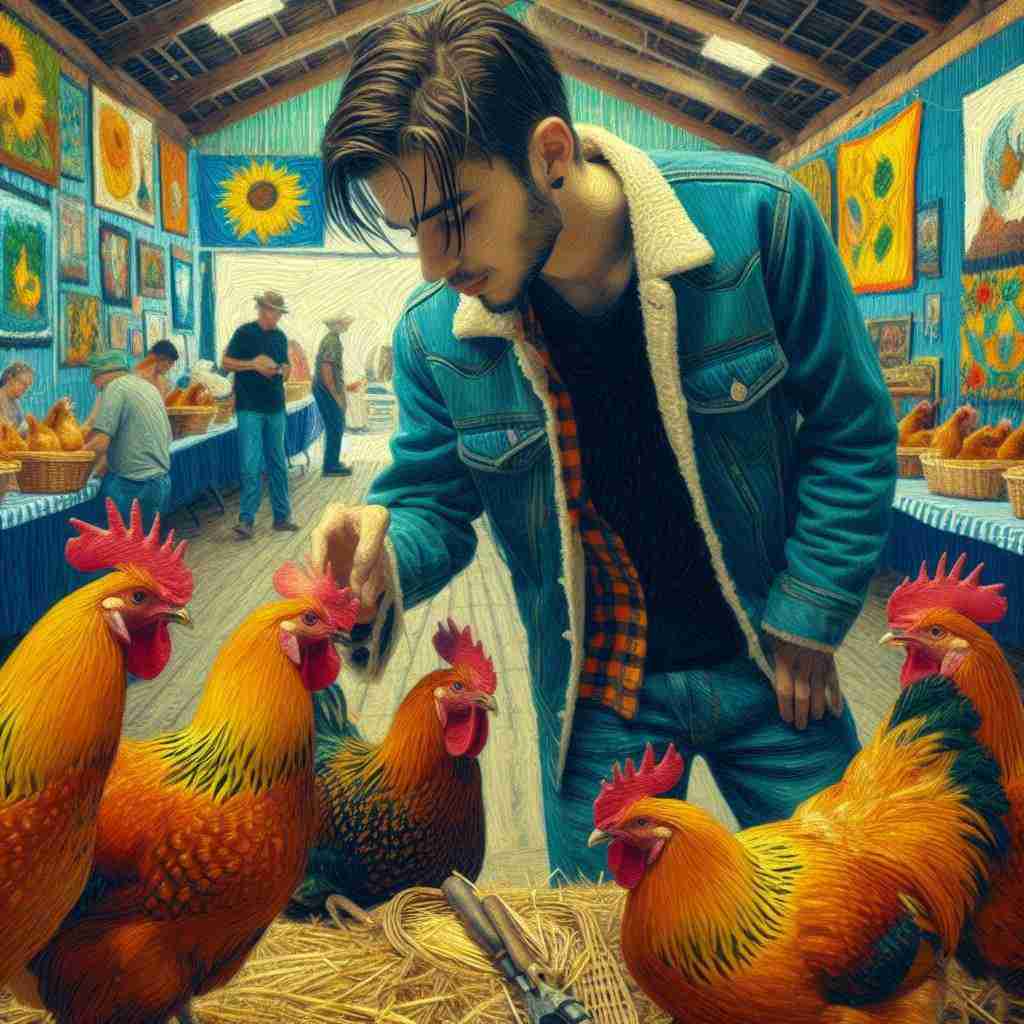
When we think about chicken waste, what often springs to mind are images of dirty coops and the smell of the farm. But in reality, the story of chicken waste holds a treasure trove of lessons that can inspire the curious minds of young children. Imagine a group of kids in a suburban backyard. They’ve been granted permission to raise a small flock of backyard chickens. They eagerly watch these remarkable creatures scratch the ground, peck away, and roam around, unaware that the poop they leave behind is more than just waste — it’s a powerful resource.
Encouraging young minds to confront this messy reality invites them to connect with nature in a genuine, hands-on way. Teaching them about the benefits of chicken waste as organic fertilizer opens a world of curiosity. It’s not just about dirt and droppings; it’s about understanding ecosystems, sustainability, and the life cycle. Here lies an ethical lesson that transcends the backyard; it emphasizes our responsibility towards the earth and how seemingly simple things, like a chicken’s droppings, can contribute to healthier gardens and greener communities.
As they dig their hands into the soil enriched by composted chicken waste, kids learn the value of transformation. They see firsthand how what was once considered garbage can nourish living things. This experience empowers them to think critically about waste, nurturing a mindset that champions innovation and resourcefulness. The smell? It becomes a reminder that growth often comes from the messy parts of life, literally and metaphorically.
Moreover, by embracing the narrative of chicken waste, we make science accessible. Kids become mini scientists, conducting experiments on how compost enhances plant growth or comparing traditional fertilizers with their new organic concoction. They engage socially as well, sharing their insights with peers and family, fostering a dialogue about modern agriculture’s challenges and solutions.
So, next time you think of backyard chickens, remember: those feathery friends are gateways to lessons that stretch beyond the coop. They inspire trust in nature’s processes, confidence in hands-on learning, and action toward sustainable practices. It’s a story that resonates not just with the heart but also appeals to the head and gut, igniting a curiosity that could lead to a lifetime of stewardship.
How Can Stories About Chicken Waste Inspire Curiosity In Young Minds?
How Can Stories About Chicken Waste Inspire Curiosity In Young Minds?
- Chicken waste can inspire curiosity in children and provide valuable lessons about nature.
- Raising backyard chickens helps kids connect hands-on with ecosystems and sustainability.
- Chicken droppings serve as organic fertilizer, teaching responsibility towards the earth.
- Kids learn about transformation as they see waste nourish plants and improve gardens.
- The experience encourages critical thinking and innovation regarding waste management.
- Children become mini scientists through experiments comparing compost and traditional fertilizers.
- Backyard chickens offer insights into sustainable practices and nurture a lifelong stewardship for the environment.

How Can Stories About Chicken Waste Inspire Curiosity In Young Minds?
What Role Do Chickens Play In Teaching Kids About Ecosystems?
Picture this: a sun-drenched backyard, where laughter mingles with clucks and the soft rustle of feathers. This idyllic scene isn’t just about providing fresh eggs; it’s a gateway to understanding the intricate web of life we often overlook. Backyard chickens aren’t just birds clucking away; they are living, breathing educational tools that connect children with the ecosystem in profound ways.
When kids watch a hen scratch at the earth, pecking at bugs and plants, they learn firsthand about the food chain. This isn’t just about biology; it’s a crash course in respect for nature and its balance. Kids discover the delicate interplay between creatures and their environment. They witness how a chicken helps manage pests naturally, eliminating the need for harsh chemicals—instilling a sense of responsibility towards the planet right in their own backyard.
From a rational perspective, introducing kids to chickens fosters critical thinking skills. They begin to ask questions: Why does the rooster crow at dawn? Why do hens lay different colored eggs? These inquiries develop curiosity, and with it, a broader understanding of biology, ecology, and even sustainable farming. It’s not just about knowing facts; it’s about nurturing a mindset that values observation and discovery.
Ethically, raising chickens teaches children about compassion and stewardship. They’ll learn to care for these creatures, creating a bond through responsibility that translates into empathy for all living things. This connection prods them to consider ethical implications of food production and animal welfare, shaping conscientious consumers of the future.
Socially, these feathered friends serve as conversation starters, creating opportunities for family bonding and community engagement. Imagine a child enthusiastically sharing tales of their chicken’s antics with friends or classmates—backyard chickens become a bridge, connecting kids not just to nature, but to each other.
Every time a child interacts with their chickens—feeding them, observing their antics, or tenderly collecting eggs—they engage in a visceral lesson about existence. It awakens the senses and kindles an appreciation for the beauty of life’s cycles. So, as backyard chickens strut around, they aren’t merely part of the scenery; they embody an important lesson. They remind us that education happens not solely in classrooms or textbooks but in the nurturing of a vibrant ecosystem that surrounds us, inviting kids to become active participants in the world.

What Role Do Chickens Play In Teaching Kids About Ecosystems?
What Role Do Chickens Play In Teaching Kids About Ecosystems?
- Backyard chickens provide fresh eggs and serve as educational tools for children.
- Watching chickens helps kids learn about the food chain and the balance of nature.
- Chickens manage pests naturally, promoting environmental responsibility.
- Children develop critical thinking skills by asking questions about chicken behavior.
- Raising chickens fosters compassion and empathy towards living beings.
- Chickens create opportunities for family bonding and community engagement.
- Interactions with chickens teach kids about life cycles and meaningful connections to the ecosystem.

What Role Do Chickens Play In Teaching Kids About Ecosystems?
How Do Backyard Chickens Connect Children with Nature and Wildlife?
Imagine a warm afternoon where laughter fills the air, and children are knee-deep in discovery, captivated not by screens, but by the clucks and flutters of their very own backyard chickens. When kids take an interest in raising poultry, they’re not simply tending to a few birds; they are stepping into a world that connects them deeply with nature and wildlife, revealing the simple yet profound rhythms of life around them.
Backyard chickens offer a tangible way to engage with the natural world. Kids learn firsthand the cycles of birth, growth, and, yes, the inevitable reality of death. It’s a candid life lesson wrapped in feathers. They witness how the sun controls the day, how food scraps turn back into nourishment, and how creatures—big or small—have roles that matter. This connection fosters a responsibility that builds character and instills a respect for all living things.
Consider the joy of gathering fresh eggs each morning, a treasure eagerly anticipated. Children discover that these eggs didn’t just appear in a store; they come from real animals that they interact with and care for. Each egg symbolizes effort and dedication, teaching kids about reward and reciprocity. When they crack open those shells, it’s more than breakfast—it’s a lesson in patience, stewardship, and the circle of life.
Moreover, backyard chickens create a buzzing social hub. Neighbors stop by to see the antics of these feathery friends. Children become ambassadors for wildlife, translating their experiences to others. They share the thrill of watching a hen hatch chicks, the awe of a rooster’s crow at dawn, or even the humble pleasure of picking up a hen and feeling the pulse of life resting in their palms. These shared moments anchor communal bonds that are often missing in the hustle and bustle of modern life.
Ethically, caring for animals promotes empathy—an increasingly vital trait in today’s world. Kids learn to look beyond themselves, nurturing an awareness of their surroundings and the creatures that inhabit them. This compassion extends past the coop, inspiring a generation that understands the interconnectedness of all living beings.
So, as you ponder whether to welcome a few backyard chickens into your home, consider the legacy you could instill in the hearts of children. It’s more than farming; it’s about cultivating a love for nature that may endure a lifetime, connecting children not just to feathers and eggs, but to the very essence of life itself.

How Do Backyard Chickens Connect Children with Nature and Wildlife?
How Do Backyard Chickens Connect Children with Nature and Wildlife?
- Children engaged in raising backyard chickens experience a deep connection to nature.
- Raising poultry teaches kids about the cycles of life, including birth, growth, and death.
- Gathering fresh eggs fosters a sense of responsibility and respect for living things.
- Each egg harvested symbolizes effort, dedication, patience, and the reward of stewardship.
- Backyard chickens serve as a social hub, promoting neighborly interactions and sharing experiences.
- Caring for chickens nurtures empathy and awareness of the interconnectedness of all living beings.
- Welcoming chickens into the home cultivates a lifelong love for nature in children.

How Do Backyard Chickens Connect Children with Nature and Wildlife?
How Can Chicken Waste Inspire A Love For Nature In Children?
When we think of ways to inspire a love for nature in children, we often overlook something as humble as chicken waste. Yes, those droppings from our backyard chickens can serve as a powerful gateway to understanding the rhythm of life itself. It’s a story of transformation that begins with the earth beneath our feet and can ignite a passion for the natural world in our kids.
Picture this: your little ones are running outside to greet the clucking ladies of the coop, their smiles bright as the morning sun. As they collect eggs, they discover the beauty of where food comes from, fostering a direct connection to their meals. But it doesn’t stop there. When they learn that chicken waste isn’t just a nuisance but a key ingredient in the cycle of growth, they begin to see nature through a different lens. Composting that waste enriches soil, helping plants flourish and yielding bountiful gardens. Suddenly, the act of playing in dirt transforms into an essential lesson on sustainability and ethics.
Let’s be real—understanding this cycle supports our children’s development in ways that can’t be measured in scores or grades. It engages their heads with science: the chemical processes that contribute to healthy growth, the biology of decomposition, and the ecological balance that keeps our world spinning. It touches their hearts, too, by fostering compassion for living creatures and instilling a sense of responsibility towards their environment.
And let’s not forget how satisfying those hands-on experiences can be. Whether they’re shoveling chicken waste into the compost pile or watering the new seedlings that spring to life because of it, they’re connecting with nature in a visceral way. Each scoop of that waste becomes a tangible reminder of their role in cultivating life, sparking excitement and curiosity that textbooks simply can’t capture.
As they share their newfound knowledge with friends and family, they become ambassadors of nature, inspiring others to engage with the world around them. It’s not just about chickens; it’s about nurturing a deep love and respect for all forms of life. Backyard chickens, and yes, their manure, can become a beautifully messy metaphor for life: an invitation to engage, explore, and ultimately foster a lifelong appreciation for the world we inhabit. Through the lens of chickens and their waste, we open the door for our children to become conscious stewards of the planet.

How Can Chicken Waste Inspire A Love For Nature In Children?
How Can Chicken Waste Inspire A Love For Nature In Children?
- Chicken waste serves as a gateway for children to understand the cycle of life and nature.
- Children engage with backyard chickens and eggs, fostering a direct connection to their food.
- Learning about chicken waste teaches kids it is an essential part of growth and sustainability.
- Composting chicken waste enriches soil, promoting healthy gardens and plants.
- This hands-on experience supports children’s development in science, compassion, and environmental responsibility.
- Sharing knowledge about the natural cycle makes children ambassadors for nature.
- Backyard chickens symbolize a rich opportunity for engaging kids and fostering respect for all life.

How Can Chicken Waste Inspire A Love For Nature In Children?
What Are The Environmental Benefits Of Utilizing Chicken Waste?
When you keep Backyard Chickens, the impact can go beyond frolicking in your yard with these charming creatures. The waste they produce can be a powerful ally in nurturing our environment. Let’s peel back the layers of what might seem like a smelly nuisance and uncover the hidden treasure it truly is.
Picture your garden. With the right nutrients, your vegetables and flowers can bloom like never before. Chicken waste is rich in nitrogen, phosphorus, and potassium—essential components of organic fertilizers. Instead of reaching for chemical solutions that could harm the earth, why not turn to nature’s own? By utilizing chicken waste, you’re not only providing your plants with the nourishment they crave, but you’re also reducing the need for synthetic fertilizers. The shift from reliance on harmful chemicals to employing organic methods fosters healthier ecosystems, for us and for generations to come.
Moreover, think about waste management in our modern world. Livestock production generates enormous amounts of waste, which, if left unmanaged, can lead to pollution entering our soil and waterways. When we repurpose chicken waste as fertilizer, we take a decisive step toward minimizing this issue. It’s about making responsible choices in our own backyards that ripple out to the broader community. Each handful of composted chicken waste you sprinkle in your garden is a tangible move toward reducing our carbon footprint.
But it isn’t solely about environmental benefits; it resonates with our ethics as caretakers of the planet. For those who choose to raise chickens, there’s a fulfilling connection that develops—a personal narrative of responsibility, stewardship, and love. You’re not just a backyard farmer; you’re a guardian of the environment, playing a pivotal role in the delicate balance of nature.
Embracing chicken waste as a resource also brings people together. Think of the discussions you may have with friends, neighbors, or strangers at the local farmer’s market. Sharing stories about your experiences, swapping tips on composting, and encouraging others to think sustainably creates a vibrant community. It’s a movement grounded in shared values of sustainability and respect for nature.
So, the next time you see the byproduct of your Backyard Chickens, don’t turn your nose up—embrace it. By harnessing this waste, you’re not just enriching your soil; you’re joining a larger mission of care and conservation, shaping a healthier world one coop at a time.

What Are The Environmental Benefits Of Utilizing Chicken Waste?
What Are The Environmental Benefits Of Utilizing Chicken Waste?
- Backyard chickens provide more than companionship; their waste can enrich the environment.
- Chicken waste is rich in essential nutrients (nitrogen, phosphorus, potassium) beneficial for organic fertilizers.
- Using chicken waste reduces reliance on harmful synthetic fertilizers, promoting healthier ecosystems.
- Repurposing chicken waste for fertilizer helps manage livestock production waste and reduces pollution.
- Raising chickens fosters a connection of responsibility and stewardship towards the environment.
- Embracing chicken waste encourages community engagement, sharing tips and experiences in sustainability.
- Utilizing chicken waste contributes to a larger mission of care and conservation for a healthier world.

What Are The Environmental Benefits Of Utilizing Chicken Waste?
Conclusion
Backyard chickens, those delightful clucking companions, offer much more than fresh eggs and feathered antics; they are the catalysts for profound environmental education, community bonding, and personal growth. As our children watch these remarkable birds scratch and peck, they engage in a living classroom where lessons about nature’s cycles and ecosystems unfold right before their eyes. When kids collect eggs, they aren’t just gathering breakfast; they’re forging a connection with the land and understanding where their food comes from, challenging them to think critically about the food system and their role within it.
Observing chicken waste is not merely about dealing with a backyard chore. Instead, it transforms into a powerful narrative of empathy and stewardship. Each droplet on the ground serves as a reminder that these creatures contribute to a larger ecological system, enriching the soil and nurturing life. Such experiences nurture curiosity, encouraging children to ask questions and explore the mysteries of the natural world. As they witness the metamorphosis of chicken waste into a nutrient-rich fertilizer, they learn about composting, sustainable practices, and the importance of embracing waste’s intrinsic value in supporting life, fostering a lifetime of respect for the environment.
Furthermore, backyard chickens can tie communities together in ways unexpected yet delightful. Imagine children sharing stories about their feathery friends, neighbors bonding over eggs, and families collaborating on gardening projects that highlight the benefits of sustainability. This shared experience cultivates not just relationships but a sense of responsibility towards each other and the planet.
But beyond emotional connections and community ties, there’s a pressing ethical imperative in embracing such practices. By introducing our kids to the ideas of waste recycling and ecological management from a young age, we empower them to become conscientious stewards of the Earth. They learn to treat all living beings with respect and recognize their impact — essential qualities in a world faced with environmental challenges.
In essence, by integrating chickens into our lives, we foster curious minds eager to learn and engage with the environment. With every cluck, we open doors to understanding, compassion, and respect for the planet’s intricate tapestry of life. So, let’s step outside and welcome these feathered educators into our backyards. In nurturing chickens, we don’t just raise birds; we nurture a legacy of future eco-warriors, fostering a profound bond with nature, one harmonious cluck at a time.

Conclusion
Conclusion:
- Backyard chickens serve as catalysts for environmental education, community bonding, and personal growth.
- Watching chickens helps children engage in lessons about nature’s cycles and ecosystems.
- Collecting eggs fosters a connection with the land and promotes critical thinking about the food system.
- Chicken waste serves as a powerful narrative of empathy and stewardship, enriching the soil and nurturing life.
- Experiences with chickens encourage curiosity and teach children about composting and sustainable practices.
- Chickens can unite communities, fostering relationships through shared experiences and collaborations.
- Integrating chickens into family life empowers children to become conscientious stewards of the Earth, instilling respect for all living beings.

Conclusion
Other Resources

Other Resources
Here is a list of other resources you can review online to learn more:
- Shamo
- Cornish Cross
- Colibacillosis
- Fowl Cholera
- Infectious Coryza
- Poultry Mites
- fermented feed
- Phoenix
- Alfalfa
- earthworms
- apples
- Light Brahma
- coyotes
- Zucchini
- Yokohama
- chicken feed
- insects
Use This Prompt To Get More Resources With Your Favorite Online AI Tool: Please provide me with a list of online articles with their URLs in a bulleted list that I can read regarding Backyard Biology – How Chicken Waste Teaches Kids About the Planet

Other Resources
Glossary Terms
Backyard Biology – How Chicken Waste Teaches Kids About the Planet – Glossary Of Terms
1. Backyard Biology: The study of living organisms and their interactions within a home garden or outdoor space.
2. Ecosystem: A biological community of interacting organisms and their physical environment, including plants, animals, and microorganisms.
3. Nutrient Cycling: The process in which nutrients are transferred between living organisms and the environment, critical for ecosystem health.
4. Organic Matter: Decomposed material that comes from plants and animals, which enriches soil and supports plant growth.
5. Soil Fertility: The capacity of soil to provide essential nutrients to plants, determined by its composition and organic content.
6. Composting: The process of decomposing organic waste into nutrient-rich soil amendment, fostering soil health.
7. Nitrogen: An essential nutrient for plant growth, often derived from animal waste or compost.
8. Phosphorus: A key nutrient needed for energy transfer and photosynthesis in plants, often present in chicken waste.
9. Potassium: An important nutrient for overall plant health, aiding in water regulation and enzyme activity.
10. Decomposition: The breakdown of organic matter by microorganisms, returning nutrients to the soil.
11. Biodiversity: The variety of life within a particular habitat, contributing to ecosystem stability and resilience.
12. Microorganisms: Tiny living organisms, such as bacteria and fungi, that play crucial roles in nutrient cycling and decomposition.
13. pH Level: A measure of how acidic or basic soil is, affecting nutrient availability to plants.
14. Sustainable Agriculture: Farming practices that promote environmental health, economic profitability, and social equity.
15. Waste Management: The collection, transport, processing, and disposal of waste materials to reduce environmental impact.
16. Crop Rotation: The practice of alternating the types of crops grown in a particular area to improve soil health.
17. Pest Control: Methods used to manage harmful organisms that threaten crops, including natural and chemical strategies.
18. Soil Erosion: The displacement of the upper layer of soil due to wind, water, or human action, impacting fertility.
19. Green Manure: Cover crops grown specifically to be tilled back into the soil, enhancing soil structure and nutrient content.
20. Carbon Cycle: The process through which carbon is exchanged between the biosphere, geosphere, hydrosphere, and atmosphere.
21. Photosynthesis: The process by which green plants convert sunlight into energy, producing oxygen and organic compounds.
22. Organic Farming: Farming that avoids synthetic fertilizers and pesticides, emphasizing ecological balance.
23. Waste-to-Energy: The process of converting organic waste materials into usable energy, reducing landfill contributions.
24. Environmental Awareness: Understanding and being mindful of the impact of individual and collective actions on the environment.
25. Gardening: Cultivating plants in a garden setting, fostering a connection to the natural world.
26. Natural Fertilizers: Organic substances derived from plant or animal sources that enhance soil fertility.
27. Aquaponics: A sustainable farming system that combines aquaculture (raising fish) and hydroponics (growing plants in water).
28. Pollination: The transfer of pollen from male to female plant parts, essential for fruit and seed production.
29. Food Web: A complex network of feeding relationships among organisms in an ecosystem, illustrating energy flow.
30. Habitat: The natural environment in which a species lives, providing food, shelter, and other necessities for survival.

Glossary Of Terms
Other Questions
Backyard Biology – How Chicken Waste Teaches Kids About the Planet – Other Questions
If you wish to explore and discover more, consider looking for answers to these questions:
- What are the specific benefits of using chicken waste as fertilizer?
- How can parents effectively teach their children about sustainability using chickens?
- What types of chickens are best suited for backyard environments?
- What challenges might families face when raising backyard chickens?
- How does raising chickens compare to traditional gardening techniques?
- What health benefits do backyard chickens provide for children?
- How can chickens contribute to pest management in gardens?
- What role does community play in successful backyard chicken projects?
- How can schools incorporate the lessons about chickens into their science curriculum?
- What are some common misconceptions about raising backyard chickens?
Other Questions
Haiku
Backyard Biology – How Chicken Waste Teaches Kids About the Planet – A Haiku
Chickens scratch and peck,
Nature’s lessons in each cluck—
Love for Earth grows bright.

Haiku
Poem
Backyard Biology – How Chicken Waste Teaches Kids About the Planet – A Poem
In a backyard bright with laughter and light,
Chickens scratch the earth, a joyful sight.
They are teachers cloaked in feathers tight,
Crafting lessons of life within their flight.
Watch as they peck, as they cluck and roam,
Turning scraps into gold, making gardens their home.
Children gleam with wonder, their spirits unbound,
In the dance of nature, a connection profound.
Each dropping a story, each egg a surprise,
A cycle of growth, where curiosity flies.
Here in the soil, where chicken waste lies,
Lies wisdom of earth in its simplest guise.
Hands muddy with purpose, hearts filled with care,
Compassion for creatures, a bond we all share.
Empathy blossoms in this dance with the earth,
Teaching respect for the lives that have worth.
Neighbors gather ’round, as friendships take flight,
Sharing tales of the coop in the warm evening light.
The clucking of hens, the laughter of kin,
Weaving community threads that brightly begin.
So step outside, let their magic unfurl,
Join hands with the chickens, let laughter whirl.
For in this small journey, a world we’ll create,
Where nature’s great lessons can foster our fate.
One cluck at a time, let’s nurture the land,
Together we’ll grow, united we stand.
Backyard biology, a rhythm so pure,
Through chickens and waste, let our hearts endure.
Poem
Checklist
Backyard Biology – How Chicken Waste Teaches Kids About the Planet – A Checklist
Backyard Biology Checklist: Nurturing Eco-Warriors Through Chicken Care
Heart (Emotional Appeals)
_____ Foster Empathy
Reflect on how caring for chickens can instill compassion for all living beings.
_____ Create Shared Memories
Engage in family activities like collecting eggs and tending to chickens to build lasting relationships.
_____ Inspire Joy in Learning
Encourage curiosity and excitement about nature through hands-on experiences in the backyard.
Head (Rational Appeals)
_____ Understand Ecosystems
Explore the role of chickens in pest control and soil enrichment to learn about the food chain.
_____ Promote Sustainable Practices
Teach the importance of composting chicken waste as a part of responsible waste management.
_____ Encourage Critical Thinking
Ask questions about chicken behavior and waste to deepen understanding of biology and ecology.
Gut (Visceral Appeals)
_____ Get Hands-On
Dig into composting and engage physically with the soil enriched by chicken waste.
_____ Experience Growth
Witness firsthand the transformation of waste into nurturing compost and flourishing plants.
_____ Connect with Nature
Spend time outdoors interacting with chickens, embracing the tactile experience of nature.
Ethical Appeals
_____ Cultivate Responsibility
Instill a sense of duty to care for the environment and the creatures within it.
_____ Explore Ethical Implications
Discuss the importance of treating animals humanely and understanding their contribution to our lives.
Authority Appeals
_____ Learn from Experts
Research local farmers or environmentalists for insights on backyard chicken care and sustainability practices.
_____ Engage with Educational Resources
Use books, documentaries, or workshops to deepen knowledge about ecology and permaculture principles related to chickens.
Narrative Appeals
_____ Share Personal Stories
Encourage storytelling about your chickens’ quirky behaviors and experiences to strengthen community bonds.
_____ Create a Chicken Journal
Document the daily adventures of your chickens and lessons learned, sharing these narratives with family and friends.
Social Appeals
_____ Build Community Connections
Organize neighborhood gatherings centered around backyard chicken care, sharing resources and recipes.
_____ Encourage Collaboration
Start a local chicken-raising cooperative or gardening club focused on sustainability and sharing best practices.
Practical Actions
_____ Start a Chicken Care Routine
Establish daily tasks for feeding, cleaning, and caring for chickens to reinforce responsibility.
_____ Introduce Compost Practices
Implement a composting system for chicken waste to witness its environmental benefits in your garden.

Checklist
At BackyardChickenNews, we help people who want to raise backyard chickens by collating information and news blended with our own personal experiences.
Be sure to read our other related stories at BackyardChickenNews to learn more about raising chickens in your backyard.