

Creating Sustainable Comfort For Happy, Healthy Hens
By Tom Seest
At BackyardChickenNews, we help people who want to raise backyard chickens by collating information and news blended with our own personal experiences.
Be sure to read our other related stories at BackyardChickenNews to learn more about raising chickens in your backyard.
Beating the Heat Naturally – Eco-Design for Healthy Hens
When the sun blazes down on the farm, it’s easy to forget that our backyard chickens are more than just egg-laying machines. They’re a part of our families, each with their own personality, quirks, and relationships. As responsible keepers, it’s our job to ensure their comfort during the sweltering summer months. Creating a natural, eco-friendly environment that beats the heat isn’t just smart — it’s an ethical obligation that reflects our values.
Picture your hens, feathers ruffled and spirits high, free to roam under the shade of leafy trees. But how do we transform our coops into sanctuaries where they thrive? The answer lies in design. Embracing eco-design isn’t just about aesthetics; it’s about crafting spaces that promote health and happiness. Think about natural ventilation and the positioning of your coop to catch those cool summer breezes. A simple, well-placed window or opening can make all the difference. Design can be an art, but here, it’s a matter of equipping your chickens to weather nature’s fury.
Consider adding shaded areas with straw bales, or perhaps a simple awning made from repurposed materials. These elements not only cool the birds but create a homey feel that fosters their well-being. It’s a win-win—keeping your hens cool means better laying rates, stronger immune systems, and less stress, which translates to healthier eggs for you and your family.
Community is often overlooked when we think about eco-design. Reach out to fellow chicken enthusiasts for tips; a shared bond over backyard chickens can foster camaraderie and inspire innovation. Remember, by helping each other out, we create a network of responsible caretakers dedicated to elevating our little farms into havens for our feathery friends.
Trust me, when you see your hens basking in their cool, shaded paradise, you’ll feel it in your gut. It’s a heartwarming sight — the kind of moment that reminds us why we started this journey in the first place. You’re not just building a coop; you’re building a home, a sanctuary for living creatures that rely on us for everything. In the heat of summer, let’s commit to eco-design that nourishes both body and soul, ensuring that our backyard chickens lead happy, healthy lives.

Beating the Heat Naturally – Eco-Design for Healthy Hens
Beating the Heat Naturally – Eco-Design for Healthy Hens
- Backyard chickens are family members with unique personalities, not just egg producers.
- It’s our ethical responsibility to ensure their comfort during summer heat.
- Creating eco-friendly environments helps keep chickens cool and supports their health and happiness.
- Good design can include natural ventilation and thoughtful coop positioning for cool breezes.
- Adding shaded areas, like straw bales or repurposed awnings, promotes well-being and improves egg quality.
- Building community with other chicken enthusiasts can enhance knowledge and innovation in chicken care.
- Investing in eco-design fosters a nurturing environment, ensuring happy and healthy lives for chickens.
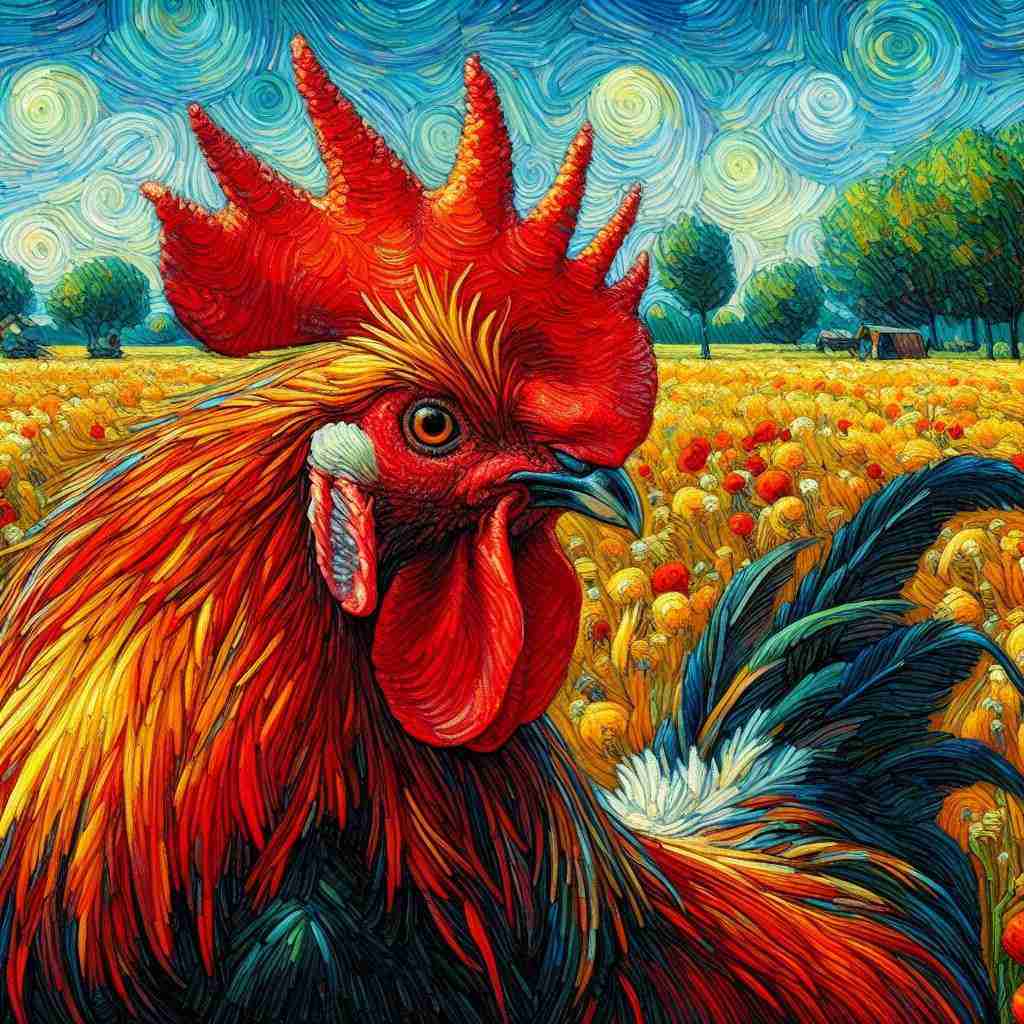
Beating the Heat Naturally – Eco-Design for Healthy Hens
Table Of Contents
- Beating the Heat Naturally – Eco-Design for Healthy Hens
- How Can We Keep Our Hens Cool Without Harming the Environment?
- What Natural Materials Effectively Reduce Heat for Chickens?
- How Does Extreme Heat Impact Hen Health and Egg Production?
- Are There Ethical Considerations In Eco-Design for Poultry Housing?
- What Innovative Designs Can Improve Airflow In Hen Houses?
- How Can Community Gardens Enhance Natural Cooling Solutions?
- What Role Do Animal Welfare Standards Play In Poultry Heat Management?
- Conclusion
- Other Resources
- Glossary Of Terms
- Other Questions
- Haiku
- Poem
- Checklist
How Can We Keep Our Hens Cool Without Harming the Environment?
When the temperature rises, our feathered friends—the backyard chickens we’ve grown to love—need a little extra care to keep them cool. It’s more than just a chore; it’s an emotional bond. We’ve worked hard to give them a safe space where they can peck, scratch, and thrive, and we feel a sense of obligation to safeguard their comfort. So, how can we keep our hens cool without harming the environment?
First, tap into the power of nature. Shade trees or strategically positioned awnings can provide a refuge from the sun’s relentless rays. Planting sunflowers or tall grasses not only offers shade but enhances your yard’s aesthetic beauty—a testament to your commitment to sustainable living. Use materials that are readily available: repurposed pallets can create delightful shaded areas and homes for insects that your hens will enjoy chasing.
Next, let’s talk about water. Fresh, cool water should be as accessible as their favorite dust bath. A simple DIY water cooler can be crafted from a recycled container, ensuring your hens always have an oasis during those scorching days. Position it in the shade, and bingo! You’re providing hydration while minimizing plastic waste. Making small adjustments fills both the heart and gut with satisfaction, proving that caring for animals doesn’t have to come at a cost to the planet.
Also, consider homemade treats. Freeze some fruit scraps or veggies in ice—this not only cools them down but turns snack time into a playful adventure. Imagine watching them peck at the icy morsels, a blend of joy and relief flooding your heart. Sharing this experience with children can instill a sense of responsibility and kindness toward animals and the Earth, forging connections that last a lifetime.
But let’s not forget about community. Share your cooling strategies with neighbors or fellow chicken keepers. Social connections not only enrich our lives but inspire collective action toward environmental sustainability. By exchanging ideas, you build a robust network that fosters responsible chicken-keeping.
Every little bit counts. By prioritizing your hens’ welfare while honoring our planet, you’re making a statement. You’re embodying the role of a caretaker who understands that true harmony comes from respecting both life and the environment. It’s not merely about tending to your flock; it’s about nurturing the world we live in, one chicken—and one conscientious choice—at a time.

How Can We Keep Our Hens Cool Without Harming the Environment?
How Can We Keep Our Hens Cool Without Harming the Environment?
- Ensure backyard chickens stay cool during high temperatures through extra care.
- Create shaded areas with trees, awnings, and tall plants like sunflowers for comfort and aesthetics.
- Repurpose materials like pallets to provide shade and encourage insect play for hens.
- Provide fresh, cool water using a DIY water cooler made from recycled materials to ensure hydration.
- Make homemade frozen treats from fruit scraps and veggies to cool chickens and create enjoyable experiences.
- Engage with the community by sharing cooling strategies and fostering connections among chicken keepers.
- Prioritize the welfare of hens while being environmentally conscious to create harmony and nurture life.

How Can We Keep Our Hens Cool Without Harming the Environment?
What Natural Materials Effectively Reduce Heat for Chickens?
When it comes to raising backyard chickens, ensuring their comfort and well-being should always be at the forefront of our minds. As temperatures rise, we have a responsibility to safeguard our feathery friends from the sweltering heat that can wreak havoc on their health. Enter the power of natural materials—simple, yet effective solutions that harness the beauty of nature to cool our clucking companions.
Think about it: your backyard chickens deserve a cool oasis in the heat of summer. Straw, wood shavings, and sand can all play a vital role in reducing temperatures in their coop. Straw, for instance, is not just a rustic décor; it’s a breathable insulator, regulating the heat and keeping the coop cooler. When nested into a thick layer, it provides a cushioned retreat, offering the comfort your birds crave and the peace of mind you need as a conscientious farmer.
Then there’s wood shavings. These small, seemingly innocuous flakes are more than just bedding. They absorb moisture—and when it evaporates, it naturally cools the air around them. Think of it as a natural air conditioner, quietly working to ensure your hen’s habitat stays pleasant. The added bonus? They create a cozy spot for your birds, inviting them to scratch and play, ensuring their spirits remain as high as their temperatures stay low.
And let’s not forget about sand. A sand bath on a hot day is like a day at the beach for your backyard chickens. Not only does it allow them to regulate their body temperature, but it also keeps their feathers clean and free of pests. Providing your flock with a shallow dish filled with fine sand isn’t just an act of kindness; it’s a way to connect them to their natural instincts, promoting their overall health and happiness.
The choice to use natural materials is not purely practical; it’s ethical. By utilizing materials that are renewable and sustainable, you’re standing in solidarity with nature while fostering a nurturing environment for your chickens. You’re creating not just a home for them, but a sanctuary.
So, let’s take a moment to appreciate the rich relationship we have with our feathered friends. In their serene clucks and daily antics, they remind us of the simple joys life has to offer. Provide them with natural cooling solutions, and you’re giving them the gift of comfort, health, and happiness. After all, when chickens thrive, we all reap the rewards of a harmonious backyard ecosystem.

What Natural Materials Effectively Reduce Heat for Chickens?
What Natural Materials Effectively Reduce Heat for Chickens?
- Raising backyard chickens requires prioritizing their comfort and well-being.
- Natural materials like straw, wood shavings, and sand can effectively cool chickens during hot weather.
- Straw serves as a breathable insulator, providing a cushioned retreat for the chickens.
- Wood shavings act as a natural air conditioner, absorbing moisture and cooling the air.
- Sand baths help chickens regulate their body temperature and maintain clean feathers.
- Using renewable and sustainable materials promotes an ethical and nurturing environment for chickens.
- Providing natural cooling solutions enhances chickens’ health and happiness, benefiting the entire backyard ecosystem.
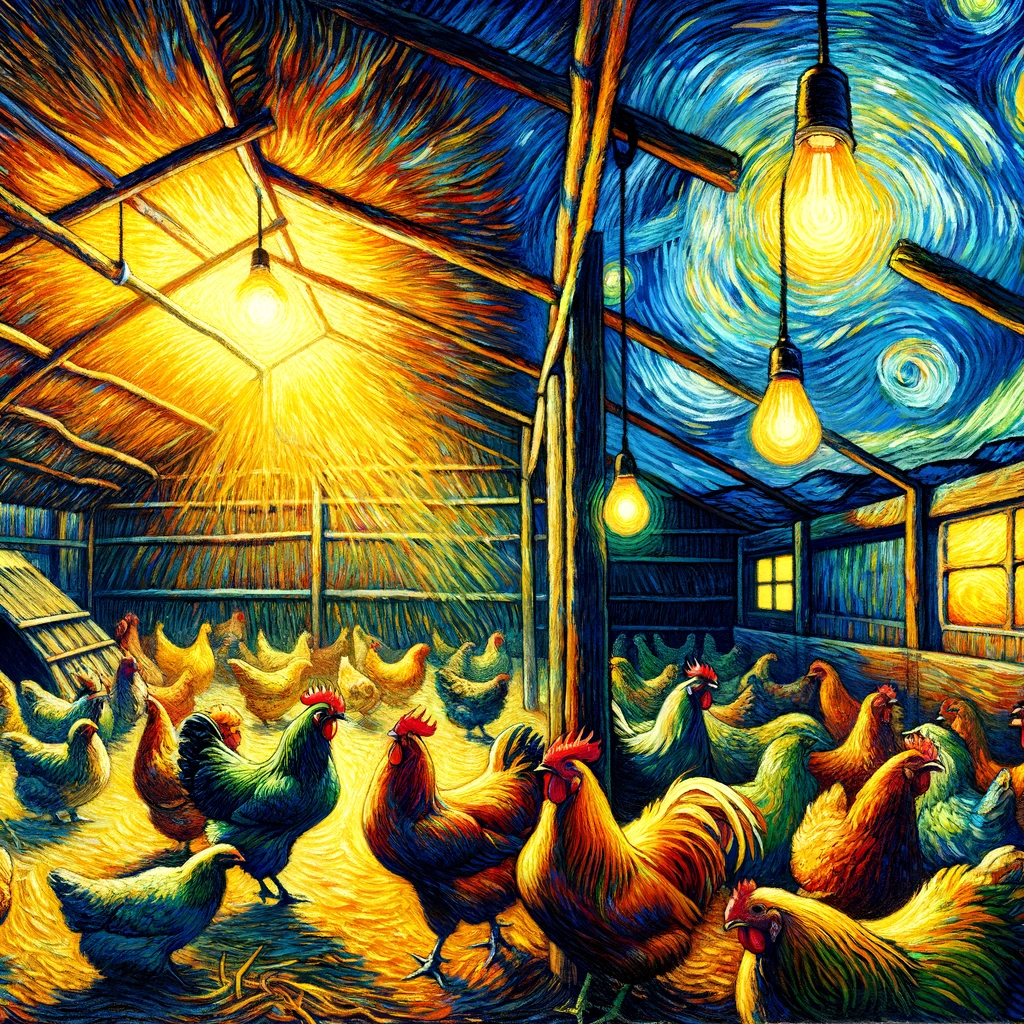
What Natural Materials Effectively Reduce Heat for Chickens?
How Does Extreme Heat Impact Hen Health and Egg Production?
When you look out at your flock of backyard chickens, it’s easy to see them as simple creatures—feathered friends that provide you with fresh eggs and delightful clucks. But beneath those soft feathers and playful antics lies a delicate ecosystem, jeopardized by the unforgiving heat of summer. Extreme temperatures can wreak havoc on hen health and egg production, and understanding this delicate balance invites you on a journey that connects not just you and your chickens, but also an entire community of poultry enthusiasts battling nature’s challenges together.
Imagine a sweltering day, the sun a relentless tyrant, bearing down on your hens. As the temperature soars, those once vibrant birds become increasingly listless, struggling to regulate their body heat. Their comfort zone evaporates as the mercury climbs, leading to decreased feed intake, lethargy, and heightened susceptibility to illness. You may notice that your hens are less interested in their usual routines, spending more time panting and seeking shade than foraging or laying eggs. The consequences are staggering; research shows that extreme heat can reduce egg production by up to 10%, and the quality of those eggs can plummet, dimming the vibrant yolks you so relish.
Yet, it’s not just numbers that tell the story—it’s the bond you share with these remarkable animals. You’ve invested time, care, and your heart into building a thriving flock. Each egg represents not just nourishment, but a little piece of your daily labor and affection. When heat stress strikes, it feels personal. You’re not just tending chickens; you’re nurturing a living connection and a source of sustenance for your family and friends.
But here’s the call to action: Equip yourself with knowledge and practical strategies to mitigate the impact of extreme heat. Provide ample shade, fresh water, and ventilation in your coop. You can even offer cooling treats to help your hens beat the heat. By taking these steps, you protect not only their health and well-being but also the rhythm of life that revolves around those precious eggs.
Building a community around sustainable farming invites shared experiences and collective wisdom. Reach out to fellow backyard chicken enthusiasts, swap strategies, and bolster each other in this shared endeavor. By standing together against the oppressive heat, you not only safeguard your hens but also cultivate a legacy of care and compassion that future generations can admire. In defending the heart of your flock, you foster a deeper connection to the land and a greater understanding of the resilience that exists within nature—and within all of us.

How Does Extreme Heat Impact Hen Health and Egg Production?
How Does Extreme Heat Impact Hen Health and Egg Production?
- Backyard chickens are often seen as simple pets that provide eggs, but they are part of a delicate ecosystem.
- Extreme summer heat can harm hen health and reduce egg production by up to 10% while impacting egg quality.
- Heat stress causes hens to be listless, pant, and seek shade, leading to decreased feed intake and lethargy.
- The bond between chicken owners and their flocks is strong, involving time, care, and emotional investment.
- Practical strategies to combat heat include providing shade, fresh water, and ventilation in coops.
- Building a community with fellow chicken enthusiasts allows for shared experiences and mutual support.
- Protecting hens fosters a deeper connection to nature and emphasizes resilience within both humans and animals.

How Does Extreme Heat Impact Hen Health and Egg Production?
Are There Ethical Considerations In Eco-Design for Poultry Housing?
When it comes to eco-design in poultry housing, the conversation often starts and ends with sustainability, but the ethical considerations are where the heart truly beats. Picture this: a thriving flock of backyard chickens, contributing to your meal table and your local ecosystem. These birds are not merely livestock; they’re part of your family, each with a unique personality, each clucking a different tune. Designing their space with care and responsibility should resonate with anyone who cares about the world we share.
Let’s face it: we live in a time where our choices matter more than ever. Rationally, eco-design offers clear benefits—energy efficiency, waste reduction, and less environmental impact. But let’s dig a little deeper. Ethically, we must ask ourselves how we treat these creatures who rely on us. A sustainable design isn’t just about materials or methods; it’s about creating an environment where chickens can roam freely, breathe clean air, and live in harmony with nature. This means considering how every nail and feather contributes to their overall well-being.
Think about the authority of the subject; experts advocate for humane living conditions as part of eco-design. They remind us that environmentally friendly choices don’t have to compromise animal welfare; in fact, they can enhance it. Housing should be improved with an informed conscience—a structure that allows chickens to exhibit natural behaviors, fostering a sense of community and connection.
Now, it’s time to connect on a gut level. Imagine a child watching eagerly as a hen lays its first egg. This moment doesn’t just signify a meal; it’s a lesson in responsibility, respect, and the beauty of life. Through eco-design for poultry housing, we have the incredible opportunity to teach the next generation about stewardship and sustainability—hand-in-hand, nurtured by the land we love.
Socially, backing ethical eco-design helps build a community that values humane treatment over mere productivity. You aren’t just a chicken keeper; you’re a steward of the land, a role model for your neighbors, and a champion for wider awareness in your locality. As this community grows, so does the ripple effect, influencing even the most conventional farm practices.
So, when pondering eco-design for poultry housing, consider not just the space you’ll create, but the values you’ll embody. Let’s build a world where every cluck, every flap of wings, and every sunset shared is a step toward a kinder, healthier planet.

Are There Ethical Considerations In Eco-Design for Poultry Housing?
Are There Ethical Considerations In Eco-Design for Poultry Housing?
- Eco-design in poultry housing emphasizes both sustainability and ethical considerations.
- Backyard chickens are seen as family members, each with unique personalities, enhancing local ecosystems.
- Eco-design promotes energy efficiency, waste reduction, and minimizes environmental impact.
- Creating a humane environment for chickens is essential, allowing them to roam freely and live naturally.
- Experts recommend humane living conditions as part of eco-design, enhancing animal welfare.
- Eco-design provides opportunities to educate the next generation on responsibility and sustainability.
- Supporting ethical eco-design fosters community values around humane treatment and sustainable practices.

Are There Ethical Considerations In Eco-Design for Poultry Housing?
What Innovative Designs Can Improve Airflow In Hen Houses?
When it comes to raising backyard chickens, ensuring proper airflow in hen houses goes beyond mere comfort; it’s a matter of heart, health, and happiness for these delightful creatures. Imagine standing in your backyard, cups of coffee in hand, as you watch your hens cluck and scratch, living their best lives. But to turn that cozy vision into reality, we need to talk about innovative designs that keep the air flowing and the vibes positive.
One of the most effective ways to enhance airflow is through thoughtful ventilation design. Picture a hen house with adjustable vents on warm days, allowing fresh air to circulate while keeping the coop secure from predators. It’s a simple yet effective feature that embodies the ethical responsibility of a caring chicken keeper. It allows you to balance the air quality that your flock deserves with the safety they need.
Moreover, consider incorporating passive solar design into your hen houses. By using strategic placement of windows and roof overhangs, you create a natural flow that harnesses the sun’s energy without relying solely on mechanical systems. This not only promotes better airflow but reduces energy consumption, making it a rational choice that benefits your wallet as much as the planet. Your connection to Mother Nature strengthens, creating a cycle of respect and sustainability.
Let’s not forget the practical side: using materials like wire mesh and insulated panels while keeping the aesthetic pleasing can forge an emotional bond with your flock. A well-ventilated hen house becomes more than just a shelter; it transforms into a nurturing haven. Picture the gleaming eyes of your hens, flapping their wings in joy, thanks to a space that prioritizes their well-being.
Lastly, involve your local community and fellow chicken enthusiasts in the conversation. Share your experiences and explore new design ideas together. Social bonds are formed through shared knowledge, and the ethos of community invaluable. When you connect with others who share your passion, you create a network of support and innovation that resonates far beyond the cluck of a single hen.
By embracing these innovative designs, you’re not just improving airflow; you’re building a legacy of care and connection, one that’s felt in every peck and flutter of wings. Let’s get to work transforming those hen houses into healthy homes!

What Innovative Designs Can Improve Airflow In Hen Houses?
What Innovative Designs Can Improve Airflow In Hen Houses?
- Proper airflow in hen houses is essential for the health, happiness, and comfort of backyard chickens.
- Thoughtful ventilation design, such as adjustable vents, enhances air circulation while ensuring safety from predators.
- Incorporating passive solar design with strategically placed windows helps create natural airflow and reduce energy consumption.
- Using materials like wire mesh and insulated panels can create a nurturing environment for hens.
- A well-ventilated hen house fosters an emotional bond between the chick keeper and their flock.
- Engaging with the local community and other chicken enthusiasts can lead to shared knowledge and innovative design ideas.
- Innovative designs for hen houses promote a legacy of care and connection for chickens and their keepers.

What Innovative Designs Can Improve Airflow In Hen Houses?
How Can Community Gardens Enhance Natural Cooling Solutions?
In our ever-warming world, community gardens serve as a sanctuary, a living testament to how nurturing the earth can simultaneously nurture our communities. Imagine walking through a vibrant patchwork of greens, where every plant tells a story—stories of resilience, togetherness, and hope. Beyond the bountiful tomatoes and fragrant basil, these gardens act as natural cooling solutions, combating the relentless rise of temperatures in urban landscapes.
When we cultivate these green havens, we’re not just growing food; we’re cultivating relationships. The act of digging our hands into the soil brings us together, fostering a shared purpose. Neighbors become friends, exchanging tips on how to care for both plants and each other—like how to raise backyard chickens for fresh eggs or share the best methods for composting scraps. It’s a communal effort driven by love for our planet and for one another.
From a scientific perspective, it’s hard to ignore how green spaces mitigate the urban heat island effect. With concrete and asphalt absorbing the sun’s relentless energy, areas without vegetation can feel like an oven. But gardens create microclimates, cooling the air through evaporation and transpiration. Picture a day where neighbors gather in the shade of sprawling sunflowers, the temperature several degrees cooler than just a few feet away on that relentless pavement. Adding more greenery means more cooling, and it’s a simple fix that we can all roll up our sleeves and contribute to.
But beyond the facts and figures, consider the ethical implications. By transforming underutilized land into lush gardens, we confront food insecurity while promoting the idea that everyone deserves access to fresh, healthy food. There’s a profound satisfaction in knowing that our local actions can ripple out to create change; it’s about reclaiming our role as stewards of the environment.
This isn’t about planting seeds in the ground; it’s about planting hope in our hearts. When we mobilize as a community, the rewards are palpable—more than just food on the table, it’s about connection, identity, and pride in the place we call home. So join hands with your neighbors, get your hands dirty, and let’s foster a garden that cools our city, strengthens our bonds, and saves our planet, one seed at a time.
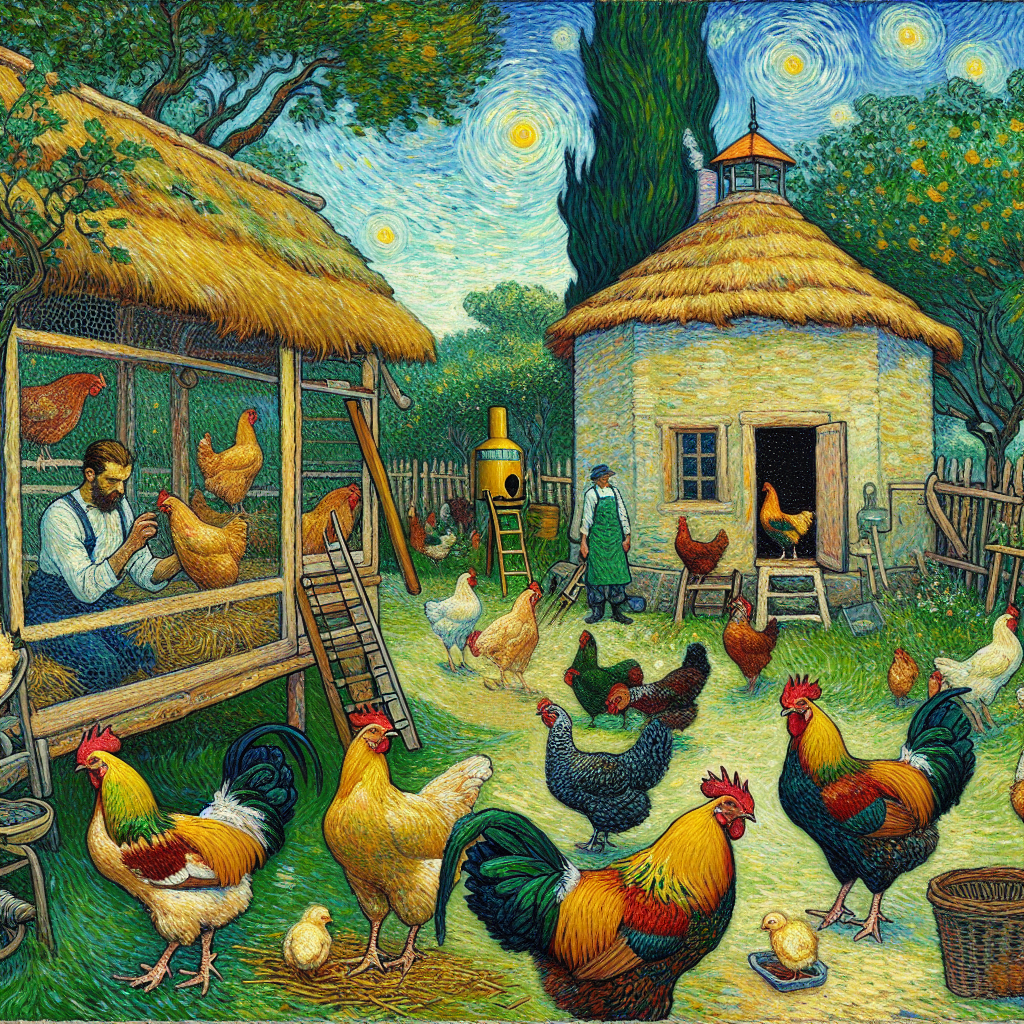
How Can Community Gardens Enhance Natural Cooling Solutions?
How Can Community Gardens Enhance Natural Cooling Solutions?
- Community gardens provide a sanctuary and promote nurturing both the earth and local communities.
- These gardens are vibrant spaces that tell stories of resilience, togetherness, and hope.
- They serve as natural cooling solutions, counteracting rising urban temperatures.
- Cultivating gardens fosters relationships and a shared purpose among neighbors.
- Green spaces help mitigate the urban heat island effect by creating cooler microclimates.
- Transforming land into gardens addresses food insecurity and promotes access to fresh food.
- Community gardening fosters connection, identity, and pride in local neighborhoods.
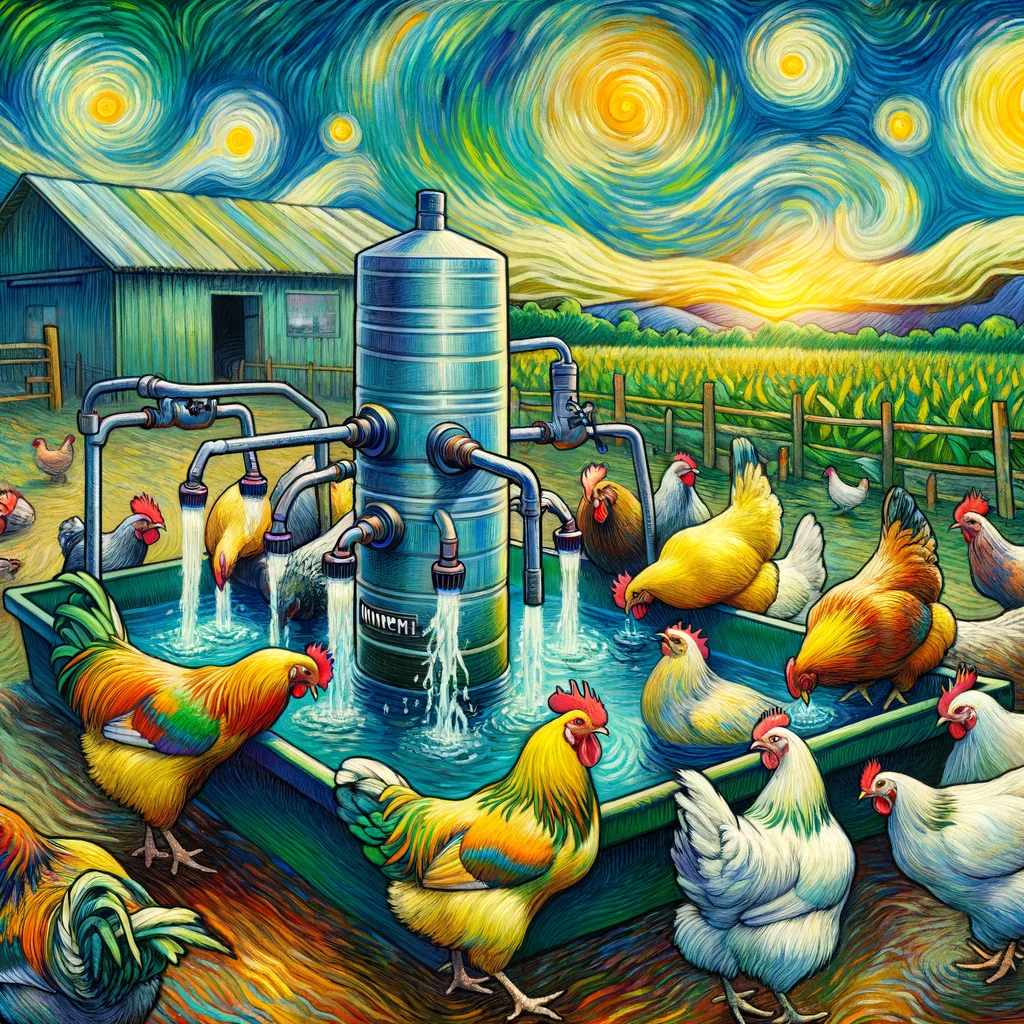
How Can Community Gardens Enhance Natural Cooling Solutions?
What Role Do Animal Welfare Standards Play In Poultry Heat Management?
When we think about animal welfare standards in poultry, it’s easy to get lost in the numbers and regulations. However, at the heart of this issue lies something much more profound—our shared responsibility to the creatures that literally nourish our lives. Imagine a backyard chicken, scratching around for food, clucking softly. This simple creature embodies resilience, providing us with eggs, companionship, and a connection to the land. Yet, in the stark reality of commercial poultry operations, that idyllic image can quickly fade into one of crowded coops and heat stress.
Heat management isn’t just a technical term; it’s a lifeline. Chickens, like us, can suffer immensely in extreme temperatures. Elevated heat can not only impact their productivity but their very existence. When we adopt and enforce rigorous animal welfare standards, we’re making a crucial investment—not just in better conditions for these birds but also in the quality of the food we consume and the ethics of our agricultural practices.
Consider this: welfare standards dictate everything from space per bird to ventilation systems in barns. When farmers adhere to these standards, they are not merely following policies; they are honoring a commitment to humane care. It’s about ensuring that every chicken, whether it spends its days in a spacious barn or a bustling backyard, has the chance to thrive. This ideal speaks to our ethical compass, reminding us that caring for animals is about empathy and respect, not just function and profit.
Moreover, adopting these standards can confer credibility and trustworthiness in an industry often scrutinized. From compassionate consumers demanding higher welfare to practices that prioritize animal well-being, the message reverberates across communities. Supporting conscientious poultry farmers resonates at a deeper level, promoting a culture of accountability and transparency—values we should all aspire to uphold.
We also know that animals, like backyard chickens, connect us. They serve as reminders of our agricultural roots, linking us to our humanity. By advocating for considerate heat management practices that prioritize animal welfare, we take part in a vital conversation that embraces both innovation and tradition.
Ultimately, when we nurture these standards, we are not just improving life for chickens; we are cultivating a more humane and sustainable future for ourselves and generations to come. So let’s step up; let’s be the advocates for better poultry practices and cherish the life they bring to our tables.

What Role Do Animal Welfare Standards Play In Poultry Heat Management?
What Role Do Animal Welfare Standards Play In Poultry Heat Management?
- Animal welfare standards in poultry reflect our shared responsibility toward creatures that nourish our lives.
- Commercial poultry operations often starkly contrast the ideal image of backyard chickens with issues like crowded coops and heat stress.
- Heat management is essential; extreme temperatures can severely impact chickens’ productivity and well-being.
- Rigorous animal welfare standards improve conditions for birds and enhance the quality of food and agricultural ethics.
- Farmers who follow welfare standards honor their commitment to humane care, ensuring that every chicken can thrive.
- Adopting these standards builds trust in the poultry industry, promoting accountability and transparency among consumers.
- Advocating for animal welfare connects us to our agricultural roots and paves the way for a humane and sustainable future.

What Role Do Animal Welfare Standards Play In Poultry Heat Management?
Conclusion
As we stand with our chickens under the hot sun, it’s crucial to remember that they’re not just a source of fresh eggs—they’re part of the family. The bond we share with these lively creatures calls us to a higher standard of care, especially as temperatures rise. Responsible chicken keeping is about more than the basics; it’s about creating a nurturing and eco-friendly environment that respects their well-being while being kind to our planet.
Imagine your hens roaming freely, basking in the shade of trees and enjoying a well-designed coop that maximizes air circulation and minimizes heat stress. Simple strategies like natural ventilation and shaded areas made from repurposed materials not only enhance their comfort but also improve their health, resulting in better egg production and stronger immune systems. Every thoughtful design choice reflects a commitment to ethical farming practices—a promise that we, as caretakers, will always prioritize the welfare of our chickens.
This commitment extends beyond our own backyards. Engaging with fellow chicken enthusiasts fosters a supportive community that shares tips and innovations for sustainable practices. When we exchange knowledge and support each other, we cultivate a network grounded in shared values, challenging the conventional view of farming and celebrating the essence of responsible animal husbandry.
Moreover, the importance of using natural materials cannot be understated; straw, wood shavings, and even sand contribute to a cooler environment while connecting our chickens with their instincts. Each time we take a step towards ecological solutions, we reaffirm our role as stewards of our land and its inhabitants.
It’s about nurturing life—our birds, our soil, and indeed, each other. Every time we watch our hens pecking joyfully at frozen treats or enjoying a leisurely dust bath, we’re reminded of the simple pleasures that come from conscious choices. This isn’t merely about agriculture; it’s about a heartfelt philosophy rooted in respect, empathy, and community.
So, let’s commit to our feathered friends. When we prioritize their comfort and happiness, we enrich our own lives, fostering connections that will resonate for generations. By championing eco-design for poultry housing, we not only create a haven for our chickens but also inspire a movement towards a more compassionate and sustainable world. Together, we can make a difference—one chicken, one coop, one community garden at a time.

Conclusion
Conclusion:
- Chickens are part of the family, deserving of high standards of care.
- Responsible chicken keeping involves creating a nurturing and eco-friendly environment.
- Designing coops with natural ventilation and shade enhances chicken comfort and health.
- Engaging with fellow enthusiasts fosters a supportive community and promotes sustainable practices.
- Using natural materials like straw and wood shavings contributes to a cooler environment for chickens.
- Nurturing life involves caring for our chickens, soil, and community through conscious choices.
- Championing eco-design for poultry housing promotes compassion and sustainability in agriculture.

Conclusion
Other Resources
Other Resources
Here is a list of other resources you can review online to learn more:
- Dominique
- owls
- spinach
- Mastodon
- chicken feed
- toads
- Zucchini
- Brabanter
- Red Jungle Fowl
- insects
- garlic
- vegetation
- Golden Comet
- scratch
- corn
- Colibacillosis
- blackberries
- coyotes
Use This Prompt To Get More Resources With Your Favorite Online AI Tool: Please provide me with a list of online articles with their URLs in a bulleted list that I can read regarding Beating the Heat Naturally – Eco-Design for Healthy Hens

Other Resources
Glossary Terms
Beating the Heat Naturally – Eco-Design for Healthy Hens – Glossary Of Terms
1. Eco-Design: The creation of systems and structures that prioritize environmental sustainability and resource efficiency.
2. Thermal Regulation: The process through which organisms maintain their internal body temperature, especially in response to external heat.
3. Ventilation: The movement of air within animal habitats, helping to cool down living spaces and improve air quality.
4. Shade Structures: Physical installations, such as roofs or canopies, designed to provide shelter from direct sunlight and reduce heat exposure.
5. Natural Cooling: Techniques and design strategies that leverage natural materials and surroundings to minimize heat retention and promote a cooler environment.
6. Water Access: The availability of clean and cool water for chickens, pivotal for hydration and thermal comfort in hot conditions.
7. Insulation: Materials or techniques used to reduce heat transfer, helping to keep animal shelters cooler in hot weather.
8. Breezeways: Open or partially enclosed areas that allow for airflow, facilitating cooling through wind movement.
9. Reflective Coatings: Surface treatments applied to roofs and walls that mirror sunlight, reducing heat absorption.
10. Shade Tolerance: The ability of plants or structures to thrive in shaded conditions, often used to create cooling environments for livestock.
11. Humidity Control: Techniques or systems designed to manage moisture levels in the air to prevent heat stress in animals.
12. Heat Stress: A physiological condition in animals resulting from excessive heat, affecting their health, well-being, and productivity.
13. Green Roofing: The practice of covering roofs with vegetation, providing natural insulation and cooling effects.
14. Natural Materials: Building components sourced from nature, such as wood, straw, and clay, often used in eco-design for better thermal performance.
15. Cross-Ventilation: A design approach that encourages airflow from multiple directions, enhancing cooling efficiency.
16. Behavioral Adaptations: Actions taken by hens, such as panting or seeking shade, to cope with elevated temperatures.
17. Plantings: Strategic use of vegetation around chicken enclosures to provide shade and cool the surrounding area.
18. Roof Overhangs: Extensions of roofs that provide shade and protection from direct sunlight and rain.
19. Thermal Mass: The ability of materials to store heat, used strategically in eco-design to regulate temperature changes.
20. Energy Efficiency: The use of design strategies that minimize energy consumption while maintaining functionality.
21. Hydration Stations: Designated areas that provide fresh water sources for hens, critical for preventing dehydration during heat.
22. Cooling Systems: Mechanical or natural means of reducing temperature within a housing facility for livestock.
23. Poultry Bedding: Material placed in hen houses that can help regulate temperature and absorb moisture, influencing comfort levels.
24. Microclimates: Small-scale environmental conditions that differ from the larger area, often created by landscape features.
25. Free-Range Systems: Farming practices that allow animals to roam outdoors, promoting natural behaviors and potentially cooler environments.
26. Animal Welfare: The ethical responsibility to ensure animals are treated humanely, with adequate provisions for their health and comfort.
27. Sustainable Practices: Methods that promote long-term ecological balance, often applied in agricultural settings.
28. Chick Guarding: Providing physical protection in shaded areas for young hens against extreme heat, ensuring their safety.
29. Passive Design: Building design that uses natural resources, like sunlight and wind, to achieve performance without mechanical systems.
30. Climate Adaptation: Strategies implemented to adjust to and mitigate the impacts of changing climate conditions on agricultural practices.

Glossary Of Terms
Other Questions
Beating the Heat Naturally – Eco-Design for Healthy Hens – Other Questions
If you wish to explore and discover more, consider looking for answers to these questions:
- What are some specific eco-design features that can be implemented in hen housing?
- How can I assess whether my chickens are suffering from heat stress?
- What are the signs of dehydration in chickens during hot weather?
- How can I encourage natural ventilation in a pre-existing coop?
- What types of plants are best for providing shade for chickens?
- What homemade treats can I prepare for my hens to help them cool down?
- Can community gardens support local chicken keepers?
- What are some best practices for creating shaded areas in a chicken run?
- How does extreme heat affect the nutritional value of eggs?
- What resources are available for learning more about eco-friendly chicken care?
- Are there any grants or programs available for those implementing eco-design in poultry housing?
- How can I measure the temperature and humidity levels inside the coop?
- What impact does climate change have on backyard chicken keeping?
- How can I connect with other local chicken enthusiasts for support?

Other Questions
Haiku
Beating the Heat Naturally – Eco-Design for Healthy Hens – A Haiku
In shade, hens dance free,
Nurtured hearts and welfare bloom,
Cooling care we sow.

Haiku
Poem
Beating the Heat Naturally – Eco-Design for Healthy Hens – A Poem
In the summer sun, where shadows play,
Our feathered friends need cool, safe space each day.
Not just egg makers, but family ties,
With unique little hearts hidden under bright skies.
To beat the heat, we find natural ways,
Creating cool havens where they can graze.
With trees casting shade and breezes set right,
In a tranquil retreat, our hens take flight.
Let eco-design breathe life into their home,
Through openings and awnings where fresh air can roam.
Nurture with straw and wood shavings’ embrace,
In their cozy sanctuary, watch spirits race.
We’re more than keepers; we’re a caring crowd,
Connected through love, let’s speak clear and loud.
Each fresh egg laid, a reward for our care,
A bond between creature and keeper laid bare.
Gather with neighbors, share wisdom and cheer,
For solutions arise when community’s near.
Let’s aim to ensure that each cluck holds a grace,
In a world where kindness and nature find space.
So plant little gardens, let greenery spread,
With flowers and flavors to nurture and thread.
Empathy sown in the soil we create,
Builds up our hearts—true love won’t wait.
From careful design to the warmth of the sun,
In nurturing life, our races are run.
Together we forge a path bright and true,
For our hens and our earth, let compassion ensue.

Poem
Checklist
Beating the Heat Naturally – Eco-Design for Healthy Hens – A Checklist
Checklist for Creating Healthy, Eco-Friendly Environments for Backyard Chickens
Heartfelt Connections
_____ Visualize Their Happiness: Imagine your chickens in a cool, shaded oasis. What does that look like?
_____ Emotional Bond: Reflect on your relationship with your hens—how do you show them care and affection?
_____ Create Joyful Experiences: Plan activities, like freezing fruit for treats, that you can experience together with your chickens.
Rational Choices
_____ Assess Your Space: Evaluate your coop design. Does it promote natural ventilation and airflow?
_____ Check Materials: Use natural, eco-friendly materials like straw, wood shavings, or sand for bedding—are you prepared to make these choices?
_____ Implement Fresh Water Solutions: Create a system to provide cool, accessible water using recycled materials.
Ethical Considerations
_____ Prioritize Welfare: Are you considering how your coop design affects the well-being of your hens?
_____ Use Sustainable Practices: Ensure your design choices foster a nurturing environment while minimizing ecological impact.
_____ Involve the Community: Share ideas and strategies with other chicken keepers to promote ethical treatment in poultry care.
Authority & Expert Guidance
_____ Research Animal Welfare Standards: Understand the regulations that reflect best practices in heat management and humane care.
_____ Seek Advice from Experienced Keepers: Connect with local chicken enthusiasts or online communities to gain insights on effective eco-design.
Narrative Engagement
_____ Build a Story: Document your journey toward creating a better environment for your chickens—what challenges and successes do you experience?
_____ Introduce Educational Moments: Share lessons about caring for chickens with children or friends, fostering a sense of responsibility.
Social Responsibility
_____ Share Your Knowledge: Offer to teach neighbors about eco-friendly chicken keeping practices to build a caring community.
_____ Participate in Community Gardens: Get involved in local gardening initiatives to enhance both cooling solutions and strengthen community ties.
_____ Encourage Collective Action: Inspire others to adopt eco-design principles through social media or local gatherings.
Use this checklist as a guide to not only beat the heat for your backyard chickens but also to build a sustainable and nurturing environment that reflects shared values and responsibility.

Checklist
At BackyardChickenNews, we help people who want to raise backyard chickens by collating information and news blended with our own personal experiences.
Be sure to read our other related stories at BackyardChickenNews to learn more about raising chickens in your backyard.