
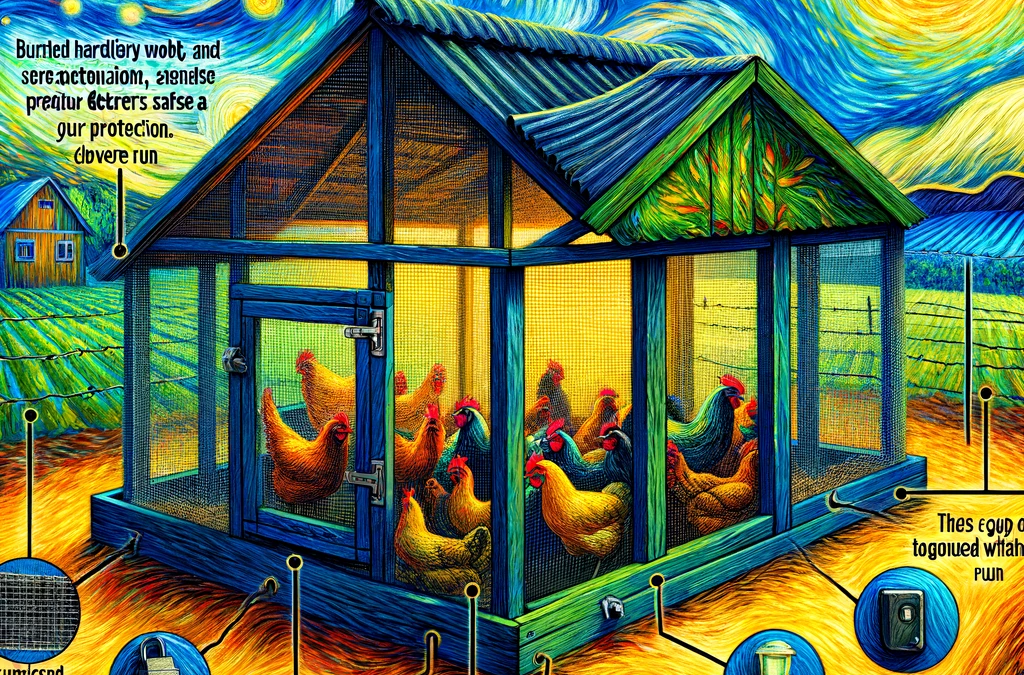
Elevate Your Care With Tailored Heat Solutions For Healthy Chicks
By Tom Seest
At BackyardChickenNews, we help people who want to raise backyard chickens by collating information and news blended with our own personal experiences.
Be sure to read our other related stories at BackyardChickenNews to learn more about raising chickens in your backyard.
Brooder Add-Ons – Custom Heat Lamps and Guards
When you decide to welcome backyard chickens into your life, you’re not just investing in a source of fresh eggs or pest control; you’re embarking on a journey rich in nurturing and responsibility. Part of that journey is ensuring your feathered friends have a safe and warm environment, making custom heat lamps and guards essential components of a well-designed brooder.
Imagine the feeling of walking into your brooder and seeing those tiny, fluffy bodies huddled together, basking in a warm glow. It’s a sight that stirs up something primal in us. We all want to fulfill our roles as caretakers, whether we’re looking after our families or, in this case, our chickens. Investing in quality heat lamps means you’re not just setting up a temporary space; you’re creating a sanctuary tailored to their needs. The right temperature is crucial for their development, and having adjustable heat lamps allows you to fine-tune their environment as they grow, just like adjusting a thermostat in your home.
But let’s talk about safety. Custom guards for heat lamps aren’t just a nice-to-have; they’re a necessity. Chickens are curious creatures. I recall one time when I was visiting a friend with a flock. One particularly adventurous chick stumbled toward a heat source, only to be saved at the last moment by a guard. It’s in those moments that we realize our responsibilities extend beyond merely providing food and shelter; we must also create safe spaces where curiosity can thrive without consequence. When you add guards to your setup, you’re building a fortress of safety that shields those little lives from harm.
Ethically, choosing the right heat lamps and guards reflects your commitment to animal welfare. You’re not opting for the cheapest solution; you’re making thoughtful choices that show you care. This isn’t just about heat; it’s about the warmth of an environment that promotes healthy growth and happy chickens.
Socially, as you dive deeper into the world of backyard chickens, you’ll find a community that shares your values. Fellow chicken keepers will nod in approval as you discuss the merits of custom setups and the stories that unfold behind them. That shared knowledge becomes a bridge, connecting you with others who understand the intricacies of chick care.
The right brooder add-ons aren’t just technical specifications; they’re manifestations of love, responsibility, and connection to something greater. You’re not merely raising chickens; you’re nurturing a livelihood that thrives on care, community, and commitment. This is where the story of your backyard chickens truly begins—creating a warm, secure environment is just the first chapter.
Brooder Add-Ons – Custom Heat Lamps and Guards
Brooder Add-Ons – Custom Heat Lamps and Guards
- Welcoming backyard chickens involves nurturing and responsibility beyond just eggs and pest control.
- Creating a safe, warm environment is essential, with custom heat lamps and guards being critical components.
- Quality heat lamps and adjustable temperatures are vital for healthy chicken development.
- Custom guards prevent curious chickens from accidents, highlighting the caretaker’s responsibility.
- Choosing appropriate equipment reflects a commitment to animal welfare and thoughtful care.
- Joining the backyard chicken community fosters shared knowledge and support among chicken keepers.
- Brooder add-ons symbolize love, responsibility, and a connection to nurturing a thriving livelihood.

Brooder Add-Ons – Custom Heat Lamps and Guards
Table Of Contents
- Brooder Add-Ons – Custom Heat Lamps and Guards
- What Are the Most Effective Heat Lamps for Chick Care?
- How Can Custom Guards Enhance Safety for Young Birds?
- What Emotional Connections Do We Have with Our Pets?
- What Are the Ethical Considerations In Raising Poultry At Home?
- How Do Heat Lamps Impact the Health Of Baby Chicks In Brooding?
- Conclusion
- Other Resources
- Glossary Of Terms
- Other Questions
- Haiku
- Poem
- Checklist
What Are the Most Effective Heat Lamps for Chick Care?
When it comes to raising backyard chickens, providing the right environment is essential—not just for their well-being, but for your peace of mind. A heat lamp isn’t just a piece of equipment; it’s a lifeline for those fluffy little chicks that depend on your care. Choosing the right heat lamp is both a science and an art, blending practicality with a sense of responsibility that can be deeply personal.
Think of it this way: imagine a chilly night in early spring, the kind that sends a shiver down your spine. Now, picture those tiny, peeping chicks huddled together, seeking warmth and security. The right heat lamp can replicate the comforting presence of a mother hen, keeping them snug while they navigate the world outside their shells. But understanding which heat lamp truly delivers that warmth requires digging a little deeper—beyond just wattage and price tags.
It’s easy to get lost in a sea of options, with everything from infrared heat lamps to ceramic models lined up in your local feed store. Rationally, you might lean toward the most popular model, but ask yourself this: which one best mimics the natural warmth a mother hen provides? The best heat lamps are those that offer adjustable wattage and reliable safety features, allowing you to customize the brooding environment for your growing chicks.
Ethically, it’s essential to consider the impact of your choices. Investing in high-quality heat lamps not only benefits your chicks but also promotes a responsible farming practice. By opting for energy-efficient bulbs, you reduce your carbon footprint and ensure that your feathered friends aren’t subjected to unnecessary stress or danger from overheating.
There’s a timeless story about a farmer who discovered the perfect heat lamp after weeks of trial and error. He invested in one that had a reputation for durability and efficiency. The transformation in his flock was profound; they thrived in a way he’d never imagined. Each morning brought a chorus of happy clucks and vibrant plumage—proof that the right tool can make all the difference in the life of a fledgling flock.
Ultimately, the most effective heat lamps for your backyard chickens come down to a blend of knowledge and intuition. They remind us that caring for animals isn’t just about meeting their physical needs; it’s about fostering a connection, nurturing life, and understanding the profound role you play in their journey. Choose wisely, and you’ll not only ensure their survival but also enrich your experience in this rewarding venture.

What Are the Most Effective Heat Lamps for Chick Care?
What Are the Most Effective Heat Lamps for Chick Care?
- Providing the right environment is crucial for the well-being of backyard chickens and the owner’s peace of mind.
- A heat lamp is essential for chicks, mimicking a mother hen’s warmth and security.
- Choosing the right heat lamp involves understanding wattage, safety features, and performance.
- High-quality, energy-efficient heat lamps promote responsible farming and reduce carbon footprint.
- A farmer’s experience highlights the transformative impact of selecting a durable and efficient heat lamp.
- The best heat lamps allow for adjustable settings to customize the brooding environment for chicks.
- Caring for chickens involves more than physical needs; it fosters a deeper connection and understanding of their journey.

What Are the Most Effective Heat Lamps for Chick Care?
How Can Custom Guards Enhance Safety for Young Birds?
Custom guards offer young birds a sanctuary that balances their instinctual needs with the harsh realities of the world outside. Imagine a flock of chicks, their fluffy bodies wobbling as they embark on their first forays into the backyard, curiosity sparking in their beady eyes. Every peep resonates with the hope of adventure, but with that adventure comes the lurking danger of predators. Custom guards can transform a simple coop into a fortress, allowing these young feathered friends to explore safely while still nurturing their natural instincts.
Visually, think of your backyard chickens bustling about, the sun glinting off their feathers, freely pecking at the ground without a care. Yet, beneath this cheerful image lies the critical need for security. Custom guards act as a protective barrier, serving as an ethical approach to raising animals by ensuring their well-being. By investing in these custom solutions, chicken keepers not only protect their birds but also cultivate peace of mind, knowing they’re taking responsibility for the lives they’ve chosen to care for. It’s akin to creating a childproofed zone for youngsters; the aim is to promote exploration in a safe environment.
Consider Sarah, a backyard chicken aficionado, who once lost a beloved hen to a neighborhood dog. After the incident, she dedicated herself to finding solutions that would keep her remaining flock secure. She discovered custom guards designed specifically for different predators. Utilizing these solutions not only safeguarded her birds, but Sarah also became an impassioned advocate for chicken safety in her community, sharing her knowledge and experience with fellow enthusiasts. Through her journey, she inspired others to invest in custom guards, creating a ripple effect that fortified their collective efforts in safeguarding these vulnerable creatures.
Networks of support often arise around shared interests, and backyard chicken communities are no exception. By leaning into the creation and use of custom guards, chicken keepers foster bonds with fellow enthusiasts, encouraging one another to prioritize safety and well-being. This collaborative spirit translates into well-rounded care for birds, ensuring they thrive both emotionally and physically. The act of safeguarding these young birds breathes life into the very essence of what it means to be a responsible caregiver.
To embrace the tool of custom guards is to make a vivid declaration: we cherish the lives we nurture and will do everything in our power to protect them, allowing young birds the freedom to flourish in their backyard kingdoms.
How Can Custom Guards Enhance Safety for Young Birds?
How Can Custom Guards Enhance Safety for Young Birds?
- Custom guards provide a sanctuary for young birds, balancing their instinctual needs with external dangers.
- Backyard chickens explore under the protective barrier of custom guards, promoting safety and well-being.
- Investing in custom solutions allows chicken keepers to protect their birds and feel responsible for their care.
- Sarah’s experience highlights the importance of custom guards, as she became an advocate for chicken safety after losing a hen.
- Backyard chicken communities support each other by prioritizing safety through the use of custom guards.
- Collaboration among chicken keepers fosters emotional and physical well-being for the birds.
- Embracing custom guards reflects a commitment to nurturing and protecting the lives of young birds.

How Can Custom Guards Enhance Safety for Young Birds?
What Emotional Connections Do We Have with Our Pets?
When you take a moment to watch a dog greet its owner or a cat curl up in the sunlight, you realize something profound: the bond we share with our pets transcends mere companionship. It’s a connection rich with frailty and resilience, flourished in the warm corners of our homes and backyards, where life unfolds daily. Whether we’re talking about loyal dogs, curious cats, or even the unconventional embrace of raising backyard chickens, these relationships echo with laughter, comfort, and sometimes profound grief.
Consider your best friend, who never judges your bad hair days or your penchant for late-night snacks. This is where pets shine; they serve not only as companions but as unwavering emotional support. When I think back to my childhood, I remember a stray dog that wandered into our yard one rainy afternoon. He didn’t just find shelter in our backyard; he discovered a family. The way he nuzzled against me during thunderous storms—his soft warmth amidst the chaos—offered me a unique solace. That’s the red thread that binds us: a sense of security during life’s storms.
Beyond the heartfelt tails and purrs, let’s not overlook the palpable impact of these bonds on our mental health. There’s a compelling reason why therapy animals are employed in hospitals and schools across the nation. The simple act of petting a dog lowers blood pressure and reduces anxiety. Studies indicate that our furry friends contribute positively to our well-being, making everyday challenges seem a little lighter. When you hear the soft clucking of backyard chickens and see the joy they bring, it’s clear: pets encourage us to pause and savor the moments.
Ethically, we are compelled to recognize the responsibility that arises with these connections. We adopt these creatures, often without realizing the depth of that commitment. It reminds us of our ethos as caretakers of another being’s life. Each squawk from a chicken or wag from a dog beckons us to reflect on how we build a community—a blend of trust forged through care and love. It’s a social contract between humans and animals, echoing the values that define us.
Ultimately, what stands out in this complicated tapestry is our shared need for connection, not just with colleagues, friends, or family, but also with these incredible beings. They teach us not only about loyalty and responsibility but remind us to genuinely embrace life’s simple moments, whether we’re raising chickens in the backyard or rescuing a stray. Each moment spent with them deepens our connection, leaving a durable mark on our hearts.
What Emotional Connections Do We Have with Our Pets?
What Emotional Connections Do We Have with Our Pets?
- The bond with pets transcends mere companionship, encompassing both frailty and resilience.
- Pets provide unwavering emotional support, accepting us without judgment.
- The arrival of a stray dog in childhood exemplifies the deep emotional connections we form with animals.
- These relationships contribute positively to mental health, like reducing anxiety and lowering blood pressure.
- Owning pets teaches responsibility and reflects our ethical commitment to caring for other beings.
- The interaction between humans and animals fosters a sense of community built on trust and care.
- Ultimately, pets enrich our lives by teaching us about connection and the importance of cherishing simple moments.

What Emotional Connections Do We Have with Our Pets?
What Are the Ethical Considerations In Raising Poultry At Home?
Raising poultry at home, particularly backyard chickens, is not just a trend; it’s a commitment that carries deep ethical considerations. Imagine standing in your backyard, the sun rising, chickens clucking and scratching at the ground, providing not only fresh eggs but a connection to the land and a sense of responsibility. This scenario illustrates the heart of an essential debate about our relationships with animals and the ethical implications of keeping them.
At its core, raising chickens offers a unique opportunity to engage with nature. It invites us to nurture, respect, and understand the lives of these creatures. The emotional pull is undeniable. When you take the time to feed and care for these birds, you cultivate a symbiotic relationship steeped in trust. You’re not just a caretaker; you become part of a community that values the life and well-being of your chickens. This connection fosters a greater respect for the food we consume and highlights the importance of ethical treatment in our daily lives.
From a rational perspective, consider the choices we make about food production. Backyard chickens provide a sustainable source of nourishment that reduces reliance on large-scale poultry farming. This opens a pathway to examine our food systems critically. By choosing to raise your flock, you’re making a statement about food quality, environmental impact, and animal welfare. It’s an opportunity to educate others about the realities of food sourcing and the importance of ethical considerations in agriculture.
However, this venture is not without its challenges. The duty to provide a safe, healthy environment for the birds is paramount. Neglecting their needs raises ethical questions about our responsibilities as caregivers. The integrity of raising chickens at home hinges on the commitment to their welfare, reflecting our values in how we interact with animals.
One original perspective in this discussion is the overarching lesson about community. Backyard chickens can be a catalyst for engagement, connecting neighbors and sparking conversations about food ethics, sustainability, and local economies. Sharing knowledge about poultry care, egg production, and ethical practices fosters trust within communities, ultimately enriching local relationships.
In recognition of these dimensions—emotional, rational, and ethical—raising backyard chickens transcends mere hobbyism. It becomes a movement toward a more ethical lifestyle, where hearts align with actions, and where caring for these birds mirrors our commitment to a responsible future.

What Are the Ethical Considerations In Raising Poultry At Home?
What Are the Ethical Considerations In Raising Poultry At Home?
- Raising backyard chickens is a commitment with ethical implications, not just a trend.
- Engaging with poultry fosters a connection to nature, nurturing a sense of responsibility.
- Caring for chickens enhances respect for food sources and ethical treatment of animals.
- Backyard chickens provide sustainable nourishment and reduce reliance on large-scale farming.
- Raising chickens allows for educational opportunities regarding food sourcing and agriculture ethics.
- Providing a healthy environment for chickens reflects the caregiver’s values and responsibilities.
- Backyard poultry can strengthen community ties and promote discussions on food ethics and sustainability.

What Are the Ethical Considerations In Raising Poultry At Home?
How Do Heat Lamps Impact the Health Of Baby Chicks In Brooding?
When it comes to the subtle art of raising backyard chickens, few topics evoke as much heart, head, and gut response as brooding baby chicks with the help of heat lamps. It’s a dance of warmth, care, and a touch of humanity that makes all the difference in the delicate early days of a chick’s life. Each time you crack open that brooder door to check on your feathered family, you’re engaging in a timeless ritual that connects you to generations of chicken keepers.
Heat lamps are crucial for these tiny avian dynamos, much like a mother’s embrace. They provide the warmth needed to foster healthy growth and development. However, it’s not just about turning on a bulb; it’s about understanding the nuances of how that light impacts their world. A heat lamp set too high can transform this sanctuary into a sweatbox, where chicks huddle in corners, peeping anxiously—an image that tugs at the heart. Conversely, too low a temperature can lead to lethargy and distress, an ethical burden for anyone who cares about fostering life.
In my experience, setting up the brooter of my own backyard chickens taught me that monitoring the temperature can become a kind of mindfulness practice. Every evening, as I adjusted the lamp, I thought about the stories of farmers hoisting hay bales for warmth in the chilly dusk, bridging past and present. It’s this connection that inspires trust; tending to these creatures isn’t just a chore but a commitment to nurturing.
Imagine a small flock thriving under the right conditions, cheeping and darting about, their eagerness for life palpable. There’s a shared joy in watching them grow, a fulfillment that aligns with our core values of responsibility and stewardship. This isn’t just about maintaining a backyard; it’s about connecting with nature and embracing that deep-rooted sense of care within us all.
Moreover, heat lamps can also impact social development among chicks. The warmth encourages comfortable interactions, creating a nurturing peer environment where these young birds learn vital social cues. The lives we lead are inherently social, and our backyard chicken adventures echo that truth—teaching us how to find joy in the simple moments.
Raising backyard chickens is more than just poultry management; it’s about nurturing life, sharing experiences, and understanding our effect on the world around us. Each lamp, each chirp, and each day in that brooder reflects a commitment not only to the wellbeing of those chicks but also to a lifestyle where kindness, responsibility, and growth flourish together.

How Do Heat Lamps Impact the Health Of Baby Chicks In Brooding?
How Do Heat Lamps Impact the Health Of Baby Chicks In Brooding?
- Brooding baby chicks with heat lamps is a blend of warmth, care, and humanity.
- Heat lamps provide essential warmth for healthy growth and development of chicks.
- Improper temperature settings can cause anxiety or lethargy in chicks, highlighting the importance of careful monitoring.
- Adjusting the heat lamp can foster a sense of mindfulness and connection to agricultural traditions.
- Successful brooding leads to a thriving flock, embodying values of responsibility and stewardship.
- Heat lamps facilitate social development, encouraging interactions and vital learning among chicks.
- Raising chickens transcends poultry management, fostering a lifestyle of kindness, responsibility, and growth.

How Do Heat Lamps Impact the Health Of Baby Chicks In Brooding?
Conclusion
Introducing backyard chickens isn’t merely a lifestyle choice; it’s a profound commitment to nurturing responsibilities that extend beyond just fresh eggs or pest control. This journey is about creating a warm, secure space where these creatures can thrive, which is where custom heat lamps and guards come into play. Envision the sight of fluffy chicks huddled together under the gentle warmth of a carefully positioned heat lamp; it evokes a primal need in all of us to be caretakers. Selecting high-quality heat lamps represents more than just a functional choice; it’s an investment in their well-being, promoting healthy growth as you adjust the heat to mimic the nurturing presence of a mother hen.
Safety is paramount, especially with curious chicks that may inadvertently venture too close to heat sources. Implementing custom guards becomes essential, transforming a basic brooder into a protective haven against potential dangers. This proactive approach not only reflects a deep ethical commitment to animal welfare but also fosters a sense of community among fellow chicken enthusiasts. Sharing experiences and knowledge about caring for these birds can strengthen social bonds, bridging connections over shared values of responsibility and care.
Moreover, the act of raising chickens signifies a greater movement toward ethical living and sustainable practices. It challenges us to reflect on our food systems and the treatment of animals within them. By raising backyard chickens, we take a step toward a more responsible food source that reduces our dependency on large-scale farming operations, ultimately benefiting our community and the environment.
The emotional connections formed with our pets, including chickens, resonate deeply within us. Each cluck or peep encapsulates a moment of joy, reminding us of the virtues of patience, nurture, and the extraordinary bonds we share with our animals. These relationships enrich our lives, underscoring the significance of our roles as caregivers.
Ultimately, raising backyard chickens, equipped with the right heat solutions and protective guards, fosters not only the physical health of these birds but also cultivates a profound understanding of our responsibilities as stewards of their well-being. This journey is more than just poultry management; it’s about connecting with nature, building community, and nurturing life with intention and care. The story of your flock begins with the right choices—creating an environment that emphasizes safety, health, and the joy of shared experiences, setting the stage for a thriving backyard sanctuary.

Conclusion
Conclusion:
- Introducing backyard chickens involves a commitment to nurturing responsibilities beyond just obtaining fresh eggs or controlling pests.
- Creating a secure environment for chickens includes using custom heat lamps and guards to promote their well-being.
- High-quality heat lamps help mimic a mother hen’s nurturing presence, supporting the healthy growth of chicks.
- Custom guards enhance safety by protecting curious chicks from heat sources, reflecting a commitment to animal welfare.
- Raising chickens fosters community connections among enthusiasts through shared experiences and knowledge.
- This practice promotes ethical living and sustainable food sources, reducing dependence on large-scale farming.
- The emotional bonds formed with chickens enrich lives, highlighting the importance of our roles as caregivers.

Conclusion
Other Resources

Other Resources
Here is a list of other resources you can review online to learn more:
- roaches
- mediterranean breed
- Ameraucanas
- New Hampshire
- grower feed
- Quail Bronchitis
- collards
- Avian Pox
- Andalusian
- Red Ranger
- Ancona
- Orpingtons
- berries
- roundworms
- Brahmas
- Hamburg
Use This Prompt To Get More Resources With Your Favorite Online AI Tool: Please provide me with a list of online articles with their URLs in a bulleted list that I can read regarding Brooder Add-Ons – Custom Heat Lamps and Guards
Other Resources
Glossary Terms
Brooder Add-Ons – Custom Heat Lamps and Guards – Glossary Of Terms
1. Brooder — Enclosure that provides a controlled warm environment for neonatal poultry and small animals.
2. Heat lamp — Electrical lamp used to produce radiant heat for warming brooders.
3. Ceramic heat emitter — Infrared-only heating element that emits heat without visible light.
4. Infrared bulb — Lamp that emits infrared wavelengths to directly warm animals and surfaces.
5. Clamp lamp — Adjustable lamp fixture with a clamping mount for positioning heat sources.
6. Reflector hood — Dome or parabolic metal housing that focuses and directs radiant heat.
7. Lamp guard — Protective barrier placed around a heat lamp to prevent contact and contain fragments.
8. Wire cage guard — Mesh-style lamp guard providing impact protection while allowing airflow.
9. Heat plate — Low-profile heated surface that simulates a brooding hen’s warmth for chicks to rest on.
10. Thermostat — Control device that cycles power to a heater to maintain a set temperature.
11. Temperature probe — Sensor that measures air or surface temperature for monitoring and control.
12. Hygrometer — Instrument that measures relative humidity inside the brooder.
13. Dimmer / Rheostat — Adjustable control that varies electrical power to a lamp to change heat output.
14. Wattage — Electrical power rating of a bulb or heater; higher wattage typically means more heat.
15. Color temperature (Kelvin) — Measurement of light color; lower values produce redder, warmer-looking light.
16. Porcelain socket — Heat-resistant lamp holder suitable for high-temperature bulbs.
17. Grounded plug — Three-prong electrical connector providing an earth ground for safety.
18. GFCI (Ground Fault Circuit Interrupter) — Device that interrupts power when electrical leakage is detected.
19. Mounting bracket — Hardware used to secure lamps, guards, or accessories to a frame or structure.
20. Heat shield — Reflective or insulating barrier used to redirect or block excess heat.
21. Ventilation — Controlled airflow management to remove moisture, ammonia, and excess heat.
22. Heat gradient — Range of temperatures within the brooder allowing animals to choose their preferred warmth.
23. Insulation — Material applied to brooder walls or base to reduce heat loss and stabilize temperature.
24. Thermal mass — Object that absorbs and slowly releases heat to reduce temperature fluctuations.
25. Shatterproof bulb — Bulb constructed or coated to resist breakage and contain glass fragments.
26. Surface temperature — Temperature of floor, heat plate, or resting surface experienced by animals.
27. Radiant heat — Heat transfer via infrared radiation that warms objects and organisms directly.
28. Convective heat — Heat transfer via warmed air moving through the brooder environment.
29. Spot heater — Focused heating device that provides concentrated warmth to a specific area.
30. UL / ETL listing — Independent safety certification marks indicating a product has been tested to standards. Glossary Of Terms
Other Questions
Brooder Add-Ons – Custom Heat Lamps and Guards – Other Questions
If you wish to explore and discover more, consider looking for answers to these questions:
- What temperature should the brooder be at for day-old chicks and how should it change week by week?
- How high above the chicks should a heat lamp be hung for different wattages?
- How many chicks can one heat lamp safely support?
- What wattage bulbs are best for various brooder sizes and climates?
- What are the differences between infrared, ceramic, and incandescent heat sources for brooding?
- Do red or white heat bulbs affect chick behavior, sleep, or development?
- How do you measure the actual temperature chicks experience (thermometers, infrared guns, probe placement)?
- What are the safest guard designs and materials to prevent chicks from touching the bulb?
- How do you secure heat lamp guards to prevent tipping or being knocked down by animals?
- What electrical safety precautions are required when using heat lamps (wiring, outlets, GFCI, timers)?
- Are there recommended mounts or fixtures that reduce fire risk compared with clamp lamps?
- How do you prevent bedding or loose material from igniting near a heat lamp?
- What are reliable alternatives to heat lamps (brooder plates, heat pads, heated floors) and when should they be used?
- How do you transition chicks off supplemental heat and how do you know they are ready?
- What signs indicate chicks are too hot or too cold in the brooder?
- How does humidity affect brooding temperatures and chick health?
- How should ventilation be balanced with keeping the brooder warm?
- How do heat lamps impact brooder social behavior, pecking order, and development?
- Can heat lamps increase the risk of respiratory issues or disease spread in a brooder?
- What maintenance do heat lamps and guards require and how often should bulbs be replaced?
- How energy-efficient are different heat lamp options and what are typical operating costs?
- Are there smart thermostats or automatic controllers compatible with brooder heat systems?
- How do you design guards to protect against predators as well as accidental contact?
- What are recommended guard sizes and bar spacing to keep chicks safe without restricting airflow?
- Can heat lamps be used safely with other poultry species (ducks, turkeys, quail), and how do needs differ?
- What legal or local ordinance considerations exist for running heat lamps or keeping backyard poultry?
- What are best practices for combining heat lamps with night/day light cycles to support circadian rhythms?
- How do you set up a backup heat plan for power outages or lamp failure?
- What DIY guard or lamp solutions are effective and which should be avoided?
- How much does a quality custom guard typically cost versus a basic off‑the‑shelf option?
- How do custom heat lamp solutions integrate with brooder size, number of birds, and breed-specific needs?
- What are common mistakes beginners make when installing heat lamps and guards?
- How do you sanitize or clean guards and lamps without degrading materials or causing hazards?
- How long do different types of heat bulbs last under typical brooding use?
- What warranties, certifications, or safety ratings should you look for when buying heat lamps and guards?
- How do heat lamps affect flock biosecurity and what practices minimize disease risk?
- How do you choose between commercial custom guards and community-sourced designs from fellow keepers?

Other Questions
Haiku
Brooder Add-Ons – Custom Heat Lamps and Guards – A Haiku
Warmth wraps them close,
Guarded, thriving, under light—
Life nurtured with care.
Haiku
Poem
Brooder Add-Ons – Custom Heat Lamps and Guards – A Poem
In a backyard haven where clucks harmonize,
Tiny lives emerge, beneath the sunlit skies.
With warmth that whispers, like a mother’s embrace,
Heat lamps glow softly, nurturing each grace.
Every peep a promise, every flutter a dream,
A sanctuary built, where hope and kindness beam.
Custom guards stand tall, a fortress of care,
Protecting curious souls from dangers unaware.
Responsibility calls from the heart and the mind,
In choices we make, ethical threads intertwined.
Not just for fresh eggs, but a bond deep and true,
Where love for the feathered manifests in all we do.
Communities gather, exchanging tales of delight,
In shared wisdom and laughter, we find strength in our plight.
The journey of nurture, a tapestry we weave,
Each moment profound, in the lives we believe.
So let us embrace this dance of warmth and light,
For caring for chickens brings joy, pure and bright.
In raising them well, we reflect our own worth,
A connection to life, a reverence for earth.

Poem
Checklist
Brooder Add-Ons – Custom Heat Lamps and Guards – A Checklist
Emotional Connection
✅______ Reflect on the joy and warmth of watching your chicks thrive.
✅______ Consider the primal satisfaction of nurturing life.
✅______ Share stories of your experiences with chickens to inspire others.
Rational Considerations
✅______ Research various types of heat lamps to select the best one for your brooding needs.
✅______ Evaluate energy-efficient options to promote sustainability.
✅______ Monitor temperature adjustments to ensure optimal conditions for growth.
Ethical Responsibility
✅______ Choose high-quality materials for heat lamps and guards to ensure the well-being of your chicks.
✅______ Regularly check safety features to prevent accidents.
✅______ Commit to learning about animal welfare and ethical farming practices.
Authority Insights
✅______ Consult expert sources or experienced chicken keepers for reliable recommendations.
✅______ Attend workshops or local meet-ups to gain knowledge from others.
✅______ Follow guidelines from credible organizations on chick care and management.
Narrative Engagement
✅______ Document your journey with backyard chickens, noting successes and challenges.
✅______ Share your story with friends and community members to foster connections.
✅______ Encourage conversations on social media about the joys of chicken raising.
Social Connection
✅______ Join local chicken-keeping communities to exchange tips and support.
✅______ Participate in group projects, such as building shared coops or buying supplies together.
✅______ Host gatherings showcasing your brooders to inspire others to get involved.
Safety Enhancements
✅______ Install custom guards around heat sources to prevent accidents.
✅______ Regularly inspect the environment for potential hazards.
✅______ Create a checklist for daily check-ups on the health and safety of your chicks.
Nurturing Environment
✅______ Ensure a clean and comfortable brooder space to support healthy growth.
✅______ Incorporate enriching activities to stimulate natural behaviors.
✅______ Keep an eye out for signs of stress and adjust the environment accordingly.
Checklist
At BackyardChickenNews, we help people who want to raise backyard chickens by collating information and news blended with our own personal experiences.
Be sure to read our other related stories at BackyardChickenNews to learn more about raising chickens in your backyard.