

Creating Comfortable Chicken Coops With Expert Advice
By Tom Seest
At BackyardChickenNews, we help people who want to raise backyard chickens by collating information and news blended with our own personal experiences.
Be sure to read our other related stories at BackyardChickenNews to learn more about raising chickens in your backyard.
Building Nesting Boxes That Chickens Will Actually Use
When you decide to welcome backyard chickens into your life, you’re not just adding a new feathered friend to your yard; you’re stepping into a partnership that requires commitment and care. Building nesting boxes that chickens will actually use goes beyond mere construction—it touches the very essence of what it means to nurture and provide.
Imagine waking up to the comforting sound of your hens clucking happily, knowing they have a safe, cozy space to lay their eggs. That’s the heart of it. Chickens are not just livestock; they’re companions. Providing them with the right environment speaks volumes about the care you have for these incredible beings. As you hammer away, envision the warmth of their soft bodies settling into a well-crafted box, grateful for your efforts. You’re not just building a nesting box; you’re crafting a sanctuary.
Now let’s get to the nitty-gritty—the rational side of things. Chickens are creatures of habit. They appreciate consistency, and a good nesting box is part of that rhythm. Build it at the right height, with enough privacy and warmth, and your feathered friends will thank you with the richest eggs imaginable. Think about it: who doesn’t want fresh eggs that come from happy, healthy chickens? A well-designed box increases egg production and improves the overall well-being of your flock.
This is where the ethical aspect comes into play. It’s your responsibility to care for these animals properly. When we honor their needs by creating suitable nesting spaces, we not only foster their natural behaviors but also align our actions with a deeper moral obligation towards humane treatment of our livestock. It’s a small effort that invites you to pause and reflect on the impact of your choices.
Finally, let’s not forget the social appeal. Building nesting boxes can be a community affair, whether you’re rallying friends or engaging with fellow chicken enthusiasts online. Share your successes and learn from mishaps. You’ll forge connections with those equally invested in this uplifting journey, creating a ripple effect of knowledge that elevates everyone’s experience.
Taking this on isn’t just about you or your chickens; it’s about cultivating a deeper relationship with the life you choose to nurture. So grab those tools and get to work. Your chickens are counting on you. Build them something truly special.

Building Nesting Boxes That Chickens Will Actually Use
Building Nesting Boxes That Chickens Will Actually Use
- Welcoming backyard chickens requires commitment and care, not just construction.
- Building nesting boxes is an essential part of nurturing and providing a safe space for chickens.
- Chickens are more than livestock; they are companions that thrive in a comfortable environment.
- A well-crafted nesting box enhances the chickens’ happiness and influences egg production.
- Ethical treatment of chickens involves creating suitable nesting spaces that acknowledge their needs.
- Building nesting boxes can foster community engagement and sharing of knowledge among chicken enthusiasts.
- The process cultivates a deeper relationship with the animals you choose to nurture.
Building Nesting Boxes That Chickens Will Actually Use
Table Of Contents
- Building Nesting Boxes That Chickens Will Actually Use
- What Features Make A Nesting Box Inviting For Chickens?
- How Does The Design Of A Nesting Box Impact Egg Production?
- Are You Aware Of How Chicken Comfort Affects Their Behavior?
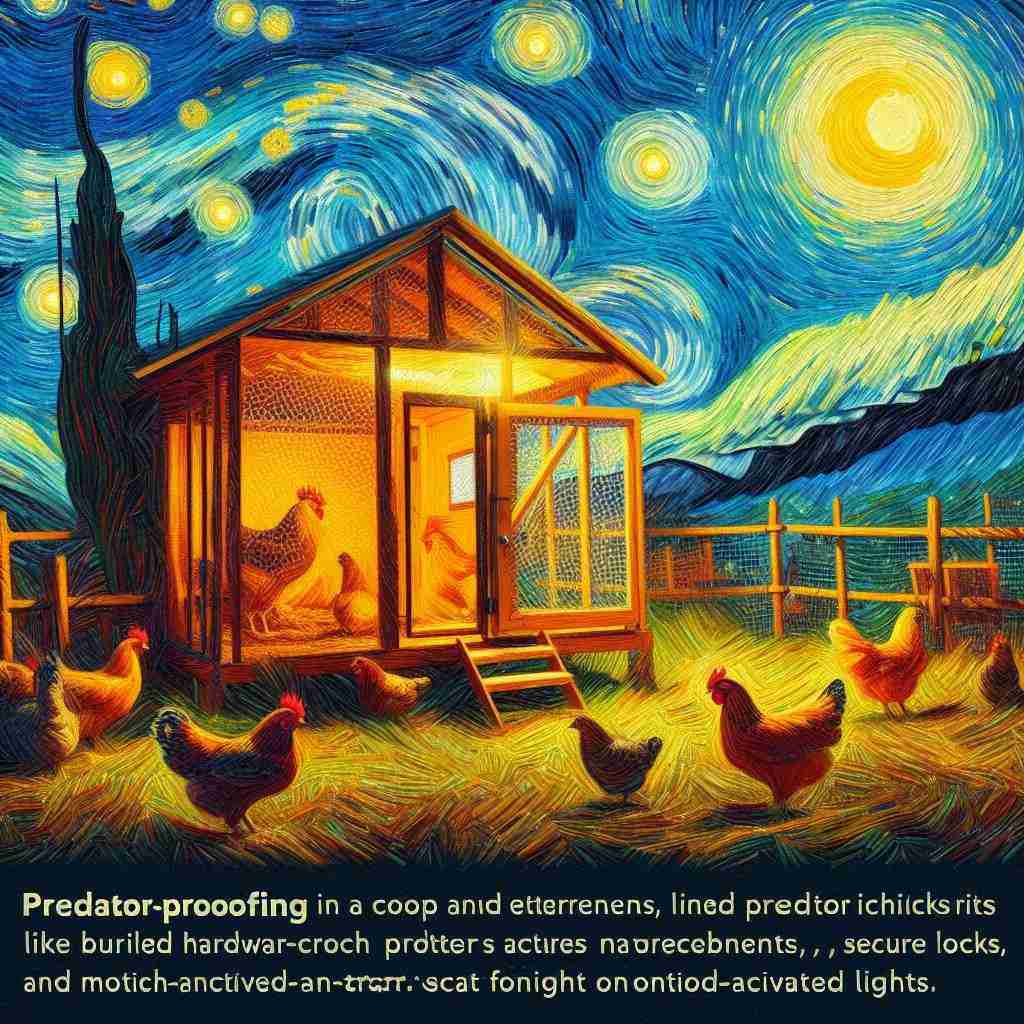
- How Can You Ensure Your Nesting Boxes Are Safe And Predator-Proof?
- How Do Nesting Box Placements Influence Flock Dynamics?
- Can You Share A Story About Your Chickens And Their Nesting Habits?
- What Ethical Considerations Arise When Building For Animal Welfare?
- Conclusion
- Other Resources
- Glossary Of Terms
- Other Questions
- Haiku
- Poem
- Checklist
What Features Make A Nesting Box Inviting For Chickens?
When it comes to creating a nesting box that your backyard chickens will flock to, consider it a blend of artistry and practicality. Imagine your feathered friends, scratching and clucking, settling into their very own cozy retreat. A fantastic nesting box is not merely a wooden shell; it’s an invitation to experience comfort and safety.
First and foremost, size matters. A box that’s too cramped will discourage your hens from laying, while a space that’s too roomy can invite the territorial squabbles we all dread. To make a nesting box inviting, aim for dimensions that cater to the average chicken’s needs: roughly 12 inches high, 12 inches wide, and 14 inches deep. An inviting space is one that feels snug yet spacious enough for the hens to nestle in without feeling like they’re in a wrestling match.
The materials you use also tell a story. Smooth, clean wood resonates with a sense of nature and security, while surfaces that can be easily sanitized ensure a healthy environment. A touch of straw or pine shavings can make all the difference—a soft, warm layer that not only cushions but helps absorb moisture. When you bring in natural materials, you’re encouraging your chickens to engage with their instincts to create nests, fostering a connection to their heritage.
But let’s talk ambiance. Good ventilation is essential—nobody likes a stuffy room, not even a chicken! Proper airflow will keep odors at bay and promote a healthy habitat, reducing the risk of diseases that could haunt your flock. You have the power to create a sanctuary, making your ladies feel like queens in their kingdom.
Now, let’s not forget about location—place those boxes in a quiet, darkened area away from the hustle and bustle of the coop. Chickens treasure privacy; they want to feel they can lay their eggs without an audience. You wouldn’t want to conduct your most private business in a room full of onlookers, right?
Finally, the aesthetics of your nesting box matter too. Bright colors or natural finishes can inspire a sense of pride and joy in those caring for them. When your chickens are happy, you feel fulfilled, knowing you’ve created a haven for their little eggs of hope. Designing an inviting nesting box isn’t just about function; it’s about crafting a nurturing space that bridges the bond between the caretakers and the creatures under our care. This connection isn’t just a logistical task; it’s a mission of love, respect, and responsibility. When you get it right, you’ll not only see results in the coop, but you’ll also feel a sense of accomplishment that resonates deeply with the very core of what it means to be a steward of such wonderful beings.

What Features Make A Nesting Box Inviting For Chickens?
What Features Make A Nesting Box Inviting For Chickens?
- Creating a nesting box for chickens blends artistry and practicality, providing comfort and safety.
- Size matters: the ideal dimensions for a nesting box are roughly 12 inches high, 12 inches wide, and 14 inches deep.
- Materials like smooth, clean wood and soft bedding (straw or pine shavings) foster a natural, secure environment.
- Good ventilation is essential to prevent odors and reduce disease risks, promoting a healthy habitat.
- Nesting boxes should be placed in quiet, dark areas to provide privacy for laying hens.
- Aesthetics, such as bright colors or natural finishes, can enhance the caretaking experience and the chickens’ environment.
- Designing a nurturing nesting box strengthens the bond between caretakers and chickens, reflecting love and responsibility.

What Features Make A Nesting Box Inviting For Chickens?
How Does The Design Of A Nesting Box Impact Egg Production?
When you think about egg production, the last thing on your mind might be the nesting box. But this unassuming little space serves as a sanctuary for our feathered friends, and it plays a pivotal role in their productivity. Imagine a cozy corner in your backyard; it’s more than just a collection point for eggs—it’s a reflection of care, comfort, and commitment to the life you’re nurturing.
When chickens feel safe and secure, they’re more likely to lay regularly. A well-designed nesting box, crafted from quality materials, can transform the egg-laying experience. The right size, the right bedding, a touch of privacy, and proper ventilation create a welcoming environment that encourages hens to nest comfortably. Think of it as a home within your home; a sanctuary that empowers each bird to thrive.
Emotionally, we connect with these animals. They reflect our efforts and intentions. When a hen lays an egg, it’s more than just a biological function; it’s the culmination of a relationship rooted in trust. A well-constructed nesting box says, “I care about you.” This connection isn’t just romantic; it’s a matter of responsibility. Good design minimizes stress and creates a sense of belonging. A nesting box that meets these needs can boost not just productivity but also hen happiness—something that can warm your heart as you collect those eggs every morning.
From a rational standpoint, inefficiencies born from poorly designed nesting areas can lead to lower egg counts and decreased quality, affecting not just your culinary efforts but your wallet too. Think about it: subpar designs can lead to disruptions, laying difficulties, or even worse, broken eggs. One must ask—why would you compromise on something so fundamental to your backyard chickens? It’s not just about functionality; it’s about optimizing both your resources and your time.
Ethically, creating a good nest aligns with the principles of humane animal husbandry. We are responsible for the lives we choose to keep, and providing them with a nurturing environment respects their needs. Your backyard creation not only helps your hens but also serves as an example for others in your community. Inspire fellow backyard chicken enthusiasts; share your insights, and foster a culture of thoughtful design.
Let’s recognize that behind every egg is a story of care and consideration. By investing in thoughtful nesting box design, you not only elevate egg production but also deepen the relationship you have with your flock. Your effort will resonate throughout your backyard, creating a vibrant, thriving community—one egg at a time.

How Does The Design Of A Nesting Box Impact Egg Production?
How Does The Design Of A Nesting Box Impact Egg Production?
- Nesting boxes are crucial for chicken productivity and well-being.
- A well-designed nesting box enhances comfort, safety, and encourages regular egg-laying.
- Features such as appropriate size, bedding, privacy, and ventilation are essential.
- A strong bond between the owner and hens is built through thoughtful care and design.
- Poorly designed nesting areas can lead to inefficiencies, lower egg counts, and financial loss.
- Providing quality nesting environments aligns with humane animal husbandry principles.
- Investing in nesting box design fosters a strong community and enhances relationships with backyard flocks.

How Does The Design Of A Nesting Box Impact Egg Production?
Are You Aware Of How Chicken Comfort Affects Their Behavior?
Picture this: A quiet morning in your backyard, the sun peeking over the horizon, and a gentle cluck fills the air. Those backyard chickens are more than just feathered residents; they’re real-life creatures with feelings, personalities, and yes, even a sense of comfort. Understanding how chicken comfort profoundly affects their behavior isn’t just some abstract notion—it’s a tangible reality that can impact your entire flock’s happiness.
When chickens are comfortable, they thrive. A cozy coop and access to fresh air make them happier and more sociable. You might be surprised, but their mood can elevate your own, creating an unspoken bond between humans and hens that adds richness to your everyday routine. Imagine the joy of receiving the first egg from a hen that has been content in your care. That moment isn’t just a culinary milestone; it’s a testament to a relationship built on trust and respect.
From a rational standpoint, consider that comfortable chickens are productive chickens, and a healthy flock leads to healthier eggs—nourishing not just your body but your spirit too. This isn’t merely about yield; it’s about how you’re feeding your family and creating memories around the table. Those eggs become part of a narrative, woven into family meals and celebrations, reminding us of the simple joys in life.
Ethically, providing a comfortable environment for your backyard chickens aligns with a growing awareness of animal welfare. It invites you to reflect on your responsibilities. As caretakers, we owe it to them to create a supportive environment that fosters their well-being. Ensuring they have enough space to roam, forage, and socialize isn’t just good sense; it’s the moral choice.
There’s also a social aspect to consider. Your backyard chickens are conversation starters. They provide a bridge to discussions about sustainability, agriculture, and the joys of simplicity in an increasingly complex world. Sharing your experiences with fellow chicken enthusiasts fosters community, creating a network of support that amplifies the joys of chicken ownership.
So, let’s take action. Engage with your flock, provide the best for them, and relish in their comfort. When you prioritize the welfare of your chickens, you aren’t just nurturing their hearts; you’re enriching yours, too. Remember, it’s about more than just the eggs; it’s about creating a harmonious experience worth clucking about.
Are You Aware Of How Chicken Comfort Affects Their Behavior?
Are You Aware Of How Chicken Comfort Affects Their Behavior?
- Backyard chickens have feelings and personalities that contribute to their comfort and happiness.
- Comfortable chickens thrive, leading to better social interactions and a positive bond with their human caretakers.
- The joy of receiving your first egg mirrors the trust built between chicken and owner.
- Healthy, comfortable chickens produce healthier eggs, enhancing both nourishment and family bonding during meals.
- Providing a comfortable environment aligns with ethical animal welfare responsibilities for chicken caretakers.
- Backyard chickens serve as conversation starters about sustainability and community connections.
- Engaging with your flock enriches both their lives and yours, creating a fulfilling experience beyond just egg production.

Are You Aware Of How Chicken Comfort Affects Their Behavior?
How Can You Ensure Your Nesting Boxes Are Safe And Predator-Proof?
When it comes to ensuring your nesting boxes are safe and predator-proof, you’re not just protecting eggs; you’re safeguarding a piece of your life and the heart of your backyard chickens. These little cluckers rely on you to provide a secure home where they can thrive. Let’s dive into how you can make that happen, ensuring both you and your flock can sleep soundly.
First off, you must consider the common predators lurking outside your coop. From raccoons to hawks, these crafty creatures don’t miss a beat when it comes to spotting a vulnerable nesting box. The hard truth is, if you’re not vigilant, you could lose more than just eggs; you might lose your beloved hens. Investing in sturdy, well-constructed nesting boxes is your first line of defense. Use secure materials like untreated wood or coated metal, and ensure the boxes have a top that can either close securely or be reinforced with strong wire mesh. This isn’t just a box; it’s a fortress for your flock, embodying your commitment to their well-being.
You’ll also want to think about the location of these boxes. Placing them in a shaded area can provide a comfortable environment for your hens to lay their eggs, but make sure to keep them elevated from ground level. A solid foundation not only deters pests but shows your chickens that you care. In their eyes, you’re their guardian, a role that should never be taken lightly.
Next, let’s talk about access. A clever design has an opening for your chickens but remains impenetrable to hungry predators. Use latches that require a bit of effort to open, and consider a ramp that can be pulled up at night to block entry. These features might sound trivial, but they can mean the difference between a peaceful night and a devastating morning.
Finally, let’s not forget the importance of community when it comes to keeping your feathered friends safe. Reach out to local backyard chicken enthusiasts or online forums. Share your experiences, learn from theirs, and foster a connection. In this journey, you’re not just a caretaker; you’re part of a broader movement that values ethical treatment and solid practices in chicken-keeping.
This isn’t just about eggs; it’s about creating a home. A predator-proof nesting box is a symbol of trust, a promise that you’ll do everything in your power to keep your hens safe. So roll up your sleeves, get to work, and let your care for your flock shine through every nail and screw. Your backyard chickens deserve nothing less.

How Can You Ensure Your Nesting Boxes Are Safe And Predator-Proof?
How Can You Ensure Your Nesting Boxes Are Safe And Predator-Proof?
- Ensure nesting boxes are predator-proof to protect both eggs and chickens.
- Common predators include raccoons and hawks, making vigilance essential.
- Invest in sturdy, well-constructed nesting boxes using secure materials.
- Location matters; keep boxes shaded, elevated, and on a solid foundation.
- Implement clever designs with secure access points to deter predators.
- Engage with local chicken-keeping communities for shared knowledge and support.
- A predator-proof nesting box symbolizes commitment to the safety and well-being of your hens.

How Can You Ensure Your Nesting Boxes Are Safe And Predator-Proof?
How Do Nesting Box Placements Influence Flock Dynamics?
When you think about raising backyard chickens, what often springs to mind are the clucks, the eggs, and the idyllic image of a sun-soaked yard bustling with life. But nestled quietly among those feathery friends is the science—and art—of nesting box placement, a simple detail that can profoundly affect flock dynamics.
Picture your flock as a tightly knit community, each bird with its own personality, preferences, and pecking order. The way you position those nesting boxes can either bring harmony or spark chaos. This isn’t just about convenience; it’s about comfort. Chickens, like us, crave safe spaces to lay their heads—or eggs. When you choose a secluded, dark corner for your boxes, you invite your hens into a sanctuary where they can express their natural instincts without the stress of prying eyes. A well-placed nesting box not only encourages productive laying, but it also nurtures their well-being, creating a more cohesive, content community of birds.
Now, let’s address the gut feeling that often nudges us toward responsible animal husbandry. Ethics plays a huge role here. Chickens are creatures of habit, and their happiness directly influences not only their egg production but also their health and behavior. A stressed chicken will let you know—think pecking, squawking, or worse, egg-eating. When we prioritize their comfort, we nurture a more resilient flock that thrives, not just survives, which plays into our responsibility as caretakers.
Engaging with your flock also brings forth an emotional connection. Imagine watching a hen settle into her carefully chosen nest, head tucked, feathers relaxed—a small victory in the grand scheme of the backyard ecosystem. You’ve created an environment where she can feel secure enough to do what nature intended, empowering your connection with her.
Social dynamics, too, come into play. The positioning of nesting boxes can either foster friendly competition or provoke jealousy among hens. A clever placement where multiple boxes are easily accessible can reduce bickering, encouraging the establishment of a virtuous circle where every hen feels valued and safe.
So as you embark on this journey of raising backyard chickens, remember: thoughtful nesting box placements are more than a practical decision—they’re an opportunity for you to create a harmonious home, enrich the lives of your birds, and deepen your bond with them. A happy flock means happy owners.

How Do Nesting Box Placements Influence Flock Dynamics?
How Do Nesting Box Placements Influence Flock Dynamics?
- Raising backyard chickens involves more than just clucks and eggs; nesting box placement is crucial for flock dynamics.
- Positioning nesting boxes affects the comfort and safety of hens, which can lead to productive laying and improved well-being.
- Chickens thrive in secure environments, and their happiness impacts egg production, health, and behavior.
- Responsible animal husbandry prioritizes the comfort of chickens, leading to a resilient and thriving flock.
- Engaging with your flock enhances emotional connections, such as observing a hen comfortably settling into her nest.
- Strategic nesting box placement can minimize jealousy and competition among hens, fostering a positive social dynamic.
- Thoughtful nesting box arrangements create a harmonious home, enriching the lives of birds and strengthening the bond with their caretakers.

How Do Nesting Box Placements Influence Flock Dynamics?
Can You Share A Story About Your Chickens And Their Nesting Habits?
There’s something about chickens that pulls on the heartstrings. Watching them roam your yard can ignite a sense of connection with nature that’s often lost in our busy lives. Here in the world of backyard chickens, each hen is an individual with her own quirks and personality. You could argue they’re not just eggs-laying machines but rather, feathered friends whose nesting habits reveal a lot about instinct, resilience, and a little bit of chicken psychology.
Let’s talk about nesting. As the days grow longer, the urge to lay begins to percolate in these birds. You’d be surprised to find that they’re as particular as any artist preparing for a masterpiece. Each hen has her favorite spot, often choosing a secluded corner under the raised garden beds or a dimly lit nook in the coop. It’s fascinating to watch as they gently scratch and peck, creating the perfect sanctuary for their precious eggs. Their process is a reminder that even the simplest actions—like laying an egg—are laced with instinct and intention.
With each cluck and flutter, you’re drawn into their little world. You start to understand their social dynamics, the pecking order, and the gentle rivalry as each hen claims her place. It speaks to a certain truth about life: cooperation within a community, respect for boundaries, and that deep-seated desire we all have to find our own space in the world. Each time you discover a freshly laid egg, it’s not just a reminder of your efforts—it’s a symbol of trust. It says, “I trust you to protect my family.”
But it’s not just about the eggs, is it? It’s about the journey. Raising backyard chickens teaches perseverance. Just like in life, you learn that a few might take longer to settle into their nesting habits, and that’s perfectly okay. Some may need a little more encouragement, while others might surprise you, turning out to be natural providers.
When you step outside to gather eggs, it’s an exercise in mindfulness. You’re not just collecting breakfast; you’re participating in a centuries-old tradition, one that connects us with farmers, homesteaders, and families for generations before us. So whether you’re a seasoned chicken whisperer or just curious about the clucking chaos, inviting backyard chickens into your life is about weaving a narrative of patience, laughter, and, yes, a breakfast that tastes a little better when you know it came from your own little flock.
Can You Share A Story About Your Chickens And Their Nesting Habits?
Can You Share A Story About Your Chickens And Their Nesting Habits?
- Chickens evoke a sense of connection with nature in our busy lives.
- Each hen has her own unique personality and nesting habits.
- Nesting behaviors reflect instinct, resilience, and psychology in chickens.
- Hens are particular about their nesting spots, creating sanctuaries for their eggs.
- The social dynamics among hens highlight cooperation and the importance of boundaries.
- Raising chickens teaches perseverance and adaptability in their nesting habits.
- Gathering eggs connects us to a longstanding tradition and enhances mindfulness.

Can You Share A Story About Your Chickens And Their Nesting Habits?
What Ethical Considerations Arise When Building For Animal Welfare?
When we say “animal welfare,” it’s more than just a buzzword. It’s a call to action that tugs at our conscience and whispers, “What kind of world do you want to live in?” In the narrative of backyard chickens, we find a compelling example of how our everyday choices reflect our ethical obligations to those who cannot voice their own needs.
Picture this: you step outside to the gentle clucking of your chickens, scratching around the yard. Here lies an opportunity to consider their welfare beyond sustenance and shelter. Each scoop of feed and sprinkle of grit isn’t just fuel; it’s a significant investment in their happiness and health. The emotional brushstrokes of this reality are vivid. These creatures depend on us, and our decisions shape their lives—whether they roam freely or are confined to a dingy coop.
But let’s keep it real; this isn’t just about warm, fuzzy feelings. It’s about the rational implications of our choices as consumers and keepers. Backyard chickens can enrich our lives with fresh eggs and companionship, but building for their welfare means understanding their needs for space, social interaction, and proper care. It’s vital to dive into research, consult with veterinarians, or connect with local farmers. Acting responsibly fosters a sense of community and accountability that honors the commitment we’ve made to these animals.
However, ethical considerations don’t just live in the realm of personal responsibility. They extend into society’s broader framework. How do we ensure that our practices align with the ongoing movement for animal rights? By championing transparency and advocating for humane treatment, we can galvanize others. Your backyard could become a haven for creativity, inspiration, and kindness, encouraging those around you to rethink their own animal care practices.
This isn’t just a personal journey; it’s a shared venture toward improving conditions for animals everywhere. When you champion the cause of backyard chickens, you become part of a larger narrative advocating for respectful living alongside our feathered friends. The trust you cultivate in your circle can ripple outward, inspiring change further than your own yard.
The question isn’t just, “What’s good for my chickens?” It’s “What’s good for us all?” Embrace the responsibility, and together we can create a world where every cluck matters, and every choice counts.
What Ethical Considerations Arise When Building For Animal Welfare?
What Ethical Considerations Arise When Building For Animal Welfare?
- Animal welfare is a significant ethical concern that motivates personal choices affecting voiceless beings.
- Backyard chickens symbolize the intersection of daily choices and ethical obligations toward animal welfare.
- The care provided to chickens—like food and space—directly impacts their happiness and well-being.
- Being responsible chicken keepers involves understanding their needs, which fosters community and accountability.
- Ethical considerations extend beyond personal responsibility to societal practices concerning animal rights.
- Championing humane treatment and transparency can inspire a broader movement toward better animal care.
- The journey of caring for chickens contributes to collective efforts for improving conditions for all animals.

What Ethical Considerations Arise When Building For Animal Welfare?
Conclusion
Building nesting boxes for your backyard chickens isn’t just a task; it’s an embrace of responsibility, connection, and community. As you take up the tools, you’re not merely crafting a structure for egg-laying—you’re nurturing a relationship with creatures whose personalities are as distinct as your own. Imagine waking up to the gentle clucking of hens confidently nestled in cozy boxes, a testament to your commitment to their comfort. This isn’t just about chickens; it’s about establishing a sanctuary where trust flourishes.
Rational thought backs this endeavor, too. Chickens are creatures of habits yearning for consistency. A thoughtfully designed nesting box, with just the right size and warmth, can elevate their well-being and, in turn, boost egg production. Who wouldn’t want fresh, healthy eggs from happy hens? Ethical responsibilities come into play as well. Providing a suitable environment isn’t merely good practice—it reflects our moral obligation to honor the needs of every living being under our watch. This means more than just protecting your investment; it’s about respecting the lives you are responsible for.
Equally important is the social dimension of building these boxes. Engaging in this activity can connect you to fellow chicken enthusiasts, creating a shared base of knowledge that enhances everyone’s experience. It’s not just a personal venture; it’s a step toward fostering a community that understands the beauty of this simple yet profound connection to nature and nurture.
With that in mind, consider how the design and placement of these boxes affect not only egg production but also the emotional health of your flock. A cozy, secure nesting space can reduce stress, improve social dynamics, and enrich the lives of your feathered friends. So as you join this journey, remember that the fruits of your labor translate into more than just eggs; they symbolize a partnership built on respect, care, and commitment.
The act of building is an expression of love, and by investing in your chickens’ comfort, you’re not just ensuring eggs for breakfast; you’re cultivating a narrative that interweaves threads of responsibility and community spirit. So roll up those sleeves, get creative, and build something special. Your hens are counting on you, and in doing so, you’ll find joy and fulfillment that resonates well beyond the coop.

Conclusion
Conclusion:
- Building nesting boxes for chickens fosters responsibility, connection, and community.
- Creating a cozy space for hens enhances their comfort and nurtures a bond with them.
- A well-designed nesting box improves chickens’ well-being and boosts egg production.
- Providing suitable environments reflects our ethical responsibility towards living beings.
- The process encourages engagement with fellow chicken enthusiasts, enhancing shared knowledge.
- Design and placement of nesting boxes influence both egg production and the emotional health of chickens.
- Investing in the chickens’ comfort cultivates a narrative of love, respect, and community spirit.

Conclusion
Other Resources
Other Resources
Here is a list of other resources you can review online to learn more:
- Lavender Orpington
- Altsteirer
- wildcats
- Australorp Club of Australia
- Sumatra
- opossums
- Bresse
- Polish
- Poultry Lice
- Botulism
- chicken feed
- Golden Comet
- chicken run
- millipedes
- leafy greens
- Quail Disease
Use This Prompt To Get More Resources With Your Favorite Online AI Tool: Please provide me with a list of online articles with their URLs in a bulleted list that I can read regarding Building Nesting Boxes That Chickens Will Actually Use
Other Resources
Glossary Terms
Building Nesting Boxes That Chickens Will Actually Use – Glossary Of Terms
1. Nesting Box: A sheltered space where hens lay their eggs, designed to provide comfort and security.
2. Materials: Various substances used for building nesting boxes, including wood, plastic, and metal.
3. Dimensions: The measurements of the nesting box, typically around 12″ x 12″ x 12″ for optimal usage by chickens.
4. Ventilation: The process of allowing air circulation within the nesting box to prevent overheating and moisture buildup.
5. Bedding: Soft material placed inside nesting boxes (e. g. , straw, hay, or wood shavings) to provide comfort and absorb moisture.
6. Privacy: The psychological need for chickens to feel safe and undisturbed while laying eggs, often achieved through secluded box placements.
7. Accessibility: The ease with which chickens can enter and exit the nesting box, critical for encouraging usage.
8. Roosting: The behavior of chickens perching on elevated surfaces at night, separate from nesting areas.
9. Location: The specific placement of nesting boxes within the coop, ideally in a quiet, dim area away from high traffic.
10. Number of Boxes: A general rule of thumb suggests having one nesting box for every three to four hens to encourage use.
11. Predator-proofing: Measures taken to protect nesting boxes from predators such as raccoons and foxes.
12. Easy Cleaning: Design features that facilitate the quick cleaning and maintenance of nesting boxes.
13. Egg Laying: The process by which hens deposit their eggs in nesting boxes, which can be influenced by box design and comfort.
14. Comfort: Factors that make the nesting box inviting, including soft bedding and appropriate dimensions.
15. Light Levels: The amount of natural or artificial light in the nesting area, which can impact chicken behavior and egg-laying frequency.
16. Insulation: Material that helps maintain consistent temperature within the nesting box, protecting against extreme weather.
17. Hygiene: Practices that ensure cleanliness in nesting boxes to prevent disease and promote healthy laying.
18. Design: The overall structure and appearance of the nesting box, which can influence hen acceptance.
19. Maintenance: Regular actions taken to keep nesting boxes clean, dry, and in good repair.
20. Location Preference: The tendency of hens to favor certain areas for nesting, which can guide placement decisions.
21. Egg Production: The frequency and quantity of eggs laid by hens, influenced by environmental and housing conditions.
22. Behavioral Training: Techniques used to encourage hens to use nesting boxes rather than laying eggs in unwanted areas.
23. Chick Stress: Anxiety or discomfort experienced by hens, which can deter them from using nesting boxes.
24. Prototype: A model or early version of a nesting box used to test design effectiveness before final production.
25. Design Variations: Different styles of nesting boxes, such as corner boxes or stackable designs, catering to specific coop layouts.
26. Roofing: The top structure of the nesting box, which can be slanted to prevent rain and moisture accumulation.
27. Utilization Rate: The percentage of hens using the provided nesting boxes, which indicates their effectiveness.
28. Egg Collection: The act of gathering eggs from nesting boxes, ideally done daily to maintain hygiene.
29. Chickens’ Preferences: Specific traits or characteristics that chickens favor in a nesting box, such as size and material.
30. Box Stability: The strength and sturdiness of the nesting box, preventing it from collapsing or tipping over when chickens enter.

Glossary Of Terms
Other Questions
Building Nesting Boxes That Chickens Will Actually Use – Other Questions
If you wish to explore and discover more, consider looking for answers to these questions:
- What are the best materials for building chicken nesting boxes?
- How can I maintain the cleanliness of my chicken nesting boxes?
- What additional features can enhance comfort in a chicken coop?
- How many nesting boxes do I need for my flock size?
- What common mistakes should I avoid when building nesting boxes?
- How can I encourage my chickens to use the nesting boxes I’ve built?
- What are the signs of stress in chickens related to nesting conditions?
- How can I troubleshoot issues with egg production related to nesting box design?
- What should I do if my chickens are fighting over nesting boxes?
- Are there specific breeds of chickens that require different nesting box designs?
- What is the ideal location for a chicken coop and nesting boxes?
- How does seasonal change affect nesting box usage by chickens?
- What kind of bedding is best for nesting boxes?
- How can I make my nesting boxes more visually appealing?

Other Questions
Haiku
Building Nesting Boxes That Chickens Will Actually Use – A Haiku
Nesting boxes crafted,
Hens cluck in comfort, secure;
Trust blooms in each egg.

Haiku
Poem
Building Nesting Boxes That Chickens Will Actually Use – A Poem
In a backyard sanctuary where clucks softly sound,
A bond of care and comfort is lovingly found.
With hammers and nails, we craft and we build,
Nesting boxes warm, where hearts can be filled.
Not just wooden shells but homes of delight,
A haven of safety, making spirits take flight.
Chickens, our companions, with lives to invest,
Deserve every comfort—the very best rest.
Imagine the joy, the sunrise reveal,
A first egg tucked safely—the warmth we all feel.
For every soft layer, our duty rings clear,
To nurture their needs, their trust we hold dear.
The ethics we wield as guardians of grace,
Guide our decisions and shape their safe space.
Together we learn, as communities grow,
Sharing our visions, in the love we bestow.
Size, shape, and location, each choice holds its weight,
For happy hens lay eggs that are truly first-rate.
With privacy honored, the right nesting place,
We craft thriving spirits, in harmony’s embrace.
Not merely a task, this venture we share,
But stories of resilience, of heart and of care.
As feathers brush softly against our warm hands,
We weave a rich tapestry where mutual love stands.
So stake your commitment, let compassion ignite,
In this circle of life, cherish day and night.
For in nurturing chickens, our joys intertwine,
A life’s work of meaning, in each egg, did you find.

Poem
Checklist
Building Nesting Boxes That Chickens Will Actually Use – A Checklist
Checklist for Building Nesting Boxes That Chickens Will Use
Heart (Emotional Appeal)
_____ Visualize a Sanctuary: Imagine your chickens happily settling in cozy, comfortable boxes. What materials and features would make them feel truly safe?
_____ Create a Connection: Reflect on the bond you share with your chickens. How will your nesting boxes enhance this relationship?
_____ Celebrate Achievements: List the small victories you hope to experience, from watching a hen choose her nesting box to collecting fresh eggs.
Head (Rational Appeal)
_____ Size Specifications: Ensure boxes are approximately 12 inches high, 12 inches wide, and 14 inches deep for optimal comfort.
_____ Quality Materials: Research which materials are best for creating hygienic, long-lasting boxes.
_____ Evaluate Egg Production: Monitor egg yields before and after implementing nesting boxes. How does design impact production?
Gut (Ethical Appeal)
_____ Commit to Animal Welfare: Understand the ethical implications of your choices. Are you providing a nurturing environment for your chickens?
_____ Balance Needs: Consider how to ensure that every chicken feels valued and has space and privacy when laying eggs.
_____ Reflect on Community Impact: Discuss with others the importance of ethical chicken-keeping practices and how you can lead by example.
Authority (Expert Advice)
_____ Consult Resources: Gather advice from gardening experts or poultry veterinarians on best practices for nesting box designs.
_____ Join Workshops or Forums: Participate in community events where you can gain insights from seasoned chicken enthusiasts.
_____ Document Your Journey: Keep records of what works and what doesn’t. How can you improve based on expert feedback?
Narrative (Storytelling Appeal)
_____ Share Personal Experiences: Write short anecdotes about your chicken-keeping journey and the lessons learned from observing their nesting habits.
_____ Highlight Unique Behaviors: Note any specific behaviors from your chickens that might influence nesting box design.
_____ Create a “Chicken Diary”: Chronicle daily interactions with your chickens and the impact of thoughtful nesting box placements on their behavior.
Social (Community Engagement)
_____ Engage with Fellow Chicken Keepers: Connect with local groups or online forums to share ideas and experiences about nesting boxes.
_____ Host a Build Party: Invite friends or neighbors to help you build nesting boxes, fostering community spirit and shared learning.
_____ Organize an Egg Swap: Create opportunities for neighbors to exchange eggs or tips, enhancing your network and experience as a chicken keeper.
Utilize this checklist as a guiding document to enhance your experience in building nesting boxes that reflect care, responsibility, and connection with your flock.

Checklist
At BackyardChickenNews, we help people who want to raise backyard chickens by collating information and news blended with our own personal experiences.
Be sure to read our other related stories at BackyardChickenNews to learn more about raising chickens in your backyard.