

Feathered Friends: The Ultimate Waste Reduction Solution?
By Tom Seest
At BackyardChickenNews, we help people who want to raise backyard chickens by collating information and news blended with our own personal experiences.
Be sure to read our other related stories at BackyardChickenNews to learn more about raising chickens in your backyard.
Can Chickens Be The Solution to Your Waste Reduction Problem?
When it comes to reducing waste and turning scraps into something valuable, you might want to consider an unconventional yet delightful option: backyard chickens. That’s right, these feathery little wonders are more than just clucking companions; they’re nature’s very own composting machines. Imagine a scenario where your kitchen scraps—those potato peels, wilted greens, and leftover bread—are no longer headed for the landfill but instead, happily pecked away by your very own flock.
Now, let’s be honest. Many folks envision a quaint little farm when they imagine keeping backyard chickens. They picture charming coops nestled next to blooming gardens and a steady stream of fresh eggs that would make any brunch enthusiast swoon. But the benefits go far beyond just breakfast. These birds, with their hearty appetites and mischievous personalities, can transform waste that would typically sit in your garbage can into nourishing eggs and natural fertilizer for your plants. It’s a win-win, folks!
Think about it. You produce an astonishing amount of kitchen waste every week, and rather than lament it over your morning coffee, why not empower a charming crew of chickens to do the heavy lifting? With a handful of kitchen scraps—like vegetable trimmings or even stale cereal—you can create a thriving ecosystem right in your own backyard. Beyond the environmental perks of reducing waste, you’ll also find yourself on a more sustainable path. There’s something undeniably satisfying about knowing that your daily compost is clucking along happily, converting what would have been trash into treasure.
And let’s not overlook the emotional benefits. Yes, backyard chickens can bring a hefty dose of joy to any home. Watching these quirky creatures scratch and peck around can melt away the stresses of the day. Plus, children absolutely light up when they engage with them. It’s an excellent opportunity to teach future generations about food sources, responsibility, and the cycle of life, all while creating memories that will last a lifetime.
So, if you’re grappling with waste reduction and are ready to take action, consider adding some feathery friends to your life. They’ll not only help you handle the scraps but also enrich your world in ways you never knew were possible. Let’s embrace the idea that these clucking companions can be more than just pets; they can be the solution you’ve been seeking.

Can Chickens Be The Solution to Your Waste Reduction Problem?
Can Chickens Be The Solution to Your Waste Reduction Problem?
- Backyard chickens can transform kitchen scraps into valuable resources instead of sending them to the landfill.
- They serve as natural composting machines, turning waste into nourishing eggs and natural fertilizer.
- Keeping chickens offers both environmental benefits and a more sustainable lifestyle.
- Chickens can help reduce the astonishing amount of kitchen waste produced each week.
- They provide emotional benefits by bringing joy and entertainment to households.
- Engaging with chickens teaches children about food sources, responsibility, and the cycle of life.
- Backyard chickens can enrich your life beyond being mere pets, offering practical and emotional rewards.

Can Chickens Be The Solution to Your Waste Reduction Problem?
Table Of Contents
- Can Chickens Be The Solution to Your Waste Reduction Problem?
- What Types Of Waste Can Chickens Eat?
- How Many Chickens Do I Need For Effective Waste Reduction?
- Do Chickens Attract Pests In My Yard?
- How Do I Properly Care For Chickens In My Backyard?
- Can Chickens Produce Eggs While Reducing Waste?
- What Are The Benefits Of Composting With Chickens?
- Are There Any Downsides To Keeping Chickens For Waste Reduction?
- Conclusion
- Other Resources
- Glossary Of Terms
- Other Questions
- Haiku
- Poem
- Checklist
What Types Of Waste Can Chickens Eat?
What Types of Waste Can Chickens Eat?
If you’re like many modern-day homesteaders, backyard chickens are probably a big part of your life. These feathery friends can add charm to your garden, provide fresh eggs, and help manage waste in the most delightful way possible. You might not realize it, but your gratitude for these creatures can go further than collecting eggs; they can transform your kitchen scraps into something productive. Let’s dive into what types of waste chickens can eat, and keep that cycle of goodness rolling!
First, think about the humble vegetable peel. Those remnants of your Sunday night stir-fry — the carrot tops, the potato skins, even the spinach stems — are all on the menu for your chickens. Not only do they enjoy the variety, but these scraps are also packed with nutrients they’ll appreciate. Got that half-eaten apple that nobody wants? Toss it out to your feathery pals; they’ll gobble it up as if it were a gourmet meal!
Fruits and veggies aren’t the only waste items that can benefit your backyard chickens. Leftovers from your dinner table? Yes, please! Scraps of rice, pasta, and bread can make for a hearty treat. Just avoid anything highly processed or seasoned excessively — after all, your chickens deserve a balanced diet just like you do!
How about dairy? If your fridge is overflowing with that half-empty yogurt container or slightly-off cheese, your clucks will gladly help you out. Chickens love dairy, and while they might not be able to digest it as efficiently as we do, small amounts can be a tasty addition to their diet.
Let’s not forget those lesser-known goodies: coffee grounds and eggshells! Your backyard bantams won’t just sip the dregs of your morning brew; they’ll happily scratch up some used coffee grounds, which can actually help with pest control in their coop. Eggshells are also fantastic — just crush them up first, so they can benefit from the calcium boost without snacking on a potential crunchy breakfast.
Incorporating chicken-friendly waste into their diet is not just efficient; it’s a meaningful way to reduce food waste while fostering a deeper connection with your backyard ecosystem. So go ahead, be resourceful, embrace those scraps, and watch your chickens thrive in the process. You’ll not only save money but also nurture a beautiful cycle of growth and generosity. Now, that’s what I call a win-win!

What Types Of Waste Can Chickens Eat?
What Types Of Waste Can Chickens Eat?
- Backyard chickens provide fresh eggs and help manage kitchen waste.
- Vegetable scraps like peels, tops, and stems are nutritious treats for chickens.
- Fruits like half-eaten apples are also suitable and enjoyed by chickens.
- Leftovers such as rice, pasta, and bread can serve as hearty chicken meals, but heavily processed items should be avoided.
- Dairy products like yogurt and cheese can be given in small amounts as a tasty addition to their diet.
- Coffee grounds and crushed eggshells provide benefits, aiding in pest control and calcium intake respectively.
- Incorporating these scraps reduces food waste and enhances the backyard ecosystem.

What Types Of Waste Can Chickens Eat?
How Many Chickens Do I Need For Effective Waste Reduction?
You’re standing in your backyard, staring at the pile of kitchen scraps, yard waste, and that never-ending collection of coffee grounds. It’s a lot—enough to make anyone wonder if they’ve mistakenly signed up for a composting marathon. Enter the modern-day solution: Backyard Chickens. With a cluck and a flap, these little feathered friends can transform your kitchen waste into organic gold—egg gold, that is!
Now, let’s talk numbers. How many chickens do you actually need to make a dent in that towering heap of leftovers? Well, the answer isn’t rocket science. The general rule of thumb is that each chicken can munch through around half a pound of food scraps daily. Yes, you heard that right—half a pound! So, if you’re staring at a couple of pounds of waste each day, it could take about four to six chickens to do the job efficiently.
But don’t let that throw you off the deep end. It’s not just about waste reduction—it’s about balance and enjoyment. Have you ever been in a situation where having just the right number of people for a BBQ made all the difference? The same principle applies here. Too few chickens won’t keep up with your scraps, while too many can turn your peaceful sanctuary into a bustling poultry metropolis, which can lead to unexpected issues like overcrowding and health risks.
And let’s be honest, those birds are going to have personalities! Picture them scratching around, foraging through your leftovers, and providing you with farm-fresh eggs. That connection, that joy—it’s what really makes having Backyard Chickens a worthwhile venture.
Factor in your lifestyle, yard space, and how much you truly want to embrace this clucking revolution. Consider starting with three to five chickens. This way, you’ll get the thrill of chicken-keeping without the overwhelming chaos. Trust me, your waste will dwindle, and so will your worries about it.
So, take a leap of faith! Bringing chickens into your life doesn’t just make waste reduction possible—it makes it downright enjoyable. Dive into the wonderful world of Backyard Chickens and watch your waste shrink, your garden flourish, and your heart grow just a bit fonder of those delightful little creatures. Your backyard—and the planet—will thank you.

How Many Chickens Do I Need For Effective Waste Reduction?
How Many Chickens Do I Need For Effective Waste Reduction?
- Backyard chickens can effectively turn kitchen scraps and waste into beneficial compost and fresh eggs.
- Each chicken can consume around half a pound of food scraps daily.
- To manage a couple of pounds of daily waste, consider getting four to six chickens.
- Maintain a balance; too few chickens won’t manage scraps, while too many can lead to overcrowding and health issues.
- Chickens have unique personalities and contribute joy to your backyard experience.
- A good starting number is three to five chickens for manageable chicken-keeping.
- Embracing chickens in your life promotes waste reduction and enhances enjoyment in your backyard.

How Many Chickens Do I Need For Effective Waste Reduction?
Do Chickens Attract Pests In My Yard?
There’s something magical about the sound of clucking chickens in your backyard. The gentle rhythm of their pecking and the cheerful chatter can make any yard feel like a slice of rustic paradise. But let’s be real: keeping backyard chickens isn’t just about having a quaint little scene; it can also raise some questions, especially when it comes to pests. You might find yourself wondering, “Do chickens attract pests in my yard?” Well, let’s break it down a bit.
First off, yes, backyard chickens can bring their fair share of uninvited guests. Insects are drawn to their feed, the delicious scraps you throw their way, and even their droppings—if left too long, they can attract flies and other critters. But don’t let that scare you; it’s all about understanding the balance. Chickens can actually help mitigate some pest populations in your yard. Imagine a little flock of hens busily scratching and pecking through the grass, uncovering pesky insects like grubs and larvae that would otherwise damage your garden.
Now, here’s a tip: keeping a tidy coop and regularly cleaning up the area around it can do wonders. A clean environment reduces the likelihood of attracting unwanted pests. Think of it this way: you wouldn’t want a party to attract uninvited guests, right? The same goes for your chickens.
Incorporating good practices like rotating feeding stations, using chicken-friendly traps for larger pests, and even planting herbs like mint or lavender nearby can help create a pest-repelling fortress around your flock. Not only will this protect your hens, but it’ll also provide you with a more enjoyable space to relax in your yard.
So, are backyard chickens worth the potential pest problem? Absolutely! With a few simple management strategies, you can enjoy the benefits of fresh eggs and the joy of chicken-keeping while minimizing any nuisance from pests. Embrace the adventure of raising chickens, and remember that keeping a harmonious balance in your yard is part of the journey. After all, who wouldn’t want to witness the lively antics of those feathery friends while enjoying a bountiful garden? Get out there, embrace the joys of backyard chickens, and cultivate that vibrant outdoor space you’ve always dreamed of!

Do Chickens Attract Pests In My Yard?
Do Chickens Attract Pests In My Yard?
- Backyard chickens create a rustic and cheerful atmosphere.
- Chickens can attract pests such as insects due to their feed and droppings.
- Chickens can also help control pest populations by eating insects like grubs and larvae.
- A tidy coop and surrounding area can significantly reduce pest attraction.
- Implementing good practices like rotating feeding stations and using pest traps can help.
- Planting herbs like mint or lavender can create a pest-repelling environment.
- With proper management strategies, the benefits of chicken-keeping outweigh potential pest issues.

Do Chickens Attract Pests In My Yard?
How Do I Properly Care For Chickens In My Backyard?
Caring for Your Backyard Chickens
Let’s talk about the simple joys that come with raising backyard chickens. Imagine stepping out your back door to a chorus of clucks and a flurry of feathers, all eager for breakfast. There’s something deeply satisfying about knowing that you’re not just feeding a flock; you’re building a little ecosystem of your own right in your backyard.
Caring for your backyard chickens might seem like a daunting task at first, but let’s break it down. These feathered friends are quite resilient and adaptable, but they do require some basic care to thrive. First off, you’ll want to ensure they have a cozy coop—a space that keeps them safe from predators while allowing for plenty of ventilation. Chickens are social creatures, so they shouldn’t feel like they’re living in a cage. Instead, think of the coop as their home, complete with nesting boxes, a perch for roosting at night, and enough space for all of them to stretch their wings and enjoy each other’s company.
Next up, let’s chat about food. Backyard chickens love a balanced diet, and while feed from the store works just fine, spoil them with kitchen scraps—vegetable peels, stale bread, or leftover grains. Just remember, no chicken should ever eat anything toxic to them, like onions or avocados. Your hens will reward your efforts with delicious eggs—sunshine in a shell!
Water is just as crucial. Chickens need fresh, clean water daily. A simple waterer will do, but be vigilant about changing it out regularly. If chickens have dirty water, they simply won’t drink enough, and that can lead to health issues you don’t want on your hands.
And let’s not forget about the social aspect. Spend time with your chickens! They can be quite entertaining—each with its own personality. Watching them scratch around the yard or cuddle up together can be the best stress reliever after a long day.
Finally, don’t neglect health checks. Keep an eye on your backyard chickens for signs of illness, and be proactive about their vaccinations. Just like family pets, chickens thrive on your attention and care.
So, roll up your sleeves, embrace the chicken-keeping adventure, and enjoy the little moments. You’re not just raising chickens; you’re enriching your life in a way that connects you to the earth and brings joy into your home. Embrace it—your backyard chickens will thank you with their delightful clucks and fresh eggs.

How Do I Properly Care For Chickens In My Backyard?
How Do I Properly Care For Chickens In My Backyard?
- Raising backyard chickens offers joy and satisfaction, creating a personal ecosystem.
- Chickens require a cozy and safe coop with good ventilation, nesting boxes, and sufficient space.
- Provide a balanced diet, including store feed and safe kitchen scraps, avoiding toxic foods like onions and avocados.
- Ensure fresh, clean water is available daily; change it regularly to maintain good health.
- Spend time with your chickens, as their social nature provides entertainment and stress relief.
- Monitor your chickens’ health and be proactive about vaccinations and illness detection.
- Embrace the adventure of chicken-keeping, enriching your life and connecting with nature.

How Do I Properly Care For Chickens In My Backyard?
Can Chickens Produce Eggs While Reducing Waste?
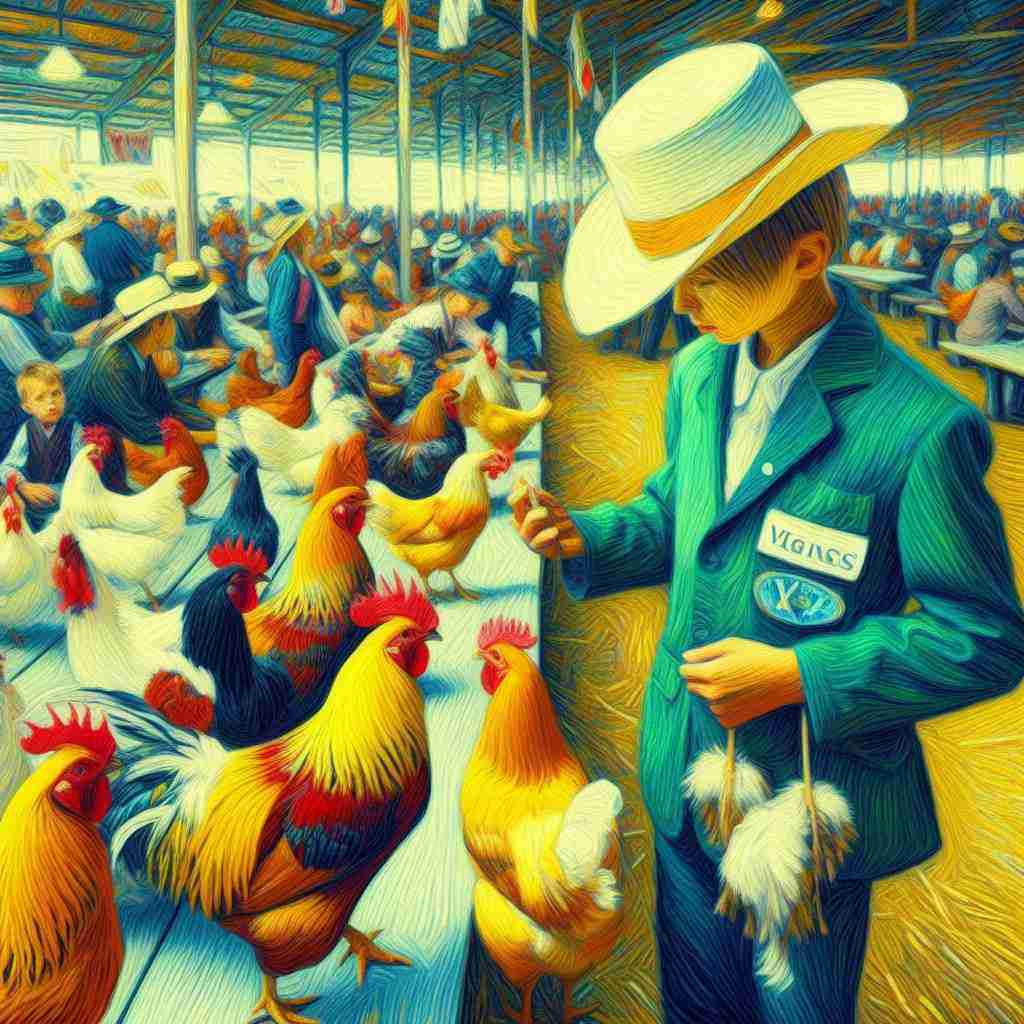
Picture this: a sunny morning, you step out into your backyard and greet your flock of chickens. These plucky little creatures aren’t just living their best lives; they’re doing something remarkable for you and the planet. Yep, I’m talking about backyard chickens, those feathered wonders that can help you reduce waste while producing fresh eggs right outside your door.
Now, let’s be honest. The idea of raising chickens can sound intimidating at first. You might think, “What do I know about caring for chickens?” or “Will they turn my yard into a scene from a farmyard?!” But the truth is, backyard chickens are more forgiving than you might imagine. They require basic care, a cozy coop, and a little attention. In return, they can transform your kitchen scraps into something special—eggs!
Every morning, you can wake up and collect fresh, delicious eggs, knowing they’re not only a healthy breakfast option but also a direct product of your commitment to reducing waste. Ever find yourself tossing out vegetable peels, leftover fruits, and other kitchen remnants? Instead of relegating them to the compost heap, why not send those scraps to your chickens? They’ll gobble up those leftovers, and in return, you’ll be treated to nutrient-rich eggs that you can feel good about. That’s right: from table to coop and back to table again!
And here’s another bonus: chickens excel at breaking down organic waste through their natural pecking and scratching behaviors. They’re like tiny, feathered compost machines. The more scraps they munch, the less waste you produce. It’s a beautiful cycle, one that not only provides you with eggs but also supports your community and the environment by reducing your carbon footprint.
I know it sounds too good to be true, but it’s a reality more and more folks are embracing. If you’ve got a little patch of grass, a handful of grit, and the will to dive into this rewarding venture, you’ll discover that raising backyard chickens can be one of the simplest, yet most impactful ways to live in harmony with the planet. So why not take that plunge? Who knows, you might just become the proud owner of your very own egg-producing, waste-reducing live-ones!

Can Chickens Produce Eggs While Reducing Waste?
Can Chickens Produce Eggs While Reducing Waste?
- Backyard chickens provide fresh eggs while helping to reduce waste.
- Raising chickens may seem daunting, but they require basic care and attention.
- Chickens can transform kitchen scraps like vegetable peels and fruits into eggs.
- Collecting fresh eggs each morning contributes to a healthy breakfast.
- Chickens naturally break down organic waste through their pecking and scratching.
- Raising chickens reduces your carbon footprint and supports the environment.
- Embracing this rewarding venture can lead to a more sustainable lifestyle.
Can Chickens Produce Eggs While Reducing Waste?
What Are The Benefits Of Composting With Chickens?
Imagine this: you walk out to your backyard, and the sun is just starting to rise. The air is crisp, filled with the soft, rhythmic clucking of your backyard chickens as they peck away at the ground. Now, what if I told you these feathery little creatures could turn your kitchen scraps, yard waste, and the remnants of last night’s dinner into a rich, fertile compost? That’s right! Composting with chickens isn’t just a fun hobby; it’s a dynamic partnership that yields significant benefits for both you and your feathery friends.
First off, let’s talk about waste reduction. Every day, countless fruits and veggies end up in the trash. By composting with your backyard chickens, you’re not just reducing waste, you’re transforming it into something incredibly valuable. The chickens will happily gobble up unwanted scraps, converting them into nutrient-rich manure that makes your garden thrive. Think of them as tiny composting machines with wings, doing the hard work for you while earning their keep in the process!
But the benefits don’t stop there. The more your chickens roam and forage, the healthier they are. They get to munch on a varied diet that includes not just grains, but also greens, bugs, and even some kitchen leftovers. A diverse diet keeps them active and leads to better egg production—not to mention richer yolks that are just a tad tastier. So when your friends ask why your omelets are so flavorful, you can confidently say it’s all thanks to your clever composting crew.
And let’s not forget about the environmental impact. Composting with chickens is a sustainable practice that promotes biodiversity. You’re effectively reducing your carbon footprint while creating a closed-loop system that enhances soil health. The active involvement of chickens in this process means you’re utilizing the natural benefits of animal husbandry alongside gardening.
Taking the plunge into composting with backyard chickens doesn’t require a PhD in agriculture, just a pinch of curiosity and some care for these delightful creatures. Whether you’re a seasoned gardener or new to the scene, you’ll find joy in watching this tiny ecosystem thrive right in your backyard. So why wait? Embrace the charm of backyard chickens and let them help you create a greener, healthier environment—all while transforming food scraps into gold!

What Are The Benefits Of Composting With Chickens?
What Are The Benefits Of Composting With Chickens?
- Starting your day with the sounds of backyard chickens enhances the morning atmosphere.
- Chickens can turn kitchen scraps and yard waste into nutrient-rich compost, benefiting your garden.
- Composting with chickens significantly reduces waste and transforms it into valuable resources.
- A varied diet from foraging leads to healthier chickens and better egg production.
- Chickens produce richer and tastier eggs, contributing to the quality of your meals.
- This sustainable practice reduces your carbon footprint and promotes biodiversity.
- Composting with chickens is accessible for everyone, providing joy and environmental benefits in your backyard.

What Are The Benefits Of Composting With Chickens?
Are There Any Downsides To Keeping Chickens For Waste Reduction?
So, you’re thinking about adding some feathered friends to your backyard with a noble goal in mind: reducing waste and living more sustainably. Backyard chickens can indeed be a wonderful addition, turning scraps into delightful eggs while keeping your compost pile stirring. But like any good side hustle involving critters, it comes with its own set of challenges that deserve a good look before you dive in headfirst.
First off, let’s talk about space. Chickens need room to roam, dig, and occasionally run amok. Your cozy urban backyard may seem perfect, but if it’s too small, your chickens might not get the outdoor experience they need—and that could lead to trouble. Pecking at each other and throwing feather tantrums is not the backyard utopia you’ve envisioned. Overcrowding can become a problem, and not just in terms of squawking personalities; it can also affect their health and egg production.
Then there’s the matter of commitment. Chickens are living creatures, and they require daily attention. That spatula you thought you’d use to turn scraps into tasty meals? It will also be used to feed those clucking companions. You’ll need to gather eggs, check for health issues, and keep their quarters clean. It’s like adopting a couple of toddlers with feathers, and let’s be honest, toddlers won’t stop trying to eat your compost anytime soon.
And speaking of compost, let’s not sugarcoat it: chickens can be messy. If you’re squeamish about a little poop on your shoes, you might find that “waste reduction” suddenly feels like a euphemism for something yucky that requires constant cleanup. Sure, their droppings are nutrient-rich, but the aroma? Well, there’s a reason farmers have a tough exterior.
Combining the benefits of reducing food waste with the challenges of chicken maintenance can feel like walking a tightrope. You’ll have to weigh the pros, like those delicious farm-fresh eggs, against the cons. Is it worth the effort? For many, the answer is a resounding yes, transforming daily food scraps into a sustainable cycle of life. But as you consider this commitment, remember: it’s not just about the eggs or the waste reduction; it’s about adding a little more chaos—and joy—to your life. So, if you’re ready to embrace the cluck, do it with both eyes wide open and a heart willing to work.

Are There Any Downsides To Keeping Chickens For Waste Reduction?
Are There Any Downsides To Keeping Chickens For Waste Reduction?
- Backyard chickens can help reduce waste and provide fresh eggs while enhancing composting efforts.
- Chickens require adequate space to roam; limited space can lead to stress and health problems.
- Caring for chickens demands daily commitment, including feeding, health checks, and cleaning their living area.
- Chickens can be messy, necessitating regular cleanup and management of droppings.
- Raising chickens combines benefits like food sustainability with the challenges of maintenance and cleanliness.
- The decision to keep chickens requires weighing the benefits against the effort required for their care.
- Embracing the responsibility of chicken ownership adds joy and complexity to life; be prepared for the commitment.

Are There Any Downsides To Keeping Chickens For Waste Reduction?
Conclusion
## Conclusion: Clucking Along with Nature’s Solution
Alright, folks, here’s the deal: If you’re tired of watching your kitchen scraps head straight to the landfill, it’s time to welcome some feisty little helpers into your life. That’s right, I’m talking about backyard chickens—not just fluffy companions, but the ultimate composting machines that can gobble up your waste and turn it into something remarkable. Picture a flock of these feathered marvels, pecking away at your leftovers while providing you with farm-fresh eggs that could knock the socks off any brunch spread. It’s a classic case of “you scratch my back, I’ll scratch yours,” but in the most delightful, sustainable way possible.
Now, I know what you’re thinking: Can a couple of clucking buddies really make that much of a difference? The answer is a resounding yes! Each chicken can chomp through half a pound of scraps daily. If you’ve got a family that generates plenty of waste, a handful of these birds can significantly curtail that pile of composting chaos. You’ll find that not only do they reduce your waste, but they enrich your garden with nutrient-rich fertilizer, transforming what was once trash into treasure.
But let’s not gloss over some practical realities here. Having chickens is not all sunshine and clucking bliss; you’ll need to invest time and energy into their care. They require safety, food, clean water, and attention—it’s a commitment, my friends, akin to the responsibilities of caring for a pet. But don’t let that deter you! The joy and companionship these quirky creatures bring to your backyard are worth the effort. Honestly, there’s nothing quite like watching them scratch, peck, and unfold their unique personalities right outside your door.
Sure, there are challenges—like managing pests or dealing with a bit of mess—but the perks often outweigh the concerns. You’ll not only enjoy the satisfaction of playing a role in waste reduction, but you’ll also create priceless memories with family and friends. Children learn invaluable lessons about sustainability, responsibility, and the joys of connecting with food sources.
So, if you’re ready to take the plunge into the vibrant world of backyard chickens, you’ll discover a whimsical adventure that not only reduces waste but nurtures your spirit and backyard ecosystem. Cluck your way into a greener future and embrace the charm of these delightful little creatures. Your contributions to the planet have never looked—or tasted—better!

Conclusion
Conclusion:
- Backyard chickens are effective composting machines that turn kitchen scraps into valuable compost and farm-fresh eggs.
- Each chicken can consume half a pound of scraps daily, significantly reducing kitchen waste.
- Chickens enrich gardens with nutrient-rich fertilizer, transforming trash into treasure.
- Caring for chickens requires investment in time, safety, food, and attention, akin to pet ownership.
- The joy of watching chickens and the companionship they provide are worth the effort involved in their care.
- Challenges like pest management exist, but the benefits often outweigh the concerns, leading to memorable experiences.
- Owning chickens promotes lessons in sustainability, responsibility, and food connection for children and families.

Conclusion
Other Resources

Other Resources
Here is a list of other resources you can review online to learn more:
Use This Prompt To Get More Resources With Your Favorite Online AI Tool: Please provide me with a list of online articles with their URLs in a bulleted list that I can read regarding Can Chickens Be The Solution to Your Waste Reduction Problem?

Other Resources
Glossary Terms
Can Chickens Be The Solution to Your Waste Reduction Problem? – Glossary Of Terms
1. Aeration: The process of introducing air into the waste material, which helps speed up decomposition.
2. Bedding: Materials like straw or wood shavings used in chicken coops to absorb moisture and provide comfort.
3. Composting: The method of recycling organic waste, such as kitchen scraps, into a nutrient-rich soil amendment.
4. Decomposition: The natural process by which organic substances are broken down into simpler organic or inorganic matter by microorganisms.
5. Egg Production: The process by which hens lay eggs, a beneficial byproduct of keeping chickens.
6. Free-range: A farming practice where chickens roam freely outdoors, enhancing their well-being and encouraging natural behaviors.
7. Food Scraps: Organic waste from food preparation and consumption that can be fed to chickens, reducing landfill waste.
8. Foraging: The behavior of chickens searching for food, such as insects and plants, which helps them have a varied diet.
9. Garden Waste: Organic waste generated from gardening activities, including plant trimmings and fallen leaves, that can be composted or fed to chickens.
10. Grit: Small stones or coarse sand ingested by chickens to aid in digestion, particularly for breaking down hard food.
11. Manure: The feces produced by chickens, which is rich in nutrients and can be used as fertilizer.
12. Nutrient Recycling: The process of converting waste materials into a useful product, such as using chicken manure for fertilization.
13. Pest Control: The natural way chickens help manage insect populations by eating bugs and larvae found in gardens and yards.
14. Recycling: The act of processing materials and waste to make them reusable, an essential concept in waste reduction.
15. Organic Waste: Biodegradable waste derived from living organisms, such as food scraps, which can be processed by chickens and composted.
16. Roosting: The behavior of chickens perching to rest, often at night, which is important for their health and safety.
17. Sustainable Farming: Agricultural practices that aim to produce food while reducing environmental impact and conserving resources.
18. Scratching: A natural behavior in chickens where they dig and scratch the ground to find insects or grains, which helps aerate the soil.
19. Seedlings: Young plants that can benefit from the nutrients in chicken manure, making it beneficial for gardening.
20. Soil Enrichment: The process of improving soil characteristics and fertility, often through the application of organic matter like chicken manure.
21. Waste Diversion: Strategies aimed at redirecting waste away from landfills by recycling or composting, which chickens can assist with.
22. Value-Added Recycling: Turning waste materials into new products or uses, such as using chicken coop bedding in compost.
23. Urban Farming: The practice of growing and raising animals in urban areas, which can include keeping chickens for waste reduction.
24. Chick: A baby chicken, typically referring to poultry raised for meat or egg production.
25. Pasture: Land covered with grass and other low plants suitable for grazing livestock, benefiting chickens’ health.
26. Biosecurity: The practices implemented to prevent the introduction and spread of disease among poultry and across farms.
27. Broilers: Chickens raised specifically for meat production; can also be part of a waste reduction strategy by consuming food scraps.
28. Hens: Female chickens, especially those kept for egg production.
29. Pecking Order: The natural social hierarchy among chickens that establishes dominance and roles within the flock.
30. Zero Waste: A philosophy and strategy aimed at reducing waste to as close to zero as possible, often incorporating practices like using chickens to manage organic waste.
These terms cover the relationship between chickens and waste reduction, highlighting how chickens can effectively contribute to sustainability efforts.

Glossary Of Terms
Other Questions
Can Chickens Be The Solution to Your Waste Reduction Problem? – Other Questions
If you wish to explore and discover more, consider looking for answers to these questions:
- What are the initial costs involved in starting a backyard chicken setup?
- How much space do I need for raising chickens?
- What breeds of chickens are best for beginners?
- How can I prevent chickens from escaping my yard?
- What are the legal considerations for keeping chickens in my area?
- How do I keep my chickens safe from predators?
- What should I do in case my chickens get sick?
- How can I maintain the health and productivity of my chickens?
- What types of coop designs are best for backyard chickens?
- Can chickens help with pest control beyond eating scraps?
- How do I create a balanced diet for my chickens?
- What are the signs of a happy and healthy chicken?
- How can I get my family involved in chicken care?
- What is the process for collecting eggs?
- How long do chickens typically live?
Other Questions
Haiku
Can Chickens Be The Solution to Your Waste Reduction Problem? – A Haiku
Chickens in the yard,
Turning scraps to gold each day,
Joy and eggs abound.

Haiku
Poem
Can Chickens Be The Solution to Your Waste Reduction Problem? – A Poem
In the backyard’s bustling scene,
Feathered friends, a joyful dream.
Chickens cluck, a merry band,
In waste reduction, they take a stand.
From scraps of kitchen joy they dine,
Potato peels and bread, divine!
With pecks and scratches, a lively crew,
Turning refuse into treasures anew.
No longer trash, but nature’s grace,
Eggs and fertilizer fill the space.
Little machines with hearts of gold,
A cycle of care, a tale retold.
Watch children laugh, and worries fade,
As life lessons in their wanderings are laid.
Sustainable pathways, family cheer,
Birds transforming waste, so dear.
Yet ponder still, with eyes aware,
Space, commitment, and the time to spare.
For messy moments may arise,
But joy blooms brighter than any prize.
In each cluck and flap, a gentle call,
To embrace the chaos, the beauty of it all.
So let’s take the plunge, the clucking begin,
With chickens in the yard, let the magic spin!

Poem
Checklist
Can Chickens Be The Solution to Your Waste Reduction Problem? – A Checklist
Checklist: How to Successfully Integrate Chickens for Waste Reduction in Your Backyard
Planning Your Chicken Setup
_____ Research Local Regulations: Check local laws regarding backyard chickens (e. g. , zoning restrictions, permits).
_____ Assess Your Space: Ensure you have enough yard space to accommodate chickens comfortably.
_____ Choose Your Chicken Breed: Research different breeds based on egg production, temperament, and care requirements.
_____ Design a Coop: Plan a safe and spacious coop with proper ventilation, nesting boxes, and a roosting area.
Waste Management Strategies
_____ Identify Chicken-Friendly Waste: Create a list of kitchen scraps suitable for chickens (e. g. , vegetable peels, stale bread).
_____ Implement Composting Practices: Learn ways to use chicken manure as a natural fertilizer in your garden.
_____ Schedule Feeding: Plan regular feeding routines to reduce waste effectively and ensure a balanced diet.
Care and Maintenance
_____ Daily Care Routine: Set aside time daily for feeding, watering, and cleaning the coop.
_____ Monitor Health: Regularly check chickens for signs of illness and maintain vaccinations as necessary.
_____ Clean Environment: Keep the coop and surrounding yard tidy to minimize pest problems and maintain chicken health.
Engagement and Education
_____ Involve Family Members: Encourage family and children to participate in chicken care and waste management for educational experiences.
_____ Observe Behavior: Spend time watching chickens interact with their environment to appreciate their role in waste reduction.
Managing Potential Downsides
_____ Prepare for Messiness: Understand the challenges of chicken droppings and how to manage them.
_____ Space Planning: Calculate the number of chickens to avoid overcrowding (generally, 3-5 chickens for an average family).
_____ Assess Commitment: Evaluate your ability to commit time and effort to chicken care.
Enjoying the Benefits
_____ Enjoy Fresh Eggs: Track the eggs collected and consider different recipes to maximize their use.
_____ Implement Pest Control: Utilize chickens as a natural pest management strategy in your yard and garden.
_____ Celebrate Sustainability: Reflect on how reducing food waste with chickens contributes to a greener lifestyle.
Final Thoughts
_____ Find Joy in the Journey: Embrace the chaos and joy that comes with keeping chickens.
_____ Stay Informed: Continue learning about chicken care and waste reduction strategies to improve your approach over time.
By following this checklist, you can create a fulfilling and productive backyard ecosystem that utilizes chickens as wonderful allies in your waste reduction efforts. Enjoy the journey!

Checklist
At BackyardChickenNews, we help people who want to raise backyard chickens by collating information and news blended with our own personal experiences.
Be sure to read our other related stories at BackyardChickenNews to learn more about raising chickens in your backyard.