

Transforming Chicken Health Together
By Tom Seest
At BackyardChickenNews, we help people who want to raise backyard chickens by collating information and news blended with our own personal experiences.
Be sure to read our other related stories at BackyardChickenNews to learn more about raising chickens in your backyard.
#Cleancoopchallenge – Turning Biosecurity Into a Viral Movement
The #Cleancoopchallenge isn’t just another social media trend; it’s a heartfelt grassroots movement born from the love of our feathered friends and the farms that raise them. Imagine for a moment the joy in a child’s eyes as they run to the backyard, excited to gather fresh eggs, nurturing a bond with the chickens that lay them. This simple act can quickly turn into a family tradition, weaving a tapestry of connections that span generations. Yet, behind this picturesque scene lies a critical responsibility—biosecurity.
In recent times, we’ve all faced struggles that remind us of how interconnected we are. As the world turned upside down, the importance of keeping our beloved backyard chickens safe became glaringly obvious. The #Cleancoopchallenge asks us to reflect on that responsibility, inviting everyone to take action against the threats that our birds face—from disease outbreaks to the unseen dangers lurking in the environment. It’s a call to arms for all of us, urging us to not only protect our chickens but to create a safer community for all pets, livestock, and families.
By embracing this movement, we leverage the power of social connection, sharing stories and strategies that resonate. When someone posts a picture of a freshly cleaned coop, it’s more than just a snapshot; it’s a badge of honor, an assertion of commitment to stewardship. Each post speaks volumes about the love we have for our animals, showcasing the importance of taking proactive measures. It creates a ripple effect, combining the hearts of backyard keepers across the globe.
And let’s not overlook our ethical duty. The reality is, when we prioritize biosecurity, we aren’t just safeguarding our backyard chickens; we’re ensuring the health and well-being of our families and communities. Leading by example helps foster trust in our practices, demonstrating the importance of cleanliness and care in animal husbandry.
Join the #Cleancoopchallenge to start a conversation, share techniques, and inspire others to lace up their boots and get to work. Together, we can create a movement that rises from the ground up, forging a healthier future—one chicken coop at a time. Stand tall, engage your community, and let’s transform this simple act of care into a legacy that echoes beyond our backyards.

#Cleancoopchallenge – Turning Biosecurity Into a Viral Movement
#Cleancoopchallenge – Turning Biosecurity Into a Viral Movement
- The #Cleancoopchallenge is a grassroots movement focused on backyard chicken care and biosecurity.
- Parents and children bond by collecting fresh eggs, creating family traditions across generations.
- The movement highlights the critical responsibility of maintaining biosecurity for the health of backyard chickens.
- The challenge addresses interconnectedness and community safety, emphasizing protection against disease and environmental threats.
- Social media engagement fosters sharing of stories and strategies, creating a global community of chicken keepers.
- Prioritizing biosecurity benefits the health of families and communities, promoting trust in animal husbandry practices.
- Participants are encouraged to start conversations and inspire others to take action for a healthier future in chicken care.

#Cleancoopchallenge – Turning Biosecurity Into a Viral Movement
Table Of Contents
- #Cleancoopchallenge – Turning Biosecurity Into a Viral Movement
- What Emotions Drive Your Commitment to Biosecurity Practices?
- How Can We Effectively Share the Importance Of Biosecurity?
- What Ethical Considerations Should Guide Our Biosecurity Efforts?
- How Does Biosecurity Impact the Health Of Our Communities?
- What Stories Highlight the Success Of Biosecurity Measures?
- Why Should We Prioritize Biosecurity In Our Daily Lives?
- How Can Engaging the Community Enhance Biosecurity Awareness?
- Conclusion
- Other Resources
- Glossary Of Terms
- Other Questions
- Haiku
- Poem
- Checklist
What Emotions Drive Your Commitment to Biosecurity Practices?
When you think about your backyard chickens, what comes to mind? Is it the clucking sound that sets the scene of your yard? The golden yolks that grace your breakfast table? Or is it the bond you’ve cultivated with these remarkable creatures, whose little lives rely on your commitment to their wellbeing? Let’s dig deeper and explore what truly drives your dedication to biosecurity practices.
Imagine strolling into your garden, the sun on your back, and your chickens waddling towards you, eager for their daily treat. That heartwarming sight is a reminder of the role you play in their lives. They’re not just livestock; they are an integral part of your home, and protecting them is a shared responsibility that tugs at your heartstrings. You feel a sense of duty that transcends the mere act of keeping them safe; it’s about nurturing a living, breathing connection.
Now, let’s shift gears to the rational side of things. Biosecurity might sound like a buzzword, but in reality, it’s a lifeline for your flock. When you take steps to ensure their safety—like practicing good hygiene, monitoring health, and controlling pests—you’re not just following a checklist; you’re investing in their future. It’s about more than just avoiding illness; it’s about providing a sanctuary. Here lies a straightforward reality: a healthy chicken means fresh eggs and a flourishing coop. And who doesn’t want that?
We also need to address the ethical angle. Think about the countless farmers who came before you, who relied on their animals for sustenance while deeply respecting the bond between human and creature. You carry on their legacy, honoring their commitment to animal welfare by implementing biosecurity measures. By prioritizing your flock’s health, you become part of a larger community that values compassion and responsibility.
And don’t underestimate the influence of shared experiences. Engage with your fellow backyard chicken enthusiasts, whether at local meetups or online forums. Sharing stories, tips, and even worries fosters a collective sense of commitment to biosecurity. You’re not isolated in this journey; you’re part of a vibrant tribe that understands the joy and challenges of poultry husbandry.
Ultimately, your commitment to biosecurity practices isn’t borne from obligation alone; it springs from love, loyalty, and a strong moral compass. So, look at those chickens of yours—beyond the fluffy feathers and playful pecks lies a profound connection that invites you not only to care for them but to build a legacy of mindfulness and respect. After all, in their eyes, you’re not just a caretaker; you’re their guardian.

What Emotions Drive Your Commitment to Biosecurity Practices?
What Emotions Drive Your Commitment to Biosecurity Practices?
- Backyard chickens evoke feelings of joy, responsibility, and connection.
- They are seen as integral members of the household, not just livestock.
- Biosecurity is crucial for ensuring the health and safety of the flock.
- Practicing good hygiene and monitoring health contributes to a thriving chicken coop.
- The legacy of farmers emphasizes respect for the bond between humans and animals.
- Engaging with other chicken enthusiasts enhances a sense of community and shared commitment to biosecurity.
- The motivation for biosecurity comes from love and responsibility, fostering a profound bond with the chickens.

What Emotions Drive Your Commitment to Biosecurity Practices?
How Can We Effectively Share the Importance Of Biosecurity?
Biosecurity isn’t just a buzzword tossed around in agricultural circles; it’s a lifeline. Picture this: a sunny afternoon in your backyard, where your flock of hens cluck contentedly, lives thriving in vibrant harmony. You’ve invested time, energy, and love into raising those backyard chickens, nurturing them from tiny chicks to the delightful creatures they are. But one unnoticed breach in biosecurity could turn that idyllic scene into a somber reality. The stakes are high.
Think about it—what happens if a disease slips through the cracks? Not only could your beloved hens suffer, but the ripple effect may reach far beyond your yard. The heartbreaking truth is that a single infection can spread like wildfire through entire communities, harming local economies and food supplies. Rationally, it’s not just about livestock; it’s about our shared resources, the food system we all rely on.
Now, let’s bring ethics into the picture. Each of us has a responsibility—yes, a duty—not only to care for our own animals but to protect our neighbors and the environment. By implementing strong biosecurity measures, we’re standing guard at the very gates of this communal trust. It’s about saying, “I care about my chickens, and I care about yours.” We’re in this together, folks.
And as we share this narrative, let’s evoke the emotions tied to our love for these creatures. Remember that feeling when you hand your child their first egg, brimming with pride? That’s the joy we’re safeguarding. Each egg is a symbol of hard work, connection to the earth, and the rewards of nurturing life. It’s not just about farming; it’s about legacy, family, and the simple pleasures that bind us.
Research shows that communities with strong biosecurity protocols have healthier livestock and greater economic stability. Trust the authorities; they’ve worked tirelessly to establish guidelines that keep us safe. When you implement these practices, you’re not only protecting your backyard chickens but also building a reputation as a diligent steward in your community. Your actions speak volumes, inspiring others to do the same.
So, let’s come together, share our knowledge, and foster a culture that prioritizes biosecurity. Together, we’ll create a legacy of resilience and responsibility—one backyard at a time. Stand up, speak out, and let’s make sure our beloved chickens thrive for generations to come.

How Can We Effectively Share the Importance Of Biosecurity?
How Can We Effectively Share the Importance Of Biosecurity?
- Biosecurity is vital for protecting backyard chickens and ensuring a thriving environment.
- A breach in biosecurity can lead to disease outbreaks, affecting not just local flocks but entire communities.
- Individual responsibility in caring for animals helps protect neighbors and the broader food system.
- Implementing strong biosecurity measures fosters communal trust and responsibility.
- Each egg symbolizes hard work and the emotional bond between humans and animals.
- Communities with effective biosecurity protocols enjoy healthier livestock and greater economic stability.
- By promoting biosecurity, we can build a legacy of resilience and responsibility for future generations.

How Can We Effectively Share the Importance Of Biosecurity?
What Ethical Considerations Should Guide Our Biosecurity Efforts?
When it comes to biosecurity, we find ourselves at a crossroads where heart and reason must walk hand in hand. From the backyard chickens that cluck in our gardens to the vast, complex systems of global agriculture, our ethical compass should guide every decision. Safety isn’t just a buzzword; it’s a duty to protect not only our way of life but the very fabric of our communities.
Picture this: a lively backyard on a sunny afternoon, children giggling as they feed the hens. A simple scene, yet it carries profound implications. Keeping chickens is an intimate act of stewardship; each one is a connection to nature and a lesson in responsibility. However, when diseases threaten our flocks, the stakes rise dramatically. The emotional weight of losing these creatures is heavy, but it’s not just about feelings; it’s about livelihoods and food security for families who rely on these birds for sustenance.
We must ask ourselves: How do we balance personal choice with communal responsibility? Ethical biosecurity isn’t merely a matter of regulations; it’s a collaborative effort that compels us to think critically. It requires creating frameworks that empower individuals to protect their flocks while understanding the broader implications of their choices on community health. Rationally, we know diseases don’t discriminate; they cross borders, hitching rides on the very vehicles of our shared existence. Each time a new threat emerges, it’s not just a medical problem; it’s a moral one.
As stewards of the earth and its creatures, we must embrace the social responsibility inherent in our roles. Reaching out, sharing knowledge, and building a network for support can foster a culture of vigilance and care. It’s about uniting neighbors in a common goal: a world where healthy chickens mean a healthy society.
Authoritative voices in agriculture and health underscore these ethical imperatives, reminding us that we play a vital role in disease prevention, whether through vaccination, sanitation practices, or simply being informed. Let’s educate ourselves, take proactive measures, and foster a community that values both our connections with animals and the practical applications of biosecurity.
In the world of backyard chickens and beyond, let’s embrace our ethical responsibility; because when the heart, head, and gut align, we can truly create a safer, more connected world.
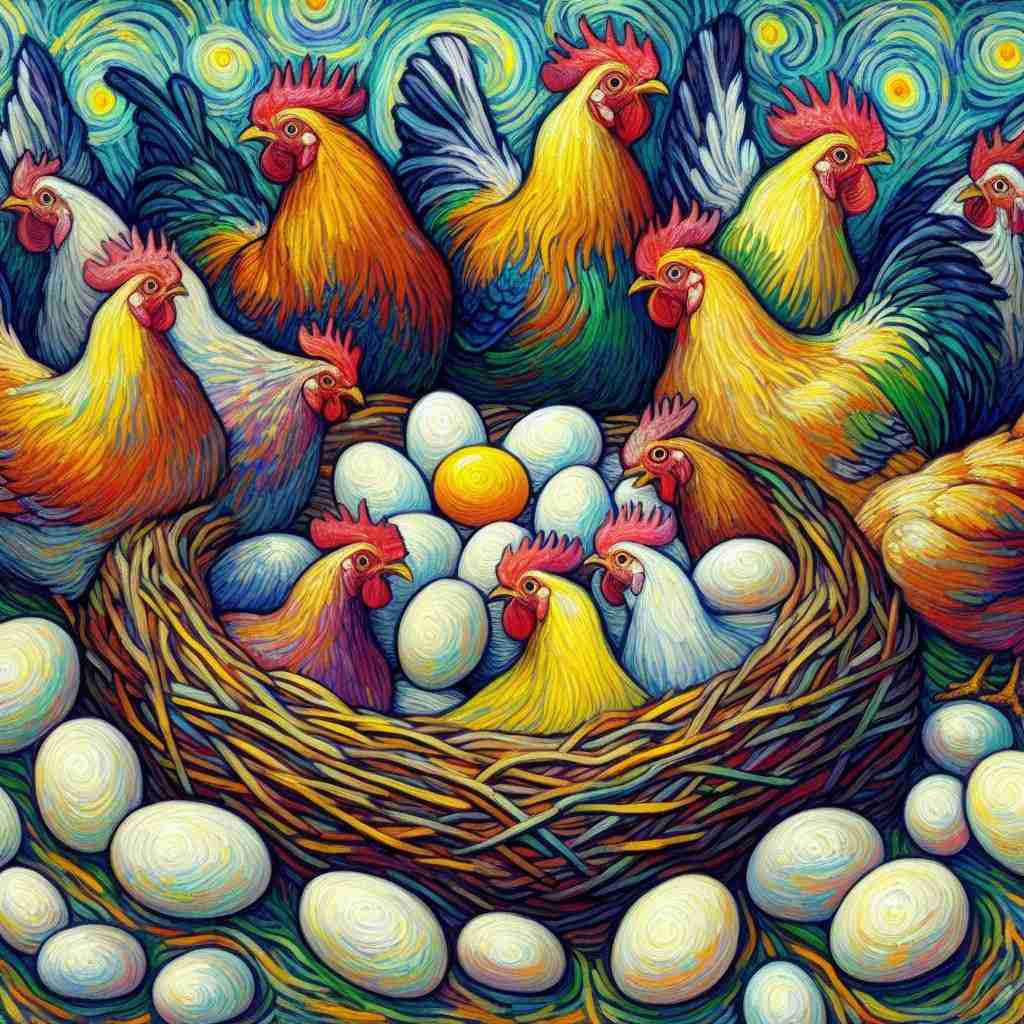
What Ethical Considerations Should Guide Our Biosecurity Efforts?
What Ethical Considerations Should Guide Our Biosecurity Efforts?
- Biosecurity requires a balance of heart and reason in decision-making.
- Backyard chickens symbolize stewardship, responsibility, and community connections.
- Threats to poultry health impact not just emotions but livelihoods and food security.
- We must consider how personal choices affect community health and ethics in biosecurity.
- Diseases can transcend borders, making disease prevention a collective moral responsibility.
- Building networks for knowledge sharing enhances vigilance and care within communities.
- Education, proactive measures, and ethical responsibility are essential for a safer world.

What Ethical Considerations Should Guide Our Biosecurity Efforts?
How Does Biosecurity Impact the Health Of Our Communities?
When we think about biosecurity, it often feels like a topic reserved for scientists in lab coats or government officials in boardrooms. Yet, at its core, biosecurity is a story of people, our health, and the resilience of our communities. It’s about protecting what matters most—our families, our neighbors, and the very fabric of life that surrounds us. Consider your own backyard. Maybe you’ve taken the plunge into raising backyard chickens. These feathered friends can bring joy and fresh eggs, but they are also part of a larger picture that includes disease prevention and community health.
Imagine a vibrant neighborhood where families gather, children laugh, and everyone shares a sense of security about their food sources. That’s the power of biosecurity. When we protect our backyard flocks and ensure they remain healthy, we’re not just safeguarding our dining tables—we’re doing our part to keep the entire community safe from potential outbreaks of avian influenza or other diseases. Every time we practice good hygiene, like washing our hands after handling those chickens or keeping their coops clean, we’re creating a ripple effect of health that spreads beyond our own fences.
But let’s get real. The stakes are high. When biosecurity fails, it’s not just one family’s dinner that’s affected; it’s a chain reaction that can harm local farms, compromise medical resources, and even push the biggest chains to raise prices or limit supply. It’s an economic issue, a public health issue, and an ethical one. The more we understand and embrace biosecurity practices, the more empowered we become to take charge of our health and that of our loved ones.
The truths of biosecurity are woven into the stories of our neighbors. We’ve seen farmers rally together after an outbreak to share knowledge and support one another. We’ve shared meals that originate from healthy, secure food systems, feeling proud of our choices. These social ties strengthen our resolve to care for each other, reinforcing trust in our local food sources.
In a world where uncertainty often looms, biosecurity is a call to action. Together, we can get to know the people who grow our food, understand the practices that keep it safe, and cultivate a community that values health as a shared responsibility. Let’s stay vigilant, informed, and connected, because our well-being is intertwined in this beautiful tapestry of life.

How Does Biosecurity Impact the Health Of Our Communities?
How Does Biosecurity Impact the Health Of Our Communities?
- Biosecurity is fundamentally about people, health, and community resilience.
- Personal initiatives like raising backyard chickens contribute to disease prevention and community health.
- Protecting backyard flocks helps safeguard local communities from diseases like avian influenza.
- Good hygiene practices create a ripple effect of health that benefits the broader community.
- Failures in biosecurity can lead to economic and public health crises affecting everyone.
- Community ties strengthen through sharing experiences and knowledge about biosecurity.
- Biosecurity emphasizes the importance of collective action and shared responsibility for health.

How Does Biosecurity Impact the Health Of Our Communities?
What Stories Highlight the Success Of Biosecurity Measures?
When we talk about biosecurity measures, we’re really discussing our connection to the world around us. Picture a small-town farmer, a gritty soul who wakes up before dawn to care for his flock of Backyard Chickens. He loves those chickens—each one has a name, a personality, and a place in his heart. But behind the charming image of clucking hens lies a looming threat: disease. However, our farmer understands that by adopting strict biosecurity practices, he isn’t just protecting his livelihood; he’s safeguarding his family and community too.
Imagine that farmer, diligently washing his hands, changing boots, and keeping a watchful eye on visitors. He knows that these seemingly simple actions can make the difference between a thriving flock and disastrous loss. His commitment resonates beyond the confines of his barn. It’s about trust—trust in the food system that feeds his neighbors and trust that it can withstand the test of time.
On the flip side, consider the story of a public health worker who monitors the spread of avian flu. Her boots were on the ground in farms, speaking with families who depended on the very industry she was tasked to protect. Through communication and education, she nurtured relationships, telling farmers how to implement effective biosecurity measures—like keeping fowl away from wild birds. It wasn’t just about regulation; it was about unity, about standing shoulder to shoulder to protect the very heart of rural life.
These stories inspire us to reflect not just on what biosecurity means in theory, but in practice. When we see a chicken on our plate, it represents countless precautions taken in boardrooms and backyards alike. It becomes more than just meat—it’s a testament to the hard work, the dedication, and yes, the sacrifices made by individuals who understand the stakes.
Every time we advocate for robust biosecurity, we speak up for community resilience, for local economies, and for the farmers whose lives are intertwined with ours. We learn that proper measures don’t simply mitigate risks—they build a foundation of confidence in our food supply, reminding us that our choices matter. When we come together, supporting biosecurity practices, we empower each other to thrive. Let’s continue to share these stories, these truths, and inspire one another to act, ensuring our farmers—even those with small flocks of Backyard Chickens—are supported and ready for whatever challenges may come their way.

What Stories Highlight the Success Of Biosecurity Measures?
What Stories Highlight the Success Of Biosecurity Measures?
- Biosecurity measures reflect our connection to the environment and community.
- A small-town farmer protects his flock of Backyard Chickens through strict biosecurity practices.
- Simple actions like handwashing and changing boots can prevent disease and safeguard the flock.
- Trust in the food system is essential for thriving communities.
- A public health worker educates farmers on biosecurity, emphasizing unity and cooperation.
- Every chicken on our plate represents extensive safety precautions taken by dedicated individuals.
- Supporting biosecurity fosters resilience within local economies and empowers farmers, enhancing community strength.

What Stories Highlight the Success Of Biosecurity Measures?
Why Should We Prioritize Biosecurity In Our Daily Lives?
Imagine stepping into your backyard and seeing that flock of backyard chickens you’ve lovingly tended to, their feathers glinting in the sunlight, laying fresh eggs daily. They’re not just birds; they’re little bundles of life, your ticket to quality nutrition, and a connection to the natural world. But what if one day, you find that a lurking disease has spread through your community? Suddenly, your backyard sanctuary becomes a potential casualty of a much larger, unseen threat. This is where biosecurity steps in—not as an abstract notion, but as a crucial routine that safeguards not only your feathered friends but also your family, your health, and your entire way of life.
You might be wondering why this matters. The truth is, biosecurity isn’t just the responsibility of farmers or researchers working in labs. It’s personal and immediate. Every hand washed, every tool sanitized, and every precaution taken is an act of stewardship, a commitment to caring for the life that depends on us. When we embrace biosecurity in our daily lives, we’re standing up for the community, for our loved ones, and for the generations to come. It’s more than just common sense; it’s a moral duty.
Consider the experts who’ve spent years studying disease prevention. They’ve seen what happens when biosecurity is sidelined. In the blink of an eye, thriving ecosystems can become desolate wastelands. By prioritizing biosecurity, we’re not simply following the latest health trend; we’re listening to their expertise and heeding the lessons of those who’ve come before us. This is about being proactive, not reactive, and it’s about reclaiming our autonomy in a world that often feels out of control.
When you engage with biosecurity in everyday activities, you build a network of trust within your community. You’re strengthening relationships with neighbors who share similar concerns, and you’re fostering a culture of responsibility. Each step you take—like adopting strict hygiene practices while caring for your backyard chickens—becomes part of a collective effort to protect the very fabric of local life.
Biosecurity is a bridge connecting heart, head, and gut. It’s about feeling the weight of responsibility on our shoulders, using our knowledge to make informed decisions, and acting decisively for our health and well-being. So take that step forward: prioritize biosecurity. Your backyard flock, your family, and the future will thank you.

Why Should We Prioritize Biosecurity In Our Daily Lives?
Why Should We Prioritize Biosecurity In Our Daily Lives?
- Backyard chickens provide quality nutrition and a connection to nature.
- Emerging diseases can threaten backyard flocks and public health.
- Biosecurity is essential for safeguarding animals, families, and communities.
- Every precaution taken for biosecurity reflects personal stewardship and care.
- Expert advice emphasizes the importance of proactively preventing disease.
- Engaging in biosecurity fosters community trust and responsibility.
- Biosecurity is a holistic approach, connecting feelings, knowledge, and decisive action for well-being.

Why Should We Prioritize Biosecurity In Our Daily Lives?
How Can Engaging the Community Enhance Biosecurity Awareness?
Picture a small town, where the sun rises over backyards filled with vibrant gardens and pets frolicking about. Here, community members take pride in their homes and everything that comes with them, even the backyard chickens that bring fresh eggs and laughter to the morning routine. Yet, beneath that picturesque surface lies a powerful, unseen battle—biosecurity. It’s an issue that might not make the evening news, but it’s one that can impact the health of our communities and the very food we eat. So how can we engage the community in this critical conversation?
First, think about the emotional bond we share with our animals. Those backyard chickens aren’t just a food source; they’re part of our families. People care deeply about their pets, and by fostering a relationship between biosecurity and animal welfare, we tap into that emotional core. Share stories of families who’ve lost their beloved birds to disease. Highlight the heartache and loss felt when these feathered friends suffer, and suddenly, biosecurity isn’t just a buzzword; it’s a deeply personal issue.
Now, let’s appeal to the head. Biosecurity isn’t merely about safeguarding animals; it’s about protecting our health as well. When we keep our chickens healthy, we’re investing in the health of our families and the broader community. Statistics show that diseases can spread beyond the coop and into homes, affecting people who may never have set foot near a barn. Knowledge is power, and arming the community with educational workshops can change perceptions and practices surrounding biosecurity.
Ethically, it’s our responsibility to protect these creatures and understand their role in our food systems. We owe it to ourselves and future generations to foster an environment where animals are cared for, not just for our benefit but for the balance of nature itself.
Engaging your neighbors can also establish a sense of authority. Enlist local farmers or veterinarians to hold discussions. Their insight can build trust and reinforce the idea that biosecurity is a shared concern, not just a personal one.
Finally, don’t underestimate the power of stories. A shared narrative resonates far and wide, especially when it comes to local heroes—people who took simple steps and inspired change. Encourage community members to share their own experiences with biosecurity, creating a network of shared responsibility. Together, we can transform individual concerns into collective action, ensuring that our backyard chickens—and our communities—thrive. So let’s get talking, get connected, and let our love for our animals lead the charge.

How Can Engaging the Community Enhance Biosecurity Awareness?
How Can Engaging the Community Enhance Biosecurity Awareness?
- Small town with vibrant gardens, pets, and a strong sense of community pride.
- Hidden issue of biosecurity affects community health and food safety.
- Emotional bond between families and their backyard chickens highlights the personal stakes of biosecurity.
- Protecting chickens promotes family and community health; disease can spread beyond coops.
- Responsibility to protect animals for future generations and the greater balance of nature.
- Engage local experts like farmers and veterinarians for discussions to build trust in biosecurity issues.
- Utilize storytelling and shared experiences to inspire collective action and responsibility in the community.

How Can Engaging the Community Enhance Biosecurity Awareness?
Conclusion
The #Cleancoopchallenge is more than just a catchy hashtag; it’s a heartfelt movement that compels us to take a closer look at the delicate balance of life around us, especially when it comes to our feathered friends. Picture those backyard chickens, not merely as livestock, but as cherished members of our families. The laughter of children, the simple pleasure of gathering fresh eggs, all underpinned by an unspoken responsibility—biosecurity. In this interconnected world, we’ve learned that safeguarding our backyard flocks isn’t just about preserving happiness at home; it’s about protecting our entire community from potential disease outbreaks.
As we engage in this challenge, we find a compelling narrative woven through shared experiences and aspirations. Each photo of a freshly cleaned coop isn’t just an act of maintenance; it’s a commitment to the stewardship of our animals, our families, and our food systems. It reflects love and an ethical obligation that extends beyond our own yards, fostering trust within our communities, where healthy chickens contribute to a healthy populace.
This movement speaks to the heart, and also to the head. Biosecurity isn’t a mere concept for scientists; it embodies the very essence of rational, proactive survival. The steps we take—like maintaining cleanliness and implementing safety measures—generate not just healthy chickens but nurtured bonds between us and our neighbors. These practices cultivate communities brimming with vitality, reinforcing a shared message that our health is intertwined. Trust in this knowledge transforms individual actions into a collective force that champions resilience.
Engaging our communities in this conversation is crucial. The emotional ties to our feathered friends can spur action, turning the conversation from abstract principles into meaningful commitments. Whether through local forums, online discussions, or community gatherings, we’re encouraged to share our stories. Each narrative strengthens the fabric of a shared responsibility that underlines our ethical duty to care, not just for our animals, but for the environment and each other.
Each step taken towards better biosecurity is a step towards a thriving future—where generations to come can enjoy the simple pleasures of life with their poultry companions. So, let’s embrace this challenge together, transforming individual efforts into a sweeping wave of collective action. In doing so, we honor the legacy of those who nurtured the bond between humans and chickens and ensure that this bond continues to flourish for years to come. Together, we rise, strengthened by the unseen yet profound connections that breathe life into our backyards and communities.
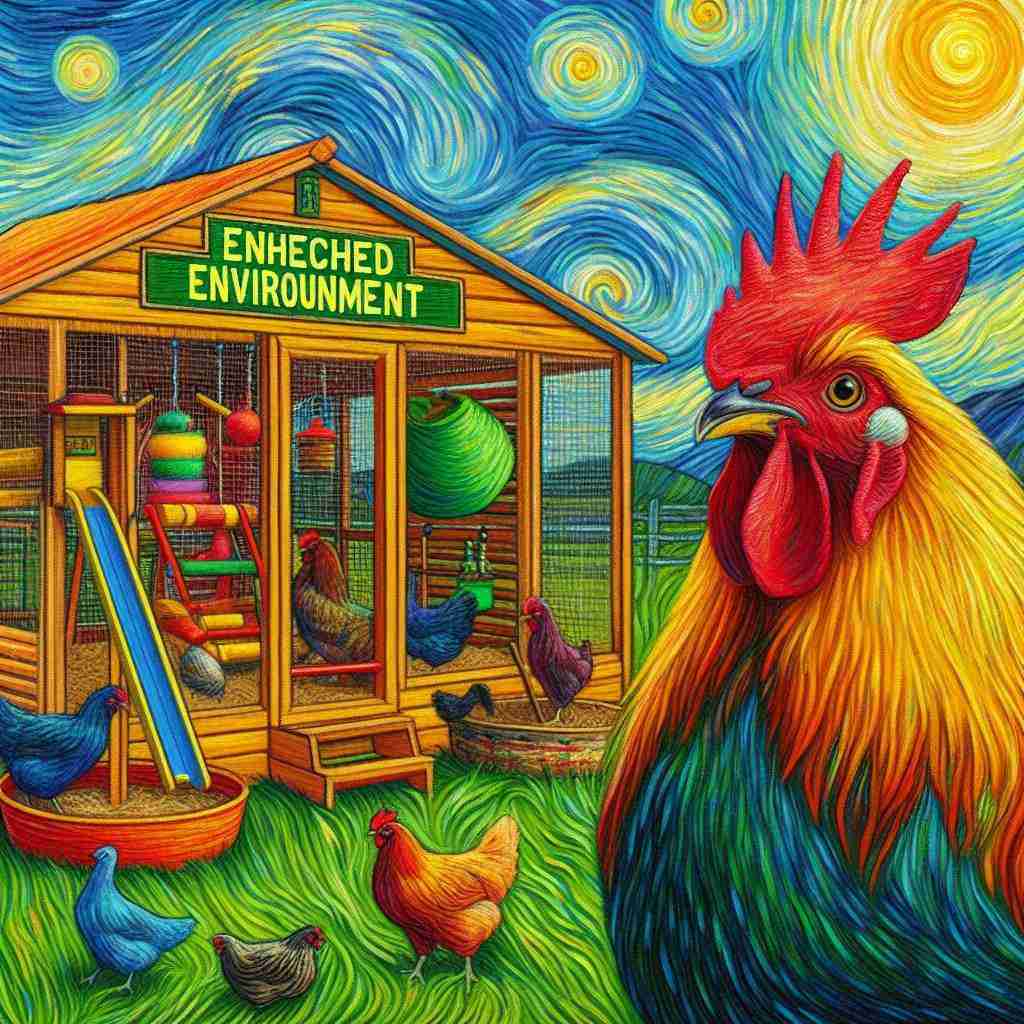
Conclusion
Conclusion:
- The #Cleancoopchallenge emphasizes the importance of balancing life, especially regarding backyard chickens as family members.
- Engaging with this challenge promotes shared experiences and a commitment to biosecurity for the well-being of both families and communities.
- Cleaning chicken coops signifies ethical stewardship towards animals, families, and food systems, fostering community trust.
- Biosecurity is not just scientific; it’s about proactive survival and maintaining healthy relationships in the community.
- Community engagement is vital for transforming emotional connections with chickens into meaningful collective commitments.
- Every action taken for better biosecurity contributes to a healthier future and stronger communities.
- The movement encourages collaboration to honor and sustain the bond between humans and chickens for generations to come.

Conclusion
Other Resources

Other Resources
Here is a list of other resources you can review online to learn more:
- chick starter
- Newcastle Disease
- Ameraucanas
- Air Sac
- Hamburg
- roaches
- Colibacillosis
- Blue Laced Red Wyandotte
- Booted Bantam
- Altsteirer
- raccoons
- Cochin
- Onagadori
- Bresse
- Light Brahma
- Wyandotte
- Cuckoo Marans
- White Leghorn
Use This Prompt To Get More Resources With Your Favorite Online AI Tool: Please provide me with a list of online articles with their URLs in a bulleted list that I can read regarding #Cleancoopchallenge – Turning Biosecurity Into a Viral Movement

Other Resources
Glossary Terms
#Cleancoopchallenge – Turning Biosecurity Into a Viral Movement – Glossary Of Terms
1. Biosecurity: Measures taken to prevent the introduction and spread of harmful organisms in agricultural environments.
2. Viral Movement: A campaign or trend that spreads rapidly on social media or other platforms, often through user engagement and sharing.
3. Coop: A structure where poultry, such as chickens, are housed; important for their protection and husbandry.
4. Challenge: A call to action encouraging participation in a specific activity or goal, often for communal benefit.
5. Awareness Campaign: A coordinated effort to inform and educate the public about specific issues or practices.
6. Community Engagement: Involvement of local residents and stakeholders in promoting or participating in initiatives.
7. Sustainability: Practices focused on maintaining ecological balance and reducing environmental impact for future generations.
8. Health Protocols: Established guidelines aimed at maintaining the health and safety of animals and environments.
9. Outreach: Activities designed to connect with specific audiences to inform them about important topics or initiatives.
10. Livestock Management: The practices and techniques used to maintain the health and productivity of farm animals.
11. Pest Control: Methods employed to manage harmful insects and animals that pose a threat to livestock and crops.
12. Hygiene Practices: Procedures designed to maintain cleanliness and sanitation within agricultural operations.
13. Disinfection: The process of cleaning and sanitizing to eliminate pathogens and prevent disease transmission.
14. Best Practices: Established methods or techniques that consistently lead to superior results in specific industries.
15. Animal Welfare: The humane treatment of animals ensuring their well-being and quality of life.
16. Epidemiology: The study of how diseases spread and can be controlled in populations, including livestock.
17. Participatory Approach: Involving stakeholders directly in the decision-making process to enhance outcomes.
18. Digital Campaigning: Utilizing online platforms to spread messages and engage with target audiences effectively.
19. Social Media: Online platforms used for sharing content, connecting with audiences, and driving engagement.
20. Grassroots Movement: A campaign driven by community members consistently advocating for change or action.
21. Incentives: Rewards or benefits offered to encourage participation or adherence to specific practices.
22. Monitoring: Ongoing observation and assessment of practices and outcomes to ensure compliance with standards.
23. Research: The systematic investigation into practices and outcomes to inform best practices and improve standards.
24. Collaboration: Working together across organizations, groups, or communities to achieve common goals.
25. Training: Education and skill development programs aimed at improving knowledge and compliance regarding biosecurity practices.
26. Feedback Loop: A system where outcomes are assessed, and adjustments are made based on input and results.
27. Animal Immune Response: The body’s natural reaction to pathogens, critical for maintaining health within a herd or flock.
28. Certifications: Official recognition of compliance with established standards, often used in agriculture to assure quality.
29. Advocacy: Active support for a cause or policy aimed at influencing decisions and practices.
30. Stakeholders: Individuals or groups with an interest or concern in a specific issue, such as farmers, consumers, or policymakers.
Glossary Of Terms
Other Questions
#Cleancoopchallenge – Turning Biosecurity Into a Viral Movement – Other Questions
If you wish to explore and discover more, consider looking for answers to these questions:
- What specific biosecurity measures can backyard chicken owners implement?
- How can social media be utilized effectively to promote the #Cleancoopchallenge?
- What are common diseases that threaten backyard chickens, and how can they be prevented?
- How does biosecurity for backyard chickens relate to overall food safety for communities?
- What role do local veterinarians play in educating the public about chicken health and biosecurity?
- Are there any success stories or case studies from communities that have adopted biosecurity practices?
- What resources are available for individuals who want to learn more about biosecurity in poultry farming?
- How can schools or educational institutions be involved in promoting biosecurity awareness?
- What impact does poor biosecurity have on local economies and food supplies?
- How can community gatherings or workshops enhance awareness and practices of biosecurity?

Other Questions
Haiku
#Cleancoopchallenge – Turning Biosecurity Into a Viral Movement – A Haiku
Chickens in our care,
Love weaves through each coop we share—
Health blooms in clean hands.
Haiku
Poem
#Cleancoopchallenge – Turning Biosecurity Into a Viral Movement – A Poem
In backyards bright with morning’s glow,
Where laughter dances and chickens crow,
A challenge rises, pure and true,
#Cleancoopchallenge—a call to you.
It’s more than a trend; it’s a heartfelt plea,
To safeguard our flocks, to protect the “we.”
Each feathered friend, a heartbeat near,
Nurtured with love, held ever dear.
Picture a child, eyes sparkling bright,
Running to coops in the soft morning light,
A bond built in moments, simple yet grand,
Yet with it comes duty—a steward’s hand.
The unseen threats that loom in the air,
Remind us we’re linked—I need you, you care.
A virus creeps silently, spreading its gloom,
But together, united, we can banish the doom.
In every clean coop, in every shared tale,
Is a badge of honor, a collective wail,
For health and for safety, we rise side by side,
Building strong bridges where trust can abide.
With knowledge and care, our paths intertwine,
Heart, head, and gut—let their voices align.
For in each act of caution, each handshake, each plan,
We not only protect, but honor this land.
So lace up your boots, spread the word wide,
Let your love for these creatures be your guiding guide.
Through stories and actions, a movement will swell,
In caring for chickens, we nurture all well.
Embrace the connection; let your heart lead the way,
For our families, communities—we forge a new day.
As egg yolks shine golden, and laughter fills air,
Let’s cherish our flocks; let’s show that we care.

Poem
Checklist
#Cleancoopchallenge – Turning Biosecurity Into a Viral Movement – A Checklist
Biosecurity Checklist: Heart, Head, and Gut
Emotional Appeals
_____ Reflect on the bond you share with your backyard chickens—how do they enrich your life?
_____ Share a heartfelt story about your chicken-keeping experience with your family or community.
_____ Visualize the joy your backyard chickens bring to your home—how can that motivate you to prioritize their health?
Rational Appeals
_____ Create a routine checklist for biosecurity practices (e. g. , handwashing, coop maintenance, monitoring health).
_____ Educate yourself on common diseases affecting poultry and preventive measures to take.
_____ Keep track of your flock’s health, including vaccination schedules and any changes in behavior or appearance.
Ethical Appeals
_____ Pledge to protect not just your chickens but the wider community from potential disease outbreaks.
_____ Understand the legacy of animal stewardship—honor past farmers by implementing responsible practices.
_____ Discuss the ethical implications of backyard chicken keeping with fellow enthusiasts.
Authority Appeals
_____ Attend workshops or consult local veterinarians to deepen your understanding of biosecurity protocols.
_____ Follow guidelines from agricultural authorities to ensure your practices are up to date.
_____ Collaborate with experienced farmers to share knowledge and foster trust in biosecurity measures.
Narrative Appeals
_____ Document your journey in raising chickens and the biosecurity efforts you undertake—consider sharing it online.
_____ Highlight success stories from other backyard chicken keepers in your community who have effectively implemented biosecurity measures.
_____ Share the tales of local farmers and public health workers combating poultry diseases, emphasizing community resilience.
Social Appeals
_____ Engage with local chicken-keeping groups to share tips, stories, and encouragement.
_____ Organize community clean-up and biosecurity workshops to promote collective action for healthier backyard chickens.
_____ Initiate the #Cleancoopchallenge within your social circles—encourage friends to showcase their biosecurity measures online to inspire others.
Action Items
_____ Commit to regularly cleaning and inspecting your chicken coop.
_____ Create a monitoring schedule to keep tabs on the health and well-being of your flock.
_____ Spread awareness about the importance of biosecurity within your neighborhood to foster a supportive community.
Checklist
At BackyardChickenNews, we help people who want to raise backyard chickens by collating information and news blended with our own personal experiences.
Be sure to read our other related stories at BackyardChickenNews to learn more about raising chickens in your backyard.