

Heartwarming Narratives And Ethical Insights
By Tom Seest
At BackyardChickenNews, we help people who want to raise backyard chickens by collating information and news blended with our own personal experiences.
Be sure to read our other related stories at BackyardChickenNews to learn more about raising chickens in your backyard.
Cold Hands, Warm Hens – Lessons From Winters Past
As the frost bites the ground and the days grow shorter, there’s a special kind of serenity to be found in a winter morning spent caring for Backyard Chickens. These feathered companions instinctively huddle together, sharing warmth and comfort, a scene that pulls at the core of who we are as caretakers and nurturers.
Yet, it’s not just about the charm of clucking chickens during the chilly months. It’s a reminder of the lessons learned from winters past, about resilience and the value of preparation. You know, there’s a certain kind of wisdom in the way chickens adapt, their need for a reliable shelter against the wind, or the way they denote trust in their keeper. When you step into that coop with a warm cup of coffee in hand, being greeted by the chorus of clucks becomes an affirmation of purpose. You’re not merely providing for their needs; you’re cultivating a bond that echoes kindness.
But there’s a rational side to this too. Winter presents challenges: frozen waterers, the risk of frostbite, and the cold’s relentless grip on your hens’ productivity. This is where the head kicks in—the right insulation, the appropriate bedding, and ensuring they’re fed high-quality nutrition to support their well-being. Those little things go a long way in keeping the feathers fluffed and the spirits high.
Ethically, caring for these animals means making choices that align with humane treatment, even when the temperatures drop. It’s about embracing a sense of responsibility, feeding the soul not just of our hens but of our hearts. It’s an obligation that connects us with nature, reminding us that every choice counts and reverberates through the lives we touch—feathered or not.
Why endure the chill? Because it’s not just about keeping warm, it’s about fostering community. Gather your friends or family and share your experiences. Invite them in on the joys of raising chickens, the stories of how they’ve brightened your bleakest days, and how you’ve prevailed against the icy grasp of winter together.
So, as the seasons shift, let your cold hands remind you of the warm lives you’re nurturing, the bonds you’re sewing, and the timeless lessons evident in the simplest of moments—a flick of a tail, a curious head tilt, and the promise of a brighter day ahead.

Cold Hands, Warm Hens – Lessons From Winters Past
Cold Hands, Warm Hens – Lessons From Winters Past
- Winter mornings with Backyard Chickens offer serenity and a sense of belonging.
- Chickens huddle for warmth, symbolizing resilience and the importance of preparation.
- Interacting with chickens fosters a bond of trust and purpose between caretaker and animal.
- Winter challenges include frozen waterers and the need for proper nutrition and shelter.
- Caring for chickens emphasizes humane treatment and responsibility toward living beings.
- Raising chickens fosters community and shared experiences with friends and family.
- The simple joys of chicken care teach valuable lessons of nurturing and hope for the future.

Cold Hands, Warm Hens – Lessons From Winters Past
Table Of Contents
- Cold Hands, Warm Hens – Lessons From Winters Past
- What Memories Do You Cherish From Winters Spent with Family?
- How Can We Ensure Our Hens Stay Warm During Harsh Winter Months?
- What Ethical Considerations Arise When Raising Hens In Cold Climates?
- How Do You Prepare Your Coop to Protect Your Hens From the Cold?
- What Stories Do Our Ancestors Tell About Surviving Tough Winters?
- How Can Local Communities Support Each Other In Winter Resilience?
- What Scientific Advancements Help Us Care for Livestock In Winter?
- Conclusion
- Other Resources
- Glossary Of Terms
- Other Questions
- Haiku
- Poem
- Checklist
What Memories Do You Cherish From Winters Spent with Family?
When the frost paints the windows and the air turns crisp, there’s an unmistakable magic that settles over homes filled with family. Winters bring with them a tapestry of memories that warm the heart amidst the chill. Perhaps it’s those evenings gathered around the fire, where laughter dances in the air and stories echo like cherished melodies. The aroma of freshly baked pies wafting through the house, as hands of all ages come together in the kitchen, showcases the beauty of collaboration and tradition. Each child’s sticky fingers rolling dough tells a tale of togetherness, teaching us that small tasks can yield significant joys.
Picture Sunday afternoons, snow swirling outside like a whimsical postcard while we pile on the couch, engulfed in a world of shared dreams and holiday movies. You might remember those spontaneous snowball fights, where cheeks turn rosy as you dodge playful attacks from siblings — a gentle reminder of our competitiveness and camaraderie. These moments aren’t just about the joy of play; they’re about forging connections that span generations. They teach us resilience, remind us to relive the thrill of innocent fun, and encourage a bond that transcends the holiday season.
And let’s not forget the family projects—like caring for those backyard chickens, which bring a hands-on lesson in responsibility and compassion. Each egg collected becomes not just breakfast but a symbol of our teamwork, our commitment to nurturing life, and a reminder that together we can cultivate something beautiful from everyday routines.
Winters spent with family are a vivid canvas splashed with the colors of our lives. They weave together not just the experiences we share, but the values we instill in one another. As the days grow shorter, these collective memories become beacons of light, guiding us when life seems dark. They remind us of the importance of slowing down to appreciate the people around us, to take a moment to connect, and to build a legacy of love and laughter.
So, as you draw in the warm glow of winter, cherish those moments and let them inspire you. Reach out to family, gather around the hearth of shared stories, and perhaps embark on that next kitchen adventure. Memories might fade, but the warmth we create in those snowy evenings lingers, sparking joy in our hearts and homes long after the last snowflake melts.

What Memories Do You Cherish From Winters Spent with Family?
What Memories Do You Cherish From Winters Spent with Family?
- Frosty windows and crisp air create a magical atmosphere in homes filled with family.
- Winter memories, such as evenings by the fire, foster warmth and connection.
- Freshly baked pies symbolize collaboration and tradition among family members.
- Spontaneous snowball fights highlight competitiveness and camaraderie between siblings.
- Family projects, like caring for chickens, teach responsibility and teamwork.
- Winter experiences with family instill lasting values and connections across generations.
- Cherishing winter moments inspires love, laughter, and meaningful family legacies.
What Memories Do You Cherish From Winters Spent with Family?
How Can We Ensure Our Hens Stay Warm During Harsh Winter Months?
When the biting winds of winter whip across the backyard, our hens—those feathery companions who grace our mornings with their cheerful clucks—deserve our utmost care and attention. Ensuring their warmth during these cruel months isn’t just necessary; it’s a heartfelt promise we make to our feathered friends.
Picture this: a cold, crisp morning where frost paints the grass, and there you are, bundled up for the day ahead. Now imagine those little ladies outside, their beaks pecking aimlessly at frozen ground, shivering in their feathers. This image tugs at the heart, doesn’t it? Our backyard chickens rely on us—humans who’ve entered their lives with a commitment to provide a safe, loving environment. The weight of that responsibility is both an honor and a task we cannot take lightly.
First off, let’s get practical. Draft-free, insulated coops are your hens’ best friends in winter. Ensuring they have ample bedding—straw, shavings, or even shredded paper—creates a snug nest for them to burrow into while they rest. Envision that soft, warm haven contrasted against the harshness outside. It’s a simple, yet effective, act of compassion.
Next, consider their diet. Cold weather can increase energy needs, so boost their feed with scratch grains to keep their bodies cozy. This isn’t just food; it’s a way to show you care, a gentle reminder that their well-being is paramount. Keep an eye on their water too—iced-over bowls can spell disaster. Opt for heated waterers that ensure every drop is accessible, keeping hydration flowing amidst the chill.
Then there’s the question of community. Connect with fellow backyard chicken enthusiasts in your area. Sharing tips and strategies fosters a sense of camaraderie; you’re not alone in this winter battle. Together, you can talk about your latest DIY coop modifications or the warmest bedding options. The relatable stories of those around you offer wisdom and reassurance, reminding us we are all part of this intricate web of care.
As guardians of our backyard chickens, we hold the power to transform their winter experience. Through kindness, practical measures, and community support, we can ensure that our hens not only survive but thrive. So, let’s gear up, roll up our sleeves, and dive into winter with the same commitment our chickens show us every day. Together, we can create a sanctuary that protects, nurtures, and celebrates these incredible creatures who share our lives.

How Can We Ensure Our Hens Stay Warm During Harsh Winter Months?
How Can We Ensure Our Hens Stay Warm During Harsh Winter Months?
- Winter poses harsh conditions for backyard hens, necessitating careful attention and care.
- Hens rely on humans for a safe and loving environment, making their welfare a shared responsibility.
- Provide insulated, draft-free coops and ample bedding to ensure warmth during winter months.
- Boost hens’ diet with scratch grains to meet increased energy needs in cold weather.
- Use heated waterers to prevent water from freezing and ensure hens stay hydrated.
- Connect with local chicken enthusiasts to share tips and insights for effective winter care.
- By showing kindness and support, we can help our hens not only survive but thrive in winter.

How Can We Ensure Our Hens Stay Warm During Harsh Winter Months?
What Ethical Considerations Arise When Raising Hens In Cold Climates?
When it comes to raising hens in cold climates, the conversation often pivots into the realm of ethics. Picture this: a flock of cheerful backyard chickens, their feathers fluffed against the biting wind, scratching about the yard, bringing joy and fresh eggs to the table. At first glance, it seems idyllic, but beneath this charming imagery lies a host of ethical considerations that require our attention.
Think about the not-so-glamorous realities of winter. The frigid temperatures can be challenging for hens—those small, spirited creatures that rely on us for their welfare. Are we truly prepared to provide them with adequate shelter, warmth, and nutrition to thrive in such harsh conditions? The responsibility of ensuring their comfort and health is not just a chore; it’s a moral obligation. When we choose to keep backyard chickens, we inadvertently become their guardians, their link to a fulfilling life.
Let’s not dismiss the facts: cold temperatures can lead to frostbite, compromised immune systems, and decreased egg production, all of which dim that initial glow of hen-keeping bliss. This is where our heads must engage. It’s vital to research and implement proper insulation for coops, heat lamps, and strategies to mitigate harsh weather conditions. Knowledge is power, and understanding the needs of these animals helps ensure we are up to the task.
Also, consider the broader narrative here. Every hen we raise contributes to a more sustainable lifestyle—an embodiment of responsible farming that goes beyond personal gain. Recognizing that every decision we make for our chickens impacts not only their lives but also the ecological tapestry of our community is significant. Associating ourselves with this ethical framework fosters a sense of social responsibility that can’t be ignored. We become stewards, not just poultry enthusiasts.
Moreover, let’s tap into the impact our choices have on future generations. Raising hens ethically in cold climates allows us to pass down stories of sustainable, backyard farming. Think of the conversations sparked at the family table—questions, laughter, and ideas for a greener world.
So, as we embrace the journey of raising backyard chickens in frosty realms, let’s do it with our hearts, heads, and guts aligned. Let’s be the conscientious caretakers our feathered friends deserve, weaving their well-being into the fabric of our lives and reminding society that happy hens mean happier homes.

What Ethical Considerations Arise When Raising Hens In Cold Climates?
What Ethical Considerations Arise When Raising Hens In Cold Climates?
- Raising hens in cold climates involves complex ethical considerations beyond just enjoyment and egg production.
- Winter poses challenges for hens, requiring owners to provide adequate shelter, warmth, and nutrition.
- Owning chickens means taking on a moral responsibility as guardians of their welfare.
- Cold temperatures can lead to serious issues like frostbite, immune system problems, and reduced egg production.
- Implementing proper insulation, heat lamps, and weather mitigation strategies is essential for hen care.
- Every hen raised contributes to a sustainable lifestyle, emphasizing the importance of responsible farming.
- Ethical hen-keeping fosters social responsibility and allows for sharing sustainable practices with future generations.

What Ethical Considerations Arise When Raising Hens In Cold Climates?
How Do You Prepare Your Coop to Protect Your Hens From the Cold?
When winter whispers its icy breath across the landscape, we face a choice that impacts our feathery friends directly: how do we prepare our coop to protect our hens from the cold? It’s about more than just nails and wood; it’s an act of love towards those tiny, spirited beings that contribute so much to our lives and diets. Backyard chickens are not just livestock; they are part of our families, with personalities that shine brighter than a warm sunrise.
Picture this: in the frosty morning air, the soft clucking of hens greeting the day can warm even the coldest of hearts. Ensuring their comfort during winter isn’t a mere responsibility; it is a commitment to the well-being of creatures who trust us with their lives. Start by assessing your coop with the eyes of a guardian. Inspect for drafts—those uninvited gusts can turn cozy dreams into shivering nightmares. A well-insulated coop, complete with sturdy walls, can shield your chickens from bone-chilling winds and cruel temperatures.
Now, let’s talk about bedding. Think of fresh straw or hay as a blanket, softening the harsh winter floor and keeping those talons warm. This simple yet effective measure offers a sanctuary that allows hens to snuggle down and stay toasty through the cold nights. Your hens deserve that extra comfort, and they’ll return the favor through their joyful clucks and healthy eggs.
Feeding during winter is also crucial. They may need an extra boost, requiring higher protein treats to maintain energy and warmth. This is where the ethical connection deepens; providing the right nutrition isn’t just good practice—it’s an act of stewardship. You are not simply feeding them; you are nurturing them.
Next, consider a heat source. It’s a choice that sparks debate among chicken keepers, but with responsibility comes clarity. If deployed carefully, heating elements can provide relief during extreme cold snaps. Yet, a cautious approach is advisable, protecting against both frostbite and fire risks.
Remember, you’re not alone in this journey. The community of backyard chicken enthusiasts is vast and ever-growing, connected by a shared love for our clucking companions. Engage with fellow keepers; swap tips, successes, and maybe even a hearty laugh over a shared struggle. Together, we can ensure that our beloved hens remain comfortable and safe, inviting the warmth of connection and the spirit of fellowship into our winter preparations. Now, let’s roll up our sleeves and get to work—our hens are counting on us!

How Do You Prepare Your Coop to Protect Your Hens From the Cold?
How Do You Prepare Your Coop to Protect Your Hens From the Cold?
- Preparing the coop for winter is essential for the well-being of backyard chickens.
- Assess the coop for drafts and insulate it to protect the hens from cold winds.
- Provide fresh straw or hay as bedding to keep the hens warm and comfortable.
- Consider higher protein treats in their diet to help maintain energy during colder months.
- Heating elements can be used cautiously to prevent frostbite and fire hazards.
- Engage with the community of chicken enthusiasts for support and shared tips.
- The care and preparation for chickens reflect a commitment to their health and comfort.

How Do You Prepare Your Coop to Protect Your Hens From the Cold?
What Stories Do Our Ancestors Tell About Surviving Tough Winters?
When the first frost whispers through the trees and the world outside our windows turns into a snow-covered wonderland, our thoughts often drift back to the stories that echo through generations. Those tales of resilience, of grit, and of survival remind us that tough winters are not just a time of hardship but also a season of connection—to the land, to our families, and to the traditions passed down to us.
Consider the image of our ancestors huddled around a fire, their faces illuminated by the flickering flames, exchanging stories as snow fell softly outside. Each tale was a testament to their ingenuity, a reminder that no storm could break their spirit. They scavenged, they toiled, and they survived, often with the help of backyard chickens who provided not just eggs but a sense of hope. Raising these hardy birds served as a beacon of resilience; their unyielding nature taught us that even in the bleakest of times, sustenance just might be waiting in our own backyards.
Imagine the palpable excitement of a child discovering that the frost-kissed garden may still yield a few hidden carrots, or the joy found in the clucking of chickens as they scratch through the snow, finding food where it seemed impossible. Those small victories remind us that survival isn’t merely a physical act—it’s an emotional journey, one that builds trust in ourselves and our ability to weather whatever life throws our way.
It’s easy to feel overwhelmed by the challenges winter brings, particularly in today’s fast-paced world where convenience often overshadows self-sufficiency. But the wisdom of our ancestors still holds strong: Adaptability is the name of the game. By looking back on their stories, we find the courage to forge our own paths forward, showing that kindness and cooperation can help a community endure, just as it did back then.
The bond we forge with nature during the toughest months is not just about the crops we grow or the chickens we keep—it’s about the community around us and the collective wisdom we share. We are reminded that every snowfall carries with it the promise of new beginnings, of rebirth. In sharing these ancestral stories, we cultivate a deeper connection to our roots, fostering a spirit of resilience that can empower us through the coldest of nights and the darkest of times. So, let’s gather around that metaphorical fire, draw strength from our past, and embrace the lessons of survival that inspire us to thrive, winter after winter.

What Stories Do Our Ancestors Tell About Surviving Tough Winters?
What Stories Do Our Ancestors Tell About Surviving Tough Winters?
- The first frost signals a transition to a snow-covered wonderland, evoking stories of resilience and survival.
- Stories passed down through generations highlight the connection to land, family, and traditions during tough winters.
- Images of ancestors around a fire serve as reminders of ingenuity and grit in the face of adversity.
- Backyard chickens, providing hope and sustenance, symbolize resilience during harsh conditions.
- Small victories, like finding hidden food in winter, emphasize that survival is both physical and emotional.
- Adaptability and community cooperation are key themes in overcoming winter challenges, drawing from ancestral wisdom.
- Gathering around metaphorical fires allows us to draw strength from our past and cultivate a spirit of resilience for the future.

What Stories Do Our Ancestors Tell About Surviving Tough Winters?
How Can Local Communities Support Each Other In Winter Resilience?
When winter sweeps in, cloaked in its icy grasp, local communities can become a vital lifeline, turning the harshest months into a season of warmth, support, and resilience. Imagine for a moment the smell of fresh bread wafting through the neighborhood, the cheerful chatter of neighbors gathered together, and the simple joy of sharing. It’s these small but significant acts that elevate us beyond mere survival and into thriving.
Take, for example, backyard chickens. It may seem like a small hobby, but those feathered friends can serve as a practical solution for food security. Imagine a community where families raise chickens together, trading eggs, sharing tips, and bonding over the experience. Not only do these birds provide nourishment, but they also bring people closer, reminding us of our shared responsibilities and the simple joys of rural life, even in a suburban setting.
Rationally speaking, pooling resources and knowledge fosters a safety net when the chill outside tries to encroach on our homes. By hosting workshops on canning, freezing, or growing winter vegetables, you can empower fellow residents to prepare and equip themselves. There’s strength in numbers; when we share skills, we not only fortify our pantries but also strengthen our bonds—something profoundly enriching in our fast-paced world.
On an ethical level, look at the impact of checking on your neighbors, especially the elderly or those with limited mobility. A warm conversation or a hot meal can be a beacon in the dead of winter. It’s a community’s duty to look out for one another, ensuring no one feels isolated or forgotten during the cold months.
And let’s not underestimate the power of narrative. Every town has stories of resilience—neighbors coming together after a storm, children helping clear snow from elder’s driveways, or groups arranging potlucks that warm both hearts and bellies. Sharing these stories fosters a culture of trust and care, encouraging others to step up, creating an unbreakable chain of kindness.
This winter, let’s ignite that spark of communal spirit. It’s more than just survival; it’s about creating a tapestry of connections that shield us against the cold and nourishes our spirit. So roll up your sleeves, gather those eggs, share a meal, and let’s make this winter not just bearable, but a vivid portrait of what it means to support each other. Every act, no matter how small, can create ripples that empower us all.

How Can Local Communities Support Each Other In Winter Resilience?
How Can Local Communities Support Each Other In Winter Resilience?
- Local communities can become a vital support system during harsh winter months.
- Small acts of sharing, like exchanging fresh bread and cheerful conversations, bring warmth and joy.
- Backyard chickens can enhance food security by fostering community connections through egg trading and shared experiences.
- Pooling resources and knowledge, such as through workshops, empowers residents to prepare for winter challenges.
- Checking on neighbors, especially the elderly, is an ethical duty that helps combat isolation during cold months.
- Sharing community stories of resilience builds trust and encourages acts of kindness among residents.
- Each small act, like sharing meals or resources, contributes to a vibrant community spirit during winter.
How Can Local Communities Support Each Other In Winter Resilience?
What Scientific Advancements Help Us Care for Livestock In Winter?
As the frost settles in and winter casts its long shadow over pastures and barns, we find ourselves at the crossroads of science and compassion in livestock care. The challenges our farmers face during these biting months are anything but trivial; it’s a balancing act that requires innovation and empathy. Enter the world of scientific advancements that equip us with the tools to keep our livestock comfortable and healthy — even when the temperature plummets.
Imagine a farmer in the early dawn, swirling steam rising from his breath as he steps into a barn housing his cherished animals. He’s not alone; he’s backed by years of research that have led to breakthroughs in animal nutrition and health management. One of the most heartening advancements is the formulation of specialized feed designed to boost energy levels during the harsh winter months. This isn’t just about keeping the animals fed; it’s about ensuring their wellbeing and productivity, fostering a deeper connection between farmers and their animals.
Consider the rise of smart technology in barns. Thermoregulating systems that adjust automatically to maintain a cozy temperature or smart monitoring devices that keep an eye on vital signs can turn a simple barn into a veritable fortress of comfort for livestock. With real-time data at their fingertips, farmers no longer have to guess when an animal is in distress. This kind of proactive approach nurtures not only the animals but also the spirits of those who care for them. There’s a profundity in knowing a farmer can prevent distress before it even begins.
And let’s not overlook the role of backyard chickens. As more people embrace the joys of raising these feathery companions, winter presents its own set of challenges. Innovative coops equipped with heating solutions ensure that these backyard treasures remain safe and warm, bringing a sense of responsibility into every home. It’s an opportunity for families to bond over the rewards of stewardship while understanding the environmental and ethical importance of raising livestock responsibly.
In this shifting landscape where science and tradition collide, every farmer and animal caretaker stands as an authority in their right — champions of their animals’ wellbeing. By embracing these advancements, they not only enhance their livelihoods but lead by example, showing that with a little help from science, we can bring warmth, safety, and a deeper relationship to our farms, one season at a time. It’s not just about survival; it’s about thriving — for the livestock we cherish and the families who depend on them.
What Scientific Advancements Help Us Care for Livestock In Winter?
What Scientific Advancements Help Us Care for Livestock In Winter?
- Winter poses significant challenges for farmers as they strive to care for livestock in harsh conditions.
- Scientific advancements in animal nutrition and health management provide tools to enhance livestock comfort and wellbeing.
- Specialized feed formulations are developed to boost animal energy levels during winter months, ensuring productivity.
- Smart technology in barns, such as thermoregulating systems and monitoring devices, offers real-time data on livestock health.
- Backyard chickens face unique winter challenges, prompting innovative heated coops for their safety and warmth.
- Farmers and animal caretakers embody the intersection of science and tradition, prioritizing animal welfare with new practices.
- Embracing scientific advancements promotes not only survival but thriving for livestock and the families that care for them.

What Scientific Advancements Help Us Care for Livestock In Winter?
Conclusion
Winter’s chill reminds us of the intimate relationship we share with our chickens and the profound lessons that can blossom from those frosty mornings. In our quest to nurture these feathery companions, we don’t just fulfill a responsibility; we forge a bond rooted in care and compassion. It’s heartwarming to imagine hens huddling together, warmed by each other and the shelter we provide. This isn’t just about clucks and eggs; it’s a reflection of our role as caretakers, echoing the innate human desire to nurture.
Yet as we stand in the cold, coffee in hand, we must also engage our heads. Winter is fraught with challenges — from fighting frostbite to ensuring they have unfrozen water. This necessitates practical solutions like insulation, quality bedding, and nutrition enhancements. We owe it to them to think critically and act wisely, not just out of obligation, but from a deep ethical commitment to their well-being. Every decision we make has ripple effects; when we nurture our hens, we also enrich our lives.
Let’s not forget the power of community in facing winter’s trials. Gather your family and friends to share stories and swap tips; the laughter of shared experiences can lift spirits like no winter sun can. By inviting others into this journey, you create a support network that flourishes with resilience and togetherness. Community is built on connections, and it’s in these cozy gatherings that we learn the essence of trust and collaboration.
Furthermore, the legacy of our ancestors teaches us the value of adaptability and innovation in the face of hardship. They embraced the harshness of winter, not just as a daunting challenge, but as an opportunity for unity, resilience, and growth. Their stories inspire us to cultivate a brighter future, teaching our children the importance of self-sufficiency and compassion.
As we dive into winter preparations, let’s embody the spirit of stewardship. Protecting our backyard hens and ensuring their comfort reflects our values, signifying a commitment to ethical farming that impacts not only our homes but also our communities. Let’s roll up our sleeves, huddle together against the cold, and cherish those warm moments that bring us back to what truly matters: connection with nature, community, and each other. In the quiet of winter, may our hearts stay full and our hands stay busy, nurturing lives one cluck at a time.

Conclusion
Conclusion:
- Winter’s chill emphasizes the close bond between humans and chickens, fostering lessons of care and compassion.
- Hens huddling together symbolize the human role as caretakers, reflecting our innate desire to nurture.
- Winter poses challenges like frostbite and frozen water, requiring practical solutions for hen care.
- Critical thinking and ethical commitment are essential in making decisions to ensure the well-being of chickens.
- Community plays a vital role in overcoming winter’s hardships through shared experiences and collective support.
- Legacy of ancestors teaches adaptability and innovation, encouraging unity and growth during difficult times.
- Embodying stewardship for backyard hens signifies ethical farming values that benefit both families and communities.

Conclusion
Other Resources

Other Resources
Here is a list of other resources you can review online to learn more:
- Cuckoo Marans
- hawk
- apples
- Newcastle Disease
- green potato skins
- Salmonella
- Brahmas
- cats
- Yokohama
- Olive Egger
- Strawberries
- millipedes
- leghorn
- toads
- Silkie
- Sinusitis
- rhubarb
Use This Prompt To Get More Resources With Your Favorite Online AI Tool: Please provide me with a list of online articles with their URLs in a bulleted list that I can read regarding Cold Hands, Warm Hens – Lessons From Winters Past
Other Resources
Glossary Terms
Cold Hands, Warm Hens – Lessons From Winters Past – Glossary Of Terms
1. Cold Hands: Refers to the chilly condition of human extremities often experienced in winter, symbolizing discomfort or struggle.
2. Warm Hens: Indicates healthy, content chickens that are well-cared for, contrasting with the cold environment.
3. Farming: The practice of cultivating land and raising livestock for food, fiber, and other products.
4. Winter: The coldest season of the year, characterized by shorter days, longer nights, and frost or snow.
5. Survival: The act of continuing to live or exist, especially in difficult conditions, such as harsh winters.
6. Resilience: The capacity to recover quickly from difficulties; an essential trait for both farmers and animals in winter.
7. Nutrition: The process of providing or obtaining the food necessary for health and growth, crucial for poultry and livestock.
8. Climate: The long-term pattern of weather in a particular area, influencing farming practices and animal care.
9. Shelter: Structures that provide protection from harsh weather conditions for both animals and humans.
10. Heating: The process of raising the temperature of a space, often necessary for maintaining comfortable conditions in winter.
11. Flock: A group of birds (especially chickens) that are raised or kept together, highlighting community and care in farming.
12. Forage: To search for and gather food, especially important for chickens during the winter months.
13. Husbandry: The care, cultivation, and breeding of crops and animals; a vital aspect of farming practices.
14. Biosecurity: Measures taken to protect farm animals from disease and pests, especially critical during colder months.
15. Temperature Control: Methods used to maintain a stable environment for animals to ensure their health and productivity.
16. Egg Production: The process by which hens lay eggs, closely tied to their welfare and environmental conditions.
17. Farming Techniques: The various methods employed in agriculture to enhance productivity and sustainability during challenging seasons.
18. Animal Welfare: The consideration of the needs and well-being of animals, essential for ethical farming practices.
19. Seasonal Changes: The shifts in climate and environmental factors that impact farming and animal behavior throughout the year.
20. Adaptation: The adjustments made by farmers and animals in response to seasonal challenges, ensuring survival and productivity.
21. Poultry Management: The practices involved in raising chickens, focusing on health, housing, and feeding.
22. Composting: The process of recycling organic matter to create nutrient-rich soil; beneficial for farmers during winter.
23. Greenhouse: A structure used to grow plants in a controlled environment, allowing for year-round production even in winter.
24. Frostbite: Injury to body tissue caused by extreme cold, a risk for both animals and humans during winter.
25. Winter Feeding: The practice of providing additional food resources to livestock during cold months to ensure their health.
26. Water Supply: The provision of fresh, unfrozen water, essential for animal health and productivity in winter.
27. Insulation: Materials used to prevent heat loss in buildings and animal shelters, crucial for winter farming.
28. Sustainability: The ability to maintain farming practices that meet current needs without compromising future generations.
29. Harvesting: The process of gathering mature crops from the fields, often completed before winter sets in.
30. Community Support: The network of assistance from fellow farmers and the local community that helps individuals cope during challenging seasons.
Glossary Of Terms
Other Questions
Cold Hands, Warm Hens – Lessons From Winters Past – Other Questions
If you wish to explore and discover more, consider looking for answers to these questions:
- What are some effective methods for insulating a chicken coop?
- How do different breeds of chickens handle cold weather?
- What are the signs of frostbite in chickens, and how can it be prevented?
- How can we create a community support network for chicken keepers?
- What nutrition changes should be made for chickens in winter?
- Are there any specific winter illnesses that chickens are prone to?
- What role do local governments play in supporting backyard farming?
- What sustainable practices can be implemented in raising chickens during winter?
- How can storytelling aid in preserving cultural practices like chicken-keeping?
- What technological innovations are impacting winter care for livestock?

Other Questions
Haiku
Cold Hands, Warm Hens – Lessons From Winters Past – A Haiku
Chickens cluck in winter,
Hands warm, hearts beat in kindness,
Together, we thrive.
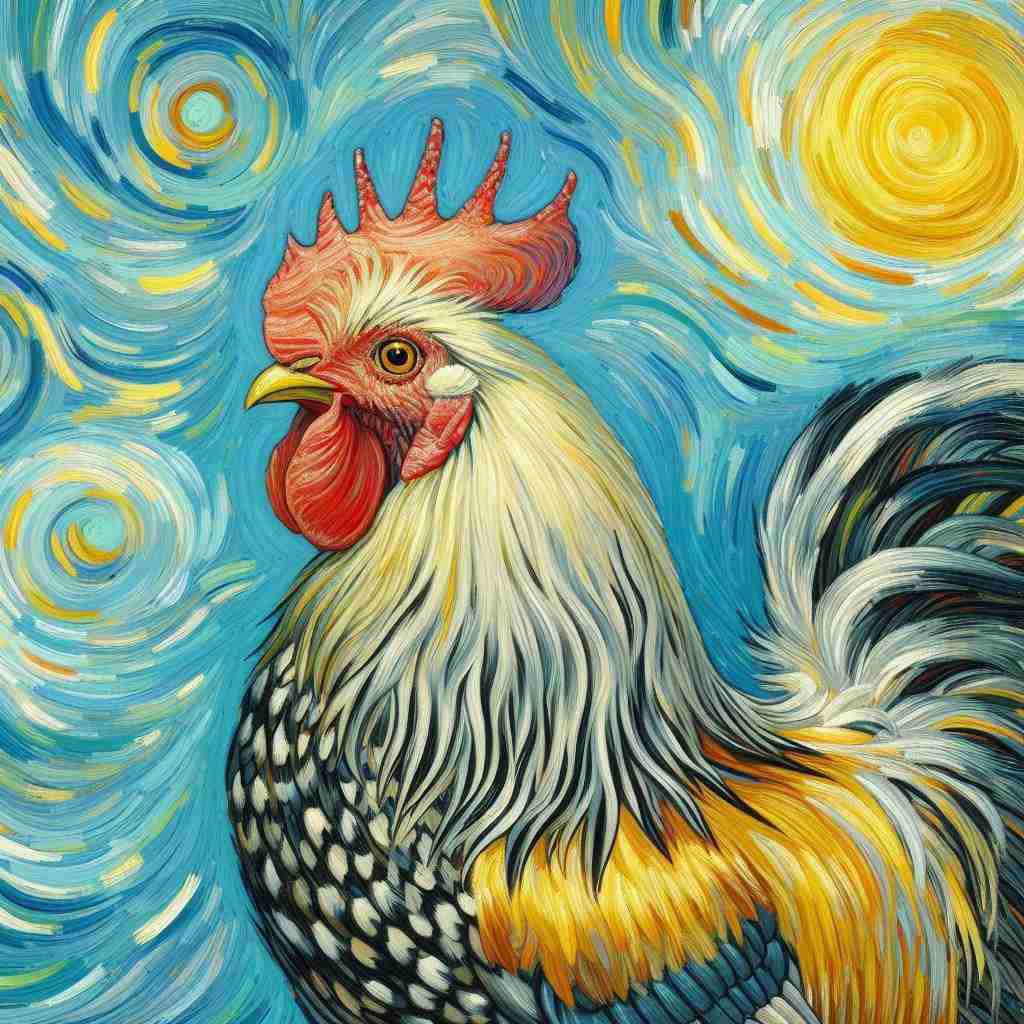
Haiku
Poem
Cold Hands, Warm Hens – Lessons From Winters Past – A Poem
In winter’s chill, where frost does bite,
A tender bond can warm the night.
With hands that nurture, hearts that care,
We find ourselves in moments rare.
Feathered friends in coops, so snug,
Echo warmth through winter’s shrug.
Their clucks and coos, soft melodies,
Whisper tales of hope and ease.
In frigid air, we gather round,
Sharing wisdom, love abound.
Through every challenge, small and grand,
Resilience blooms like freshly planned.
We learn from those who came before,
Their stories rich, with hearts that soar.
In shared endeavors, we make way,
For kindness that will never sway.
We shield them from the biting cold,
With tender care, our hearts unfold.
Laden bowls, soft bedding laid,
A promise kept, a bond well made.
From kitchen warmth, sweet pies arise,
Through laughter’s lift, our spirits rise.
Together, strong with voices true,
We weave a tapestry anew.
Ethics guide our choices wise,
In each small act, compassion lies.
With love and logic, hand in hand,
We build a world where we all stand.
So let our hearts ignite this season,
In every task, we find our reason.
Through cold and dark, it’s love we seek,
In every hen, in every week.
As we embrace the winter’s test,
Let warmth of family be our quest.
Together through the frost and snow,
In unity, our spirits grow.

Poem
Checklist
Cold Hands, Warm Hens – Lessons From Winters Past – A Checklist
Cold Hands, Warm Hens: Comprehensive Care Checklist
Heart Appeal: Emotional Connection
_____ Bonding with Your Hens
Engage in daily interactions to strengthen your relationship with your chickens. Offer treats and spend time observing their behavior.
_____ Create Comfort in the Coop
Use soft bedding materials like straw or shavings to provide a cozy resting place. Add personal touches to make the space welcoming for both you and your hens.
_____ Share Joy
Take photos or journal about your experiences raising chickens during winter. Consider sharing your stories with friends and family to inspire them.
Head Appeal: Rational Considerations
_____ Inspect Coops for Drafts
Regularly check the coop for any drafts and ensure it is well insulated to keep your hens warm.
_____ High-Quality Nutrition
Invest in a winter feed formulated for increased energy, considering scratch grains and supplements for additional caloric needs.
_____ Maintain Water Access
Use heated waterers to prevent freezing, ensuring your hens have constant access to hydration.
Gut Appeal: Ethical Responsibility
_____ Commit to Humane Practices
Ensure that all care practices align with ethical standards, providing safe and humane conditions for your chickens.
_____ Educate Yourself
Research best practices for winter care of poultry and stay updated on advancements in livestock ethics.
_____ Participate in Local Initiatives
Join community efforts to promote humane animal care and share resources with fellow chicken owners.
Authority Appeal: Knowledge-Driven Practices
_____ Leverage Expert Tips
Utilize resources from animal care experts and experienced chicken keepers to enhance winter care strategies.
_____ Attend Workshops
Participate in local workshops or online seminars focused on winter livestock management, nutrition, and care.
Narrative Appeal: Storytelling and Legacy
_____ Document Winter Experiences
Keep a log of your winter experiences, including challenges and successes, to share with future generations or community members.
_____ Create a Family Tradition
Involve family members in chicken care routines to foster teamwork and pass down responsibilities.
Social Appeal: Community Engagement
_____ Network with Fellow Keepers
Engage with local poultry clubs or online forums to share advice, experiences, and resources.
_____ Host Community Gatherings
Organize events where members can exchange tips, share meals, and foster a supportive network around backyard poultry keeping.
This checklist aims to guide you through the winter months with your backyard chickens, ensuring both their well-being and nurturing your bond with these delightful companions.

Checklist
At BackyardChickenNews, we help people who want to raise backyard chickens by collating information and news blended with our own personal experiences.
Be sure to read our other related stories at BackyardChickenNews to learn more about raising chickens in your backyard.