

Unlock Vibrant Futures: Visualize Your Flock’s Genetic Legacy
By Tom Seest
At BackyardChickenNews, we help people who want to raise backyard chickens by collating information and news blended with our own personal experiences.
Be sure to read our other related stories at BackyardChickenNews to learn more about raising chickens in your backyard.
Color Genetics Simulator – Preview Future Flock Colors
In the world of backyard chickens, the vibrant hues of feathers can ignite a spark of passion that transcends the realm of mere farming. Picture this: it’s a crisp morning, the sun peeking over the horizon, casting a golden glow on your flock. Each chicken struts with its unique palette, turning your backyard into a living canvas. But what if you could elevate this art to new heights? Enter the Color Genetics Simulator, a tool poised to revolutionize the way you perceive your feathered friends.
Imagine standing in your yard, armed with the knowledge of genetics that helps you predict the captivating colors of future chicks. This isn’t just about aesthetics; it’s about creating a flock that reflects your personality and values. You may have started your adventure in poultry with a simple love for fresh eggs or a desire to foster a sustainable lifestyle. Now, you can elevate that to an entirely new level; you can become a creator, a visionary of color and character. This tool empowers you to take the reins of genetics, steering your flock toward combinations that evoke joy, pride, and a sense of accomplishment.
Engaging with the Color Genetics Simulator offers more than just a glance at potential colors; it’s an invitation to connect emotionally with the life cycles of your birds. Each shade you choose carries a backstory, an emotional thread linking you deeper to your flock. When a golden chick hatches, you’ll remember that time spent with your children, or the quiet moments watching nature unfold. Each colorful feather isn’t merely an aesthetic choice but a narrative woven into the daily fabric of your life.
On a rational level, understanding genetic combinations opens the door to ethical breeding practices. By predicting outcomes before they happen, you’re not only producing a vibrant flock but also enhancing their health and resilience. It’s a commitment to responsible stewardship, ensuring the beauty of your backyard chickens isn’t fleeting but a lasting part of your story.
The social aspect cannot be ignored. As backyard chicken enthusiasts connect, sharing experiences, dream colors, and ultimately, hatching stories of success, a community thrives. The Color Genetics Simulator fosters this camaraderie by providing a common platform to dream together.
In this journey of backyard poultry, let the Color Genetics Simulator not just be a tool, but a gateway to a colorful future, uniting heart, head, and gut in a harmonious blend of purpose, passion, and pride.

Color Genetics Simulator – Preview Future Flock Colors
Color Genetics Simulator – Preview Future Flock Colors
- The Color Genetics Simulator transforms backyard chicken breeding into an art form.
- Users can predict the colors of future chicks, reflecting personal values and aesthetics.
- The tool empowers users to create unique flocks that evoke joy and pride.
- Engagement with the simulator enriches emotional connections to the birds.
- Understanding genetics promotes ethical breeding practices for healthier, resilient chickens.
- The simulator fosters community among chicken enthusiasts through shared experiences.
- It serves as a gateway to a vibrant future in backyard poultry farming.

Color Genetics Simulator – Preview Future Flock Colors
Table Of Contents
- Color Genetics Simulator – Preview Future Flock Colors
- What Colors Will My Future Flock Display?
- How Can I Ensure Vibrant Colors?
- Which Genetics Impact Flock Color Diversity?
- Are There Ethical Considerations In Color Breeding?
- How Does Color Genetics Influence Flock Value?
- Conclusion
- Other Resources
- Glossary Of Terms
- Other Questions
- Haiku
- Poem
- Checklist
What Colors Will My Future Flock Display?
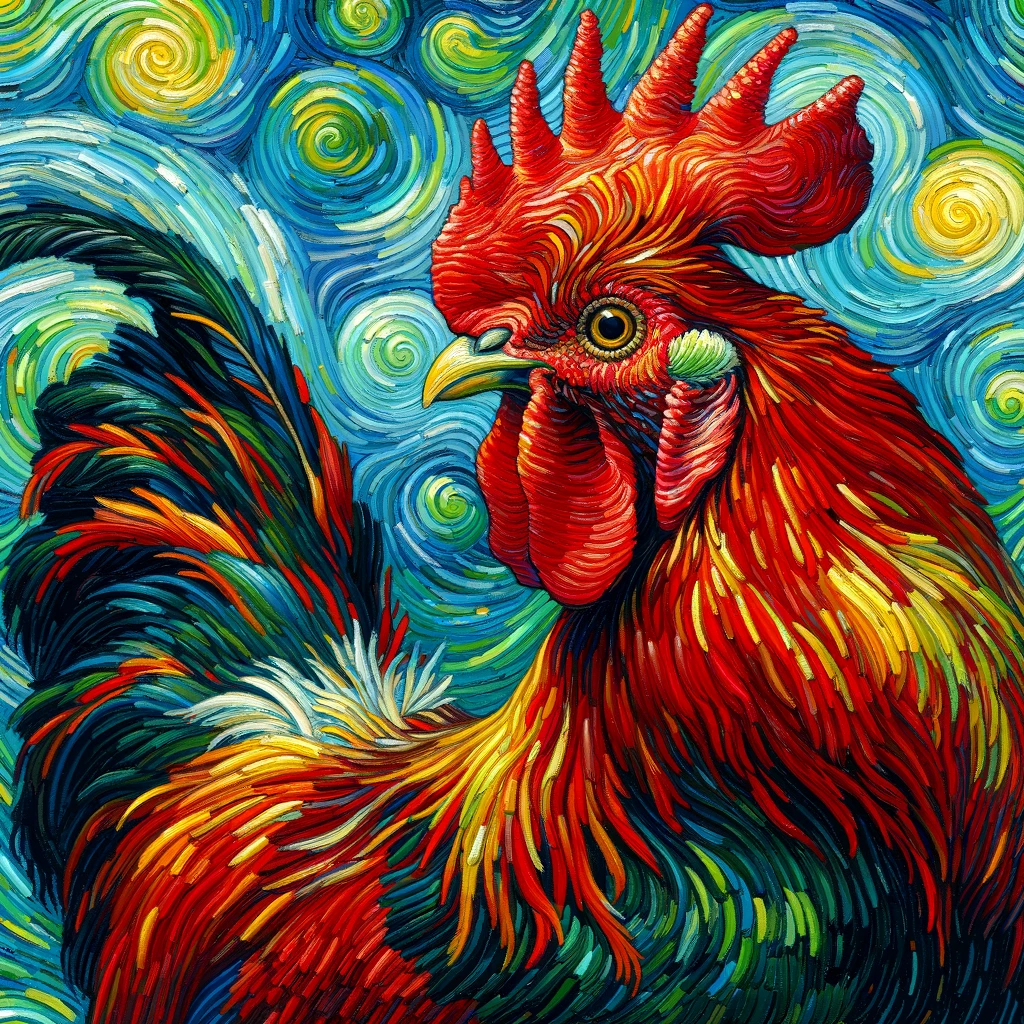
Imagine stepping into your backyard, greeted by a symphony of colors as your chickens strut around like feathery musicians in a vibrant orchestra. The allure of backyard chickens goes beyond mere aesthetics; it’s a journey that connects you to nature, ignites joy, and fosters a profound sense of community. The colors of your future flock are not just about shades of red, black, or gold—they’re symbols of the life you’re nurturing.
Reflect on the first time you held a baby chick. Its soft yellow feathers were more than adorable; they held the promise of future possibilities. Each breed of chicken showcases a unique palette, from the striking blues of the Andalusian to the warm, earthy tones of the Rhode Island Red. Envision a bustling coop filled with roosters proudly displaying iridescent feathers; it’s akin to a living canvas, a testament to the beauty and diversity inherent in raising these birds. By choosing your flock, you’re not just selecting colors. You’re curating an experience, each hue telling a story about resilience, harmony, and even survival.
As you embark on this journey, consider the implications of your choices—not just for the chickens but for your family and community. Ethically, raising chickens fosters an appreciation for sustainable living and responsible animal husbandry. Your neighbors will notice, with your diverse flock inspiring conversations about food sources, backyard gardens, and self-sufficiency. The simple act of choosing the colors of your chickens can be a springboard for discussions about where food comes from and how it affects the world around us.
The colors of your flock reflect your values and aspirations. Just as a painter chooses colors to convey emotion, you select your chickens based on what resonates with your heart and spirit. Picture yourself watching them scratch in the dirt or bask in the sun, a vibrant patchwork of life that enriches your backyard and your soul. You’re part of a movement—a mosaic of proud backyard farmers, each contributing to a collective ethos of stewardship and appreciation for our feathered friends.
So, whether you’re drawn to the speckled eggs of an Easter Egger or the majestic plumage of a Brahma, remember that in choosing your flock, you’re weaving a tapestry of connection, purpose, and joy right in your backyard. Each color you welcome is a step toward a fulfilling and rich relationship with the land and the creatures that inhabit it.

What Colors Will My Future Flock Display?
What Colors Will My Future Flock Display?
- Backyard chickens create a colorful, joyful environment, connecting people to nature.
- Each chicken breed offers unique colors, symbolizing the life and possibilities being nurtured.
- Choosing a flock is about curating an experience that reflects values and aspirations.
- Raising chickens promotes sustainable living and responsible animal husbandry.
- Diverse flocks inspire community discussions about food sources and self-sufficiency.
- Chickens enhance the backyard, fostering a sense of stewardship and appreciation.
- Each color chosen contributes to a meaningful relationship with land and animals.
What Colors Will My Future Flock Display?
How Can I Ensure Vibrant Colors?
When it comes to sparking vibrant colors in your life, think of it as tending to your backyard chickens. Just as those feathery friends require the right environment, nutrients, and care to thrive and produce beautiful eggs, the same applies to nurturing the vivid hues around you.
Imagine waking up each morning and stepping outside to see a kaleidoscope of colors. The sight of your chickens—golden feathers catching the sun, iridescent greens and blues shimmering from their plumage—serves as a reminder of the beauty that color brings into our lives. It’s not just about what you see; it’s about how you feel. Surrounding yourself with color can invoke joy, energy, and vitality.
To ensure those vibrant colors, start by considering your environment. Just as chickens flourish in a clean, safe, and enriched space, so do our surroundings. Paint your walls in warm tones, fill your garden with blooming flowers, and choose decor that sparks a smile. The colors you choose should resonate with you, vibrating on a frequency that ignites passion or relaxation—whatever it is you need at that moment.
Then, think about what fuels those colors. Feed your life with inspiration. Spend time in nature, absorbing the rich palette of the earth. Capture moments—snap photos at sunrise or sunset, where oranges, pinks, and deep purples collide. These instances are the pigments that help you appreciate the beauty of color in a visceral way; it’s like cracking open a fresh egg and marveling at the yolk’s brightness.
Moreover, consider the ethical aspect of color in your life. Support local artists or creators whose works reflect authenticity and craftsmanship. When you purchase a piece of art or decor, you’re not just buying a product; you’re investing in a story—much like raising chickens is an investment in a beautiful, sustainable ecosystem. When you appreciate the effort behind vibrant creation, you deepen your connection to those colors around you.
Lastly, remember the social dimension. Bring friends into your color journey. Organize gatherings where everyone decorates their spaces, or host a potluck where vibrant dishes are encouraged. This shared experience fosters a sense of community and connection, echoing the way flocks of chickens thrive together, adding to the richness of the experience.
In nurturing the vibrant colors around you, remember: it’s about the heart, the head, and the gut. Let the beauty that surrounds you energize your spirit, inspire your actions, and encourage you to embrace the brilliant hues that life offers. Like those backyard chickens, we all deserve a little vibrancy in our lives.
How Can I Ensure Vibrant Colors?
How Can I Ensure Vibrant Colors?
- Nurturing vibrant colors in life is akin to tending backyard chickens, requiring care and the right environment.
- Surrounding yourself with color can evoke joy, energy, and vitality, enhancing emotional well-being.
- Consider your environment; use warm tones and blooming flowers to create spaces that resonate with your feelings.
- Inspiration fuels color; spend time in nature and capture beautiful moments like sunrises and sunsets.
- Support local artists and creators, investing in their stories to deepen your connection to vibrant colors.
- Encourage social experiences related to color by organizing gatherings or potlucks that celebrate vibrancy.
- Nurturing colors involves heart, head, and gut, embracing the brilliance that life offers.

How Can I Ensure Vibrant Colors?
Which Genetics Impact Flock Color Diversity?
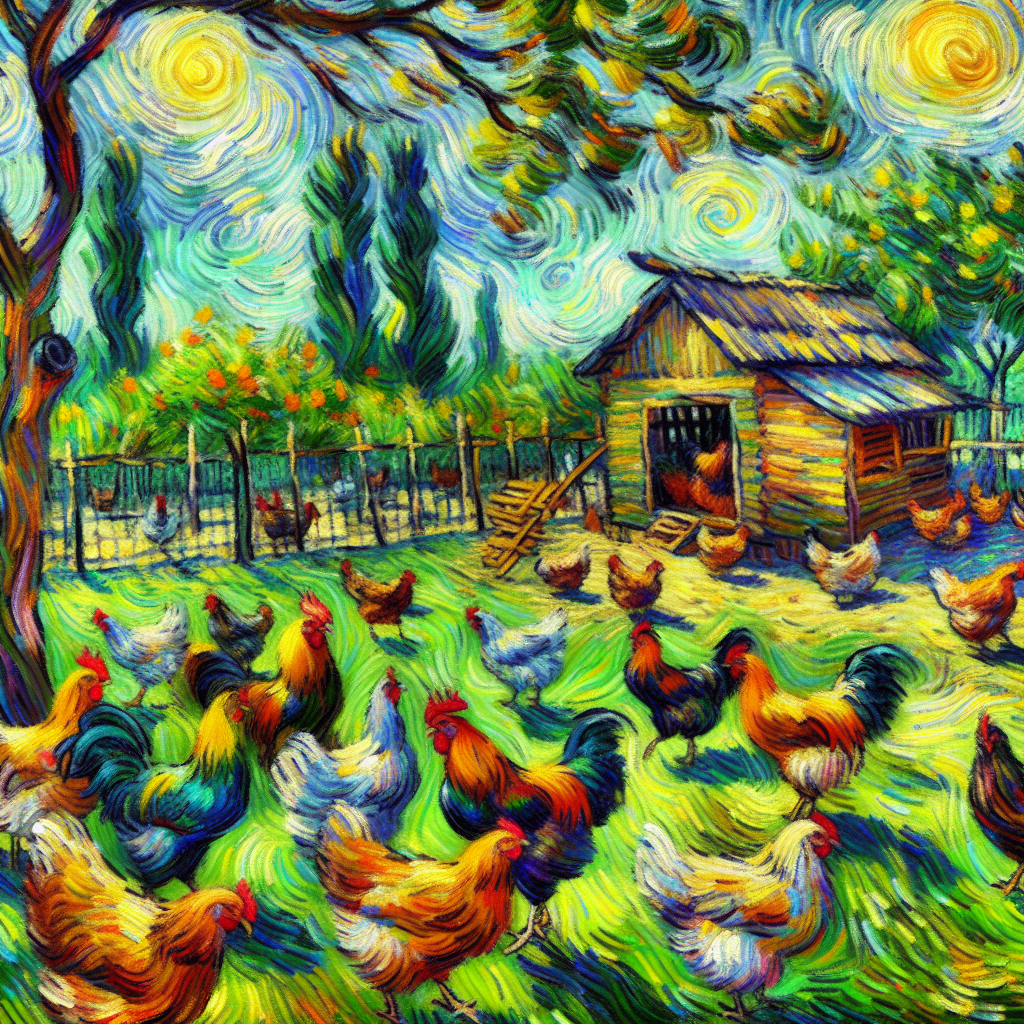
When you step into a backyard bustling with chickens, you’re not just seeing a collection of birds; you’re witnessing a tapestry of genetics woven together by nature’s hand. Each chicken boasts its own unique shade and pattern, reflecting not just beauty but a rich history of evolution and breed selection. In the world of backyard chickens, color diversity isn’t merely a visual delight; it’s a story of survival, adaptation, and connection.
Take a moment to remember the thrill of spotting a striking Black Copper Marans beside a gentle blue Araucana. The vibrant hues of their feathers can evoke memories of long summer evenings spent watching them scratch about in the dirt, an experience that connects us deeply to the earth and reminds us that beauty can be found in unexpected places. This diversity, however, is the result of complex genetic interplay that is often underestimated. The color of a chicken’s plumage is determined by a set of genes, with various alleles working together like a finely tuned orchestra — sometimes harmonizing beautifully, and other times clashing in amusing, unpredictable ways.
Consider the emotional pull of owning a flock that resembles a living rainbow. Each color tells a story of hardiness or heritage, of the ethical choices we make when breeding for traits that resonate with how we want our backyard to feel. By choosing specific breeds for their unique colors, we not only enhance the visual appeal of our yard but also foster a sense of responsibility towards maintaining diversity. This choice echoes the very human desire for individuality, mirroring the diversity we cherish in our communities.
From a rational perspective, breeding for color diversity can also enrich the health of your flock. A genetically varied group is often more resilient to disease, much like a healthy ecosystem flourishing with a variety of plants and animals. This interdependence speaks to our core; by nurturing diverse traits, we ensure the vitality of our beloved pets.
Throughout history, every time we’ve selectively bred these birds, we’ve altered the future of not just the flock but our connection to them. Picture a backyard not just filled with chickens but a vibrant community united by the simple joy of watching these creatures thrive in myriad colors, bringing laughter and warmth to our lives. Flock color diversity is more than aesthetics; it’s about building bonds, telling stories, and celebrating life in all its forms—one feather at a time.
Which Genetics Impact Flock Color Diversity?
Which Genetics Impact Flock Color Diversity?
- Backyard chickens represent a diverse tapestry of genetics shaped by evolution and selective breeding.
- Each chicken has a unique color and pattern, linking beauty to a rich history.
- Color diversity signifies survival and adaptation, evoking memories and connections to nature.
- Breeding for specific colors fosters community responsibility and individuality.
- A genetically varied flock enhances health and resilience, akin to a flourishing ecosystem.
- Selective breeding influences the future of both the flock and human connections to them.
- Color diversity in chickens symbolizes bonds, storytelling, and the celebration of life.

Which Genetics Impact Flock Color Diversity?
Are There Ethical Considerations In Color Breeding?
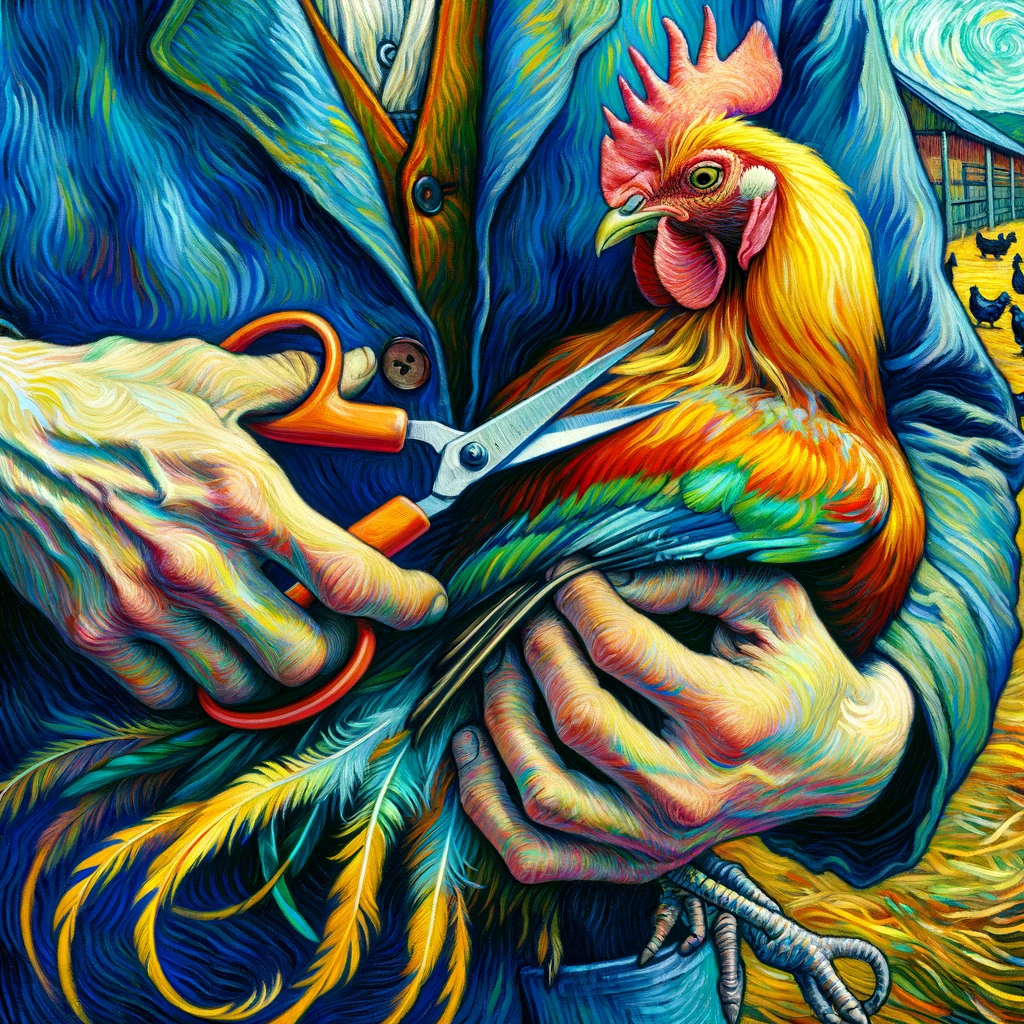
Color breeding, while an alluring aspect of animal husbandry, particularly with backyard chickens, invites a maze of ethical considerations that deserve our attention. Raising chickens isn’t just about eggs or ornamental hues; it’s about the welfare of living beings and the legacy we leave for future generations. When we delve into this practice, we must ask ourselves: at what cost do we pursue perfection in plumage?
Consider the backyard chicken enthusiast whose love for these birds leads to decisions aimed at achieving the perfect shade of gold or an unusual speckled pattern. The thrill of seeing those vibrant colors glisten in the sunlight is undeniable, yet beneath this cosmetic fascination lies a more profound narrative. Is the obsession with aesthetics overshadowing the fundamental needs of these birds? Each breed brought into our backyards comes with unique health traits, temperament, and genetic predispositions. Choosing color over well-being risks inadvertently breeding stress, illness, and even early mortality. The heartbeat of any flock should be their overall health, not merely the visual spectacle they provide.
The ethical dilemma further extends to how we perceive nature’s palette. Nature doesn’t confine itself to our whims; it thrives on genetic diversity. By selectively breeding for specific colors, we may inadvertently close doors on robust gene pools, diminishing genetic resilience across chicken populations. Imagine a future where the vibrancy of our feathered friends fades into monotonous uniformity, all for the sake of an Instagram post. This isn’t just a concern for chicken breeders; it speaks to a broader societal trend of prioritizing aesthetics over authenticity.
There is also an emotional component to consider. Backyard chickens are not just commodities; they often become part of our families. The bonds formed with these creatures lead us to see them as more than products of color breeding. They are living reflections of our choices and values. Each feathered friend in your coop tells a story—one of care, responsibility, and connection to the earth.
Engaging in ethical color breeding means asking questions—difficult questions—that push us to think deeply about the impacts of our choices. It means considering an honest appraisal of the health and happiness of our flock, pondering how our decisions ripple through the wider ecosystem. A commitment to sustainability, respect for animal welfare, and an appreciation for the natural variety present in your cooperative can transform your endeavor from a mere trend into a powerful legacy, fostering trust and respect among fellow enthusiasts.
Color breeding isn’t just about what we see. It’s about ensuring that our choices today create a brighter, healthier future for our beloved backyard chickens and the environment they inhabit.
Are There Ethical Considerations In Color Breeding?
Are There Ethical Considerations In Color Breeding?
- Color breeding in chickens encompasses ethical considerations beyond aesthetics and productivity.
- Choosing breed colors over health can lead to stress, illness, and early mortality in birds.
- Selective breeding may undermine genetic diversity and resilience in chicken populations.
- Obsession with aesthetics risks reducing the vibrancy of breeds to uniformity.
- Backyard chickens often form emotional bonds with humans, becoming part of families.
- Ethical breeding involves evaluating the health and happiness of flocks and their ecological impacts.
- A commitment to sustainability and animal welfare can create a meaningful legacy in breeding practices.

Are There Ethical Considerations In Color Breeding?
How Does Color Genetics Influence Flock Value?
In the world of backyard chickens, color genetics plays a pivotal role far beyond mere aesthetics. It’s about personality, character, and the stories our flocks tell. When you choose to welcome these feathered friends into your life, you’re not just selecting eggs; you’re curating a vibrant ecosystem of color and companionship that adds a unique value to your backyard.
Consider the deep hues of a rich Maran egg. In the early mornings, as the sun rises, the dark chocolate shells gleam, embodying the hard work of your care and commitment. Each time a friend visits, they can’t help but marvel at those exceptional eggs, asking, “Where did you find these?” In that moment, your flock becomes not just a source of fresh produce but a conversational centerpiece, elevating your status in the community effortlessly.
But color genetics doesn’t only play on the visual. Think about how each bird’s appearance can shift our perceptions and interactions. A flock of golden-laced Wyandottes dancing in the sun isn’t just pleasing to the eye; they symbolize warmth, perhaps sparking a shared memory from childhood or a deep-rooted connection to the land. It’s a reminder of the traditions that bind us—something that resonates within us and sets the stage for relationships with friends and family alike.
As you dive deeper into the science of feather color and breeding, it becomes clear that the value extends into the ethical realm. With each breeding choice, you’re not just crafting a pretty bird; you’re preserving genetic diversity. These choices reflect a responsibility to maintain breeds that may be endangered, enabling a future where our relationship with poultry remains robust and nuanced. Your flock isn’t just a collection of colorful specimens; it becomes a living legacy.
And let’s face it—when you stand proud in your backyard amidst a cacophony of clucks and colors, you’re part of a community that values authenticity. Sharing fresh eggs or beautiful birds at local fairs isn’t merely about competition; it’s about solidarity and pride in one’s roots. It’s about reconnecting with what it means to be a steward of the land and its creatures.
Ultimately, the influence of color genetics on flock value is layered, intricately woven into the fabric of who we are as caretakers. Your flock embodies the stories, ethics, and connections that enrich not only your life but also the community around you. Each time you gather eggs or share a laugh with friends over your colorful chickens, you’re not just tending a yard; you’re cultivating a legacy of value that extends far beyond feathers.

How Does Color Genetics Influence Flock Value?
How Does Color Genetics Influence Flock Value?
- Color genetics in backyard chickens influences personality, character, and storytelling.
- Choosing chickens creates a unique ecosystem of color and companionship in your backyard.
- Maran eggs symbolize commitment and elevate social status through their exceptional appearance.
- Aesthetics of chickens contribute to emotional connections and shared memories within the community.
- Breeding choices help preserve genetic diversity and endangered breeds, forming a living legacy.
- Participation in local fairs fosters community pride and connections to land stewardship.
- The value of color genetics enriches caretakers’ lives and their relationships with others.

How Does Color Genetics Influence Flock Value?
Conclusion
In the vibrant world of backyard chickens, the Color Genetics Simulator emerges as more than just a tool; it is an invitation to explore the emotional tapestry woven by our feathered friends. Picture this: a crisp morning sun casting golden rays over your flock, each chicken a colorful brushstroke on a living canvas that reflects your personality and values. This simulator empowers you to predict the breathtaking hues of future chicks, promoting a connection that transcends the typical relationship between farmer and fowl.
Raising chickens is about nurturing life—each chick holds a promise, a narrative that deepens your bond with nature. It’s not just aesthetic pleasure; it’s an emotional journey where every color tells a story of love, commitment, and family. When that golden chick hatches, it evokes memories that intertwine with the daily rhythm of life and brings joy in its vibrant simplicity.
Understanding genetic combinations through the simulator also enhances our ethical responsibilities. It’s not just about creating a visually stunning flock; it’s about fostering health and resilience. By breeding responsibly, we ensure that our chickens thrive in a supportive ecosystem that values both beauty and well-being. This conscientious approach resonates with a growing community of backyard chicken enthusiasts, all striving to cultivate an enriching environment for their flocks.
The social implications of flock color diversity cannot be understated. Our unique choice of colors becomes a catalyst for conversation, igniting discussions on food sustainability and self-sufficiency. As our neighbors admire our vibrant coops, we share a sense of pride and community—a collective celebration of stewardship that connects us to our land and its creatures.
Ultimately, engaging with the Color Genetics Simulator is a call to action, a way to embrace the full spectrum of what backyard chicken farming can offer. It encapsulates the heart, head, and gut, blending passion, purpose, and the pride of creation. As you curate your flock, remember that each vibrant shade is more than just a display; it’s a testament to your journey, your values, and the vibrant community you are part of. Embrace the opportunity to nurture not just color but connections that enrich your backyard and your life. Let this simulator guide you to a colorful future filled with joy, resilience, and a thriving bond with your feathered friends.

Conclusion
Conclusion:
- The Color Genetics Simulator allows for exploration of emotional connections with backyard chickens.
- Each chick represents a narrative that deepens the bond with nature and reflects personal values.
- Understanding genetic combinations promotes responsible breeding for health and resilience.
- The simulator fosters a community focused on creating an enriching environment for chicken flocks.
- Flock color diversity sparks conversations about food sustainability and self-sufficiency.
- Engagement with the simulator enhances the experience of backyard chicken farming.
- Each chicken’s hue becomes a testament to the journey and values of the owner.

Conclusion
Other Resources

Other Resources
Here is a list of other resources you can review online to learn more:
- Dutch Bantam
- dogs
- Tomaru
- spinach
- Newcastle Disease
- Fowl Cholera
- Icelandic
- Australorp
- White Rock
- Brown Leghorn
- Alfalfa
Use This Prompt To Get More Resources With Your Favorite Online AI Tool: Please provide me with a list of online articles with their URLs in a bulleted list that I can read regarding Color Genetics Simulator – Preview Future Flock Colors

Other Resources
Glossary Terms
Color Genetics Simulator – Preview Future Flock Colors – Glossary Of Terms
1. Allele: a specific variant of a gene at a given locus that influences color traits.
2. Gene: a DNA segment that encodes a pigment, pattern, or regulatory function affecting plumage.
3. Locus: the precise chromosomal location where a gene resides.
4. Genotype: the combination of alleles an individual carries for one or more color genes.
5. Phenotype: the observable plumage color, pattern, or intensity produced by a genotype and environment.
6. Dominant allele: an allele that determines the phenotype when present in a single copy.
7. Recessive allele: an allele whose effect appears only when two copies are present.
8. Homozygous: having two identical alleles at a locus.
9. Heterozygous: having two different alleles at a locus.
10. Carrier: an individual that carries a recessive allele without showing its phenotype.
11. Co-dominance: a pattern where both alleles are expressed simultaneously in the phenotype.
12. Incomplete dominance: a pattern where a heterozygote shows an intermediate phenotype.
13. Epistasis: interaction where one gene’s product masks or modifies another gene’s effect on color.
14. Polygenic trait: a trait (e. g. , overall shade or pattern complexity) influenced by multiple genes.
15. Modifier gene: a gene that alters the expression, intensity, or distribution of another color gene.
16. Penetrance: the proportion of individuals with a genotype who actually display the expected phenotype.
17. Expressivity: the degree or variability of phenotype shown by individuals with the same genotype.
18. Mutation: a change in DNA sequence that can create new allele variants affecting color.
19. Linkage: tendency of genes located close together on a chromosome to be inherited together.
20. Recombination (crossover): exchange of chromosome segments during meiosis that creates new allele combinations.
21. Gamete: a haploid reproductive cell (sperm or egg) carrying one allele per locus.
22. Segregation: separation of paired alleles into different gametes during meiosis.
23. Independent assortment: the principle that alleles of different genes segregate independently when unlinked.
24. Punnett square: a diagrammatic tool to compute expected genotype and phenotype probabilities for offspring.
25. QTL (quantitative trait locus): a genomic region associated with variation in a quantitative color trait.
26. Pigment: a chemical (e. g. , melanin, carotenoid) that produces feather coloration.
27. Melanin: pigment family producing black, brown, red, or yellow tones (eumelanin and pheomelanin).
28. Carotenoid: diet-derived pigments that produce bright red, orange, and yellow hues in plumage.
29. Structural color: color produced by microscopic feather structures that scatter or refract light (blue, iridescence).
30. Phenotype preview: simulator output estimating likely offspring plumage colors, patterns, and probabilities.

Glossary Of Terms
Other Questions
Color Genetics Simulator – Preview Future Flock Colors – Other Questions
If you wish to explore and discover more, consider looking for answers to these questions:
- How does the Color Genetics Simulator work?
- What input data do I need to use the simulator?
- Which specific genes and alleles determine feather colors and patterns in chickens?
- Can the simulator predict complex patterns like lacing, penciling, mottling, and barring?
- How accurate are the simulator’s predictions in real-world flocks?
- Does the simulator output genotypes as well as predicted phenotypes and probabilities?
- Can it model multi‑generation breeding plans and show cumulative probabilities?
- How does sex‑linked inheritance affect predicted outcomes and does the tool account for it?
- Can the simulator represent epistasis, incomplete dominance, and modifier gene interactions?
- How do eumelanin and pheomelanin biochemistry influence color predictions?
- Does the tool account for environmental or nutritional factors that can alter feather color?
- How are spontaneous mutations and rare alleles handled in predictions?
- Can the simulator help identify carriers or heterozygous birds for specific color alleles?
- Does it include breed‑specific default genotypes or allow custom breed profiles?
- Can I upload bird photos, pedigrees, or genetic test results to improve predictions?
- How should I interpret probability outputs (percentages, confidence intervals, scenario breakdowns)?
- Can the simulator recommend mating pairs to achieve a target color while preserving diversity?
- How many generations will it typically take to reliably fix a new color trait?
- How can I use the simulator to avoid inbreeding depression and maintain flock health?
- What ethical considerations should guide color‑focused breeding decisions?
- Will selecting primarily for color negatively impact temperament, egg production, or disease resistance?
- How does color genetics influence flock value, resale price, or show eligibility?
- Can the simulator model egg shell color independently from plumage genetics?
- Are there export, print, or share options for breeding plans and predicted outcomes?
- Does the simulator support rare, heritage, or region‑specific breeds and their unique genetics?
- How does the tool handle incomplete or uncertain genetic information?
- Can it simulate crosses among multiple breeds at once and show mixed‑breed outcomes?
- What data privacy, storage, and ownership policies apply to uploaded flock information?
- Is there a mobile app or offline/desktop version of the simulator?
- What are common user pitfalls and troubleshooting tips when using the simulator?
- Are there example case studies, tutorials, or presets to help new users learn the tool?
- What is the cost structure (free tier, subscription, one‑time purchase) and are trials available?
- Are community features available to share results, ask questions, or compare outcomes with other breeders?
- Can the simulator suggest balanced mating strategies that meet color goals while preserving genetic health?
- How can I validate simulator predictions against actual hatch results and track discrepancies?

Other Questions
Haiku
Color Genetics Simulator – Preview Future Flock Colors – A Haiku
Chickens roam in hues,
Life’s canvas rich with stories,
Colors weave our ties.

Haiku
Poem
Color Genetics Simulator – Preview Future Flock Colors – A Poem
In the dawn’s embrace, a canvas unfolds,
Backyard chickens dance in hues bright and bold.
From gold to blue, each feathered friend conveys,
A story of passion in vibrant displays.
Nurtured by love, their colors take flight,
Echoing dreams in the soft morning light.
More than mere beauty, they speak to the heart,
Each hatchling a promise, a life set to start.
With knowledge of genetics, we hold the key,
To craft a legacy in a joyful decree.
Ethics entwined in every colorful choice,
A commitment to health, let the flock rejoice.
Within this community, bonds rooted in care,
Farms become homes, each cluck a shared prayer.
A tapestry woven of stories and pride,
In the palette of life, let true joy reside.
So let’s celebrate colors, the heart and the whole,
A vibrant existence that nourishes the soul.
In every feather glimmers a connection so bright,
A future of beauty, filled with love and light.

Poem
Checklist
Color Genetics Simulator – Preview Future Flock Colors – A Checklist
Checklist for Embracing Color Genetics in Your Flock
✅______ Reflect on how vibrant colors can evoke joyful memories and foster emotional connections with your chickens.
✅______ Choose breeds that resonate with your personality and values, creating a flock that tells your unique story.
Appeal to the Head
✅______ Understand the genetic combinations that influence feather color to make informed breeding choices.
✅______ Research ethical breeding practices to promote health and resilience within your flock.
Appeal to the Gut
✅______ Consider the emotional fulfillment that comes from nurturing a diverse and vibrant flock.
✅______ Recognize how each color choice impacts your overall experience as a backyard chicken keeper.
Ethical Considerations
✅______ Evaluate the health and wellbeing of your birds in relation to color breeding practices.
✅______ Strive for a balance between aesthetics and the natural diversity that sustains healthy poultry populations.
Authority and Expertise
✅______ Seek advice from seasoned breeders and geneticists to expand your understanding of poultry genetics.
✅______ Engage with community resources to share knowledge and experiences about color breeding.
Narrative and Storytelling
✅______ Document your color breeding journey to capture the stories behind each chick and color choice.
✅______ Share your experiences with fellow enthusiasts to foster a sense of connection and community.
Social Engagement
✅______ Host gatherings to celebrate your colorful flock and encourage others in the community to share their experiences.
✅______ Collaborate with local farmers or chicken keepers to promote awareness about sustainable and ethical breeding practices.

Checklist
At BackyardChickenNews, we help people who want to raise backyard chickens by collating information and news blended with our own personal experiences.
Be sure to read our other related stories at BackyardChickenNews to learn more about raising chickens in your backyard.