

Fowl Play: The Surprising Impact Of Chickens On Seniors’ Outdoor Activities
By Tom Seest
At BackyardChickenNews, we help people who want to raise backyard chickens by collating information and news blended with our own personal experiences.
Be sure to read our other related stories at BackyardChickenNews to learn more about raising chickens in your backyard.
Could Chickens Actually Discourage Seniors From Outdoor Activity?
In the heart of suburbia, where manicured lawns and white fences reign supreme, a peculiar trend has emerged: Backyard Chickens. Once the gilded stuff of rural folklore, these clucking companions have slowly found their way into the urban sprawl, prompting many to wonder about their role in our lives, particularly for seniors seeking fresh air and outdoor activity. But could these feathered friends possibly be discouraging some older folks from getting outside?
Picture the scene: an elderly gentleman named Harold, armed with a rake and sporting a floppy sun hat, determined to tend to his garden when he suddenly hears a cacophony of clucks and crows emanating from the neighbors’ henhouse. Harold pauses, raked leaves in hand, and assesses the situation. His heart races — not from a sudden bout of enthusiasm for gardening, but from the apprehension of engaging with a flock of frenzied birds. As if on cue, the chickens swarm toward him, flapping their wings with a chaos only fowl can muster.
Now, you might chuckle at the thought of chickens striking fear into the hearts of those who should be enjoying the rejuvenating benefits of fresh air and sun. However, for many seniors, the prospect of unpredictable poultry can be less than appealing. The idyllic image of chickens in the backyard conjures joyous scenes of free-range living, but it can just as easily evoke stress and anxiety for those who are less agile or sprightly than they used to be.
Imagine balancing a bag of feed while simultaneously dodging a peck-happy hen bent on claiming your shoelaces. It’s enough to make anyone question their daily stroll around the block. For seniors, simple encounters can transform from a leisurely outing into a potential escapade fraught with challenges.
On one hand, the presence of Backyard Chickens might encourage some older adults to embrace a more rustic lifestyle, sparking an interest in sustainable living and self-sufficiency. On the other, the intimidation factor of these energetic avians could keep seniors from lacing up their sneakers and venturing outdoors altogether.
It’s a dilemma: the joys of having a small flock for fresh eggs and companionship versus the unintended consequence of discouraging outdoor activity. As we continue to navigate this trend, one thing is clear—the relationship between chickens and seniors is as complex as it is clucky.

Could Chickens Actually Discourage Seniors From Outdoor Activity?
Could Chickens Actually Discourage Seniors From Outdoor Activity?
- A peculiar trend of keeping Backyard Chickens has emerged in suburban areas.
- Chickens that were once a rural concept are now becoming popular in urban environments.
- The presence of chickens raises questions about their impact on seniors seeking outdoor activity.
- For some elderly individuals, chickens can evoke stress and anxiety rather than enjoyment.
- Interactions with chickens can make simple outdoor activities challenging for older adults.
- Backyard Chickens might encourage a rustic lifestyle and interest in sustainable living for some seniors.
- The relationship between seniors and chickens presents both benefits and drawbacks for outdoor engagement.

Could Chickens Actually Discourage Seniors From Outdoor Activity?
Table Of Contents
- Could Chickens Actually Discourage Seniors From Outdoor Activity?
- What Are The Benefits Of Keeping Chickens For Seniors?
- How Can Chickens Impact Outdoor Activity Among Seniors?
- Do Chickens Help Reduce Loneliness For Elderly Individuals?
- What Considerations Should Seniors Have Before Getting Chickens?
- How Do Chickens Influence The Physical Health Of Seniors?
- What Are The Challenges Seniors Face When Caring For Chickens?
- Are There Specific Chicken Breeds Better Suited For Seniors?
- Conclusion
- Other Resources
- Glossary Of Terms
- Other Questions
- Haiku
- Poem
- Checklist
What Are The Benefits Of Keeping Chickens For Seniors?
When we think about keeping chickens, we often envision bustling backyard flocks clucking and scratching in the dirt, amidst vibrant gardens and sunshine. But for seniors, the benefits of raising these feathered companions extend far beyond having a few fresh eggs on hand. Let’s explore why backyard chickens might just be the perfect addition to the golden years.
First and foremost, keeping backyard chickens fosters a sense of responsibility. Caring for these creatures can provide a daily routine, which is especially vital for seniors looking to maintain a healthy lifestyle. After all, something as simple as feeding the hens every morning or collecting eggs can offer a satisfying sense of purpose. Routine lends structure to the day, keeps the mind active, and combats the isolation that sometimes creeps in during retirement.
Moreover, chickens are excellent conversation starters, serving as a bridge to connect with neighbors, family, and friends. Think about it: when was the last time you walked by a coop full of clucking hens and didn’t smile? Backyard chickens create an environment ripe for interaction, storytelling, and even sharing tips on poultry care. They turn gardens into community hubs and dining tables into discussions about the virtues of farm-fresh eggs.
Then there’s the physical activity aspect. Maintaining a chicken coop involves chores that keep seniors moving—like cleaning the coop, filling feeders, and tending to a little patch of grass or garden for the girls to roam. Engaging in such activities promotes movement, flexibility, and can even help with balance. It’s not just an excuse to step out into the fresh air; it’s a practical way to remain active without the need for high-impact exercises.
Let’s not overlook the emotional benefits. Chickens have a calming effect; their gentle clucks and rhythmic movements can soothe the mind. Researchers have found that spending time around animals, especially those that rely on us, reduces stress and can even lower blood pressure. And what’s more, there’s the delight of watching these quirky birds express their personalities, each one with its own quirks and antics that inspire laughter.
Last but certainly not least, let’s talk fresh eggs. There’s simply nothing like the satisfaction of cracking open a sun-kissed egg from your own backyard. Fresh eggs taste better, have a rich golden yolk, and carry the pride of knowing you’ve cared for those hens yourself.
So, for seniors looking to rejuvenate their day-to-day routine, keeping backyard chickens is not just about the eggs; it’s about enriching life, cultivating connections, and finding joy in the simple things.

What Are The Benefits Of Keeping Chickens For Seniors?
What Are The Benefits Of Keeping Chickens For Seniors?
- Backyard chickens offer seniors benefits beyond fresh eggs, enhancing their golden years.
- Caring for chickens fosters responsibility and provides a daily routine, crucial for a healthy lifestyle.
- Chickens serve as great conversation starters, promoting interaction with neighbors and family.
- Maintaining a chicken coop encourages physical activity, helping seniors stay active and improve balance.
- Interacting with chickens has emotional benefits, reducing stress and lowering blood pressure.
- Watching chickens display their quirky personalities can bring joy and laughter to daily life.
- Fresh eggs from backyard hens offer a sense of pride and better taste compared to store-bought eggs.

What Are The Benefits Of Keeping Chickens For Seniors?
How Can Chickens Impact Outdoor Activity Among Seniors?
When you think about senior citizens enjoying their golden years, images of peaceful afternoons in the garden often come to mind. But let me introduce you to a surprisingly lively addition to that scene: backyard chickens. Yes, you heard me right. Those little birds can inject a whole lot of activity and engagement into a senior’s daily routine.
Imagine for a moment an average sunny afternoon, where a senior citizen strolls out to their backyard. Instead of simply tending to flowers or lounging in a chair, they’re greeted by the cheerful clucking of chickens. Whether it’s a fluffy Orpington or a sassy Rhode Island Red, these feathery friends can transform a mundane trip outdoors into an adventure. Keeping backyard chickens means seniors get to spend time actively caring for these creatures—feeding, watering, and cleaning their coop—while also enjoying fresh eggs laid in their own yard. It’s a delightful incentive to step outside and embrace nature.
But it’s not just about the daily chores. Backyard chickens can foster a sense of responsibility and routine, key elements for a healthy lifestyle. Seniors may find themselves motivated to create a structured schedule, feeding their chickens at specific times and ensuring their living space is clean and safe. This regular activity, coupled with the physical movements of walking, bending, and engaging with their chickens, forms a gentle exercise routine without the need for a treadmill.
Moreover, there’s a social aspect that shouldn’t be overlooked. Raising chickens often piques the interest of family, friends, and neighbors. Garden clubs and community events centered around backyard farming are on the rise, creating opportunities for seniors to connect with others who share their interest in poultry. Imagine sharing tips on chicken care or swapping recipes for delicious egg dishes—it’s a social bonanza!
Lastly, let’s not forget the therapeutic benefits. The simple act of interacting with animals has been shown to reduce stress and improve mental health. Those clucking companions can bring joy and laughter into an otherwise quiet day, reminding seniors that there’s vibrancy waiting just outside their back door.
So, if you’re considering ways to enrich the lives of our aging population, look no further than backyard chickens. They offer not just the promise of fresh eggs, but a lifestyle brimming with activity, companionship, and all the joy that life can bring in the great outdoors. Whether it’s a leisurely stroll to the coop or a spontaneous adventure into the world of chicken farming, those feathery friends might just be the key to a more active, engaged life.

How Can Chickens Impact Outdoor Activity Among Seniors?
How Can Chickens Impact Outdoor Activity Among Seniors?
- Backyard chickens can add activity and engagement to seniors’ daily routines.
- Caring for chickens involves feeding, watering, and cleaning, encouraging seniors to embrace nature.
- Maintaining a routine with chickens fosters responsibility and healthy lifestyle choices.
- The physical activity involved in chicken care provides gentle exercise without a treadmill.
- Raising chickens can create social opportunities through community events and shared interests.
- Interacting with chickens has therapeutic benefits, reducing stress and improving mental health.
- Backyard chickens can enrich senior lives with companionship and a vibrant outdoor lifestyle.

How Can Chickens Impact Outdoor Activity Among Seniors?
Do Chickens Help Reduce Loneliness For Elderly Individuals?
In a world that moves faster than a chicken can run, we often overlook the simple joys right in our own backyards. We’re talking about a trend that’s been quietly gaining traction: backyard chickens. Now, you might be wondering how a clucking hen could have a significant impact on our elderly. Well, let’s take a closer look.
Imagine an elderly individual, perhaps living alone in a cozy little house. The days can stretch endlessly, every tick of the clock echoing the silence of an empty room. But then, enter the charming world of backyard chickens. These feathered friends aren’t just about fresh eggs; they can become unexpected companions.
Chickens have a way of bringing an air of whimsy and purpose into daily life. Caring for them injects routine into an otherwise stagnant schedule. Feeding, watering, and cleaning the coop can provide structure—a reason to rise in the morning. Picture an elderly person walking out to their backyard, greeted by the gentle clucks and lively antics of their chickens. It’s hard not to smile. These animals can spark joy in a way that simple solitude rarely does.
The social interaction, albeit with a creature that’s not going to engage in a deep philosophical debate, can stave off loneliness. There’s warmth in the rhythm of life that comes from watching these birds scratch around, interact with each other, and respond to their caregiver’s presence. Each cluck and coo can evoke memories or stories about farm life or childhood, making conversations with family members more vibrant.
Furthermore, chickens come with their own personalities. Some are curious and bold, others timid or funny. This diversity is not just amusing; it fosters a sense of connection. An elderly person may find themselves enchanted by “Hattie,” the adventurous hen who always seems to pop up in the most unexpected places, or “Frank,” who has more attitude than some teenagers.
In essence, raising chickens cultivates a bond not only with the animals themselves but also nurtures a spirit of community. Neighbors may pop by to visit, swap eggs for vegetables, or simply share a cup of coffee, all stemming from an innocent love of these backyard creatures.
So, the question remains: do chickens help reduce loneliness for elderly individuals? The answer is a resounding yes. In the big scheme of things, it’s those little moments and interactions that can transform one’s golden years into a tapestry of laughter and companionship.

Do Chickens Help Reduce Loneliness For Elderly Individuals?
Do Chickens Help Reduce Loneliness For Elderly Individuals?
- Backyard chickens are a growing trend that can significantly impact the lives of the elderly.
- Chickens provide companionship, helping to alleviate loneliness for seniors living alone.
- Caring for chickens introduces routine and structure into an otherwise stagnant daily schedule.
- Watching chickens can evoke joy and spark memories, enriching conversations with family.
- Chickens have unique personalities, adding amusement and connection for their caregivers.
- Raising chickens fosters community, encouraging neighborly interactions through shared interests.
- Overall, backyard chickens can transform the golden years into a joyful, connected experience.

Do Chickens Help Reduce Loneliness For Elderly Individuals?
What Considerations Should Seniors Have Before Getting Chickens?
When contemplating a foray into the world of backyard chickens, seniors ought to consider a smorgasbord of factors before diving headfirst into this feathery adventure. Sure, the idea of fresh eggs and fluffy companionship can be enticing, but let’s peel back the layers and take a closer look at the realities of poultry ownership.
First and foremost, let’s talk about physical demands. Chickens require daily tending. From feeding to watering, cleaning coops to collecting eggs, these feathery fowl are not a set-it-and-forget-it endeavor. For seniors who may have mobility concerns or limited energy, these tasks could evolve into more of a chore than a delight. So, assess your physical capacity and consider how easily you can maneuver in and out of a chicken coop.
Next on the list is the commitment factor. Chickens can live for several years; we’re talking about an average lifespan of five to seven years, and in some cases, even longer. Can you truly commit to their needs over the long haul? A little extra planning can go a long way, particularly if you’re considering potential health changes. If you’ve got other passions or obligations, like gardening or volunteering at the local community center, think about how chickens will fit into your lifestyle without becoming a burden.
Don’t overlook the zoning laws and local regulations surrounding backyard chickens. Some neighborhoods aren’t quite as welcoming to poultry residents as you’d hope. Check to see if there are any restrictions or permits required. You don’t want to invest time, energy, and money only to have a chicken scare show up at your door.
Speaking of finances, consider the costs associated with chicken ownership. Beyond the initial purchase of the birds themselves, the expenses of feed, bedding, and potential veterinary care can add up. Have you budgeted for their food supply and other necessities? It’s important to ensure this new feathered lifestyle won’t strain your financial resources.
Finally, let’s not forget about the social aspect. Chickens can be great companions, but they’re not cats or dogs. They’re quirky little creatures with their own personalities, but they don’t demand walking or playing fetch. How does that fit into the picture of companionship you’re looking for?
By weighing these factors thoughtfully, seniors can determine whether backyard chickens will be a delightful addition to their lives or simply a clucking inconvenience. Remember, it’s all about making an informed choice that serves your happiness and well-being.

What Considerations Should Seniors Have Before Getting Chickens?
What Considerations Should Seniors Have Before Getting Chickens?
- Seniors should consider various factors before starting a backyard chicken venture.
- Chickens require daily care, which may be challenging for those with mobility or energy constraints.
- It’s crucial to assess the long-term commitment, as chickens can live for 5 to 7 years or more.
- Check local zoning laws and regulations regarding backyard chickens to avoid potential issues.
- Consider the financial responsibilities, including feed, bedding, and veterinary care.
- Chickens offer companionship but differ significantly from traditional pets like cats and dogs.
- Thoughtful consideration of these factors can help seniors decide if chickens are a beneficial addition to their lives.

What Considerations Should Seniors Have Before Getting Chickens?
How Do Chickens Influence The Physical Health Of Seniors?
In recent years, a growing number of seniors are turning to backyard chickens, and let me tell you, it’s more than just a trend; it’s a movement. Keeping chickens isn’t just a whimsical hobby; it’s a way to enhance both physical and emotional well-being. These feathery little friends provide a unique blend of benefits that can have a substantial impact on the health of older adults.
Let’s start with the obvious: exercise. Taking care of backyard chickens involves a degree of physical activity that many seniors might find lacking in their daily routines. From filling feeders to cleaning coops and collecting eggs, tending to these birds encourages movement. Regular activity helps seniors maintain flexibility, improve balance, and keep joints functioning smoothly. It’s the kind of low-impact exercise that doesn’t require a trip to the gym but still gets folks moving.
Then there’s the mental stimulation. Chickens are surprisingly complex creatures. Watching them interact, solve problems, and even recognize their caretakers encourages cognitive engagement. When seniors take the time to learn about different chicken breeds or delve into the intricacies of their care, it keeps the mind sharp. Engaging with animals has been shown to reduce feelings of loneliness and depression, creating a deeper, more fulfilling connection to life.
Now, let’s not forget about the nutritional benefits. Freshly laid eggs are a goldmine of nutrition, and when seniors incorporate them into their diets, they gain access to high-quality protein, healthy fats, and essential vitamins. You can’t put a price on that kind of farm-fresh goodness! Raising backyard chickens fosters a sense of accomplishment and self-sufficiency that can bolster one’s overall health and confidence.
Finally, the act of nurturing animals—feeding, caring for, and bonding with chickens—has therapeutic effects that shouldn’t be underestimated. It brings joy and purpose, which is essential for emotional health. Seniors who raise chickens often report feeling more connected to their communities, as they share eggs, advice, and experiences with neighbors and fellow enthusiasts.
Backyard chickens offer far more than just an egg a day; they bring a wealth of benefits that can genuinely enhance the physical and mental health of seniors. So if you’re looking for a way to improve your life or the life of a loved one, consider welcoming some clucking companions into your backyard. It might just be the best decision yet.

How Do Chickens Influence The Physical Health Of Seniors?
How Do Chickens Influence The Physical Health Of Seniors?
- Increasing number of seniors are adopting backyard chickens as a health-enhancing movement.
- Keeping chickens promotes physical activity through daily tasks, helping maintain flexibility and balance.
- Caring for chickens offers mental stimulation, encourages cognitive engagement, and reduces feelings of loneliness.
- Freshly laid eggs provide high-quality nutrition, contributing to seniors’ overall health and well-being.
- Raising chickens fosters a sense of accomplishment and self-sufficiency among older adults.
- Nurturing chickens promotes emotional health, bringing joy and purpose to seniors’ lives.
- Backyard chickens create opportunities for community connection through sharing resources and experiences.

How Do Chickens Influence The Physical Health Of Seniors?
What Are The Challenges Seniors Face When Caring For Chickens?
Caring for backyard chickens can seem like a leisurely endeavor, especially if you’ve romanticized that vision of fresh eggs in the morning, the soft cooing of hens, and the gentle scratch of their feet on the ground. But let’s take a closer look at the realities that seniors face when they try to make this idyllic dream a daily part of their lives.
First off, there’s the physicality of chicken care. These feathery friends might look adorable, but they can be surprisingly demanding. Seniors may struggle with the lifting and carrying involved—be it lifting feed bags or moving coops. Daily chores such as cleaning the coop and collecting eggs require bending, reaching, and potential heavy lifting. Not to mention, if you have a broody hen, you might find yourself wrangling a squawking bird when all she wants to do is sit on her eggs. For a senior who’s battled this challenge before, it not only tests physical strength but also personal resolve.
In addition to the physical challenges, there’s the whole scope of maintenance and health management. Keeping backyard chickens healthy means feeding them a well-balanced diet, ensuring they have clean water, and monitoring for any signs of illness. This level of commitment can be daunting for anyone, but especially so for seniors who might find themselves managing their own health issues or reduced energy levels. One minor health hiccup could lead to a cascade of difficulties, and for those who might rely on others for help, communication becomes a major hurdle.
Then there are the various social and legal factors to consider. Depending on where you live, backyard chickens might not be allowed, or there may be regulations and codes to follow. Seniors might face pushback from neighbors who aren’t as charmed by clucking as they’d hoped. This kind of community friction can add stress to anyone’s plate.
Finally, there’s the emotional weight of loneliness that can sometimes accompany the rural romance of chicken keeping. While these birds can provide companionship, the truth is that life in a coop doesn’t replace social connections. Seniors caring for backyard chickens might find that while they’re busy with their feathered friends, they could be missing out on deeper relationships with family and friends.
So yes, raising backyard chickens can be a rewarding endeavor, but like any worthwhile pursuit, it comes with its fair share of challenges—especially for seniors who face a unique set of hurdles along the way.

What Are The Challenges Seniors Face When Caring For Chickens?
What Are The Challenges Seniors Face When Caring For Chickens?
- Caring for backyard chickens may appear romanticized but presents real challenges for seniors.
- Physical tasks like lifting feed bags, cleaning coops, and wrangling broody hens can be demanding.
- Daily maintenance includes ensuring a balanced diet and monitoring health, which can be daunting for seniors.
- Health issues in chickens can lead to significant difficulties for seniors managing their own health concerns.
- Legal restrictions and community pushback against backyard chickens can create additional stress.
- Although chickens can provide some companionship, they cannot replace meaningful social connections.
- Raising chicken presents rewards but also significant challenges, especially for the older demographic.
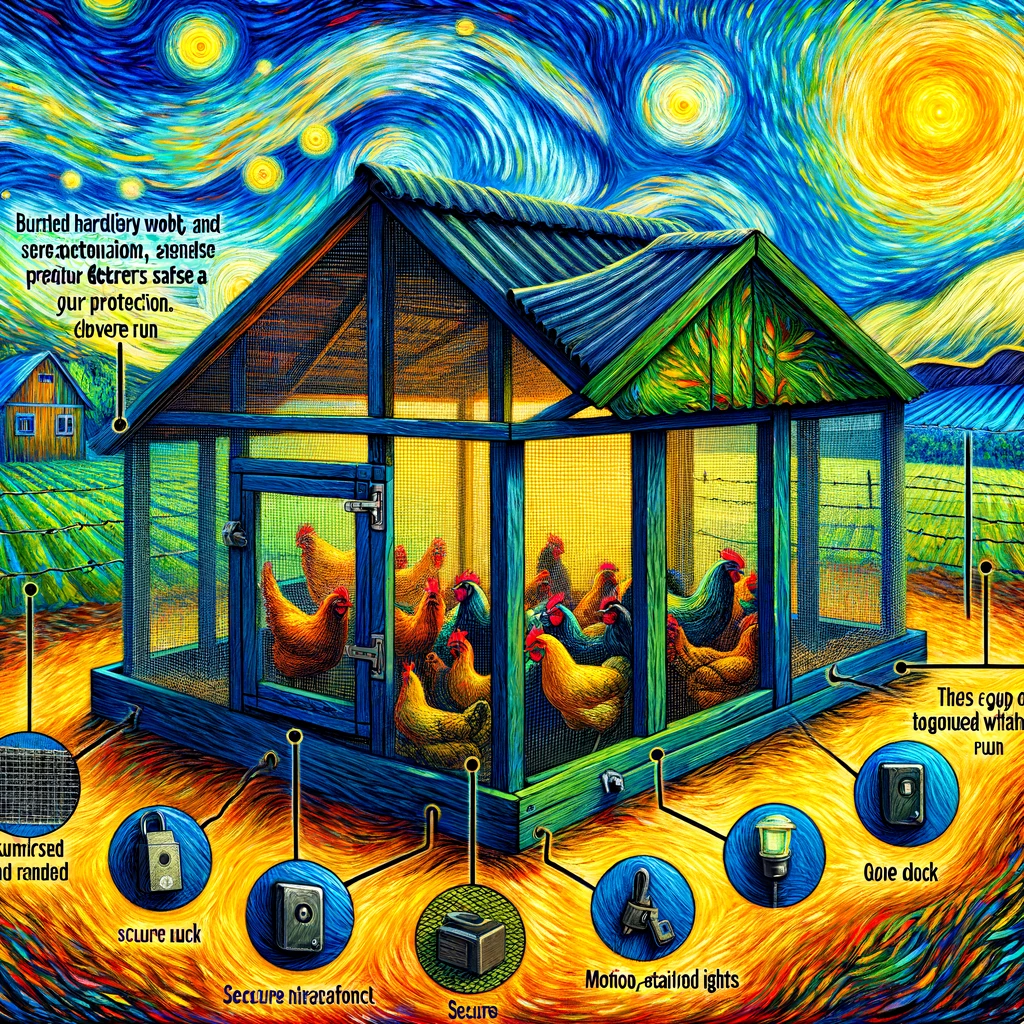
What Are The Challenges Seniors Face When Caring For Chickens?
Are There Specific Chicken Breeds Better Suited For Seniors?
When it comes to raising chickens, the notion of “backyard chickens” often springs to mind, and for good reason. They can be charming companions, and they provide a steady supply of fresh eggs, which is appealing for folks of all ages. But, for our senior citizens, selecting the right breed can make a significant difference in the overall experience. So, let’s dive into the cluckin’ details and find out which feathered friends might be best suited for our beloved elders.
First off, you want to consider temperament. Not every chicken is suited for the calm environment you expect in your backyard. Breeds like the Orpington or the Sussex are known for their docile nature. They are friendly and easier to handle, which means less stress and more joy when interacting with them. Picture this: a senior sitting in their backyard, a couple of gentle hens pecking about nearby, each one as calm as a lazy Sunday afternoon.
Next, let’s talk about egg production. While a rooster might think he’s the king of the coop, it’s the hens that lay the golden eggs. Breeds such as the Rhode Island Red and the Plymouth Rock are prolific layers, producing eggs on a regular basis without too much fuss. This is a wonderful bonus for seniors who enjoy the idea of self-sufficiency but might not want to chase after high-maintenance birds. Reliable layers make for easygoing mornings filled with the simple joy of collecting breakfast from the coop.
Another aspect to consider is size. Large breeds can be imposing, and they might not be the best choice for those with limited mobility. Bantams, or mini-chickens, are a fantastic option. They’re not just cute; they’re also manageable and incredibly friendly. Their small size allows for easier handling and less strain on joints when caring for them.
Lastly, consider climate adaptability. Some breeds, like the Wyandotte, are pretty resilient when it comes to various weather conditions. They’ll brave both the summer’s heat and winter’s chill, making them low-maintenance companions for your garden.
In summary, when sourcing the perfect chickens for our seniors, aim for the gentle giants of the coop, those that are easy on both the soul and the yard. With calm dispositions, prolific egg-laying, manageable sizes, and hardiness, the right breeds can turn a simple backyard into a veritable haven of relaxation and joy.

Are There Specific Chicken Breeds Better Suited For Seniors?
Are There Specific Chicken Breeds Better Suited For Seniors?
- Backyard chickens provide companionship and a steady supply of fresh eggs, appealing to people of all ages.
- Choosing the right chicken breed is important for seniors to enhance their experience.
- Calm breeds like Orpingtons and Sussex are ideal due to their friendly and docile nature.
- Prolific egg-layers such as Rhode Island Reds and Plymouth Rocks contribute to self-sufficiency for seniors without high-maintenance needs.
- Bantam chickens are a great option for those with limited mobility, offering small size and friendliness.
- Climate-resilient breeds like Wyandottes can adapt to various weather conditions, making them low-maintenance companions.
- The right chicken breeds can transform a backyard into a peaceful haven of relaxation and joy for seniors.

Are There Specific Chicken Breeds Better Suited For Seniors?
Conclusion
Alright folks, let’s bring this henhouse of information home. When we talk about chickens and seniors, it’s a tale that’s as heartwarming as it is fraught with unexpected twists. On the surface, raising backyard chickens might sound like a whimsical venture, conjuring images of fresh eggs and sunny days. But hold onto your feed bags, because there’s more to this story than meets the eye.
For seniors, having chickens can be a double-edged sword. On one hand, these feathery companions can encourage a routine, inject physical activity into daily life, and even foster those essential social connections. Who knew that a clucking hen could become a conversation starter at the neighborhood gathering or the glue in a budding friendship? There’s an undeniable charm when seniors take on the role of poultry parent, with a purpose that pulls them out into the open air, engaging them in ways that go beyond mere exercise. The tasks—feeding, cleaning, and collecting eggs—transform from mundane chores into invigorating routines that promote both physical and mental well-being.
But—as with any love story—there are complications. The unpredictable nature of chickens, coupled with the mobility challenges some seniors may face, can create a scenario where excitement turns to anxiety. Picture Harold again, raking those leaves only to be bombarded by an enthusiastic hen—it’s hilarious until it’s not. The apprehension of dealing with these feathered critters might drive some seniors back inside, potentially replacing fresh air with a more sedentary lifestyle.
So, it’s crucial for seniors to tread carefully. Understanding the commitment involved in chicken care, along with considerations about mobility, local laws, and costs, can help in making informed decisions that serve their best interests. There are indeed specific breeds that can make chicken-keeping more enjoyable for seniors, focusing on good temperament, manageable size, and low maintenance.
In the end, whether chickens turn out to be a source of joy or stress depends on an individual’s circumstances and approach. It’s not just about the eggs; it’s about the enriching experience—or, perhaps, the delightful chaos—that these birds can bring into everyday life. So as we close the coop door on this topic, let’s remember: with the right mindset and preparation, backyard chickens can cluck their way into our hearts and homes, providing laughter, activity, and a sense of purpose that we all crave, especially in our golden years.

Conclusion
Conclusion:
- Raising backyard chickens offers surprising benefits for seniors, including fresh eggs and physical activity.
- Chickens can help establish daily routines and promote social connections in the community.
- Poultry parenting encourages seniors to engage actively, transforming chores into invigorating routines.
- However, chicken-keeping presents challenges, particularly for seniors with mobility issues.
- Understanding the commitment, including local regulations and costs, is crucial for informed decisions.
- Certain chicken breeds are more suitable for seniors due to temperament and maintenance needs.
- Ultimately, the experience of raising chickens can vary widely, enriching daily life with joy or stress.

Conclusion
Other Resources

Other Resources
Here is a list of other resources you can review online to learn more:
Use This Prompt To Get More Resources With Your Favorite Online AI Tool: Please provide me with a list of online articles with their URLs in a bulleted list that I can read regarding Could Chickens Actually Discourage Seniors From Outdoor Activity?

Other Resources
Glossary Terms
Could Chickens Actually Discourage Seniors From Outdoor Activity? – Glossary Of Terms
1. Chickens: Domesticated birds often kept for egg production and meat; their presence may influence human interaction with outdoor spaces.
2. Outdoor Activity: Any physical or recreational activity that takes place outside, including walking, gardening, or exercising.
3. Seniors: Older adults, typically defined as individuals aged 65 and above, often facing unique health and mobility challenges.
4. Encouragement: The act of motivating or promoting a course of action, such as engaging in physical activity.
5. Discouragement: The act of dissuading or preventing someone from pursuing an activity, which could be influenced by environmental factors.
6. Urban Farming: The practice of cultivating, processing, and distributing food in or around urban areas, often involving chickens for egg production.
7. Perceived Safety: A subjective assessment of safety that can impact individuals’ willingness to engage in outdoor activities, possibly influenced by animals like chickens.
8. Animal Interaction: Engagement with animals, which can be both positive and negative; for some seniors, chickens may be a source of stress rather than joy.
9. Mobility Issues: Physical limitations that can hinder an individual’s ability to move freely, potentially affecting their outdoor activity levels.
10. Social Isolation: A lack of social connections or interactions, which is prevalent among some seniors and may lead to reduced outdoor activity.
11. Behavioral Psychology: The study of how animals and humans respond to various stimuli in their environments, relevant in understanding human-animal interactions.
12. Community Gardens: Shared plots of land where individuals cultivate food; the presence of chickens may alter the dynamics of these spaces.
13. Fear of Animals: An aversion or anxiety associated with animals, such as chickens, which can deter seniors from participating in outdoor activities.
14. Health Benefits: The positive outcomes related to physical activity, including improved cardiovascular health, strength, and mental well-being.
15. Physical Environment: The outdoor spaces that seniors use, which can be shaped by the presence of gardens, livestock, and other community features.
16. Stress Relief: The process of alleviating stress, which outdoor activity can facilitate, potentially curtailed by negative experiences with chickens.
17. Companionship: Emotional support or friendship derived from pets or animals; while chickens can provide benefits, they might also deter some seniors.
18. Lifestyle Changes: Adjustments in daily habits that can affect the degree of physical activity, particularly in older adults.
19. Animal Welfare: The consideration of the well-being of animals, which may dictate how animals like chickens are kept and interacted with in community settings.
20. Psychosocial Factors: Social and psychological influences that can affect behavior, particularly for seniors engaging in outdoor activities.
21. Risk Perception: How individuals assess potential risks associated with certain activities, influencing their willingness to engage outdoors.
22. Loneliness: A feeling of disconnection or lack of companionship that can be heightened by environmental factors, including animal presence.
23. Participation Barriers: Factors that limit an individual’s ability or desire to engage in outdoor activities, such as fear or discomfort around animals.
24. Aging in Place: The ability of seniors to remain in their homes and communities while aging, which can be influenced by local environments.
25. Animal-Assisted Therapy: Therapeutic interactions with animals that can provide emotional support but might be scary for some seniors if poorly managed.
26. Community Engagement: The participation of residents in community activities, which may be affected by the presence of animals like chickens.
27. Cognitive Function: Mental processes such as memory and reasoning that can be positively impacted by outdoor activity, possibly mitigated by stress.
28. Local Ordinances: Laws and regulations governing the keeping of animals like chickens, which may influence whether seniors feel comfortable outdoors.
29. Agricultural Education: Programs aimed at teaching individuals about farming practices, which may involve chickens and thus affect their outdoor engagement.
30. Wellbeing: A holistic view of health, encompassing physical, mental, and social aspects; outdoor activity is a key contributor, possibly hindered by perceived threats from animals.

Glossary Of Terms
Other Questions
Could Chickens Actually Discourage Seniors From Outdoor Activity? – Other Questions
If you wish to explore and discover more, consider looking for answers to these questions:
- What are the potential health risks of keeping chickens for seniors?
- How can seniors ensure their safety when interacting with chickens?
- What specific tasks are involved in caring for chickens on a daily basis?
- Are there particular health benefits associated with eating homegrown eggs?
- How much space is required to keep chickens comfortably in a backyard?
- What are the best practices for maintaining a clean and healthy chicken coop?
- How can seniors find community support or resources for chicken care?
- What signs should seniors look for to determine if their chickens are healthy?
- Are there any specific training or learning resources available for seniors interested in raising chickens?
- What are the emotional benefits beyond companionship that chickens offer to seniors?
- How can seniors manage the costs associated with chicken ownership?
- What are the environmental impacts of raising chickens in an urban setting?
- How can chickens positively influence social interactions among seniors and their neighbors?
- What steps should seniors take if they can no longer care for their chickens?
- How do seasons affect chicken care and outdoor activity for seniors?

Other Questions
Haiku
Could Chickens Actually Discourage Seniors From Outdoor Activity? – A Haiku
Chickens in the yard,
Joy and fear intertwine,
Life’s cluck brings new hope.

Haiku
Poem
Could Chickens Actually Discourage Seniors From Outdoor Activity? – A Poem
In suburbia’s heart, where lawns are neat,
A trend has hatched—who’d think it so sweet?
Backyard chickens, with feathers all bright,
Could sway the elderly’s love for sunlight.
For some, they bring joy—a daily delight,
With fresh eggs to gather, a reason for light.
Yet for others like Harold, who rakes with a sigh,
A cluck can bring dread—he wonders, “Oh my!”
Chickens, you see, can be fowl with a cause,
An adventure turned challenge, missing the applause.
A dance with the pecking, a flurry of flight,
Transforms calm strolls into whimsical fright.
Yet gratitude blooms in the chores that they share,
While feeding and tending, they breathe in the air.
Routine finds its rhythm; responsibilities grow,
A bond with creation—a splendid tableau.
But practical thoughts weave through feathered cheer,
As physical demands may silently leer.
Can they manage the lifting, the cleaning with grace?
Each coop holds a promise, yet also a chase.
And amidst flocks of joy, loneliness stirs,
Though clucks may bring company, isolation occurs.
But for those who find laughter in whimsical play,
Chickens turn moments to gold in each day.
So who will they choose, those gentle of heart?
Orpingtons and Sussex—a calm counterpart.
With patience and care, a serene backyard,
Can weave in their stories and make life less hard.
Ultimately, the answer isn’t just clucks,
But the weaving of life, in all of its flux.
For in gathering joy, and facing the fears,
Chickens, it seems, can lighten the years.

Poem
Checklist
Could Chickens Actually Discourage Seniors From Outdoor Activity? – A Checklist
1. Assess Physical Ability:
_____ Can you manage daily tasks like feeding, watering, and cleaning?
_____ Do you have mobility concerns that might make handling tasks difficult?
2. Evaluate Commitment:
_____ Are you ready for a long-term commitment (average chicken lifespan 5-7 years)?
_____ Do you have the time to dedicate to the daily care of chickens?
3. Check Local Regulations:
_____ Are there zoning laws or restrictions on keeping chickens in your area?
_____ Do you need any permits or approvals from the local council?
4. Understand Financial Obligations:
_____ Have you budgeted for chicken feed, bedding, and potential veterinary care?
_____ Are you aware of any unexpected costs that could arise?
5. Consider Chicken Breeds:
_____ Do you prefer docile breeds like Orpington or Sussex that are easier to handle?
_____ Would you benefit from prolific layers such as Rhode Island Reds or Plymouth Rocks?
_____ Are small breeds (Bantams) a better option for easier management?
6. Look for Social Aspects:
_____ Are you interested in connecting with neighbors or community members through chicken-keeping?
_____ Can chickens help reduce feelings of loneliness or improve social interactions?
7. Plan for Emotional Well-being:
_____ Will caring for chickens provide you with a sense of purpose and routine?
_____ Can the interactions with chickens foster a bond that alleviates loneliness or anxiety?
8. Evaluate Your Environment:
_____ Do you have a safe and appropriate space for a chicken coop?
_____ Is your yard suitable for chickens, considering space and access?
9. Prepare for Maintenance Tasks:
_____ Are you comfortable with the physical demands of cleaning a coop and managing hen health?
_____ Do you have support or assistance available if needed?
10. Enjoy the Benefits:
_____ Are you excited about the prospect of fresh eggs and the joy of raising animals?
_____ Will you appreciate the physical activity and daily routines that come with chicken-keeping?
Before diving into the rewarding but challenging world of backyard chickens, ensure that you consider these factors to create a fulfilling and enjoyable experience. Happy clucking!

Checklist
At BackyardChickenNews, we help people who want to raise backyard chickens by collating information and news blended with our own personal experiences.
Be sure to read our other related stories at BackyardChickenNews to learn more about raising chickens in your backyard.