

Redefining Sustainability: From Farm To Feed, Gen Z’s Ecoflock Movement
By Tom Seest
At BackyardChickenNews, we help people who want to raise backyard chickens by collating information and news blended with our own personal experiences.
Be sure to read our other related stories at BackyardChickenNews to learn more about raising chickens in your backyard.
#Ecoflock – How Gen Z Made Pasture-Raising a Viral Lifestyle
In recent years, a remarkable shift has taken place—one that finds its roots in the very soil of sustainability and connection. It’s a movement that has sprung from urban backyards and farms, where the humble yet noble practice of pasture-raising has caught the imagination and hearts of Gen Z. Imagine a generation brimming with passion and purpose, redefining their relationship with food, land, and living creatures. These young visionaries have made it clear: the future of our plates, our planet, and our community lies in how we nurture our most fundamental resources.
When individuals adopt practices like raising backyard chickens, they’re not merely engaging in a hobby; they’re joining a collective that values transparency, compassion, and responsibility. Raising chickens isn’t just about fresh eggs; it’s about understanding the intricate web of life that sustains us. These young advocates, armed with their smartphones, have taken their stories online, showcasing the challenges and joys of nurturing life while opting for pasture-raised alternatives. They’ve turned what was once an obscure practice into a trending lifestyle choice, appealing not just to their instincts but to their intellect. They understand the positive environmental impacts of pasture-raising, such as enriched soil, reduced carbon footprints, and healthier ecosystems.
This shift is as much about ethical consumption as it is about delicious, nutritious food. Every farm-to-table meal becomes a dialogue of trust between producer and consumer. A backyard chicken owner can confidently stand behind their choices, knowing their eggs come from a life well-lived, not a factory line. There’s a profound connection between people and their food—one that fosters a sense of ownership and accountability.
Engagement on social media platforms enhances this movement, creating a vibrant community rooted in shared values. Every post about caring for chickens, planting vegetables, or crafting organic meals opens the door to discussions in kitchens and classrooms across the globe. As these voices echo through feeds, they echo deeply in the hearts of the audience. They intertwine personal narratives with global impacts, making sustainability tangible and relatable.
So, if you ever find yourself torn between choosing convenience or conscience, remember: each decision contributes to a larger story. Embrace these changes within your own life—because every small effort counts. By supporting pasture-raising, you’re not just feeding yourself; you’re feeding a movement that binds us all together, celebrating the beauty of a sustainable future.
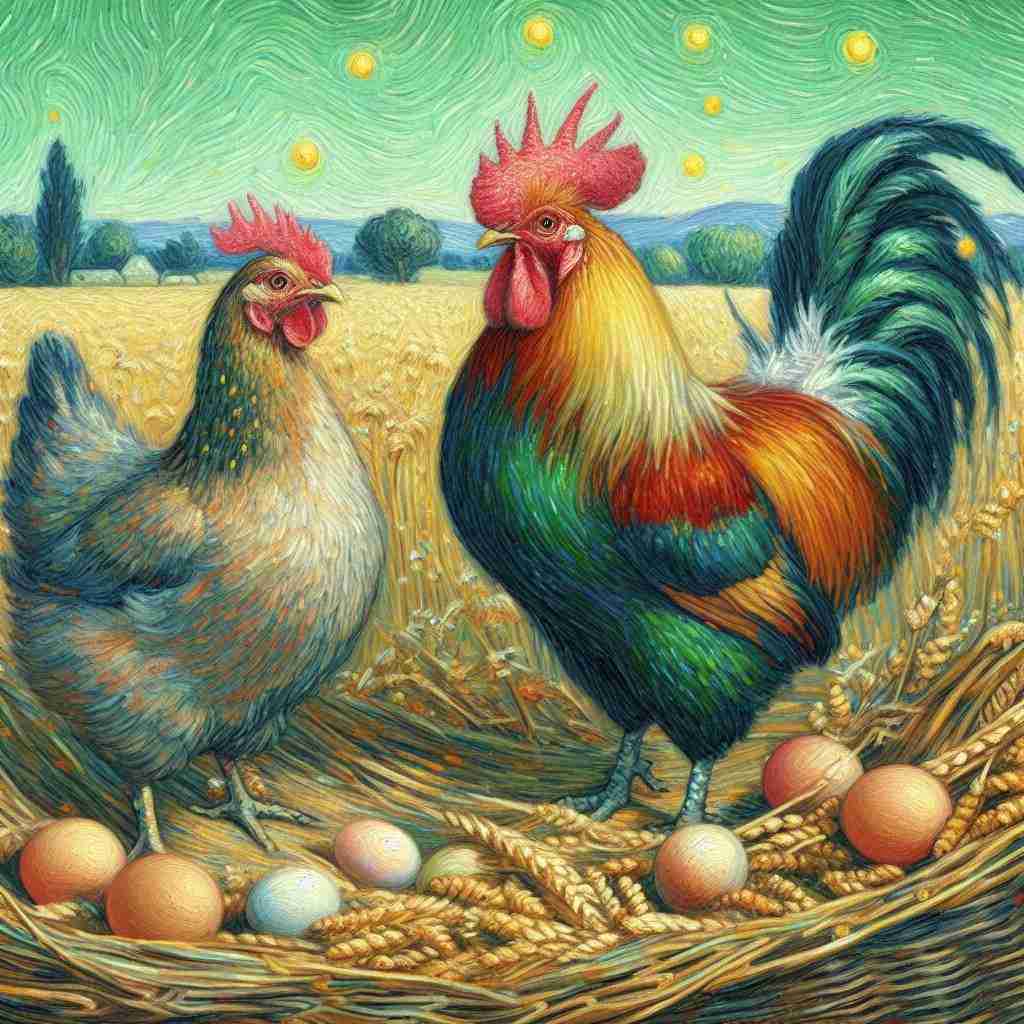
#Ecoflock – How Gen Z Made Pasture-Raising a Viral Lifestyle
#Ecoflock – How Gen Z Made Pasture-Raising a Viral Lifestyle
- A significant shift towards sustainability and connection is rooted in urban farming practices.
- Gen Z is passionately redefining their relationship with food, land, and animals through pasture-raising.
- Backyard chicken raising promotes transparency, compassion, and responsibility beyond being just a hobby.
- The movement highlights positive environmental impacts, such as enriched soil and healthier ecosystems.
- There is a strong connection between ethical consumption and the trust built through farm-to-table practices.
- Social media fosters a vibrant community that shares values and promotes discussions on sustainable practices.
- Every choice contributes to a larger narrative, encouraging individual efforts to embrace sustainability.

#Ecoflock – How Gen Z Made Pasture-Raising a Viral Lifestyle
Table Of Contents
- #Ecoflock – How Gen Z Made Pasture-Raising a Viral Lifestyle
- How Can Ethical Farming Impact Our Health?
- Why Is Gen Z Drawn to Sustainable Food Choices?
- Are Grass-Fed Animals Happier Than Those In Factory Farms?
- What Role Does Social Media Play In Promoting Eco-Friendly Practices?
- How Can We Measure the Benefits Of Pasture-Raising on Animal Welfare?
- What Stories Inspire Gen Z to Advocate for Pasture-Raised Foods?
- Is Pasture-Raising a Financially Viable Alternative for Farmers?
- Conclusion
- Other Resources
- Glossary Of Terms
- Other Questions
- Haiku
- Poem
- Checklist
How Can Ethical Farming Impact Our Health?
Ethical farming isn’t just a trend; it’s a lifeline to healthier living, both for ourselves and the world around us. Picture this: the sun rising over a small family farm, where chickens roam freely in a backyard, pecking diligently at the earth, giving us fresh eggs? It’s more than just a picturesque scene; it’s a testament to how farming with purpose can transform our health.
When we embrace ethical practices, there’s a ripple effect. Those backyard chickens, for instance, might seem like a quaint hobby, but they symbolize something profound. They represent a choice—a choice to know where our food comes from. This transparency fosters trust. No more hidden ingredients or questionable sourcing; we connect directly to the source. Imagine cracking an egg and knowing that it came from a chicken that lived a happy, healthy life. That’s a meal filled with more than just nutrients; it’s filled with confidence.
But let’s not overlook the gut. Eating ethically raised meat and produce strikes a powerful chord, positively affecting our physical health. Research has shown that the nutritional content of food produced through ethical means—rich soil, animal welfare, and sustainable practices—often surpasses that of mass-produced options. It’s not just a feel-good story; it’s science backing up the truth that what we eat shapes our bodies, minds, and spirits. Our health isn’t solely a personal journey; it’s entwined with the collective practices of everyone who partakes in this food system.
Moreover, the community aspect of ethical farming taps into something deep within us. When we support local farms, we nurture relationships that go beyond transactions. We become stewards of our environment, and together, we foster a culture that prioritizes our planet’s well-being. It’s not just about one person raising backyard chickens; it’s about neighborhoods coming together—trading fresh produce, sharing tips, and, yes, even laughing over gardening mishaps.
The choice is ours: we can either feed a broken system or support one that heals. Ethical farming invites us to reclaim our health while respecting nature and one another. It’s a call to action, a gentle nudge towards a way of life that honors our bodies and our community. Let’s get back to our roots, embrace the power of ethical choices, and watch as it nourishes us all.

How Can Ethical Farming Impact Our Health?
How Can Ethical Farming Impact Our Health?
- Ethical farming is essential for healthier living for individuals and the planet.
- Backyard chickens symbolize meaningful choices about food origins and promote transparency.
- Eating ethically raised food fosters trust and leads to meals enriched with confidence.
- Research shows that ethical farming methods often result in superior nutritional content compared to mass-produced options.
- Our health is interconnected with the collective practices of the food system and community.
- Supporting local farms strengthens community relationships and environmental stewardship.
- Ethical farming encourages a lifestyle that honors health, nature, and community connection.

How Can Ethical Farming Impact Our Health?
Why Is Gen Z Drawn to Sustainable Food Choices?
When you think about the heart of food choices today, you might be surprised to find that it’s not just about taste or necessity; it’s about purpose. Gen Z is navigating a world that feels increasingly fragile, and many are responding with an appetite for sustainable food practices. These choices aren’t merely a trend; they’re a lifeline that helps them connect to something bigger than themselves, something they can believe in.
Picture a vibrant backyard, teeming with life and lush, verdant greens. Here, backyard chickens scratch at the earth, their simple existence teaching valuable lessons about responsibility, stewardship, and the tangible rewards of nurturing life. This hands-on approach is becoming a badge of honor among young people, a testament to their desire for authenticity. Raising chickens isn’t just about getting fresh eggs; it’s a way to engage with food systems and understand where their nourishment comes from. For Gen Z, it’s about community, vitality, and reclaiming a sense of connection that modern life often sidelines.
But it doesn’t stop at anecdotal charm; the rational mind craves data. Studies show that sustainable practices—like opting for local food sources or plant-based diets—can significantly reduce one’s carbon footprint. Young people, equipped with a global perspective and a strong sense of ethics, are embracing these choices as a moral imperative. They’re not just consuming; they’re making statements with every bite that echo louder than logos on packaging. The drive to support ethical farming, fair labor practices, and environmental well-being taps into their desire for justice, aligning their values with their plates.
Furthermore, the narrative of sustainability is woven through powerful social media stories that resonate deeply. The visual appeal of a colorful, plant-rich meal garnished with herbs from your own windowsill becomes a trending tale, sparking discussions that extend beyond Instagram into real-life action. Food becomes a conversation starter, a way of uniting peers around shared values and a collective vision for the future.
This generational shift isn’t just about eating differently; it’s about believing in a different world. Gen Z is fostering a culture of trust through transparency and change. When they choose sustainable options, they stand up for the planet and each other, demanding a healthier tomorrow. The call is clear: it’s time to make food choices that not only satisfy our appetites but also honor the earth we all share. So set those sustainable goals, consider backyard chickens, and remember—you’re part of something extraordinary.
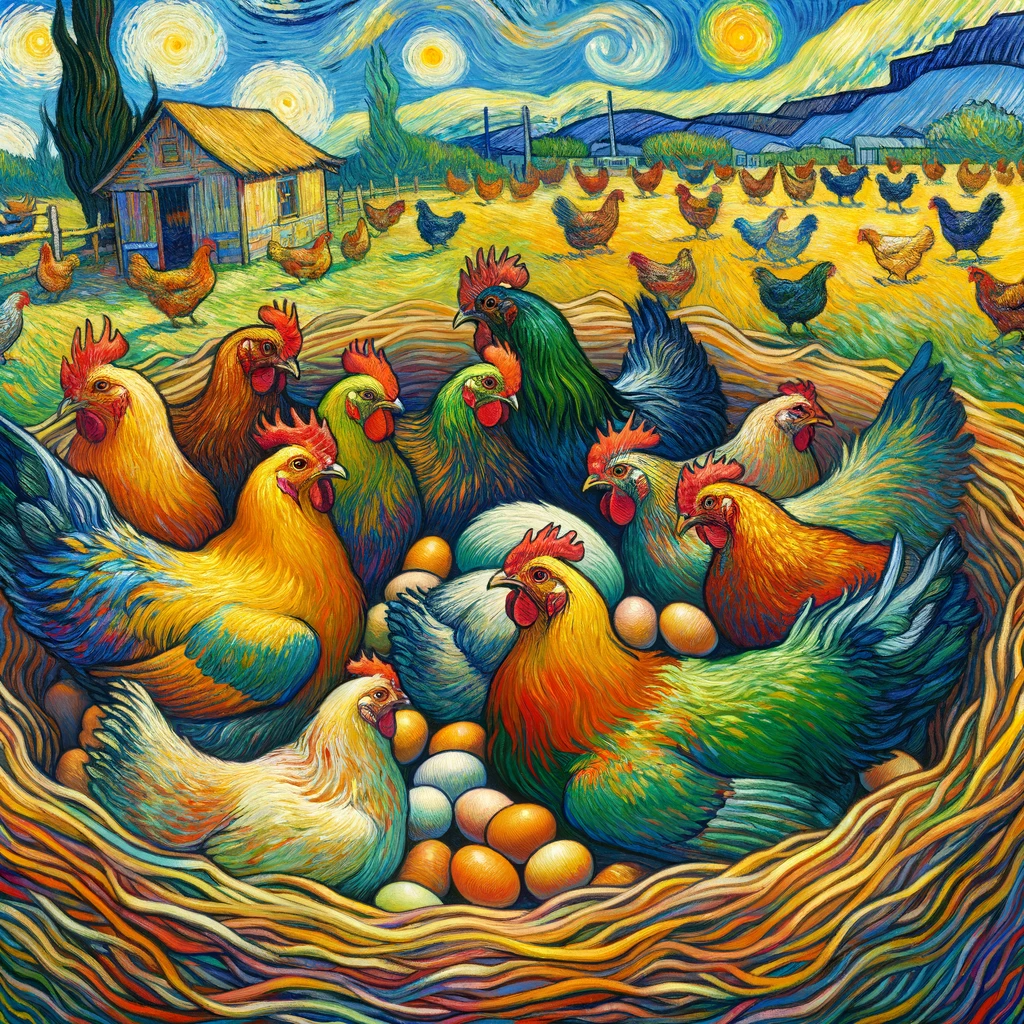
Why Is Gen Z Drawn to Sustainable Food Choices?
Why Is Gen Z Drawn to Sustainable Food Choices?
- Food choices for Gen Z are driven by purpose, not just taste or necessity.
- There is a growing appetite for sustainable food practices among young people.
- Backyard chicken-raising symbolizes responsibility and authenticity for Gen Z.
- Engagement with food systems helps young people connect with their nourishment sources.
- Sustainable practices, such as local food sourcing and plant-based diets, reduce carbon footprints.
- Social media amplifies narratives around sustainability, sparking real-life discussions and actions.
- Gen Z emphasizes transparency and change, aiming for a healthier future through their food choices.

Why Is Gen Z Drawn to Sustainable Food Choices?
Are Grass-Fed Animals Happier Than Those In Factory Farms?
When we talk about grass-fed animals, we’re really diving into the heart of something essential: the connection between food, ethics, and our role in the natural world. Picture this: a sprawling pasture where cows are free to roam, their bellies filled with fresh grass, the sun beaming down, bringing life to every corner of the field. This is the life of grass-fed livestock, living in a way that feels right—not just for them, but for us as consumers who care where our food comes from.
Now, consider factory farms. Animals crammed into tight spaces, deprived of the ability to move freely or express their natural behaviors. The air is stale, the conditions barely humane, and it’s no surprise that these animals face significant stress. Ethically speaking, an animal’s quality of life is profoundly compromised in such environments. When we understand this, it becomes hard to look away. The question isn’t just about taste or quality; it’s about compassion and doing right by creatures that share our planet.
Engaging with grass-fed production means that we take action toward sustainability and ethical treatment. Many of us have seen the viral images of backyard chickens pecking around in the dirt, unfettered and content. There’s a profound sense of peace that comes when we know the life of an animal is respected and valued. Grass-fed animals, whether cows, chickens, or pigs, often live healthier, more fulfilling lives. Their happiness radiates through the quality of their meat, enriching our own lives in a deliciously tangible way.
But it’s about more than just taste; it’s about joining a movement. Choosing grass-fed isn’t only an individual decision—it’s a collective stand against the practices that degrade our food systems. When you bite into that juicy, responsibly raised steak or enjoy your eggs from a happy hen, you’re casting a vote for a more ethical, humane approach to farming.
So, let’s make a conscious choice. Let’s stand for animals that roam free, that graze on vibrant pastures, and that reflect the ethics we hold dear. Trust in the goodness of grass-fed—it’s not just a style of farming; it’s a way of connecting back to our roots, one meal at a time.

Are Grass-Fed Animals Happier Than Those In Factory Farms?
Are Grass-Fed Animals Happier Than Those In Factory Farms?
- Grass-fed animals represent the connection between food, ethics, and our role in nature.
- They live freely in pastures, embodying a lifestyle that benefits both them and conscious consumers.
- Factory farms trap animals in cramped conditions, compromising their quality of life and causing stress.
- Understanding these conditions emphasizes the importance of compassion towards animals.
- Engaging in grass-fed production supports sustainability and ethical treatment of livestock.
- Choosing grass-fed is a collective movement against damaging farming practices.
- Grass-fed farming connects us to our roots and encourages responsible food choices.

Are Grass-Fed Animals Happier Than Those In Factory Farms?
What Role Does Social Media Play In Promoting Eco-Friendly Practices?
In today’s interconnected world, social media has emerged as a powerful force in promoting eco-friendly practices. It’s not just a platform for selfies and cat videos; it’s a digital town square where the conversation about sustainability is alive and well. Imagine scrolling through your feed and coming across a heartwarming post about someone’s backyard chickens. It sparks joy and curiosity, reminding us that eco-friendly living isn’t just possible—it can be delightful.
Social media allows everyday people to share their stories, creating relatable narratives that resonate deeply. You see a neighbor transform their small patch of land into a thriving garden, or a local business owner commit to reducing plastic waste. These stories are compelling, tapping into our human desire for connection and community. They inspire us to think about the choices we make every day and how they impact our environment.
But it’s not all heartwarming tales. Social media also serves as an effective tool for rational appeals, providing valuable information and practical tips for eco-conscious living. Influencers and experts share science-backed insights on climate change and demonstrate how small actions can lead to significant collective impact. For example, a simple post offering guidance on composting or reducing energy consumption can empower thousands to join the movement toward sustainability. This accessible knowledge fosters confidence—individuals realize they have the power to make a difference.
Ethically, social media can hold individuals and corporations accountable. Awareness campaigns about pollution, deforestation, and climate injustice gain traction, educating a wider audience. When people are presented with stark realities, it stirs a gut reaction that urges them to act, to demand change from businesses and policymakers. This tidal wave of demand can shift societal norms; suddenly, eco-friendly practices aren’t just alternatives—they become the expected standard.
The influence of social media can’t be underestimated. It cultivates a community of like-minded individuals, creating a sense of shared purpose. Each click, share, and comment contributes to a larger movement, where stories of resilience and innovation inspire action. It’s a reminder that while we may feel small in the grand scheme of things, together, our efforts weave a tapestry of hope. So, next time you see that cute post about backyard chickens, remember: engaging with inspiring content can be your first step toward a more sustainable lifestyle. It’s about finding your voice in a chorus of change, and together, we can make a melody that echoes for generations to come.

What Role Does Social Media Play In Promoting Eco-Friendly Practices?
What Role Does Social Media Play In Promoting Eco-Friendly Practices?
- Social media has become a vital platform for promoting eco-friendly practices beyond just entertainment.
- Relatable narratives from everyday people inspire curiosity and joy about sustainable living.
- Stories of local transformations encourage reflection on personal choices and their environmental impact.
- Social media provides valuable information and practical tips for eco-conscious living, supported by influencers and experts.
- It empowers individuals with knowledge and confidence to effect change through small actions.
- Social media holds individuals and corporations accountable, raising awareness about environmental issues.
- The collective power of social media fosters a community of individuals united in the pursuit of sustainability.

What Role Does Social Media Play In Promoting Eco-Friendly Practices?
How Can We Measure the Benefits Of Pasture-Raising on Animal Welfare?
When we think about pasture-raising, we often focus on the food on our plates, but let’s take a step back and look at the bigger picture—animal welfare. Picture this: flocks of backyard chickens pecking their way through lush, green pastures, basking in the sunlight, and living their best lives. This isn’t just a quaint image; it’s a reality worth striving for. But how do we measure the benefits of this lifestyle when it comes to the welfare of our animals?
Let’s start with the heart. Imagine a chicken strutting through its natural environment, free to express its instincts—digging, scratching, and socializing with its flock. When we grant these animals the freedom to roam and engage in natural behaviors, we’re not just improving their physical condition; we’re enhancing their emotional well-being. This personal connection is vital—it’s what drives us, as caretakers and consumers, to demand better living conditions for all animals.
Now, let’s use our heads. Research shows that pasture-raised animals often exhibit lower stress levels. Data collected from various studies indicates that when animals are allowed access to the outdoors, they develop healthier immune systems and are less susceptible to disease. This isn’t just anecdotal; it’s science. The more we understand, the clearer it becomes: better systems yield better outcomes, both ethically and economically.
But hold on, let’s not forget the ethical component. Our moral compass urges us to treat animals with decency. When we support pasture-raising, we take a stand against confinement practices that are known to inflict suffering. Ethical farming becomes a badge of honor—a pledge to nurture, rather than exploit.
And let’s not overlook the social aspect. When we gather around the dinner table, sharing stories and meals raised in harmony with nature, we bond over something deeper than mere nutrition. It becomes a conversation about values and choices, inspiring us to connect with our communities. Together, we can create a culture that prioritizes the well-being of animals.
So, let’s advocate for a system that respects life—where our backyard chickens did not just survive, but thrived. The benefits of pasture-raising reach far beyond the farm; they touch our hearts, spark our intellect, and resonate in our guts. It’s a movement that demands attention, fostering a community that believes every living creature deserves care and dignity. Think about that next time you’re deciding where your next meal comes from. Your choice can echo beyond your plate and into the world.

How Can We Measure the Benefits Of Pasture-Raising on Animal Welfare?
How Can We Measure the Benefits Of Pasture-Raising on Animal Welfare?
- Pasture-raising focuses on animal welfare, not just food quality.
- Animals like backyard chickens flourish in natural environments, enhancing their welfare.
- Granting animals freedom promotes both physical health and emotional well-being.
- Research indicates that pasture-raised animals have lower stress and healthier immune systems.
- Support for pasture-raising opposes inhumane confinement practices, representing ethical farming values.
- Sharing meals raised harmoniously with nature fosters community connection and values.
- Choosing pasture-raised products contributes to a movement advocating for the dignity of all living creatures.

How Can We Measure the Benefits Of Pasture-Raising on Animal Welfare?
What Stories Inspire Gen Z to Advocate for Pasture-Raised Foods?
When you think about what drives Gen Z to advocate for pasture-raised foods, consider the stories woven into their everyday lives. It starts in the backyard, where kids like many of us once were, are rediscovering the joy of tending to their own Backyard Chickens. These aren’t just birds; they’re living examples of responsibility, care, and the natural cycle of life. Imagine a young person who learned the value of fresh eggs from a flock they helped nurture. They understand, deeply, that those eggs come from hens that roamed freely, basking in the sun, not from a sterile conveyor belt. This connection to the source grounds their advocacy in something tangible and real.
They advocate not just for food but for a philosophy. It’s a heartfelt rallying cry for ethical consumption rooted in a simple truth: we thrive when our food systems thrive. Rationally, they see the health benefits of pasture-raised foods — higher nutrients, fewer chemicals, a better food experience. It’s hard to argue against that, isn’t it? When a meal nourishes the body and soul, it resonates beyond just hunger.
But it goes deeper than that. Gen Z is the generation raised on climate activism, social movements, and an acute awareness of their interconnections with the world. They’ve heard the staggering statistics about factory farming — the environmental degradation and the treatment of animals. Their empathy becomes a catalyst for change, propelling them to advocate for methods of farming that are *not just better* but essential. It’s about justice — both for the creatures we share this planet with and for the planet itself.
The voices of authority guide them, from farming advocates to passionate chefs who champion local, sustainable practices. It gives them the confidence that what they’re supporting is worthy, not just trendy. Each time they see someone grow their own food or visit local farms, they understand the power of community engagement and the social fabric that connects us all.
These shared stories create a bond, a community rooted in trust. They’re figuring out together that food should be more than sustenance; it should be an experience worth fighting for. As they take a stand for pasture-raised foods, they’re also standing up for a brighter future — one where compassion meets action, and every meal tells a story.

What Stories Inspire Gen Z to Advocate for Pasture-Raised Foods?
What Stories Inspire Gen Z to Advocate for Pasture-Raised Foods?
- Gen Z’s advocacy for pasture-raised foods is influenced by personal experiences, such as tending to backyard chickens.
- This connection fosters an understanding of food sources, contrasting pasture-raised eggs with industrial alternatives.
- Their support encompasses a philosophy of ethical consumption, highlighting the importance of thriving food systems.
- Gen Z recognizes the health benefits of pasture-raised foods, which provide higher nutrients and fewer chemicals.
- Raised in an era of climate activism, they are aware of the negative impacts of factory farming on the environment and animal welfare.
- Influenced by authoritative voices like farming advocates and chefs, they gain confidence in supporting sustainable practices.
- Through shared stories and community engagement, Gen Z views food as a meaningful experience worth defending for a better future.

What Stories Inspire Gen Z to Advocate for Pasture-Raised Foods?
Is Pasture-Raising a Financially Viable Alternative for Farmers?
When you think of pasture-raising, picture the gentle sway of grasses under the sun, a symphony of clucking chickens, and cows lazily grazing, nibbling on nature’s bounty. This isn’t just some idyllic farm scene; it’s a vision of a sustainable future that many farmers are now embracing. But is this dreamy lifestyle financially viable? Let’s explore.
First, let’s talk money. Financially, pasture-raising can be a game-changer. Farmers can significantly reduce feed costs by letting animals forage naturally, promoting healthier livestock and, in turn, improving marketability. Consumers today, especially those who value ethically sourced and environmentally friendly products, are willing to pay premium prices for pasture-raised goods. That’s where the heart meets the head—caring deeply for animals and the earth while smartly navigating the financial realities of running a farm.
And let’s not ignore the ethical implications. Pasture-raising is built on the principles of animal welfare and environmental stewardship. Imagine knowing that your chickens, like the ones you may keep in your own backyard, lead happy, fulfilling lives, pecking through the grass and soaking in sunshine. They aren’t just numbers on a ledger; they are part of a narrative that aligns our moral compass with our economic choices. Choosing pasture-raising is a statement, a commitment to doing right by the planet and its creatures, fostering an ecosystem that thrives on mutual respect.
This is where social connection comes into play. Pasture-raised products create a deeper bond between consumers and producers. When people know their food is sourced ethically, they reconnect with the land and with those who nurture it. Farmers can share their stories—like how their cows graze boldly across open fields or how their laying hens inspire joy with each fresh egg. This storytelling taps into an authority built on experience and trust. It’s about building a tribe that values the journey of food as much as the food itself.
So, is pasture-raising financially viable? For many, it’s not just a way to survive; it’s a path toward thriving, both economically and morally. It’s an invitation to roll up your sleeves, grab that old pitchfork, and dig deep into an agrarian lifestyle that feeds not just the stomach, but the heart and soul of our communities.

Is Pasture-Raising a Financially Viable Alternative for Farmers?
Is Pasture-Raising a Financially Viable Alternative for Farmers?
- Pasture-raising embodies a sustainable farming vision, featuring animals grazing on natural forage.
- Financially, pasture-raising reduces feed costs, promoting healthier livestock and better marketability.
- Consumers are increasingly willing to pay premium prices for ethically sourced, pasture-raised products.
- Pasture-raising emphasizes animal welfare and environmental stewardship, aligning ethical beliefs with economic choices.
- It fosters social connections between consumers and producers, creating a deeper bond over ethically sourced food.
- Farmers can share their unique stories, creating trust and authority around their products.
- For many, pasture-raising is not just about survival, but is a pathway toward economic and moral thriving.

Is Pasture-Raising a Financially Viable Alternative for Farmers?
Conclusion
The Ecoflock movement represents a generational renaissance, where grassroots farming practices like pasture-raising are redefined through the eyes of Gen Z. This isn’t just about keeping backyard chickens or growing community gardens; it’s a profound transformation of our relationship with food, grounding vitality in sustainable practices and ethical consumption. This rising generation understands that the choices they make at the grocery store or in their own backyard echo far and wide, affecting not only their health but the health of the planet.
The allure of pasture-raising resonates deeply with empathetic individuals eager to reclaim the sacred bond between humanity and nature. When young people bring chickens into their lives, they learn the value of connection, nurture, and respect for the animals that provide for them. They are invested not just in the act of raising chickens but in a broader dialogue about sustainability. Choosing pasture-raised eggs or grass-fed beef becomes a conscious act, filled with purpose and reflective of a commitment to a more ethical food system.
Rationally, Gen Z recognizes the environmental impact of their choices—lower carbon footprints and healthier ecosystems result from sustainable farming methods. They are motivated by compelling data that reveals the nutritional advantage of pasture-raised options compared to mass-produced counterparts. This isn’t just eco-chic; it’s a well-researched way to fuel their bodies, transform food systems, and boost local economies.
Ethically, this movement confronts the injustices of factory farming and the moral obligations we hold toward all living beings. Every meal becomes a statement that reverberates through communities, inspiring conversations around kitchen tables everywhere. Social media amplifies these voices, transforming personal achievements in ethical farming into viral narratives that unite a generation around shared values of integrity and purpose.
Moreover, there’s something larger at stake here. Every choice compels us to reflect on our role as stewards of the earth. When Gen Z supports local farmers who champion ethical practices, they not only nourish their bodies with wholesome food—they support a culture of compassion that thrives on transparency and trust.
So, the next time you face a decision in the grocery aisle, remember that your choice is part of a broader narrative. You’re not just selecting a product; you’re participating in a movement that feeds not only your hunger but the hope for a sustainable future. Let’s embrace this journey together—one that honors our roots while paving new paths for healthier and more resilient communities.

Conclusion
Conclusion:
- The Ecoflock movement signifies a generational renaissance, redefining grassroots farming practices like pasture-raising through the lens of Gen Z.
- This movement transforms the relationship with food, prioritizing sustainable practices and ethical consumption that impact personal and planetary health.
- Young people are reclaiming a sacred bond with nature by raising chickens, learning about connection, nurture, and respect for the animals that provide for them.
- Gen Z is motivated by data highlighting the environmental benefits and nutritional advantages of sustainable farming methods over mass production.
- This ethical movement challenges factory farming injustices, turning meals into statements that spark conversations within communities.
- Social media amplifies personal achievements in ethical farming, creating viral narratives that unify a generation with shared values.
- Supporting local farmers not only nourishes bodies with wholesome food but also fosters a culture of compassion, transparency, and trust.

Conclusion
Other Resources

Other Resources
Here is a list of other resources you can review online to learn more:
- Houdan
- Andalusian
- Black Copper Marans
- Marek’s Disease
- Marsh Daisy
- Speckled Sussex
- cottage cheese
- Pullorum Disease
- Langshan
- Poultry Lice
- collards
- Dutch Bantam
- Sicilian Buttercup
- Barley
- sunflower
Use This Prompt To Get More Resources With Your Favorite Online AI Tool: Please provide me with a list of online articles with their URLs in a bulleted list that I can read regarding #Ecoflock – How Gen Z Made Pasture-Raising a Viral Lifestyle
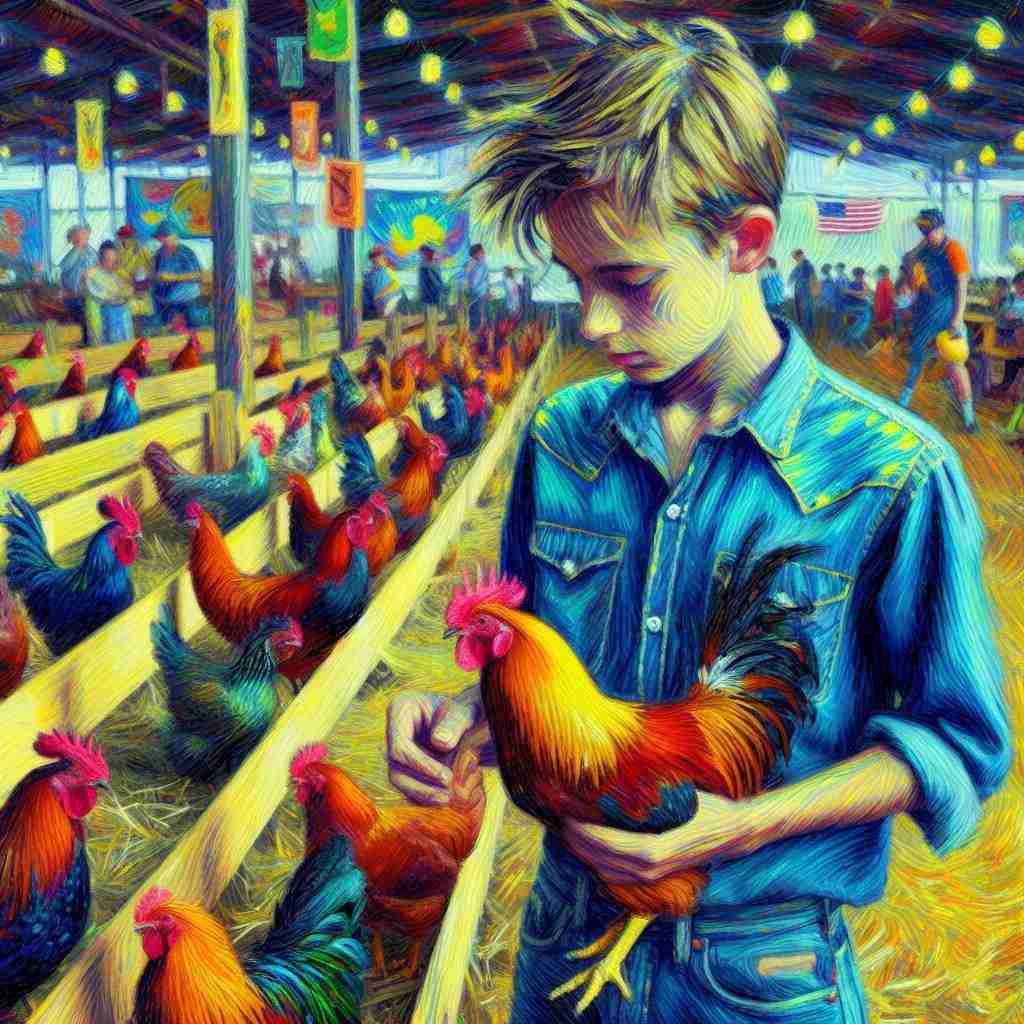
Other Resources
Glossary Terms
#Ecoflock – How Gen Z Made Pasture-Raising a Viral Lifestyle – Glossary Of Terms
1. EcoFlock: A movement championed by Gen Z emphasizing environmentally sustainable pasture-raising practices in livestock farming.
2. Pasture-Raising: A farming method where animals are raised on pasture rather than confined to barns, promoting animal welfare and natural behaviors.
3. Sustainability: Practices that meet current needs without compromising the ability of future generations to meet theirs, particularly in agriculture and environmental management.
4. Regenerative Agriculture: Farming practices that aim to restore and enhance the health of soils, ecosystems, and communities.
5. Viral Lifestyle: A trend that gains rapid popularity online through social media platforms, often associated with values or movements.
6. Cultural Shift: A significant alteration in the collective behavior, beliefs, or attitudes of a society, particularly in relation to food consumption and farming practices.
7. Transparency: The practice of openly sharing information about farming methods and sourcing, fostering trust between producers and consumers.
8. Animal Welfare: The humane treatment of animals, which focuses on their well-being and the ethical considerations of livestock farming.
9. Farm-to-Table: A movement that emphasizes sourcing food directly from local farms to ensure freshness and support local economies.
10. Local Sourcing: The practice of obtaining food products from nearby producers to reduce carbon emissions and support the community.
11. Climate Change: Long-term alterations in temperature and weather patterns, significantly influenced by agricultural practices and greenhouse gas emissions.
12. Consumerism: The culturally driven tendency to purchase goods and services, which influences demand for ethically produced products.
13. Plant-Based Diet: A dietary approach focused primarily on foods derived from plants, often associated with sustainability and health benefits.
14. Food Security: The state of having reliable access to sufficient quantities of affordable, nutritious food.
15. Ethical Consumption: The practice of purchasing goods produced under fair and humane conditions, reflecting a consumer’s values.
16. Social Media Influence: The capacity of individuals or groups to affect behaviors and opinions through online content and interactions.
17. Community Supported Agriculture (CSA): A farming model where consumers subscribe to receive regular shares of fresh produce directly from local farms.
18. Nutritional Integrity: The assurance that food products maintain high nutritional values and are produced without harmful additives.
19. Biodiversity: The variety of living species in an ecosystem, crucial for maintaining ecological balance and resilience.
20. Holistic Farming: An integrated approach to agriculture that focuses on the interdependence of crops, animals, and the environment.
21. Grass-Fed: Livestock that have been raised primarily on a diet of grass and forage, leading to different nutritional and environmental outcomes.
22. Veganism: A lifestyle choice that excludes all animal products, often driven by ethical, health, and environmental concerns.
23. Consumer Activism: Efforts by consumers to influence business practices and policy through purchasing choices and advocacy.
24. Food Miles: The distance food travels from production to consumer, highlighting the environmental impact of food transportation.
25. Aquaculture: The farming of aquatic organisms, often viewed alongside traditional farming concerning sustainability.
26. Zero-Waste: A philosophy aimed at minimizing waste production through conscious consumption, recycling, and composting.
27. Labeling: The practice of providing information on food packaging, which can include production methods, ingredients, and nutritional content.
28. Ecosystem Services: The benefits provided by natural environments, such as clean air, water filtration, and soil fertility that support agriculture.
29. Conscious Eating: The practice of being aware of the origins and effects of one’s food choices, leading to more responsible consumption habits.
30. Activism: Efforts to promote, impede, or direct social, political, economic, or environmental change, often through organized campaigns or movements.

Glossary Of Terms
Other Questions
#Ecoflock – How Gen Z Made Pasture-Raising a Viral Lifestyle – Other Questions
If you wish to explore and discover more, consider looking for answers to these questions:
- What specific practices are involved in pasture-raising?
- How does pasture-raising compare to traditional farming methods in terms of efficiency?
- What are the long-term environmental impacts of pasture-raising as opposed to industrial farming?
- How can individuals get started with backyard raising of chickens or other livestock?
- What challenges do farmers face when transitioning to pasture-raising?
- How does pasture-raising affect the nutritional content of food?
- What are the most common misconceptions about pasture-raising?
- How can consumers identify truly pasture-raised products in stores?
- What role do local governments play in supporting pasture-raising practices?
- Are there any organizations that promote pasture-raising and sustainable agriculture?
- How does the consumer demand for pasture-raised products affect the market?
- What stories or testimonials exist from farmers who have transitioned to pasture-raising?

Other Questions
Haiku
#Ecoflock – How Gen Z Made Pasture-Raising a Viral Lifestyle – A Haiku
Chickens roam freely,
Life nurtured with purpose smiles—
Taste the change we seek.

Haiku
Poem
#Ecoflock – How Gen Z Made Pasture-Raising a Viral Lifestyle – A Poem
In gardens green, a movement brews,
Where Gen Z thrives on ethical views,
Pastures wide, under sunlit skies,
Chickens roam free, while hope starts to rise.
From urban backs to fields of dreams,
Their hearts pulse strong in sustainable schemes,
Raising grains, and gathering eggs,
A bond with the earth that truly begs.
With every post on social feeds,
They weave a tapestry—planting seeds,
Of courage, compassion, a shared endeavor,
In kitchens united, we thrive together.
Rational minds now seek the truth,
Discerning connections, the wisdom of youth,
Lowered footprints and vibrant bites,
Nourishing bodies with ethical rights.
Farmers reaping the fruits of care,
Not just profits, but a vision we share,
Animals thriving, in fields that gleam,
A financial model with an ethical dream.
Empathy fuels the stories they tell,
Of flourishing farms, and lives lived well,
In the heart of each meal, a purpose resides,
Beyond mere survival, our spirit abides.
So gather ’round, and make the choice,
Each meal a voice, a hopeful noise,
For every egg, and every seed sown,
A chance to nurture a world we’ve known.
Let’s champion the roots of this vibrant call,
For together we rise, and together we fall,
In the dance of life, let’s weave connections tight,
Towards a future both just and bright.

Poem
Checklist
#Ecoflock – How Gen Z Made Pasture-Raising a Viral Lifestyle – A Checklist
Ecoflock Movement Checklist
Emotional Appeals
_____ Reflect on your food choices. How do you feel about where your food comes from?
_____ Consider the story behind your meals. Do they align with your values of compassion and sustainability?
_____ Share your experiences with others and engage in meaningful conversations about ethical consumption.
Rational Appeals
_____ Research the environmental benefits of pasture-raising (e. g. , carbon footprint reduction, healthier ecosystems).
_____ Explore the nutritional advantages of pasture-raised vs. conventionally-raised foods.
_____ Assess the financial implications of supporting local, pasture-based farmers versus industrial farming.
Ethical Appeals
_____ Identify the core ethical principles that guide your food choices (e. g. , animal welfare, environmental stewardship).
_____ Support initiatives that promote transparency in food sourcing and ethical farming practices.
_____ Evaluate the impact of your dietary choices on the broader community and ecosystem.
Authority Appeals
_____ Educate yourself on the best practices in sustainable farming by following expert voices in the field.
_____ Attend workshops or webinars led by proven advocates of ethical farming.
_____ Leverage insights from credible sources that highlight the benefits and challenges of pasture-raising.
Narrative Appeals
_____ Share personal stories of your engagement with sustainable practices (e. g. , raising chickens, gardening).
_____ Highlight success stories from local farmers committed to ethical and sustainable practices.
_____ Encourage others to document their journeys toward sustainable living and share them on social media.
Social Appeals
_____ Foster community connections by participating in local farmer’s markets or agriculture co-ops.
_____ Collaborate with neighbors to exchange resources, knowledge, or produce (e. g. , seed swaps, communal gardens).
_____ Engage in online platforms to share tips, recipes, and experiences related to pasture-raising and sustainability.
Practical Actions
_____ Set sustainable food goals for yourself and your family (e. g. , reducing meat consumption, sourcing local produce).
_____ Explore options for backyard farming (chickens, vegetable gardens) and assess what fits your lifestyle.
_____ Advocate for policy changes that support ethical farming practices in your community.
By committing to this checklist, you can actively participate in the Ecoflock Movement while nurturing a more sustainable future for yourself, your community, and the planet.

Checklist
At BackyardChickenNews, we help people who want to raise backyard chickens by collating information and news blended with our own personal experiences.
Be sure to read our other related stories at BackyardChickenNews to learn more about raising chickens in your backyard.