

From Coop To Cash: A Holistic Approach To Poultry Profit
By Tom Seest
At BackyardChickenNews, we help people who want to raise backyard chickens by collating information and news blended with our own personal experiences.
Be sure to read our other related stories at BackyardChickenNews to learn more about raising chickens in your backyard.
#Eggconomy – Turning a Backyard Flock Into a Side Hustle
In an age where the hustle is more than just a catchphrase, turning your backyard into a vibrant egg-producing venture can provide nourishment for both body and soul. Picture the thrill of plucking fresh eggs from the nest boxes, knowing that your little flock—your very own backyard chickens—is not just a delightful source of breakfast, but also the foundation of a sustainable side hustle. This isn’t merely a farming endeavor; it’s a chance to forge a deeper connection with nature, your community, and maybe even the world.
Imagine your friends and family gathered around the breakfast table, marveling at the vibrant hues of the farm-fresh eggs you’ve cultivated. You introduce them to your feathered friends, each with their own quirks and personalities. You can feel their genuineness in every question they ask about your chickens, and you realize that this project isn’t just about profit; it’s about fostering relationships. Your story resonates—others might see the possibility of bringing joy and a sense of purpose right into their own backyards.
But let’s get down to the numbers. The average backyard flock can lay more than 200 eggs a year per hen. Factor that into the equation, and it’s easy to see how a successful side hustle can come to life, transforming an ordinary household into a micro-economy. And with local markets and restaurants increasingly seeking fresh, local produce, you’re not just investing in chickens; you’re investing in your community’s health and sustainability. That’s ethically sound, isn’t it?
This endeavor isn’t without challenges. Early mornings, occasional messes, and the learning curve of chicken care are all part of the package. But what’s life without a little grit? Every obstacle you overcome adds to your story and makes you more resilient. Your backyard becomes a classroom, ripe with experiences that instill confidence and a hands-on understanding of where food really comes from.
So, why not take the plunge? Embrace the farmer in you and give those backyard chickens a chance to become more than mere pets. Connect with nature, with your neighbors, and with yourself. Your gut will guide you; your heart will fuel your commitment, and the hustle will follow. Let’s turn that backyard into a thriving eggconomy, one delightful cluck at a time.
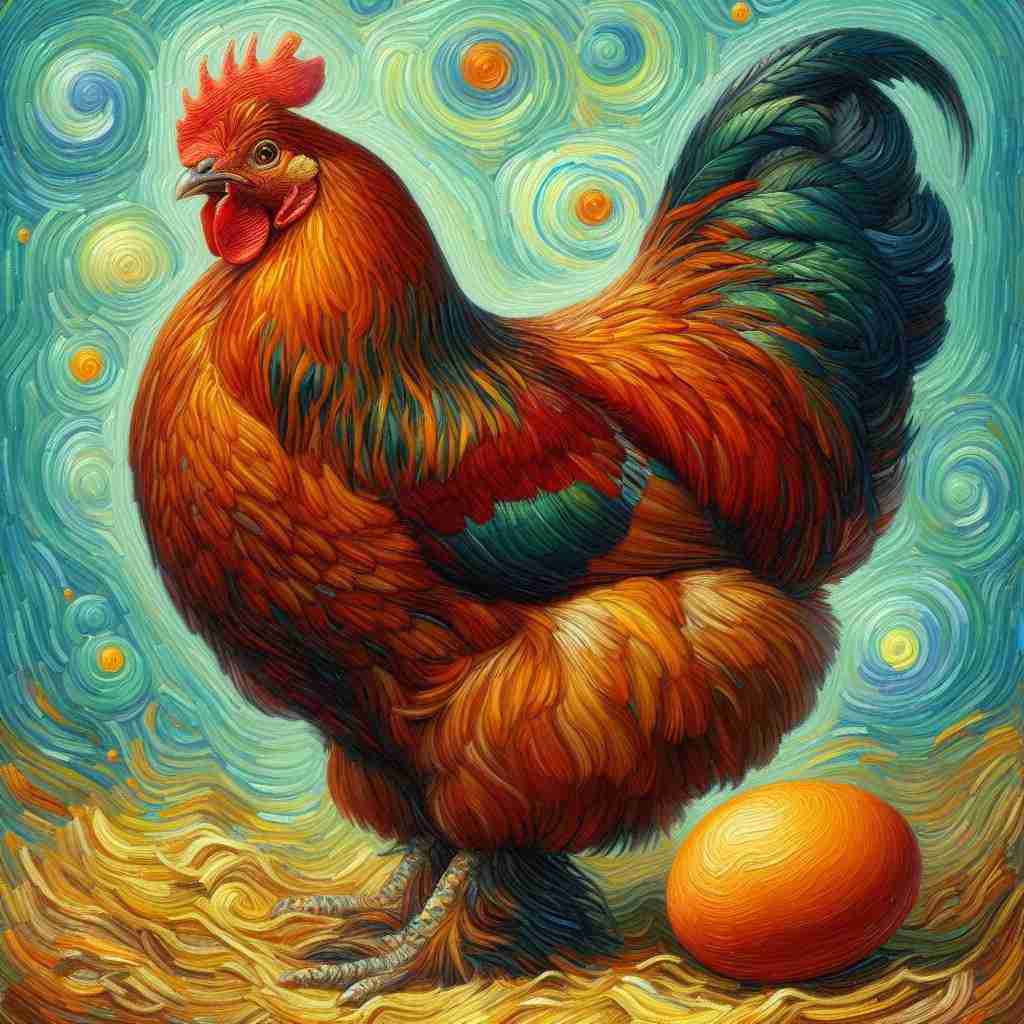
#Eggconomy – Turning a Backyard Flock Into a Side Hustle
#Eggconomy – Turning a Backyard Flock Into a Side Hustle
- Transforming your backyard into an egg-producing venture nourishes body and soul.
- Backyard chickens serve as both a source of fresh eggs and a sustainable side hustle.
- This project fosters deeper connections with nature, community, and relationships.
- Friends and family can enjoy and appreciate the vibrant hues of farm-fresh eggs.
- An average hen can lay over 200 eggs a year, contributing to a potential micro-economy.
- This endeavor contributes to local health and sustainability while supporting community markets.
- Overcoming challenges in chicken care instills resilience and confidence in food sourcing.

#Eggconomy – Turning a Backyard Flock Into a Side Hustle
Table Of Contents
- #Eggconomy – Turning a Backyard Flock Into a Side Hustle
- What Dreams Do You Have for Financial Independence Through Eggs?
- Are You Prepared to Invest Time In Managing a Backyard Flock?
- How Can Sharing Your Egg Journey Inspire Your Community?
- What Ethical Considerations Come with Raising Chickens for Eggs?
- Can Selling Eggs Open Up Conversations About Local Food Systems?
- How Does the Taste Of Fresh Eggs Compare to Store-Bought Options?
- What Challenges Do You Foresee In Starting Your Egg Business?
- Conclusion
- Other Resources
- Glossary Of Terms
- Other Questions
- Haiku
- Poem
- Checklist
What Dreams Do You Have for Financial Independence Through Eggs?
When you think about financial independence, what dreams bubble to the surface like fresh cream rising to the top? For many, it’s the comforting image of a backyard—a sanctuary filled with fluttering wings, the gentle cooing of chickens, and an abundance of eggs rolling in every morning. Backyard chickens aren’t just a quirky hobby; they can be a pathway to a new reality, one where you’re living in harmony with nature and your finances.
Picture this: you wake up to the soft glow of dawn, stepping outside to retrieve breakfast from your own feathered friends. Those golden yolks are more than mere sustenance; they represent self-reliance and savings that come from your efforts. Each egg is a testament to your hard work and commitment to creating a life where you call the shots. In a world where grocery prices soar and true food security feels elusive, cultivating your own chickens offers more than just a financial boost—it’s a step toward empowerment.
Addressing the financial aspect, consider this: the initial investment in your flock might seem daunting, but think about the long-term savings on groceries and the enhanced quality of life. Relying on store-bought eggs not only dents your wallet but also robs you of the connection with your food. Each time you nestle an egg into your basket, you’re engaging in a narrative that extends far beyond food. You are participating in a sustainable cycle of growth that nurtures your body and mind.
As we navigate these challenging times, the ethics of food production become critical. Factory-farmed eggs come laden with questions about animal welfare, environmental impact, and personal health. By choosing to raise backyard chickens, you’re advocating for a more ethical food system, showing others that financial independence can go hand-in-hand with conscious living.
This isn’t merely about chickens and eggs; it’s about a community. Engaging with neighbors who share your dream makes the journey more rewarding, transforming solitary efforts into collective success. By embracing this lifestyle, you’re not just securing your finances; you’re also fostering relationships that enrich your life.
So, what dreams do you have for financial independence through eggs? Think beyond the coop. Embrace the freedom, joy, and responsibility that comes with nurturing your own backyard flock. Your journey to financial security could very well start with a few clucks and a basket of vibrant eggs.

What Dreams Do You Have for Financial Independence Through Eggs?
What Dreams Do You Have for Financial Independence Through Eggs?
- Financial independence often evokes dreams of a harmonious and rewarding life.
- Backyard chickens provide a unique opportunity for self-reliance and savings.
- Collecting fresh eggs each morning symbolizes hard work and personal empowerment.
- Investing in chickens may have initial costs, but it leads to long-term grocery savings.
- Raising chickens fosters connection with food and promotes sustainability.
- Choosing backyard chickens supports ethical food production and conscious living.
- The journey of raising chickens encourages community involvement and enriching relationships.
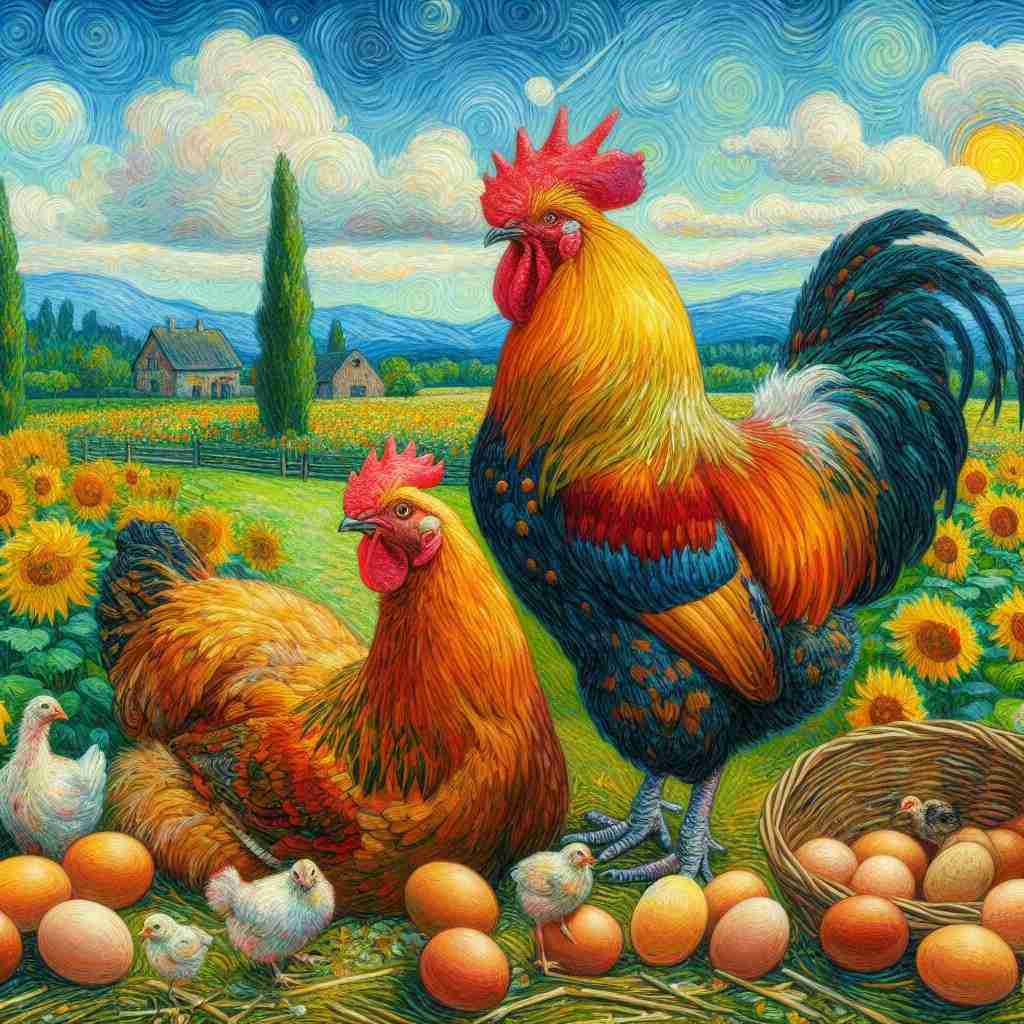
What Dreams Do You Have for Financial Independence Through Eggs?
Are You Prepared to Invest Time In Managing a Backyard Flock?
Are you prepared to invest time in managing a backyard flock? Let’s take a moment to really think about what it means to embrace a few clucking companions in your own yard—a leap that’s as nourishing for your soul as it is for your breakfast table.
First, consider the emotional connection. Backyard chickens aren’t just egg-laying machines; they’re quirky little personalities that wiggle their way into your heart. Picture the laugh as you watch them chase butterflies or the serene satisfaction of gathering fresh eggs to nourish your family. It’s a delightful blend of farm charm and home comfort—a reminder of simpler times, where nurturing something helps you rediscover a part of yourself that may have gotten lost in the hustle of today’s world.
Now, let’s engage your head. Managing a flock isn’t a weekend project; it’s a commitment. You’ll be monitoring their health, ensuring they have proper feed, and protecting them from the elements and predators. This isn’t just about eggs; it’s about their well-being and the environment in which they thrive. Investing time means investing in sustainability. When you care for a flock, you understand where your food comes from, deepening your appreciation for those brown, speckled treasures nestled in the coop.
Speaking of the ethical aspect, every chicken is a living creature deserving of respect and proper care. By choosing to maintain a backyard flock, you’re not just engaging in an act of personal enjoyment; you’re making a statement about your values. You’re joining a growing community that prioritizes humane treatment and local sourcing, rejecting industrial farming practices that often disregard the lives of these remarkable animals.
Now let’s get real about the grit and grind. You’ll face challenges—foul weather, bickering hens, and the odd escapee—but in those moments, you’ll learn resilience. Picture the camaraderie that builds in your household as you tackle these challenges together, instilling a work ethic in your family that extends far beyond the backyard.
Finally, there’s a social element to this investment. Connecting with other chicken enthusiasts can open doors to new friendships and shared experiences. You’re not just managing a flock; you’re part of a vibrant network that celebrates the rewards of hard work and the love of nurturing life.
So, are you ready? Are you prepared to invest not just in your flock, but in the life lessons, joy, and connections that come with it? Embrace the challenge, and watch your world transform—one cluck at a time.

Are You Prepared to Invest Time In Managing a Backyard Flock?
Are You Prepared to Invest Time In Managing a Backyard Flock?
- Investing time in a backyard flock can be nourishing for both your soul and your breakfast table.
- Backyard chickens have unique personalities that can create emotional connections and joy.
- Managing a flock is a long-term commitment, involving health monitoring and environmental care.
- Caring for chickens increases appreciation for food sources and promotes sustainability.
- Maintaining a backyard flock reflects personal values and supports humane treatment over industrial farming.
- Challenges faced while managing a flock teach resilience and foster family teamwork.
- Being part of the chicken-keeping community opens up opportunities for friendships and shared experiences.

Are You Prepared to Invest Time In Managing a Backyard Flock?
How Can Sharing Your Egg Journey Inspire Your Community?
In a world where the hustle and bustle can sometimes drown out the simplest joys, sharing your egg journey can be a profound act of connection. Imagine standing in your backyard, surrounded by your chickens, the sun warming your back as you collect those fresh, delicate eggs. Each one carries a story—of care, growth, and responsibility. When you open up and share this journey with your community, you invite them to experience that joy alongside you.
By offering insights into the daily rhythms of raising backyard chickens, you’re not just sharing a hobby; you’re setting the stage for a deeper conversation about sustainability and self-sufficiency. Many in your community might not realize the transformative power of keeping chickens. By providing the nuts and bolts—the challenges, the triumphs, the sheer thrill of collecting those warm eggs—you ignite curiosity and inspire others to consider how they can bring a piece of that fulfillment into their own lives.
Don’t hide the bumps in the road. Share the times when a hen went broody at the most inconvenient moment or when a raccoon turned your coop into its personal buffet. These stories resonate. They remind us that we’re all in this together, navigating the messiness of life. For many, it’s the realness of those experiences that will resonate most, prompting action—whether it’s raising their own chickens, starting a community garden, or simply being more mindful of where their food comes from.
On an ethical level, your journey can illuminate the gift of food produced with love and care. It spurs conversations on food security, animal welfare, and environmental stewardship, driving home the point that small actions can have a big impact. When people see the pride and joy in your eyes, it transcends mere words; it becomes an invitation to join a movement, however small, that values nature and nurtures community.
Your egg-collecting escapades act as a catalyst. You’re not just sharing food; you’re fostering connections that embrace trust and confidence. When your neighbors see your passion, they might be inspired to start their own journey. After all, we’re all looking for ways to be part of something bigger than ourselves—whether it’s through a cup of coffee made with love, a shared recipe, or a basket of fresh eggs from backyard chickens. Together, we can build communities that celebrate and learn from one another, one egg at a time.

How Can Sharing Your Egg Journey Inspire Your Community?
How Can Sharing Your Egg Journey Inspire Your Community?
- Sharing your egg journey fosters connection in a fast-paced world.
- Collecting eggs in your backyard symbolizes care, growth, and responsibility.
- Your insights on raising chickens promote discussions on sustainability and self-sufficiency.
- Sharing both challenges and triumphs ignites curiosity and inspires others.
- Real-life stories remind us of our common experiences and encourage action.
- Your journey highlights the importance of ethical food production and community impact.
- Sharing your passion for chicken-keeping can inspire neighbors to embark on their own journeys.
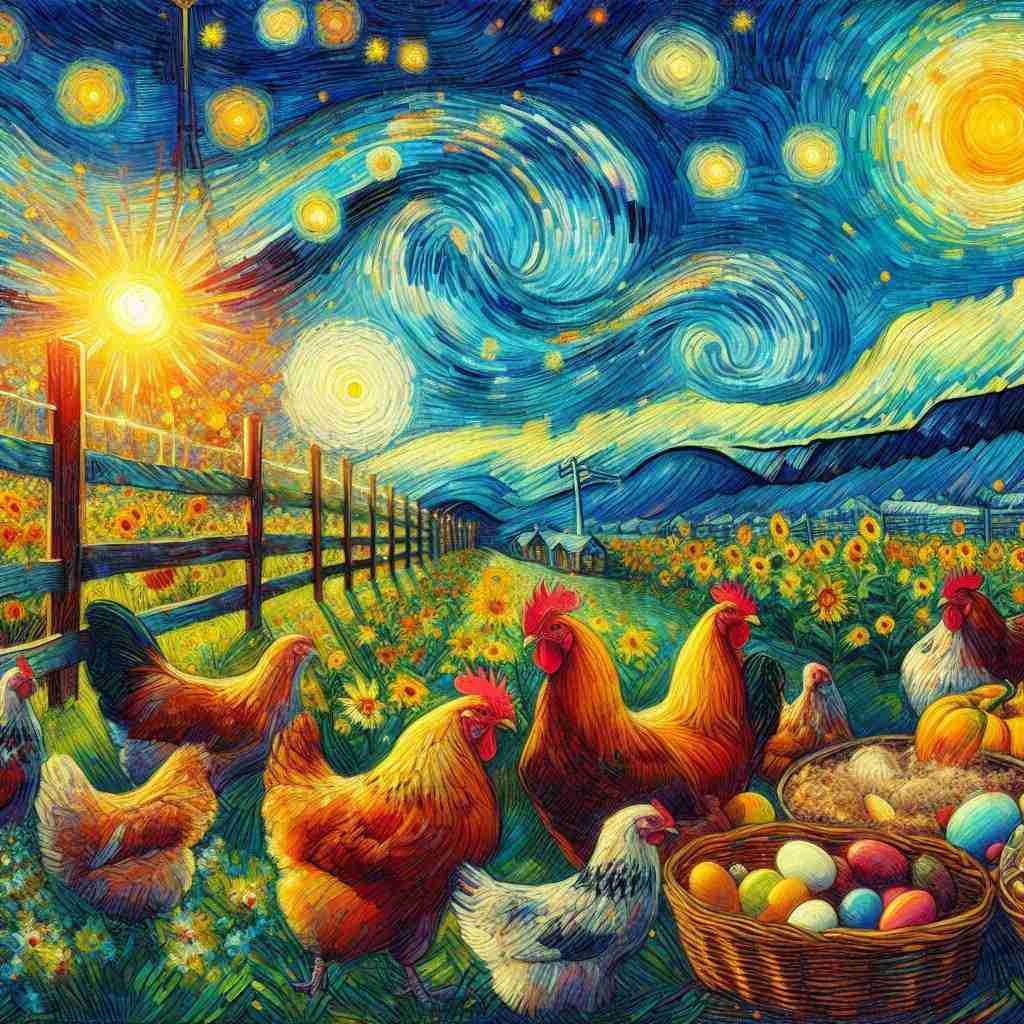
How Can Sharing Your Egg Journey Inspire Your Community?
What Ethical Considerations Come with Raising Chickens for Eggs?
Raising chickens for eggs has become a heartwarming venture for many individuals, yet it comes with a mantle of responsibility that beckons our attention. Imagine the gentle clucking, the joyful flapping of wings as they greet you each morning. You feel a connection, not just to a food source, but to the living creatures that contribute to your breakfast table. These aren’t mere commodities; they are vibrant beings with their own instincts and personalities.
But let’s pause for a moment. The backyard chickens you lovingly care for live in an intricate world woven with ethical considerations. On the one hand, there’s the allure of farm-fresh eggs; on the other, the stark reality of how some chickens are treated in mass production environments. When you decide to raise your own flock, you take a stand against those practices, championing the well-being of your feathered friends. This isn’t just about eggs; it’s about aligning your values with your actions.
The question of space and freedom is paramount. Are your chickens just existing in a cramped coop, or are they roaming freely under the sun? Research shows that hens that have room to move not only produce better eggs but also lead happier lives. The rational part of you understands that healthier chickens lead to healthier eggs, while the emotional side feels the sorrow for those who live confined. Your backyard becomes a sanctuary where ethical treatment reigns supreme.
Consider also the impact on your community. By choosing to raise chickens responsibly, you can inspire others to think critically about where their food comes from. This storytelling has a ripple effect; conversations about local sustainability and animal welfare can circulate the neighborhood, reinforcing shared values and fostering connections. Your backyard isn’t just a chicken run; it becomes a hub of inspiration, showcasing how caring for animals can glue a community together.
You’ll find that the lessons you learn while raising these birds extend beyond the coop. They cultivate a sense of empathy and environmental stewardship, instilling confidence that our everyday choices matter. So, as you gather those freshly laid eggs, remember that this journey is about more than breakfast—it’s about respect, responsibility, and making a meaningful connection with the world around you. Embrace it, for in that simplicity lies a profound truth.
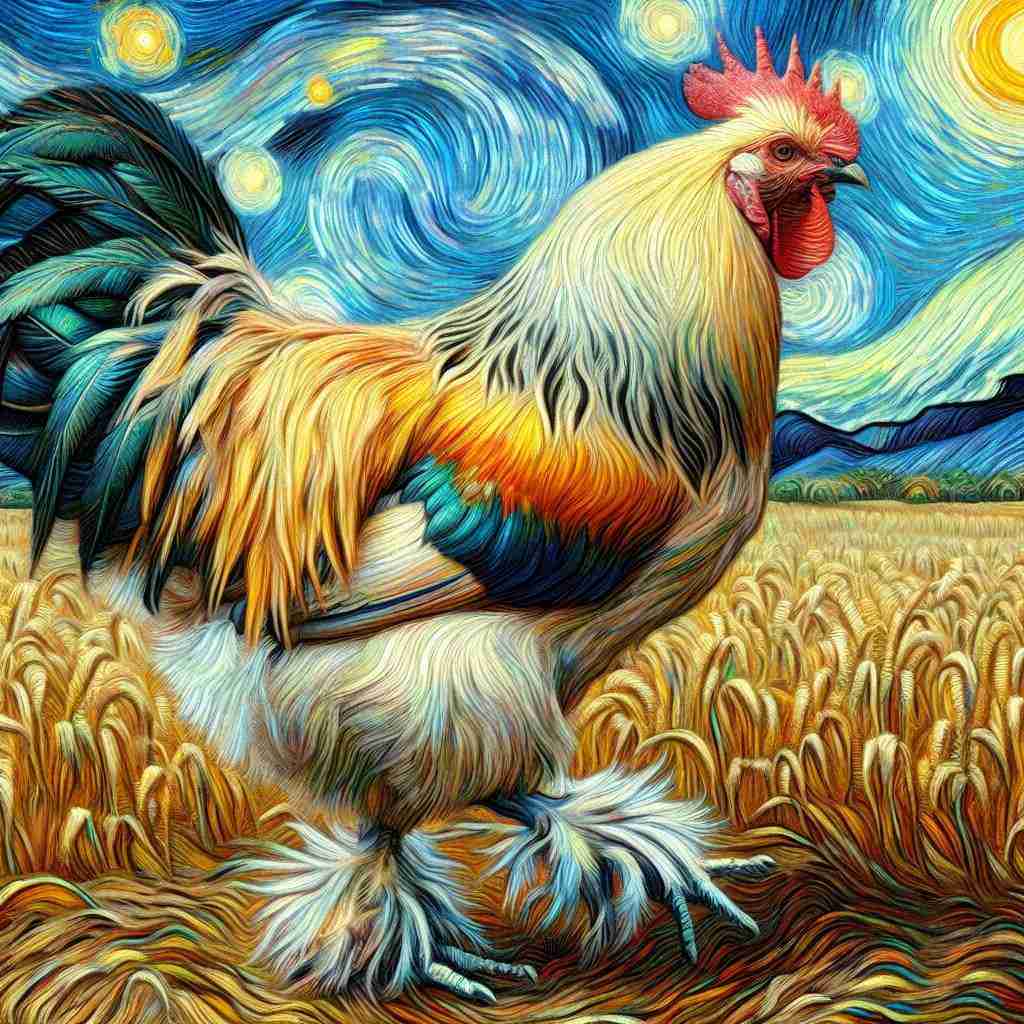
What Ethical Considerations Come with Raising Chickens for Eggs?
What Ethical Considerations Come with Raising Chickens for Eggs?
- Raising chickens for eggs fosters a deep connection to living creatures rather than viewing them merely as commodities.
- It involves ethical considerations, contrasting farm-fresh eggs with the treatment of chickens in mass production environments.
- Owning a chicken flock represents a commitment to animal welfare and aligns personal values with actions.
- Providing space and freedom for chickens promotes their happiness and leads to better egg production.
- Responsible chicken-raising can inspire community discussions about food sources, local sustainability, and animal welfare.
- The experience teaches empathy and environmental stewardship, emphasizing the importance of everyday choices.
- Ultimately, raising chickens is about respect and responsibility while fostering meaningful connections with the world.

What Ethical Considerations Come with Raising Chickens for Eggs?
Can Selling Eggs Open Up Conversations About Local Food Systems?
Selling eggs from your backyard chickens can be more than a simple transaction; it can spark rewarding conversations about our food systems, revealing the intricate threads that connect us all. Picture this: your neighbors visit your home not merely to buy a dozen fresh eggs but to engage in discussions about where their food comes from. Suddenly, a transaction transforms into dialogue—a bridge connecting personal experiences, local businesses, and the ethical implications of food sourcing.
Eggs symbolize simplicity, yet they embody complexity. When you share those warm, amber yolks with someone, you’re not just handing over a product; you’re inviting them into your story. You’re sharing tales of morning rituals spent in your backyard, nurturing feathery companions that scratch at the dirt and flutter joyfully in the sun. These anecdotes stir emotions; they reconnect us with the land and those who work it. Folks begin to understand that beyond the grocery aisle lies a rich tapestry of dedication and care.
From a rational perspective, engaging in local food systems by selling eggs brings benefits to your community that are hard to ignore. Consider the reduced carbon footprint associated with shipping food across the country. When your neighbors eat eggs from your hens, they’re not just consuming; they’re participating in an eco-friendlier approach to nourishment. This empowerment resonates deeply, urging consumers to consider where their food truly originates and how their choices impact our planet.
Ethically, supporting local food systems invites us to be more conscientious eaters. It offers a chance to support small-scale farmers and reduce reliance on big agricultural corporations that often prioritize profit over well-being. When you sell those eggs, you champion local resilience, encouraging others to consider their role in fostering community sustainability.
Narratively speaking, the tale of your backyard hens becomes a shared experience—an opportunity for connections to flourish over shared values and goals. When we talk about food, we’re not just talking about consumption; we’re discarding apathy in favor of authenticity. Each conversation is a step toward a collective understanding of our food systems, behavior, and community.
So, next time you sell those beautiful, homegrown eggs, remember: you’re not just selling a commodity; you’re starting a conversation. Your passion can inspire others to reconsider the food they buy and encourage them to join this vital dialogue about local food systems.

Can Selling Eggs Open Up Conversations About Local Food Systems?
Can Selling Eggs Open Up Conversations About Local Food Systems?
- Selling eggs from backyard chickens fosters meaningful conversations about food sourcing and community connections.
- Eggs represent both simplicity and complexity, inviting stories of personal experiences in nurturing hens.
- Sharing eggs helps reconnect individuals with the land and the dedication involved in food production.
- Local food systems, such as selling eggs, contribute to reduced carbon footprints by minimizing transportation needs.
- Supporting local food initiatives encourages conscious eating and small-scale farming while challenging corporate reliance.
- The narrative of backyard hens can create shared experiences and promote community sustainability and authenticity.
- Selling eggs initiates dialogues that empower consumers to rethink their food choices and engage in local food systems.

Can Selling Eggs Open Up Conversations About Local Food Systems?
How Does the Taste Of Fresh Eggs Compare to Store-Bought Options?
When you crack open a fresh egg, you’re not just breaking a shell; you’re unleashing the essence of genuine, simple goodness. Let’s take a moment to compare that to the store-bought alternatives. Sure, those cartons may boast of “farm-fresh” labels, but let’s dig deeper: what does that really mean?
Picture this: you wake up early, the sun barely peeking over the horizon, and step out to your backyard. There’s something undeniably magical about collecting eggs from your own chickens—you’ve cultivated a relationship with those feathered friends. You’ve fed them wholesome grains and watched them roam freely, and when you gather their eggs, it feels like a tangible reward, a labor of love that connects you to the earth. Fresh eggs boast a vivid, deep yellow yolk that speaks to nutritional integrity and taste. They have a rich, complex flavor profile unmatched by their mass-produced comparisons, which can often taste bland or even rubbery.
Now, let’s address why this matters. Taste is essential, sure, but quality rings even louder. Fresh eggs are not just a product; they represent the fruits of responsible farming practices. When you choose fresh, locally sourced options, you vote with your dollar for sustainable agriculture. The emotional connection with your backyard chickens transcends mere sustenance—it’s an ethical standpoint, a commitment to transparency in how food reaches your table.
Then there’s the brain in all of us that loves a good statistic. Did you know fresh eggs can have higher nutrient levels? They’re often richer in Omega-3 fatty acids and vitamins. The science backs it up: fresh is healthier. When we choose to raise chickens ourselves, we reclaim that sense of authority over our food sources, making choices grounded in what we know is best for our families.
But let’s not forget the communal aspect. By sharing your fresh eggs with friends or family, you’re not just offering food; you’re inviting connection, conversation, and a sense of belonging. It fosters a culture of gratitude for where our food truly comes from.
In a world where everything feels commodified, fresh eggs from your backyard chickens reconnect you with authenticity. They remind us of the simple joys in life, the value of hard work, and the rich flavors that come from nature’s bounty—one egg at a time. Choosing fresh means choosing integrity, nourishment, and a taste of home.

How Does the Taste Of Fresh Eggs Compare to Store-Bought Options?
How Does the Taste Of Fresh Eggs Compare to Store-Bought Options?
- Cracking open a fresh egg symbolizes the essence of genuine goodness.
- Store-bought eggs often mislead with “farm-fresh” labels; true quality lies in getting eggs from your own chickens.
- Collecting eggs from backyard chickens fosters a personal connection and reflects a labor of love.
- Fresh eggs have a vibrant yolk and rich flavor that surpasses bland mass-produced alternatives.
- Choosing fresh, locally sourced eggs supports sustainable farming practices and promotes ethical food sourcing.
- Fresh eggs tend to be higher in nutrients, including Omega-3 fatty acids and vitamins, proving that fresh is healthier.
- Sharing fresh eggs creates bonds of connection and gratitude, reminding us of the authenticity in our food sources.

How Does the Taste Of Fresh Eggs Compare to Store-Bought Options?
What Challenges Do You Foresee In Starting Your Egg Business?
When the sun rises and you step out into the cool morning air to tend to your backyard chickens, the promise of a new day fills you with hope. Yet, beneath that cheerful surface lies a maze of challenges ready to test both your grit and your resolve.
Picture this: you’ve invested the time, energy, and funds into your flock of backyard chickens. You’re excited about the prospect of selling fresh eggs, imagining families enjoying breakfast with your golden, farm-fresh produce. But suddenly, reality mushes in. You may find yourself grappling with unexpected costs—feed, veterinary bills, and housing expenses can pile up faster than you can say “omelet.” The equation of profit? Sometimes, it doesn’t add up like you expected.
Now let’s talk sustainability. The ethical choice to raise hens in a humane, natural environment will resonate with your conscience, yet it demands hard work. Managing your flock’s well-being while adhering to local laws and regulations can feel like walking a tightrope. Are you equipped to navigate the regulatory red tape, or will it ensnare you like a thorny bush?
On the social front, you’re undoubtedly stepping into a community of fellow egg producers. This can be both an encouraging network and perhaps a source of friendly competition. Will you find camaraderie or feel overwhelmed by the rising standards set by others? It’s crucial to align with the experts—local farmers, agricultural extensions, or online forums filled with seasoned egg entrepreneurs ready to share their nuggets of wisdom.
One vital element is the connection to your customers. The real beauty of starting your egg business lies not just in profits, but in the relationships it fosters. Engaging your community, sharing your journey, and providing transparency about how you raise your chickens can forge bonds that transcend mere transactions.
Don’t forget that every crack in an egg can lead to a story. A woman at your local farmer’s market may remember buying her first dozen from you, watching her child’s delight as they scrambled those eggs. These moments can inspire trust and loyalty, underlining the heart and soul behind your venture.
So, as you stand amidst your flock, know that starting this egg business will be a journey of perseverance, ethics, and connection. Embrace the challenges, for they will lead to the most rewarding chapters of your story. The journey might be crackling with obstacles, but it could just as easily hatch into something extraordinary.

What Challenges Do You Foresee In Starting Your Egg Business?
What Challenges Do You Foresee In Starting Your Egg Business?
- Stepping into a new day with hope while managing backyard chickens presents numerous challenges.
- Investment in chickens can lead to unexpected costs including feed, veterinary bills, and housing expenses.
- Sustainability and humane treatment of hens require hard work and navigation of local regulations.
- Joining a community of egg producers offers both encouragement and competitive pressure.
- Building relationships with customers enhances the egg business experience beyond profits.
- Sharing stories and experiences creates trust and loyalty among buyers.
- Embracing challenges in this venture can lead to rewarding personal and business growth.

What Challenges Do You Foresee In Starting Your Egg Business?
Conclusion
Turning your backyard into an egg-production hustle isn’t just about finances; it’s about nurturing connections with nature, community, and, most importantly, yourself. The journey starts with a simple yet profound act—raising chickens that gift you with fresh eggs. As you embrace this endeavor, you’ll discover that each egg represents not just nourishment but also a testament to hard work, commitment, and the joy of self-reliance. Those early morning whirs of clucking serve as a gentle reminder of the life and energy you’ve invited into your world.
Financially, the numbers certainly paint an appealing picture. With an average hen laying over 200 eggs a year, your backyard can become a micro-economy, transforming personal effort into tangible savings. Yet, stepping into the world of poultry isn’t merely about making a profit; it’s a matter of ethical choices. By opting for backyard chickens, you’re not only prioritizing animal welfare—opting for lives well-lived over those confined in factory farms—but also making a powerful statement about sustainable living. The virtues of fresh food, environment-friendly practices, and ethical farming become interwoven threads in your life’s narrative.
Sure, there will be challenges. Understanding the intricacies of chicken care and managing the ups and downs of your venture may feel daunting. But within that grit lies growth. Each obstacle contributes to resilience, teaching you valuable lessons about responsibility and hard work. As you dive into this experience, you’ll cultivate essential life skills that extend well beyond the coop and foster camaraderie within your community.
And let’s not overlook the joy of sharing. Your journey transcends transactions; it opens dialogues about local food systems, sparking interest and inspiring others to seek genuine connections with their food. From the thrill of offering a neighbor fresh eggs to engaging in authentic conversations about sustainable practices, your backyard can become a hub of community and inspiration.
So, as you contemplate this venture, remember it’s about more than just eggs—this is about embracing a fulfilling lifestyle rich in connections and purpose. One cluck at a time, you have the power to weave a tapestry of joy, responsibility, and community around your backyard. Embrace the journey, invest in your flock, and watch as it transforms your heart and home.

Conclusion
Conclusion:
- Turning your backyard into an egg-production hustle nurtures connections with nature, community, and yourself.
- Raising chickens provides fresh eggs and symbolizes hard work, commitment, and self-reliance.
- Each hen can lay over 200 eggs a year, supporting a micro-economy and generating savings.
- Choosing backyard chickens prioritizes animal welfare and supports sustainable living practices.
- Challenges in chicken care foster growth, resilience, and valuable life skills.
- Sharing your egg production opens dialogues about local food systems and inspires community engagement.
- This venture is about embracing a lifestyle enriched with connections and purpose beyond just egg production.

Conclusion
Other Resources

Other Resources
Here is a list of other resources you can review online to learn more:
- chick starter
- cooked beans
- Houdan
- owls
- turnip greens
- Newcastle Disease
- Wyandotte
- Faverolles
- Malay
- crickets
- Red Ranger
- New Hampshire
- Oats
- Salmonella
- Fowl Typhoid
- Plymouth Rock
Use This Prompt To Get More Resources With Your Favorite Online AI Tool: Please provide me with a list of online articles with their URLs in a bulleted list that I can read regarding #Eggconomy – Turning a Backyard Flock Into a Side Hustle

Other Resources
Glossary Terms
#Eggconomy – Turning a Backyard Flock Into a Side Hustle – Glossary Of Terms
1. Backyard Flock: A small group of chickens or poultry kept in a home or garden, often for personal egg production.
2. Egg Production: The process of laying eggs, particularly by hens, used for food consumption and sale.
3. Hatchery: A facility or business where eggs are incubated and hatched, often to supply chicks for farming.
4. Breed: A specific variety of poultry, each with distinct characteristics impacting egg size, color, and laying frequency.
5. Cage-Free: A type of poultry farming where hens are allowed to roam freely in an indoor environment, promoting natural behaviors.
6. Organic Eggs: Eggs produced by hens that are fed organic feed and often allowed access to outdoor spaces, without synthetic pesticides or fertilizers.
7. Free Range: Hens that are allowed to roam outside for a portion of the day, contributing to higher welfare standards and egg quality.
8. Egg Sizes: Classifications (e. g. , small, medium, large) based on the weight of the eggs, which can influence pricing and marketability.
9. Flock Management: The practices and strategies involved in raising and caring for a group of poultry, including feeding, health monitoring, and egg collection.
10. Incubation: The process of maintaining adequate conditions for fertilized eggs to develop into chicks, usually involving temperature and humidity control.
11. Layer Hens: Hens specifically bred and raised for the purpose of egg laying rather than meat production.
12. Broilers: Chickens raised specifically for meat production rather than egg production, differing from layer hens.
13. Feed: Nutritional inputs provided to poultry, which can include grains, vitamins, and minerals crucial for healthy egg production.
14. Nesting Boxes: Enclosed spaces where hens lay their eggs, designed to keep eggs safe and reduce theft by other hens.
15. Oviposition: The process of laying eggs by a female bird, which in this context specifically refers to hens.
16. Biosecurity: Practices designed to prevent the introduction and spread of diseases among poultry flocks.
17. Egg Candling: A process of shining a bright light through eggs to check for fertility, development, and other qualities before hatching.
18. Chicken Coop: A shelter for poultry that protects them from predators and harsh weather while providing a safe space for laying eggs.
19. Pullet: A young female chicken under one year old, typically before she starts laying eggs.
20. Henhouse: A structure or shelter specifically designed for housing hens, often equipped with nesting boxes.
21. Grading: The process of classifying eggs based on size, quality, and appearance, often necessary for market sale.
22. Farmers Market: A marketplace where farmers sell their produce directly to consumers, an ideal venue for selling backyard eggs.
23. Sustainable Farming: Agricultural practices that are environmentally friendly and can be maintained long-term, often applied to poultry farming.
24. Egg Retailing: The business of selling eggs directly to consumers or through stores, which can be part of a side hustle.
25. Marketing: Strategies to promote and sell eggs, including branding, packaging, and advertising techniques.
26. Revenue Stream: An income source, here referring to money earned from selling eggs produced by a backyard flock.
27. Animal Welfare: Considerations and practices aimed at ensuring the humane treatment and care of farm animals.
28. Permaculture: An agricultural philosophy that emphasizes sustainable land management and ecological balance, applicable in backyard farming.
29. Community Supported Agriculture (CSA): A system where consumers buy shares of a farm’s harvest in advance, which can include eggs from backyard flocks.
30. Side Hustle: A secondary job or business venture, like selling eggs from a backyard flock, undertaken in addition to one’s primary employment.

Glossary Of Terms
Other Questions
#Eggconomy – Turning a Backyard Flock Into a Side Hustle – Other Questions
If you wish to explore and discover more, consider looking for answers to these questions:
- What are the essential steps to start a backyard chicken flock for egg production?
- How much does it typically cost to set up a backyard chicken coop?
- What breeds of chickens are best for laying eggs?
- How can one market and sell backyard eggs effectively?
- What are some common health issues that backyard chickens face?
- How do seasonal changes affect egg production?
- What are the legal considerations for raising chickens in urban areas?
- What are the best practices for preventing pests and predators in a backyard flock?
- How can backyard chicken owners ensure the welfare of their chickens?
- What are the nutritional differences between fresh backyard eggs and store-bought eggs?
- How can raising chickens influence one’s mindset about food and sustainability?
- What community resources are available for aspiring backyard chicken owners?
- How can you build a community around backyard chicken raising?
- What impact could raising chickens have on local food systems?
- What are the environmental benefits of raising backyard chickens?

Other Questions
Haiku
#Eggconomy – Turning a Backyard Flock Into a Side Hustle – A Haiku
Chickens in the yard,
Fresh eggs nourish hearts and souls,
Life’s connection grows.

Haiku
Poem
#Eggconomy – Turning a Backyard Flock Into a Side Hustle – A Poem
In a world where hustle reigns supreme,
A backyard flock can birth a dream,
From coops alive with cheerful clucks,
To baskets filled with golden ducks.
Imagine mornings kissed by dawn,
A dance of feathers on the lawn,
Each egg a story, a joyful reveal,
Of connection with nature, the joy that we feel.
It’s not just breakfast, it’s a deeper tie,
To soil and sun, to earth and sky.
Your neighbors gather, sharing delight,
In tales of chickens that scratch and fight.
Yet, as you forge this vibrant path,
Challenges rise, demanding your wrath.
Costs may climb, and weather may sway,
But grit will guide you along the way.
With every feather that flutters near,
You learn of ethics, the weight they bear.
To nurture life in your small domain,
Is to challenge the systems that cause us pain.
Selling eggs becomes more than exchange,
It sparks conversations, ignites the change.
Local roots flourish, communities blend,
In every shared yolk, an opportunity to mend.
Taste the richness, the flavor profound,
In eggs that are local, in care tightly wound.
Not just a product, but a pledge to sustain,
A journey of honor, through sunshine and rain.
So take the leap, let your heart guide the way,
Embrace the hustle in the light of the day.
For in raising your flock, each cluck and each peep,
You’ll find joy in the harvest, connections run deep.

Poem
Checklist
#Eggconomy – Turning a Backyard Flock Into a Side Hustle – A Checklist
Backyard Flock Checklist: Building Your Eggconomy
Emotional Appeal
_____ Connect with Nature: Spend time observing and bonding with your chickens.
_____ Nurture Relationships: Share your egg journey with friends and family to create lasting memories.
_____ Embrace Joy: Take moments to appreciate the simple pleasure of gathering eggs.
Rational Appeal
_____ Evaluate Costs: Create a budget for initial investments (feed, coop, veterinary care).
_____ Research Regulations: Understand local laws regarding chicken keeping and egg sales.
_____ Calculate Savings: Compare the cost of raising chickens versus buying eggs from the store.
Ethical Considerations
_____ Ensure Welfare: Provide a spacious and safe environment for your chickens.
_____ Practice Transparency: Share your chicken-raising practices with your community to promote ethical standards.
_____ Advocate for Change: Engage in discussions about food systems and animal welfare.
Authority Engagement
_____ Seek Expert Advice: Reach out to local farmers or agricultural experts for guidance.
_____ Follow Best Practices: Implement sustainable and humane care techniques as recommended by authorities.
_____ Join Communities: Connect with local or online groups focused on backyard poultry for support and resources.
Narrative Building
_____ Document Your Journey: Keep a journal of your experiences and share stories about your flock.
_____ Celebrate Milestones: Highlight special moments, such as your first egg or successful sales.
_____ Share Lessons Learned: Be open about challenges and triumphs in your chicken-keeping journey.
Social Appeal
_____ Encourage Local Support: Invite neighbors to purchase your eggs and share the experience.
_____ Host Chicken Meet-ups: Organize gatherings with fellow chicken enthusiasts to share tips and stories.
_____ Create a Community: Foster connections through social media or local events centered around backyard farming.
Practical Management
_____ Daily Care Routine: Develop a consistent schedule for feeding, cleaning, and health checks.
_____ Monitor Health: Keep an eye on your chickens’ well-being and be alert for signs of illness.
_____ Plan for Challenges: Prepare for potential obstacles, such as predators, weather changes, or market fluctuations.
Use this checklist to enhance your backyard flock experience, ensuring it’s fulfilling, ethical, and potentially profitable as you embark on your eggconomy journey!
Checklist
At BackyardChickenNews, we help people who want to raise backyard chickens by collating information and news blended with our own personal experiences.
Be sure to read our other related stories at BackyardChickenNews to learn more about raising chickens in your backyard.