

Empowering Small Sellers: Innovative Strategies For Success
By Tom Seest
At BackyardChickenNews, we help people who want to raise backyard chickens by collating information and news blended with our own personal experiences.
Be sure to read our other related stories at BackyardChickenNews to learn more about raising chickens in your backyard.
Eggs, Honesty Boxes, and Efficiency – Smart Systems for Small Sellers
In a world where convenience often trumps connection, the simple act of selling fresh eggs from your backyard chickens transforms not just the way we eat, but the very fabric of our communities. It’s a lesson in trust—trust between seller and buyer, and trust in the goodness of what we produce ourselves. Imagine waking up to a sunrise that’s greeted by the clucking of your hens. You rush into the coop, excitement bubbling as you gather those sun-kissed treasures, each egg a testament to nature’s bounty and your commitment to quality.
Picture this: a quaint honesty box perched by the roadside. It’s not just a box; it’s a bridge, a place where your labor isn’t just transactions but conversations. It invites folks to stop and appreciate the journey of those eggs—from the yard to their table. As customers slide in their cash, they’re not merely purchasing a dozen eggs; they’re investing in a relationship built on transparency and genuine care. They know where their food comes from, and in turn, they express their appreciation for your hard work, a mutual respect that feels increasingly rare in today’s fast-paced market.
But let’s get practical for a moment. In a society clamoring for efficiency, the honesty box presents an organic solution that benefits the small seller. You sidestep the complexity of fees, middlemen, and unnecessary intermediaries. You take charge of your business, carving out a slice of independence that resonates deeply with what it means to be self-sufficient. And you’ll find that each egg sold isn’t just a win for you but also for your neighbors who crave fresh, local, and ethical food sources.
What’s truly heartening is how small acts ripple through communities. When people share their experiences with your eggs—whether it’s through a friendly chat or an enthusiastic social media post—they become advocates for your brand, your story, and your values. They’re not just customers; they’re part of a larger narrative that celebrates local farming and sustainable living.
So, whether you’re an urbanite with a few hens or a seasoned farmer with a bounty, don’t underestimate the power of that honesty box. Every egg laid tells a story—your story—and the way it connects to the lives of others. That’s where the real magic happens, stirring not just our gut instinct but our hearts and minds to forge a more authentic way of engaging with one another.

Eggs, Honesty Boxes, and Efficiency – Smart Systems for Small Sellers
Eggs, Honesty Boxes, and Efficiency – Smart Systems for Small Sellers
- The act of selling fresh eggs fosters community connections and trust between sellers and buyers.
- Gathering eggs from backyard chickens is a rewarding experience that highlights commitment to quality.
- An honesty box serves as a bridge for meaningful interactions, encouraging appreciation for the production journey.
- Customers invest in relationships rather than mere transactions, valuing transparency and care in food sourcing.
- The honesty box simplifies the selling process by eliminating fees and intermediaries, promoting self-sufficiency.
- Sharing experiences with your eggs can turn customers into advocates for your values and local farming.
- Every egg sold contributes to a larger narrative celebrating sustainable living and community engagement.

Eggs, Honesty Boxes, and Efficiency – Smart Systems for Small Sellers
Table Of Contents
- Eggs, Honesty Boxes, and Efficiency – Smart Systems for Small Sellers
- What Drives You to Support Local Farmers and Their Businesses?
- How Can Honesty Boxes Increase Trust Between Sellers and Buyers?
- Are Smart Systems the Key to Maximizing Efficiency for Small Sellers?
- How Can the Community Support Sellers Using Honesty Boxes Effectively?
- What Ethical Implications Arise From Using Honesty Boxes In Commerce?
- How Can Technology Enhance the Transparency Of Local Sales?
- How Can Storytelling Improve the Buying Experience for Consumers?
- Conclusion
- Other Resources
- Glossary Of Terms
- Other Questions
- Haiku
- Poem
- Checklist
What Drives You to Support Local Farmers and Their Businesses?
What drives you to support local farmers and their businesses? It’s a question that lingers long after you’ve finished a meal that sings with freshness and flavor. You know the feeling—the kind that warms your heart, wraps around your soul, and fills your gut with gratitude. When you pause to consider where your food comes from, it’s not just a question of sustenance; it’s about connection, heritage, and community.
Let’s take a moment to appreciate those backyard chickens, scratching away in the dirt beneath the noonday sun. Picture the scene: a family gathered around a table, excitedly discussing the local farmer’s market they visited that weekend, where they bought eggs from those very chickens. This isn’t just food; it’s history, authenticity, and the promise of something real. You can nearly taste the difference when you crack open those eggs; the vibrant yolks and rich flavors tell a story of care and commitment. This local farm isn’t producing goods; they’re cultivating relationships—between the soil and the people, between the farmer and the consumer.
Supporting local farmers isn’t just an act of charity; it’s a statement of belief. It’s about choosing quality over convenience, knowing that each dollar spent supports a neighbor rather than a corporation. Rationally speaking, local produce often contains more nutrients because it goes from farm to table without extensive transportation. It’s simple math that roots itself in a bigger picture: a healthy community and a sustainable environment.
Ethically, the choice is clear. You’re aligning your values with those who cherish the land, who labor tirelessly under the sun to provide for their families and yours. These aren’t just faceless corporations; they are real people with hopes, dreams, and an unwavering commitment to preserving the delicate balance of nature.
This isn’t merely a grassroots movement; it’s a call to arms—a chance to repair the fabric of our communities and eliminate the isolation we so often feel in a crowded world. Engage with your neighbors, share recipes, swap gardening tips, or simply sit down and enjoy a meal prepared from the bounty of local farms.
Ultimately, when you support local farmers, you’re planting seeds of trust and resilience in the soil of your community. You’re not just fueling a market; you’re fostering a lifestyle that cherishes quality, connection, and authenticity. So next time you reach for a product, consider whose hands helped bring it to your table—and change the world one bite at a time.

What Drives You to Support Local Farmers and Their Businesses?
What Drives You to Support Local Farmers and Their Businesses?
- Supporting local farmers connects us to our food’s origins, enhancing appreciation for its freshness and flavor.
- Local produce often carries rich flavors and histories, reflecting care and commitment from farmers.
- Purchasing from local farmers supports community relationships rather than faceless corporations.
- Local food tends to be more nutrient-rich due to shorter transportation times.
- Choosing local supports those who value the land and work diligently to provide for their families.
- This movement fosters community engagement, encouraging shared experiences like meals and gardening tips.
- Supporting local farmers nurtures a lifestyle focused on trust, resilience, quality, and authenticity.

What Drives You to Support Local Farmers and Their Businesses?
How Can Honesty Boxes Increase Trust Between Sellers and Buyers?
In a world where transactions often feel impersonal, honesty boxes represent a refreshing return to the human connection. We find ourselves in a time where trust is often in short supply, yet here lies an opportunity to forge relationships built on transparency and mutual respect. Picture this: a quaint stand at the end of a driveway, cleverly adorned with a sign that reads “Honesty Box.” Inside, fresh eggs from backyard chickens sit proudly, a testament to hard work and dedication. It’s more than just a purchase; it’s an invitation to be part of something larger—an authentic experience that resonates with our shared values.
When you buy those eggs, you’re not simply acquiring a product; you’re investing in the story behind them. This simple act fosters a sense of community that transcends the transactional. You’re supporting neighbors, nurturing local economies, and reaffirming the belief that our goods are worth the trust we place in one another. When you place your hard-earned cash in that honesty box, you’re participating in a social contract, one where both seller and buyer are equal players, recognizing that honesty is not just a policy—it’s a principle.
From a rational perspective, honesty boxes thrive because they eliminate the fear of being short-changed. There’s no inflated pricing or sneaky hidden fees—just a straightforward exchange based on faith. Consumers, driven by the power of choice and community, are more inclined to return to vendors who prioritize integrity. They know that when they support sellers who operate on honesty, they’re contributing to a culture where accountability flourishes. It’s a lesson in ethics we can all embrace; by choosing to trust, we help to create a chain reaction, inspiring others to do the same.
Invoke the gut feeling that comes with knowing you’ve made an honest choice. When you interact in this manner, there’s a satisfaction that rings true deep inside. It’s a reminder that simple, everyday dealings can reflect our worth and the values we uphold. Honesty boxes invite us to build connections that matter, creating a tapestry of trust woven through our communities. So, the next time you pass by that little stand with the honesty box brimming with goods, remember: you’re not just buying eggs from backyard chickens; you’re part of a story—a movement grounded in trust that connects us all.

How Can Honesty Boxes Increase Trust Between Sellers and Buyers?
How Can Honesty Boxes Increase Trust Between Sellers and Buyers?
- Honesty boxes symbolize a return to human connection in an impersonal transaction world.
- They promote trust and foster relationships built on transparency and mutual respect.
- Purchasing from honesty boxes is an investment in the story and hard work behind the products.
- The act supports local communities and economies while reinforcing trust between buyers and sellers.
- Honesty boxes eliminate the fear of being short-changed, promoting straightforward exchanges based on faith.
- Consumers are more inclined to return to vendors who prioritize integrity, contributing to a culture of accountability.
- Engaging with honesty boxes creates meaningful connections, reminding us of our values and the collective movement of trust.

How Can Honesty Boxes Increase Trust Between Sellers and Buyers?
Are Smart Systems the Key to Maximizing Efficiency for Small Sellers?
In today’s fast-paced world, small sellers face a daunting challenge. The marketplace is crowded, competition is fierce, and the weight of everyday operations can feel insurmountable. Yet, just as a farmer tends to their backyard chickens, carefully nurturing them for optimal productivity, small sellers can cultivate their businesses through smart systems. These systems aren’t merely tools; they are lifelines that can revolutionize the way entrepreneurs operate, making their hurdles a little less burdensome.
Imagine, for a moment, the feeling of waking up each day knowing your inventory is monitored in real-time, your customer needs are anticipated, and your logistics are streamlined to perfection. Smart systems, powered by the latest technology, allow sellers to harness data-driven insights that peel back the layers of complexity. For small sellers who often wear many hats, these tools offer clarity amidst chaos. The ability to align resources effectively not only maximizes efficiency but also translates directly into profitability. Every penny saved is a brick laid in the foundation of a thriving future.
But there’s an ethical side to this conversation. In a world where sustainability is more than just a buzzword, smart systems present an opportunity to operate responsibly. By optimizing operations, small sellers can minimize waste and promote sustainable practices. This isn’t just about profit; it’s about creating a legacy and fostering a sense of community. When a business thrives through mindful practices, it elevates everyone around it—the suppliers, the customers, and the environment.
The narrative is clear: harnessing technology doesn’t strip away the human touch; rather, it enhances it. When small sellers have the tools to manage their day-to-day tasks efficiently, they can focus on what truly matters—their passion for their craft and the relationships they build with customers. Think of the farmer with their chickens, investing the right effort into creating a system that ensures each bird lays its eggs with consistency. This is about respect—respect for each moment devoted to the business and respect for every relationship nurtured within the community.
So, let’s be honest: the path may be paved with hard work, but with smart systems in place, small sellers can reclaim their time and energy. It’s not merely about efficiency; it’s about empowering those with important stories to share. With trust in the technology and confidence in their mission, small sellers can take action to transform their dreams into a thriving reality. The future is bright, but it starts with the decisions made today.

Are Smart Systems the Key to Maximizing Efficiency for Small Sellers?
Are Smart Systems the Key to Maximizing Efficiency for Small Sellers?
- Small sellers face significant challenges in a crowded marketplace with fierce competition.
- Smart systems serve as essential tools that can improve business operations and reduce burdens.
- These systems provide real-time inventory monitoring, anticipate customer needs, and streamline logistics.
- Data-driven insights help small sellers maximize efficiency and profitability.
- Implementing smart systems promotes sustainability, minimizes waste, and fosters community engagement.
- Technology enhances the human touch, allowing sellers to focus on their passion and customer relationships.
- By embracing smart systems, small sellers can reclaim time, empower their storytelling, and realize their business dreams.
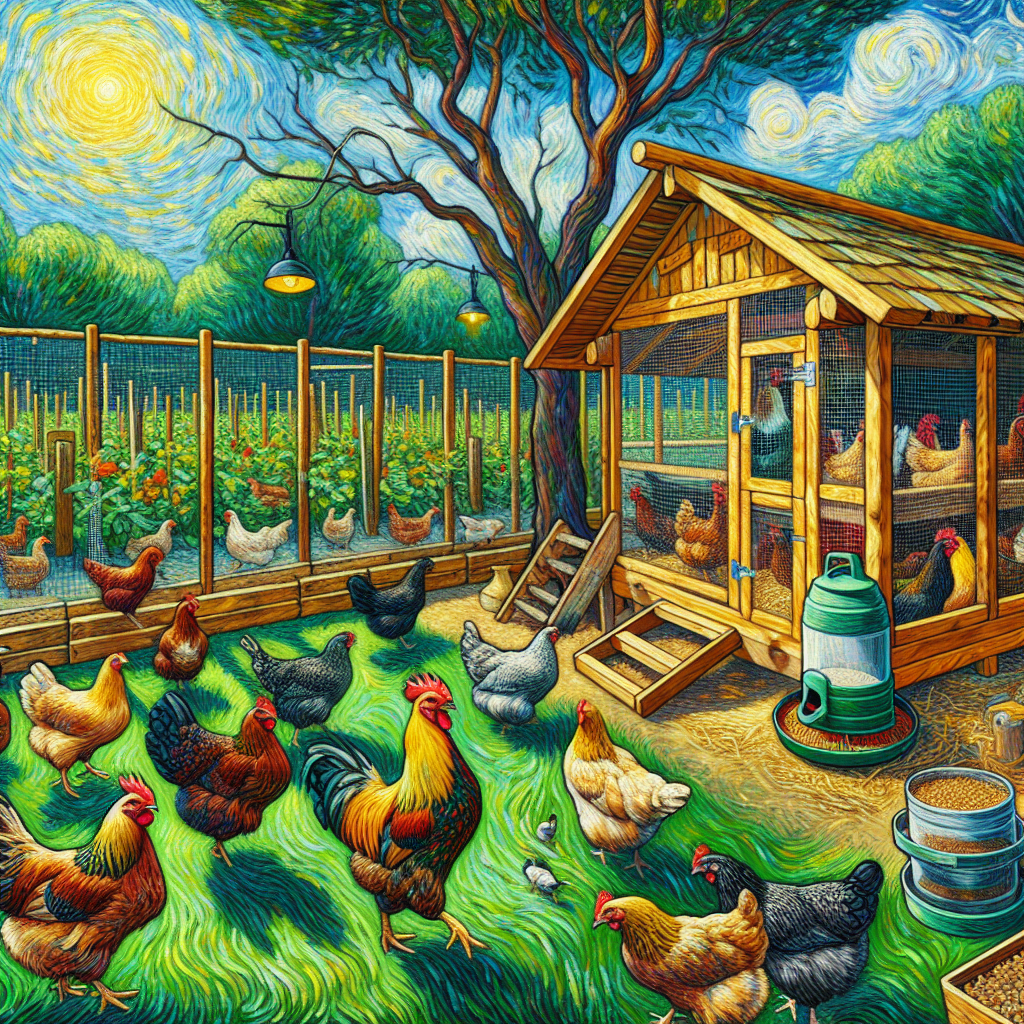
Are Smart Systems the Key to Maximizing Efficiency for Small Sellers?
How Can the Community Support Sellers Using Honesty Boxes Effectively?
In our fast-paced world, it’s easy to overlook the simple goodness found in our own backyards. When we talk about supporting sellers using honesty boxes, particularly in the context of items like fresh produce, baked goods, or even those delightful eggs from backyard chickens, we tap into something primal and beautifully human. These boxes—often just a humble space tucked between the grass and the garden—serve as a testament to trust, community, and craft.
Imagine walking down your neighborhood street, the sun warming your face, and spotting one of these honesty boxes perched jauntily on a porch or nestled among the flowers. Inside, you find fresh eggs laid that morning, awaiting their rightful place on your breakfast table. You don’t just buy a product; you connect with the person who raised those chickens and nurtured that homegrown goodness. You’re investing in a story, an effort, and a piece of your own community.
But supporting these sellers is more than just a transaction; it’s an ethical commitment. By choosing to buy from local honesty boxes, we’re opting to uplift our local economy and actively participating in a chain of kindness. When we trust small-scale farmers and home bakers, we enhance community ties, reinforcing the idea that supporting one another is more than positive rhetoric—it’s a lived reality. We foster a culture of integrity and respect, rewarding honesty with our patronage.
Now, how can you amplify this spirit of community? Share the love. Snap a picture of a treasure you found in an honesty box and post it online with a heartfelt caption. Spread the word to friends and family about who’s using these boxes and why they matter. Be the person who encourages others to wander just a little off the beaten path, to discover their neighbors’ hard work. When more people engage with these efforts, we inspire a ripple effect of trust and authenticity.
Let’s not forget that in nurturing our communities, we nurture ourselves. Imagine walking out each morning, greeted not just by your own backyard chickens but by the spirit of collaboration all around you—an embrace of shared labor and honest exchange. When we come together like this, we’re not just supporting sellers; we’re cultivating a thriving community spirit that brightens our lives and those around us. It’s time to stand behind our local sellers with the same gusto that they pour into every egg they lay and every loaf they bake. Let’s act, connect, and thrive together.

How Can the Community Support Sellers Using Honesty Boxes Effectively?
How Can the Community Support Sellers Using Honesty Boxes Effectively?
- Honesty boxes for fresh produce and baked goods promote trust and community.
- These boxes symbolize a connection to local farmers and their efforts.
- Purchasing from honesty boxes supports the local economy and promotes kindness.
- Engaging with sellers fosters integrity and respect within the community.
- Encourage others to discover these boxes by sharing experiences online.
- Participating in local markets nurtures both community and personal well-being.
- Supporting local sellers enriches lives and cultivates a thriving community spirit.

How Can the Community Support Sellers Using Honesty Boxes Effectively?
What Ethical Implications Arise From Using Honesty Boxes In Commerce?
The notion of an honesty box in commerce stirs up a mix of emotions and considerations that dig deep into the human experience. Imagine a quaint roadside stand, where fresh vegetables shine like jewels against the sun, and next to them, an unassuming box awaits the touch of honest hands. This setup sparks a beautiful connection—not just between seller and buyer, but also within ourselves, as we grapple with the ethical implications that come with such a simple yet profound exchange.
At the heart of this scenario lies the principle of trust. When someone steps up to that box, they’re not just making a purchase; they’re participating in a social contract. This unspoken agreement hinges on integrity and accountability. It’s a leap of faith that tells us more about who we are than what we buy. An honesty box requires us to reflect: Am I willing to uphold this trust, not only for the sake of the seller but for my own moral compass? Here’s where the gut feeling kicks in. It’s not just about the dollar amount; it’s about respect for hard work and craftsmanship, whether that’s the farmer tending to their backyard chickens or the artisan crafting handmade breads.
The appeal to common sense is undeniable. In an age where transactions are often faceless, this arrangement brings us back to a more intimate form of commerce. The story behind each product offers a narrative that enhances its value. Here, the ethical dilemma emerges: do we assume everyone shares a similar commitment to honesty? What happens when someone takes more than their fair share? This can lead to a slippery slope of distrust that undermines the very essence of why these boxes exist.
Moreover, the question of authority rises: who regulates this? There’s no manager to supervise, no strict guidelines dictating “right” or “wrong.” We’re left to self-govern, to uphold a moral standard together as a community. This collective responsibility reinforces social bonds, as we understand that our actions have consequences that ripple beyond ourselves.
The honesty box isn’t just a collection point for cash; it’s a reflection of our values. When we stop, reflect, and engage with this practice, we create a marketplace that honors dignity, respect, and the care we pour into our everyday lives. So, the next time you come across one of these rustic arrangements, consider it an invitation—not just to buy, but to connect, reflect, and choose integrity over convenience.

What Ethical Implications Arise From Using Honesty Boxes In Commerce?
What Ethical Implications Arise From Using Honesty Boxes In Commerce?
- The honesty box represents a blend of emotions and ethical considerations in commerce.
- It fosters a connection based on trust between seller and buyer, emphasizing a social contract rooted in integrity.
- This interaction prompts personal reflection on moral values and the importance of upholding trust.
- It highlights respect for hard work and craftsmanship as integral to the purchasing experience.
- The appeal of face-to-face transactions contrasts with faceless modern commerce, adding narrative value to each product.
- Concerns arise about self-regulation and community responsibility in maintaining honesty and trust.
- Engaging with honesty boxes invites deeper reflection on values, dignity, and integrity in everyday lives.

What Ethical Implications Arise From Using Honesty Boxes In Commerce?
How Can Technology Enhance the Transparency Of Local Sales?
Picture this: the sun is just peeking over the horizon, casting a warm glow over your backyard chickens. They cluck and scratch at the dirt, a symbol of hard work and the simple pleasures of life. This scene is one of the countless ways we connect with our communities daily. But how often do we stop to think about how technology can foster that connection, particularly when it comes to local sales? It’s not about slick marketing or glossy brochures; it’s about authenticity, trust, and transparency.
When technology enters the mix, it opens a dialogue. Think about it—local farmers and artisans can now share their stories, their struggles, and their triumphs with just a few clicks. A farmer can post videos of the care they take with their crops, showcasing the sustainable methods that breathe life into the land. They can share the journey of raising those backyard chickens, from the hatch to the table, fostering a narrative that resonates with consumers. When buyers know where their food comes from, it transforms the act of purchasing from a mere transaction into an emotional investment.
Emotions are powerful drivers of behavior. When we feel connected, we’re more likely to support local businesses. Technology can provide the tools that make those connections persistent and sincere. Social media platforms allow farmers to share their experiences, engage with customers, and build a community. Imagine scrolling through your feed and seeing a heartfelt story about a family who transitioned from corporate life to farming, complete with a link to their fresh produce. That is what creates loyalty—a sense of belonging in a crowded marketplace.
But it isn’t just about feelings; it’s about ethics too. In an age where labels can be misleading, consumers demand transparency. They deserve to know that the fruits of their labor support not just their families but also their local economies. With blockchain technology, for instance, customers can trace their purchases back to their origins, ensuring they’re buying from a reputable source. It’s a win-win for everyone involved.
So why not harness the power of technology to enhance the transparency of local sales? It’s not just a smart move; it’s a necessary one. Embrace the tools available, and let’s pave the way for a future where every local transaction tells a story—one that inspires trust, confidence, and collective action. When we raise our voices together, we raise the standard for every community. Just like those chickens in the backyard, the future is clucking bright, and it’s in our hands to ensure that it stays that way.

How Can Technology Enhance the Transparency Of Local Sales?
How Can Technology Enhance the Transparency Of Local Sales?
- The sunrise over backyard chickens symbolizes hard work and community connection.
- Technology fosters authentic connections in local sales through storytelling and transparency.
- Farmers can share their sustainable practices and personal journeys to engage consumers.
- Emotional connections enhance support for local businesses and create loyalty.
- Social media enables farmers to build a community and share experiences with customers.
- Consumers value transparency and ethical sourcing, aided by technology like blockchain.
- Harnessing technology can enhance local transactions, building trust and fostering community action.

How Can Technology Enhance the Transparency Of Local Sales?
How Can Storytelling Improve the Buying Experience for Consumers?
Picture this: it’s Sunday morning, and the sun is peeking over the horizon. You step into your backyard and hear the gentle clucking of your chickens — yes, your backyard chickens. They’ve not only become a quirky conversation starter but also a symbol of something deeper: sustainability, self-sufficiency, and a connection to nature that many of us crave in our fast-paced lives. Now, think about how that same kind of storytelling can transform the buying experience for consumers.
When brands share their stories, it taps into the heart, creating an emotional bond. Just as you feel a wave of warmth when you watch those feathery friends pecking around, consumers long for a connection that transcends the sterile aisles of shopping. Imagine a farmer telling how he lovingly tends to his chickens to ensure the freshest eggs for your breakfast table. That personal touch not only tugs at the heartstrings but also builds trust. Customers are more likely to purchase from someone whose story resonates with their values — the narrative of ethical sourcing and care communicates responsibility.
Now, let’s flip to the rational side. Engaging stories educate while also entertaining. When a customer hears about the journey of a product, from the soil that nurtured it to the hands that crafted it, it transforms a mundane transaction into a thoughtful decision. Every consumer can relate to the idea of making informed choices, weighing the difference between mass-produced items and those with a rich backstory. This isn’t just shopping; it’s an investment in quality, community, and a sustainable future.
Furthermore, consider the social aspects. When we share our experiences — like the thrill of harvesting fresh eggs or the pride in supporting local farmers — we foster a community. Brands that create spaces for these connections not only keep customers coming back, but they also inspire loyalty. People want to belong to something greater than themselves, and a compelling narrative can make a brand feel like a family.
So, the next time you’re navigating the noise of relentless advertisements and flashy promotions, remember the power of storytelling. It invites you to cozy up in your own backyard, surrounded by the simple joys of life, while reminding you why you chose to support those who put heart and soul into what they do. In a world overflowing with choices, it’s those stories that guide our hearts, spark our minds, and connect our values with our purchases.

How Can Storytelling Improve the Buying Experience for Consumers?
How Can Storytelling Improve the Buying Experience for Consumers?
- Backyard chickens symbolize sustainability, self-sufficiency, and nature connection.
- Brand storytelling creates emotional bonds, tapping into consumer hearts.
- Personal touches, like a farmer’s care, build trust and resonate with consumer values.
- Engaging stories educate and entertain, turning transactions into informed decisions.
- Consumers prefer products with rich backstories over mass-produced items.
- Sharing experiences fosters community and inspires brand loyalty.
- Storytelling amidst marketing noise helps consumers connect values with purchases.

How Can Storytelling Improve the Buying Experience for Consumers?
Conclusion
Selling fresh eggs from your backyard chickens isn’t merely a transaction; it’s a heartwarming story that reflects our desire for community, connection, and authenticity. When you gaze upon the humble honesty box by the roadside, you’re witnessing a powerful symbol of trust—a bridge uniting seller and buyer. In an era defined by convenience, this act of purchasing eggs transcends mere consumption; it’s an investment in relationships and a celebration of local craftsmanship. The sun filtering through leaves highlights not just the freshness of those eggs, but the commitment of their producers.
Each egg encapsulates a journey, inviting customers into a shared narrative of quality, care, and transparency. It’s a refreshing reminder that there’s more to our food than meets the eye. With each cash exchange, we’re affirming our faith in the integrity of those who strive to bring wholesome products to our tables. These small acts have a ripple effect—fostering community resilience, promoting local economies, and creating advocates who sing the praises of their neighborhood farmers.
Rationally, supporting local sellers makes sense—fresh produce retains nutrients and flavor and enriches our communities. When we choose quality over convenience and stand behind local artisans, we’re not just shopping; we’re participating in a larger movement that values sustainability and ethical practices. The story woven into each interaction enriches our buying experience, adding layers of meaning to the goods we purchase.
Ethically, trusting in this system means acknowledging our role in nurturing our communities. The honesty box invites us to grapple with our values and hold ourselves accountable. Are we willing to embody the principles of integrity and respect? Each choice we make has repercussions, encompassing both the seller’s hard work and our commitment to a culture of trust.
Technology serves as an ally in this quest, enhancing transparency and accessibility. Local sellers can share their stories, educate consumers, and foster connections that inspire loyalty—all while showcasing their dedication to sustainable practices.
Ultimately, by supporting local sellers, we cultivate a landscape rich in connections, creativity, and community spirit. The next time you come across those precious eggs, remember: you’re not just buying a product; you’re part of a narrative—a communal embrace that nourishes our hearts, heads, and guts. Together, we can build a thriving ecosystem that honors authenticity and enriches lives. The future is bright, but it all starts with the small, honest steps we take today.

Conclusion
Conclusion:
- Selling fresh eggs from backyard chickens promotes community, connection, and authenticity.
- The honesty box symbolizes trust, uniting seller and buyer in a meaningful way.
- Purchasing eggs is an investment in relationships and local craftsmanship.
- Each egg represents a journey of quality, care, and transparency, enriching our food experience.
- Supporting local sellers fosters community resilience and promotes ethical practices.
- Technology enhances transparency, allowing local sellers to share their stories and connect with consumers.
- By supporting local artisans, we participate in a movement that values sustainability and enriches lives.

Conclusion
Other Resources

Other Resources
Here is a list of other resources you can review online to learn more:
- Newcastle Disease
- White Rock
- Red Ranger
- Derbyshire Redcap
- onions
- Gapeworms
- vegetation
- Mycoplasmosis
- Jaerhon
- berries
- Strawberries
- Java
- Brown Leghorn
- Sebright
- cracked corn
- Ameraucanas
- Quail Disease
- Crevecoeur
Use This Prompt To Get More Resources With Your Favorite Online AI Tool: Please provide me with a list of online articles with their URLs in a bulleted list that I can read regarding Eggs, Honesty Boxes, and Efficiency – Smart Systems for Small Sellers

Other Resources
Glossary Terms
Eggs, Honesty Boxes, and Efficiency – Smart Systems for Small Sellers – Glossary Of Terms
1. Honesty Box: A self-service payment system where customers pay for products without supervision, relying on their integrity.
2. Efficiency: The ability to achieve maximum productivity with minimum wasted effort or expense in selling processes.
3. Small Seller: An individual or small business owner who sells goods, often on a local or individual basis.
4. Smart Systems: Innovative technological solutions designed to streamline operations and improve productivity for small sellers.
5. Inventory Management: The process of tracking and controlling stock levels to meet customer demand efficiently.
6. Customer Trust: The belief in the reliability and integrity of the seller, crucial for the functioning of honesty boxes.
7. Point of Sale (POS): The place where a customer completes a transaction with a seller, often using smart technology.
8. Product Display: The method of showcasing goods to attract customers and increase sales, important in self-service setups.
9. Payment Processing: The handling of transactions, including accepting cash, cards, or digital payments for goods sold.
10. Local Sourcing: The practice of obtaining products from local producers to enhance community support and sustainability.
11. Self-Service: A selling approach where customers serve themselves, minimizing labor costs for sellers.
12. Transaction Transparency: The clarity and openness in the buying process, fostering customer confidence in honesty boxes.
13. Sales Tracking: Monitoring and recording sales data to analyze performance and make informed business decisions.
14. Product Pricing: The strategy behind setting prices for goods to ensure competitiveness and profitability.
15. Customer Experience: The overall impression and satisfaction a customer derives from engaging with a seller.
16. Market Research: The process of gathering information about consumers’ needs and preferences to inform selling strategies.
17. Sustainability: Practices that meet current needs without compromising the ability of future generations, often relevant for small sellers.
18. Consumer Behavior: The study of how individuals make decisions to spend their resources on consumption-related items.
19. Digital Marketing: The use of online channels to promote products and engage with customers, particularly important for small sellers.
20. Community Engagement: The process of building relationships with local customers and stakeholders to enhance brand loyalty.
21. Sales Funnel: The customer journey from awareness to purchase, important for designing effective marketing strategies.
22. Feedback Loop: The process of collecting and analyzing customer feedback to improve products and services continually.
23. Seasonal Sales: Promotions and discounts offered during specific times of the year to increase sales volume.
24. Business Model: The framework outlining how a small seller creates, delivers, and captures value through transactions.
25. Cross-Promotion: A marketing strategy where complementary products are sold together to enhance sales opportunities.
26. Mobile Payment Systems: Technology allowing customers to make payments through smartphones, facilitating convenience for sellers and buyers.
27. Value Proposition: A statement that outlines the unique benefits and value a seller offers to customers over competitors.
28. Social Proof: The influence that the positive experiences of other customers have on potential buyers’ decisions.
29. User-Friendly Technology: Tools and systems designed to be easy to use, encouraging customer interaction and self-service.
30. Business Scalability: The ability of a small business to grow and expand operations without a proportional increase in costs.

Glossary Of Terms
Other Questions
Eggs, Honesty Boxes, and Efficiency – Smart Systems for Small Sellers – Other Questions
If you wish to explore and discover more, consider looking for answers to these questions:
- What are the benefits of using honesty boxes compared to traditional selling methods?
- How does the community perceive sellers using honesty boxes?
- What challenges do small sellers face when using honesty boxes?
- Are there specific examples of successful honesty box implementations?
- How can technology assist in managing honesty box transactions?
- What role do social media and online platforms play in promoting local sellers?
- How can storytelling enhance customer engagement and loyalty?
- What ethical considerations should sellers keep in mind when using honesty boxes?
- How does supporting local farmers impact the overall economy?
- What practices can farmers adopt to ensure transparency with their customers?

Other Questions
Haiku
Eggs, Honesty Boxes, and Efficiency – Smart Systems for Small Sellers – A Haiku
Eggs in honesty,
Trust woven through simple trades,
Local hearts unite.

Haiku
Poem
Eggs, Honesty Boxes, and Efficiency – Smart Systems for Small Sellers – A Poem
In the glow of dawn as chickens cluck and roam,
The heart of a seller finds a place called home.
Eggs nestled gently, a treasure from the yard,
Tales of trust and care make each sale a regard.
With simplicity unfurled, the honesty box stands,
A bridge of connection, built by human hands.
A dollar slips in, not just for a dozen,
But for faith in the farmer, a bond that’s all but frozen.
In a world rushing past, where trust often wanes,
Here’s a sacred pact where respect remains.
Local roots grow deeper with every exchange,
Buying a story, not just eggs, we rearrange.
Rational will whisper of nutrients found,
In local produce, a richness profound.
Ethically driven, our choices align,
Supporting our neighbors, their struggles entwined.
Each sale is a seed in the community’s soil,
As honesty blooms, and connections uncoil.
Let’s share recipes, wisdom, and laughter anew,
In this tapestry woven, each thread shines true.
For technologies lend hands, making sales more clear,
Tracing origins back, we bring the farm near.
The power of stories enchants and unites,
Transforming mere purchases into shared delights.
So as you venture out, to that stand by the way,
Remember you’re part of something greater today.
With every egg gathered, let your heart take flight,
Supporting the local, the real, and the bright.

Poem
Checklist
Eggs, Honesty Boxes, and Efficiency – Smart Systems for Small Sellers – A Checklist
Checklist for Supporting Small Sellers through Honesty Boxes
Heartfelt Connections
_____ Engage Emotionally: Reflect on how buying from local sellers enhances your sense of community.
_____ Value Authenticity: Seek out stories behind the products you purchase. Why does the seller do what they do?
_____ Share Your Experience: Post about your finds on social media to spread the love. Encourage others to appreciate local sellers.
Rational Considerations
_____ Understand Origins: Investigate where your food comes from and the methods used in its production.
_____ Prioritize Quality: Choose fresh, local options over mass-produced items for better taste and nutrition.
_____ Support Sustainability: Consider the environmental impact of your purchases—favor local produce to reduce carbon footprints.
Ethical Engagement
_____ Practice Integrity: Uphold the values of honesty and trust when participating in local commerce.
_____ Support Fair Practices: Recognize the hard work of small sellers by respecting their pricing and effort.
_____ Build Community Trust: Participate in local initiatives that promote transparency and support for vendors relying on honesty boxes.
Authority and Credibility
_____ Follow Trusted Sources: Seek information from local farming organizations or community boards for reliable seller information.
_____ Cultivate Mutual Respect: Engage in respectful exchanges with sellers and fellow buyers to encourage a positive marketplace.
Narrative Value
_____ Encourage Storytelling: Ask sellers about their journey and share those stories with others.
_____ Participate in Local Events: Attend farmers’ markets or community gatherings to hear directly from small sellers.
Social Responsibility
_____ Promote Local Economies: Actively choose to shop from locals rather than big corporations to enhance your local economy.
_____ Network and Connect: Build relationships within your community that encourage others to support local sellers.
_____ Share Recipes: Use fresh local ingredients to create meals with family and friends, fostering a culture of sharing and community.
By following this checklist, you not only empower yourself but also uplift the small sellers in your community, fostering a culture of honesty, connection, and mutual respect.

Checklist
At BackyardChickenNews, we help people who want to raise backyard chickens by collating information and news blended with our own personal experiences.
Be sure to read our other related stories at BackyardChickenNews to learn more about raising chickens in your backyard.