

Building Bonds, Nourishing Souls: The Power Of Family Meals
By Tom Seest
At BackyardChickenNews, we help people who want to raise backyard chickens by collating information and news blended with our own personal experiences.
Be sure to read our other related stories at BackyardChickenNews to learn more about raising chickens in your backyard.
Family Dinners with a Purpose – Raising and Cooking Together
Gather ‘round the table, if you will, and consider what it means to break bread together. In this fast-paced world where time is a luxury, a simple dinner at home can turn into a powerful ritual. It’s not just about the food on the table; it’s about the love that goes into the process of preparing it. There’s something undeniably special about raising and cooking together, and it starts with a shared vision—whether that’s growing a garden or even tending to a small flock of backyard chickens.
Imagine the joy in collecting eggs each morning, the thrill of seeing your children’s faces light up when they spot a freshly laid egg. It’s more than just a task; it’s a lesson in responsibility and connection to the earth. These experiences bolster a child’s understanding of where food comes from, teaching them that every meal has a story behind it—one that narrates the effort and care invested by many hands.
On a practical note, engaging in these activities nourishes the mind and body. Cooking from scratch not only fosters healthier eating habits but also ignites creativity. Want to experiment with a new recipe using those homegrown vegetables? Go for it! In a world overflowing with convenience, this simple act reclaims your family’s culinary heritage, giving each dish a unique significance. Plus, let’s face it—there’s nothing like sharing a laugh over spilled ingredients or a botched soufflé.
Ethically, embracing this lifestyle instills values of sustainability and mindfulness. Your children won’t just learn to appreciate food; they’ll understand its worth. Connections to local farms, seasonal produce, and the rhythm of nature become part of their fabric. And when the family gathers around the table, those values are reinforced through dialogue and bonding.
The appeal extends beyond the plate. This tradition encourages a sense of belonging and identity—a family’s unique lineage evidenced in cherished recipes passed down through generations. So as you prepare for your next family dinner, remember: it’s not merely about what you’re eating, but who you’re with and what you’re teaching each other. Build those memories, share those stories, and savor the laughter. After all, in an age where screens dominate, there’s nothing quite like coming together, sharing the fruits of your labor, and marking time with a shared purpose.
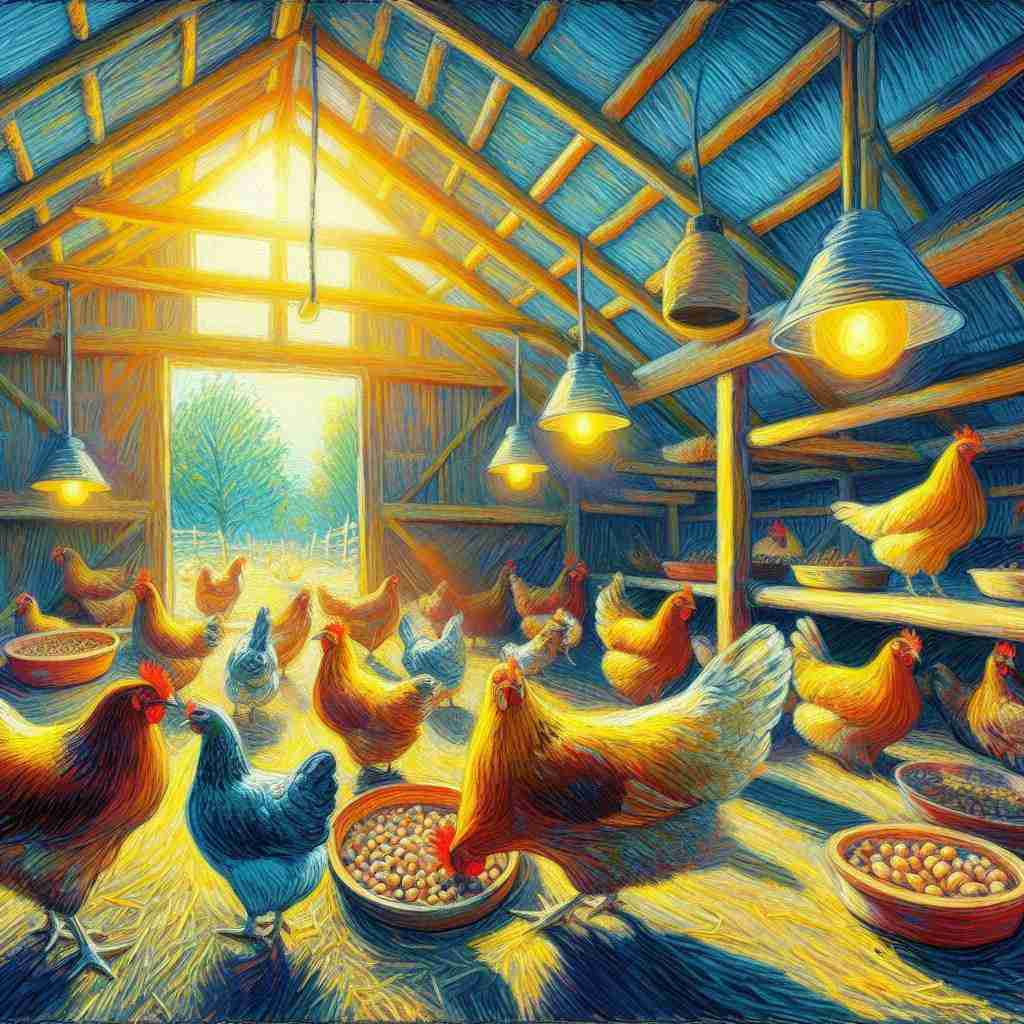
Family Dinners with a Purpose – Raising and Cooking Together
Family Dinners with a Purpose – Raising and Cooking Together
- Breaking bread together enhances connections and fosters meaningful rituals in a fast-paced world.
- Cooking as a shared activity promotes love, responsibility, and understanding of where food comes from.
- Collecting eggs from backyard chickens teaches children about nature and food production.
- Cooking from scratch supports healthier eating habits and ignites creativity in the kitchen.
- This lifestyle nurtures values of sustainability, mindfulness, and appreciation for food’s worth.
- Family meals reinforce traditions, identity, and lineage through shared recipes and stories.
- In a screen-dominated age, shared meals provide a unique opportunity for bonding and creating memories.

Family Dinners with a Purpose – Raising and Cooking Together
Table Of Contents
- Family Dinners with a Purpose – Raising and Cooking Together
- What Memories Do You Cherish From Family Meals Around the Table?
- How Can Cooking Together Strengthen Family Bonds and Relationships?
- What Values Can We Instill In Our Children Through Shared Meals?
- How Does a Family Dinner Contribute to a Healthier Lifestyle?
- Can Teaching Cooking Skills Promote Confidence In Our Children?
- What Stories Can We Share During Dinner to Teach Life Lessons?
- How Can Family Meals Improve Communication Between Family Members?
- Conclusion
- Other Resources
- Glossary Of Terms
- Other Questions
- Haiku
- Poem
- Checklist
What Memories Do You Cherish From Family Meals Around the Table?
Gathered around the kitchen table, the memories of family meals simmer like a well-stirred stew. Each bite is infused not just with seasoned flavors, but with laughter, stories, and lessons passed down like cherished heirlooms. Picture this: a warm summer evening, the aroma of roasted vegetables mingling with the sound of clattering forks, as you navigate the narrative of your day—an unassuming ritual that holds the power to transform ordinary moments into extraordinary memories.
Those meals—perhaps seasoned with the succulent eggs from your very own backyard chickens—become more than just nourishment; they serve as a lifeline to our heritage. Every recipe, every shared bite is a bridge to our past, connecting generations through the simple act of eating together. Ethics play a vital role here; by choosing to raise chickens in our backyards, we’re not just opting for sustainable food—their presence teaches responsibility and fosters a relationship with the earth, ensuring that our children understand where their food comes from. It’s an ethical gesture towards a healthier, more mindful lifestyle.
Moreover, these shared meals spark deep conversations, firing up the engines of critical thinking and emotional intelligence. One moment, you’re discussing your favorite comic book character, while the next, you’re navigating the delicate landscape of a family disagreement. Every dialogue holds the promise of connection, drawing us closer as we share our triumphs and struggles. This kind of social engagement fortifies our bonds, creating a safe harbor where we can be our truest selves.
Yet, it’s not just the sharing of food and stories that makes these gatherings significant; it’s also the testament to resilience. During tough times, that table became a sanctuary, a space to confront fears and celebrate unwavering support. Each meal shared in the face of adversity becomes a badge of honor, a reminder that love is the most potent ingredient we can offer.
So, what memories do you cherish from those family meals around the table? Reflect on the faces, the flavors, and the stories spun into the threads of your family’s tapestry. Capture those moments—the laughter, the arguments, the lessons—and allow them to inspire you. Embrace this ritual with intention, for it not only nurtures our bodies but also feeds the very soul of our families, ensuring that the legacy of those gathered around the table lives on, a recipe for connection that transcends time.

What Memories Do You Cherish From Family Meals Around the Table?
What Memories Do You Cherish From Family Meals Around the Table?
- Family meals are rich with memories, laughter, and lessons, serving as a nurturing ritual.
- The aroma of cooking and the sound of conversation enhance the experience of sharing meals.
- Homegrown food, like eggs from backyard chickens, connects us to our heritage and fosters responsibility.
- Shared meals encourage critical thinking and emotional intelligence through meaningful conversations.
- These gatherings create a safe space for vulnerability, promoting connection and support within the family.
- In difficult times, shared meals become a symbol of resilience and love, strengthening family bonds.
- Reflecting on these experiences helps us cherish the rich tapestry of our family’s history.

What Memories Do You Cherish From Family Meals Around the Table?
How Can Cooking Together Strengthen Family Bonds and Relationships?
Gathering around the kitchen isn’t just about food; it’s about forging connections that stand the test of time. When families come together to cook, the kitchen morphs into a sanctuary where life’s lessons are imparted and cherished memories are made. Think of it as a modern assembly line of love—every chop, stir, and simmer adding not just flavor, but also depth to the relationships we hold dear.
Cooking ignites conversation, unlocking stories hidden within family history. While sharing techniques for whipping up Grandma’s famous pasta sauce, or debating the ideal temperature for roasting backyard chickens, laughter flows freely. These moments become the backdrop for imparting values, like patience and teamwork. Who knew that the simple act of measuring out flour could teach the importance of precision? It’s this intertwining of tasks and tales that grounds us in a shared legacy.
There’s a primal satisfaction that comes from creating something together, a mindset shift from competition to collaboration. You and your child might not be prepping a Michelin-star meal, but the joy of seasoning a dish to perfection is unmatchable. The kitchen transforms into a lively workshop where everyone has a role—whether it’s an experienced chef or a curious novice. This process of creation fosters resilience, teaching that mistakes in the kitchen (like over-salting a pot) are not failures but opportunities to adjust, learn, and even laugh.
And here’s the kicker: these shared experiences don’t just stay confined to the kitchen. They spill over into our everyday lives. Trust builds as children learn they can contribute meaningfully in family life. Ethically, we begin to understand the value of sustenance—not just in terms of what we eat, but how we care for one another. Cooking together invites a deeper consideration of our dinner choices, whether it’s ethically sourcing ingredients or even tending to a few backyard chickens, teaching our kids about the responsibility that comes with caring for living beings.
In a world that often pulls us apart, cooking together invites us to draw closer to one another. It’s an invitation to create, connect, and celebrate the simple joys of family life. So, roll up those sleeves, gather the ingredients, and let the kitchen be your stage. Changemakers of the heart, head, and gut await—right between those cracks of your family’s favorite recipes. The journey of tastemaking is more than about what you eat; it’s about who you eat with.

How Can Cooking Together Strengthen Family Bonds and Relationships?
How Can Cooking Together Strengthen Family Bonds and Relationships?
- Gathering in the kitchen fosters lasting connections beyond just food.
- The kitchen becomes a sanctuary for life lessons and cherished memories.
- Cooking ignites conversation and unlocks family history stories.
- Shared cooking experiences teach values like patience and teamwork.
- The process of cooking shifts focus from competition to collaboration.
- Shared experiences from cooking extend to everyday family life and trust-building.
- Cooking together encourages ethical considerations in food choices and responsibility.

How Can Cooking Together Strengthen Family Bonds and Relationships?
What Values Can We Instill In Our Children Through Shared Meals?
When we gather around the table for a shared meal, we’re not just filling our bellies; we’re nourishing the very foundation of our future generations. Think about it. Every meal together is an opportunity—a chance to instill values that will guide our children through life’s complexities. So, what values can we imbue within the simple act of eating together?
Picture this: a scene in the backyard, kids chasing after the chickens, laughter echoing through the air. That joy roots us back to a time when life was simple, and meals were a celebration. Engaging with nature, like raising backyard chickens, teaches responsibility, as children learn the importance of caring for another living creature. They quickly grasp that every egg gathered corresponds to effort—a lesson in cause and effect that speaks to their developing sense of connection with the world around them.
As we gather around the dinner table, we weave a tapestry of stories that span generations, nurturing communication skills and emotional intelligence. It’s not just about what’s on the plate; it’s about what’s in our hearts. Sharing hopes, dreams, and even challenges at the dinner table fosters a bond that strengthens our family unit. This connection teaches empathy—a skill crucial in today’s divided world. When children start to understand and consider others’ feelings, they become not just better friends but better citizens.
On a practical note, family meals also introduce the value of teamwork. Preparing dinner together creates a rhythm, where each person plays a role, whether chopping vegetables or stirring a pot. These moments build confident leaders, teaching children that collaboration can yield beautiful results.
But let’s not forget ethics. Eating together opens dialogues about choices—from the importance of healthy food to where it comes from. When children understand the value of sustainable practices, like choosing local produce or even raising their own backyard chickens, they become stewards of the environment. They learn that food is not merely a commodity; it’s a vital thread that connects us to the earth and to each other.
So, the next time you pull up a chair at the table, remember—it’s more than a routine; it’s a sacred rite. It’s a commitment to shaping our children’s values—a tangible legacy that they’ll carry with them long after those backyard chickens lay their last egg. Let’s make every meal count, focusing on the flavors of connection, responsibility, and shared love.

What Values Can We Instill In Our Children Through Shared Meals?
What Values Can We Instill In Our Children Through Shared Meals?
- Shared meals nourish future generations and instill important values.
- Engaging with nature, like raising backyard chickens, teaches responsibility and the cause-and-effect relationship.
- Family dinners foster communication skills and emotional intelligence through shared stories and experiences.
- Gathering around the table strengthens family bonds and teaches empathy.
- Family meals promote teamwork by involving everyone in the cooking process, building leadership skills.
- Discussion during meals encourages ethical choices regarding food, health, and sustainability.
- Dining together is a sacred ritual and a commitment to shaping children’s values and legacies.

What Values Can We Instill In Our Children Through Shared Meals?
How Does a Family Dinner Contribute to a Healthier Lifestyle?
Gather ’round the table, folks, because the family dinner is more than just a meal; it’s a rite of passage, a bonding ritual, and a catalyst for a healthier lifestyle. Picture this: you’ve had a long day, and instead of diving into the abyss of takeout menus, you’re cooking together, perhaps even with some fresh eggs from the backyard chickens you decided to keep. Sure, there’s nutritious food on your plate, but it’s more than just calories; it’s love, effort, and family history simmering in that pot.
From an emotional standpoint, family dinners become a sanctuary. They offer a space to share highs and lows, to laugh at absurd stories and to connect on a deeper level. When you carve out time for each other, it translates to a sense of belonging. We are social creatures, hardwired to crave these connections. That sense of togetherness—it’s what has sustained us through the ages. Ethically speaking, nurturing relationships with the ones you love fosters an environment of support and understanding. When families communicate and gather, they send messages of acceptance and security, laying a foundation for mental health.
Now, let’s get to the head part of the equation. Studies show that families who dine together tend to eat healthier. It’s simple: when you prioritize a communal meal, you’re more likely to choose wholesome ingredients, control portion sizes, and, heck, even discover new recipes in the process. Your children learn to appreciate food, and by extension, nutrition. They witness firsthand that meals are meant to be savored, not just consumed in a rushed blur while staring at screens.
And let’s not overlook authority—the experts back this up. Nutritionists advise that shared meals can improve diets, lower obesity rates, and build healthier habits. It’s a no-brainer: when you engage in cooking and dining together, you inherently teach and reinforce good choices.
Finally, consider the social appeal. In a world filled with fast-paced living, family dinners are a rare gem—a true gathering that can strengthen bonds and cultivate lifelong memories. You’re not just filling your stomach; you’re filling your heart with laughter, wisdom, and stories that might just be passed down through generations.
So the next time you think about grabbing fast food, remember to whip up something together. It’s not just a meal; it’s a move toward a healthier, happier lifestyle—with a side of connection, joy, and maybe even the satisfaction of having raised those backyard chickens yourself.

How Does a Family Dinner Contribute to a Healthier Lifestyle?
How Does a Family Dinner Contribute to a Healthier Lifestyle?
- Family dinners are more than meals; they serve as bonding rituals and promote healthier lifestyles.
- Cooking together fosters love and family history, enhancing the emotional experience of the meal.
- Dinners provide a safe space for sharing experiences, reinforcing a sense of belonging.
- Nurturing relationships during meals develops support, understanding, and contributes to mental health.
- Families that dine together are more likely to eat healthier and appreciate nutritious food.
- Nutritionists endorse shared meals for improving diets and promoting healthier habits.
- Family dinners create lasting memories, strengthening bonds and nurturing joy and connection.

How Does a Family Dinner Contribute to a Healthier Lifestyle?
Can Teaching Cooking Skills Promote Confidence In Our Children?
In the heart of every family kitchen lies a unique opportunity—a chance to cultivate more than just culinary skills. Teaching our children to cook is about far more than flipping pancakes or boiling pasta; it’s about fostering a sense of confidence that can permeate every aspect of their lives. Picture this: a cozy Sunday afternoon in a home filled with the warm aroma of sautéing vegetables, laughter echoing as little hands learn to whisk eggs. It’s in these moments that skills are acquired, yes, but more importantly, self-esteem is forged.
Imagine a child who helps prepare dinner, mixing vibrant ingredients, measuring flour, and stirring sauces. Each step taken with their little hands builds trust not only in their own capabilities but also in the relationships around them. The kitchen becomes a safe space where triumphs are celebrated—“Look, Mom, I made this!”—and mistakes are merely stepping stones for learning. The simple act of cooking imbues children with responsibility, teaching them that through practice and persistence, even the toughest tasks can yield delicious results.
Think about it: in a world that often pushes the idea of quick fixes and instant gratification, cooking offers a beautiful, hands-on lesson in patience and hard work. When kids knead dough or tend to backyard chickens, they are engaging deeply with their food source. They become aware of where their meals come from, fostering respect for ingredients and an ethical appreciation for sustainability. This connection nurtures not only their understanding of nutrition but also their role in a larger community, reinforcing the importance of shared meals and collective efforts.
And let’s not forget the social aspect. Cooking can become a family tradition, a bridge that connects generations as recipes are passed down, stories are shared, and bonds are strengthened around the dinner table. Children learn valuable communication skills and teamwork as they navigate the culinary world together.
So, take a moment to think about the message it sends when we invite our children into the kitchen. We’re not just teaching them how to whip up a meal; we’re imparting life skills that bolster their confidence and resilience. In a society that sometimes underestimates the power of hands-on experience, let’s remember that the kitchen can be a transformative classroom—one spatula at a time. Embrace the chance to teach your children to cook, and watch as their confidence sizzles to life, dish by glorious dish.

Can Teaching Cooking Skills Promote Confidence In Our Children?
Can Teaching Cooking Skills Promote Confidence In Our Children?
- Family kitchens provide a unique opportunity to cultivate more than culinary skills.
- Teaching children to cook fosters confidence and self-esteem beyond the kitchen.
- Cooking creates a safe space for children to celebrate triumphs and learn from mistakes.
- Children learn responsibility and the value of persistence through cooking.
- Cooking teaches patience and hard work, countering the culture of instant gratification.
- The culinary experience enhances awareness of food origins and promotes sustainability.
- Cooking as a family tradition strengthens bonds and communication skills across generations.

Can Teaching Cooking Skills Promote Confidence In Our Children?
What Stories Can We Share During Dinner to Teach Life Lessons?
Gathering around the dinner table isn’t just about enjoying good food; it’s a sacred space where we cultivate memories and share stories that shape who we are. Picture this: a family with backyard chickens, clucking away outside, while inside, laughter and lessons flow just as freely as the gravy. These seemingly simple experiences can open the door to rich conversations that inspire, educate, and bring us closer together.
Start with the tale of the backyard chickens. They might seem like a quirky family project, but their clucking antics hold profound lessons about responsibility and care. When you share how your child learned to feed them, how they sometimes forgot, and the consequences that followed, it resonates deeply. “You know why we take care of these chickens?” you can ask. “Because they depend on us. Just like the people in your life.” This casual narrative doesn’t just teach accountability; it nurtures empathy. It plants a seed of compassion that will grow as they learn to care for more than just animals.
Now, pivot a bit. Transform the conversation from caring for chickens to the importance of community. Someone’s going to share a story about how they once helped a neighbor with a flat tire, and then another will chime in with their own tale of receiving unexpected kindness. This is where the magic happens. We can talk about teamwork and trust, and how lending a helping hand often returns to us tenfold. Social bonds strengthen when we recognize our shared humanity, creating a tapestry of experiences that binds us together.
Life lessons can be found in the trenches of everyday living, and yet they resonate universally. Highlight moments where missteps led to growth—like the time that chicken got out and the 30-minute chase that ensued. It’s funny now, but then it felt like a sprint in the wrong direction. This not only gets laughs but illustrates resilience; the grit it takes to rise after a fall, to chase after what matters, no matter how messy the journey.
In an age where screens often drown out genuine connection, let the stories you share reveal the beauty of imperfection, the wisdom of failures, and the strength found in vulnerability. At that dinner table, let’s raise our voices, our forks, and our spirits by turning shared meals into a repository of life lessons—one backyard chicken story at a time.

What Stories Can We Share During Dinner to Teach Life Lessons?
What Stories Can We Share During Dinner to Teach Life Lessons?
- Gathering at the dinner table fosters memory-making and storytelling.
- Backyard chickens serve as a metaphor for learning responsibility and empathy.
- Sharing personal anecdotes facilitates rich conversations about care and community.
- Stories of helping others reinforce the significance of teamwork and social bonds.
- Everyday life experiences highlight resilience and personal growth.
- Emphasizing the beauty of imperfection and vulnerability enhances genuine connection.
- Dinner conversations can become a source of life lessons, one story at a time.

What Stories Can We Share During Dinner to Teach Life Lessons?
How Can Family Meals Improve Communication Between Family Members?
Gathering around the dinner table is more than just a ritual; it’s a heartfelt commitment to communication and connection that can weave the fabric of family life. Picture this: your backyard chickens clucking away as you prepare a home-cooked meal, the aroma wafting through your home, making the heart swell with a sense of belonging. You’re not just feeding bodies; you’re nourishing relationships, fostering a sense of community that goes beyond the four walls of your kitchen.
It’s in these moments of shared meals that family members find their voices. Whether it’s your teen venting about school pressures or your youngest sharing a silly story from the playground, the dinner table becomes a safe haven—a space where words flow freely, revealing joys, challenges, and aspirations. It’s about connecting the heart and head; children pick up on communication styles, learning not only to express themselves but also to listen to others. This is where the ethical responsibility of families comes into play—creating a nurturing environment that allows every voice to be valued equally.
And let’s not underestimate the power of a good meal. Research shows that families who dine together regularly report improved communication, better relationships, and higher emotional well-being. From an authority standpoint, experts agree that consistency at the dinner table cultivates a strong foundation for open dialogue. When family members know they can count on these gatherings, they are more likely to share their thoughts and feelings, fostering trust and understanding.
While the big conversations matter, it’s also the little ones—the everyday chatter about the day’s events—that forge deeper connections. Each shared laugh and moment of vulnerability builds a narrative unique to your family, creating a tapestry rich with memories and lessons. It sounds simple, but the act of gathering, even amidst busy schedules, shows a commitment to each other that resonates deeply, inspiring everyone to take part.
So next time you pull together a meal, whether it be chicken from your backyard or that recipe passed down through generations, take a moment to appreciate what’s happening around the table. It’s a chance to strengthen bonds, a catalyst for communication that can build trust and fuel your family’s journey together. Embrace those moments—because every meal isn’t just a meal; it’s an opportunity to connect, to learn, and to grow as a family.

How Can Family Meals Improve Communication Between Family Members?
How Can Family Meals Improve Communication Between Family Members?
- Gathering around the dinner table fosters communication and strengthens family connections.
- Shared meals nourish relationships and create a sense of community beyond the home.
- The dinner table becomes a safe haven for family members to express their thoughts and feelings.
- Children learn both to communicate and listen in a nurturing environment.
- Regular family meals correlate with improved communication, relationships, and emotional well-being.
- Everyday conversations and shared moments deepen connections and create lasting family narratives.
- Cooking and gathering for meals illustrate a commitment to family bonding and growth.

How Can Family Meals Improve Communication Between Family Members?
Conclusion
Family meals transcend the mere act of eating—they weave the fabric of connection, imprinting lasting memories and values on the hearts and minds of those gathered. In a world increasingly dominated by technology and fast-paced living, sitting down for a meal with loved ones becomes a sacred ritual, a powerful opportunity to cultivate deeper relationships and a sense of belonging.
Imagine the aroma of a home-cooked dinner wafting through the air, laughter mingling with the clinking of silverware. It’s not just food being prepared; it’s a tapestry of shared stories, lessons, and experiences that come together to nourish not only the body but also the soul. Here, in the warmth of your kitchen, the kitchen table becomes a sanctuary where the big questions of life are asked and answered, where challenges are shared, and where the hurdles of the day can be navigated with empathy and support.
Beyond flavor, the act of cooking together fosters collaboration. Each family member plays a role, reinforcing that teamwork yields delicious outcomes. It teaches children resilience through the kitchen’s inevitable mishaps—after all, even the best chefs burn the occasional batch. These small failures become stepping stones, imparting valuable lessons about effort, patience, and the beauty of imperfection.
Moreover, gathering together cultivates an environment rich in communication. In these moments, parents impart wisdom, teaching values such as responsibility—perhaps through nurturing a backyard flock of chickens—and sustainability, connecting their children to the origins of their meals. Conversations flow naturally, evolving from light-hearted banter to meaningful discussions that nurture emotional intelligence and deep understanding.
As these shared meals unfold, communities are built at home—communities that instill ethics and promote a mindset focused on caring for one another. Dinners become a stage for storytelling, where every anecdote reinforces family heritage and traditions, creating continuity that strengthens bonds across generations.
Ultimately, family meals serve as a crucial foundation for healthier lifestyles. Research shows that families who dine together tend to eat not just more nutritious food but also forge stronger emotional ties, contributing to mental well-being. By choosing to gather regularly, families send a powerful message: they value each other’s company, prioritize meaningful conversation, and understand that true nourishment extends far beyond the plate.
So, as you light the stove and prepare the next meal, remember: you’re not just feeding hungry bellies; you’re nurturing hearts, instilling values, and creating a legacy rich with connection and love. Embrace this ritual, and let family dinners become the enduring thread in your family’s story.

Conclusion
Conclusion:
- Family meals create connections and lasting memories among loved ones.
- In a busy, tech-driven world, shared meals act as a sacred ritual enhancing relationships.
- Cooking together fosters collaboration, teamwork, and teaches resilience through mishaps.
- Shared meals provide opportunities for communication and imparting essential life values.
- Family dinners reinforce heritage and traditions, creating continuity across generations.
- Regular family meals contribute to healthier lifestyles and stronger emotional ties.
- Embracing family dinners nurtures hearts, instills values, and builds a legacy of connection.

Conclusion
Other Resources

Other Resources
Here is a list of other resources you can review online to learn more:
- toads
- Red Jungle Fowl
- Isbar
- Marans of America Club
- Dorking
- Lavender Orpington
- Cornish Cross
- centipedes
- Coliform Infection
- Dutch Bantam
- leafy greens
- Bresse
- Black Copper Marans
- Dominique
- Hamburg
- White Leghorn
- fermented feed
- White Rock
Use This Prompt To Get More Resources With Your Favorite Online AI Tool: Please provide me with a list of online articles with their URLs in a bulleted list that I can read regarding Family Dinners with a Purpose – Raising and Cooking Together

Other Resources
Glossary Terms
Family Dinners with a Purpose – Raising and Cooking Together – Glossary Of Terms
1. Family Dinner: A meal shared by family members, often emphasizing togetherness and communication.
2. Cooking Together: The act of preparing food as a group, fostering collaboration and bonding among family members.
3. Meal Preparation: The process of planning, gathering ingredients, and cooking a meal, often involving teamwork.
4. Recipe: A set of instructions detailing how to prepare a specific dish, including ingredients and steps.
5. Culinary Skills: The abilities and techniques involved in cooking, ranging from basic to advanced methods.
6. Meal Planning: The process of organizing meals for a set period, helping streamline grocery shopping and cooking.
7. Taste Testing: The act of sampling food during cooking to adjust flavors and enhance the final dish.
8. Table Setting: Arranging dishes, silverware, and décor on a table, creating an inviting atmosphere for meals.
9. Harvesting: The gathering of fruits, vegetables, or herbs from gardens or farms, emphasizing fresh ingredients.
10. Nutritional Awareness: Understanding the health benefits of different foods and making informed choices in meal preparation.
11. Family Traditions: Customs and practices passed down through generations, often incorporated into family meals.
12. Cultural Cuisine: Food styles and recipes that reflect the traditions and heritage of a specific culture.
13. Bonding: The process of strengthening relationships among family members through shared activities, such as cooking.
14. Sustainability: The practice of using resources in a way that preserves them for future generations, often including local and seasonal ingredients.
15. Sharing Responsibilities: Dividing tasks among family members during meal preparation and cooking to foster teamwork.
16. Healthy Eating: Making food choices that promote overall health and well-being, focusing on nutritious ingredients.
17. Food Presentation: The art of plating and arranging food in an appealing manner to enhance the dining experience.
18. Mindful Eating: The practice of being present and attentive during meals, focusing on flavors, textures, and the experience of eating.
19. Family Recipes: Traditional dishes passed down within a family, often carrying sentimental value and history.
20. Cooking Techniques: Methods of preparing food, such as baking, grilling, or steaming, each offering unique flavors and textures.
21. Meal Diversity: Incorporating a variety of foods and flavors into family meals to encourage exploration and acceptance.
22. Community Involvement: Engaging with local resources, such as farmer’s markets, to source fresh ingredients and support local farmers.
23. Food Allergies: Adverse reactions some individuals may have to certain foods, important to consider in meal planning.
24. Potluck: A communal gathering where each participant brings a dish to share, promoting variety and collaboration.
25. Gastronomy: The study of food and culture, encompassing the art of cooking, serving, and enjoying food.
26. Comfort Food: Dishes that provide a sense of nostalgia or well-being, often associated with family gatherings.
27. Food Sustainability: Practices to minimize waste and environmental impact related to food production and consumption.
28. Seasonal Ingredients: Foods that are at their peak during specific times of the year, offering optimal flavor and nutrition.
29. Interactive Cooking: Engaging in cooking activities that allow family members to participate actively, enhancing the experience.
30. Memory Making: The process of creating lasting memories through shared experiences at family dinners and cooking sessions.

Glossary Of Terms
Other Questions
Family Dinners with a Purpose – Raising and Cooking Together – Other Questions
If you wish to explore and discover more, consider looking for answers to these questions:
- What are some fun and interactive recipes to try as a family?
- How can families incorporate garden activities in their cooking routines?
- What are some effective ways to involve children in meal planning?
- What are the health benefits of cooking with fresh ingredients?
- How can families handle disagreements during meal preparation?
- What role do family traditions play in strengthening bonds?
- How can families create a more sustainable kitchen environment?
- What are the long-term impacts of family meals on children’s development?
- How can families with busy schedules prioritize shared meals?
- What are some conversation starters to use during family meals?

Other Questions
Haiku
Family Dinners with a Purpose – Raising and Cooking Together – A Haiku
Gathered ’round the flame,
Bread and laughter nurture bonds,
Love cooks in each heart.

Haiku
Poem
Family Dinners with a Purpose – Raising and Cooking Together – A Poem
Gather ’round the table where stories unwind,
In the heart of the kitchen, connection you’ll find.
With laughter and lessons in every shared bite,
Each meal a reminder, of love’s guiding light.
Backyard chickens cluck, offering eggs of delight,
Teaching our children responsibility’s might.
From garden to table, each dish tells a tale,
Nourishing bodies, as we set sail.
Cooking together, hands messy with flour,
Transforms mundane moments into sweet hours.
Patience and teamwork, in every stir and fold,
Building confidence in the young and the old.
Every gathering a tapestry sewn with care,
A chance to create memories, priceless and rare.
Conversations ignite, revealing our fears,
As we share hopes and dreams over laughter and tears.
In a world that pulls us in a million directions,
Family meals anchor, offering connections.
Mindful choices blossom from rooted respect,
In the rhythm of cooking, we learn to reflect.
So lift up your fork, and embrace this chance,
To teach your children through stories and dance.
For it’s more than just dinner; it’s legacy’s call,
A recipe for love that nourishes all.

Poem
Checklist
Family Dinners with a Purpose – Raising and Cooking Together – A Checklist
Checklist for Meaningful Family Dinners
Emotional Appeal
_____ Reflect on your favorite family meal memories. What touches your heart?
_____ Share a dish that holds a special story or significance in your family.
_____ Set the mood: Create a warm and inviting dining atmosphere with lighting and decor.
Rational Appeal
_____ Plan meals that include healthy ingredients; involve everyone in choosing the recipes.
_____ Designate a cooking night; rotate responsibilities among family members.
_____ Reflect on the nutritional benefits of home-cooked meals vs. takeout.
Ethical/Environmental Appeal
_____ Discuss the importance of sustainable food sourcing. Consider local farmers’ markets or growing your own vegetables.
_____ Teach children about responsibility through caring for backyard chickens or gardening.
_____ Commit to waste reduction; brainstorm ways to use leftovers creatively.
Authority Appeal
_____ Research and share expert tips on healthy family meals and their benefits together.
_____ Consider consulting family meal planners or nutritionists for tailored advice.
_____ Follow a family-friendly cooking blog or online course together to learn new skills.
Narrative Appeal
_____ Encourage sharing stories about childhood meals and experiences around the table.
_____ Create a family recipe book that documents your culinary adventures.
_____ Discuss the lessons learned from kitchen mishaps—how mistakes lead to growth.
Social Appeal
_____ Schedule regular family dinners on the calendar to make them a priority.
_____ Encourage open dialogue during meals by having a ‘question of the day’ for everyone to answer.
_____ Invite extended family or friends for special occasions to build a sense of community.
Practical Action Items
_____ Determine a weekly cooking day; create a shared calendar to manage responsibilities.
_____ Make a list of grocery items needed for planned meals to avoid last-minute takeout.
_____ Set a cooking goal: try one new recipe each week or themed dinner nights (e. g. , “Meatless Mondays”).
Implementing this checklist will enhance your family dinner experience, fostering deeper connections and nourishing both the heart and soul.

Checklist
At BackyardChickenNews, we help people who want to raise backyard chickens by collating information and news blended with our own personal experiences.
Be sure to read our other related stories at BackyardChickenNews to learn more about raising chickens in your backyard.