

Feeding Hearts, Minds, And Nature: The Power Of Dual-Purpose Birds
By Tom Seest
At BackyardChickenNews, we help people who want to raise backyard chickens by collating information and news blended with our own personal experiences.
Be sure to read our other related stories at BackyardChickenNews to learn more about raising chickens in your backyard.
From Breakfast to Dinner – Teaching Kids About Food Cycles with Dual-Purpose Birds
When you think about the food cycle, it’s easy to feel detached, as if eating comes from a poorly understood factory instead of a living, breathing ecosystem. But imagine gathering fresh eggs from your own backyard chickens, and suddenly everything becomes personal. These remarkable creatures don’t just provide breakfast; they’re the perfect teachers for our children, offering a deep and meaningful connection to food.
Teaching kids about the journey their meals take—from the coop to the kitchen—provides an invaluable opportunity to instill ethical values. Raising chickens helps little ones grasp the importance of sustainability. They’ll learn that food doesn’t magically appear on a plate; it’s part of a cycle that requires respect and awareness. For example, seeing the joy of clucking hens transform kitchen scraps into delicious eggs reinforces the notion that nothing goes to waste. Here’s a lesson they’ll carry into adulthood: conservation matters.
Imagine the excitement in your child’s eyes as they gather eggs for breakfast, knowing that each one is a gift from a feathery friend. This narrative becomes a story they’ll share, fostering connections with family and friends. They’ll learn to appreciate not just chicken eggs but all aspects of food—from the fields where vegetables sprout to the livestock that provides meat. And as they develop these connections, kids build confidence in choosing healthier food options.
Consider this: food choices resonate beyond the belly; they echo through our communities and the planet. When your child understands the roles of chickens, they also grasp the bigger picture—how nurturing our backyard ecosystem enriches our lives and our neighborhoods.
To nurture this understanding, consistency is key. Create a routine around caring for the chickens. Engage in feeding, cleaning, and collecting eggs together. When these small rituals are infused into daily life, they create lasting memories. They teach that we are stewards of the earth, responsible for both our meals and our environment.
In this era where quick fixes dominate, embracing our backyard chickens offers richness and authenticity. This journey from breakfast to dinner, illuminated by the contributions of these dual-purpose birds, beautifully illustrates the interconnected cycle of food. Let’s inspire the next generation to become informed, compassionate consumers—one egg at a time.

From Breakfast to Dinner – Teaching Kids About Food Cycles with Dual-Purpose Birds
From Breakfast to Dinner – Teaching Kids About Food Cycles with Dual-Purpose Birds
- The food cycle is often perceived as detached and factory-like.
- Keeping backyard chickens creates a personal connection to food for children.
- Teaching kids about the journey of food instills ethical values and sustainability awareness.
- Observing chickens convert kitchen scraps into eggs emphasizes the importance of reducing waste.
- Children learn to appreciate all aspects of food and build confidence in making healthier choices.
- Understanding the role of backyard chickens promotes a sense of community and environmental stewardship.
- Creating routines around chicken care fosters lasting memories and encourages responsible consumer habits.

From Breakfast to Dinner – Teaching Kids About Food Cycles with Dual-Purpose Birds
Table Of Contents
- From Breakfast to Dinner – Teaching Kids About Food Cycles with Dual-Purpose Birds
- What Do We Want Our Kids to Learn About Food Origins?
- How Can Birds Help Teach Sustainability?
- Why Is Understanding Food Cycles Important for Children?
- How Can We Inspire Ethical Eating Habits In Kids?
- What Role Do Dual-Purpose Birds Play In the Food Cycle?
- How Can Storytelling Make Learning About Food Fun?
- What Ethical Responsibilities Do We Have Towards Our Food Sources?
- Conclusion
- Other Resources
- Glossary Of Terms
- Other Questions
- Haiku
- Poem
- Checklist
What Do We Want Our Kids to Learn About Food Origins?
When we think about food, we often forget its journey—a journey that begins well before it reaches our tables. It’s not just about satisfying hunger; it’s about cultivating a profound respect for the origins of what we eat. Imagine a little one standing in a cool, shaded coop on a warm summer day—eyes wide, heart racing with excitement as they reach for an egg laid right beneath their fingers. The simple act of raising backyard chickens can transform the way children view food. It can ignite a spark of curiosity about where their meals come from and how they can be involved in that process.
Teaching kids about food origins isn’t merely an academic endeavor; it’s a heartfelt lesson that intertwines their lives with the Earth. By engaging in hands-on experiences, they learn that food doesn’t just appear magically on grocery store shelves. They come to appreciate the labor, love, and intricate ecosystems that go into producing that chicken breast or salad greens. That knowledge thrives in their gut, fostering a sense of responsibility and connection to the land.
Rationally speaking, the benefits are plentiful. Understanding food origins promotes healthier eating habits and encourages kids to consider nutritional quality over convenience. They learn to value whole foods, appreciate seasonal produce, and recognize the environmental impact of their choices. That awareness is critical in a world increasingly dominated by processed food. By instilling this understanding early on, we are setting our children up for lives filled with mindful decisions and sustainable practices.
Ethically, we must acknowledge that the way we consume food influences far more than our immediate enjoyment. It affects farmers’ livelihoods, local economies, and even global ecosystems. Teaching kids where their food comes from empowers them to make informed choices, ensuring they’re not just passive consumers but active participants in a much larger narrative.
Join the movement to make food education a family affair. Invite your kids to tend to those backyard chickens, plant a small garden, or volunteer at a local farm. Share stories of farmers and food producers who are dedicated to sustainable practices. Through these shared experiences, we create a foundation that nurtures not just knowledge, but compassion, awareness, and a sense of belonging—a stitch that weaves us all into the fabric of our food system. Because when we know our food’s origins, we grow up not just consuming but truly understanding the world we inhabit.
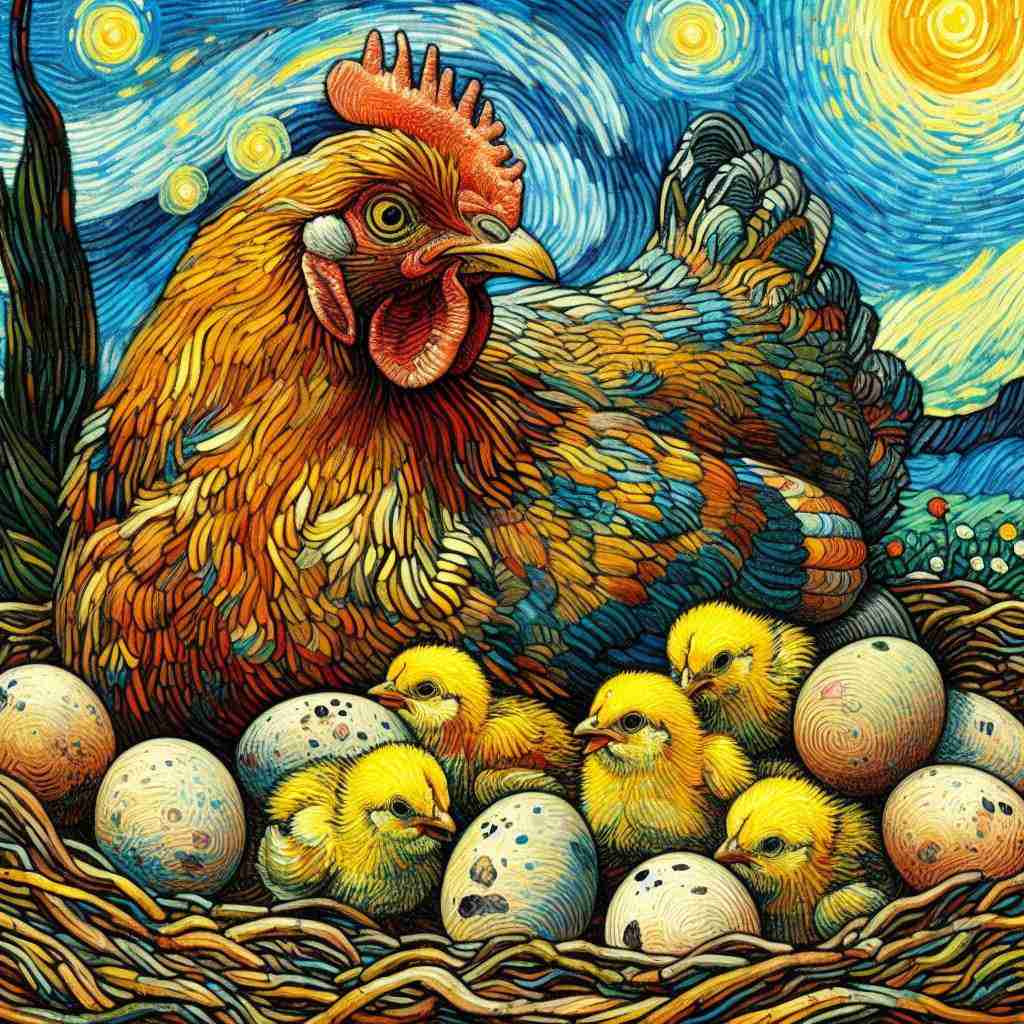
What Do We Want Our Kids to Learn About Food Origins?
What Do We Want Our Kids to Learn About Food Origins?
- Food’s journey begins before it reaches our tables, highlighting the importance of understanding its origins.
- Raising backyard chickens can spark children’s curiosity about food sources and their involvement in the process.
- Hands-on experiences teach children that food doesn’t just appear in stores, fostering a connection to the land.
- Understanding food origins encourages healthier eating habits and appreciation for nutritional quality.
- Early education on food origins helps children make mindful decisions in a world dominated by processed foods.
- Teaching kids about food influences farmers’ livelihoods and empowers them to be active participants in the food system.
- Engage children in food education through activities like gardening or volunteering to nurture knowledge and compassion.

What Do We Want Our Kids to Learn About Food Origins?
How Can Birds Help Teach Sustainability?
When you step into your backyard and hear the soft clucking of chickens, you’re not just listening to a soundtrack of rural life; you’re tuning into a powerful lesson on sustainability. These feathered friends, often seen as mere pets, can become remarkable teachers about our interconnected world. Imagine for a moment—each time you collect eggs, you’re witnessing a mini-ecosystem at work. Every scrap of vegetable peel and leftover grain not only nourishes your chickens but transforms waste into food. That’s the essence of sustainability: recycling what might otherwise be discarded and giving it new life.
Now, let’s consider the emotional pull of this relationship. Chickens are social creatures, uniquely charming in their habits and personalities. As they forage around your yard, they remind us that sustainability isn’t just a concept—it’s a community effort. Watching them peck and scratch the ground for morsels can ignite a spark in our hearts, nudging us to appreciate the simple yet powerful ways we can support our environment. It’s a connection that runs deeper than just raising them for eggs; it’s about fostering a sense of responsibility toward our planet.
But let’s engage the rational side, too. Raising backyard chickens can significantly reduce your carbon footprint. By keeping your flock, you’re directly decreasing the demand for industrial farming practices that often harm the Earth. It’s a small act with ripple effects, paving the way toward a more ethical food system. The authority of science backs this up; experts agree that local, sustainable practices can lead to healthier ecosystems. When we make conscious choices, we inspire others to do the same, creating a culture of sustainability that spreads beyond our backyards.
Think of your backyard as a canvas for change. Your chickens become living symbols of a new way of interacting with nature—one that emphasizes respect and sustainability. By embracing this lifestyle, you’re not just nurturing your flock; you’re telling a story, setting an example for your neighbors and beyond. Every cluck and flap becomes a conversation starter about responsible living. In this way, we’re not merely raising chickens; we’re cultivating a community rooted in awareness and action, inspiring everyone around us to be part of the solution.
So, why not invite chickens into your life? They’re not just animals; they’re allies in the journey toward a more sustainable future, and they are eager to teach all of us along the way.

How Can Birds Help Teach Sustainability?
How Can Birds Help Teach Sustainability?
- Backyard chickens serve as a lesson in sustainability, highlighting the interconnectedness of ecosystems.
- Collecting eggs becomes a demonstration of recycling waste into food, showcasing the essence of sustainability.
- Chickens are social animals that create a sense of community effort toward environmental support.
- The act of raising chickens can significantly reduce your carbon footprint, lessening reliance on harmful industrial farming.
- Science supports local, sustainable practices as beneficial for healthier ecosystems and encouraging conscious choices.
- Your backyard chickens symbolize a respectful interaction with nature, fostering awareness and promoting responsible living.
- Inviting chickens into your life transforms them into allies in the journey toward sustainability, teaching valuable lessons along the way.
How Can Birds Help Teach Sustainability?
Why Is Understanding Food Cycles Important for Children?
Understanding food cycles is crucial for children, and it goes beyond mere education; it’s about nurturing a deep connection to the world around them. Picture a child, bright-eyed and curious, observing a flock of backyard chickens pecking at the ground. That simple scene can spark questions about where our food comes from, how it grows, and why it matters. When children learn about food cycles, they don’t just acquire facts—they develop an inherent appreciation for nature, a trait that will influence their choices for a lifetime.
At the heart of this journey lies an essential narrative. Imagine a child planting seeds in the backyard, watching them sprout, and ultimately, harvesting fresh vegetables for a family dinner. This tactile experience places them right in the cycle of life, allowing them to understand the work that goes into producing what nourishes them. Eating becomes more than just a daily routine; it transforms into a ritual filled with gratitude. These lessons help children grasp the importance of sustainability, instilling ethical considerations as they learn the effects of their food choices on the planet.
From a rational standpoint, understanding food cycles fosters critical thinking. As children explore farming methods, food production, and environmental impacts, they learn to ask the tough questions. Why is eating local better? What happens to food waste? By engaging their minds in these discussions, we empower them to become informed consumers—citizens capable of driving change in their communities.
In our interconnected, fast-paced world, there’s a social aspect to consider as well. Children who are aware of food cycles are likely to share their knowledge with peers, creating a ripple effect. They become advocates for healthier eating, promoting local food sources, and inspiring others to contemplate their food choices.
Furthermore, building this awareness nurtures trust in our food systems. When children experience the joy of growing food, they’re far less likely to fall for marketing gimmicks or unhealthy eating habits. This is about fostering confidence—confidence in decision-making, in understanding food’s origins, and in maintaining a lifestyle that respects both bodily health and environmental sustainability.
So let’s encourage that curiosity in our children! Let’s ignite their passion for food cycles, because it’s not just about what’s on their plate—it’s about shaping thinkers, doers, and caretakers of our world for years to come.
Why Is Understanding Food Cycles Important for Children?
Why Is Understanding Food Cycles Important for Children?
- Understanding food cycles helps children form a deep connection to their environment.
- Observing simple scenes, like backyard chickens, sparks curiosity about food origins and growth.
- Hands-on experiences, such as planting and harvesting, provide insights into food production and sustainability.
- Learning about food cycles fosters critical thinking and encourages ethical considerations about food choices.
- Children can become informed consumers capable of driving change in their communities.
- Sharing knowledge about food cycles promotes advocacy for healthier eating and local food sources.
- Experiencing food growth builds trust in food systems and confidence in making informed choices.

Why Is Understanding Food Cycles Important for Children?
How Can We Inspire Ethical Eating Habits In Kids?
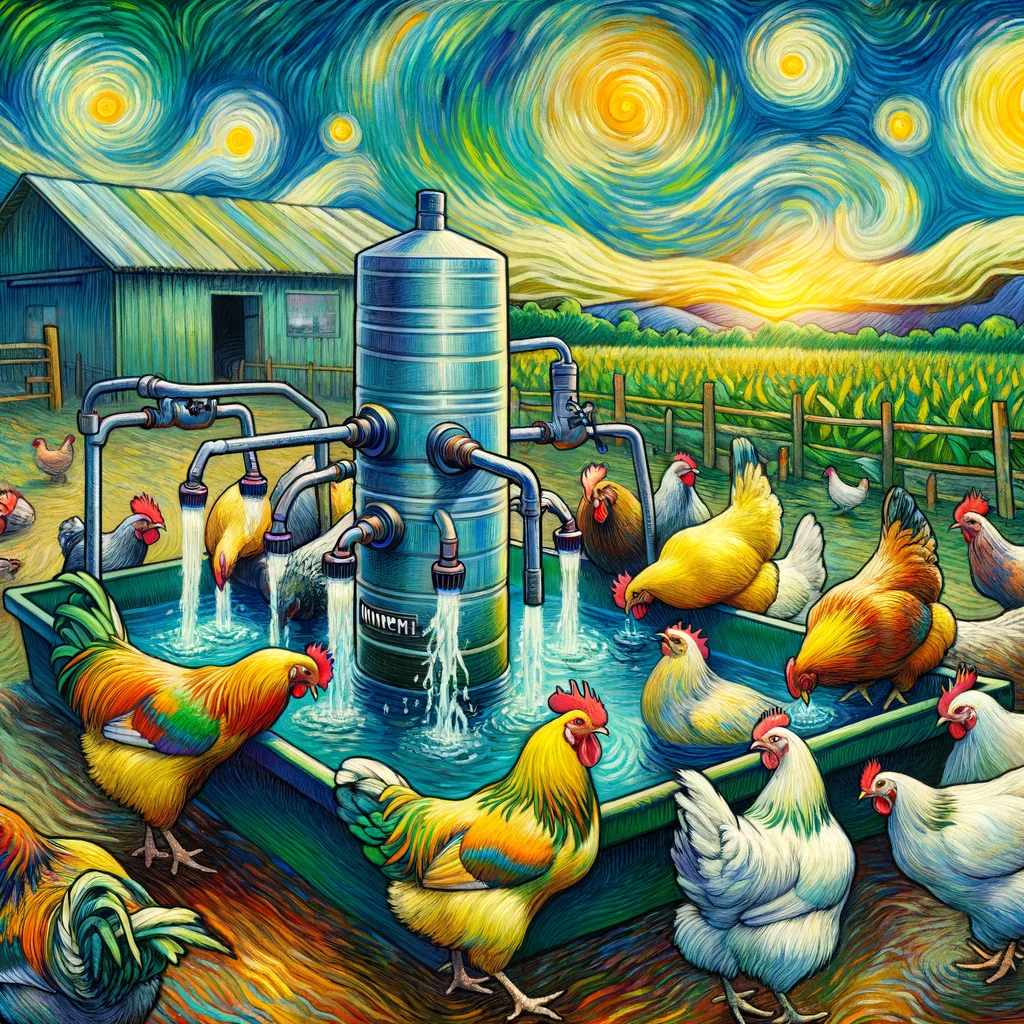
When thinking about inspiring ethical eating habits in kids, imagine a sunny afternoon spent in the backyard, the sound of clucking as your children tend to a small flock of backyard chickens. There’s something almost magical about a child learning to care for living creatures, right? It’s not just about the eggs—it’s about understanding where food comes from. When kids witness the gentle process of feeding and nurturing chickens, they develop a profound respect for the food that nourishes them. It’s a living lesson in responsibility, ethics, and gratitude.
Encouraging this kind of hands-on engagement fosters connections that go beyond the dinner plate. Kids begin to grasp the human-animal connection and the impact their food choices can have on the environment. That’s the heart of ethical eating—recognizing that food isn’t just fuel; it’s part of a larger tapestry of life. They’ll start asking questions, such as, “How did this get here?” and “What does it mean for something to be organic or local?” Those questions reveal a budding awareness that will influence their choices for years to come.
Now, let’s approach this from the gut. Nobody likes a nagging lecture about the virtues of eating kale over a cheeseburger. Instead, inspire curiosity and excitement! Host a farm-to-table dinner where kids can serve dishes made with fresh produce, perhaps even eggs from their own chickens. Make it a family adventure. Engage them in cooking together, teaching them to appreciate the flavors and the work that goes into each meal. When they’re part of the experience—selecting, preparing, and tasting—they’ll be far more likely to develop healthy, ethical eating habits.
From a social standpoint, the influence of peers is powerful. Organize community events or potlucks where families can share ethical dishes they’ve learned to prepare. This creates a culture of conscious eating, where kids see their friends making similar choices and feel inspired to do the same.
As parents and educators, we must not only provide the tools and knowledge but also be exemplary models of ethical consumption. The trust kids develop in us will guide their choices in the future, allowing ethics and nutrition to become part of their everyday lives. So, let’s dig into the dirt, raise those chickens, and make ethical eating a delightful adventure that’s fun, engaging, and deeply meaningful.
How Can We Inspire Ethical Eating Habits In Kids?
How Can We Inspire Ethical Eating Habits In Kids?
- Hands-on engagement with backyard chickens teaches kids about food origins.
- Caring for living creatures fosters respect for the food that nourishes them.
- Encourages awareness of the human-animal connection and environmental impact of food choices.
- Stimulates curiosity and questions about food, like the meaning of organic or local.
- Involves kids in cooking to enhance appreciation for meals and healthy eating habits.
- Community events create a culture of conscious eating among peers.
- Parents and educators must model ethical consumption to instill lasting values in children.
How Can We Inspire Ethical Eating Habits In Kids?
What Role Do Dual-Purpose Birds Play In the Food Cycle?
When you think about dual-purpose birds, like backyard chickens, it’s easy to see them as simple sources of eggs and meat. But let’s step back and consider the rich tapestry they weave within our food cycle. These feathered friends do more than just fill our plates; they play a pivotal role in nurturing the environment and connecting us to the food we consume.
Imagine for a moment the joy of collecting warm eggs fresh from your own coop—a tactile reminder of the cycle of life right outside your door. Each crack of that shell signals a connection to nature, a daily miracle that uncovers the often-overlooked journey from farm to table. This isn’t just practicality; it’s an intimate relationship with the food we eat and the environment that supports it.
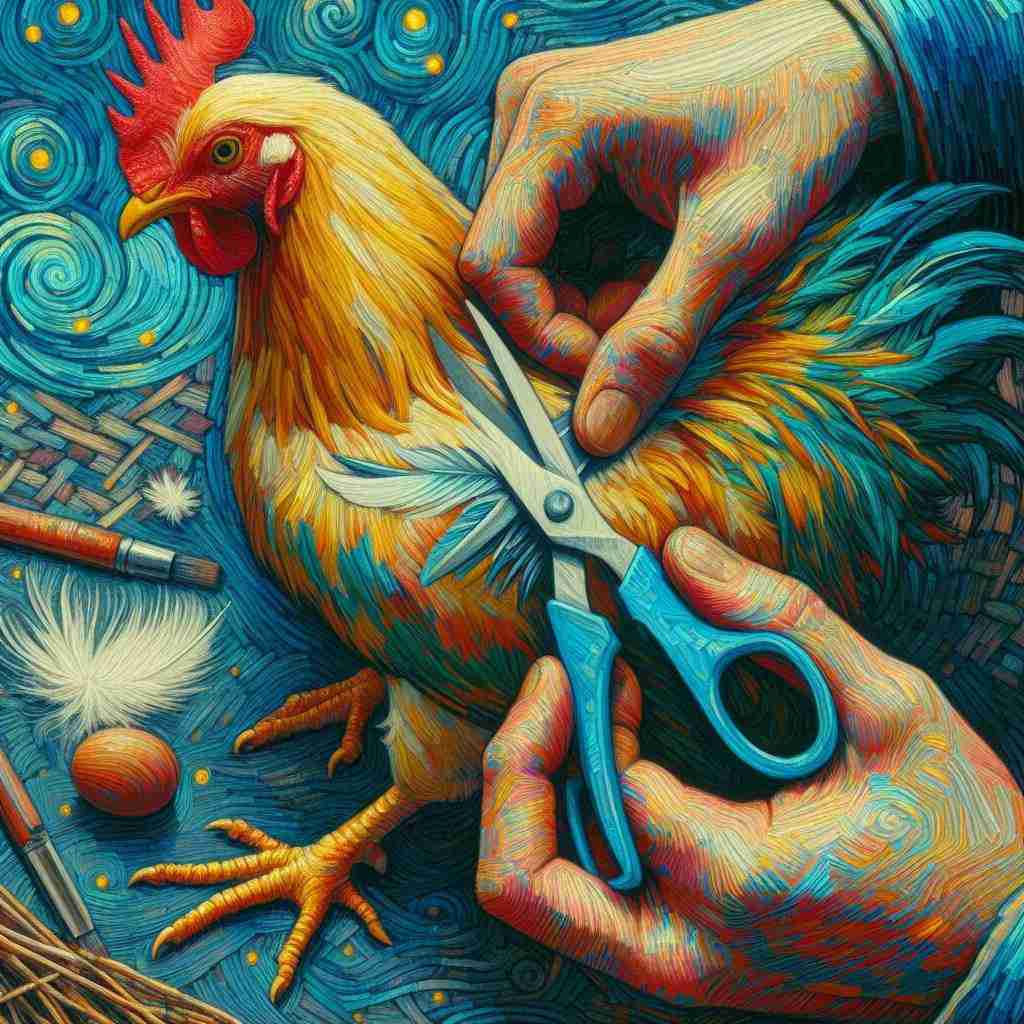
Backyard chickens are much more than livestock; they are little eco-systems bustling with purpose. In their quest for food, they scavenge for pests, helping to control insects naturally, and their manure enriches the soil, playing an essential role in sustainable gardening. This natural cycle of waste to resource is a beautiful reminder that life feeds off life and, when done right, nurtures the earth in return. We’re not just feeding ourselves; we’re fostering a thriving ecosystem.
But then there’s the ethical aspect to consider. Rearing dual-purpose birds allows us to reclaim our food decisions—making them humane and purposeful. We choose their feed, their living conditions, and ultimately how we end their lives. This conscious choice fosters a profound sense of responsibility, encouraging us to think critically about our impact on the planet. Each meal becomes more than sustenance; it transforms into a statement of our values and ethics.
On a social level, keeping backyard chickens creates community. Neighbors sharing eggs or lending a hand with coop maintenance brings people together in shared experiences, fostering relationships built on mutual respect for life and nature. You become part of a movement that seeks to prioritize sustainability, health, and connection over convenience, inspiring others to explore similar paths.
Dual-purpose birds remind us that every choice we make echoes beyond our backyard. They symbolize the intricate weave of the food cycle, and embracing this gives us not just nourishment but a deeper understanding of our place in the world. So, if you haven’t already considered it, maybe it’s time to think about welcoming some chickens into your life. You might just find that they bring more than eggs and meat—they bring heart, wisdom, and community to your doorstep.
What Role Do Dual-Purpose Birds Play In the Food Cycle?
What Role Do Dual-Purpose Birds Play In the Food Cycle?
- Backyard chickens serve as more than just sources of eggs and meat; they play an important role in the food cycle.
- Collecting fresh eggs fosters a connection to nature, highlighting the journey from farm to table.
- Chickens function as eco-systems, controlling pests and enriching soil through their manure, promoting sustainable gardening.
- Rearing dual-purpose birds encourages mindful food decisions, allowing for humane treatment and conscious choices.
- Keeping chickens fosters community, as neighbors share resources and experiences, building relationships around mutual respect for life.
- Choosing to raise chickens reflects our values and ethics, emphasizing sustainability and connection over convenience.
- Embracing dual-purpose birds enhances our understanding of our role in the food cycle and brings heart, wisdom, and community into our lives.

What Role Do Dual-Purpose Birds Play In the Food Cycle?
How Can Storytelling Make Learning About Food Fun?
Imagine standing in your own backyard, feeling the earth beneath your feet as you watch a few plucky chickens scratch around for their dinner. These feathery creatures are not just pets; they are living, breathing stories of resilience, teamwork, and nourishment. When you think about food, don’t you want to understand where it comes from and how it’s interconnected with our lives? Storytelling transforms this understanding into an adventure worth embarking on.
Food is not merely fuel; it’s a narrative woven through culture, history, and personal experience. When we tell stories about our meals—be it grandmother’s famous chicken soup, a daring attempt at backyard chickens, or the first time we tasted homemade pasta—we ignite not just the intellect but the heart and soul. This kind of storytelling makes you lean in a little closer, as if around a campfire, where each tale shares a lesson about life, love, and laughter.
Think of the ethical challenges we face today. Storytelling bridges the gap between our food choices and their consequences. When we connect the dots between factory farming and local sources, we become more informed consumers, making choices that reflect our values. It’s easier to relate to the chicken that roams free in your backyard than a faceless product on a supermarket shelf. It’s not just about being responsible; it’s about being part of a community that cares.
Research shows that we retain information better when it’s wrapped in a narrative. So when you dive into the journey of a single ingredient—from the farm where those chickens cluck and lay eggs, to the kitchen where they’re cooked—suddenly, food becomes more than a meal. It becomes a celebration of life’s intricacies. You become part of that story and, in turn, inspire others to listen and learn.
Let’s face it: our connection to food can build incredible social bonds. Gather around the dinner table, share your stories, and watch as others chime in with their own experiences. Engage in conversations that foster deeper connections, where each dish shared becomes a symbol of love, history, and tradition.
So, next time you find yourself preparing a meal, remember the stories that simmer beneath the surface. Engage with your food, understand its origins, and share those tales. By doing so, you’re not just learning about food—you’re connecting with a community, a heritage, and perhaps most importantly, with your very own heart and gut.

How Can Storytelling Make Learning About Food Fun?
How Can Storytelling Make Learning About Food Fun?
- Backyard chickens symbolize resilience, teamwork, and nourishment.
- Food is interconnected with our lives, culture, history, and personal experience.
- Storytelling about meals ignites emotion and deeper understanding, reminiscent of sharing tales around a campfire.
- Understanding food choices and their ethical implications helps us become informed consumers.
- Narratives make food more significant, transforming meals into celebrations of life’s intricacies.
- Connection to food fosters social bonds and deeper relationships, especially around the dinner table.
- Engaging with food and its stories helps connect with community, heritage, and personal identity.

How Can Storytelling Make Learning About Food Fun?
What Ethical Responsibilities Do We Have Towards Our Food Sources?
When we sit down for a meal, how often do we pause to reflect on where our food comes from? What journey did it take to arrive on our plates? In a world so disconnected from its roots, understanding our ethical responsibilities towards our food sources becomes not just a choice but a necessity.
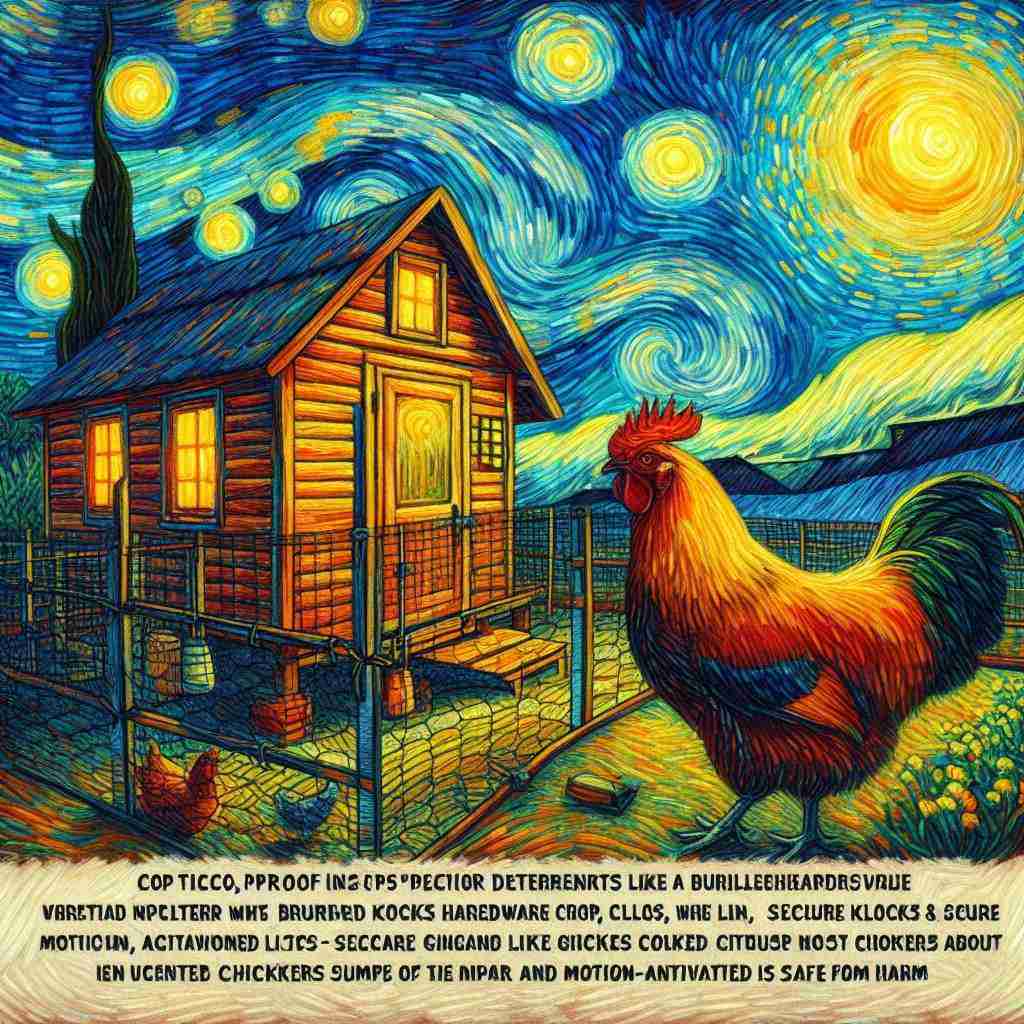
Imagine for a moment wandering into your backyard, the sun warming your face, and greeting a flock of chickens clucking patiently, ready to provide you with fresh eggs. Keeping backyard chickens isn’t merely a quaint hobby; it’s a radical act of reconnection. This humble endeavor invites us to embrace sustainable practices, showing us that our dietary choices echo through every level of the food system. Raising chickens sparks conversations about nourishment that have the power to inspire communities.
Ethically, we owe it to ourselves and the planet to interrogate the processes that lead from farm to fork. Each time you pick up a piece of meat or fresh produce, you are participating in a cycle that deeply affects livestock, farmers, and the environment. By supporting local farms or growing our own food, we not only nurture our bodies but also demonstrate respect for the hard work that goes unseen. It’s about recognizing the sacrifices and dedication of those dedicated to feeding us.
This is not just about individual choices; it taps into a broader social contract. We thrive in communities, and those communities are nourished by the choices we make together. When we opt for ethical and sustainable food sources, we set a standard that reverberates outward, encouraging others to follow suit. Conversations around food have the power to forge connections and build trust among us.
So, what can you do? Start small. Perhaps consider those backyard chickens, but also seek out farmers’ markets, advocate for ethical treatment of animals, or champion biodiversity in the agricultural world. Each choice is a vote for the future we want to nurture—one where food systems are just, equitable, and environmentally sound.
When we embrace our ethical responsibilities toward our food sources, we embrace a life filled with intention, respect, and community. It’s more than just a meal; it’s a movement that touches hearts, engages minds, and honors our gut instincts to protect the very essence of life.
What Ethical Responsibilities Do We Have Towards Our Food Sources?
What Ethical Responsibilities Do We Have Towards Our Food Sources?
- Many people overlook the origins of their food and the journey it takes to reach their plates.
- Understanding our ethical responsibilities towards food sources is essential in today’s disconnected world.
- Raising backyard chickens promotes sustainable practices and strengthens community discussions about nourishment.
- Each meal choice impacts livestock, farmers, and the environment, highlighting the importance of ethical consumption.
- Supporting local farms or growing our own food shows respect for those who work hard to feed us.
- Our food choices contribute to a broader social contract, fostering community connections and encouraging ethical practices.
- Starting small, such as keeping backyard chickens or visiting farmers’ markets, can lead to a more just and sustainable food system.
What Ethical Responsibilities Do We Have Towards Our Food Sources?
Conclusion
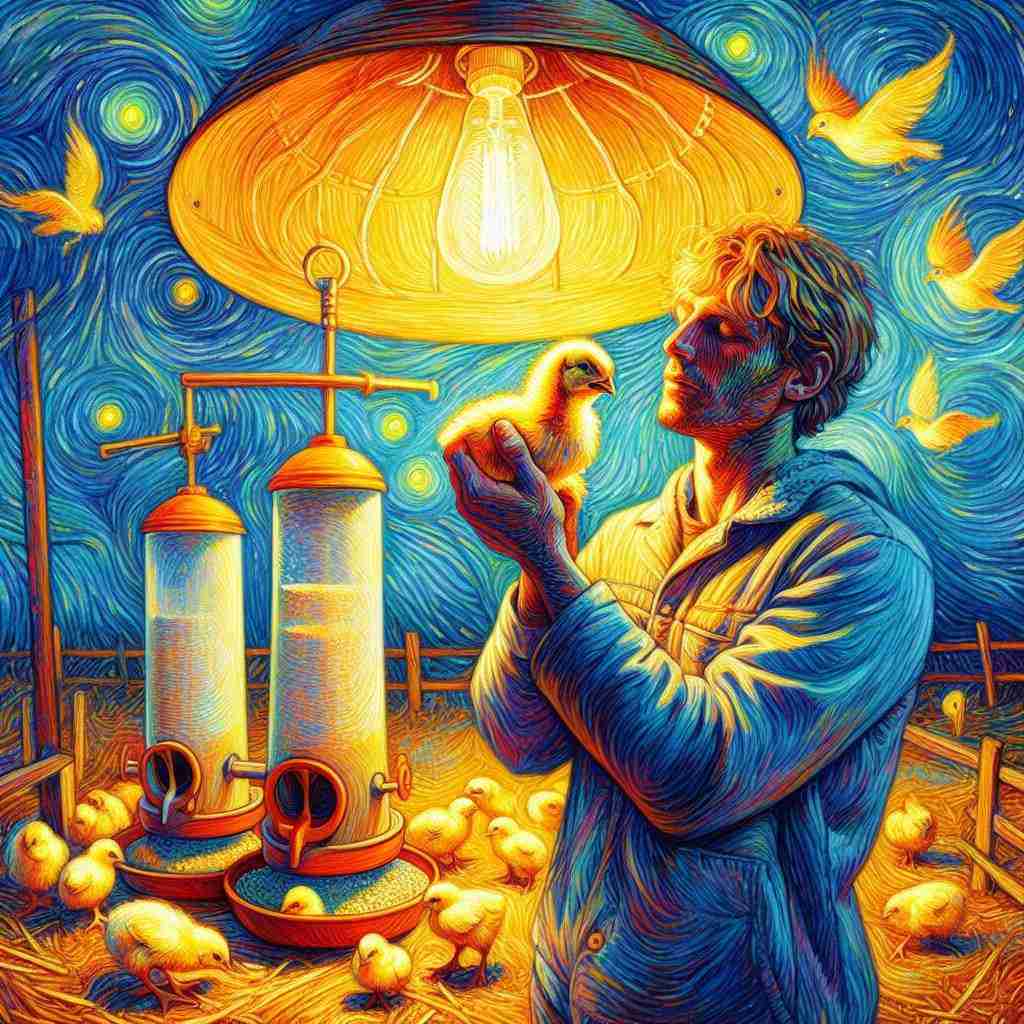
In a world where meals seem to emerge from sterile supermarkets, the simple act of raising backyard chickens invites us back to better understand the journey of our food. These dual-purpose birds become not just sources of eggs and occasional meat; they serve as powerful teachers for our children, guiding them through the intricate web of our food cycle. Picture a child gathering fresh eggs, their wide eyes sparkling with wonder. That moment is about more than breakfast; it’s an entry point into deeper lessons about sustainability, ethics, and the importance of nurturing the earth.
Instilling these values means helping kids see food not as a mere commodity but as a connection to the land and community. Handling chickens teaches them that all food originates from a vibrant ecosystem, reinforcing the idea that nothing goes to waste. Instead of viewing food production through a consumerist lens, they learn to appreciate the labor and love woven into every bite. This experiential knowledge fosters respect for the environment and promotes healthier choices, turning meals into rituals imbued with gratitude.
Engagement goes beyond the emotional pull; it taps into rational and ethical considerations too. By cultivating awareness of where food comes from, children become empowered consumers, poised to challenge the status quo dominated by processed options. These lessons cultivate a generation that values nutrition and environmental impact, inspiring mindful decisions that benefit our communities and planet.
Moreover, the social fabric of raising chickens is undeniable. The fresh produce from your backyard or eggs shared with neighbors cultivate conversations about food ethics and sustainability. It’s a movement that spurs community connection, encouraging families to participate in local farming initiatives or even small-scale gardening. Every clucky interaction nurtures a sense of responsibility and a belief in the power of collective action.
Creating rituals of care for these birds forms lasting memories, embedding lessons about stewardship deep within young hearts and minds. When children grasp the full cycle of food—from the henhouse to the dinner table—they’re not simply eating; they’re weaving their narrative into the broader tapestry of life.
So let’s embrace these feathered friends in our lives. By nurturing chickens, not only are we investing in our food sources, but we’re also laying the groundwork for a future where ethical consumption is the norm. Love, community, and sustainability aren’t just lofty ideals—they’re tangible actions we can instill in the next generation, one egg, and one meal at a time.

Conclusion
Conclusion:
- Raising backyard chickens helps reconnect us with the journey of our food, moving beyond supermarket convenience.
- These birds serve as educators, teaching children about sustainability, ethics, and the importance of nurturing the earth.
- Food becomes a connection to land and community, fostering respect for the environment through hands-on experiences.
- Children learn to value food as part of a vibrant ecosystem rather than viewing it merely as a commodity.
- Engagement with food sources empowers young consumers to challenge processed options and make mindful decisions.
- Sharing fresh produce and eggs with neighbors promotes discussions about food ethics and strengthens community ties.
- Caring for chickens instills lasting values of stewardship and ethical consumption in the next generation.
Conclusion
Other Resources

Other Resources
Here is a list of other resources you can review online to learn more:
- Barnevelder
- raccoons
- Visceral Leukosis
- centipedes
- Red Ranger
- grower feed
- Barley
- White Faced Black Spanish
- roaches
- Phoenix
- Botulism
- White Rock
- Buff Orpington
- snakes
- grubs
- Quail Bronchitis
Use This Prompt To Get More Resources With Your Favorite Online AI Tool: Please provide me with a list of online articles with their URLs in a bulleted list that I can read regarding From Breakfast to Dinner – Teaching Kids About Food Cycles with Dual-Purpose Birds

Other Resources
Glossary Terms
From Breakfast to Dinner – Teaching Kids About Food Cycles with Dual-Purpose Birds – Glossary Of Terms
1. Agriculture: The practice of cultivating soil, growing crops, and raising animals for food, fiber, and other products.
2. Bioenergy: Energy derived from biological materials, including plants and animals, used in sustainable food production.
3. Carnivorous: An organism that primarily eats meat or the flesh of other animals.
4. Composting: The process of recycling organic matter, such as food scraps and yard waste, into a rich soil amendment.
5. Cycle: A series of events that repeatedly occur in a predictable pattern, such as the food cycle within an ecosystem.
6. Dual-Purpose Bird: A breed of poultry raised for both meat and egg production, offering multiple benefits in agriculture.
7. Ecosystem: A community of living organisms interacting with their physical environment, forming a complex web of life.
8. Environment: The surrounding conditions in which organisms live, including air, water, soil, and ecosystems.
9. Fertilizer: A substance added to soil or plants to supply essential nutrients and enhance growth.
10. Feedstuff: Any agricultural product used for animal feed, providing essential nutrients for livestock.
11. Foraging: The act of searching for and gathering food in the wild by animals or humans.
12. Free-range: A farming system where animals are permitted to roam freely outdoors rather than being confined.
13. Garden: A piece of ground used to grow fruits, vegetables, herbs, or flowers, promoting biodiversity and healthy eating.
14. Hydroponics: A method of growing plants without soil, using mineral nutrient solutions in water.
15. Nutrients: Essential substances that organisms need to live, grow, and reproduce, found in food sources.
16. Organic Farming: Agricultural practices that avoid synthetic fertilizers and pesticides, focusing on sustainable methods.
17. Pollination: The transfer of pollen from male to female plant structures, allowing for fertilization and fruit production.
18. Predator: An animal that hunts and eats other animals, playing a critical role in balancing ecosystems.
19. Processor: A company or facility that transforms raw agricultural products into finished goods for consumption.
20. Proteins: Molecules made up of amino acids, essential for growth and development, found in various food sources.
21. Sustainable: Practices that meet the needs of the present without compromising the ability of future generations to meet their own needs.
22. Temperature: A measure of heat, affecting plant growth and animal behavior in food production systems.
23. Vegetarian: A diet that excludes meat but may include other animal products such as dairy and eggs.
24. Waste: Unused or discarded materials, including food scraps, which can be converted into compost or energy.
25. Weeding: The process of removing undesired plants from gardens and fields to promote the growth of desired crops.
26. Wildlife: Animals that are not domesticated and live in their natural environments, playing a vital role in ecological balance.
27. Zoonosis: Diseases that can be transmitted from animals to humans, highlighting the importance of hygiene in food production.
28. Ecosystem Services: Benefits provided by ecosystems, including pollination, water purification, and nutrient cycling.
29. Plant-based: A diet or food product primarily derived from plants, focusing on fruits, vegetables, grains, and legumes.
30. Lifecycle: The series of stages that an organism goes through from birth to maturity, including growth and reproduction phases.

Glossary Of Terms
Other Questions
From Breakfast to Dinner – Teaching Kids About Food Cycles with Dual-Purpose Birds – Other Questions
If you wish to explore and discover more, consider looking for answers to these questions:
- What are dual-purpose birds, and how do they differ from other types of chickens?
- How can families get started with raising backyard chickens?
- What are the best chicken breeds for dual-purpose use?
- What are some practical ways to teach kids about food sustainability?
- How do backyard chickens contribute to reducing food waste?
- What lessons can children learn from engaging in gardening alongside raising chickens?
- How can storytelling be effectively integrated into food education for kids?
- What community resources are available for families interested in sustainable food practices?
- How can parents model ethical eating habits beyond raising chickens?
- What are the environmental impacts of industrial farming compared to small-scale farming?
- How can kids be encouraged to make healthier food choices in their daily lives?
- What role does food education play in child development?
- How can families create a routine around food preparation that involves children?
- What are some creative ways to make food cycles relevant and engaging for children?
- How can parents address common misconceptions about where food comes from?

Other Questions
Haiku
From Breakfast to Dinner – Teaching Kids About Food Cycles with Dual-Purpose Birds – A Haiku
Chickens in the yard,
Teach kids cycles of the earth,
Food becomes their heart.

Haiku
Poem
From Breakfast to Dinner – Teaching Kids About Food Cycles with Dual-Purpose Birds – A Poem
In the backyard where laughter stirs,
Chickens cluck, and life occurs,
Eggs warm from nature’s gentle touch,
A lesson in food, reverence, and much.
From coop to kitchen, the journey unfolds,
Tales of soil and sun that nature holds,
Kids gather eggs with curious eyes,
Finding wonder where each meal lies.
With every peck, the cycle spins,
Kitchen scraps, recycled spins,
A tapestry woven with sustainability’s thread,
Teaching gratitude for the food that’s fed.
The joy of harvest, the seeds in hand,
Unites them with earth, they understand,
Food is more than a plate—it’s a bond,
A pledge to the planet, our world to respond.
In shared experiences, community wakes,
Neighbors connect; love is what makes,
A narrative richer than simple delight,
Of choices robust, in ethical light.
From little hands planting, to mindful feasts,
They learn their impact, nurture like beasts,
That every meal is more than a bite,
It’s a story of life, woven tight.
So gather your chickens, let curiosity lead,
Foster a love that will plant the seed,
Of mindful eating, a compassionate trend,
Where hearts, minds, and bellies all blend.

Poem
Checklist
From Breakfast to Dinner – Teaching Kids About Food Cycles with Dual-Purpose Birds – A Checklist
Checklist for Teaching Kids About Food Cycles with Dual-Purpose Birds
Heart
_____ Create Shared Experiences: Spend time together tending to chickens, celebrating the joy of gathering eggs.
_____ Cultivate Gratitude Rituals: Encourage kids to express appreciation for the food they eat, fostering a sense of connection with nature.
_____ Engage in Storytelling: Share personal stories about food origins, making meals a narrative filled with meaning.
Head
_____ Educate on Food Origins: Teach children the journey food takes from farm to table. Discuss the ecological role of chickens in the food cycle.
_____ Promote Critical Thinking: Ask questions like, “How does this food affect our environment?” to inspire thoughtful discussions about food choices.
_____ Explore Local vs. Industrial: Discuss the benefits of local produce and the impact of industrial farming practices.
Gut
_____ Incorporate Hands-On Activities: Involve kids in cooking with fresh ingredients from your backyard or local farms to reinforce appreciation for healthy eating.
_____ Experiment with Sustainable Practices: Start a small vegetable garden alongside the chickens to demonstrate self-sufficiency and sustainability.
_____ Foster Healthy Eating Habits: Encourage trying new, wholesome foods and understanding nutritional value over convenience.
Practical Actions
_____ Create a Care Schedule: Develop a routine for feeding and caring for the chickens to build responsibility.
_____ Host Community Events: Organize potlucks or farm-to-table dinners to share ethical eating experiences with others.
_____ Visit Local Farms: Plan trips to local farms to meet growers and see sustainable practices in action.
Ethical Considerations
_____ Discuss Food Ethics: Engage in conversations about the ethical implications of food choices and their impact on communities and ecosystems.
_____ Support Local Farmers: Encourage purchasing from local markets to build a connection with the source of food.
_____ Advocate for Sustainability: Teach children to recognize and respect the environment through their choices, fostering a sense of stewardship.
Social Engagement
_____ Encourage Sharing Knowledge: Motivate kids to share what they learn about food cycles with friends, creating a ripple effect of awareness.
_____ Celebrate Community Involvement: Highlight the importance of connecting with neighbors through gardening or chicken-keeping, reinforcing community bonds.
_____ Model Ethical Consumption: Set an example by making conscious food choices within your own household.
This checklist promotes an enriching experience that combines emotional, rational, and ethical learnings, fostering a comprehensive understanding of food ecosystems in children.
Checklist
At BackyardChickenNews, we help people who want to raise backyard chickens by collating information and news blended with our own personal experiences.
Be sure to read our other related stories at BackyardChickenNews to learn more about raising chickens in your backyard.