
The Egg-Citing Journey: Teaching Kids The True Worth Of Farm-Fresh Eggs
By Tom Seest
At BackyardChickenNews, we help people who want to raise backyard chickens by collating information and news blended with our own personal experiences.
Be sure to read our other related stories at BackyardChickenNews to learn more about raising chickens in your backyard.
From Coop to Carton – Helping Kids Understand Real-World Value
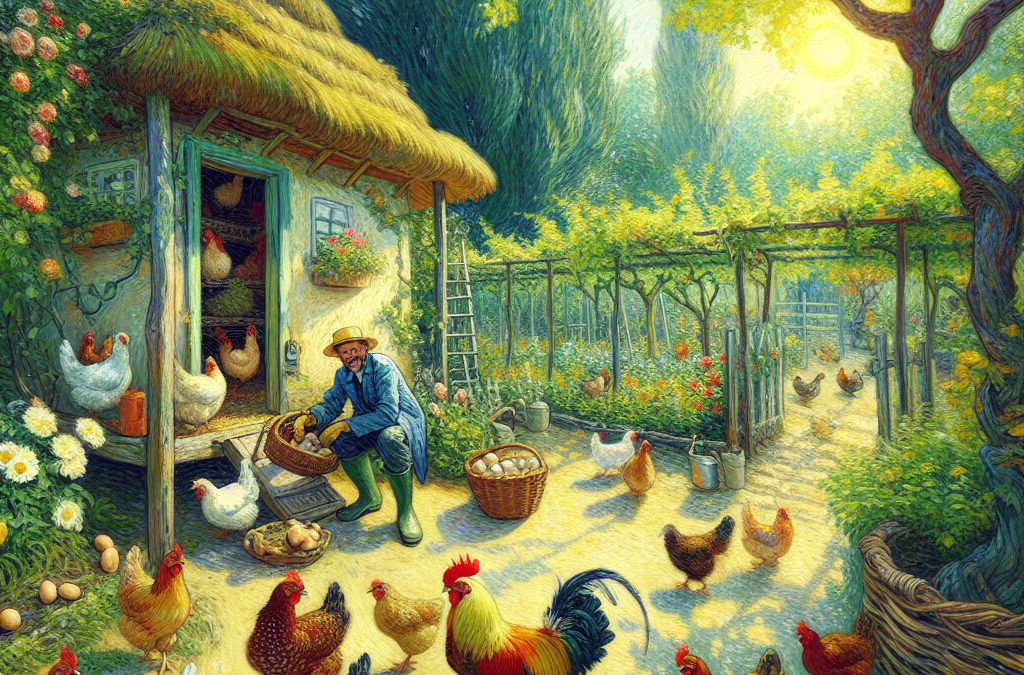
When you think about it, there’s a world of difference between what we have in our backyard and what we see in that shiny supermarket carton. Backyard chickens, with their fluffy feathers and eager clucks, don’t just lay eggs; they offer a remarkable journey that teaches kids about real-world value. Picture the wide-eyed children watching as you gather fresh eggs, still warm from the nest, connecting them with nature in a way no app or video could replicate. It’s here, among the pecking flock, that they discover the essence of hard work, responsibility, and the satisfaction of nurturing life.
Now let’s face it: our modern lives often gloss over the gritty realities of food production. We’re inundated with convenience, but what’s lost in the hustle? When kids participate in the care of those spirited chickens, they see firsthand the effort that goes into what lands on their table. Each morning’s feeding and egg collection reinforce a crucial lesson: value comes from effort, patience, and care. This connection isn’t just emotional; it’s practically transformative.
As they learn to recognize the difference between a factory egg and their own fresh product, they’re diving deep into critical thinking. Why are those supermarket items cheaper? What sacrifices were made behind the scenes? Ethical consumption starts here, in a small pen where each egg carries stories of love, dedication, and sometimes, hard lessons about life and loss.
Engaging in this experience fosters a passion for sustainability. Kids will grow into informed consumers, empowered to ask questions about where their food comes from and how it’s produced. Their authority on the matter comes not just from textbooks, but real-life engagement—a tactile understanding that inspires confidence in their choices.
Moreover, sharing this journey can expand your family’s social circles, connecting with other chicken-raising families. Weekly egg exchanges and shared stories pave the way for community, camaraderie, and an appreciation for the simple joys of life.
Ultimately, from backyard chickens to supermarket cartons, these vivid experiences shape young minds. They teach us that real value is found not in the convenience of the shelf, but in the honest labor of caring hands. As a result, we’re inspiring a generation to embrace a deeper, richer understanding of what it means to consume responsibly.

From Coop to Carton – Helping Kids Understand Real-World Value
From Coop to Carton – Helping Kids Understand Real-World Value
- Backyard chickens offer experiential learning opportunities for children, fostering connection to nature.
- Gathering fresh eggs teaches kids about hard work, responsibility, and nurturing life.
- Modern convenience often obscures the realities of food production, which kids learn through chicken care.
- Daily interactions with chickens instill lessons about effort, patience, and the value of food.
- Children develop critical thinking by comparing backyard eggs to factory-produced ones, questioning costs and sacrifices.
- This experience promotes sustainability and empowers kids to become informed consumers.
- Engaging in chicken-raising creates community connections and appreciates the simple joys of life.

From Coop to Carton – Helping Kids Understand Real-World Value
Table Of Contents
- From Coop to Carton – Helping Kids Understand Real-World Value
- How Can We Explain the Journey Of Food From Farm to Table?
- Why Is It Important for Kids to Know Where Their Food Comes From?
- What Role Do Parents Play In Teaching Kids About Food Systems?
- How Can Children Learn to Appreciate Food Beyond Its Price Tag?
- What Stories Of Farmers Can Inspire Kids to Respect Their Food?
- What Ethical Considerations Should Kids Think About When Eating?
- What Evidence Shows Kids Retain More When Learning Through Stories?
- Conclusion
- Other Resources
- Glossary Of Terms
- Other Questions
- Haiku
- Poem
- Checklist
How Can We Explain the Journey Of Food From Farm to Table?
When you bite into a juicy, farm-fresh tomato, do you ever pause to think about the journey it has taken to reach your plate? It’s not just about taste; it’s a story of sweat, dedication, and a community of people who care deeply about what they produce. From the small, loving hands tending to their Backyard Chickens at dawn, to the harvesters who rise before the sun to pick the crops—every step contributes to the flavor explosion you experience with each bite.
We often underestimate the complex relationship between our food and the environment. It begins with soil, the silent hero of agriculture. Healthy, rich earth produces vibrant fruits and vegetables, but it’s not an easy road. Farmers labor tirelessly, using sustainable practices that preserve our ecosystem for future generations. This dedication not only feeds our bodies but nurtures our communities, creating a bond that unites us through shared values and efforts.
Now, let’s talk ethics. It’s easy to forget that our dinner plate is the end of a long line of care and respect for life. Those Backyard Chickens you might see in a neighbor’s yard aren’t just pets; they play an integral role in local food systems, providing fresh eggs and reducing waste. When we support local farmers and food artisans, we embrace an ethical approach to eating that honors their hard work and the environment. We’re not merely consumers; we’re participants in a larger narrative about agronomy and sustainability.
The head and heart collide when we consider this: our food choices have real consequences for the people who grow, prepare, and serve it. Supporting local farms can revitalize communities, create jobs, and foster a deep sense of connection among neighbors. When we understand the hard work that goes into producing our food, we develop a healthier respect for each bite, recognizing that we’re not just nourishing ourselves but also investing in the lives of countless others.
So, next time you sit down to your meal, pause and reflect. Think about the chain of individuals who contributed to that moment—farmers, gatherers, chefs, and yes, even those Backyard Chickens for that delicious breakfast. Let these connections guide your choices. By being mindful of the journey from farm to table, you become a part of something bigger, promoting a sustainable food system that cherishes hard work, ethical practices, and community. Together, we can cultivate a culture that celebrates food not just as a necessity but as a shared, meaningful experience.
How Can We Explain the Journey Of Food From Farm to Table?
How Can We Explain the Journey Of Food From Farm to Table?
- The journey of our food, like a farm-fresh tomato, involves dedication from a community of people.
- A healthy environment, starting with rich soil, is crucial for producing vibrant crops.
- Farmers utilize sustainable practices to protect the ecosystem for future generations.
- Backyard Chickens contribute to local food systems by providing fresh eggs and reducing waste.
- Supporting local farmers fosters community connection and creates jobs.
- Understanding the labor behind our food choices helps develop respect for its value.
- Being mindful of the farm-to-table journey promotes a sustainable and ethical food culture.

How Can We Explain the Journey Of Food From Farm to Table?
Why Is It Important for Kids to Know Where Their Food Comes From?
When we sit down for a meal, it’s easy to forget the journey that food takes to reach our plates. For kids, understanding where their food comes from is not just an academic exercise; it’s an essential life lesson steeped in connection, responsibility, and empathy. Picture this: A child raises a few backyard chickens. They feed them, watch them grow, and even collect eggs. This hands-on experience fosters a profound connection to the source of their nourishment. It’s not just about breakfast; it’s about cultivating a sense of stewardship over the food they consume.
Knowing the origins of their meals invites kids to think critically about their choices. When they understand that those vibrant vegetables didn’t just magically appear on the grocery store shelf, it encourages a deeper appreciation for the work that goes into growing food. It sparks curiosity about the environment, farming practices, and nutrition. This knowledge empowers them to make healthier decisions, instilling habits that can last a lifetime. Ultimately, it leads to a greater understanding of the intricate web that sustains us all, from the farmer to the fork.
Moreover, teaching children about food sources fosters a sense of ethics. In a world where industrial farming often prioritizes efficiency over animal welfare, educating kids about sustainable farming practices encourages them to advocate for better practices. It instills a sense of responsibility to choose foods that align with their values—foods that are sourced ethically and sustainably.
However, the journey doesn’t end at the individual level. When kids grasp the importance of knowing where their food comes from, they become part of a collective consciousness that values local agriculture and food systems. They can engage in conversations about food justice, support local farmers, and promote healthy eating within their communities. This isn’t just about individual choices; it’s a movement toward community well-being.
So, let’s inspire the next generation to roll up their sleeves, tend to a garden, or raise some backyard chickens. Let’s help them connect the dots between farm and table, imbuing them with a sense of purpose and connection that goes beyond the meal itself. For in knowing where their food comes from, kids learn invaluable lessons about the world—and their place in it.

Why Is It Important for Kids to Know Where Their Food Comes From?
Why Is It Important for Kids to Know Where Their Food Comes From?
- Understanding where food comes from is essential for children, fostering connection, responsibility, and empathy.
- Hands-on experiences, like raising backyard chickens, build a strong connection to food sources and encourage stewardship.
- Knowledge of food origins leads to critical thinking about choices and appreciation for agricultural efforts.
- This understanding instills lifelong habits for healthier decision-making regarding food.
- Teaching food sources promotes ethics and encourages advocacy for sustainable farming practices among children.
- Kids who know about food origins contribute to a collective movement valuing local agriculture and food justice.
- Engaging children in food production inspires a sense of purpose and connection that extends beyond meals.
Why Is It Important for Kids to Know Where Their Food Comes From?
What Role Do Parents Play In Teaching Kids About Food Systems?
When it comes to teaching kids about food systems, parents are the unsung heroes in an increasingly complicated narrative. Picture this: a family gathered in a backyard, laughter mingling with the sounds of clucking chickens. Those backyard chickens may seem like a simple project, but they embody a powerful lesson about responsibility, sustainability, and the true origin of what ends up on our plates. It’s here that children learn not just where their food comes from, but also the care and diligence it takes to nurture living beings.
Emotional connections form at every step. When kids name their chickens, they don’t just see them as animals; they become part of the family. This intimacy fosters compassion – a vital trait in an age where the food system often feels distant and anonymous. How many times have we absentmindedly purchased chicken at the store without a second thought of the journey it took? By being involved in the process, kids begin to understand that food doesn’t just appear; it has a life, a story, and a cost.
Rationally speaking, engaging in food systems teaches children critical thinking skills. They learn to make informed choices, weighing factors such as nutrition, environmental impact, and ethics. As they cultivate their chickens or care for a garden, they see the direct correlation between their efforts and the food they are able to produce. This hands-on approach transforms abstract concepts about agriculture and economics into lived experiences.
Ethically, parents have the opportunity to instill values of sustainability and stewardship. They can challenge their children to think about how choices shape the world. “Why does this matter?” a child might ask. It’s a chance to dive into discussions about local food systems, climate change, or the ethics of animal husbandry. These conversations empower children, drawing a line from their backyard endeavors to global conversations.
The role of parents doesn’t stop at instruction; it’s about fostering community and connection. Families can bond over the harvest, celebrating successes while learning from failures. Kids will share their experience with friends, turning meal times into dialogues about the importance of sourcing food mindfully.
Teaching kids about food systems is about more than just feeding bodies—it’s about nourishing future generations with knowledge that promotes a more thoughtful, connected, and sustainable world. When parents take the reins, they’re not just raising chickens; they’re raising informed stewards of our planet.

What Role Do Parents Play In Teaching Kids About Food Systems?
What Role Do Parents Play In Teaching Kids About Food Systems?
- Parents play a crucial role in teaching children about food systems amid complex narratives.
- Backyard projects like raising chickens impart lessons on responsibility, sustainability, and the source of food.
- Emotional connections formed with animals foster compassion and awareness of the food’s journey.
- Engaging with food systems enhances children’s critical thinking, helping them make informed choices.
- Children learn the direct impact of their efforts through hands-on experiences like gardening and chicken care.
- Parents instill ethical values around sustainability and stewardship in discussions about food systems and their impact.
- Teaching about food systems fosters community connections and encourages mindful conversations around meals.

What Role Do Parents Play In Teaching Kids About Food Systems?
How Can Children Learn to Appreciate Food Beyond Its Price Tag?
In a world where fast food reigns supreme and meals come in brightly colored wrappers, it’s easy for children to equate worth with price. But let’s take a moment to rethink that notion. Imagine the joy on a child’s face as they reach into a basket of fresh backyard eggs, still warm from the hens that gave them. Beyond the immeasurable value of those eggs lies a simple truth: food is more than just a commodity; it is a connection to our environment, our community, and ourselves.
Teaching children to appreciate food starts with the narratives we weave around it. Gather them around a table or a garden, share stories about how food gets from farm to table, and let them discover the tactile pleasures of handling produce or raising backyard chickens. As we speak of the efforts involved in caring for those birds, their soft feathers, the excitement of a fresh clutch of eggs, an understanding begins to form. It shifts the perspective from food being a product of convenience to a cherished part of life’s cycle—nurtured and respected.
Rationally speaking, there’s tremendous value in connecting kids with the source of their food. When children plant seeds, watch them sprout, and eventually taste the fruits of their labor, they gain an appreciation for the effort involved in growing food. This hands-on experience teaches patience, responsibility, and the rewards of hard work. It becomes evident that good food doesn’t always come with a lofty price tag; sometimes, it’s simply the taste of warmth and effort combined.
Ethically, we can equip our children with the understanding of food sourcing: how our choices impact farmers, the economy, and the environment. Teach them to ask questions: Where does their food come from? How was it grown? Encouraging this inquisitiveness fosters mindful eating habits that appreciate quality over quantity.
Ultimately, food is a social experience. Share meals together, explore local farmers’ markets, or participate in community gatherings. These interactions create a rich tapestry of connections that tie children to their community and the world around them, further enhancing their respect for the food they eat.
Let’s invite our children to revel in the beauty of food beyond its price tag. With every delicious bite, let them celebrate the stories, the people, and the nature that brought that meal to their plate—nourishing not just their bodies, but their hearts and minds too.

How Can Children Learn to Appreciate Food Beyond Its Price Tag?
How Can Children Learn to Appreciate Food Beyond Its Price Tag?
- Children often equate food worth with price due to fast food culture.
- Fresh food like backyard eggs connects kids to their environment, community, and themselves.
- Telling stories about food sources helps children appreciate the journey from farm to table.
- Hands-on experiences like planting seeds teach patience, responsibility, and the value of hard work.
- Understanding food sourcing promotes mindful eating and awareness of its impact on farmers and the environment.
- Sharing meals and engaging in community activities enhance children’s respect for the food they consume.
- Encouraging an appreciation for food’s beauty enriches children’s understanding beyond just its price.
How Can Children Learn to Appreciate Food Beyond Its Price Tag?
What Stories Of Farmers Can Inspire Kids to Respect Their Food?
What Stories of Farmers Can Inspire Kids to Respect Their Food?
Imagine stepping into a sunlit farmyard where the air is thick with the scent of fresh hay and the clucking of backyard chickens fills the space. It’s not just a tranquil scene; it’s a living testament to hard work, dedication, and the cycle of life that feeds us. These farmers, with dirt beneath their fingernails and grit in their hearts, have stories worth telling—stories that can transform how kids view their food.
Take, for instance, Maria, a spirited local farmer who decided that the backyard chickens would not only provide fresh eggs but also teach her children about responsibility and compassion. Each morning, her kids rise with the sun to tend to those feathered friends, creating a bond that transcends the mundane. They learn that food doesn’t magically appear at the grocery store; it comes from countless hours of care, sweat, and sometimes, heartache. In their faces, you can see the pride of knowing they play a part in a larger story—a story that begins with a small seed and blossoms into the nourishment on their table.
Behind every delicious meal lies a farmer’s unwavering commitment to sustainability and ethical practices. This is where the rational heart of farming shines. Kids need to understand the complexity of food production. It’s not just about the final product; it’s about the journey. By learning about soil health and the importance of biodiversity, young minds can connect the dots between their plates and the fields. They begin to appreciate each carrot, each egg, as symbols of hard-earned life lessons.
As they gather around the dinner table, stories of the farm come to life. They hear about late nights spent scaring away raccoons and the thrill of seeing a first batch of hens lay their eggs. These tales ignite a spark—a realization that food is not just sustenance; it’s a community, a shared effort, and a heritage passed down through generations.
When kids grow up learning to respect food, they don’t just become informed eaters; they emerge as stewards of the land, advocates for sustainable practices, and champions of their health. It’s these intricate threads of responsibility, respect, and connection that weave the fabric of our food system. By instilling these values through stories, we can cultivate a generation that not only appreciates their meals but acts with intention in their choices.
What Stories Of Farmers Can Inspire Kids to Respect Their Food?
What Stories Of Farmers Can Inspire Kids to Respect Their Food?
- Farm life teaches children about hard work, dedication, and the food cycle.
- Maria, a local farmer, uses backyard chickens to instill responsibility and compassion in her children.
- Kids learn that food requires care, effort, and emotional investment, rather than coming from stores magically.
- Understanding farming practices fosters appreciation for sustainability and ethical food production among children.
- Stories from the farm highlight the challenges and joys of food production, connecting kids to their meals.
- Respecting food helps children become informed eaters and stewards of the land.
- Instilling values of responsibility and connection through storytelling cultivates a generation that acts with intention in their food choices.

What Stories Of Farmers Can Inspire Kids to Respect Their Food?
What Ethical Considerations Should Kids Think About When Eating?
When it comes to eating, kids often think about what tastes good or what’s quick and easy. But what if they took a moment to dive deeper and consider the ethical aspects of their food choices? Imagine sitting at the dinner table, surrounded by family, and having the chance to connect not just over the meal, but with the journey that brought it there. This is where ethical eating kicks in, and it’s a conversation worth having.
First off, let’s bring some heart into the mix. Consider the story behind each meal. That chicken you’re enjoying likely came from a farm—a place where the birds could roam free, pecking at the ground, or maybe it didn’t. By sticking to local farms or backyard chickens, kids can learn there’s a big difference in how animals are treated. When they have a better understanding of where their food comes from, they build compassion not just for those animals, but for the planet.
Now, let’s engage the head. Ethical considerations aren’t just about feelings; they require rational thought, too. Kids should ask questions: Was this food produced sustainably? Are the workers treated fairly? Each choice can impact both local economies and global ecosystems. The more they know, the more empowered they’ll feel to make decisions that align with their values.
And here’s where the gut comes in. Ethical eating often leads to healthier choices—ones that nourish the body, not just fill it up. Eating real, wholesome foods can promote better nutrition and ultimately help kids feel good physically and mentally.
Moreover, there’s an undeniable sense of community tied to these decisions. Being part of a family that values ethical eating fosters connections with others who care about these same issues. Whether that’s joining a community garden, visiting local markets, or even caring for backyard chickens, these activities strengthen relationships. Kids can be proud, knowing they’re playing a role in something bigger.
Finally, let’s not underestimate the stories woven into every meal. Sharing meals filled with love and respect for the ingredients can inspire friends and family to think differently too. Kids have the power to influence those around them, creating a ripple effect of positive change.
So, as your kids take their next bite, encourage them to think about the world their plate represents. When they do, they’re not just eating—they’re participating in a story of compassion, sustainability, and connection. What could be more fulfilling?

What Ethical Considerations Should Kids Think About When Eating?
What Ethical Considerations Should Kids Think About When Eating?
- Kids often focus on taste and convenience when it comes to food choices.
- Encouraging kids to consider ethical eating can enhance their connection to meals and their origins.
- Understanding how animals are treated can foster compassion for them and for the planet.
- Kids should question the sustainability and fairness of their food production to align choices with values.
- Ethical eating often promotes healthier food choices that benefit physical and mental well-being.
- Participating in ethical eating can strengthen community connections among families and friends.
- Sharing stories and values around meals can create a positive impact on others and inspire change.

What Ethical Considerations Should Kids Think About When Eating?
What Evidence Shows Kids Retain More When Learning Through Stories?
Imagine a cozy evening in a shared living room, where kids are nestled with their parents, eyes bright and minds curious. The air is filled with laughter and the scent of popcorn, as a storyteller begins to weave a tale. This visual highlights the power of storytelling as a conduit for learning. Research suggests that children who engage with stories retain information better than those who rely solely on rote memorization or standard lectures.
At its core, storytelling switches on the emotional brains of kids. When characters face challenges, whether they’re clever little foxes or curious backyard chickens, youngsters empathize and connect on a deep level. This emotional tether not only makes lessons more memorable but also instills moral values and life lessons in a relatable format. A story isn’t just a sequence of events; it’s a journey that nurtures the heart, encouraging young listeners to feel tied to the narrative and the characters within.
The rational side is just as compelling. Cognitive studies highlight that the brain processes information better when it’s wrapped in a narrative. Vivid imagery, combined with sounds and emotions, creates neural pathways that hardwire knowledge into young minds. Children can recount characters’ exact words or lessons absorbed during their storytime adventures weeks later. Contrast that with the drudgery of memorizing facts and figures unrelated to their lives—it’s no wonder stories reign supreme as learning tools.
Ethically, we owe it to our youth to present knowledge in ways that resonate and stick. By embracing storytelling, we honor their innate inclinations toward creativity and imagination, validating their experiences and feelings. In doing so, we cultivate an environment ripe for growth, curiosity, and learning.
In our modern landscape, where screens often dominate attention, embracing the age-old method of storytelling fosters vital social bonds. Children gather around with peers or family members, sharing stories and thoughts, engaging in dialogue that sharpens their communication and comprehension skills. It transforms learning into a collective experience, rather than a solitary task.
So, the next time you find yourself with a curious mind in your midst, consider picking up a storybook or spinning a yarn of your own. The lessons they learn through your tales might just leave an indelible mark, weaving wisdom into the very fabric of their lives. And who knows? Maybe those stories will inspire them to raise their own backyard chickens someday, nurturing both their intelligence and empathy along the way.

What Evidence Shows Kids Retain More When Learning Through Stories?
What Evidence Shows Kids Retain More When Learning Through Stories?
- Storytelling creates a cozy atmosphere for learning, enhancing children’s engagement and curiosity.
- Research shows that children retain information better through stories compared to rote memorization.
- Storytelling activates emotional responses, helping children empathize with characters and lessons.
- Cognitive studies indicate that narratives aid in processing information and forming lasting memories.
- Storytelling validates children’s creativity and experiences, promoting moral values and life lessons.
- In a screen-dominated world, storytelling fosters social bonds and improves communication skills.
- Telling stories encourages collective learning experiences and nurtures both intelligence and empathy.

What Evidence Shows Kids Retain More When Learning Through Stories?
Conclusion
When kids dive into the world of backyard hens and farm-fresh eggs, they embark on a journey that transcends mere food production; they engage with the very fabric of life itself. At the heart of this experience is an essential lesson: real value isn’t found in the convenience of a supermarket carton, but in the authentic connection to the effort, responsibility, and love that goes into nurturing that egg. Imagine a child, eyes aglow as they gather warm, freshly laid eggs, understanding that each one is the result of early morning care and attention. This connection fosters a deep appreciation and critical thinking about where their food comes from, nudging them to reflect on ethical consumption.
With the chaotic pace of modern life, it’s easy for kids to overlook the reality behind food production. Yet, engaging with backyard chickens and learning about farming instills vital lessons about sustainability, work, and community. This isn’t just emotional; it’s intellectual. Kids learn to grapple with the complex questions surrounding food—what sacrifices were made, who benefits, and how their choices impact the world around them. It’s a transformation from passive consumption to active participation in their food narrative—a narrative rich with stories of resilience and responsibility.
As families come together over the shared endeavor of raising chickens, they cultivate community bonds that extend far beyond the coop. Weekly egg exchanges become a social fabric woven with laughter, camaraderie, and newfound friendships. Kids carry this experience into broader discussions about ethics, motivating them to ask questions and defend their choices. By understanding where food originates, they develop a profound respect for the farmers and the environments that sustain us, recognizing that every meal represents a collection of human stories and natural processes.
In the end, these experiences shape a generation that not only consumes mindfully but embraces their role as informed eaters and ethical stewards of the planet. By rolling up their sleeves to tend to a flock or planting seeds in a garden, they learn that food isn’t just fuel; it’s a shared history—a narrative steeped in hard work, ethical responsibility, and an appreciation for life itself. Encouraging kids to value food beyond its price tag opens pathways for deeper connections, fueled by respect for nature and a commitment to sustainable living. Let’s inspire them to remember that every meal has a story worth sharing—one that nourishes not just the body but the heart and mind as well.

Conclusion
Conclusion:
- Kids gain a deeper understanding of food production through backyard hens and farm-fresh eggs.
- This experience emphasizes the value of connection, responsibility, and love in nurturing food.
- Gathering fresh eggs fosters appreciation and critical thinking about food sources and ethical consumption.
- Engagement with chickens teaches sustainability, work, and community in contrast to modern life’s chaos.
- Children actively participate in their food narrative, learning about sacrifices and the impact of their food choices.
- Raising chickens builds community bonds and promotes discussions about ethics and respect for food origins.
- These experiences shape informed eaters who value food as a shared history and commitment to sustainability.

Conclusion
Other Resources

Other Resources
Here is a list of other resources you can review online to learn more:
- cooked beans
- Whiting True Blue
- millipedes
- Fowl Typhoid
- Barbu d’Uccle
- cats
- Yokohama
- roundworms
- green potato skins
- Minorca
- Basque
- compost
- Appenzeller
- cracked corn
Use This Prompt To Get More Resources With Your Favorite Online AI Tool: Please provide me with a list of online articles with their URLs in a bulleted list that I can read regarding From Coop to Carton – Helping Kids Understand Real-World Value
Other Resources
Glossary Terms
From Coop to Carton – Helping Kids Understand Real-World Value – Glossary Of Terms
1. Coop: A shelter or enclosure for birds, typically used for raising chickens and other poultry.
2. Carton: A lightweight container made from paperboard or other materials, used for packaging goods, often in retail.
3. Value: The importance, worth, or usefulness of an item or service, often measured in terms of cost or benefit.
4. Production: The process of creating goods, including raising animals, growing plants, and manufacturing products.
5. Consumer: An individual or group that purchases and uses goods and services.
6. Supply Chain: The sequence of processes involved in the production and distribution of a product, from raw materials to the end consumer.
7. Agriculture: The practice of cultivating soil, growing crops, and raising animals for food, fiber, and other products.
8. Nutrition: The process of obtaining and using food to support health and growth; important in understanding the value of food.
9. Sustainability: The ability to maintain balanced ecological systems while providing for current and future human needs.
10. Economics: The study of how goods and services are produced, distributed, and consumed, including concepts of supply, demand, and pricing.
11. Farm: An area of land used for breeding animals and growing crops for food, fiber, or other products.
12. Price: The amount of money required to purchase a good or service, often influenced by market demand and production costs.
13. Waste: Unwanted materials or byproducts generated during the production or consumption process, highlighting the importance of efficiency.
14. Retail: The sale of goods to consumers, typically in small quantities, through stores or online platforms.
15. Organic: A method of farming that emphasizes natural processes, avoiding synthetic fertilizers and pesticides, and promoting biodiversity.
16. Local: Refers to goods produced or sourced from nearby areas, often reducing transportation costs and supporting community economies.
17. Cartoning: The process of packing products into cartons for distribution and sale, ensuring goods are secure and identifiable.
18. Traceability: The ability to track the production and distribution history of a product, ensuring transparency and quality.
19. Market: A place or system where buyers and sellers interact to exchange goods and services, influencing prices and availability.
20. Fair Trade: A social movement aiming to ensure fair prices and working conditions for producers in developing countries.
21. Consumer Awareness: Understanding consumer rights and the impact of purchasing choices on society and the environment.
22. Cooperative: An organization owned and operated by a group of individuals for their mutual benefit, often in agriculture or retail.
23. Ecosystem: A community of living organisms, including plants, animals, and microorganisms, interacting with their environment.
24. Production Costs: The total expenses incurred in the manufacturing of a product, including materials, labor, and overheads.
25. Food Safety: Regulations and practices aimed at ensuring that food products are safe for consumption and prevent foodborne illnesses.
26. Market Demand: The desire and ability of consumers to purchase goods at various prices, influencing production and pricing strategies.
27. Growth Cycle: The stages of development in agriculture, from planting seeds to harvesting crops or raising livestock.
28. Quality Assurance: A systematic approach to ensuring that products meet predefined standards and regulations, maintaining customer trust.
29. Diversity: The inclusion of different species or varieties in agriculture, which can increase resilience and sustainability in food systems.
30. Educational Outreach: Programs or initiatives designed to teach and inform individuals, especially children, about important topics like food production and value.

Glossary Of Terms
Other Questions
From Coop to Carton – Helping Kids Understand Real-World Value – Other Questions
If you wish to explore and discover more, consider looking for answers to these questions:
- What practical steps can parents take to involve their children in backyard chicken care?
- What are the long-term benefits of teaching children about food sources?
- How can children participate in community agriculture initiatives?
- What role do schools play in educating kids about food and sustainability?
- How can families sustain the interest of children in food production over time?
- What other hands-on experiences can help kids learn about food systems?
- How can storytelling be effectively integrated into food education?
- What specific ethical dilemmas should kids be aware of regarding food choices?
- How can children be encouraged to make healthier food choices at home and school?
- What are some examples of local farms with educational programs for kids?

Other Questions
Haiku
From Coop to Carton – Helping Kids Understand Real-World Value – A Haiku
Chickens cluck, hearts swell,
Eggs cradle warmth, lessons learned—
Nature’s truth unveiled.

Haiku
Poem
From Coop to Carton – Helping Kids Understand Real-World Value – A Poem
In the backyard’s gentle arms, where clucking dreams reside,
Children gather, hearts alight, with wonder as their guide.
They cradle warmth in fragile shells, fresh from morning’s care,
Learning that each egg they hold is more than simple fare.
A journey from coop to carton, a lesson sweetly spun,
Where effort, patience, love are sown beneath the sun.
Hard work reflects in vibrant plumes, responsibility in flight,
Each feathered friend a testament to life’s profound delight.
In the rush for convenience, we often lose our way,
Yet every bite tells countless tales of farmers, earth, and day.
Where soil whispers secrets, where roots reach deep and wide,
A food system intertwined, with community as its pride.
Through stories of the land and care, kids learn to think and feel,
Questioning the cost of every bite, the truth behind the meal.
Ethics shape their choices, compassion fuels their quest,
They find their voice in choices made, promoting what is best.
Around the table, meals become a bond that nurtures trust,
As flavors burst from mindful choices, respect is a must.
By sharing laughter, love, and tales, together they grow wise,
Connecting hearts to every dish, where gratitude lies.
So, let’s invite the next generation to cherish nature’s yield,
Raising chickens, planting seeds, in every backyard field.
For in these simple acts of care, a legacy is drawn,
A world where food and values blend, from dusk until the dawn.

Poem
Checklist
From Coop to Carton – Helping Kids Understand Real-World Value – A Checklist
Checklist for Teaching Kids About the Value of Food
Emotional Engagement
_____ Share stories of your food journey as a family (e. g. , raising chickens, gardening).
_____ Host family meals where each dish has a story, fostering connection and appreciation.
_____ Encourage children to name their backyard chickens to enhance emotional bonds.
Rational Understanding
_____ Discuss the effort behind food production: Have kids help with tasks like feeding chickens or planting seeds.
_____ Teach children to compare costs and values: Why are farm-fresh eggs different from factory-produced ones?
_____ Use simple charts or diagrams to illustrate food chains and sustainability efforts.
Ethical Considerations
_____ Prompt kids to ask questions about food sourcing: Where does it come from? How was it produced?
_____ Discuss the impact of food choices on animal welfare and the environment.
_____ Encourage advocacy for local farms and sustainable practices as a family.
Community and Social Connection
_____ Organize or participate in neighborhood food swap events or farmer’s markets.
_____ Engage with other chicken-raising families to share stories and experiences.
_____ Create community meals or potlucks, inviting friends to learn about food origins together.
Learning through Stories
_____ Read books about farming, food production, and sustainability with your children.
_____ Use storytime to introduce concepts of ethics and values tied to food.
_____ Encourage kids to recount memorable experiences around food to reinforce learning.
Long-Term Habits
_____ Create a family garden to instill patience and long-term responsibility in food cultivation.
_____ Make a habit of discussing the importance of sustainable eating practices during meals.
_____ Set up a routine for visiting local farms or farmers’ markets, reinforcing ongoing learning.
Fostering Independence
_____ Allow kids to make decisions regarding food purchases or meal planning based on their newfound understanding.
_____ Encourage them to experiment with cooking or baking using fresh ingredients as a practical application of their knowledge.
Reflection and Growth
_____ Initiate reflective conversations about each meal: Who was involved in bringing it to the table?
_____ Encourage journaling about their food experiences, thoughts, and questions as they grow.
_____ Celebrate successes and learning moments around food, reinforcing a positive attitude toward the journey.
This checklist can serve as a practical guide for families looking to instill a deeper understanding of food and its value in the hearts and minds of children.

Checklist
At BackyardChickenNews, we help people who want to raise backyard chickens by collating information and news blended with our own personal experiences.
Be sure to read our other related stories at BackyardChickenNews to learn more about raising chickens in your backyard.