

Clucking Online: The Evolution Of Chicken Knowledge
By Tom Seest
At BackyardChickenNews, we help people who want to raise backyard chickens by collating information and news blended with our own personal experiences.
Be sure to read our other related stories at BackyardChickenNews to learn more about raising chickens in your backyard.
From Feed Stores to Forums – How Chicken Wisdom Went Digital
In an age where the clanging of farm machinery has been replaced by the soft tapping of smartphone screens, the humble chicken has emerged as a vibrant symbol of community, resilience, and self-sufficiency. Once, the wisdom of raising backyard chickens was confined to the dusty corners of feed stores or whispered from neighbor to neighbor over a white picket fence. Now, the digital age has transformed this timeless practice, creating a virtual tapestry of knowledge that connects chicken enthusiasts across the globe.
Picture this: a first-time hen keeper, nestled in a suburban neighborhood, suddenly finds themselves in the thick of conversations through online forums and social media platforms. With every click and tap, they immerse themselves in a treasure trove of insights shared by seasoned keepers and backyard novices alike. From feeding tips to troubleshooting health issues, this collective wisdom acts like a comforting hand on a shoulder, assuring all participants that they’re not alone in their feathered endeavors. These interactions foster connections that transcend geography, as individuals bond over shared triumphs and tribulations of watching a chick grow into a proud rooster, or the heartache of a hen’s sudden illness.
This digital exchange has empowered chicken keepers to act with confidence, knowing help is just a click away. The plethora of resources available online serves not only to enlighten the curious novice but also instills a sense of ethical responsibility in the newer generations. They learn not to treat backyard chickens as mere producers of eggs but as living beings deserving of care and attention, echoing the age-old adage that a farm flourishes when its inhabitants are well looked after.
Equipped with this newfound knowledge, an entire community begins to thrive, building a bridge between tradition and modernity. When you scroll through forums filled with shared experiences and heartfelt stories, you can’t help but feel inspired. It’s a reminder that the agricultural roots of our past are not lost to the digital future; they are reborn, embraced, and nurtured. That’s the magic of this digital chicken renaissance. It’s more than just raising birds; it’s about cultivating connections, nourishing minds, and inspiring action within our backyard communities. As we forge ahead, let’s celebrate this journey, one cluck, one post, and one new friend at a time.
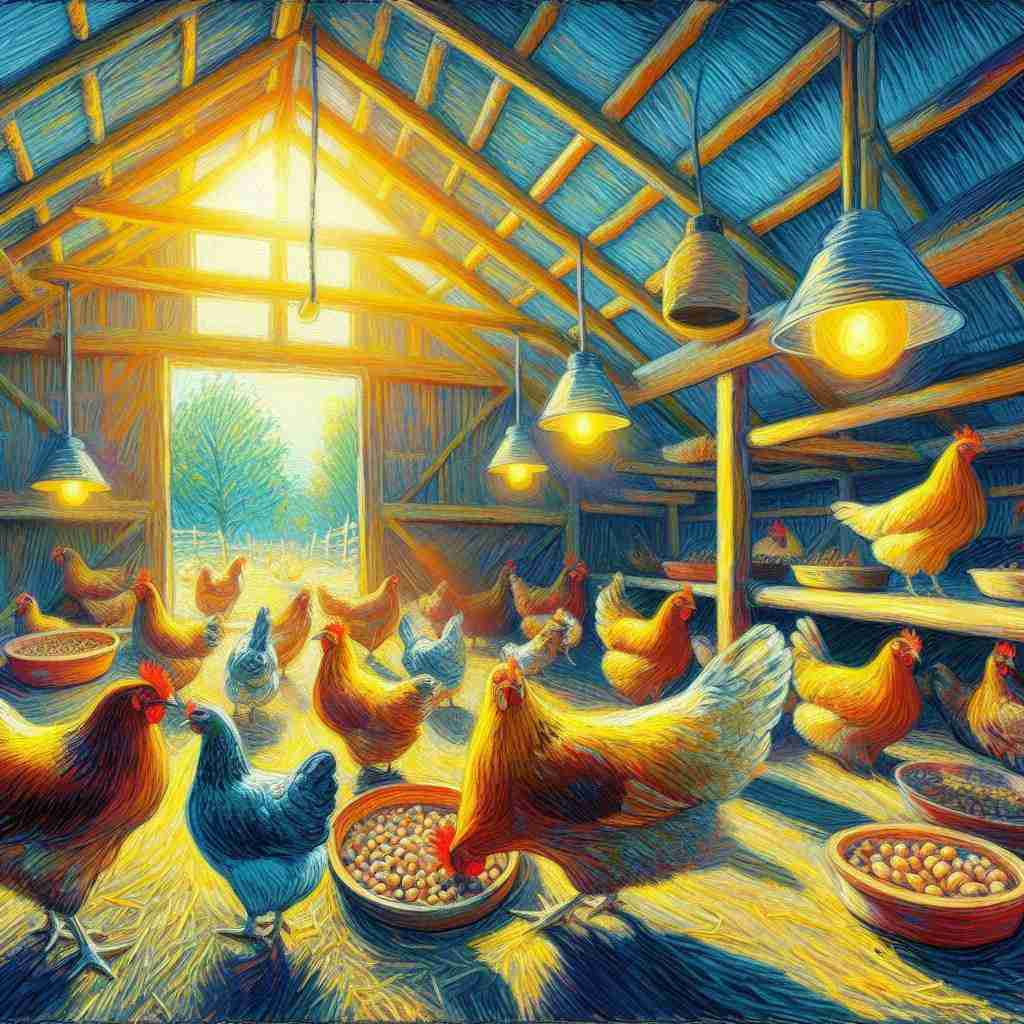
From Feed Stores to Forums – How Chicken Wisdom Went Digital
From Feed Stores to Forums – How Chicken Wisdom Went Digital
- The chicken has become a symbol of community, resilience, and self-sufficiency in modern times.
- Raising backyard chickens has evolved from local wisdom to a global digital practice through online forums and social media.
- First-time hen keepers can now access a wealth of knowledge from experienced chicken keepers worldwide.
- Online interactions provide support and community, allowing individuals to share both successes and challenges in chicken keeping.
- Newer generations learn to treat chickens as living beings deserving of care, not just egg producers.
- This digital exchange fosters a thriving community that bridges traditional practices and modern technology.
- The movement emphasizes the importance of connection, education, and community engagement in backyard chicken raising.

From Feed Stores to Forums – How Chicken Wisdom Went Digital
Table Of Contents
- From Feed Stores to Forums – How Chicken Wisdom Went Digital
- How Can Online Communities Provide Better Chicken Care Solutions?
- What Ethical Responsibilities Do We Have to Our Farm Animals?
- How Do Expert Opinions Shape Our Understanding Of Chicken Care?
- How Has Digital Knowledge Transformed Traditional Farming Practices?
- What Impact Does Technology Have on Our Connection with Chickens?
- How Can We Ensure Our Chicken Care Practices Are Sustainable?
- What Lessons Have We Learned From Past Chicken-Raising Failures?
- Conclusion
- Other Resources
- Glossary Of Terms
- Other Questions
- Haiku
- Poem
- Checklist
How Can Online Communities Provide Better Chicken Care Solutions?
In the world of backyard chickens, it’s easy to feel overwhelmed. Those clucking little creatures, with their endearing personalities and quirky behaviors, rely on us for their wellbeing. But as anyone who’s raised chickens will tell you, you don’t have to go through it alone. Online communities have emerged as invaluable resources for chicken care, creating a network of support that transcends geographical boundaries.
At the heart of these digital gatherings is the shared passion for raising happy, healthy birds. When you post a question about chicken health or behavior in a forum, you’re not just throwing a line into the dark void of the internet; you’re inviting fellow enthusiasts, experts, and experienced keepers to share their wisdom. It’s a communal experience rooted in love—love for your chickens and the desire to see them flourish. When someone responds with practical advice or a heartwarming story about their own flock, it resonates deeply. You realize you are not alone in this journey; there’s a whole chorus of support waiting to be heard.
Rationally speaking, online communities harness the collective knowledge of seasoned chicken owners from all walks of life. You can tap into a wealth of information gathered from decades of experience—lessons learned from both triumphs and mistakes. Need tips on nutrition? Curious about predator protection? You’ll find real-world testimonials and strategies that go beyond the generic advice found in books. In these forums, you’ll often uncover the nuances that matter most in chicken care, giving you the confidence to make better choices for your flock.
Ethically, there’s something incredibly fulfilling about giving back. By sharing your own experiences, you contribute to a cycle of knowledge that nurtures the larger community. It fosters a culture of understanding and respect for the animals we’re working so hard to care for. It’s about creating a legacy of compassionate care that inspires others.
Connecting with fellow chicken lovers helps you feel part of something greater. You’ll discover that every question you ask or story you share is met with enthusiasm—a collective nod that says, “We’ve been there.” Whether it’s a funny photo of chickens in a snowstorm or advice on dealing with broody hens, these connections foster camaraderie and motivate you to be the best chicken keeper you can be.
Tapping into the pulse of online communities not only enriches your knowledge but also nourishes your spirit, making the journey of raising backyard chickens one of shared passion and deeper community.

How Can Online Communities Provide Better Chicken Care Solutions?
How Can Online Communities Provide Better Chicken Care Solutions?
- Raising backyard chickens can feel overwhelming, but support is available through online communities.
- These digital forums offer a network of shared passion for the wellbeing of chickens.
- Posting questions invites advice and wisdom from fellow enthusiasts and experienced chicken keepers.
- Online communities provide valuable insights based on real-world experiences and practical tips.
- Contributing your own experiences fosters a culture of knowledge, respect, and compassionate care.
- Engaging with other chicken lovers creates a sense of belonging and camaraderie in the chicken-keeping journey.
- Participation in these communities enriches knowledge and enhances the overall experience of raising chickens.

How Can Online Communities Provide Better Chicken Care Solutions?
What Ethical Responsibilities Do We Have to Our Farm Animals?
When we think about our food, we often focus on taste and convenience, but what about the lives behind that food? Imagine for a moment the journey of a chicken raised in your backyard versus one in a factory farm. Backyard chickens roam freely, basking in the sun, scratching the earth, and forming bonds with their caretakers. They peck at the grass, living out their days in a way that honors their natural instincts. Now picture the stark contrast—rows of birds crammed together, living in a haze of stress and fear, deprived of any semblance of a natural life.
Ethically, our responsibilities to farm animals extend beyond mere care; they hinge on respect for their lives. These creatures are not mere commodities; they are sentient beings with the capacity to feel fear and joy. Every time we sit down to a meal, we have a choice—to support practices that affirm the well-being of animals or to turn a blind eye. We hold the power to influence change through our purchasing decisions. The responsibility isn’t just on the farmers; it rests on all of us. When we choose to support local farms or adopt practices like raising backyard chickens, we create a ripple effect that can lead to a more humane agricultural system.
Our choices are interconnected; when we care for our animals, we are caring for ourselves and our communities. The way we treat animals reflects our values—and those values shape our society. When we support ethical farming, we foster a sense of community and ensure that our children will live in a world that prioritizes empathy over apathy. It’s a collective responsibility: when we learn, we grow, and when we connect, we inspire others to join in.
This isn’t just about eating; it’s about our fundamental relationship with nature. The righteous journey can start in your backyard. By investing in backyard chickens or choosing sustainably raised products, we take tangible steps toward a more ethical food system. It’s in our hearts and guts—we know what’s right. Let’s make a conscious effort to respect the animals that share our lives and our tables. Together, we can honor these sentient beings, one meal at a time.

What Ethical Responsibilities Do We Have to Our Farm Animals?
What Ethical Responsibilities Do We Have to Our Farm Animals?
- Food choices often prioritize taste and convenience, overlooking the lives behind it.
- Backyard chickens enjoy natural behaviors and an enriched environment, unlike factory-farmed birds.
- Farm animals are sentient beings deserving of respect and care, not mere commodities.
- Consumer choices can support animal well-being or perpetuate unethical practices.
- Supporting local farms and raising backyard chickens can create positive change in agriculture.
- Our treatment of animals reflects societal values, influencing a compassionate community.
- Choosing ethical food options fosters a deeper relationship with nature and shared responsibility.

What Ethical Responsibilities Do We Have to Our Farm Animals?
How Do Expert Opinions Shape Our Understanding Of Chicken Care?
When we talk about the care of backyard chickens, it’s easy to dismiss the voices of those who have been raising them for years. But let me tell you, the insight from experts can give us a roadmap through the often-murky waters of chicken husbandry. These individuals, armed with knowledge and experience, help us unlock the secrets of nurturing these creatures that provide more than just fresh eggs.
Think about it for a moment: you’re standing in your yard, feathered friends clucking around your feet. You can feel the satisfaction of knowing where your food comes from. But maintaining a healthy flock requires more than mere instinct; it demands an understanding of these animals’ needs. Experts provide that crucial perspective. They illuminate the path toward optimal care practices— from nutrition to housing— and help us grasp the science behind what makes our chickens thrive.
Emotionally, these experts can resonate deeply with aspiring backyard farmers; after all, they’ve faced the same trials and triumphs. A passionate chicken keeper sharing a heartwarming story about a beloved hen that survived an illness is more than just a tale— it’s a testament to the bond we share with these birds. There’s a physical, almost visceral connection that forms when we see their sparkle through the bars of their coop, reminding us of our duty to treat them ethically and compassionately.
Rationally, let’s consider the practical benefits as well. Knowledge from seasoned veterans can save us from costly mistakes. They bear the authority of experience, bringing wisdom that can demystify the art of chicken care. Want to avoid a common parasite infestation? Trust the experts who’ve seen it all and know what preventive measures work.
The power of community comes alive here, too. Backyard chicken keepers often band together, exchanging advice and stories, forming a supportive network. Every conversation, whether online or in-person, invites a sense of belonging with others who share the same passion for these charming creatures.
Expert opinions shape our approach, not just enhancing our ability to care for these backyard companions, but also inspiring us to embrace the responsibility that comes with raising them. By leaning on their guidance, we pave the way to healthier chickens and brighter mornings filled with the delights of backyard life. So, let’s roll up our sleeves, open our minds, and take the plunge into this rewarding journey— because our feathered friends are counting on us.
How Do Expert Opinions Shape Our Understanding Of Chicken Care?
How Do Expert Opinions Shape Our Understanding Of Chicken Care?
- The expertise of seasoned chicken keepers provides valuable insights into effective chicken care.
- Raising backyard chickens connects individuals to their food sources and promotes satisfaction.
- Maintaining a healthy flock requires knowledge of nutrition, housing, and animal care practices.
- Personal stories from experienced chicken keepers highlight the emotional bond between humans and chickens.
- Expertise can help prevent costly mistakes and common issues like parasite infestations.
- The community of backyard chicken keepers offers support and shared experiences.
- Embracing expert guidance enhances chicken care and encourages responsible ownership.

How Do Expert Opinions Shape Our Understanding Of Chicken Care?
How Has Digital Knowledge Transformed Traditional Farming Practices?
In the heart of rural America, where the vast landscape speaks of tradition and hard work, digital knowledge has quietly revolutionized the way farmers approach their craft. Imagine stepping onto a farm, once defined solely by its grit and sweat, now buzzing with the energy of innovation. From data-driven crop management to precision agriculture, the digital age has changed the farming game, improving yields and sustainability, while keeping the essence of farming intact.
Take a moment to think about the humble act of raising backyard chickens. What once was a simple pastime, a way to enjoy fresh eggs and connect with nature, has morphed into something extraordinary. Thanks to digital platforms, farmers and hobbyists alike can access a wealth of information on optimal feed, health monitoring, and even sustainable breeding practices. With just a few taps on a smartphone, someone can learn how to prevent disease, improve egg quality, or create a safe coop environment. This isn’t just about efficiency; it’s about nurturing a living ecosystem.
The emotional connection between farmers and their land deepens as they embrace these tools. When drought strikes or pestilence threatens, technology provides timely insights and alerts that can save a harvest, a livelihood, and a family’s legacy. Farmers can now make informed decisions that resonate not only with their wallets but also with their values. They’re cultivating food that’s not just grown; it’s cared for, monitored, and protected.
Rationally, the numbers speak volumes. Sustainable practices supported by digital tools can lead to significant cost savings, while also appealing to increasingly eco-conscious consumers. This creates a powerful narrative that emphasizes not just the product, but the process—bringing the farmer’s story to the consumer’s plate. People want to connect with their food, to know it was raised responsibly. Technology bridges that gap beautifully, transforming a mere transaction into a relationship built on trust.
Ethically, there’s a collective responsibility that farmers now shoulder, to lessen the impact on our planet while still feeding a growing population. This challenge unites farmers, tech developers, and consumers in a shared mission, fostering a sense of community and purpose. The marriage of tradition and technology isn’t merely a trend; it’s a heartfelt transformation that invigorates the spirit of farming, ensuring that future generations can experience the joy of working the land, of keeping chickens in the backyard, and of feeling connected to the food that nurtures us all.

How Has Digital Knowledge Transformed Traditional Farming Practices?
How Has Digital Knowledge Transformed Traditional Farming Practices?
- Digital knowledge is revolutionizing traditional farming practices in rural America.
- Farmers now utilize data-driven crop management and precision agriculture to enhance yields and sustainability.
- Raising backyard chickens has evolved into a sophisticated practice supported by digital resources for optimal management.
- Technology provides insights that help farmers protect their harvests and legacies during adverse conditions.
- Digital tools promote sustainable practices, resulting in cost savings and appealing to eco-conscious consumers.
- The relationship between farmers and consumers is strengthened through transparency and trust in the food production process.
- Farmers, tech developers, and consumers collaborate to ensure responsible farming and environmental stewardship for future generations.

How Has Digital Knowledge Transformed Traditional Farming Practices?
What Impact Does Technology Have on Our Connection with Chickens?
In our fast-paced digital age, the simple act of raising backyard chickens can feel like stepping into a time machine. Yet, it’s precisely that connection to these feathered friends that makes technology both a bridge and a barrier. As we tap away on our screens, scrolling through curated images of fluffy chicks and the perfect coop designs, we must ask ourselves: are we truly connecting with what it means to care for these creatures?
Imagine the joy of gathering fresh eggs from your backyard. It’s not just the satisfaction of knowing where your food comes from; it’s the tangible result of daily rituals—feeding, caring, and observing. Yet, with technology at our fingertips, we risk reducing these interactions to mere routine. We can find countless apps designed to help us monitor our chickens’ health, their laying patterns, and even their nutritional needs. While these tools can bring efficiency and peace of mind, they may also distance us from the raw, sensory experiences of chicken-raising. Instead of focusing on the feel of warm eggs nestled under eager wings or the soft clucking noises signaling contentment, we might find ourselves more absorbed in the numbers and graphs on a screen.
But let’s not dismiss technology completely; it can be a marvelous enabler. For those venturing into the world of backyard chickens for the first time, online forums and communities can provide invaluable knowledge and support. Stories of triumph and failure, tips and tricks shared by seasoned poultry enthusiasts, can foster a deep sense of camaraderie. In this space, you find the ethical imperative to treat your chickens with kindness and respect—a principle woven into the fabric of caring for these animals. The authority and narrative shared among chicken keepers remind us that we are stewards of a living thing, not just producers of eggs.
By harmonizing our technological tools with the emotional experience of chicken-keeping, we can forge a deeper connection to the land, the animals, and ourselves. When we step outside with our smartphones put away, feeling the dirt beneath our feet and the sun warming our backs, we reconnect with the very essence of life. It’s in those quiet moments, watching a hen scratch and peck, that the true impact of technology reveals itself—not in how well we monitor them, but in how fully we embrace the joy of this ancient partnership. So let’s raise those backyard chickens with heart, head, and gut, rekindling a profound connection that transcends screens and taps deeply into what it means to nurture life.

What Impact Does Technology Have on Our Connection with Chickens?
What Impact Does Technology Have on Our Connection with Chickens?
- Raising backyard chickens offers a nostalgic connection amidst our digital age.
- Technology can enhance chicken care, but risks reducing genuine interactions.
- Gathering fresh eggs symbolizes more than food; it represents daily rituals of care.
- Apps and monitoring tools can create efficiency but may detract from sensory experiences.
- Online communities provide valuable support and foster camaraderie among chicken keepers.
- Maintaining kindness and respect for chickens emphasizes responsible stewardship.
- Harmonizing technology with emotional engagement deepens our connection to nature and life.

What Impact Does Technology Have on Our Connection with Chickens?
How Can We Ensure Our Chicken Care Practices Are Sustainable?
Raising backyard chickens can be a rewarding endeavor that nurtures the heart, fuels the mind, and tantalizes the taste buds. Picture this: a warm morning, sunlight filtering through the trees, and the gentle clucks of your feathery friends greeting you. There’s something undeniably comforting about the simple act of caring for these creatures. It invites you to return to your roots, reminding us of a time when personal food sovereignty wasn’t just a privilege, but a way of life.
When you make the commitment to keep backyard chickens, you’re not just diving into a trend; you’re embracing a sustainable lifestyle. Think about the carbon footprint of store-bought eggs. Each carton travels hundreds, if not thousands, of miles before reaching your kitchen. By keeping hens, you’ll not only know where your food comes from, but you’ll also save gas, packaging, and resources – direct actions that speak to both your ethical compass and your common sense.
Sustainability doesn’t have to be a dry concept floating in academia; it can be a living experience, a joyous ritual. Consider your feathered companions as part of your family. Each cluck and peck becomes a reminder of your commitment to a better world, one that values responsible agriculture over factory farming. When you provide your chickens with high-quality feed, fresh water, and a safe environment, you’re investing in their well-being, which in turn nurtures your soul. It’s a cycle of care that engenders respect for life, for the earth, and for the systems that feed us.
But let’s not shy away from the occasional challenge. Chickens can be unpredictable. They might scratch up your flowering garden or refuse to lay eggs in the coop. Embrace these moments as part of the journey. They test you, but they also teach patience and adaptability. Just as you care for them, they’ll surprise you by swiftly converting kitchen scraps into nutrient-rich eggs. The exchange is a reciprocal relationship built on trust and mutual respect.
Through your actions, you become an inspiration in your community. Discuss your experiences with friends and neighbors; share the abundance that comes with backyard chickens. Every conversation and shared moment fosters a sense of connection, creating a ripple effect that encourages others to think critically about their food choices. In this way, you not only enrich your own life but also inspire a wave of change that resonates beyond your backyard. Together, let’s cultivate a sustainable future—one egg, one cluck at a time.
How Can We Ensure Our Chicken Care Practices Are Sustainable?
How Can We Ensure Our Chicken Care Practices Are Sustainable?
- Raising backyard chickens nurtures the heart, mind, and taste buds.
- It promotes personal food sovereignty and a connection to simpler times.
- Keeping chickens contributes to a sustainable lifestyle and reduces carbon footprint.
- Chickens as family members symbolize commitment to responsible agriculture.
- Investing in their well-being fosters respect for life, the earth, and food systems.
- Challenges from chickens teach patience and adaptability while providing nutrient-rich eggs.
- Sharing experiences with the community inspires others to reconsider their food choices.

How Can We Ensure Our Chicken Care Practices Are Sustainable?
What Lessons Have We Learned From Past Chicken-Raising Failures?
Raising backyard chickens can be a rewarding venture, but let’s not sugarcoat it—failure can be a humbling teacher. Each cluck, scratch, and peck tells a story of trial and error, revealing essential lessons that resonate deeply with us all. We often embark on this journey fueled by images of golden eggs and contented clutches, yet the reality can present a few surprising twists.
Take a moment to reflect on the thrill of that first peep. The promise of fresh eggs and the joy of watching your flock roam freely in your garden fills you with hope. But when the day comes and you find a chicken missing, or worse, an entire coop devastated by predators, it hits hard in the gut. It’s a rude awakening that can shake your confidence and leave you questioning your abilities. However, these setbacks forge resilience. Each challenge urges us to dig deeper, educate ourselves, and refine our techniques. We learn the value of solid fencing, secure coops, and the right feed—knowledge that becomes second nature.
On a rational level, embracing a trial-and-error approach fosters a growth mindset. We gather information from books, podcasts, and seasoned neighbors who share their own follies, transforming our failures into stepping stones. The chronicles of backyard chickens aren’t merely about the fowl; they represent messy, real-life experiences that bind us as a community. We share advice at local meetups and bond over stories of unexpected hatchlings and sudden illnesses, celebrating the wins together and supporting one another through the losses.
Ethically, this venture encourages us to consider the broader implications of animal care and sustainability. We understand that our choices impact not just our backyard but also the world beyond it. Raising chickens teaches us about responsibility, kindness, and the authenticity behind sourcing our food. It’s more than just a project; it embodies our relationship with the earth and all living beings.
The heart of the matter rests not just in the rooster crowing at dawn, but in the connections we nurture along the way. Each misadventure with our backyard chickens strengthens friendships and forges new bonds in our neighborhoods. And that, my friends, is where the real magic lies—finding community and purpose in a world that often feels disconnected. So, as we face inevitable setbacks, let’s embrace them with our hearts wide open, ready to learn and share. Because in the end, it’s about more than just chickens; it’s about the journey, the connections we make, and the lessons we carry forward.

What Lessons Have We Learned From Past Chicken-Raising Failures?
What Lessons Have We Learned From Past Chicken-Raising Failures?
- Raising backyard chickens can be rewarding, but often involves challenges and failures.
- Initial excitement may wane when faced with setbacks, such as missing chickens or predator attacks.
- These challenges foster resilience, prompting owners to improve their practices and knowledge.
- A trial-and-error approach encourages a growth mindset and learning from the experiences of others.
- Raising chickens promotes community bonding through shared stories, advice, and experiences.
- This venture involves ethical considerations regarding animal care and sustainability.
- The journey of backyard chicken keeping strengthens relationships and fosters a sense of purpose.

What Lessons Have We Learned From Past Chicken-Raising Failures?
Conclusion
As we wrap up this exploration of the digital transformation in backyard chicken-keeping, it becomes clear that the evolution from feed stores to forums isn’t merely about technology; it’s a profound shift that touches on the heart, head, and gut of our modern agricultural experience. Imagine standing outside, surrounded by your feathered companions, with the morning sun peeking through the trees. This isn’t just a farming trend; it’s a reclaiming of our roots, an act of defiance against a fast-paced world that often obscures the intimate bonds we can forge with the creatures that nourish us.
In the early days of chicken raising, knowledge was confined to local interactions—shared wisdom passed down from neighbor to neighbor over white picket fences. Today, that sense of community has expanded exponentially, driven by the internet. Imagine being a new chicken keeper, your palms sweaty with uncertainty, yet buoyed by the extensive online support network ready to lend a helping hand. Each tip shared, each story exchanged enriches our collective understanding, creating a tapestry of information that stretches across the globe. Here, the comfort of knowing you’re not alone in your journey resonates deeply, stoking the embers of shared passion.
Rationally, this shift empowers us. Gone are the days when valid advice was hard to come by; now, you can find expert opinions and community experiences at the click of a button. The knowledge amassed from seasoned chicken keepers alleviates common hurdles—practical insights grounded in real-life lessons lead to happier, healthier birds, and by extension, a healthier you. This isn’t a mere hobby; it’s an ethical stance that recognizes the sentience of these creatures, encouraging us to treat them as the valuable living beings they are.
As we venture forward in this digital age, let’s cherish the blend of tradition and technology, fostering connections that echo through screens but feel grounded in our hearts. Every cluck and every shared experience helps us cultivate a robust community built on understanding and empathy. Let’s inspire our neighbors, share our abundance, and create a legacy that honors sustainability. Because in the end, it’s not just about raising chickens; it’s about embracing a lifestyle that celebrates the delicate balance of caring for our animals and nurturing our communities. Together, we can cultivate a more connected, compassionate, and sustainable future—one that resonates with the clucking of happy hens and the laughter echoing through our backyards.

Conclusion
Conclusion:
- The evolution of backyard chicken-keeping represents a significant shift beyond mere technology, reflecting deep emotional ties and a return to agricultural roots.
- Initially, chicken-raising knowledge was shared locally, but the internet has expanded this community, offering a global support network.
- Online resources provide new chicken keepers with expert advice and shared experiences, alleviating uncertainties and building confidence.
- Access to practical insights from seasoned keepers leads to better care for chickens and promotes healthier outcomes for both birds and their owners.
- This movement encapsulates an ethical perspective that acknowledges the sentience of chickens, encouraging humane treatment.
- There’s a vital balance between tradition and technology, fostering community connections that enhance empathy and understanding.
- The goal is to cultivate a sustainable lifestyle that honors animal care while nurturing community bonds, creating a compassionate future.

Conclusion
Other Resources

Other Resources
Here is a list of other resources you can review online to learn more:
- Newcastle Disease
- chick starter
- Delaware
- Catalana
- apples
- Phoenix
- Australorp Club of Australia
- Basque
- chicken feed
- collard greens
- Pekin Bantam
- sunflower
- Bresse
- Onagadori
- corn
- Jersey Giant
- Polish
- Orloff
- coyotes
Use This Prompt To Get More Resources With Your Favorite Online AI Tool: Please provide me with a list of online articles with their URLs in a bulleted list that I can read regarding From Feed Stores to Forums – How Chicken Wisdom Went Digital

Other Resources
Glossary Terms
From Feed Stores to Forums – How Chicken Wisdom Went Digital – Glossary Of Terms
1. Feed Stores: Retail locations that supply agricultural products, particularly animal feeds, necessary for raising chickens and other livestock.
2. Forums: Online discussion platforms where chicken owners and enthusiasts exchange advice, share experiences, and troubleshoot poultry-related issues.
3. Poultry: Domestic birds raised for meat or eggs, including chickens, ducks, turkeys, and geese.
4. Flock: A group of chickens kept together, typically managed by a single owner for breeding or egg production.
5. Incubation: The process of maintaining optimal conditions for hatching eggs, including temperature and humidity, until chicks emerge.
6. Brooding: A stage in which chicks are nurtured in a controlled environment, providing warmth and food until they can survive independently.
7. Biosecurity: Measures implemented to prevent the introduction and spread of diseases among poultry populations.
8. Vaccination: The administration of vaccines to chickens to protect them from specific infectious diseases.
9. Nutritional Requirements: The specific dietary needs of chickens based on age, breed, and purpose, ensuring their health and productivity.
10. Free Range: A farming system that allows chickens to roam outdoors, promoting natural behaviors and providing access to fresh air and forage.
11. Backyard Chickens: Chickens kept in a residential setting for personal use, often for eggs or companionship.
12. Poultry Show: An event where chicken owners showcase their birds, judged on breed standards and overall quality.
13. Culling: The removal of chickens from a flock due to illness, poor performance, or undesirable traits.
14. Housing: Structures designed to provide shelter and safety for chickens, encompassing coops, pens, and runs.
15. Pecking Order: The social hierarchy established among chickens, influencing behavior and access to resources.
16. Laying Rate: The frequency at which hens produce eggs, typically measured as eggs per week or month.
17. Dual-Purpose: Breeds of chickens that are raised for both meat and eggs, maximizing their utility on a farm.
18. Organic Farming: A sustainable farming method that avoids synthetic fertilizers and pesticides, often incorporating organic practices in poultry raising.
19. Chicken Whisperer: An informal term for individuals recognized for their deep understanding and communication with chickens.
20. Hatchery: A facility specializing in the incubation and hatching of eggs, often providing chicks to chicken farmers and enthusiasts.
21. Poultry Feed: Specialized diets formulated to meet the nutritional needs of chickens, often including grains, protein sources, and vitamins.
22. Egg Production: The process of hens laying eggs, influenced by breed, age, and environmental factors.
23. Chick Starter: A necessary feed designed for newly hatched chicks to support their growth and health.
24. Mother Hen: A hen that is either actively brooding eggs or nurturing chicks, showcasing maternal behaviors.
25. Veterinary Care: Health management practices, including routine check-ups, treatments, and emergency care for chickens.
26. Chicken Behavior: The various instincts and interactions among chickens, including social behavior, foraging, and nesting.
27. Avian Flu: A viral infection affecting birds, including chickens, with potential transmission to humans and serious health risks.
28. Egg Incubator: A device used to artificially hatch eggs by providing controlled temperature, humidity, and ventilation.
29. Community Supported Agriculture (CSA): A model where consumers purchase shares of a farm’s produce in advance, potentially including eggs from local chicken farms.
30. Digital Resources: Online tools, such as websites, apps, and social media, offering information, recipes, and support for chicken care and management.
Glossary Of Terms
Other Questions
From Feed Stores to Forums – How Chicken Wisdom Went Digital – Other Questions
If you wish to explore and discover more, consider looking for answers to these questions:
- What are the best online resources for first-time chicken owners?
- How can I find local chicken-keeping communities or clubs?
- What common health issues affect backyard chickens and how can they be prevented?
- What are the differences between raising chickens for eggs versus meat?
- How do I choose the right breed of chicken for my backyard?
- What are the legal considerations for raising chickens in urban areas?
- How can technology be used to improve chicken breeding practices?
- What role does sustainability play in chicken feed and care practices?
- How can I ensure my chickens have a proper diet?
- What are some effective strategies for protecting chickens from predators?

Other Questions
Haiku
From Feed Stores to Forums – How Chicken Wisdom Went Digital – A Haiku
Chickens cluck and scratch,
Digital ties weave us close,
Heartfelt bonds in flocks.

Haiku
Poem
From Feed Stores to Forums – How Chicken Wisdom Went Digital – A Poem
In a world where clucks once spoke in shadows,
Transition unfolds, where wisdom freely flows,
From the feed store whispers to the digital skies,
A tapestry woven where every passion lies.
Nestled in suburban bliss, a novice takes flight,
Amidst screens and forums, their worries ignite.
No longer alone in their feathered delight,
They tap into stories, each thread shining bright.
With the gentle assurance of a loving embrace,
Tips shared in kindness, wisdom finds its place.
Through trials and triumphs, hearts intertwine,
A community rises, their hope like a vine.
These chickens are more than just sources of egg,
They’re sentient companions—a life to be led.
In nurturing our flocks, we foster respect,
Seeking a legacy of care, we should reflect.
Embracing the journey, with heart, mind, and soul,
Understanding ethics, we strive for a goal.
Every choice we make ripples far and wide,
A sustainable future, where empathy resides.
Experience teaches us through every fall,
For in our failures, resilience stands tall.
Connections deepened, bonds formed in despair,
Through laughter and heartache, compassion we share.
So as technology hums in its bustling chatter,
Let us not lose the moments where real joy matters.
With tenderness poised and hands in the dirt,
We nurture the life that our endeavors convert.
Raise your chickens, dear friends, with purpose in sight,
One cluck, one post, illuminate the night.
Reclaim the connection that pulses beneath,
For in these small acts, lies life’s greatest belief.
Poem
Checklist
From Feed Stores to Forums – How Chicken Wisdom Went Digital – A Checklist
Checklist for Embracing Chicken Wisdom in a Digital Age
Heart Appeals
_____ Build Connections: Join online forums and social media groups to share experiences and support fellow chicken keepers.
_____ Share Stories: Post about your flock’s adventures, challenges, and triumphs to inspire others.
_____ Practice Compassion: Treat your chickens as family members, recognizing their needs and emotions.
Head Appeals
_____ Research Thoroughly: Utilize online resources for best practices in chicken care, health management, and nutrition.
_____ Track Progress: Use apps or digital tools to monitor your chickens’ health, laying patterns, and feeding schedules.
_____ Learn from Others: Seek advice from experienced farmers and enthusiasts to avoid common pitfalls.
Gut Appeals
_____ Prioritize Ethics: Reflect on your responsibilities to your chickens and make choices that promote their well-being.
_____ Embrace Sustainability: Understand the ecological impact of raising backyard chickens and commit to practices that reduce your carbon footprint.
_____ Cultivate Resilience: Accept that failures are opportunities for growth and learn to adapt your methods as needed.
Emotional Appeals
_____ Celebrate Successes: Acknowledge small victories, whether it’s a healthy chick hatching or a chicken producing its first egg.
_____ Create Rituals: Develop daily routines with your chickens that foster joy and connection, such as feeding times or special treat days.
_____ Nurture Respect: Foster a sense of reverence for the life of your chickens and treat them with the care they deserve.
Rational Appeals
_____ Understand Market Dynamics: Know the benefits of raising your own chickens versus purchasing factory-farmed products.
_____ Evaluate Risks and Rewards: Analyze the benefits of having fresh, home-raised eggs against potential challenges in care.
_____ Stay Informed: Keep updated on advancements in chicken care and sustainable practices through reputable sources.
Social Appeals
_____ Engage Your Community: Host meetups or workshops to share knowledge and experiences with local chicken keepers.
_____ Promote Ethical Practices: Advocate for ethical treatment of animals within your community as a means of raising awareness.
_____ Inspire Change: Share your chicken-raising journey to motivate friends and neighbors to consider their own backyard flocks.
By following this checklist, you can enhance your chicken-keeping journey, foster community connections, and promote ethical and sustainable practices in your backyard farming efforts.

Checklist
At BackyardChickenNews, we help people who want to raise backyard chickens by collating information and news blended with our own personal experiences.
Be sure to read our other related stories at BackyardChickenNews to learn more about raising chickens in your backyard.