

Unlocking The Wisdom Of Rare Breeds
By Tom Seest
At BackyardChickenNews, we help people who want to raise backyard chickens by collating information and news blended with our own personal experiences.
Be sure to read our other related stories at BackyardChickenNews to learn more about raising chickens in your backyard.
From Hatch to Trophy – the Educational Power Of Rare Breeds
When you first crack open that carton of eggs, you might be oblivious to the vibrant world nestled within each shell—a world where rare breeds of poultry like the Ayam Cemani or the Black Copper Maran are both living lessons and culinary treasures. Raising backyard chickens isn’t just about collecting eggs; it’s about diving headfirst into an experience that can bridge generations and foster a connection to the roots of agriculture.
Imagine standing in your backyard, surrounded by these fascinating feathered friends. Each cluck and flutter is a reminder of an age-old cycle: the hatching of a chick, its growth, and the eventual bounty for your family’s table. This hands-on learning isn’t merely a pastime; it’s an act of responsibility, nurturing life, and respecting the animal’s journey. You become an active participant in the food system—shifting from passive consumer to empowered steward. Isn’t that a more fulfilling way to engage with what we eat?
Engaging with rare breeds offers an ethical standpoint as well. Many of these breeds are on the brink of extinction, their unique traits and genetic diversity threatened by industrial farming practices. By choosing to keep rare breeds, you are preserving history, embracing biodiversity, and playing a crucial role in maintaining a balanced ecosystem. Each egg you collect represents a small victory against uniformity in food production, a gentle reminder that variety not only spices up our plates but strengthens our world.
The educational benefits are profound. As you learn about proper care, breeding, and the life cycles of these remarkable creatures, you’re not just acquiring knowledge; you’re shaping future generations. Children gain valuable insights into patience, responsibility, and empathy. Every time they help you collect eggs, they’re learning where food comes from and the hard work that goes into it. This isn’t just an educational endeavor; it’s a familial bond forged in the soil of shared experiences—moments that cultivate love and respect for animals and nature alike.
Come for the eggs, stay for the journey. Embrace the growth, the learning, and the connection that comes with nurturing rare breeds. In doing so, you’ll find that the bounty you reap is as much about the heart as it is about the harvest—a true testament to the beauty of life happening right in your own backyard.
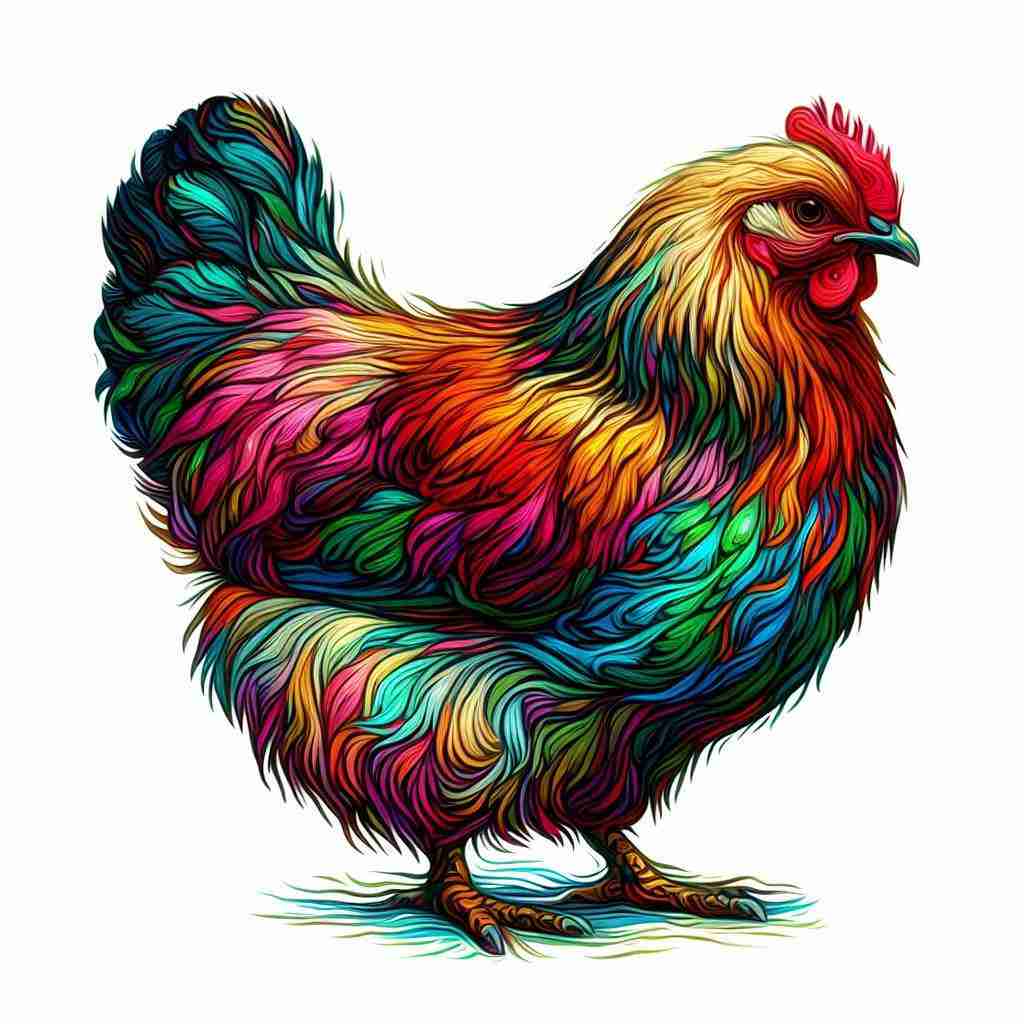
From Hatch to Trophy – the Educational Power Of Rare Breeds
From Hatch to Trophy – the Educational Power Of Rare Breeds
- Cracking open a carton of eggs reveals a vibrant world of rare poultry breeds like Ayam Cemani and Black Copper Maran.
- Raising backyard chickens is an experience that fosters generational connections to agriculture.
- This hands-on learning involves responsibility and respect for the animal’s journey, transforming you into an empowered steward of the food system.
- Choosing to keep rare breeds helps preserve history and biodiversity, countering the threats posed by industrial farming practices.
- Every collected egg represents a victory against uniformity in food production, promoting variety and ecological balance.
- Engaging with chickens provides profound educational benefits, teaching children patience, responsibility, and empathy.
- The journey of nurturing rare breeds is about both personal growth and heart, making it a fulfilling endeavor beyond just harvesting eggs.
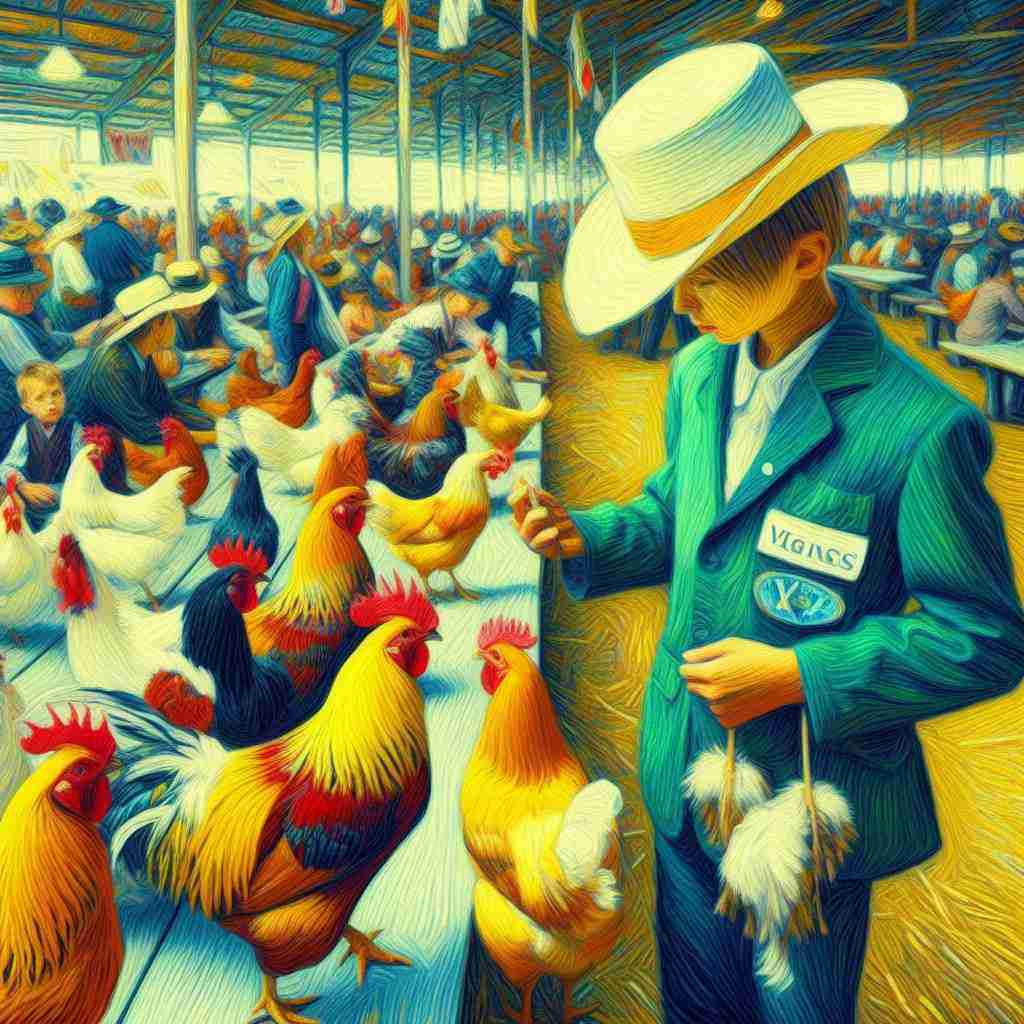
From Hatch to Trophy – the Educational Power Of Rare Breeds
Table Of Contents
- From Hatch to Trophy – the Educational Power Of Rare Breeds
- How Can Rare Breeds Inspire a Love for Nature and Science?
- What Role Do Rare Breeds Play In Preserving Biodiversity?
- How Do These Unique Animals Spark Curiosity and Creativity In Youth?
- What Ethical Responsibilities Do We Have Towards Rare Breeds?
- How Can Learning About Rare Breeds Foster Empathy and Compassion?
- What Impact Do Rare Breeds Have on Local Ecosystems and Agriculture?
- How Can Stories Of Rare Breeds Connect Us to Our Cultural Heritage?
- Conclusion
- Other Resources
- Glossary Of Terms
- Other Questions
- Haiku
- Poem
- Checklist
How Can Rare Breeds Inspire a Love for Nature and Science?
When you think of rare breeds, what comes to mind? Perhaps a charming breed of chicken clucking away in your backyard, or an endangered sheep with a uniquely textured fleece. These rare breeds aren’t just quirks of nature – they’re living connections to our history, our planet, and even each other. Striking the right chord between heart, head, and gut, these creatures can inspire a deeper love for nature and science in ways that textbooks can’t.
Imagine standing in your backyard, watching chickens scratching and pecking around. These aren’t just pets; they are a glimpse into agricultural history, the legacy of generations who cultivated biodiversity. By choosing to rear backyard chickens, you join a community of individuals who understand the importance of preserving these unique breeds. With each egg you collect, you’re engaging in a dialogue about sustainability and the ethical considerations of our food systems. When we foster a love for these animals, we cultivate a passion for the natural world, inspiring curiosity about where our food comes from and how it’s produced.
But it goes beyond any single backyard. Rare breeds are gateways to an intertwined narrative about heritage, culture, and biodiversity that reaches far beyond our borders. These breeds remind us that every creature has a role. They operate as canaries in coal mines, signaling the environmental shifts and helping us understand the impact of our actions. Educators and scientists alike recognize that studying rare breeds can illuminate truths about genetics, adaptation, and resilience – lessons we sorely need in a changing world.
Engagement evolves into connection when communities come together to celebrate and support these breeds. Local farmers’ markets, breed clubs, and educational workshops create spaces where folks can share stories, learn from one another, and inspire a collective movement toward conservation. This social connection turns awareness into action; when communities rally around rare breeds, they foster a culture that prioritizes preserving our planet’s rich biodiversity.
So, the next time you watch those backyard chickens flap their wings, remember: they symbolize our potential to connect with nature, to inspire learning, and to protect our precious biodiversity. Dive into this wonderful world and see how rare breeds can ignite a passion that resonates within your heart, mind, and spirit. Get involved, share your experiences, and lead the charge for a more sustainable and enlightened relationship with our natural world.

How Can Rare Breeds Inspire a Love for Nature and Science?
How Can Rare Breeds Inspire a Love for Nature and Science?
- Rare breeds of animals connect us to history, culture, and biodiversity.
- Backyard chickens serve as a reminder of agricultural heritage and biodiversity cultivation.
- Raising rare breeds promotes sustainability and ethical food systems.
- These animals can highlight important lessons about genetics, adaptation, and resilience.
- Community engagement around rare breeds fosters social connections and conservation efforts.
- Local initiatives, like farmers’ markets and workshops, inspire collective action for biodiversity.
- Rare breeds can spark curiosity and passion for the natural world and promote sustainability.

How Can Rare Breeds Inspire a Love for Nature and Science?
What Role Do Rare Breeds Play In Preserving Biodiversity?
When you think about the sprawling landscapes of America, you picture vibrant farms dotted with livestock, crops, and the occasional cluster of backyard chickens. But the heart of this picturesque scene isn’t just the everyday staples; it’s the rare breeds that weave the intricate tapestry of our agricultural heritage. These animals aren’t just quaint novelties; they are living repositories of genetic diversity, embodying unique traits and histories that could very well be our insurance policy against an uncertain future.
Imagine a small farm where a family decides to raise a few rare breed chickens. At first glance, they may seem like just another flock, but each chicken carries the weight of a lineage that has weathered the storms of time—disease, environmental changes, and agricultural shifts. This lineage preserves traits like resilience and adaptability, which may be the secret weapons we need in the face of climate change and food insecurity. So, next time you grab a carton of eggs, remember that those vibrant yolks may mirror the colors of a rare breed destined for extinction.
The truth is, rare breeds serve as living insurance policies for our global food system. Scientists warn us that biodiversity is teetering on a precipice, and with it, the very stability of our ecosystems. By fostering an appreciation for these underdogs—be it a majestic Cuckoo Marans or a distinctively feathered Dorking—we are participating in a larger narrative of ethical stewardship. This connection to our food sources ignites a sense of responsibility; we aren’t just consumers—we are caretakers of a legacy.
Moreover, rare breeds can offer financial benefits to small farmers and homesteaders. Their uniqueness can draw customers who are not just looking for a product but for a story, a connection to something greater than the sterile aisles of commercial agriculture. When we gather as a community to celebrate these breeds—whether at county fairs, farmers’ markets, or backyard coops—we embrace a collective identity rooted in tradition, sustainability, and the future.
So, take a moment to stand beside that coop, to watch the rare chickens strut, cluck, and thrive in your backyard. Let their stories resonate within you. The decision to support and nurture rare breeds is more than mere curiosity; it’s a pledge to preserve the rich diversity of life that sustains us all. In nurturing these creatures, we are nurturing the very essence of our humanity.
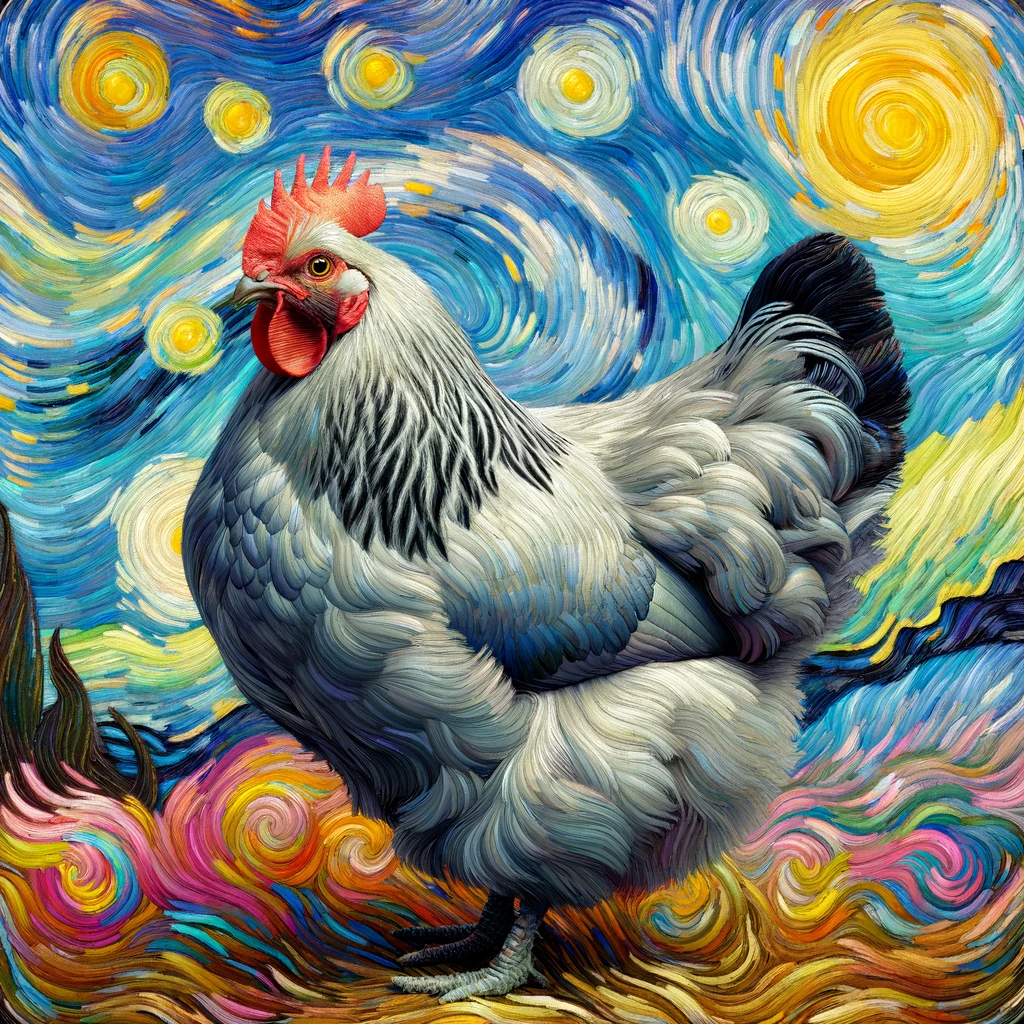
What Role Do Rare Breeds Play In Preserving Biodiversity?
What Role Do Rare Breeds Play In Preserving Biodiversity?
- Rare breeds contribute to America’s vibrant agricultural landscapes, embodying genetic diversity.
- Each rare breed chicken carries a lineage that has adapted to historical challenges, preserving resilience.
- These animals can provide solutions to climate change and food insecurity through their unique traits.
- Rare breeds are essential for maintaining biodiversity and the stability of global food systems.
- Supporting rare breeds promotes ethical stewardship and a sense of responsibility as caretakers of agricultural heritage.
- Unique breeds can offer financial advantages to small farmers by attracting customers seeking authentic connections.
- Nurturing rare breeds fosters community, tradition, and a commitment to preserving biodiversity for future generations.

What Role Do Rare Breeds Play In Preserving Biodiversity?
How Do These Unique Animals Spark Curiosity and Creativity In Youth?
When we think about the world around us, it’s often the extraordinary that stirs our inner curiosity. Unique animals have a remarkable way of awakening that childlike wonder inside us, and for our youth, these creatures often become gateways to exploration. Imagine a group of kids, dirty hands and bright eyes, running through a backyard where chickens roam freely. These aren’t just ordinary birds; these backyard chickens are teachers, igniting curiosity and prompting creative thinking around every corner.
Children are natural explorers, armed with questions that defy the limits of reason. When they engage with animals like chickens, they don’t just learn about their habitat or diet; they delve into the cycles of life, the responsibilities of care, and the beauty of patience. Each egg laid and feather shed tells a story—one that kindles the desire to learn more about our ecosystem, sparking questions about sustainability and food sources. Why do chickens scratch the ground? What do they need to thrive? This thirst for knowledge fosters critical thinking skills, blending the heart of ethical responsibility with the sharpness of rational inquiry.
But there’s something deeply visceral about this experience, too. Raising animals invites a connection that transcends textbooks and screens. Just picture a child kneeling in the dirt, feeling the weight of a warm egg in their small hands. This tangible experience enriches their understanding of life, responsibility, and empathy. With each plucky cluck and fluttering wing, they grasp the delicate balance of nature, instilling values that go far beyond the coop. They learn respect—not just for animals, but for the interconnected web of life we all share.
Moreover, these experiences aren’t lived in isolation. When children band together to care for backyard chickens, they form bonds that strengthen their social fabric. Collaborating on chores, sharing a genuine laugh when the rooster unexpectedly crows, or marveling at a chick’s first steps cultivates teamwork, communication, and shared joy. Community develops, creating lasting memories that inspire future generations to cherish our natural world.
So, let’s embrace these unique animals and encourage our youth to explore, question, and create. By doing so, we’re not just nurturing future caretakers of our planet; we’re inspiring a generation that will advocate for a deeper understanding of life and its precious interconnectedness. The time is ripe for curiosity and creativity to flourish—let’s raise our chickens and our children together.

How Do These Unique Animals Spark Curiosity and Creativity In Youth?
How Do These Unique Animals Spark Curiosity and Creativity In Youth?
- Extraordinary animals, like backyard chickens, spark curiosity and creativity in children.
- Children engage deeply with animals, learning about life cycles, responsibilities, and patience.
- Experiences with chickens prompt questions about ecosystems, sustainability, and food sources.
- Interacting with animals fosters critical thinking and ethical responsibility.
- Tangible experiences, like holding a warm egg, deepen children’s understanding of life and empathy.
- Caring for chickens builds teamwork and social bonds among children, creating lasting community ties.
- Encouraging exploration of nature inspires future caretakers and advocates for interconnectedness.
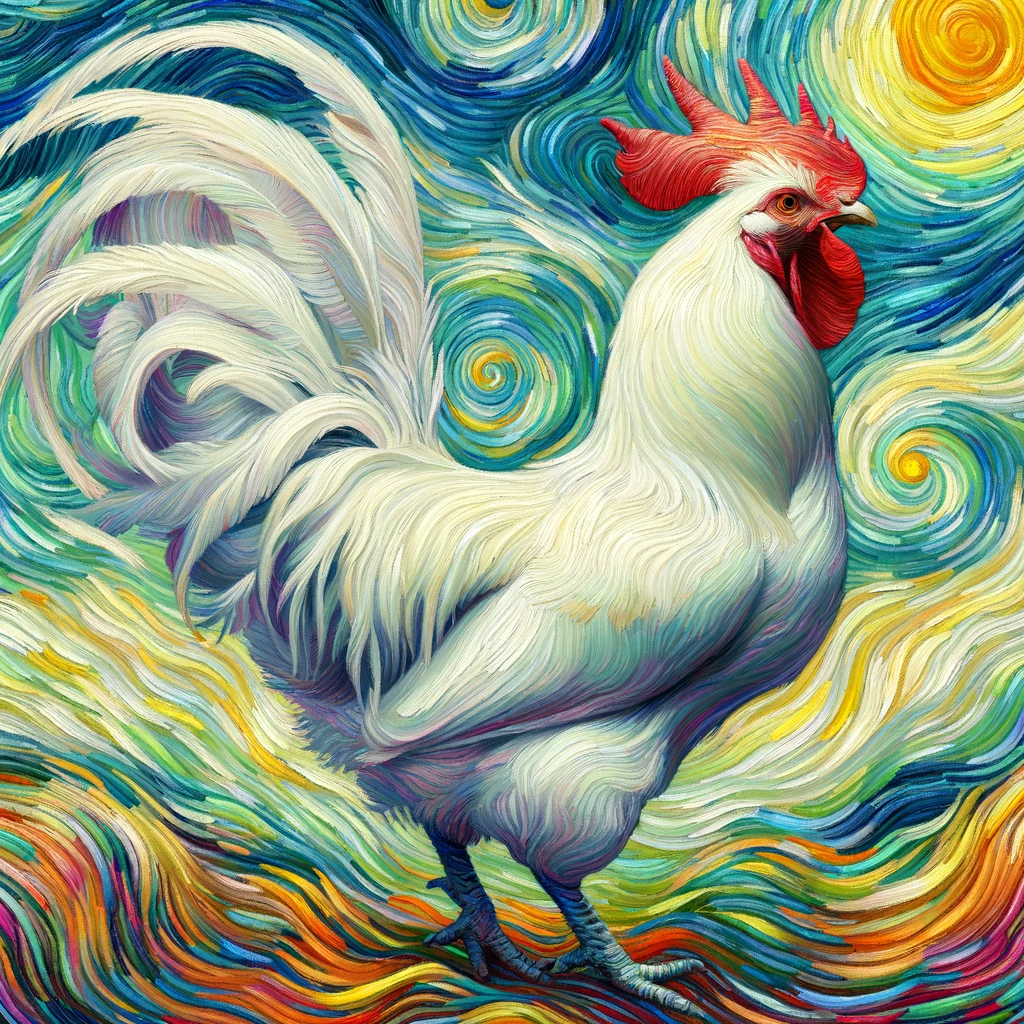
How Do These Unique Animals Spark Curiosity and Creativity In Youth?
What Ethical Responsibilities Do We Have Towards Rare Breeds?
When we talk about rare breeds, we’re not just whispering about genetics; we’re gripping the threads of history and community. Think of it this way: every rare breed is a living piece of our cultural heritage, representing generations of cultivation and care. They’re resilient, quirky, and full of character—like that neighbor who raises Backyard Chickens and brews their own beer. They deserve our respect not just because they’re unique, but because they’re part of a larger story that’s been woven together over centuries.
Imagine walking into a barn and seeing a rare breed of sheep, woolly and wise, looking back at you with eyes that seem to hold the knowledge of a thousand farms. Each one carries the weight of its ancestry, and with it, a responsibility. In the grand tapestry of agriculture, these breeds remind us of our roots—the very essence of what it means to cultivate not just land, but community and connection. By investing in their future, we ensure that stories, traditions, and flavors don’t fade into oblivion.
Ethically, it’s simple: we owe it to these breeds to safeguard their existence. Extinction is a thief that steals not just species, but entire ways of life. Allowing rare breeds to vanish is like throwing a masterpiece into the void—unthinkable and irrevocable. As stewards of the planet, our role is clear: cherish what is rare and fight for diversity in our ecosystems.
Now, let’s bring it a little closer to home. The next time you’re at a farmer’s market, or better yet, in your own backyard raising those Backyard Chickens, remember the connection you hold. Each egg, each feather, each cluck is a reminder of a bygone era that deserves a place in our modern lives.
We’re all part of a social fabric that relies on diversity, whether that’s in food, culture, or the natural world. By preserving these breeds, we’re not just conserving a gene pool; we’re enriching our communities, our diets, and our understanding of resilience. So let’s rally together and advocate for these extraordinary breeds—because when the world embraces variety, we not only honor the past but pave the way for a vibrant, sustainable future. Your actions can make waves; let them ripple out into something magnificent.
What Ethical Responsibilities Do We Have Towards Rare Breeds?
What Ethical Responsibilities Do We Have Towards Rare Breeds?
- Rare breeds embody our cultural heritage, representing generations of cultivation and care.
- They are unique and resilient, reminding us of the importance of community and connection.
- Each rare breed carries the weight of its ancestry, serving as a living link to our agricultural roots.
- Investing in rare breeds helps preserve stories, traditions, and flavors for future generations.
- We have an ethical responsibility to protect these breeds from extinction, which threatens entire ways of life.
- Engaging with rare breeds, such as raising Backyard Chickens, fosters a connection to our past.
- Preserving biodiversity enriches our communities and diets, supporting a sustainable future.

What Ethical Responsibilities Do We Have Towards Rare Breeds?
How Can Learning About Rare Breeds Foster Empathy and Compassion?
When we take the time to learn about rare breeds, we’re not just delving into a fascinating world of unique animals; we’re entering a space that invites empathy and compassion into our daily lives. Imagine wandering into a local farm or even your own backyard, watching as quiet, feathered friends—like those backyard chickens—peck at the ground, oblivious to the challenges that threaten their existence. Each rare breed embodies a story, a history rich with the sweat and perseverance of farmers who dedicated their lives to preserving them.
Rationally speaking, understanding these breeds is about more than just appreciating their quirky feathers or distinct calls. It’s about acknowledging the delicate ecosystems they belong to and the profound impact they have on our agricultural heritage. When we learn the numbers—how many of these breeds are left, what factors led to their decline—we can’t help but feel a responsibility, a moral imperative to act. We realize that each chirp from those chickens carries the weight of survival, not just for themselves but for the diversity of life they represent.
Ethically, fostering compassion for these creatures challenges us to re-evaluate our relationships with animals. Consider the tales woven into the fabric of farming, the generations of people who have nurtured these breeds. By supporting rare breeds, we contribute to a legacy that not only honors tradition but also encourages sustainable practices. Compassion is the foundation of a community that stands united in its commitment to biodiversity; it invites us to participate in something bigger than ourselves.
Narratively, let’s picture the small children who visit farms, their eyes lighting up as they learn the names of these rare breeds. They ask questions, connect emotions, and offer affection to these animals that rely on us for their future. That bond we build ignites curiosity and inspires them to share their newfound knowledge with friends and family—transforming moments of empathy into ripples of action within their communities.
Ultimately, when we embrace the beauty of rare breeds, and, yes, even those backyard chickens, we are choosing to foster connection and nurture a more compassionate world. It’s an invitation to come together, to educate ourselves, and to take small steps that lead to jarring change. Let’s lean into this responsibility, because at the end of the day, what matters most is that we choose to care.

How Can Learning About Rare Breeds Foster Empathy and Compassion?
How Can Learning About Rare Breeds Foster Empathy and Compassion?
- Learning about rare breeds fosters empathy and compassion in our lives.
- Rare breeds, like backyard chickens, come with unique stories and histories tied to dedicated farmers.
- Understanding these breeds highlights the delicate ecosystems and agricultural heritage they represent.
- Awareness of declining numbers fosters a sense of moral responsibility to act for their preservation.
- Supporting rare breeds promotes sustainable practices and honors farming traditions.
- Children’s interactions with these animals can ignite curiosity and inspire community action.
- Embracing rare breeds invites us to connect, educate ourselves, and foster a compassionate world.

How Can Learning About Rare Breeds Foster Empathy and Compassion?
What Impact Do Rare Breeds Have on Local Ecosystems and Agriculture?
When you picture a bustling farm, what comes to mind? Big machinery? Rows of monoculture crops? Now imagine a different scene: a patch of vibrant land teeming with rare breeds—colorful chickens scratching at the earth, goats butting heads playfully, and pigs snuffling through wildflowers. It’s a rich tapestry woven with the threads of biodiversity, essential not only for the health of our ecosystems but also for the very soul of agriculture.
Rare breeds aren’t just a quaint addition to your local farm; they’re the unsung heroes that foster resilience in our food systems. Take backyard chickens, for example. These feathered friends not only provide fresh eggs but also ambush pests, turning what could be a bane into a boon. They peck at invasive insect populations, contributing to a balanced ecosystem that grows stronger and more vibrant with every flutter. Free-range poultry scavenge and fertilize, nurturing the soil while offering a sustainable alternative to chemical pesticides. Here, small steps in our own backyards can ripple outwards, influencing broader agricultural practices.
But it’s not just about biodiversity; it’s about legacy. Each rare breed carries stories of tradition and survival, echoing the connection between the land and the people who nurture it. By fostering these breeds, we honor our agrarian heritage. It becomes a matter of ethical stewardship—ensuring that our choices today don’t erase the possibilities for tomorrow. Supporting rare breeds is akin to participating in a grand narrative about resilience, autonomy, and love for the land.
Think about the impact you can make with your choices. Supporting local farms that raise rare breeds not only bolsters their livelihood but reconnects communities. When you purchase a carton of eggs from a farmer who raises heritage chickens, you’re not just getting a product—you’re investing in a story. You’re fostering relationships that extend well beyond your dinner plate.
In the grand scheme of things, embracing rare breeds is a communal act, an unspoken agreement to nurture our environment while celebrating its diversity. As climate challenges loom and industrial agriculture presses on, we stand at a crossroads. By welcoming these unique breeds into our lives and supporting their existence, we ensure that our ecosystems thrive, our agricultural practices are sustainable, and our food is as rich in flavor as it is in history. So, why not take the plunge? Your backyard—and the world—will thank you for it.

What Impact Do Rare Breeds Have on Local Ecosystems and Agriculture?
What Impact Do Rare Breeds Have on Local Ecosystems and Agriculture?
- Imagining a vibrant farm with rare breeds enhances biodiversity, crucial for ecosystem health and agriculture.
- Rare breeds, like backyard chickens, contribute to food systems by managing pests and enriching soil.
- Supporting biodiversity fosters resilience in food systems and influences broader agricultural practices.
- Each rare breed carries stories of tradition and survival, reflecting the connection between land and people.
- Choosing to support rare breeds signifies ethical stewardship and preserves agricultural legacy for future generations.
- Purchasing local products from farms with rare breeds fosters community relationships beyond the product itself.
- Embracing rare breeds amid climate challenges promotes sustainable agriculture and enhances food diversity and flavor.
What Impact Do Rare Breeds Have on Local Ecosystems and Agriculture?
How Can Stories Of Rare Breeds Connect Us to Our Cultural Heritage?
When we think about our cultural heritage, we often focus on grand tales of heroes or monumental achievements. Yet, there’s a subtle, powerful narrative weaving through the very fabric of our lives—a narrative embodied by rare breeds of animals, like backyard chickens. These chickens, often dismissed as mere domestic fowl, serve as a living link to our agrarian past, reminding us of who we are and where we come from.
Imagine stepping into a backyard, the air thick with the earthy scent of freshly turned soil, the clucking sounds wrapping around you like an old song. Each cluck, each flutter of feathers speaks volumes about traditions, lifestyles, and values that have been passed down through generations. These rare breeds aren’t just about eggs or raw productivity; they symbolize resilience, adaptability, and the unyielding connection between people and land.
When we nurture a rare breed of chicken, we’re not only caring for an animal; we’re preserving a piece of our history. These birds offer us a chance to engage with our ancestors’ ways of life, introducing us to a slower, richer existence where every connection mattered. They fill our backyards with life and lessons, inviting us to rethink the way we value food, family, and community.
Ethically, by embracing these heritage breeds, we stand against the tide of mass production and monoculture that threatens biodiversity. We’re taking a stand for agricultural practices that honor the past while enriching our future. This choice taps deep into our sense of responsibility, reminding us that our actions today shape the landscape of tomorrow.
Socially, raising backyard chickens is a camouflaged rallying point for neighbors, friends, and families. Each coop becomes a micro-hub of connection where stories are told, produce is shared, and laughter is exchanged. We forge bonds over this simple act of nurturing life, creating a shared understanding that transcends differences and brings us together.
At the end of the day, it’s not just about chickens. It’s about reclaiming our stories, our roots, and our humanity. Engaging with rare breeds can inspire us to foster trust in our food systems and make choices that honor both our heritage and our future. So, whether you’re already a chicken aficionado or just curious about starting your journey, consider this: every egg you crack open could very well be a window into your past, rich with untold stories waiting to be shared.

How Can Stories Of Rare Breeds Connect Us to Our Cultural Heritage?
How Can Stories Of Rare Breeds Connect Us to Our Cultural Heritage?
- Cultural heritage often emphasizes grand tales but also includes subtle narratives, exemplified by rare breeds like backyard chickens.
- Backyard chickens serve as a living link to our agrarian past, reflecting our traditions, lifestyles, and values.
- Nurturing rare chicken breeds preserves a piece of history and promotes a slower, richer existence.
- Embracing heritage breeds counters mass production and monoculture, supporting biodiversity and responsible agriculture.
- Raising backyard chickens fosters connections among neighbors, friends, and families, creating communities around shared experiences.
- Engaging with these animals inspires trust in our food systems and encourages thoughtful choices for heritage and future.
- Every egg cracked open is a potential gateway to untold stories from our past, inviting reflection and sharing.

How Can Stories Of Rare Breeds Connect Us to Our Cultural Heritage?
Conclusion
In the vibrant, bustling tapestry of agriculture, rare breeds like the Ayam Cemani and Black Copper Maran stand as living icons, a testament to the resilience and diversity that have defined our relationship with the land. These unique animals do more than just inhabit our backyards; they weave us into the deeper narrative of history, responsibility, and community. Each egg is not merely a source of nutrition but a symbol of our past—of generations who cultivated these breeds with reverence and love.
Our journey into the world of rare breeds is a call to action for every soul yearning for connection with nature and the wisdom it holds. By raising these remarkable animals, we embrace an ethical imperative to preserve the very essence of our agricultural heritage. In doing so, we take a stand against homogeneity in food production—each breed defies the odds stacked against them, offering hope for a more biodiverse future. The choice to nurture rare breeds is not just about individual fulfillment; it’s about fostering a culture that prioritizes ecological balance and agricultural richness.
Moreover, the lessons learned while caring for these creatures extend beyond the barnyard. Families and children who engage with rare breeds cultivate not only empathy and responsibility but also critical thinking and creativity. They become active participants in the food system, transforming from mere consumers to informed stewards of the land. These experiences forge lasting bonds—between families, neighbors, and communities—unearthing shared stories and traditions that resonate through generations.
The appeal of rare breeds transcends mere nostalgia. In today’s world, where industrial farming practices threaten biodiversity, preserving these unique animals becomes a powerful act of rebellion against the status quo. Each chicken flapping its wings in your backyard echoes a cry for diversity, reminding us that our local ecosystems depend on these underappreciated gems. Supporting local farmers and celebrating rare breeds injects vitality back into our communities—every farmer’s market, every coop visit, serves as a lively forum for education and connection.
So, let’s not overlook the small miracles that flit around our yards. Every feathered friend carries a story worth telling, a legacy worth preserving. By nurturing rare breeds, we honor the past while actively shaping a vibrant future. It’s a path lined with compassion, responsibility, and hope—a journey that begins right outside your door. Embrace the call of the rare breed and become part of something magnificent, because in the end, it’s about much more than just eggs; it’s about the heart of humanity itself.

Conclusion
Conclusion:
- Rare breeds like the Ayam Cemani and Black Copper Maran symbolize resilience and diversity in agriculture.
- Each egg represents a connection to history and the generations that cultivated these breeds with care.
- Raising rare breeds fosters an ethical imperative to preserve agricultural heritage and promotes biodiversity.
- Caring for these animals teaches empathy, responsibility, and critical thinking, transforming families into informed stewards of the land.
- Preserving rare breeds serves as a rebellion against industrial farming practices that threaten biodiversity.
- Supporting local farmers and celebrating rare breeds revitalizes communities and encourages education and connection.
- Nurturing rare breeds honors the past and shapes a compassionate, hopeful future, reflecting the heart of humanity.

Conclusion
Other Resources
Other Resources
Here is a list of other resources you can review online to learn more:
- Olive Egger
- Ulcerative Enteritis
- Chantecler
- cereals
- apples
- mediterranean breed
- Jersey Giant
- Necrotic Enteritis
- Brahmas
- Red Jungle Fowl
- Capillary Worms
- Langshan
- Buckeye
- crickets
- Lymphoid Leukosis
- Gumboro
- chicken feed
- United Orpington Club
Use This Prompt To Get More Resources With Your Favorite Online AI Tool: Please provide me with a list of online articles with their URLs in a bulleted list that I can read regarding From Hatch to Trophy – the Educational Power Of Rare Breeds

Other Resources
Glossary Terms
From Hatch to Trophy – the Educational Power Of Rare Breeds – Glossary Of Terms
1. Hatch: The process of young animals emerging from eggs, particularly in birds and reptiles.
2. Rare Breeds: Animal breeds that have a small population and are at risk of extinction, often prized for their unique traits.
3. Conservation: The protection and preservation of biodiversity, including rare animal breeds, to prevent extinction.
4. Genetic Diversity: The variety of genes within a species, crucial for adaptability and survival in changing environments.
5. Heritage Breeds: Breeds that have historical significance and are maintained for their unique characteristics and genetic lineage.
6. Sustainable Farming: Agricultural practices that focus on environmental health, economic profitability, and social equity.
7. Crossbreeding: The practice of breeding individuals from different breeds to produce offspring with desired traits.
8. Endangered Species: A classification for species at risk of extinction due to habitat loss, hunting, or other environmental pressures.
9. Selective Breeding: The intentional mating of animals with desirable traits to enhance or produce those traits in future generations.
10. Ecosystem: A community of living organisms interacting with their environment, where maintaining biodiversity is key to health.
11. Stock Breeding: The practice of breeding livestock for agricultural purposes, often focusing on traits beneficial for farming efficiency.
12. Biobanking: The preservation of genetic material (e. g. , sperm, eggs, tissue) from rare breeds to conserve biodiversity.
13. Farming Practices: Techniques used in agriculture which can influence the health and viability of rare breeds.
14. Locally Adapted: Breeds that have developed specific traits suited to the environmental conditions of a particular geographical area.
15. Trophy: A term often used in hunting or breeding contexts to refer to a particularly impressive specimen of an animal.
16. Animal Husbandry: The care and breeding of animals for agricultural purposes, focusing on raising livestock effectively.
17. Animal Welfare: The humane treatment of animals, ensuring their well-being and quality of life in farming and breeding scenarios.
18. Phenotype: The observable physical characteristics of an organism, influenced by its genotype and environment.
19. Genotype: The genetic constitution of an organism that determines its hereditary traits.
20. Traditional Farming: Agricultural methods that utilize long-standing practices, often incorporating rare breeds for resilience.
21. Food Security: The availability and access to sufficient, safe, and nutritious food, which can be supported by diverse livestock.
22. Registry: An official record of animal breeds, including information on lineage, health, and breeding practices.
23. Cultivation: The process of cultivating or growing animals or plants, particularly in a controlled environment for food production.
24. Biodiversity: The variety of life in a particular habitat or ecosystem, including different breeds of animals.
25. Restoration: The process of returning habitats or breeds to a healthy state, often through active management and conservation efforts.
26. Exhibition: Shows or fairs where animals, particularly rare breeds, are showcased for public education and appreciation.
27. Niche Farming: Specialized agricultural practices focusing on unique breeds or products to cater to specific market demands.
28. Community Supported Agriculture (CSA): A system where consumers support local farms by purchasing shares of produce and goods, often promoting rare breeds.
29. Education: The process of informing people about the significance of preserving rare animal breeds and sustainable practices.
30. Regenerative Agriculture: Farming practices that restore soil health, biodiversity, and ecosystem functions, including nurturing rare breeds.

Glossary Of Terms
Other Questions
From Hatch to Trophy – the Educational Power Of Rare Breeds – Other Questions
If you wish to explore and discover more, consider looking for answers to these questions:
- What are some specific examples of rare breeds and their unique characteristics?
- How can someone get started with raising rare breeds in their own backyard?
- What are the nutritional benefits of eggs from rare breed chickens compared to commercial breeds?
- What resources are available for learning more about the care and breeding of rare breeds?
- How do rare breeds contribute to the local economy and small-scale farming?
- What are the major threats facing rare breeds today?
- How can communities support the preservation of rare breeds?
- What role does government policy play in the conservation of rare breeds?
- Are there any organizations dedicated to protecting and promoting rare breeds?
- How can rare breeds enhance biodiversity within urban environments?
- What stories or cultural significance do specific rare breeds hold in different regions?
- How can educational institutions incorporate rare breeds into their curricula?
- What are some ethical considerations when raising animals for food?
- How do rare breeds impact soil health and agricultural sustainability?
- What are the psychological benefits of engaging with animals like rare breeds?
Other Questions
Haiku
From Hatch to Trophy – the Educational Power Of Rare Breeds – A Haiku
Feathered friends remind,
Cultures woven in care—
Biodiversity.
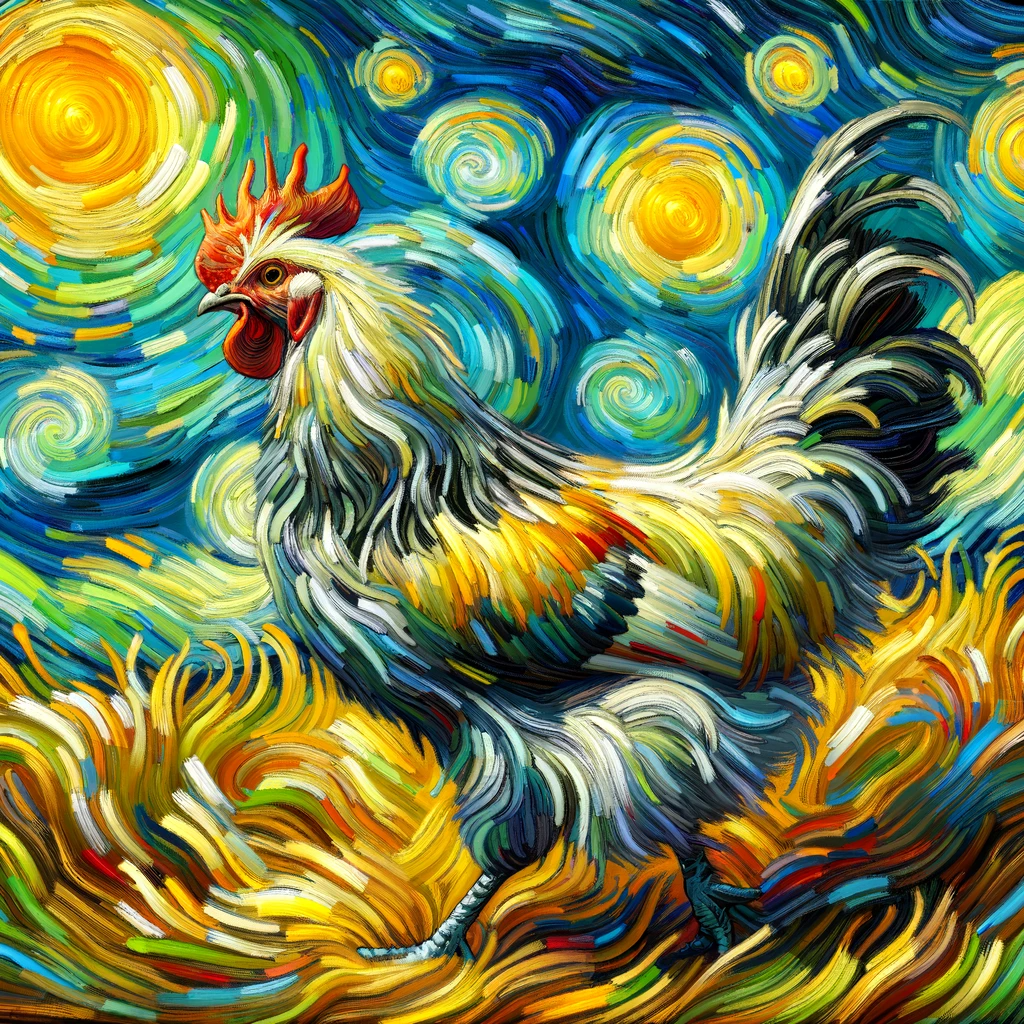
Haiku
Poem
From Hatch to Trophy – the Educational Power Of Rare Breeds – A Poem
In a world of simple shells, a story lies,
Each egg a whisper, a legacy that cries,
Through the flick of feathers and the cluck of song,
Rare breeds connect us, where we all belong.
From Ayam Cemani to the Maran’s grace,
They embody resilience, a shared embrace,
In backyards echoing with laughter and cheer,
Life’s lessons unfold, where love draws near.
Gathered ‘round farms, under sunlit skies,
Children find wonder in creatures wise,
They learn of nature’s delicate balance,
With each tender moment, fostering a chance.
The pulse of history flows through their veins,
Nestled in patches of soil and grains,
We stand as stewards, guardians of fate,
For every rare breed, together we wait.
Our choices ripple through communities wide,
As we nurture these beings, our connection is tied,
To biodiversity, a tapestry rich,
In stories of survival, we find our niche.
Let hearts open wide to the truths they unfold,
In seeking their wisdom, our futures are bold,
Each feather, each egg, a testament grand,
To preserve what is precious—a promise we hand.
So together let’s celebrate, act, and inspire,
In this dance with rare breeds, we rise ever higher,
For in caring and sharing, our journey is clear,
When we honor their lives, we find purpose here.

Poem
Checklist
From Hatch to Trophy – the Educational Power Of Rare Breeds – A Checklist
Checklist for Engaging with Rare Breeds
Emotional Connection (Heart)
_____ Reflect on your relationship with nature. How do rare breeds inspire empathy and compassion in your life?
_____ Consider a memorable experience with animals. What lessons did it impart about responsibility and nurturing life?
_____ Think about ways to cultivate family bonds through raising animals. How can this enrich your relationships?
Rational Considerations (Head)
_____ Research the different rare breeds available in your area. Identify at least three unique breeds that interest you.
_____ Analyze the benefits of raising rare breeds versus conventional breeds. What is the potential impact on biodiversity?
_____ Assess the ethical implications of supporting rare breeds. How can your choices influence the sustainability of agricultural practices?
Ethical Responsibilities (Gut)
_____ Identify ways you can contribute to the conservation of rare breeds in your community (e. g. , supporting local farmers, participating in breed clubs).
_____ Reflect on the importance of genetic diversity in agriculture. How does this impact future food security?
_____ Evaluate your role as a steward of the environment. What actions can you take to advocate for ethical treatment of all animals?
Narrative Engagement (Story)
_____ Share a story of your interactions with animals that transformed your perspective. How can this narrative inspire others?
_____ Document your journey in raising chickens or other rare breeds. Create a journal of your experiences to share with family and friends.
_____ Connect with local farmers or organizations that promote rare breeds. What stories can they share that highlight the importance of preserving these animals?
Social Connectivity (Community)
_____ Participate in local events focused on rare breeds (e. g. , farmers’ markets, workshops). How can you engage with others sharing similar interests?
_____ Start a conversation with neighbors and friends about rare breeds. What common values or interests can you discover together?
_____ Create or join a community group that focuses on sustainability and biodiversity. How can collective efforts lead to meaningful change?
Practical Steps
_____ Research what resources you need to start raising rare breeds at home. Make a list of supplies required.
_____ Schedule time for educational experiences, such as farm visits or workshops, to deepen your understanding of rare breeds.
_____ Set specific goals for involving family or community members in raising or caring for rare breeds.
Conclusion:
Utilize this checklist to deepen your engagement with the fascinating world of rare breeds, fostering a stronger connection to our agricultural heritage, environment, and community.

Checklist
At BackyardChickenNews, we help people who want to raise backyard chickens by collating information and news blended with our own personal experiences.
Be sure to read our other related stories at BackyardChickenNews to learn more about raising chickens in your backyard.