

Cultivating Change: Gen Z’s Movement For A Sustainable Future
By Tom Seest
At BackyardChickenNews, we help people who want to raise backyard chickens by collating information and news blended with our own personal experiences.
Be sure to read our other related stories at BackyardChickenNews to learn more about raising chickens in your backyard.
From Screens to Soil – Gen Z’s Real-World Sustainability Movement
In a world dominated by screens, it’s easy to forget that real life happens outside our window. Yet, here comes Generation Z, a group energized not just by hashtags but by the heartbeat of the earth itself. Imagine them, young and ambitious, trading virtual likes for tangible farms — raising backyard chickens, tapping into the ancient wisdom of tilling the soil, and understanding that every seed they plant is an investment in both their future and the planet’s.
These young warriors of sustainability reflect a deep sense of obligation. They have a visceral connection to the environment that many adults only wish they could rekindle. They’re not just looking for a cause; they are planting their commitment in the ground, cultivating a landscape where change is as organic as the produce they grow. They are on a mission that’s as profound as it is immediate: to cultivate practices that protect the very air they breathe and the food they eat.
What makes this movement resonate? It’s simple yet powerful. There’s a bond forming not only with nature but within communities. Think of your neighbor’s kids, once glued to their screens, who now rally together to create local community gardens. They trade tips on nurturing their backyard chickens, sharing both the successes and failures of their journey. With each clucking hen and sprouting seedling, they foster a narrative that circles back to trust — trust in one another and trust in the earth.
But it’s more than just local. This is a global mindset, one that connects young people from various backgrounds who share the same conviction: We can’t keep ignoring the problems. Every egg laid by the backyard chickens symbolizes a commitment to sustainable living, teaching responsibility, and showcasing the sheer joy of reliance on oneself. This isn’t just a trend; it’s a fundamental shift toward an ethical lifestyle that prioritizes the planet’s survival.
So here’s a challenge. Consider stepping into their shoes, setting down the smartphone, and digging into the soil. Gather your friends, start your own backyard flock, share the joys of growing your own food. The benefits are profound and multifaceted. It’s not just about sustainability; it’s about connection, community, and reclaiming a piece of our humanity. Together, we can reconnect with the earth and inspire a movement that’s deeper than any screen. It’s time for action. Embrace the change.

From Screens to Soil – Gen Z’s Real-World Sustainability Movement
From Screens to Soil – Gen Z’s Real-World Sustainability Movement
- Generation Z is embracing a lifestyle that values connection with nature over digital interactions.
- They are engaged in sustainable practices, such as raising backyard chickens and gardening.
- This generation feels a deep responsibility to protect the environment and invest in its future.
- Youth are forming bonds with their communities through initiatives like local garden projects.
- The movement emphasizes trust—trust in each other and trust in sustainable practices.
- This is a global mindset, uniting young people in the pursuit of ethical living and responsibility.
- The challenge is to step away from screens, engage with the land, and foster community connections.

From Screens to Soil – Gen Z’s Real-World Sustainability Movement
Table Of Contents
- From Screens to Soil – Gen Z’s Real-World Sustainability Movement
- How Can We Balance Technology Use and Environmental Health?
- What Role Does Social Media Play In Driving Sustainability Efforts?
- How Can Gen Z Influence Corporate Responsibility In Sustainability?
- What Sustainable Practices Can We Adopt In Our Daily Lives?
- What Stories Inspire You to Take Action for the Environment?
- How Can We Foster a Sense Of Community Around Sustainability?
- What Ethical Responsibilities Do We Have Towards Future Generations?
- Conclusion
- Other Resources
- Glossary Of Terms
- Other Questions
- Haiku
- Poem
- Checklist
How Can We Balance Technology Use and Environmental Health?
When we think about balancing technology use and environmental health, it often feels like trying to juggle chainsaws—daunting and a little scary. But what if we viewed it more like nurturing a backyard oasis? Picture a place where your family gathers, where the gentle clucking of backyard chickens fills the air. This is not just about raising our own food; it’s about reconnecting to the rhythms of nature, grounding ourselves in something tangible.
In our increasingly digital world, it’s easy to forget the basics. The smart devices that keep us connected can also pull us away from what truly matters—the air we breathe, the soil that nourishes us, and the creatures that share this planet. It’s a dilemma that weighs on our conscience. Every time we scroll through the latest apps and gadgets, we should ask ourselves: What am I giving up in exchange for convenience?
Let’s face it: the reality is that our planet can’t sustain endless streams of electronic waste and energy consumption without suffering. Here’s where our responsibility as individuals comes into play. We have the power to make choices that align with our values—like supporting local farms or cultivating our relationship with the earth. Integrating technology responsibly can mean using sustainable energy solutions for our homes, reducing our carbon footprint while enhancing our lives rather than complicating them.
We often build connections through shared values. When communities rally to support backyard gardens and local food sources, they foster a sense of belonging that enriches our lives far more than a flashy gadget ever could. There’s something truly profound about enjoying a meal shared with neighbors that came from your own hands. It wraps around you like a warm hug, reminding you that we are part of a larger tapestry, woven together through our choices.
Imagine telling your children stories of a world where technology and nature coexist harmoniously, where they can understand the importance of sustainability as a way of life, not just a trendy slogan. Allowing them to help out with backyard chickens or planting a vegetable garden gives them a sense of purpose and responsibility.
Let’s redefine progress not just as technological advancement but as a commitment to protecting our one and only home. It’s time to take action, to find that balance, and to invite others to join us on this journey. Together, we can cultivate a future where technology serves us, the environment thrives, and our hearts feel full.

How Can We Balance Technology Use and Environmental Health?
How Can We Balance Technology Use and Environmental Health?
- Balancing technology use and environmental health can be daunting, but it can be viewed as nurturing a backyard oasis.
- Reconnecting with nature through activities like raising backyard chickens grounds us in the tangible aspects of life.
- In a digital world, it’s important to remember the basics—air quality, soil health, and the biodiversity around us.
- Our planet cannot sustain endless electronic waste and energy consumption; individual choices matter.
- Integrating technology responsibly involves supporting sustainable energy solutions and reducing carbon footprints.
- Community connections foster belonging through shared values, emphasizing local food sources over gadgets.
- Redefining progress as a commitment to sustainability encourages future generations to appreciate nature and technology’s harmonious coexistence.

How Can We Balance Technology Use and Environmental Health?
What Role Does Social Media Play In Driving Sustainability Efforts?
In a world buzzing with information, social media has emerged as a potent catalyst for sustainability efforts. Think about it: every day, millions scroll through vibrant pictures of eco-friendly living, perfectly nestled between those backyard chickens and gourmet plant-based meals. It’s more than just eye candy; it’s an invitation to envision a better future. By showcasing simple, actionable steps, influencers and everyday heroes alike lift the veil on what sustainability can look like in our lives. Imagine, for a moment, someone you know stumbling across a post highlighting composting and deciding to give it a shot themselves. That’s the magic of social media—it’s a spark, igniting change in real time.
Rationally speaking, social media serves as a massive repository of information for those seeking to expand their understanding of sustainable practices. A single tweet or post can mobilize support for local environmental initiatives, transforming an abstract idea into community action. It provides a platform for credible voices in sustainability. Whether it’s a scientist detailing the impact of plastic waste or an engineer sharing insights on renewable energy, these authorities add weight to our understanding, guiding us all toward informed choices that can shape our collective future.
Then there’s the ethical dimension. Imagine scrolling through your feed and seeing someone take their kids to a local farmers’ market, teaching them the importance of supporting local agriculture. These heartwarming moments capture our values and aspirations, reminding us that every action counts in the grand tapestry of community and connection. Social media also builds bridges, connecting like-minded folks who share a profound commitment to the planet. When we see others making sustainable choices—like building vibrant urban gardens or advocating for climate action—we’re inspired to join in, our gut instinct rallying to the cause.
Finally, let’s not forget that stories have the power to resonate deeply within us. Every post, meme, or video carries a narrative that can move mountains. People love to share their journeys, from beginners learning the ropes of zero waste to seasoned pros offering wisdom and encouragement. This storytelling fosters a sense of community, making the challenge of sustainability not just an individual pursuit but a shared adventure where every step counts. It nudges us toward confidence, reminding us that collectively, we can alter the trajectory towards a more sustainable world. So let’s lean in, share our stories, and inspire those backyard chickens to thrive alongside us in our journey toward sustainability.

What Role Does Social Media Play In Driving Sustainability Efforts?
What Role Does Social Media Play In Driving Sustainability Efforts?
- Social media acts as a catalyst for sustainability efforts, showcasing eco-friendly living.
- Influencers and everyday heroes demonstrate simple, actionable sustainability steps.
- Social media serves as a repository of information for sustainable practices and community action.
- Credible voices in sustainability provide guidance to help individuals make informed choices.
- The ethical dimension of social media highlights the importance of local agriculture and community connection.
- It connects like-minded individuals committed to sustainability, inspiring collective action.
- Storytelling through posts and videos fosters a sense of community and shared adventures in sustainability.

What Role Does Social Media Play In Driving Sustainability Efforts?
How Can Gen Z Influence Corporate Responsibility In Sustainability?
When we think about corporate responsibility and sustainability, it’s easy to feel like the weight of the world is resting on the shoulders of management teams, technology, and complex systems. But let’s hit pause for a moment. The truth is, the next generation—Gen Z—is not just observing this intricate dance; they’re stepping into the spotlight with a swagger that demands attention and action. Picture it: a group of bright, passionate young adults rallying for change, ready to reshape the narrative around our planet and how we treat it.
Imagine walking through a vibrant neighborhood where everyone has backyard chickens clucking away, teaching our next chefs and ethical consumers about where their food actually comes from. That’s the heartbeat of Gen Z. They are drawn to authentic narratives, connecting food sourcing, animal welfare, and sustainability like a beautifully woven tapestry. Through their lens, living responsibly isn’t a chore; it’s a lifestyle choice that fosters community and well-being.
Now, why should corporate leaders pay attention? Because Gen Z embodies a potent combination of insight and determination. Relying on their deep understanding of technology and social media, they wield influence in a way that can make or break a brand. They hold companies accountable in real-time, turning a simple hashtag into a powerful rallying cry. Brands that ignore their voice risk losing not just customers but advocates. Here, it’s about more than profits; it’s about presence, purpose, and the wish to build a world worth living in.
Let’s also consider the ethical side of leadership. Does it feel right to profit at the expense of our planet? Gen Z is championing a new ethical standard, reminding us that corporate responsibility is non-negotiable. To them, it’s not just about what companies sell; it’s about who they are and what they stand for. They expect action, not soundbites.
So, what can companies do? They must lean into this wave of change with confidence, honesty, and willingness to adapt. Collaborate with Gen Z, listen to their ideas, and empower them. After all, sustainability isn’t just a buzzword; it’s a movement, and they are leading the charge. It’s about trusting that every contribution—from large corporations to individuals picking up a cause—amplifies the voice of responsibility, making a difference we can all feel proud of. Let’s reimagine what’s possible, together.

How Can Gen Z Influence Corporate Responsibility In Sustainability?
How Can Gen Z Influence Corporate Responsibility In Sustainability?
- Gen Z is stepping into the spotlight, demanding attention and action on corporate responsibility and sustainability.
- This generation connects food sourcing, animal welfare, and sustainability, viewing responsible living as a lifestyle choice.
- Gen Z influences brand perceptions through social media, holding companies accountable in real-time.
- Brands that overlook Gen Z’s voice risk losing not just customers but also advocates who prioritize purpose over profits.
- Gen Z is championing ethical standards, emphasizing that corporate responsibility is essential and action is required.
- Companies should collaborate with Gen Z, listen to their ideas, and embrace change to stay relevant.
- Sustainability is a movement led by Gen Z, and collective contributions can create a positive impact on the world.

How Can Gen Z Influence Corporate Responsibility In Sustainability?
What Sustainable Practices Can We Adopt In Our Daily Lives?
We live in a world that’s pulsing with life, yet so often, we overlook the simplest ways to nurture that life. Take a moment to think about backyard chickens—yes, those clucking little wonders right outside your door. They’re not just petting zoo fodder; they’re a brilliant bridge to sustainability. Raise a few, and suddenly you’re part of the solution, not just watching from the sidelines. Your kids learn the value of responsibility, and you harvest fresh eggs that taste like sunshine. It’s a visceral connection to the land, a chance to show your community that sustainability starts at home.
Now, let’s engage our heads for a second. The food system today is a labyrinth of complexity, but guess what? You can reclaim a piece of it. Composting your kitchen scraps aids in reducing landfill waste while nurturing the soil in your backyard. When you engage in this simple act of recycling, it leads to healthier plants and fewer resources spent on fertilizers and pesticides. Economically, it’s a win. Environmentally, it’s a big step toward restoring balance. You take action, and you can almost hear Mother Earth breathe a sigh of relief.
However, the conversation doesn’t stop there. While you’re at it, consider your consumption habits. Ditching single-use plastics for reusable bags and containers is not just a trend; it’s an ethical shift. These small choices resonate beyond your household—they ripple outward, influencing friends, neighbors, and even local businesses. When we collectively choose sustainability, like supporting farmers’ markets over large corporations, we wield the power of the majority. The power of a community engaged in meaningful change is undeniable.
Let’s not forget the emotional pull here. Think about the legacy you’re crafting—not just for your kids but for the generations that follow. They’ll learn through your actions what it means to care for the earth. Share your journey. Start a conversation in your neighborhood. Host a “sustainability potluck” where you swap ideas about garden hacks and eco-friendly practices. You’ll find not just camaraderie but also a deeper, richer connection to the world around you.
It’s time to roll up those sleeves and dig in. Sustainability isn’t an abstract, far-off concept; it’s our daily lives reimagined. Each responsible choice we make draws us closer to a brighter, greener future—together.

What Sustainable Practices Can We Adopt In Our Daily Lives?
What Sustainable Practices Can We Adopt In Our Daily Lives?
- Raising backyard chickens fosters sustainability and connects families to their food sources.
- Chickens teach children responsibility and provide fresh, delicious eggs.
- Composting kitchen scraps reduces waste and enriches backyard soil.
- Engaging in composting leads to healthier plants and lower dependence on fertilizers.
- Ditching single-use plastics for reusable options promotes ethical consumption.
- Community action toward sustainability influences broader change in local practices.
- Creating a legacy of environmental care for future generations starts with personal actions.

What Sustainable Practices Can We Adopt In Our Daily Lives?
What Stories Inspire You to Take Action for the Environment?
When you think of the environment, your mind might wander to lush forests or vast oceans. But what if the key to nurturing our planet starts right in our own backyards? Picture this: a family, just like yours, decides to raise a few backyard chickens. At first glance, it seems like a simple choice, but this small act can ignite a profound ripple effect that resonates far beyond the fence line.
You may ask, “Why chickens?” And the answer unfolds in layers, compelling us to look deeper. First, there’s the undeniable joy of sustainable living. Every egg laid is a step away from factory farming, a testament to mindful consumption. It’s not just about breakfast; it represents a conscious decision to embrace a more ethical lifestyle. Beyond the kitchen, these feathery companions become teachers, imparting lessons about responsibility and the interconnectedness of nature. Children learn that food doesn’t magically appear at the grocery store; it’s a product of care, effort, and environment.
Then, let’s engage the rational mind: the environmental impact is astonishing. Raising chickens helps reduce food waste. They thrive on scraps that might otherwise go to landfills, turning them into nutrient-rich compost. By doing this, families actively participate in a cycle of sustainability, nurturing their gardens while curbing waste. It’s a practical solution to a pressing problem, reminding us that taking responsibility doesn’t require grand gestures but often starts with small steps—like chicken feed.
Now, emotionally, there’s the sheer joy of connection. Imagine the laughter as kids chase feathers in the yard or the tranquility of watching them peck on a sunny afternoon. These moments forge bonds, not just within the family unit, but with the community. When neighbors start their own backyard chicken coops, a conversation ignites, a movement grows. Suddenly, the backyard becomes a hub of resilience and inspiration, where shared stories foster communal action for the greater good.
This transition isn’t merely about raising chickens; it symbolizes a shift in values. It’s time to lean into a lifestyle that embraces accountability, nurture our environment, and inspire those around us. So, as we ponder our roles as stewards of the Earth, let’s consider: what can we cultivate in our backyards—not just in soil, but within our hearts and communities? It may just be the beginning of something remarkable.

What Stories Inspire You to Take Action for the Environment?
What Stories Inspire You to Take Action for the Environment?
- Backyard chickens represent a simple yet impactful choice for sustainable living.
- Raising chickens promotes mindful consumption, moving away from factory farming.
- Children learn responsibility and the connection between food production and the environment.
- Chickens help reduce food waste by transforming scraps into nutrient-rich compost.
- This practice fosters community interaction and shared values among neighbors.
- Backyard coops can inspire a movement towards environmental accountability and resilience.
- Cultivating connections within our backyards can lead to remarkable changes in our communities.

What Stories Inspire You to Take Action for the Environment?
How Can We Foster a Sense Of Community Around Sustainability?
When we think about sustainability, many of us might envision grand gestures—renewable energy infrastructures or green policies in government offices. But the real magic happens in the nooks and crannies of our everyday lives. Take a moment to consider your own backyard. Picture a modest flock of backyard chickens scratching around, clucking contentedly as they turn kitchen scraps into nourishing eggs. This simple act goes beyond just providing breakfast; it embodies a profound relationship with our resources, and with each other.
Creating a sense of community around sustainability starts with the intimate connections we forge with our environment and those in our neighborhoods. When you decide to raise those chickens, you’re not just joining a movement; you become part of a larger story that intertwines with the rhythms of nature, the cycle of life, and the joy of shared experience. You see, sustainability isn’t just a trendy word—it’s a way of life, a commitment that demands us to live in harmony with our surroundings.
Now, let’s get practical. Educating ourselves about sustainable practices cultivates a shared expertise that brings us together. Organize workshops, neighborhood gatherings, or even an online forum where people can exchange tips on composting, gardening, or tending to those backyard chickens. Knowledge is power, and sharing it reinforces communal bonds, empowering each other to take small yet impactful steps toward a greener future.
Embrace storytelling. Nothing ignites passion like a good tale. Invite a neighbor to share how they transformed their garden into a sanctuary for pollinators or how they started a local swap for surplus produce. Engaging narratives inspire action; they ignite the fire within us to replicate those good deeds in our own lives, be it by planting native species or reducing waste.
Moreover, the ethical imperative is clear: our planet is in trouble, and it falls on us to mend it—together. The responsibility of stewardship is not just an individual act but a collective one. Relying on the strength of community, we can approach challenges head-on, building resilience against climate change and environmental decay.
So, let’s create connections. Let’s turn our backyards into vibrant ecosystems and our communities into hubs of collaboration. Together, we can foster a revolution of sustainability—one backyard chicken at a time. The journey may start small, but each positive action plants the seeds for larger change, turning ambition into reality, and the impossible into the everyday.

How Can We Foster a Sense Of Community Around Sustainability?
How Can We Foster a Sense Of Community Around Sustainability?
- Sustainability often begins in our everyday lives, not just through large-scale initiatives.
- Raising backyard chickens exemplifies a relationship with our resources and community.
- Sustainability is a lifestyle choice that emphasizes living in harmony with our environment.
- Education and sharing knowledge about sustainable practices strengthen communal bonds.
- Storytelling can inspire sustainable actions by sharing personal successes in environmental stewardship.
- Tackling environmental issues is a collective responsibility that requires community involvement.
- Small actions, like fostering vibrant backyards, can lead to significant changes in sustainability efforts.

How Can We Foster a Sense Of Community Around Sustainability?
What Ethical Responsibilities Do We Have Towards Future Generations?
When we think about our lives today, it’s easy to get lost in the chaos of the instant and the urgent. Traffic jams, work deadlines, and endless notifications can drown out that crucial question: What kind of world are we leaving behind? It’s not just about us anymore; it’s about the children who will inherit the Earth we shape today. Picture them years from now, standing in a barren field where thriving forests once grew or struggling to find clean water in a world we took for granted. It’s enough to make your gut clench.
Consider our everyday choices—things as simple as raising backyard chickens, which not only provide fresh eggs but teach our children the values of responsibility and sustainability. By nurturing these connections, we cultivate a sense of stewardship, a legacy we pass on one generation to the next. Each time we prioritize the planet over convenience, we’re making a statement: “I care. I’m invested. I’m all in for the future.”
The ethical responsibility we carry is profound. We are custodians of resources and wisdom that our ancestors gifted us, and now, it’s our turn to hand down a world worth living in. The simple act of reducing waste or conserving energy resonates beyond our personal bubble; it harmonizes with a broader narrative of hope, fostering trust within our communities as we collectively strive to create a sustainable future.
Remember, others are watching. When we engage in responsible practices and advocate for better policies, we inspire our neighbors to join the cause. This isn’t just about us acting as solitary figures; it’s about igniting a movement rooted in collective action. Think about the power of social influence—when one person takes a stand, it can spark an entire community to rethink their habits.
Reflect on your role in this dynamic tapestry. We must lead by example and instill strong environmental ethics in our children. When they see us making thoughtful decisions today, they’ll carry those lessons into tomorrow’s world, making it a better place for all. It’s not just a duty; it’s a profound opportunity to connect, inspire, and transform the legacy we leave for future generations. We can do better, and we must.

What Ethical Responsibilities Do We Have Towards Future Generations?
What Ethical Responsibilities Do We Have Towards Future Generations?
- Modern life is often chaotic, making us overlook the crucial question of the world we are leaving behind.
- Our choices affect future generations; envisioning their struggles can motivate change.
- Simple actions, like raising backyard chickens, promote sustainability and teach responsibility to children.
- Prioritizing the planet fosters stewardship and a legacy of care for future generations.
- We are custodians of resources and wisdom, responsible for handing down a livable world.
- Engaging in responsible practices can inspire community action and collective change.
- Leading by example instills strong environmental ethics in children, shaping a better future.

What Ethical Responsibilities Do We Have Towards Future Generations?
Conclusion
Generation Z stands at a pivotal crossroad, trading the distractions of screens for the nurturing embrace of the earth. They are not just passive observers in a digital landscape—they are passionate activists turning the tide toward sustainability, igniting a true movement of change. With every seed they plant and every backyard chicken they raise, they remind us that real progress is born from tangible, grounded actions. Their commitment is palpable, reflecting an extensive understanding that the future of our planet hinges not on viral hashtags but on direct engagement with nature.
This movement is about more than personal change; it’s about fostering community. Neighbors, once separated by screens, are now uniting in shared gardens, sparking joy and camaraderie over chicken coops and compost bins. This newfound connection builds trust—not only among individuals but also with the earth itself. Each egg produced and each plant nurtured symbolizes a communal commitment to sustainability, encouraging a ripple effect of ethical choices that extend far beyond the backyard.
As a society, we must challenge ourselves to step back from our digital distractions and reclaim our relationship with the earth. Simple actions like cultivating gardens or starting chicken coops transform our homes into micro-ecosystems, ensuring that our families learn the value of responsibility and the joy of self-sufficiency. The shift is not merely towards a more sustainable lifestyle; it’s about reestablishing the deeply human connections that nourish our spirits.
Social media plays a crucial role here, acting not just as a megaphone for individual stories but also as a connective tissue that binds us all in this quest for sustainability. The images and narratives shared online inspire us to think globally while acting locally. From everyday heroes to experts, every voice contributes to a collective consciousness that encourages responsibility and unity, igniting a spark in others to join this transformative movement.
Moreover, the ethical responsibilities loom large—how we act today will decidedly shape the environment of tomorrow. It’s not just about individual choices; it’s about standing together in a commitment to future generations. Teaching our kids the importance of sustainability through our everyday actions instills powerful values they will carry forward, creating a legacy of stewardship.
The time to act is now. Together, let’s cultivate not just gardens but connections, communities, and a renewed sense of purpose toward the planet we share. In this collective effort, we can inspire, educate, and reclaim our humanity alongside the natural world—a journey that begins just beyond our doorstep.

Conclusion
Conclusion:
- Generation Z is actively embracing sustainability by engaging with nature, moving beyond digital distractions.
- They are fostering community through shared gardening and raising chickens, building trust among neighbors and with the earth.
- Small actions like planting and maintaining gardens promote self-sufficiency and responsibility within families.
- Social media serves as a platform for connection and inspiration, encouraging a collective sustainability movement.
- Ethical responsibilities highlight the impact of today’s actions on the future environment, emphasizing collective commitment.
- Teaching sustainability values to children ensures a legacy of stewardship for future generations.
- The call to action encourages cultivating connections and community while reclaiming humanity in harmony with nature.
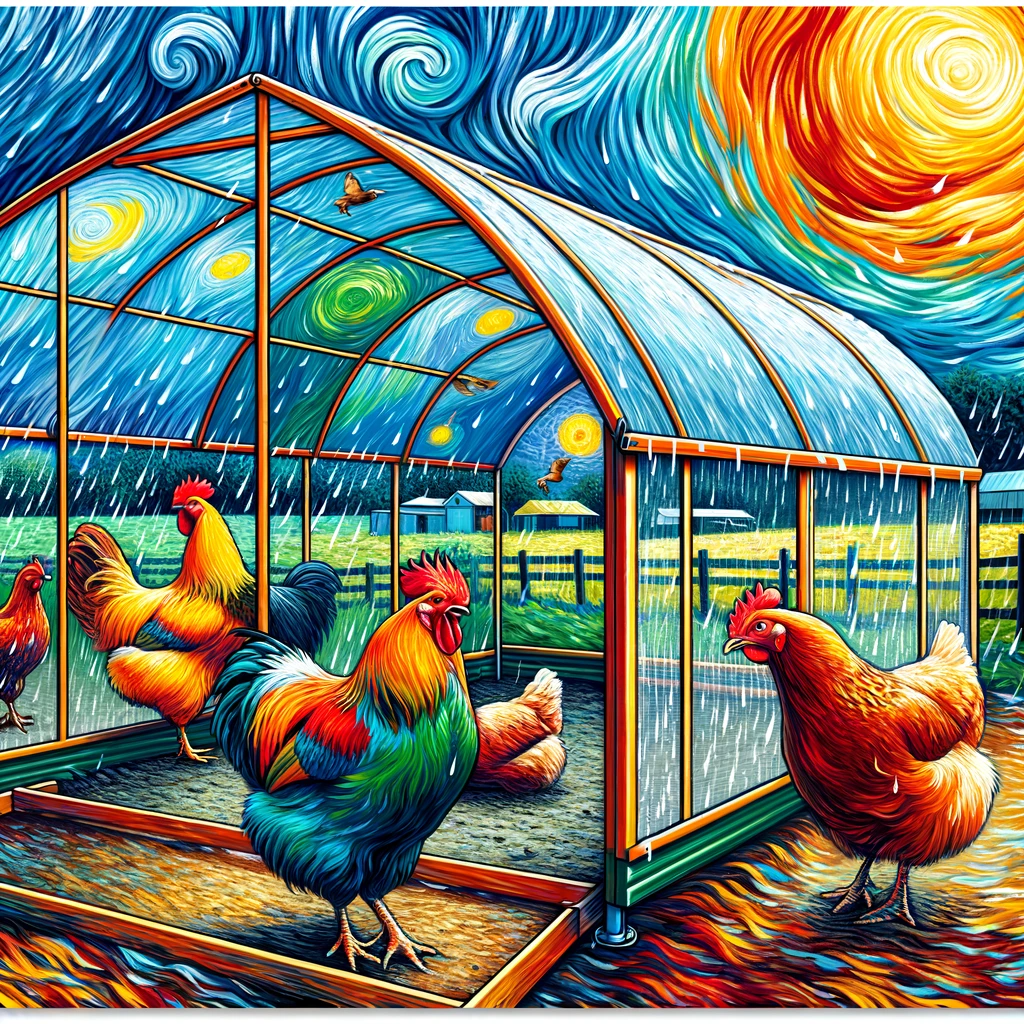
Conclusion
Other Resources

Other Resources
Here is a list of other resources you can review online to learn more:
- Speckled Sussex
- Dominique
- chicken feed
- Bresse
- chick starter
- Isbar
- Orloff
- owls
- Plymouth Rock
- Infectious Bursal Disease
- Infectious Coryza
- Fowl Cholera
- collard greens
- Serama
- leghorn
- compost
- Newcastle Disease
- onions
Use This Prompt To Get More Resources With Your Favorite Online AI Tool: Please provide me with a list of online articles with their URLs in a bulleted list that I can read regarding From Screens to Soil – Gen Z’s Real-World Sustainability Movement

Other Resources
Glossary Terms
From Screens to Soil – Gen Z’s Real-World Sustainability Movement – Glossary Of Terms
1. Sustainability: The practice of maintaining ecological balance by using resources responsibly, ensuring future generations can meet their needs.
2. Gen Z: The demographic cohort born approximately between 1997 and 2012, known for its advocacy for social justice and environmental issues.
3. Eco-conscious: Being aware of and concerned about the environmental impact of one’s actions, including consumption and lifestyle choices.
4. Carbon Footprint: The total amount of greenhouse gases, particularly carbon dioxide, that are emitted directly and indirectly by an individual or organization.
5. Climate Change: Long-term alterations in temperature and weather patterns, primarily driven by human activities such as burning fossil fuels.
6. Circular Economy: An economic model focusing on minimizing waste and making the most of resources by reusing and recycling materials.
7. Permaculture: A design philosophy that seeks to create sustainable agricultural systems that mimic natural ecosystems.
8. Biodiversity: The variety of life in the world or a particular habitat; a measure of ecosystem health and resilience.
9. Zero Waste: An approach aiming to eliminate waste by rethinking how products are designed, purchased, and disposed of.
10. Upcycling: The process of transforming waste materials into new products of higher quality or value.
11. Microplastics: Tiny plastic particles less than 5mm in size that can pollute ecosystems and enter the food chain.
12. Organic Farming: Agricultural practices that avoid synthetic fertilizers and pesticides, focusing on ecological balance and biodiversity.
13. Localism: Supporting local economies and communities by prioritizing local products and reducing reliance on global supply chains.
14. Renewable Energy: Energy derived from natural sources that are replenished, like solar, wind, and hydroelectric power.
15. Greenwashing: The act of misleading consumers about the environmental benefits of a product or company to appear more environmentally friendly.
16. Carbon Neutrality: Achieving a balance between the greenhouse gases produced and those removed from the atmosphere, often through offsetting emissions.
17. Sustainable Fashion: An approach to clothing production and consumption that minimizes environmental impact and promotes ethical labor practices.
18. Activism: The use of vigorous campaigning to bring about social or political change, often seen in environmental movements.
19. Ecotourism: Responsible travel to natural areas that conserves the environment and improves the well-being of local people.
20. Agroecology: An ecological approach to agriculture that integrates the study of ecological processes with agricultural practices.
21. Food Sovereignty: The right of people to define their own agricultural systems and food production methods.
22. Water Conservation: The practice of using water efficiently to reduce unnecessary water usage, crucial for sustainable living.
23. Sustainable Transportation: Systems of transport that have a low environmental impact, including public transit, cycling, and electric vehicles.
24. Tree Planting: The practice of planting trees to improve air quality, increase biodiversity, and combat climate change.
25. Green Building: Design and construction practices that significantly reduce or eliminate the impact of buildings on the environment and occupants.
26. Community Resilience: The ability of a community to adapt to changes and recover from disruptions, particularly in relation to environmental challenges.
27. Food Waste: The discarding of food that is fit for consumption, which contributes to waste management issues and environmental degradation.
28. Transition Movement: A grassroots response to climate change and shrinking supplies of cheap fossil fuels, promoting local resilience and sustainability.
29. Environmental Justice: The fair treatment and meaningful involvement of all people in environmental policy-making, regardless of race or income.
30. Sustainable Development Goals (SDGs): A collection of 17 global goals established by the United Nations to address social, economic, and environmental challenges by 2030.

Glossary Of Terms
Other Questions
From Screens to Soil – Gen Z’s Real-World Sustainability Movement – Other Questions
If you wish to explore and discover more, consider looking for answers to these questions:
- What are some practical steps Gen Z can take to promote sustainability in their local communities?
- How can individuals balance technological advancement with sustainable living?
- What specific examples exist of Gen Z influencing corporate policies on sustainability?
- How does social media impact community engagement in sustainability efforts?
- What are the challenges Gen Z faces in advocating for environmental change?
- How can parents teach their children about sustainability in everyday life?
- What innovations in technology can support sustainable practices at home?
- How can we measure the effectiveness of grassroots sustainability movements?
- What role do local governments play in supporting community sustainability initiatives?
- How can storytelling promote environmentally responsible practices among different age groups?

Other Questions
Haiku
From Screens to Soil – Gen Z’s Real-World Sustainability Movement – A Haiku
Young hearts unite now,
Planting seeds for brighter days,
Nature’s call resounds.

Haiku
Poem
From Screens to Soil – Gen Z’s Real-World Sustainability Movement – A Poem
In a world of screens, where fingers scroll,
Generation Z finds a different role.
They trade their likes for life in soil,
Cultivating futures, their hearts in toil.
Backyard chickens scratch on earth,
Seeds of responsibility bring new birth.
Communities gather, hands in the dirt,
Sharing stories of joy, of struggle, of hurt.
These young warriors stand firm and true,
With every egg, they commit to renew.
From digital spaces to gardens bright,
They weave a tapestry of hope and light.
A challenge emerges, to put down devices,
To nurture the earth, to embrace sacrifices.
Every meal shared, a bonding embrace,
The joy of connection home in this space.
In a digital world, they spark the flame,
Social media’s power, not one but the same.
With every post, they inspire the change,
From individual actions to the world’s rearrange.
Corporate giants can no longer ignore,
As Gen Z calls out for ethics at core.
They wield their influence, demand what is right,
Leading us forward into the light.
So let’s come together, in unity act,
From the choices we make, both small and abstract.
Raise those chickens, plant seeds, share delight,
Fostering love for the earth, igniting the fight.
Together, let’s cultivate a future profound,
A legacy of care where hope can abound.
For every small effort or truth we reclaim,
Is a step toward a world where sustainability reigns.

Poem
Checklist
From Screens to Soil – Gen Z’s Real-World Sustainability Movement – A Checklist
Sustainability Movement Checklist
Emotional Appeals:
_____ Reflect on your connection to nature. What activities make you feel grounded?
_____ Share your stories of sustainable practices with friends and family. What inspires you?
_____ Consider hosting a backyard gathering to share sustainable meals and experiences.
Rational Appeals:
_____ Research local farms or community gardens you can support or join.
_____ Evaluate your household waste. Create a plan for composting or reducing single-use plastics.
_____ Look into renewable energy options for your home. What resources are available in your area?
Ethical Appeals:
_____ Think about the legacy you want to leave for future generations. What practices will you adopt?
_____ Educate others in your community about sustainable practices. What workshops or discussions can you initiate?
_____ Commit to supporting companies that prioritize sustainability and ethical practices. Research local businesses that align with your values.
Authority Appeals:
_____ Follow credible sources on social media that share sustainability tips and information.
_____ Attend talks or webinars led by sustainability experts in your community.
_____ Engage with local environmental organizations to understand their initiatives and how you can contribute.
Narrative Appeals:
_____ Share personal narratives of how you integrated sustainability into your home life, such as gardening or raising backyard chickens.
_____ Document your sustainability journey through photos or journal entries. What challenges and successes can you highlight?
_____ Encourage others to share their stories, creating a communal narrative around sustainability in your neighborhood.
Social Appeals:
_____ Start or join a local group focused on sustainability practices to share knowledge and resources.
_____ Create online platforms or forums for sharing sustainable ideas and inspiring actions.
_____ Partner with neighbors to start a community gardening project or food swap event.
Practical Steps:
_____ Start a small vegetable garden or herb planter to grow your own food.
_____ Implement a waste reduction routine: set specific days for recycling, composting, and trash disposal.
_____ Schedule regular check-ins with friends and family to discuss sustainable goals and progress.
Engage with each of these appeals to cultivate a more sustainable lifestyle and foster a sense of community around environmental consciousness.

Checklist
At BackyardChickenNews, we help people who want to raise backyard chickens by collating information and news blended with our own personal experiences.
Be sure to read our other related stories at BackyardChickenNews to learn more about raising chickens in your backyard.