

Surviving Nature’s Extremes: Bird And Keeper Resilience
By Tom Seest
At BackyardChickenNews, we help people who want to raise backyard chickens by collating information and news blended with our own personal experiences.
Be sure to read our other related stories at BackyardChickenNews to learn more about raising chickens in your backyard.
From Snow to Heatwaves – How Tough Birds and Keepers Adapted Before Climate Control
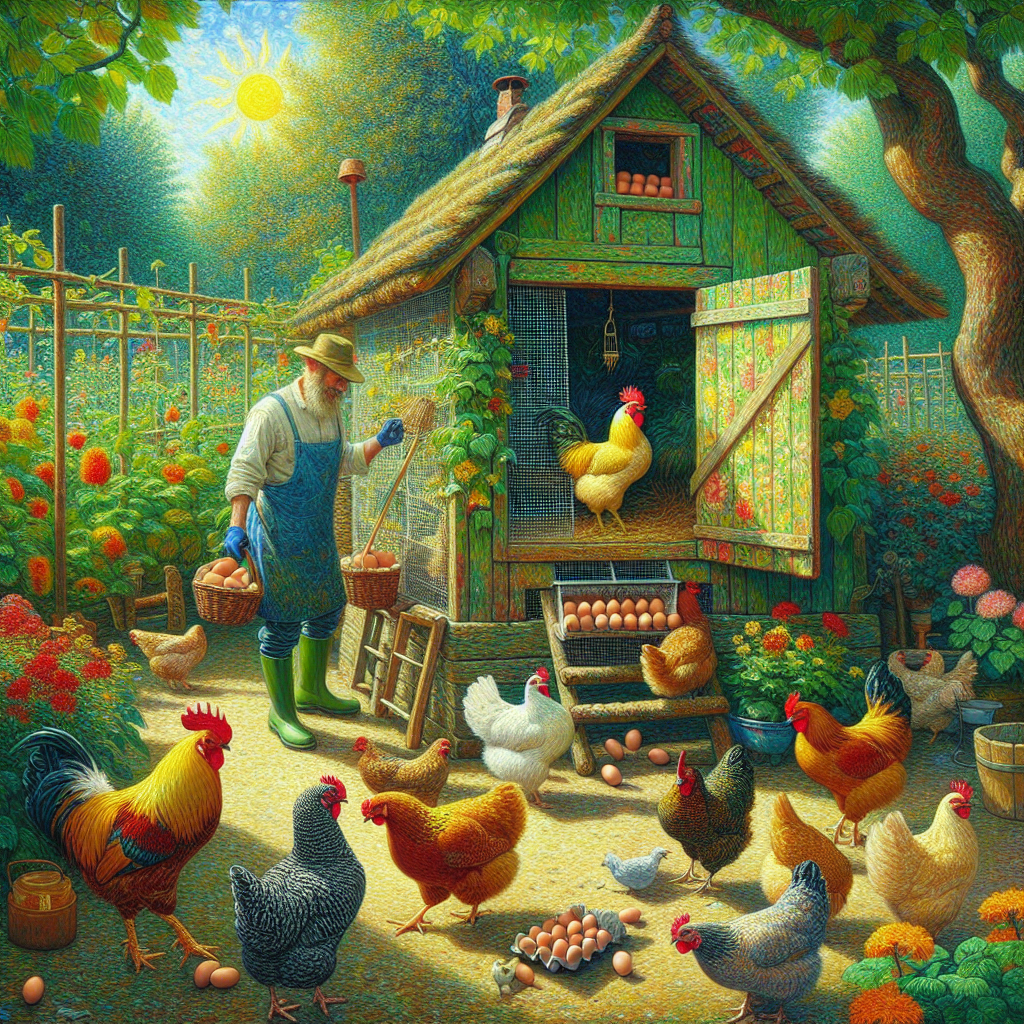
In the world of aviculture, where the clucking of backyard chickens can transform an ordinary yard into a lively sanctuary, the joys and challenges of keeping feathered friends are as real as a gust of wind. These resilient birds have seen it all—from the biting chill of winter frost to the sweltering heat of summer. To thrive through the seasons, they require more than luck; they need adaptability.
When the thermometer plunges, chicken keepers become improvisers, turning to creativity and resourcefulness. A makeshift heater here, extra bedding there—these little adjustments are part of the job. It’s not just about keeping chickens warm; it’s about crafting a home where life flourishes even when nature tries to throw a curveball. In those damp, freezing mornings, as steam hovers over the water dish and the sound of cooing fills the air, there’s a profound connection formed. You realize that your efforts are about much more than just eggs; they’re about protecting lives.
Fast forward a few months, and the heat arrives with a vengeance. The feathers that once kept chickens cozy now feel like a heavy blanket under the relentless afternoon sun. Here, the creativity of keepers shines bright again. The shade gets expanded, the fans switched on, and cool treats are created to keep those feathered friends hydrated and happy. It’s a delicate dance of nature and nurture, where every decision—from the coop’s ventilation to the choice of feed—can mean the difference between thriving and simply surviving.
But this dedication goes beyond mere practicality. It taps into something deeper—the ethical responsibility of caretakers to ensure the wellbeing of their charges. Every good keeper embodies this commitment. They’re not just raising chickens; they’re nurturing a relationship that reflects respect for all living things. It’s a heartfelt reminder of what it means to coexist with nature, to appreciate the cycles of life, and to take action in the face of challenges.
Here lies the beauty of keeping backyard chickens. In the battle of extreme weather, both birds and their guardians unite. From snow to heatwaves, this partnership teaches us resilience, inspires loyalty, and reminds us that no matter the temperature outside, warmth can be found in the connection between a keeper and their flock—a timeless lesson that echoes in every aspect of life. As the sun sets on another day, we realize: we are all just trying to find our comfort along the way.

From Snow to Heatwaves – How Tough Birds and Keepers Adapted Before Climate Control
From Snow to Heatwaves – How Tough Birds and Keepers Adapted Before Climate Control
- Backyard chickens enhance ordinary spaces, turning them into lively sanctuaries.
- These resilient birds need adaptability to thrive through seasonal weather changes.
- Chicken keepers become resourceful during harsh winters, making adjustments to ensure comfort.
- The connection between keepers and chickens deepens through shared challenges and care.
- In summer, keepers again employ creativity to keep chickens cool and hydrated.
- Raising chickens reflects an ethical responsibility and respect for all living things.
- This partnership between birds and guardians teaches resilience and the importance of connection.
From Snow to Heatwaves – How Tough Birds and Keepers Adapted Before Climate Control
Table Of Contents
- From Snow to Heatwaves – How Tough Birds and Keepers Adapted Before Climate Control
- What Emotionally Drives Birds to Survive In Extreme Temperatures?
- How Do Keepers Balance Animal Welfare with Climate Challenges?
- What Rational Strategies Do Birds Employ to Cope with Heat and Cold?
- What Social Behaviors Help Birds Thrive Despite Changing Environments?
- How Might Our Understanding Of Adaptation Influence Climate Policy?
- How Do We Measure the Impact Of Climate Changes on Bird Habitats?
- Conclusion
- Other Resources
- Glossary Of Terms
- Other Questions
- Haiku
- Poem
- Checklist
What Emotionally Drives Birds to Survive In Extreme Temperatures?
When the mercury plummets and the snow blankets the ground, one might wonder how our feathered friends—the majestic birds—brace themselves against the harsh embrace of winter. The answer lies nestled deep within their hearts, minds, and instincts. It’s not just about survival; it’s about resilience, an indomitable spirit that resonates with anyone who has breathed life into their dream, whether through nurturing Backyard Chickens or simply facing adversity head-on.
Imagine being a small backyard farmer greeting the day with the chill biting at your cheeks. You peer out at your flock, those resilient Backyard Chickens fluttering about, a testament to grit and determination. What drives them isn’t merely a biological response. It’s a mix of instinct and emotional fortitude, fueled by the need to protect their kin and themselves. We can all relate to that primal urge to shield our loved ones from the harshness of the world, to provide warmth and security amidst the storm.
Consider the science behind it, too. Birds, in their wise simplicity, know when the temperature dips. They gather, huddle together, creating a tightly knit community that amplifies their heat—a testament to the power of social bonds. This collaborative approach speaks not only to survival but also to the ethical imperative of supporting one another. It invites us to reflect on our own lives: when was the last time you stood by someone, shoulder-to-shoulder in the face of adversity? Often, it’s not just our physical capabilities but the emotional ties that hold us together in tough times.
Moreover, look at the sheer tenacity of birds in the wild. Those that thrive amidst extreme temperatures display an authoritative mastery over their environment. They instinctively adjust their behavior, whether it’s seeking shelter, foraging for nourishment, or migrating to milder climates. This adaptive resilience stirs a gut reaction in us—provoking admiration, perhaps even a longing to harness that same strength.
Birds call us to action, pushing us to confront our own challenges, to lean on our emotional reservoirs. Let their struggle against the elements remind us of our own capability to rise against the odds—be it in our backyard chicken coops or broader life challenges. Together, in solidarity, we can weather the extremities, not just as individuals, but as a community.

What Emotionally Drives Birds to Survive In Extreme Temperatures?
What Emotionally Drives Birds to Survive In Extreme Temperatures?
- Birds demonstrate resilience and an indomitable spirit during harsh winter conditions.
- Backyard chickens exemplify grit and determination, reflecting the instinctual need to protect themselves and their kin.
- Birds gather and huddle together to create warmth, showcasing the importance of social bonds for survival.
- This collaborative behavior emphasizes the ethical imperative of supporting one another in challenging times.
- The ability of birds to thrive in extreme temperatures highlights their adaptive resilience and mastery over their environment.
- Birds inspire us to confront our challenges and lean on our emotional reserves during tough times.
- Unity and solidarity in communities are crucial for overcoming adversity, whether in personal struggles or broader life challenges.

What Emotionally Drives Birds to Survive In Extreme Temperatures?
How Do Keepers Balance Animal Welfare with Climate Challenges?
When you think of a zoo, what often comes to mind? Brightly colored animals and the laughter of children. But behind those scenes lies a team of dedicated keepers navigating the bittersweet intersection of animal welfare and increasingly unpredictable climate challenges. These guardians of the animal kingdom must not only tend to the day-to-day needs of their charges but also anticipate the sudden changes wrought by Mother Nature’s mood swings.
Imagine being a keeper watching the delicate balance of an animal’s world tilt with rising temperatures or erratic weather patterns. One day, you’re comforting a beloved elephant with her favorite branches; the next, you’re scrambling to adjust habitats that no longer meet her needs. Every decision made impacts the creatures they care for, and here’s where the heart of the matter beats the loudest—these keepers do it out of love and responsibility. They understand that creating a rich, nurturing environment for their animals extends beyond a physical space; it requires emotional intelligence, foresight, and a commitment to the greater good.
It’s not just about the animals themselves but about the future they represent. Keepers often find themselves in an ethical dilemma: How can they protect the natural instincts of these creatures while adapting to a world that seems to be shifting under their feet? The answer isn’t always clear, but you can bet they’re engaging with each unique challenge head-on. It’s a journey that invites both empathy and courage.
Collectively, these professionals are fostering a deeper understanding of animal welfare, making it relatable to those outside their fences. Educating visitors about conservation doesn’t just create awareness; it builds a community. Take backyard chickens, for instance. Folks raising them often report a closer connection to nature and a greater appreciation for animal welfare. It’s a microcosm of the larger mission within zoos: connecting hearts and minds to foster respect for all living beings and the habitats they rely on.
As we face more climate challenges, we have a choice. We can rally behind these keepers, support their efforts, and become advocates for change in our own backyards and beyond. Whether it’s adopting sustainable practices in our daily lives or lending our voices to conservation efforts, every action counts. Together, we can build a future where the stories of animals and their keepers inspire hope and resilience for generations to come.

How Do Keepers Balance Animal Welfare with Climate Challenges?
How Do Keepers Balance Animal Welfare with Climate Challenges?
- Zoo keepers navigate the balance between animal welfare and climate challenges.
- They must adapt to changing weather patterns while addressing the needs of the animals.
- The work requires emotional intelligence and foresight to nurture a supportive environment.
- Keepers face ethical dilemmas around protecting animals’ natural instincts in a changing world.
- Education and community engagement are vital for raising awareness about conservation.
- Individuals are encouraged to adopt sustainable practices and support conservation efforts.
- Collective action can inspire hope and resilience for future generations in wildlife conservation.

How Do Keepers Balance Animal Welfare with Climate Challenges?
What Rational Strategies Do Birds Employ to Cope with Heat and Cold?
When you think of our feathered friends, you might picture them flitting about in the sun, carefree and chirpy. But beneath those feathers, there’s a world of resilience and ingenuity as they face the harsh realities of both heat and cold. Birds have a remarkable toolkit of strategies, honed over eons, designed to cope with the extremes of weather. So, let’s dive into some remarkable tales of survival—tales that resonate not just with our minds but tug at our hearts and prod our guts, reminding us of the connections we share with these avian companions.
In the blistering heat of summer, backyard chickens are not just about clucking and pecking; they’re master manipulators of their environment. They seek out shade, huddling under a trusty tree or flocking around a cool, damp patch of soil. Here, we find an unspoken wisdom: the importance of community. Just like us at an outdoor BBQ seeking refuge from the sun, these birds rely on each other, bunching together to maintain their cool. This instinct underscores a fundamental truth about social bonding—we’re stronger together, whether we have wings or not.
As temperatures plummet, birds exhibit another astonishing side of their survival game. With a humorous practicality and a touch of brilliance, many will seek higher elevations to avoid the snow or dive into dense brush for warmth. Warmth isn’t just about staying comfortable; it’s an ethical obligation they uphold within their flocks, ensuring that the young and the weak are shielded from the harsh elements. It’s a testament to their inherent kindness—a quality that gives us a glimpse into the heart of nature’s design.
But let’s not forget about our role in this narrative. We’re witnessing their resilience in our backyards and parks, as they weather life’s changes. Take a moment—the next time you see a bird find a sunny spot or gather close for warmth, remember: we can share in this delicate dance of survival. Adopt a mindset of care. Creating comfortable spaces for birds is more than just a pleasant thought—it’s a way to honor their wisdom, and ours as stewards of nature.
These creatures remind us that we are all in this together, navigating the ebb and flow of life’s climate. So, as the seasons shift, let’s take note of how birds fly through the heat and the cold, turning necessity into art. After all, we could all learn a thing or two about thriving—together.

What Rational Strategies Do Birds Employ to Cope with Heat and Cold?
What Rational Strategies Do Birds Employ to Cope with Heat and Cold?
- Beneath their vibrant feathers, birds showcase resilience and ingenuity in facing extreme weather.
- Backyard chickens exemplify community bonding by seeking shade and cool areas together during summer.
- This instinct highlights the importance of social connections for survival, reinforcing the idea that we are stronger together.
- In winter, birds adapt by seeking higher elevations or dense brush to protect themselves from the cold.
- They demonstrate kindness by ensuring the welfare of their young and weaker members within their flocks.
- Humans play a role in supporting birds by creating comfortable environments that honor their survival strategies.
- Birds inspire us to navigate life’s challenges collaboratively, offering lessons in resilience and thriving together.

What Rational Strategies Do Birds Employ to Cope with Heat and Cold?
What Social Behaviors Help Birds Thrive Despite Changing Environments?
When you think about birds thriving in a world that’s constantly changing, it’s easy to wonder what makes some species adept at adapting while others falter. Nestled in gardens and cityscapes alike, the tale of backyard chickens teaches us a profound lesson in social behavior. These feathered friends exhibit an uncanny ability to navigate their surroundings, demonstrating that cooperation and community can be just as vital as individual survival.
Birds are social creatures, and their ability to communicate, share resources, and establish hierarchies plays a crucial role in their resilience. When the winds of change blow—whether it’s a new predator in town or a sudden shift in climate—flocking together offers safety and security. It’s a classic illustration of the age-old saying, “strength in numbers.” Watching a group of chickens huddle together instinctively reminds us that unity is a powerful response to adversity.
But let’s dig deeper. Each time you catch sight of a vibrant coop, filled not just with chickens, but the spirit of camaraderie, you’re witnessing a microcosm of nature’s solution to survival. These birds engage in what scientists like to call “social foraging.” It’s a behavior where they work together to find food, demonstrating both intelligence and teamwork. This isn’t a mere matter of survival; it’s an act of community, reinforced by ages of evolutionary wisdom.
From the perspective of ethics, how can we foster similar social behaviors in our own lives? Imagine how thriving in our ever-shifting environment is about more than just adapting—it’s about connection. As humans, we often overlook the importance of community, yet it’s fundamental to resilience. Like those backyard chickens, we have the capacity to support one another in times of trouble.
Let’s face it: in a world rife with uncertainty, feeling alone can be daunting. Watching the interactions among our clucking friends can inspire us to reach out and build our own networks. Picture hosting a local potluck or a neighborhood cleanup—small acts that forge bonds and rekindle trust. It requires a conscious choice to engage, even when circumstances push us towards isolation.
As these birds demonstrate, thriving is more than just individual prowess; it requires collective effort and a commitment to one another. So the next time you see a chicken scratching in your backyard or a sparrow flitting about in the park, remember their resilient spirit. From the humblest of origins, there lies a remarkable strength in community that can weather any storm. Let’s take a page from their book and put our social wings to good use.

What Social Behaviors Help Birds Thrive Despite Changing Environments?
What Social Behaviors Help Birds Thrive Despite Changing Environments?
- The adaptability of bird species varies, with some excelling in changing environments while others struggle.
- Backyard chickens exemplify the importance of social behavior, showcasing cooperation and community as key survival factors.
- Birds rely on communication, resource sharing, and hierarchies for resilience, promoting safety in numbers.
- Chickens demonstrate “social foraging,” working together to find food, highlighting intelligence and teamwork.
- Fostering social behaviors and community connections is crucial for human resilience in changing times.
- Small community-building activities, like potlucks or cleanups, can create bonds and combat feelings of isolation.
- Thriving is rooted in collective effort, and we can learn from birds the value of supporting one another.

What Social Behaviors Help Birds Thrive Despite Changing Environments?
How Might Our Understanding Of Adaptation Influence Climate Policy?
When we think about adaptation in the context of climate change, it’s easy to feel overwhelmed. The stark reality of rising sea levels, unpredictable weather, and dwindling resources can weigh heavy on the heart and mind. But let’s step back for a moment. Instead of drowning in despair, let’s consider a different viewpoint—one that embraces adaptation not as a last resort, but as a pathway forward.
Take, for example, backyard chickens. These humble birds are more than just a quirky hobby; they’re a living testament to resilience. In an era marked by uncertainty, they symbolize our ability to take control, to innovate, and to find solutions right in our own backyards. Imagine a community where everyone raises their own chickens, cultivating not just food security but a deeper connection with the land and each other. This is the essence of adaptation—modifying our practices to thrive in changing conditions.
Now, let’s add another layer. The science is clear: climate change is real, and its effects are tangible. But here’s where it gets interesting. By understanding how to adapt, we can craft policies that not only address the threats but also seize the opportunities that arise. This isn’t just about survival; it’s about thriving amid unpredictability. Communities that embrace renewable energy, improved agriculture, and sustainable living practices will not only safeguard their futures but also serve as models for others.
Ethically speaking, we owe it to future generations to ensure they inherit a world that’s not just livable but vibrant. Crafting climate policy that incorporates adaptive practices—like promoting local agriculture or supporting sustainable businesses—aligns with our core responsibility to the planet and its inhabitants.
Imagine walking through a neighborhood where everyone has an understanding of their role in tackling climate change. Picture the conversations that arise from shared gardens, community workshops, and local initiatives. Connection breeds confidence; when people unite to adapt, a sense of trust flourishes. This isn’t just policy; it’s a movement that resonates with our common humanity.
In harnessing our understanding of adaptation, we tap into an inherent strength. So let’s not fear the future—let’s embrace it. Each small action, from nurturing backyard chickens to advocating for sustainable policies, is a crucial step. Together, we can build a resilient society that stands firm against the winds of change, ready to tackle whatever comes next.

How Might Our Understanding Of Adaptation Influence Climate Policy?
How Might Our Understanding Of Adaptation Influence Climate Policy?
- Climate change adaptation can be seen as a proactive pathway rather than a last resort.
- Backyard chickens symbolize resilience and community innovation for food security.
- Communities raising chickens foster deeper connections with the land and each other.
- Adaptive practices can craft policies that address climate threats and seize opportunities.
- Tackling climate change is about thriving, not just surviving, with a focus on renewable energy and sustainability.
- We have an ethical responsibility to ensure a vibrant, livable world for future generations.
- Shared initiatives and community engagement build trust and foster a collective movement against climate change.

How Might Our Understanding Of Adaptation Influence Climate Policy?
How Do We Measure the Impact Of Climate Changes on Bird Habitats?
When we think about bird habitats, it’s easy to get lost in the metrics—the percentages of lost terrain, the migration patterns that have shifted year by year, the countless species that dwindle as ecosystems change. But let’s make this personal. Picture your backyard—a sanctuary buzzing with life. Maybe you’ve planted a garden or cared for some Backyard Chickens, soaking up the sun alongside fluttering songbirds. Each chirp and coo isn’t just background noise; it’s a reminder of nature’s delicate balance.
These feathered neighbors aren’t merely here for our enjoyment; they play a pivotal role in our ecosystem. They pollinate plants, disperse seeds, and control pest populations. Yet climate change threatens their homes—the forests, wetlands, and meadows that have nurtured them for centuries. A simple rise in temperature or a subtle alteration in rain patterns can displace these birds, forcing them to adapt or perish. When we measure the impact of climate change on their habitats, we’re not just crunching numbers; we’re deciphering a language that cries out for our attention.
Rationally, we can quantify this crisis: scientists collect data, tracking changes in breeding cycles and food availability. They peer into the intricate web of biological interdependence that defines our ecosystems. But let’s dig deeper—let’s feel the weight of our responsibility to these vulnerable species. Every species that vanishes plays a role in our shared story. When one bird falls silent, it echoes across the tapestry of life, a somber reminder of what we’ve lost.
Ethically, we are stewards of this planet, entrusted with its care. By understanding the impact of climate change on bird habitats, we not only acknowledge our past missteps, but we also have the power to forge a better future. We can take action—plant more trees, create bird-friendly spaces, and advocate for policies that protect these vital habitats.
Engaging with our communities helps foster connection. Imagine a neighbor watching a family of bluebirds nesting in their backyard, or children building habitats in schoolyards. These small acts create ripples of awareness and action, reminding us that we’re in this together. So let’s take stock. Let’s recognize that the health of our avian friends reflects the health of our environment. It’s time to listen, to act, and to ensure that future generations can hear that sweet sound of nature thriving, not just in our backyards, but across the globe.

How Do We Measure the Impact Of Climate Changes on Bird Habitats?
How Do We Measure the Impact Of Climate Changes on Bird Habitats?
- Bird habitats are critical ecosystems affected by climate change, with lost terrain and shifting migration patterns.
- Birds actively contribute to the ecosystem by pollinating plants, dispersing seeds, and controlling pests.
- Climate change poses a significant threat to bird habitats such as forests, wetlands, and meadows.
- Birds’ responses to environmental changes reflect deeper ecological issues that call for awareness and action.
- Scientists gather data on breeding cycles and food availability, illustrating the impact of climate change on birds.
- We have a moral responsibility as stewards of the planet to protect vulnerable bird species and their habitats.
- Community engagement and small actions can help foster awareness and advocate for conservation efforts.

How Do We Measure the Impact Of Climate Changes on Bird Habitats?
Conclusion
Birds and their keepers have a unique bond that embodies resilience and adaptability, thriving amidst nature’s challenges. Imagine a backyard transformed into a lively haven, where chickens survive snowstorms and sweltering heat through the ingenuity of their caretakers. These feathered friends require more than basic care; they need a nurturing environment where creativity and resourcefulness flourish. From makeshift heaters to refreshing cool treats, keepers adapt to protect their flock, reminding us that true companionship transcends simple utility—it’s about life, connection, and responsibility.
The interactions between these birds are imbued with emotional depth and primal instincts. They huddle together in winter’s chill, showcasing the strength found in community—a principle mirrored in our own lives. This instinctual behavior provokes introspection, compelling us to ask how we can support one another through adversity. In essence, the struggle for survival we observe in birds is also a reflection of human tenacity and the importance of forming bonds.
Keepers of birds, whether in backyards or zoos, navigate the complexities of climate change and strive to create environments that foster growth and happiness. They face ethical dilemmas daily, understanding that the welfare of their animals rests in their hands. This commitment showcases the vital role that empathy plays in animal husbandry and illuminates the intrinsic responsibility we share as stewards of the earth.
Furthermore, birds offer valuable insights into adaptation. Their instinctive strategies—seeking shade in the summer, huddling for warmth in winter—highlight cooperation and intelligent resource allocation. These behaviors remind us of our capacity to face climate challenges and encourage a communal approach to resilience.
As we embrace these lessons, they inspire us to confront our societal challenges. Growing our own food, supporting sustainable practices, and fostering local communities can be transformative. We not only protect our local ecology but also strengthen human connections, uniting against adversity.
Ultimately, each small effort compounds into a larger movement, encouraging a commitment to care for our planet. Watching the delicate dance of survival among birds calls us to action, imbuing our lives with purpose and hope. From backyards to broader social landscapes, nurturing relationships—whether with chickens or fellow humans—will guide us toward a more resilient future. Embracing this partnership with nature reflects a timeless truth: together, we can weather any storm, cultivating warmth amid the challenges of life.

Conclusion
Conclusion:
- Birds and their keepers share a unique bond rooted in resilience and adaptability to nature’s challenges.
- Chickens thrive in diverse weather conditions, illustrating the creativity of their caretakers.
- The interactions among birds emphasize community strength, prompting reflections on human support in adversity.
- Bird keepers face ethical dilemmas related to climate change and bear responsibility for the welfare of their animals.
- Instinctual bird behaviors, such as huddling for warmth, demonstrate cooperation and resource allocation skills.
- Lessons from birds inspire actions like growing food and supporting sustainable practices to strengthen community bonds.
- Small efforts can lead to significant movements, promoting care for the planet and nurturing relationships for a more resilient future.

Conclusion
Other Resources

Other Resources
Here is a list of other resources you can review online to learn more:
- Austra White
- Thread Worms
- Swedish Black Hen
- Egyptian Fayoumi
- Old English Game
- Cherry Egger
- grains
- snakes
- coop
- roundworms
- Barley
- Red Jungle Fowl
- spinach
Use This Prompt To Get More Resources With Your Favorite Online AI Tool: Please provide me with a list of online articles with their URLs in a bulleted list that I can read regarding From Snow to Heatwaves – How Tough Birds and Keepers Adapted Before Climate Control

Other Resources
Glossary Terms
From Snow to Heatwaves – How Tough Birds and Keepers Adapted Before Climate Control – Glossary Of Terms
1. Adaptation: The process by which birds and keepers adjust behaviors and strategies to thrive in changing environmental conditions.
2. Climate Control: Systems established to regulate temperature and humidity, often used in captive environments for bird care.
3. Migration: Seasonal movement of birds between breeding and wintering grounds as a response to environmental changes.
4. Habitat: The natural environment in which birds live, including all resources needed for survival, such as food, shelter, and breeding sites.
5. Phenology: Study of the timing of biological events in relation to seasonal changes, important for understanding bird behavior in response to climate.
6. Thermoregulation: The ability of birds to maintain their body temperature within a certain range despite external temperature changes.
7. Foraging: The behavior of searching for and acquiring food, which can change based on seasonal availability and climate impacts.
8. Cold-adapted Species: Birds that thrive in low-temperature environments, often possessing specific physiological traits for survival in cold climates.
9. Heat Adaptation: Behavioral and physiological adjustments made by birds to cope with high temperatures, including changes in activity patterns and nesting locations.
10. Nesting Behavior: Strategies and practices that birds employ to create safe spaces for laying eggs and raising young, influenced by environmental factors.
11. Behavioral Thermoregulation: Actions taken by birds, such as seeking shade or altering their activity level, to manage heat exposure.
12. Seasonal Variation: Changes in environmental conditions and resource availability that occur throughout the year, affecting bird behavior and survival.
13. Resilience: The ability of birds and keepers to recover from adverse changes and maintain functionality in challenging conditions.
14. Microhabitat: A smaller, specific habitat within a larger ecosystem that provides unique resources and conditions for certain bird species.
15. Species Distribution: The geographical area where particular bird species are found, which can shift due to climate change.
16. Conservation: Efforts and strategies aimed at protecting bird species and their habitats from the impacts of climate change.
17. Physiological Stress: Biological strain experienced by birds when adapting to extreme temperatures, affecting their health and behavior.
18. Food Security: Availability and accessibility of food resources for birds, which can be affected by shifting climates and seasonal patterns.
19. Behavioral Plasticity: The ability of birds to adjust their behaviors in response to changing environmental conditions.
20. Fledging: The stage in a young bird’s life when it develops feathers necessary for flight, often timed to coincide with optimal environmental conditions.
21. Drought: A prolonged period of abnormally low rainfall, affecting food sources and habitat quality for birds.
22. Bioenergetics: The study of how birds use energy to maintain bodily functions and survive, particularly in varying temperatures.
23. Habitat Fragmentation: The process where large habitats are split into smaller, isolated patches, impacting bird populations and their adaptation strategies.
24. Climate Resilience: The capacity of organisms and systems to withstand and adapt to climate-related stresses without significant decline.
25. Ecosystem Services: Benefits provided by ecosystems, such as food and habitat, that are essential for bird survival and adaptation.
26. Species Adaptability: The inherent ability of certain bird species to adjust and thrive in response to environmental changes and challenges.
27. Heat Stress: The physical strain on birds caused by excessively high temperatures, potentially leading to health problems.
28. Wildlife Management: Practices aimed at preserving and managing bird populations and their habitats, particularly in light of climate impacts.
29. Adaptation Mechanisms: Specific strategies or traits birds acquire to handle environmental stresses and ensure survival and reproduction.
30. Climate Change Mitigation: Efforts and policies aimed at reducing the effects of climate change on wildlife and ecosystems, crucial for bird conservation.

Glossary Of Terms
Other Questions
From Snow to Heatwaves – How Tough Birds and Keepers Adapted Before Climate Control – Other Questions
If you wish to explore and discover more, consider looking for answers to these questions:
- What specific adaptations do different bird species have for surviving extreme weather?
- How can backyard chicken keepers prepare for unexpected climate events?
- What are some innovative solutions that birdkeepers have implemented in response to climate challenges?
- How does climate change specifically impact the breeding and migration patterns of birds?
- What role do community initiatives play in supporting animal welfare amid climate challenges?
- How can science help us better understand the behaviors of birds in response to climate change?
- What are the ethical implications of keeping birds in changing climates?
- How do social structures within bird flocks contribute to their survival and adaptation?
- What measures can individuals take to create bird-friendly environments in their backyards?
- In what ways can backyard farming contribute to broader environmental sustainability efforts?
- What are some common misconceptions about birds and their survival strategies during climate extremes?
- How can we foster empathy and understanding of nature through backyard chicken keeping?
- What resources are available for new chicken keepers to learn about animal welfare and climate adaptation?
- How can understanding bird resilience inform our approach to climate policy and conservation efforts?
Other Questions
Haiku
From Snow to Heatwaves – How Tough Birds and Keepers Adapted Before Climate Control – A Haiku
Chickens braving storms,
Keepers’ love shields against cold;
Together, we thrive.

Haiku
Poem
From Snow to Heatwaves – How Tough Birds and Keepers Adapted Before Climate Control – A Poem
In gardens lush where chickens roam,
Through seasons vast, they make a home.
From winter’s chill to summer’s blaze,
Their keepers craft with love that stays.
With daring hearts, both bird and friend,
Face nature’s whims, their spirits blend.
In snow’s embrace, they huddle tight,
A testament to shared delight.
When heat unfolds like a furnace breath,
They seek the shade, defy the death.
A bond is forged in feathered flight,
A dance of warmth, of love, of light.
Each choice made with ethical grace,
To nurture life, to hold a space.
It’s not just eggs or coop confined,
But caring hearts and souls entwined.
Through trials faced, resilience shines,
For every challenge, hope aligns.
United front, together we adapt,
In life’s harsh currents, we’re not entrapped.
From backyard farms to forested flight,
The wisdom shared ignites our sight.
As stewards, we can shape the ground,
Where harmony and strength abound.
So let us gather, hand in hand,
To build together, a sustainable land.
In birds and keepers, lessons soar,
Of love, of care, forevermore.
Poem
Checklist
From Snow to Heatwaves – How Tough Birds and Keepers Adapted Before Climate Control – A Checklist
Resilience in Aviculture: Survival and Adaptation Checklist
Emotional Appeals:
_____ Reflect on your connection with nature and the emotional bond you share with your birds.
_____ Consider the warmth created in your home by nurturing living beings.
_____ Cultivate a mindset of empathy towards all creatures, recognizing their struggles.
Rational Strategies:
_____ Analyze seasonal changes and prepare your chicken coop accordingly (heating in winter, cooling in summer).
_____ Track and adapt to changes in your flock’s behavior during extreme weather.
_____ Implement efficient feeding practices and resource management for your birds.
Ethical Responsibilities:
_____ Commit to ensuring the well-being of your birds through humane treatment.
_____ Engage in sustainable practices that protect their natural habitats.
_____ Advocate for animal welfare within your community.
Authority Insights:
_____ Educate yourself on best practices for bird care from credible sources and experts in aviculture.
_____ Join local groups or clubs focused on sustainable agriculture and aviculture.
Narrative Engagement:
_____ Share stories of resilience, both your own and those of others in the community who have adapted their practices.
_____ Document your journey in birdkeeping, highlighting challenges faced and overcome.
Social Connections:
_____ Foster a community among fellow chicken keepers; share tips and support each other.
_____ Participate in community events that promote animal welfare and environmental sustainability.
_____ Build networks that encourage shared resources, such as feed or shelter ideas.
Practical Actions:
_____ Regularly assess and improve your bird’s living environment for comfort and safety.
_____ Create shaded areas and access to cool water for your chickens during peak heat.
_____ Plant native vegetation to support local wildlife alongside your chickens.
Future Visioning:
_____ Think long-term about how climate change may impact your bird habitats and plan accordingly.
_____ Advocate for policies that recognize the importance of local food production and sustainable practices in addressing climate change.

Checklist
At BackyardChickenNews, we help people who want to raise backyard chickens by collating information and news blended with our own personal experiences.
Be sure to read our other related stories at BackyardChickenNews to learn more about raising chickens in your backyard.