

Surviving Summer: Gen Z’s Creative Solutions To Beat The Heat
By Tom Seest
At BackyardChickenNews, we help people who want to raise backyard chickens by collating information and news blended with our own personal experiences.
Be sure to read our other related stories at BackyardChickenNews to learn more about raising chickens in your backyard.
#Heatwavehacks – Gen Z’s Low-Tech Fixes for Extreme Summers
When the summer sun cranks up to its maximum intensity and the air suddenly feels more like a sauna than a season, it’s time for some real-world adjustments. Gen Z isn’t just sitting idly under a ceiling fan; they’re rolling up their sleeves and embracing a resourceful mindset that combines ingenuity with a dash of nostalgia. Let’s dive into this wave of low-tech fixes that keep cool while respecting the Earth and our budget.
Imagine a backyard filled with chirps of contentment as the chickens scratch the ground, providing not just fresh eggs but also a sense of satisfaction. Yes, backyard chickens are making a comeback, and for good reason. These little gems are like furry companionship with an added bonus: they contribute to sustainable living by turning kitchen scraps into delectable eggs. This low-tech approach to food not only brings joy but taps into a deeper connection with our roots. Raising chickens becomes an exercise in responsibility, engaging young people in conversations about ethics and sustainability. It’s a narrative of turning our small patches of land into self-sufficient sanctuaries.
And what about the tried-and-true method of setting up the good old-fashioned backyard sprinkler? Dance through the spray, and suddenly the oppressive heat becomes a memory overshadowed by laughter. This simple joy often fosters a sense of community. Neighbors gather, sharing moments as they recall the summers of their youth, finding common ground in nostalgia. It’s an invitation to connect beyond screens, to experience life substantively.
Gen Z is learning that keeping cool doesn’t always mean cranking up the A/C. Sometimes, it’s about being resourceful, such as building a shade arbor for afternoon lounging with friends. This speaks to a deeper truth: our collective responsibility for the environment. By opting for low-tech solutions, they embrace an ethos that prioritizes sustainability and mindfulness over convenience.
Ultimately, these backyard solutions aren’t just quirks—they represent a mindset shift. They embody a community of doers, innovators, and caretakers. So while the heat wave rages on, think about how you can join this generation in their quest for comfort and connection. Each small action can be a ripple that leads to something larger, something powerful. Get involved, get your hands dirty, and let’s cool down together, one original solution at a time.

#Heatwavehacks – Gen Z’s Low-Tech Fixes for Extreme Summers
#Heatwavehacks – Gen Z’s Low-Tech Fixes for Extreme Summers
- Gen Z is embracing low-tech solutions to stay cool during hot summer days.
- Backyard chickens are making a comeback, contributing to sustainable living and providing fresh eggs.
- Raising chickens fosters responsibility and encourages discussions about ethics and sustainability.
- The classic backyard sprinkler offers a simple way to beat the heat while encouraging community bonding.
- Gen Z is discovering resourceful alternatives to A/C, like building shade arbors for socializing.
- These backyard solutions reflect a shift towards sustainability and mindfulness over convenience.
- Participating in these activities promotes community engagement and inspires powerful change through small actions.

#Heatwavehacks – Gen Z’s Low-Tech Fixes for Extreme Summers
Table Of Contents
- #Heatwavehacks – Gen Z’s Low-Tech Fixes for Extreme Summers
- What Simple Strategies Can We Use to Beat the Heat Naturally?
- Which Eco-Friendly Methods Can Help Cool Our Homes Effectively?
- How Can We Stay Hydrated Without Relying on Expensive Sports Drinks?
- What Family Traditions Can Help Us Make the Most Of Hot Summer Days?
- How Can Sharing Our Heatwave Hacks Empower Others In Our Community?
- What Role Do Social Media Challenges Play In Promoting Low-Tech Fixes?
- How Can We Balance Our Comfort with Environmental Sustainability?
- Conclusion
- Other Resources
- Glossary Of Terms
- Other Questions
- Haiku
- Poem
- Checklist
What Simple Strategies Can We Use to Beat the Heat Naturally?
When the sweltering heat of summer descends upon us, we often scramble for air conditioning and cold drinks. But what if I told you there are simple, natural strategies that can keep your cool—both literally and figuratively—without guzzling down gallons of icy beverages or cranking up the thermostat?
Imagine this: you’re sitting outside in your backyard, feet firmly planted on the warm earth, a gentle breeze rustling through the leaves. You’ve got a few backyard chickens clucking nearby, their little antics bringing a smile to your face. Those feathered friends aren’t just a source of fresh eggs; they also play a role in cooling your space naturally. By observing nature and how other living beings cope with heat, we can learn a thing or two about beating the scorching sun without breaking a sweat.
First off, embrace the power of shade. Just as your chickens find refuge under leafy branches, we also need shady spots to retreat to. Invest in awnings, umbrellas, or even a hardy tree where the dappled sunlight can offer relief. Not only will this keep the sun from frying everything in sight, but it fosters an environmental connection—showing respect for our planet’s natural systems while we seek refuge from the elements.
Next, let’s talk about hydration. Water is life’s universal balm. It cools, refreshes, and rejuvenates. But don’t just think about drinking it; think about how you can surround yourself with it. Indoor plants not only beautify your space, they release moisture into the air, cooling things down while also improving indoor air quality. Choose varieties that thrive in your climate, and watch your little green sanctuary thrive—providing you with both peace and a wiser connection to your surroundings.
And don’t underestimate the power of movement. Just as your chickens find a rhythm in their daily routines, so can we. Gentle exercises—yoga on the lawn, evening walks—that keep you moving without overexerting can regulate your body temperature and elevate your spirit. It’s about re-engaging with our bodies and remembering that we’re part of a larger ecosystem, thriving together.
Using these simple strategies doesn’t just beat the heat—it’s a tangible way to rediscover our connection to the land, our animals, and each other. So the next time the mercury rises, think of your backyard, your chickens, and the wisdom that nature offers. It’s time to embrace the ways of the world, keep it cool, and live in harmony with the elements.

What Simple Strategies Can We Use to Beat the Heat Naturally?
What Simple Strategies Can We Use to Beat the Heat Naturally?
- Seek natural cooling strategies during summer instead of relying solely on air conditioning and cold drinks.
- Find shade to escape the heat, reminiscent of how chickens find shelter under trees.
- Invest in awnings or umbrellas to create shady spots, fostering a connection with nature.
- Hydrate not just through drinking water but by incorporating indoor plants, which release moisture and improve air quality.
- Engage in gentle exercises like yoga and evening walks to regulate body temperature and uplift spirits.
- Acknowledge the connection to the environment, animals, and community while implementing these strategies.
- Utilize natural wisdom to stay cool and live harmoniously with the elements during heat waves.

What Simple Strategies Can We Use to Beat the Heat Naturally?
Which Eco-Friendly Methods Can Help Cool Our Homes Effectively?
As summer heat becomes a familiar foe, many of us yearn for respite without sacrificing our planet’s well-being. It’s time to think beyond what’s easy and begin shaping a home that stands resilient against rising temperatures. Imagine stepping into a cool, inviting space where fresh air dances through open windows—no clattering air conditioners in sight. This kind of serenity is achievable through eco-friendly methods that honor both our comfort and the Earth.
Consider planting trees. That’s right—those mighty giants do more than just look pretty. Strategically placed trees can cool our homes down, reducing energy bills while soaking up harmful carbon emissions. Each tree we plant is like a quiet soldier, fighting off heat and purifying the air. It’s a long-term strategy that nurtures our environment and fosters a piece of nature’s habitat for local wildlife.
Now let’s talk about a more personal touch—backyard chickens. Yes, your neighbors might raise an eyebrow, but hear me out. Raising chickens is a beautiful way to bring life back into our yards while providing fresh eggs. These feathered friends not only help manage waste but their clucking cheer can lift spirits during those long, hot days. They offer an opportunity to reconnect with our food sources and maintain a sustainable lifestyle. Imagine teaching your children the importance of responsibility and nature while enjoying warm, fresh eggs for breakfast. It’s a small taste of self-sufficiency amid the hustle of modern life.
Don’t forget about the power of ventilation. Embrace those breezy evenings by opening windows and utilizing fans to circulate air. Replace energy-draining bulbs with energy-efficient lighting. These choices may seem simple, but they add up. They say conversations around sustainability are often complex, but the beauty of eco-friendly choices lies in their simplicity.
Engaging with your community to encourage green initiatives only enhances this journey. Think about creating neighborhood gardens, which build camaraderie while fostering biodiversity. Your actions can inspire others, creating a ripple effect of positive change. As we unite in common purpose, we help each other and pave the way for healthier living.
These eco-friendly methods may need a little elbow grease, but investing in our homes and planet will yield rewards beyond measure. It’s about making choices that reflect our values, cultivating comfort, and finding pride in every effort toward a cooler, greener future.

Which Eco-Friendly Methods Can Help Cool Our Homes Effectively?
Which Eco-Friendly Methods Can Help Cool Our Homes Effectively?
- During summer heat, seek eco-friendly ways to create cool, comfortable homes.
- Planting trees can cool homes, lower energy bills, and absorb carbon emissions.
- Backyard chickens can provide fresh eggs, manage waste, and reconnect families with nature.
- Utilize natural ventilation by opening windows and using fans to maintain a cool environment.
- Switch to energy-efficient lighting to reduce energy consumption and enhance sustainability.
- Engage with the community by creating neighborhood gardens to foster biodiversity and camaraderie.
- Investing in eco-friendly home improvements reflects values and promotes a cooler, greener future.

Which Eco-Friendly Methods Can Help Cool Our Homes Effectively?
How Can We Stay Hydrated Without Relying on Expensive Sports Drinks?
Staying hydrated is as essential to our well-being as the air we breathe, yet so many of us reach for brightly colored bottles filled with sugary sports drinks. It’s easy to be lured in by flashy marketing and the promise of replenishing what we lose in sweat, but there’s a more down-to-earth solution brewing right in our own kitchens, or perhaps in your backyard. Yes, backyard chickens might seem like an odd segue, but hear me out.
When you’ve got a few feathered friends pecking around, you also have a natural source of hydration at your disposal. Fresh eggs not only pack a nutritious punch but provide a reminder that nourishment can come from the simplest of places. Those eggs are full of electrolytes and protein, essential components that your body craves when you’re sweating it out during a workout or a hot day at the farm.
Reflect on the experiences shared over family meals—those moments when laughs are exchanged, and stories are told. Hydration doesn’t need to be a solo endeavor; it can be woven into the fabric of our daily lives. Sip on a refreshing homemade lemonade made from backyard lemons or enjoy a bowl of watermelon, both rich in water and taste. Even simpler, grab a glass of plain old H2O. It’s not just about what you drink; it’s about the connections you foster while sharing it with others.
From a rational standpoint, water is the most cost-effective and accessible choice available. Why compromise your wallet for a sports drink packed with artificial flavors when you can enjoy the crisp taste of water or an infused herbal tea? Infuse your water with fresh fruits or herbs from your garden—an embrace of nature that adds flavor without the guilt.
Think about what it means to be part of a community. Sharing tips for making your own hydration concoctions, swapping recipes, or even gifting homemade fitness drinks to friends strengthens bonds. It’s about nurturing an ethos of togetherness, supporting one another in making healthier choices.
So, let’s stop pouring our energy into high-priced, over-marketed products that promise the world while being little more than colorful, sugar-laden concoctions. Join us in celebrating the beauty of simplicity. Embrace the commonsense ways of staying hydrated, and feel good about the choices you make—because true health springs from the honest, everyday things we bring into our lives. Let’s keep it real and refund those hard-earned dollars back into our pockets!

How Can We Stay Hydrated Without Relying on Expensive Sports Drinks?
How Can We Stay Hydrated Without Relying on Expensive Sports Drinks?
- Staying hydrated is crucial to our well-being, yet many opt for sugary sports drinks due to marketing tactics.
- Backyard chickens offer fresh eggs, a natural source of hydration rich in electrolytes and protein.
- Family meals and shared moments enhance the hydration experience, making it a communal effort.
- Water is the most cost-effective and accessible hydration choice, better than expensive, artificial drinks.
- Infuse water with fruits or herbs from your garden for added flavor without guilt.
- Building community through recipe sharing and homemade drinks fosters togetherness and healthier choices.
- Embrace simple and honest ways of staying hydrated, focusing on natural options over marketing hype.

How Can We Stay Hydrated Without Relying on Expensive Sports Drinks?
What Family Traditions Can Help Us Make the Most Of Hot Summer Days?
As the sun takes center stage during those long, lazy summer days, the allure of family traditions becomes a siren’s call, inviting us to connect in ways that truly matter. Imagine the laughter spilling out of your backyard as you gather around a table adorned with homemade barbecue, the aroma wafting through the air, reminding us all of simpler times. This is not just a meal; it’s a moment, and the stories shared around that table build connections deeper than mere bloodlines.
Consider the ritual of afternoon ice cream runs, where the melting sweet treats become tokens of joy. Each scoop ignites laughter and nostalgia, bringing families closer together as we share experiences, preferences, and perhaps a few mishaps along the way. It’s in these shared moments, whether chasing after a runaway scoop or mixing flavors, where we plant the seeds of understanding and camaraderie in our children.
Now let’s talk about those backyard chickens. Yes, those feathery bundles of joy can transform a hot summer day into an educational adventure. Gathering fresh eggs early in the morning, before the sun blazes down, celebrates nature’s simple pleasures. Children learn responsibility and the importance of caring for another being—an ethical lesson woven into the fabric of family life. Plus, nothing tastes quite like a breakfast made from eggs laid just hours before.
Engaging the neighbors by inviting them to join your outdoor activities fosters a communal spirit. A shared BBQ, a friendly cornhole tournament, or a communal garden encourages a sense of belonging that transcends individual families. As the sun sets and the heat dissipates, the stories, laughter, and bond you’ve crafted carry over into the fabric of your community, enriching everyone involved.
So, whether it’s through backyard chickens or moonlit fire pits, these traditions aren’t merely activities—they’re investments in family and community. They teach us resilience, compassion, and the importance of connection at a time when the world can often feel divided. We’re reminded that while the heat might be intense, the warmth of family, friendship, and community can outshine even the brightest summer sun. As you embark on this seasonal journey, let your traditions guide you, wrapping you and your loved ones in the reassuring embrace of shared memories, forging connections that last a lifetime.

What Family Traditions Can Help Us Make the Most Of Hot Summer Days?
What Family Traditions Can Help Us Make the Most Of Hot Summer Days?
- Summer days inspire family traditions that foster meaningful connections.
- A backyard barbecue creates joyful moments filled with laughter and shared stories.
- Afternoon ice cream runs evoke nostalgia and strengthen family bonds through shared experiences.
- Backyard chickens provide educational adventures, teaching children responsibility and appreciation for nature.
- Inviting neighbors to outdoor activities promotes a sense of community and belonging.
- Summer traditions serve as investments in family and community, teaching resilience and compassion.
- Shared memories and connections created during this season can last a lifetime.

What Family Traditions Can Help Us Make the Most Of Hot Summer Days?
How Can Sharing Our Heatwave Hacks Empower Others In Our Community?
Picture this: a neighborhood where the sun beats down mercilessly, and the air hangs heavy with humidity. It’s the kind of day that can sap your energy and dampen your spirits. Yet, amidst the sweltering heat, you step into a world alive with shared wisdom—where the secrets of surviving a heatwave are traded like prized family recipes. Here’s where our community can shine, turning discomfort into empowerment through the simple act of sharing.
When you open your door and invite others into a conversation about heatwave hacks, the warmth of those connections can become stronger than the sun outside. Each tip shared—from cooling techniques for your home to simple recipes for refreshing snacks—forms a thread in the fabric of our community. Imagine exchanging ideas in your backyard, where families bond over turning watermelons into icy treats and discovering the joys of backyard chickens, feeding the soul with fresh eggs and fleeting moments of joy.
Sharing practical knowledge—like the best times to water your garden to keep it alive during a drought—becomes an act of both love and leadership. It’s about recognizing the struggles of those around us, understanding the sleepless nights spent tossing and turning in oppressive heat. It’s sensible and compassionate: we can pool our resources to make life just a bit more bearable.
Think of the impact: if each household adopts just one heatwave hack shared by a neighbor, we’re not just finding relief; we’re building resilience. By encouraging others to take simple actions—like creating shaded areas or investing in small fans—we foster a community that is deeply interconnected.
This isn’t just a collection of hacks; it’s a movement. It says to each person, “You matter, your comfort matters, and we’re in this together.” In a world that can often feel isolating, sharing our struggles and solutions fosters a sense of belonging. It transforms personal challenges into communal triumphs, reinforcing that we can weather any storm as a united front.
So, gather your neighbors, swap those heatwave strategies, and celebrate the beauty of community resilience. Let’s inspire trust in one another, knowing that by sharing, we’re not just enduring; we’re thriving as a collective force, beating the heat one hack at a time.

How Can Sharing Our Heatwave Hacks Empower Others In Our Community?
How Can Sharing Our Heatwave Hacks Empower Others In Our Community?
- The harshness of summer heat can drain energy and affect moods.
- Communities can empower each other by sharing heatwave survival tips and tricks.
- Exchanging ideas, such as cooling home techniques and refreshing recipes, strengthens community bonds.
- Practical knowledge, like optimal garden watering times, is shared as an act of love and leadership.
- Implementing one heatwave hack from a neighbor can build resilience across households.
- Sharing struggles and solutions fosters a sense of belonging and transforms challenges into communal victories.
- Gather neighbors to discuss strategies, inspiring trust and encouraging a thriving community amidst adversity.

How Can Sharing Our Heatwave Hacks Empower Others In Our Community?
What Role Do Social Media Challenges Play In Promoting Low-Tech Fixes?
There’s something uniquely compelling about the viral nature of social media challenges. They capture our imagination, present a sense of community, and, sometimes, even stir a little healthy competition among friends and strangers alike. But beyond the flashy exterior of likes and shares, these challenges serve a vital purpose— they can reconnect us with the simple, low-tech solutions to many modern problems. Enter the world of “Backyard Chickens.”
It’s amazing how a little clucking and a few feathers can inspire people across generations. The Backyard Chickens challenge asks you to take a step back—to engage with the earth, to understand where your food comes from, and to embrace sustainable living in a way that benefits both you and your environment. It’s not just about eggs; it’s about empowerment. When you raise chickens in your backyard, you’re doing much more than just participating in a trend; you’re inviting nature into your life, addressing food waste, and reducing your carbon footprint one peck at a time.
Think of the heart of this challenge. It invites individuals into a community that celebrates artistry in the mundane: a photo of a fresh omelet, the joy of collecting eggs, or simply spending time nurturing a living creature. It fosters relationships—between people, and between the consumer and their food. This isn’t merely a task; it’s a story that resonates with our collective experience. The simple pleasure of cracking open a fresh egg becomes a poignant reminder of the connection we’ve been severed from in today’s fast-paced world.
From a rational standpoint, the economics of raising chickens are striking. A small investment in a coop yields fresh eggs, teaching households about food security and sustainability. In times of uncertainty, such knowledge is invaluable. People are increasingly looking for ways to prepare for the unexpected; low-tech fixes like a backyard chicken coop empower individuals to reclaim that control.
Ethically, this challenge embodies a conscious choice—a decision to embrace stewardship over consumption, reminding us that caring for our environment is not just noble; it’s necessary. Amid a society endlessly striving for the new, it beckons us back to a solution that’s existed for centuries.
As these challenges circulate through our social feeds, they evoke action, sparking conversations and inviting participation in a less complicated but fulfilling way of life. This is not just a social media moment; it’s a movement toward a more grounded existence. So the next time you scroll through your feed, consider how a little clucking could spark big change.
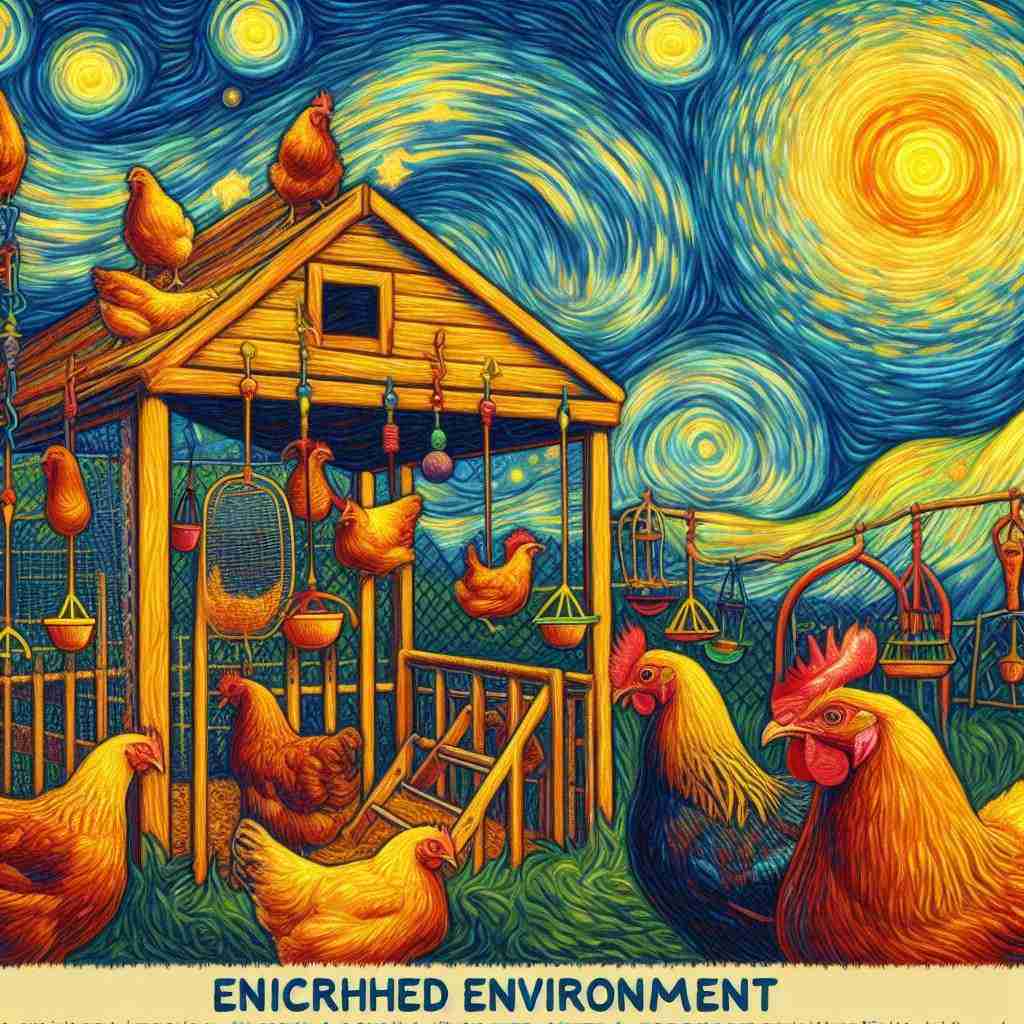
What Role Do Social Media Challenges Play In Promoting Low-Tech Fixes?
What Role Do Social Media Challenges Play In Promoting Low-Tech Fixes?
- Social media challenges foster imagination, community, and healthy competition.
- The “Backyard Chickens” challenge encourages sustainable living and reconnects individuals with their food sources.
- Raising chickens promotes empowerment and helps address food waste and carbon footprints.
- This challenge cultivates community through shared experiences and the joy of nurturing living creatures.
- Economically, raising chickens offers food security and sustainability with a small investment.
- The challenge embodies stewardship over consumption, highlighting the importance of caring for the environment.
- These social media trends evoke action and inspire a movement toward a more grounded way of life.

What Role Do Social Media Challenges Play In Promoting Low-Tech Fixes?
How Can We Balance Our Comfort with Environmental Sustainability?
There’s a growing movement sweeping through backyards across the country, and it’s as simple as a flock of chickens. Imagine the delight of gathering fresh eggs each morning, knowing you’re not only providing a wholesome breakfast but also reducing your carbon footprint. Keeping backyard chickens is more than a quirky trend; it’s a testament to the connection between our daily choices and the health of our planet.
Let’s face it: we live in a consumer-driven world. Convenience has become synonymous with comfort, but at what cost? Many of us yearn for the eco-friendly lifestyle, yet the reality often feels daunting. It’s easy to dismiss sustainable practices as an inconvenience, but when we step back and consider the bigger picture, we realize how vital these changes are—not just for us, but for future generations.
Picture this: You sit with your family around the breakfast table, the sun filtering through the window, illuminating the vibrant colors of the vegetables you’ve grown in your garden. You’ve invested time, energy, and love into cultivating that space. Each bite is a direct connection to the earth, a reminder that what we nurture can, indeed, nourish us. This is the heart of sustainability—a beauty that blends ethics with daily living.
Consider the powerful narrative of community. When you embrace an eco-conscious lifestyle, you galvanize those around you. You’re not just saving the planet; you’re fostering a culture of care, inspiring your neighbors to think differently, to engage meaningfully in their own lives. It’s a ripple effect. As you lean into your values, like keeping those backyard chickens, you send a message that sustainability and comfort can coexist.
And let’s not overlook the authority of science. Studies consistently show that small lifestyle changes collectively make significant impacts. When we focus on what we can do today, no matter how small, we empower ourselves and our families. Each step toward sustainability is a step toward stability for our environment.
So, the next time you consider your comfort versus the planet’s needs, think of those chickens pecking around your yard. Each cluck is a reminder that you can create a life that’s rich, fulfilling, and responsible. It resonates in a way that tugs at our hearts, challenges our heads, and stirs our guts. You have the power to make choices—let those choices be green ones that nurture you and the world around you.

How Can We Balance Our Comfort with Environmental Sustainability?
How Can We Balance Our Comfort with Environmental Sustainability?
- A growing movement of keeping backyard chickens is gaining popularity across the country.
- This practice allows individuals to enjoy fresh eggs while reducing their carbon footprint.
- Embracing eco-friendly lifestyles can feel daunting in a convenience-driven world.
- Sustainable practices connect our daily choices to the health of the planet and future generations.
- Cultivating a garden fosters a deep connection to the earth and emphasizes the beauty of sustainability.
- Adopting an eco-conscious lifestyle can inspire and galvanize the community around you.
- Small lifestyle changes can collectively lead to significant environmental impacts and empower families.

How Can We Balance Our Comfort with Environmental Sustainability?
Conclusion
Summer heat can be relentless, pushing us to seek refuge in air-conditioned spaces. But as we look beyond the obvious comforts, Gen Z offers a refreshing perspective on resourcefulness that aligns with our shared responsibility to the planet. They tap into low-tech solutions that not only cool us down but also reconnect us with nature and community. Picture a backyard alive with the laughter of children and the cluck of chickens, all while fostering self-sufficiency. These resilient young people are proving that simplicity can be both joyous and practical, emphasizing environmental respect without sacrificing comfort.
Consider the age-old joy of running through a sprinkler, a simple pleasure that brings families together and invites connections that transcend our screens. This ritual is about more than escaping the heat; it embodies a community spirit that weaves shared memories into the fabric of our lives. Gen Z’s emphasis on building shade structures or organizing neighborhood gatherings cultivates camaraderie, reminding us that even in a world dominated by digital distractions, genuine human interaction remains vital.
Woven throughout these experiences is a profound ethical responsibility. By embracing old-school strategies, such as planting trees or cultivating gardens, we reaffirm our connection to the Earth. These choices speak volumes about the legacy we wish to leave behind. Instead of chasing convenience, the focus becomes nurturing both our surroundings and ourselves, creating a lifestyle that harmonizes comfort with sustainability.
Moreover, social media has amplified this dialogue, turning low-tech solutions into viral trends. The rise of backyard chicken challenges and other community-focused initiatives sparks a movement toward sustainable living. Each post not only celebrates self-sufficiency but also invites others to join in, creating a ripple effect that strengthens communal bonds. Sharing these hacks fosters trust and encourages collective resilience, where individual solutions transform into communal triumphs.
Ultimately, this summer calls for a reawakening to the age-old practices of simple living and collective care. Embracing these low-tech fixes allows us to cool down and reconnect, turning sweltering days into opportunities for community building and environmental mindfulness. As we gather around our backyards, filled with shared laughter and fresh eggs, we not only find relief from the heat but also nurture a culture of care that can rise above today’s challenges. So roll up your sleeves and dive into this movement—one small action at a time, we can collectively thrive against the summer heat and create a sustainable future for generations to come.

Conclusion
Conclusion:
- Summer heat drives the search for air-conditioned spaces, but Gen Z offers a resourceful, eco-friendly perspective.
- Low-tech solutions reconnect us with nature and community, fostering self-sufficiency and joy.
- Simple pleasures, like running through a sprinkler, strengthen familial bonds and create cherished memories.
- Gen Z emphasizes building shade structures and organizing neighborhood gatherings to promote genuine human interaction.
- Old-school practices, such as planting trees and cultivating gardens, reaffirm our connection to the Earth and our ethical responsibility.
- Social media amplifies low-tech solutions, turning them into viral trends that encourage community-focused initiatives.
- Embracing these practices transforms summer into opportunities for community building and environmental mindfulness.
Conclusion
Other Resources

Other Resources
Here is a list of other resources you can review online to learn more:
- Avian Pox
- Sebright
- chicken run
- opossums
- Ancona
- Easter Eggers
- Newcastle Disease
- Austra White
- millipedes
- Sicilian Buttercup
- Cinnamon Queen
- Turken
- mediterranean breed
- Icelandic
Use This Prompt To Get More Resources With Your Favorite Online AI Tool: Please provide me with a list of online articles with their URLs in a bulleted list that I can read regarding #Heatwavehacks – Gen Z’s Low-Tech Fixes for Extreme Summers

Other Resources
Glossary Terms
#Heatwavehacks – Gen Z’s Low-Tech Fixes for Extreme Summers – Glossary Of Terms
1. Heatwave: A prolonged period of excessively hot weather, often accompanied by high humidity levels.
2. Hydration: The process of providing adequate water to the body; essential for maintaining health during extreme heat.
3. Shade: An area sheltered from the sun, providing relief from direct sunlight and helping to reduce body temperature.
4. Refraction: The bending of light, which can be used to illustrate how reflective surfaces can help cool spaces by directing sunlight away.
5. Ventilation: The movement of air through a space, often enhanced by using fans or natural breezes to cool indoor environments.
6. Thermal Mass: Materials that absorb and retain heat, which can help regulate indoor temperatures by slowing heat transfer.
7. DIY: An abbreviation for “do it yourself”; involves creating solutions or devices on one’s own, often in a low-cost or resourceful manner.
8. Insulation: Materials used to reduce heat transfer, keeping indoor spaces cooler in summer and warmer in winter.
9. Evaporation: The process where liquid turns to vapor, often used in cooling methods like wet cloths or evaporative coolers.
10. Fan: A device that creates airflow to help cool an area or individual by increasing evaporation and promoting heat dissipation.
11. Solar Reflectors: Surfaces that reflect sunlight away from buildings or outdoor areas to reduce heat absorption.
12. Heat Index: A measure that combines air temperature and humidity to indicate how hot it feels, influencing comfort and health advisories.
13. Airflow: The movement of air, which can be optimized to create a cooler environment through strategic placement of fans and open windows.
14. Regenerative Cooling: A method utilizing natural processes, such as nighttime temperatures, to cool spaces effectively without electricity.
15. Chill Zone: A designated area, often shaded or equipped with cooling methods, where individuals can retreat to avoid heat stress.
16. Portable Coolers: Low-tech devices that provide cooling through ice or water, often used for personal comfort in outdoor settings.
17. Heat Stroke: A medical emergency caused by prolonged exposure to high temperatures, leading to a failure of the body’s temperature regulation.
18. Sunlight Blockers: Materials or devices (like shades or curtains) used to reduce solar heat gain in buildings by blocking direct sunlight.
19. Community Cooling Centers: Designated public spaces, such as libraries or community centers, that provide relief from extreme heat.
20. Humidity: The amount of moisture in the air, which can significantly affect how hot it feels and influence cooling strategies.
21. Natural Ventilation: Allowing fresh air to circulate through buildings without mechanical assistance, often through windows and vents.
22. Breeze Path: The directional flow of outdoor air that can be harnessed to increase comfort by creating a cooler environment indoors.
23. Wet Bulb Temperature: The lowest temperature that can be achieved by evaporating water into the air, important for understanding cooling potential.
24. Cooling Fabrics: Materials designed to wick moisture away from the body and promote evaporative cooling, often used in clothing.
25. Insulated Bottles: Containers designed to keep liquids cold, helping individuals stay hydrated with cool drinks during hot weather.
26. Cooling Tops: Garments made from breathable, moisture-wicking materials that help maintain a comfortable body temperature.
27. Thermal Regulation: The process by which the human body maintains its core temperature, critical during exposure to extreme heat.
28. Urban Heat Island: An area in a city that experiences higher temperatures than its rural surroundings due to human activities and infrastructure.
29. Biodiversity: The variety of plant and animal life in an ecosystem, which can influence local climate conditions, including cooling effects.
30. Smart Cooling: Innovative strategies or technologies that enhance traditional cooling methods, often utilizing data to optimize comfort while reducing energy consumption.

Glossary Of Terms
Other Questions
#Heatwavehacks – Gen Z’s Low-Tech Fixes for Extreme Summers – Other Questions
If you wish to explore and discover more, consider looking for answers to these questions:
- What are some other low-tech cooling solutions popular among Gen Z?
- How can I start raising backyard chickens, and what do I need to know?
- What are the benefits of using natural shade in my outdoor space?
- What plants are best for indoor cooling and air quality improvement?
- How can I organize a neighborhood gardening initiative?
- What are some cost-effective ways to stay hydrated during hot weather?
- What family activities can help us bond during summer months?
- How can we promote environmental awareness in our community effectively?
- Can social media campaigns really impact eco-friendly behavior?
- What are some easy recipes using ingredients from my garden?
- How do ventilation and lighting choices affect energy consumption?
- What ethical considerations should we keep in mind when living sustainably?

Other Questions
Haiku
#Heatwavehacks – Gen Z’s Low-Tech Fixes for Extreme Summers – A Haiku
Backyard whispers call,
Chickens cluck, laughter rises—
Heat fades in shared hearts.

Haiku
Poem
#Heatwavehacks – Gen Z’s Low-Tech Fixes for Extreme Summers – A Poem
When summer’s sun ignites with fury,
And streets become a sweltering sea,
Gen Z steps forth with hands unhurried,
Crafting heatwave hacks, so resourcefully.
Backyard chickens cluck in joyful dance,
Transforming scraps to eggs—a miracle bright,
Embracing roots, they give us a chance,
To live simply, and both day and night.
A dance through sprinklers, pure laughter shared,
Neighbors unite beneath skies of blue,
Recalling the magic of summers declared,
Moments that stitch our lives as anew.
Shade from trees, with wisdom inherited,
Hydration drawn from nature’s embrace,
Crafting gardens where life’s been permitted,
Teaching our children, in this sacred space.
Sharing stories over meals prepared,
Ice cream runs and laughter’s gentle grip,
With every tradition, a bond ensnared,
We weave the fabric of community’s trip.
Refusing the lure of costly delights,
Sipping herbal waters infused with care,
We stand side by side through the heat’s tough fights,
Finding joy in our struggles, in the love that we share.
Let social media spark low-tech revolts,
With challenges born from clucking and cheer,
Empowerment flows, as connection exults,
A movement reborn—together we steer.
Balancing comfort with nature’s own song,
For every small choice, a ripple takes flight,
In nurturing habits, we all can belong,
In a world where the green path ignites our hearts bright.
So gather the wisdom, the hacks and the tales,
Dive deep in the dance of the sun’s warm embrace,
For together we flourish, as true love prevails,
Creating a future where kindness finds space.

Poem
Checklist
#Heatwavehacks – Gen Z’s Low-Tech Fixes for Extreme Summers – A Checklist
Heatwave Hacks Giveaway Checklist
Heartfelt Appeals
_____ Reconnect with Nature: Spend quality time outside, tending to your backyard garden or chickens.
_____ Create Family Traditions: Start a weekly family barbecue or ice cream night to share laughter and memories.
_____ Support Local Community: Invite neighbors to participate in garden parties or shared activities.
Head (Rational) Appeals
_____ Embrace Simple Strategies: List low-tech solutions to beat the heat, like setting up backyard sprinklers or shade areas.
_____ Hydrate Naturally: Replace sugary drinks with infused water or homemade lemonade using fresh fruits.
_____ Invest in Eco-Friendly Methods: Explore planting trees to cool your home and improve your environment.
Gut (Emotional) Appeals
_____ Share Wisdom: Exchange heatwave hacks with friends and neighbors to foster a collaborative community atmosphere.
_____ Celebrate Traditions: Engage in activities that promote bonding and connection with loved ones.
_____ Stay Mindful of Our Choices: Consider the ethical implications of your lifestyle and how simple changes can impact the environment.
Ethical Appeals
_____ Foster Sustainability: Make choices that positively impact the planet, such as raising backyard chickens.
_____ Instill Values in Children: Teach kids about responsibility and the connection between their choices and the environment.
Authority Appeals
_____ Leverage Expert Tips: Refer to studies or articles about the benefits of low-tech solutions and sustainable living.
_____ Discuss Community Impact: Highlight the importance of collective action in addressing environmental concerns.
Narrative Appeals
_____ Share Your Journey: Document your experiences transitioning to low-tech solutions and how it positively impacted your life.
_____ Inspire Others: Use storytelling to encourage friends and family to adopt similar practices.
Social Appeals
_____ Promote Community Engagement: Organize neighborhood gardening events or potlucks to strengthen community ties.
_____ Challenge Friends: Start a social media challenge encouraging others to share their heatwave hacks and solutions.
Use this checklist to inspire actions that blend comfort, connection, and sustainability in everyday life!

Checklist
At BackyardChickenNews, we help people who want to raise backyard chickens by collating information and news blended with our own personal experiences.
Be sure to read our other related stories at BackyardChickenNews to learn more about raising chickens in your backyard.