

Revolutionizing Chicken Care: Embracing Holistic Wellness
By Tom Seest
At BackyardChickenNews, we help people who want to raise backyard chickens by collating information and news blended with our own personal experiences.
Be sure to read our other related stories at BackyardChickenNews to learn more about raising chickens in your backyard.
Holistic Hen Care – the Wellness Movement Comes to the Coop
When you step into the world of backyard chickens, you’re not just entering a realm of eggs and feathers; you’re diving headlong into a community brimming with passion and purpose. Imagine, if you will, an early morning sun spilling golden light across the dew-kissed grass, as your flock of hens pecks happily at the ground, each creature a living testament to the happiness and responsibility that comes with their care. Holistic hen care isn’t about ticking boxes on a chore list; it’s about fostering relationships between you, your chickens, and the world around you.
Raising chickens in your backyard offers an opportunity to experience nature in its rawest form. It’s a dance—a delicate balance of animal husbandry and stewardship, where your heart beats in sync with the rhythms of life. Watching your hens thrive as they roam freely instills a sense of pride that stretches beyond the simple act of farming. This is where the rational aspect takes root. Studies show that animals raised with love and care produce richer, tastier eggs, benefiting both the consumer and the ecosystem. By choosing a holistic approach, you’re not just ensuring your flock’s well-being; you’re also making a statement about the kind of food and values you wish to cultivate.
Ethically, raising chickens with respect and compassion resonates deeply in a world often distracted by convenience and commodification. When you prioritize holistic care, you’re actively participating in an uplifting movement that champions animal welfare and sustainable practices. This ethical stance builds trust within your community, encouraging your neighbors to consider their own choices and their environmental impact, turning your backyard into a beacon of responsible living.
As we weave ourselves into this narrative, consider the stories your chickens could tell. Each little hen has a personality, quirks, and even a background—a narrative waiting to unfold with love and care at the helm. Engage with them, build that connection, and watch as your hens flourish, becoming an integral part of your life’s tapestry.
So if you haven’t yet welcomed those little clucking bundles of joy into your backyard, perhaps it’s time to reconsider. Join the movement; not only for the fresh eggs, but for the heart, head, and gut connection that comes from truly holistic hen care. Own that coop with pride, and become a part of something bigger than yourself. Your journey starts now.
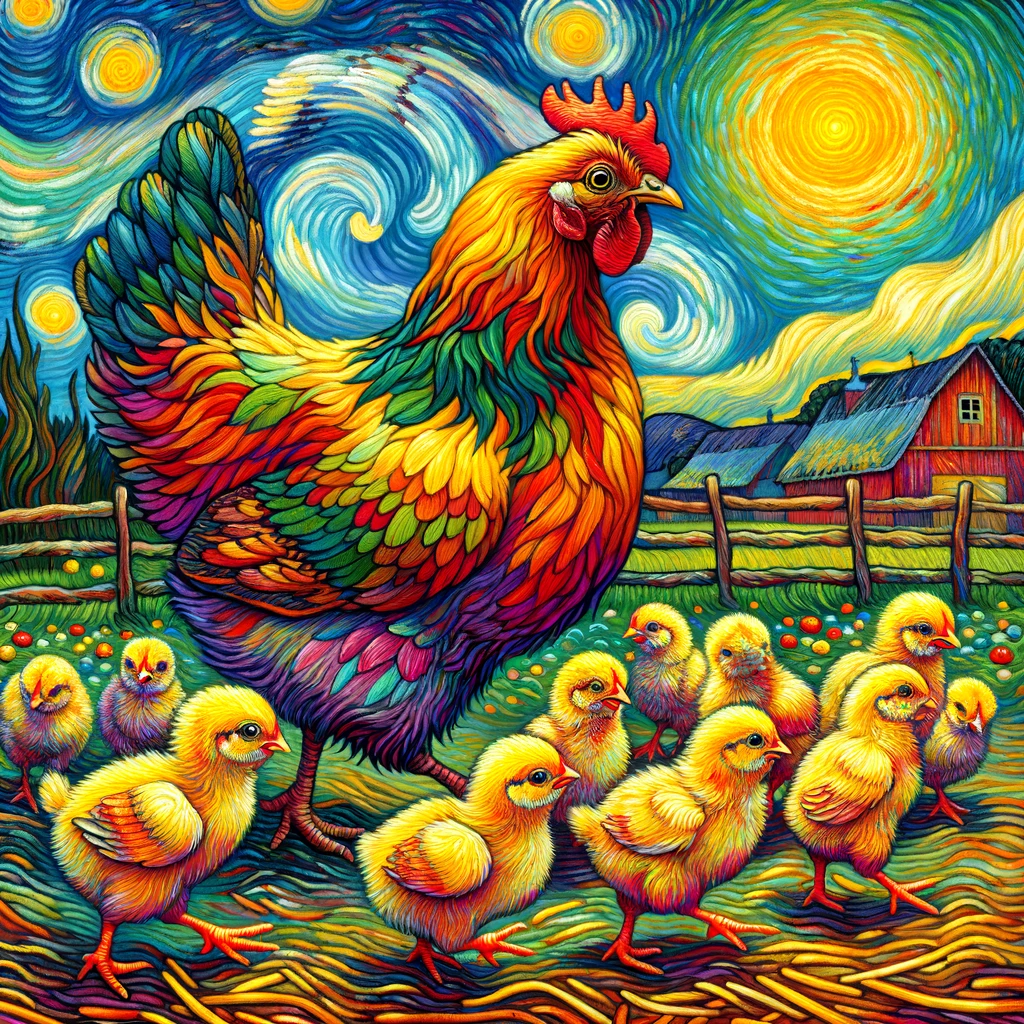
Holistic Hen Care – the Wellness Movement Comes to the Coop
Holistic Hen Care – the Wellness Movement Comes to the Coop
- Backyard chicken-keeping introduces a passionate and purposeful community beyond just eggs and feathers.
- Holistic hen care fosters relationships between the owner, chickens, and the environment rather than being just a checklist.
- Raising chickens provides an authentic experience of nature and instills pride through animal husbandry.
- Studies suggest that well-cared-for chickens produce superior quality eggs, benefiting consumers and ecosystems.
- Ethical practices in raising chickens emphasize compassion, promoting animal welfare and sustainability.
- Welcoming chickens into your backyard can inspire neighbors to reflect on their choices and environmental impact.
- Engage with your chickens to understand their unique personalities and create a lasting bond that enhances your life.

Holistic Hen Care – the Wellness Movement Comes to the Coop
Table Of Contents
- Holistic Hen Care – the Wellness Movement Comes to the Coop
- What Does Holistic Care Mean for the Chickens We Cherish?
- Are We Considering the Emotional Wellbeing Of Our Flock?
- What Ethical Responsibilities Do We Have Towards Farm Animals?
- Are We Prepared to Advocate for Better Hen Welfare In Our Community?
- How Can We Make Our Coop a Safe Haven for Each Bird?
- What Stories Can Our Hens Tell Us About Their Needs and Wants?
- How Does Our Hen Care Reflect Our Values As Responsible Owners?
- Conclusion
- Other Resources
- Glossary Of Terms
- Other Questions
- Haiku
- Poem
- Checklist
What Does Holistic Care Mean for the Chickens We Cherish?
When we talk about holistic care for our backyard chickens, we’re not just discussing feed or shelter—we’re exploring a life philosophy that reverberates deeply within our communities and backyards. Picture this: a hen scratching in the dirt, sunlight glinting off her feathers, a creature living its best life, not just surviving but thriving. This is holistic care—providing a nurturing environment that respects not only the chickens’ physical needs but also their emotional and social well-being.
Chickens, with their surprisingly complex personalities, thrive on interaction. They form pecking orders much like we form social networks. By understanding the importance of companionship and proper space, we set the stage for happier birds and a more vibrant flock. But this isn’t solely about the chickens; it’s a reflection of who we are as caregivers. When we invest time and energy into their care, we’re embracing a richer, more connected way of living—a way that fosters empathy and responsibility.
Then there’s the ethical angle. By committing to a holistic approach, we make a clear stand against industrial practices that prioritize profit over welfare. In a world where animals can often become mere commodities, choosing to keep backyard chickens brings the opportunity to form ethical bonds. Each cluck and coo becomes a reminder of our duty to care properly, not just for their physical health, but for their happiness.
Data backs this up, showing that well-cared-for hens produce better eggs with richer yolks, both in nutrition and flavor. It’s rational, then, to acknowledge that holistic care translates into tangible benefits—higher quality products for the table and deeper satisfaction for the keeper.
Stories abound in this journey of care—like that time when Lucy, our favorite hen, seemed to know when I was having a tough day. She wandered over, clucked softly, and nestled close. In that moment, connection was made, reminding us that caring for chickens is as much about the heart as it is about the head.
So, let’s not just keep chickens; let’s cherish them. Let’s commit to a holistic approach that acknowledges their needs and our responsibilities. For in that space, amidst the pecking and the clucking, lies a relationship that nourishes us all.

What Does Holistic Care Mean for the Chickens We Cherish?
What Does Holistic Care Mean for the Chickens We Cherish?
- Holistic care for backyard chickens encompasses their physical, emotional, and social well-being.
- Chickens have complex personalities and thrive on interaction and companionship.
- Investing time in chicken care fosters empathy and responsibility in caregivers.
- A holistic approach opposes industrial practices that neglect animal welfare.
- Well-cared-for hens produce higher quality eggs, benefiting both the chickens and their keepers.
- Personal connections with chickens enhance the caregiving experience and deepen bonds.
- Embracing a holistic philosophy enriches the relationship between caregivers and chickens.

What Does Holistic Care Mean for the Chickens We Cherish?
Are We Considering the Emotional Wellbeing Of Our Flock?
When we think of caring for our flock, we often focus on the basics: fresh feed, clean water, cozy coops. But how often do we pause to consider the emotional wellbeing of our backyard chickens? These creatures are more than mere providers of eggs; they are living beings with their own feelings and personalities. As their caretakers, it’s our responsibility to nurture not only their physical needs but also their emotional landscapes.
Have you ever watched a hen preen another’s feathers, or catch a rooster escorting a hen to a prime spot for pecking? These behaviors are not just instinctual; they speak to the complex social dynamics at play in your flock. An engaged and emotionally healthy flock is not just a delight to watch; it leads to better egg production and overall happiness. The science backs it up: happiness is contagious, whether among humans or chickens. When they thrive emotionally, their productivity soars.
Now, let’s talk about ethics. Just because chickens can’t articulate their needs doesn’t mean they don’t have them. Treating our flock with kindness, observing their interactions, and establishing a safe environment fosters a sense of trust. It’s deeply rewarding to know you’re doing right by them—this moral compass not only guides our decisions but also nurtures our spirit.
The emotional bond we form with our flock is not one-sided. When you walk into your yard and are greeted by a chorus of clucks, it’s a reminder that this relationship goes both ways—it’s a partnership. Each feathered friend is an individual, each with a story to tell, and they deserve to be listened to just as we listen to our loved ones.
By investing the effort to understand their needs—physically and emotionally—we’re not just enriching their lives; we’re enriching ours as well. Connecting with these remarkable creatures instills a sense of purpose and belonging. The joy that comes from spending time with your chickens is transformative; you’re not just a caretaker; you’re a guardian of their happiness.
So next time you venture into that backyard paradise, remember: it’s not just about the eggs or the feathers. It’s about fostering a relationship built on understanding, kindness, and respect—one that impacts both our hearts and our flock’s wellbeing.

Are We Considering the Emotional Wellbeing Of Our Flock?
Are We Considering the Emotional Wellbeing Of Our Flock?
- Emotional wellbeing of backyard chickens is as important as their physical needs.
- Chickens exhibit complex social behaviors that reflect their emotional health.
- An engaged flock leads to better egg production and overall happiness.
- Treating chickens kindly and observing their interactions fosters trust and ethical responsibility.
- The bond between caretakers and chickens is mutual, highlighting the partnership in their relationship.
- Understanding and meeting the needs of chickens enriches both their lives and those of their caretakers.
- Fostering a relationship based on understanding, kindness, and respect benefits both chickens and humans.

Are We Considering the Emotional Wellbeing Of Our Flock?
What Ethical Responsibilities Do We Have Towards Farm Animals?
When we think about our ethical responsibilities towards farm animals, it’s essential to engage the heart, head, and gut. Picture this: a family with backyard chickens, gently clucking and strutting around their garden. These aren’t just birds; they’re living beings, each with a personality and a history. The joy of collecting fresh eggs and watching their antics is a reminder that our relationship with livestock is often more than a business transaction—it’s part of a shared existence on this planet.
At the core of our ethical duty is the recognition that farm animals experience life similarly to us. They feel pain, joy, fear, and companionship. Imagine a mother hen nurturing her chicks under her wings, instinctively knowing how to protect them. It strikes a chord, doesn’t it? There’s a raw truth to this connection that calls us to act responsibly. We owe it to these remarkable creatures to ensure they live in humane conditions. This isn’t merely a lofty ideal; it’s what we would want for ourselves if the roles were reversed.
On a rational level, consider the implications of our choices. Supporting sustainable and ethical farming practices can lead to healthier communities and ecosystems. The more we prioritize the welfare of farm animals, the better the quality of the food we consume. Beyond just the tasty dinner plates, we’re fostering a farming culture that respects and values life rather than merely exploiting it. This commitment sends ripples through our society, encouraging others to consider the impact of their dietary choices.
Ethics isn’t just a philosophical debate; it’s woven into the fabric of our daily lives. We have a responsibility to listen to experts in animal welfare and actively support regulations that promote humane treatment. By choosing to engage in dialogues about animal rights, advocating for transparent farming practices, and educating ourselves about those who raise the animals for our food, we build trust within our communities.
Each of us can play a role in creating a world where farm animals thrive alongside us. It starts in our backyards, our kitchens, our conversations. The next time you sit down to a meal, remember the journey those ingredients took to reach you. Let that inspire you to be a part of the solution, fostering a compassionate relationship with the very beings that sustain us. As we take action, we cultivate not just food, but a future built on empathy and respect.
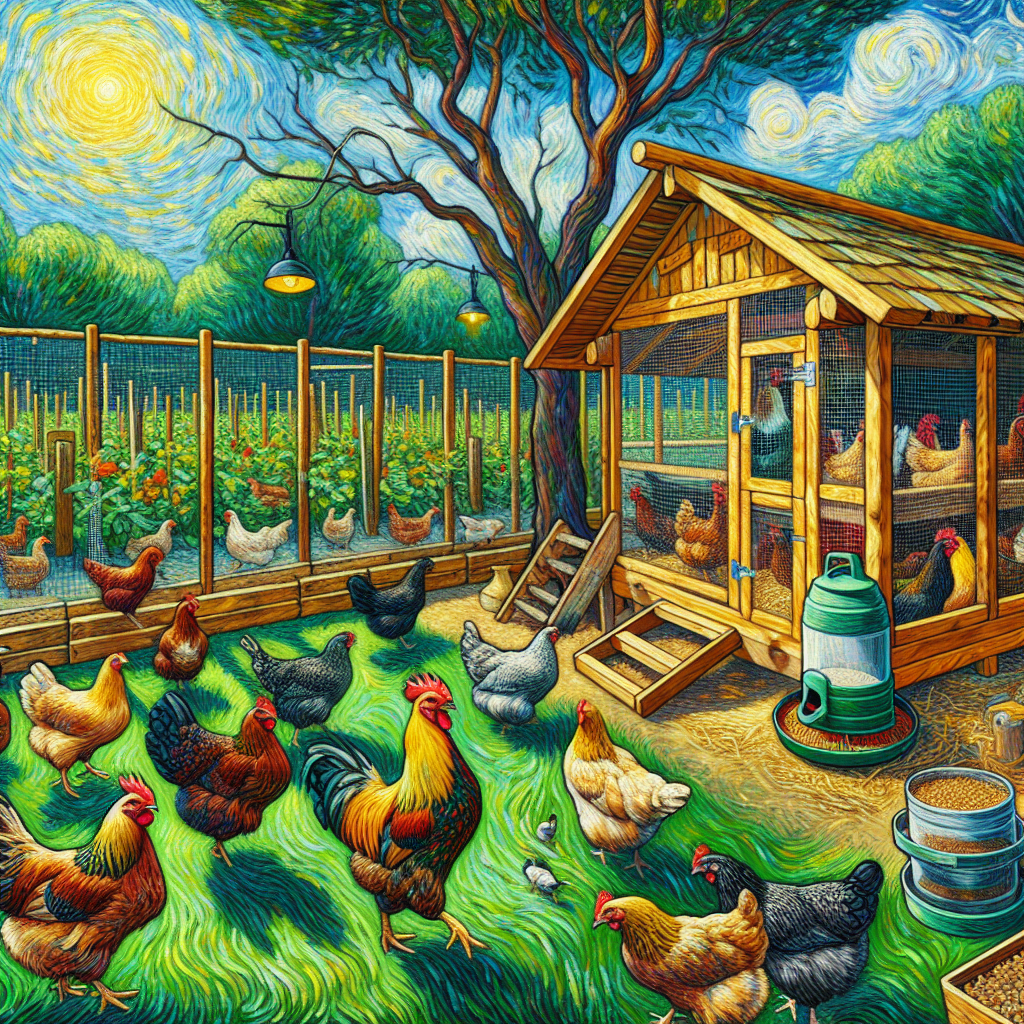
What Ethical Responsibilities Do We Have Towards Farm Animals?
What Ethical Responsibilities Do We Have Towards Farm Animals?
- Ethical responsibilities towards farm animals engage our heart, head, and gut.
- Farm animals, like backyard chickens, have personalities and histories, enriching our lives.
- Farm animals experience emotions and deserve humane living conditions.
- Supporting sustainable and ethical farming leads to healthier communities and ecosystems.
- Our dietary choices can foster a culture that values life over exploitation.
- Engaging in dialogues about animal rights builds trust and promotes humane treatment.
- Each individual can contribute to a compassionate relationship with farm animals, starting from their own homes.

What Ethical Responsibilities Do We Have Towards Farm Animals?
Are We Prepared to Advocate for Better Hen Welfare In Our Community?
Let’s talk about those little cluckers running around in our backyards. Backyard chickens might seem like a quaint addition to our lives, a fun project, or even a trendy pastime. But if we peel back the layers, we find something deeper—something that speaks to our ethics and our responsibilities as caretakers of these living beings. It’s a call not just to keep chickens but to advocate for hen welfare in our homes and communities.
Imagine the joy of gathering fresh eggs from your own flock, watching them peck around the yard. But alongside that joy comes an obligation, a duty to ensure these creatures live comfortably and healthily. It’s not just about having a fun hobby; it’s about fostering a connection with these animals that are as sensitive and deserving as our beloved dogs or cats. Every cluck tells a story of their needs—social interaction, proper space, and environments free from cruelty and neglect. Ignoring these needs would be like turning a blind eye to the plight of a friend; it just doesn’t sit right.
Rationally, we know that healthier hens lead to healthier eggs. Research indicates that happy chickens are not only more productive but also more resilient against diseases. When we invest in their welfare, we’re not just being compassionate—we’re being smart. Communities that prioritize animal welfare often find themselves benefitting in unforeseen ways, from increased property values to a vibrant local food culture. It pays dividends in more than just eggs.
But let’s bring it home. How often do we hear the stories of neglected backyard hens? They can’t speak up, but their suffering is palpable. We have a moral obligation to be their advocates, to stand up against any form of suffering or exploitation. When we raise our voices together, we transform individual efforts into a chorus for change.
So, ask yourself: Are we really prepared to step up? To spread awareness, forge connections, and be the driving force for better hen welfare? Let’s not shy away from this challenge; let’s embrace it. Together, we can nurture not just our backyards, but a culture that understands and respects the lives of these hens. When we do, we’re not only improving their lives—we’re uplifting our community and cultivating a legacy of empathy and action. It’s time to take a stand for those who can’t stand for themselves.

Are We Prepared to Advocate for Better Hen Welfare In Our Community?
Are We Prepared to Advocate for Better Hen Welfare In Our Community?
- Backyard chickens symbolize more than a trendy hobby; they highlight our ethical responsibilities as caretakers.
- Raising chickens provides joy, but also comes with the duty to ensure their comfortable and healthy living conditions.
- Chickens require social interaction, proper space, and an environment free from cruelty and neglect.
- Healthier hens lead to healthier eggs, making the investment in their welfare a smart choice.
- Prioritizing animal welfare can lead to community benefits, such as increased property values and a vibrant local food culture.
- We have a moral obligation to advocate for neglected backyard hens and raise awareness about their needs and suffering.
- Together, we can foster a culture of empathy and action for better hen welfare and improve our communities.
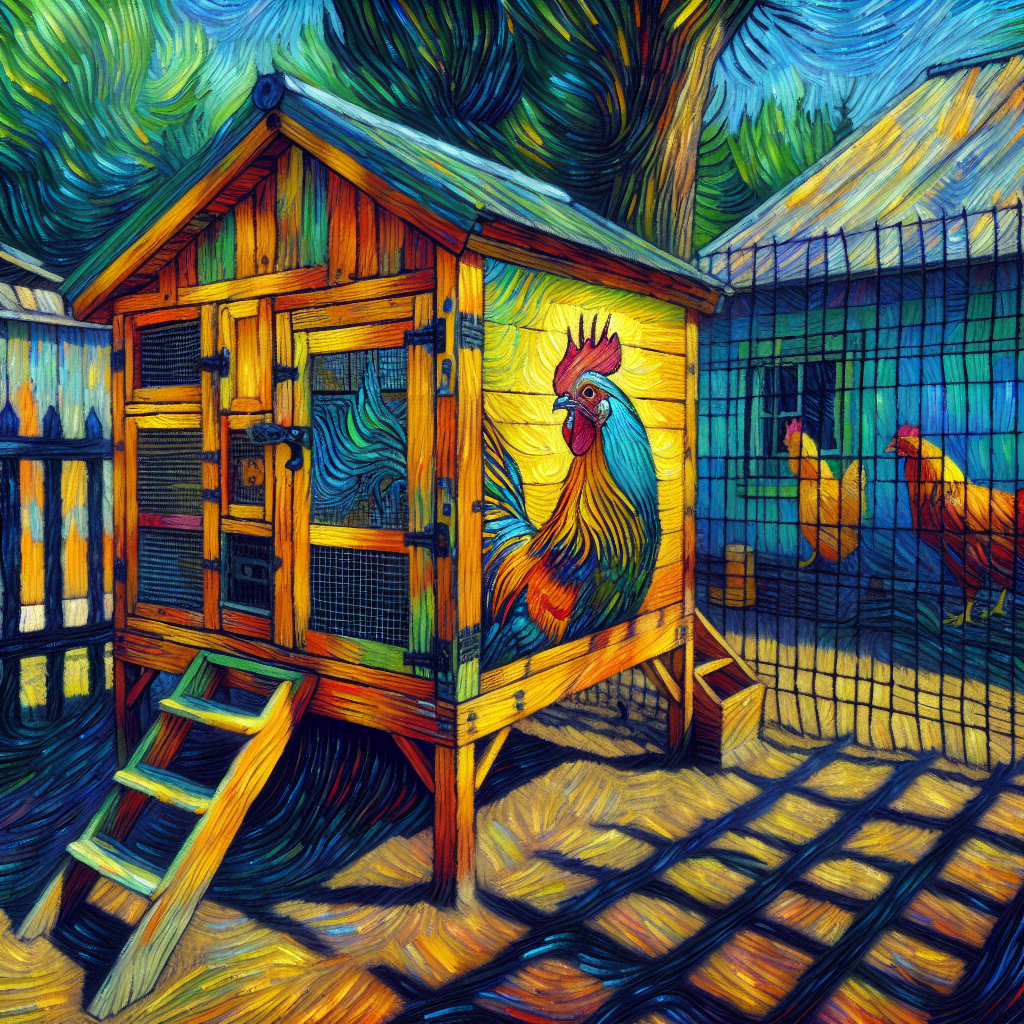
Are We Prepared to Advocate for Better Hen Welfare In Our Community?
How Can We Make Our Coop a Safe Haven for Each Bird?
When we think about our backyard chickens, it’s easy to see them as just a source of eggs or a charming addition to our homestead. But they are so much more than that. Each bird is a unique individual with its own quirks, personality, and needs. So how can we transform our coop into a sanctuary—a safe haven for every feathered friend?
First, let’s consider the design of the coop. A well-ventilated space with proper insulation will protect them from the elements, ensuring they’re not just sheltered but truly comfortable. Think of it like your own home; we all deserve a cozy spot to escape the noise and chaos outside. Installing features like dust baths and perches allows each bird to express natural behaviors, improving their mental health. Trust me; a happy chicken lays better eggs.
Next, we shouldn’t overlook the physical and psychological safety of our flocks. Chickens are flock animals, meaning they thrive in the presence of their comrades. By ensuring they have plenty of room to stretch their legs and interact, we’re fostering connection—not just with each other but with us too. Consider how you feel when you’re part of a community. Your chickens deserve that same bond, a sense of togetherness that reassures them they’re not alone in the world.
Now let’s tackle the ethical commitment we have as their caretakers. It’s not only about keeping them safe from predators—though that’s vital—but also about offering them a life worth living. Good nutrition, regular health checks, and appropriate companionship are as crucial as a sturdy fence. Remember, in this age of convenience, choosing to raise backyard chickens is an act of responsibility that echoes deeply in our homes and hearts.
Employing sustainable practices in our coops encourages a fresh perspective on our roles as guardians. Using eco-friendly materials and creating habitats that mirror their natural environments show a commitment to both their well-being and the health of our planet. This isn’t just a hobby; it’s a calling, a chance to be stewards of life.
In this journey, we create a legacy built on trust, respect, and love—values we can all connect with. When we make our coops safe havens for each bird, we’re not just nurturing their existence; we’re enriching our own lives, creating a vibrant, harmonious backyard ecosystem that flourishes with the joyful clucks of happy chickens.

How Can We Make Our Coop a Safe Haven for Each Bird?
How Can We Make Our Coop a Safe Haven for Each Bird?
- Backyard chickens are individuals with unique personalities and needs, not just egg sources.
- A well-designed coop includes ventilation and insulation for comfort, similar to a cozy home.
- Features like dust baths and perches promote natural behaviors and improve mental health.
- Chickens thrive in flocks; providing social interaction enhances their sense of community.
- Caretakers must ensure good nutrition, health checks, and companionship for a fulfilling chicken life.
- Using sustainable practices reflects our commitment to the well-being of chickens and the planet.
- Creating a safe haven for chickens fosters a vibrant ecosystem and enriches the lives of both chickens and caretakers.

How Can We Make Our Coop a Safe Haven for Each Bird?
What Stories Can Our Hens Tell Us About Their Needs and Wants?
Ever sat quietly next to your flock, observing those feathered wonders navigate their little world? Each cluck, flutter, and peck carries a message, a story waiting to unfold. Backyard chickens are much more than egg providers; they’re living reminders of our shared journeys, whispering tales about what they truly need and want.
Picture this: your hens prancing in the morning sunlight, dust bathing in that perfect patch of dirt. Each dust bath isn’t just a midday spa; it’s a declaration of their need for comfort and security. Just like us, they thrive when comfortable in their environment. When we provide them with space and a clean coop, we’re not just fulfilling their physical requirements; we’re honoring their right to a happy life. That’s an ethical responsibility we shoulder as caretakers.
But it’s not only about laying eggs or pecking at the ground; it’s about connection—both within the flock and with us. The gentle cooing of a hen as she settles down lets us in on her need for companionship and safety. Just imagine if we silenced our voices, ignoring their cries for attention or their need for interaction! Acknowledge those stories, and you’ll find connection amplifying in your backyard.
As the sun sets, you might notice your hens gather closer together, forming a tight-knit circle. This instinct drives home a fundamental truth: they crave community. Their social behaviors help them thrive, and we can learn from that. By fostering a supportive environment not only for our chickens but for each other, we create a microcosm of resilience.
And let’s talk about the quality of life—our choices impact their well-being. When we prioritize organic feed or add greens to their diet, we’re not merely changing their meals; we’re investing in their health and happiness. That trust we build both ways—a reciprocal give and take—is what binds us.
So next time you find yourself in your backyard, take a moment. What are your hens trying to share with you? Their stories remind us that our actions, however small, are threads in a grand tapestry, weaving together the needs and wants of our beloved companions. Let’s listen to those stories, translate them into action, and create a harmonious life together.

What Stories Can Our Hens Tell Us About Their Needs and Wants?
What Stories Can Our Hens Tell Us About Their Needs and Wants?
- Backyard chickens are more than just egg producers; they convey messages about their needs and desires.
- Hens thrive in comfortable environments, necessitating clean coops and ample space as part of their ethical care.
- Connection within the flock and with humans is vital, where gentle behaviors reflect their need for companionship.
- Chickens instinctively seek community, which highlights the importance of fostering supportive environments.
- The choices caretakers make, such as providing organic feed, directly affect the well-being of the chickens.
- Building trust with chickens is essential for a reciprocal relationship based on care and respect.
- Taking time to observe and listen to hens reinforces the bond and helps cater to their needs harmoniously.

What Stories Can Our Hens Tell Us About Their Needs and Wants?
How Does Our Hen Care Reflect Our Values As Responsible Owners?
When we decide to care for backyard chickens, we’re not just taking on a new hobby; we’re embracing a responsibility that mirrors our deepest values as caretakers and stewards of the land. Each morning, as the sun peeks over the horizon, we rise to a chorus of gentle clucks, a symphony of life that beckons us to engage. This daily routine is more than feeding and watering; it’s about establishing a connection, a bond that builds trust between us and these remarkable creatures. When we take the time to understand their behaviors and needs, we’re not only fostering a thriving flock but also nurturing our own character.
Consider the ethical implications of caring for our hens. They depend on us for their well-being, and in turn, they teach us invaluable lessons about compassion, commitment, and respect for life. By providing a safe, clean environment and the proper nourishment, we demonstrate that we respect their fundamental right to thrive. Each fresh egg is a small, tangible reminder of our efforts—a symbol of our shared existence, not merely our utility. It’s knowing that we’re part of a cycle that honors both nature and the values we hold dear, and that creates a foundation of respect that transcends our backyard.
On a rational level, having chickens encourages us to discuss and educate others about the benefits of sustainable practices. This connection extends beyond our own space; it resonates with our neighbors, prompting conversations about where food comes from and how we can all be more responsible. When our flock is healthy, we set an example. We inspire others to take similar steps, transforming our communities into hubs of mindful living.
And let’s not forget the emotional tapestry woven through our days spent with these feathered companions. Each unique personality shines through, creating a vibrant community right outside our door. Whether it’s the joy of watching a hen dust-bathe or the soft, inquisitive chirps they emit when they see us approach, these moments resonate within us.
So, as we embrace the role of caretaker, let it serve as a constant reminder: our backyard chickens are more than just pets. They reflect the values we hold true—responsibility, compassion, and a shared commitment to a sustainable future—all while inviting us to connect more deeply with nature and each other.

How Does Our Hen Care Reflect Our Values As Responsible Owners?
How Does Our Hen Care Reflect Our Values As Responsible Owners?
- Caring for backyard chickens is a responsibility that reflects our values as caretakers and land stewards.
- Each morning begins with a routine that fosters a bond of trust between us and the chickens.
- Understanding the behaviors and needs of our hens helps nurture both the flock and our own character.
- Caring for chickens teaches us lessons about compassion, commitment, and respect for life.
- Providing a safe environment for our chickens demonstrates respect for their right to thrive.
- Having chickens encourages discussions about sustainable practices and inspires community engagement.
- Spending time with chickens creates emotional connections, enriching our lives with their unique personalities.

How Does Our Hen Care Reflect Our Values As Responsible Owners?
Conclusion
Engaging in holistic hen care transforms the simple act of backyard chicken-keeping into a vibrant, meaningful journey steeped in responsibility and connection. Step outside and hear the familiar clucks—a delightful reminder that these are not just livestock; they are living beings, each with a unique personality and story. Imagine nurturing a flock that thrives not only on fresh feed but also on the bonds you cultivate, forging a relationship that resonates deeply with your values. This isn’t just an exercise in farming; it’s an ethical commitment to defend the welfare of these extraordinary creatures.
As caretakers, we hold the power to foster a thriving environment where our chickens can flourish. Holistic care encompasses their physical, emotional, and social needs, playing a crucial role in their happiness. Science supports this holistic approach, revealing that chickens raised in nurturing spaces yield higher quality eggs, enriching our diets while honoring the commitment to animal welfare. Every egg we collect is not merely an item; it’s a testament to our dedication and a reflection of our ethical responsibilities.
The rhythm of life we create alongside our flocks speaks volumes about who we are as individuals and community members. Engaging with your chickens fosters empathy and nurtures a sense of belonging—not just for your feathered friends but for everyone within your circle. Your backyard becomes a hub of compassionate living, inspiring neighbors to consider their choices and the ripple effects those choices have on the wider world.
Every interaction with your hens reveals their stories—their needs for companionship and security mirror our own. Just think: each dust bath is a plea for comfort, each gentle cluck an invitation for connection. Ignoring their voices would be tantamount to overlooking the needs of those we cherish. By listening and responding to these needs, we enhance not just their quality of life, but ours as well.
As we stand at this intersection of caretaking and community, we recognize our power to advocate for hen welfare. With each voice that rises in defense of these animals, we collectively weave a richer narrative—a legacy of compassion and respect that extends beyond our backyards. In choosing to embrace holistic hen care, we invite an enriching journey of connection, responsibility, and advocacy into our lives. The road ahead may begin in your coop, but its impact will resonate far beyond, shaping a better future for us all. Your adventure in hen care starts today; let’s make it count.

Conclusion
Conclusion:
- Holistic hen care enhances backyard chicken-keeping into a meaningful, responsible journey.
- Chickens are living beings, each with unique personalities and stories, deserving of care and connection.
- Fostering relationships with chickens leads to ethical commitments toward their welfare and happiness.
- Holistic care addresses chickens’ physical, emotional, and social needs, resulting in better quality eggs.
- Engagement with hens encourages empathy and fosters a sense of community among caretakers and neighbors.
- Every interaction with hens reflects our shared need for companionship, security, and connection.
- Advocating for hen welfare creates a legacy of compassion that extends beyond our personal experiences.

Conclusion
Other Resources
Other Resources
Here is a list of other resources you can review online to learn more:
- Egyptian Fayoumi
- Fowl Typhoid
- avocado
- Delaware
- Australorp
- Hamburg
- Botulism
- leafy greens
- Old English Game
- mealworms
- millipedes
- garlic
- Barnevelder
- Wyandotte
- foxes
Use This Prompt To Get More Resources With Your Favorite Online AI Tool: Please provide me with a list of online articles with their URLs in a bulleted list that I can read regarding Holistic Hen Care – the Wellness Movement Comes to the Coop

Other Resources
Glossary Terms
Holistic Hen Care – the Wellness Movement Comes to the Coop – Glossary Of Terms
1. Holistic: An approach that considers the whole animal—including physical, mental, and environmental factors—rather than just isolated symptoms.
2. Wellness: A state of overall health and well-being achieved through balanced nutrition, proper care, and a supportive environment.
3. Coop: A shelter or enclosed space where hens are kept, which should be safe, clean, and comfortable.
4. Free-range: A farming method allowing hens to roam outdoors for a portion of the day, promoting natural behaviors and well-being.
5. Nutrition: The science of providing balanced, healthful foods that meet the dietary needs of hens for optimal growth and egg production.
6. Pullet: A young female chicken, typically less than one year old, often raised for future egg production.
7. Rooster: An adult male chicken, known for its characteristic crowing and role in breeding.
8. Flock: A group of hens and/or roosters that live together in a coop or run, promoting social behaviors.
9. Pecking Order: The social hierarchy within a flock that determines the dominance of individual birds.
10. Enrichment: Activities and items provided to hens to stimulate their natural behaviors and improve their quality of life.
11. Biosecurity: Measures taken to prevent the introduction and spread of diseases in poultry through proper hygiene and management practices.
12. Gait: The manner in which a hen walks, which can indicate health status or any mobility issues.
13. Stress: A physical or emotional response in hens caused by environmental factors, leading to decreased health and productivity.
14. Vaccination: The administration of vaccines to hens to protect them from specific diseases and infections.
15. Broodiness: A natural behavior where a hen shows an instinctual desire to incubate and care for eggs.
16. Foraging: The act of searching for food, a natural behavior encouraged in free-range hens to promote physical and mental stimulation.
17. Molting: The natural process where hens shed old feathers and grow new ones, often leading to temporary changes in egg production.
18. Dust Bathing: A behavior practiced by hens to keep their feathers clean and free from parasites by rolling in dust or sand.
19. Coccidiosis: A parasitic infection affecting the intestinal tract of poultry, often requiring preventive measures and treatment.
20. Avian Flu: An infectious viral disease that can affect poultry and requires strict biosecurity measures to prevent outbreaks.
21. Egg Quality: The condition of eggs produced by hens, influenced by factors such as nutrition, health, and environment.
22. Pecking: A natural behavior of chickens that can be problematic if aggressive, leading to injury or stress among flock members.
23. Housing: The design and construction of coops and runs to ensure safety, comfort, and access to the outdoors for hens.
24. Health Monitoring: Regular checks of hens for signs of illness, injury, or stress to maintain flock well-being.
25. Herbs and Supplements: Natural additives introduced to a hen’s diet for health benefits, promoting well-being or improving egg production.
26. Pasture-Raised: A term indicating that hens are raised on pasture, with access to the outdoors for grazing and foraging.
27. Biofeedback: Monitoring and adjusting environmental factors based on the health and behaviors of hens to create an optimal living condition.
28. Natural Behavior: Innate activities performed by hens, such as scratching, pecking, and socializing, that contribute to their psychological health.
29. Enzymes: Biological catalysts added to the hen diet to enhance digestion and nutrient absorption.
30. Heritage Breeds: Traditional chicken breeds known for their adaptability and sustainable production, often favored in holistic farming practices.

Glossary Of Terms
Other Questions
Holistic Hen Care – the Wellness Movement Comes to the Coop – Other Questions
If you wish to explore and discover more, consider looking for answers to these questions:
- What are the basic needs of backyard chickens for holistic care?
- How can we identify the personalities and social dynamics within our flock?
- What specific practices can enhance the emotional wellbeing of chickens?
- How does raising chickens affect our environmental footprint?
- What are the most common misconceptions about chicken care?
- What signs indicate that a chicken is happy and thriving?
- How can we effectively communicate the importance of hen welfare to our community?
- What sustainable practices can be integrated into hen care?
- How can we ensure our chickens are safe from predators?
- What are some creative ways to enrich the lives of backyard chickens?
- How can fostering a bond with chickens enhance the experience of raising them?
- Are there any local resources or organizations that support backyard chicken keepers?
- What are the legal considerations for keeping chickens in residential areas?
- How do the dietary needs of chickens change with the seasons?
- What are the benefits of backyard chickens beyond egg production?

Other Questions
Haiku
Holistic Hen Care – the Wellness Movement Comes to the Coop – A Haiku
Eggs and clucks unite,
Heartfelt care nurtures life,
Hens thrive, bonds ignite.
Haiku
Poem
Holistic Hen Care – the Wellness Movement Comes to the Coop – A Poem
In the dawn’s soft glow, where life begins anew,
A coop stands proud, where the heart beats true.
Chickens roam free, each with a tale to tell,
Of joy, of connection, where all creatures dwell.
Not mere providers of breakfast, they’re spirits so bold,
With personalities rich, their stories unfold.
Each cluck whispers secrets of love and of care,
In their eyes lie reflections of a bond we can share.
Holistic is more than a method; it’s a gentle creed,
To nurture the soul, fulfilling the need.
With space for each feathered friend to engage,
We weave a connection, a living page.
From ethics of treatment, to the food on our plates,
We claim a responsibility, for the lives that we shape.
Better eggs come from joy, as research has shown,
In a world full of noise, let compassion be honed.
Imagine a flock, in communal delight,
Finding solace in sunshine, together taking flight.
As guardians of their joy, we rise to the call,
To advocate for their welfare, to nurture us all.
So when you gather those eggs, remember their worth,
Each one, a small symbol of our mindful birth.
For in caring for them, we also find aim,
In a backyard journey, where we’re all part of the game.
Embrace the connection, let the heart lead the way,
In this dance of stewardship, we bloom day by day.
With every flutter and peck, a lesson so real,
In this world of our making, let kindness reveal.

Poem
Checklist
Holistic Hen Care – the Wellness Movement Comes to the Coop – A Checklist
Holistic Hen Care Checklist
Heart Appeals
1. Connect with Your Hens
Spend quality time observing your chickens. Note their behaviors and personalities.
2. Create a Caring Environment
Utilize natural materials for bedding and provide spacious and comfortable living conditions.
3. Engage with Their Needs
Regularly observe your flock for signs of happiness and distress, adjusting their care accordingly.
Head Appeals
1. Educate Yourself
Read books or articles on chicken care and holistic methods.
2. Explore Nutrition
Research optimal diets that enhance both hen health and egg quality, considering organic and natural options.
3. Monitor Health
Keep records of your hens’ health and behavior, ensuring timely veterinary care if needed.
Gut Appeals
1. Reflect on Your Ethics
Contemplate the ethical implications of your chicken-keeping practices. Are you prioritizing their welfare?
2. Advocate for Welfare
Be an advocate for humane treatment of all farm animals in your community.
3. Support Ethical Practices
Choose to purchase from farms that prioritize animal welfare, urging your neighbors to consider their sources.
Narrative Appeals
1. Share Stories
Document and share anecdotes about your chickens’ day-to-day behaviors and interactions.
2. Encourage Community Building
Participate in or start community discussions about sustainable chicken care and animal welfare.
3. Inspire Change
Use personal experiences to inspire others in your network to adopt holistic chicken care practices.
Social Appeals
1. Build Relationships
Connect with other chicken owners or local farming communities to exchange knowledge and support.
2. Lead by Example
Show your neighbors the positive impact of keeping chickens and holistic care through your actions.
3. Engage in Local Initiatives
Join or create community events focused on animal welfare and backyard farming practices.
This checklist emphasizes not just the care of chickens, but the deeper connections and responsibilities that arise from this relationship, catering to emotional, rational, and ethical aspects of chicken keeping.

Checklist
At BackyardChickenNews, we help people who want to raise backyard chickens by collating information and news blended with our own personal experiences.
Be sure to read our other related stories at BackyardChickenNews to learn more about raising chickens in your backyard.