

Fostering Community Through Backyard Chickens
By Tom Seest
At BackyardChickenNews, we help people who want to raise backyard chickens by collating information and news blended with our own personal experiences.
Be sure to read our other related stories at BackyardChickenNews to learn more about raising chickens in your backyard.
How Can Backyard Chickens Create a Community Connection for Seniors?
When it comes to the age-old question of connecting with our neighbors, few activities are as surprisingly effective as raising Backyard Chickens. There’s something about the gentle clucking of hens and the rhythm of their daily routine that draws people in, especially seniors who might otherwise feel isolated.
Imagine stepping into a backyard where feathers fluff and a sunbeam hits a coop just right. This isn’t just a scene; it’s a doorway to a community. Backyard Chickens can serve as one of those unpretentious bridges, bringing people together in ways that a garden or a potluck just can’t replicate. Senior citizens, often facing challenges like mobility issues or loneliness, find unexpected joy in caring for these quirky birds. It fosters a sense of purpose and responsibility, allowing individuals to reclaim some of that independence they might have lost over the years.
But the benefits extend beyond individual well-being. These little dynamos can become the centerpiece of local community connections. Picture it: a neighbor stops by to share advice on feeding practices or to lend a hand during coop cleaning. Friendships blossom over the shared experience of poultry ownership. Each neighbor’s chicken adventure becomes a story, and soon, everyone is swapping tips on egg production, coop design, or even chicken breeds. When you have a couple of feathered friends, you’re never truly alone.
Seniors can also open their yards for informal gatherings, inviting fellow chicken enthusiasts or curious newcomers to learn about their feathery companions. A chicken coop can serve as a magnet for social interaction—a reason to knock on a door, exchange a smile, and share a laugh. Whether it’s a kid running down the yard to see the latest batch of chicks or a retiree sharing their favorite recipes that use those fresh eggs, the connections forged are invaluable.
In an age where digital screens often replace face-to-face conversations, the act of raising Backyard Chickens gently nudges relationships to the forefront. It’s a simple hobby with profound implications, knitting together a neighborhood fabric that can keep seniors engaged, invested, and—most importantly—connected. So, let’s celebrate the amazing ways these birds do more than just provide breakfast; they restore community ties, one cluck at a time.

How Can Backyard Chickens Create a Community Connection for Seniors?
How Can Backyard Chickens Create a Community Connection for Seniors?
- Raising Backyard Chickens effectively connects neighbors and fosters community.
- The gentle clucking of hens provides comfort, particularly for seniors facing isolation.
- Caring for chickens gives seniors a sense of purpose and responsibility, helping them regain independence.
- Backyard Chickens facilitate local connections, with neighbors sharing advice and experiences related to poultry ownership.
- Chicken coops can become gathering spots for social interactions and community events.
- Engaging in raising chickens encourages face-to-face conversations in a digital age.
- Ultimately, chickens help restore community ties and keep seniors engaged and connected.

How Can Backyard Chickens Create a Community Connection for Seniors?
Table Of Contents
- How Can Backyard Chickens Create a Community Connection for Seniors?
- How Can Raising Chickens Benefit Seniors In The Community?
- What Social Activities Can Chickens Inspire For Seniors?
- How Do Chickens Promote Mental Health Among Elderly Individuals?
- What Are The Best Chicken Breeds For Seniors To Raise?
- How Can Seniors Be Educated About Chicken Care And Management?
- What Local Resources Are Available To Help Seniors Start A Flock?
- How Can Chicken Coops Be Designed For Accessibility?
- Conclusion
- Other Resources
- Glossary Of Terms
- Other Questions
- Haiku
- Poem
- Checklist
How Can Raising Chickens Benefit Seniors In The Community?
Raising chickens in your backyard is not just an agricultural endeavor; it’s a gateway to rejuvenation and connection for seniors in the community. Picture this: a sunny morning, the gentle clucking of your feathered friends greeting you as you step outside, and all of a sudden, the world feels a little more vibrant. Backyard chickens can bring a host of benefits, making them an appealing choice for those in their golden years.
First off, let’s talk about health. Keeping chickens involves a good bit of physical activity. Whether it’s tidying up the coop, filling feeders, or planting a little garden for treats, seniors find themselves more engaged with their physical health. It’s a delightful way to incorporate movement into daily routines without the monotony of a gym. Plus, those early morning risers get a dose of fresh air that’s hard to beat.
Now, the nutritional advantages can’t be overlooked. Backyard chickens provide a steady supply of fresh eggs. Fresh produce can be both costly and lacking in taste when sourced from stores. There’s something satisfying about gathering eggs right from your own backyard. Not to mention the health benefits of consuming fresh eggs, packed with nutrients and devoid of the preservatives often found in their store-bought counterparts.
Then there’s the emotional aspect. This isn’t just about birds and eggs; it’s about companionship and joy. Chickens have personalities. They’re curious, interactive, and can spark laughter and joy as they make their rounds. For seniors, this can combat feelings of loneliness and give a sense of purpose. Daily interaction with these creatures can weave a fabric of connection, both with the birds and the community.
Moreover, raising chickens fosters social ties. Many communities have groups centered around backyard chickens, where enthusiastic homeowners gather to share tips, tricks, and, of course, extra eggs. The conversations that can bloom among neighbors over an interest in backyard chickens open doors to friendships and community engagement.
In essence, raising backyard chickens delivers a multifaceted return on investment for seniors. They provide physical activity, fresh food, emotional companionship, and social connections—all wrapped up in a delightful package of clucks and feathers. Transforming a simple backyard into a vibrant sanctuary can be a rewarding venture, enriching lives and fowl alike.

How Can Raising Chickens Benefit Seniors In The Community?
How Can Raising Chickens Benefit Seniors In The Community?
- Raising chickens offers rejuvenation and connection for seniors in the community.
- Engages seniors in physical activity, enhancing their health through daily routines.
- Provides a steady supply of fresh eggs, offering nutritional advantages and cost savings.
- Chickens contribute to emotional well-being by offering companionship and joy.
- Encourages social ties through community groups focused on backyard chickens.
- Supports friendships and community engagement through shared interests in chickens.
- Overall, raising chickens enriches seniors’ lives with physical, emotional, and social benefits.

How Can Raising Chickens Benefit Seniors In The Community?
What Social Activities Can Chickens Inspire For Seniors?
When we think of the simple joys of life, it’s easy to overlook the impact of something as unassuming as backyard chickens. Yet, these feathered friends can open the door to a world filled with social activities that can invigorate seniors’ lives. Picture this: a sunny day in your backyard, the gentle cluck of chickens punctuating the air, and a sense of community blossoming in an unexpected place.
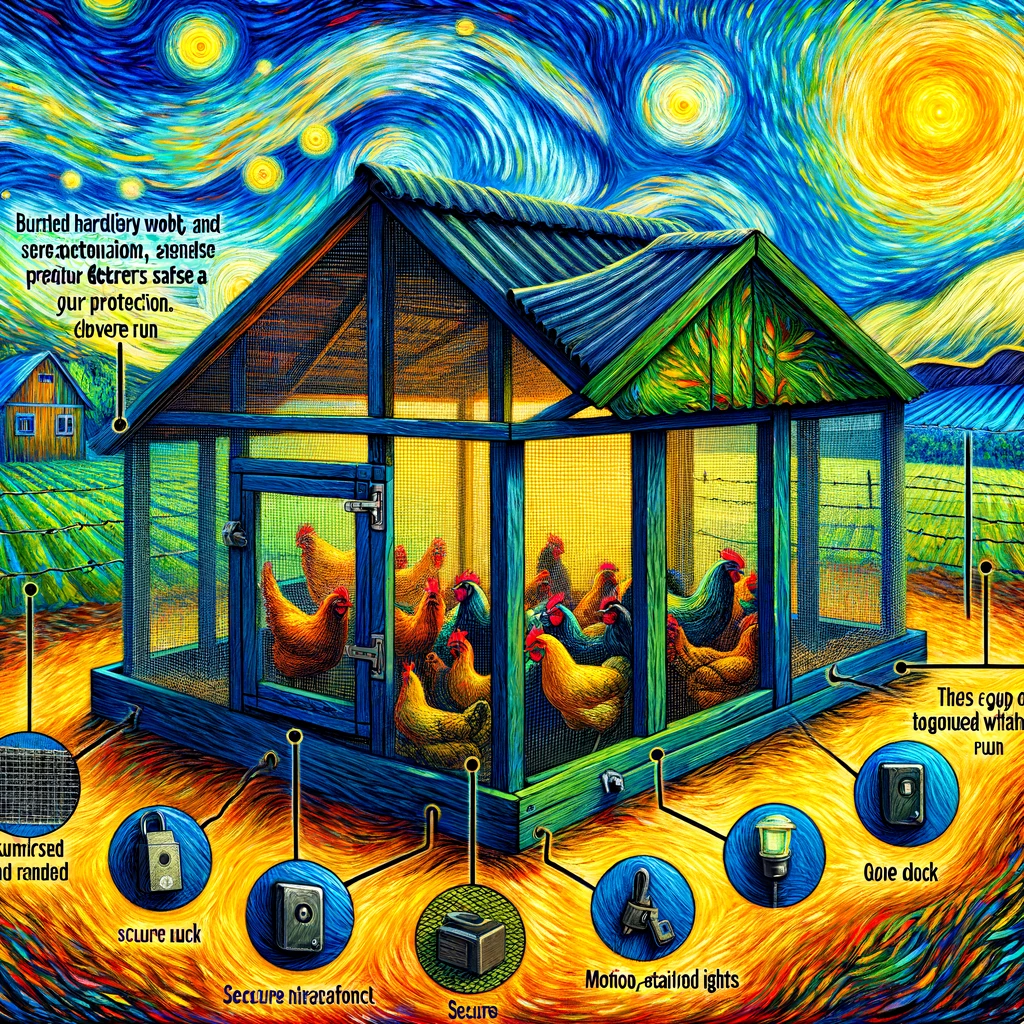
First, let’s talk about the therapeutic benefits of owning backyard chickens. Seniors can gather around their coops, sharing stories and laughter as they tend to these creatures. The act of feeding, cleaning, and caring for the chickens isn’t just good for the birds; it fosters a powerful sense of purpose and encourages physical activity. Seniors can invite neighbors or family members over for ‘chicken care days,’ where everyone pitches in, making it a social occasion. The camaraderie built through a shared task can be profound, creating bonds that last long after the chores are done.
Next, consider the idea of hosting a “Chicken Chat” group. This laid-back gathering could take place in the warmth of the backyard, where seniors exchange tips on chicken care while sipping iced tea. Each person can share their experiences—whether it’s about the first egg laid or a funny incident involving an escape artist hen. Such discussions can stimulate memory and promote cognitive function, all while building community spirit.
Then there’s the culinary angle. Nothing bridges gaps like food, so why not organize a cooking class featuring fresh eggs? Seniors can collaborate in the kitchen, whipping up delicious omelets, quiches, or even baked goods. This hands-on experience not only fosters creativity but also incorporates healthful eating into the mix. The joy of sharing a meal prepared from scratch can be a delightful bonding activity, enhancing both social interaction and nutritional awareness.
Don’t overlook the opportunity for intergenerational connections. Young families can come over for “chicken playdates,” where kids learn about caring for animals. Seniors become mentors, sharing their wisdom and stories while teaching youngsters about responsibility and nature. This exchange is not only enriching for the kids but also provides seniors with a renewed sense of vitality and connection to the community.
So, whether it’s tending to the hens, sharing the harvest in the kitchen, or building bridges across generations, backyard chickens are more than just birds. They’re catalysts for social engagement, connection, and joy among seniors—reminding us all that sometimes, the simplest things in life are the most rewarding.

What Social Activities Can Chickens Inspire For Seniors?
What Social Activities Can Chickens Inspire For Seniors?
- Backyard chickens can significantly enhance the social lives of seniors.
- Owning chickens fosters a sense of purpose and encourages physical activity.
- Organizing ‘chicken care days’ promotes community bonding among neighbors and family.
- Hosting “Chicken Chat” groups allows seniors to share experiences and tips, boosting cognitive function.
- Culinary classes featuring fresh eggs facilitate creativity and nutritional awareness.
- Intergenerational “chicken playdates” provide valuable mentorship opportunities for both seniors and youth.
- Overall, backyard chickens serve as catalysts for social engagement and joy among seniors.
What Social Activities Can Chickens Inspire For Seniors?
How Do Chickens Promote Mental Health Among Elderly Individuals?
In recent years, a surprising trend has taken root in backyards across America: the rise of the backyard chickens. Once seen as a quirky hobby, these feathery friends have garnered attention for their profound impact on mental health, especially among our elderly population. It’s not just about fresh eggs or pretty coops; it turns out, there’s something deeply therapeutic about establishing a bond with these clucking companions.
Picture this: an elderly individual, perhaps a grandparent who has spent much of their life tied to routines and responsibilities. Suddenly, they have a new focus—a flock of backyard chickens to care for. The simple act of feeding and nurturing these birds can reignite a spark of purpose. Routine is important for mental well-being, and daily chores like collecting eggs, refilling water, or building a cozy new nesting box provide just that. The predictable rhythm of life with chickens can bring a comforting sense of structure, especially when other aspects of life may feel chaotic.
But let’s not forget the joy that comes with those feathered friends. Chickens are quirky creatures. They scratch around scratching for food, display a range of personalities, and can even be downright hilarious when they decide to scamper after a tossed treat. Engaging with these amusing antics can elicit genuine laughter, an essential ingredient for enhancing mood and fighting off loneliness. Isolation is a significant concern for many elderly folks, and there’s something about a delightful little hen strutting around that can break the cycle of solitude.
Moreover, spending time outdoors with backyard chickens affords the elderly an easy way to soak up some much-needed sunlight and fresh air. Nature has an inexplicable restorative power, and watching chickens roam can foster mindfulness, drawing attention away from worries. Imagine sitting on a sunny porch, tea in hand, delighting in the good-natured antics of a flock—it’s tranquility combined with the joy of connection.
Additionally, raising chickens often means engaging with a community of fellow enthusiasts. Whether it’s sharing tips with neighbors or exchanging eggs with friends, those social interactions can combat feelings of isolation. Social connections are crucial for mental health, and what better way to rekindle those connections than through a common love for poultry?
In summation, backyard chickens are more than just a trend; they are agents of joy, purpose, and community. For elderly individuals seeking to enrich their lives, these fowl companions offer a unique pathway to mental well-being, proving once again that sometimes, the answers lie clucking right outside your back door.

How Do Chickens Promote Mental Health Among Elderly Individuals?
How Do Chickens Promote Mental Health Among Elderly Individuals?
- The trend of backyard chickens has become popular across America, particularly benefiting mental health among the elderly.
- Caring for chickens provides a renewed sense of purpose and routine for elderly individuals.
- Daily tasks associated with chicken care foster structure and stability in life.
- Chickens exhibit quirky behaviors that can elicit laughter and improve mood, combating feelings of loneliness.
- Spending time outdoors with chickens allows for exposure to sunlight and fresh air, promoting mindfulness and tranquility.
- Raising chickens facilitates social interactions, helping to combat isolation through community engagement.
- Backyard chickens serve as agents of joy, purpose, and companionship, enriching the lives of elderly individuals.

How Do Chickens Promote Mental Health Among Elderly Individuals?
What Are The Best Chicken Breeds For Seniors To Raise?
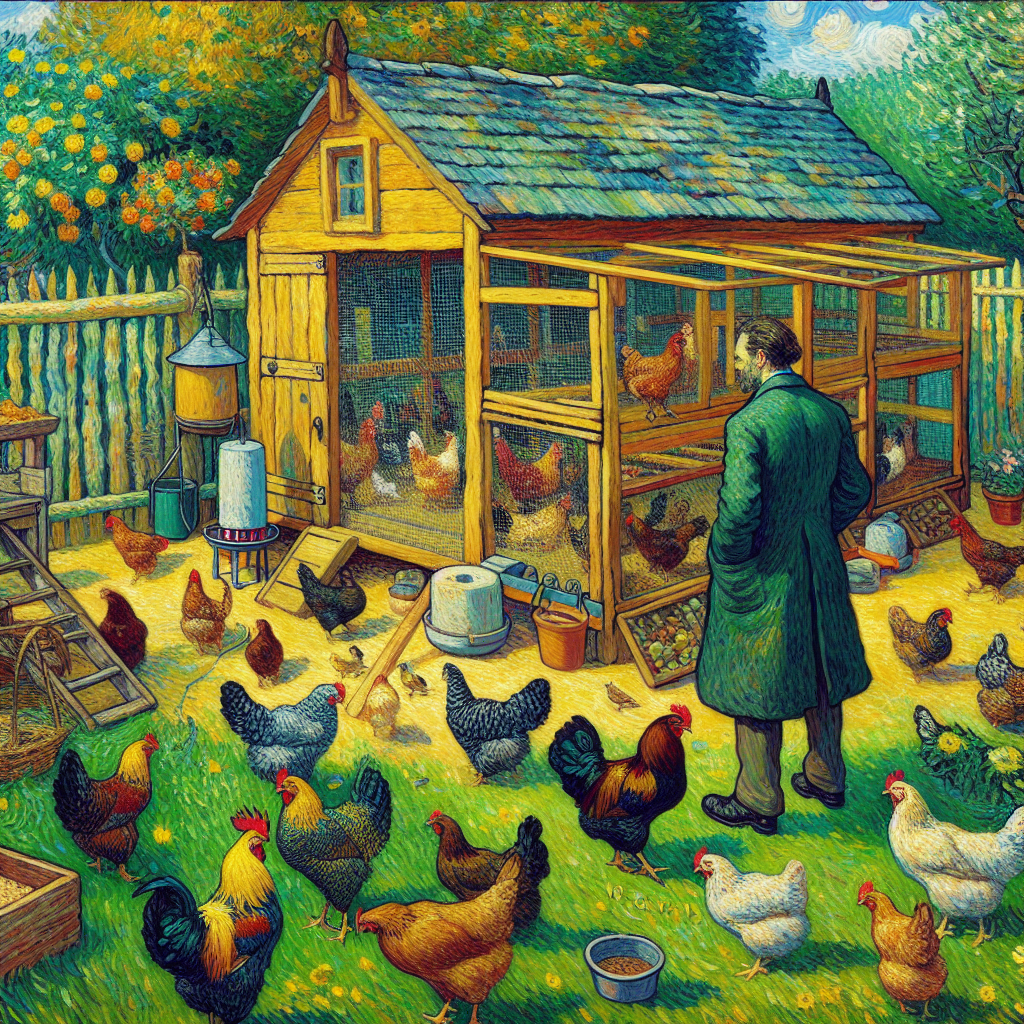
When it comes to raising backyard chickens, seniors have a unique set of needs and preferences that set the stage for a rewarding experience. Choosing the right breed can make all the difference. You want chickens that are friendly, easy to care for, and able to thrive in your backyard—without turning your retirement into a full-time job.
First up, let’s talk about the Orpington. These delightful birds are not only gentle giants in the coop, but they’re also known for their friendly demeanor. They come in a variety of colors, but the black ones often catch the eye. Orpingtons are excellent layers, producing large brown eggs with surprising consistency. They’re calm and calm and love a good scratch in the dirt, making them a pleasure to have around.
Next on the roster is the Rhode Island Red. These hardy chickens are perfect for those looking to add a little more utility to their backyard chickens experience. They’re robust, easy to manage, and adapt well to various climates. Plus, they’re known for their ability to lay eggs year-round. The deep brown eggs they produce are a rewarding payoff for all your care. With their social nature, they get along nicely with other breeds, making them a versatile choice for your flock.
Let’s not forget about the Sussex, particularly the Red Sussex variety. Known for their friendly personalities, these birds thrive on human interaction and are great for chicken novices. Sussex are also good layers and produce delicious, large eggs. Their calm and inquisitive nature means you’ll often find them following you around the yard, fully engaged in whatever you’re up to.
Now, for those who might want a little splash of color in their lives, the Ameraucana is the ticket. Known for laying blue and green eggs, this breed is not just a pretty face. They are hardy, adaptable, and fairly easy to care for, making them a fitting choice for seniors looking for something unique. Plus, their friendly disposition ensures they won’t shy away from a little companionship.
With backyard chickens, it’s crucial to choose breeds that complement your lifestyle. Remember, the best chickens are not just egg layers—they’re companions that can brighten your day. So whether you’re sipping coffee in the morning or tending to your garden, the right flock can make your backyard a little slice of heaven. Happy chicken raising!

What Are The Best Chicken Breeds For Seniors To Raise?
What Are The Best Chicken Breeds For Seniors To Raise?
- Seniors have unique needs and preferences when raising backyard chickens.
- Choosing the right chicken breed is crucial for a rewarding experience.
- Orpingtons are gentle, friendly birds that lay large brown eggs consistently.
- Rhode Island Reds are hardy, adaptable chickens that provide year-round egg production.
- Sussex chickens, particularly Red Sussex, have friendly personalities and lay large eggs.
- Ameraucana chickens offer colorful blue and green eggs and have a friendly disposition.
- The right flock can provide companionship and enhance everyday activities, like gardening or morning coffee.
What Are The Best Chicken Breeds For Seniors To Raise?
How Can Seniors Be Educated About Chicken Care And Management?
In the quest for a more sustainable lifestyle, many seniors are considering the joys of raising backyard chickens. It’s a rewarding endeavor, but like all good things, it comes with its own set of responsibilities and challenges. Ensuring that our elderly community is well-informed about chicken care and management can make all the difference.
First things first, let’s talk about the basics. You wouldn’t start a car without knowing how to drive, right? Similarly, before diving into backyard chickens, seniors should be educated on the fundamental aspects of chicken care. This includes knowledge about breeds, feeding, and housing. Picking the right breed is crucial; some chickens are more suited for eggs, while others might be better as pets. It’s less about what looks good and more about what works best for the particular lifestyle of the owner.
Now, let’s focus on feeding. Chickens aren’t picky eaters, but they do require a balanced diet for optimal health. Seniors can learn how to formulate a nutritious feed using local grains, kitchen scraps, and greens. It’s practical and promotes sustainability by reducing waste. Workshops or local classes could serve as a fantastic way to educate seniors on these dietary requirements, combining both theory and practical demonstrations.
Housing is another key component. A safe, clean coop provides shelter from the elements and keeps predators at bay. Seniors should be taught not just about building or buying a suitable coop but also about the daily upkeep. Cleaning the coop, checking for pests, and monitoring the health of the flock can seem daunting, but with a little guidance, it becomes routine.
Then there are the health concerns. Regular check-ups and understanding common ailments are crucial for maintaining a healthy flock. Seniors must be empowered with the knowledge to recognize signs of ill health and the basics of treatment.
Additionally, technology can be a powerful ally. Online resources, mobile apps, and community forums can connect seniors with fellow chicken enthusiasts and experts alike. This shared knowledge creates a supportive network that transcends generations — helping to foster a sense of community that goes far beyond the backyard.
Educating seniors about backyard chickens is more than just teaching them how to raise birds; it’s about nurturing independence, sustainability, and community spirit. With the right resources and support, they can embark on this fulfilling journey with confidence and joy. After all, who wouldn’t want to wake up to fresh eggs every morning?

How Can Seniors Be Educated About Chicken Care And Management?
How Can Seniors Be Educated About Chicken Care And Management?
- Many seniors are considering raising backyard chickens for a sustainable lifestyle.
- Proper education on chicken care is essential for seniors to manage responsibilities effectively.
- Seniors should learn about the basics such as chicken breeds, feeding, and housing.
- A balanced diet for chickens can be achieved using local grains, kitchen scraps, and greens.
- Regular coop upkeep, pest checks, and flock health monitoring are crucial responsibilities.
- Understanding health concerns and treatments for chickens involves regular check-ups and recognizing symptoms.
- Technology can connect seniors with resources and communities, enhancing their chicken-raising experience.

How Can Seniors Be Educated About Chicken Care And Management?
What Local Resources Are Available To Help Seniors Start A Flock?
If you’re a seasoned citizen with a hankering for a little feathered fun, you’re in luck! Starting a flock of backyard chickens has become more than just a trend; it’s a rewarding project that can bring the satisfaction of fresh eggs and the joy of watching your birds peck around your yard. The good news is that assistance is closer than you might think.
Many local resources are eager to help seniors navigate the charming yet occasionally overwhelming world of backyard chickens. First up, check out your local agricultural extension office. These centers are inherently knowledgeable about livestock, often offering classes tailored to chicken care. Here, you can glean insights on everything from chicken breeds to coop construction and even health management. If they don’t have explicit workshops on backyard chickens, they can certainly point you in the right direction or share research-backed materials.
Don’t overlook your local feed and supply stores! These establishments are not only stockpiled with corn and pellets but also brimming with expertise. Most employees are happy to share tips and tricks on starting your flock, including the specific needs of various breeds. Plus, they often have connections to local chicken clubs or organizations that can help you network with fellow enthusiasts.
Speaking of networking, the internet is overflowing with online communities and social media groups dedicated to backyard chickens. Seek out local forums where seniors can exchange experiences, share advice, or even find co-op buying opportunities. These virtual spaces can be incredibly supportive, full of folks eager to assist fellow fowl fanatics.
Don’t forget about local universities or nonprofits that offer workshops or community classes. Some may specifically cater to seniors, focusing on low-impact, easy-to-manage systems for keeping backyard chickens. These classes can be invaluable for understanding everything from coop design to seasonal care routines.
Finally, don’t underestimate the power of your inner circle. Neighbors or family members who are chicken keepers themselves might gladly share their knowledge and even lend you a few tools. There’s something truly special about community support when you embark on a new venture.
So there you have it, gentle readers—plenty of local resources are waiting to help you strut into the world of backyard chickens. Grab your shoes, find your flock, and prepare for the joy and laughter that these delightful birds can bring into your life!

What Local Resources Are Available To Help Seniors Start A Flock?
What Local Resources Are Available To Help Seniors Start A Flock?
- Starting a flock of backyard chickens offers fresh eggs and enjoyment in nature.
- Local agricultural extension offices provide valuable resources, including classes on chicken care.
- Feed and supply stores offer tips and breed-specific advice, along with networking opportunities.
- Online communities and social media groups allow seniors to share experiences and advice.
- Local universities and nonprofits may organize workshops tailored to seniors on chicken keeping.
- Community support from neighbors or family members can enhance the chicken-keeping experience.
- Numerous local resources are available to help seniors embark on the backyard chicken journey.

What Local Resources Are Available To Help Seniors Start A Flock?
How Can Chicken Coops Be Designed For Accessibility?
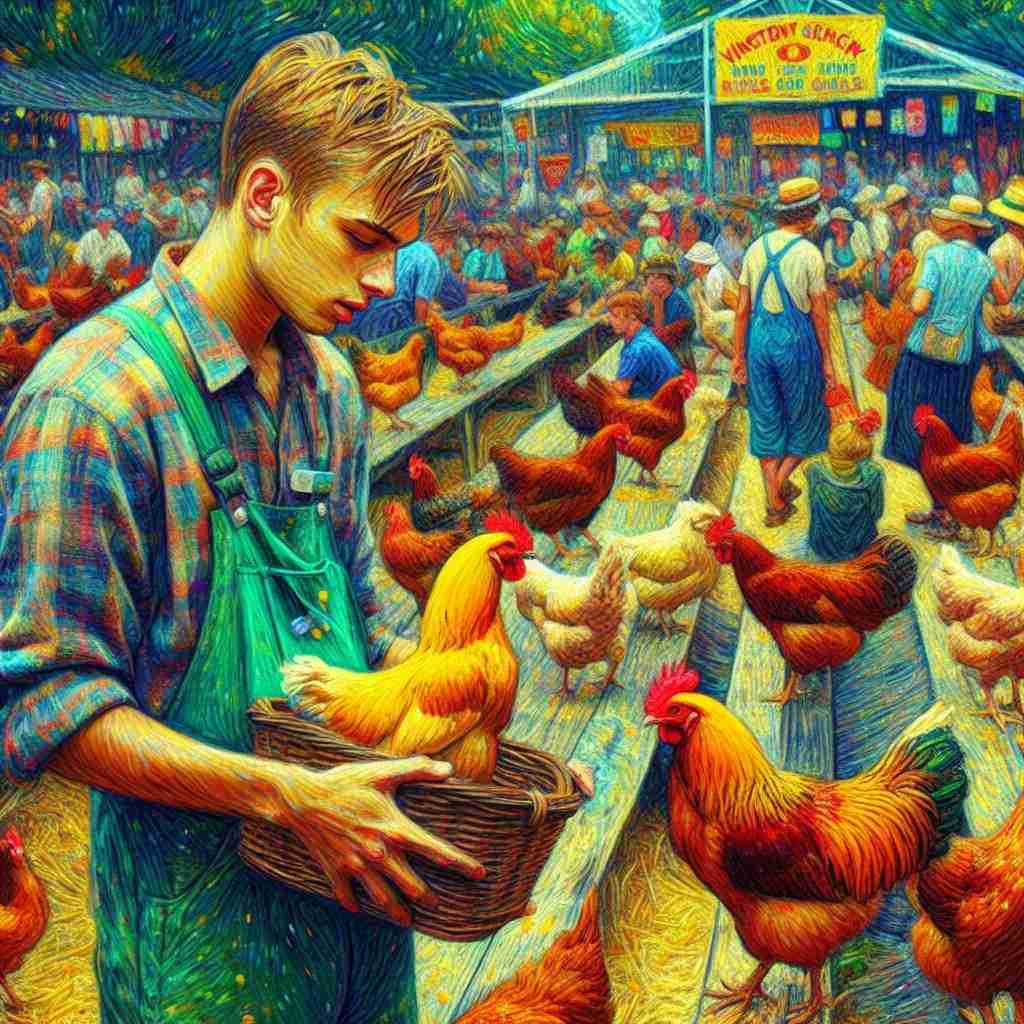
When it comes to raising backyard chickens, accessibility isn’t just a luxury—it’s a necessity. Whether you’re a seasoned poultry pro or a novice looking to establish your first flock, designing an accessible chicken coop can make all the difference in the world. After all, these feathery friends depend on us for their well-being. So let’s roll up our sleeves and talk about how to create a coop that welcomes everyone, no matter their physical abilities.
First off, consider the layout. A well-planned coop should incorporate wide pathways, allowing for easy navigation if you’re using a wheelchair or have limited mobility. Think about the space you need around the coop and alongside any run areas. You’ll want to ensure that there’s enough room to maneuver safely, avoiding any potential hazards like sharp corners or steep inclines.
Next comes the coop design itself. Opt for a structure where doors and access points are large enough for easy entry. Too often, coops have cramped openings that make it awkward to squeeze in, especially when you’re loaded down with feed bags or the day’s collection of eggs. Installing a ramp with a gentle slope can work wonders for those with mobility challenges. This allows for a smooth entrance and exit for both humans and your beloved chickens, who might want to scram at the sight of a determined two-legged intruder!
Don’t forget ventilation. A well-ventilated coop is essential to keeping your chickens healthy and comfortable, but that shouldn’t come at the expense of accessibility. Finding ways to connect ventilation features—such as windows that can be easily opened or closed—at a reachable height ensures that you’ll be able to manage airflow without contorting into awkward positions.
Storage is another key aspect. It’s vital to have all your supplies—like feed, water, and cleaning tools—within easy reach. Consider using pull-out drawers or shelf designs that allow all items to be visible and accessible. Organizing your space with labeled bins makes it easy for anyone to find what they need without fumbling around.
In short, when designing an accessible chicken coop, think about the needs of everyone involved—both human and chicken. By prioritizing ease of access, you’re not just building a coop; you’re creating a welcoming environment that enhances the nurturing bond shared between you and your backyard chickens. After all, happy chickens lay better eggs, and a smooth setup makes for a stress-free experience in the process.
How Can Chicken Coops Be Designed For Accessibility?
How Can Chicken Coops Be Designed For Accessibility?
- Accessibility is essential for raising backyard chickens, regardless of experience level.
- Designing a coop with wide pathways is important for easy navigation, especially for those with limited mobility.
- Coop access points should be large enough to accommodate individuals carrying supplies, such as feed and eggs.
- Installing ramps with gentle slopes can help those with mobility challenges enter and exit the coop easily.
- Ensure ventilation features, like windows, are at a reachable height for easy airflow management.
- Storage solutions should be within easy reach, using pull-out drawers and labeled bins for organization.
- Creating an accessible environment promotes a nurturing bond between humans and chickens, leading to happier, healthier hens.

How Can Chicken Coops Be Designed For Accessibility?
Conclusion
In conclusion, the bustling world of backyard chickens stands as more than just a quirky hobby. It’s a potent catalyst for connection, well-being, and community, particularly for our senior citizens who might be feeling a bit isolated in a rapidly changing world. The unassuming act of raising chickens in one’s backyard has proven to have profound effects that ripple far beyond the frolicking feathers and fresh eggs.
Imagine a scenario where seniors, often wrestling with autonomy and purpose, find invigorating joy in caring for these clucking companions. The charming, and sometimes downright hilarious, antics of chickens can sprinkle a little laughter into the day and weave a tapestry of fond memories and shared stories among neighbors. When people come together for a little “chicken TLC,” it transforms mundane tasks into spirited gatherings that cultivate meaningful connections.
Beyond just companionship, raising chickens presents health benefits as well. Physical activity integrated into tending the coop doesn’t feel like exercise—it’s simply part of the day’s routine, whether it’s collecting eggs or redesigning a run. The added bonus? Fresh eggs rich in nutrients that come right from your own yard, giving a new meaning to the farm-to-table experience.
Now, let’s not overlook the social aspect. Chicken coops can easily become the epicenter of neighborhood interactions, drawing in not just fellow poultry aficionados but also curious newcomers looking for a chat. You’d be surprised how many friendships can sprout over a common interest in poultry care, egg exchanges, or even culinary adventures concocted from those beautiful home-grown eggs.
Furthermore, the prospect of engaging with youngsters in the community offers a delightful avenue for intergenerational bonding. With so many lessons to be learned from chickens—responsibility, sustainability, and even simple joy—these birds serve as a gentle reminder that some of life’s simplest pleasures can foster little communities within our larger ones.
So, as we tip our proverbial hats to these charming cluckers, let’s recognize their uncanny ability to reconnect us all. They aren’t just our breakfast; they’re a bridge to a stronger fabric of community, a source of good health, and a balm for loneliness. Perhaps it’s time we let a few more feathers into our lives—because you never know when a little chicken might just be the connection you or someone you care about needs to reclaim joy and purpose. One cluck at a time.

Conclusion
Conclusion:
- The experience of raising backyard chickens extends beyond a hobby, serving as a catalyst for connection and community.
- For seniors, caring for chickens can bring joy, purpose, and a sense of autonomy, alleviating feelings of isolation.
- Chickens provide laughter and the opportunity for neighbors to share fond memories through spirited interactions.
- Tending to chickens integrates physical activity into daily routines, promoting health without it feeling like exercise.
- Raising chickens offers access to fresh, nutrient-rich eggs, enhancing the farm-to-table experience.
- Chicken coops become hubs for neighborhood interactions, fostering new friendships through shared interests.
- Engaging with chickens offers intergenerational bonding opportunities, teaching lessons on responsibility and sustainability.

Conclusion
Other Resources

Other Resources
Here is a list of other resources you can review online to learn more:
Use This Prompt To Get More Resources With Your Favorite Online AI Tool: Please provide me with a list of online articles with their URLs in a bulleted list that I can read regarding How Can Backyard Chickens Create a Community Connection for Seniors?

Other Resources
Glossary Terms
How Can Backyard Chickens Create a Community Connection for Seniors? – Glossary Of Terms
1. Backyard Chickens: Domesticated chickens kept in a home setting for egg production, companionship, and gardening assistance.
2. Community Connection: The relationship and engagement between individuals in a neighborhood or local group that fosters support and collaboration.
3. Socialization: The process by which individuals interact and form relationships, crucial for emotional well-being, especially among seniors.
4. Eggs: Nutritional products produced by hens, often shared among community members, fostering connections through food sharing.
5. Nurturing: The act of caring for living beings; keeping chickens requires understanding and compassion, which can enhance feelings of purpose among seniors.
6. Companionship: The comfort and emotional support derived from being with others, provided by chickens as pets.
7. Sustainability: Practices that meet present needs without compromising future generations, such as raising chickens for food resources.
8. Gardening: A common hobby that can be enhanced by keeping chickens, as they help with pest control and fertilization.
9. Mental Health: Refers to emotional, psychological, and social well-being; interaction with animals can reduce loneliness and anxiety.
10. Wellness: A holistic state of health that encompasses physical, mental, and social aspects; backyard chickens can contribute positively to this.
11. Local Agriculture: Food production that occurs in proximity to consumers; raising chickens is an example of urban agriculture that connects communities.
12. Responsibility: The duty of caring for living things, which can enhance a senior’s sense of purpose and routine.
13. Farm-to-Table: The direct movement of food from local producers to consumers, exemplified by homegrown eggs from backyard chickens.
14. Hens: Adult female chickens known for laying eggs, often the focus of backyard chicken-keeping.
15. Community Gardens: Shared green spaces where community members cultivate plants and crops; chicken owners may collaborate with these initiatives.
16. Health Benefits: The physical and mental advantages gained from raising chickens, such as fresh eggs, physical activity, and reduced loneliness.
17. Educational Opportunities: Programs or activities that involve learning about animal care, nutrition, and sustainability, which can be conducted with seniors and chickens.
18. Volunteerism: The act of offering time and skills to a community, potentially involving teaching others about chicken care.
19. Food Security: The state of having reliable access to sufficient quantities of affordable and nutritious food; backyard hens contribute to this.
20. Intergenerational Engagement: Activities that bring together different age groups, encouraging seniors and youth to bond over chicken-keeping.
21. Animal Assisted Therapy: A therapeutic approach involving animals that can help improve emotional well-being in seniors.
22. Social Farming: Integrates agriculture with social engagement to improve the quality of life for community members, particularly seniors.
23. Biosecurity: Practices aimed at preventing disease in poultry, important for ensuring the health of backyard flocks.
24. Chicken Coop: A shelter for chickens; designing and maintaining coops can be a community project for seniors and neighbors.
25. Foraging: The activity of searching for food; chickens do this instinctively, promoting a natural lifestyle that can be enjoyed in community gardens.
26. Seniors’ Programs: Initiatives specifically designed to engage older adults in community activities, often incorporating elements like chicken-keeping.
27. Peer Support: A network among individuals who share similar experiences, which can flourish in environments involving common interests like backyard chickens.
28. Active Lifestyle: Maintaining physical activity through engagement, which caring for chickens can encourage in seniors.
29. Poultry Breeds: Various types of chickens raised for different qualities, such as egg production or temperament, which can be a topic of interest among backyard enthusiasts.
30. Community Events: Gatherings organized around shared interests, such as chicken fairs or egg-collecting days, fostering social interaction among seniors and neighbors.

Glossary Of Terms
Other Questions
How Can Backyard Chickens Create a Community Connection for Seniors? – Other Questions
If you wish to explore and discover more, consider looking for answers to these questions:
- What are the initial costs associated with starting a backyard chicken flock?
- How much space do backyard chickens need?
- What local laws or regulations should seniors be aware of regarding backyard chickens?
- What are some common challenges seniors might face when raising chickens?
- How can backyard chickens help seniors stay physically active?
- Are there specific chicken breeds that are better suited for beginners?
- What type of feed is best for backyard chickens?
- How can seniors deal with the emotional challenges of loss when a chicken dies?
- What are some effective ways to integrate chickens into existing gardens?
- How can chicken-raising activities be adapted for seniors with mobility issues?
- What are some creative ideas for community events centered around backyard chickens?
- How can technology aid seniors in chicken care and management?
- What other livestock can seniors consider alongside chickens?
- How do you know if a chicken is sick and what should be done?
- What type of shelter do chickens need in different weather conditions?

Other Questions
Haiku
How Can Backyard Chickens Create a Community Connection for Seniors? – A Haiku
Feathered friends bring joy,
Seniors connect and thrive,
Clucks weave kinship strong.

Haiku
Poem
How Can Backyard Chickens Create a Community Connection for Seniors? – A Poem
In backyards where the sunbeams play,
Gentle clucks beckon hearts to stay.
Feathered friends, with warmth untold,
Build bridges of laughter, community, and gold.
For seniors seeking joy in their days,
Chickens bring purpose in delightful ways.
With every egg collected at dawn’s soft rise,
Isolation fades, replaced by surprise.
Neighbors gather, sharing their tales,
Through coop chores and feeding, connection prevails.
“Chicken Chats” unfold over iced tea’s embrace,
Wisdom flows freely in this feathered space.
In laughter’s echo, loneliness thins,
A flurry of feathers, where friendship begins.
With vibrant plumes and personalities bright,
Chickens weave bonds, bringing pure delight.
From physical care to culinary flair,
A fresh omelet shared, as memories declare.
Crossing generations, kids learn so much,
With seniors as mentors, a wonderful touch.
Accessible coops, designed with care,
Invite all to join—there’s room to spare.
With shared laughter and a nurturing sway,
They nurture each other in their own special way.
So here’s to the chickens, with hearts so wide,
A simple solution to loneliness and pride.
In every cluck and in every cheer,
They stitch the fabric of community dear.

Poem
Checklist
How Can Backyard Chickens Create a Community Connection for Seniors? – A Checklist
Preparing for Your Flock
_____ Research Local Regulations: Check local ordinances regarding chicken ownership (number of birds, zoning laws, etc. ).
_____ Choose the Right Breeds: Research breeds suitable for seniors (e. g. , Orpingtons, Rhode Island Reds, Sussex, Ameraucanas) based on temperament and egg production.
Setting Up an Accessible Coop
_____ Design for Accessibility: Ensure wide pathways and easy access points for all mobility needs.
_____ Install Ramps: Consider gentle ramps for ease of entry and exit.
_____ Ensure Proper Ventilation: Make sure windows and ventilation features are easily reachable.
_____ Use Organized Storage Solutions: Keep feed and supplies within easy reach (consider pull-out drawers and labeled bins).
Education and Resources
_____ Attend Workshops: Look for local classes on chicken care and management through agricultural extension offices or community centers.
_____ Join Local Chicken Clubs or Forums: Network with other chicken enthusiasts for tips and support.
_____ Utilize Online Resources: Explore online forums, videos, and social media groups focused on backyard chickens.
Caring for Your Chickens
_____ Learn Basic Chicken Care: Understand the essential needs for feeding, housing, health monitoring, and daily care routines.
_____ Establish a Daily Routine: Incorporate feeding, cleaning, and egg collection into your daily schedule.
Community Engagement
_____ Organize “Chicken Care Days”: Invite friends or neighbors to help with chicken care as a social activity.
_____ Host “Chicken Chat” Gatherings: Create informal meetups to discuss chicken care while enjoying refreshments.
_____ Plan Intergenerational Activities: Organize “chicken playdates” with local families to connect seniors with younger generations.
Health and Well-being
_____ Monitor Physical Activity: Track how raising chickens incorporates gentle physical movement into daily life.
_____ Enjoy Mental Health Benefits: Engage with chickens for companionship and stress relief.
_____ Share the Joy of Fresh Eggs: Utilize the nutritional benefits of home-raised eggs in daily meals.
Additional Considerations
_____ Establish a Support System: Identify neighbors or friends who can help with chicken care if needed.
_____ Maintain Good Hygiene: Regularly clean the coop and monitor the health of the flock to prevent illness.
_____ Ask for Help When Needed: Reach out to local resources, online communities, or friends for assistance as challenges arise.
Armed with this checklist, seniors can embark on the rewarding journey of raising backyard chickens while fostering community connections and enhancing their quality of life!

Checklist
At BackyardChickenNews, we help people who want to raise backyard chickens by collating information and news blended with our own personal experiences.
Be sure to read our other related stories at BackyardChickenNews to learn more about raising chickens in your backyard.