

Feathered Companions: Connecting Seniors Through Chicken Farming
By Tom Seest
At BackyardChickenNews, we help people who want to raise backyard chickens by collating information and news blended with our own personal experiences.
Be sure to read our other related stories at BackyardChickenNews to learn more about raising chickens in your backyard.
How Can Raising Chickens Foster Community Engagement for Seniors?
In a world where technology seems to dominate our lives, there’s something refreshingly tangible about raising backyard chickens. Picture a quaint neighborhood, filled with the sounds of clucking and the vibrant colors of freshly laid eggs. For seniors, embracing this age-old practice can be an unexpected catalyst for community engagement.
First off, let’s talk about the sheer joy that comes from having backyard chickens. These feathered friends are not just pets; they’re a gateway to interaction. Seniors often find themselves isolated, but chickens provide a reason to step outside, breathe some fresh air, and be part of something bigger than themselves. Whether it’s a casual chat with the neighbor over the fence about which breed lays the best eggs or swapping stories of chicken antics, the backyard becomes a vibrant hub of socialization.
Beyond the immediate interactions, raising chickens can encourage the formation of clubs or community groups. Imagine a gathering of local seniors who come together to share tips on chicken care, discuss the benefits of local, organic eggs, or even organize potlucks featuring egg-based dishes from their flocks. These gatherings aren’t just about the chickens; they’re about building relationships. When seniors exchange not only their knowledge but also their harvest — yes, we’re talking about those delightful, homegrown eggs — they create bonds that can enrich their lives.
Moreover, seniors raising backyard chickens can inspire younger generations. Visiting grandchildren are often thrilled to see where their eggs come from and might even lend a hand in caring for the flock. This interaction doesn’t just foster family ties; it weaves a richer tapestry of community engagement. Parents and children may take notice, prompting community workshops or co-ops that focus on sustainable farming practices. This rejuvenates a sense of shared responsibility; after all, everyone benefits from a sustainable community.
In addition, envision the local farmers’ markets featuring organic eggs from seniors’ backyards. This could spark a whole new conversation about food sources and ties to local agriculture. It’s not just about chickens; it’s about connecting with one’s environment and engaging with the surrounding community.
In a nutshell, raising backyard chickens isn’t just about clucking hens and fresh eggs. It’s a unique way for seniors to connect, engage, and share both their wisdom and their harvest with a community hungry for camaraderie. The transformation that comes from this simple endeavor is profound, illustrating the power of small, feathered friends in enriching lives and stitching communities closer together.
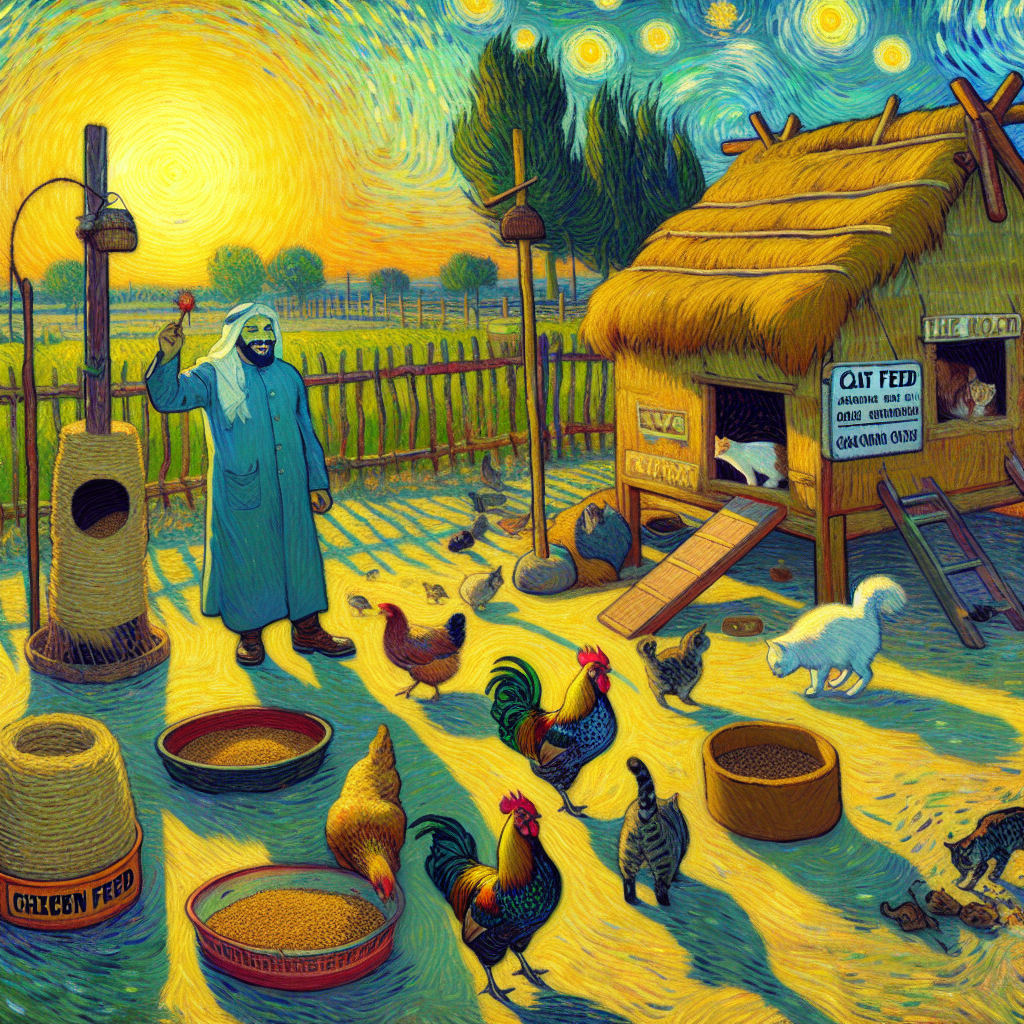
How Can Raising Chickens Foster Community Engagement for Seniors?
How Can Raising Chickens Foster Community Engagement for Seniors?
- Raising backyard chickens offers a tangible and joyful experience for seniors in a technology-driven world.
- Chickens provide companionship and a reason for seniors to engage with their neighborhood, fostering social interactions.
- Backyard chicken keeping can lead to the formation of community groups where seniors share tips and experiences.
- Egg exchanges and knowledge-sharing among seniors can strengthen their relationships and enhance community bonds.
- Raising chickens can inspire younger generations, encouraging family involvement and community engagement.
- Local farmers’ markets featuring organic eggs from seniors can promote discussions about food sources and sustainability.
- Overall, backyard chickens facilitate connection and community ties, enriching the lives of seniors and their neighborhoods.

How Can Raising Chickens Foster Community Engagement for Seniors?
Table Of Contents
- How Can Raising Chickens Foster Community Engagement for Seniors?
- What Are The Benefits Of Raising Chickens For Seniors?
- How Do Chickens Promote Social Interaction Among Seniors?
- In What Ways Can Chicken-Keeping Reduce Isolation For The Elderly?
- What Challenges Do Seniors Face When Starting A Chicken Farm?
- How Can Local Communities Support Seniors In Raising Chickens?
- What Skills Can Seniors Learn From Raising Chickens?
- How Do Chickens Improve Mental Health For Older Adults?
- Conclusion
- Other Resources
- Glossary Of Terms
- Other Questions
- Haiku
- Poem
- Checklist
What Are The Benefits Of Raising Chickens For Seniors?
When you think of raising chickens, you might conjure up images of bustling farms or sprawling estates. But here’s a refreshing twist: more and more seniors are finding joy and purpose in tending to their very own backyard chickens. Yes, those feathery friends can transform an ordinary yard into an extraordinary source of entertainment, nourishment, and even companionship.
First and foremost, let’s talk about the fresh eggs. Nothing beats the taste of a home-raised egg, warmed by the sun and gathered from the coop a few feet away. For seniors, the nutritional benefits of farm-fresh eggs are significant. They’re packed with essential proteins and vitamins, making them a terrific addition to any diet. Plus, that undeniable satisfaction of knowing you’ve produced something nourishing is a fantastic morale boost.
Beyond the culinary perks, raising backyard chickens offers a delightful daily routine. Caring for these birds requires a commitment—feeding, watering, and providing a comfortable habitat—but that’s where the magic happens. Establishing a routine can provide structure to a senior’s day, which is often wished for after retirement. It’s a reason to get outside, stretch those legs, and soak up some sunshine. A little fresh air can do wonders for one’s mental wellness, and that’s a well-documented perk.
Let’s not forget the companionship angle. Chickens can be surprisingly sociable. They have distinct personalities and can form bonds with their caregivers. For seniors who might be feeling a tad isolated, having these clucking companions around can provide a profoundly comforting presence. There’s something therapeutic about the gentle sounds of chickens going about their day, almost like a natural soundtrack to a simpler life.
Furthermore, engaging with nature has its own set of psychological benefits. Gardeners and keepers alike will agree that tending to living things can alleviate feelings of loneliness or depression. Watching those chickens scratch the ground or take a dust bath brings a sense of joy that’s hard to replicate elsewhere.
And let’s be honest: chickens are inherently entertaining. Their comical behavior can ignite laughter and light-hearted moments. They chase after bugs, squabble over treats, and strut around like they own the place. It brings a level of joy that cannot be overstated, and it’s a reminder of the beauty and simplicity of life.
Raising backyard chickens isn’t just about eggs; it’s about enriching the lives of seniors in ways that are meaningful, fulfilling, and downright fun.

What Are The Benefits Of Raising Chickens For Seniors?
What Are The Benefits Of Raising Chickens For Seniors?
- More seniors are discovering the joy of raising backyard chickens for entertainment, nourishment, and companionship.
- Home-raised eggs offer significant nutritional benefits, packed with essential proteins and vitamins.
- Caring for chickens establishes a daily routine that provides structure and encourages physical activity for seniors.
- Chickens can form bonds with their caregivers, helping reduce feelings of isolation for seniors.
- Engaging with nature through chicken care alleviates loneliness and depression, providing psychological benefits.
- Chickens’ comical behavior can ignite laughter, adding joy and light-hearted moments to daily life.
- Raising backyard chickens enriches seniors’ lives in meaningful, fulfilling, and enjoyable ways beyond just producing eggs.

What Are The Benefits Of Raising Chickens For Seniors?
How Do Chickens Promote Social Interaction Among Seniors?
In recent years, a quiet revolution has taken place in neighborhoods across the country, one that involves fluffs of feathers, clucking sounds, and a splash of egg yolk brilliance. I’m talking about Backyard Chickens. Now, you might be wondering what these little birds have to do with social interaction among seniors. Well, hold onto your grain bucket, because these feathered friends are not only a source of fresh eggs but also a catalyst for community connection and engagement.
Let’s be honest: aging can sometimes feel isolating. Friends move away, families get busy, and the days can blend together like watercolor on a soggy canvas. Enter the humble chicken, a creature often overlooked, yet capable of sprouting a vibrant social landscape. For many seniors, keeping Backyard Chickens becomes an unexpected lifeline—a shared hobby that fosters conversation and companionship.
Imagine a quaint neighborhood where the aroma of freshly baked quiche wafts through the air. That’s the result of a few enthusiastic seniors gathering to discuss their latest chicken escapades over coffee (and a fabulous quiche). Whether it’s swapping tips about the right feed, sharing stories about their flock’s hilarious antics, or participating in friendly competitions about who can raise the biggest hen, these interactions become a tapestry of laughter and shared experience.
Moreover, caring for Backyard Chickens requires a certain amount of commitment and routine. The act of tending to these feathered pals not only instills a sense of purpose but also provides a natural way for seniors to meet and bond over mutual interests. This can lead to opportunities for collaboration, such as creating community gardens or sharing their bountiful egg production with neighbors. Everyone loves free eggs, and suddenly, those morning clucks become the soundtrack to a blossoming neighborhood fellowship.
So, what’s the secret sauce here? It boils down to connection. The joy of nurturing life and witnessing the quirks of a chicken helps to chip away at isolation. When seniors put on their farmer’s hats and get their hands dirty, they forge friendships that can endure the test of time—each egg laid and each story shared reinforcing an invisible bond.
In short, Backyard Chickens are more than just a quirky trend; they have become a foundation for social interaction, injecting life into neighborhoods and making a profound difference in the lives of seniors. So, if you ever find yourself in a neighborhood buzzing with the sound of clucks and laughter, you’ll know just a little bit about how these charming birds are changing lives.

How Do Chickens Promote Social Interaction Among Seniors?
How Do Chickens Promote Social Interaction Among Seniors?
- Backyard Chickens have emerged as a new trend in neighborhoods, supporting social interaction among seniors.
- Aging can feel isolating, but chickens offer companionship and a shared hobby for seniors.
- Gathering to discuss chicken care fosters community connection over shared experiences.
- Caring for chickens provides seniors with a sense of purpose and routine.
- These interactions can lead to collaborative projects like community gardens and egg sharing.
- Nurturing chickens helps reduce feelings of isolation and builds lasting friendships.
- Backyard Chickens have become a foundation for social engagement, positively impacting seniors’ lives.

How Do Chickens Promote Social Interaction Among Seniors?
In What Ways Can Chicken-Keeping Reduce Isolation For The Elderly?
In What Ways Can Chicken-Keeping Reduce Isolation for the Elderly?
In a world that often feels too fast-paced and disconnected, the humble act of keeping backyard chickens offers a surprising remedy to the isolation many elderly individuals face. Picture it: a sunlit yard filled with clucking hens, pecking at the ground and basking in the warmth. The simple, rhythmic routine of caring for these feathered friends can bring a sense of purpose and joy to an otherwise quiet day.
First off, let’s talk about engagement. For many seniors, daily routines can become monotonous. Just the act of stepping outside, feeling the fresh air, and tending to their flock can wake up the senses and invigorate the spirit. Feeding the chickens, collecting eggs, or simply watching them scratch around fosters interaction with the environment. This connection not only encourages movement, which is crucial for maintaining physical health, but it also opens the door to a mental boost that’s hard to come by while sitting indoors.
Another benefit of backyard chickens is the social component. Chickens have a way of bridging gaps and bringing people together. Whether it’s chatting with neighbors or local farmers, the conversation often starts with the shared experience of poultry care. “What breeds do you have?” “How do you keep your chickens warm during winter?” These discussions not only spark friendship but also establish a sense of community, turning what could be a lonely existence into a vibrant network of support and camaraderie.
Keeping chickens also introduces a bit of unpredictability and excitement into daily routines. After all, who can resist the quirky antics of a startled hen or the thrill of discovering an egg in the nest box? These little surprises evoke laughter and joy, reminding elderly keepers that life is still full of unexpected wonders, even in its later chapters.
Moreover, caring for backyard chickens encourages responsibility and a sense of accomplishment. For many elderly individuals, having a buddy system of chickens to care for fosters a feeling of utility, a way to contribute to their own well-being and that of their family. The act of nurturing living beings can alleviate feelings of loneliness and despair, providing a steady rhythm to the life of someone who might feel otherwise adrift.
So, if you’re searching for a way to combat isolation in the golden years, look no further than a pecking flock of backyard chickens. It’s a rewarding pursuit that can transform solitude into vibrant living, proving that sometimes, all it takes is a couple of clucking hens to turn the tide.

In What Ways Can Chicken-Keeping Reduce Isolation For The Elderly?
In What Ways Can Chicken-Keeping Reduce Isolation For The Elderly?
- Backyard chicken-keeping combats isolation for the elderly.
- Caring for chickens provides daily engagement and a sense of purpose.
- Interacting with chickens encourages physical activity and mental stimulation.
- Chicken care fosters social connections and community engagement.
- The unpredictability of chickens adds joy and excitement to daily routines.
- Caring for chickens instills a sense of responsibility and accomplishment.
- Keeping chickens can significantly enhance the quality of life for seniors.

In What Ways Can Chicken-Keeping Reduce Isolation For The Elderly?
What Challenges Do Seniors Face When Starting A Chicken Farm?
Diving into the world of chicken farming can be as rewarding as it is challenging, especially for seniors looking to embrace the joys of raising backyard chickens. Imagine waking up to the sound of clucking, seeing fresh eggs waiting for you in the coop—a scene that many dream of, yet it isn’t without its hurdles.
First and foremost, physical demands can be a significant consideration. While managing a flock of backyard chickens sounds idyllic, the reality often involves early mornings, heavy lifting, and plenty of outdoor chores. Seniors may find that their stamina is not what it once was. Whether it’s hauling feed bags or cleaning out the coop, these tasks require a level of physical endurance and strength that can be hard to muster. Injuries can happen, and the last thing anyone wants is to be sidelined by overexertion.
Next, there’s the learning curve associated with chicken husbandry. Many seniors might not have grown up on farms or have direct experience with animals. Understanding the dietary needs, health requirements, and behavioral quirks of different chicken breeds is essential. Garden centers and local 4-H clubs can be invaluable resources, but finding the right information can be overwhelming. Missteps, particularly in nutrition or housing, can lead to both financial and emotional losses.
Moreover, navigating regulations can complicate matters. Depending on local ordinances, raising backyard chickens might come with a myriad of rules regarding coop construction, sanitation, and even the number of hens allowed. For seniors, keeping up with this red tape can prove frustrating and create unnecessary barriers.
Additionally, the isolation that can accompany retirement might drive some seniors to seek out chicken farming as a way to connect with the community. But this transition can be tricky. Seniors might need to find new social circles or integrate into existing networks of local farmers. Building relationships with other chicken enthusiasts can help ease this transition, but it takes time and effort.
Lastly, there’s the emotional aspect. The connection to animals can be a source of joy, but also heartache when illness strikes or when the time comes to cull a less productive layer. It requires a level of resilience and mental fortitude that might be taxing.
While the idea of starting a chicken farm is an enticing venture for seniors, it’s essential to weigh these challenges carefully. Proper preparation, research, and perhaps a helping hand can make all the difference in turning a backyard dream into a vibrant reality.

What Challenges Do Seniors Face When Starting A Chicken Farm?
What Challenges Do Seniors Face When Starting A Chicken Farm?
- Chicken farming offers rewards and challenges, particularly for seniors.
- Physical demands include early mornings, heavy lifting, and outdoor chores, which can be taxing for seniors.
- Seniors might face a learning curve in chicken husbandry, including dietary and health needs.
- Navigating local regulations on chicken farming can be frustrating and complex for seniors.
- Chicken farming can help combat isolation in retirement, but integrating into local farming communities takes effort.
- Emotional challenges arise from the joy of animal connection to the heartache of loss or illness.
- Proper research and preparation are crucial for turning the dream of chicken farming into a viable reality.

What Challenges Do Seniors Face When Starting A Chicken Farm?
How Can Local Communities Support Seniors In Raising Chickens?
How Can Local Communities Support Seniors in Raising Chickens?
Raising backyard chickens is more than just a trendy hobby; it’s a time-honored practice that can serve as a rewarding endeavor for seniors while promoting sustainability and self-sufficiency. Local communities can play a pivotal role in supporting these poultry enthusiasts, ensuring that seniors feel empowered and capable of bringing a bit of farm life right into their backyards.
First off, education can be a game-changer. Community workshops focusing on the ins and outs of keeping chickens can demystify the whole process for seniors. Whether they’re curious about the best breeds for egg production or how to provide proper care in changing weather conditions, sharing knowledge can go a long way. Local gardening clubs, agricultural cooperatives, or senior centers can organize discussions featuring experts who break down essential topics related to backyard chickens, allowing participants to ask questions and voice concerns in a friendly, supportive environment.
Accessibility is another crucial aspect. Some seniors may have mobility challenges that prevent them from easily tending to their flocks. Communities can step up by offering resources like accessible chicken coops designed for those with limited physical abilities. Volunteers can lend a hand in constructing these structures, ensuring that the hens have a safe and comfortable living space, while also allowing seniors to participate in the building process if they wish. Imagine a group of neighbors working together, hammering and sawing, sharing stories as they create a little piece of rural bliss in someone’s backyard.
Moreover, community-supported agriculture programs can facilitate the sharing of surplus produce and eggs, allowing seniors to showcase their backyard chickens through local farmers’ markets or community exchanges. This not only promotes local agriculture but also fosters social connections. Senior chicken keepers can bond with their neighbors over fresh eggs, sharing tips on raising birds or even exchanging recipes for delicious egg dishes—a hearty scramble or a classic quiche, perhaps!
Lastly, local governments can play a role by establishing friendly policies around chicken keeping in urban and suburban settings. By creating guidelines that enable seniors to raise chickens without unnecessary bureaucratic hurdles, communities can encourage a return to this wholesome activity.
Supporting seniors in raising backyard chickens is about more than just the birds. It’s about nurturing connections, feeding the soul, and fostering independence amidst the clucks and cooing of happy hens. So let’s rally together as a community, roll up our sleeves, and see how we can enhance the lives of our seniors, one feathered friend at a time.

How Can Local Communities Support Seniors In Raising Chickens?
How Can Local Communities Support Seniors In Raising Chickens?
- Raising backyard chickens offers seniors a fulfilling and sustainable activity.
- Community workshops can educate seniors on chicken care, breeds, and management.
- Accessibility measures, like specially designed chicken coops, can aid seniors with mobility challenges.
- Volunteers can assist in building chicken coops, fostering community spirit and involvement.
- Community-supported agriculture programs can help seniors share surplus eggs and produce, enhancing social connections.
- Local governments can implement supportive policies to simplify chicken-keeping regulations for seniors.
- Empowering seniors to raise chickens promotes independence and strengthens community ties.

How Can Local Communities Support Seniors In Raising Chickens?
What Skills Can Seniors Learn From Raising Chickens?
Raising chickens in the backyard is more than just a backyard hobby; it’s a gateway to a treasure trove of valuable skills that can enrich the lives of seniors. Picture this: the morning sun peeking over the horizon, the gentle clucks of feathered friends signaling a new day, and a sense of purpose that comes from tending to those feathery beings. There’s a lot to learn when you take on the responsibility of keeping backyard chickens, and it starts with understanding the basics of animal husbandry.
First and foremost, raising chickens fosters a deep sense of responsibility. Seniors can develop routines centered around feeding, watering, and cleaning up after their birds. These daily tasks combat the monotony that sometimes accompanies retirement, keeping the mind active and engaged. Structure is essential, and caring for backyard chickens offers a rhythm to the day, providing a reason to rise early and engage with the world outside.
Additionally, there’s hands-on learning involved in raising poultry. Seniors can sharpen their problem-solving skills as they navigate the the health and wellbeing of their chickens. Are the birds laying eggs? Is one of them looking a bit under the weather? Through observation and interaction, seniors can learn about animal behaviors and the subtle signs of distress, all while nurturing an inquisitive mindset that fosters lifelong learning.
Moreover, raising backyard chickens encourages social interaction. As seniors venture to local farmers’ markets or engage with community gardening groups, shared experiences and knowledge about chicken care emerge. This opens up new conversations and friendships, creating a network of support and camaraderie among fellow chicken keepers. The skills learned here—communication, collaboration, and even negotiation—are all enriching aspects of community life.
Let’s not forget the practical side. Backyard chickens provide fresh eggs, a tasty supplement to nutrition that can inspire a new interest in cooking. Seniors might discover the joys of new recipes, food preservation techniques, or even engage in friendly competitions with friends about who can produce the best eggs! Nutrition and culinary skills can only add to the essence of this rewarding endeavor.
In essence, raising chickens offers seniors a chance to embrace their independence while developing essential life skills. Through responsibility, hands-on learning, social engagement, and nutrition, the experience is exponentially enriching—setting the stage for a fulfilling chapter in life that’s not just about keeping chickens, but about nurturing growth in oneself. Remember, it’s not just about feathers; it’s about a journey of discovery full of clucks and triumphs!

What Skills Can Seniors Learn From Raising Chickens?
What Skills Can Seniors Learn From Raising Chickens?
- Backyard chicken raising provides valuable skills for seniors and enriches their lives.
- Fosters a sense of responsibility through daily routines of feeding, watering, and cleaning.
- Combats monotony in retirement, keeping the mind active and engaged.
- Encourages hands-on learning and problem-solving regarding chicken health and behavior.
- Promotes social interaction and community engagement through farmers’ markets and gardening groups.
- Offers practical benefits of fresh eggs, inspiring new interests in cooking and nutrition.
- Emphasizes independence and personal growth through responsibility and lifelong learning.

What Skills Can Seniors Learn From Raising Chickens?
How Do Chickens Improve Mental Health For Older Adults?
When you think about backyard chickens, the image that probably pops into your mind is one of sunny afternoons and clucking feathery friends pecking around the yard. But the joy of keeping these charming birds goes far beyond just fresh eggs and a rustic setting. For older adults, raising backyard chickens offers surprising benefits that extend into the realm of mental health in ways that some might never expect.
First off, let’s talk about the pure joy they bring. There’s something wonderfully calming about watching chickens scratch in the dirt or flit about, their personalities shining through with each interaction. These quirky creatures are entertaining, and their antics can provide a source of laughter and enjoyment that’s often hard to come by, especially during challenging times. Whether it’s the sight of a hen taking a dust bath or a rooster boastfully strutting around, the simple act of observing these behaviors can provide a much-needed escape from the stresses of daily life.
Keeping backyard chickens also involves a routine, and establishing a daily schedule can be incredibly beneficial for older adults. Feeding the birds, collecting eggs, and cleaning their coop can create a sense of purpose. This simple structure promotes not only physical activity but also mental engagement as caretakers learn about the nuances of avian behavior and care. Engaging in these tasks can motivate seniors to stay active, which has been consistently linked to improved mental well-being.
Additionally, there’s a uniquely social aspect to chickens that plays a pivotal role in mental health. Whether it’s joining a local chicken-keeping community or just chatting with neighbors about their flocks, raising chickens provides opportunities for social interaction. This kind of connection is vital, especially for older adults who may experience feelings of isolation.
Moreover, chickens can also serve as lovely conversation starters. Friends and family are likely to visit more often when there are adorable birds involved, fostering deeper relationships. Engaging with others over a shared interest not only lightens the mood but also enriches one’s social life, which is a cornerstone of mental health.
In a nutshell, backyard chickens offer a delightful combination of joy, purpose, and connection for older adults. By integrating these feathered friends into their lives, seniors can find themselves experiencing an unexpected boost in their mental health, reinforcing the idea that sometimes the simplest things can make the biggest difference.

How Do Chickens Improve Mental Health For Older Adults?
How Do Chickens Improve Mental Health For Older Adults?
- Backyard chickens provide joy beyond fresh eggs, offering significant mental health benefits for older adults.
- Observing chickens is calming and entertaining, providing relief from daily stressors.
- Establishing a routine with chickens (feeding, collecting eggs, cleaning) instills a sense of purpose.
- Engaging with chickens promotes physical activity and mental engagement among seniors.
- Chickens encourage social interaction through local communities or conversations with neighbors.
- Chickens can be conversation starters, increasing visits from friends and family.
- Integrating chickens into their lives can enhance older adults’ mental health by fostering joy, purpose, and connection.

How Do Chickens Improve Mental Health For Older Adults?
Conclusion
Conclusion: The Power of Cluck – Connecting Seniors Through Chicken Raising
Alright folks, let’s wind it up and put a bow on this clucking good discussion about how raising chickens can be a game-changer for our senior communities. We live in a fast-paced world that often feels like it’s moving collateral damage at a frenzied clip; phones buzzing, screens glowing, and relationships sometimes feeling as muted as last week’s leftovers. But enter the humble chicken, a puff of feathers initially overlooked in the grand theater of life! Who knew these feathery friends could pack such a punch when it comes to enriching the lives of seniors?
Picture the scene: a sunny backyard, the air filled with the soothing sounds of clucking, where seniors step outside to not just tend to their flocks but reconnect with the world around them. Chickens are more than mere egg machines; they breathe life into isolation, encouraging seniors to engage with their environment and their neighbors. Suddenly, a simple chore becomes an opportunity for casual chats and laughter over the fence. “How are those layers doing?” “My rooster thinks he’s the King of the Coop!” It’s a recipe for camaraderie and genuine connection.
But wait, there’s more. The essence of this venture dives deeper than just social chatter. Raising chickens fosters a sense of purpose and routine—a rhythm to the day that uplifts spirits and provides a structure that many retirees crave. It’s not just about eggs; it’s about the joy of nurturing living beings, a daily commitment that stirs not just the body but the soul. And let’s face it, seeing those freshly laid eggs at the end of the day feels pretty darn satisfying.
We can’t overlook the rich lessons learned here either. From honing skills in animal husbandry to engaging in lively community interactions, seniors are often ignited by newfound passions for nutrition, gardening, and even sustainability. Imagine a trend where local farmers’ markets are brimming with eggs laid by seniors in their backyards! Talk about turning a quaint idea into a beautiful tapestry of community engagement.
In summary, backyard chicken-keeping isn’t just a quirky pastime; it’s a lifeline, a way to stitch together the threads of community, connect generations, and infuse a little joy into daily life. So here’s to the clucks, the eggs, and the irreplaceable bonds they help forge. Sometimes the keys to happier lives are found in the most unexpected places—like the bustling clucks of a backyard flock! Let’s embrace this feathered revolution and cheer on the remarkable impacts of chicken-keeping for our beloved seniors. Cluck on!

Conclusion
Conclusion:
- Raising chickens can greatly enrich the lives of seniors by promoting social interaction.
- Chickens provide a setting for seniors to reconnect with their environment and neighbors.
- The act of caring for chickens fosters a sense of purpose and routine among retirees.
- Nurturing chickens can contribute to emotional fulfillment and a positive daily rhythm.
- Chicken-keeping can ignite passions in areas such as nutrition, gardening, and sustainability.
- Seniors can contribute to local farmers’ markets, enhancing community engagement.
- Backyard chicken-keeping serves as a lifeline, building community connections and joy in daily life.

Conclusion
Other Resources

Other Resources
Here is a list of other resources you can review online to learn more:
Use This Prompt To Get More Resources With Your Favorite Online AI Tool: Please provide me with a list of online articles with their URLs in a bulleted list that I can read regarding How Can Raising Chickens Foster Community Engagement for Seniors?

Other Resources
Glossary Terms
How Can Raising Chickens Foster Community Engagement for Seniors? – Glossary Of Terms
1. Agriculture: The science or practice of farming, including the cultivation of crops and raising livestock, such as chickens.
2. Chicken Coop: A shelter for chickens to live in, providing protection from predators and harsh weather, often serving as a communal project for seniors.
3. Brood: A group of chicks hatched at one time; raising a brood can encourage cooperation and shared responsibilities among seniors.
4. Community Garden: A shared space where individuals grow plants, often including areas for chickens, promoting social interaction and collaboration.
5. Connection: The emotional or social bond formed between individuals, enhanced through shared interests like chicken raising.
6. Clucking: The sound made by chickens, which can provide a soothing backdrop for seniors, invoking peacefulness and nostalgia.
7. Companionship: The emotional support and social interaction provided by relationships, often fostered through shared activities like caring for chickens.
8. Egg Production: The process of hens laying eggs, which can serve as a source of food and shared activity for seniors.
9. Husbandry: The care, cultivation, and breeding of animals, including chickens; promotes responsibility and knowledge-sharing among seniors.
10. Multi-Generational Engagement: Interaction between different age groups, where seniors may teach younger generations about chicken care.
11. Poultry: Domestic birds raised for food, typically including chickens; raising poultry can create bonding experiences within communities.
12. Social Interaction: The process by which individuals communicate and engage with each other, enhanced through activities like chicken raising.
13. Sustainability: Practices that meet current needs without compromising the ability of future generations to meet their own, applicable in community chicken projects.
14. Therapeutic Horticulture: The practice of using gardening and animal care to improve well-being, often beneficial for seniors through raising chickens.
15. Volunteerism: The act of offering services for no monetary gain, which can be fulfilled through community chicken projects that involve seniors.
16. Chicken Breeds: Variants of chickens developed for specific traits; educating seniors about different breeds can be a communal learning experience.
17. Farmers’ Market: A venue for selling agricultural products including eggs; seniors engaged in chicken raising can promote and sell their produce, fostering community ties.
18. Food Security: Access to enough nutritious food; communities raising chickens can enhance local food security for seniors.
19. Life Skills: Abilities needed for everyday living; raising chickens can help seniors develop skills like responsibility, teamwork, and basic animal care.
20. Mentorship: Guidance provided by one individual to another; seniors raising chickens can mentor younger participants in animal care.
21. Nutritional Value: The health benefits provided by food; eggs from backyard chickens are rich in nutrients, improving seniors’ diets.
22. Passion Projects: Personal interests that individuals pursue for enjoyment; chicken raising can be a rewarding passion for seniors.
23. Pest Control: The use of chickens to manage pests like insects naturally, contributing to sustainable gardening and community engagement.
24. Rural Community: A geographically rural area where farming, including raising chickens, fosters connections among seniors.
25. Social Capital: The value of social networks; raising chickens can build social capital among seniors through shared resources and support.
26. Workshops: Educational sessions focused on specific topics, like chicken care, that can help foster community engagement among seniors.
27. Backyard Farming: Small-scale farming activities in residential backyards; a suitable option for seniors to engage with their neighborhoods.
28. Hen Party: A playful term referring to a gathering focused on the care of hens, fostering community bonding among seniors.
29. Elderly Empowerment: Encouraging seniors to take control of their activities and interests; raising chickens provides a sense of purpose and agency.
30. Collaboration: Working together for a common purpose; chicken raising can be a collective effort among seniors, enhancing community spirit.

Glossary Of Terms
Other Questions
How Can Raising Chickens Foster Community Engagement for Seniors? – Other Questions
If you wish to explore and discover more, consider looking for answers to these questions:
- What are the initial costs associated with starting a backyard chicken farm for seniors?
- What specific breeds of chickens are best suited for seniors?
- How much space is required to raise chickens in a backyard setting?
- What are the local regulations seniors need to be aware of when keeping chickens?
- How can seniors ensure the health and welfare of their chickens?
- Are there any specific feeding requirements or dietary concerns for chickens?
- What resources are available for seniors looking to learn more about chicken care?
- How can technology be utilized to help seniors manage their chicken-keeping activities?
- What safety precautions should seniors take when handling chickens?
- How can seniors involve their families in the chicken-keeping process?
- What are some common challenges faced by seniors when integrating chickens into their lifestyle?
- In what ways can chicken-keeping be therapeutic for seniors with mental health concerns?
- How can local businesses support seniors raising chickens in their communities?
- What types of community events could be organized around chicken farming?

Other Questions
Haiku
How Can Raising Chickens Foster Community Engagement for Seniors? – A Haiku
Chickens cluck and care,
Bridging gaps of time and heart,
Seniors find their joy.

Haiku
Poem
How Can Raising Chickens Foster Community Engagement for Seniors? – A Poem
In gardens bright where chickens roam,
Seniors find a vibrant home.
With clucks and chirps, the world awakes,
A tapestry of joy, connection makes.
Once lonely hearts now gather near,
Exchanging tales, laughter, and cheer.
Eggs of sunshine, fresh and bright,
Spark conversation, friendships ignite.
A daily rhythm, purpose renewed,
In caring for flocks, life’s tapestry is viewed.
With each feeding, the world opens wide,
Isolation fades, as neighbors abide.
Children visit, laughter spread,
Learning the joys of where food is bred.
Communities flourish, ties intertwine,
Forging connections through the farm’s design.
Workshops offered, skills to gain,
Knowledge shared to ease the strain.
Barriers down, support in flow,
Together they build, together they grow.
Through feathered fluffs and soft embrace,
Life’s worries lessen in this warm space.
So let’s uplift, lend a helpful hand,
For in chicken coops, hope takes a stand.
A simple act, yet profound in scope,
Nurturing community, instilling hope.
With every cluck, a story’s unfurled,
In raising chickens, seniors change the world.

Poem
Checklist
How Can Raising Chickens Foster Community Engagement for Seniors? – A Checklist
Preparing to Raise Chickens:
_____ Research Local Regulations: Understand zoning laws and regulations regarding backyard chickens in your area.
_____ Choose the Right Breed: Select chicken breeds that suit your lifestyle and goals (e. g. , egg production, temperament).
_____ Build a Coop: Plan and construct a safe, comfortable backyard coop. Consider accessibility options for ease of care.
Setting Up Routine:
_____ Establish a Daily Care Schedule: Create a routine for feeding, watering, and cleaning the coop.
_____ Keep a Chicken Journal: Document your chickens’ behaviors, egg production, and daily tasks to track progress and experiences.
Fostering Social Interaction:
_____ Engage with Neighbors: Start conversations about your chickens; share tips and experiences.
_____ Join or Form a Local Chicken Club: Seek out or establish a community group for sharing resources and social interaction.
_____ Attend Local Workshops: Participate in community workshops focused on chicken care and sustainability.
Sharing the Experience:
_____ Host Events: Organize potlucks featuring egg-based dishes and chicken stories to connect with friends and family.
_____ Participate in Farmers’ Markets: Share your homegrown produce, including eggs, with the community.
Encouraging Family Engagement:
_____ Involve Visiting Family: Encourage grandchildren and family members to help with chicken care to strengthen family bonds.
_____ Share the Experience: Organize family visits to your chicken coop; use it as a teaching moment about food sources and agriculture.
Maintaining Mental and Physical Health:
_____ Incorporate Physical Activity: Ensure daily tasks involve light physical activity to promote health and wellness.
_____ Practice Mindfulness: Take time to simply observe your chickens, enjoying the therapeutic benefits of nature.
_____ Focus on Joy: Engage with and appreciate the quirks and antics of the chickens to cultivate a sense of joy and laughter.
Evaluating Your Experience:
_____ Reflect on Your Journey: After a few months, take time to reflect on the positives, challenges, and any new skills learned.
_____ Adjust as Needed: Make changes to your routine and chicken care practices based on your observations and reflections.
By following this checklist, seniors can enhance their chicken-keeping experience, promote community engagement, and enjoy the numerous benefits of raising backyard chickens.

Checklist
At BackyardChickenNews, we help people who want to raise backyard chickens by collating information and news blended with our own personal experiences.
Be sure to read our other related stories at BackyardChickenNews to learn more about raising chickens in your backyard.