

Empowering Change: Gen Z’s Sustainable Impact
By Tom Seest
At BackyardChickenNews, we help people who want to raise backyard chickens by collating information and news blended with our own personal experiences.
Be sure to read our other related stories at BackyardChickenNews to learn more about raising chickens in your backyard.
How Gen Z Is Making Sustainability Look Good-One Pile At a Time
The world spins fast these days, yet among the whirlwind of trends and social media noise, there’s a movement quietly brewing—literally and figuratively—that’s igniting passion across generations. Picture this: a backyard, once littered with remnants of consumerism, now transformed into an organic oasis, complete with vibrant vegetable patches and cheerful backyard chickens. It’s the kind of scene that makes you pause, not just for the aesthetics, but for what it represents—a tangible slice of sustainability rooted in connection with nature.
Gen Z is stepping up and reclaiming the narrative around sustainability with every seed they plant, every egg they collect, and every compost pile they create. They’re not just recycling; they’re rethinking. What if I told you that the simple act of raising chickens can instill a sense of responsibility, teach valuable life skills, and even inspire collective action in communities? It’s about taking ownership of our planet, one cluck at a time.
Now, let’s talk about the numbers. Food waste in the U.S. is staggering—approximately 40% of all food produced goes uneaten. Think about that next time you toss out leftovers. With backyard self-sufficiency in mind, Gen Z represents a burgeoning force of rational thinkers. They’re aware of the statistics but choose, instead, to act. Imagine a world where not only are we reducing waste, but we’re also nourishing our bodies with wholesome food. There’s a sense of empowerment that comes from knowing exactly where your food comes from, and just like their grandparent’s generation, they’re working hard to build a future where sustainability is not just a buzzword, but a way of life.
This isn’t just a hobby; it’s a lifeline. When Gen Z posts about their adventures in eco-gardening or shares their tips for caring for those backyard chickens, they’re creating a community anchored in support and authenticity. They’re sharing stories of trial and error—not just the success, but the journey. This openness fosters trust and connection, allowing others to see that sustainability isn’t reserved for the privileged few; it’s accessible to all.
So as you witness this vibrant movement, remember: it’s not a show. It’s a revolution, fueled by determination, ethics, and a deep-rooted passion for the planet. Let’s make sustainability look good—one pile of compost and one chicken at a time.

How Gen Z Is Making Sustainability Look Good-One Pile At a Time
How Gen Z Is Making Sustainability Look Good-One Pile At a Time
- A movement for sustainability is emerging, transforming backyards into organic gardens with vegetables and chickens.
- Gen Z is leading the charge in redefining sustainability through hands-on activities like gardening and chicken-raising.
- Raising chickens teaches responsibility, life skills, and encourages community engagement.
- Approximately 40% of food produced in the U.S. goes uneaten, highlighting the need for backyard self-sufficiency.
- Gen Z is motivated to reduce waste and promote the consumption of wholesome food, connecting with their food sources.
- Their eco-gardening shares foster a supportive community, sharing both successes and challenges in sustainable practices.
- This movement is a genuine revolution focused on environmental ethics and proactive passion for the planet.

How Gen Z Is Making Sustainability Look Good-One Pile At a Time
Table Of Contents
- How Gen Z Is Making Sustainability Look Good-One Pile At a Time
- Is It Ethical for Brands to Profit From Sustainability Trends?
- How Can Gen Z Influence Traditional Industries Toward Sustainability?
- What Personal Stories Inspire Gen Z to Take Action for the Planet?
- What Challenges Does Gen Z Face In Their Sustainability Journey?
- How Can Gen Z Balance Style and Sustainability In Their Choices?
- What Legacy Do Gen Z Hope to Leave for Future Generations?
- Conclusion
- Other Resources
- Glossary Of Terms
- Other Questions
- Haiku
- Poem
- Checklist
Is It Ethical for Brands to Profit From Sustainability Trends?
We live in a world where the conversation around sustainability is as hot as a summer sidewalk. Companies are jumping on the eco-bandwagon faster than kids run to the ice cream truck, and while it seems like a win-win—brands make money, and Mother Earth gets a breather—we’ve got to ask ourselves: is it really ethical to profit off this trend?
Picture your backyard, a sprawl of green where the air smells fresh, and the gentle cluck of chickens fills the space. Those bright, sun-kissed yolks are your morning reminder that sustainable living isn’t just a hashtag; it’s a way of life. Yet, what happens when a brand shouts about its “earth-friendly” practices while rifling through your wallet like a raccoon searching for snacks? That’s where the ethical dilemma creeps in.
From a rational standpoint, capitalism thrives on demand. Consumers are now more conscious than ever, seeking products that nurture the planet. This awareness should be celebrated, as businesses can innovate and create solutions that align with consumer need. However, with that innovation, there is also a risk—greenwashing. This is where a company cloaks itself in a hue of eco-friendliness while doing little to truly benefit the environment. It’s akin to putting a fresh coat of paint on a crumbling foundation.
The narrative of using sustainability as a shield to prop up profits raises an important question: does the end justify the means? Is it acceptable for brands to leverage the genuine concern for our planet simply to rake in cash? Ethically, we must hold them accountable, demanding transparency and authenticity in their practices, rather than letting them spin a tale that leads us astray.
When we buy from companies that genuinely prioritize sustainability—and avoid those merely riding the trend—we can cast our votes not just for our wallets but for our world. It’s a collective effort; we, as a society, wield that power. By choosing wisely, we inspire brands to step up and genuinely invest in sustainable practices.
So, next time you’re pondering whether to support a brand, ask questions. Dig deeper. Maybe even visualize that backyard with the roaming chickens. Be a part of a movement that’s not only trendy but also rooted in genuine care for our home. After all, every choice we make today shapes the world we’ll be living in tomorrow.

Is It Ethical for Brands to Profit From Sustainability Trends?
Is It Ethical for Brands to Profit From Sustainability Trends?
- The conversation about sustainability is increasingly prominent, with many companies adopting eco-friendly practices.
- There are ethical concerns regarding the profit motives behind sustainability efforts, questioning if it’s right for brands to capitalize on the trend.
- Consumers are becoming more aware and seeking products that are genuinely sustainable, fostering innovation in businesses.
- However, the risk of greenwashing exists, where companies falsely present themselves as eco-friendly without meaningful actions.
- Using sustainability as a marketing tool raises questions about ethical accountability for brands.
- Consumers have the power to influence companies by choosing to support those that are truly sustainable, promoting genuine practices.
- It’s important to thoughtfully evaluate brands and their sustainability claims to shape a better future for our environment.

Is It Ethical for Brands to Profit From Sustainability Trends?
How Can Gen Z Influence Traditional Industries Toward Sustainability?
When you picture a bustling city, high-rise buildings and busy streets come to mind. But amidst that concrete landscape lurks a growing movement powered by a new generation—Gen Z—who aren’t just taking the reins; they’re redefining what it means to live sustainably in a world here to stay. Think about it: how many of today’s youth nurture their own backyard chickens, not just for the joy of fresh eggs but as a personal commitment to food quality and environmental stewardship? This simple act symbolizes an enormous shift in consciousness, a tangible representation of how everyday decisions can contribute to a cleaner planet.
Understandably, some folks might roll their eyes at the youth’s enthusiasm. They may view it as a passing phase, a trend more concerned with social media likes than meaningful change. But scratch the surface, and you’ll find something much deeper. Gen Z individuals have witnessed the devastating impacts of climate change firsthand—devastating wildfires, hurricanes rampaging through coastal towns, and rising sea levels threatening communities. These experiences have forged a collective identity grounded in urgency and moral responsibility. They aren’t just raising chickens in their backyards; they are actively crafting a narrative of hope and resilience—one that blends tradition with the innovation of sustainable practices.
Let’s not overlook the power of community in this narrative. Gen Z thrives on connection. They understand that sustainability isn’t just a personal endeavor; it’s a communal journey. They rally their peers in farmers’ markets, workshops, and online networks, sharing tips for reducing waste and maximizing energy efficiency. This grassroots approach fosters collective action, reminding us that solutions to global challenges don’t always come from the top down but can spring from the smallest of backyards.
Now, here’s where it gets interesting. Traditional industries—whether agriculture, fashion, or technology—are sitting up and taking notice. Gen Z’s clout isn’t confined to social media; it resonates in the boardrooms. Companies are becoming increasingly aware that ignoring this generation’s voice is not only unwise but ethically irresponsible. To remain relevant, brands must embrace transparency, sustainability, and ethical sourcing. The reality is that young consumers have more power than ever to shape these industries, influencing practices that foster sustainability and accountability.
So, whether it’s about raising those backyard chickens or spearheading a new wave of eco-consciousness, Gen Z is not just on the sidelines; they’re in the game and redefining the rules. Through their values, their actions, and their unwavering commitment, they are not only inspiring change—they are becoming the very agents of it. The future is not just ours to hold but theirs to mold. And frankly, if they’re willing to take up the challenge, we owe it to ourselves—and our planet—to support and encourage them every step of the way.

How Can Gen Z Influence Traditional Industries Toward Sustainability?
How Can Gen Z Influence Traditional Industries Toward Sustainability?
- Gen Z is redefining sustainable living amidst urban settings, challenging traditional views of city life.
- Their practices, like raising backyard chickens, symbolize a commitment to food quality and environmental stewardship.
- Critics may dismiss their enthusiasm as a trend, but Gen Z is driven by real experiences of climate change.
- Their collective identity emphasizes urgency, moral responsibility, and resilience in the face of environmental challenges.
- Community plays a crucial role in their sustainability efforts, fostering collective action through shared activities and networks.
- Traditional industries are responding to Gen Z’s influence, recognizing the need for transparency and ethical practices.
- Gen Z is actively shaping the future, becoming agents of change, and calling for support in their sustainability endeavors.

How Can Gen Z Influence Traditional Industries Toward Sustainability?
What Personal Stories Inspire Gen Z to Take Action for the Planet?
When we talk about the passion igniting Generation Z’s drive to save our planet, it’s often the heartfelt tales of individuals that resonate most deeply. Picture this: a young person, raised in a suburban neighborhood, tending to their backyard chickens. These aren’t just clucking pets; they symbolize a connection to the earth, a respect for the cycle of life, and a conscious choice to practice sustainability. Imagine the joy of collecting fresh eggs, knowing that in some small way, they are contributing to a solution rather than the problem. This personal act transcends individual choice, tipping the scale towards a greater community responsibility.
Every time Z spends a weekend feeding their feathered friends, they’re not just nurturing chickens; they’re nurturing a belief—maligned or ascended—that it’s possible to live in harmony with the environment. It’s a rational, visceral understanding that changing the world originates in our own backyards. Sharing these stories among friends creates a ripple effect, engaging others and cementing a sense of collective responsibility. Each tale of tenderness, be it about chickens or composting, anchors a new kind of authority—a lived experience that encourages peers to rethink their choices.
The ethical imperative here is striking. Growing up amid climate change debates, this generation grapples with moral questions about legacy and stewardship. When individuals share their journey from ignorance to action, it sparks something profound within listeners. They’re not just hearing about environmental crises; they’re connecting emotionally, finding the narrative that feels personal and immediate. As they listen, hearts open, urging questions like, “What can I do?” This dialogue isn’t confined to classrooms; it’s thriving on social media, where storytelling becomes a rallying cry.
Social movements gain momentum through shared experiences. Backyard chicken stories serve not just as a conversation piece but as a guidepost. They inspire others to take a step—not out of guilt but out of a shared vision for the future. This is the magic of personal stories; they bridge divides, creating connections that inspire action. When one person takes a stand, others begin to ponder their place in the larger narrative. Let’s encourage more backyard initiatives, more stories, and a strong reminder that every small act—be it raising chickens or reducing waste—contributes to a brighter, greener tomorrow. Each story is a seed, and when nurtured, it has the power to flourish into a movement.

What Personal Stories Inspire Gen Z to Take Action for the Planet?
What Personal Stories Inspire Gen Z to Take Action for the Planet?
- Generation Z’s passion for the planet is often ignited by personal stories and experiences.
- A young person raising backyard chickens symbolizes a connection to the earth and sustainability.
- Nurturing chickens not only contributes to sustainability but also fosters community responsibility.
- Sharing personal stories of environmental action encourages peers to rethink their own choices.
- This generation faces moral questions about legacy and stewardship amid climate change debates.
- Social media amplifies these narratives, turning personal experiences into a rallying cry for action.
- Every small act, like raising chickens or reducing waste, can inspire greater movements toward a sustainable future.

What Personal Stories Inspire Gen Z to Take Action for the Planet?
What Challenges Does Gen Z Face In Their Sustainability Journey?
In a world that seems to pivot on instant gratification, Gen Z stands at the precipice of a monumental challenge. These young trailblazers, crafted by technology and confronted by climate change, encounter a myriad of obstacles on their sustainability journey. Beyond just recycling and composting, it’s about reconciling their deep-seated desire for immediate impact with the slow, often frustrating gears of progress.
Picture this: a group of friends, excitedly chatting about the prospect of raising backyard chickens. They envision not only a source of fresh eggs but a tangible connection to their food, a victory against the sterile, mass-produced offerings of the grocery store. Yet, as they gather to discuss plans, they are met with zoning laws, financial constraints, and the skepticism of family members who can’t quite see the value in a few clucking hens. It’s here, in these moments of aspiration colliding with reality, that the heart of their struggle lies.
Gen Z’s ethical commitment to sustainability is undeniable. They understand the stakes; climate activism is woven into the fabric of their identity. But the road is littered with pitfalls. The pressure to be perfect, to make every choice sustainable, can leave them paralyzed. Social media amplifies this struggle, showcasing a polished view of eco-conscious living that feels out of reach. Yet amidst these growing pains, the community rallies. They share failures and successes alike, realizing that while one person’s journey may falter, the collective can rise.
Rationally, they wrestle with a system that’s been entrenched for decades, one that rewards convenience over sustainability. When faced with the allure of fast fashion or the convenience of single-use materials, the internal conflict is palpable. It’s a tug-of-war between desire and ethics, between the instant and the enduring. Fortunately, this generation has the power to change the narrative. They don’t just inherit the problems; they challenge the status quo, rallying together to create solutions—from advocating for policy changes to repurposing waste into art.
GGen Z’s journey isn’t just a personal one—it’s a shared path that connects them to those who came before and those who will follow. They may stumble or feel overwhelmed, but with each small step—whether it’s embracing composting or finding joy in a sustainable community garden—they foster resilience, reminding us all that although the journey is challenging, it’s profoundly worth taking.

What Challenges Does Gen Z Face In Their Sustainability Journey?
What Challenges Does Gen Z Face In Their Sustainability Journey?
- Gen Z faces challenges in sustainability amidst a world driven by instant gratification.
- Desire for immediate impact clashes with the slow pace of meaningful progress.
- Efforts to raise backyard chickens highlight obstacles like zoning laws and skepticism.
- Despite their commitment to sustainability, Gen Z experiences pressure and paralysis from social media expectations.
- The generation struggles with a system valuing convenience over sustainable choices.
- Gen Z actively challenges the status quo and works towards innovative solutions for sustainability.
- Their journey fosters resilience as they connect with past and future generations through shared experiences.

What Challenges Does Gen Z Face In Their Sustainability Journey?
How Can Gen Z Balance Style and Sustainability In Their Choices?
When it comes to style and sustainability, Gen Z stands at a fascinating crossroads. Picture this: a wardrobe that reflects your personal flair while also telling a story of responsibility. A world where your choices in clothing resonate not only with your individual style but also with your values. It’s about stepping into your power and making decisions that matter.
Consider the rising trend of thrifting. It’s more than just a way to score unique finds; it’s a movement that’s about repurposing old treasures instead of fueling a fast fashion cycle that ravages our planet. Each vintage piece holds a narrative, a history that contributes to a larger cultural tapestry. Imagine the power in sharing that story with friends—how you found that perfect jacket or those funky shoes at a thrift store down the street. Not only do you stand out in your style, but you also become a beacon of conscious consumerism.
Speaking of movements, how about forgoing the mass-produced in favor of brands that prioritize sustainability? Companies opting for eco-friendly materials or ethical manufacturing processes are filling the marketplace. By choosing to support these brands, you’re not just buying clothes; you’re investing in a future that considers both people and the planet. It’s a powerful narrative to share—one that invites others to join the cause. You might relate to your friend’s desire for stylish pieces, but why not talk about how they can look great while making a difference?
Take a page from those who raise backyard chickens. Sounds quirky, right? But think about the lesson there. It’s about taking responsibility for our choices—nurturing something, understanding where our food comes from, and making intentional decisions. You can embody that same spirit in fashion, cultivating a wardrobe that reflects your ethos as vividly as those colorful egg yolks.
Let’s center this around community. Share the wins, the trials, and the triumphs of crafting a wardrobe that’s both stylish and sustainable. Surround yourself with others who are on the same journey, and uplift one another in the process. The more we connect, the more we cultivate a culture that values authenticity over conformity. And remember, every choice you make is a vote for the kind of world you want to live in. Stand tall in your style. Be proud of your sustainable choices. Together, let’s turn that crossroad into a runway for change.

How Can Gen Z Balance Style and Sustainability In Their Choices?
How Can Gen Z Balance Style and Sustainability In Their Choices?
- Gen Z blends personal style with sustainability, creating a wardrobe that reflects values.
- Thrifting promotes repurposing and helps combat the harmful effects of fast fashion.
- Each vintage piece carries its own story, adding depth to personal style and conscious buying.
- Supporting sustainable brands invests in eco-friendly and ethical fashion practices.
- Intentional choices in fashion echo the responsibility seen in other movements, like raising backyard chickens.
- Community engagement is vital, sharing experiences in crafting stylish and sustainable wardrobes.
- Every purchasing decision contributes to a collective voice for a more sustainable future.
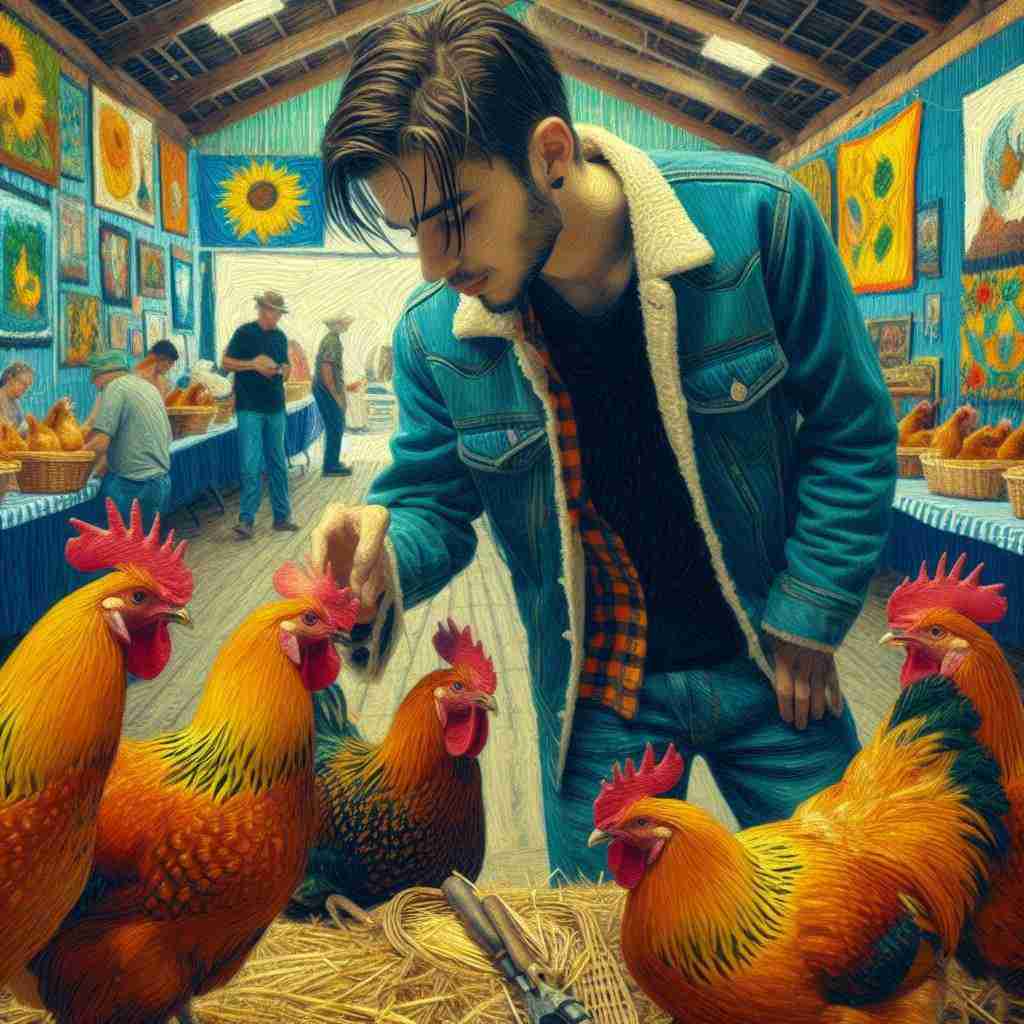
How Can Gen Z Balance Style and Sustainability In Their Choices?
What Legacy Do Gen Z Hope to Leave for Future Generations?
When we look at the aspirations of Generation Z, there’s an undeniable warmth that wraps around their dreams—a comforting blanket woven from threads of resilience, hope, and community. These young trailblazers, with their smartphones and social media savvy, are fueled by a fire that burns for something greater than the individual; they want to steward a world that’s more inclusive, sustainable, and, yes, a bit more connected to the earth. Imagine a future where backyard chickens aren’t just a quirky trend but a statement of self-sufficiency and responsibility. It’s about knowing where your food comes from, understanding the cycle of life, and fostering a sense of accountability to the planet.
Gen Z recognizes that the challenges faced by their generation are not solely their burden to bear. They are acutely aware of the weight of history—the injustices, the environmental degradation, and the divide between us—and they’re determined to break those chains. They’re armed with the tools of today’s world, entwining ethics with action, and balancing head and heart in pursuit of a brighter future. In conversations about climate change, social equality, and mental health, their narrative shines through—a clarion call for collective action. They don’t just want a seat at the table; they want to reshape the very structure of the banquet.
But let’s get real for a moment. This upcoming generation knows that ideals can only carry you so far. They realize that change requires not just passion but also the grit of those who’ve walked the hard paths before. They listen and learn, drawing inspiration from the past while paving the way for new solutions. They’re the ones who will convince parents that raising a few chickens in the backyard transcends mere hobby; it’s a loving rebellion against mass production and a heartfelt embrace of local, wholesome choices.
When you engage with Gen Z, you’re engaging with a group that craves connection far beyond hashtags and likes. It’s a raw, genuine desire to foster community—to stand shoulder-to-shoulder with their neighbors, working toward common goals. They’re not just seeking to leave a legacy; they’re building a bridge into the future, crafting a world where compassion reigns and where every choice, whether it’s a local farm or an ethical purchase, has a meaningful impact. This generation, inspiring in their determination, invites us all to play a part in their hopeful vision.

What Legacy Do Gen Z Hope to Leave for Future Generations?
What Legacy Do Gen Z Hope to Leave for Future Generations?
- Generation Z is driven by resilience, hope, and a sense of community.
- They aspire for a more inclusive and sustainable world, valuing connection to the earth.
- Gen Z understands the importance of accountability and self-sufficiency, exemplified by trends such as backyard gardening.
- They are aware of historical injustices and environmental degradation, and seek to break these chains.
- This generation blends ethics with action, advocating for climate change, social equality, and mental health.
- They recognize that effecting change requires both passion and practical experience.
- Gen Z values genuine connections and seeks to build community through shared goals and meaningful choices.

What Legacy Do Gen Z Hope to Leave for Future Generations?
Conclusion
In a world that spins faster every day, Generation Z is emerging not just as the leaders of tomorrow but as the backbone of a sustainability movement determined to reshape our connection with the planet. Picture this vibrant force as a refreshing breeze blowing through the habitual and often stagnant practices of previous generations. They are reclaiming what it means to live sustainably, transforming backyards into lush gardens and raising chickens, not just for fresh eggs, but as symbols of responsibility and community. Their approach is heartfelt, multi-faceted, and deeply rooted in a palpable passion for change.
Gen Z isn’t just about recycling; they’re about reimagining. They recognize the staggering statistic that up to 40% of food in the U.S. goes uneaten, and rather than accept this reality, they take actionable steps towards self-sufficiency, choosing to grow their own food. Each seed they plant is not just an act of gardening; it embodies a commitment to a healthier relationship with our ecosystem. Through their enthusiasm for backyard farming, they champion a collective narrative that sustainability should be accessible and inclusive—not just the privilege of a select few.
Yet, their journey isn’t without obstacles. They grapple with the challenge of change in a world obsessed with convenience and often overwhelmed by the expectation of perfection. The pressure can be suffocating—social media often portrays a polished version of eco-friendly living that feels unattainable. However, the beauty lies in their willingness to share their stories—of trials, errors, and small victories. It’s this authenticity that fosters strong communities built on support, where collective action becomes possible.
The ethical landscape is murky; brands frequently don the cloak of sustainability to enhance their bottom line, and Gen Z is wise to this greenwashing. As they actively hold companies accountable and demand transparency, they wield immense power as consumers. They are voting with their wallets—supporting brands that align with their values and rejecting those that prioritize profit over planet.
The legacy Gen Z wishes to leave behind is one of hope, responsibility, and deep-rooted connection. They envision a world where every individual is not only aware of their choices but feels empowered to nurture their environment. Whether cultivating a thriving garden or mentoring their peers through shared experiences, they understand that each small act contributes to a monumental shift towards sustainability. As we watch this new generation rise, let’s not just applaud; let’s join them on this impactful journey, embracing every compost pile and backyard chicken as a step towards a better, greener future.

Conclusion
Conclusion:
- Generation Z is emerging as the leaders of a sustainability movement, reshaping our connection with the planet.
- They are transforming their environments through backyard gardening and raising chickens, symbolizing responsibility and community.
- Gen Z focuses on reimagining sustainability by taking actionable steps towards self-sufficiency, like growing their own food.
- This generation champions inclusive sustainability, making it accessible to everyone rather than a privilege for a few.
- They face challenges in a convenience-driven world, where social media creates unrealistic expectations of eco-friendly living.
- Gen Z is savvy to greenwashing and holds brands accountable, supporting those aligned with their values.
- They aspire to leave a legacy of hope and empowerment, where individuals feel responsible for nurturing the environment.

Conclusion
Other Resources

Other Resources
Here is a list of other resources you can review online to learn more:
- Buff Orpington
- Malay
- ISA Brown
- Newcastle Disease
- Polish
- Dominique
- Colibacillosis
- Infectious Bursal Disease
- Golden Comet
- raccoons
- bobcats
- chicken run
- Brabanter
- Appenzeller
- Large Intestinal Roundworms
Use This Prompt To Get More Resources With Your Favorite Online AI Tool: Please provide me with a list of online articles with their URLs in a bulleted list that I can read regarding How Gen Z Is Making Sustainability Look Good-One Pile At a Time

Other Resources
Glossary Terms
How Gen Z Is Making Sustainability Look Good-One Pile At a Time – Glossary Of Terms
1. Sustainability: The practice of using resources in a way that meets current needs without compromising the ability of future generations to meet theirs.
2. Gen Z: The demographic cohort born roughly between 1997 and 2012, known for its strong commitment to social justice and environmental issues.
3. Upcycling: The process of converting waste materials or useless products into new materials or products of better quality or environmental value.
4. Fast Fashion: Affordable clothing produced rapidly by mass-market retailers in response to the latest trends, often associated with environmental degradation.
5. Minimalism: A lifestyle choice that emphasizes reducing material possessions and focusing on experiences to promote personal well-being and environmental health.
6. Circular Economy: An economic system aimed at eliminating waste and the continual use of resources by reusing, repairing, and recycling materials.
7. Eco-Friendly: Products or practices that are designed to have minimal impact on the environment and promote sustainability.
8. Conscious Consumerism: The practice of purchasing products that are ethically produced, environmentally friendly, and socially responsible.
9. Zero Waste: A philosophy aimed at reducing waste generation to zero by reusing, recycling, and composting.
10. Carbon Footprint: The total amount of greenhouse gases emitted directly or indirectly by an individual, event, organization, or product, measured in units of carbon dioxide equivalents.
11. Social Media Activism: The use of social media platforms to raise awareness and promote action on social and environmental issues.
12. Biodiversity: The variety of life in the world or in a particular habitat or ecosystem, important for maintaining ecological balance.
13. Plant-Based: Diets that focus on foods derived from plants, which can reduce environmental impact compared to meat-based diets.
14. Sustainable Fashion: Clothing that is produced, consumed, and disposed of in a way that considers environmental and ethical factors.
15. Organic: Farming or production methods that avoid synthetic chemicals, promoting health and environmental sustainability.
16. Ethical Brands: Companies that prioritize fair labor practices, environmental responsibility, and animal welfare in their operations.
17. Biodegradable: Substances that can be broken down naturally by microorganisms, reducing waste in landfills and pollution.
18. Renewable Energy: Energy generated from natural resources that are replenished over short periods, such as solar, wind, and hydroelectric power.
19. Climate Change: Long-term alteration of temperature and typical weather patterns in a place, largely driven by human activities that increase greenhouse gases.
20. Greenwashing: The deceptive practice of promoting products or policies as environmentally friendly while not making significant environmental contributions.
21. Localism: Supporting local economies and communities by purchasing products that are produced locally, reducing carbon footprint from transportation.
22. Sustainable Development Goals (SDGs): A set of 17 global goals established by the United Nations to address various social, economic, and environmental challenges.
23. Waste Stream: The path waste materials take from the point of disposal to either disposal or recovery processes.
24. Composting: The natural process of recycling organic matter, such as food scraps and yard waste, into a valuable fertilizer for plants.
25. Fair Trade: A movement aimed at achieving equitable trading conditions and ensuring producers in developing countries receive fair wages and treatment.
26. Environmental Justice: The concept that all people have the right to a healthy environment and that environmental benefits and burdens should be distributed equitably.
27. Sustainable Agriculture: Farming practices that focus on producing food in a way that is environmentally sound, socially responsible, and economically viable.
28. Climate Action: Efforts to reduce or prevent climate change and its impacts, including mitigation strategies like reducing emissions or adaptation tactics.
29. Impact Investing: Investments made with the intention to generate positive, measurable social and environmental impact alongside a financial return.
30. Resilience: The ability of a system, community, or individual to recover from disturbances or withstand stressors, especially regarding environmental challenges.

Glossary Of Terms
Other Questions
How Gen Z Is Making Sustainability Look Good-One Pile At a Time – Other Questions
If you wish to explore and discover more, consider looking for answers to these questions:
- What specific actions is Gen Z taking to promote sustainability in their communities?
- How can individuals outside of Gen Z support their sustainability efforts?
- What are some examples of brands successfully integrating sustainability into their business models?
- What role does social media play in amplifying Gen Z’s sustainability messages?
- How does Gen Z’s approach to sustainability differ from previous generations?
- What are the most significant barriers Gen Z faces in advocating for sustainable practices?
- How can traditional industries adapt to meet the demands of Gen Z’s eco-conscious consumerism?
- What personal experiences lead individuals in Gen Z to become passionate about sustainability?
- How does community involvement enhance Gen Z’s sustainability initiatives?
- What skills can Gen Z learn from their sustainability efforts that will benefit them in the future?
- How do cultural influences affect Gen Z’s perspectives on sustainability?
- What legacy does Gen Z envision for future generations regarding environmental stewardship?
- How can we measure the impact of Gen Z’s sustainable practices on the environment?
- What innovative ideas is Gen Z bringing to the sustainability movement?

Other Questions
Haiku
How Gen Z Is Making Sustainability Look Good-One Pile At a Time – A Haiku
Backyard gardens bloom,
Chickens cluck a mindful song—
Future’s seeds we sow.

Haiku
Poem
How Gen Z Is Making Sustainability Look Good-One Pile At a Time – A Poem
In a garden lush, where the clucks resound,
Gen Z’s pledge for the earth shines all around.
Backyard dreams encompass hope’s embrace,
As they nurture life, they redefine our space.
With each seed they plant, responsibility blooms,
Transforming waste into life, dispelling gloom.
Numbers tell tales of food thrown away,
Yet they choose to nourish, come what may.
Through shared stories of triumph and plight,
They cultivate change, igniting the light.
Raising chickens, not merely for the eggs,
But a symbol of purpose, where intention begs.
Amidst the rush, they ponder what’s true,
Voices demanding brands change their view.
Is profit at odds with the planet we love?
With each thoughtful choice, they rise above.
Yet challenges loom, as they strive for the green,
Navigating barriers both silent and seen.
In a world that screams for the instant and quick,
They forge community, where hope grows thick.
With thrifted finds that echo the past,
Style meets substance, a statement steadfast.
Balancing beauty with ethics in stride,
Their wardrobes tell stories, where values collide.
Future generations, their legacy calls,
To break down the walls and tend to it all.
In every choice lies the power to mend,
A tapestry woven—together, we tend.
So here’s to the youth with dreams in their hands,
Crafting a movement that understands.
Through chickens and gardens, through kindness and care,
They stand firm and bold, with a heart laid bare.

Poem
Checklist
How Gen Z Is Making Sustainability Look Good-One Pile At a Time – A Checklist
Sustainability Checklist: Engaging with Gen Z’s Movement
Heart (Emotional Appeals)
_____ Connect with your surroundings: Spend time in nature and witness the beauty of sustainable practices firsthand.
_____ Share personal stories: Discuss your journey towards sustainability with friends and family to inspire action.
_____ Celebrate small victories: Acknowledge and share your successes, no matter how small, in living sustainably.
Head (Rational Appeals)
_____ Educate yourself: Research the statistics around food waste and sustainability to understand the impact of your choices.
_____ Make informed purchases: Prioritize brands that are transparent about their sustainability efforts and practices.
_____ Set achievable goals: Create a realistic plan for incorporating sustainable practices into your daily life (like composting or reducing plastic use).
Gut (Visceral Appeals)
_____ Visualize your impact: Picture how your sustainable choices affect the planet and future generations.
_____ Cultivate a sense of responsibility: Reflect on your role in the sustainability journey and how your decisions contribute to the larger movement.
_____ Embrace community: Participate in local sustainability initiatives or groups to feel the collective impact of your actions.
Ethical Considerations
_____ Hold brands accountable: Question the sustainability claims of companies and support those with genuinely ethical practices.
_____ Promote inclusivity: Advocate for low-barrier sustainable options that make it accessible for all community members, not just the privileged.
_____ Share the ethical dilemma: Discuss the balance between profitability and genuine sustainability with peers.
Authority & Credibility
_____ Follow sustainable influencers: Seek out voices in the sustainability space to gain insights and inspiration.
_____ Attend workshops: Learn from experts in sustainability on practical approaches to living eco-friendly.
_____ Share knowledge: Encourage informed discussions among friends about sustainability trends and their implications.
Narrative & Social Connections
_____ Build community support: Form or join groups focused on sustainable living where experiences and tips can be shared.
_____ Use storytelling: Share your experiences and challenges in sustainability to foster connection and understanding.
_____ Celebrate collective efforts: Recognize and uplift the contributions of others in your community working toward sustainability.
This checklist serves as a practical guide for engaging with the heart, mind, and values of Gen Z in the pursuit of a sustainable future.

Checklist
At BackyardChickenNews, we help people who want to raise backyard chickens by collating information and news blended with our own personal experiences.
Be sure to read our other related stories at BackyardChickenNews to learn more about raising chickens in your backyard.