

Nourishing Our Bodies, Our Planet, And Our Conscience: The Evolution Of Pasture-Raised Broilers
By Tom Seest
At BackyardChickenNews, we help people who want to raise backyard chickens by collating information and news blended with our own personal experiences.
Be sure to read our other related stories at BackyardChickenNews to learn more about raising chickens in your backyard.
How Pasture-Raised Broilers Are Changing the Way We Eat
When you bite into a chicken sandwich, the flavor should sing. But somewhere between the farm and your table, much of that melody has been drowned out by industrial processes and the tyranny of cheap meat. Enter pasture-raised broilers—a game changer that not only tantalizes your taste buds but also redefines our relationship with food.
Let’s get real for a moment. Anyone who’s ever raised Backyard Chickens knows there’s a world of difference between a bird that’s tasted freedom and one crammed in a cage. Pasture-raised broilers roam grassy fields, scratching at the earth, basking in the sun, and foraging for insects and greens. This isn’t a mere marketing gimmick; it’s a return to basics. When they graze, they develop stronger muscles and richer flavors. For you, that translates into a succulent bite of poultry that dances with depth—not just a dull piece of protein on a plate.
But the appeal stretches beyond taste. Consider the ethical ramifications. The conventional poultry industry has been likened to a conveyor belt of despair, where lives are measured in pounds of meat rather than dignity. Pasture-raised systems advocate for humane treatment, where animals are free to express their natural behaviors. This is not just a choice; it’s an act of integrity. By supporting these operations, you’re voting with your fork for a system that respects the animals that ultimately nourish us.
We’re wired for connection, and food is one of our most primal ways of building community. When you choose pasture-raised broilers, you are investing in local farmers, strengthening your community, and fostering sustainable practices. It’s a movement that builds trust—between you and the farmer, between you and your fellow diners. The choice is not just about meat; it’s about nurturing a healthier planet, one peck at a time.
In a world saturated with options, making the switch to pasture-raised isn’t merely a choice; it’s a call to action. It’s an invitation to reclaim the flavor, morality, and sense of community that has been lost in mass production. So, the next time you sit down for a meal, think of those Backyard Chickens—how their lives contribute to a better dinner on your table, and how your choices can craft a brighter future for eating.

How Pasture-Raised Broilers Are Changing the Way We Eat
How Pasture-Raised Broilers Are Changing the Way We Eat
- Flavor is diminished in conventional chicken production due to industrial processes.
- Pasture-raised broilers provide a superior taste and redefine our relationship with food.
- Pasture-raised chickens enjoy a natural environment, leading to stronger muscles and richer flavors.
- Support for pasture-raised systems promotes humane treatment and respect for animals.
- Choosing pasture-raised broilers strengthens local communities and promotes sustainability.
- This movement fosters trust between consumers, farmers, and fellow diners.
- Selecting pasture-raised options is a call to action for reclaiming integrity and community in food choices.

How Pasture-Raised Broilers Are Changing the Way We Eat
Table Of Contents
- How Pasture-Raised Broilers Are Changing the Way We Eat
- What Makes Pasture-Raised Broilers a Healthier Choice for Families?
- Can Supporting Pasture-Raised Poultry Help Revive Local Economies?
- What Role Does Biodiversity Play In Pasture-Raised Farming Methods?
- How Can Transparency In Farm Practices Affect Our Food Choices?
- What Stories Do Small-Scale Farmers Share About Raising Chickens?
- How Does Eating Pasture-Raised Chicken Align with Sustainable Living?
- How Do Consumer Preferences Shape the Future Of Chicken Farming?
- Conclusion
- Other Resources
- Glossary Of Terms
- Other Questions
- Haiku
- Poem
- Checklist
What Makes Pasture-Raised Broilers a Healthier Choice for Families?
When you sit down for a family meal, the food you serve embodies more than just sustenance; it represents choices, values, and the love you pour into nurturing those around you. Choosing pasture-raised broilers is much more than a mere dietary decision; it’s a commitment—an affirmation of your family’s health and well-being. Imagine your kids running around the backyard, knowing they’ve become accustomed to the beauty of nature, watching chickens roam freely under the sun, pecking at fresh grass. That vivid image transforms into a visceral experience when you realize that those very chickens are the ones that will grace your dinner table.
Pasture-raised broilers are happier, healthier birds. They enjoy the freedom to roam and peck in the great outdoors, basking in sunlight and breathing in fresh air. In turn, this freedom translates into more nutritious meat for your family. Studies indicate that pasture-raised chickens are higher in vitamins A and E, as well as omega-3 fatty acids, compared to their conventional counterparts. Those nutrients are not just numbers—they’re the building blocks for vibrant health, stronger immunity, and better learning abilities in children. Your choice becomes a catalyst for empowering future generations.
From an ethical perspective, there’s something undeniably compelling about knowing the source of your food. By supporting local farmers who raise their chickens in this humane way, you’re actively participating in an agricultural method that respects the lifecycle and dignity of the animals. You’re not just crossing an item off your grocery list; you’re investing in a system that honors life and fosters responsible stewardship of the land. This decision resonates with family values and connects us to a community that prioritizes health, ethics, and sustainability.
And let’s face it: the taste of pasture-raised chicken is second to none. When you sink your teeth into that juicy, flavorful meat, you’re not just indulging in a good meal; you’re experiencing the fruits of responsible farming. In a world increasingly disconnected from food sources, every bite speaks volumes about who we are as families. It’s more than dinner; it’s a shared story—a narrative steeped in tradition, authenticity, and respect for what it means to nourish our loved ones.
Choosing pasture-raised broilers isn’t just a decision; it’s a declaration of what we cherish, rooted in love, health, and community—a connection that enhances not only our plates but our hearts as well.

What Makes Pasture-Raised Broilers a Healthier Choice for Families?
What Makes Pasture-Raised Broilers a Healthier Choice for Families?
- Family meals symbolize choices, values, and love in nurturing relationships.
- Choosing pasture-raised broilers reflects a commitment to family health and well-being.
- Pasture-raised chickens lead happier lives, enjoying outdoor freedom and natural diets.
- This choice results in more nutritious meat, higher in vitamins and omega-3 fatty acids.
- Supporting humane farming practices fosters ethical consumption and community connection.
- The superior taste of pasture-raised chicken enriches the dining experience.
- Choosing pasture-raised broilers represents a declaration of love, health, and community values.

What Makes Pasture-Raised Broilers a Healthier Choice for Families?
Can Supporting Pasture-Raised Poultry Help Revive Local Economies?
Imagine waking up every morning to the crow of a rooster, knowing that the eggs on your breakfast table came from a happy flock of pasture-raised chickens. When you support local farmers who practice humane and sustainable poultry farming, you’re not just nourishing your body. You’re helping to nourish your community. You’re joining in a remarkable narrative of revival—one where small farms can thrive against the odds, creating jobs and reinvigorating local economies.
Backyard chickens have become more than just cute pets or symbols of a rustic lifestyle; they represent a shift towards sustainable, local food systems. As you crack open a farm-fresh egg, consider the journey it made from hen to table. Every bite is a testament to the diligence of farmers who have chosen to raise their flocks in the open air, allowing them to roam freely. This isn’t just good for the birds; it’s also good for the soil and the surrounding ecosystem. Pasture-raised poultry helps enrich the land, promoting biodiversity and reducing the need for harmful pesticides and synthetic fertilizers.
Economically speaking, supporting pasture-raised poultry means reinvesting in your community. Every dollar spent on local farms circulates within the local economy, creating a ripple effect that supports jobs, local suppliers, and even local businesses. Those charming farm stands become gathering places, fostering community spirit and showcasing the talents of local artisans.
Now, let’s talk ethics. Choosing pasture-raised poultry means making a conscious decision to support animal welfare. It’s about standing against the industrial agriculture practices that often prioritize profit over the humane treatment of animals. By advocating for farms that raise their birds responsibly, you’re aligning your values with the actions you take.
The decision to support pasture-raised poultry isn’t just about you; it’s about collective impact. When you make a choice—whether it’s buying eggs at the farmers’ market or starting your own backyard chickens—you become part of a broader movement. You join hands with like-minded individuals who believe in the power of local food systems.
So, the next time you consider your food choices, think about the ripple effects your decisions might create. Embrace the gut feeling that doing good—both for your plate and your community—can blend into one fulfilling experience. Together, we can take simple, meaningful steps towards building a stronger local economy that benefits everyone.
Can Supporting Pasture-Raised Poultry Help Revive Local Economies?
Can Supporting Pasture-Raised Poultry Help Revive Local Economies?
- Supporting local farmers practicing humane and sustainable poultry farming nourishes both your body and community.
- Backyard chickens symbolize a shift towards sustainable, local food systems and contribute to community revival.
- Pasture-raised poultry is beneficial for the birds, soil, and surrounding ecosystems, promoting biodiversity and reducing harmful inputs.
- Every dollar spent on local farms circulates within the local economy, supporting jobs and local businesses.
- Farm stands foster community spirit and showcase local artisans while serving as gathering places.
- Choosing pasture-raised poultry aligns consumer values with ethical considerations, promoting animal welfare.
- Your food choices contribute to a broader movement for local food systems, emphasizing collective impact and community well-being.
Can Supporting Pasture-Raised Poultry Help Revive Local Economies?
What Role Does Biodiversity Play In Pasture-Raised Farming Methods?
When you step into a pasture-raised farm, you’re not just walking onto a patch of grass; you’re entering a vibrant ecosystem where biodiversity takes center stage. Picture a flock of backyard chickens scratching the earth, their lively chatter mingling with the sweet rustle of grasses. Here, each bird, blade of grass, and insect plays a role in a delicate symphony of life, and that’s where true magic happens.
Let’s get down to it. Biodiversity is more than a fancy term; it’s the backbone of any sustainable farming method. When farmers embrace diverse species—be it plants, animals, or beneficial insects—they’re inviting nature to do what it does best: create stability. Think about it: different crops can share nutrients, while livestock helps manage pests naturally. This kind of practice not only increases resilience against disease and pests but also enhances the nutrition of the food we eat. With every bite of that pasture-raised chicken, we’re absorbing the essence of a well-rounded ecosystem, rich in vitamins and minerals.
But there’s a more profound connection at play here. The joy of raising animals in harmony with the land speaks to something deep within all of us. It’s about stewardship—being responsible caretakers of our planet. Every time you choose pasture-raised products, you’re casting a vote for a farming method that respects both animals and the environment. It’s an ethical decision that resonates with our shared values, bridging the gap between consumer and producer.
Now, practical minds may wonder: “How does this affect me?” The answer lies in community. When farmers invest in biodiversity, they invest in the health of their local ecosystems, fostering a sense of belonging for all who inhabit it. This isn’t just a farmer’s struggle; it’s a community endeavor. By supporting pasture-raised farms, you’re supporting healthier environments, maintaining local culture, and boosting economies—all interconnected threads woven into the fabric of our society.
So the next time you sit down for a meal, consider the journey of that food. It’s not merely a source of sustenance; it’s a testament to the intricate dance of life that requires our attention and care. By advocating for biodiversity in pasture-raised farming, we’re not just nurturing our bodies; we’re cultivating a future worth standing up for, one where nature thrives, communities flourish, and our bond with the land grows stronger. Embrace that connection, and let’s sow the seeds of a robust, sustainable tomorrow.

What Role Does Biodiversity Play In Pasture-Raised Farming Methods?
What Role Does Biodiversity Play In Pasture-Raised Farming Methods?
- Entering a pasture-raised farm reveals a vibrant ecosystem where biodiversity thrives.
- Biodiversity enhances sustainable farming by promoting stability through diverse species.
- Different crops and livestock work together to improve soil health and manage pests naturally.
- Choosing pasture-raised products supports ethical farming and respect for animals and the environment.
- Investing in biodiversity fosters community health and a sense of belonging among residents.
- Supporting pasture-raised farms contributes to healthier environments, local culture, and economies.
- Every meal is a reflection of the intricate relationship between food, community, and the environment.

What Role Does Biodiversity Play In Pasture-Raised Farming Methods?
How Can Transparency In Farm Practices Affect Our Food Choices?
When you stroll through your local grocery store or farmers’ market, the choices can feel overwhelming. But what if I told you that the story behind the food you put on your plate matters as much as the ingredients themselves? Transparency in farm practices isn’t just a buzzword; it’s the heartbeat of a food movement that connects us to our communities, ourselves, and the land we share.
Imagine a backyard with clucking chickens, fresh eggs laid just hours ago, and a vibrant garden bursting with color. This is the kind of place where trust is built through a simple act: knowing where your food comes from. For many, raising backyard chickens is more than a trend; it’s a personal commitment to quality, a willingness to engage in an age-old relationship with our food. When we understand the conditions under which our food is produced, we can make choices that resonate with our values, ethics, and health.
Rationally, think about the implications: when farmers are open about their practices, we can weigh the true cost of our food. Are those strawberries from a conventional farm, slick and shiny but drenched in pesticides? Or are they from a local farm where the berries are handpicked and pesticide-free? Knowledge equips us to choose wisely—and our health can only benefit from those informed choices.
But it goes deeper than that. The emotional component cannot be ignored. When we witness families working the fields, hands dirty but faces bright with pride, it ignites something within us. We feel a connection, a shared humanity, and an understanding that our choices impact those livelihoods. It’s the ethical responsibility we bear to support farmers who prioritize sustainable practices and animal welfare over profits.
Moreover, imagine sharing a meal with loved ones, a colorful spread of ethically sourced food that sparks conversations about where each ingredient came from. This is community, this is connection, and this is the power of transparency. We rally together when we know our farmers, we trust our food, and we champion local economies.
So next time you reach for that carton of eggs or a box of fresh greens, consider the story behind them. Embrace transparency as a guide for your choices. Let’s support farmers and practices that nourish our bodies and souls. This is a call to action, a moment to reconnect with our food, fostering trust in what we eat and who we share it with.
How Can Transparency In Farm Practices Affect Our Food Choices?
How Can Transparency In Farm Practices Affect Our Food Choices?
- The story behind food is as important as the ingredients themselves.
- Transparency in farm practices fosters a connection between communities and the land.
- Raising backyard chickens represents a commitment to quality and understanding food origins.
- Knowledge of farming practices enables informed choices about food that reflect personal values.
- Witnessing the work of farmers fosters an emotional connection and ethical responsibility.
- Sharing meals made from ethically sourced food strengthens community ties and local economies.
- Embrace transparency in food choices to nurture both body and soul.

How Can Transparency In Farm Practices Affect Our Food Choices?
What Stories Do Small-Scale Farmers Share About Raising Chickens?
There’s something deeply personal about raising backyard chickens. For small-scale farmers, these clucking companions serve as more than just a source of eggs; they weave into the very fabric of family life. Picture a child waking up at dawn, anticipation lighting their eyes as they rush to the coop. Those golden yolks, fresh from the nest, become the centerpiece of a breakfast that tastes of love and effort. Each interaction—feeding, tending, and ultimately cherishing these birds—creates a bond that transcends mere agriculture.
The stories shared by small-scale farmers reveal the beauty of sustainable living. They speak of a connection to the land, an understanding of cycles, and a commitment to ethical practices that often get lost in the whirlwind of industrial farming. Raising backyard chickens isn’t just about production; it’s a philosophy grounded in respect for life, the environment, and community. These farmers know each bird’s personality, and in return, the chickens know they are safe and valued. This relationship fosters a sense of responsibility that resonates deeply, urging us to reconsider our own choices.
Financially, maintaining a small flock is also a practical choice. Beyond the initial investment, there’s the significant long-term benefit of decreasing grocery bills, which is particularly appealing during challenging economic times. Moreover, families take pride in providing their own food, ensuring it’s fresh, organic, and free from the chemicals that often plague mass-market alternatives. It’s a decision marked by both rational practicality and emotive fulfillment.
Yet, these farmers don’t just keep these stories to themselves. They share them in community gatherings, on social media, and in their local markets, creating ripples of connection that inspire others to dive into this rewarding endeavor. Each narrative not only celebrates the joy of raising chickens but also empowers neighbors to take action, sparking a collective movement toward conscious living and sustainable practices.
So, whether you’re considering your first batch of backyard chickens or simply reminiscing about the tastes and experiences of farm-fresh eggs, there’s an undeniable call to embrace this journey. It’s about fostering trust, building relationships, and igniting a passion for sustainable farming that can nourish both body and spirit. Join the ranks of these farmers; be part of a story that elevates the heart, sharpens the mind, and feeds the soul.

What Stories Do Small-Scale Farmers Share About Raising Chickens?
What Stories Do Small-Scale Farmers Share About Raising Chickens?
- Raising backyard chickens fosters a deeply personal connection for small-scale farmers and their families.
- Experiencing the joy of collecting fresh eggs creates cherished family moments and a sense of effort and love.
- Small-scale farmers emphasize sustainable living, ethical practices, and a bond with the land and animals.
- Each chicken is recognized as a unique individual, fostering a sense of safety and value within the flock.
- Financially, keeping chickens helps reduce grocery bills and provides fresh, organic food options.
- Farmers share their experiences via community gatherings and social media, inspiring collective action towards sustainability.
- Embracing backyard chicken farming can nourish both body and spirit, creating meaningful relationships and a conscious lifestyle.
What Stories Do Small-Scale Farmers Share About Raising Chickens?
How Does Eating Pasture-Raised Chicken Align with Sustainable Living?
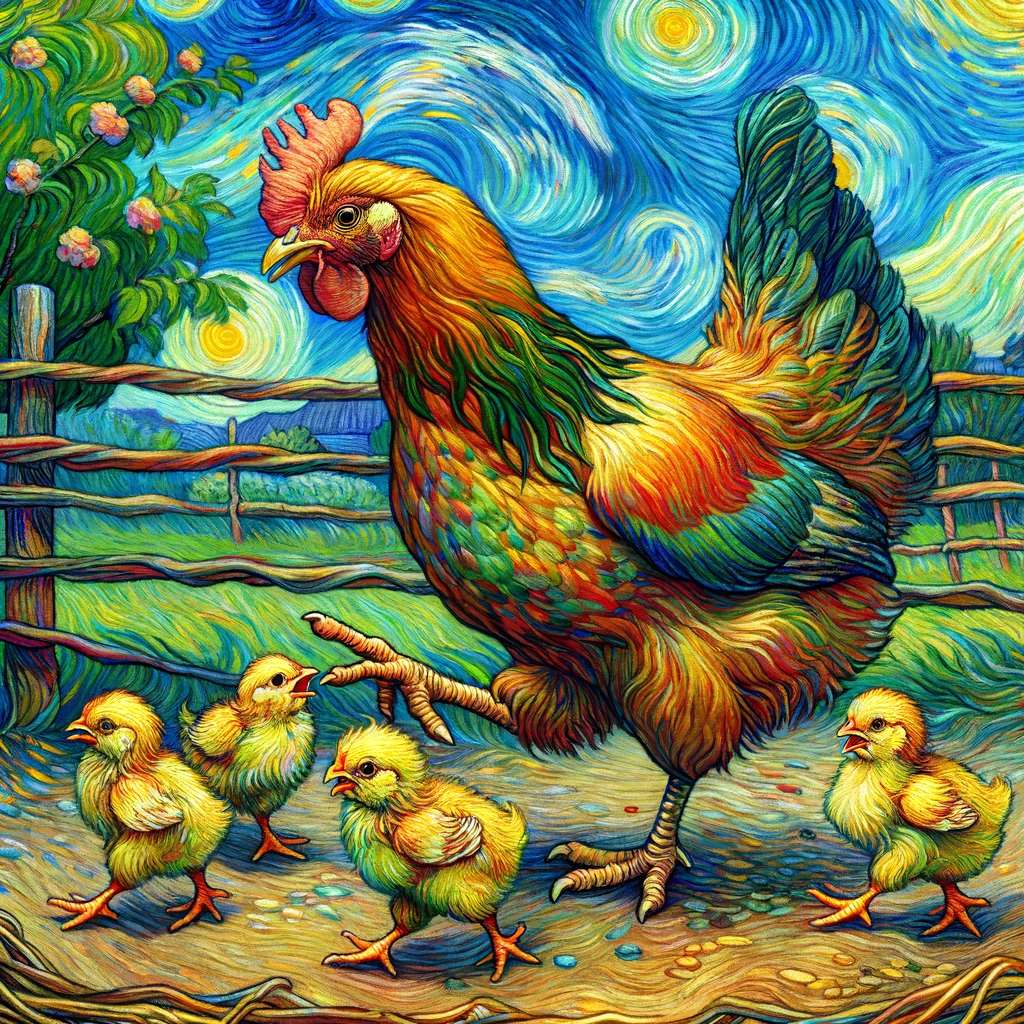
When you sit down to enjoy a meal featuring pasture-raised chicken, you’re not just indulging in a delicious plate; you’re stepping into a narrative of sustainability that connects farming, ethics, and community in a way that resonates deeply. Imagine a sunny afternoon, where chickens roam freely in a lush green pasture, strutting their stuff among wildflowers, insects, and sunshine. That’s the kind of life that backyard chickens experience, and that’s the kind of chicken you support when you choose pasture-raised.
From a gut perspective, the idea of eating food raised in an environment where animals can truly be animals is gut-wrenching to consider. Conventional farming often relies on cramped quarters and artificial diets, casting a shadow on your meal’s integrity. Pasture-raised chickens offer a stark contrast. They’re nurtured in an environment that prioritizes animal welfare, and that feels good, doesn’t it? Every bite becomes a celebration of not just nourishment but of life itself. It satisfies your appetite for wholesome food while affirming your values.
Using the head to dissect this issue, the economic and environmental benefits of pasture-raised poultry are substantial. These birds contribute to soil health, enrich pastures, and promote biodiversity. This means better ecosystems, more resilient farming practices, and a reduced carbon footprint. The rational choice becomes clear: by supporting sustainable farming, you’re investing in a healthier planet for future generations, and that’s something we can all rally behind.
Ethically speaking, consuming pasture-raised chicken supports humane practices that treat animals with dignity. You’re aligning your food choices with your values, fostering a connection to the ethical treatment of livestock. Like voting with your wallet, your choices influence farming practices, encouraging a shift toward systems that prioritize sustainability over industrialization.
Lastly, consider this a call to arms within your community. When you advocate for pasture-raised chicken, you’re expanding the narrative of sustainable living. You’re connecting with others who care about the environment and animal welfare, nurturing a culture that prioritizes local agriculture and responsible consumption. Invite friends over for a backyard barbecue featuring pasture-raised chicken. Share stories, pass around the goodness, and inspire others to embrace this lifestyle choice.
So, as you dig into that plate of freedom-loving poultry, realize you’re part of something bigger—a movement toward sustainable living that tastes good, feels good, and once you connect the dots, makes perfect sense.
How Does Eating Pasture-Raised Chicken Align with Sustainable Living?
How Does Eating Pasture-Raised Chicken Align with Sustainable Living?
- Choosing pasture-raised chicken connects you to a narrative of sustainability involving farming, ethics, and community.
- Pasture-raised chickens enjoy a natural life in green pastures, in contrast to cramped conventional farming practices.
- The consumption of pasture-raised poultry promotes animal welfare and adds to the integrity of your meal.
- Economically and environmentally, pasture-raised poultry supports soil health, biodiversity, and reduces carbon footprint.
- Ethically, eating pasture-raised chicken aligns your food choices with humane treatment of animals.
- Advocating for pasture-raised chicken fosters community connections around environmental and animal welfare issues.
- Eating pasture-raised chicken is part of a larger movement toward sustainable living, uniting taste and ethical consumption.

How Does Eating Pasture-Raised Chicken Align with Sustainable Living?
How Do Consumer Preferences Shape the Future Of Chicken Farming?
When you hear folks chatting about farming these days, there’s a softer tone in their voices—one that echoes the hearts and homes of everyday people. Picture this: you’re at a neighborhood cookout, and between bites of grilled chicken, someone mentions their newfound love for backyard chickens. Suddenly, it isn’t just food on the table; it’s a story, a connection to the land, and a symbol of a lifestyle that prioritizes quality over quantity.
In the age of consumer choice, this heartfelt shift is shifting the landscape of chicken farming. Folks want to know where their food comes from and how it’s produced. They’re craving transparency, authenticity, and ethical practices. As the demand for pasture-raised, organic, and locally sourced chicken rises, so do the expectations placed on farmers. Those who can’t adapt not only lose out on a booming market but become remnants of an outdated model.
But it’s not all statistics and spreadsheets; it’s about trust between farmer and consumer. When consumers buy eggs from a local farm or opt for chicken thighs from a sustainable producer, they don’t just make a purchase; they make a statement. They’re saying, “I care about what I feed my family.” This movement isn’t just a trend—it’s a testament to the power of informed choices. It’s a commitment to supporting practices that honor the animals and the land.
The narrative is powerful. Each story behind the chicken—be it from a sprawling rural farm or a modest backyard flock—adds layers of richness to the experience. The farmer’s dedication and passion resonate deeply with consumers, who feel good knowing they are facilitating a kinder approach to meat production. They are participating in something larger than themselves, contributing to a food system that aligns with their values.
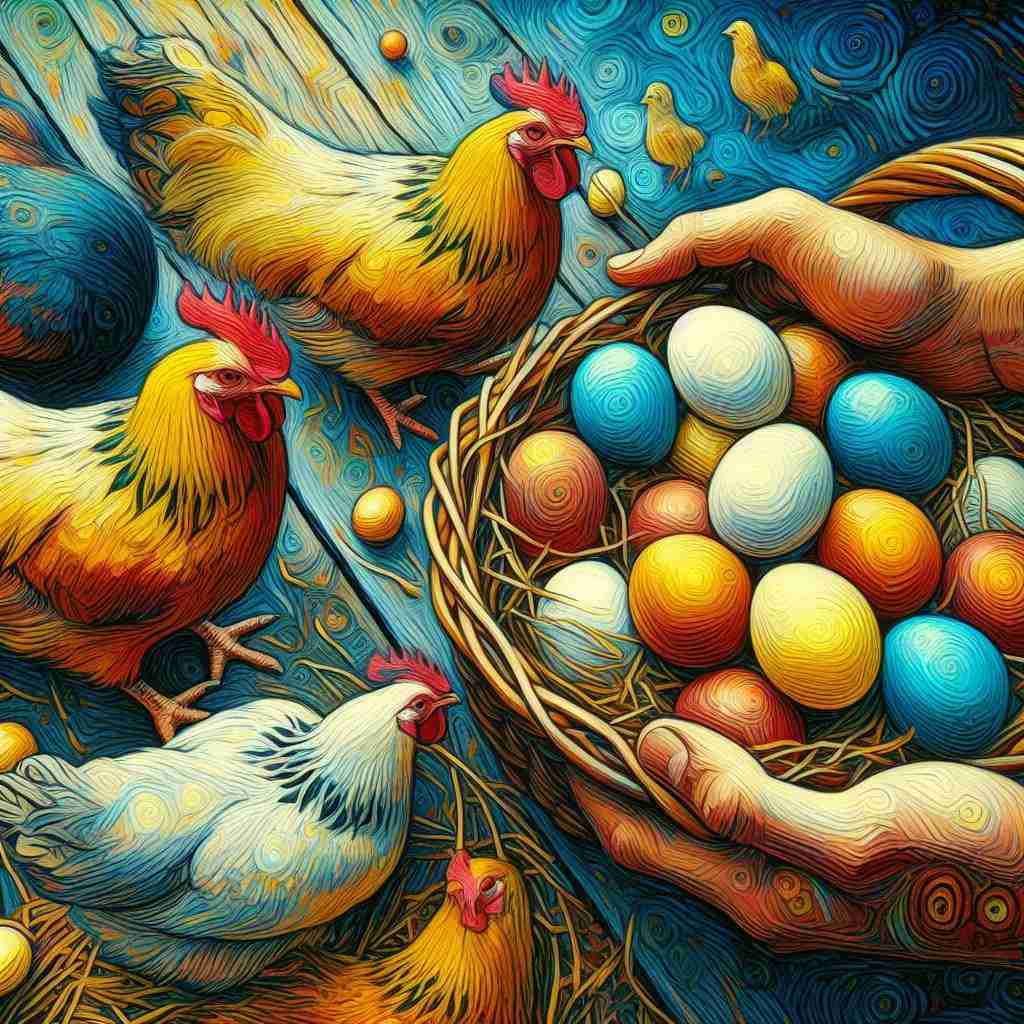
And let’s be real for a moment: what’s wrong with having a little fun combined with good ethics? Backyard chickens aren’t just for those seeking trends; they symbolize a desire for self-sufficiency and connection—to community, to family, and even to our roots. This comedy of chicken farming, fraught with clucked-up moments and muddy boots, reflects who we are as we strive for both quality sustenance and meaningful experiences.
So, the future of chicken farming weighs heavily in consumer preferences. Embracing change and engaging with the community not only fosters connection, it champions a new way of living that nurtures both heart and gut—and that’s a winner any day of the week.

How Do Consumer Preferences Shape the Future Of Chicken Farming?
How Do Consumer Preferences Shape the Future Of Chicken Farming?
- Farming discussions now reflect a softer, more personal tone, connecting to everyday people’s lives.
- Consumers increasingly value quality over quantity, seeking a connection to the land through food.
- There is a growing demand for transparency, authenticity, and ethical practices in chicken farming.
- Adapting to consumer preferences is crucial; failure to do so risks losing market relevance.
- Purchasing from local and sustainable sources reflects a commitment to ethical food production.
- The stories behind chicken farming enhance consumer experience and align with personal values.
- Backyard chickens symbolize self-sufficiency and community connection, mixing fun with ethics.
How Do Consumer Preferences Shape the Future Of Chicken Farming?
Conclusion
Imagine biting into a chicken sandwich that bursts with flavor, a taste that sings of freedom, sunlight, and soil—flavors that modern industrial processes have stifled. Enter the world of pasture-raised broilers, a transformative solution that connects us not only to our food but also to the values we hold dear. This movement isn’t merely a fad; it’s a revolution rooted in a profound understanding of ethical farming and community-centric practices.
Beyond flavor, choosing pasture-raised broilers reverberates through the core of our morality. We find ourselves at a crossroads where ethical considerations can no longer be ignored. In an industry often characterized by cruelty and inhumanity, using our purchasing power to support farmers who practice humane treatment is an act of integrity. Each bite represents a vote for a food system that values life and respects the land. It’s a powerful reminder that we are not only consumers; we are guardians of our food sources, with a responsibility to foster a healthier planet for future generations.
In every backyard flock and pasture beyond, the stories of small-scale farmers weave together a tapestry of community, resilience, and sustainability. When we choose pasture-raised chicken, we’re not just fueling our bodies; we’re cultivating relationships—with the farmers, the soil, and even our neighbors. This isn’t just about consumers picking groceries; it’s about constructing a local economy where every dollar spent helps sustain jobs and enriches lives. Those farm stands become hubs of connection, where individuals engage in meaningful conversations about health, ethics, and sustainability.
Let’s not forget the health benefits. Studies reveal that birds raised in natural settings produce meat that is richer in essential nutrients. Integrating pasture-raised chicken into our diets can generate stronger bodies, sharper minds, and more vibrant families. We’re not merely satisfying an appetite; we’re nurturing the next generation, ensuring they grow up in a world that values nutritious, ethically sourced food.
As we confront the future of farming, fueled by our preferences and choices, it becomes clear that the narrative of our food profoundly shapes our community and our planet. So let’s embrace this opportunity. Let’s honor the journey of our food from farm to table. By investing in pasture-raised poultry, we’re not just making dinner; we’re crafting a legacy of health, empathy, and connection. Each meal becomes a celebration of life—one that nourishes our bodies, hearts, and communities, turning the simple act of eating into a powerful statement about who we are and what we stand for. Now that’s a story worth sharing.

Conclusion
Conclusion:
- Pasture-raised broilers offer a flavorful experience reminiscent of traditional farming, contrasting with modern industrial methods.
- This movement emphasizes the importance of ethical farming and community-oriented practices.
- Choosing pasture-raised chicken is an ethical decision that supports humane treatment and sustainable farming.
- Buying these products empowers consumers as guardians of food sources, positively impacting the environment for future generations.
- Small-scale farmers contribute to community resilience and sustainability through local economies driven by pasture-raised chicken.
- Pasture-raised chickens provide health benefits, with meat that is nutrient-rich and supports better health for families.
- Investing in pasture-raised poultry not only nourishes individuals but also fosters a legacy of health, empathy, and community connection.

Conclusion
Other Resources

Other Resources
Here is a list of other resources you can review online to learn more:
- toads
- onions
- bobcats
- Turken
- Brown Leghorn
- Derbyshire Redcap
- green potato skins
- Cherry Egger
- kale
- Isbar
- Dorking
- raccoons
- Shamo
- uncooked beans
- Oats
- Nankin
- Light Brahma
- Chantecler
Use This Prompt To Get More Resources With Your Favorite Online AI Tool: Please provide me with a list of online articles with their URLs in a bulleted list that I can read regarding How Pasture-Raised Broilers Are Changing the Way We Eat

Other Resources
Glossary Terms
How Pasture-Raised Broilers Are Changing the Way We Eat – Glossary Of Terms
1. Pasture-Raised: Chickens raised on pasture, allowing natural behaviors and access to outdoor environments.
2. Broilers: Chickens specifically bred and raised for meat production.
3. Sustainability: Farming practices that meet current needs without compromising future generations’ ability to meet theirs.
4. Animal Welfare: Standards ensuring humane treatment and conditions for livestock, encompassing physical and psychological wellbeing.
5. Free-Range: Chickens that are allowed to move freely outdoors, offering more space than conventional confinement systems.
6. Soil Health: The condition of soil in terms of its biological, chemical, and physical properties, crucial for farm ecosystems.
7. Grass-Fed: Animals primarily fed grass and forage, which can improve flavor and nutrition in meat products.
8. Nutrition: The study of nutrients in food and how the body uses them, critical for informing healthy eating choices.
9. Food Security: The availability, accessibility, and affordability of food, influencing societal health and stability.
10. Regenerative Agriculture: Farming practices that restore and enhance ecosystem health through holistic management techniques.
11. Biodiversity: The variety of life in a particular habitat, promoting ecosystem resilience and productivity.
12. Ethical Eating: Choosing food sources based on moral values, including animal welfare and environmental impact.
13. Local Sourcing: Obtaining food products from nearby farms, supporting local economies and reducing carbon footprints.
14. Grassland Management: Techniques employed to maintain healthy grasslands, essential for pasture-raised operations.
15. Permaculture: A design philosophy that uses ecological principles to create sustainable agricultural systems.
16. Integrated Farming: A holistic approach that combines crops and livestock to optimize resource use and reduce waste.
17. Natural Foraging: The practice of animals grazing on natural vegetation, which improves animal health and product quality.
18. Organic Certification: A designation that ensures products are grown without synthetic pesticides or fertilizers.
19. Chickens’ Life Cycle: Stages of development from hatching to adulthood, affecting growth rates and product quality.
20. Climate Impact: The effect of agricultural practices on global climate, including greenhouse gas emissions.
21. Consumer Awareness: The understanding and knowledge consumers have regarding food sourcing and production methods.
22. Taste Profile: The flavor characteristics of a food product, often enhanced in pasture-raised meat due to diet.
23. Grass-Based Diet: Feeding animals primarily on pasture to produce healthier and more flavorful meat products.
24. Environmental Stewardship: Responsible management of natural resources and ecosystems to promote sustainability.
25. Food Systems: The interconnected network from production to consumption that influences dietary choices and health.
26. Whole Foods: Foods that are minimally processed and free from artificial ingredients, promoting nutritious diets.
27. Traceability: The ability to track the production history of food products, fostering transparency in the food system.
28. Meat Quality: Various attributes of meat that affect flavor, tenderness, and nutritional value, often improved by pasture-raising.
29. Community Supported Agriculture (CSA): A system where consumers subscribe to receive regular produce deliveries from local farms.
30. Farm-to-Table: A movement promoting direct connections between local producers and consumers for fresh food access.

Glossary Of Terms
Other Questions
How Pasture-Raised Broilers Are Changing the Way We Eat – Other Questions
If you wish to explore and discover more, consider looking for answers to these questions:
- What are the nutritional differences between pasture-raised and conventionally raised chickens?
- How does pasture-raised chicken impact animal welfare compared to industrial farming?
- What are some practical tips for families considering raising their own backyard chickens?
- How does supporting local farmers help combat climate change?
- What are the economic benefits of choosing pasture-raised products for communities?
- Can consumers influence farming practices through their purchasing decisions?
- What are some common misconceptions about pasture-raised poultry?
- How can transparency in food production affect consumer trust?
- What challenges do small-scale farmers face in the current agricultural landscape?
- How does biodiversity within pasture-raised farming contribute to the ecosystem?

Other Questions
Haiku
How Pasture-Raised Broilers Are Changing the Way We Eat – A Haiku
Chickens roam in green,
Flavor rich, hearts intertwined—
Choose life, taste the truth.

Haiku
Poem
How Pasture-Raised Broilers Are Changing the Way We Eat – A Poem
In fields where sunlight dances bright,
Pasture-raised broilers roam in delight,
With every peck and scratch in the soil,
Their joyous lives begin to uncoil.
A flavor once dulled by the chains of despair,
Now sings with freedom, a song rich and rare.
Each succulent bite whispers tales of grace,
Of farmers who nurture, of nature’s embrace.
Ethics entwined with choices we make,
For every meal shared, a promise we stake.
Voting with forks for the kind-hearted way,
Building up farmers who labor each day.
In backyards adorned with clucking delight,
Children dance in the sun, hearts feeling light.
Not just a meal, but a story we tell,
Of love, health, and family, all bound to swell.
To support the local, the vibrant and true,
Is to sow seeds of change in the world that we view.
Biodiversity thrives where unity thrives,
A dance of existence that boldly strives.
Translucent practices reveal the way,
To cherish our food, to honor and stay.
Transparency leads to trust, a bond we can feel,
Linking heart to farm, our meals become real.
So gather around the table, share laughter and cheer,
Each bite a connection, where intentions are clear.
As we nourish our bodies, our communities rise,
Pasture-raised choices—the heart of the prize.
In each tender morsel, a lesson unfolds,
The power of unity, of stories retold.
Together we’ll flourish, let this movement resound,
In the harmony of nature, true sustenance found.

Poem
Checklist
How Pasture-Raised Broilers Are Changing the Way We Eat – A Checklist
Checklist: Embracing Pasture-Raised Broilers for a Healthier Future
Heart Appeals
_____ Reflect on the emotional connections between food and community.
_____ Consider the role of nourishing meals in family bonding.
_____ Visualize the life of pasture-raised chickens enjoying the outdoors.
_____ Acknowledge the ethical value of humane animal treatment.
Head Appeals
_____ Research the nutritional benefits of pasture-raised chicken versus conventional options.
_____ Analyze the environmental impact of supporting sustainable farming practices.
_____ Investigate local farmers and their practices for transparency and integrity.
_____ Evaluate the long-term benefits of investing in local economies through sustainable food choices.
Gut Appeals
_____ Trust your instincts about the quality of food based on its source and farming practices.
_____ Reflect on the satisfaction derived from eating ethically sourced and well-cared-for food.
_____ Engage in conversations about food choices that resonate with moral and ethical values.
_____ Embrace the joy of knowing your food’s journey from farm to table.
Practical Steps
_____ Identify local farms that offer pasture-raised poultry products.
_____ Commit to trying one new recipe featuring pasture-raised chicken this week.
_____ Share your journey with friends and family to foster community awareness.
_____ Consider starting your own backyard chicken project for personal sustainability.
Social Engagement
_____ Attend local farmers’ markets to connect with producers.
_____ Join community groups focused on sustainable agriculture.
_____ Host a dinner featuring pasture-raised chicken and discuss its benefits with guests.
_____ Advocate for transparency in food production within your community.
Ethical Considerations
_____ Understand the ethical implications of your food choices on local ecosystems.
_____ Support practices that promote biodiversity and animal welfare.
_____ Reflect on how your spending choices impact farming practices and community health.
_____ Honor the narrative of small-scale farmers through thoughtful consumer behavior.

Checklist
At BackyardChickenNews, we help people who want to raise backyard chickens by collating information and news blended with our own personal experiences.
Be sure to read our other related stories at BackyardChickenNews to learn more about raising chickens in your backyard.