

Unleashing The Power Of Your Coop: Building A Brand That Resonates
By Tom Seest
At BackyardChickenNews, we help people who want to raise backyard chickens by collating information and news blended with our own personal experiences.
Be sure to read our other related stories at BackyardChickenNews to learn more about raising chickens in your backyard.
How to Build a Brand Around Your Coop and Why You Should
Building a brand around your coop isn’t just about marketing; it’s a journey of connection, heart, and purpose. Imagine waking up to the sound of clucking in your backyard, feeling the warmth of the sun on your face as you step outside to greet your chickens. These aren’t just feathered companions; they’re part of a story that belongs to you and your community. By sharing that story, you create a brand that resonates on a personal level, igniting a spark in the hearts of those around you.
The truth is, the world is hungry for authenticity. People want to know where their food comes from, and they crave experiences that foster personal connections. Your Backyard Chickens offer a glimpse into that world—a world where you can educate, engage, and inspire. Share your journey, from selecting the right breeds to the challenges of raising them; it’s a narrative that can captivate and draw others in. When you offer not just eggs but a lifestyle, you’re crafting an appealing story that others will want to be part of.
Rationally, consider the growing interest in sustainable living. Building your brand can lead to local initiatives, partnerships, or educational programs that make a difference. Your coop can evolve from a simple backyard setup into a beacon of ethical farming practices, showcasing how small choices lead to big impacts. Aligning with the values of sustainability and responsible animal care not only enhances your brand but positions you as a trusted authority in the community.
Furthermore, the human element cannot be overstated. As you share your experiences, you invite others into your world—fostering connections that transcend the simple act of raising chickens. Social media is a tool, and as you publish your story, you create a community of like-minded individuals who share your passion. Together, you build a tribe of enthusiasts, advocates, and friends who will support your brand because they believe in its mission.
Take action now. Start documenting your experiences, learning from your failures, and celebrating your successes. Craft a brand that speaks not just to the heart but to the head and gut. Inspire trust by being transparent; build confidence through your knowledge; and take the time to connect. In doing so, you don’t just build a brand around your coop; you cultivate a movement that celebrates the joy of Backyard Chickens and all the riches they bring to our lives.

How to Build a Brand Around Your Coop and Why You Should
How to Build a Brand Around Your Coop and Why You Should
- Building a brand around your coop goes beyond marketing; it involves connection, heart, and purpose.
- Personal stories about your chickens foster a sense of community and resonate with others.
- Authenticity is key; people want to know their food’s source and seek personal connections.
- Your Backyard Chickens provide educational and engaging experiences in sustainable living.
- Aligning your brand with sustainability and ethical practices positions you as a trusted community authority.
- Sharing experiences on social media creates a supportive community and builds a tribe of like-minded individuals.
- Document your journey transparently to inspire trust and cultivate a movement celebrating Backyard Chickens.

How to Build a Brand Around Your Coop and Why You Should
Table Of Contents
- How to Build a Brand Around Your Coop and Why You Should
- What Makes Your Coop Unique In a Crowded Marketplace?
- What Emotional Connections Do Your Customers Have with Local Farms?
- What Values Do You Want Your Brand to Represent In Your Community?
- What Ethical Practices Should Your Brand Embody to Gain Trust?
- How Does Your Branding Reflect the Quality Of Your Products?
- What Role Does Customer Feedback Play In Shaping Your Brand Identity?
- Conclusion
- Other Resources
- Glossary Of Terms
- Other Questions
- Haiku
- Poem
- Checklist
What Makes Your Coop Unique In a Crowded Marketplace?
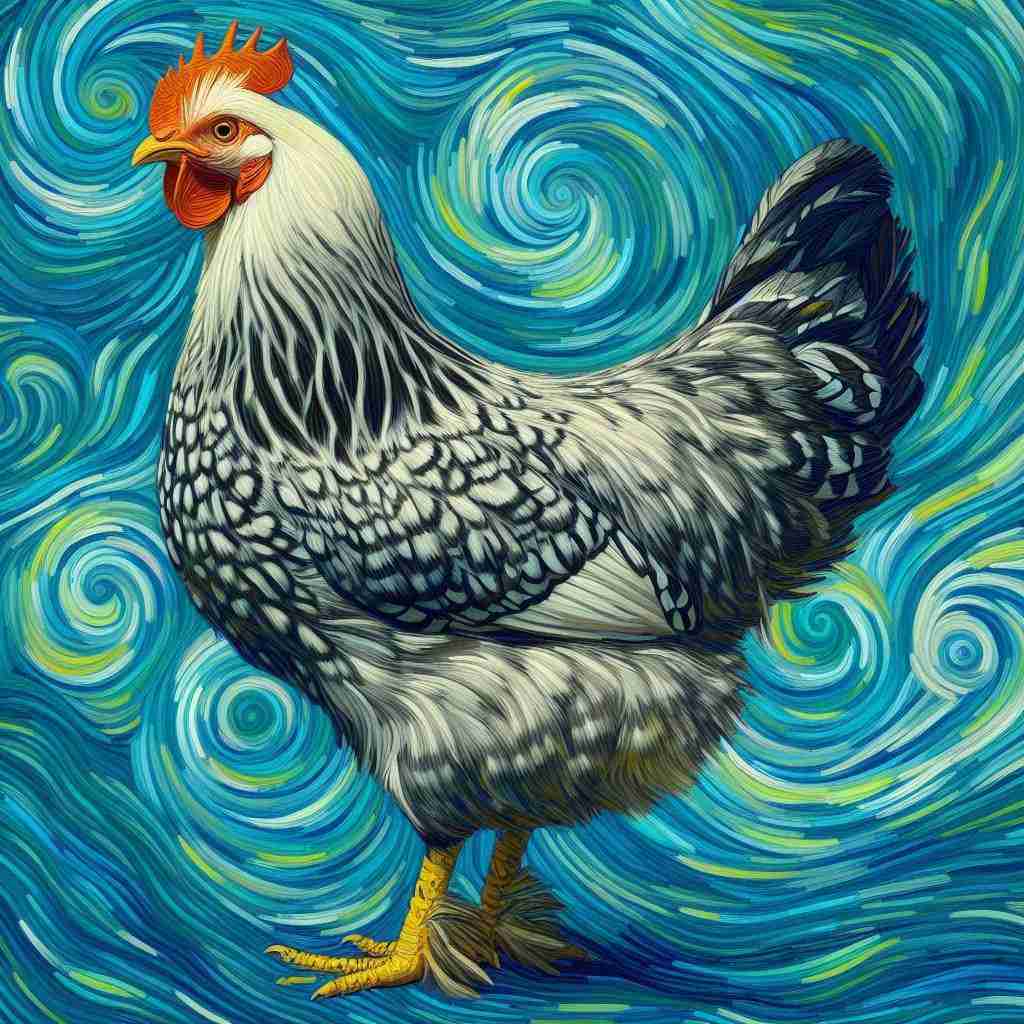
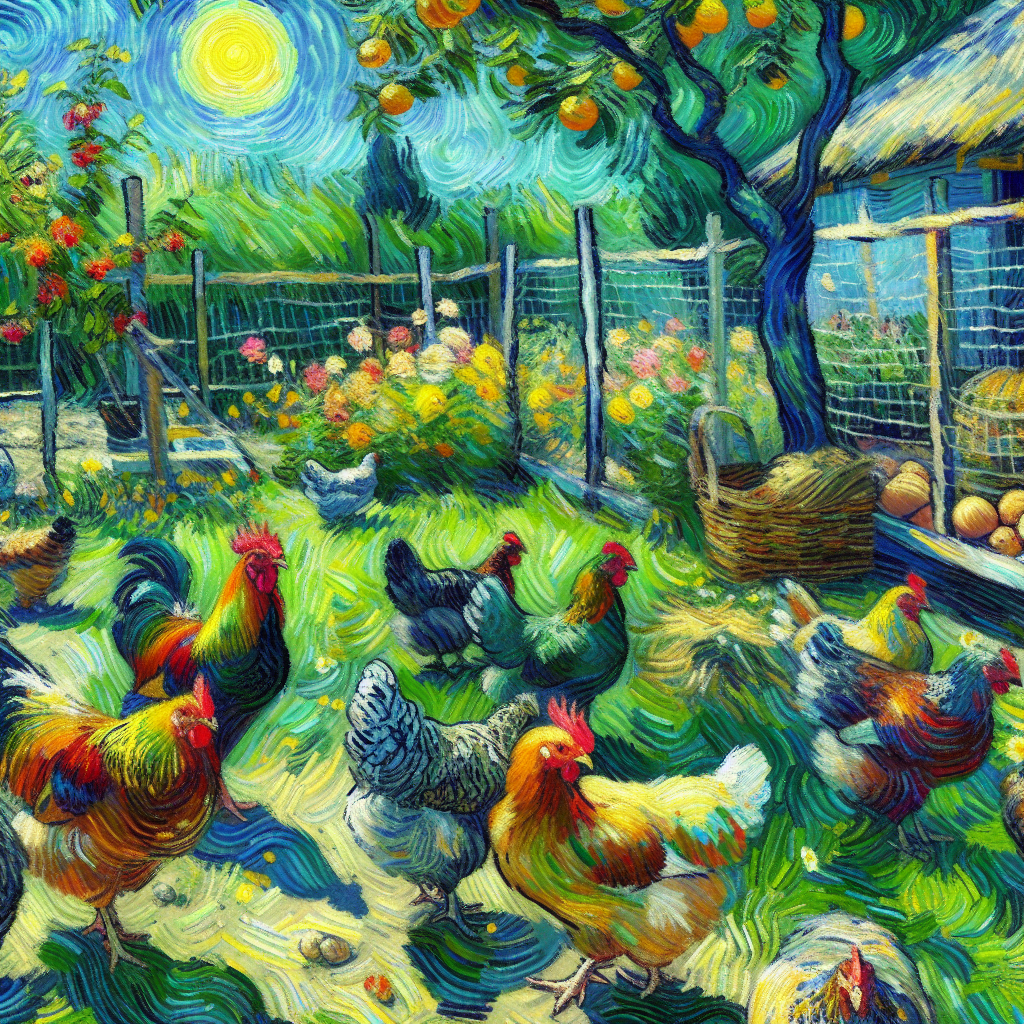
In a world overflowing with choices, carving out a niche for your coop means tapping into what truly makes you unique—a blend of heart, head, and gut that not only speaks to your customers but resonates on a human level. Imagine the sight of a vibrant community rondom your backyard chickens; those fluffy little wonders aren’t just an investment, they’re a symbol of sustainability, self-sufficiency, and the joys of simple living. When you choose to offer something more than just eggs, you’re inviting people into a narrative—a story of farm-to-table freshness that gives them a taste of home, even in the hustle of modern life.
Think about the rational side of it. Consumers increasingly crave connections with the food they eat and the sources behind it. You could harness that desire with educational content—showing them how to raise their own chickens, the intricacies of a well-run coop, or the benefits of organic eggs. This knowledge creates an authority, turning you from a vendor into a trusted guide. Knowledge isn’t just power; it’s a bond.
Ethically speaking, choosing local and sustainable practices not only helps the environment but also fosters a sense of community. When customers know they’re supporting a local business that cares, they don’t just feel good about their purchase—they become part of your journey. One person’s decision to choose your coop over the mass-produced alternative has a ripple effect; it helps a neighbor, a local farmer, and ultimately, the planet.
But let’s not forget the gut feeling. People buy based on instincts and emotional ties—when they see your coop and the love that’s poured into it, there’s a connection they can’t ignore. Share stories of families bonding over tending to their chickens, children learning the values of responsibility, or the simple joy of gathering fresh eggs each morning.
Lastly, cultivate a sense of community. Create a space where people can share their chicken raising triumphs and challenges. When customers feel they’re part of a tribe, they don’t just return; they invite others in. Building trust and confidence in your brand doesn’t just happen—it’s earned through authenticity and connection. So, what makes your coop unique? It’s not just about the products you sell; it’s about the lives you touch and the stories you share along the way.
What Makes Your Coop Unique In a Crowded Marketplace?
What Makes Your Coop Unique In a Crowded Marketplace?
- Unique selling points should tap into authenticity, blending emotions, reason, and instincts.
- A vibrant community around backyard chickens symbolizes sustainability and joy in simple living.
- Providing more than just eggs invites customers into a narrative of farm-to-table freshness.
- Educational content can establish authority and transform you from a vendor into a trusted guide.
- Local and sustainable practices foster community support and contribute positively to the environment.
- Emotional connections and storytelling about chicken care enhance customer bonds and instincts.
- Cultivating a sense of community encourages ongoing customer engagement and brand loyalty.
What Makes Your Coop Unique In a Crowded Marketplace?
What Emotional Connections Do Your Customers Have with Local Farms?
There’s something profoundly special about the connection we forge with the local farms nestled in our communities. These aren’t just places where vegetables sprout or cows graze; they embody a raw, authentic relationship with the earth that resonates deep within our souls. When we step onto these farms, we’re not just buying produce; we’re participating in a vibrant narrative—one woven with sweat, hope, and a relentless commitment to quality.
Picture the joy of gathering fresh eggs from your backyard chickens, a ritual that takes you back to simpler times. Each egg is a small treasure, a tangible product of care and connection that store-bought just can’t replicate. The farmers, with their hands caked in soil, seamlessly bridge our human stories with nature’s rhythm, showcasing the fruits of their labor and nurturing a community with their sustainable practices.
From a rational perspective, supporting local farms is a wise investment. By choosing to buy local, you’re putting your money where your mouth is—literally. Local farms often offer fresher produce, free from the long supply chains that diminish flavor and nutrition. And let’s be honest: the taste of a juicy, sun-ripened tomato from just down the road is a flavor that sticks with you, igniting your taste buds in a way that mass-produced varieties simply can’t.
Yet, this connection isn’t just pragmatic; it’s ethical. When you support a local farm, you foster a sense of responsibility towards your community and the environment. You contribute to sustainable practices that nurture the land, protect natural habitats, and create jobs for your neighbors. This isn’t just about feeding ourselves; it’s about nurturing the very fabric of our local identity.
In a world fragmented by screens and impersonal transactions, local farms serve as a lifeline to our humanity. They invite us to engage, to learn, and to grow—not just in terms of food, but in understanding our roles in the community. As we stroll through the fields, watch children chase after baby goats, or learn from farmers about crop rotation, we realize that we are part of something much larger than ourselves.
So, the next time you ponder your meal choices, consider the emotional tapestry woven into local farms. Choose connection, simplicity, and sustainability—because you, your family, and your community deserve it. Embrace that bond, and cultivate a world where we all thrive together.

What Emotional Connections Do Your Customers Have with Local Farms?
What Emotional Connections Do Your Customers Have with Local Farms?
- Local farms create a deep, authentic connection with the earth and our communities.
- Participating in farm life provides a sense of joy and connection, such as gathering fresh eggs.
- Farmers connect human stories with nature through sustainable practices and hard work.
- Buying local produces fresher, more flavorful food compared to mass-produced alternatives.
- Supporting local farms fosters community responsibility and contributes to sustainable practices.
- Local farms help nurture local identity and create jobs for community members.
- Engaging with local farms enriches our understanding of community and our roles within it.

What Emotional Connections Do Your Customers Have with Local Farms?
What Values Do You Want Your Brand to Represent In Your Community?
When you think about your brand’s values, consider the impact you want to make in your community. These values are not just buzzwords; they’re the essence of what you stand for, the heartbeat of your mission that can resonate far beyond sales and profits. Ask yourself: what do you want your brand to represent?
Picture this: a local farm that proudly raises backyard chickens. It’s not just about the eggs; it’s about sustainability, responsibility, and community empowerment. When you embrace values like these, you’re inviting people to connect with something greater than themselves. You’re telling a story that resonates — a narrative of hard work, dedication, and the simple joys of life. In a world hungry for authenticity, a brand that stands for these values can inspire not just trust, but a movement.
Consider the rational side. When you promote ethics in your business, like supporting local farmers or championing sustainable practices, you’re not just making a claim; you’re building an authority. When you invest in these principles, you become a credible voice in your industry, and people will return to you, not just for the products you sell, but for the values you uphold. They will respect your commitment, feeling confident that they are part of something worthwhile.
But let’s dig deeper. Values aren’t just for your customers; they are for your team, your employees, and your own conscience. When you align your brand with ethical standards, those in your circle — from staff to suppliers — feel the weight of that decision. They become ambassadors, carrying your message forward, fostering a social connection that enriches everyone involved. You’re creating a community where people feel empowered to contribute, to share, and to grow together.
Imagine a scenario where your backyard chickens symbolize more than mere agriculture; they evoke a sense of togetherness, a return to roots, and a commitment to nurturing the environment. This is about legacy. It’s about fostering a culture of responsibility and love for the earth, one that inspires others to take action.
When you define what values you want to represent in your community, you’re opting into a powerful tool for connection. This is your chance to lead by example, inspire trust, and cultivate a brand that people don’t just buy from—they believe in. So, roll up your sleeves, get to the heart of it, and begin building a legacy your community can be proud of.

What Values Do You Want Your Brand to Represent In Your Community?
What Values Do You Want Your Brand to Represent In Your Community?
- Consider the impact of your brand’s values in the community, as they reflect your mission beyond sales.
- Embrace sustainability and community empowerment, fostering connections that extend beyond products.
- Authenticity in values can inspire trust and create a movement around your brand.
- Promoting ethical practices builds authority and credibility in your industry.
- Values should resonate with your team and create a sense of community among employees and suppliers.
- Define values that symbolize togetherness and a commitment to nurturing the environment, contributing to a legacy.
- Building a brand around strong values allows you to lead by example and cultivate belief in your mission.

What Values Do You Want Your Brand to Represent In Your Community?
What Ethical Practices Should Your Brand Embody to Gain Trust?
When it comes to building trust with your audience, embodying ethical practices isn’t just optional—it’s essential. Imagine strolling through a neighborhood, children chasing each other in the yard, and what do you see? Backyard chickens clucking happily, producing fresh eggs that families enjoy together. This simple image captures the essence of connection, responsibility, and nurturing, all of which reflect the values your brand should embody.
It’s more than just slapping an eco-friendly label on your products; it’s about digging deeper into what those values truly mean. Consumers today demand authenticity, and they’re not shy about calling out brands that merely pay lip service to ethical practices. Begin with transparency. Be open about your sourcing, your labor practices, and your environmental impacts. When you lay your cards on the table, you invite your audience into your story, building a bridge of trust.
But let’s not stop there. Back up your words with action. If your brand promises sustainability, then ensure that you uphold those values through every step of your supply chain. Consumers have a knack for sniffing out inconsistencies, and they want reassurance that their choices matter. That’s rational appeal, speaking to the mind, and it’s pivotal.
Think about the power of storytelling. Share the stories of the people behind your products—the artisan who crafts each item, the farmer who harvests ethically sourced ingredients, and the community your brand supports. These narratives foster connection and invoke empathy. They paint a picture that resonates on an emotional level, enhancing your authority and reinforcing your ethical standing.
Remember, you’re part of a larger community. Engage with your audience through social initiatives, like sponsoring local events or supporting charitable causes. When they see you contributing positively to society, it’s not just a brand; it’s a beloved member of the neighborhood. This social appeal reinforces your commitment to shared values, drawing people in.
When consumers feel your brand aligns with their values, they don’t just buy a product; they invest in a relationship. So, aim for more than just profits. When you cultivate trust through unyielding ethics, compassion, and community, you create loyal supporters who will champion your brand not just for what you sell, but for what you stand for. After all, trust isn’t given—it’s earned, one ethical decision at a time.

What Ethical Practices Should Your Brand Embody to Gain Trust?
What Ethical Practices Should Your Brand Embody to Gain Trust?
- Building trust with your audience through ethical practices is essential, not optional.
- Authenticity is crucial; consumers want brands to genuinely embody ethical values, not just use eco-friendly labels.
- Transparency about sourcing, labor practices, and environmental impacts invites consumers into your brand’s story.
- Actions must back up brand promises of sustainability; consumers can detect inconsistencies.
- Storytelling about the people behind your products fosters connection and empathy, enhancing your brand’s authority.
- Engage with your community through social initiatives to reinforce your commitment to shared values.
- Trust is earned through unwavering ethics and community involvement, transforming consumer relationships into loyal support.

What Ethical Practices Should Your Brand Embody to Gain Trust?
How Does Your Branding Reflect the Quality Of Your Products?
Branding is much more than a flashy logo or a clever slogan. It’s the narrative you weave about who you are and what you stand for. Think about those hearty backyard chickens. At first glance, they seem simple—just birds pecking in the dirt. But dig deeper and you’ll discover they represent home, authenticity, and a way of life that rejects the mass-produced, soulless products littering supermarket shelves. When you choose to incorporate their spirit into your branding, you’re not just selling eggs; you’re selling a deep-rooted connection to quality and tradition.
Consider the emotional weight behind your brand. People don’t just buy products; they invest in stories. When your branding reflects genuine care for craftsmanship—just like those backyard eggs that come from hens raised with love—it resonates with customers’ hearts. They want to feel they are part of something bigger, something real. This emotional bond transforms a mere transaction into a lasting relationship.
Now, let’s get rational for a moment. Quality doesn’t just happen; it’s earned through consistency, effort, and honesty. When your branding conveys a commitment to these values, it fosters trust. Customers want to feel confident that when they choose your product, they’re selecting something that won’t let them down. If your branding tells a cohesive story of quality, they’ll naturally gravitate toward you, avoiding those who offer false promises wrapped in shiny packaging.
Ethically, we live in an increasingly conscious world. People are looking for brands that align with their values. By showcasing a commitment to sustainability, craftsmanship, and community, your branding can reflect a moral stance that resonates with consumers hungry for genuine connection. It’s not just about profit; it’s about impact.
Lastly, let’s not underestimate the power of authority. Brands that convey expertise, whether through testimonials or well-crafted messaging, establish their legitimacy in their field. When people believe that you know what you’re doing, just as a farmer knows their chickens, they’re more likely to trust your products.
Ultimately, effective branding is about fostering a communal experience. It invites customers to not just buy, but to belong—to a family of makers, doers, and dreamers. When that happens, you don’t just have a brand; you have a movement. And like those beloved backyard chickens, your brand can become a symbol of quality and authenticity that makes hearts soar and stomachs filled with trust.

How Does Your Branding Reflect the Quality Of Your Products?
How Does Your Branding Reflect the Quality Of Your Products?
- Branding encompasses a narrative about identity and values, not just logos or slogans.
- Using symbols like backyard chickens can represent authenticity and a connection to quality and tradition.
- Customers invest in brands that tell genuine stories and reflect care for craftsmanship.
- Consistency, effort, and honesty in branding build trust and confidence in products.
- Branding should align with consumer values, showcasing sustainability and community impact.
- Authority through expertise and testimonials enhances brand legitimacy and fosters trust.
- Effective branding creates a communal experience, inviting customers to belong to a larger movement.

How Does Your Branding Reflect the Quality Of Your Products?
What Role Does Customer Feedback Play In Shaping Your Brand Identity?
Customer feedback is the lifeblood of a brand’s identity, a genuine pulse that reveals the heartbeat of your audience. When folks take the time to share their opinions—whether it’s a glowing review or a constructive critique—they’re inviting you into their world. They’re opening up their hearts, sharing their expectations and experiences. Imagine a backyard chicken enthusiast telling you how your organic feed gave their flock a pep in their step. This isn’t just feedback; it’s a personal connection and a peek into their morning routine, where your product plays a pivotal role.
Every piece of feedback is a window into the minds of your customers. They’re not just conveying likes or dislikes; they’re shedding light on what works and what doesn’t, what they cherish, and what they wish could be different. By actively listening and responding to your customers, you’re showcasing an unwavering commitment to improvement. Rationally, this isn’t merely about survival; it’s a strategic move to evolve and adapt in an ever-changing marketplace.
The ethical dimension of embracing feedback can’t be overstated. It builds trust—an essential currency in today’s competitive landscape. When customers see that you care about their input and are willing to make changes, they feel valued. This sense of validation creates a positive ripple effect, inspiring others to speak up and share their own stories. It’s about building a community of advocates who resonate with your brand’s mission.
Narratives woven from real customer experiences can enhance authenticity, transforming your brand from a faceless entity into a trusted partner in their lives. When someone hears a relatable story about how your product has made a tangible difference—be it happier chickens or a delightful meal—you inspire confidence that your brand is worth believing in. It isn’t just about selling; it’s about connecting with people on a deeper level.
Engaging with your audience fosters a sense of belonging. By actively involving them in your brand journey, you’re not merely cultivating loyalty; you’re nurturing a shared vision that aligns your values with theirs. In a world where social proof often influences decisions, harnessing customer feedback to shape your brand identity can turn casual customers into passionate brand ambassadors.
Ultimately, by placing value on customer feedback, you’re not just shaping your brand; you’re building a legacy grounded in trust, engagement, and shared experiences. This journey paves the path for innovation, growth, and an enduring connection that goes beyond the product itself.

What Role Does Customer Feedback Play In Shaping Your Brand Identity?
What Role Does Customer Feedback Play In Shaping Your Brand Identity?
- Customer feedback is crucial for shaping a brand’s identity and understanding audience needs.
- Feedback reveals personal connections and experiences, enhancing the relationship between customers and the brand.
- Active listening and response to feedback demonstrates commitment to improvement, essential for adapting in a competitive market.
- Embracing feedback builds trust, making customers feel valued and encouraging them to share more.
- Narratives from customer experiences enhance brand authenticity, creating a deeper connection beyond transactions.
- Engaging with customers fosters loyalty and aligns brand values with those of the audience.
- Valuing feedback helps build a legacy rooted in trust, innovation, and lasting relationships with customers.

What Role Does Customer Feedback Play In Shaping Your Brand Identity?
Conclusion
Building a brand around your coop isn’t just a marketing strategy; it’s a heartfelt connection with your community and the world. When you wake each morning to the sounds of your chickens, you’re not just tending to animals; you’re nurturing a narrative that brings people together. In a society craving authenticity and transparency, your coop can be a beacon, illuminating the story of where our food truly comes from. You’re not merely selling eggs; you’re offering a lifestyle built on knowledge, sustainability, and connection—a tale that captures the imagination and encourages others to join the journey.
Consider the big picture: as consumers become more aware of their food sources and the stories behind them, your backyard can transform into a hub of learning and engagement. Imagine creating educational programs or partnering with local farms. When you delve into ethical farming practices and sustainability, you won’t just establish trust; you’ll embody the very essence of responsible agriculture—becoming a local authority that inspires change.
Let’s tap into the indelible human element that binds us all. When you share your experiences—whether they’re triumphs or challenges—you foster connections that reach beyond the realms of chicken-raising. Social media can amplify your voice, creating a community of passionate individuals who rally around your mission. This sense of belonging fortifies your brand and encourages loyalty; after all, people resonate with stories of shared experiences and authentic journeys.
Embrace the idea that the values your brand represents go well beyond sales; they serve as a compelling ethos that can elevate your entire community. When you choose to champion local businesses and sustainable practices, you cultivate trust and solidify your status as a responsible neighbor. This is where stories of connection, love for the earth, and community come into play—offering a compelling narrative for everyone involved.
Ultimately, building a brand around your coop goes deeper than just selling a product; it’s about nurturing a movement. It’s about creating a legacy that prioritizes trust, ethical practices, and a shared love for our environment. As you invite customers into this world, you’ll discover that they don’t just become buyers—they transform into advocates who cherish and support a brand that resonates with their values. So roll up your sleeves, embrace authenticity, and build a legacy that celebrates not just the joy of raising backyard chickens but the richness of our interconnected lives.

Conclusion
Conclusion:
- Building a brand around your coop creates a heartfelt connection with your community and the world.
- Your coop serves as a narrative spotlighting the origins of our food, moving beyond just selling eggs.
- As consumers grow more aware of food sources, your backyard can become a hub for learning and engagement.
- Implement ethical farming practices and sustainability to build trust and inspire change within your community.
- Sharing experiences fosters connections that go beyond chicken-raising and helps create a loyal community.
- Your brand’s values extend beyond sales, promoting a compelling ethos of trust and a love for the environment.
- Ultimately, the goal is to nurture a movement and create advocates who resonate with your brand’s mission and values.

Conclusion
Other Resources

Other Resources
Here is a list of other resources you can review online to learn more:
- Onagadori
- Sunflower
- coyotes
- grubs
- Oats
- garlic
- Iowa Blue
- Ulcerative Enteritis
- Brahma
- Buff Orpington
- Booted Bantam
- uncooked beans
- Fowl Typhoid
- Nankin
- earthworms
- Campine
- Cochin
- Frizzle
Use This Prompt To Get More Resources With Your Favorite Online AI Tool: Please provide me with a list of online articles with their URLs in a bulleted list that I can read regarding How to Build a Brand Around Your Coop and Why You Should

Other Resources
Glossary Terms
How to Build a Brand Around Your Coop and Why You Should – Glossary Of Terms
1. Brand: The unique identity of a business characterized by its name, logo, design, and messaging that distinguishes it from competitors.
2. Coop: Short for cooperative; a business owned and operated by a group of individuals for mutual benefit, often emphasizing community and collaboration.
3. Target Audience: The specific group of consumers a brand aims to reach and serve, typically defined by demographics, interests, or needs.
4. Logo: A visual symbol that represents a brand, designed to convey its values and create recognition.
5. Brand Identity: The combination of elements, such as colors, typography, and imagery, that visually represents a brand and communicates its personality.
6. Brand Message: The core communication that conveys what a brand stands for, including its mission, values, and unique selling proposition.
7. Mission Statement: A concise declaration of the purpose and goals of a brand or organization, guiding its actions and decisions.
8. Value Proposition: A statement that clearly outlines the benefits and values that a brand offers to its customers.
9. Content Marketing: A strategic marketing approach focused on creating and distributing valuable, relevant content to attract and engage a target audience.
10. Social Media Marketing: The use of social media platforms to promote a brand, engage with customers, and create community.
11. Community Engagement: The process of building relationships with the community to encourage participation and promote a brand’s values and products.
12. Brand Equity: The financial value of a brand derived from consumer perception, recognition, and loyalty.
13. Differentiation: The process of distinguishing a brand from its competitors by highlighting unique features or qualities.
14. Customer Experience: The overall perception of a brand created through interactions at every touchpoint along the customer journey.
15. Sustainability: The commitment to environmentally and socially responsible practices within a brand’s operations and messaging.
16. Storytelling: The art of using narratives to communicate a brand’s values, mission, and identity, making it relatable and memorable.
17. Visual Identity: The visual aspects of branding, including color scheme, typography, and imagery, that create a brand’s overall appearance.
18. Consumer Trust: The confidence that consumers have in a brand’s reliability and integrity, often cultivated through consistent messaging and quality.
19. Brand Loyalty: The tendency of consumers to continuously choose one brand over others due to positive experiences and emotional connections.
20. Brand Awareness: The extent to which consumers recognize and are familiar with a brand, often measured through surveys and market research.
21. Product Differentiation: The process of distinguishing a product from similar offerings in the market to stand out to consumers.
22. Influencer Marketing: Collaborating with individuals who have influence over potential customers to promote a brand or product.
23. Organic Reach: The number of people who see content without paid promotion, often enhanced through engaging and shareable content.
24. Customer Feedback: Insights gathered from consumers regarding their experiences and perceptions of a brand, used to inform improvements.
25. Brand Ambassadors: Individuals who actively promote a brand through word-of-mouth, social media, and other platforms, often stemming from genuine loyalty.
26. Rebranding: The process of changing aspects of an existing brand, such as its name, logo, or messaging, to reflect new goals or market conditions.
27. Market Positioning: The strategic effort to create a unique image of a brand in the minds of target consumers relative to competitors.
28. Networking: Building and nurturing professional relationships to foster collaboration, opportunities, and brand visibility.
29. Co-branding: A marketing strategy that involves partnering with another brand to leverage shared values and reach wider audiences.
30. Metrics: Quantitative measures used to assess the performance of branding initiatives, including engagement rates, sales, and customer satisfaction.

Glossary Of Terms
Other Questions
How to Build a Brand Around Your Coop and Why You Should – Other Questions
If you wish to explore and discover more, consider looking for answers to these questions:
- What are the key steps to start building a brand around my coop?
- How can I effectively tell my story to connect with potential customers?
- What unique aspects should I highlight to differentiate my coop in the market?
- How do I educate my community about the benefits of backyard chickens?
- What role does social media play in building my coop’s brand?
- How can I cultivate a sense of community among my customers?
- What partnerships can I pursue to enhance my brand’s visibility?
- How can I measure the success of my branding efforts?
- What resources are available for someone new to raising chickens and building a brand?
- How do I maintain consistency in my brand messaging across different platforms?
- What common challenges do others face when building a brand around their coop?
- How can I use customer feedback to improve my products and services?
- What are the best practices for promoting ethical practices in my branding?
- How can I ensure that my branding reflects the quality of my products?
- What are the long-term benefits of building a strong brand for my coop?

Other Questions
Haiku
How to Build a Brand Around Your Coop and Why You Should – A Haiku
Chickens roam in love,
Eggs of trust, community,
Roots in a shared home.

Haiku
Poem
How to Build a Brand Around Your Coop and Why You Should – A Poem
In the warmth of the morning sun, through clucks and gentle song,
A tale unfolds in humble coops, where heart and purpose throng.
Chickens roam in vibrant yards, a bond with earth of pride,
Where stories rise like golden eggs—connections magnified.
People yearn for something real, a path through life’s vast maze,
They seek the roots of wholesome fare, authenticity to praise.
Raise not just birds, but values deep—a tapestry well-spun,
With every feed and every care, a community is won.
From backyard nests to mindful farms, a legacy is sown,
Sustainable and ethical, a duty to be shown.
With transparency as your guide, weave trust through every thread,
To nourish not just body, but a spirit that has fed.
Embrace the journey, share your tales, let others in your fold,
Craft a brand that isn’t just for sale, but nurtures hearts of gold.
Through feedback shared, a dialogue—each voice, a vital spark,
Transform your brand from product plain to a light that leaves its mark.
So rise, dear friend, with coop in hand, let your values take their flight,
For in this dance of hearts and minds, you cultivate the light.
A movement born of joy and care, where everyone belongs,
Together, let us nourish hope and sing our humble songs.

Poem
Checklist
How to Build a Brand Around Your Coop and Why You Should – A Checklist
Checklist: Building a Brand Around Your Coop
Emotional Appeals
_____ Share your personal story: Document your journey with your chickens and the joy they bring.
_____ Create narratives that resonate: Share anecdotes about family bonding, learning experiences, and simple pleasures from coop life.
_____ Foster community engagement: Encourage connections through shared experiences—host local events or online forums.
Rational Appeals
_____ Educate customers: Provide resources on chicken care and the benefits of local, sustainable farming.
_____ Maintain consistency: Ensure the quality of your products is reliable to build trust.
_____ Showcase transparency: Be open about your farming practices and supply chain to enhance credibility.
Ethical Appeals
_____ Adopt sustainable practices: Commit to environmentally friendly operations and responsible animal care.
_____ Support local: Collaborate with local farmers and businesses to foster community ties.
_____ Make ethical claims: Clearly communicate your values and ethical stance to align with conscious consumers.
Authority Appeals
_____ Establish expertise: Share knowledge through blogs, workshops, or social media content about chicken raising and sustainable farming.
_____ Gather testimonials: Use customer reviews and success stories to reinforce your authority in the niche.
_____ Become a trusted guide: Position yourself as a go-to resource for both new and seasoned chicken keepers.
Narrative Appeals
_____ Craft a compelling brand story: Weave the essence of your coop into a narrative that reflects authenticity and connection.
_____ Use customer stories: Highlight real customer feedback that demonstrates the impact of your products.
_____ Communicate your mission: Clearly articulate the purpose behind your brand and the values it represents.
Social Appeals
_____ Build a community: Create platforms for customers to share their chicken-raising successes and challenges.
_____ Engage in social initiatives: Participate in local charity events or sponsorships to connect with the community.
_____ Share on social media: Use social platforms to showcase your coop life, encourage conversations, and inspire others.
Action Items
_____ Start documenting your journey today: Create a blog or social media account dedicated to your coop.
_____ Engage customers directly: Ask for feedback and make adjustments based on their input.
_____ Cultivate a movement: Inspire a collective commitment to local, sustainable living through your branding and community efforts.
By implementing these items, you can effectively build a brand that resonates in the hearts, heads, and guts of your audience, fostering a lasting impact in your community.

Checklist
At BackyardChickenNews, we help people who want to raise backyard chickens by collating information and news blended with our own personal experiences.
Be sure to read our other related stories at BackyardChickenNews to learn more about raising chickens in your backyard.