

Creating An Eco-Friendly Oasis: A Blueprint For Building Your Own Stylish Coop-Garden
By Tom Seest
At BackyardChickenNews, we help people who want to raise backyard chickens by collating information and news blended with our own personal experiences.
Be sure to read our other related stories at BackyardChickenNews to learn more about raising chickens in your backyard.
How to Design a Chic, Sustainable Coop-Garden Hybrid
Imagine waking up to the gentle clucking of your backyard chickens, their cozy coop nestled by a garden bursting with life. This idyllic scene is not just a fantasy; it’s a rewarding reality that combines sustainability with the delicious joys of homegrown food. Designing a chic coop-garden hybrid is about more than aesthetics; it’s about fostering a vibrant ecosystem right in your own backyard.
Start by putting pen to paper and sketching out your vision. Visualize a space where beauty meets functionality, where the rustic charm of a chicken coop blends seamlessly into a flourishing garden. Your choice of materials for the coop can be both stylish and eco-friendly. Consider reclaimed wood or bamboo, sustainable choices that speak to your commitment to the environment while adding character to your yard.
Think of the impact your coop-garden hybrid can have—not just on your family but on your community and the planet. Raising chickens provides fresh eggs and a natural source of fertilizer while minimizing waste. Each time you gather those warm eggs, you’re participating in an age-old tradition that connects us to our roots. You’re not just growing food; you’re building a legacy of self-reliance and respect for the earth.
But let’s not forget about the garden itself. Select native plants that thrive in your climate, offering nourishment for both you and your chickens. Strategically plant herbs, vegetables, and flowers to enhance biodiversity and create a sanctuary for pollinators. This isn’t just gardening; it’s stewardship. It’s an ethical choice that not only protects the earth but also allows you to savor the fruits of your labor—literally.
Now, as the garden flourishes and your chickens roam freely, gather neighbors and friends for a backyard barbecue or a garden tour. Invite them into your sanctuary, and share the joy of your newfound hobby. There’s a collective strength in community, a bond formed over the shared experience of working with nature. You’ll inspire others to turn their yards into thriving ecosystems, fostering a network of sustainable living.
So, roll up your sleeves, because designing your chic, sustainable coop-garden hybrid is not just a project; it’s an invitation—to reconnect with the earth, to create something beautiful, and to nourish your soul every single day. Embrace this journey, and watch as your backyard transforms into a vibrant testament to life and purpose.

How to Design a Chic, Sustainable Coop-Garden Hybrid
How to Design a Chic, Sustainable Coop-Garden Hybrid
- Wake up to the sounds of backyard chickens in a cozy coop near a lively garden.
- Designing a coop-garden hybrid combines aesthetics with functionality, creating a vibrant ecosystem.
- Choose eco-friendly materials like reclaimed wood or bamboo for your chicken coop.
- Raising chickens provides fresh eggs and natural fertilizer while promoting sustainability.
- Select native plants for the garden to enhance biodiversity and support pollinators.
- Invite neighbors and friends to enjoy shared experiences and inspire them in sustainable living.
- Embrace the journey of creating a sustainable backyard as a way to reconnect with nature and nurture your soul.

How to Design a Chic, Sustainable Coop-Garden Hybrid
Table Of Contents
- How to Design a Chic, Sustainable Coop-Garden Hybrid
- What Materials Can Make My Coop-Garden Eco-Friendly and Stylish?
- How Do I Balance Aesthetics and Functionality In My Garden Design?
- What Sustainable Practices Can I Adopt to Reduce Waste In My Coop?
- What Plants Can Thrive Alongside My Chickens for a Harmonious Setting?
- How Can I Create a Community Around My Sustainable Garden Project?
- What Are the Best Methods for Composting In a Small Space?
- How Do I Measure the Environmental Impact Of My Garden Design?
- Conclusion
- Other Resources
- Glossary Of Terms
- Other Questions
- Haiku
- Poem
- Checklist
What Materials Can Make My Coop-Garden Eco-Friendly and Stylish?
When it comes to creating an eco-friendly and stylish coop-garden, the materials you choose can transform a simple backyard into a sanctuary for both your backyard chickens and your soul. Imagine stepping outside to find a landscape that not only nurtures your birds but feeds your spirit as well.
Start with reclaimed wood. This isn’t just any wood; it’s a story in itself. Each plank holds the memory of its previous life, whether it was a barn door or an old pallet, begging for a second chance to serve a new purpose. Not only does it reduce waste, but it also exudes character and charm, giving your coop a rustic yet sophisticated vibe. You’re not just decorating your garden—you’re participating in a narrative that transcends time.
Consider bamboo as another luxurious yet sustainable option. Fast-growing and incredibly durable, bamboo adds a touch of elegance while being one of the most eco-friendly materials on the planet. Think of it as the superhero of the plant world. It can withstand the elements, making your coop not only stylish but incredibly functional, too. With every well-crafted piece, you’re making a choice not just for aesthetics but for the health of our planet. It’s about harmony between your home and nature.
Let’s not overlook the beauty of upcycled materials—glass jars turned into stylish lanterns or scrap metal fashioned into unique garden art. Each item acts as a conversation starter, sparking joy for you and your guests, while also reducing your carbon footprint. Your coop-garden becomes a canvas for creativity and community, showcasing a commitment to eco-conscious living that resonates with others.
For the floors, consider permeable paving stones. They allow water to seep through, preventing run-off while providing a solid base for your structure. Stylish and practical, they’re a nod to sustainable landscaping that keeps your garden lush and healthy. Plus, your backyard chickens will thank you, enjoying a clean and comfortable space to roam.
By driving the conversation toward these materials, you’re not just building a coop-garden—you’re cultivating a lifestyle rooted in sustainability, connection, and style. The choices you make today reflect a tomorrow where both people and nature thrive in harmony, and you’ll feel an unparalleled sense of fulfillment knowing you’re part of something bigger. So, take action; design a space that will be a testament to the love for your feathered friends and the Earth.

What Materials Can Make My Coop-Garden Eco-Friendly and Stylish?
What Materials Can Make My Coop-Garden Eco-Friendly and Stylish?
- Transform your backyard into an eco-friendly and stylish sanctuary for chickens and your spirit.
- Use reclaimed wood to give your coop a rustic charm while reducing waste and preserving history.
- Bamboo is a durable, fast-growing, and elegant material that supports sustainability.
- Incorporate upcycled materials like glass jars and scrap metal for unique touches and creativity.
- Opt for permeable paving stones to allow water seepage and maintain a clean environment for chickens.
- Embrace materials that foster a lifestyle of sustainability, connection, and style.
- Create a coop-garden that reflects harmony with nature and contributes to a larger eco-conscious community.

What Materials Can Make My Coop-Garden Eco-Friendly and Stylish?
How Do I Balance Aesthetics and Functionality In My Garden Design?
When you step into your backyard, you’re not just entering a patch of earth; you’re entering the canvas of your life. Your garden is an extension of who you are, a reflection of your values, your dreams, and your hopes. Balancing aesthetics and functionality isn’t merely about making it look good or easy to maintain; it’s about finding harmony between beauty and purpose, creating a space that fulfills your soul while serving daily needs.
Picture this: a serene, sun-drenched garden where vibrant flowers sway gently in the breeze, paired with a sturdy vegetable patch that yields fresh tomatoes and cucumbers. Now throw in a flock of backyard chickens, their playful clucks adding life to the ambiance while providing fresh eggs for your breakfast table. This is where aesthetics meet functionality in a beautiful dance. It’s not just about growing food or creating a picturesque scene; it’s about weaving a narrative of nourishment and joy that resonates with every visitor and supports a sustainable lifestyle.
Let’s get practical. When designing your garden, consider what it needs to achieve. Choose plants and layouts that not only please the eye but also serve a purpose. For instance, incorporating perennial herbs can bring color, attract pollinators, and provide a constant source of flavor for your meals. Get your hands dirty and dig into the soil with intention, understanding that each plant choice contributes to a larger ecosystem. You’re creating a living space, after all, one that fosters biodiversity and nurtures the earth beneath your feet.
Ethically, supporting local biodiversity and reducing your carbon footprint through gardening reflects the kind of world we want to build. It sends a powerful message: we care about our environment and the food we consume. It’s not just a pastime; it’s a responsibility we owe to ourselves and future generations.
Engaging your family and neighbors in this journey can deepen connections, turning a solitary hobby into a community effort. Share your harvest, swap seeds, and trade gardening tips. This creates a network of support and camaraderie, forging bonds that enrich your everyday life.
So, embrace the challenge, believe in the journey, and allow your gardening vision to flourish. By balancing aesthetics with functionality, you’re not just designing a garden – you’re cultivating a legacy that’s as vibrant and fulfilling as the life you lead.

How Do I Balance Aesthetics and Functionality In My Garden Design?
How Do I Balance Aesthetics and Functionality In My Garden Design?
- Your garden is a personal canvas, reflecting your values, dreams, and hopes.
- Balancing aesthetics and functionality creates a harmonious space that nurtures the soul and meets daily needs.
- A serene garden with flowers, a vegetable patch, and backyard chickens exemplifies the blend of beauty and purpose.
- Design gardens with intention, choosing plants that are both visually pleasing and functional.
- Incorporating perennial herbs enhances biodiversity and provides ongoing flavor for meals.
- Gardening supports local biodiversity and sends a positive message about caring for the environment.
- Engaging family and neighbors in gardening fosters community connections and enriches the overall experience.

How Do I Balance Aesthetics and Functionality In My Garden Design?
What Sustainable Practices Can I Adopt to Reduce Waste In My Coop?
When it comes to keeping Backyard Chickens, we have an incredible opportunity to adopt sustainable practices that could redefine not just our coops but also how we engage with the world around us. Picture this: a small flock of feathered friends clucking cheerfully as they roam freely in a space that’s been thoughtfully curated to minimize waste. This isn’t just a dream; it’s a responsibility we share as caretakers of the land and its creatures.
First things first: composting. Imagine transforming chicken droppings into black gold for your garden. It’s not just practical; it’s downright poetic. Those little nuggets of nutrients can enrich your soil, boosting plant growth while managing waste effectively. When you compost, you’re not just doing a chore; you’re making a tangible contribution to the planet. Every time you turn that compost pile, you’re engaging in a cycle of renewal, feeding your plants and your soul.
Then, consider feed management. Too often, we underestimate the appetite of birds in the backyard. By monitoring their consumption and adjusting accordingly, you can significantly cut down on food waste. And let’s not forget about the scraps we generate in our own kitchens. Leftover vegetable peels—those tireless toppers of landfills—can become a scrumptious treat for your flock. Every bite fed back to your chickens is one less that ends up in a landfill, and it nurtures the very system you’ve created.
Let’s talk about water also. A simple practice like installing a rainwater collection system not only quenches your chickens’ thirst but saves precious resources. It’s a small change that reflects a larger commitment to sustainability. Not only are you being a wise steward of your resources, but you are setting an example for your friends and neighbors. This isn’t merely about chickens; it’s about fostering a community that respects the Earth.
Finally, let’s share stories. Whether it’s at a local farmers’ market or during a cozy gathering with friends, discussing your sustainable practices can inspire others to join the movement. Your road to reducing waste becomes a collective journey when you connect with like-minded souls, building a community centered on shared values.
Every time you employ these practices in your coop, you’re taking a stand—not just for your birds, but for the future of our environment. So, roll up those sleeves, embrace the messiness of it all, and watch how sustainable living can transform your life. It’s about connection, responsibility, and making choices that echo beyond the confines of your coop.

What Sustainable Practices Can I Adopt to Reduce Waste In My Coop?
What Sustainable Practices Can I Adopt to Reduce Waste In My Coop?
- Backyard chicken keeping presents an opportunity to adopt sustainable practices.
- Composting chicken droppings provides nutrient-rich fertilizer for gardens while managing waste.
- Thoughtful feed management reduces food waste by monitoring consumption and using kitchen scraps.
- Installing a rainwater collection system conserves resources and serves the chickens’ hydration needs.
- Sharing sustainable practices at community events inspires others to participate in reducing waste.
- Implementing these practices promotes environmental responsibility beyond just the coop.
- Engaging in sustainability fosters connections and builds a community centered on shared values.

What Sustainable Practices Can I Adopt to Reduce Waste In My Coop?
What Plants Can Thrive Alongside My Chickens for a Harmonious Setting?
Creating a harmonious backyard where both plants and chickens coexist can feel like navigating a delicate dance. It’s all about finding that balance—giving your feathered friends the freedom they crave while nurturing a vibrant garden that reflects your commitment to sustainable living. Picture this: a thriving patch of marigolds or nasturtiums, their brilliant colors framing the coop, attracting pollinators and providing natural pest control. These are gardener’s secrets, hardy plants that welcome both sunlight and the occasional chicken scratch.
When we talk about chickens and plants, it’s not just a practical matter; it taps into something deeper—our connection to the land. Chickens are natural foragers, pecking and scratching their way through the underbrush, and they can actually work in harmony with certain plants. Think of clover or dandelion, those resilient, low-maintenance heroes of the garden. Not only do they improve soil health, but they also offer nutritious snacks for your flock. Imagine a summer day where your chickens happily forage while you sip lemonade nearby, your garden flourishing without harsh chemicals, and your heart feeling tethered to nature.
Ethical gardening goes hand in hand with caring for your chickens. By choosing companion plants like basil, borage, and chamomile, you’re not only enhancing your landscape but also creating a safe, beneficial environment. These plants deter pests naturally, minimizing the need for synthetic solutions that can harm both chickens and the earth. It’s this kind of conscientious interaction with your surroundings that reflects stewardship, an understanding that our choices impact the circle of life we are all a part of.
Let’s stir the pot of community spirit, too. When people see chickens and flourishing plants in your yard, it creates a connection—conversations fluttering over the fence, stories exchanged about a common love for homegrown goodness. You represent the modern homesteader, paving an inspiring path toward localized living. And each cluck and leafy green can be a gentle nudge to those around you, urging them to consider how they, too, can blend their chickens and gardening pursuits into a fellowship of earth-friendly practices.
So, as you nurture your backyard chickens, remember the plants that can thrive by their side. Together, they can weave a tapestry of life, sustaining not just your home but also a sense of belonging in a circle that feeds both body and soul. It’s not just a garden; it’s a lifestyle—a purposeful choice to live in balance.
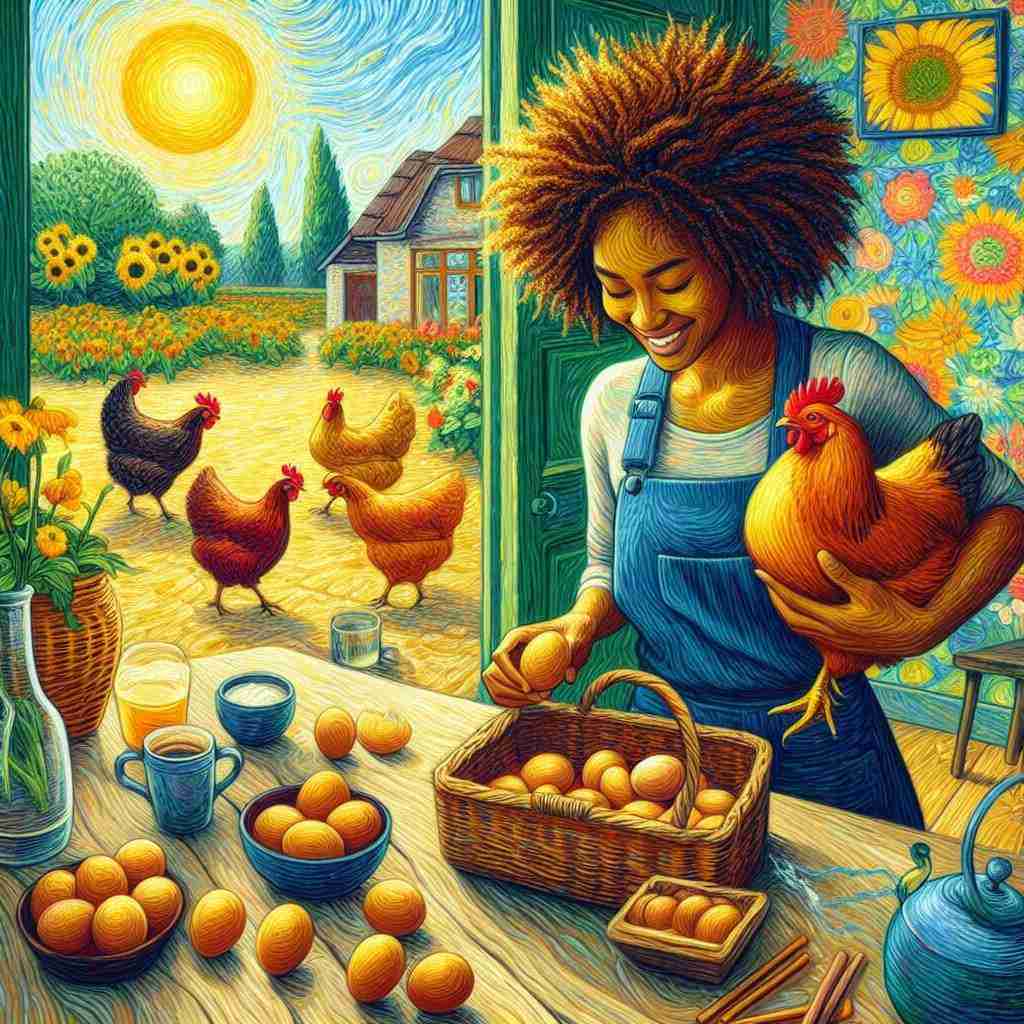
What Plants Can Thrive Alongside My Chickens for a Harmonious Setting?
What Plants Can Thrive Alongside My Chickens for a Harmonious Setting?
- Creating a harmonious backyard involves balancing freedom for chickens and nurturing a vibrant garden.
- Hardy plants like marigolds and nasturtiums can attract pollinators and aid in pest control while coexisting with chickens.
- Chickens, as natural foragers, can work harmoniously with low-maintenance plants like clover and dandelion that improve soil health and provide snacks.
- Ethical gardening involves choosing companion plants such as basil, borage, and chamomile that deter pests and promote a safe environment for chickens.
- This kind of gardening reflects stewardship, demonstrating the impact of our choices on the ecosystem.
- Having chickens and flourishing plants fosters community connections and inspires conversations about localized living.
- Nurturing a backyard garden with chickens is more than a gardening endeavor; it’s a lifestyle choice emphasizing balance and sustainability.

What Plants Can Thrive Alongside My Chickens for a Harmonious Setting?
How Can I Create a Community Around My Sustainable Garden Project?
Creating a community around your sustainable garden project isn’t just about weeds and seeds. It’s about people, connection, and the powerful bond we share with the land we cultivate. Picture this: you’re standing in your backyard, the sun warming your back as you tend to your plants, and nearby, you hear the gentle clucking of backyard chickens. These aren’t just poultry; they symbolize a reconnection to simpler times and a return to the roots of community.
Start with storytelling. Share your journey, whether it began with a single seed or a passion sparked by a childhood memory of your grandmother’s garden. Stories resonate, weaving the fabric of shared experience. Host workshops where neighbors can learn about composting or plant care, inviting them into the nurturing process. Use social media platforms to document your progress, capturing each triumph and setback. Let your followers witness the transformation, creating a virtual community that transcends geographical boundaries.
Yet, it’s not merely about what happens in your garden; it’s about the connections made along the way. Create a communal garden space where local families can come together to plant, cultivate, and harvest vegetables. This isn’t just a plot of land—it’s a gathering spot, a hub of laughter, shared meals, and perhaps even the occasional backyard chicken showdown. The joy of growing food alongside others fosters a sense of belonging and purpose, an ethical commitment to sustainable living that ripples through the community.
Engage local schools or community gardens, collaborating on projects that highlight the importance of nature. Offer to speak at events or participate in neighborhood meetings, sharing your expertise while also learning from others. Trust is built on relationships, and your willingness to connect with diverse groups showcases an authority in community building that people respect.
You might think, “But I’m just one person.” Ah, but a garden begins with one seed. Inspire others by demonstrating the tangible benefits of sustainability—not just on the environment, but on health and well-being. When neighbors see your enthusiasm and determination, it ignites a spark, encouraging them to dig in, quite literally.
So gather your community, harness the power of your garden, and watch as it cultivates friendships, nourishes the soul, and restores harmony with the earth. It’s not just about growth; it’s about blossoming together.

How Can I Create a Community Around My Sustainable Garden Project?
How Can I Create a Community Around My Sustainable Garden Project?
- Creating a community around a sustainable garden project focuses on connections between people and the land.
- Share personal stories related to gardening to resonate with others and create a shared experience.
- Host workshops on gardening topics like composting to involve neighbors in the nurturing process.
- Use social media to document your gardening journey, fostering a virtual community.
- Create a communal garden space for families to cultivate and harvest together, enhancing a sense of belonging.
- Engage with local schools and community groups on nature-focused projects to build trust and share knowledge.
- Inspire others by demonstrating the benefits of sustainability for both the environment and personal wellness.

How Can I Create a Community Around My Sustainable Garden Project?
What Are the Best Methods for Composting In a Small Space?
You’ve got dreams of grandeur: lush gardens, vibrant vegetables, and a backyard overflowing with richness. But what if I told you that all this could thrive even in a small space? Composting in tight quarters isn’t just possible; it’s a chance to transform scraps into black gold. The beauty of composting lies not just in the soil it produces but in the simple act of giving life a second chance. It’s ethical, it’s sustainable, and boy, is it satisfying.
Let’s talk about methods that work like a charm. First up, the classic compost bin. Compact and mighty, you can whip up your own bin from recycled materials or grab a store-bought option that fits snugly in your yard or balcony. Layer green materials—think veggie scraps and grass clippings—with brown materials like dried leaves or shredded paper. Gently turn it every few weeks, adding a splash of water, and let nature work its magic. It’s like a dance between the elements—watch as you transform waste into something vibrant.
If you feel more adventurous and your heart’s in the right place, why not dabble in worm composting? Red wigglers take your food scraps and turn them into rich worm castings, the ultimate plant food. It’s a charming pet project, and keeping these little eco-warriors in a bin means you’re also teaching kids the beauty of reuse. Backyard chickens? Now you’re really multiplying your efforts. Those feathered friends will gladly gobble up your kitchen scraps, turning waste into eggs and even more enriching compost!
But wait, let’s ground ourselves in practical realities. How much space are we talking about? The truth is that even a small balcony can host a composter, be it a worm bin or a small tumbler. You don’t need half an acre to make a difference. Each little act of composting contributes to a bigger vision, reducing landfill waste and fostering a more connected relationship with our planet. Every time you turn that compost, you’re saying, “I care.”
We all want to feel good about our choices. Making small, impactful changes in our own backyard is where it begins. Engage your neighbors, share your success stories, and make composting a communal effort. Together, we’re not just cultivating rich soil; we’re nurturing a community that values sustainability. Take the plunge; your garden—and your gut—will thank you.

What Are the Best Methods for Composting In a Small Space?
What Are the Best Methods for Composting In a Small Space?
- Composting is possible even in small spaces, transforming scraps into nutrient-rich soil.
- The benefits of composting include sustainability, ethical practices, and personal satisfaction.
- A classic compost bin can be made from recycled materials or purchased to fit any small area.
- Effective composting involves layering green (veggie scraps) and brown (dried leaves) materials and turning them regularly.
- Worm composting with red wigglers produces rich castings and can be an engaging project for kids.
- Even a small balcony can host composting systems like worm bins or compact tumblers, contributing to waste reduction.
- Community engagement in composting enhances the sustainability effort and nurtures connections with neighbors.

What Are the Best Methods for Composting In a Small Space?
How Do I Measure the Environmental Impact Of My Garden Design?
When you think about your garden, it’s easy to get lost in the vibrant colors of flowers or the sweet smell of ripening tomatoes. But let’s take a moment to pull back the curtain and consider the broader canvas your garden paints on the planet. Each shovel of earth you turn, every seed that you plant, can’t help but impact the world around you. Measuring that impact involves more than just counting the blooms; it’s about understanding your role in the living tapestry of the environment.
First, let’s engage your head. Think critically about how your design choices affect local ecosystems. Are you planting native species that provide habitats for local wildlife, or are you opting for those fancy exotics that may not thrive and could even disrupt local biodiversity? Choosing the right plants can support bees and butterflies, vital players in our food chain. Have you ever stopped to consider how a few strategically placed rain barrels can conserve water? These small steps add up to a bigger picture—one where your garden doesn’t just exist for you, but thrives alongside nature.
Now, let’s talk to your gut. The heart knows when something feels right. Creating a sustainable garden is about nurturing a deeper connection with the earth. Imagine raising backyard chickens, watching them scratch the soil, while they provide fresh eggs for your table. That connection—not just to your hens, but to every element of your garden—can foster a lifestyle that’s both rewarding and ethical. Every egg, every harvest, represents a positive choice that ripples beyond your backyard.
There’s also a reliance on authority—seek out local resources, environmental groups, and gardening experts. They can guide you in making sound decisions, assuring you that your efforts are backed by science and experience. By relying on proven methods, you can trust that your garden is not just a patch of land, but a vital ecosystem.
Lastly, remember the social aspect. We’re building a community here. Share your triumphs and challenges with fellow gardeners. Whether it’s swapping seeds or stories about your chickens, these connections inspire and motivate.
Measuring the environmental impact of your garden isn’t just about numbers; it’s about stories of growth, resilience, and the collective hope we cultivate for future generations. Every conscious choice ignites change, and that’s something worth digging into.

How Do I Measure the Environmental Impact Of My Garden Design?
How Do I Measure the Environmental Impact Of My Garden Design?
- Gardens impact the planet beyond aesthetics; they contribute to the environmental tapestry.
- Choosing native plants supports local ecosystems and wildlife, including vital pollinators.
- Small sustainable practices, like using rain barrels, contribute to environmental conservation.
- Nurturing a connection with the earth fosters a rewarding lifestyle and ethical choices.
- Seek guidance from local resources, environmental groups, and gardening experts for informed decisions.
- Community engagement is essential; sharing experiences with other gardeners promotes motivation.
- The environmental impact of gardening is about stories, choices, and cultivating hope for future generations.

How Do I Measure the Environmental Impact Of My Garden Design?
Conclusion
Creating a sustainable coop-garden hybrid is more than a design project—it’s a meaningful journey that draws on our innate connection to the land, the environment, and each other. Imagine stepping outside each morning to the soothing sounds of chickens, their lively antics woven into the backdrop of a flourishing garden, bursting with color and life. This vision is entirely achievable, as you embark on the rewarding task of blending beauty and functionality in your patch of earth.
Your choices in materials, like reclaimed wood or bamboo, embody a commitment to sustainability while adding aesthetic charm to your coop. Each piece tells a story, and together they create a narrative that resonates with respect for the earth. The structure you build becomes a testament to a lifestyle that reduces waste and promotes natural ecosystems. When you invest in your garden, you’re not just cultivating greens; you’re fostering self-reliance in a world that often feels disconnected from its roots.
Think about the profound difference your sustainable practices can make on a broader scale. Raising chickens provides fresh eggs and naturally enriches your soil, contributing to a cycle of life that minimizes your carbon footprint while sustaining your family. When you share your bounty with neighbors, you’re cultivating community, sparking dialogues about sustainable living, and inspiring others to follow suit.
Ethically, every plant you choose, whether it’s pollinator-friendly herbs or vibrant flowers, contributes to a thriving ecosystem that supports both your flock and the wildlife around you. It’s about reinforcing the idea of stewardship—not just of the land, but of the relationships and bonds we build through shared experiences. Your garden is an invitation to connect, to nurture, and to grow alongside nature.
As you dig into this project, take note of the transformations not only happening in your backyard but within yourself and your social circles. The act of gardening becomes communal; it sparks conversations, fosters friendships, and embodies a collective spirit that can rejuvenate entire neighborhoods. Sharing knowledge, whether through workshops or casual chats over the fence, plants the seeds of awareness and collective responsibility that can flourish far beyond your garden.
Ultimately, your sustainable coop-garden hybrid is more than just a serene escape; it’s a thriving ecosystem, a reflection of your values, and an inspiring model for those around you. So roll up those sleeves, dig deep, and know that with each choice you make, you’re not just improving your own life—you’re nurturing a legacy for the planet and those who inhabit it with you.

Conclusion
Conclusion:
- Creating a sustainable coop-garden hybrid is a meaningful journey connecting us to the land, environment, and community.
- Utilize materials like reclaimed wood or bamboo to promote sustainability and add charm to your coop.
- This project reduces waste, promotes natural ecosystems, and fosters self-reliance in a disconnected world.
- Raising chickens provides fresh eggs and enriches soil, contributing to a sustainable cycle of life.
- Sharing your garden’s bounty promotes community engagement and inspires sustainable living practices.
- Choosing ethically-sourced plants supports ecosystems and emphasizes stewardship of the land and relationships.
- Your coop-garden hybrid becomes a collective endeavor that revitalizes neighborhoods and nurtures a legacy for the planet.

Conclusion
Other Resources

Other Resources
Here is a list of other resources you can review online to learn more:
- Erysipelas
- Infectious Coryza
- Basque
- Sinusitis
- Booted Bantam
- Dutch Bantam
- spinach
- Silkie
- dogs
- Houdan
- Pekin Bantam
- snakes
- chicken feed
- Bresse
- Swedish Flower Hens
- United Orpington Club
- Tomaru
- chicken run
- Plymouth Rock
Use This Prompt To Get More Resources With Your Favorite Online AI Tool: Please provide me with a list of online articles with their URLs in a bulleted list that I can read regarding How to Design a Chic, Sustainable Coop-Garden Hybrid

Other Resources
Glossary Terms
How to Design a Chic, Sustainable Coop-Garden Hybrid – Glossary Of Terms
1. Coop: A structure providing shelter and nesting space for poultry, designed for comfort and safety.
2. Garden: An area cultivated for growing plants, vegetables, or flowers, often designed for aesthetics or food production.
3. Hybrid: The combination of two distinct elements, such as chickens and gardens, creating a multifunctional space.
4. Sustainability: Practices aimed at maintaining ecological balance to ensure resources are available for future generations.
5. Permaculture: An agricultural system designed to be sustainable and self-sufficient, mimicking natural ecosystems.
6. Eco-friendly: Products or practices that do minimal harm to the environment, promoting conservation and health.
7. Composting: The process of recycling organic material, like food scraps and garden waste, into nutrient-rich soil.
8. Biodiversity: The variety of plant and animal species in an ecosystem, which supports resilience and ecological health.
9. Soil Health: The condition of soil, influenced by its organic matter, nutrient levels, and biological activity, vital for plant growth.
10. Crop Rotation: The practice of changing the types of crops grown in a particular area over seasons to improve soil health and deter pests.
11. Raised Beds: Garden beds elevated above ground level that improve drainage, prevent soil compaction, and provide easier access.
12. Pollinator Garden: A garden designed to attract and support pollinators like bees and butterflies, essential for plant reproduction.
13. Natural Pest Control: Methods to manage pests using organic or non-toxic substances to protect plants without harming ecosystems.
14. Water Conservation: Practices that reduce water use and promote efficient water management in gardening.
15. Mulching: The application of organic or inorganic materials atop soil to retain moisture, suppress weeds, and enhance soil quality.
16. Organic Gardening: Cultivating plants without synthetic fertilizers or pesticides, promoting a healthier food source and environment.
17. Chickens: Domesticated birds often kept for their eggs, meat, and ability to contribute to pest control and soil health.
18. Herb Spiral: A vertical garden design featuring a spiral shape that maximizes space and allows for diverse herb cultivation.
19. Edible Landscaping: Designing outdoor spaces using plants that are both visually appealing and produce food.
20. Aquaponics: A sustainable system combining aquaculture (raising fish) and hydroponics (growing plants in water), creating a symbiotic environment.
21. Drip Irrigation: A water-efficient irrigation method that delivers water directly to the plant roots through a network of tubing.
22. Backyard Chickens: Keeping chickens in residential spaces, providing fresh eggs, natural fertilizer, and companionship.
23. Native Plants: Plant species that naturally occur in a specific region, adapted to local conditions and beneficial to local wildlife.
24. Vertical Gardening: Growing plants upwards using structures, maximizing space, and creating aesthetic appeal.
25. Greenhouse: A structure made of glass or plastic to cultivate plants in controlled environmental conditions.
26. Sustainable Practices: Methods that focus on reducing negative environmental impacts through responsible resource management.
27. Microclimate: A localized climate that differs from the surrounding area, influenced by factors like sunlight, moisture, and elevation.
28. Hydroponics: A method of growing plants without soil, using nutrient-rich water solutions to nourish them.
29. Community Garden: A shared space where individuals or groups cultivate plants, promoting local food production and community engagement.
30. Foraging: The practice of searching for and gathering wild food resources, often integrated into sustainable living principles.

Glossary Of Terms
Other Questions
How to Design a Chic, Sustainable Coop-Garden Hybrid – Other Questions
If you wish to explore and discover more, consider looking for answers to these questions:
- What benefits do chickens provide to a garden ecosystem?
- How can I ensure my chicken coop design is predator-proof?
- What are the best chicken breeds for a backyard coop-garden?
- How do I maintain a healthy balance between chickens and garden plants?
- What seasonal considerations should I keep in mind for my coop-garden?
- How can I effectively manage chicken waste in my garden?
- What types of fencing are best for keeping chickens contained?
- How can I create a pest management strategy that is safe for both chickens and plants?
- What growing techniques are most beneficial for a coop-garden setup?
- How do I involve children in the gardening and chicken-raising process?
- What are some tips for maximizing space in a small coop-garden hybrid?
- How do I choose plants that are safe and beneficial for my chickens?
- What gardening tools and equipment are essential for a sustainable coop-garden?
- How can I educate others about sustainable gardening practices in my community?
- What are some common mistakes to avoid when starting a coop-garden project?

Other Questions
Haiku
How to Design a Chic, Sustainable Coop-Garden Hybrid – A Haiku
Chickens cluck in peace,
Nurtured by gardens’ embrace,
Life thrives, roots entwined.

Haiku
Poem
How to Design a Chic, Sustainable Coop-Garden Hybrid – A Poem
In the dawn’s gentle light, where dreams take flight,
A patch of earth thrives, an oasis of delight.
Chickens cluck softly, a symphony divine,
A garden blooms brightly, nature’s perfect design.
With reclaimed wood and bamboo’s grace,
Your coop stands stylish, finds its place.
Each plank tells a tale of purpose reborn,
In a world that embraces both beauty and scorn.
Imagine the harvest, the fruits of your toil,
As eggs warm in hands, from the love of the soil.
A dance of sustainability, each plant a new friend,
In harmony thriving, where Earth and hopes blend.
Gather the neighbors, ignite the spark,
Stories shared over meals, a communal heart.
Turning simple acts into waves of change,
In this lush retreat, all lives interchange.
Composting whispers, “Waste is but gold,”
Transforming what’s left into treasures foretold.
Gardens flourish, relationships grow,
An echo of kindness in all that we sow.
So roll up those sleeves, let your passion ignite,
In every small choice, you’re weaving the light.
A legacy of care, a sustainable thread,
In your coop-garden tapestry, a future well-fed.
Connected to nature, to neighbors, and more,
Each seed that you plant opens a door.
In this vibrant haven, life takes its course,
A testament growing—our Earth’s tender force.

Poem
Checklist
How to Design a Chic, Sustainable Coop-Garden Hybrid – A Checklist
Chic, Sustainable Coop-Garden Hybrid Checklist
Heart Appeals:
1. Visualize your perfect garden-coop sanctuary.
2. Consider the emotional benefits of raising chickens and growing your own food.
3. Reflect on the legacy you want to create for future generations.
4. Engage in storytelling about your gardening journey to inspire others.
Head Appeals:
1. Research eco-friendly materials like reclaimed wood and bamboo for construction.
2. Analyze local plant and chicken breeds that thrive together in your environment.
3. Plan for functionality by selecting low-maintenance plants that benefit from chicken interaction.
4. Investigate composting methods that fit your space and lifestyle.
Gut Appeals:
1. Gather kitchen scraps to feed your chickens, reducing landfill waste.
2. Install rain barrels or a compost system to practice sustainable living.
3. Monitor your chickens’ feed consumption to minimize waste.
4. Stay mindful of how your gardening practices connect you to nature.
Ethical Appeals:
1. Choose native plants to support local biodiversity and ecosystems.
2. Commit to organic gardening practices to avoid harmful pesticides.
3. Create safe environments for both your chickens and the native wildlife.
4. Foster a culture of sustainability within your community.
Authority Appeals:
1. Consult local gardening experts for advice on best practices and plant selection.
2. Attend workshops or community events to share knowledge and gain insights.
3. Leverage online resources for sustainable gardening techniques.
4. Use reputable guides to measure your garden’s environmental impact.
Narrative Appeals:
1. Document your progress through a garden journal or social media.
2. Share your personal stories and milestones with friends and neighbors.
3. Create a visual representation of your garden’s evolution over time.
4. Encourage discussions about the joys and challenges of sustainable living.
Social Appeals:
1. Host community gardening days to share skills and foster connections.
2. Invite friends and neighbors for harvest dinners or garden tours.
3. Exchange gardening tips and resources within local networks.
4. Build a community garden to engage with others passionate about sustainability.

Checklist
At BackyardChickenNews, we help people who want to raise backyard chickens by collating information and news blended with our own personal experiences.
Be sure to read our other related stories at BackyardChickenNews to learn more about raising chickens in your backyard.