

Harmonious Horticulture: Balancing Chickens And Crops
By Tom Seest
At BackyardChickenNews, we help people who want to raise backyard chickens by collating information and news blended with our own personal experiences.
Be sure to read our other related stories at BackyardChickenNews to learn more about raising chickens in your backyard.
How to Keep Chickens Out Of the Lettuce and Still Fertilize It
Keeping chickens away from your precious lettuce while still treating those greens to the best kind of fertilizer isn’t just a noble pursuit; it’s a quest steeped in the profound relationship between humans and the land. Imagine standing in your backyard, with the sun filtering through the trees, when you see your beloved birds pecking around. They’re charming creatures, full of character and personality, but when they start munching on your hard-earned salad fixings, it feels like a betrayal of a sacred trust. Here’s how to turn that clucking chaos into chicken-free lettuce while enriching your soil at the same time.
First and foremost, embrace the chicken wire revolution. A sturdy fence, with a bit of porch artistry thrown in, can keep your feathered friends at bay while allowing you to create a safe haven for your lettuce. Think of it as building a protective barrier not just for plants, but an unspoken promise to your backyard sanctuary. Every time you walk through those gates feeling the crunch of mulch beneath your feet, you’re nurturing a bond that transcends mere gardening.
Now, let’s talk about composting chicken manure. Yes, that’s right—the same droppings that can spell doom for your delicate greens are a gardener’s secret weapon. A well-managed compost pile, seasoned with love and care, can transform that waste into black gold. By harnessing this natural fertilizer, you’re not just enriching your soil; you’re participating in a cycle as old as humankind itself. It’s ethical—recycling what once went to waste, returning nutrients to the earth, and fostering a symbiotic relationship between your veggies and your hens.
As you progress on this journey, don’t just see your efforts as a chore, but as a chance to engage with nature and your community. Share your experiences, your struggles and triumphs, with fellow backyard enthusiasts. Whether it’s at the farmers’ market or through local gardening clubs, stories of leathery lettuce and industrious chickens resonate deeply. They inspire trust and camaraderie, reminding us all that we’re in this messy, glorious adventure together.
So, roll up your sleeves and get to work. Build that fence, create that compost, and celebrate the balance of nature in your backyard. With a little ingenuity and an appreciation for the connections we cultivate, you’ll discover that keeping chickens out of your lettuce doesn’t just protect your crops; it enriches your soul.

How to Keep Chickens Out Of the Lettuce and Still Fertilize It
How to Keep Chickens Out Of the Lettuce and Still Fertilize It
- Protect your lettuce from chickens while enriching your soil.
- Use sturdy chicken wire to build a protective barrier around your plants.
- Compost chicken manure to transform waste into valuable fertilizer.
- Participate in the natural cycle of recycling nutrients back into the soil.
- Engage with the gardening community by sharing experiences and stories.
- View gardening efforts as a meaningful interaction with nature.
- Celebrate the balance of nature and enrich both your crops and your soul.
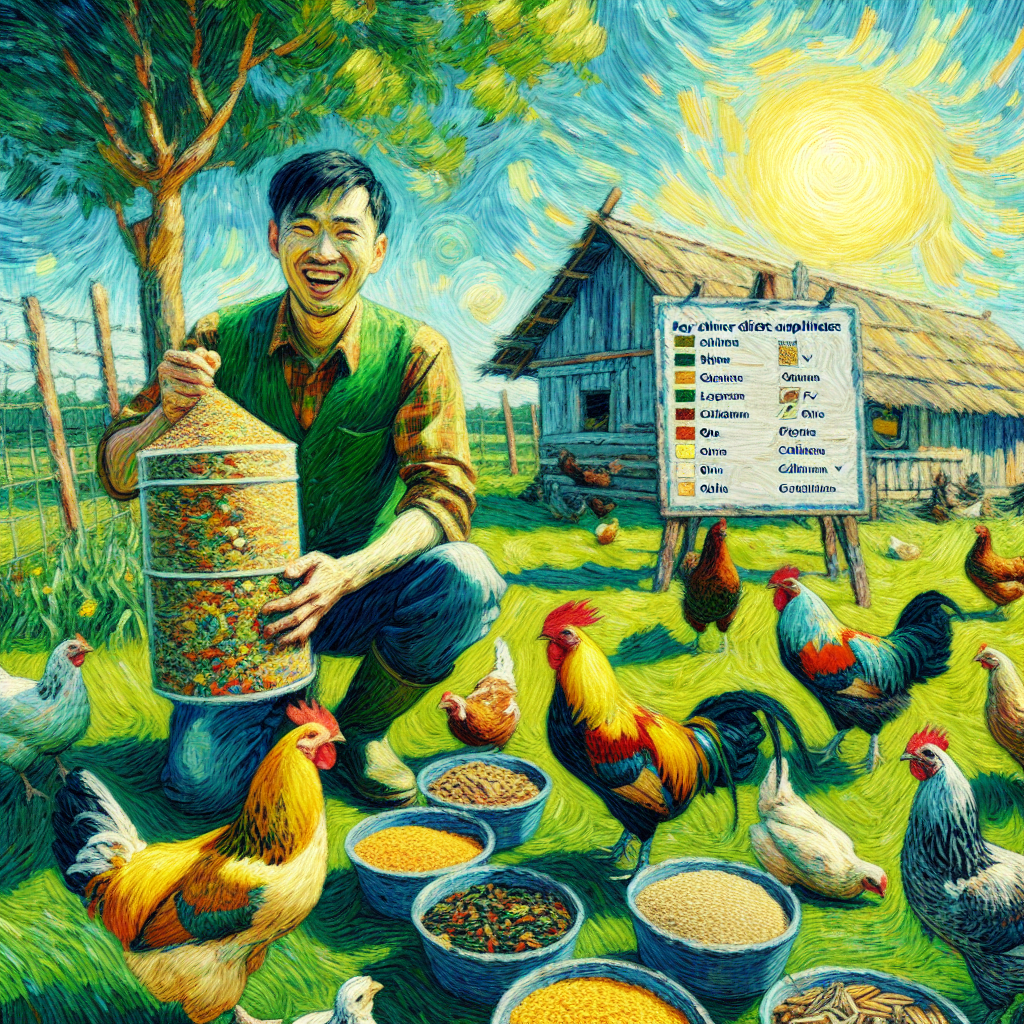
How to Keep Chickens Out Of the Lettuce and Still Fertilize It
Table Of Contents
- How to Keep Chickens Out Of the Lettuce and Still Fertilize It
- How Can You Enjoy Fresh Lettuce Without Chicken Interference?
- What Natural Barriers Can Protect Your Crops Effectively?
- Are There Ethical Ways to Deter Chickens Without Harm?
- How Does Companion Planting Help Keep Chickens Away?
- What Role Does Soil Health Play In Your Fertile Garden?
- Can Creating Designated Feeding Areas Reduce Lettuce Raids?
- How Can Sharing Your Gardening Success Inspire the Community?
- Conclusion
- Other Resources
- Glossary Of Terms
- Other Questions
- Haiku
- Poem
- Checklist
How Can You Enjoy Fresh Lettuce Without Chicken Interference?
If you’ve ever taken a stroll into the backyard to pick some fresh lettuce and been met with the beady eyes of your feathered companions, you’ll know the struggle: how can a person enjoy homegrown greens without the poultry brigade scurrying in for a bite? It’s a dance as old as time, and it’s one that resonates in gardens everywhere.
Imagine this: You’ve nurtured those lettuce seedlings from tiny specks into robust, crisp heads, the sun gleaming off their tender leaves. You can almost taste the crunch, knowing it’s miles away from the tasteless, hydroponic alternatives in the grocery aisles. But as you step outside, you see the backyard chickens, clucking excitedly, imagining themselves part of your culinary triumph. It’s enough to make any gardener tear their hair out in desperation.
Your heart says, “But I love my chickens! They bring life to my yard!” And indeed, they do. They scratch, they peck, they lay eggs—small, sunny treasures on your breakfast table. But let’s tap into that moment of clarity, the a-ha moment that whispers: You can enjoy the bounty of both worlds.
Picture this: a small, fenced-off patch of lettuce, a fortress for your greens. Anything less than your best effort would be a disservice to the time and effort you’ve invested in growing them. Picture it thriving between rows of zinnias, vibrant and lush, protected from those plucky, well-meaning chickens. This isn’t just about lettuce; it’s about integrity, about celebrating the fruits of your labor without compromise.
At the heart of this ground-level revolution is a simple truth: it’s okay to draw lines. After all, this is your garden, your sanctuary, your safe haven where growth is nurtured and enjoyed. The irony is that boundaries can foster connection—a space where greens can flourish alongside clucking companions, but never on the same plate.
So get inspired and take action! Build that lettuce fortress, share stories of your triumphs or tribulations with fellow gardeners in your community. Reconnect with nature, relish in the independent spirit of your greens, and cherish every crispy bite. By doing so, you’re cultivating a love for gardening that empowers not just you but connects you with every kindred spirit who understands the sheer joy of fresh lettuce unbothered by chicken interference. After all, everyone deserves the right to feast on their hard-won harvest without a side of feathery chaos.

How Can You Enjoy Fresh Lettuce Without Chicken Interference?
How Can You Enjoy Fresh Lettuce Without Chicken Interference?
- Gardening enthusiasts often face the challenge of protecting homegrown greens from chickens.
- Fresh lettuce is cherished for its flavor compared to store-bought options.
- While chickens add life to the yard, they can also threaten the gardener’s harvest.
- Creating a fenced-off area for lettuce can protect it from poultry while allowing both to coexist.
- Establishing boundaries in the garden is essential for preserving the integrity of homegrown produce.
- Community engagement and sharing gardening experiences can enhance the joy of gardening.
- Every gardener deserves to enjoy their harvest free from interference from chickens.
How Can You Enjoy Fresh Lettuce Without Chicken Interference?
What Natural Barriers Can Protect Your Crops Effectively?
When we talk about protecting our crops, there’s something beautifully grounding about leaning into the natural barriers that Mother Nature provides. Imagine walking through a lush garden, where the earthy scent of soil blends harmoniously with the rustle of leaves—you can feel the energy coursing through these hardy plants. A thoughtfully positioned row of trees can act like guardians, shielding your crops from harsh winds while nurturing the delicate ecosystems around them. They create a tapestry of biodiversity that does more than just safeguard your tomatoes; they invite pollinators, birds, and beneficial insects to call your garden home.
Consider, for instance, how a hedgerow—those leafy green corridors—can establish a haven for wildlife, all while acting as a physical barrier. This isn’t just about keeping pests at bay—it’s about fostering an environment steeped in resilience and interdependence. When you plant vibrant flower beds alongside your crops, you set the stage for nature’s own defense system to flourish, encouraging a harmonious balance that respects the interlinked existence of all living things.
Let’s not downplay the beauty and potential of planting cover crops. These green warriors spring forth, capturing valuable nutrients and enriching the soil as they grow. They can be a wonderful insurance policy against erosion, and when they die back, they leave behind a protective blanket of organic matter that feeds your land. This is not merely a clever tactic; it’s a commitment to ethical stewardship of the earth and represents a profound duty to future generations.
Now, let’s look at our feathered friends. Yes, I’m talking about backyard chickens. They’re not just an adorable addition to your yard; these little dynamos scratch, peck, and roam, helping to manage pests and fertilize your crops—all while providing you with fresh eggs. The satisfaction of gathering breakfast straight from your garden is as rich as the yolk itself, isn’t it?
In the grand tapestry of agriculture, weaving in these natural defenses is about more than just crop yields. It’s about cultivating a connection with the land, the animals, and, ultimately, ourselves. When we embrace these barriers, we adopt a philosophy that champions sustainability and respect for nature’s intricate design. This isn’t just farming; it’s a call to action, urging us all to be caretakers of the planet while building a thriving, interconnected community. It’s time to trust in our instincts and let nature do what it does best—protect, nurture, and inspire.

What Natural Barriers Can Protect Your Crops Effectively?
What Natural Barriers Can Protect Your Crops Effectively?
- Crops can be protected by utilizing natural barriers provided by Mother Nature.
- Rows of trees serve as guardians, shielding crops from harsh winds and fostering biodiversity.
- Hedgerows create wildlife havens and act as physical barriers against pests.
- Planting flower beds alongside crops encourages a balanced ecosystem and enhances natural defenses.
- Cover crops enrich the soil, protect against erosion, and contribute organic matter when they die back.
- Backyard chickens help manage pests, fertilize crops, and provide fresh eggs, promoting sustainable practices.
- Embracing natural defenses fosters a connection with the environment, advocating for sustainability and community care.

What Natural Barriers Can Protect Your Crops Effectively?
Are There Ethical Ways to Deter Chickens Without Harm?
When we think about raising backyard chickens, there’s an undeniable allure—those feathery friends pecking about, providing fresh eggs, and adding life to our backyards. But what happens when those same chickens get it into their tiny heads to terrorize the nascent garden? The thought of losing beautiful seedlings to a flock of feathered foragers can make any proud gardener feel helpless. Yet, there’s a better way to navigate this dilemma, one that respects the delicate balance of life we’re trying to cultivate.
Imagine standing in your garden, the sun warming your back as you pull weeds. You look up and see your chickens roaming around, not as marauding invaders but as gentle, curious companions. This vision isn’t just a dream. It can be your reality. Determent doesn’t have to mean destruction; it can mean creating a harmonious living space where both plants and birds thrive.
Let’s look at some ethical ways that can keep your backyard chickens away from the sensitive zones without resorting to harmful methods. First off, consider building a simple barrier. A chicken wire fence, modestly adorned with your personal flair, can act as an inviting deterrent. Your feathery friends are clever, but they aren’t equipped to outsmart a well-placed obstacle. By guiding them gently away from your precious produce, you’re also teaching them boundaries that respect your hard work.
Next, think of distractions that engage their natural instincts. Plant a few treats outside the garden—some scratch grains or a scattering of sunflower seeds. It’s like sending them off on a treasure hunt, allowing them to explore without wreaking havoc. Chickens are curious creatures, and keeping their minds occupied helps prevent unwanted garden raids. By integrating play into their daily routine, you nurture their happiness while safeguarding your greens—talk about a win-win!
And don’t overlook the power of community. Join local gardening or chicken-raising groups. Share stories, strategies, and even the occasional failed attempts; we’ve all had those days. In sharing our experiences, we build a collective wisdom that can inspire innovation. With mutual support, we cultivate not just our gardens, but also our relationships rooted in shared love for the land and the creatures we care for.
So, embrace the challenge with creativity and compassion. Creating a balance in your backyard isn’t just about having a successful garden or a happy flock; it’s about nurturing a shared, ethical existence, instilling values in the space you create. After all, a thriving garden nourishes not just our bodies, but our hearts too.

Are There Ethical Ways to Deter Chickens Without Harm?
Are There Ethical Ways to Deter Chickens Without Harm?
- Backyard chickens offer fresh eggs and a lively atmosphere but can disrupt gardens.
- Gardening can be harmonious with chickens if approached thoughtfully.
- Creating barriers, like chicken wire fences, can keep chickens away from sensitive plants.
- Distractions, such as treats outside the garden, can engage chickens and prevent damage.
- Joining local gardening or chicken-raising groups fosters community support and shared strategies.
- Cultivating balance in backyard ecosystems involves creative and ethical solutions.
- A thriving garden nurtures both physical well-being and emotional fulfillment.

Are There Ethical Ways to Deter Chickens Without Harm?
How Does Companion Planting Help Keep Chickens Away?
When it comes to the delicate balance of nature in our own backyards, companion planting is like a secret handshake between plants. It’s a synergy that goes deeper than just aesthetics; it’s about creating an environment that naturally deters pests and makes space for growth. Now, if you have chickens lurking around—those feathered foragers who can be a bit too curious—understanding companion planting may hold the key to keeping them at bay.
Imagine this: your garden is alive with vibrant vegetables, fragrant herbs, and blooming flowers, each chosen purposefully to benefit the others. You can pair marigolds with tomatoes not just for their striking colors but for their ability to repel harmful insects. When you cultivate a companion planting strategy, you’re crafting a thriving ecosystem that chickens find less enticing. They’re not just wandering around aimlessly when looking for a snack; they’re drawn to certain plants. By incorporating strong-smelling herbs like basil or mint, you can effectively deter the innate curiosity of these birds. Chickens may be charming and full of personality, but they also have an instinctive knack for scratching up a garden in search of treats.
Look at it this way—this practice allows you to harness the power of nature without resorting to chemicals or fencing. It feels good to know you’re creating a healthy, sustainable space for both plants and wildlife. Plus, there’s an ethical component that shouldn’t be overlooked: you’re fostering a habitat that respects all creatures involved, from your beloved hens to the beneficial bugs that help keep your plants thriving.
Weeks roll by, and you watch your garden flourish while your chickens explore the perimeter without causing chaos. You’ve put in the work, and you’ve reaped the rewards. It’s a perfect blend—like a classic duet—between gardening and animal husbandry, bringing harmony into your backyard.
When neighbors drop by, your garden becomes a conversation starter, turning casual visits into passionate exchanges about sustainable practices and the joy of companion planting. It’s not only about your immediate space; it’s about planting a seed of knowledge within your community. With this understanding, you inspire others to join the movement of responsible, thoughtful gardening. That’s the kind of connection we’re after—one rooted in nature, nurturing, and a shared love for the great outdoors.

How Does Companion Planting Help Keep Chickens Away?
How Does Companion Planting Help Keep Chickens Away?
- Companion planting creates a natural synergy between plants, enhancing growth and deterring pests.
- Chickens can be deterred from gardens by understanding and applying companion planting strategies.
- Combining marigolds with tomatoes not only adds color but helps repel harmful insects.
- Strong-smelling herbs like basil and mint can effectively keep curious chickens away from certain plants.
- This practice promotes a chemical-free, sustainable environment for both plants and wildlife.
- Your flourishing garden becomes a conversation starter about sustainable gardening practices in the community.
- Companion planting fosters connections with nature and inspires others to participate in responsible gardening.

How Does Companion Planting Help Keep Chickens Away?
What Role Does Soil Health Play In Your Fertile Garden?
When we think about a garden bursting with life, we often conjure images of ripe tomatoes, fragrant basil, and vibrant marigolds swaying in the breeze. Yet, beneath the lush surface lies a realm teeming with activity: the soil. This life-giving layer is more than just dirt; it’s a complex ecosystem where the magic of growth begins. Understanding the role of soil health in your garden is not just about nurturing plants; it’s about cultivating a relationship with nature itself.
Imagine for a moment your backyard garden. How many times have you witnessed those little miracles of growth? That first sprout breaking through the earth’s surface, a sign of hope and perseverance. What does that tell you? It speaks to the importance of the unseen. Healthy soil is filled with vital nutrients, beneficial microorganisms, and organic matter that work together to energize those little plants. When we prioritize soil health, we aren’t merely investing in our gardens; we’re investing in the very foundation of our ecosystem.
This is where logic plays a role. Healthy soil means better drainage, efficient nutrient uptake, and resilience against pests and diseases. It’s a no-brainer. Just like you wouldn’t neglect your own health, you shouldn’t overlook the living community beneath your feet. Think about all the times you’ve scoured nurseries for the perfect vegetable or flower varieties. Yet, the real magic doesn’t happen until those plants encounter rich, well-tended soil.
Ethically, we inherit a responsibility to care for the land. Practices such as composting, crop rotation, and reducing chemical inputs aren’t just good gardening—they’re good stewardship of our environment. By fostering healthy soil, we protect cherished landscapes and vital ecosystems that future generations will rely on.
And there’s something deeply satisfying about the cycle of life in your garden. Picture those backyard chickens wandering freely, clucking happily as they scratch and peck through the earth. Their natural behaviors contribute to soil aeration and even add nutrients to the ground, bridging the connection between animals and plants. This organic, interconnected web reminds us that we’re all part of a larger circle.
So as you cultivate your garden, remember: when soil thrives, so do we. It’s more than a hobby; it’s a journey toward harmony with the earth. Dive deeper into the soil beneath your feet and witness the transformation that awaits. After all, every garden tells a story, and it all begins with the health of the soil.

What Role Does Soil Health Play In Your Fertile Garden?
What Role Does Soil Health Play In Your Fertile Garden?
- Soil is a complex ecosystem crucial for plant growth, containing nutrients and microorganisms.
- Healthy soil enhances drainage, nutrient uptake, and resistance to pests and diseases.
- Prioritizing soil health is an investment in both gardens and the overall ecosystem.
- Ethical gardening practices like composting and crop rotation promote environmental stewardship.
- Caring for soil protects landscapes and ecosystems for future generations.
- Animal interactions, like those of chickens, contribute to soil health and nutrient cycling.
- A strong connection to soil fosters a harmonious relationship with nature and enriches the gardening experience.
What Role Does Soil Health Play In Your Fertile Garden?
Can Creating Designated Feeding Areas Reduce Lettuce Raids?
Picture a warm afternoon in your backyard, the gentle hum of nature all around, where your carefully tended patch of lettuce sits proudly in the sun. You imagine enjoying the fruits of your labor, an overflowing salad bowl bursting with crisp greens. But then you notice the telltale nibbles, a few gnawed leaves, and suddenly your sanctuary feels like a battlefield. Lettuce raids can be disheartening, especially when you’ve poured hours into cultivating your garden.
Now, let’s shift focus to a solution that honors the sweat equity you put into your space: designated feeding areas. Think about it. By creating a specific spot for your backyard chickens to eat and roam, you can redirect their attention from your precious lettuce patch to a space designed just for them. It’s not just about keeping your salads safe; it’s about fostering a harmonious relationship with your feathered friends. This practical strategy resonates deeply with those who seek a balance in their everyday lives—a balance where people and animals coexist without conflict.
Beyond the personal connection, there’s a compelling rationale. Establishing a feeding area means you’ll likely find your chickens happier and healthier, less prone to the munchies you never intended for them to have. With their attention drawn to a consistent source of food, they discover their place in your ecosystem without feeling like intruders. You’ll cultivate respect not just from your chickens but within yourself, knowing you’ve found a solution that works for everyone involved.
This approach is suffused with ethics, too. By creating a designated feeding area, you’re practicing responsibility in animal husbandry—ensuring your birds flourish while respecting the hard work that goes into your garden. You’re not only feeding them; you’re feeding an ethos of care and mindfulness, a strong foundation for any sustainable endeavor.
And don’t underestimate the social impact of sharing these practices with friends and neighbors. By uniting as a community—those who grow their food and raise their chickens together—you inspire trust and camaraderie in a world that increasingly values local and organic. Imagine neighbors swapping stories and advice about their unique feeding strategies, helping each other foster thriving gardens while protecting their lettuce.
In this journey of garden care and chicken raising, every decision counts. So why not craft a solution that nourishes both mind and spirit, reducing those pesky raids and ensuring your lettuce flourishes? It’s a small change that can yield big rewards, inviting harmony back into your backyard oasis.

Can Creating Designated Feeding Areas Reduce Lettuce Raids?
Can Creating Designated Feeding Areas Reduce Lettuce Raids?
- Visualize a serene afternoon in your backyard with a thriving patch of lettuce.
- Lettuce raids by chickens can ruin the hard work you’ve put into your garden.
- Creating designated feeding areas for chickens can divert their attention from your lettuce.
- This strategy fosters a harmonious coexistence between people and animals.
- Happy chickens in a feeding area are healthier and less likely to damage your crops.
- Establishing feeding areas promotes responsible animal husbandry and care for your garden.
- Sharing these practices with neighbors can strengthen community bonds and support local food efforts.

Can Creating Designated Feeding Areas Reduce Lettuce Raids?
How Can Sharing Your Gardening Success Inspire the Community?
Gardening isn’t just about digging in the dirt; it’s a labor of love that reaches deep into the heart of our communities. When we share our gardening successes, we plant seeds of inspiration that can sprout far beyond our backyard fences. Imagine standing in your garden, cradling a handful of brightly colored tomatoes or fresh herbs, and feeling that swell of pride. Now imagine turning around and sharing that joy with the people around you. You’re not just showcasing your efforts; you’re inviting others to taste the fruits of your labor—literally and metaphorically.
When you discuss how you successfully raised an heirloom variety or your experiences with raising backyard chickens, you’re not just bragging. You’re weaving a narrative that casts a light on the value of hard work and dedication. Others see your passion, and suddenly, the idea of growing their own vegetables or caring for chickens isn’t just a passing thought—it becomes a tangible possibility. It’s personal stories that resonate, that tug at the heartstrings, drawing individuals together in a shared endeavor, stirring a collective desire to get their hands dirty.
But it’s not just about the produce; it’s about building community—a collective that grows stronger with each shared story of triumph and occasional setbacks. Every time you invite your neighbors over to sample your homegrown goods or demonstrate a new gardening technique, you’re creating a platform for dialogue. You’re fostering a spirit of collaboration, encouraging others to pick up a shovel and join the effort. That’s how we nurture a network of gardeners who can share tips, tools, and resources. Each success is a thread that strengthens our communal fabric.
Furthermore, there’s an ethical responsibility that comes with our gardening ventures. Sharing wholesome, homegrown food goes beyond feeding ourselves; it feeds a community’s well-being. It builds awareness about agriculture, sustainability, and the importance of locally sourced ingredients. By inspiring others to get involved, we cultivate not only plants but also a sense of stewardship toward the environment and future generations.
Gardening isn’t just an individual success story; it’s a movement waiting to take root in the hearts and minds of those around us. Let’s dig in together. Your next gardening triumph could just be the spark that ignites a wave of community change. So go ahead—share that success. You never know who might be eager to join you in this blossoming journey.

How Can Sharing Your Gardening Success Inspire the Community?
How Can Sharing Your Gardening Success Inspire the Community?
- Gardening is a labor of love that enhances community connection.
- Sharing gardening successes inspires others to engage in their own gardening endeavors.
- Personal stories about gardening resonate with others, making the idea of growing vegetables or caring for animals more accessible.
- Building community is a key aspect of gardening, fostering collaboration and shared experiences.
- Inviting neighbors to share in gardening successes creates a platform for dialogue and resource sharing.
- Gardening promotes ethical responsibility by encouraging awareness of agriculture, sustainability, and local food sources.
- Each gardening triumph can inspire collective action and community change.

How Can Sharing Your Gardening Success Inspire the Community?
Conclusion
Creating a thriving garden while managing the choreographed chaos of backyard chickens is an age-old dilemma that transcends mere aesthetics. It’s a heartfelt dance that embodies the spirit of nurturing, balance, and community engagement. When those charming feathered friends wander too close to your carefully tended lettuce patch, they call to mind the sacred bond we share with the land. It’s about finding a middle ground where we honor our hardworking plants and our quirky poultry companions simultaneously.
Picture the effort you’ve invested in growing crisp, lush lettuce. Now realize that the same enthusiasm can fuel solutions that honor both your greens and your chickens. Building a protective barrier isn’t just about safeguarding; it’s a commitment to creating a sanctuary—not only for your garden but for the relationship you cultivate with nature. It embodies integrity and perseverance, establishing boundaries that are not just physical but also emotional—a promise that both your crops and your care for those chickens are respected.
Consider repurposing what used to be a nuisance, like chicken manure, into a gardener’s gold through composting. This cycle of recycling nourishes your soil, reconnecting us to ancient agricultural practices, fusing ethics with sustainability. By embracing companion planting, you’re not merely keeping your chickens at bay; you’re fostering a habitat rich with biodiversity, showing that the interconnectedness of life isn’t just a philosophy but an agreeable practice that pays dividends in health and vitality.
As you work toward these goals, don’t underestimate the importance of community. Your triumphs, your challenges—they resonate with fellow gardeners eager for connection. Every experience shared can spark inspiration, and every lesson learned becomes a thread in the fabric of a supportive network. When you exchange stories of success and resilience with others, you build not just a garden but a thriving society that champions a collective commitment to sustainability.
Ultimately, it’s about more than just crops or chickens. It’s about creating an environment rich with potential, where the laughter of children plays against the backdrop of clucking hens and flourishing greens. Your garden becomes a testament to hard work, a canvas where ethics meet aesthetics, and community bonds flourish. So, cultivate your space with pride and compassion, and invite others to join you in nurturing both crops and companionship. After all, in this messy, marvelous journey, we’re all just trying to harvest the bounty of life together, one lettuce leaf at a time.

Conclusion
Conclusion:
- Creating a garden while managing backyard chickens reflects the nurturing spirit and community engagement.
- Finding a balance between protecting crops and caring for chickens involves the establishment of physical and emotional boundaries.
- Building protective barriers is about creating a sanctuary for both plants and poultry.
- Repurposing chicken manure through composting connects ancient practices with modern sustainability.
- Embracing companion planting fosters biodiversity and demonstrates interconnectedness in gardening.
- Community plays a vital role in gardening, offering support and shared experiences that inspire and educate.
- Ultimately, the goal is to create a thriving environment where crops, chickens, and community coexist harmoniously.
Conclusion
Other Resources

Other Resources
Here is a list of other resources you can review online to learn more:
- Icelandic
- White Faced Black Spanish
- Lavender Orpington
- Barley
- scratch
- Central Maine Bird Fanciers
- Erysipelas
- layer feed
- Botulism
- Gapeworms
- Ulcerative Enteritis
- snakes
- Barnevelder
- cereals
- Breda
- Delaware
Use This Prompt To Get More Resources With Your Favorite Online AI Tool: Please provide me with a list of online articles with their URLs in a bulleted list that I can read regarding How to Keep Chickens Out Of the Lettuce and Still Fertilize It

Other Resources
Glossary Terms
How to Keep Chickens Out Of the Lettuce and Still Fertilize It – Glossary Of Terms
1. Chickens: Domesticated birds raised for eggs or meat, often foraging for insects and plants.
2. Lettuce: A leafy green vegetable commonly used in salads, known for its crisp texture.
3. Fertilizer: Substance added to soil to enhance its nutrient content, promoting plant growth.
4. Fence: A barrier used to enclose an area, preventing chickens from accessing certain plants.
5. Netting: A mesh material used to cover plants, keeping out birds and other pests, including chickens.
6. Companion Planting: A gardening technique that involves growing different plants together for mutual benefits.
7. Mulch: A layer of organic or inorganic material spread over soil to retain moisture and suppress weeds.
8. Raised Bed: An elevated plot of soil, often surrounded by wood, used for gardening, making it harder for chickens to access.
9. Repellent: A substance or method used to discourage chickens from entering specific areas.
10. Free-ranging: Allowing chickens to roam freely in a designated area, often leading to foraging behavior.
11. Chick Brooder: A controlled environment for raising young chicks until they are old enough to join the flock.
12. Planting Regimen: A planned schedule for planting crops to ensure optimal growth and harvest.
13. Cover Crop: Plants grown primarily to improve soil health and prevent erosion during off-seasons.
14. Trap: A device or method used to capture chickens that venture into unwanted areas.
15. Gates: Movable barriers in fences that can be opened and closed, allowing for controlled access.
16. Heirloom Varieties: Traditional plant varieties that have been preserved over time, often prized for their taste.
17. Weeding: The process of removing unwanted plants that compete with desired crops for nutrients.
18. Soil Amendments: Materials added to soil to improve its physical or chemical properties for better plant growth.
19. Organic Fertilizers: Naturally sourced products used to enrich soil, such as compost or manure.
20. Crop Rotation: An agricultural practice where different plants are grown in succession in the same area to prevent soil depletion.
21. Chick Scratch: A feed mix designed primarily for chickens, often resembling grains, that can attract them to specific areas.
22. Compost: Decomposed organic material used to enrich soil and enhance fertilization.
23. Scarecrow: A figure designed to deter birds and animals, including chickens, from specific areas.
24. Mature Plants: Fully grown plants that are at the stage where they can be harvested and consumed.
25. Plant Barrier: Specific plants grown to create a natural barrier that chickens may avoid.
26. Chick Run: A secure, enclosed area where chickens can move around safely while keeping them away from gardens.
27. Watering Regimen: A schedule and method for providing adequate moisture to plants.
28. Mulching Technique: The specific method of applying mulch for maximum effectiveness in retaining soil moisture.
29. Chick Care: The practices involved in the proper raising and nurturing of poultry.
30. Soil Testing: Analyzing soil to determine its nutrient levels and pH, guiding fertilizer decisions.

Glossary Of Terms
Other Questions
How to Keep Chickens Out Of the Lettuce and Still Fertilize It – Other Questions
If you wish to explore and discover more, consider looking for answers to these questions:
- What are the best types of fences to use for keeping chickens out of specific garden areas?
- How can chicken manure be composted safely for use in vegetable gardens?
- What alternative methods exist to deter chickens from entering vegetable patches?
- What are the benefits of using companion planting for pest control and crop protection?
- How can gardeners effectively manage soil health to enhance crop yield?
- What are some community resources for local gardeners and chicken owners?
- What kinds of plants can be used to distract chickens from vegetables?
- Are there specific plant combinations that work best for companion planting with chickens in mind?
- What are the ethical implications of using barriers and feeding areas in backyard gardening?
- How can sharing gardening experiences strengthen community ties?

Other Questions
Haiku
How to Keep Chickens Out Of the Lettuce and Still Fertilize It – A Haiku
Chickens cluck, plants thrive,
Fences guard greens, life abounds,
Harmony in soil.

Haiku
Poem
How to Keep Chickens Out Of the Lettuce and Still Fertilize It – A Poem
In a sunlit yard where dreams take flight,
Chickens dance, a clucking delight.
But oh, the struggle—greens laid bare,
A gardener’s heart beset with despair.
Yet, there’s a path paved with wisdom’s grace,
To guard the lettuce in this sacred space.
With sturdy fences, a colorful charm,
You’ll yield a haven, safe from harm.
Embrace the cycle where waste transforms,
Chicken manure nourishes where nature warms.
A compost pile, rich and bold,
Turns feathery droppings into black gold.
Let nature guide with barriers strong,
Trees and hedgerows, a symbiotic song.
While cover crops breathe life anew,
Soil’s health champions both me and you.
Designate spaces, let chickens roam,
Redirect their pecking towards their own home.
Feeding areas built with care,
A dance of respect in the garden where they share.
In all this toil, community thrives,
Invest in connections, watch joy arrive.
Share stories of growth, of wins and doubts,
In every triumph, inspiration sprouts.
A journey begun with hands in the earth,
Nurturing bonds that foster new birth.
From patch to plate, let the stories entwine,
In the heart of our gardens, together we shine.
So build your barriers, let life unfold,
In the balance of nurture, let love be bold.
For every green leaf, every clucking cheer,
Cultivates harmony—our purpose is clear.

Poem
Checklist
How to Keep Chickens Out Of the Lettuce and Still Fertilize It – A Checklist
Checklist for Balancing Chickens and Crops
Emotional Appeal
_____ Reflect on Your Garden’s Purpose: Take a moment to appreciate the joy and connection your garden brings.
_____ Embrace the Charm of Chickens: Remind yourself of the happiness chickens add to your backyard.
_____ Visualize Your Success: Picture a flourishing garden free from chicken interference.
Rational Appeal
_____ Implement Physical Barriers: Create a sturdy fence using chicken wire to protect your crops.
_____ Utilize Composting: Start a compost pile to recycle chicken manure into nutrient-rich fertilizer.
_____ Create Designated Feeding Areas: Establish a specific spot for chickens to feed, diverting their attention from vegetable patches.
Ethical Appeal
_____ Practice Sustainable Gardening: Adopt methods such as composting and cover cropping to enrich the soil responsibly.
_____ Share Your Experiences: Engage in community conversations about ethical gardening practices and animal husbandry.
_____ Maintain Boundaries with Compassion: Establish clear limits for your chickens while nurturing a cooperative environment.
Authority Appeal
_____ Research Companion Planting: Learn which plant combinations can deter chickens while enhancing crop growth.
_____ Attend Workshops or Classes: Seek guidance from local gardening experts or workshops on managing chickens and crops.
Narrative Appeal
_____ Share Your Journey: Document and share stories of challenges and successes in keeping chickens from your garden.
_____ Engage with Local Gardeners: Connect with neighbors or gardening clubs to exchange tips and stories.
Social Appeal
_____ Participate in Local Events: Join farmer’s markets or gardening fairs to share your success and learn from others.
_____ Build a Gardening Community: Host potlucks featuring your homegrown produce and invite neighbors to do the same.
_____ Establish Online Groups: Create or join social media groups focused on gardening with chickens for ongoing support and advice.
Use this checklist to navigate the relationship between your beloved chickens and your flourishing garden, fostering a sustainable and enjoyable environment for all.

Checklist
At BackyardChickenNews, we help people who want to raise backyard chickens by collating information and news blended with our own personal experiences.
Be sure to read our other related stories at BackyardChickenNews to learn more about raising chickens in your backyard.