

Reviving Self-Sufficiency With Chickens
By Tom Seest
At BackyardChickenNews, we help people who want to raise backyard chickens by collating information and news blended with our own personal experiences.
Be sure to read our other related stories at BackyardChickenNews to learn more about raising chickens in your backyard.
Is The Loss Of Self Sufficiency Draining When Chickens Restore It?
Is The Loss Of Self-Sufficiency Draining When Chickens Restore It?
There’s something about the delicate flap of wings and the soft cluck of a hen that invites you to pause and appreciate the simpler things in life. In a world where efficiency often trumps experience, many of us are left feeling like mere spectators in our own lives, beholden to systems we don’t fully understand. Enter backyard chickens — a remedy for our collective yearning for self-sufficiency and the satisfaction that comes with tending to our own.
Now, let me paint a picture: You step into your backyard, sunlight filtering through the trees, and there they are—your feathery companions clucking and scratching about. Suddenly, the notion of producing your own food feels tangible, grounding, and, dare I say, empowering. There’s a magic that happens when you realize that those plump, little eggs are the fruit of your labor. Sifting through the straw, feeding the flock, and watching the life unfold before you; it’s transformative.
Many of us have faced the dulling ache of modern dependence; the nagging feeling that we’ve lost the ability to be self-sufficient. Our connection to the land and the cycles of nature has been stretched thin. But when you bring home a few chickens, you’re not just adding clucking roommates; you’re re-igniting that spark of self-sufficiency that fuels our very spirits.
Caring for backyard chickens fosters a sense of responsibility and connection to the cycle of life. Those daily rituals—the early morning feed, the afternoon egg-hunting, the evening coop clean-up—serve as tangible reminders that our efforts have direct results. There’s a satisfying correlation there, akin to digging your hands into the rich soil of a garden. It’s a little slice of independence that reaffirms our capacity and capability to provide for ourselves, even in the most basic of ways.
You see, the joy of raising chickens isn’t just in the eggs; it’s in the journey back to self-reliance. It’s the camaraderie with these creatures and the chance to reconnect with a heritage of hard work and nurturing. If you’ve ever felt adrift in the vast ocean of modernity, know this: Every little flap of those wings carries the promise of a richer, more connected existence. So why not take the plunge? Embrace the clucks, the quirks, and the chaos of backyard chickens—they might just restore your sense of self-sufficiency one egg at a time.

Is The Loss Of Self Sufficiency Draining When Chickens Restore It?
Is The Loss Of Self Sufficiency Draining When Chickens Restore It?
- Backyard chickens connect us to simpler life experiences amidst modern efficiency.
- Raising chickens empowers individuals to produce their own food and fosters independence.
- Caring for chickens creates a transformative connection to nature and life’s cycles.
- Daily routines of feeding and egg-hunting reinforce the rewards of self-sufficiency.
- The joy of raising chickens extends beyond egg production to self-reliance and responsibility.
- Engaging with chickens allows for a deeper appreciation of hard work and nurturing heritage.
- Embracing backyard chickens can lead to a more connected and fulfilling existence.

Is The Loss Of Self Sufficiency Draining When Chickens Restore It?
Table Of Contents
- Is The Loss Of Self Sufficiency Draining When Chickens Restore It?
- What Does Self-Sufficiency Mean In The Context Of Chicken Keeping?
- How Can Chickens Contribute To Our Self-Sufficiency?
- What Signs Indicate A Loss Of Self-Sufficiency?
- How Can Keeping Chickens Help Regain Self-Sufficiency?
- Can Raising Chickens Alleviate Feelings Of Dependency?
- What Are Common Challenges In Chicken Keeping For Self-Sufficiency?
- How Do Chickens Impact Food Security For Households?
- Conclusion
- Other Resources
- Glossary Of Terms
- Other Questions
- Haiku
- Poem
- Checklist
What Does Self-Sufficiency Mean In The Context Of Chicken Keeping?
When you think about self-sufficiency, what comes to mind? For many, it’s a vision of independence, a loving nod to the days when our grandparents relied on their own hands to feed and nurture their families. In the modern world, that concept is making a comeback—especially when it comes to raising backyard chickens.
Imagine starting your day with the sun peeking through the trees, a soft cluck in the distance as you step outside into your backyard. You stroll over to your chicken coop, a quaint little structure that stands as a testament to your newfound independence. You’ve swapped the grocery store’s prices for the nourishing eggs laid daily by your feathery friends. It’s not just about eggs, though; it’s a whole lifestyle shift, one that encourages self-reliance and respect for the cycle of life.
Backyard chickens offer more than just fresh eggs—they cultivate a sense of purpose. When you care for these birds, you learn responsibility, commitment, and the rewarding feeling that springs from nurturing another living being. Watching them scratch and forage teaches you about nature’s processes and food systems in a way that textbooks just can’t convey. It’s a reminder that food doesn’t just come from a factory; it has roots, literally and figuratively.
In a world dominated by convenience, raising your own chickens empowers you to take control of your food sources. You can avoid the mystery of store-bought eggs, opting instead for a transparent, satisfying connection with your meal. Plus, there’s nothing quite like the pride that comes with serving breakfast made with eggs from your own flock. It’s a delicious conversation starter, and who knows? It might just inspire your neighbors to join the backyard chicken club, transforming your community into a haven of self-sufficiency.
Even if you’re just starting out, the journey can be as rewarding as the destination. There’s a sense of camaraderie among backyard chicken keepers—from sharing tips about breeds that lay the best eggs to discussing homemade feed mixes. You’ll discover a vibrant community eager to support and share in the experience. So, whether you’re dreaming up your first coop or nurturing a seasoned flock, remember that self-sufficiency in chicken keeping is not just about eggs; it’s about re-establishing that age-old connection with our food, our environment, and each other. Grab a shovel, share some laughter, and let’s get started on this fulfilling endeavor together.

What Does Self-Sufficiency Mean In The Context Of Chicken Keeping?
What Does Self-Sufficiency Mean In The Context Of Chicken Keeping?
- Self-sufficiency evokes independence and a return to traditional methods of food sourcing.
- Raising backyard chickens is a revival of this concept, promoting self-reliance.
- Backyard chickens provide fresh eggs, fostering a lifestyle shift towards self-sustainability.
- Caring for chickens instills responsibility and commitment, teaching valuable life lessons.
- This practice offers a transparent connection to food sources, eliminating the mystery of store-bought eggs.
- Joining the backyard chicken movement can create community ties and inspire neighbors.
- The journey of chicken keeping brings a supportive community, enhancing the overall experience.

What Does Self-Sufficiency Mean In The Context Of Chicken Keeping?
How Can Chickens Contribute To Our Self-Sufficiency?
Let’s talk about having a flock of your own backyard chickens—yes, that’s right, I said chickens! These feathery little dynamos can turn your everyday life upside down in the best possible way. Launching into the world of backyard chickens isn’t just about collecting a few eggs; it’s about embracing a lifestyle that fosters self-sufficiency, connection with nature, and some good ol’ fashioned hard work.
Imagine this: You wake up on a sunny Saturday morning, the sun kissing the sky, and instead of jumping in the car to head to the store, you step into your backyard. There, among the roses and the daisies, is your very own chicken coop—your little slice of self-reliance. The gentle clucking is like a symphony, and those colorful eggs lying in the nest box are your reward for nurturing these feathered friends. Chickens provide a never-ending supply of fresh eggs, so you can toss away that store-bought carton and enjoy breakfast made from ingredients you know the source of.
But the benefits don’t stop there. Chickens are natural foragers, meaning they can help control pests in your garden by eating bugs and weeds. One day, those pesky aphids can vanish under their relentless pecking, leaving your veggies to thrive. Plus, they serve as excellent compost makers, turning kitchen scraps into rich, nutrient-filled fertilizer right in your backyard. You’ll feel like a gardening wizard as you watch your plants thrive on this black gold.
Now, let’s talk about companionship. These quirky creatures have personality! Spend a little time around them, and you’ll find yourself becoming attached. Chickens can truly become part of the family, with each having its distinct quirks and antics. You’ll find joy in their playful behaviors and will feel a connection to the rhythm of life, one that’s often drowned out by the hustle and bustle of modern living.
As you step into the world of backyard chickens, you’ll feel empowered by the hands-on experience of caring for them. It teaches resilience, responsibility, and patience—qualities that seem to be fading in a world dominated by convenience. So why not take the plunge? Raise a few feathered friends and take a small, yet significant step towards self-sufficiency. Trust me; the satisfaction is immeasurable.

How Can Chickens Contribute To Our Self-Sufficiency?
How Can Chickens Contribute To Our Self-Sufficiency?
- Embracing a lifestyle of self-sufficiency by raising backyard chickens.
- Enjoying fresh eggs and knowing the source of your food.
- Chickens help control pests by foraging in the garden.
- They produce nutrient-rich compost from kitchen scraps.
- Chickens provide companionship with distinct personalities.
- Caring for chickens teaches resilience, responsibility, and patience.
- Raising chickens can lead to a rewarding connection with nature.

How Can Chickens Contribute To Our Self-Sufficiency?
What Signs Indicate A Loss Of Self-Sufficiency?
What Signs Indicate A Loss of Self-Sufficiency?
We live in a world that’s increasingly accessible, yet paradoxically, many of us feel farther away from self-sufficiency than ever before. Have you ever stopped to think about what that means? Let’s break it down with some tangible signs that might indicate we’re drifting away from our ability to stand on our own two feet.
First, let’s talk about dependence on convenience. If your grocery shopping consists mainly of pre-packaged meals and takeout, you may want to pause and reassess. Sure, it’s easy to click your way to dinner, but is it really nutritious? And, are you feeling that nagging itch in your heart for authenticity? Rediscovering the joy of cooking from scratch can be remarkably empowering. Start small! Maybe grow some herbs in your kitchen or even explore the concept of raising backyard chickens. These feathered friends can offer fresh eggs, a delightful hobby, and a little slice of self-sufficiency right in your backyard.
Then there’s the skillset factor. When was the last time you picked up a tool or attempted a DIY project? If you find yourself always reaching for your phone to call for help, that’s a red flag. Whether it’s fixing a leaky faucet or making a simple repair around the house, these small tasks can foster confidence and a sense of accomplishment. There’s something undeniably satisfying about solving problems on your own terms, and let’s be honest, there’s a lot to learn from that wobbly bookshelf you tackled yourself.
Next up is the financial aspect. Are you living paycheck to paycheck, feeling like you are constantly treading water without any surplus? This dependence can sometimes paralyze us, making it hard to make decisions without considering the immediate cost. Developing a budget or setting up a small emergency fund can gradually shift you back toward being in the driver’s seat when it comes to your resources.
Lastly, let’s not overlook our sense of community. Self-sufficiency doesn’t mean isolation; rather, it’s about finding balance. If you feel cut off from neighbors who might share skills or offer support, it’s time to reconnect. Reach out, engage with your community, and share knowledge. Whether it’s through a skill swap or simply sharing recipes, remember that self-sufficiency thrives in collaboration.
So, as you ponder these signs, remind yourself: it’s never too late to take charge of your self-sufficiency. By addressing these areas, you can cultivate the resilience and independence that can bring a renewed sense of joy and confidence to your life. Embrace the journey, one step—and perhaps one chicken—at a time!

What Signs Indicate A Loss Of Self-Sufficiency?
What Signs Indicate A Loss Of Self-Sufficiency?
- Dependence on convenience foods may signal a drift away from self-sufficiency.
- Rediscovering cooking from scratch can foster empowerment and authenticity.
- Engaging in DIY projects and using tools can build confidence and problem-solving skills.
- Living paycheck to paycheck may indicate financial insecurity and dependence.
- Creating a budget and emergency fund can help regain control over finances.
- Self-sufficiency involves connection and collaboration with one’s community.
- It’s never too late to improve self-sufficiency and embrace new challenges.

What Signs Indicate A Loss Of Self-Sufficiency?
How Can Keeping Chickens Help Regain Self-Sufficiency?
Let’s face it: life can feel a bit overwhelming these days. With the rapid pace of everything—technology, grocery prices, social media—it’s easy to feel like you’re just a cog in a massive machine. Yet, nestled in the chaos, there’s an ancient remedy that can bring us back to our roots and create a sense of self-sufficiency you might have thought was lost forever. Enter the world of backyard chickens. That’s right—these feathered friends can play a huge role in helping you reclaim your independence and your connection to the land.
First things first: fresh eggs. There’s something almost magical about heading out to your backyard in your pajamas, strolling to the coop, and collecting eggs that are fresher than anything you’ll find at the grocery store. Not only do they taste better, but the knowledge that you’re nourishing your family with homegrown food brings a sense of pride like no other. You can’t quite put a price on that morning ritual—the joy of knowing that you’re a little less dependent on the supply chain and a lot more connected to nature.
But keeping backyard chickens isn’t just about eggs. There’s a certain therapeutic quality in tending to these creatures. Watching them cluck around, dust-bathe, and stake their little claims in your yard can melt away the stresses of the day. You might find yourself laughing at their antics or simply enjoying the calm they bring to your home. This simple act of caring for your chickens fosters a sense of responsibility that can translate to other areas of your life. It’s remarkable how a few birds can have such a profound impact on your mental well-being.
Let’s not forget the educational opportunities that come with raising backyard chickens. You’ll learn about biology, ecosystems, and even a bit about sustainable farming practices. Sharing these lessons with your children can turn your backyard into a classroom where the lessons aren’t just academic, but also include valuable life skills, such as patience and respect for all living things.
So if you’re looking to regain a sense of self-sufficiency, consider inviting a few chickens into your life. They offer more than just eggs—they offer a chance to reconnect with nature, with your family, and with yourself. After all, sometimes, the smallest steps can lead to the biggest changes.

How Can Keeping Chickens Help Regain Self-Sufficiency?
How Can Keeping Chickens Help Regain Self-Sufficiency?
- Life can feel overwhelming due to the rapid pace of technology and social media.
- Backyard chickens can help reclaim independence and a connection to the land.
- Collecting fresh eggs provides a sense of pride and nourishment for your family.
- Tending to chickens offers therapeutic benefits and helps reduce stress.
- Caring for chickens fosters a sense of responsibility that can benefit other areas of life.
- Raising chickens provides educational opportunities about biology and sustainable farming.
- Having chickens encourages reconnection with nature, family, and oneself.

How Can Keeping Chickens Help Regain Self-Sufficiency?
Can Raising Chickens Alleviate Feelings Of Dependency?
Can Raising Chickens Alleviate Feelings of Dependency?
Imagine stepping out your back door, greeted by the warm glow of the morning sun, the sound of gentle clucking filling the air. There they are, your backyard chickens, roaming about and providing a little slice of rural charm right in your own yard. Now, before you roll your eyes and think this is just another trendy pastime, consider this: engaging with these feathered friends can lead to a surprising sense of empowerment and independence.
Owning backyard chickens is more than just a token of self-sustainability; it’s a way to reconnect with life’s simple pleasures and take control. With every egg you collect, you’re reminded that you’re providing for yourself—practically in your pajamas. There’s a tangible satisfaction in knowing you’re directly cultivating something from the ground up, and it doesn’t stop at breakfast.
Let’s face it, in this fast-paced, digital world, many of us have become a little too accustomed to dependency. Whether it’s relying on grocery stores for our food or social media for validation, that sense of autonomy can fray at the edges. But when you raise chickens, you swap anxiety for responsibility. The care of these creatures becomes your mission—a journey that fosters a tangible, nurturing connection to life. You learn to read their moods, understand their needs, and adapt to their quirks. In return, they reward you with fresh eggs, laughter, and a slice of calm in the chaos.
When you’re out in your yard, tending to your flock, you’re not just going through the motions—you’re engaging with something real. Each morning is filled with anticipation, each egg a small victory. This is no mere hobby; it’s an invitation to rewire how you view independence.
So, if you’re feeling a bit lost, like life is zipping by while you’re in the backseat, consider the humble chicken. By welcoming these little companions into your backyard, you might just discover a new sense of agency and perhaps even some newfound confidence. It’s not just about chickens; it’s about taking life by the reins one cluck at a time—and believe me, that’s a journey worth embarking on.

Can Raising Chickens Alleviate Feelings Of Dependency?
Can Raising Chickens Alleviate Feelings Of Dependency?
- Engaging with backyard chickens can foster a sense of empowerment and independence.
- Owning chickens promotes self-sustainability and reconnects individuals with life’s simple pleasures.
- Collecting eggs provides satisfaction and a feeling of self-provisioning.
- Raising chickens can alleviate feelings of dependency prevalent in a fast-paced, digital world.
- Caring for chickens fosters a nurturing connection and teaches responsibility.
- Tending to chickens turns into an engaging and rewarding daily ritual.
- Welcoming chickens into your life can lead to increased agency and confidence.
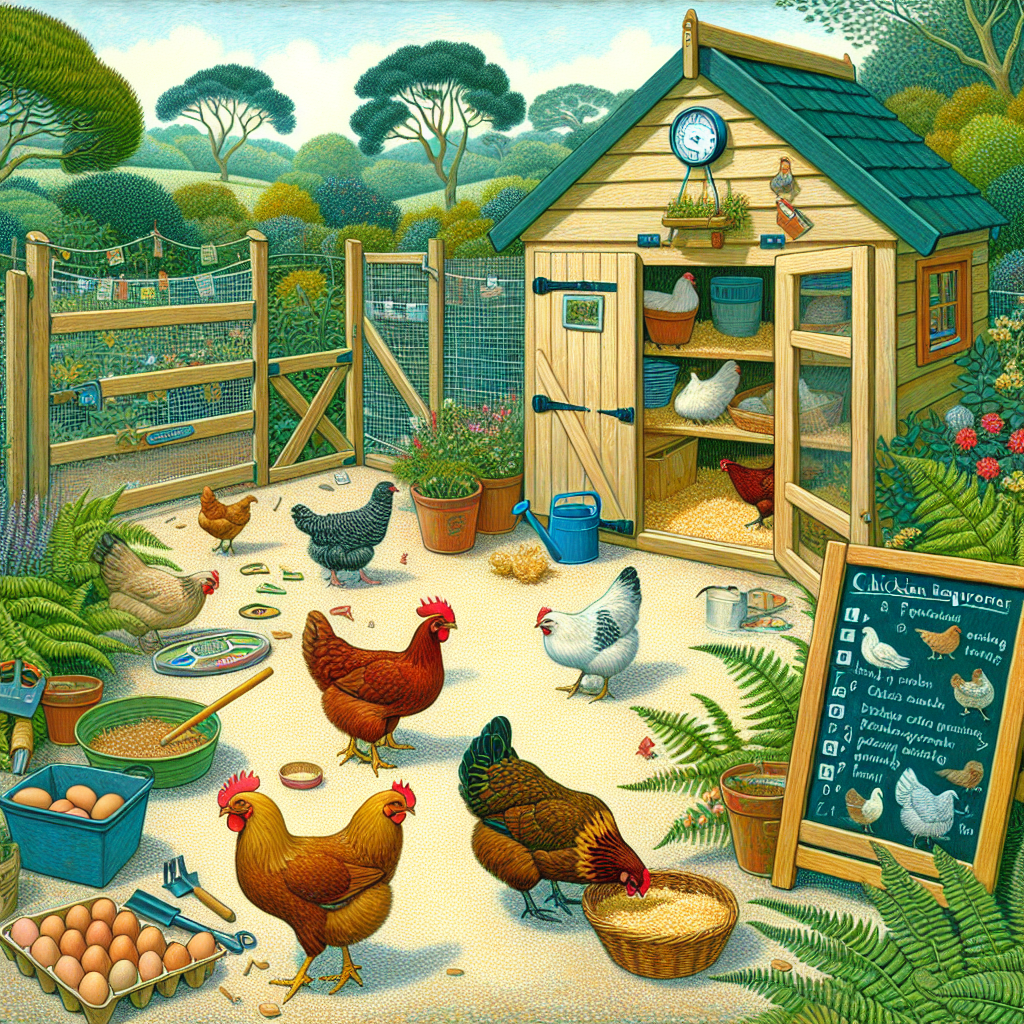
Can Raising Chickens Alleviate Feelings Of Dependency?
What Are Common Challenges In Chicken Keeping For Self-Sufficiency?
So, you’ve decided to take the plunge into the world of backyard chickens. Congratulations! There’s something deeply satisfying about tending to those feathery friends and harvesting your own fresh eggs. But let’s not sugarcoat it; raising poultry in your backyard is akin to signing up for a fun new workout routine—exciting at first, but with a few aches and pains along the way.
First off, let’s talk about space. Chickens are not the best at respecting boundaries. You may think your backyard is suitable for a cozy little coop, but believe me, they’ll find every way to flaunt their free-range dreams. Trouble can arise when they venture beyond your carefully plotted space, into your prized garden. The digging, the scratching, the pecking—what was once a vibrant patch of homegrown tomatoes can quickly become a buffet for your clucking companions. Finding a balance between freedom and protection is key.
Then, there’s the question of quality feed. Sure, you can run down to the local store, but sourcing the right nourishment can make all the difference in your flock’s health and egg production. You’ll want to be discerning. Do you prioritize organic or non-GMO feed? Are you prepared to do the research and possibly mix your own concoctions? Just think of it as your very own farm-to-table initiative, and your chickens will reward you with those delicious, rich yolks.
Let’s not forget about health management. Chickens can be surprisingly resilient, but they’re not invincible. From parasites to respiratory issues, keeping your backyard chickens healthy is no small task. It can be daunting to lay the groundwork for a nurturing environment. Learning the signs of illness and knowing when to call the vet isn’t just crucial—it can be the difference between a happy coop and a sad one. Take it as an opportunity to dive deeper into their care and form a bond with these creatures who depend on you.
Finally, let’s chat about winter. If you’re in a chillier climate, you’ll need to prepare your feathered friends for the cold months. Draft-free coops, closed nesting boxes, and sometimes even supplemental heat are necessary to keep your hens warm and productive in lower temperatures.
Ultimately, keeping backyard chickens is a rewarding journey, filled with its ups and downs. With a little grit and a willingness to learn, you can pave the way for a sustainable and rewarding self-sufficiency that resonates beyond your backyard. Ready to embrace the adventure? Your little flock is waiting!

What Are Common Challenges In Chicken Keeping For Self-Sufficiency?
What Are Common Challenges In Chicken Keeping For Self-Sufficiency?
- Raising backyard chickens offers satisfaction through fresh eggs and connection with animals.
- Chickens require sufficient space and may not respect boundaries, potentially damaging gardens.
- Quality feed is essential for the health and egg production of chickens, requiring careful sourcing.
- Health management is crucial; chickens are resilient but susceptible to health issues like parasites.
- Understanding chicken illnesses and knowing when to seek veterinary help is important for their welfare.
- In colder climates, preparations like draft-free coops and heat sources are necessary for winter care.
- Despite challenges, raising chickens can lead to self-sufficiency and a rewarding experience.

What Are Common Challenges In Chicken Keeping For Self-Sufficiency?
How Do Chickens Impact Food Security For Households?
There’s something wonderfully simple about the idea of backyard chickens. Imagine stepping into your own backyard, the smell of fresh grass in the air, and the gentle clucks of a few feathered friends welcoming you. It’s more than just a charming pastoral scene; it’s a living, breathing testament to the impact of chickens on food security for households.
For those who might not have considered the benefits, let me paint a picture. When you raise backyard chickens, you’re not just acquiring a few birds; you’re cultivating resilience. In a world where grocery prices fluctuate and food systems can feel unpredictable, your little flock becomes a reliable source of nutrition. An egg a day—from chickens fed the right diet—provides essential proteins and nutrients that many might overlook during their weekly grocery run. Suddenly, breakfast isn’t just about pancakes or cereal; it’s about fresh eggs, a symbol of self-sufficiency and control over your family’s diet.
Now, let me be clear: it’s not just about the food. Keeping backyard chickens fosters a relationship with your food system that many of us are yearning for in an age of convenience. You see where your food comes from; you get to experience the joy of nurturing life and reaping the rewards. Children get to learn valuable lessons about responsibility, empathy, and the cycles of nature. It’s bonding time as you and your family collect eggs and marvel at the different colors and sizes, turning a daily chore into an adventure.
Furthermore, the benefits extend beyond your breakfast table. The manure from chickens can enrich your garden soil, allowing you to grow your own vegetables, enhancing your overall food security. It’s like having a mini-ecosystem right outside your door, where every part plays a role in nourishing both body and spirit.
While some may scoff at the idea of backyard chickens as a practical means to food security, consider this: in times of crisis, having a reliable source of eggs can make the difference between a full plate and an empty one. It’s about empowerment, about knowing that when times get tough, you’ve got your own little haven of food right at home. So, whether you’re an urban dweller or a country soul, maybe it’s worthwhile to give backyard chickens a thought. After all, they might just be the key to not just surviving, but thriving.

How Do Chickens Impact Food Security For Households?
How Do Chickens Impact Food Security For Households?
- Backyard chickens provide a charming and beneficial addition to home life.
- They enhance food security by offering a reliable source of nutrition amidst fluctuating grocery prices.
- Fresh eggs from backyard chickens contribute essential proteins and nutrients, promoting self-sufficiency.
- Raising chickens fosters a deeper relationship with food, allowing families to engage with their food sources.
- Children learn valuable lessons about responsibility, empathy, and nature’s cycles through chicken care.
- Chicken manure enriches garden soil, allowing for the growth of vegetables and further enhancing food security.
- In times of crisis, backyard chickens can provide empowering food resources, supporting families through tough times.

How Do Chickens Impact Food Security For Households?
Conclusion
As we conclude this exploration of self-sufficiency through the lens of backyard chickens, it’s clear that these feathery companions yield far more than fresh eggs. We’ve come to see the undeniable appeal of embracing a simpler way of life in a world that thrives on complexity and convenience. The gentle clucks and rhythmic scratching of chickens invite us to reconnect with nature and the idea of nurturing something from the ground up. It’s not just about collecting breakfast; it’s an empowering journey back to independence.
When you crack open a freshly laid egg, it’s not merely a source of nutrition; it’s a celebration of effort and responsibility. Each egg symbolizes the revival of instincts that many of us fear have faded away. With modern dependence leading to feelings of disconnection, those who commit to raising chickens discover a tangible antidote. It’s like stepping off the merry-go-round of life and taking a breath of fresh air.
This isn’t just about having animals in your backyard; it’s about understanding the cycles of life, the joy of labor, and the satisfaction that comes from self-reliance. Each day spent tending to your flock cultivates a newfound appreciation for hard work and collaboration with nature. Whether it’s keeping them healthy, managing their feed, or curating the perfect nesting environment, every challenge surmounts to build skills that extend beyond the coop.
Let’s not overlook the community aspect either. Once you dive into the world of chickens, you’re opening a dialogue with fellow enthusiasts, sharing tips, recipes, and a few hearty laughs along the way. Raising backyard chickens can spark conversations that transform neighbors into allies, fostering a spirit of connectivity in a fragmented world.
So, if you’re feeling the weight of modern existence and yearning for a simpler, more fulfilling life, consider letting a few chickens cross your threshold. They might just offer the path toward reclaiming self-sufficiency, one cluck at a time. The journey is rewarding, and there’s magic in those small moments of success and connection. It’s not just about the eggs; it’s about rediscovering your power in an unpredictable world. Now, go out there, embrace the mess and mayhem, and watch as those little flap of wings guide you back to the roots of self-sufficient living. You might just find yourself feeling that spark again—with the added perk of a brimming egg basket.

Conclusion
Conclusion:
- Backyard chickens provide more than just fresh eggs; they foster a connection to a simpler way of life.
- The act of collecting eggs symbolizes effort, responsibility, and a revival of natural instincts.
- Raising chickens offers a remedy to modern life’s feelings of disconnection, encouraging a return to self-reliance.
- Caring for chickens enhances appreciation for hard work and collaboration with nature.
- Managing the needs of chickens builds skills that go beyond poultry care.
- The community aspect of raising chickens promotes dialogue, sharing tips, and strengthening relationships with neighbors.
- Embracing backyard chickens can lead to a fulfilling, self-sufficient lifestyle and a sense of empowerment.

Conclusion
Other Resources

Other Resources
Here is a list of other resources you can review online to learn more:
- White Faced Black Spanish
- Pekin Bantam
- Icelandic
- Barbu d’Uccle
- opossums
- green potato skins
- Olive Egger
- cucumbers
- Crevecoeur
- Shamo
Use This Prompt To Get More Resources With Your Favorite Online AI Tool: Please provide me with a list of online articles with their URLs in a bulleted list that I can read regarding Is The Loss Of Self Sufficiency Draining When Chickens Restore It?
Other Resources
Glossary Terms
Is The Loss Of Self Sufficiency Draining When Chickens Restore It? – Glossary Of Terms
1. Self-Sufficiency: The ability to fulfill one’s needs without external assistance. In the context of chickens, it refers to producing one’s own food and resources.
2. Chickens: Domesticated birds kept for eggs, meat, and companionship that can contribute to a sustainable lifestyle.
3. Sustainability: The practice of using resources in a way that meets current needs while preserving them for future generations.
4. Permaculture: An approach to land management that mimics natural ecosystems, focusing on sustainable agriculture practices and productivity.
5. Homesteading: A lifestyle of self-sufficiency that encompasses farming, gardening, and raising livestock at home.
6. Foraging: The act of searching for and harvesting wild food resources, often a complementary practice to raising chickens.
7. Composting: A method of recycling organic waste into valuable fertilizer that enhances soil health and supports chicken foraging.
8. Egg Production: The process of hens laying eggs, a key aspect of utilizing chickens for sustenance.
9. Meat Production: The farming of chickens for meat, contributing to food self-sufficiency.
10. Free-Range: A method of raising chickens where they are allowed to roam outside, promoting natural behaviors and healthier animals.
11. Biodiversity: The variety of different species within an ecosystem, which helps to maintain balance and resilience in the environment.
12. Waste Reduction: Practices aimed at minimizing garbage, including using kitchen scraps as chicken feed and compost.
13. Seed Saving: The practice of collecting seeds from plants to replant in future seasons, promoting self-sufficiency in gardening.
14. Nutrient Cycling: The natural process of transferring energy and nutrients through the ecosystem, such as chickens breaking down organic matter.
15. Soil Fertility: The ability of soil to provide essential nutrients to plants, which can be enhanced through chicken manure.
16. Predation: The natural instinct of animals, including chickens, to catch and eat other creatures, which can help control pests.
17. Flock Management: The practice of caring for and managing a group of chickens to ensure their health and productivity.
18. Urban Farming: The practice of cultivating, processing, and distributing food in or around urban areas, often incorporating chickens.
19. Animal Husbandry: The science and art of breeding and caring for farm animals, including chickens.
20. Husbandry Practices: Techniques and methods used to raise livestock sustainably and responsibly.
21. Backyard Poultry: Raising a small number of chickens in residential settings, often for personal use.
22. Organic Farming: Agricultural practices that do not use synthetic fertilizers or pesticides, promoting ecological balance.
23. Livestock: Domesticated animals raised for food, fiber, or labor, such as chickens, cows, and pigs.
24. Chick Brooding: The process of caring for young chicks until they can thrive without special conditions.
25. Vegetable Garden: A cultivated plot of land used to grow edible plants, which can be supported by the presence of chickens.
26. Community Supported Agriculture (CSA): A system that connects producers and consumers by allowing consumers to buy shares of a farm’s harvest in advance.
27. Nutritional Independence: The ability to determine and provide one’s own food sources, significantly enhanced by chicken ownership.
28. Food Security: The state of having reliable access to a sufficient quantity of affordable, nutritious food, which chickens can contribute to.
29. Resilience: The capacity of a system, community, or individual to withstand or recover from adverse conditions, supported by sustainable practices.
30. Stress Relief: The psychological and emotional benefits derived from engaging in farming activities, including raising chickens, which can improve overall well-being.

Glossary Of Terms
Other Questions
Is The Loss Of Self Sufficiency Draining When Chickens Restore It? – Other Questions
If you wish to explore and discover more, consider looking for answers to these questions:
- What are the initial steps to start raising backyard chickens?
- What are the best chicken breeds for beginners?
- How much space do I need to keep chickens in my backyard?
- What are the legal requirements for keeping chickens in my area?
- How do I care for chickens during different seasons?
- What common health issues do chickens face and how can I prevent them?
- How can I ensure my chickens are getting a balanced diet?
- What are the benefits of using chicken manure in my garden?
- What do I do if my chickens stop laying eggs?
- How do I build an effective chicken coop?
- What are some signs that my chickens are unhappy or unhealthy?
- How do I introduce new chickens to an existing flock?
- What are the potential costs associated with raising chickens?
- How can I integrate chicken keeping into my family’s lifestyle?
- What resources or communities are available for new chicken owners?

Other Questions
Haiku
Is The Loss Of Self Sufficiency Draining When Chickens Restore It? – A Haiku
Chickens in the yard,
Restoring simple joys,
Life’s cycle renewed.
Haiku
Poem
Is The Loss Of Self Sufficiency Draining When Chickens Restore It? – A Poem
Feathers of Resilience
In the gentle dawn, with clucks that cheer,
A whisper of freedom floats near,
Backyard chickens, humble and bright,
Offer us solace in morning’s light.
Amidst the chaos of modern routine,
They beckon us back to what once had been—
The art of the simple, the joy of the hands,
A cycle of life that nature understands.
With each tender flap in the sunlit gaze,
Comes a spark of self-sufficiency’s blaze,
Collecting fresh eggs, a gleeful delight,
Transforming our breakfasts, setting things right.
Those soft, feathery friends teach us grace,
In nurturing life, we find our place,
A rhythm of caring, responsibility’s song,
A bond with the earth that feels deeply strong.
No longer mere spectators in a digital maze,
We dig in the soil, through the heat and the haze,
As chickens forage, we learn and we grow,
The art of provision, the seeds that we sow.
But challenges linger—like space to provide,
And health to maintain, and winter’s cold tide,
Yet through every struggle, a lesson unfolds,
Resilience and strength in our hearts to hold.
In times of uncertainty, when groceries wane,
These clucking companions can ease any strain,
For each little egg holds the promise of more,
Sustenance gathered right from our door.
So, embrace the adventure, the chaos, the clucks,
With feathers and laughter, our lives can unluck,
A journey of self, of joy, and of care,
In the heart of our gardens, our spirits laid bare.
From darkness to dawn, let the chickens restore,
The lost art of living; they offer us more.
In their humble presence, let’s stand hand in hand,
And nurture our roots, through this magical land.

Poem
Checklist
Is The Loss Of Self Sufficiency Draining When Chickens Restore It? – A Checklist
Checklist for Reviving Self-Sufficiency with Chickens
Understanding Self-Sufficiency
_____ Reflect on what self-sufficiency means to you.
_____ Assess your current dependency on convenience foods.
Preparing to Raise Chickens
_____ Research local regulations regarding backyard chickens.
_____ Decide on the type and breed of chickens suitable for your needs.
_____ Plan your chicken coop design and location in your backyard.
_____ Estimate costs for feeding, housing, and healthcare of chickens.
_____ Gather essential supplies (coop, feeding supplies, bedding, etc. ).
Daily Care Routine
_____ Establish a daily feeding schedule for your chickens.
_____ Designate a time for egg collection each day.
_____ Create a routine for cleaning the coop and maintaining their living environment.
_____ Monitor the health of your chickens regularly.
Connecting with Community and Resources
_____ Join local or online chicken-keeping communities for support and advice.
_____ Share experiences and tips with fellow chicken keepers.
_____ Consider organizing or participating in skill swaps related to chicken care.
Fostering Educational Opportunities
_____ Engage family members, especially children, in caring for chickens.
_____ Discuss and teach about the life cycle of chickens and sustainable practices.
_____ Explore how chicken care can help build life skills like responsibility and patience.
Sustainability Practices
_____ Utilize chicken manure as fertilizer for your garden.
_____ Experiment with feeding chickens kitchen scraps to reduce waste.
_____ Learn about pest control through chickens’ natural foraging behavior.
Recognizing Challenges
_____ Identify potential challenges in chicken keeping (space, feed quality, health management).
_____ Develop strategies to protect your garden from free-ranging chickens.
_____ Prepare for seasonal changes and their impact on chicken care.
Reassessing Progress
_____ Reflect on how raising chickens impacts your feelings of self-sufficiency.
_____ Evaluate the quality of life improvements since beginning your chicken-keeping journey.
_____ Share your journey with others to inspire potential chicken keepers.
Use this checklist as a guide to transition toward a more self-sufficient lifestyle through backyard chickens! Enjoy your journey to reconnecting with nature, cultivating responsibility, and growing your food sources.

Checklist
At BackyardChickenNews, we help people who want to raise backyard chickens by collating information and news blended with our own personal experiences.
Be sure to read our other related stories at BackyardChickenNews to learn more about raising chickens in your backyard.