

Surviving Together: Caring For Chickens In Crisis
By Tom Seest
At BackyardChickenNews, we help people who want to raise backyard chickens by collating information and news blended with our own personal experiences.
Be sure to read our other related stories at BackyardChickenNews to learn more about raising chickens in your backyard.
Keeping Chickens During a Natural Disaster
When the winds howl and the skies darken, it’s easy to feel overwhelmed. But amidst the chaos of a natural disaster, your flock of backyard chickens can become a beacon of stability and hope. These resilient creatures, with their gentle clucks and quirky antics, are more than just egg producers; they’re part of your family and your life’s rhythm.
Imagine the sense of dread as a storm approaches. You’ve secured your home, gathered supplies, and prepped as best you can. But what about your chickens? They need you, just as you need them. This is where the heart comes into play. For countless families, the rise and fall of a hen’s daily routine is woven into the fabric of everyday life—feeding time, egg collection, and the simple joy of watching them scratch the dirt or flap their wings in pursuit of a bug. It’s in these everyday moments that we find connection, not just with our birds, but with our own humanity.
From a head standpoint, being prepared is essential. You need a solid game plan—secure the coop, stock up on feed, and have a water supply ready. Chickens are surprisingly hardy, but they rely on us, their caretakers, to ensure their safety and survival. A little forethought can make all the difference. When you equip yourself with knowledge—like understanding how to modify your coop for high winds or flooding—you’re facing the storm head-on, which is not just smart; it’s ethical. It reflects a commitment to the lives in your care, reminding us that we are stewards of more than just land.
Let’s not ignore the social aspect, either. Community support can inspire action. Share your plans with neighbors who might also keep backyard chickens. Exchange tips on preparation or check in on one another’s flocks as the storm approaches. You’ll find that the bonds forged in crisis can turn the uncertainty of a natural disaster into an opportunity for communal strength.
As you gather your supplies and mentally prepare for what’s ahead, let the thought of your chickens ground you. They’re counting on you, and that responsibility can ignite a deep resolve—the kind that motivates us to act, adapt, and survive. Remember, in the face of nature’s fury, we aren’t just protecting chickens; we’re preserving a piece of our daily lives and the connections that matter most.

Keeping Chickens During a Natural Disaster
Keeping Chickens During a Natural Disaster
- Natural disasters can create a sense of overwhelm, but backyard chickens offer stability and hope.
- Chickens are part of the family, providing daily routines that connect us to our humanity.
- Preparation for storms involves securing coops, stocking feed, and ensuring water supply for chickens.
- Understanding how to modify coops for safety reflects a commitment to the animals in our care.
- Community support is vital; sharing plans with neighbors can strengthen resilience during crises.
- Being responsible for chickens can motivate individuals to act with determination in challenging situations.
- Protecting chickens means preserving daily life connections and the importance of those relationships.

Keeping Chickens During a Natural Disaster
Table Of Contents
- Keeping Chickens During a Natural Disaster
- What Emotional Bonds Do We Have With Our Chickens During Tough Times?
- What Ethical Responsibilities Do We Hold For Our Chickens In Crisis?
- How Can We Prepare Our Chicken Coops To Withstand Natural Disasters?
- What Are The Best Practices For Evacuating Chickens Safely?
- How Does Community Support Play A Role In Protecting Our Chickens?
- How Can We Educate Others About The Importance Of Chicken Safety?
- What Resources Do Chicken Owners Need During Natural Disasters?
- Conclusion
- Other Resources
- Glossary Of Terms
- Other Questions
- Haiku
- Poem
- Checklist
What Emotional Bonds Do We Have With Our Chickens During Tough Times?
In times of turmoil, when the world feels burdened and heavy, there’s a hidden gem in our backyards tirelessly pecking away at the ground — our chickens. The simple act of raising backyard chickens binds us not only to a source of fresh eggs but to a companionship that seeps into our very souls during tough times. As stress weighs us down, we often turn to nature for solace, and there they are, our feathered friends, with their gentle clucks and curious eyes, reminding us of life’s simple joys.
Consider the look of a chicken anticipating its next treat; it’s awe-inspiring. This eager anticipation mirrors our innate desire for happiness and routine. The ritual of feeding and caring for these birds becomes a grounding force, a crucial part of our daily rhythm, offering a sense of purpose even amidst chaos. It’s a beautiful dance of give and take, rooted in a bond we have chosen to nurture. Each interaction fosters a mutual trust; as we care for them, they, in turn, offer comfort in their unassuming ways.
There’s an ethical component to this relationship as well. Supporting local ecosystems and sustainable practices doesn’t just appease a fleeting sense of responsibility; it enriches our lives with a narrative of stewardship. Knowing that we contribute to an interconnected web of life, even from our backyards, grounds us ethically and emotionally, encouraging us to view our struggles through a lens of resilience nurtured by connection.
Socially, the backyard chicken movement fosters communities built on shared experiences. Whether you’re swapping tales of their antics or asking for tips on plucking feathers, these conversations delve deeper than mere exchange; they spark friendships rooted in a common understanding. In a world that’s increasingly isolating, these connections remind us we’re part of something greater — a local, living tapestry woven through laughter, challenges, and celebration.
Lastly, let’s not overlook the gut instinct here: when you crack open an egg laid by your beloved hens, it’s more than food; it’s a nugget of warmth, a metaphorical hug from feathers that have become part of your journey. Every cluck and cackle echoes a reminder that, through our emotional bonds with these lively creatures, we embody resilience. In the most trying times, our backyard chickens do more than survive; they teach us to thrive.

What Emotional Bonds Do We Have With Our Chickens During Tough Times?
What Emotional Bonds Do We Have With Our Chickens During Tough Times?
- Raising backyard chickens provides fresh eggs and companionship during tough times.
- Chickens offer solace and remind us of life’s simple joys, fostering a connection with nature.
- The routine of feeding and caring for chickens brings purpose and stability amidst chaos.
- Interactions with chickens create a mutual trust and emotional comfort.
- The ethical dimension of chicken-keeping promotes support for local ecosystems and sustainable practices.
- The backyard chicken community fosters friendships and shared experiences, combating social isolation.
- Eggs from our hens symbolize warmth and resilience, reminding us to thrive in adversity.

What Emotional Bonds Do We Have With Our Chickens During Tough Times?
What Ethical Responsibilities Do We Hold For Our Chickens In Crisis?
When it comes to our Backyard Chickens, we find ourselves at a crossroads of sentiment and responsibility. Many of us started this journey with the simple intention of farm-fresh eggs, a touch of nature in our backyards, or perhaps the joy of companionship that comes from nurturing these unique creatures. But what happens when crisis strikes? We must be prepared to face the ethical responsibilities that arise.
Imagine the panic of discovering a predator lurking nearby, threatening the safety of your flock. It’s gut-wrenching—a stomach-churning reality that can leave us feeling powerless. Yet, this is not only about protecting our Backyard Chickens; it’s a moral obligation that extends to how we respond. Consider this: every chicken in our care is a living being deserving of our respect and protection. When a crisis looms, what do we owe them? The answer is simple yet profound: everything we can.
Rational thinking tells us that our chickens rely on us for safety and well-being. They depend on us to create an environment that is not just habitable but thriving. By understanding the nuances of their needs—adequate shelter, nutrition, and social interaction—we become the stewards they deserve. It’s about more than just the act of feeding; it’s about fostering a connection that transcends mere ownership. We owe it to our flock to be vigilant, compassionate, and ready to act when their lives hang in the balance.
Moreover, ethical considerations permeate our decisions. When faced with tough choices—like whether to intervene in a health crisis or how to respectfully deal with death—we must navigate these waters with care. Our actions define our character and our commitment to our Backyard Chickens. This may seem daunting, but it also empowers us to rise to the occasion, embodying a sense of honor in our roles.
These small creatures teach us big lessons about responsibility, compassion, and the hard choices that knit society together. By engaging with our Backyard Chickens fully, we not only enrich their lives but also ours. And when the storm clouds gather, let us be the guardians they count on, rising to our ethical responsibilities with confidence and care. Let’s ensure that when the chips are down, we don’t just stand by; we stand up for them.

What Ethical Responsibilities Do We Hold For Our Chickens In Crisis?
What Ethical Responsibilities Do We Hold For Our Chickens In Crisis?
- Backyard chickens represent a mix of sentiment and responsibility for their owners.
- Initial motivations often include wanting farm-fresh eggs, a connection to nature, and companionship.
- Crisis situations, like predators threatening the flock, create ethical responsibilities towards the chickens.
- Each chicken is a living being deserving of respect, safety, and care from their owners.
- Owners must create a thriving environment, providing adequate shelter, nutrition, and social interaction.
- Ethical dilemmas arise in decisions regarding health interventions or handling death, challenging owners’ values.
- Engaging fully with chickens teaches lessons of responsibility and compassion, encouraging owners to act as guardians during crises.

What Ethical Responsibilities Do We Hold For Our Chickens In Crisis?
How Can We Prepare Our Chicken Coops To Withstand Natural Disasters?
When you embrace the world of backyard chickens, you’re not just inviting a handful of delightful cluckers into your yard; you’re embracing a way of life steeped in responsibility and connection. But with the joy of nurturing these feathered friends comes the somber reality of nature’s unpredictability. Preparing your chicken coop for potential natural disasters isn’t merely a precaution—it’s an act of love.
Imagine those storm clouds brewing on the horizon. You look out your window and see your chickens pecking carefree, blissfully unaware of the chaos that looms. Your heart swells with pride, knowing you’ve provided them a safe haven. But that moment of bliss can swiftly shift to dread if disaster strikes. From hurricanes to wildfires, nature doesn’t hold back, and your backyard sanctuary can be vulnerable.
Start with the physical structure of your coop. Reinforce it so that it can stand firm against fierce winds or the torrential pounding of a heavy rainstorm. Use weatherproof materials, and consider elevating your coop to avoid flooding. This isn’t just about protection; it’s a promise to your chickens that you’ll keep them safe, come what may.
Now, let’s think rationally. When you equip your coop with backup power for lighting and ventilation, you’re making a wise investment in their wellbeing. It’s not just about keeping them comfortable; it’s about ensuring they don’t become victims of anything Mother Nature might throw your way. Trust me, your gut will thank you later when you know you’ve done everything possible to safeguard their lives.
But what about the emotional side? Your chickens, with their quirky personalities and comforting presence, are part of your family. What would you do if disaster struck and they weren’t there to greet you on the other side? This isn’t just about structures and supplies; it’s an ethical obligation we have as caretakers. They trust us, and we owe it to them to be prepared.
Finally, don’t tackle this alone. Reach out to fellow chicken enthusiasts in your community. Share plans, tips, even DIY projects that can make your chicken coops more resilient together. This isn’t simply about personal triumph; it’s about building a network where everyone can thrive, even in the face of adversity.
Preparing your chicken coop isn’t an insurmountable task; it’s an essential expression of love, commitment, and integrity that honors the bond between you and your backyard chickens. So, take the time, make the effort, and inspire confidence in yourself and your feathered friends.

How Can We Prepare Our Chicken Coops To Withstand Natural Disasters?
How Can We Prepare Our Chicken Coops To Withstand Natural Disasters?
- Embracing backyard chickens symbolizes responsibility and connection to nature.
- Preparing for natural disasters is essential for the safety of your chickens.
- Reinforce your chicken coop with weatherproof materials and elevate it to prevent flooding.
- Invest in backup power sources for lighting and ventilation to ensure chicken wellbeing.
- Recognize the emotional bond with your chickens and acknowledge your ethical obligations as their caretaker.
- Connect with community members to share tips and resources for strengthening chicken coops.
- Preparing your chicken coop is a meaningful expression of love and commitment to your feathery companions.

How Can We Prepare Our Chicken Coops To Withstand Natural Disasters?
What Are The Best Practices For Evacuating Chickens Safely?
When it comes to evacuating backyard chickens, it’s more than just a chicken run; it’s about the lives that depend on you. Picture this: a sudden storm bearing down, the wind howling, and you’re standing at the edge of your coop. It’s not just about getting those feathered friends to safety; it’s about safeguarding their lives while wrapping your arms around a bond that transcends just care—it’s stewardship.
First, preparation is key. Think of your coop as more than a shelter; it’s a sanctuary. Regularly check and maintain it so that when the time comes to evacuate, you’re not scrambling to find the essentials. Have a designated evacuation plan that includes transport crates and enough food for at least a few days. The emotional weight of ensuring their survival can be lightened with proper foresight.
When it’s time to move your birds, don’t rush them. Chickens thrive on routine, so gently coax them to safety. Use familiar sounds or treats to guide them. Think about it: how would you want to be treated in chaos? Engaging with your chickens in a calm manner reduces their stress, allowing the complete experience to feel less like a desperate scramble and more like an organized retreat.
Always have a few helpers lined up, because team effort isn’t just a cliché—it’s essential. Having someone to assist can ease the burden, and it invites a sense of community. You’re not just protecting your flock; you’re fostering a culture of responsibility among fellow owners. And when disaster strikes, it’s both heartwarming and reassuring to know others are in it with you, helping shoulder the weight.
Lastly, never underestimate the power of connection. Reach out to local resources for advice or support. They may have faced similar situations and can offer insights that transform a frantic situation into a manageable one. Stay informed, be resourceful, and act decisively. It’s not just about keeping chickens alive; it’s about respecting the delicate balance of life that we have the privilege to nurture.
Your backyard chickens are more than just livestock; they’re companions who depend on your courage and dedication. The next time you find yourself needing to evacuate, remember: action can be a powerful expression of the love and care you have for them. Embrace it, and trust in your ability to keep them safe.

What Are The Best Practices For Evacuating Chickens Safely?
What Are The Best Practices For Evacuating Chickens Safely?
- Evacuating backyard chickens involves more than just logistics; it’s about their lives and your stewardship.
- Preparation is crucial; maintain the coop and have an evacuation plan with transport crates and sufficient food.
- Gently coax chickens to safety using familiar sounds or treats to reduce their stress during the move.
- Having helpers is essential; it fosters community and shares the responsibility of protecting the flock.
- Connect with local resources for advice and support to make evacuation manageable.
- Stay informed, resourceful, and act decisively to nurture the balance of life you share with your chickens.
- Remember that your backyard chickens are companions that require your courage and dedication for their safety.

What Are The Best Practices For Evacuating Chickens Safely?
How Does Community Support Play A Role In Protecting Our Chickens?
In a world overflowing with technology and disconnection, the humble act of raising backyard chickens offers a unique opportunity to cultivate community spirit. These feathery friends don’t just lay eggs; they can lay the foundation for camaraderie, trust, and support that transcends the backyard fence. When you welcome chickens into your backyard, you’re not just providing a safe haven for them; you’re inviting your neighbors to join in on a collective journey—one that fosters connection and engagement.
Think about it. Raising backyard chickens isn’t just about animal husbandry; it’s about creating a network of passionate individuals who share knowledge, resources, and a commitment to the ethical treatment of these creatures. Each cluck, each flapping wing, and each egg serves as a reminder that we’re all connected, working together to nourish not only our bodies but our community’s spirit. By sharing in the responsibilities, the joys, and, yes, the occasional setbacks of chicken rearing, neighbors often find themselves bonded in ways they never anticipated.
Imagine the young child whose eyes light up at the sight of a freshly laid egg or the adult who savors the taste of a chicken dinner knowing it was raised with care just down the street. These moments transcend the mere act of gathering around a meal; they echo the values of collaboration, cooperation, and mutual respect. They compel us to stay vigilant in safeguarding our feathered friends, creating an environment where everyone feels responsible for their well-being.
Through community-based chicken-keeping, we cultivate a culture of sharing and support that goes beyond the coop. Workshops, potlucks, and local meet-ups blossom as neighbors trade tips on preventing disease, diluting the fears associated with urban farming. In doing so, we are reminded of our collective ability to impact everyone’s backyard, ensuring our chickens thrive while bolstering our sense of agency in the process.
So, as we tend to our flocks, let’s also nurture the bonds with those around us. Each backyard chicken is a testament to a thriving community ethos—one where help is just a cluck away. By standing together, we not only protect our chickens but also reinforce the very fabric of our neighborhoods. Let’s come together, support one another, and celebrate the extraordinary benefits of a shared passion for raising backyard chickens. After all, when the community thrives, so do we all.

How Does Community Support Play A Role In Protecting Our Chickens?
How Does Community Support Play A Role In Protecting Our Chickens?
- Raising backyard chickens fosters community spirit and connection.
- Chickens encourage camaraderie, trust, and support among neighbors.
- This practice promotes the ethical treatment of animals and resource sharing.
- Shared responsibilities enhance bonding among neighbors through collective experiences.
- Moments of joy, like seeing a fresh egg, reinforce values of collaboration and respect.
- Community-based chicken-keeping leads to workshops and events that reduce fears of urban farming.
- Each chicken in a backyard symbolizes the strength of neighborhood bonds and collective well-being.

How Does Community Support Play A Role In Protecting Our Chickens?
How Can We Educate Others About The Importance Of Chicken Safety?
When we think about the humble chicken, it’s easy to overlook its role in our lives beyond a simple meal. For countless families, caring for backyard chickens goes hand-in-hand with nurturing our spirit, engaging with nature, and supporting ethical food practices. But with this responsibility comes the vital need for education about chicken safety—not just for our well-being, but for the health of our entire community.
First, let’s connect at the emotional level: imagine the chatter of happy hens pecking around your backyard, the children giggling as they gather fresh eggs, the satisfaction of knowing where your food comes from. These moments are precious, yet they can be easily compromised if we overlook safety precautions. Teaching others about proper chicken care is about preserving these joyful experiences while ensuring every family can relish them safely.
On a rational front, consider this: according to the CDC, a surprising number of salmonella outbreaks can be traced back to backyard chickens. This isn’t just statistics; it’s a call to action. Educating ourselves—and those around us—on hygiene practices can significantly reduce these risks. Simple habits, like washing hands after handling chickens or properly cooking eggs, transform us from passive consumers to informed caretakers.
Ethically, we owe it to ourselves and our animals to prioritize their health. By understanding the importance of biosecurity measures, we not only protect our flock but also preserve the integrity of our food systems. When we take the time to educate one another, we’re creating a ripple effect—a community that respects and understands the delicate balance of our ecosystems.
Authority comes in the form of the countless experts and farmers who have tread this path before us. With every workshop attended or book read, we gain insights that enhance our credibility and empower us to share knowledge effectively. When you stand up in front of a group, sharing the stories of triumph and failure, you fill a critical role as a leader and resource.
And let’s not forget social appeal. When one person thrives in raising chickens safely, it rapidly transforms into a community standard. This collective mindset fosters a culture of awareness and responsibility, where each triumphant egg and resilient flock contributes to a larger story of health and security.
So let’s rally together, arm in arm, sharing thoughts, experiences, and laughter about our backyard chickens. Let’s ensure that every cluck and the golden egg represents a commitment to safety, knowledge, and community, inspiring everyone around us to take action.
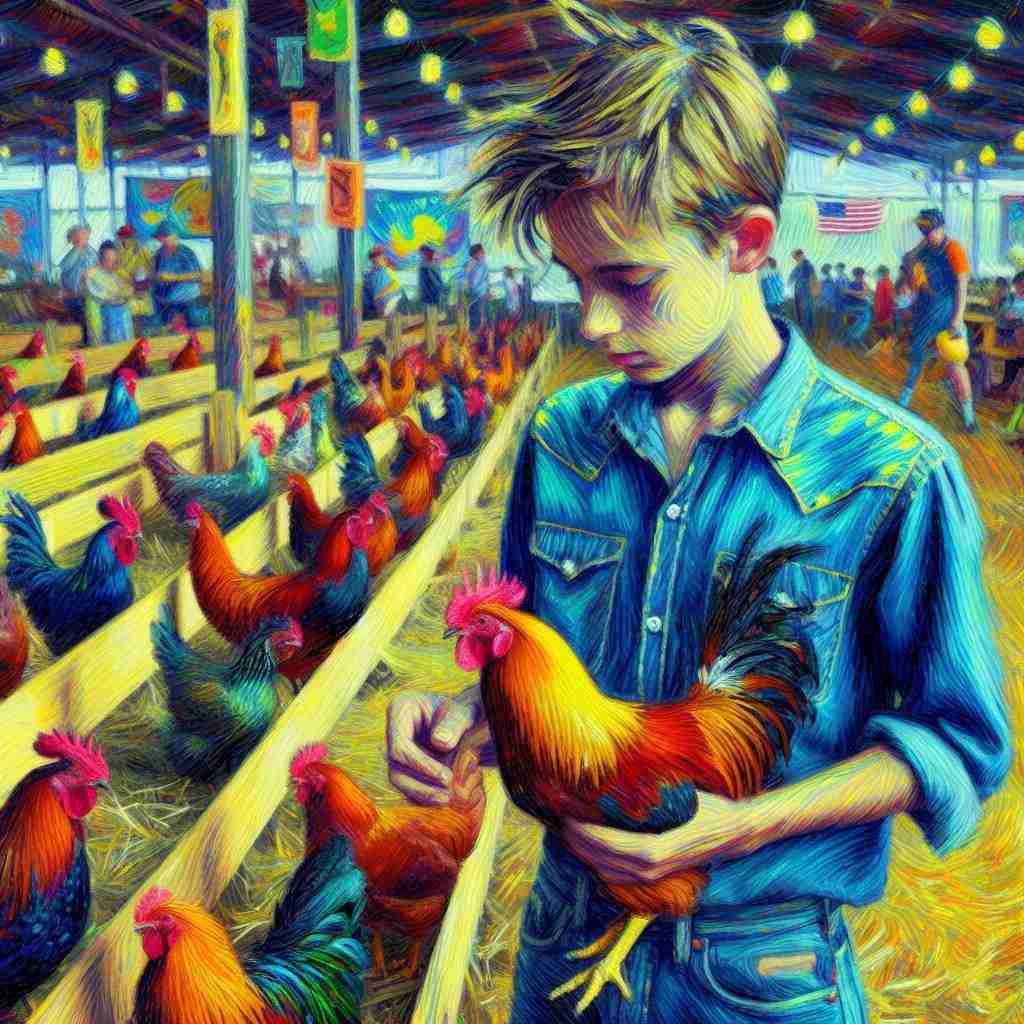
How Can We Educate Others About The Importance Of Chicken Safety?
How Can We Educate Others About The Importance Of Chicken Safety?
- The chicken plays a significant role beyond just being a meal, contributing to family spirit, nature engagement, and ethical food practices.
- Emotional connections arise from backyard chickens, creating joyous moments for families that can be protected through proper safety precautions.
- The CDC reports a notable number of salmonella outbreaks linked to backyard chickens, making education on hygiene practices crucial.
- Implementing simple hygiene habits can significantly reduce health risks associated with backyard chickens.
- Prioritizing animal health through biosecurity measures benefits both the flock and the overall integrity of food systems.
- Gaining insights from experts enhances credibility, empowering individuals to effectively share knowledge and lead within their communities.
- A culture of awareness and responsibility emerges when individuals thrive in raising chickens safely, strengthening community standards and health.

How Can We Educate Others About The Importance Of Chicken Safety?
What Resources Do Chicken Owners Need During Natural Disasters?
When the skies darken and the winds howl, the heart of a chicken owner beats not just for themselves, but for every feathered friend clucking away in the coop. Backyard chickens are more than just a hobby; they are cherished companions, reliable sources of fresh eggs, and a vital part of our food system. During a natural disaster, this bond becomes paramount, transforming a simple flock into a lifeline worth safeguarding.
First and foremost, preparation is the key. It’s not merely about grabbing feed and water; it’s about organizing a plan of action that incorporates the welfare of your chickens. Whether it’s a tornado warning or a looming hurricane, prompt access to resources can mean the difference between chaos and calm. Stock your emergency kit with essential supplies such as sturdy containers for feed, a portable water source, and a protective carrier to transport your feathered friends should the need arise. Think about them first—your companions rely on you, and that responsibility carries both weight and purpose.
Beyond mere logistics, equip yourself with knowledge. Local organizations and poultry communities can be a wellspring of information during a disaster. They share experiences, provide advice, and offer mutual support that makes the tough moments a little more bearable. These networks can help ensure that when the storm passes, you’re not just waiting to see what’s left; you’re working with a community dedicated to rebuilding, not just for you, but for every creature that depends on you.
But there’s also an ethical dimension to consider. As keepers of these creatures, we have a duty to keep them safe. Picture the distress their little hearts would feel if neglected during a crisis. When you take action today, you foster a sense of security for both them and yourself in unpredictable times. It’s about nurturing that relationship, understanding that in return for care and stability, they provide comfort and joy when life is calmer.
Let’s be real—natural disasters can shake your resolve, but they can also illuminate the strength found in community and care. The resilience of chickens, their ability to adapt, can inspire us to stand firm in the face of adversity. So prepare, connect, and protect your beloved flock. These little lives matter, and together, we can navigate the turbulence of nature’s wrath, one cluck at a time.

What Resources Do Chicken Owners Need During Natural Disasters?
What Resources Do Chicken Owners Need During Natural Disasters?
- Backyard chickens are cherished companions and vital to our food system.
- Preparation is crucial during natural disasters, with focus on planning for chicken welfare.
- Emergency kits should include feed containers, a portable water source, and protective carriers.
- Engaging with local organizations and poultry communities provides essential support and information.
- Keepers have an ethical duty to ensure the safety and well-being of their chickens.
- Natural disasters reveal the strength found in community care and resilience.
- Together, we can navigate challenges while valuing the lives of our feathered friends.

What Resources Do Chicken Owners Need During Natural Disasters?
Conclusion
In times of crisis, when nature unleashes her fury, the world can feel overwhelmingly chaotic. Yet, amid the chaos, our backyard chickens stand as symbols of stability and resilience. They’re more than just charming cluckers; they weave themselves into the daily fabric of our lives, bringing joy and purpose even in the darkest hours. Their gentle presence reminds us of the simple pleasures that ground us—feeding, egg collecting, and quirky antics that lift our spirits.
As we prepare for potential disasters, we must approach our responsibilities with both heart and wisdom. These feathered companions depend on us, not just for their immediate survival, but for their emotional well-being. It’s an ethical duty—a commitment to protect lives that trust us. This isn’t simply a task; it’s a promise that nurtures the bond between caretaker and creature. By planning ahead—reinforcing coops, stocking essential supplies, and learning best practices—we arm ourselves with knowledge and readiness, transforming fear into proactive care.
Community plays a crucial role here. Reaching out to fellow chicken enthusiasts fosters a network of mutual support and encouragement. Sharing plans and resources can turn individual worries into collective strength. Those connections forge an invaluable bond among neighbors, reinforcing the understanding that we share a common responsibility. Together, we create a web of care that enhances not only our flocks’ safety but also our own resilience.
As we navigate the challenges of natural disasters, we mustn’t overlook the emotional bonds we forge with these creatures. Each cluck echoes a commitment to nurture and protect—a reminder that through care and compassion, we embody resilience. Our chickens show us that thriving means more than mere survival; it means facing adversity with courage and steadfastness.
In every clucking heartbeat, our backyard chickens inspire us to reflect on our role as caretakers. They reflect our values, our commitment to ethical stewardship, and our ability to come together as a community in difficult times. This isn’t just about safeguarding a flock; it’s about preserving connections, enriching lives, and teaching ourselves the profound importance of both care and community. So when the storms roll in and uncertainties loom, let’s stand tall, united in our love for these resilient companions, ready to protect what truly matters.
Conclusion
Conclusion:
- Backyard chickens symbolize stability and resilience amidst chaos during crises.
- They offer joy and purpose through daily interactions, such as feeding and egg collecting.
- Responsibility for chickens includes ensuring their survival and emotional well-being.
- Planning and preparation can transform fear into proactive care for the chickens.
- Building a community of chicken enthusiasts fosters mutual support and shared resources.
- The emotional bonds with chickens remind us of our commitment to nurture and protect.
- Our relationship with chickens reflects our values and the importance of community in challenging times.

Conclusion
Other Resources

Other Resources
Here is a list of other resources you can review online to learn more:
- Easter Egger
- blackberries
- Infectious Coryza
- Silkie
- Cream Legbar
- black soldier flies
- Mycoplasmosis
- Polish
- Welsummer
- fermented feed
- Quail Disease
- Golden Laced Wyandotte
- Marans of America Club
- Red Sex Link
- Campine
- chicken run
- Australorp Club of Australia
- grains
Use This Prompt To Get More Resources With Your Favorite Online AI Tool: Please provide me with a list of online articles with their URLs in a bulleted list that I can read regarding Keeping Chickens During a Natural Disaster

Other Resources
Glossary Terms
Keeping Chickens During a Natural Disaster – Glossary Of Terms
1. Chickens: Domesticated birds raised for eggs and meat, requiring specific care and shelter, especially during emergencies.
2. Natural Disaster: Any catastrophic event that can cause significant destruction, including floods, hurricanes, wildfires, and earthquakes.
3. Emergency Preparedness: Planning and steps taken to ensure the safety and well-being of chickens during a crisis.
4. Shelter: A safe structure that protects chickens from extreme weather conditions and threats during natural disasters.
5. Evacuation Plan: A strategy for safely relocating chickens and supplies in anticipation of an impending disaster.
6. Containment: Measures taken to secure chickens in a designated area to prevent escape or harm during disasters.
7. First Aid Kit: A collection of medical supplies and equipment tailored to address injuries or health issues in chickens.
8. Water Supply: A reliable source of clean water for chickens, essential during emergencies when normal systems may fail.
9. Feed Storage: Proper containment of chicken feed to prevent spoilage and ensure availability in case of transportation issues.
10. Fencing: Barriers that provide physical security for chickens, keeping them safe from predators or wandering off.
11. Ventilation: Necessary airflow in shelters that helps prevent overheating and maintains a comfortable environment for chickens.
12. Temperature Control: Methods to regulate the environment within a shelter, especially vital in extreme weather.
13. Biosecurity: Practices that prevent disease outbreaks among chickens, particularly important in crowded shelter situations during disasters.
14. Behavioral Signs: Indicators of stress or discomfort in chickens that need to be monitored during high-stress situations.
15. Mobile Coop: A portable chicken housing structure that can be relocated quickly in emergencies.
16. Feed Rationing: Adjusting feed distribution to manage supplies effectively in prolonged emergencies.
17. Companion Animals: Other pets that may require consideration alongside chickens during disaster planning.
18. Backup Power: Alternative energy sources, such as generators, to ensure continued operations of heating or cooling systems.
19. Local Resources: Organizations and facilities that offer assistance to animal owners during disasters, including shelters and veterinarians.
20. Transport Containers: Secure enclosures for safely moving chickens during evacuations or relocations.
21. Training: Preparation and conditioning of both owners and chickens to adapt to emergency scenarios.
22. Emergency Contact List: A compilation of important numbers, including veterinarians and animal rescue organizations, for quick access during crises.
23. Checklist: A detailed list of actions and supplies needed to prepare for the safe management of chickens during emergencies.
24. Physical Barriers: Structures like sandbags or gates used to protect chickens from flooding or predators during disasters.
25. Health Assessments: Regular evaluations of chicken health to identify any emerging issues that may be exacerbated in emergencies.
26. Community Support: Networks of local farmers and poultry keepers that can share resources and information in times of crisis.
27. Post-Disaster Recovery: Strategies and actions taken to restore chicken care and farming operations after a disaster event.
28. Behavioral Enrichment: Activities or changes in the environment that assist in reducing stress for chickens during unsettling times.
29. Sanitation Measures: Practices aimed at maintaining hygiene and reducing disease risk, especially in temporary housing situations.
30. Rescue Operations: Organized efforts to save chickens and other animals from dangerous situations during or after a natural disaster.

Glossary Of Terms
Other Questions
Keeping Chickens During a Natural Disaster – Other Questions
If you wish to explore and discover more, consider looking for answers to these questions:
- What specific preparations should be made for different types of natural disasters?
- How can I create a comprehensive emergency plan for my chickens?
- What are the signs of stress in chickens during a disaster?
- How can I ensure my chickens have enough food and water during an extended emergency?
- What are alternative shelters or temporary housing options for chickens during an evacuation?
- How can I transport chickens safely without causing them stress?
- What should I do if my chickens get injured during a disaster?
- Are there specific breeds of chickens that are more resilient to harsh conditions?
- What are the best practices for reintroducing evacuated chickens to their home coop afterwards?
- How do local regulations affect poultry care during natural disasters?
- What role can social media play in raising awareness about chicken safety during crises?
- How can I encourage my neighbors to join in on community efforts for chicken safety?
- What resources are available for training in chicken first aid during emergencies?
- How can I access financial assistance for chicken care during and after a disaster?
- What long-term strategies can I implement to improve the resilience of my chicken flock?
Other Questions
Haiku
Keeping Chickens During a Natural Disaster – A Haiku
Storm clouds gather near,
Chickens, our steadfast kin thrive—
In love and duty.

Haiku
Poem
Keeping Chickens During a Natural Disaster – A Poem
In the quiet before the storm, when shadows stretch and skies grow dark,
Amidst the swirling winds of nature’s wrath lies a bond, a gentle spark.
Feathered friends, with soft clucks and curious eyes,
Become a lifeline in chaos, a source of hope that never dies.
Their daily routines bind us, like threads in a tapestry,
In the simple act of caring, we find our humanity.
With heartbeats synchronized, both yours and theirs,
The mutual trust grows deeper, woven through daily cares.
Prepare the coop, take heed of the winds that howl,
With wisdom in your heart, stand strong before the growl.
Each nail and latch bears witness to your love and care,
A fortress for the flock against the tempests we all bear.
Reach out to neighbors, the community’s embrace,
In shared responsibility, find strength in this space.
Every egg gathered, every joy exchanged,
Reinforces ties, our sense of purpose unchained.
As they thrive, so do we, in unity we stand,
Guardians of the flock, with a gentle, steady hand.
Teach others the art of safe and mindful care,
For through our chickens’ lives, our spirits intertwine, laid bare.
In emergencies, let preparation guide the way,
For those counting on you, you are their light of day.
Together we rise or stumble, in harmony we can be,
In nurturing these humble beings, we shape our legacy.
So when storms rage and tempests brew, remember the bond that remains,
For amidst nature’s fury, love transcends the strains.
In every cluck, a reminder, fierce yet tender and true,
In caring for our chickens, we’re caring for me and you.

Poem
Checklist
Keeping Chickens During a Natural Disaster – A Checklist
Checklist for Caring for Chickens During a Natural Disaster
Heart (Emotional Appeals)
_____ Reflect on the bond you have with your chickens. How do they provide comfort and joy in your life?
_____ Create a daily routine for feeding and caring for your chickens that brings you both peace and purpose.
_____ Plan activities to engage with your chickens, such as treating them with favorite snacks or spending time observing their behavior.
Head (Rational Appeals)
_____ Develop a comprehensive emergency preparedness plan for your chickens, including:
_____ Securing the coop against wind and flooding.
_____ Stocking up on feed and water supplies for at least a week.
_____ Learning how to modify your coop for various natural disasters.
_____ Keep a checklist of necessary supplies, such as transport crates, food, and medical kits. Review it regularly to ensure readiness.
Gut (Ethical Appeals)
_____ Acknowledge the moral responsibility you have towards your chickens. What are the immediate steps you can take to protect and care for them during a crisis?
_____ Consider their needs for shelter, nutrition, and social interaction as part of your planning.
_____ Build knowledge of biosecurity practices to ensure their health and safety.
Authority (Expert Knowledge)
_____ Seek educational resources and guidelines from local agricultural extension offices or poultry organizations about hurricane preparedness and best practices.
_____ Attend workshops or community meetings focused on chicken care during crises.
_____ Follow reputable sources online for tips on chicken safety and disaster preparedness.
Narrative (Storytelling)
_____ Share personal stories of your experiences with backyard chickens before, during, and after a crisis. How did your chickens impact your emotional well-being?
_____ Discuss the importance of community connections and learning from others who have gone through similar situations with their flocks.
Social (Community Engagement)
_____ Connect with neighbors who raise chickens to discuss mutual preparedness plans and resources.
_____ Organize community meet-ups to share knowledge and experiences about chicken care during disasters.
_____ Encourage group communication channels (like a neighborhood chat) to stay informed and support one another in times of need.
Each aspect of this checklist not only aids in practical preparation but also reinforces the invaluable emotional and ethical connections we share with our backyard chickens.

Checklist
At BackyardChickenNews, we help people who want to raise backyard chickens by collating information and news blended with our own personal experiences.
Be sure to read our other related stories at BackyardChickenNews to learn more about raising chickens in your backyard.