

The Ethical And Practical Art Of Cozy Chicken Keeping
By Tom Seest
At BackyardChickenNews, we help people who want to raise backyard chickens by collating information and news blended with our own personal experiences.
Be sure to read our other related stories at BackyardChickenNews to learn more about raising chickens in your backyard.
Keeping Chickens In Tight Quarters Without Losing Tradition
There’s something undeniably grounding about the idea of raising backyard chickens. Perhaps it’s the thought of collecting fresh eggs each morning or the content clucking that provides a gentle backdrop to our lives. Yet, as urban living encroaches on traditional practices, raising chickens often finds itself at a crossroads. Can we maintain this age-old tradition in a world where space is at a premium? Indeed, we can.
Picture a small plot nestled in the vibrant heart of the neighborhood. A humble coop holds bustling hens, each one a feathered ambassador of sustainable living. The neighbors stop by, their curiosity piqued by the gentle clucking—a humble reminder that life, in its most fundamental form, can still thrive despite the rush and noise of modernity. These backyard chickens become a connection point, a way to bridge the gap between past and present, tradition and innovation.
Yet, we must think rationally. Many believe that raising chickens is synonymous with sprawling farms, wide open spaces, and rustic barns. But here’s the truth: chickens adapt. With proper care, the benefits of raising a small flock—including fresh eggs, pest control, and nutrient-rich manure—can be realized even in tight quarters. There’s a growing movement of urban chicken keepers proving that space doesn’t dictate our values or commitment to sustainable living.
It’s ethical, too. Opting for backyard chickens means taking control of the food system. We engage with our choices, weaving our ethics into the fabric of backyard farming. Imagine educating children not only about where their food comes from but also fostering compassion for living creatures. This approach nurtures a sense of responsibility and connection that resonates deeply in our communities.
As we keep chickens in tighter spaces, we reclaim a narrative that’s often lost in our fast-paced world. Each hen that walks the coop is a testament to resilience, a quirky reminder of the simple joys that can thrive even when pressed for room. So let’s foster an ethos of trust and action—revitalize that spirit of urban farming. Together, we can embrace this rich tradition and redefine it, making it not just about space but about the stories we create and the lives we touch.

Keeping Chickens In Tight Quarters Without Losing Tradition
Keeping Chickens In Tight Quarters Without Losing Tradition
- Raising backyard chickens offers a connection to sustainable living and fresh eggs.
- Urban living poses challenges, but chickens can thrive in small spaces.
- A small chicken coop can become a communal point of interest and connection.
- Chickens provide benefits such as fresh eggs, pest control, and nutrient-rich manure.
- Keeping chickens encourages ethical food choices and engagement with food systems.
- Educating children about food origins through chickenkeeping fosters compassion and responsibility.
- Embracing urban farming revitalizes a spirit of tradition and resilience in a fast-paced world.

Keeping Chickens In Tight Quarters Without Losing Tradition
Table Of Contents
- Keeping Chickens In Tight Quarters Without Losing Tradition
- What Emotional Connections Do We Have to Raising Chickens At Home?
- How Can We Honor Traditional Chicken-Keeping Practices Today?
- What Are the Ethical Implications Of Keeping Chickens In Small Spaces?
- What Innovative Solutions Can Maximize Space for Chicken Habitats?
- How Can We Ensure Our Chickens Thrive Despite Limited Space?
- What Role Does Community Play In Supporting Urban Chicken Keepers?
- How Can We Balance Tradition with Modern Chicken Care Practices?
- Conclusion
- Other Resources
- Glossary Of Terms
- Other Questions
- Haiku
- Poem
- Checklist
What Emotional Connections Do We Have to Raising Chickens At Home?
Raising chickens at home transforms a mundane backyard into a vibrant ecosystem, pulsing with life and stories. As those feathered critters cluck and scratch their way through the day, they become more than just poultry; they become cherished companions and a source of profound emotional connections. The simple act of tending to Backyard Chickens instills a sense of responsibility that resonates deeply within us. This connection runs both deep and wide, reaching into our hearts as we nurture these creatures and witness their quirky personalities emerge.
Think about it. Each time you step outside and hear that familiar chorus of clucks, you are reminded of the rhythmic beauty of life and the comforting predictability that comes with it. The daily routine of feeding, watering, and collecting eggs fosters not just a relationship with nature, but also a connection to the cycle of life itself. These delightful birds aren’t just taking up space; they teach us valuable lessons about patience, compassion, and respect for all living things.
Moreover, there’s something ethically rewarding about sourcing your food from your own backyard. A deeper consideration for where our food comes from often inspires conscious living; it urges us to engage with the very fabric of our food system. By raising chickens, we take tangible steps towards sustainability, reducing our carbon footprint while promoting animal welfare. It’s empowering to know that we are contributing positively, beyond our homes and into the broader community.
The triumph of collecting those fresh eggs—warm and full of promise—isn’t just a delectable treat; it’s a culmination of hard work, and it reinforces our sense of accomplishment. Sharing this bounty with family, friends, and neighbors transforms meals into moments of connection, as we pass along the joys of not only homegrown food but also our newfound understanding of the value of nurturing life.
Moreover, as you dive into the world of raising chickens, stories start to unfold. The silly antics of a favorite hen can become a shared narrative among friends, echoing around dinner tables and sparking laughter. Within these shared experiences, we uncover a shared joy that binds us all—a reminder that connection to nature and to one another is paramount.
So, whether you’re stepping outside to feed those feathery friends for the first time or the hundredth, remember this: it’s about so much more than just raising chickens. It’s about cultivating a connection with life, embracing responsibility, and redefining what it means to be a part of something bigger than ourselves.

What Emotional Connections Do We Have to Raising Chickens At Home?
What Emotional Connections Do We Have to Raising Chickens At Home?
- Raising chickens transforms a backyard into a lively ecosystem and fosters emotional connections.
- The daily routine of tending chickens nurtures responsibility and highlights the beauty of life’s rhythms.
- Chickens teach valuable lessons about patience, compassion, and respect for living things.
- Sourcing food from one’s backyard promotes conscious living and encourages sustainability.
- Collecting fresh eggs provides a sense of accomplishment and transforms meals into moments of connection.
- Stories about chicken antics create shared narratives that enhance social bonds among friends and family.
- Raising chickens is about more than poultry; it cultivates a deeper connection to life and community.

What Emotional Connections Do We Have to Raising Chickens At Home?
How Can We Honor Traditional Chicken-Keeping Practices Today?
When we talk about honoring traditional chicken-keeping practices today, it’s essential to reforge a connection to our roots through the simple act of raising backyard chickens. It’s not just an endeavor; it’s a return to a way of life that resonates with those who yearn for authenticity in a world that often feels manufactured. Let’s face it, there’s something deeply satisfying about caring for these feathered creatures. They remind us of our agricultural heritage, giving us an opportunity to educate ourselves—and perhaps our children—about where our food comes from.
Raising chickens isn’t merely a trend; it’s an ethical choice. By keeping chickens, we’re embracing a more sustainable lifestyle and advocating for animal welfare. Think about it: these birds provide us with fresh eggs and natural pest control while tapping into a system that can reduce our carbon footprint. We bear witness to their personalities, their pecking order, and their quirky behaviors. It’s a relationship built on trust, as they rely on us for food and shelter, and in turn, they provide nourishment that’s free from the chemicals and artificial processes that dominate commercial egg production.
From a practical standpoint, consider how easy it can be to keep a small flock in your own backyard. Many urban and suburban areas have embraced this idea, transforming lawns into vibrant spaces of life. Nurturing chickens not only fosters responsibility but strengthens community ties. Neighbors gather to share advice, exchange eggs, and even check in on each other’s flocks when life gets busy. Suddenly, you’re part of a community that values self-sufficiency, the very essence of traditional practices.
Now, let’s embrace a compelling narrative about the connection we all have to nature and food. Imagine setting down a plate of eggs from your own flock at breakfast, the vibrant yolks telling a story of care and quality. That’s not just breakfast; that’s a moment of sharing history, connecting past to present.
So, let’s take action. Whether you have a sprawling garden or a tiny balcony, let’s bring backyard chickens back into our lives, honor the craftsmanship of traditional chicken keeping, and invite new generations to appreciate this age-old practice. In doing so, we not only reclaim a bit of history but also weave a richer fabric of community, sustainability, and respect for our food sources.

How Can We Honor Traditional Chicken-Keeping Practices Today?
How Can We Honor Traditional Chicken-Keeping Practices Today?
- Raising backyard chickens reconnects us with our agricultural heritage and promotes authenticity in modern life.
- It serves as an educational opportunity about food sources for ourselves and future generations.
- Keeping chickens is an ethical lifestyle choice that supports sustainability and animal welfare.
- Chickens provide fresh eggs, natural pest control, and help reduce our carbon footprint.
- Backyard chicken-keeping fosters community ties through shared advice and cooperation among neighbors.
- Raising chickens allows us to experience a deep relationship built on trust between humans and animals.
- Bringing chickens back into our lives honors traditional practices and enriches community and respect for food.

How Can We Honor Traditional Chicken-Keeping Practices Today?
What Are the Ethical Implications Of Keeping Chickens In Small Spaces?
Keeping chickens in small spaces, like backyards or urban settings, opens up a conversation that’s as layered as a ripe onion. At first glance, it seems quaint—who doesn’t love the idea of fresh eggs laid by a few clucking companions? However, as you dig deeper, the reality can be far different than the idyllic image painted in our minds.
Picture a family gathered in their backyard, kids laughing and chasing small, feathered friends. It’s a beautiful scene, but it’s essential to remember that these chickens are living beings, not just backyard props. When we confine these creatures to limited spaces, we must ask ourselves: Are we really providing a fulfilling life? Is the clucking chorus of the backyard chicken coop drowned out by the sound of our convenience?
Ethically, we have responsibilities. Chickens, like all animals, have a natural need for space, social interaction, and proper care. Crowded environments can lead to stress, aggression, and health issues. Imagine the frustration of trying to thrive in a cramped room, where moving freely feels impossible—this is the reality for many chickens in too-small coops.
Moreover, let’s consider the implications beyond the cluck. There’s a narrative that we ought to embrace—a sense of stewardship towards the animals we choose to keep. Adopting backyard chickens shouldn’t just be a pursuit of fresh eggs; it should also reflect our commitment to animal welfare. Think about it: Are we educators or merely consumers? Every decision we make sends ripples through our communities.
On a practical level, understanding the needs of chickens encourages better practices. Proper care for smaller flocks translates into healthier animals and more sustainable practices. When you commit to providing adequate space, it showcases responsibility and respect—values that resonate across all our interactions with living beings.
So, as you ponder the joys of adding a few feathery friends to your outdoor space, don’t just think of the fresh omelets. Think of the connection you foster, the example you set, and the ethical implications of bringing these creatures into our lives. This isn’t just about chickens; it’s about nurturing a culture of compassion and doing right by those we have the privilege to care for.

What Are the Ethical Implications Of Keeping Chickens In Small Spaces?
What Are the Ethical Implications Of Keeping Chickens In Small Spaces?
- Keeping chickens in small spaces sparks a complex discussion about animal welfare.
- While the idea of fresh eggs and backyard chickens is appealing, reality often differs.
- Chickens are living beings that require space, social interaction, and proper care.
- Crowded environments can lead to stress, aggression, and health problems in chickens.
- Keeping chickens should reflect a commitment to animal welfare, not just the desire for eggs.
- Understanding and addressing the needs of chickens fosters healthier practices and responsible care.
- Bringing chickens into our lives should promote compassion and ethical stewardship.

What Are the Ethical Implications Of Keeping Chickens In Small Spaces?
What Innovative Solutions Can Maximize Space for Chicken Habitats?
When you think about raising backyard chickens, nestled among the hustle and bustle of life, it’s easy to overlook the beauty of their unique habitats. But what if we told you that innovative solutions could transform even the smallest corner of your yard into a lush sanctuary for happy hens? Imagine the clucking symphony that greets you, the golden eggs that grace your breakfast table, all from a thoughtfully designed space that speaks to the heart of sustainability and connection.
Think about it: a vertical coop that maximizes your square footage, allowing hens to roam, perch, and explore without sacrificing precious ground. There’s something deeply satisfying about knowing your chickens are thriving, enjoying the sunshine, and scratching around in their own little paradise. Creating elevated enclosures or using clever stacking systems not only conserves space but showcases the ingenuity of backyard farming—a nod to our roots as stewards of the land.
Rationally, these solutions are not only smart but essential. With growing urban populations and shrinking landscapes, reimagining chicken habitats isn’t just a passing trend; it’s a response to our changing environment. The space you save can be used for edible gardens, composting setups, or community gatherings, emphasizing the interconnectedness of your ecosystem. Every inch becomes a canvas for cultivation, bringing together neighbors and friends to share the joys of homegrown produce.
Ethically, this approach resonates with the values we hold dear—animal welfare, environmental sustainability, community engagement. Chickens thrive in environments that reflect their natural instincts, urging us to create habitats that prioritize their well-being. When we invest in innovative designs that respect and chart to nature, we make a statement about the kind of future we want to foster.
On a personal level, consider the stories that unfold in these spaces. The laughter of children chasing chickens, the gentle clucks that accompany your morning coffee, and the shared smiles during weekend harvests. It brings us back to simpler times when families gathered to celebrate life’s small victories. When all is said and done, it’s not just about eggs or meat; it’s about connection—between yourself, your chickens, and your community.
So, let’s roll up our sleeves, get creative, and build something extraordinary. Because at the end of the day, raising backyard chickens isn’t just an act of farming—it’s an act of love. Your oasis awaits, and with it, a chance to embrace both tradition and innovation in a space where both can flourish.

What Innovative Solutions Can Maximize Space for Chicken Habitats?
What Innovative Solutions Can Maximize Space for Chicken Habitats?
- Backyard chickens can enhance your living space, creating a unique and beautiful habitat.
- Innovative designs, like vertical coops, maximize space for hens to thrive.
- Reimagining chicken habitats addresses urbanization and environmental changes.
- Saving space can allow for edible gardens and community gatherings, fostering interconnectedness.
- Prioritizing animal welfare and environmental sustainability reflects our core values.
- These spaces create joyful experiences and connections between families and neighbors.
- Raising chickens is an act of love, blending tradition with innovation for a flourishing oasis.

What Innovative Solutions Can Maximize Space for Chicken Habitats?
How Can We Ensure Our Chickens Thrive Despite Limited Space?
When it comes to raising Backyard Chickens in limited spaces, it’s easy to feel overwhelmed. The good news? You don’t need a sprawling farm to cultivate a thriving flock. Believe it or not, those little cluckers can flourish with just a bit of planning, some heart, and a sprinkle of creativity.
Think of it this way: Each chicken is not just an egg-laying machine; they are vibrant beings filled with personality, deserving of a chance to thrive. When you create a happy home for them, you’re not just giving them a space to roam; you’re investing in their well-being and, ultimately, in your peace of mind. Imagine the pride that swells in your chest the first time you gather that warm egg – it’s a tangible reward for your commitment.
Rationally, limited space poses challenges, but also opportunities. Vertical gardening techniques can maximize your little patch of dirt while providing shade and foraging options. Planting herbs like basil and mint not only enhances their environment but can even provide health benefits. A carefully organized coop can feature multiple levels, giving your chickens places to perch, hide, or play. It’s about optimizing what you have, and these simple innovations make all the difference.
Ethically, we owe it to these creatures to provide a quality life, no matter the constraints of our backyard. Engaging in mindful chicken husbandry means understanding their needs, rights, and behaviors. Each cluck and peck reminds us that we’re stewards of their lives. By fostering a caring environment, we grant them the dignity they deserve as sentient beings.
Nature sparks connection, too – whether it’s the joy of watching your flock frolic or the camaraderie of exchanging tips with local keepers in your community. Share stories that foster empathy and a sense of belonging. You’re not alone in this journey; thousands are navigating the same tight corners, and together, you can build a network of support.
So grab that shovel, prepare your perch, and embrace the adventure of keeping Backyard Chickens. With every carefully laid plan, you’re not just optimizing space; you’re nurturing a bond that’s as rich as the earth beneath your feet. Together, let’s ensure our feathered friends not only survive but truly thrive!
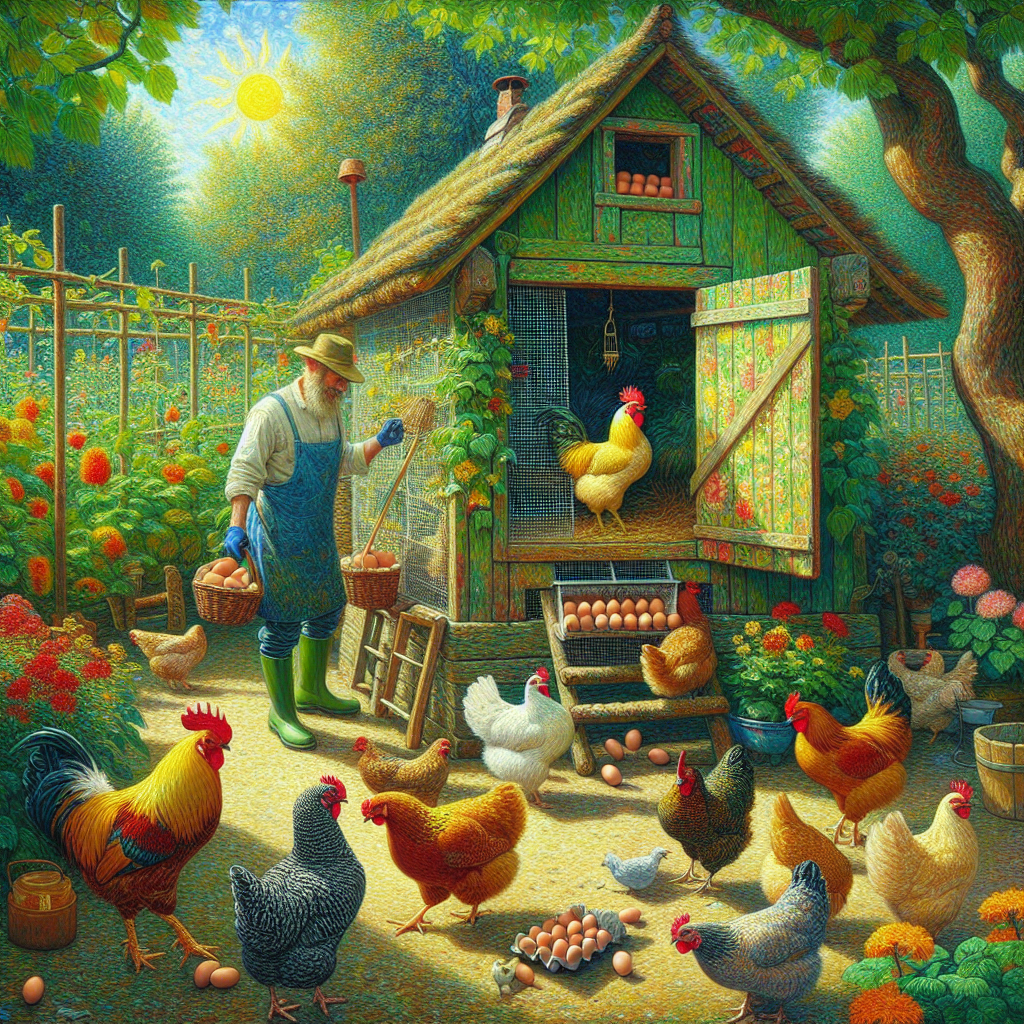
How Can We Ensure Our Chickens Thrive Despite Limited Space?
How Can We Ensure Our Chickens Thrive Despite Limited Space?
- Raising backyard chickens in limited spaces can be manageable with planning and creativity.
- Chickens are vibrant beings with personalities that deserve a chance to thrive.
- Creating a happy home for chickens invests in their well-being and offers peace of mind to the owner.
- Maximizing limited space with vertical gardening and enhancing the environment with herbs like basil and mint can benefit both chickens and their habitat.
- A well-organized coop with multiple levels provides opportunities for chickens to perch, hide, and play.
- Engaging in mindful chicken husbandry acknowledges chickens’ needs and rights, fostering a caring environment.
- Building a community with fellow chicken keepers creates support and camaraderie in the journey of chicken-keeping.

How Can We Ensure Our Chickens Thrive Despite Limited Space?
What Role Does Community Play In Supporting Urban Chicken Keepers?
It’s early dawn, and the world is just beginning to stir when the soft clucking of backyard chickens breaks the silence. To those devoted urban chicken keepers, it’s more than just a morning ritual; it’s a heartbeat in their bustling city lives. But what sustains this blossoming movement? The answer lies in the strength of community—an unspoken bond that turns individual chicken-keeping into a collective experience.
In the heart of any neighborhood, the spirit of nurturing doesn’t just reside with the chickens. It spans the fences and sidewalks, rooting itself in the shared experiences of curiosity, education, and camaraderie. Each hen or rooster carries with it stories of joy and hard work. These tales weave connections among neighbors, sparking conversations on everything from fresh eggs to pest control, building an ecosystem of mutual support.
For urban chicken keepers, the community isn’t just an accessory; it’s essential. Whether it’s through local meet-ups, social media groups, or community gardens, knowledge flows freely. These platforms allow seasoned veterans to mentor enthusiastic newcomers, sharing best practices that turn backyard chicken ventures into thriving experiences. By pooling resources, the community demystifies urban farming, making it accessible to anyone willing to take the plunge.
Ethically, supporting urban chicken keepers also feeds into a greater cause. It’s about sustainability, food security, and reconnecting with where our food comes from. When neighbors rally behind each other in this shared pursuit, they’re championing a movement that promotes mindful living. A sense of responsibility emerges, not just towards the chickens, but towards each other and the environment.
The authority of community shines brightest during tough times. When a storm threatens to topple coops or a chicken falls ill, it’s the collective wisdom and experience of fellow keepers that can save the day. This support reassures, fosters confidence, and ignites a fierce loyalty among urban farmers.
Engagement is vital; it’s an invitation to embody the spirit of “we” rather than “me.” As chicken keepers gather—sharing tips, resources, and even the occasional potluck feast—those bonds deepen, turning a solitary endeavor into a shared celebration.
So, embrace the cluck, lean into the community, and discover the roots of connection that give life to the beautiful chaos of urban chicken keeping. Because here, amidst the feathers and camaraderie, we find not just our place, but each other.
What Role Does Community Play In Supporting Urban Chicken Keepers?
What Role Does Community Play In Supporting Urban Chicken Keepers?
- The morning clucking of backyard chickens signifies more than just a ritual; it’s a heartbeat for urban chicken keepers.
- Community forms the backbone of chicken-keeping, creating a shared experience among neighbors.
- Urban chicken keepers engage in shared stories and support, fostering connections through education and camaraderie.
- The community shares knowledge through local meet-ups, social media, and community gardens, enhancing backyard chicken experiences.
- This movement promotes sustainability and food security while encouraging responsibility towards each other and the environment.
- During difficult times, community support provides reassurance and confidence, strengthening loyalty among urban farmers.
- Engaging with fellow chicken keepers fosters deeper connections, transforming personal endeavors into collective celebrations.

What Role Does Community Play In Supporting Urban Chicken Keepers?
How Can We Balance Tradition with Modern Chicken Care Practices?
When it comes to caring for Backyard Chickens, blending tradition with modern practices feels a lot like walking a tightrope—one side is the way things have always been done, and the other is a big, bold leap into the future. Traditional chicken care has been passed down through generations, encapsulating a profound respect for the land, the animals, and the life cycles that sustain us. Those old wisdoms, like letting chickens roam free and choosing heirloom breeds, cultivate a connection to our roots. These practices remind us that chickens are more than just egg-laying machines; they’re part of a living history, a symbiotic relationship with our farming heritage.
Yet, the world is changing faster than a pecking order can be established in a coop. As we recognize the impact our choices have on the environment and animal welfare, we must also embrace modern techniques that ensure our feathered friends live their best lives. Imagine using data and technology to monitor the health of your flock. Think GPS trackers or automated feeders. These innovations can help ensure our chickens are healthy, well-fed, and happy—while still honoring their natural behaviors.
But let’s not lose sight of the heart behind this dialogue. Many who raise chickens do so for deeply personal reasons that extend beyond mere productivity. The joy of gathering fresh eggs, watching your hens frolic, and bonding with these creatures brings a warmth that no factory farm can replicate. It’s ethical to care for our animals while still harnessing the advancements of today. When care is rooted in a sense of duty, it becomes a lifestyle choice. We must stand as stewards, ensuring that our practices reflect not just what’s best for our chickens, but what’s best for the planet.
Blend those traditional values with modern insights, and you create a holistic approach to chicken care that is as effective as it is heartfelt. You can have your clucking companions roaming the yard, while also being proactive stewards of their health and well-being. Communities become more resilient and connected when we share knowledge and practices, merging the old with the new and making choices that benefit everyone involved. The path forward doesn’t have to be a tug-of-war—it can be a dance, where tradition and innovation harmonize to create a better life for our backyard flocks and ourselves. We’re all in this together, and our chickens deserve nothing less.

How Can We Balance Tradition with Modern Chicken Care Practices?
How Can We Balance Tradition with Modern Chicken Care Practices?
- Caring for Backyard Chickens involves balancing traditional practices with modern techniques.
- Traditional chicken care emphasizes respect for land, animals, and life cycles, connecting us to our roots.
- Old wisdoms include letting chickens roam and choosing heirloom breeds, highlighting their historical significance.
- Modern advancements, like data monitoring and automated feeders, promote animal welfare while supporting natural behaviors.
- Raising chickens fosters personal connections and joy beyond productivity, emphasizing ethical care.
- A holistic approach blends tradition and innovation to enhance chicken well-being and environmental stewardship.
- Community knowledge-sharing strengthens resilience and fosters a collaborative effort in caring for backyard flocks.
How Can We Balance Tradition with Modern Chicken Care Practices?
Conclusion
Raising backyard chickens is more than a trend; it’s a heartfelt return to our roots, a tangible connection to nature, and a statement about living intentionally even in tight spaces. In an age where urban development and cramped quarters threaten to push aside this age-old practice, we find ourselves at a fascinating intersection. You can still embrace tradition and nurture those little clucking companions, creating a small sanctuary that reflects the enduring values of sustainability and community.
Imagine transforming even the tiniest patch of land into a thriving chicken habitat, where every detail speaks to both practicality and care. Innovatively designed coops, vertical gardens, and thoughtful layouts allow chickens to flourish while maximizing every inch of space—eschewing the idea that you need vast fields to raise happy hens. Each joyful cluck you hear becomes more than just background noise; it is the soundtrack of life, rekindling a connection to what truly matters.
But let’s not overlook the ethical dimensions of chicken keeping. Adding these creatures to our lives isn’t just about convenience or fresh eggs; it’s about understanding their intrinsic value and ensuring their wellbeing. By raising chickens, we assume the responsibility of stewardship, fostering compassion that ripples through our communities. Such tasks provide rich lessons, teaching children and adults alike about nurture, care, and the impacts of our choices—not just for ourselves, but for the planet.
Community plays a pivotal role in this journey. When neighbors come together, sharing advice, resources, and stories, they create a supportive network that strengthens urban farming endeavors. Sharing the joy of those warm eggs not only becomes a personal triumph but a communal celebration, enhancing bonds among neighbors. Together, the collective wisdom turns individual actions into a broader movement empowering ethical living and sustainable practices.
Finally, as we embrace both tradition and innovation, we redefine what chicken keeping means in today’s context. It’s not merely a chore; it is a vibrant lifestyle filled with learning, connectedness, and responsibility. This unique blend fosters a culture of compassion and respect for all life around us—urging us to rise to the occasion and make more thoughtful choices.
So let’s roll up our sleeves. Whether it’s clucking away in the cozy corners of a backyard or sharing laughter at community gatherings, let’s celebrate this beautiful dance of life. In doing so, we don’t just raise chickens; we cultivate a legacy of connection, care, and community. The journey is as rewarding as the rewards themselves—nurturing our hearts, minds, and souls along the way.

Conclusion
Conclusion:
- Raising backyard chickens is a meaningful return to nature and intentional living, even in urban settings.
- Urban farming can successfully thrive in small spaces through innovative designs like coops and vertical gardens.
- Chicken keeping fosters a sense of connection and responsibility towards nature and our communities.
- Ethical chicken keeping emphasizes the wellbeing of the animals and teaches lessons about care and stewardship.
- A supportive community enhances the experience of raising chickens by sharing advice and resources.
- Participating in urban chicken keeping promotes ethical living and sustainable practices, turning individual actions into a greater movement.
- This vibrant lifestyle embraces both tradition and innovation, fostering compassion and thoughtful choices in our lives.

Conclusion
Other Resources
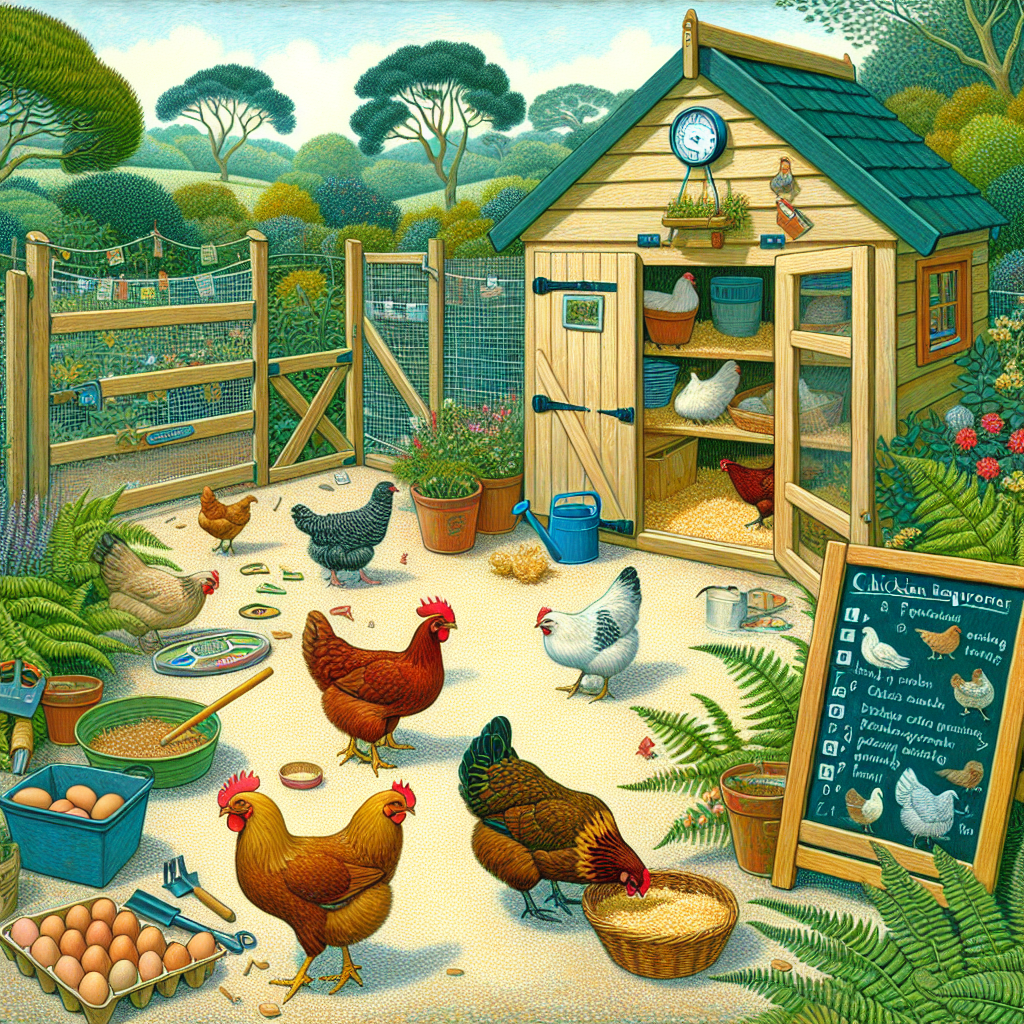
Other Resources
Here is a list of other resources you can review online to learn more:
- Brown Leghorn
- Brabanter
- Cinnamon Queen
- Silver Laced Wyandotte
- Polish
- Sebright
- Cubalaya
- Gapeworms
- Colibacillosis
- Derbyshire Redcap
- Golden Laced Wyandotte
- snakes
- fermented feed
- vegetation
Use This Prompt To Get More Resources With Your Favorite Online AI Tool: Please provide me with a list of online articles with their URLs in a bulleted list that I can read regarding Keeping Chickens In Tight Quarters Without Losing Tradition

Other Resources
Glossary Terms
Keeping Chickens In Tight Quarters Without Losing Tradition – Glossary Of Terms
1. Backyard Poultry: Raising chickens in a residential area for personal use, often emphasizing sustainability and fresh egg production.
2. Henhouse: A small structure designed to provide shelter and nesting space for chickens.
3. Free Range: A method of farming that allows chickens access to outdoor spaces for foraging.
4. Coop: A confined space for chickens that includes nesting boxes and perches for resting.
5. Run: An enclosed outdoor area attached to the coop where chickens can exercise and explore.
6. Biosecurity: Practices aimed at preventing disease transmission among chicken flocks.
7. Compact Farming: Adapting chicken-keeping practices to limited spaces while maintaining production efficiency.
8. Aviary: A larger structure or enclosure designed for birds, allowing more space than traditional coops.
9. Bedding: Material like straw or wood shavings placed on the floor of a coop to provide comfort and absorb waste.
10. Flock: A group of chickens kept together, typically consisting of hens and a rooster.
11. Pecking Order: The social hierarchy in a flock determining the dominance and access to resources among chickens.
12. Integrated Farming: Combining chicken-keeping with other agricultural practices to enhance sustainability and productivity.
13. Heirloom Breeds: Traditional chicken breeds that have maintained genetic integrity over time, often valued for their unique characteristics.
14. Artificial Lighting: Use of light in coops to extend daylight hours, encouraging egg production in layers.
15. Organic Feed: Chicken feed made from organic ingredients, free from synthetic additives or pesticides.
16. Pastured Poultry: Chickens raised on grasslands, benefiting from natural foraging alongside provided feed.
17. Nesting Box: A designated space within the coop for hens to lay eggs, providing privacy and security.
18. Laying Rate: The frequency at which hens produce eggs, typically measured over a specified period.
19. Chick Starter: Special feed formulated for young chicks to support growth and health.
20. Molting: The process of shedding old feathers and growing new ones, which can affect egg production.
21. Broody Hen: A hen that instinctively wants to incubate eggs and care for chicks, often displayed by sitting on eggs.
22. Dual-Purpose Breeds: Chickens raised for both meat and egg production, balancing efficiency in both categories.
23. Heat Source: Devices or methods used to maintain appropriate temperatures in the coop during colder months.
24. Pest Management: Strategies employed to control mites, rodents, and other pests that can harm chickens.
25. Community Supported Agriculture (CSA): A model where local consumers subscribe to receive regular deliveries of farm products, including eggs.
26. Sustainable Practices: Farming methods that meet current needs without compromising future generations, focusing on ecological balance.
27. Chicken Tractor: A movable coop that allows chickens to forage while fertilizing the ground and minimizing feed costs.
28. Watering System: Devices ensuring consistent access to fresh water for chickens, essential for their health and productivity.
29. Egg Quality: Characteristics of eggs, such as size, shell strength, and nutritional value, which can be influenced by hen diet and living conditions.
30. Rescue Chickens: Birds that are adopted from overcrowded or unsuitable living conditions, promoting animal welfare within poultry farming.

Glossary Of Terms
Other Questions
Keeping Chickens In Tight Quarters Without Losing Tradition – Other Questions
If you wish to explore and discover more, consider looking for answers to these questions:
- What are the specific benefits of keeping chickens in urban settings?
- How much space is needed per chicken for them to thrive?
- What are the best breeds of chickens for small spaces?
- What should I consider before starting a backyard chicken keeping project?
- How can I build a chicken coop that maximizes space and meets the chickens’ needs?
- What common challenges do urban chicken keepers face?
- How can community support impact the success of chicken-keeping initiatives?
- What are some innovative resources for urban chicken keepers?
- How can I ethically source additional food for my chickens in a sustainable way?
- What regulations should I be aware of regarding chicken keeping in my area?
- How do I handle common health issues in backyard chickens?
- What are effective methods for pest control in a small chicken habitat?
- How can I engage my children in the process of raising chickens?
- What role does education play in fostering a culture of responsible chicken care?
- How can I establish a supply chain for chicken feed and necessities within my community?
- What resources exist for learning more about sustainable chicken-keeping practices?

Other Questions
Haiku
Keeping Chickens In Tight Quarters Without Losing Tradition – A Haiku
Urban coops embrace
Tradition in small spaces,
Life’s clucks bridge the past.

Haiku
Poem
Keeping Chickens In Tight Quarters Without Losing Tradition – A Poem
In the heart of a bustling town, where space is tight,
A backyard blooms with life, a simple, soulful sight.
Chickens cluck and scratch, their gentle rhythm calls,
Whispers of a tradition that nurtures and enthralls.
Each feathered friend, a guardian, of values tried and true,
With fresh eggs in the morning, they bring joy anew.
A cycle of responsibility, rich as earth and sky,
Nurturing connections, where laughter and stories lie.
In small coops, love blossoms, as we redefine the space,
With ingenuity and heart, we craft their cozy place.
Neighbors share their wisdom, threads of community’s weave,
Building bonds over clucks and tales of what we believe.
Ethics guide our journey, a pledge to care and grow,
To foster life with kindness, letting compassion flow.
For these vibrant souls remind us, in their humble grace,
That nurturing our world begins in our own backyard space.
So embrace this dance of past and present, hand in hand,
Let’s raise our flock with honor, in this tight-knit land.
With every egg, a story—every clap, a song,
For in the heart of cozy coops, we find where we belong.

Poem
Checklist
Keeping Chickens In Tight Quarters Without Losing Tradition – A Checklist
Checklist for Cozy Chicken Keeping: Honoring Tradition While Maximizing Space
Emotional Appeal
_____ Reflect on the joy of connecting with nature through raising chickens.
_____ Consider the warmth of gathering fresh eggs and the simple pleasures they bring.
_____ Nurture a bond with your chickens, treating them as companions rather than just poultry.
Rational Appeal
_____ Assess the benefits of raising chickens in small spaces, such as fresh eggs and natural pest control.
_____ Explore vertical solutions (like stacking coops) to maximize space efficiently.
_____ Plan a layout for your chicken habitat that optimizes both safety and comfort for the hens.
Ethical Appeal
_____ Commit to providing adequate space and care for your chickens to enhance their quality of life.
_____ Educate yourself on the ethical responsibilities involved in chicken keeping, including their welfare.
_____ Engage with your community to promote responsible and ethical chicken-keeping practices.
Authority Appeal
_____ Seek out resources or join local chicken-keeping groups to gain knowledge from experienced keepers.
_____ Follow best practices recommended by experts in urban farming and poultry care.
_____ Consider implementing modern technologies that monitor your flock’s health while honoring traditional values.
Narrative Appeal
_____ Share your chicken-keeping journey with friends and family, creating a community narrative.
_____ Document and tell stories about the personalities of your chickens to foster connection.
_____ Engage in community events to share your experiences and learn from others.
Social Appeal
_____ Connect with local urban chicken keepers through meet-ups or social media to build a supportive network.
_____ Encourage friends and neighbors to join the chicken-keeping movement and share resources.
_____ Organize neighborhood get-togethers to exchange eggs, tips, and experiences related to chicken care.
Practical Steps
_____ Design your coop with creativity, considering both functionality and aesthetic appeal.
_____ Set a consistent routine for feeding, cleaning, and caring for your flock to enhance your connection with them.
_____ Plan for seasonal changes and how they might affect your chickens’ needs and habitat.
Use this checklist to cultivate a fulfilling and responsible chicken-keeping experience that honors both tradition and modern innovations.

Checklist
At BackyardChickenNews, we help people who want to raise backyard chickens by collating information and news blended with our own personal experiences.
Be sure to read our other related stories at BackyardChickenNews to learn more about raising chickens in your backyard.