

Healing Wisdom: Uncovering Nature�S Timeless Remedies
By Tom Seest
At BackyardChickenNews, we help people who want to raise backyard chickens by collating information and news blended with our own personal experiences.
Be sure to read our other related stories at BackyardChickenNews to learn more about raising chickens in your backyard.
Nature’s Medicine Cabinet – What Every Old Farmer Already Knew
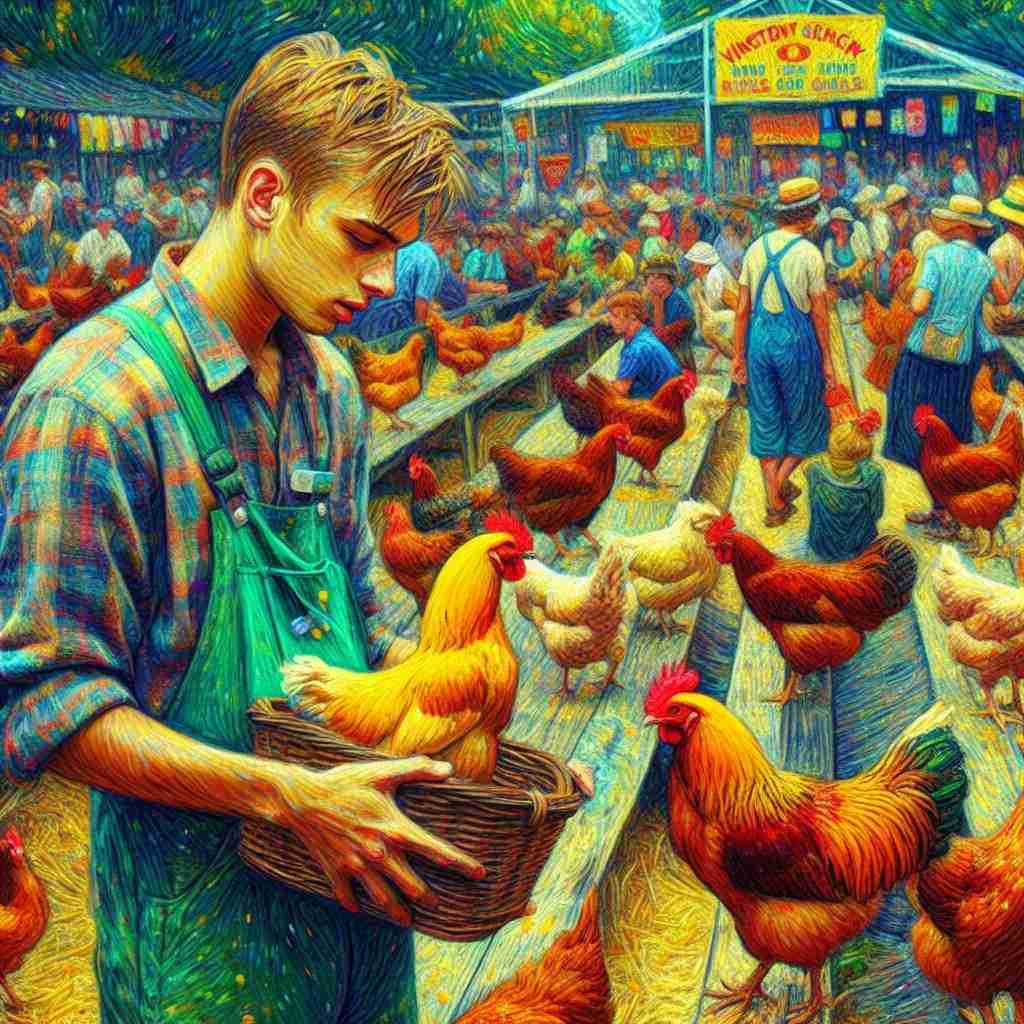
In the quiet corners of our communities, there’s a treasure trove of wisdom tucked away in the hearts of those who’ve tilled the land for decades. Take a moment to think about the old farmers, the ones who seem to hold nature’s secrets in the lines of their weathered hands. They know what we often forget: that nature is a pharmacy, bursting with remedies just waiting to be harnessed.
Imagine a summer evening, the sun spilling warm gold across a freshly mowed field. Nearby, a flock of backyard chickens clucks softly, their routine unbroken by the rush of modern life. These humble birds do more than provide eggs; they remind us of resilience, and self-sufficiency. Each feathered friend is part of a larger story—a tale of how life once thrived in harmony with the rhythms of nature, where a simple herbal tea might soothe a sore throat, or a handful of dandelion greens could be your liver’s best friend.
The truth is, the connection between our health and the earth is not just a quaint idea; it’s a practical approach that draws on centuries-old knowledge. When we embrace what the old farmers already understood, we bridge the gap between instinct and science. The antioxidants in elderberries, the anti-inflammatory benefits of turmeric, or the calming effects of chamomile—these aren’t just trendy ingredients on a shelf; they are allies in our quest for well-being.
Consider the ethical implications, too. By growing our own remedies or raising a few backyard chickens, we cultivate not just plants, but relationships—with the earth, with our food, and with our community. It’s a chance to nurture a sense of belonging, sharing stories with neighbors about the latest herbal discoveries or egg-laying antics of your feathery companions.
So why not take a cue from those wise farmers? Their age-old practices beckon us to slow down and rethink our approach to health. The act of planting, nurturing, and harvesting becomes a lesson in patience and gratitude. You don’t need a degree in horticulture to start; just a willingness to get your hands dirty and a heart open to nature’s gifts.
In a world that often rushes forward, let’s honor those who have walked the path before us. Embrace the medicine cabinet nature offers, and trust the wisdom that has quietly persisted through generations. Your health—and the planet—will thank you.

Nature’s Medicine Cabinet – What Every Old Farmer Already Knew
Nature’s Medicine Cabinet – What Every Old Farmer Already Knew
- Old farmers hold a wealth of wisdom about nature’s secrets and remedies.
- Backyard chickens symbolize resilience and self-sufficiency, contributing to a harmonious relationship with nature.
- Understanding the connection between health and the earth is rooted in centuries-old knowledge.
- Herbs and plants like elderberries, turmeric, and chamomile provide practical health benefits.
- Growing remedies and raising chickens fosters relationships with the earth and community.
- Embracing age-old farming practices encourages patience and gratitude in health approaches.
- Honoring the wisdom of past generations can improve individual health and benefit the planet.
Nature’s Medicine Cabinet – What Every Old Farmer Already Knew
Table Of Contents
- Nature’s Medicine Cabinet – What Every Old Farmer Already Knew
- What If Nature Holds the Cure to Our Modern Ailments?
- How Did Ancient Wisdom Guide Healing Practices?
- Are We Overlooking the Power Of Natural Remedies?
- What Ethical Considerations Arise When Using Herbal Medicine?
- Can We Trust Traditional Knowledge In a Scientific Age?
- How Do Stories Of Old Farmers Shape Our Understanding Of Wellness?
- What Role Does Community Play In Preserving Medicinal Traditions?
- Conclusion
- Other Resources
- Glossary Of Terms
- Other Questions
- Haiku
- Poem
- Checklist
What If Nature Holds the Cure to Our Modern Ailments?
Imagine for a moment stepping into your backyard and finding a little slice of paradise—perhaps a coop filled with clucking chickens and the hope of fresh eggs warming in your hands. These humble birds, often overlooked, represent more than just a farmyard cliché; they are a testament to the extraordinary potential that nature holds for our health and well-being. The rise of chronic ailments in today’s fast-paced world makes us question our reliance on synthetic solutions, unveiling a growing curiosity about how nature could be the answer we didn’t know we were seeking.
Now, let’s talk rationally. Studies continually validate what many have instinctively felt: that natural remedies often hold the key to alleviating our most pressing health issues. The earth is rich with resources—plants, herbs, and yes, even backyard chickens—offering profound benefits. The simple act of tending to chickens can reduce stress, promote mindfulness, and inspire a sense of responsibility, fostering a connection with nature that modern life often undermines. Why is it that we turn to a pharmacy as our first response when there’s so much healing potential in the world around us?
On an ethical level, embracing nature encourages a sustainable lifestyle, one that respects the cycles of life and nurtures our environment. When we plant gardens or raise chickens, we align ourselves with a vision of health that honors our planet—the very roots of our existence. Each egg laid is a small victory against the conveyor belt of industrialized food systems that can compromise our health.
But let’s not forget the stories that bind us. Picture an elderly neighbor, a wealth of wisdom wrapped in kindness, who shares tales of their own backyard remedies. These anecdotes hold a power that transcends the clinical; they invite us, remind us that healing is often an intimate journey. Conversations around the dinner table can shift from mundane to meaningful when we explore how nature has touched our lives, whether through homemade herbal teas or the comfort of fresh garden produce.
Engagement with the natural world fosters community, ignites conversations, and builds connections that transcend our individual struggles. So, what if nature, with its vibrant palette and healing properties, is more than just a backdrop to our lives? What if it’s a partner in our quest for health? As we lean into these age-old practices and reconnect with the natural world, we not only find solace but potentially, the cures we’ve been searching for all along. Embracing nature might lead us back to our roots—quite literally—and in doing so, rekindle our spirits and our health.

What If Nature Holds the Cure to Our Modern Ailments?
What If Nature Holds the Cure to Our Modern Ailments?
- Backyard setups, like chicken coops, symbolize the healing potential of nature for our health and well-being.
- Chronic ailments raise questions about the reliance on synthetic solutions, opening curiosity towards natural remedies.
- Studies support the idea that natural remedies can effectively address health issues.
- Tending to chickens promotes mindfulness, reduces stress, and fosters a connection with nature.
- Embracing nature encourages a sustainable lifestyle and honors the environment through practices like gardening and raising animals.
- Personal stories and remedies from community members highlight the intimate journey of healing connected to nature.
- Engagement with the natural world builds community, ignites meaningful conversations, and helps rediscover holistic health solutions.

What If Nature Holds the Cure to Our Modern Ailments?
How Did Ancient Wisdom Guide Healing Practices?
In many ways, ancient wisdom was like a parent guiding us through the trials of life. Imagine living in a time when illness meant uncertainty, and the world felt large and unpredictable. Healing was not obligatory; it was a sacred rite, shaped by the rhythms of nature and the experience passed down through generations. Our ancestors understood something profoundly important: health is not merely the absence of disease, but a harmonious existence with the environment.
People often think of healing as a series of clinical procedures or the latest pharmaceutical miracle, but ancient practices remind us that nurturing our bodies and minds often requires a return to the simple, the tangible—like caring for a backyard chicken. These creatures, pecking away at the earth, were more than livestock; they were living illustrations of symbiosis, teaching us about sustainability, nourishment, and the connection between our well-being and the world around us. When you raise a chicken, you’re not just securing fresh eggs; you’re engaging with a cycle that mirrors ancient beliefs in health—the idea that what you consume directly influences your physical and spiritual state.
Consider the methods used by traditional cultures: herbal remedies, fasting, and rituals, all built on a foundation of respect for natural law. It’s not merely nostalgia; these practices offered time-tested solutions in an era devoid of our modern conveniences. When we think critically about these approaches, we find they often lead to holistic outcomes—treating not just the symptoms, but the entire person. It’s both rational and ethical to embrace the wisdom that has survived the millennia, urging us to honor previous generations that sought answers in nature rather than solely within clinical walls.
And yet, there’s something particularly relatable in these narratives. Think of your own journey through health—a struggle that often leads you to seek answers from family, friends, or even that neighbor who swears by her homemade remedies. The shared stories, the laughter, the successes and setbacks—they weave a tapestry of trust. They connect us, reminding us that we’re not alone in our quests for wellness.
So here’s your call to action: start digging into that backyard of yours. Embrace the old practices, raise those chickens, brew that herbal tea, and step outside of the confines of sterile waiting rooms. Allow ancient wisdom to guide your healing journey. After all, it’s the wisdom of the past that often lights the way for a healthier future.

How Did Ancient Wisdom Guide Healing Practices?
How Did Ancient Wisdom Guide Healing Practices?
- Ancient wisdom serves as a guide through life’s challenges, similar to parental guidance.
- Health is viewed as a harmonious existence with the environment, not just the absence of illness.
- Healing practices emphasize nurturing bodies and minds through simple, tangible methods.
- Backyard chickens symbolize sustainability and teach valuable lessons about well-being.
- Traditional cultures used herbal remedies and rituals, respecting natural law for holistic health.
- Personal health journeys often involve shared experiences and remedies from family and community.
- A call to action encourages the embrace of ancient practices for a healthier future.

How Did Ancient Wisdom Guide Healing Practices?
Are We Overlooking the Power Of Natural Remedies?
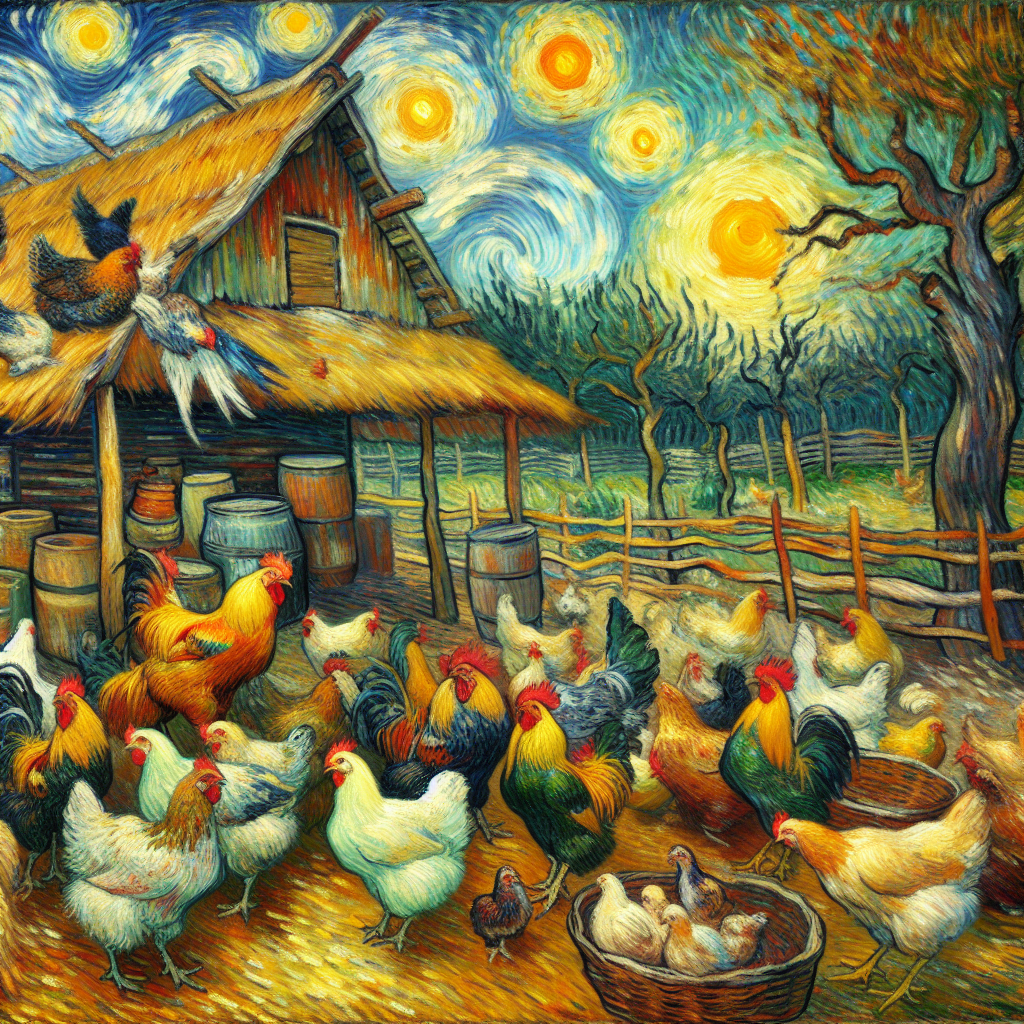
Stepping outside your door, you might not realize the treasure trove of healing lurking just beyond the garden gate. The sun-drenched herbs in your backyard or the vibrant fruits and vegetables from your local farmer’s market—these aren’t just staples for a meal; they have been nature’s medicine long before modern pharmaceuticals ever graced a shelf. It’s time we reconnect with those roots.
Think about it: our ancestors cultivated their gardens, relying on the earth for health and sustenance. They didn’t have access to the rapid-fire discoveries of modern science, but they flourished nonetheless, all thanks to a handful of natural remedies that have stood the test of time. Imagine a world where the healing properties of garlic, ginger, and turmeric are recognized not just as trendy buzzwords, but as essential components of a daily wellness routine. The very same remedies that fortified generations now sit relegated to the edge of our consciousness, waiting for an invitation back.
Emotionally, the bond we share with the land can deepen our understanding of health. Picture gathering around a family table, not just for the food, but for recipes passed down through generations—each ingredient laden with stories of healing and fortitude. Such moments inspire connection, fostering a sense of community that’s all too rare in a fast-paced world of synthetic solutions, where quick fixes often overlook what truly matters.
Rationally speaking, there’s an emerging body of research supporting the efficacy of natural remedies. Studies gravitate towards what we may have thought was folklore—simple ingredients that harness the power of nature. These findings urge us to reconsider what we rely on, nudging us from a societal tendency towards synthetic reliance back into the arms of Mother Nature herself.
Ethically, advocating for natural remedies aligns not only with personal health but with the welfare of our planet. When we choose to support local farmers or even raise backyard chickens, we empower sustainable practices that prioritize the earth’s wellbeing. This goes beyond self-care; it’s about a collective responsibility to heal both ourselves and our environment.
Let’s rekindle the wisdom of applying nature’s bounties to our health. The power lies in the familiar—the spices in our kitchens, the greens in our gardens. Embrace the present by acknowledging the past. Because when we trust in the simple, we often find the extraordinary.
Are We Overlooking the Power Of Natural Remedies?
Are We Overlooking the Power Of Natural Remedies?
- Natural healing can be found in common garden herbs and local produce.
- Our ancestors thrived using natural remedies before modern science was available.
- Ingredients like garlic, ginger, and turmeric should be valued as essential wellness components.
- Emotional connections to food enhance our understanding of health and community.
- Research supports the effectiveness of natural remedies that have been long disregarded.
- Choosing natural remedies promotes both personal health and environmental sustainability.
- Recognizing the value of nature’s offerings can lead to extraordinary health benefits.

Are We Overlooking the Power Of Natural Remedies?
What Ethical Considerations Arise When Using Herbal Medicine?
Herbal medicine has a long and storied history, weaving through cultures and generations—much like our own backyard chickens, clucking away, living life grounded in nature. But as we turn our attention to herbal remedies, there’s an unspoken responsibility that comes with hopping onto this age-old bandwagon. Ethics are not a mere afterthought—they’re the compass guiding us through the lush, often tangled woods of natural healing.
Consider the power of an herbal remedy. There’s something deeply satisfying about foraging in a garden or a field, gathering plants that have been used for centuries to promote wellness. However, that satisfaction must be laced with caution. Are we prioritizing efficacy over safety? When we celebrate the virtues of these natural agents, we must also grapple with the reality that not all herbs are created equal. Just as a farmer needs to clarify what goes into those backyard chickens’ feed, we need to decode what’s in our herbal concoctions. The sources, the cultivation processes, the potential for contamination—these are questions worthy of our attention and ethical diligence.
Then there’s the question of accessibility. The wellness movement often romanticizes herbal medicine, depicting it as a quaint hobby or a quick fix. But what of those who can’t afford the herbs that people tout as miraculous? Relying on herbal healing can inadvertently create a divide—a luxury for some, a gamble for others. It’s a great place for education and advocacy, urging us to consider how we can bridge these gaps, ensuring that those who seek out herbal remedies can do so without fear or significant financial burden.
Finally, let’s not forget the power of community and shared stories. Your neighbor might swear by a particular tincture, while another grandma on the block has her own tried-and-true remedy for seasonal sniffles. Engaging in conversations about herbalism fosters connection—deepens trust within the community. Legitimate insights and anecdotal evidence mingle, pulling threads of knowledge through our collective fabric.
In a world that sometimes feels inundated with quick fixes, embracing ethical considerations in herbal medicine urges us to slow down, think critically, and act compassionately. It’s about respect—respect for the plant, respect for ourselves, and respect for each other. Whatever plants you choose to nurture, let them remind you of the careful balance we must maintain, just like tending to those backyard chickens, ensuring that every choice we make is rooted in both mindfulness and integrity.

What Ethical Considerations Arise When Using Herbal Medicine?
What Ethical Considerations Arise When Using Herbal Medicine?
- Herbal medicine has a rich history intertwined with culture and nature.
- Ethics in herbal remedies are crucial, guiding our approach to natural healing.
- Foraging for herbs can be satisfying, but safety must always be prioritized over mere efficacy.
- It’s essential to understand the sourcing and cultivation processes of herbs to avoid contamination.
- Accessibility is a significant issue, as herbal remedies can become a luxury for some and a gamble for others.
- Community engagement and sharing personal stories enrich the understanding of herbalism.
- Embracing ethical considerations in herbal medicine promotes mindfulness and respect for nature and each other.

What Ethical Considerations Arise When Using Herbal Medicine?
Can We Trust Traditional Knowledge In a Scientific Age?
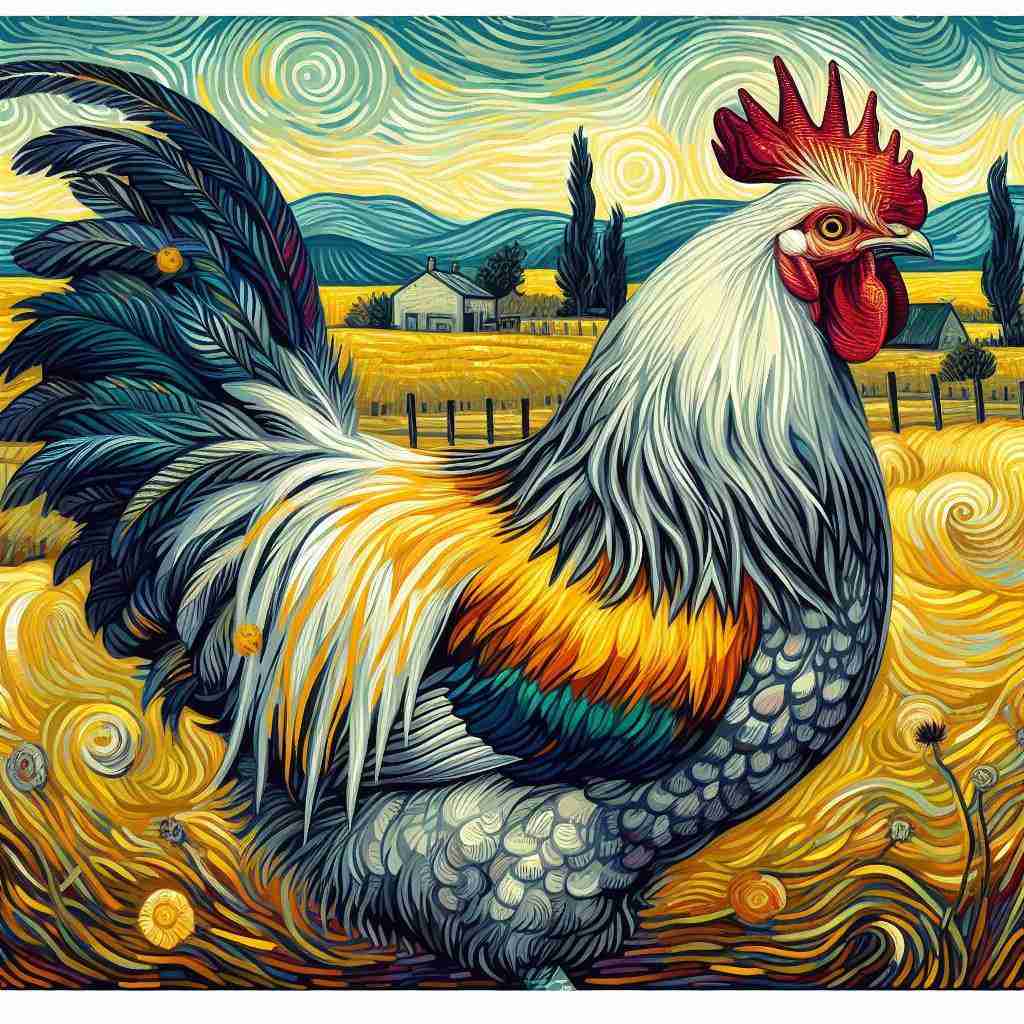
In a world dominated by data and blinking screens, we often overlook the treasure trove of wisdom that resides in the hearts and minds of those who’ve walked this Earth long before the advent of the scientific method. Traditional knowledge isn’t just a relic of the past; it’s a living, breathing testament to humanity’s deep connection with nature and community. We’ve all seen the viral videos of backyard chickens—feathered companions clucking happily in suburban yards. Those chickens are more than just pets; they’re a bridge to a time when people understood the intimate rhythms of life and how to nurture it.
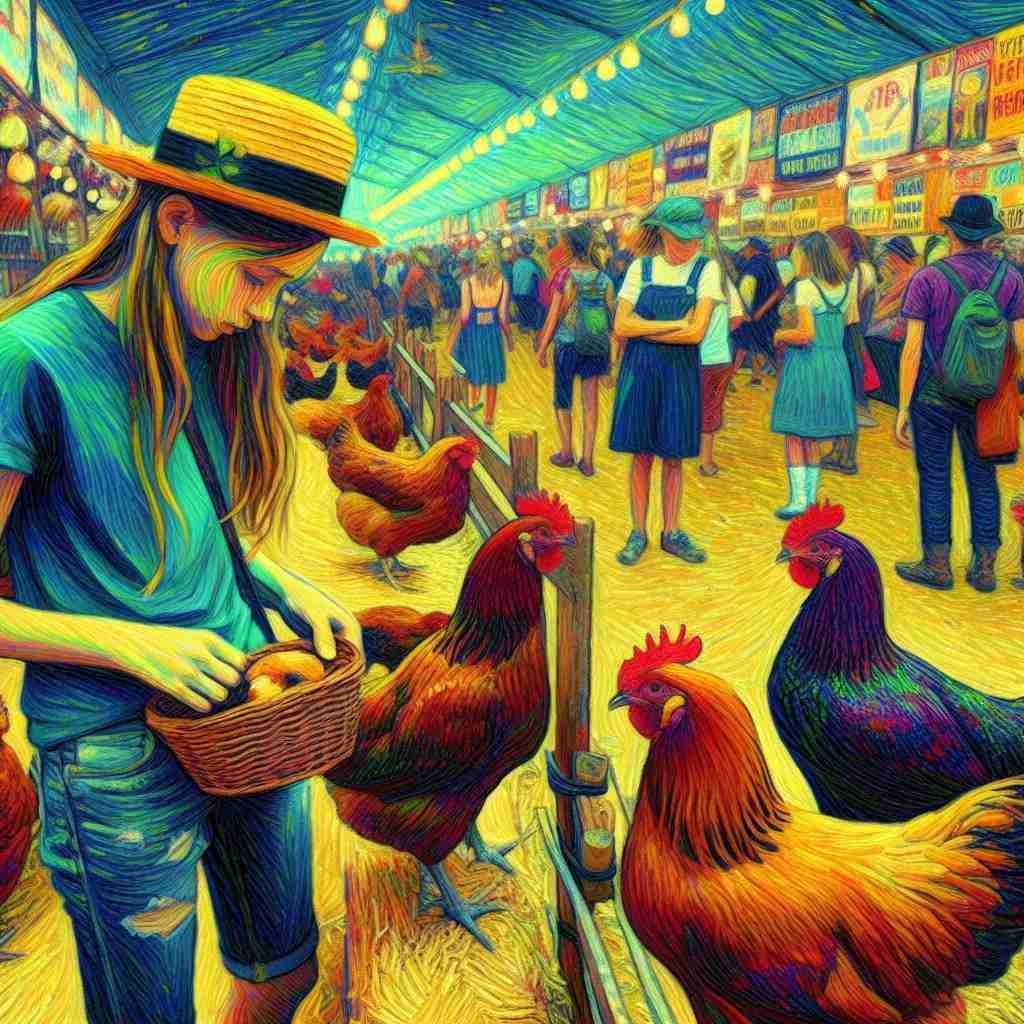
Think for a moment about the countless generations of farmers who turned to the sky for rain, the earth for nourishment, and their elders for guidance. Their insights, passed down through stories and practices, taught them vital lessons long before lab coats and peer-reviewed journals became the norm. These women and men adapted to their surroundings, finding balance in ecosystems that modern science is still unraveling. The knowledge they cultivated carries ethical weight and authority—hard-earned truths that cannot be dismissed lightly.
Imagine standing on that porch, listening to the delightful cluck of your backyard chickens, as you ponder the values they represent: sustainability, community, and a respect for the land. It’s a call to arms for action, to reconnect with what truly matters. When we make the effort to understand and incorporate traditional knowledge into our scientific narratives, we harness the best of both worlds; a blend of wisdom and innovation. It’s not about choosing one over the other; it’s about finding harmony between them.
Let’s foster connections that bridge generations. Invite the elders in your community to share their experiences, not just at family gatherings but in local forums where their voices can be amplified. Their insights could be the missing piece in how we address our modern challenges. This isn’t merely an exercise in nostalgia; it’s a meaningful pursuit to find stability in our ever-changing world.
So, whether you’ve got a flock of backyard chickens or just a curiosity about the world, remember the value of traditional knowledge. It’s waiting to guide us, to inspire confidence, to lift society as a whole when we give it the respect and recognition it deserves.
Can We Trust Traditional Knowledge In a Scientific Age?
Can We Trust Traditional Knowledge In a Scientific Age?
- Traditional knowledge offers valuable insights from generations before modern scientific methods.
- This knowledge reflects humanity’s deep connection with nature and community.
- Backyard chickens symbolize a return to understanding life’s rhythms and nurturing it.
- Farmers relied on traditional wisdom for guidance from nature and elders, long before scientific processes emerged.
- Traditional knowledge includes ethical teachings and truths that remain relevant today.
- Blending traditional knowledge with modern science can create innovative solutions for contemporary issues.
- Engaging with elders in the community can help address modern challenges and inspire societal growth.
Can We Trust Traditional Knowledge In a Scientific Age?
How Do Stories Of Old Farmers Shape Our Understanding Of Wellness?
When you think of old farmers, images of sun-weathered faces and calloused hands often come to mind—these are the guardians of our rural heritage. Their stories, handed down like heirlooms, provide not just a glimpse into a life of toil but a deeper understanding of wellness, interwoven with nature, community, and perseverance. The moral lessons they offer us can be invaluable, resonating with an authenticity that feels as sturdy as a barn door on a windy day.
Consider the tale of a farmer who raised backyard chickens. To the untrained eye, it might seem like just a hobby, but these chickens represent something far greater—a daily rhythm, a source of nourishment, and a connection to life itself. Each day began with morning chores, and with each feeding, they nurtured not just their flock but a relationship with the land that demanded respect and gratitude. Watching those chickens peck the ground, exchanging clucks and open-air dances, brings a restorative spark to one’s soul. There’s a profound lesson there: wellness isn’t just physical; it’s connective, rooted in the soil of shared existence.
Now let’s pivot to the practicality of those stories. Farmer wisdom teaches us about resilience. They faced droughts, pests, and unpredictable markets, yet each setback was a lesson, igniting ingenuity and adaptability. Their experience resonates today as we navigate storms in our own lives, advocating for the importance of mental toughness and practical problem-solving. If they could bounce back from hard times while remaining rooted in their values, shouldn’t we seek the same in our balance of wellness?
Beyond individuality, the narratives of these everyday heroes weave a fabric of community. Farmers understand the power of “we” over “me.” They open their backyard gates, cultivating not just chickens but relationships, fostering neighborly ties through shared burdens and triumphs. It reminds us that wellness is holistic; it’s about the collective lifting one another, not just ourselves.
So, let’s take a cue from those weathered stories—when we embrace this rich tapestry of experience, we deepen our connection with ourselves and others. Whether it’s raising backyard chickens or simply sharing a meal, the old farmers teach us that true wellness blooms when we root ourselves firmly in our communities, nurturing each other along the journey. Let their legacy inspire us to action, reminding us that wellness is a farm we cultivate together, day by day.

How Do Stories Of Old Farmers Shape Our Understanding Of Wellness?
How Do Stories Of Old Farmers Shape Our Understanding Of Wellness?
- Old farmers represent the guardians of rural heritage, with stories providing insights into wellness intertwined with nature and community.
- A farmer’s tale about raising backyard chickens illustrates the importance of daily rhythms, nourishment, and respect for life and the land.
- Wellness is portrayed as connective, stemming from shared existence rather than just physical health.
- Farmer wisdom emphasizes resilience, teaching adaptability and ingenuity in the face of challenges like droughts and pests.
- The experiences of farmers remind us of the importance of mental toughness and practical problem-solving in our own lives.
- Farmers exemplify community values, prioritizing collective support over individuality in their relationships.
- Embracing the lessons from farmers fosters deeper connections with ourselves and our communities, highlighting that true wellness is a shared journey.

How Do Stories Of Old Farmers Shape Our Understanding Of Wellness?
What Role Does Community Play In Preserving Medicinal Traditions?
When you think about the roots of healing, most people picture a lone figure mixing potions in a dimly lit kitchen, but the truth is, it’s a team effort. Communities have long been the unsung champions in preserving medicinal traditions, where knowledge flows as freely as water from a well. Picture this: old folks swapping remedies like they might exchange recipes for backyard chickens, sharing everything from herbal wisdom to the skill of recognizing nature’s bounty. It’s in these gatherings, around kitchen tables or community gardens, that age-old practices are wrapped in storytelling, passed from one generation to the next.
These traditions are not just about plants and roots; they embody a culture, a history, and a collective identity. Imagine standing in the sun-drenched warmth of a farmer’s market, surrounded by local growers and makers. Each face tells a story, and every basket of fresh herbs carries the weight of decades, if not centuries, of knowledge. In a world that often feels disconnected, engaging with community wisdom can ignite a sense of belonging and trust. You begin to understand that your health is intertwined with the community’s well-being—the health of the soil reflects the health of its people.
Rationally, it makes sense to rely on what has been tried and tested. Western medicine offers efficiency, but community-sourced remedies are often holistic, tending not just to the illness but to the person as a whole. It’s a partnership between body and mind, community and individual, belief and practice. When you seek out these time-honored traditions, you’re not just tapping into an alternative; you’re becoming part of a living narrative that celebrates humanity’s ingenuity.
Ethically, supporting local healers and practitioners fosters a responsible, sustainable economy. You become part of a movement that values health as a community asset rather than a mere transaction. In doing so, you uphold practices that are friendly to both people and the planet, ensuring that wisdom is not just maintained but thrives among future generations.
Ultimately, the preservation of medicinal traditions lies in our hands. It beckons us to dig deep within our communities, to learn, to share, and to foster connections with one another. Each effort, however small, adds to the tapestries of a world where healing is more than just a science; it’s a shared journey, rich with history and purpose. Together, we can ensure that these invaluable traditions flourish like the herbs in our gardens, rooted firmly in the rich soil of community.
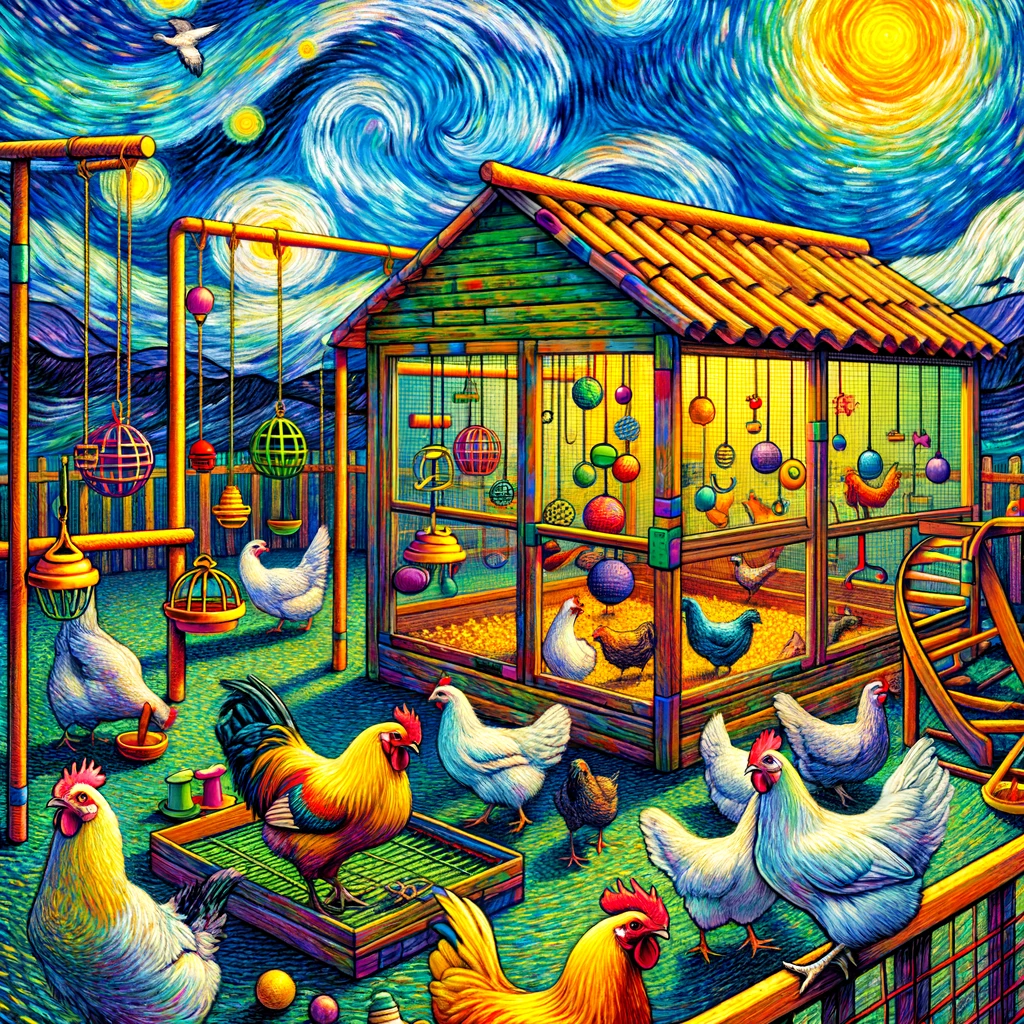
What Role Does Community Play In Preserving Medicinal Traditions?
What Role Does Community Play In Preserving Medicinal Traditions?
- Healing is a community effort, not just an individual endeavor.
- Medicinal traditions are preserved through communal knowledge sharing, often around kitchen tables and gardens.
- These practices represent culture, history, and collective identity, enriching community bonds.
- Engaging with local wisdom fosters a sense of belonging and connects individual health to community well-being.
- Community-sourced remedies typically offer a holistic approach, addressing both illness and overall wellness.
- Supporting local healers promotes sustainability and views health as a community asset rather than a transaction.
- The preservation of these traditions relies on active community involvement, ensuring they thrive for future generations.

What Role Does Community Play In Preserving Medicinal Traditions?
Conclusion
In the vast landscape of health and healing, we often overlook a profound truth: nature holds the key to our wellness, a knowledge deeply embedded in the hearts of those who have farmed the land for generations. Old farmers possess an intuitive understanding that natural remedies are not merely relics of the past, but powerful allies in our fight against modern ailments. Imagine stepping into your backyard, greeted by clucking chickens and flourishing herbs—a small, vibrant ecosystem reflecting a harmonious relationship between humans and nature. This connection isn’t just nostalgic; it’s profoundly practical. Time-honored wisdom reminds us that ingredients like turmeric and elderberries are not just trendy—they are age-old cures with evidence backing their effectiveness.
But let’s not rush through this realization; it requires a pause—an ethical contemplation of how we engage with these remedies. By cultivating our gardens, we nurture not just plants but friendships, shared stories, and a sense of community. These interactions create bonds that transcend individual health challenges, fostering a collective identity rooted in wellness. Imagine the tales shared over a cup of herbal tea, where knowledge flows freely, reinforcing our interconnectedness. This communal approach to healing echoes practices that have served countless generations well, reminding us that wellness isn’t just about treating illness; it’s about forging connections that nourish the spirit.
There’s a rational angle to consider as well. Research increasingly validates the healing potential of nature’s bounty, urging us to reevaluate our reliance on pharmaceuticals. This isn’t merely a return to old ways; it’s a legitimate embrace of traditions that resonate with our modern understanding of sustainability and holistic health.
Our challenge lies in bridging the gap between ancient wisdom and contemporary life. We must ask ourselves: Are we too quick to dismiss the insights of those who’ve walked this earth longer than we have? The stories of these farmers are not just parables; they’re lessons carved into time, teaching resilience and patience, virtues we desperately need in our fast-paced existence.
So, let’s dig into that fertile soil—both literally and metaphorically. As we explore the depths of nature’s medicine cabinet, let’s honor the old farmers who patiently, gently, and wisely cultivated not only their crops but our shared heritage of healing. In doing so, we not only reclaim our health but also contribute to a sustainable future that respects both people and the planet. Your journey towards wellness can start today by simply stepping outside and embracing what has always been available—nature’s very own medicine.

Conclusion
Conclusion:
- Nature is a vital source of wellness, recognized by farmers through generations.
- Natural remedies like turmeric and elderberries are both effective and deeply rooted in tradition.
- Cultivating gardens fosters community connections, shared stories, and friendships.
- Communal healing practices reinforce interconnectedness and nourish the spirit.
- Research supports the healing potential of natural remedies, challenging the over-reliance on pharmaceuticals.
- Bridging ancient wisdom with modern life can offer resilience and patience in today’s fast-paced world.
- Embracing nature’s medicine can lead to personal wellness and a sustainable future.
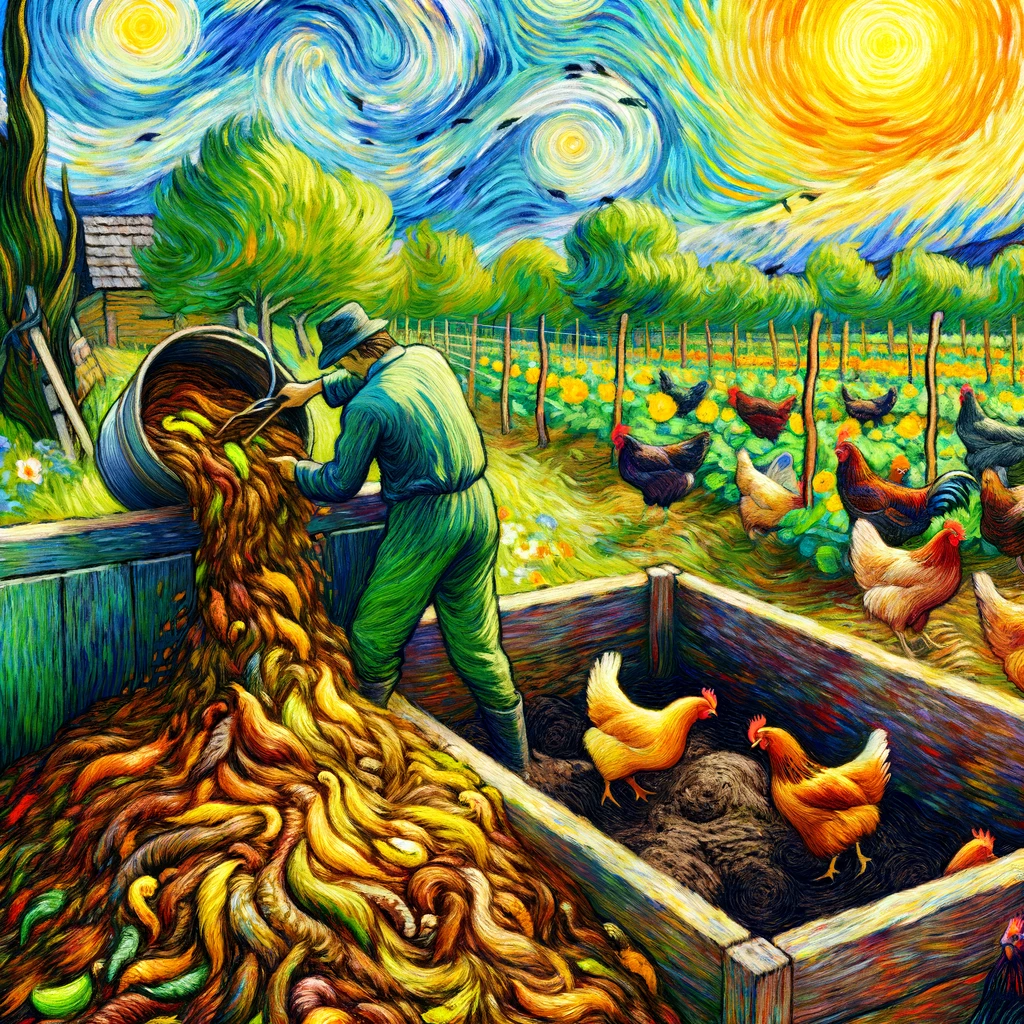
Conclusion
Other Resources

Other Resources
Here is a list of other resources you can review online to learn more:
- Air Sac
- Black Copper Marans
- chicken run
- opossums
- Sebright
- Campine
- Nankin
- Derbyshire Redcap
- Cubalaya
- Speckled Sussex
- Oats
- roundworms
- avocado
- Cuckoo Marans
- Marsh Daisy
- Brabanter
- cooked beans
- Andalusian
- turnip greens
Use This Prompt To Get More Resources With Your Favorite Online AI Tool: Please provide me with a list of online articles with their URLs in a bulleted list that I can read regarding Nature’s Medicine Cabinet – What Every Old Farmer Already Knew

Other Resources
Glossary Terms
Nature’s Medicine Cabinet – What Every Old Farmer Already Knew – Glossary Of Terms
1. Herb: A plant used for flavoring, medicinal purposes, or fragrance.
2. Tincture: An extraction of active ingredients from plants using alcohol or vinegar, concentrated for medicinal use.
3. Infusion: A method of extracting flavors or medicinal properties from herbs by steeping them in hot water.
4. Decoction: A technique of boiling plant materials to extract soluble compounds, often used for tougher plant parts.
5. Essence: A concentrated extract from a plant, often used for flavoring or therapeutic properties.
6. Phytotherapy: The use of plant-derived medications for the treatment of diseases and health conditions.
7. Homeopathy: A holistic approach to medicine that utilizes highly diluted substances to trigger the body’s natural healing processes.
8. Botanical: Relating to plants, especially those used for medicinal purposes.
9. Naturopathy: A practice of alternative medicine that seeks to promote healing using natural remedies.
10. Sustainable Harvesting: A method of gathering wild plants in a manner that ensures their long-term health and availability.
11. Adaptogen: A natural substance that helps the body adapt to stress and promotes overall balance and health.
12. Antioxidant: Compounds that prevent oxidative damage to cells, often found in fruits, vegetables, and herbs.
13. Essential Oil: Concentrated hydrophobic liquids containing volatile aroma compounds from plants, used in aromatherapy and holistic healing.
14. Wildcrafting: The practice of foraging for wild plants that are used for food, medicine, or craft without cultivation.
15. Nutraceutical: Food products that offer health benefits beyond basic nutrition, often derived from plants.
16. Symbiotic: Referring to a mutually beneficial relationship between different species, often observed in ecosystems.
17. Culinary Herb: Herbs used primarily for flavoring food, which may also have medicinal properties.
18. Foraging: The act of searching for and gathering wild plants, mushrooms, or other edible items.
19. Holistic: An approach to health that considers physical, emotional, social, and environmental factors.
20. Microbiome: The collection of microorganisms living in a particular environment, such as the human gut, which can influence health.
21. Saponin: Plant-derived compounds that can have various health benefits, often noted for their ability to enhance immune response.
22. Flavonoid: A group of plant metabolites with antioxidant effects, beneficial for human health.
23. Chronic: Referring to a condition that is long-lasting or recurrent over time.
24. Tonic: A substance that enhances health or vitality, often restoring balance to the system.
25. Etheric: Pertaining to the subtle energy fields believed to surround and interpenetrate the physical body.
26. Homegrown: Refers to plants or foods cultivated locally and often associated with organic or sustainable practices.
27. Seasonal Remedies: Treatments or preventive measures that utilize plants available during specific seasons.
28. Cultural Wisdom: Knowledge passed down through generations regarding the use of plants and herbs for health.
29. Tradition: Established customs and practices concerning the use of nature for healing.
30. Wild Edibles: Plants and mushrooms that grow naturally and are safe for human consumption, often used in traditional diets.

Glossary Of Terms
Other Questions
Nature’s Medicine Cabinet – What Every Old Farmer Already Knew – Other Questions
If you wish to explore and discover more, consider looking for answers to these questions:
- What are some specific herbal remedies that old farmers commonly use?
- How can I start growing my own medicinal herbs at home?
- What are the health benefits of raising backyard chickens?
- How do traditional healing practices compare with modern medicine?
- What ethical considerations should I keep in mind when foraging for herbs?
- How do cultural perceptions of herbal medicine vary across different communities?
- What role does nutrition play in natural healing practices?
- Are there scientific studies that support the efficacy of traditional remedies?
- How can I integrate ancient wisdom into my modern health practices?
- What challenges do communities face in preserving medicinal traditions?

Other Questions
Haiku
Nature’s Medicine Cabinet – What Every Old Farmer Already Knew – A Haiku
Nature’s soft embrace,
Wisdom flows through weathered hands;
Heal with heart and earth.

Haiku
Poem
Nature’s Medicine Cabinet – What Every Old Farmer Already Knew – A Poem
In the quiet whispers of fields well tended,
Old farmers speak, their wisdom blended,
With nature’s rhythms, a tale unfolds,
Of healing secrets in the earth, retold.
Amidst clucking chickens in evening glow,
Lies a bond robust, a connection to sow,
Herbs and roots embrace with gentle grace,
Nature’s medicine, our rightful place.
Picture the elder, hands worn but wise,
Sharing forgotten lore beneath vast skies,
A soothing tea for a restless night,
Or dandelion greens that bring back the light.
The science of life in traditions entwined,
Where ancient knowledge and modern minds find,
A path to wellness that flows from the ground,
In the heart of community, true healing is found.
Rational roots in pots and in dirt,
Reviving the simple from life’s hurried blur,
Each backstory shared, each recipe passed,
A tapestry woven, from future to past.
Raise those chickens and nurture the herbs,
For health isn’t linear; it dances and curves,
With neighbors beside us, we cultivate care,
In the garden of life, we breathe in the air.
Let the ethical questions guide our way home,
In the wisdom of nature, our spirits can roam,
So gather together, partake and create,
A legacy blooming, bound to celebrate.
In the embrace of old tales, the promise is clear,
Wellness flourishes where love overcomes fear,
Plant seeds of connection, let stories revive,
In nature’s great bounty, together we thrive.

Poem
Checklist
Nature’s Medicine Cabinet – What Every Old Farmer Already Knew – A Checklist
Nature’s Medicine Cabinet _____ Community Action Checklist
Emotional Appeals:
_____ Reflect on your connection with nature. How can you incorporate natural remedies into your daily life?
_____ Share stories of your family’s traditional remedies at your next gathering. Cultivate the emotional bond with ancestral practices.
_____ Start a nature journal to document personal healing experiences with natural remedies.
Rational Appeals:
_____ Research the scientific benefits of commonly used herbs. Create a list of at least five local plants you can incorporate into your wellness routine.
_____ Identify reliable sources for purchasing or obtaining local herbal products. Visit a farmers market or local herb shop.
_____ Assess your current health practices. Are there synthetic solutions you can replace with natural alternatives?
Ethical Appeals:
_____ Consider growing your own medicinal herbs or vegetables. Choose at least one plant to start cultivating.
_____ Explore community-supported agriculture (CSA) options to support local farmers while gaining access to fresh produce.
_____ Educate yourself and others about sustainable practices in herbal medicine. Share information on ethical sourcing and health benefits.
Authority Appeals:
_____ Connect with local herbalists or natural health practitioners for workshops or seminars. Attend at least one to gain practical knowledge.
_____ Follow trustworthy herbalists or natural health experts on social media to stay updated on practices and benefits of herbal remedies.
_____ Create a network of practitioners or enthusiasts. Set up quarterly meet-ups to share knowledge and experiences.
Narrative Appeals:
_____ Gather and record stories from older generations about traditional health practices in your community. Share these narratives on a community platform.
_____ Create a community blog or newsletter that shares success stories of healing through natural remedies and community support.
_____ Host a storytelling night where community members can share their experiences with herbal remedies or folk medicine.
Social Appeals:
_____ Start a community garden focused on cultivating medicinal herbs. Involve neighbors to create a sense of shared responsibility and learning.
_____ Organize a monthly wellness gathering to swap recipes, remedies, and tips for using natural ingredients.
_____ Engage in conversations with friends and family about herbal medicine, emphasizing the importance of community in preserving these traditions.
Implementing this checklist can deepen your connection to nature, community, and personal wellness while honoring the wisdom passed down through generations.

Checklist
At BackyardChickenNews, we help people who want to raise backyard chickens by collating information and news blended with our own personal experiences.
Be sure to read our other related stories at BackyardChickenNews to learn more about raising chickens in your backyard.