

Growing Together: Boomers’ Impact On Urban Agriculture
By Tom Seest
At BackyardChickenNews, we help people who want to raise backyard chickens by collating information and news blended with our own personal experiences.
Be sure to read our other related stories at BackyardChickenNews to learn more about raising chickens in your backyard.
Old Wisdom for New Spaces – How Boomers Are Redefining Urban Farming
In a world spinning faster than ever, where concrete jungles often overshadow the rhythm of nature, there’s a pulse in the ground that refuses to be silenced. It’s the heartbeat of urban farming, and it’s not just the younger generation tilting the soil. Boomers, armed with wisdom and a love for sustainable living, are stepping into the role of modern-day farmers, transforming cityscapes into lush oases.
Imagine a vibrant backyard, once a patch of grass, now teeming with life. Here, backyard chickens cluck contentedly, providing fresh eggs that slice through the morning’s chaos. It’s not just about nutrition; it’s about connection. These birds, nurtured with care, embody a return to simplicity. They remind us that true nourishment goes beyond what’s served on a plate; it’s about the relationships we cultivate — with our food, our surroundings, and each other.
This isn’t a whimsical trend; it’s a rational move backed by a lifetime of experience. Boomers recognize that urban farming defies the grip of industrial food systems, offering fresh produce that speaks to the soul. They’ve seen the rise of processed food and the toll it takes on health. Now, via community gardens and cooperative farming efforts, they’re planting seeds of change in their neighborhoods. It’s about ownership — of what we eat, where it comes from, and the impact it has on our planet.
From a social justice perspective, urban farming fosters connection among diverse communities. It bridges generations, inviting grandchildren to learn the art of tilling while grandparents share stories of their own childhood gardens. This exchange of knowledge cultivates not just crops but also the values of stewardship and resilience.
Now, as we face the climate crisis, the ethical imperative is clear: to take bold action. Our elders, with their rich tapestry of experiences, are uniquely positioned to lead. Whether it’s championing local food initiatives or lobbying for better urban policies, their voices resonate with authority, urging us toward collective responsibility.
So, let’s roll up our sleeves and dig in. The soil beneath our feet is alive with potential, waiting for all of us to embrace this new age of urban farming. It’s a call to action: to nurture our land, build connections, and redefine what it means to cultivate life in the heart of the city. Together, we can sow a future that not only honors the past but also enriches generations to come.

Old Wisdom for New Spaces – How Boomers Are Redefining Urban Farming
Old Wisdom for New Spaces – How Boomers Are Redefining Urban Farming
- The rise of urban farming is a response to fast-paced city life and industrial food systems.
- Both the younger generation and Boomers are participating in meaningful ways, transforming city spaces into green environments.
- Backyard chickens symbolize a return to simplicity, emphasizing the importance of sustaining connections with food and nature.
- Urban farming empowers communities by producing fresh, sustainable food options and advocating for healthier lifestyles.
- Intergenerational connections flourish in urban farming settings, fostering knowledge exchange and community values.
- Recognizing the climate crisis, Boomers are positioned to lead local food initiatives and policy changes for a sustainable future.
- Urban farming is a call to action that encourages nurturing land, fostering connections, and redefining urban life.

Old Wisdom for New Spaces – How Boomers Are Redefining Urban Farming
Table Of Contents
- Old Wisdom for New Spaces – How Boomers Are Redefining Urban Farming
- What Can We Learn From Boomers’ Experiences In Sustainable Farming?
- How Does Urban Farming Impact Our Mental and Physical Health?
- Are We Embracing Agriculture As a Community-Building Tool?
- What Role Does Social Responsibility Play In Urban Agriculture Today?
- How Can Sharing Stories Of Urban Farming Inspire Future Generations?
- Are Boomers Fostering a New Sense Of Belonging Through Urban Farms?
- What Ethical Considerations Should We Make In Urban Agriculture?
- Conclusion
- Other Resources
- Glossary Of Terms
- Other Questions
- Haiku
- Poem
- Checklist
What Can We Learn From Boomers’ Experiences In Sustainable Farming?
When we think about sustainable farming, many of us might picture sprawling fields or high-tech greenhouses. But let’s take a moment to consider the wisdom of the Boomers—those resilient individuals who’ve spent decades digging into the soil, the ones who raised their children with the values of self-sufficiency and responsibility. They didn’t just grow food; they cultivated a way of life, one that’s interwoven with a respect for the earth and a commitment to community.
Take a moment to visualize a family with backyard chickens. In the twilight of the day, it’s more than just gathering eggs; it’s an opportunity for learning, connection, and engagement. Boomers have embraced these humble creatures as teachers, showing their grandchildren the magic in nurturing life. It’s here, right in our own backyards, where the lessons of patience, care, and responsibility manifest. Chickens do more than provide protein—they teach us the intricate balance of nature and how a little effort can yield extraordinary rewards.
While many young people scroll through social media, detached from the roots of real life, Boomers remind us of the importance of labor that teaches character. They understood that every weed pulled and every seed sown was a step toward sustainability—not just in farming but in life. The ethos of tending to the land fosters responsibility towards our planet and paves the way for future generations. This isn’t merely a nostalgic look back; it’s a blueprint for the future.
From an ethical perspective, embracing sustainable practices isn’t just a trend; it’s a moral obligation. Boomers knew the impact of reckless consumption, and many among them have become advocates for change—showing us that every choice counts. By learning from their experiences, we can harness that wisdom to create a healthier planet.
So let’s unite in these lessons from yesterday, recognizing the authority and experience of an older generation that’s grappled with the realities of farming sustainably. Whether you’re planting a garden, raising backyard chickens, or simply taking a walk through nature, remember that each small action contributes to a larger narrative of stewardship and love for our earth. It’s not just farming; it’s a legacy. Will you take the reins, join the movement, and ensure this wisdom is not lost but continuously grown? The time for action is now, and the lessons from those who walked before us are waiting to be embraced.

What Can We Learn From Boomers’ Experiences In Sustainable Farming?
What Can We Learn From Boomers’ Experiences In Sustainable Farming?
- Sustainable farming evokes images of fields and greenhouses but also honors the wisdom of the Baby Boomer generation.
- Boomers have instilled values of self-sufficiency and responsibility, cultivating not just food but a lifestyle connected to the earth.
- Backyard chickens serve as a tool for teaching children about patience, care, and the balance of nature.
- Engaging with farming fosters character and a sense of responsibility towards the planet for future generations.
- Embracing sustainable practices goes beyond trends; it is viewed as a moral obligation by the Baby Boomer generation.
- Every choice counts in creating a healthier planet, inspired by Boomers who recognize the impact of reckless consumption.
- Small actions in gardening and nature contribute to a legacy of stewardship and love for the earth, urging a commitment to action.
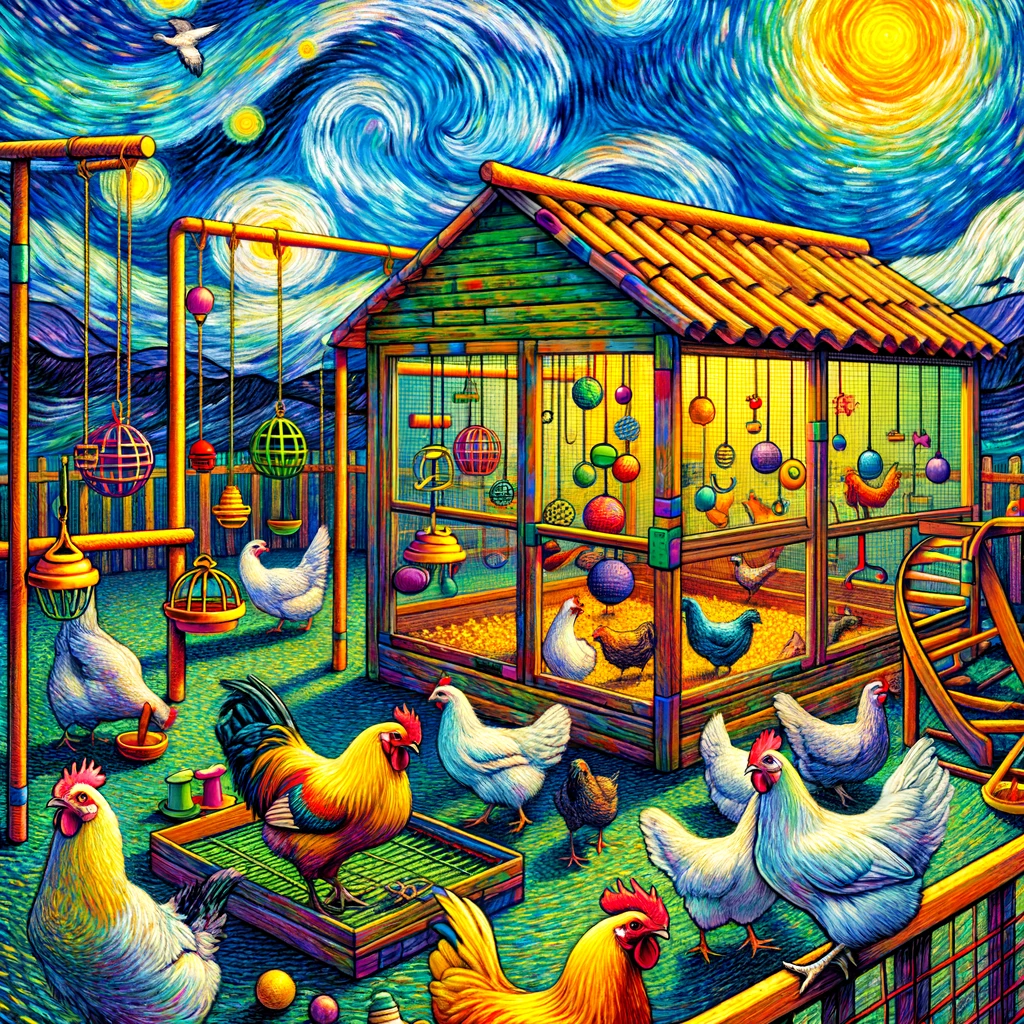
What Can We Learn From Boomers’ Experiences In Sustainable Farming?
How Does Urban Farming Impact Our Mental and Physical Health?
When you think of urban farming, you might picture lush gardens overflowing with tomatoes and peppers, or perhaps a few resilient backyard chickens clucking merrily in their coops. But the impact of these humble endeavors reaches far beyond plump produce and fresh eggs. It cuts deep into the fabric of our mental and physical well-being, stitching together a narrative of resilience and connection.
Imagine stepping into your own backyard, trembling soil beneath your feet, the morning sun spilling over your shoulders. It’s not just about growing food; it’s about growing yourself. Urban farming becomes a sanctuary, an oasis in the chaos of city life—a place where stress dissipates with each weed pulled and plant nurtured. Engaging with nature doesn’t just soothe the soul; studies show it lowers cortisol levels and can even lead to a more positive outlook.
When you raise backyard chickens, you develop a bond with creatures that rely on you. They need care, and that care provides a sense of responsibility—a reminder that you are part of something larger. It’s an ethical decision, one that echoes the old adage: “You reap what you sow.” Your actions foster a commitment to sustainable living and ethical consumption. You’re not just feeding yourself; you’re supporting a wave of change that resonates through your neighborhood.
The physical benefits speak for themselves. Gardening provides a workout as natural and refreshing as a mountain hike, giving you the kind of exercise that invigorates rather than exhausts. It’s strength, flexibility, and endurance wrapped up in the act of digging, planting, and harvesting. But who says you have to do it alone? The growing urban farming community invites connection, enabling you to share harvests, swap seeds, and exchange stories—each conversation seeding deeper relationships.
Consider this a call to action: Grab a trowel, a seed packet, and that dream of sustainability. The act of urban farming isn’t merely a hobby; it’s an embodiment of hope and healing. It’s more than just a remedy for the body and mind; it’s a movement, one that can drill down into our communities, inspiring others to dig in, grow, and flourish alongside us. Whether you’re planting vegetables, tending to herbs, or raising backyard chickens, you’re not just cultivating crops; you’re cultivating life. And there’s not a thing in this world more enriching than that.

How Does Urban Farming Impact Our Mental and Physical Health?
How Does Urban Farming Impact Our Mental and Physical Health?
- Urban farming goes beyond producing food; it enhances mental and physical well-being.
- It serves as a sanctuary amidst urban chaos, reducing stress and promoting positivity.
- Raising backyard chickens fosters responsibility and ethical living, connecting individuals to a larger community.
- Gardening offers physical benefits akin to a refreshing workout, improving strength and flexibility.
- The urban farming community encourages connection through shared harvests and stories.
- Engaging in urban farming embodies hope and healing, inspiring sustainable living.
- Participating in urban farming cultivates not just crops but also lives and relationships.

How Does Urban Farming Impact Our Mental and Physical Health?
Are We Embracing Agriculture As a Community-Building Tool?
In the heart of every community lies an unyielding spirit—woven together by the shared experience of agriculture, a tool often overlooked in its power to cultivate not just crops, but connections. Imagine a neighborhood where backyard chickens flourish alongside gardens bursting with tomatoes and greens. This vibrant tableau is more than just a pastoral dream; it’s a testament to resilience, ingenuity, and kinship. Agriculture, in its simplest form, fosters an intimate relationship with the earth and with each other.
When you tend to your own flock of chickens, you’re not merely chasing the allure of fresh eggs; you’re embracing a lifestyle steeped in purpose. The very act of caring for these birds leads you to a rhythm of daily life—early mornings, the gentle cluck of contented hens, the satisfying crunch of gravel underfoot as you approach the coop. Each morning becomes an opportunity for connection, not just to the land, but to your neighbors. Exchange ideas, swap recipes, or barter fresh produce—it’s a living lesson in community economics and sustainability, echoing across fences and backyards.
Beyond the tangible rewards of fresh food and lower grocery bills lies an ethical imperative that shouldn’t be ignored. In a world increasingly filled with disconnection, the act of food production invites us back to our roots, literally and metaphorically. It teaches responsibility, nurtures patience, and instills the value of hard work. As we dig our fingers into the soil, we’re not just growing food; we’re growing a sense of belonging. We’re teaching our children the importance of stewardship, respect for life, and the joy of a self-sustaining lifestyle.
Moreover, consider the power of shared narratives. Each neighbor raising their chickens has a unique story—a late-night rescue of a runaway hen, the first egg laid, or the accidental chicken names that bring laughter. These collective experiences knit a strong social fabric, fostering trust and confidence in one another. The more we gather around our backyard bounties, the more we celebrate diversity in our community, reinforcing bonds that can weather storms—both literal and figurative.
So, are we embracing agriculture as a community-building tool? The answer lies in recognizing that every seed sown, every chicken raised, is an unprecedented opportunity to reclaim our sense of togetherness. Let’s take that first step back to the soil, not just for the sake of food, but for the sake of each other. By starting small and nurturing our local landscapes, we can cultivate a harvest of relationships that nurture both the heart and the community.

Are We Embracing Agriculture As a Community-Building Tool?
Are We Embracing Agriculture As a Community-Building Tool?
- Agriculture fosters connections and community resilience through shared experiences.
- Backyard chickens and gardens exemplify a lifestyle steeped in purpose and daily routines.
- Caring for animals and growing food strengthens bonds and encourages local exchanges among neighbors.
- Food production provides ethical lessons about responsibility, patience, and hard work.
- Engaging in agriculture teaches stewardship and the benefits of a self-sustaining lifestyle to future generations.
- Shared stories and experiences among neighbors create a strong social fabric and foster trust.
- Embracing agriculture can reclaim a sense of community and togetherness, benefiting both individuals and the neighborhood.

Are We Embracing Agriculture As a Community-Building Tool?
What Role Does Social Responsibility Play In Urban Agriculture Today?
In today’s world, where the clang of industry often drowns out the whispers of nature, urban agriculture is rising like a phoenix from the concrete. At its core, social responsibility in this movement isn’t just a buzzword; it’s the lifeblood of a community awakening to its potential. Think about it: a family tending to their backyard chickens isn’t just about producing fresh eggs; it’s about cultivating a sense of purpose, a connection to the land, and ultimately, to each other.
Every time you pull a carrot from the earth or hear the gentle clucking of chickens, you’re forging a relationship with your neighbors and the environment. This is food with a story, shaped by hands that care and hearts that beat in rhythm with nature’s seasons. Urban agriculture embodies a deep ethical commitment—not just to ourselves but to the community and future generations. We’re talking about sustainable practices that make sense economically and socially. It’s about reducing waste, conserving resources, and strengthening local economies.
When you dig deeper, you find that urban farming isn’t just a trend; it’s an antidote to the disconnection that modern life often brings. Studies show that green spaces and urban gardens improve mental health, promote social bonds, and enhance community resilience. For every plot of land transformed into a vibrant garden, we witness an evolution—the reclaiming of agency in our food systems, a push against the corporate giants, and a step toward food sovereignty.
People are hungry for more than just sustenance; they’re yearning for connection. By participating in urban agriculture, individuals aren’t just planting seeds; they’re sowing hope in their communities. Think about your neighbors, the laughter of children, the shared bounty of a garden. These small acts ripple out, creating waves of positive change.
So the next time you see a backyard filled with chickens, remember that this is more than just an idyllic scene. It’s a statement of purpose, a rebellion against the mundane, and a commitment to nurturing both the earth and our relationships. Urban agriculture invites us to roll up our sleeves and get our hands dirty, reminding us that we’re all in this together. It’s not merely an activity; it’s a movement rooted in social responsibility, and it’s a call to action for all of us. Let’s answer that call—our communities, our environment, and our future depend on it.

What Role Does Social Responsibility Play In Urban Agriculture Today?
What Role Does Social Responsibility Play In Urban Agriculture Today?
- Urban agriculture is emerging as a vital response to the disconnect from nature in cities.
- This movement emphasizes social responsibility as essential for community empowerment and connection.
- Activities like raising backyard chickens foster a sense of purpose and community bonds.
- Urban agriculture champions sustainable practices that benefit the economy and the environment.
- Studies indicate that green spaces improve mental health, enhance social interactions, and boost community resilience.
- Participation in urban farming cultivates connection and agency in food systems, challenging corporate monopolies.
- Ultimately, urban agriculture is a movement calling for collective action towards nurturing our communities and the earth.

What Role Does Social Responsibility Play In Urban Agriculture Today?
How Can Sharing Stories Of Urban Farming Inspire Future Generations?
In a world racing toward the future, we often overlook the wisdom nestled in our own backyards. Urban farming isn’t just an idea; it’s a call to action, a manifesto of resilience born from the simple act of planting a seed. Imagine teaching future generations that from the soil beneath our feet can spring forth life—nourishment for the body and spirit alike. Sharing stories of urban farming isn’t just sharing stories; it’s igniting movements, shaping values, and affirming the importance of stewardship over the land.
Consider the humble backyard chickens. Those feathered friends do more than supply eggs; they teach responsibility, sustainability, and the joys of food that one grows oneself. Each morning, as the sun peeks over the rooftops, there’s a lesson in patience and care that even a six-year-old can grasp. These are living creatures that rely on us, and in tending to them, we discover our right place in the ecosystem, instilling a sense of purpose that resonates far beyond the coop. Think about it—the kids who nurture chickens today will carry that experience into adulthood, fostering a mindset steeped in respect for all living things.
Rationally speaking, urban farming directly addresses pressing global challenges. As cities expand and food deserts persist, cultivating small, sustainable patches of green can furnish access to fresh produce and greater food security. With every tale of turning abandoned lots into thriving gardens, we empower the next generation to think critically about food systems and environmental sustainability. It’s more than just growing food; it’s about cultivating a future rooted in awareness and responsibility.
Ethically, our relationship with food is shifting—one where we must question the sources of our sustenance. By sharing these stories, we create a culture that values locality, wellness, and ethical farming practices. Let’s face it: when we foster a connection to our food, we foster a connection to our communities. It’s the stories of our neighbors, our children, and the realities of urban farming that bring us together.
In a time where screens often dominate the landscape, urban farming offers a tangible way to engage, inspire, and unite. So, let’s share these stories and plant the seeds of change. Through dialogue and action, we can cultivate hope, nurture dreams, and inspire a future generation ready to embrace the dirt beneath their nails and the warmth of the sun on their backs.

How Can Sharing Stories Of Urban Farming Inspire Future Generations?
How Can Sharing Stories Of Urban Farming Inspire Future Generations?
- Urban farming embodies resilience and the belief that planting a seed can transform lives.
- Teaching children about urban farming fosters a sense of purpose, responsibility, and respect for life.
- Backyard chickens illustrate important lessons in sustainability and the joys of self-grown food.
- Urban farming addresses global challenges by creating access to fresh produce and supporting food security in cities.
- Sharing stories of urban farming cultivates awareness and promotes ethical and sustainable food practices.
- Engagement in urban farming strengthens community bonds and fosters connections to our food sources.
- In a technology-dominated world, urban farming inspires action, hope, and a future generation connected to nature.
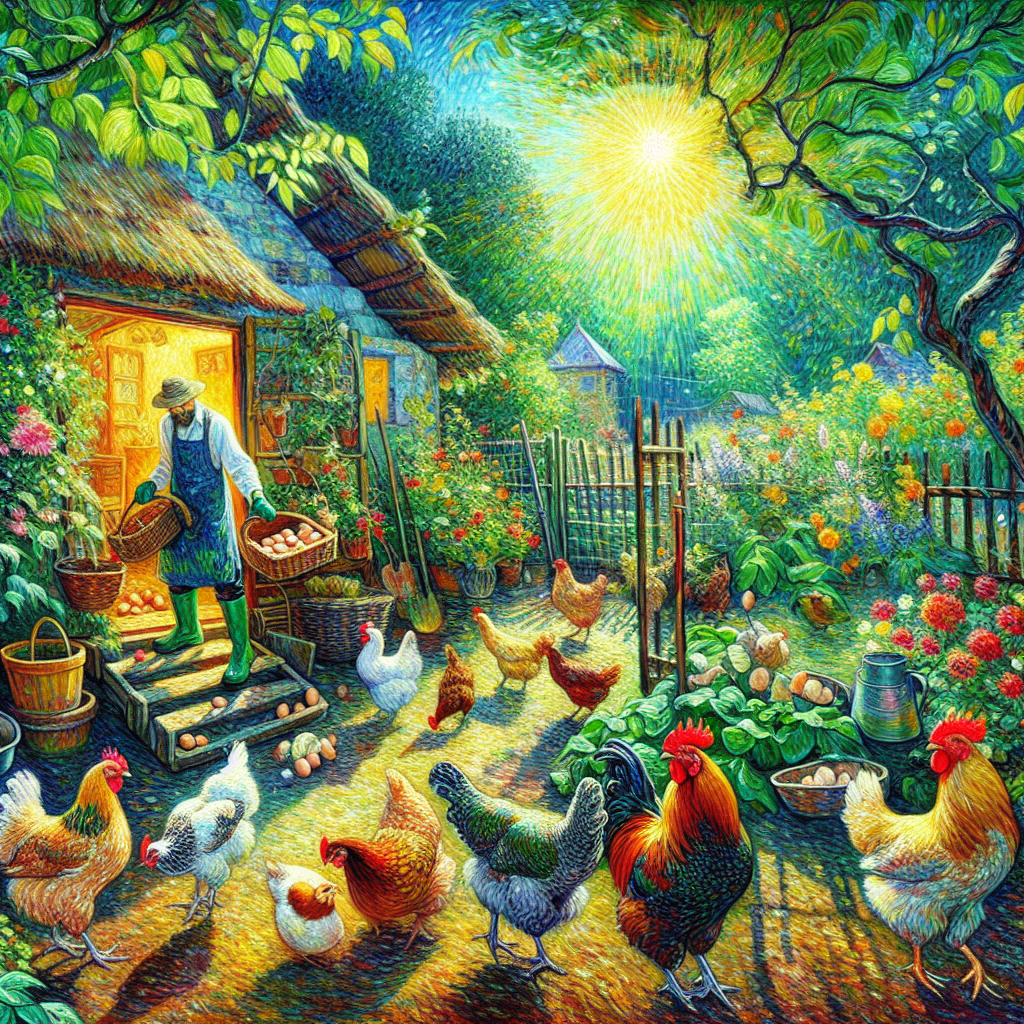
How Can Sharing Stories Of Urban Farming Inspire Future Generations?
Are Boomers Fostering a New Sense Of Belonging Through Urban Farms?
In urban landscapes, amid the concrete and clamor, a quiet revolution is taking root. Older generations, often labeled as Boomers, are swapping their retirement garden for something much more profound: urban farms. These green patches not only yield fresh tomatoes but play a crucial role in cultivating community and belonging.
Imagine a once-desolate lot transformed into a vibrant garden, its rows of kale and squash standing tall against the city skyline. This transformation is not merely about agriculture; it’s an act of healing. Urban farms serve as gathering spaces where neighbors can reconnect, sharing stories over a basket of freshly picked produce. A sense of belonging sprouts alongside those heirloom tomatoes. It’s a tangible reminder that humans, regardless of age, thrive in community, not isolation.
Rationally speaking, these farms offer a practical solution to food insecurity in our bustling cities. With the rise of food deserts, having local sources of fresh, healthy food is imperative. Boomers, equipped with years of wisdom and experience, often take on mentoring roles, teaching younger generations about sustainable practices, from growing greens to raising backyard chickens. They’re not just imparting knowledge; they’re creating a legacy of stewardship that fosters ethical responsibility towards the planet.
Emotionally, this movement resonates deeply with many. The simple act of planting a seed becomes a symbol of hope and renewal. It’s the laughter of children helping to harvest crops or the joy of neighbors bonding over a shared love for gardening. These moments of connection remind us all that age is nothing but a number; the human spirit seeks to thrive, no matter how many candles grace the birthday cake.
But it’s not just individuals who benefit; the very fabric of neighborhoods is being rewoven. Urban farms bring diverse groups together, breaking down barriers of age, ethnicity, and social status. They encourage collaboration, fostering networks of support that remind us we are all in this together. Who wouldn’t want to dig their hands in the soil, knowing they are part of something greater?
So, let’s celebrate these urban farms and the Boomers leading the charge. They remind us that it’s never too late to plant roots—literally and figuratively—and to cultivate a sense of belonging that can nourish our hearts, minds, and communities for years to come.

Are Boomers Fostering a New Sense Of Belonging Through Urban Farms?
Are Boomers Fostering a New Sense Of Belonging Through Urban Farms?
- Urban landscapes are witnessing a shift as older generations, particularly Boomers, transition to urban farming.
- Urban farms enhance community connection, transforming desolate lots into vibrant gathering spaces.
- These farms combat food insecurity in cities by providing access to fresh, healthy produce.
- Boomers mentor younger generations in sustainable practices, fostering a legacy of environmental stewardship.
- The act of planting reflects hope and renewal, emphasizing the importance of community bonds.
- Urban farms unite diverse groups, breaking down barriers related to age, ethnicity, and social status.
- These initiatives create a culture of collaboration, reminding individuals of their shared humanity and purpose.

Are Boomers Fostering a New Sense Of Belonging Through Urban Farms?
What Ethical Considerations Should We Make In Urban Agriculture?
When we think about urban agriculture, it’s easy to get swept up in the romantic notions of fresh veggies or the joy of raising backyard chickens. Sure, these images tug at our heartstrings, but there’s a deeper layer we need to peel back: the ethical considerations that come into play.
Imagine a neighborhood transformed by community gardens, where relationships are nurtured as much as plants. It’s not just about food; it’s about connection. Every seed sown comes with the responsibility of ensuring our crops don’t just feed our families but also uplift our communities. Urban agriculture is a canvas for social justice, providing access to fresh, healthy food in underserved areas. It’s vital to ask ourselves: who has access to these resources? Are we advocating for equitable access, or inadvertently perpetuating inequalities?
Let’s talk about how the environment joins this conversation. Running a small-scale farm or raising a few backyard chickens brings nature into our homes and helps us reconnect with the land. It prompts us to consider our land use — the soil quality, the sustainability of our practices, and how these choices affect future generations. Gardening can be a form of rebellion against a fast-food culture that favors convenience over health. Rationally, it makes sense to produce locally. However, we must also be aware of the pesticide use, the impact of water waste, and the carbon footprint associated with urban farming.
This brings us to the ethics of animal welfare. If we decide to embark on the adventure of backyard chickens, we must ensure their care aligns with humane practices. They deserve a safe space to roam, proper nutrition, and respect for their well-being. The moment we allow our ethical compass to waver is the moment we risk losing not just the trust of our neighbors but our own sense of integrity.
So here’s the challenge: let’s cultivate not just gardens, but community awareness. When we grow food, we should also grow our understanding of the interdependencies that feed us—social, environmental, and economic. In every carrot we pull from the soil, we should feel a sense of duty. The world of urban agriculture is ours to shape, but it’s up to us to ensure it’s rooted in ethical practices that honor this beautiful web of life. It’s more than a trend; it’s a responsibility. Let’s embrace it.
What Ethical Considerations Should We Make In Urban Agriculture?
What Ethical Considerations Should We Make In Urban Agriculture?
- Urban agriculture involves deeper ethical considerations beyond the appeal of fresh produce.
- Community gardens foster relationships and uplift neighborhoods, emphasizing the connection between food and community.
- Access to fresh, healthy food in underserved areas raises questions of equity and advocacy.
- Engaging in urban farming challenges conventional food culture and encourages local production.
- Environmental aspects include soil health, sustainable practices, and their impact on future generations.
- Animal welfare is crucial; backyard chickens require humane treatment and proper care.
- Urban agriculture is an opportunity to cultivate community awareness and ethical responsibility in food production.

What Ethical Considerations Should We Make In Urban Agriculture?
Conclusion
In the bustling rhythm of urban life, where the noise of industry often drowns out the whispers of nature, there’s a remarkable shift happening. Boomers, those seasoned custodians of our collective wisdom, are redefining what it means to farm in the heart of our cities. They’re not just cultivating crops; they’re sowing seeds of community and connection, transforming neglected spaces into lush oases that nourish both the body and soul. When we visualize that backyard garden, it’s not merely rich soil and verdant leaves; it’s an emblem of resilience and sustainability—a tangible solution to the disconnection characterized by modern living.
Every time a family gathers fresh vegetables or collects eggs from their backyard chickens, they partake in a profound ritual of stewardship. This act transcends mere sustenance—it’s a commitment to ethical living, to knowing where our food comes from, and to the health of our communities. Boomers harness their decades of experience to guide younger generations, passing along invaluable lessons of patience and responsibility in the garden, ultimately empowering them to embrace the land.
The truth is, urban farming is not just about feeding ourselves; it’s about reviving our communities. As Boomers engage with their neighbors, sharing not just produce but stories and friendships, they’re knitting a rich tapestry of shared experiences that build trust and support. Each seed sown is an opportunity to instill values of sustainability and harmony with nature, teaching younger generations about the interconnectedness we all share.
Moreover, urban agriculture serves as a beacon of social responsibility. In a world where food insecurity prevails, these gardens represent a grassroots rebellion against the corporate machinery that governs our food supply. They invite people from all walks of life to gather, fostering inclusivity and collaboration as diverse voices come together to champion local food systems.
As we consider the planet’s future, the ethical implications of our choices become ever clearer. It’s not just about what we grow or consume; it’s about how we cultivate our communities and our shared environment. Embracing the lessons of the past, especially those championed by Boomers, we unlock the potential for a future steeped in environmental awareness, social justice, and collective action.
Let this be a call to action, not just to cultivate gardens, but to cultivate hope, relationships, and a sense of belonging. The hands that plant seeds today will ultimately build a sustainable future for generations to come. So let’s dig in together, transforming our urban landscapes not just into farms, but into thriving communities where every person feels connected, valued, and part of something greater.
Conclusion
Conclusion:
- Urban farming is gaining momentum as Boomers redefine agricultural practices in city environments.
- They cultivate not only crops but also community connections, transforming neglected spaces into nourishing gardens.
- Backyard gardening symbolizes resilience and sustainability, addressing the disconnection in modern life.
- Family activities like gathering vegetables and collecting eggs represent a commitment to ethical living and community health.
- Boomers pass on lessons of patience and responsibility to younger generations, empowering them to embrace the land.
- Urban agriculture fosters social responsibility and fights food insecurity through grassroots initiatives.
- This movement encourages inclusivity, collaboration, and a deeper environmental awareness for future generations.

Conclusion
Other Resources

Other Resources
Here is a list of other resources you can review online to learn more:
- leghorn
- Catalana
- Golden Laced Wyandotte
- Brabanter
- Basque
- Crevecoeur
- Red Ranger
- Central Maine Bird Fanciers
- mediterranean breed
- Infectious Bursal Disease
- Cornish Cross
- Shamo
- Easter Egger
- Onagadori
- Capillary Worms
- Appenzeller
- insects
- black soldier flies
Use This Prompt To Get More Resources With Your Favorite Online AI Tool: Please provide me with a list of online articles with their URLs in a bulleted list that I can read regarding Old Wisdom for New Spaces – How Boomers Are Redefining Urban Farming

Other Resources
Glossary Terms
Old Wisdom for New Spaces – How Boomers Are Redefining Urban Farming – Glossary Of Terms
1. Urban Farming: The practice of cultivating crops and raising animals in urban environments, promoting local food production and sustainability.
2. Boomers: Individuals born between 1946 and 1964, often characterized by their influential role in shaping social and economic trends.
3. Sustainability: The capacity to meet current needs without compromising the ability of future generations to meet theirs, especially in agriculture and resource use.
4. Permaculture: A design philosophy that seeks to create sustainable agricultural systems by integrating land, resources, and people in harmonious ways.
5. Vertical Farming: An innovative method of growing crops in vertically stacked layers, maximizing space and resource efficiency in urban settings.
6. Community Gardens: Shared plots of land cultivated by a group of people, promoting community engagement and local food production.
7. Hydroponics: A method of growing plants in nutrient-rich water solutions instead of soil, allowing for efficient use of space and resources.
8. Aquaponics: A combined approach of aquaculture (raising fish) and hydroponics, creating a symbiotic environment for both plants and fish.
9. Food Security: The state where all individuals have reliable access to sufficient, safe, and nutritious food, a common goal of urban farming initiatives.
10. Localism: An economic and social movement that emphasizes the importance of local products, services, and community engagement.
11. Agroecology: Integrating ecological principles into agricultural practices, focusing on sustainability, biodiversity, and social justice.
12. Soil Health: The condition of soil as a living ecosystem, crucial for plant growth and overall environmental health.
13. Urban Soil: Soil found in cities, often impacted by human activity, requiring particular attention for sustainable urban farming practices.
14. Biodiversity: The variety of plant and animal species within an ecosystem, important for resilience and sustainability in urban agriculture.
15. Green Spaces: Areas in urban environments dedicated to vegetation, which can enhance quality of life and promote mental well-being.
16. Food Deserts: Urban areas with limited access to affordable and nutritious food, often leading to health disparities.
17. Companion Planting: The practice of planting different crops in proximity for mutual benefits, such as pest control and improved growth.
18. Seed Saving: The practice of saving seeds from plants for future planting, preserving plant varieties and fostering biodiversity.
19. CSA (Community Supported Agriculture): A system where consumers purchase shares of a farm’s harvest in advance, supporting local farmers.
20. Edible Landscaping: Designing landscape spaces that integrate food-producing plants, combining aesthetics with urban agriculture.
21. Microgreens: Young, edible plants harvested just after the first leaves develop, known for their nutritional density and flavor.
22. Farm-to-Table: A movement that emphasizes sourcing food directly from local farms to consumers, promoting freshness and sustainability.
23. Pollinators: Animals, such as bees and butterflies, that facilitate plant reproduction by transferring pollen, crucial for crop production.
24. Urban Homesteading: An approach where individuals or families in urban areas strive for self-sufficiency by producing their own food and resources.
25. Food Sovereignty: The right of communities to control their own food systems, including production, distribution, and consumption.
26. Resilience: The capacity of communities or ecosystems to withstand and adapt to challenges, crucial for sustainable urban farming systems.
27. Green Roofs: Vegetated systems installed on building rooftops that help manage stormwater, improve air quality, and provide food production.
28. Sustainable Practices: Methods in agriculture aimed at reducing environmental impact and preserving resources for future generations.
29. Urban Agricultural Policy: Legislation and regulations governing the practice of farming in urban areas, influencing development and resources.
30. Food Literacy: Understanding the food system, including where food comes from and how to prepare it, fostering informed consumer choices.

Glossary Of Terms
Other Questions
Old Wisdom for New Spaces – How Boomers Are Redefining Urban Farming – Other Questions
If you wish to explore and discover more, consider looking for answers to these questions:
- What specific actions are Boomers taking to promote urban farming?
- How do community gardens compare to traditional farming methods?
- What are the environmental benefits of urban farming?
- How can urban farming contribute to food security in cities?
- What challenges do Boomers face in urban farming?
- How can younger generations get involved in urban agriculture initiatives?
- What role does technology play in modern urban farming?
- How do cultural perspectives on farming differ between Boomers and younger generations?
- What best practices can be adopted for sustainable urban farming?
- Are there any successful examples of urban farming communities that can be highlighted?
- How can urban farming address issues of social justice and equity?
- What types of crops are best suited for urban environments?
- How do local governments support urban farming initiatives?
- What are the psychological benefits of engaging in urban agriculture?
- How does urban farming influence community resilience in the face of crises?

Other Questions
Haiku
Old Wisdom for New Spaces – How Boomers Are Redefining Urban Farming – A Haiku
Wise hands in city,
Planting seeds of hope and care—
Roots of change grow strong.

Haiku
Poem
Old Wisdom for New Spaces – How Boomers Are Redefining Urban Farming – A Poem
In concrete canyons where silence has grown,
A heartbeat in soil has begun to be known,
Boomers return with wisdom to share,
Planting the seeds of connection and care.
With backyard chickens that cluck in delight,
They teach us of patience from morning till night.
Each egg is a lesson, each garden a goal,
Nourishment offered to body and soul.
From the rise of the processed to local delight,
They push back the shadows, reclaiming the light.
Communities gather, breaking barriers wide,
In the rhythm of farming, we flourish with pride.
A sanctuary formed from the hands of the wise,
Where laughter and stories bring life to the skies.
Healthy, fresh produce rejoices in growth,
A movement igniting, energizing our oath.
The elders remind us of stewardship true,
Of values and lessons passed down to renew.
Through gardening whispers, they nurture and lead,
In each little planting, a legacy freed.
As generations mingle, together we learn,
From every green leaf, our spirits discern,
That urban farming’s more than just tilling the ground,
It’s a tapestry woven, where love can be found.
Let’s rise up together, embrace this new role,
For the earth is our canvas, and health is our goal.
With hands in the soil, let’s cultivate bonds,
To honor our future, to honor our dawns.

Poem
Checklist
Old Wisdom for New Spaces – How Boomers Are Redefining Urban Farming – A Checklist
Checklist for Embracing Urban Farming Inspired by Boomers
Emotional Appeals
_____ Connect with Nature: Spend time in your garden to experience the soothing effects of nature.
_____ Nurture Relationships: Invite family members or neighbors to join you in gardening activities to strengthen community bonds.
_____ Celebrate Accomplishments: Share stories of your gardening successes (and failures) to inspire others.
Rational Appeals
_____ Plan Your Garden: Create a list of local, sustainable crops that can thrive in your urban environment.
_____ Research Best Practices: Study sustainable farming techniques that prevent soil depletion and enhance biodiversity.
_____ Monitor Wellbeing: Keep track of any improvements in mental and physical health since starting urban gardening.
Ethical Appeals
_____ Ensure Fair Access: Advocate for community gardening initiatives that cater to underserved populations.
_____ Practice Responsible Gardening: Make ethical choices regarding pesticides, fertilizers, and animal welfare in any backyard farming practices.
_____ Educate Others: Share your knowledge about sustainable practices with those interested in starting their own gardens.
Authority Appeals
_____ Learn from Experts: Attend workshops or events hosted by experienced urban farmers or local agronomists.
_____ Mentor Others: Offer guidance to newcomers in urban farming, sharing your learning journey and experiences.
_____ Stay Updated: Read articles or join forums to keep abreast of the latest research and developments in urban agriculture.
Narrative Appeals
_____ Document Your Journey: Keep a journal of your gardening experiences, documenting challenges and lessons learned.
_____ Share Your Story: Create a blog or social media account to share your urban farming journey and connect with like-minded individuals.
_____ Engage the Community: Organize local events showcasing the benefits and joys of urban farming, inviting community members to share their stories.
Social Appeals
_____ Join Community Gardens: Connect with local community gardens to foster relationships and learn collaboratively.
_____ Participate in Local Exchanges: Engage in seed swaps or potlucks that center around homegrown produce, promoting community cohesion.
_____ Support Local Farmers Markets: Invest in local agriculture by regularly visiting farmers’ markets and supporting urban farmers.
Using this checklist, you can actively engage in urban farming while honoring the lessons and values shared by the Boomer generation, creating a sustainable, interconnected community.

Checklist
At BackyardChickenNews, we help people who want to raise backyard chickens by collating information and news blended with our own personal experiences.
Be sure to read our other related stories at BackyardChickenNews to learn more about raising chickens in your backyard.