

Egg-Cellent Ways To Keep Your Eggs Fresh
By Tom Seest
At BackyardChickenNews, we help people who want to raise backyard chickens by collating information and news blended with our own personal experiences.
Be sure to read our other related stories at BackyardChickenNews to learn more about raising chickens in your backyard.
Packaging and Storing Eggs for Freshness
There’s something undeniably special about the first egg you pluck from beneath a hen that you’ve raised yourself. Those backyard chickens bring more than just nourishment; they weave a fabric of connection between you and the land, your family, and the simple act of caring for a living creature. But when it comes to preserving that farm-fresh goodness, knowing how to package and store those eggs can make all the difference between a delectable breakfast and a culinary disappointment.
First, let’s talk about the packaging. When you gather your eggs, treat them like the precious gems they are. Use carton designs that naturally protect them, keeping them safe from the bumps and jostles of day-to-day life. Cardboard cartons are a better choice than plastic ones; they breathe, allowing moisture to escape while protecting your eggs from the whims of the world outside. As you gently nestle your eggs in their cozy confines, think about that family member or friend who will savor the first bite. The effort you put into careful packaging translates into a gift of freshness and flavor.
Now, storing them properly is just as crucial. Eggs should ideally live in the cold comfort of the refrigerator, but not in the door. That door is a carousel of temperature changes that can make your eggs lose their freshness faster than you can say “omelet.” Find a snug spot on a middle shelf where the temperature is more stable. Keep them in their carton—trust the eggshell’s natural defenses, but don’t be afraid to respect their fragility.
On top of keeping your eggs fresh, there’s an ethical dimension to all this. When you take the time to care for your backyard chickens and their eggs, you’re choosing to support sustainable practices instead of factory farms, where conditions can be less than ideal. Each egg represents a commitment to quality.
Remember, it’s not just about eating; it’s about fostering a deeper understanding of where our food comes from and reflecting on the relationships we cultivate with nature and one another. Share those eggs at family gatherings, and watch the smiles widen as the flavors connect everyone around the table. That’s the power of thoughtful packaging and storage—though it may seem small, it resonates well beyond the kitchen. Together, let’s celebrate the joy and simplicity of responsibly managing that precious bounty.

Packaging and Storing Eggs for Freshness
Packaging and Storing Eggs for Freshness
- Harvesting your own eggs fosters a deep connection to land, family, and caring for living creatures.
- Proper packaging of eggs is vital to maintaining their freshness and flavor, treating them as precious gems.
- Cardboard cartons are preferred over plastic, as they allow moisture to escape while providing protection.
- Store eggs in the refrigerator on a middle shelf, avoiding the door to maintain a stable temperature.
- By caring for backyard chickens, you support sustainable practices over factory farming, emphasizing quality.
- This process nurtures an appreciation for the origins of our food and strengthens relationships with nature and people.
- Sharing home-raised eggs at gatherings enhances connections and fosters joy among family and friends.

Packaging and Storing Eggs for Freshness
Table Of Contents
- Packaging and Storing Eggs for Freshness
- What Practices Ensure My Eggs Stay Fresh And Safe To Eat?
- How Can I Reduce Food Waste With Proper Egg Storage?
- Are There Ethical Concerns In Egg Packaging That I Should Know?
- What Authority Do Dietary Guidelines Provide On Egg Freshness?
- Why Is It Important To Store Eggs In Their Original Carton?
- Which Storage Methods Offer The Best Protection For My Eggs?
- How Do Egg-Freshness Myths Affect My Purchasing Decisions?
- Conclusion
- Other Resources
- Glossary Of Terms
- Other Questions
- Haiku
- Poem
- Checklist
What Practices Ensure My Eggs Stay Fresh And Safe To Eat?
When it comes to keeping your eggs fresh and safe to eat, it’s not just a matter of luck; it’s a commitment to care and respect for the food you consume. Picture this: you gather your eggs from your very own backyard chickens, warm and speckled with memories from the day. There’s nothing quite like that feeling. But are you doing everything you can to ensure they stay fresh?
First off, let’s get real about temperature. Eggs thrive in cool conditions. As soon as you collect them, give them a gentle rinse with water that’s warmer than the eggs themselves—this helps prevent the porous shell from absorbing bacteria. Then, straight to the fridge they go. This simple act not only preserves that delightful flavor but also keeps your family safe from foodborne illness. It’s one of those small choices, like pulling on your boots before stepping into your backyard to check on those clucking companions, that can have a big impact.
Don’t forget the importance of cleanliness. Chicken coops need regular upkeep to ensure a healthy environment for your feathered friends, which directly influences the quality of your eggs. A clean coop reduces the risk of contamination and keeps those little nuggets safe for your loved ones. It’s not just about keeping the eggs clean; it’s about fostering a nurturing space for the living creatures that give your family fresh eggs.
Consider the time factor as well. Freshness is best measured in days. Always check expiration dates and rotate your stock—newer eggs at the back, older ones at the front. This simple practice not only helps you minimize waste but also keeps you in tune with what you’re consuming. Committing to using your eggs quickly ensures they are enjoyed at their peak quality while reducing the guilt of waste.
By caring for your backyard chickens and practicing these safety measures, you’re not only providing nutritious options for your family, you’re also nurturing your connection to the food you eat and the earth that nurtures it. Every time you crack open a fresh egg, you’re not just making breakfast; you’re honoring the journey it took to get to your table. Embrace these practices, allow yourself the joy of knowing your eggs are safe and sustainable—after all, your family is worth it.

What Practices Ensure My Eggs Stay Fresh And Safe To Eat?
What Practices Ensure My Eggs Stay Fresh And Safe To Eat?
- Keeping eggs fresh requires commitment and care for food safety.
- Collect eggs promptly and rinse them with warm water before refrigerating.
- Storing eggs in the fridge preserves flavor and prevents foodborne illness.
- Regularly clean chicken coops to ensure a healthy environment for chickens.
- Check expiration dates and practice stock rotation to minimize waste.
- Using eggs quickly ensures their peak quality and reduces waste guilt.
- Caring for chickens nurtures a connection to food and the earth.

What Practices Ensure My Eggs Stay Fresh And Safe To Eat?
How Can I Reduce Food Waste With Proper Egg Storage?
When you crack open an egg, you’re not just unleashing a culinary marvel; you’re also opening the door to a world of responsibility. For many, especially those with backyard chickens, the connection to these little beauties runs deeper than breakfast. Imagine the pride of collecting those speckled treasures, fresh from your own backyard. But what happens when you forget they’re there, or worse, toss them out because you weren’t sure they were still good? It’s heart-wrenching to think of all that effort going to waste.
Proper egg storage isn’t just about keeping your fridge tidy; it’s about respect—for the hard work of those hens clucking away in your yard or at the local farm, for the time spent gathering and preparing meals, and for the environment that pays the price when we let food spoil. Think about the journey an egg takes, from a hen’s cluck to your kitchen. If we waste them, we disrespect that journey, and all the lives entwined in it.
Rationally speaking, eggs have a remarkable shelf life when stored correctly. The USDA recommends keeping them in their original carton in the coldest part of your fridge. That’s right—not the door! Those little compartments are designed to hold condiments, not delicate eggs. A quick sniff test can also help; if it smells off, don’t take the risk.
And here’s a stark reality: food waste is a growing epidemic. By ensuring that you store and use your eggs wisely, you’re taking a stand against a culture that often turns a blind eye to waste. We should feel a moral obligation to do better, not only for ourselves but for future generations who may not have the resources we enjoy today.
Think about it—the moment you whip up a fluffy omelet with perfectly preserved eggs, you’re sharing a story of sustainability with your family and friends. You’re setting an example, showing that it’s possible to live with purpose and care for our planet and its resources, starting right in your kitchen.
So, the next time you gather your eggs, take a moment to appreciate their journey. Store them thoughtfully, savor their goodness, and know you’re making a difference—not just in your own kitchen, but in the world. Every action counts, and together, we can reduce food waste, one egg at a time.

How Can I Reduce Food Waste With Proper Egg Storage?
How Can I Reduce Food Waste With Proper Egg Storage?
- Cracking an egg symbolizes both culinary creativity and a sense of responsibility.
- Collecting eggs from backyard chickens fosters a deeper connection beyond just a meal.
- Proper egg storage is vital for respecting the efforts of hens and reducing food waste.
- The USDA advises storing eggs in their original carton at the coldest part of the fridge.
- Food waste is a significant issue, and managing egg storage helps combat this epidemic.
- Cooking with well-preserved eggs promotes sustainability and sets a positive example for others.
- Every thoughtful action in the kitchen contributes to reducing food waste and preserving resources.
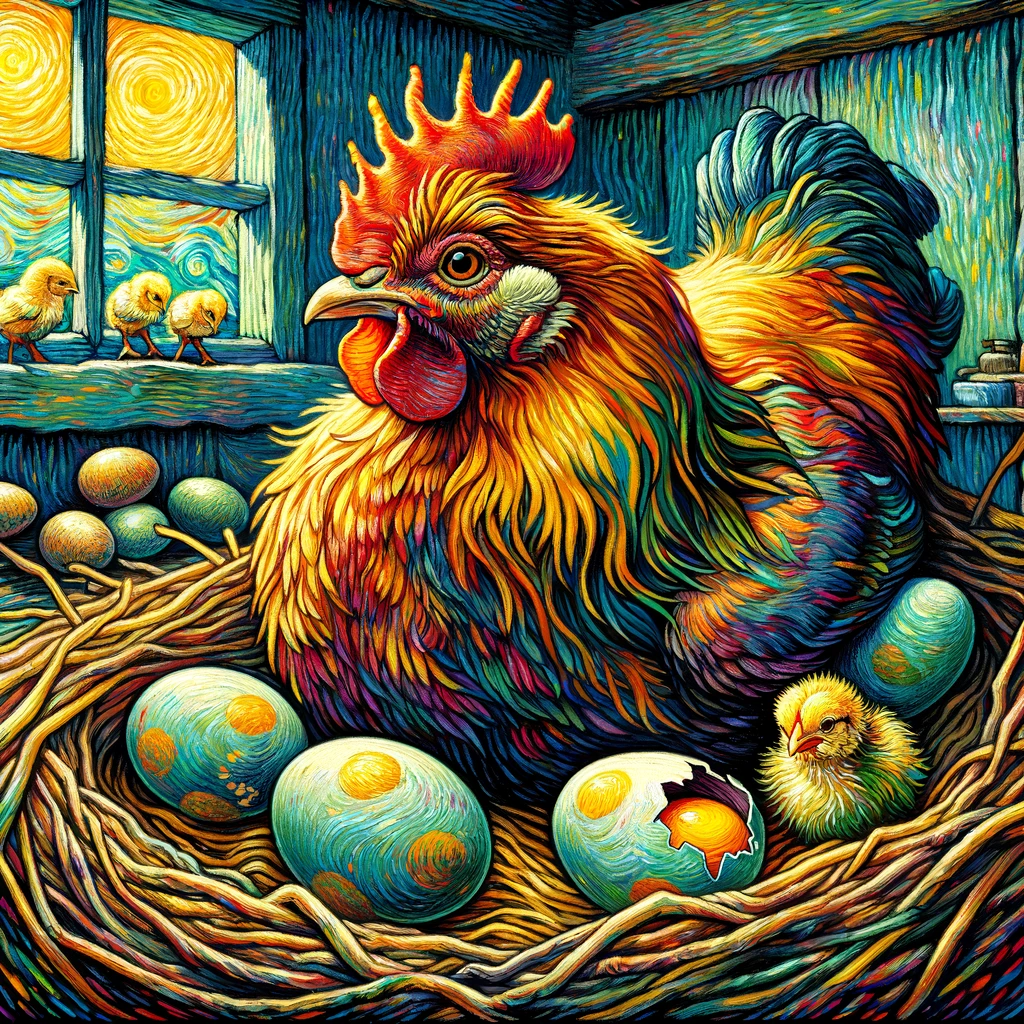
How Can I Reduce Food Waste With Proper Egg Storage?
Are There Ethical Concerns In Egg Packaging That I Should Know?
When you crack open that egg for breakfast, do you ever pause to consider the journey it took to get there? Each carton in the grocery aisle holds more than just a dozen eggs; it contains a story about our choices, our ethics, and even our collective future. The reality of egg packaging isn’t just wrapped in cardboard or plastic—it’s tied to the lives of countless hens, and, believe it or not, the ethical implications run deep.
Firstly, let’s talk about confinement. Many eggs come from large-scale farms where chickens live in cramped conditions, which can raise your eyebrows and your heart rate. This isn’t just an issue of comfort; it’s a matter of animal welfare that echoes through our ethics as consumers. When you see an egg carton labeled “cage-free” or “pasture-raised,” it sparks a bit of hope, doesn’t it? These labels give you a sense of authority in your purchasing power, an ability to make choices that impact lives. Now imagine if more people opted for better packaging choices, demanding respect for the animals behind those shell-blissful breakfasts. It’s not just our right; it becomes a societal expectation that we crave.
Now, let’s explore another angle: the environmental impact of packaging. Those brightly colored cartons may catch your eye, but what happens after they’re tossed in the recycling bin? The reality of plastic pollution casts a long shadow over our planet. If you’re wondering how you can bridge the gap between taste and social responsibility, consider the rise of the backyard chicken trend. Yes, that’s right—keeping your own hens! Not only do you get access to fresh, organic eggs, but you also contribute to reducing waste and making a connection with your food source. Picture your kids enjoying the simple joy of collecting eggs, fostering a connection to nature while teaching them about responsibility.
Ethical concerns aren’t just for the experts; they touch all of us. Remember, every decision we make, whether it’s about the eggs we buy or the way we package our lives, contributes to the larger picture. By choosing thoughtfully, we have the power to create a future that resonates with integrity and care. So, what’s stopping you from exploring those cartons a little deeper? Every choice has the potential to impact lives—both human and hen alike. Let’s crack this eggshell of responsibility wide open together.

Are There Ethical Concerns In Egg Packaging That I Should Know?
Are There Ethical Concerns In Egg Packaging That I Should Know?
- Eggs represent more than just a breakfast choice; they reflect our ethical values and choices.
- Many eggs are sourced from large-scale farms with cramped living conditions for hens, highlighting animal welfare concerns.
- Labels such as “cage-free” or “pasture-raised” empower consumers to make more ethical choices regarding egg sourcing.
- Increased consumer demand for ethical packaging could promote better treatment of animals in the egg industry.
- The environmental impact of egg packaging, especially plastic waste, raises concerns about sustainability.
- Keeping backyard chickens can provide fresh eggs while fostering a connection to food sources and reducing waste.
- Every purchasing decision impacts the future; mindful choices can lead to a society grounded in integrity and care.

Are There Ethical Concerns In Egg Packaging That I Should Know?
What Authority Do Dietary Guidelines Provide On Egg Freshness?
When it comes to egg freshness, we often fail to appreciate the sheer journey these little orbs of goodness undertake before they grace our breakfast tables. The Dietary Guidelines serve as a beacon of wisdom, illuminating our path to making informed choices, especially when we think about the health of our families. But beyond the numbers and recommendations lies a treasure trove of knowledge that connects us to the very heart of our meals.
First, let’s get emotional. Recall a time when you cracked open an egg and felt the rush of nostalgia — maybe it was scrambled eggs cooked by a grandparent or an omelet shared with friends on a lazy Sunday morning. Every egg carries a story, a history, shaped by the care given to the hens that laid them. Freshness matters not just for flavor; it affects nutrition and safety, ensuring that the nourishment we provide our loved ones is as wholesome as can be.
Now, think with your head. The guidelines don’t merely preach the benefits of consuming eggs; they illustrate why freshness is crucial. An egg that has seen a shorter journey from farm to table holds onto its nutrients far better than one that has traveled for days or weeks across the country. It’s a rational choice that resonates with the health-conscious decision-maker we all aspire to be.
Let’s touch on the ethics of our choices. If you’ve been contemplating raising backyard chickens, consider what comes with that decision. It’s more than just having fresh eggs; it’s about fostering a sense of responsibility toward the creatures that provide for us. It’s about being connected to the cycle of life, understanding the hunt for quality, and the joy of knowing exactly where your food comes from.
Socially, we’re increasingly drawn to local produce, organic farming, and responsible sourcing. Participating in your local food ecosystem fosters community and builds trust. When you know your local farmer or are raising your own hens, you can be confident in your choices—no one wants to serve undercooked eggs to their family, after all.
So, let’s embrace the wisdom encapsulated in those dietary guidelines. Let them lead us toward an appreciation for freshness, flavor, and the undeniable bonds we share with our food sources. Because every egg has a story worth telling, and a plate filled with fresh, high-quality eggs speaks volumes about the care you have for the ones you love.
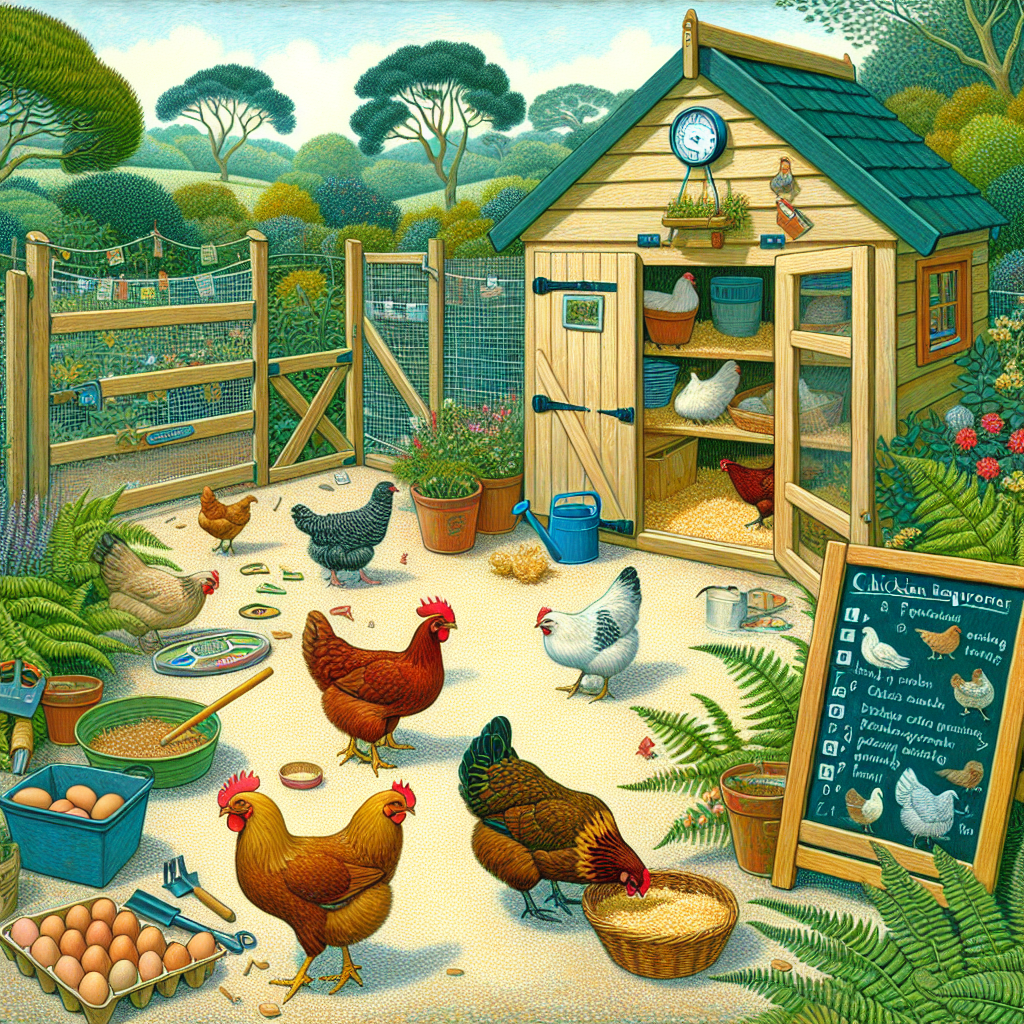
What Authority Do Dietary Guidelines Provide On Egg Freshness?
What Authority Do Dietary Guidelines Provide On Egg Freshness?
- The journey of eggs affects their freshness, flavor, and nutrition.
- Dietary Guidelines provide insights for making informed health choices for families.
- Eggs carry emotional connections and stories from our past experiences.
- Fresh eggs retain more nutrients and are healthier than older ones.
- Raising backyard chickens fosters responsibility and connection to food sources.
- Supporting local produce and organic farming strengthens community bonds.
- Dietary guidelines encourage appreciation for freshness and quality in food.

What Authority Do Dietary Guidelines Provide On Egg Freshness?
Why Is It Important To Store Eggs In Their Original Carton?
When you think about your breakfast routine, those eggs sitting in your fridge might seem like little more than an everyday staple—an afterthought, perhaps. But let’s take a moment to appreciate the journey they’ve taken from backyard chickens to your plate. Storing eggs in their original carton isn’t just a matter of convenience; it’s a vital step in preserving their quality, flavor, and safety.
First, let’s talk about what the carton does: it protects. Just as a mother hen shields her chicks, the original carton protects those eggs from light, moisture, and temperature variations that can adversely affect their freshness. Light exposure can degrade the protective coating on the eggs, making them susceptible to bacteria. When you toss those eggs into a sold-separately egg holder in the fridge, you’re taking unnecessary risks. Think about it: each egg is a tiny package of potential, containing nutrients designed to nurture life. Would you leave an important package lying around without packing materials? Of course not.
Now consider the emotional connection we have with our food. There’s a profound sense of comfort in knowing that you’re nurturing your body with high-quality ingredients. When you keep eggs in their original carton, you’re honoring the hard work of farmers who’ve spent years perfecting their craft, whether they raise backyard chickens or operate large-scale farms. By preserving the eggs’ freshness, you’re also providing your family with the best nutrition possible. It’s all about respect—for the land, the farmers, and your family’s health.
Then there’s the ethical angle. If you’re investing in organic or free-range eggs, you want to ensure they maintain their integrity. Storing them correctly reflects your values and the conscious choices you make as a consumer. It’s a small but vital act of stewardship in a world that often overlooks the details that matter.
Finally, let’s talk about trust. When you set the bar high for your food practices, you create a ripple effect in your community. Sharing tips about food storage and quality not only boosts your own knowledge but invites others to consider their choices, too. The conversation about where our food comes from and how we treat it starts in your kitchen. By keeping eggs in their original carton, you’re taking a simple yet powerful step toward cultivating a culture of mindfulness around food.
So, the next time you grab those eggs, think about the bigger picture. Treat them with the respect they deserve. Store them right, and honor the cycle of life that brought them to your table.

Why Is It Important To Store Eggs In Their Original Carton?
Why Is It Important To Store Eggs In Their Original Carton?
- Eggs are more than just a breakfast staple; their journey to your plate deserves appreciation.
- Storing eggs in their original carton preserves quality, flavor, and safety by protecting them from light, moisture, and temperature changes.
- Light exposure can degrade eggs’ protective coating, increasing their susceptibility to bacteria.
- Keeping eggs in their carton honors the hard work of farmers and ensures fresh, nutritious food for your family.
- Proper storage reflects commitment to ethical food choices, especially for organic and free-range eggs.
- Good food practices can inspire community conversations about nutrition and responsible choices.
- Respecting food, like eggs, contributes to a mindful kitchen culture and honors the cycle of life.

Why Is It Important To Store Eggs In Their Original Carton?
Which Storage Methods Offer The Best Protection For My Eggs?
When you decide to raise backyard chickens, you’re not just making a choice; you’re entering a fulfilling relationship with nature and its rhythms. Those clucking companions will bless your home with fresh eggs, each one a small miracle of nourishment and joy. Yet, once you have this treasure, the question arises: how do you protect these precious eggs to ensure you’re reaping all the benefits?
The best protection for your eggs begins long before they even touch your kitchen counter. Picture your chickens roaming freely, pecking at the ground, with you watching like a proud parent. To maximize the freshness and extend the life of those little gems, consider refrigeration and proper storage techniques. Using clean, dry containers can stop bacteria in their tracks—essentially fortifying your eggs against spoilage.
Think critically about food safety. An egg’s natural coating can fend off harmful bacteria, but it won’t last forever. By storing your eggs in a cool, dry place—ideally between 33°F and 40°F—you create an environment that halts the growth of any unwanted guests. By taking this rational step, you’re not just being practical; you’re honoring the hard work your chickens put in to gift you these delicious egg-laying endeavors.
Ethically speaking, if you’re keeping backyard chickens, consider their well-being as well. A healthy hen lays healthier eggs. A diet rich in nutrients and a stress-free environment lead to stronger shells and better flavor. Talk about a win-win! When your chickens thrive, so do your eggs, forging a sense of harmony.
As you gather these eggs, think of the connections being strengthened—between you and your chickens, your family, and those who gather around your table. Sharing that first omelette or deviled egg with loved ones does more than fill bellies; it weaves a narrative of collaboration, sustainability, and mindfulness.
And let’s be real. In a world where we’re bombarded with options, there’s something inherently satisfying about knowing exactly where your food comes from. You’re actively participating in something bigger—preserving a way of life and a connection to the land. So next time you stroll through your backyard, remember: the best protection for your eggs is layered with care, knowledge, and love. And when you put in that effort, those eggs are not just a meal; they become a symbol of all the good you’re cultivating right in your own backyard.
Which Storage Methods Offer The Best Protection For My Eggs?
Which Storage Methods Offer The Best Protection For My Eggs?
- Raising backyard chickens creates a fulfilling relationship with nature and provides a source of fresh eggs.
- Protecting eggs starts before they reach the kitchen, with emphasis on proper storage and refrigeration.
- Using clean, dry containers helps prevent spoilage by stopping bacteria growth on the eggs.
- Storing eggs at a temperature between 33°F and 40°F is crucial for maintaining freshness and safety.
- Healthy hens contribute to the quality of eggs, with a nutrient-rich diet leading to better flavor and stronger shells.
- Gathering eggs fosters connections among family, promotes sustainability, and encourages mindfulness about food sources.
- Investing in the care of backyard chickens enhances the value of eggs, turning them into symbols of collaboration and cultivation.

Which Storage Methods Offer The Best Protection For My Eggs?
How Do Egg-Freshness Myths Affect My Purchasing Decisions?
When it comes to buying eggs, we’ve all heard the tales—grandma swears by the “float test,” insisting that a fresh egg sinks while an old one stands up like a defiant teenager in a swimming pool. But let’s pause for a moment and consider what it really means to trust these myths about egg freshness. Think about your own kitchen: the warmth of the morning sun streaming through the window, the smell of breakfast wafting through the air, and the promise of a perfect omelet crackling in the pan.
The heart craves the familiar, but the head knows that not all eggs are created equal. As consumers, we have to navigate a maze of information where wellness labels bloom like wildflowers: organic, cage-free, pasture-raised. Each label calls out with its own authority, claiming to be the gold standard for our health and the welfare of our chickens. Yet, how do we discern fact from folklore when it comes to freshness?
Let’s talk ethics. Behind every carton of eggs lies a story, one that can tug at your gut. The notion of “Backyard Chickens” becoming a staple for many families is growing, sparking a desire to take back control of our food. Raising your own birds not only guarantees fresh eggs but also fosters a connection to our food system. You build trust with every grain you feed them, every cluck that echoes through your backyard. Imagine the satisfaction of knowing precisely where your breakfast came from.
Now, flip the script: when you buy eggs from a store, you’re stepping into a social contract with that brand. You’re trusting that the labels reflect genuine practices about animal welfare and sustainability. But if you find yourself questioning those claims, it can leave you feeling uneasy, as if you’re playing a game of cultural roulette with your family’s health.
So, what can we do? Engage with your local farmers’ market or consider the DIY approach of raising your own clucking companions. Talk to the people behind the eggs—ask them about their practices, their philosophies. The power lies in connection, in conversations that matter.
Trust is a two-way street, built on transparency and responsibility. So as you approach your next grocery trip, carry that awareness with you. Your choices matter—every egg you choose affects not only your breakfast but the world around you.
How Do Egg-Freshness Myths Affect My Purchasing Decisions?
How Do Egg-Freshness Myths Affect My Purchasing Decisions?
- Egg freshness myths, like the “float test,” should be reconsidered.
- Familiarity in cooking can sometimes cloud judgment about egg quality.
- Understanding wellness labels (organic, cage-free, pasture-raised) is essential for discerning egg quality.
- Ethical considerations and stories behind egg sourcing influence consumer choices.
- Raising backyard chickens can provide fresh eggs and deepen one’s connection to food systems.
- Trusting store-bought eggs involves believing in the honesty of brand labels regarding sustainability and welfare.
- Engaging with local farmers and understanding their practices can enhance trust and informed choices.

How Do Egg-Freshness Myths Affect My Purchasing Decisions?
Conclusion
Eggs are more than just a breakfast staple; they’re symbols of connection—between us and the land, our families, and our food sources. When you gather those eggs from your backyard chickens, you’re part of a labor of love that transcends mere nutrition. It’s a commitment to care and responsibility that begins the moment those eggs are laid and continues through how you store and serve them.
To keep them fresh, treat your eggs as precious gems, safeguarding them from temperature fluctuations and contamination. Always store them in their original cardboard cartons, which protect against light and moisture, maintaining their flavor and nutritional value. Each egg you crack represents a deeper relationship with your food, a chance to reinforce ethical choices that support humane practices over factory farming.
Keeping your eggs fresh isn’t just a practical matter; it resonates on an emotional level. The acts of gathering, storing, and sharing these eggs weave a narrative of sustainability—creating connections not only among family members at the breakfast table but also with the broader community. It’s about knowing where your food comes from and honoring the lives that contribute to our nourishment, fostering a sense of responsibility for future generations.
Crucially, we combat food waste by committing to using our eggs wisely. The little decisions we make—checking expiration dates or using the sniff test—reflect a respect for the resources at our disposal and for the animals that provide for us. Every time you whip an omelet together, you’re partaking in a story that honors the journey from hen to table, celebrating efforts that minimize waste and promote sustainability.
Understanding the intricacies of egg freshness also means recognizing the myths that cloud our perception. Armed with information, we have the power to choose wisely—supporting local farmers and nurturing our own backyard chickens fosters trust and transparency in a world of ambiguous labels.
In the end, every carton, every egg, holds immense potential. By taking these small yet significant steps in packaging and storage, we elevate our role as informed consumers and ethical stewards of our food system. Let’s unite in this journey, recognizing that every delicious meal we create from those carefully cared-for eggs is a testament to our commitment, not just to our own plates, but to the interconnected web of life that sustains us all.

Conclusion
Conclusion:
- Eggs symbolize connection to the land, family, and food sources.
- Gathering eggs from backyard chickens signifies a commitment to care and responsibility.
- Store eggs in original cardboard cartons to protect freshness, flavor, and nutritional value.
- Each egg cracked represents an ethical choice supporting humane practices over factory farming.
- Gathering, storing, and sharing eggs fosters sustainability and community connections.
- Using eggs wisely combats food waste and respects resources and animals that provide for us.
- Understanding egg freshness and supporting local farmers enhances transparency in the food system.

Conclusion
Other Resources

Other Resources
Here is a list of other resources you can review online to learn more:
- Infectious Bursal Disease
- broiler feed
- Cream Legbar
- Sicilian Buttercup
- Silkie
- vegetation
- Frizzle
- insects
- New Hampshire
- cucumbers
- ISA Brown
- Sussex
- Poultry Mites
- Whiting True Blue
- Old English Game
- Barley
- mealworms
- Sunflower
Use This Prompt To Get More Resources With Your Favorite Online AI Tool: Please provide me with a list of online articles with their URLs in a bulleted list that I can read regarding Packaging and Storing Eggs for Freshness
Other Resources
Glossary Terms
Packaging and Storing Eggs for Freshness – Glossary Of Terms
1. Eggshell: The hard protective outer layer of an egg, composed primarily of calcium carbonate, that helps keep the contents safe from bacteria.
2. Albumen: The clear, viscous liquid found inside an egg, commonly known as egg white, which provides protein and protects the yolk.
3. Yolk: The yellow, nutrient-rich center of an egg, which serves as a food source for the developing embryo and is high in fats and vitamins.
4. Candling: A method used to inspect the quality of eggs by shining a light through them to reveal the air cell, yolk, and any potential defects.
5. Freshness: The quality of eggs determined by their age and how well they have been stored; fresher eggs typically have a firmer white and a rounder yolk.
6. Refrigeration: The process of storing eggs at low temperatures, ideally between 33°F to 40°F (1°C to 4°C), to prolong freshness and prevent spoilage.
7. Moisture Control: Techniques to manage humidity around stored eggs; excess moisture can affect shell integrity and promote bacterial growth.
8. Egg Carton: A packaging container specifically designed to hold and protect individual eggs during transport and storage, usually made of paper or plastic.
9. Expiration Date: The date labeled on egg cartons indicating the point until which the eggs are expected to maintain optimal freshness.
10. Best Before Date: A recommendation for when eggs should be used for the best quality, although they may still be safe to consume afterward if properly stored.
11. Air Cell: The small pocket of air that forms between the inner and outer membranes of an egg; its size increases as the egg ages.
12. Bacterial Contamination: The presence of harmful bacteria like Salmonella on the eggshell or inside the egg, posing a health risk if consumed.
13. Temperature Fluctuation: Variations in temperature during storage that can compromise egg quality and safety; consistent refrigeration is ideal.
14. Shell Integrity: The strength and condition of the eggshell, which influences how well it protects the egg’s contents from contamination.
15. Storage Life: The period during which eggs remain safe and fresh for consumption; typically, eggs can last several weeks when refrigerated.
16. Farm-Fresh Eggs: Eggs sourced directly from farms, often considered fresher and possibly more flavorful than commercially produced eggs.
17. Washed Eggs: Eggs that have been cleaned to remove dirt and bacteria; this process can sometimes remove the protective cuticle, affecting freshness.
18. Cuticle: A natural protective coating found on eggs that helps prevent bacteria from penetrating the eggshell and reduces moisture loss.
19. Dry Storage: A method of storing eggs in a cool and dry place, applicable only if refrigeration is not available; requires caution to maintain quality.
20. Pasteurized Eggs: Eggs that have been heat-treated to kill bacteria without cooking the egg, increasing safety for consumption in raw applications.
21. Omega-3 Enriched Eggs: Eggs from hens that are fed a diet supplemented with omega-3 fatty acids, providing additional health benefits.
22. Egg White Stabilizer: An ingredient or technique used to enhance the stability and aeration of egg whites in cooking and baking.
23. Nutritional Value: The amount of essential nutrients provided by eggs, including protein, vitamins (like B12), and minerals (like selenium).
24. Egg Inspection: The process of evaluating eggs for quality and safety, often done by checking for internal and external defects.
25. Expiry Management: Strategies employed to monitor and manage egg shelf life, ensuring that expired eggs are disposed of safely.
26. Refrigerator Shelf Life: The estimated time frame, typically 3-5 weeks, that refrigerated eggs remain safe for consumption while maintaining freshness.
27. Egg Labeling: The information provided on egg cartons regarding the type, origin, and production methods, helping consumers make informed choices.
28. Shell Color: The pigmentation of an eggshell, which can vary by breed but does not significantly affect nutritional content or taste.
29. Cold Chain: The system of transporting and storing eggs under controlled temperatures from the point of production to the consumer to ensure freshness.
30. Spoilage Indicators: Signs that eggs may have gone bad, such as off odors, unusual colors, or excessive floatation in water tests.

Glossary Of Terms
Other Questions
Packaging and Storing Eggs for Freshness – Other Questions
If you wish to explore and discover more, consider looking for answers to these questions:
- What are the best practices for washing eggs before storage?
- How do I know if my eggs are still fresh?
- What is the shelf life of eggs in the refrigerator?
- Can eggs be frozen, and if so, how should they be stored?
- What are the signs of spoilage in eggs?
- How does the size of the egg affect its storage and freshness?
- What role does humidity play in egg storage?
- Are there specific guidelines for storing eggs in different climates?
- How do organic and conventional egg storage practices differ?
- What are the environmental impacts of different egg packaging materials?
- How can I effectively recycle or dispose of egg cartons and packaging?
- What are the ethical considerations of sourcing eggs from different types of farms?
- How can I educate my family about egg storage and food waste reduction?
- What are the most common misconceptions about egg freshness and safety?
- How does egg storage affect different types of recipes and cooking methods?

Other Questions
Haiku
Packaging and Storing Eggs for Freshness – A Haiku
Farm-fresh delights,
Nurtured with care and respect,
Life’s cycles embraced.
Eggs cradle stories deep,
A bond of love, trust, and joy.
Haiku
Poem
Packaging and Storing Eggs for Freshness – A Poem
In a backyard oasis, the morning sun gleams,
A miracle awaits, woven from dreams.
Chickens roam freely, a bond deep and true,
Each egg collected, a treasure from you.
Handle them gently, each gem holds a tale,
Of family, connection, and nurturing care.
In cartons of cardboard, breathe life that entreats,
Shielding from perils, preserving the treats.
Coolness is vital, a sanctuary’s way,
Find a stable shelf where freshness can stay.
Forget the door’s whims, where temps go awry,
Respecting their journey, hear the wellness cry.
In the act of each wash, warm water will bless,
Guarding against bacteria’s distress.
A clean coop nurtures, where health surely grows,
Each egg a testament to love, kindness shows.
Yet beyond just the fridge, there’s a larger embrace,
Support for the hens and their rightful place.
Choosing “cage-free” nourishes hope,
Empowering choices, providing a rope.
Each missed expiration and careless waste,
Echoes responsibility, a bittersweet taste.
To savor the journey, let stories unfold,
Fostering awareness, a culture to mold.
As you crack open an egg, pause and reflect,
On the joys of connection, on choices we protect.
For it’s not just a meal, but a life woven tight,
Celebrate the simple, from day into night.
So gather your eggs, with gratitude sing,
For the light they bring forth and the love they string.
In whispers of breakfast, let stories ignite,
With every intention, let connections feel bright.

Poem
Checklist
Packaging and Storing Eggs for Freshness – A Checklist
Egg Storage & Freshness Checklist
Emotional Appeals
_____ Reflect on the joy of raising your own chickens and the happiness of sharing fresh eggs with loved ones.
_____ Take a moment to appreciate the journey each egg has taken from hen to table.
_____ Create a family tradition around collecting and cooking with eggs.
Rational Appeals
_____ Always store eggs in their original carton to prevent moisture loss and protect against bacteria.
_____ Keep eggs on a middle shelf of the fridge for stable temperatures, avoiding the door.
_____ Practice the “rotation” method: place newly collected eggs at the back of the carton and older ones at the front.
Ethical Appeals
_____ Choose eggs labeled as cage-free or pasture-raised to promote animal welfare.
_____ Understand the impact of your choices on the environment and support sustainable practices.
_____ Engage with local farmers or consider raising your own chickens for a direct connection to your food source.
Authority Appeals
_____ Familiarize yourself with USDA guidelines regarding egg freshness and handling.
_____ Regularly review expiration dates to avoid consuming spoiled eggs; use a sniff test if uncertain.
_____ Educate yourself on the nutritional benefits of fresh eggs versus older eggs.
Narrative Appeals
_____ Share stories around the breakfast table about the origins of your eggs, connecting food to family history.
_____ Create a narrative about the sustainability journey: from chicken coop to kitchen.
_____ Encourage storytelling about recipes that highlight fresh eggs, fostering a deeper appreciation of your ingredients.
Social Appeals
_____ Discuss egg storage techniques with friends and family, promoting knowledge sharing about food safety.
_____ Participate in community events that celebrate local farming and sustainable practices.
_____ Build relationships with local egg producers to enhance trust in your food sources.
Practical Tips
_____ Rinse eggs gently in warm water before storage to minimize bacterial absorption.
_____ Avoid storing eggs in the fridge door; store them at temperatures between 33°F and 40°F.
_____ Make it a habit to routinely check for and use eggs nearing their expiration to minimize waste.

Checklist
At BackyardChickenNews, we help people who want to raise backyard chickens by collating information and news blended with our own personal experiences.
Be sure to read our other related stories at BackyardChickenNews to learn more about raising chickens in your backyard.