

Empowering Future Stewards – Coop Care With Heart
By Tom Seest
At BackyardChickenNews, we help people who want to raise backyard chickens by collating information and news blended with our own personal experiences.
Be sure to read our other related stories at BackyardChickenNews to learn more about raising chickens in your backyard.
Passing Down the Joy – Teaching the Next Generation Coop Care
In the quiet of a Sunday morning, the sun peeks through the trees, casting warm glimmers that dance across the backyard. There, amongst the clucking and flapping, lies the heart of a family and a rich tradition: Backyard Chickens. These feathered friends are more than just a source of fresh eggs; they symbolize connection, responsibility, and the joy of nurturing living beings. Teaching the next generation how to care for these creatures is about far more than simply filling the feed trough.
Picture a child, hands small but eager, stepping into that wooden coop for the first time. The tender touch as they grasp a warm egg in their palm isn’t just a moment of delight; it’s an experience that instills confidence, patience, and empathy. It’s in those quiet exchanges, in the daily rituals of checking for eggs or cleaning the bedding, that we pass down not just knowledge, but values. We teach them to listen—to the soft coos of hens, to the rustle of feathers, to the rhythm of responsibility.
From an ethical standpoint, fostering a connection with animals helps shape a sense of guardianship. The kids learn that every life matters, and in helping their chickens thrive, they cultivate a profound understanding of stewardship. This is about growing not just food, but also character.
There’s a narrative here too—one that resonates with every generation. Your own childhood memories of taking care of your first chicken can intertwine with your children’s adventures in the coop. “Remember when you were scared of the rooster?” you might reminisce, sharing laughter over tales of feathery bravado. Bonding over these experiences creates a communal storyline, one where lessons are learned and love shared.
Engaging in coop care not only brings families together but builds a community. Imagine neighbors sharing fresh eggs, swapping tips on coop design, or even hosting chicken-themed barbecues. It’s socially enriching; it reminds us that we are part of something bigger than ourselves.
So, whether it’s in the gentle hum of a child’s laughter or the sturdy clucking of hens at dawn, cherish these moments. Initiate the next generation into the rewarding journey of caring for backyard chickens, and watch as they grow, not just into responsible keepers of animals, but into compassionate custodians of our world.

Passing Down the Joy – Teaching the Next Generation Coop Care
Passing Down the Joy – Teaching the Next Generation Coop Care
- Quiet Sunday mornings bring warmth and life to the backyard through backyard chickens.
- Chickens are more than a source of fresh eggs; they symbolize connection, responsibility, and nurturing.
- Children learn valuable lessons of confidence, patience, and empathy through caring for chickens.
- Fostering a connection with animals shapes kids’ sense of guardianship and stewardship.
- Childhood memories of caring for chickens create shared narratives and bonding experiences.
- Engaging in coop care fosters community through sharing tips, fresh eggs, and social events.
- Teaching the next generation about chickens helps them grow into compassionate custodians of the world.

Passing Down the Joy – Teaching the Next Generation Coop Care
Table Of Contents
- Passing Down the Joy – Teaching the Next Generation Coop Care
- How Does Caring for Chickens Teach Responsibility to Our Children?
- How Can Teaching Coop Care Foster a Deeper Connection with Nature?
- What Lessons In Patience Can Children Learn From Daily Chicken Care?
- How Can Chicken Keeping Spark Curiosity and Learning In Young Minds?
- What Role Does Nurturing Animals Play In Developing Empathy In Kids?
- How Can Sharing Stories About Our Chickens Strengthen Family Bonds?
- What Practical Skills Do Kids Gain From Hands-On Coop Maintenance?
- Conclusion
- Other Resources
- Glossary Of Terms
- Other Questions
- Haiku
- Poem
- Checklist
How Does Caring for Chickens Teach Responsibility to Our Children?
There’s something about keeping Backyard Chickens that tugs at the heartstrings of children and adults alike. When your kid lets out a delighted squeal upon realizing they’ve spotted an egg nestled in the straw, they don’t just discover a treasure; they experience responsibility in its purest form. Each morning, as the sun stretches its rays across the yard, children learn that these feathered friends rely on them for food, water, and a safe place to roost. It’s not just a chore—it’s a bond, a commitment that goes beyond the simple act of feeding.
Imagine your child, hands outstretched with a handful of scratch grains, kneeling to meet the curious eyes of a chicken. In that moment, they learn that nurturing another living being requires dedication. The ethical lessons embedded in caring for chickens create a deeper understanding of life’s delicate balance. Kids grasp that every choice matters. It’s the same commitment we hope they’ll carry into their future relationships—be it with friends, family, or even their future careers.
The routines that come with chicken care can weave themselves into a child’s daily rhythm—beyond rote learning, here’s a lesson wrapped in life itself. They learn the importance of reliability; eggs don’t just magically appear. They have to be sought after, earned with effort and care. Instilling this sense of duty, this connection to the natural cycle, turns abstract concepts into achievable, tangible goals. Kids grow into responsible adults when they see how their actions directly impact the world around them.
Socially, they also cultivate community. Chicken-keeping often acts as a catalyst for conversation. Suddenly, your child is sharing stories of their feathered companions and engaging with other families who embark on this same journey. They become advocates for sustainability and animal welfare, joys that stem from a simple backyard endeavor.
So, let’s not just think of keeping Backyard Chickens as a hobby. It’s an investment that fosters trust, action, and connection—tools they will carry into adulthood. When your child faces challenges later in life, whether in school or in the workplace, they’ll be armed with the foundational lessons learned from caring for those clucking creatures: accountability, patience, and a heart ready to nurture.

How Does Caring for Chickens Teach Responsibility to Our Children?
How Does Caring for Chickens Teach Responsibility to Our Children?
- Keeping Backyard Chickens engages both children and adults emotionally, creating lasting connections.
- Children learn responsibility as they care for chickens, discovering the rewards of nurturing living beings.
- The daily routines of chicken care teach kids the importance of reliability and effort; eggs don’t appear magically.
- Lessons in responsibility prepare children for future relationships and commitments in life.
- Chicken-keeping fosters community engagement and encourages conversations among families about shared experiences.
- It cultivates advocacy for sustainability and animal welfare through simple backyard practices.
- Caring for chickens equips children with essential life skills—accountability, patience, and nurturing—that benefit them as adults.

How Does Caring for Chickens Teach Responsibility to Our Children?
How Can Teaching Coop Care Foster a Deeper Connection with Nature?
In a world that often feels disconnected, where pixels replace plants and notifications drown out nature’s symphony, teaching our kids about coop care for backyard chickens brings us back to our roots. Imagine the joy on a child’s face as they nourish these feathered friends, observing the miracle of life unfold right before their eyes. It’s a daily lesson in responsibility, patience, and humility—the kind of education that extends far beyond the classroom walls.
When we encourage our children to tend to these delightful creatures, we’re fostering a connection to the earth itself. Each morning, they feel the dew on the grass, hear the soft clucks of the hens, and witness the cycle of life, from the feeding to the egg-laying. This isn’t just about backyard chickens; it’s about teaching young minds to nurture, appreciate, and respect life in all its forms. It’s a bridge between the natural world and our daily routines, a chance to steep ourselves in a process that has been respected for centuries.
Rationally speaking, managing a chicken coop offers practical lessons in biology, ecology, and even economics. Kids learn how to create a balanced diet for their chickens, understand their needs, and recognize how these small tasks contribute to a sustainable lifestyle. They develop a keen sense of ethics as they come to understand the responsibility that comes with caring for another living being. In a society that often overlooks these fundamental lessons, backyard chickens become a powerful tool for instilling values.
But let’s not forget the emotional connection. There’s something undeniably heartwarming about a child cradling a warm egg, the result of their hard work and diligence. It’s an experience dripping with joy, a moment that fosters compassion and gratitude. Such experiences build character and instill a sense of pride—a reminder that we’re stewards of the land, not just passive observers.
When families come together to care for chickens, they create a shared bond, forging memories in the process. Dinner conversations around the table might meander from school to favorite chicken antics, deepening relationships and encouraging teamwork. This communal aspect nurtures a community spirit, encouraging others to step outside, connect with nature, and share in the rich tapestry of life that backyard chickens help weave. So let’s unlock the door to the coop and let the magic unfold. After all, there’s nothing quite like the life lessons learned from a little feathered friend.

How Can Teaching Coop Care Foster a Deeper Connection with Nature?
How Can Teaching Coop Care Foster a Deeper Connection with Nature?
- Teaching kids about coop care for backyard chickens reconnects them with nature.
- Children experience joy and responsibility while nourishing and caring for chickens.
- Involvement in chicken care encourages appreciation and respect for all forms of life.
- Managing a chicken coop provides lessons in biology, ecology, and economics.
- Caring for chickens instills ethics and a sense of responsibility in children.
- Experiences like cradling a warm egg foster compassion and gratitude.
- Family involvement in chicken care promotes bonding, teamwork, and community spirit.

How Can Teaching Coop Care Foster a Deeper Connection with Nature?
What Lessons In Patience Can Children Learn From Daily Chicken Care?
In the quiet of the backyard, amidst the soft clucking and gentle rustle of feathers, a lesson unfolds daily for children involved in chicken care. The practice of nurturing Backyard Chickens cultivates patience, an essential virtue we often overlook in our fast-paced society. Imagine a child stepping outside, bucket of feed in hand, with excitement bubbling in their chest. But the reality is: those hens won’t rush to greet them. Instead, they take their sweet time, pecking the ground, exploring their environment as if every blade of grass could contain a treasure.
This dance of anticipation teaches kids that good things don’t come instantly. Just like the delicious breakfast eggs they hope to collect, patience is a key ingredient in the recipe of life. When children learn to wait for the hens to trust them, they’re not just feeding them; they’re feeding their souls. In that moment, they realize that nurturing takes time and effort, and the rewards are all the sweeter because of it.
Moreover, caring for chickens goes beyond the joy of waiting. It’s a shared experience, connecting children to something greater than themselves. They become a part of a nurturing cycle that spans generations—a tradition deeply rooted in hard work and commitment. This ethical lesson emphasizes responsibility; they must ensure the hens are fed, watered, and safe from predators. Each day presents a new opportunity for kids to step into the role of caretaker, fostering a sense of authority over their domain while learning that every creature deserves respect, including the humble chicken.
Through this daily routine, children also experience the thrill of connection as they bond with their feathered friends. The trust built over time creates a relationship that can resonate beyond the confines of the coop. When they witness the hens responding to their presence, it’s a visceral reminder that patience pays off. Those moments become stories etched into their memories—narratives of growth, perseverance, and profound life lessons.
Raising Backyard Chickens inspires children to face life’s challenges with a newfound resilience. The simple act of caring for chickens imparts a valuable lesson: the most meaningful rewards in life often require a little waiting. So as those young hands reach for the eggs each morning, they’re not just collecting food; they’re gathering the fruits of patience, nurturing a spirit that will serve them well into adulthood.

What Lessons In Patience Can Children Learn From Daily Chicken Care?
What Lessons In Patience Can Children Learn From Daily Chicken Care?
- Nurturing backyard chickens teaches children patience in a fast-paced world.
- Children experience anticipation as hens take their time getting to food.
- Good things, like fresh eggs, come from waiting, emphasizing the value of effort.
- Caring for chickens connects kids to a nurturing cycle spanning generations.
- Children learn responsibility by ensuring hens are fed, watered, and safe.
- A bond develops between kids and chickens, reinforcing the importance of trust.
- Caring for chickens fosters resilience and highlights the rewards of patience.

What Lessons In Patience Can Children Learn From Daily Chicken Care?
How Can Chicken Keeping Spark Curiosity and Learning In Young Minds?
Picture this: a child, wide-eyed and filled with wonder, hurrying to the backyard at dawn, the world still cloaked in morning mist. Their feet shuffle over cool grass as they rush to meet a creature that holds an extraordinary secret—a chicken. This simple act of keeping backyard chickens transforms mundane moments into learning adventures, illuminating the intricate dance of nature, responsibility, and curiosity.
Keeping chickens isn’t just about fresh eggs. It’s about engendering a sense of stewardship. When children step into this role, they learn firsthand the importance of care and commitment. They grasp that nurturing these feathered friends isn’t merely a task; it’s a relationship that demands understanding and empathy. This compassionate engagement fosters emotional intelligence, laying the groundwork for responsible adulthood.
But the benefits extend beyond emotions; they tickle the intellect, too. Observing chickens in their natural behaviors—scratching for insects, dust-bathing, or even forming social hierarchies—sparks questions. Why do they cluck? How do they choose their pecking order? Adults can kindle a sense of inquiry in young minds by encouraging them to ask, explore, and discover. In essence, keeping chickens makes the world a laboratory where science and observation collide, allowing for rich, tactile learning experiences that textbooks simply can’t provide.
Ethically, there’s a larger narrative at play. As kids learn to care for chickens, they concurrently explore discussions around sustainability, animal welfare, and food origins. They begin to understand where their food comes from and the responsibility that comes with it. Imagine a generation growing up with a profound respect for all living creatures, making informed choices about what they consume. That, dear reader, is a powerful legacy.
Lastly, let’s not ignore the communal aspects. Imagine children connecting with neighbors over shared tips on chicken care or exchanging eggs. Backyard chickens become a bridge, bringing families together in an age often dominated by screens. This social interaction cultivates a sense of belonging and teaches the value of community.
So, as you ponder the joys of keeping backyard chickens, consider the immeasurable impact it can have on the hearts and minds of young, impressionable souls. It’s not just about feathers and eggs; it’s about cultivating curiosity that could ignite a lifetime of learning. Let’s inspire a new generation, one cluck at a time.

How Can Chicken Keeping Spark Curiosity and Learning In Young Minds?
How Can Chicken Keeping Spark Curiosity and Learning In Young Minds?
- Keeping backyard chickens transforms mundane moments into educational adventures for children.
- Children develop a sense of stewardship, learning responsibility and empathy through caring for chickens.
- This engagement fosters emotional intelligence, preparing children for responsible adulthood.
- Observing chicken behaviors prompts intellectual curiosity and scientific inquiry.
- Kids gain insights into sustainability, animal welfare, and the origins of their food.
- Backyard chickens encourage community connection among families, fostering belonging.
- The experience cultivates lifelong curiosity and a passion for learning in children.

How Can Chicken Keeping Spark Curiosity and Learning In Young Minds?
What Role Does Nurturing Animals Play In Developing Empathy In Kids?
Nurturing animals can be one of the most powerful teachers when it comes to developing empathy in kids. Just take a moment to think about it. Each day in homes across the country, little hands are lovingly dealing out feed to their backyard chickens, or coaxing a shy kitten out from beneath the couch. These interactions are not just quaint scenes from charming family life; they are critical life lessons in compassion and responsibility.
When children engage with animals, they learn to recognize emotions beyond their own—a skill that translates directly into human relationships. That look of longing in a dog’s eyes or the way a chicken clucks softly when content fosters an understanding of what it means to connect deeply with another living being. It’s about nurturing an awareness that exists beyond verbal communication, where feelings and emotions are expressed in subtle gestures and sounds. This recognition can ignite a flame of empathy that stays lit throughout their lives.
On a more rational note, studies have repeatedly shown that children who care for animals exhibit greater emotional intelligence. They embrace the concept of responsibility by ensuring their chickens are fed, their water is fresh, and their living space is clean. These actions teach kids about the natural cycle of life and the weight of responsibility—essential qualities that are foundational not just for personal growth, but for community connection too.
Ethically, nurturing animals encourages a sense of stewardship. Children learn that it is their duty to care for those who depend on them. This creates a ripple effect, fostering a worldview where kindness isn’t merely admired, but actively practiced. The simple act of caring for a creature guides them toward a broader understanding of the world—the interconnectedness of all living beings.
Think about the joy inherent in seeing a child giggle as a chicken pecks at their shoe or delighting in the first egg collected. These moments are not just cute; they are pivotal in forming bonds, enhancing social skills, and creating lasting memories. It’s these experiences that build a foundation where empathy isn’t just taught—it’s lived and felt.
Nurturing animals like backyard chickens allows kids to take the emotional leaps that lead to compassion. In a world that grows increasingly complex and challenging, teaching our children to truly care for others, in all forms, is a powerful investment in a kinder future. They grow up understanding that every creature, however small, has a role to play in the intricate tapestry of life. By guiding them with hands-on experiences in nurturing, we’re crafting not just caring individuals, but responsible stewards of our shared world.

What Role Does Nurturing Animals Play In Developing Empathy In Kids?
What Role Does Nurturing Animals Play In Developing Empathy In Kids?
- Nurturing animals teaches empathy and compassion in children.
- Interactions with animals help children recognize emotions beyond their own.
- Caring for animals fosters emotional intelligence and responsibility.
- Children learn about the natural cycle of life through animal care.
- Nurturing animals instills a sense of stewardship and encourages kindness.
- Positive experiences with animals create lasting memories and enhance social skills.
- Teaching kids to care for all creatures contributes to a kinder, more responsible future.

What Role Does Nurturing Animals Play In Developing Empathy In Kids?
How Can Sharing Stories About Our Chickens Strengthen Family Bonds?
There’s something truly magical about gathering around the kitchen table and weaving tales about our backyard chickens. You might not think a flock of feathered friends could do much to enhance family ties, but the bond they forge is deeper than you might suspect. Sharing stories about their antics, from the goofy way they chase after a stray leaf to the way they preen under the sun, invites laughter, nostalgia, and even a sense of achievement.
Consider the first time you held a freshly-laid egg in your hand. It was more than just an egg; it was a testament to a dream realized, a small piece of nature’s wonder. As families, we often share these moments—standing in the cool morning light, marveling at how life unfolds. This experience fosters connection, enabling us to appreciate the sweat and toil that goes into raising chickens. It isn’t just about the crops and clucks; it’s about lessons learned, patience cultivated, and teamwork developed in the process.
Now think about the ethical implications of having backyard chickens. In a world that often feels disconnected, nurturing animals encourages accountability and compassion. Teaching children to respect living creatures while sharing responsibilities binds families together. It cultivates a sense of duty, understanding that their care impacts not just the chickens, but the entire family unit. Each tale of perseverance and gentle guidance is a reminder of our collective journey.
Stories about those notorious hens that turned the backyard into a scene straight out of a comedy sketch resonate beyond the individual. Imagine sitting with your loved ones and recounting how ‘Clara the Cunning’ outsmarted the dog or how ‘Daisy the Delightful’ nurtured her flock with an uncanny sense of leadership. These stories become a cherished vocabulary of family lore, reinforcing our collective identity.
Bonding over backyard chickens is not just an act of raising livestock; it’s a sacred ritual that speaks to our hearts. It’s about sharing wisdom and triumphs, fanning the flames of love, and recognizing each member’s role. By inviting others into our chicken narratives, we weave an intricate tapestry of trust and understanding that transcends mere storytelling. So, gather those stories, breathe in the earthy air of the backyard, and let the clucks and tales bring your family closer than ever before.

How Can Sharing Stories About Our Chickens Strengthen Family Bonds?
How Can Sharing Stories About Our Chickens Strengthen Family Bonds?
- Gathering around the kitchen table to share stories about backyard chickens strengthens family bonds.
- Experiences like holding a freshly-laid egg symbolize dreams realized and foster connection among family members.
- Raising chickens teaches important life lessons such as patience, teamwork, and accountability.
- Nurturing animals promotes compassion and responsibility, binding families more closely together.
- Stories about chickens become cherished family lore, enhancing collective identity and memories.
- Bonding over backyard chickens transforms livestock raising into a sacred family ritual.
- Sharing chicken tales fosters trust and understanding, deepening family relationships.

How Can Sharing Stories About Our Chickens Strengthen Family Bonds?
What Practical Skills Do Kids Gain From Hands-On Coop Maintenance?
In the realm of backyard chickens and the joys of coop maintenance, there’s an often-unseen world that shapes our children in profound ways. When kids roll up their sleeves and dive into the nitty-gritty of caring for these feathered friends, they’re not just learning about poultry; they’re tapping into practical skills that ripple through every facet of their lives.
Imagine a child gripping a shovel, eyes squinting against the sun, as they clean out a coop. What seems like simple labor is, in fact, the cultivation of responsibility. Each task—whether it’s filling waterers, gathering eggs, or sweeping out bedding—instills a sense of ownership. They learn that the health of their chickens depends on their commitment. This isn’t just about maintaining a coop; it’s about nurturing the very essence of dependability, an ethic that extends far beyond their backyard.
But it’s not just responsibility that takes root here. Picture a young mind working to construct a better nesting box, experimenting with different designs and materials. Through trial and error, they discover the beauty of problem-solving—an invaluable skill set in any career, from engineering to entrepreneurship. This hands-on experience becomes a vivid classroom where critical thinking flourishes.
There’s a visceral connection that forms as kids interact with their chickens. The simple act of feeding them becomes an exercise in empathy. They learn quickly that these animals have needs and personalities, fostering a compassionate understanding that is essential in today’s world. This connection grows into a respect for life, an understanding of the cycles of nature that fuels sustainable practices.
Coop maintenance also establishes a critical form of teamwork. Whether they’re working alongside siblings or sharing the responsibilities with friends, children learn the value of collaboration. Discussions about who gets to clean the coop or if the new roosting bars should be raised high or low become lessons in negotiation and compromise.
Lastly, there’s an undeniable sense of pride that blooms from this labor. When children collect those warm eggs and share them at the family breakfast table, they gain a tangible reminder of their hard work. It’s a connection that builds confidence—proof that with a bit of grit and determination, they can make a meaningful contribution to their world.
So next time you think about backyard chickens and coop maintenance, remember that within those humble tasks lie opportunities for growth, community, and a stronger future. These are the skills that shape not just our kids but the generations to come. Embrace the clucking chaos and watch them thrive.
What Practical Skills Do Kids Gain From Hands-On Coop Maintenance?
What Practical Skills Do Kids Gain From Hands-On Coop Maintenance?
- Caring for backyard chickens teaches children practical skills applicable to various aspects of their lives.
- Tasks like cleaning the coop cultivate responsibility and a sense of ownership for the well-being of the animals.
- Building nesting boxes encourages problem-solving and critical thinking, essential for future careers.
- Interacting with chickens fosters empathy and a compassionate understanding of living beings and nature’s cycles.
- Coop maintenance promotes teamwork and collaboration through shared responsibilities and negotiations.
- Children gain pride and confidence from their contributions, reinforced by the tangible results of their hard work.
- Backyard chickens and coop maintenance offer rich opportunities for personal growth and community building.

What Practical Skills Do Kids Gain From Hands-On Coop Maintenance?
Conclusion
In the heart of our backyards, among the gentle clucking of chickens, lies a treasure trove of opportunities for teaching the next generation profound lessons about life. Backyard chickens are more than just a source of fresh eggs; they embody responsibility, empathy, and connection to nature. Imagine a child, small yet full of curiosity, stepping into the wooden coop for the first time, hands grasping a warm egg. This moment transcends mere joy; it’s about nurturing values and instilling confidence through daily rituals of coop care.
Every early morning spent tending to chickens teaches children that they are caretakers of life. This hands-on engagement with animals doesn’t just build essential skills; it cultivates a sense of stewardship—something that resonates deeply within us all. By nurturing these feathered friends, kids learn that every life matters, fostering a profound understanding of responsibility that extends into all areas of life, be it with friends, family, or future careers.
In a world that often pressures us to rush, caring for chickens nurtures patience. Children learn the beauty of waiting—waiting for eggs to be laid, waiting for their hens to trust them. These simple yet powerful lessons in patience ripple out into their adult lives, reminding them that the most rewarding outcomes take time and effort.
Furthermore, the narratives woven around coop care turn into treasured family stories, creating a bond that lasts a lifetime. As parents and children reminisce about the playful antics of their flock or the triumph of a particularly stubborn hen, they create a shared identity steeped in love and laughter. These moments foster communication and connection, reminding us that together, we face the complexities of life.
Backyard chickens also serve as a gateway to community. Sharing the fruits of labor—fresh eggs and stories—brings neighbors together, reinforcing our need for connection in an increasingly isolated world. When children engage in coop care, they’re not just learning to be responsible; they’re discovering their place in a greater tapestry of life, where every act reverberates through their community.
So, let’s unlock the door to the coop and embrace the joy and lessons it offers. In every laugh, every cluck, and every shared moment, we are not just raising chickens; we’re cultivating compassion, responsibility, and a heart ready to nurture. The legacy we create today through these simple acts will shape a kinder, more resilient future. Let’s honor this tradition of coop care, passing its joy down to generations, one clucking lesson at a time.

Conclusion
Conclusion:
- Backyard chickens provide opportunities to teach children profound life lessons.
- They embody values such as responsibility, empathy, and connection to nature.
- Caring for chickens fosters a sense of stewardship and responsibility in children.
- Engagement with chickens promotes patience and the understanding that rewarding outcomes take time.
- Shared experiences with chickens create cherished family stories and strengthen bonds.
- Coop care encourages community connections through sharing eggs and stories.
- Raising chickens nurtures compassion and prepares children for a kinder future.

Conclusion
Other Resources

Other Resources
Here is a list of other resources you can review online to learn more:
- Speckled Sussex
- blackberries
- collards
- Poultry Mites
- opossums
- White Rock
- Appenzeller
- Marek’s Disease
- Red Ranger
- maggots
- citrus fruit
- Newcastle Disease
- Mycoplasmosis
- Rye
Use This Prompt To Get More Resources With Your Favorite Online AI Tool: Please provide me with a list of online articles with their URLs in a bulleted list that I can read regarding Passing Down the Joy – Teaching the Next Generation Coop Care
Other Resources
Glossary Terms
Passing Down the Joy – Teaching the Next Generation Coop Care – Glossary Of Terms
1. Coop: A structure designed to house and protect birds, typically chickens, providing shelter from predators and elements.
2. Brooding: The process of incubating eggs through natural heat or artificial means until they hatch into chicks.
3. Flock: A group of birds, especially domestic ones like chickens, kept by a farmer or hobbyist.
4. Pecking Order: The social hierarchy established among chickens that determines access to resources, such as food and nesting spots.
5. Feed: Nutritional substances provided to chickens, including grains, pellets, and supplements to ensure their health.
6. Watering: Providing a clean and accessible source of water for birds, crucial for their hydration and overall well-being.
7. Free Range: A system of farming where chickens are allowed to roam outdoors for at least part of their day, encouraging natural behaviors.
8. Poultry: Domesticated birds raised for meat, eggs, or feathers, including chickens, ducks, and turkeys.
9. Nest Box: A designated area where hens can lay eggs safely, promoting cleanliness and comfort for both birds and caretakers.
10. Grit: Small, gritty materials consumed by birds to aid in digestion since they lack teeth.
11. Molting: The natural process where birds shed old feathers to make way for new growth, typically occurring annually.
12. Vaccination: Administering vaccines to birds to protect them against common diseases and infections.
13. Biosecurity: Practices implemented to prevent the spread of diseases among poultry, such as controlling access to coops and maintaining cleanliness.
14. Special Needs: Refers to chickens that require additional care due to health issues or physical disabilities.
15. Hands-On Learning: An educational approach where individuals gain skills by directly engaging in tasks, such as feeding and caring for chickens.
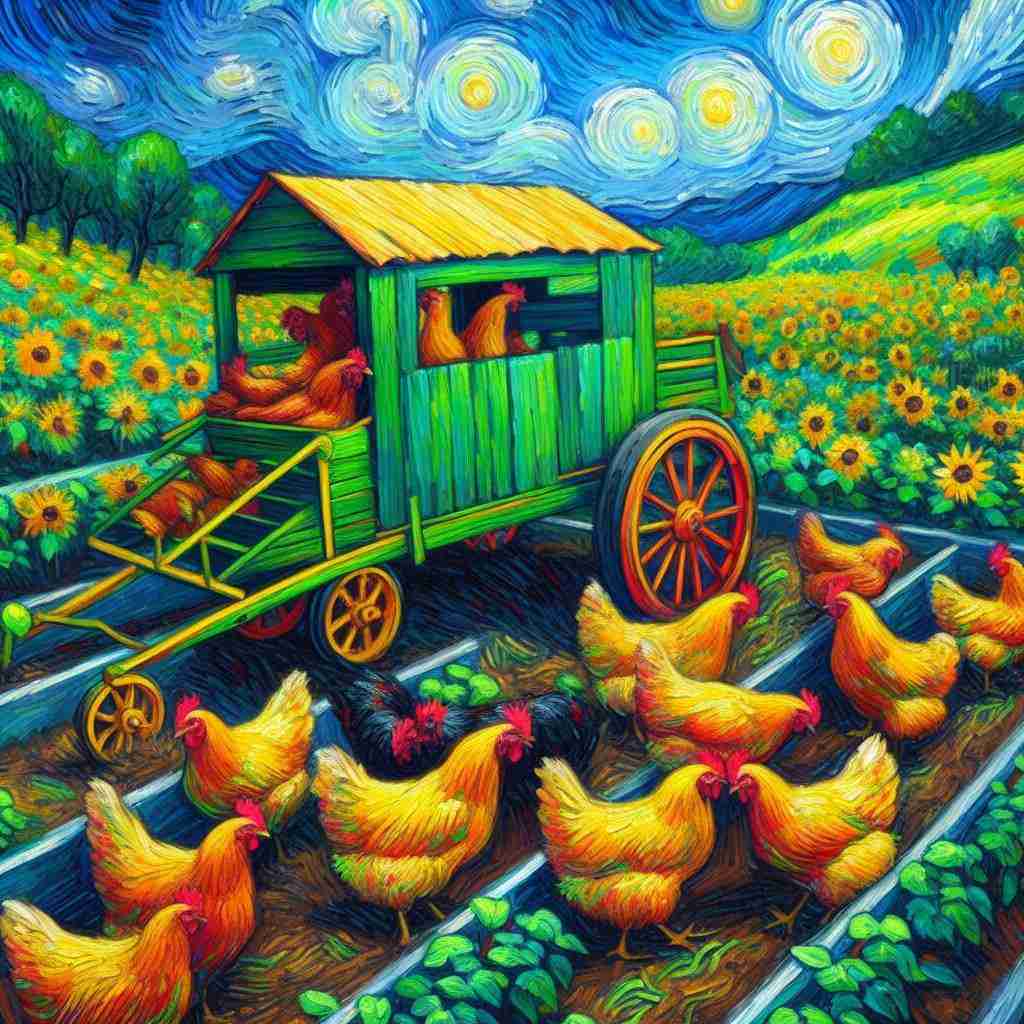
16. Chicken Tractor: A movable coop that enables chickens to forage on fresh ground while providing shelter.
17. Chicken Breeds: Various types of chickens categorized by distinct characteristics, such as size, color, and egg production.
18. Feather Picking: A problematic behavior in which birds peck at each other’s feathers, often due to stress or boredom.
19. Candling: A method of checking the development of embryos within eggs by shining a light through them, often done before hatching.
20. Chick Starter: Formulated feed designed for young chicks, providing essential nutrients for their early growth.
21. Layer Hen: A female chicken specifically bred for optimum egg production.
22. Coop Cleaning: The important practice of regularly sanitizing the chicken coop to prevent disease and maintain a healthy environment.
23. Behavioral Enrichment: Strategies implemented to enhance the living conditions of birds, promoting natural instincts and psychological well-being.
24. Egg Production: The process and outcome of hens laying eggs, influenced by breed, age, and environmental factors.
25. Chicken Anatomy: The biological structure of chickens, including vital organs and systems relevant to their care.
26. Socialization: The process of introducing chickens to one another and human interactions for better temperament and adaptation.
27. Heat Stress: A condition affecting chickens when temperatures rise significantly, requiring management to ensure their comfort and health.
28. Roosting: The behavior of birds perching on elevated surfaces for resting and sleeping, important for their safety.
29. Sustainable Farming: Practices that emphasize environmental health, animal welfare, and social responsibility in agricultural production.
30. Field Notes: Observational records kept by caretakers documenting the behaviors, health, and conditions of chickens for future reference and improvement.

Glossary Of Terms
Other Questions
Passing Down the Joy – Teaching the Next Generation Coop Care – Other Questions
If you wish to explore and discover more, consider looking for answers to these questions:
- What are the initial steps to start raising backyard chickens?
- What equipment and supplies do I need for coop care?
- How do we choose the right breed of chickens for our family?
- What are the ethical considerations involved in raising chickens?
- How can we ensure the health and well-being of our chickens?
- What common challenges might we face when keeping chickens?
- How can chicken care activities be integrated into educational curricula?
- What are the environmental benefits of raising backyard chickens?
- How can we encourage more families in our community to start keeping chickens?
- What are some fun activities or projects related to chickens for kids?
- How can chicken keeping impact local food systems?
- What resources are available for those new to chicken keeping?
- How can we involve our children in coop maintenance effectively?
- What health benefits can children gain from interacting with animals?
- How can we tackle any resistance or fear children may have toward chickens?

Other Questions
Haiku
Passing Down the Joy – Teaching the Next Generation Coop Care – A Haiku
Chickens in the sun,
Teach our children love and care,
Life’s cycles revealed.

Haiku
Poem
Passing Down the Joy – Teaching the Next Generation Coop Care – A Poem
In the quiet dawn, where sunlight weaves
Through rustling leaves, a promise breathes,
Backyard chickens, with clucks and coos,
Open hearts to the world we choose.
Hands so small, yet filled with care,
Grasp warm eggs, find joy right there,
In each simple task, lessons unfold,
Of patience and pride, of stories retold.
Every feathered friend a teacher grand,
In nurturing life, we take a stand,
Responsibility blooms, like flowers in spring,
In the tender gaze of a child, love takes wing.
Gather ’round the table to share in delight,
Of chicken antics that bring us light,
Through laughter and memories, our bonds grow tight,
Each tale a thread in our family’s flight.
From coop to community, connections thrive,
With neighbors exchanging the gifts of life,
Empathy springs from gentle hearts,
A legacy woven, forever imparts.
The rhythm of nature, the cycle of care,
Shapes tomorrow’s stewards, with love to spare,
So pass down the joy, let generations see,
That in every peck and cluck, lies unity.
In the nurturing hands of the young and the old,
Lives a story of hope, in each heart, retold,
For as we share, teach, and learn to give,
We build a kinder world where all can live.

Poem
Checklist
Passing Down the Joy – Teaching the Next Generation Coop Care – A Checklist
Checklist for Teaching Coop Care to the Next Generation
*Heart (Emotional Appeals)*
_____ Share a first-time experience story while caring for chickens (e. g. , holding a warm egg).
_____ Reflect on the joy and laughter moments with your children in the coop.
_____ Create a family tradition of weekly “chicken days” to strengthen emotional connections.
*Head (Rational Appeals)*
_____ Outline practical lessons learned from chicken care (e. g. , biology, ecology).
_____ Encourage curiosity with questions like, “Why do chickens behave this way?”
_____ Set goals for daily care tasks that require planning and execution.
*Gut (Ethical Appeals)*
_____ Discuss the importance of animal welfare and stewardship with children.
_____ Emphasize the responsibility of nurturing living beings.
_____ Foster a mindset of sustainability through discussions on food origins.
*Authority (Ethical Appeals)*
_____ Research credible sources on the benefits of raising chickens.
_____ Share insights from experienced chicken keepers or community members.
_____ Attend local workshops or community programs related to farming and animal care.
*Narrative (Narrative Appeals)*
_____ Collect and tell family stories of your own experiences with chicken care.
_____ Encourage children to create their own chicken chronicles.
_____ Illustrate lessons learned through anecdotes from previous generations.
*Social (Social Appeals)*
_____ Organize neighborhood gatherings to share tips and stories about chicken-keeping.
_____ Join or create a local chicken-keeping club or online community.
_____ Promote egg-sharing or produce exchanges with neighbors.
*Practical Skills*
_____ Develop a chore chart for daily/weekly chicken care responsibilities.
_____ Plan a coop-building or improvement project to engage kids in problem-solving.
_____ Allocate time for shared tasks to promote teamwork and collaboration.
Encourage kids to relish the journey of coop care, providing them with essential life skills and nurturing their emotional and ethical growth.

Checklist
At BackyardChickenNews, we help people who want to raise backyard chickens by collating information and news blended with our own personal experiences.
Be sure to read our other related stories at BackyardChickenNews to learn more about raising chickens in your backyard.