

Compassionate And Comprehensive Chicken Care
By Tom Seest
At BackyardChickenNews, we help people who want to raise backyard chickens by collating information and news blended with our own personal experiences.
Be sure to read our other related stories at BackyardChickenNews to learn more about raising chickens in your backyard.
Planning for End Of Life Chicken Care
When you take the plunge into the world of backyard chickens, you’re not just signing up for a supply of fresh eggs or a few clucks around the yard. You’re embarking on a journey with your feathered friends, companions who rely on you for their care, their happiness, and indeed, for their final moments. It’s tough to think about, but end-of-life care is an important aspect of the responsibility you’ve taken on.
As you sit quietly in the late afternoon sun, watching your chickens scratch around in the dirt, it’s easy to overlook the inevitable. Yet, every living being has its season, and ensuring your chickens’ final days are filled with dignity reflects the love and respect you’ve provided them throughout their lives. It’s not just an act of caretaker; it’s about connection. Caring for them as they age or become ill transforms you into a steward, someone committed to making their sunset moments as peaceful as possible.
Think about the bond you’ve forged with each bird. Remember the first time you laughed at their quirky antics as they scurried for a treat? Those memories are precious, and they deserve to close their chapter surrounded by familiarity and love. Planning ahead means considering the best options—whether that’s enlisting a kind vet familiar with poultry or knowing when to muster the courage to say goodbye.
But this isn’t just about the logistics; it’s about navigating the emotional landscape of loss and grief. It’s perfectly natural to feel a weight in your gut when reflecting on these decisions. Talking to fellow chicken keepers can offer reassurance—after all, you’re not alone in this experience. Sharing stories and learning from others enriches your understanding.
And as with anything that matters deeply, there’s an ethical dimension to consider. Our backyard chickens depend on us, and acknowledging their needs, especially as they age, symbolizes the commitment we’ve made to them as caregivers. So, lean into the heartache and challenge yourself to face these questions. It’s in this holistic approach—thinking practically while feeling deeply—that you’ll secure peace of mind. With a bit of preparation, the legacy of your flock will live on, not just in memories, but in the lessons of love and devotion that they’ve imparted to you. Fostering a compassionate farewell isn’t just a duty; it’s a tribute to the life you’ve shared together.

Planning for End Of Life Chicken Care
Planning for End Of Life Chicken Care
- Owning backyard chickens involves responsibility beyond just providing fresh eggs.
- End-of-life care for chickens is a crucial part of being a responsible caregiver.
- Ensuring peaceful final days reflects the love and respect given throughout their lives.
- Planning for their end-of-life involves considering veterinary support and making tough decisions.
- Navigating loss and grief is a natural emotional aspect of caring for aging chickens.
- Engaging with fellow chicken keepers can provide support and insights into the experience.
- A compassionate farewell serves as a tribute to the bond shared with your flock.

Planning for End Of Life Chicken Care
Table Of Contents
- Planning for End Of Life Chicken Care
- What Do Your Chickens Deserve In Their Final Days?
- How Can You Ease Their Suffering?
- What Memories Do You Want To Cherish With Them?
- Is It Ethical To Decide When Their Time Has Come?
- Who Can Help You Navigate This Emotional Journey?
- How Can You Honor Their Life Through Care?
- What Does A Peaceful End Look Like For Your Chickens?
- Conclusion
- Other Resources
- Glossary Of Terms
- Other Questions
- Haiku
- Poem
- Checklist
What Do Your Chickens Deserve In Their Final Days?
When the time comes to say goodbye to your backyard chickens, it isn’t merely a farewell; it’s an opportunity to honor the lives they’ve shared with us. As we gather the remnants of memories—clucking, scratching, and basking in the sun—let’s consider what our feathered friends truly deserve in their final days.
First and foremost, they deserve comfort. As the sun sets on their lives, we can provide a safe, cozy space where they can rest easy. A soft, warm bed of straw and gentle companionship can be the balm for their weary souls. After all, they’ve brightened our mornings with fresh eggs and quirky personalities; the least we can do is ensure they transition peacefully.
Next, let’s think about nutrition. Even in their twilight moments, feeding them the right treats not only supports their physical health but also resonates with their spirits. Fresh greens, ripe fruits, and even the occasional mealworm can rekindle a spark in their eyes. These small gestures reflect the gratitude we hold for their contributions, showing them that they matter—because they do.
Moreover, transparency during this time creates trust both between you and your chickens, and within the community around you. Sharing stories of their life—be it the hen who’s the best forager or the rooster who’s a champion protector—reminds others of the value of these birds. In doing so, we lift the conversation surrounding chicken husbandry, fostering deeper connections between those who care for animals and those who might one day do the same.
We must also confront the reality of life and death. Understanding that every creature serves a purpose—even at the end—fosters a profound respect. Consider a small farewell ceremony or simply a quiet moment of reflection while holding them close. This can be incredibly healing, not just for us, but also for those chickens who have given us so much.
Ultimately, it’s about creating a legacy of love and respect. It’s about acknowledging the joy and the bounty they’ve offered, nurturing them in their final days, and fostering a sense of community around it. So, as our feathered friends prepare to leave this world, let’s embrace the chance to give them a goodbye that resonates—an act of kindness that lives on in our hearts and the stories we share.
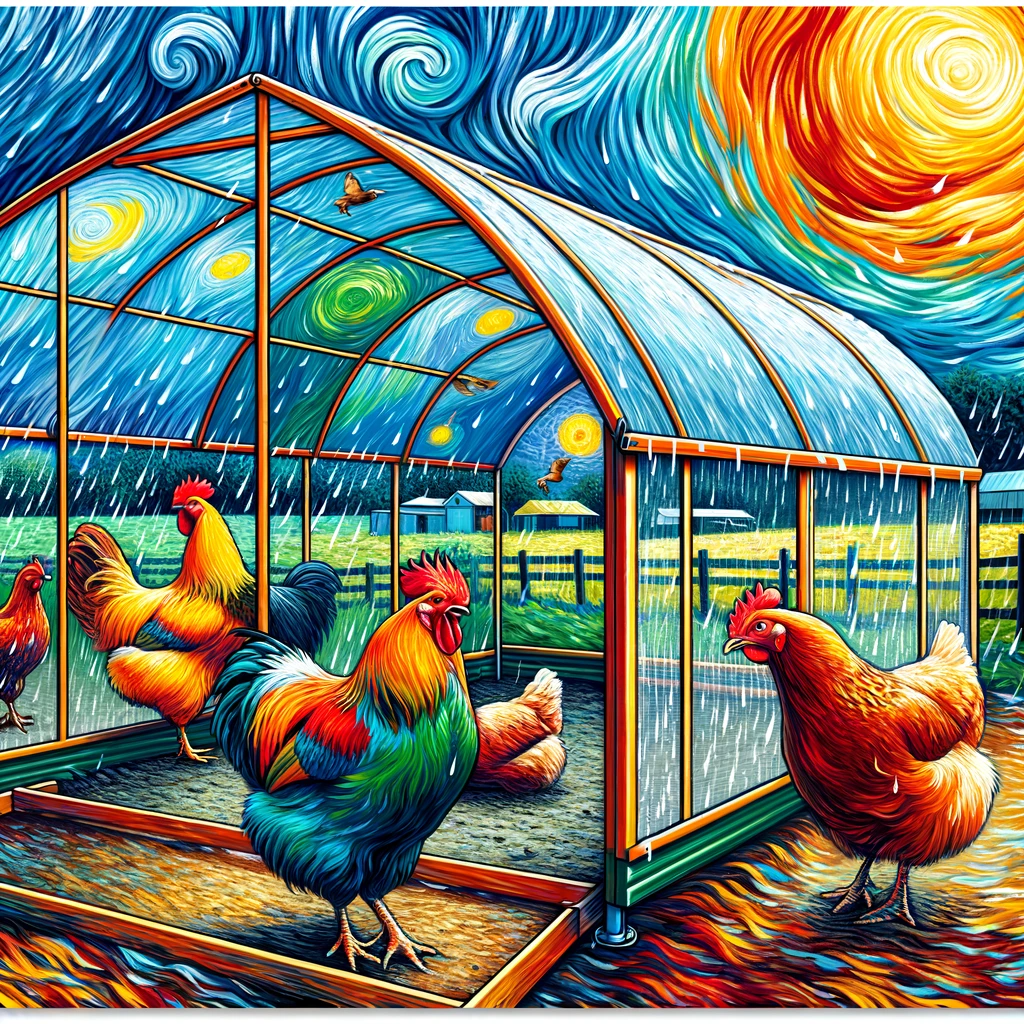
What Do Your Chickens Deserve In Their Final Days?
What Do Your Chickens Deserve In Their Final Days?
- Goodbye to backyard chickens is an opportunity to honor their lives.
- Ensure comfort with a safe, cozy space for resting in their final days.
- Provide proper nutrition, including fresh greens and treats, to maintain their spirits.
- Promote transparency by sharing their stories, fostering community connections.
- Acknowledge the reality of life and death with respect and reflection.
- Consider a farewell ceremony as a healing moment for both humans and chickens.
- Create a legacy of love, respect, and kindness in their final days.

What Do Your Chickens Deserve In Their Final Days?
How Can You Ease Their Suffering?
When we witness the suffering of others—be it a friend struggling with loss or a neighbor facing financial hardship—it’s easy to feel overwhelmed, unsure of how to help. Yet easing that suffering doesn’t require grand gestures or elaborate plans; often, what’s needed is simplicity and connection. Let me take you back to a time when I found myself in a similar situation.
Picture a backyard, the sun filtering through the trees, and the unmistakable sound of clucking. A friend of mine, John, decided to keep chickens. Not just for fresh eggs, mind you, but as a means to instill joy and responsibility in his children amid a tough season. Every morning, those chickens became a reason for his kids to smile; they cared for them, fed them, and learned the delicate dance of life and responsibility. This wasn’t just about poultry; it was about creating moments of happiness where there seemed to be none.
So how can we channel that spirit? Start with listening. Sometimes, the most profound gift we can offer is our presence. Sit down, share a coffee, and let the person narrate their struggles. This simple act of lending an ear can be incredibly soothing. It’s not always about fixing their problems; often, it’s about making sure they know they aren’t alone.
Next, take action. It could be something as small as mowing their lawn, feeding their pets, or delivering a meal. These gestures, while modest, become monumental acts of kindness. They demonstrate that we care—in tangible ways. And let’s face it; we all know how good it feels to be seen and acknowledged when life feels heavy.
Moreover, encourage small acts of joy. Invite them to a local event, join a community group, or even introduce them to the idea of backyard chickens. When they see the joy in those pecking hens, they might find a flicker of hope for themselves.
Finally, instill a sense of agency. Help them identify what actions they can take to alleviate their own suffering. This collective approach not only eases burdens but fosters resilience in times of turmoil. In doing so, we inspire trust, confidence, and a sense of unity—allowing us all to find strength in connection. So, when the opportunity arises to ease someone’s suffering, remember: sometimes, all it takes is a little compassion, a handful of grit, and a couple of clucking chickens in the backyard.

How Can You Ease Their Suffering?
How Can You Ease Their Suffering?
- Witnessing the suffering of others can be overwhelming, but simple acts of connection are often most effective.
- A friend’s initiative to raise chickens for his children was a way to instill joy and responsibility during tough times.
- Listening is a vital first step; offering your presence can provide profound comfort to those in need.
- Taking small actions, like mowing the lawn or delivering a meal, can significantly impact and show that you care.
- Encouraging moments of joy, such as inviting them to events or sharing activities like keeping chickens, can inspire hope.
- Helping others identify their own actionable steps fosters resilience and encourages them to take charge of their suffering.
- Compassion, grit, and connection are essential when seeking to ease someone’s suffering.
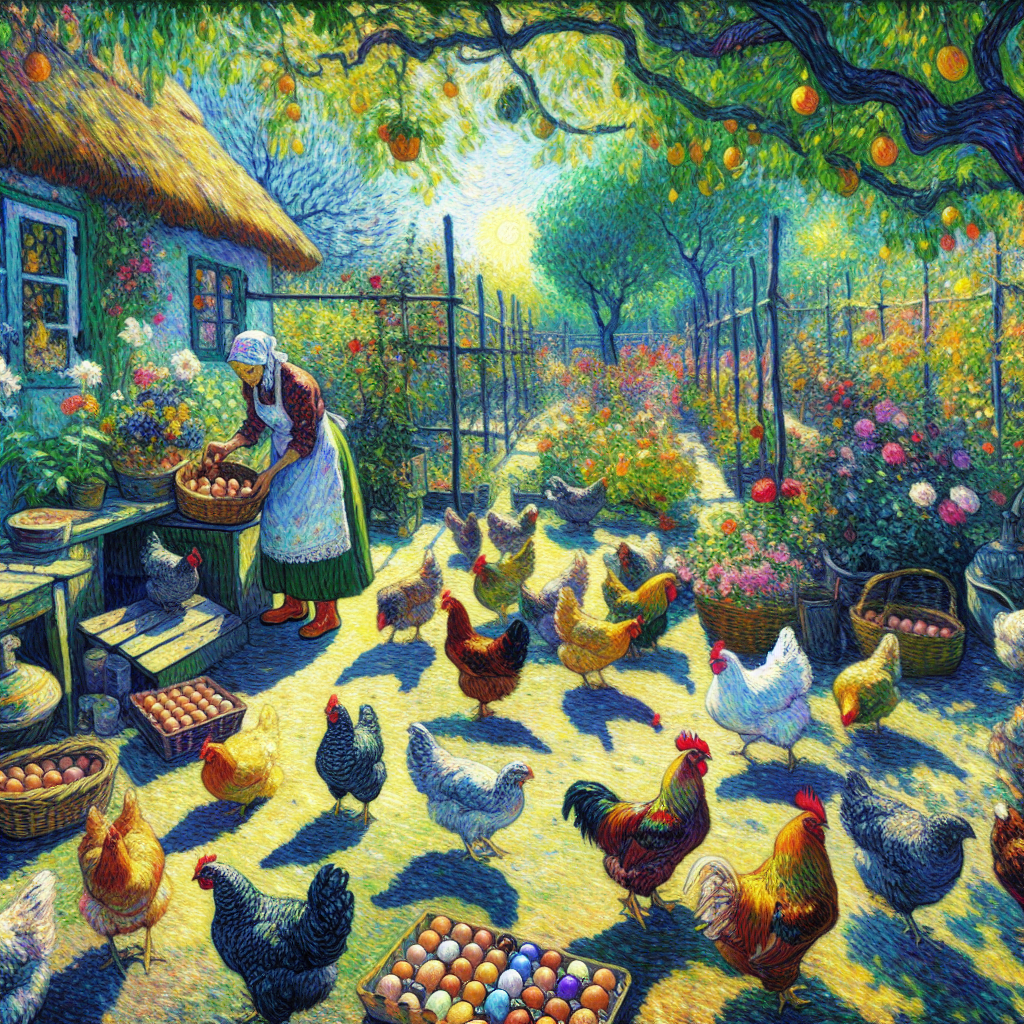
How Can You Ease Their Suffering?
What Memories Do You Want To Cherish With Them?
What memories do you want to cherish with them? As you ponder that question, imagine a sunny Saturday morning, with the aroma of freshly brewed coffee wafting through the air. You step into the backyard, greeted by the gentle clucking of your backyard chickens. Sure, raising chickens might seem quirky to some, but those little feathered friends offer more than just fresh eggs; they create an opportunity for connection, storytelling, and laughter.
Picture your kids, brightly colored rain boots on, chasing the chickens with laughter ringing in the air. You sit back and watch, feeling a warmth spread through you—a memory in the making. There’s a certain magic in those moments, one where life feels simpler, and joy is abundant. Every giggle shared, every small feather tickled, becomes a thread woven into the fabric of your family’s history. You’re not just raising chickens; you’re cultivating resilience, responsibility, and the spirit of teamwork in your children.
But beyond the laughter, there’s a deeper lesson at play. Consider the logic: tending to backyard chickens teaches your kids about life cycles, empathy, and patience. These creatures depend on their care for survival. In an era that often feels disconnected and fast-paced, those lessons are invaluable. They’re preparing the next generation to face the world with compassion and understanding. This touchstone of ethics, where we care for animals and appreciate where our food comes from, instills values that will stick with them long after they’ve flown the coop.
Let’s not forget the power of the narrative. Each day brings a new adventure, from collecting eggs to understanding their behaviour. You turn the mundane into the extraordinary. The tales you tell around the dinner table, your children’s sparkly-eyed enthusiasm about “their” chickens, become part of the lore of your family. It’s the stuff that ignites spark conversations, builds connections, and fosters a sense of belonging.
As you weave these memories, your backyard transforms into a classroom, a playground, and a sanctuary. Those aren’t just chickens; they’re experiences waiting to happen, ripe for laughter, valuable lessons, and lasting love. So, grab that egg basket and let the memories take flight. Your future self will thank you for it.

What Memories Do You Want To Cherish With Them?
What Memories Do You Want To Cherish With Them?
- Cherished memories often stem from simple moments, like a sunny Saturday morning.
- Raising backyard chickens fosters connection, storytelling, and laughter with family.
- Children learn resilience, responsibility, and teamwork while caring for chickens.
- Backyard chickens teach valuable lessons about life cycles, empathy, and patience.
- The experience creates a narrative filled with everyday adventures and family lore.
- Interactions with chickens foster spark conversations, build connections, and enhance belonging.
- Backyards become multi-functional spaces for learning, playing, and creating lasting memories.

What Memories Do You Want To Cherish With Them?
Is It Ethical To Decide When Their Time Has Come?
Is it Ethical To Decide When Their Time Has Come?
When we think about life and death, especially when it comes to those we love—be they friends, family, or even our backyard chickens—emotions swirl like a gusty autumn wind, challenging our convictions and assumptions. It’s easy to contemplate these weighty matters from a distance, but when faced with the decision about when it’s time for our companions to leave this world, the stakes suddenly seem personal, immediate, and profoundly complex.
Imagine standing in your backyard, surrounded by the gentle clucks of your chickens, each one a distinct individual with its own quirks and personality. These creatures bring not only fresh eggs but also unexpected joy, companionship, and connection to the cycle of life. Yet, what happens when illness or suffering takes hold? The gut-wrenching realization that you might need to decide their fate weighs heavily on your heart. Choosing to end suffering raises ethical questions that are not easily answered.
From a rational standpoint, one must consider the quality of life. Are they in pain? Are they unable to engage in the daily antics that once brought them—and you—pure delight? Boiling it down to the numbers can bring clarity, but it’s the emotional aspect that often throws a wrench in the works. The heart and the head can find themselves at odds in a way that creates a storm of second-guessing.
Ethically, we’re confronted by the responsibilities we owe to those who depend on us. There’s authority in being a caregiver, a role that demands not just compassion but also an understanding of when to act in the best interest of another living being. A vet may offer guidance, but in the end, it’s you—attached to the joys and pains of that animal’s life—who must make the final call.
Moreover, socially, we’re often swayed by a complex web of expectations from our family or community. How do we balance societal norms with personal conviction? The act of deciding when to let go transcends mere animal husbandry; it delves into an ethical landscape where connection, love, and responsibility collide.
The journey may feel overwhelming, but through clarity, connection, and the courage to take action, you can embrace the seriousness of this responsibility. It’s less about answering definitively and more about navigating a profoundly human experience, one filled with love, loss, and ultimately, a measure of peace.

Is It Ethical To Decide When Their Time Has Come?
Is It Ethical To Decide When Their Time Has Come?
- The decision about life and death for loved ones, including pets, stirs deep emotions and challenges personal beliefs.
- Caring for pets, like backyard chickens, brings joy and companionship but also poses difficult decisions when illness arises.
- Quality of life is a critical consideration, weighing pain and enjoyment against emotional turmoil in decision-making.
- Responsibility as a caregiver involves ethical considerations about when to act in the best interest of those who depend on us.
- External societal expectations can complicate personal convictions about end-of-life decisions for pets.
- Choosing to let go intersects with themes of connection, love, and responsibility, transcending mere animal care.
- Embracing clarity and courage can help navigate this complex emotional landscape and ultimately find peace.

Is It Ethical To Decide When Their Time Has Come?
Who Can Help You Navigate This Emotional Journey?
Embarking on an emotional journey can feel overwhelming, a daunting path strewn with uncertainties and self-doubt. But just as you wouldn’t navigate a murky stream without a sturdy pole or compass, you don’t have to go it alone. There are a multitude of hands on deck, eager to steer you toward the light.
Seek out professionals—therapists, counselors, coaches—trained to help you untangle the emotional knots. These folks aren’t simply listeners; they possess the tools and expertise to help you decode the intricate web of your feelings. Think of them as seasoned guides on an expedition into your own psyche. It’s time to invest in your mental health; you’re worth it.
Don’t overlook the power of trusted friends and family. Your circle can lift you up when the going gets tough. Share your thoughts with them over cups of coffee or heart-to-heart backyard chicken chats; the comforting familiarity of their presence may be just the balm your soul needs. These relationships provide a lifeline—a reminder that you’re not in this struggle alone.
Consider joining support groups, where shared experiences serve as a bridge to empathy. These communities provide a unique platform where stories intertwine, creating a tapestry of resilience and strength. You’ll hear narratives that resonate with your own, reminding you that vulnerability is not a weakness but a profound element of being human. This shared journey creates a sense of belonging, fostering connection that can open new doors to healing.
And let’s not forget about the power of resources available in the digital age. Countless articles, podcasts, and online forums can empower your emotional journey. Engaging with content related to your feelings can spark ideas, strategies, and even hope. Know that those who have wandered this path before you are eager to share their insights, often extending a hand through their words.
As you traverse this emotional landscape, take heart in knowing there are people, places, and resources at your fingertips. Trust that reaching out is the courageous first step you need to take. So put one foot in front of the other, lean into those offers of support, and embrace the journey ahead. You’re not alone—resilience is a team sport.

Who Can Help You Navigate This Emotional Journey?
Who Can Help You Navigate This Emotional Journey?
- Embarking on an emotional journey can be overwhelming but shouldn’t be navigated alone.
- Seek professional help from therapists, counselors, and coaches to unravel your feelings.
- Trusted friends and family can offer valuable support during tough times.
- Consider joining support groups to connect with others through shared experiences.
- Utilize digital resources like articles, podcasts, and forums for additional support.
- Recognize that reaching out for help is a courageous first step towards healing.
- Remember, resilience is a collective effort, and you are not alone in this journey.

Who Can Help You Navigate This Emotional Journey?
How Can You Honor Their Life Through Care?
When navigating the journey of honoring someone who has meant the world to you, care becomes a language that transcends words. It’s about expressing the love and respect that thrives in your heart—and it doesn’t always have to be a grand gesture. Think of the simple things that could light up their world. A shared moment over a roaring fire pit or tending to your backyard chickens together can evoke warmth and laughter that honors their essence, making every squawk and cluck a tribute to the time spent side by side.
Engaging in acts of care can also be profoundly rational. When you actively participate in someone’s life, whether that means cooking their favorite meal or helping with household chores, you’re tangibly reinforcing your bond. These actions speak volumes and remind both of you of the joy and purpose that stem from connection.
Ethically, we must remember that caring for others can be a gift of mutual respect. Each small act is a promise, a commitment to be present. It’s about recognizing their needs and seeing the world through their eyes, even if it’s uncomfortable. This investment of time, energy, and thought acknowledges their value and—here’s the kicker—can serve to help you discover and reflect your own identity through the care you offer.
Narratively speaking, how often do you find yourself sharing stories of your loved ones? Sharing tales over coffee or writing them down can turn your relationship into a living testament, a legacy that honors their life through your shared experiences. It’s not just about preserving memories; it actively weaves your stories together, cementing the bond that continues to flourish even in their absence.
Socially, it’s essential to foster connections with those who share your journey. Gather friends or family for a meal, perhaps featuring fresh eggs from your backyard chickens, engaging everyone in a dialogue about life, loss, and love. Celebrate who they were and remind one another that the bonds of community amplify the gift of care.
In every act, whether small or grand, remember that you’re not merely honoring a life; you’re weaving a vibrant tapestry of connections that enriches your own life as well. Engage, invest, and care—because that’s how you truly honor those who have shaped you.
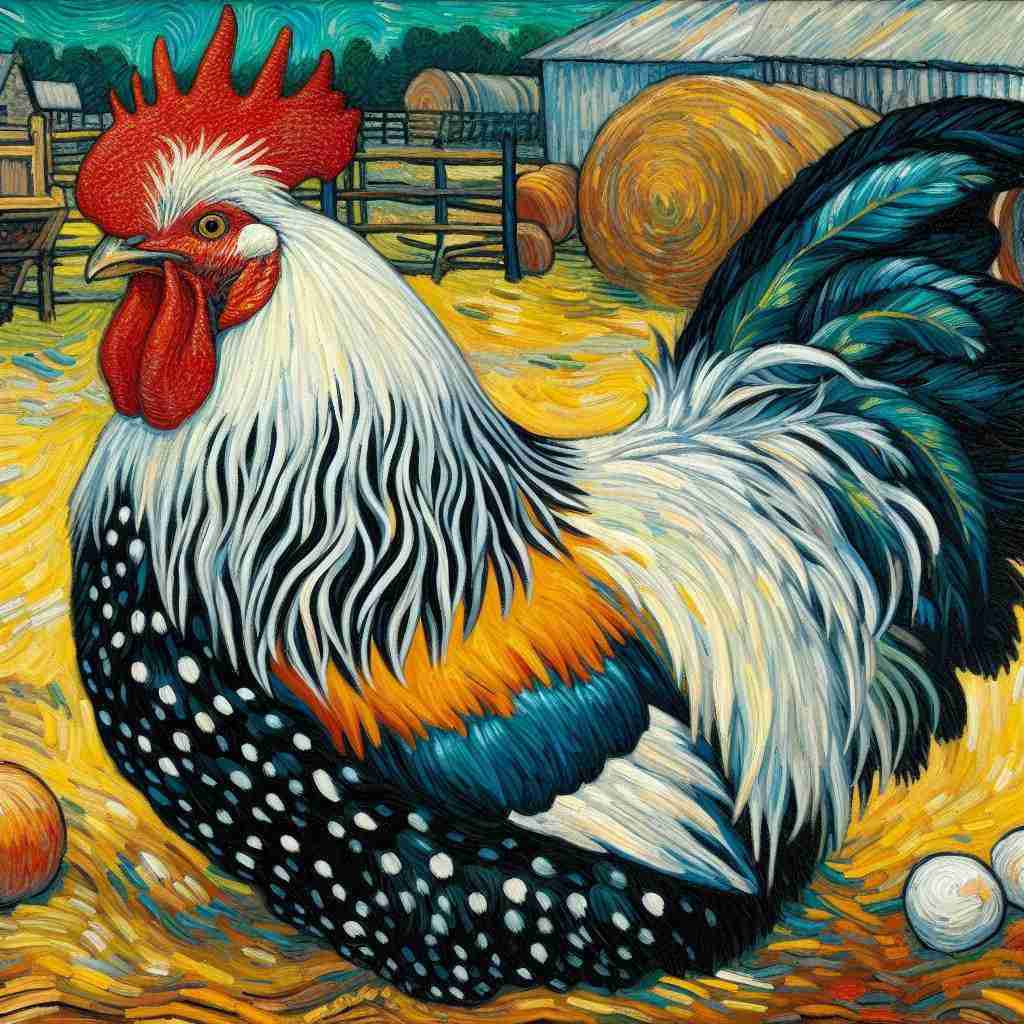
How Can You Honor Their Life Through Care?
How Can You Honor Their Life Through Care?
- Care transcends words, expressing love and respect through simple gestures.
- Shared moments, like enjoying a fire pit or caring for backyard chickens, honor a loved one’s essence.
- Acts of care reinforce bonds, such as cooking favorite meals or helping with chores.
- Caring involves mutual respect, recognizing each other’s needs and perspectives.
- Sharing stories over coffee or writing them down creates a lasting legacy of your relationship.
- Fostering connections with loved ones through gatherings amplifies the gift of care.
- Every act of care weaves a tapestry of connections that enrich both your life and the life of those you honor.

How Can You Honor Their Life Through Care?
What Does A Peaceful End Look Like For Your Chickens?
When we think about our feathered friends in the backyard, it’s easy to focus on their playful antics, the gentle clucking that fills the air, and the joy they bring each day. But as anyone with a heart knows, the circle of life includes a poignant farewell. So, what does a peaceful end look like for your chickens? It’s about embracing that final chapter with the same care and love you showed them throughout their lives.
Imagine this: Your chickens have lived vibrant lives, scratching the earth, dust-bathing in the sun, and laying eggs that enriched your meals and heart. When the time comes for them to cross the rainbow bridge, you owe it to them to ensure their transition is as dignified as their existence was joyful. This isn’t just about the logistics of end-of-life care; it’s about honoring the bond you’ve shared. Watching their little personalities emerge in your backyard chickens creates a tapestry of memories that should be respected, not rushed through or ignored.
Consider the alternatives: some might think a swift, impersonal end is the way to go, but that only strips away the humanity of the experience. You have the power to choose a path that honors their life—a gentle farewell, perhaps in a familiar setting, surrounded by the sights and sounds they love. By doing so, you nurture not only your chickens’ final moments but also your own emotional well-being.
As you reflect, recognize the importance of community in these moments. Sharing stories of your birds with friends or fellow backyard chicken enthusiasts can provide solace and support. When you voice your love for these animals, it helps others appreciate the rich connection between humans and chickens. That bond is built on trust, care, and mutual respect—values that resonate deeply within us all.
Choosing a peaceful end isn’t just an ethical responsibility; it’s a tribute to the companionship you cultivated. In those final moments, allow yourself to feel your heart swell, and your gut to recognize the gravity of the decision. Take action to ensure your chicken’s end is as profound and meaningful as their life—a cycle of love completed, not forgotten. After all, it’s about cherishing the memories as they move on, ensuring your backyard chickens leave behind a legacy of joy and connection.

What Does A Peaceful End Look Like For Your Chickens?
What Does A Peaceful End Look Like For Your Chickens?
- The joyful presence of backyard chickens brings happiness and playful moments, but also a poignant farewell at the end of life.
- A peaceful end for chickens involves honoring their life with dignity and care, reflecting the bond shared throughout their lives.
- Chickens enrich our lives through their vibrant activities and personalities, creating cherished memories that deserve respect during their passing.
- Choosing a gentle farewell in a familiar setting, surrounded by loved ones, honors their existence and nurtures our emotional well-being.
- Sharing stories of our chickens within the community can provide comfort and reinforce the connection between humans and animals.
- Opting for a compassionate end is an ethical responsibility and a tribute to the companionship built over time.
- Celebrating the legacy of our chickens involves cherishing memories, ensuring they leave behind a sense of joy and connection.

What Does A Peaceful End Look Like For Your Chickens?
Conclusion
When you begin your journey with backyard chickens, you commit to more than a source of fresh eggs; you’re nurturing relationships filled with joy, laughter, and life lessons. The end-of-life chapter can be one of the toughest parts of this commitment, yet it offers a devoted caretaker an opportunity for profound connection. Every bird symbolizes precious memories, from their quirky antics to quiet moments of companionship. As their days wind down, reflecting on how to ensure a loving farewell becomes a testament to the respect you’ve nurtured over time.
It’s crucial to provide comfort in their final days. With thoughtful care, like a warm place to rest or their favorite treats, we can soften the transitions they face. This dedication to their comfort represents a deep ethical obligation, embodying the bond formed through years of care and companionship. These daily rituals matter; they show you recognize their lives and the joy they’ve shared. Be it through gentle conversations with fellow chicken keepers or quiet moments of reflection, you’re not alone in this experience. A community exists, sharing stories and support, making the inevitable a little more bearable.
Moreover, as caretakers, confronting the decision of when to say goodbye involves navigating a landscape filled with moral responsibilities. It requires a balance of emotional intuition and rational assessment. When pain overtakes their joy, clarity emerges, igniting a complex yet compassionate dialogue about the value of dignity in life and death. Reaching this decision might weigh heavily on your heart, but remember, this journey ultimately reinforces the love you’ve given, turning a painful moment into one of deep respect.
Your chickens have brought laughter and learning into your life. From teaching resilience to igniting moments of joy, their legacy lives on in your heart, the stories you tell, and the lessons they impart. Their transition reflects the patience, empathy, and kindness you’ve cultivated; it mirrors a tapestry of rich experiences woven together with love. By embracing their final days, you honor not just their lives but the very essence of what it means to care—an act that extends far beyond the coop, resonating deeply within your community. In cherishing their memory, you carry forth a legacy that acknowledges the intertwined paths of life and love.

Conclusion
Conclusion:
- Beginning a journey with backyard chickens is about fostering relationships, joy, and life lessons.
- The end-of-life phase is challenging yet offers profound connection and reflection.
- Each bird represents cherished memories, from fun antics to quiet companionship.
- Providing comfort in their final days is an ethical obligation and shows respect for their lives.
- A community of fellow chicken keepers exists for support, sharing stories that ease the burden of loss.
- Deciding when to say goodbye involves balancing emotional and rational considerations, focusing on dignity.
- The legacy of chickens includes lessons in resilience, empathy, and the essence of caring that resonates beyond the coop.

Conclusion
Other Resources

Other Resources
Here is a list of other resources you can review online to learn more:
- green potato skins
- chicken run
- Infectious Coryza
- Polish
- Onagadori
- seeds
- Silkie
- Ancona
- Sussex
- apples
- Rye
- owls
- Columbian Wyandotte
- Golden Comet
- Infectious Bursal Disease
Use This Prompt To Get More Resources With Your Favorite Online AI Tool: Please provide me with a list of online articles with their URLs in a bulleted list that I can read regarding Planning for End Of Life Chicken Care

Other Resources
Glossary Terms
Planning for End Of Life Chicken Care – Glossary Of Terms
1. End of Life: The final phase in a chicken’s life cycle, often characterized by declining health and quality of life.
2. Palliative Care: Supportive care aimed at alleviating symptoms and improving the quality of life without necessarily curing the underlying illness.
3. Euthanasia: The humane method of ending a chicken’s life to relieve suffering.
4. Quality of Life: An assessment of a chicken’s overall well-being, including health, behavior, and comfort.
5. Veterinary Care: Professional medical services provided by a veterinarian, focusing on the treatment and management of a chicken’s health.
6. Health Assessment: A systematic evaluation of a chicken’s physical condition, identifying signs of illness or distress.
7. Geriatric Care: Specialized care tailored for older chickens, addressing age-related health concerns.
8. Nutrition: The dietary provision necessary for maintaining the health and well-being of chickens, especially in their senior years.
9. Pain Management: Techniques and medications used to alleviate discomfort and suffering in chickens.
10. Living Will: A document outlining a chicken owner’s wishes regarding the care and treatment of their chicken as it approaches the end of life.
11. Behavioral Signs: Changes in a chicken’s behavior that may indicate declining health, such as reduced activity or withdrawal from the flock.
12. Comfort Measures: Actions taken to ensure that a chicken is as comfortable as possible during its final days.
13. Companion Animal: A term for animals, like chickens, kept for companionship rather than for production purposes.
14. Housing Considerations: Adjustments in living conditions to accommodate a geriatric or ill chicken for comfort and safety.
15. Hydration: The process of ensuring that a chicken has access to fresh water, crucial for their health, especially as they age.
16. Rehoming: The process of finding a new home for a chicken if the owner can no longer provide care.
17. Symptoms: Indications of health issues, such as lethargy, poor appetite, or unusual behavior in aging chickens.
18. Sick Chicken Protocol: A set of guidelines for managing the care of a chicken showing signs of illness.
19. Cleaning and Hygiene: Practices to maintain a clean environment, reducing the risk of infection or disease in aging chickens.
20. Socialization: The interaction of chickens with their flock and caregivers, which can impact their emotional well-being.
21. Elderly Chicken: A term referring to chickens that are significantly past their prime production years, typically over two years old.
22. Flock Dynamics: The social structure and behavior patterns within a group of chickens that can change as members age or become ill.
23. Medical Record: A documented history of a chicken’s health, treatments, and veterinary visits for reference in its care.
24. Emergency Preparedness: Planning and practices in place to address unexpected health crises in chickens.
25. Feeding Strategy: A plan for providing the right type and amount of food to support the nutritional needs of aging chickens.
26. Grooming: The practice of caring for a chicken’s feathers, feet, and overall appearance, essential for health and comfort.
27. Behavioral Enrichment: Activities and items provided to stimulate mental and physical well-being in chickens, especially as they age.
28. Husbandry Practices: Daily care routines and management strategies for keeping chickens healthy throughout their lives.
29. Holistic Care: An approach to chicken care that considers physical, emotional, and social well-being.
30. Post-Mortem Care: The steps taken after a chicken passes away, including handling, burial, or cremation.

Glossary Of Terms
Other Questions
Planning for End Of Life Chicken Care – Other Questions
If you wish to explore and discover more, consider looking for answers to these questions:
- What are the signs that a chicken is nearing the end of its life?
- How can I prepare my backyard for my chickens’ final days?
- What are some recommended foods or treats for sick or aging chickens?
- How can I create a comfortable and safe environment for my chickens as they age?
- What resources are available for chicken owners dealing with end-of-life decisions?
- Are there specific veterinary services that specialize in poultry care?
- How do I handle my emotions when facing the loss of a beloved chicken?
- What rituals or ceremonies can I perform to honor my chickens after they pass?
- How can I involve my children in caring for our aging chickens?
- What ethical considerations should I keep in mind when making end-of-life decisions for my chickens?
- How do I discuss the death of a chicken with my family, especially with children?
- What are the legal considerations surrounding the euthanasia of backyard chickens?
- How can joining a community of chicken keepers support me in this journey?
- What practical steps can I take to ensure I’m fully prepared for the death of a chicken?

Other Questions
Haiku
Planning for End Of Life Chicken Care – A Haiku
Feathered friends depart,
In sunlit warmth, hearts gather,
Love’s last gentle breath.

Haiku
Poem
Planning for End Of Life Chicken Care – A Poem
In the golden glow of twilight, a journey unfolds,
Beyond fresh eggs and feathers, a bond that molds.
As clucks fill the air and memories glide,
Companionship deepens on this life’s wild ride.
Chickens dance in the sunshine, so vibrant, so bright,
Their quirky antics spark joy—a heart’s pure delight.
But as seasons change, the inevitable nears,
In the whispers of dusk, we face tender fears.
What do they deserve in their final embrace?
Comfort in kindness, a familiar space.
Soft beds of straw, warm hearts by their side,
In their sunset moments, let love be their guide.
A nourished spirit, with treats sweet and fresh,
Reminds us of gratitude, our shared bond enmeshed.
Through shared tales and laughter, we find deeper ties,
Acknowledging life’s cycle, under hopeful skies.
Yet, the weight of a choice, when pain holds its reign,
Brings heart and head clashing, a storm of deep strain.
Can we be their stewards, compassionate and true?
To ease their suffering, with a gentle adieu.
All the lessons they teach—responsibility, care,
In laughter and joy, we embrace what is rare.
Community gathered, stories shared in delight,
We honor their life, from dawn until night.
So gather in circle, with love as the creed,
Engage with your neighbors; together we heed.
For every goodbye, a legacy stays,
In cherished connections, we weave their praise.
In thoughtful reflection, let dignity reign,
A peaceful farewell, in sun or in rain.
As they cross the bridge, let your heart feel the weight,
Of honoring life, a journey of fate.
So as feathered friends whisper soft in your ear,
Embrace the horizon, for love conquers fear.
In every cluck, every scratch, let compassion ignite,
For the end’s not the end; it bids love take flight.

Poem
Checklist
Planning for End Of Life Chicken Care – A Checklist
Checklist for Compassionate Chicken Care at Life’s End
Heart
_____ Reflect on Your Bond: Recall joyful memories and experiences shared with your chickens.
_____ Create a Comforting Environment: Provide a safe, quiet space for them to rest and feel at ease.
_____ Honor Their Lives: Consider a small farewell ceremony or a moment of reflection to celebrate their journey.
Head
_____ Assess Quality of Life: Check for signs of pain or distress and evaluate their ability to engage in normal activities.
_____ Consult a Veterinarian: Seek professional advice for end-of-life decisions and options.
_____ Plan for Farewell Logistics: Research humane disposition methods, including burial or cremation options.
Gut
_____ Acknowledge Emotional Weight: Sit with your feelings of grief, loss, and responsibility; it’s okay to feel overwhelmed.
_____ Share with Others: Connect with fellow chicken keepers or support groups to explore common experiences and share stories.
_____ Move Forward with Intention: Consider how the lessons learned from your chickens can shape future responsibilities toward animals.
Ethical Considerations
_____ Reflect on Commitment: Acknowledge the ethical responsibility of providing care and love throughout their lives.
_____ Discuss Choices Openly: Talk about decisions regarding their care with family or community members to ensure shared understanding.
Authority
_____ Seek Expert Guidance: Engage with veterinarians or animal care professionals for insights into best practices for twilight care.
Narrative
_____ Tell Their Story: Document and share your chickens’ unique personalities and experiences to inspire others in the community.
_____ Create Lasting Memories: Consider family activities around caring for chickens, enriching your family’s narrative with each shared experience.
Social Connection
_____ Involve Your Community: Share your journey with friends and family to foster a sense of shared responsibility towards all animals.
_____ Participate in Local Events: Engage in backyard chicken-related gatherings or forums to connect with like-minded individuals.
This checklist serves as a guide to help you navigate the emotional, practical, and ethical aspects of caring for your chickens as they approach the end of their lives. Each aspect encourages a holistic approach to compassionate care that honors the bond you’ve created.

Checklist
At BackyardChickenNews, we help people who want to raise backyard chickens by collating information and news blended with our own personal experiences.
Be sure to read our other related stories at BackyardChickenNews to learn more about raising chickens in your backyard.