

Caring For Your Flocks: Holistic Health Without Gadgets
By Tom Seest
At BackyardChickenNews, we help people who want to raise backyard chickens by collating information and news blended with our own personal experiences.
Be sure to read our other related stories at BackyardChickenNews to learn more about raising chickens in your backyard.
Practical Wisdom for Keeping Flocks Healthy-No Gadgets Required
Caring for your backyard chickens taps into something as old as farming itself—a connection to life, responsibility, and the rhythm of the seasons. These feathers and clucks are not just hobbies; they’re sentinels of our commitment to stewardship and sustainability. When you step outside with a bowl of scraps to feed your flock, you’re engaging in a tradition that binds generations. Each chicken you nurture becomes a chapter in your story, adding richness and purpose to your daily life.
Have you ever paused to watch them scratch the earth, their tiny feet dancing through the dirt? There’s a lesson in their foraging, a reminder that health doesn’t come from gizmos and gadgets but rather from simplicity and care. Those backyard chickens rely on you for their well-being, echoing a deeper truth: relationships, whether with animals or people, thrive on attention and love.
The logic behind a gentle, hands-on approach is crystal clear. Regular check-ins alert you to minor health issues before they spiral out of control. From watching for lopsided waddles to the glint in a bird’s eye, each moment spent observing your flock is an investment. You’re not just a caretaker; you’re a guardian of their vitality, and in doing so, you reinforce your own belonging to a community that values ethics in animal husbandry.
Imagine standing in your backyard, the sunlight filtering through the trees, feeling the earthy pull of the soil beneath your feet. You’re not just managing a flock; you’re part of a larger conversation about food and morality, about knowing where what you eat comes from. From fresh eggs to the joy of watching chicks peck at the ground, every aspect ties back to fundamental truths.
There’s power in sharing this experience too. As you connect with neighbors about your chicks’ antics, the laughter, stories, and tips create a bond. You’re fostering a community, one that appreciates the grit and grace of rural life. By choosing to embrace this age-old practice, you not only honor the animals in your care but also join a movement that values authenticity and connection over convenience.
So roll up your sleeves, grab a handful of feed, and step into a world where health isn’t a checklist, but a way of life—one cluck at a time.

Practical Wisdom for Keeping Flocks Healthy-No Gadgets Required
Practical Wisdom for Keeping Flocks Healthy-No Gadgets Required
- Caring for backyard chickens connects you to farming traditions and the rhythms of nature.
- Chickens symbolize commitment to stewardship and sustainability, enhancing your daily life.
- Observing chickens teaches the value of simplicity and care over reliance on technology.
- Regular interaction with your flock helps identify health issues early and strengthens your role as a guardian.
- Engaging with your chickens fosters a sense of belonging to a community that values ethical animal care.
- Caring for chickens deepens your understanding of food origins, tying back to moral considerations in agriculture.
- Sharing experiences with neighbors creates bonds and fosters a community that appreciates rural life.

Practical Wisdom for Keeping Flocks Healthy-No Gadgets Required
Table Of Contents
- Practical Wisdom for Keeping Flocks Healthy-No Gadgets Required
- How Can We Foster a Deep Bond with Our Animals for Their Well-Being?
- What Simple Observations Can Help Us Identify Illnesses Early On?
- How Does a Healthy Flock Impact Our Community and Shared Values?
- What Stories Of Flock Care Inspire Us to Become Better Stewards?
- Can We Learn From Traditional Methods Passed Down Through Generations?
- What Communal Practices Can We Implement for Collective Flock Care?
- How Can We Create an Environment That Nurtures Both Flock and Farmer?
- Conclusion
- Other Resources
- Glossary Of Terms
- Other Questions
- Haiku
- Poem
- Checklist
How Can We Foster a Deep Bond with Our Animals for Their Well-Being?
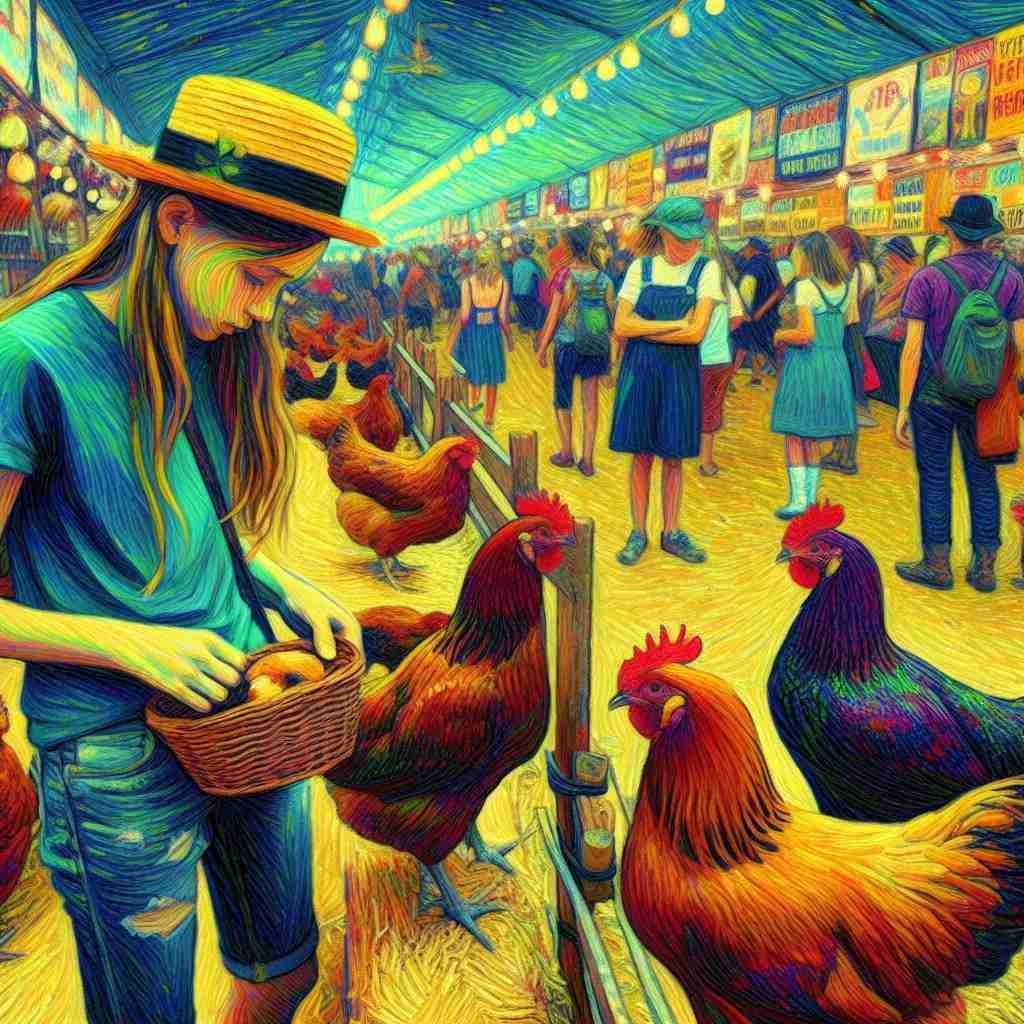
Building a deep bond with our animals is more than just playtime in the backyard; it’s a partnership that shapes their lives and ours. Consider the humble backyard chickens. These lively creatures are often relegated to simple egg-layers or garden guardians, but when we invest time in them, they can become cherished companions. As you stand there, a warm cup of coffee in hand, you might notice how your chickens cluck and chatter, their personalities unfolding before you like the morning sun. This isn’t just a farming ritual; it’s a beautiful dance of trust and connection.
Now, let’s think rationally for a moment. Animals and humans share profound emotional and physical benefits when they bond. Studies show that pets reduce stress, lower blood pressure, and even promote a sense of belonging. By nurturing our relationships with animals, we’re not just helping them; we’re aiding ourselves, too. The ethics of animal companionship beckons us to approach this relationship with integrity. By fostering a positive environment, we create a cycle of care and respect. Those backyard chickens, often seen as mere resources, can thrive and even exhibit affectionate behavior when we invest in their well-being.
Every time you toss some fresh scraps their way or witness them exploring their surroundings, you share a narrative that’s deeply rewarding. Each interaction becomes a building block in the bridge of relationship. It’s a moment signifying mutual respect; they learn to trust you, and in return, you’re granting them a life filled with curiosity and joy. Picture yourself sitting among them, soaking in their quirky antics, and knowing you’re contributing not just to their well-being, but your own happiness as well.
This is not just about cuddles and feed; it’s about social responsibility. By caring deeply for our animals, we inspire others to do the same. You stand as a beacon of compassion in your community, reminding people that these creatures are worthy of love and attention. The act of raising backyard chickens transcends the physical realm; it’s a heartfelt declaration that we choose to forge connections, to take action, and to cultivate a world where animals are cherished. As we nurture these bonds, we enrich our lives and honor their inherent worth. This is how we foster a deep, enduring bond with our animals—inviting them to flourish in our shared existence.

How Can We Foster a Deep Bond with Our Animals for Their Well-Being?
How Can We Foster a Deep Bond with Our Animals for Their Well-Being?
- Building a deep bond with animals is a partnership that shapes both their lives and ours.
- Investing time in backyard chickens can transform them from simple egg-layers into cherished companions.
- Emotional and physical benefits of bonding with animals include reduced stress and an enhanced sense of belonging.
- Creating a positive environment fosters a cycle of care and respect for animals.
- Interactions with pets, like tossing scraps, build mutual respect and trust.
- Caring for animals inspires compassion in the community and highlights their worthiness of love.
- Nurturing these bonds not only enriches lives but honors the inherent worth of animals.
How Can We Foster a Deep Bond with Our Animals for Their Well-Being?
What Simple Observations Can Help Us Identify Illnesses Early On?
When you think about your health, it’s easy to get swept up in the big, flashy warnings—the kind that make headlines and dominate conversations. But sometimes, the best way to catch an illness early is to pay attention to the small, simple observations happening right under our noses, much like noticing the subtle changes in the behavior of your backyard chickens.
Imagine strolling past your coop one sunny afternoon. You notice one of your hens isn’t as active as usual, perhaps just sitting there, while the others peck and cluck around with their usual vigor. That simple observation could be the difference between a mild ailment and something more serious. It’s a humbling reminder that sometimes, we overlook the obvious indicators—our own bodies can speak in the same quiet voice.
Our gut feels these changes before our heads even register them. A new ache here, a little fatigue there, or even a shift in mood can be the language our bodies use to tell us something’s amiss. It’s not about being paranoid; it’s about honing our sensitivity like we do in caring for those chickens. Just as you wouldn’t ignore a hen that stopped laying eggs, we shouldn’t shrug off our own symptoms. Trust that instinct.
From an ethical standpoint, we owe it to ourselves and our loved ones to advocate for our health. Ignoring symptoms can lead to bigger problems down the line, not just for us, but for those who depend on us. Think of it this way: when we take responsibility for our own well-being, we’re also setting an example for others, teaching them to be vigilant and proactive in their health journeys.
Narratives about early detection are everywhere, and they touch on our humanity. Remember the friend whose nagging cough turned out to be something more? Sharing these stories creates connections and reminds us that we’re not alone in this.
In a society that often prioritizes urgency over awareness, let’s refocus our lens. That gut feeling when looking at our own health, much like watching over our backyard chickens, calls us to be attentive, compassionate, and proactive. Pay attention—your body is giving you clues. Start asking questions and tune into those subtle messages; it may just lead you to better health—or avert a bigger crisis down the line. Be the steward of your own health. You deserve it.
What Simple Observations Can Help Us Identify Illnesses Early On?
What Simple Observations Can Help Us Identify Illnesses Early On?
- Health awareness often gets overshadowed by flashy warnings and headlines.
- Small, simple observations about personal health can be crucial for early illness detection.
- Subtle changes in behavior, akin to noticing a less active chicken, can signal potential health issues.
- Listening to our bodies—such as recognizing new aches or mood shifts—is essential.
- We have an ethical responsibility to advocate for our health and not ignore symptoms.
- Sharing narratives about health experiences fosters connections and encourages vigilance in health matters.
- Being proactive and attentive to our health can lead to better outcomes and sets a positive example for others.

What Simple Observations Can Help Us Identify Illnesses Early On?
How Does a Healthy Flock Impact Our Community and Shared Values?
In a world brimming with hustle, the humble presence of *backyard chickens* offers a unique glimpse into the beauty of community and shared values. Picture this: a collection of homes, clucking and clattering in harmony, where neighbors gather, bound by a common thread. These feathered friends serve more than just breakfast; they foster connections that transcend fences and barriers.
Let’s dig into the guts of it. Raising chickens isn’t just a pastime; it’s a commitment to sustainability and self-sufficiency. Each egg collected is not just a nourishing breakfast; it becomes a tangible symbol of hard work, resilience, and the rewards of tending to one’s own. When we share the bounty — a basket of fresh eggs passed over the fence — it morphs into an ethical act. It’s about generosity, valuing your neighbor’s hard work, and cherishing the simple joys that come with growth, both personal and communal.
But there’s more. A healthy flock doesn’t just feed our bellies; it fuels our spirits. Gatherings around the coop, stories exchanged over the clucks of eager hens, and laughter shared amid a little chaos create a narrative that weaves through the very fabric of our community. It’s striking how these bonds ripple outwards. When you see someone nurturing their flock, you know you’re witnessing their commitment to something greater—an investment in the welfare of the neighborhood, in fostering connections based on care and camaraderie.
Rationally, consider the impact. Healthy *backyard chickens* promote knowledge sharing; they spark dialogues on organic gardening, sustainable farming practices, and local ecology. Suddenly, issues that matter, from food security to environmental responsibility, become dinner table discussions rather than abstract concepts. This knowledge empowers individuals to be stewards of their environment, fostering a culture not just of getting but of giving back to the earth and each other.
Ultimately, maintaining a thriving flock is about trust, both in the animals and in each other. As we cultivate these resilient creatures, we cultivate relationships that strengthen the very core of our community. Your backyard isn’t just a space; it’s a stage for connection, understanding, and shared purpose. Here’s to a flock that’s not only healthy but a catalyst for community spirit, transforming ordinary days into extraordinary moments of belonging and joy.

How Does a Healthy Flock Impact Our Community and Shared Values?
How Does a Healthy Flock Impact Our Community and Shared Values?
- Backyard chickens enhance community connections and shared values.
- Raising chickens symbolizes commitment to sustainability and self-sufficiency.
- Sharing fresh eggs fosters generosity and appreciation for hard work.
- Gatherings around the coop create bonds that strengthen neighborhood ties.
- Backyard chicken keeping promotes discussions on organic gardening and environmental responsibility.
- Raising chickens empowers individuals to give back to the community and the earth.
- Maintaining a flock builds trust and cultivates relationships, enriching community spirit.

How Does a Healthy Flock Impact Our Community and Shared Values?
What Stories Of Flock Care Inspire Us to Become Better Stewards?
When we think about stewardship, it can often feel like a lofty term reserved for scientists and policy-makers. Yet, if we peel back the layers, we find that true stewardship begins in the most unassuming places—like your own backyard. Imagine the joy and satisfaction of keeping a few backyard chickens. These birds are not just egg-laying machines; they are remarkable little creatures that embody the spirit of community and connection.
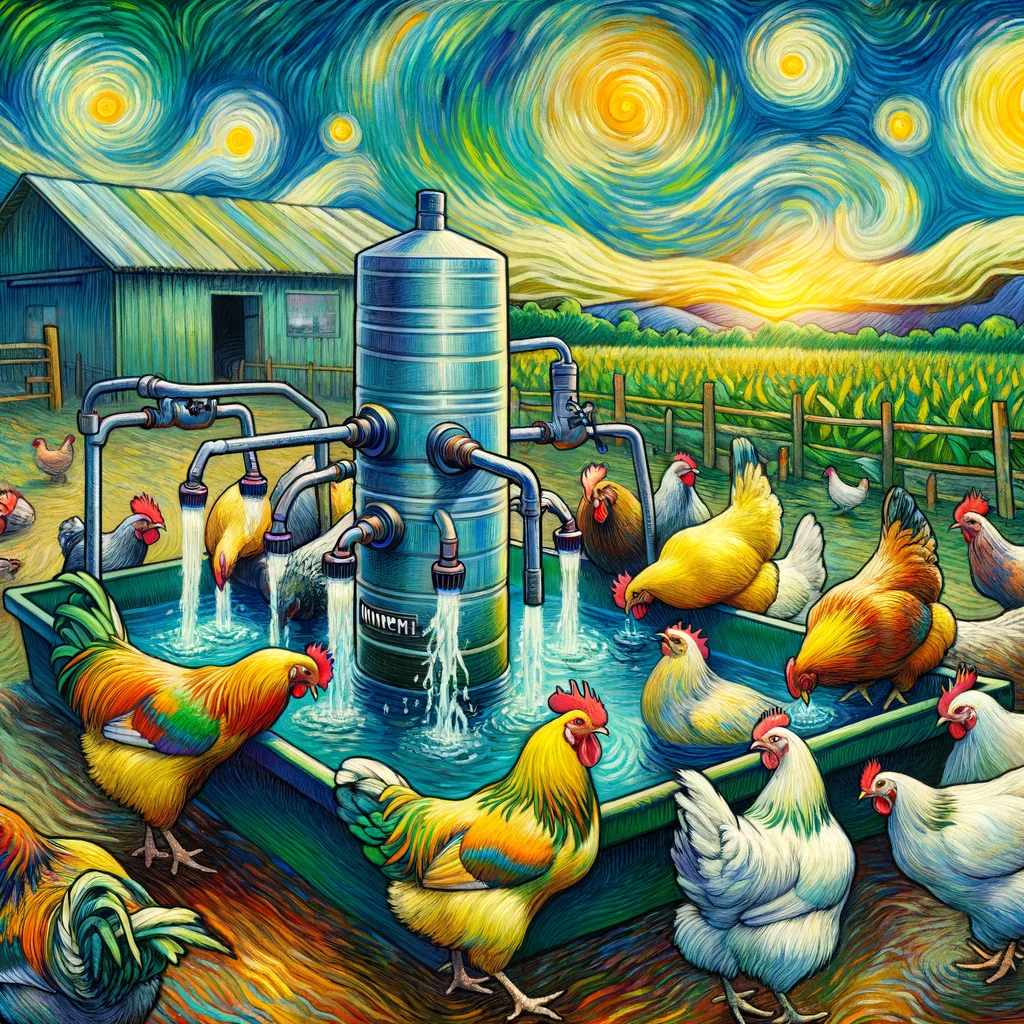
Caring for chickens can inspire us to rethink our relationships with the world around us. Picture this: you wake up to the gentle cooing of your flock, stepping outside to collect fresh eggs. The simple act of gathering these eggs is a tangible reward, rooted in the hard work you put in every day. It connects you to your land, to nature, and to the cycle of life. There’s something grounding about providing for another living being, about fostering a sense of responsibility toward your ecosystem.
We are compelled to remember that our actions carry weight, even if they seem small. Raising chickens offers a practical lesson in sustainability; every inch of backyard space can serve a purpose. Instead of feeding endless cycles of waste into landfills, you turn scraps into nourishment for your flock. It’s a powerful reminder that we can turn what is often deemed garbage into gold—utilizing our resources more wisely.
More than just a hobby, flock care fuels a communal spirit. Neighbors become allies, sharing tips, extra eggs, or even helping one another through tough seasons. This communal sharing fosters a sense of trust and transforms isolated efforts into collective stewardship. You realize that when we unite, we can enact real change—beyond individual backyards, even reaching toward local policies that support sustainable practices.
Sure, raising chickens isn’t for everyone, but the heart of the matter isn’t just about birds; it’s about connection and purpose. It’s about leaning into our shared responsibility for this planet. Whether it’s chickens or composting or caring for a garden, let the stories of flock care guide us toward becoming better stewards. Every small act can ripple outward, igniting a movement—one egg, one garden, one connected community at a time. The question isn’t if you’ll take action, it’s what transformation you’ll begin today.
What Stories Of Flock Care Inspire Us to Become Better Stewards?
What Stories Of Flock Care Inspire Us to Become Better Stewards?
- Stewardship starts at home, in simple places like backyards.
- Keeping chickens offers joy, satisfaction, and a connection to the ecosystem.
- The act of gathering fresh eggs symbolizes hard work and responsibility.
- Raising chickens teaches sustainable practices by turning waste into nourishment.
- Flock care encourages community involvement through sharing and cooperation.
- Collective stewardship can influence broader changes and support sustainable policies.
- The focus of stewardship is on connection and purpose, inspiring small acts for greater transformation.

What Stories Of Flock Care Inspire Us to Become Better Stewards?
Can We Learn From Traditional Methods Passed Down Through Generations?
In a world that’s racing toward automation and standardization, we often overlook the invaluable lessons that lie in the wisdom of those who came before us—lessons steeped in tradition, resilience, and a deep understanding of our connection to the land. Just picture the simple act of raising backyard chickens. It’s an endeavor that goes beyond mere egg production; it embodies a philosophy that champions sustainability, self-reliance, and community.
Consider the morning greeting of clucking hens as they peck through the grass. It’s not just a picturesque scene; it’s a reliable rhythm, a daily reminder of life’s uncomplicated joys. When we take the plunge into this old practice, we aren’t just participating in the food chain—we’re becoming active stewards of the earth. Each chicken feeds on scraps from our kitchens, transforming yesterday’s leftovers into today’s breakfast. This small, yet profound action highlights an ethical responsibility. In a time of excessive waste and consumerism, choosing to nurture our own food source is a subtle yet powerful rebellion against a throwaway culture.
From a rational perspective, integrating traditional methods like keeping chickens makes practical sense. The skills acquired—whether it’s understanding animal husbandry or mastering simple agricultural techniques—have been honed over generations. Knowledge isn’t just handed down; it’s lived, and each flock tells a story: successes, failures, and everything in between. We inherit this tapestry of experience, diminishing our reliance on mass-produced goods and questionable food systems in favor of direct accountability and quality.
Let’s also not forget the social fabric that bonds us. Engaging in practices like backyard chicken-keeping fosters connection, not just with nature but within communities. Neighbors swap eggs or share tips on care; even failed hatchings turn into shared laughs around a fire pit. The social network we weave is a testament to our collective spirit—one that emphasizes local resilience over global uncertainty.
So, let’s lean into these traditional methods that have weathered the storms of time. Each peck at the ground is a call to action, urging us to restore our connections, both with each other and with the earth. After all, while technology may race ahead, the lessons of our ancestors are a sturdy bridge back to what truly matters. Embrace the past, for it offers a clearer path to the future.

Can We Learn From Traditional Methods Passed Down Through Generations?
Can We Learn From Traditional Methods Passed Down Through Generations?
- In a rapidly automating world, we often undervalue the wisdom embedded in traditional practices.
- Raising backyard chickens symbolizes sustainability, self-reliance, and community connection.
- The daily presence of hens serves as a reminder of life’s simple pleasures and our role as stewards of the earth.
- Keeping chickens transforms kitchen scraps into food, acting as a rebellion against wastefulness and consumerism.
- Traditional practices like chicken-keeping cultivate practical skills and diminish reliance on mass-produced goods.
- Engaging in backyard farming fosters community connections through sharing resources and experiences.
- Embracing traditional methods helps restore our relationships with the earth and each other while offering lessons from the past for a better future.

Can We Learn From Traditional Methods Passed Down Through Generations?
What Communal Practices Can We Implement for Collective Flock Care?
In our fast-paced lives, it’s easy to overlook what truly matters—our connections with each other and the ecosystems we inhabit. Imagine this: a community rallying around a shared vision of care and nurturing—a flock not just of feathers and beaks but of people, purpose, and passion. Let’s consider what deliciously simple and effective communal practices could help us cultivate this sense of collective flock care.
Picture your neighborhood buzzing with the vibrant energy of communal gardens, where folks come together to plant, harvest, and share the bounty. Gardening fosters interdependence; we learn from one another as we trade tips and favorite recipes, all while nurturing the earth beneath our feet. It’s not just about growing food—though that’s a hefty reward—it’s about nurturing relationships. Maybe, along with your tomatoes and zucchinis, you’ll find a few backyard chickens wandering among the blooms, adds a sense of joy and responsibility to our shared space.
Community workshops can serve as melting pots of innovation and tradition. Invite seasoned hands—local farmers, elders, or even the enthusiastic novice—to share their knowledge on everything from beekeeping to organic composting. You don’t have to be a seasoned expert in animal husbandry or sustainable farming to take part; just come willing to learn and share. These gatherings ignite inspiration and open hearts, creating an environment where everyone feels valued and empowered.
Another pivotal practice is collective volunteering. Organize efforts for local animal shelters, farms, or conservation projects. The act of giving back binds us tighter, as shoulder-to-shoulder, we tackle challenges together. It’s an opportunity to break down barriers, proving that when we unite, we’re far more capable than when we stand alone.
We need to extend empathy beyond the two-legged and foster a culture of stewardship that also cares for the avian and greater ecosystem. By coming together to advocate for sustainable practices, we nurture not just our flock, but the very soil that feeds us.
So let’s take the first step—reach out to your neighbors, grab your gardening gloves, or propose a community gathering. Flock care goes beyond caring; it builds a legacy of commitment, compassion, and collaboration that resonates today and paves the way for tomorrow. After all, when we nurture each other, we all rise.

What Communal Practices Can We Implement for Collective Flock Care?
What Communal Practices Can We Implement for Collective Flock Care?
- Our fast-paced lives can cause us to overlook meaningful connections with each other and our ecosystems.
- Communal gardens can foster interdependence, allowing people to share experiences, knowledge, and food.
- Community workshops enable knowledge sharing among experienced and novice individuals, promoting a creative and inviting atmosphere.
- Collective volunteering strengthens community bonds as people work together for local causes.
- Empathy should extend to all living beings, advocating for sustainable practices that benefit both communities and ecosystems.
- Taking initiative—like reaching out to neighbors, gardening, or hosting gatherings—can start a culture of collective care.
- Nurturing each other builds a legacy of commitment, compassion, and collaboration that benefits future generations.

What Communal Practices Can We Implement for Collective Flock Care?
How Can We Create an Environment That Nurtures Both Flock and Farmer?
When you think about the relationship between farmers and their flocks, it’s a tale as old as time—a dance of mutual respect and survival. This relationship doesn’t just pertain to the practicalities of agriculture; it touches something deeper. It’s an intricate web woven from shared experiences, hard work, and the relentless pursuit of nourishment. So how can we create an environment that nurtures both flock and farmer? Let’s dig into the heart of the matter.
Picture a farmer working side by side with chickens in their backyard, each day wrought with responsibility and rewards. When we foster an environment where the well-being of both is paramount, we become stewards of a sustainable future. A flock that feels secure and cared for’ll produce better eggs, better meat, and ultimately better livelihoods for farmers. This isn’t just a catchy punchline; it’s a truth that’s been proven through generations of committed animal husbandry.
But it’s not enough to simply throw together a coop and call it a day. We must engage our heads along with our hearts. Investing in quality feed, ensuring proper sanitation, and allowing for free-range movement can drastically improve the health of our flock. This creates a direct correlation between their happiness and our success. When the farmer understands this, every cluck and chirp becomes a reminder of their role in this relationship.
Then, there’s the ethical angle. Every farmer must realize they wield great power over those they care for—whether it’s through enforcing humane practices or considering the environmental impacts of their farming methods. This means educating ourselves, continually learning, and advocating for best practices that prioritize the welfare of our feathered friends while boosting productivity.
Moreover, thriving backyard chickens can bring communities together. They become conversation starters, a means to share knowledge, and even a catalyst for friendships. Neighbors can swap tips, share in the bounty of fresh produce, and collectively revel in the joy that comes from nurturing a flock. This collective sense of responsibility builds social ties that strengthen our communities, making us all more resilient.
So let’s roll up our sleeves, and dig in with both heart and intellect. An environment that nurtures both flock and farmer isn’t just a dream; it’s a necessity for our future. Celebrate the dance of interdependence, and you’ll not only be nurturing chickens, but also nourishing the souls of everyone involved.

How Can We Create an Environment That Nurtures Both Flock and Farmer?
How Can We Create an Environment That Nurtures Both Flock and Farmer?
- The relationship between farmers and their flocks is a time-honored mutual exchange of respect and survival.
- This connection is rooted in shared experiences, hard work, and the pursuit of nourishment.
- Creating a supportive environment benefits both farmers and their flocks, leading to better egg and meat production.
- Successful animal husbandry requires more than basic care; it includes quality feed, proper sanitation, and free-range movement.
- Farmers hold ethical responsibilities in their practices, advocating for humane methods and environmental consideration.
- Backyard chickens can foster community ties, encouraging knowledge exchange and friendships among neighbors.
- A collaborative approach to farming nurtures both flocks and farmers, essential for future sustainability.

How Can We Create an Environment That Nurtures Both Flock and Farmer?
Conclusion
Caring for backyard chickens is about so much more than just collecting eggs; it’s an embodiment of our essential responsibilities as stewards of the earth and our local communities. This is a practice that connects us to generations past, reminding us that the simplest acts, like tossing scraps to our feathered friends, can hold profound meaning. As you engage in this time-honored tradition, you aren’t just managing a flock, you’re crafting a narrative filled with love, relationship, and dedication. Watching your chickens scratch and peck the land serves as a rich reminder: genuine health and vitality stem from attentive care, not the latest tech gadgets.
It’s this intimate bond with our animals that brings clarity to our health and well-being. Every check-in with your flock becomes an opportunity to observe, learn, and act if something seems off, teaching us the value of proactive care—for both them and ourselves. By listening to our instincts and nurturing these relationships, we foster trust and mutual respect, creating a positive feedback loop of health and happiness.
The social fabric of caring for chickens enriches our lives. As you connect and collaborate with neighbors or local enthusiasts, you’re not only sharing valuable knowledge but also cultivating a sense of community that’s vital in today’s fast-paced world. Each interaction, whether through shared laughter over a coop or passing fresh produce, strengthens our bonds, reminding us that we are not alone in this journey.
In the grander scheme, nurturing a healthy flock stimulates important conversations about sustainability and ethics. You become part of a collective narrative that highlights our shared responsibility to both the planet and each other. Embracing traditional methods of flock care allows us to reclaim our agency in food production, turning our collective efforts into tangible changes for the better.
So roll up those sleeves and step into the nurturing world of backyard poultry. As you deepen your connection to these animals, you’re not just tending to chickens; you’re nurturing your spirit, engaging with your community, and advocating for a more resilient way of life. Together, let’s celebrate the beauty of simplicity, one cluck at a time, and create a future where both flock and farmer flourish.

Conclusion
Conclusion:
- Caring for backyard chickens goes beyond collecting eggs; it’s a responsibility towards the earth and local communities.
- This practice connects us with past generations, highlighting the significance of simple acts like feeding chickens.
- Engaging with a flock fosters love, dedication, and a rich narrative in our lives.
- Attentive care for chickens emphasizes genuine health and vitality over modern technology.
- Regular interaction with the flock promotes proactive care and strengthens our instincts regarding health and well-being.
- Building relationships with neighbors and local enthusiasts enriches our community and knowledge sharing.
- Nurturing a healthy flock sparks conversations on sustainability and collective responsibility for the planet.

Conclusion
Other Resources

Other Resources
Here is a list of other resources you can review online to learn more:
- Rhode Island Red
- Marans of America Club
- Old English Game
- Red Ranger
- grains
- Orloff
- Chantecler
- blackberries
- Infectious Coryza
- garlic
- Vorwerk
- Golden Laced Wyandotte
- scratch
Use This Prompt To Get More Resources With Your Favorite Online AI Tool: Please provide me with a list of online articles with their URLs in a bulleted list that I can read regarding Practical Wisdom for Keeping Flocks Healthy-No Gadgets Required

Other Resources
Glossary Terms
Practical Wisdom for Keeping Flocks Healthy-No Gadgets Required – Glossary Of Terms
1. Animal Husbandry: The science of breeding and caring for livestock for food, fiber, and labor.
2. Flock Management: Strategies and practices focused on the health and productivity of a group of animals.
3. Pasture: Land covered with grass or other low plants suitable for grazing animals.
4. Foraging: The act of searching for and gathering wild food resources for livestock.
5. Biosecurity: Measures taken to protect livestock from disease and pests, ensuring a healthy environment.
6. Nutrition: The process of providing proper food and nutrients necessary for the health of animals.
7. Sanitation: Practices that maintain cleanliness to prevent disease and promote general health in livestock.
8. Veterinary Care: Professional medical treatment and health management for animals.
9. Husbandry Skills: Practical skills required to care for and manage animals effectively.
10. Heath Monitoring: Regularly checking animals for signs of illness or distress to ensure their well-being.
11. Breeding Programs: Planned mating of animals to enhance desirable traits in the offspring.
12. Grazing Rotation: The practice of moving animals between pastures to prevent overgrazing and maintain pasture health.
13. Stress Management: Techniques to minimize stress in animals to promote better health and productivity.
14. Community Resources: Local information, tools, and support services for livestock management.
15. Natural Remedies: Non-pharmaceutical treatments derived from natural sources to promote health in livestock.
16. Seasonal Care: Adapting care practices and feeding strategies according to the changing seasons.
17. Animal Behavior: The study of how animals interact with their environment and each other, affecting their well-being.
18. Quality Control: Procedures to ensure the health and safety of products derived from livestock.
19. Physical Environment: The habitat and conditions in which livestock are raised, including shelter and space.
20. Disease Prevention: Strategies implemented to reduce the incidence of illness in livestock populations.
21. Emergency Preparedness: Planning and resources set aside for addressing health crises or disasters affecting animals.
22. Culling: The process of removing animals from the flock deemed unfit or unhealthy for breeding or production.
23. Behavioral Enrichment: Providing stimulating environments to encourage natural behaviors and improve animal welfare.
24. Observation Skills: The ability to notice changes in animal behavior or health indicators.
25. Stressors: Factors that may cause stress in animals, such as overcrowding or sudden changes in environment.
26. Integrated Health Management: A holistic approach to animal healthcare involving nutrition, environment, and veterinary practices.
27. Multispecies Grazing: The practice of grazing different species of livestock together to improve land use and health.
28. Herd Health: The overall health status of a livestock group, monitored and managed collectively.
29. Farm Bioethics: Ethical considerations regarding the treatment and welfare of farm animals.
30. Community Engagement: Involvement with local networks to share knowledge and resources for better flock management.
Glossary Of Terms
Other Questions
Practical Wisdom for Keeping Flocks Healthy-No Gadgets Required – Other Questions
If you wish to explore and discover more, consider looking for answers to these questions:
- What specific practices can individuals adopt to maintain a healthy flock?
- How can backyard chicken-keeping contribute to food security in urban areas?
- What common health issues do backyard chickens face and how can they be prevented?
- How can we effectively share knowledge and resources within the local community regarding flock care?
- What are the ethical considerations involved in backyard chicken-keeping?
- How can traditional farming practices be integrated into modern backyard farming?
- What types of community events can promote collective flock care and awareness?
- What are the benefits of free-range practices for both chickens and farmers?
- How can one create a sustainable ecosystem that benefits local wildlife while keeping chickens?
- What roles do children play in learning about animal husbandry through backyard chickens?
- What are the economic benefits of keeping backyard chickens for families?
- How can we address common misconceptions about backyard chicken-keeping?
- What resources are available for new backyard chicken farmers to learn from?
- How can we encourage more people to adopt backyard farming in urban environments?

Other Questions
Haiku
Practical Wisdom for Keeping Flocks Healthy-No Gadgets Required – A Haiku
Chickens in the yard,
Hearts and hands weave life anew—
Nature’s bond endures.
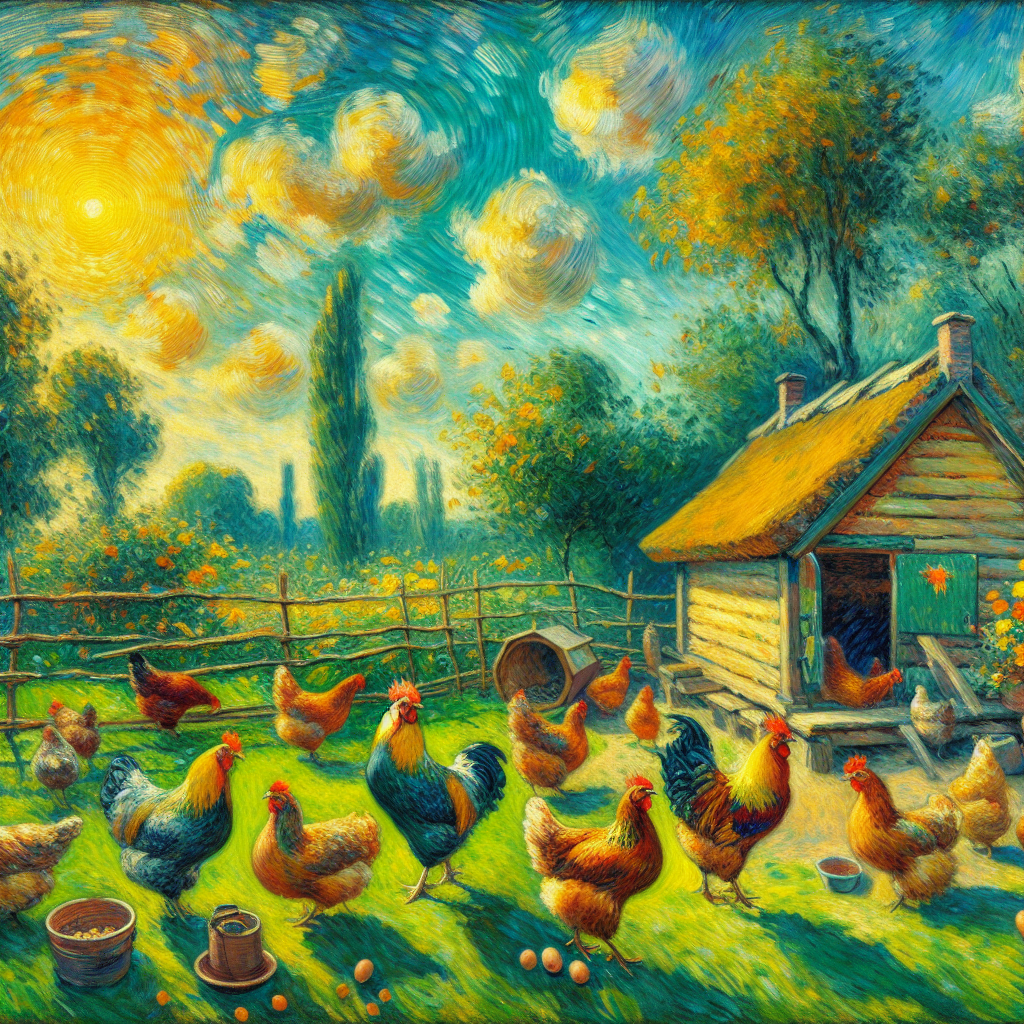
Haiku
Poem
Practical Wisdom for Keeping Flocks Healthy-No Gadgets Required – A Poem
In backyards where life unfurls,
Chickens scratch, and cluck, and twirl,
These humble souls, beneath the sky,
Teach us to nurture—let hearts fly.
With scraps we gather, hands and hearts,
Each tender act a place that starts,
A bond that breathes, both old and wise,
Where love and duty intertwine and rise.
Observe the feathers, the glint in their eyes,
Through simple moments, the true wealth lies,
Not in gadgets or tech’s quick fix,
But in slow rhythms, nature’s mix.
Health shall flourish where kindness dwells,
As whispers of care cast gentle spells,
A cycle of love—give, then receive,
In every echo, our spirits believe.
Communities bloom, when neighbors share,
Eggs exchanged, laughter in the air,
Conversations spark on the joy of the earth,
In caring for flocks, we discover our worth.
So roll up your sleeves, step into the light,
Embrace the old ways, hold them tight,
For in every clutch, and each golden egg,
Lies a deeper truth: our lives interweave.
Together we grow, as guardians of grace,
Flocking to meet, our hearts in one place,
In unity’s warmth, both farmer and friend,
We nurture the world, hand in hand till the end.

Poem
Checklist
Practical Wisdom for Keeping Flocks Healthy-No Gadgets Required – A Checklist
Checklist for Flock and Farmer Well-being
Heart: Emotional and Ethical Appeals
_____ Connect with Your Flock: Spend quiet time observing your chickens to strengthen your bond.
_____ Share Stories: Talk to neighbors about your experiences in raising chickens and listen to theirs.
_____ Show Compassion: Treat your chickens with love and respect, ensuring they feel safe and valued.
_____ Engage in Community: Organize or participate in local chicken care meet-ups to foster relationships with fellow caretakers.
Head: Rational and Authority Appeals
_____ Monitor Health Signs: Regularly check for subtle changes in behavior or appearance that might indicate health issues.
_____ Research Best Practices: Educate yourself on chicken care and sustainable farming through reputable sources.
_____ Evaluate Nutrition: Invest in high-quality feed and supplements for optimal health.
_____ Document Observations: Keep a log of your chickens’ health and behavior to identify patterns over time.
Gut: Instinct and Social Appeals
_____ Trust Your Instincts: If something feels off with your chickens or your own health, act on it.
_____ Embrace Simplicity: Focus on natural and straightforward ways to care for your flock rather than relying on gadgets.
_____ Lead by Example: Model compassionate animal husbandry for your community, demonstrating the importance of animal welfare.
_____ Create Togetherness: Host a shared food event where neighbors can bring dishes made with home-produced eggs and share recipes.
Practical Steps for Implementation
_____ Start a Community Garden: Include space for communal chicken coops or shared chicken-keeping responsibilities.
_____ Hold Workshops: Invite local experts to teach skills related to animal care, gardening, or sustainable practices.
_____ Organize Volunteering Events: Collaborate on projects that support local farms or animal rescues.
_____ Establish a Chicken Care Calendar: Create a shared calendar for feeding schedules, health checks, and community events.
Long-term Vision
_____ Foster Continuous Learning: Engage with online or local groups focused on holistic animal care.
_____ Advocate for Sustainability: Campaign for local policies that support ethical farming practices and animal welfare.
_____ Build a Legacy: Encourage passing down knowledge and responsibilities to younger generations through hands-on experiences.
Use this checklist to enhance your relationship with your flock and strengthen community ties through shared values and practices.

Checklist
At BackyardChickenNews, we help people who want to raise backyard chickens by collating information and news blended with our own personal experiences.
Be sure to read our other related stories at BackyardChickenNews to learn more about raising chickens in your backyard.