

Keeping Your Flock Happy, Healthy, And Fed
By Tom Seest
At BackyardChickenNews, we help people who want to raise backyard chickens by collating information and news blended with our own personal experiences.
Be sure to read our other related stories at BackyardChickenNews to learn more about raising chickens in your backyard.
Preventing Chickens From Spilling Feed and Water
When it comes to raising backyard chickens, ensuring they have an abundance of feed and fresh water is paramount. However, it’s disheartening to watch those industrious little peckers spill their resources all over the coop floor, leaving you in a constant battle against waste and a less-than-ideal living situation. So, let’s roll up our sleeves and tackle this head-on.
Start by thinking about the environment you’re creating for your feathered friends. Chickens are curious creatures, but they also love to scratch and peck. A simple step is to invest in a sturdy feeder that can withstand those hearty beaks. Look for designs that minimize spillage—something with a rounded base or elevated feet can do wonders. It’s not just about convenience; it’s about respecting the crops that put food on your table and yours.
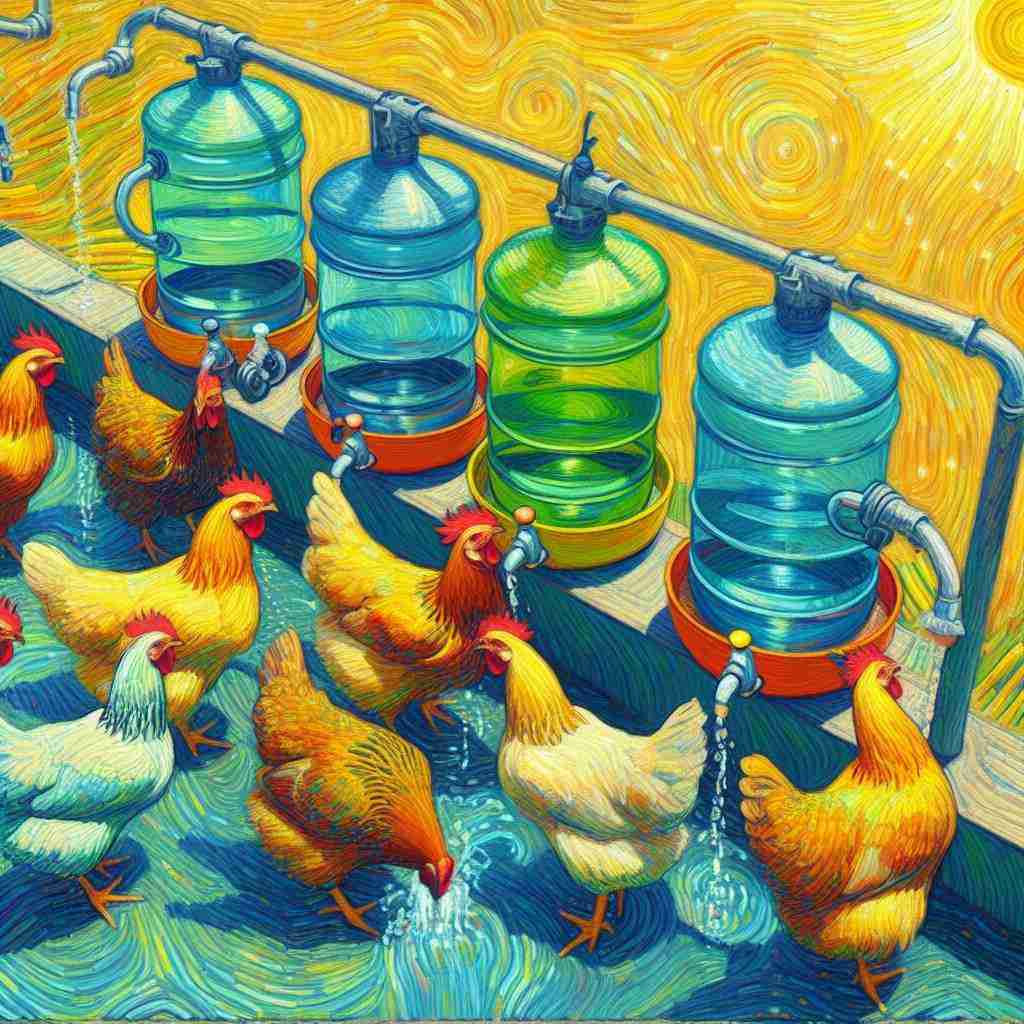
As for water, traditional bowls can be a recipe for chaos. Chickens tend to splash around, turning a clean water supply into a muddy mess. Consider a gravity-fed waterer or a nipple system, which allows them to drink without drowning their surroundings. By taking these steps, you’re not just preserving resources; you’re nurturing a healthy environment for your flock.
Connecting with your chickens fuels that visceral gut-level appreciation for their well-being. Every time you see them peck happily without chaos, you know you’re doing right by them. Think of it as your personal commitment to animal husbandry—an ethical responsibility that helps foster a bond between you and your birds. They depend on you, and in a world where trust matters, that’s a relationship worth nurturing.
Moreover, there’s a powerful narrative here, too. Imagine the laughter of your children joyfully running to the coop, knowing they’ll find happy, healthy hens flapping around—not a scrambled mess of spilled feed. Your efforts to maintain a tidy environment create a sense of pride and joy that radiates through your family.
Join the countless others who have found success in creating efficient feeding and watering systems. Their stories echo the sentiment that taking action not only simplifies your life but enriches the life of every chicken you tend to. So make your backyard a sanctuary, not a spill zone. Your effort to keep things tidy can harvest a bountiful, fulfilling relationship with your flock, keeping you, and them, at their best.

Preventing Chickens From Spilling Feed and Water
Preventing Chickens From Spilling Feed and Water
- Providing abundant feed and fresh water is essential for raising backyard chickens.
- Chickens can easily spill feed, necessitating a sturdy feeder designed to minimize waste.
- Investing in a feeder with a rounded base or elevated feet can reduce spillage.
- Traditional water bowls can create messes; consider gravity-fed waterers or nipple systems instead.
- Connecting with chickens fosters appreciation and strengthens the bond between owner and birds.
- Maintaining a tidy environment enhances family joy and pride in keeping chickens healthy.
- Efficient feeding and watering systems benefit both the chickens and their caretakers.

Preventing Chickens From Spilling Feed and Water
Table Of Contents
- Preventing Chickens From Spilling Feed and Water
- How Much Feed And Water Do You Waste Each Week Due To Spillage?
- What Strategies Have You Tried To Reduce Feed Waste Effectively?
- How Does Spilled Feed Impact The Health Of Your Chickens?
- Are There Ethical Considerations In How We Provide For Our Poultry?
- How Do You Feel About The Environmental Impact Of Wasted Feed?
- What Authority Figures Do You Trust For Advice On Chicken Care?
- Can Storytelling About Your Chicken-Raising Journey Inspire Others?
- Conclusion
- Other Resources
- Glossary Of Terms
- Other Questions
- Haiku
- Poem
- Checklist
How Much Feed And Water Do You Waste Each Week Due To Spillage?
Picture this: You step into your backyard, a proud chicken parent surveying the scene. Your feathery friends cluck and strut, and your heart swells with pride. You’ve invested time, love, and resources into raising these backyard chickens, and there’s nothing quite like the joy of collecting eggs. But let’s pause for a moment. How much feed and water are you tossing onto the ground instead of into their beaks?
It’s a reality we often overlook. Each week, our hustle to keep these happy birds fed and hydrated can lead to spillage that easily goes unnoticed. The handfuls of feed that slip from our fingers, the water that splashes beyond the dish, these aren’t just tiny messes. They represent wasted potential—wasted money, effort, and resources. Rationally speaking, if you consider the cost of that premium feed or the water bill, the numbers start to add up. What might seem insignificant can lead to significant waste over time, breeding frustration and financial loss.
Now, let’s tug at the ethical strings. You’ve taken on the responsibility of caring for these animals, and with that comes the duty to minimize waste. Your backyard chickens rely on you for sustenance. When you let perfectly good food and water slip through your fingers, it’s not just about the dollars—it’s about the life you’re managing. Every grain of feed is a contribution to their well-being, and every drop of water is vital.
Let’s weave a narrative here. Imagine one evening, as you gather with friends to share stories about your chickens, you proudly recount how you’ve cut down on spillage. Maybe you’ve introduced a feeder that minimizes waste or set up a water system that eliminates spills. Your friends nod in appreciation and curiosity, inspired to emulate your efforts. You’ve become the trusted authority in your circle, showcasing not only your connection to your flock but also a sensible approach to sustainable living.
This is more than just about chickens; it’s a stepping stone toward mindfulness in our everyday lives. By harnessing small, meaningful changes, you can cultivate a deeper bond with your flock and a greater respect for the resources you utilize. So, take a step back, analyze what’s being wasted, and foster that connection with your chickens. They deserve the best, and so do you.

How Much Feed And Water Do You Waste Each Week Due To Spillage?
How Much Feed And Water Do You Waste Each Week Due To Spillage?
- Being a proud chicken parent brings joy from raising and collecting eggs from backyard chickens.
- Feeding and hydrating chickens can lead to unnoticed waste due to spillage of feed and water.
- This spillage represents wasted money, resources, and effort that can accumulate over time.
- Caring for chickens involves minimizing waste as a responsibility toward their well-being.
- Implementing changes, like waste-reducing feeders and water systems, can inspire peers and community.
- Mindfulness in caring for chickens translates to broader respect for resources in everyday life.
- Taking steps to reduce waste fosters a deeper connection with chickens and enhances their care.

How Much Feed And Water Do You Waste Each Week Due To Spillage?
What Strategies Have You Tried To Reduce Feed Waste Effectively?
When it comes to reducing feed waste, it’s often the simplest strategies that resonate most deeply. Picture this: a group of backyard chickens pecking at the ground, joyfully scratching at leftovers that would otherwise end up in the trash. Watching them turn what was once deemed waste into vibrant, nutritious eggs is nothing short of magical. It’s this transformation that connects us to the cycle of life — an affirmation that every scrap of food has value.
But let’s get real for a moment. Feed waste isn’t just a matter of convenience; it’s an emotional and ethical dilemma. Too many families are struggling with rising food prices, and wasting feed feels like throwing money away. By thoughtfully managing our leftovers, we’re not just saving dollars — we’re acknowledging the hard work that goes into producing our food. When we embrace composting or utilize kitchen scraps for backyard chickens, we take a small step towards honoring that effort. It’s about making choices that reflect our values, choices that say a little hard work is worth it.
Now, think about the social aspect. We all know someone who struggles with food waste, and sharing what you’ve found can lead to a community awakening. Engage with your neighbors; invite them over to witness your own backyard chickens in action. Share tips on how to reduce feed waste: maybe through creative kitchen management or innovative feeding methods that maximize every ounce of feed. By fostering a conversation around feed sustainability, you build a network of like-minded individuals, united by a common goal. The more we talk about our efforts, the stronger our collective impact becomes.
Rationality plays a key role too. Conducting a simple inventory of what you waste can expose surprising patterns — too much leftover pasta? Maybe portion sizes need adjusting instead of overspending on feed. This practice creates accountability. By keeping track, we begin to understand our habits and modify them to minimize waste. It’s a calculated move that pays dividends both for your pocket and the planet.
So, as you embark on your journey to reduce feed waste, consider the heart, the head, and the gut. Each scrap you save isn’t just less waste; it’s a commitment to sustainability, community, and the shared responsibility we bear for our resources. Get out there, embrace those backyard chickens, and start turning waste into something worthwhile — you may just inspire others to follow suit.
What Strategies Have You Tried To Reduce Feed Waste Effectively?
What Strategies Have You Tried To Reduce Feed Waste Effectively?
- Simple strategies for reducing feed waste can have a significant impact.
- Backyard chickens can transform food scraps into nutritious eggs, illustrating the value of every food scrap.
- Wasting feed poses both emotional and ethical challenges, particularly as food prices rise.
- Managing leftovers thoughtfully saves money and respects the effort of food producers.
- Engaging with neighbors and sharing tips on reducing feed waste builds community awareness and support.
- Conducting an inventory of wasted food helps identify waste patterns and encourages more responsible habits.
- Reducing feed waste embodies a commitment to sustainability, community, and shared responsibility.

What Strategies Have You Tried To Reduce Feed Waste Effectively?
How Does Spilled Feed Impact The Health Of Your Chickens?
When you’re out in the yard with your backyard chickens, you might catch yourself marveling at their vibrant personalities and charming antics. Those little feathered companions depend on us for their health and wellbeing. But have you ever thought about the consequences of spilled feed? It can be easy to overlook in between the laughter and clucking, yet this simple act can have a ripple effect that sways the health of your flock in ways you might not expect.
Spilled feed, while often dismissed as an innocuous mishap, can lead to a cascade of issues. First, let’s talk about health. Uneaten food lying around can attract rodents, pests, and wild birds. These uninvited guests can bring diseases that put your chickens at risk. Imagine the heartache of watching your vibrant birds fall ill because of something as innocuous as a few stray kernels of grain. As stewards of their lives, it’s our responsibility to keep our backyard safe and healthy.
Now, think rationally for a moment. Every bit of feed carries a cost. Each scoop you spill is a scoop you’ve purchased, a resource that could have nourished your birds rather than become a meal for rodents. This isn’t just about economics—it’s about the ethics of wasting what could provide your chickens with the nutrition they need to thrive. Every bag counts, and with rising feed prices, being mindful of what goes in and what spills out becomes ever more pressing.
On a personal level, spilled feed can also create frustrating scenarios. Have you ever gone out to feed only to find that what you put down has vanished into the ground—or worse, into something you certainly didn’t want near your flock? It doesn’t take much for small oversights to snowball into larger problems, creating a cycle that’s hard to break.
Let’s connect the dots socially. Being a responsible chicken owner in your neighborhood can mean sharing knowledge—talking to fellow enthusiasts about feed management and the nuances that come with it creates a community that is both knowledgeable and compassionate. Setting an example, even in the littlest of tasks, fosters a deeper connection not only with your chickens but also with those around you.
Taking the time to ensure that feed is securely stored and served means every scrap contributes to the health of your flock. So, the next time you let those chickens out to enjoy the sunshine, keep an eye on that feed. It’s not just a chore; it’s a commitment to the life, health, and happiness of your feathery family.

How Does Spilled Feed Impact The Health Of Your Chickens?
How Does Spilled Feed Impact The Health Of Your Chickens?
- Backyard chickens exhibit vibrant personalities and require care for their health and wellbeing.
- Spilled feed can attract pests and diseases, endangering the health of chickens.
- Every bit of feed is a resource that should nourish the flock rather than being wasted.
- Wasting feed is an ethical concern, especially with rising feed prices.
- Spilled feed can create frustrating scenarios for chicken owners, leading to larger problems.
- Responsible chicken ownership includes sharing knowledge about feed management with the community.
- Proper feed storage and serving contribute significantly to the overall health and happiness of backyard chickens.

How Does Spilled Feed Impact The Health Of Your Chickens?
Are There Ethical Considerations In How We Provide For Our Poultry?
When we think about the birds in our backyards, we might imagine fluffy feathers, clucking sounds, and the delight in watching them peck around. But beyond the charm of backyard chickens lies a deeper question we must grapple with: what does it mean to provide ethically for them? It’s a question that brings us to the crossroads of heart, head, and gut, where our choices impact not just the chickens, but the fabric of our communities and our own ethical compass.
On one hand, keeping backyard chickens is an act of reclamation; it’s about bringing food production back into our lives, fostering a connection with our food sources, and teaching responsibility. When we choose to raise chickens, we are stepping into a role that requires us to be both caretakers and advocates. Here’s where emotions come into play—those little cluckers depend on us. They rely on us for their safety, health, and happiness. Imagine looking into the eyes of a hen, knowing she trusts you to provide a safe haven, nutritious feed, and a clean environment. This is not just a hobby; this is an ethical commitment.
Thinking more broadly, let’s not forget the societal implications of our choices. The way we raise poultry echoes our values as a community. Are we perpetuating a system that prioritizes profit over welfare? Or are we paving the way for sustainable practices that respect the lives of these animals? Engaging in our local poultry community opens up conversations that challenge the status quo, encouraging a wave of change that resonates far beyond our backyards.
It’s critical to look at the science behind poultry care, too. Many studies show the benefits of free-ranging chickens—not only for their own health but for the soil, plants, and even pest control. This is where we can apply our rational minds; the data demonstrates that the time and energy invested in ethical care can yield greater rewards, both in egg production and personal satisfaction.
So, as we nurture our backyard chickens, let’s commit to doing it right. Consider getting involved with local advocacy groups that promote ethical poultry raising practices. Share your experiences, educate others, and inspire them to think critically about their choices. When we cultivate a culture of care—both for our chickens and for each other—we transform our backyards into more than just spaces for our animals; they become thriving ecosystems of compassion and ethical responsibility.

Are There Ethical Considerations In How We Provide For Our Poultry?
Are There Ethical Considerations In How We Provide For Our Poultry?
- Backyard chickens bring joy but raise ethical questions about their care.
- Raising chickens fosters a connection with food production and teaches responsibility.
- Chickens depend on their caretakers for safety, health, and happiness.
- Community practices reflect our values regarding animal welfare versus profit.
- Engaging in local poultry communities can inspire sustainable change.
- Scientific research supports the benefits of free-ranging chickens for health and environment.
- Committing to ethical practices transforms backyards into ecosystems of compassion.

Are There Ethical Considerations In How We Provide For Our Poultry?
How Do You Feel About The Environmental Impact Of Wasted Feed?
When you look out across a field of grains or a cozy backyard filled with clucking chickens, it’s easy to forget that every bite of feed comes at a cost—not just to our wallets, but to our planet. Imagine pouring a bucket of feed into the trough, only to see half of it waste away, discarded and forgotten. How does that make you feel? When we waste feed, it’s not merely a matter of economics; it translates into valuable resources lost. Let’s engage our hearts for a moment: that feed was once a seed, nurtured by sunlight, rain, and the effort of farmers who pour their lives into their land. It’s heartbreaking to consider that a significant portion of that precious gift of nature ends up as waste.
Now, think with your head. Statistically, feed waste accounts for a staggering amount of greenhouse gas emissions—far more than many might realize. Emissions buildup from decomposing feed has a ripple effect that contributes to climate change, impacting our health, our agriculture, and the future sustainability of our planet. Rationally, reducing feed waste not only supports better environmental practices but also strengthens local economies by allowing farmers to utilize their resources more efficiently.
Ethically, we bear a responsibility. We live in communities where access to food is not guaranteed for everyone. Wasting feed means wasting potential. It’s not just a moral dilemma; it’s a social one. Every seed thrown away is another missed opportunity to feed someone in need. We have a chance to create a positive impact and foster a culture of care and accountability, especially in our own backyards.
Let’s bring it closer to home. For those with backyard chickens, this isn’t just an abstract dilemma but a daily reality. Every scoop of feed should be treated as a valuable contribution to your flock’s health and happiness. When you make a conscious choice to measure out just what they need, you’re not just reducing waste; you’re making a statement. You’re participating in a greater narrative of stewardship and sustainability.
Take a moment and visualize the change you can make. When waste is decreased, it’s not just a triumph for the environment—it’s a victory for your spirit. We live in a time where our choices can ripple outward, creating connections, fostering trust, and inspiring a brighter, more sustainable future. It’s time to feed the planet with intention.

How Do You Feel About The Environmental Impact Of Wasted Feed?
How Do You Feel About The Environmental Impact Of Wasted Feed?
- Feed waste symbolizes a loss of valuable resources affecting both the economy and the environment.
- Wasted feed contributes to greenhouse gas emissions, exacerbating climate change and its effects on health and agriculture.
- Reducing feed waste supports better environmental practices and strengthens local economies.
- Wasting feed is not just an economic issue but also a social one, affecting food access in communities.
- For backyard chicken owners, every measure of feed should be seen as a contribution to their flock’s wellbeing.
- Conscious choices to reduce waste can drive meaningful change and foster a culture of care and accountability.
- Intentional feeding practices not only benefit the environment but also inspire a more sustainable future.

How Do You Feel About The Environmental Impact Of Wasted Feed?
What Authority Figures Do You Trust For Advice On Chicken Care?
When it comes to caring for our backyard chickens, we often turn to those we trust for guidance—whether it’s a neighbor who’s been raising birds for decades, a seasoned farmer, or a captivating online community. These authority figures wield a unique power, not through credentials alone, but from their lived experiences, their successes, and sometimes, their failures. It’s this blend of heart and hard-won wisdom that draws us in, making their advice resonate deep within us—our hearts, heads, and guts.
Take the neighbor who shares tales of her first flock, filled with missteps and triumphs. Her stories remind us that chicken care isn’t just about feeding and housing; it’s an emotional journey. You can see the love she pours into her little coop, and it’s infectious. That connection, that bond fostered over shared experiences, transforms her from mere adviser to a trusted confidante. We find comfort in knowing we’re not alone—this path has been walked before, and it’s paved with shared laughter and heartache.
Then there are the experts – the agricultural extension agents and seasoned farmers featured in webinars or books. They offer reassurance wrapped in reason, grounding their advice in scientific principles and practical strategies. They remind us that the health of our chickens extends beyond our backyard. It’s about sustainable practices that respect nature and foster a sense of responsibility. We’re not just raising chickens; we’re nurturing a vital part of our ecosystem. Their credentials are impressive, but it’s their passion for poultry that really captivates us, urging us to take action, to implement best practices with confidence.
And let’s not forget the many online forums and social media groups where fellow chicken keepers share their joy, trials, and tips. These digital communities drip with authenticity, each post a thread weaving a fabric of support, camaraderie, and shared knowledge. It’s here we realize we’re part of something bigger—an ever-growing network of chicken enthusiasts who lift each other up, providing emotional support and practical counsel.
This blend of heart, head, and gut—from storytellers to trusted specialists, and fellow guardians of the coop—beckons us to embrace our role with enthusiasm and responsibility. After all, caring for our backyard chickens is more than just a hobby; it’s a heartfelt commitment to nurturing life, one feathered friend at a time.

What Authority Figures Do You Trust For Advice On Chicken Care?
What Authority Figures Do You Trust For Advice On Chicken Care?
- Caring for backyard chickens often involves seeking guidance from trusted sources like experienced neighbors and farmers.
- Authority figures provide valuable advice based on their lived experiences, including both successes and failures.
- The emotional journey of chicken care is highlighted through shared stories of challenges and triumphs.
- Connection with advisors transforms them into trusted confidantes, creating a sense of community among chicken keepers.
- Experts and agricultural agents offer reassurance through scientific principles and practical strategies for sustainable practices.
- Online forums and social media platforms facilitate a supportive network for sharing experiences and knowledge among chicken enthusiasts.
- Caring for backyard chickens is depicted as a heartfelt commitment to nurturing life, blending responsibility and enthusiasm.

What Authority Figures Do You Trust For Advice On Chicken Care?
Can Storytelling About Your Chicken-Raising Journey Inspire Others?
Raising Backyard Chickens is more than a mere pastime; it’s a journey laden with lessons of resilience, connection, and stewardship. Each clucky arrival on your doorstep heralds a saga waiting to unfold—one that has the power to inspire not just you, but an entire community. When you open the coop door every morning and feel the weight of eggs in your palm, you grasp something deeply human: the joy of nourishment, the essence of life itself. This is the heartbeat of your chicken-raising journey.
Think for a moment about the first time you watched those scrawny chicks transform into confident hens. It wasn’t just about the eggs they laid, but the tangible rewards of patience, diligence, and nurturing. You learned, as life taught you, that growth requires care and time. This story—your story—offers a blueprint for embarking on anything new. Whether it’s starting a garden, launching a business, or even mending a relationship, the trials and triumphs in your coop echo across all of life’s adventures.
The heart of your experience lies in the ethics of ensuring your flock thrives. Sharing this commitment fosters a sense of social responsibility, one that encourages others to consider the source of their food, the ethics of animal care, and the fundamental importance of sustainability. Your chicken-raising journey encapsulates these values, urging others to reconnect with where their sustenance comes from and inspiring them to emulate your path.
Beyond the practical, there’s a profound narrative woven through your days in the backyard. Each hen has her own personality, teaching you about patience, adaptability, and sometimes even resilience in the face of adversity. This array of experiences—funny, frustrating, and fulfilling—paints a picture that resonates with anyone who has dared to take on a new challenge. It’s the story of overcoming obstacles and finding joy in the mundane; it’s relatable, and in its relatability lies its power.
As you document your journey—through blog posts, videos, or community gatherings—you pave the way for others to join you. Your voice becomes a beacon, inviting others to step into the world of Backyard Chickens, where each cluck and peck builds a bridge of connection. In serving as a mentor and storyteller, you not only enrich your own life but also ignite hope and inspiration in those who dare to dream and do.

Can Storytelling About Your Chicken-Raising Journey Inspire Others?
Can Storytelling About Your Chicken-Raising Journey Inspire Others?
- Raising backyard chickens is a journey filled with lessons of resilience, connection, and stewardship.
- The process offers profound joy, symbolized by the weight of eggs, reflecting the essence of nourishment and life.
- The transformation of chicks into hens teaches patience, diligence, and nurturing—values applicable in many life endeavors.
- Ethics in caring for your flock encourages social responsibility regarding food sources, animal care, and sustainability.
- Each hen’s unique personality reveals lessons about patience, adaptability, and resilience amidst challenges.
- Sharing your experiences through blogs and community gatherings invites others to join the backyard chicken movement.
- Your role as a mentor and storyteller enriches both your life and inspires hope in others pursuing their dreams.
Can Storytelling About Your Chicken-Raising Journey Inspire Others?
Conclusion
When you dive into the world of backyard chickens, it’s easy to get swept away by the charm of your feathery companions. Yet, as any seasoned poultry keeper knows, the journey is about much more than mere aesthetics or the thrill of collecting fresh eggs – it’s an exercise in responsibility, sustainability, and ethical stewardship. Each time you step into the coop, you face the reality of caring for living beings who depend on you for their well-being. This isn’t just a hobby – it’s a commitment to nurture life, to understand the fine balance between happiness and health for your flock.
But let’s get real for a moment. Beyond the joy lies the pressing issue of feed and water waste. Every spilled seed or puddle of wasted water represents not just lost resources but neglected potential. Imagine how those small oversights add up, transforming into significant waste over time. It’s frustrating and disheartening, especially knowing that with rising feed prices, each unaccounted scoop impacts both your pocketbook and the health of your flock. Think of how every grain of feed you waste stands as a testament to what could have nourished a happy chicken.
This is where the emotional connection comes into play. When chickens thrive, so does your spirit—a true symbiosis. Each cluck, each joyful peck, and every newly laid egg creates a narrative that resonates deeper than the surface. Kids laughing in the coop, friends sharing in the experience — these moments weave a fabric of community and joy around your flock, where every thoughtful action contributes to a wider ripple effect of excellence and responsibility.
Woven into this is a deep ethical call. We wield the power to advocate for proper practices, both for ourselves and the community. Leading by example can inspire others to embrace more sustainable approaches to food production. Engage your neighbors, share your stories, and reach out to local resources. In this network of advocates and carekeepers, your dedication not only enhances your backyard but can spark a movement of mindful living.
So, as you tend to your chickens, remember this: Your actions have meaning far beyond the coop. By minimizing spillage and waste, you foster a healthy flock, reinforce your values, and elevate your community’s commitment to ethical animal husbandry. Step into your role with pride; because when you nurture your chickens, you’re not just enhancing their lives—you’re contributing to a greater purpose, connecting the circle of life in a mindful, impactful way. Let’s keep that coop tidy, because every bit of effort you invest is a tribute to those industrious little peckers who make your backyard an extraordinary place.

Conclusion
Conclusion:
- Backyard chickens offer companionship but require responsibility and ethical stewardship.
- Caring for chickens involves ensuring their well-being, emphasizing commitment beyond mere aesthetics.
- Feed and water waste represents lost resources and affects both finances and chicken health.
- Joyful interactions with chickens foster emotional connections and community spirit.
- Good practices in chicken care can inspire others toward sustainable food production.
- Engaging with neighbors and sharing experiences can create a network of mindful advocates.
- Minimizing waste enhances chicken welfare and reflects a commitment to ethical animal husbandry.

Conclusion
Other Resources

Other Resources
Here is a list of other resources you can review online to learn more:
- Poultry Mites
- Quail Bronchitis
- cottage cheese
- Red Ranger
- Mycoplasmosis
- fermented feed
- chicken run
- Brown Leghorn
- collard greens
- centipedes
- Altsteirer
- Langshan
- Sussex
- Araucana
- Dutch Bantam
Use This Prompt To Get More Resources With Your Favorite Online AI Tool: Please provide me with a list of online articles with their URLs in a bulleted list that I can read regarding Preventing Chickens From Spilling Feed and Water

Other Resources
Glossary Terms
Preventing Chickens From Spilling Feed and Water – Glossary Of Terms
1. Ad libitum: Allowing chickens to access feed and water freely throughout the day.
2. Aviary: An enclosed space designed for keeping birds, often larger and more naturalistic than a traditional coop.
3. Beak: The hard, pointed structure at the front of a chicken’s head used for pecking food.
4. Boredom: A state of inactivity or lack of stimulation that can lead to undesirable behaviors in chickens.
5. Brooder: A heated area for newly hatched chicks to provide warmth and security.
6. Burglar-proof: Features designed to prevent intruders or pests from accessing feed or water.
7. Clucker feeder: A type of feeder designed to minimize spillage by allowing only one chicken to eat at a time.
8. Designated area: A specific spot within the coop or run dedicated for feeding and watering.
9. Enrichment: Activities or objects added to the environment to stimulate chickens mentally and physically.
10. Feeder: A device used to dispense feed to chickens, ideally designed to reduce spill.
11. Feeding schedule: A routine that outlines when and how often chickens are fed.
12. Foraging: The natural behavior of chickens searching for food in the environment.
13. Gravity feeder: A type of feeder that uses gravity to dispense feed, often adjustable to prevent spillage.
14. Hydration: The process of watering chickens to ensure they have adequate fluid intake.
15. Nibble size: The appropriate size of feed pellets to minimize waste and encourage consumption.
16. Pecking order: The hierarchy within a flock that affects feeding behaviors and access to resources.
17. Perch: A raised rod or beam where chickens can rest, minimizing scatter during feeding.
18. Portable feeder: A lightweight, movable feeder for easy relocation and cleaning.
19. Rimmed tray: A feeder design that includes raised edges to contain feed and reduce spillage.
20. Sanitation: The process of maintaining cleanliness in feeding and watering areas.
21. Scatter feeding: A method of distributing feed over a wide area to encourage natural foraging.
22. Self-watering: Systems that provide a continuous supply of water without manual refills.
23. Silo: A storage structure designed for bulk feed storage, reducing waste.
24. Spoiled feed: Feed that has become unpalatable or moldy, leading to waste.
25. Stainless steel feeder: A durable, rust-resistant feeder option that is easy to clean and minimizes wear.
26. Timed dispenser: A feeder that automatically dispenses feed at scheduled intervals.
27. Training: Teaching chickens to eat and drink without spilling, often through behavioral reinforcement.
28. Watering trough: A large container or system designed for chickens to source water while minimizing spillage.
29. Waste reduction: Strategies aimed at minimizing feed and water loss in poultry management.
30. Windbreak: Structures designed to protect feeding and watering areas from wind, preventing disturbance and spillage.

Glossary Of Terms
Other Questions
Preventing Chickens From Spilling Feed and Water – Other Questions
If you wish to explore and discover more, consider looking for answers to these questions:
- What are the best types of feeders to minimize spillage?
- How can I keep my chicken coop clean while managing feed and water?
- What are the signs of a healthy chicken, and how can feed spillage affect them?
- What types of kitchen scraps are safe to feed to chickens?
- How can I effectively share my chicken-raising experiences with others?
- What are the environmental benefits of efficient feed and water management?
- What are some common diseases that affect chickens due to poor feeding practices?
- How can I involve my children in caring for the chickens responsibly?
- What are the financial implications of feed wastage over time?
- How can I promote sustainable farming practices in my community?
- What resources are available for beginner chicken raisers?
- How can I connect with other chicken owners for support and advice?
- What role does local agriculture play in the sustainability of raising backyard chickens?
- How can storytelling about my chicken experiences encourage others to start raising them?
- What ethical considerations should I keep in mind while raising chickens?

Other Questions
Haiku
Preventing Chickens From Spilling Feed and Water – A Haiku
Chickens roam the yard,
Feeding them nurtures our hearts,
Waste not, care with love.

Haiku
Poem
Preventing Chickens From Spilling Feed and Water – A Poem
In the backyard where clucking dreams take flight,
Where feathery friends seek warmth and light,
A farmer’s heart beats with love and care,
Smoothing out chaos, a nourishing affair.
The clink of feed fills the tranquil air,
Yet spills from eager beaks can lead to despair.
Each grain that scatters, each water splash,
Represents a waste, a financial crash.
It’s not just a chore, it’s a heartfelt plea,
To treat each kernel as part of history.
As farmers, we pledge to engage and protect,
A bond with our flock we must not neglect.
When children laugh, chasing hens in the sun,
A tapestry of joy and nurture is spun.
With every measure taken, mindfulness awakens,
Waste transformed into life, the earth’s connection deepens.
Let’s share our wisdom, those tales of the coop,
Where empathy flourishes and knowledge loops,
Together we rise, fostering communities strong,
A chorus of voices where every heart belongs.
With each reflection, we nurture the land,
Feeding our souls with each careful hand.
In the spirit of stewardship, let our actions reclaim,
A legacy of care worthy of its name.
So step into the sunshine, take pride in your flock,
For in every small act, we build trust like a rock.
Through stories and laughter, we pave a new way,
In the dance of life’s circle, together we’ll stay.
Poem
Checklist
Preventing Chickens From Spilling Feed and Water – A Checklist
Checklist for Preventing Chickens From Spilling Feed and Water
Emotional Appeals
_____ Reflect on the joy of a healthy and happy chicken flock.
_____ Connect with the emotional responsibility of caring for your chickens.
_____ Visualize the laughter of children enjoying their time with happy hens.
Rational Appeals
_____ Calculate weekly feed and water waste due to spillage.
_____ Conduct a thorough inventory of feed and water usage to identify waste patterns.
_____ Research cost-effective feeding and watering solutions (gravity-fed waterers, sturdy feeders).
Ethical Appeals
_____ Consider the ethical obligation to minimize waste in your chicken care routine.
_____ Evaluate the impact of feed and water waste on your flock’s health and overall well-being.
_____ Reflect on the importance of sustainable practices in animal husbandry.
Authority Appeals
_____ Seek advice from experienced chicken keepers, local farmers, or agricultural extension agents.
_____ Follow credible online resources and forums for tips on effective feeding and watering strategies.
_____ Observe and learn from neighbors or friends who successfully manage their flocks.
Narrative Appeals
_____ Share stories from your chicken-raising experience to inspire others in your community.
_____ Document the transformation of your chickens from chicks to adult hens and the lessons learned.
_____ Use storytelling to emphasize the values of patience, responsibility, and sustainability in poultry care.
Social Appeals
_____ Engage with your local chicken-keeping community to share strategies and experiences.
_____ Host gatherings or workshops to educate others on efficient feeding and care practices.
_____ Foster conversations about reducing feed waste and promoting sustainable practices in your neighborhood.
Practical Steps
_____ Invest in feeders and waterers designed to minimize spillage.
_____ Regularly clean and maintain feeding and watering equipment.
_____ Implement a routine to check the condition and placements of feed and water stations.

Checklist
At BackyardChickenNews, we help people who want to raise backyard chickens by collating information and news blended with our own personal experiences.
Be sure to read our other related stories at BackyardChickenNews to learn more about raising chickens in your backyard.