

Empowering Farmers To Thrive With Sustainable Broiler Raising
By Tom Seest
At BackyardChickenNews, we help people who want to raise backyard chickens by collating information and news blended with our own personal experiences.
Be sure to read our other related stories at BackyardChickenNews to learn more about raising chickens in your backyard.
Raising Broilers That Pay for Themselves-Without a Factory Setup
Raising broilers that pay for themselves can be one of the most rewarding endeavors you can undertake, especially when it’s done right—without the cold, sterile environment of a factory setup. Imagine stepping into your backyard, greeted by the gentle clucks and movement of vibrant, healthy chickens. These aren’t just livestock; they are part of your life, bringing sustainability and profitability straight to your doorstep.
Backyard chickens represent more than just a food source; they symbolize a connection to nature, a return to simpler times when food didn’t come wrapped in plastic or shipped from halfway around the world. The head knows the statistics: with an initial investment in quality feed and proper care, each bird can yield a profit that goes far beyond dollar signs. The gut feels it every time you gather fresh eggs or watch those birds roam freely, pecking at the grass. This experience fosters not just self-sufficiency, but pride in producing food that you know is raised ethically.
Embracing your role as a steward of these animals means choosing to take a stand against the factory farming practices that compromise animal welfare. You’re not just raising meat; you’re raising awareness about where our food comes from and how it’s grown. This conscious choice sends ripples through your community, inviting your neighbors to join on your journey towards more conscientious living.
As you dive into the world of broiler chickens, you’ll lean on the stories of others who’ve walked this path before you. Maybe you’ve heard of a friend who started with just a few birds and turned it into a local sensation, supplying fresh, organic chicken for family gatherings and barbecues. That connection builds trust, not just in your ability to raise these birds, but in a broader community of homesteaders and backyard farmers who share their wisdom, experiences, and lessons learned.
Your backyard can be a sanctuary of sustainable living, where each feathered friend carries with it the promise of healthier food and enriched lives. By taking the plunge into raising broilers, you’re not merely feeding your family; you’re feeding a movement that champions ethical, local, and rooted living. Each cluck, each peck, becomes a step towards a future where your efforts make waves of change, right from your own backyard. So step outside and let those birds inspire you, reminding us all of the simple joys—and rewards—of genuine farming.

Raising Broilers That Pay for Themselves-Without a Factory Setup
Raising Broilers That Pay for Themselves-Without a Factory Setup
- Raising broilers can be a rewarding experience, providing both sustainability and profitability.
- Backyard chickens foster a connection to nature, contrasting with mass-produced food systems.
- With proper care and quality feed, each bird can yield significant profits beyond monetary gains.
- Raising chickens encourages self-sufficiency and a sense of pride in ethical food production.
- Choosing to raise chickens challenges factory farming practices and promotes animal welfare awareness.
- Engaging with a community of homesteaders fosters trust and shared knowledge in poultry raising.
- Your backyard can become a sanctuary for sustainable living, supporting ethical and local food movements.
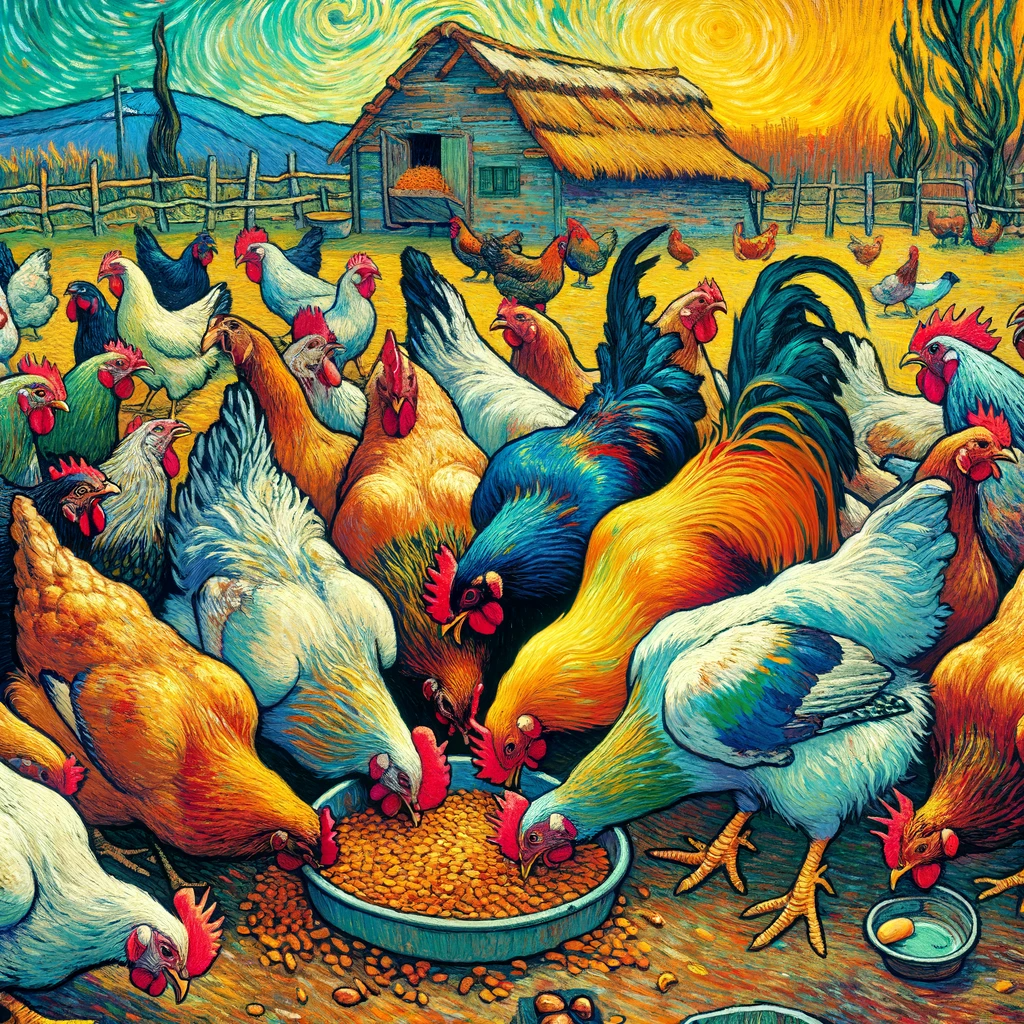
Raising Broilers That Pay for Themselves-Without a Factory Setup
Table Of Contents
- Raising Broilers That Pay for Themselves-Without a Factory Setup
- What Is the Most Rewarding Aspect Of Raising Broilers At Home?
- How Can You Ensure Your Broilers Are Raised Ethically and Sustainably?
- What Essential Skills Do You Need to Successfully Raise Broilers?
- How Do You Calculate the True Cost Of Raising Your Own Broilers?
- What Nutritional Needs Do Broilers Have for Optimal Growth?
- What Common Mistakes Should You Avoid When Starting Your Broiler Farm?
- How Can You Leverage Online Resources to Improve Your Broiler Farming?
- Conclusion
- Other Resources
- Glossary Of Terms
- Other Questions
- Haiku
- Poem
- Checklist
What Is the Most Rewarding Aspect Of Raising Broilers At Home?
Raising broilers at home is more than just a venture; it’s a transformative journey that connects you to the earth, to your food, and to a deeper sense of purpose. Imagine stepping into your backyard, the sun casting a golden hue over your space, and hearing the gentle clucks of your chickens. These aren’t just animals; they’re companions that work tirelessly alongside you, reminding you of the simple joys of life. They become part of your story, a blend of nature and nurture that weaves itself into the rhythm of everyday existence.
Now, let’s get real for a moment. When you raise your own broilers, you gain the kind of knowledge that textbooks can’t impart. You learn about responsibility, the cycles of life, and the true meaning of homegrown. It’s one thing to buy chicken at the grocery store, but when you look into the eyes of your backyard chickens, you begin to appreciate the effort and love that goes into every meal. You witness firsthand the transformation from little chicks to hearty birds, culminating in a harvest that nourishes your family. This is not just food; it is a conscious choice filled with ethical considerations. You’re choosing to support sustainability, reduce your carbon footprint, and offer your loved ones a more wholesome alternative to mass-produced meat.
On an emotional level, there’s something empowering about taking part in a cycle that’s as old as civilization itself. You forge a bond with your animals that fosters gratitude and a sense of stewardship over the land. Every time you gather those fresh eggs or prepare a meal from your own flock, you’re participating in a legacy of food production that connects generations. This narrative of self-reliance is powerful and builds confidence, wrapping us in a warm blanket of familiarity.
And let’s not forget the community aspect. When you share your journey, whether it’s successes or struggles, you build connections with like-minded individuals who are just as passionate about sustainable living and backyard chickens. You inspire and encourage others to take a leap into this rewarding lifestyle, fostering a collective movement toward mindful eating and conscious living.
Ultimately, raising broilers at home invites you to embrace an experience rich in rewards, both seen and unseen. It’s about more than just chickens; it’s about love, learning, and a life well-lived. Dive into this adventure, and discover the profound satisfaction that comes when you truly know where your food comes from.

What Is the Most Rewarding Aspect Of Raising Broilers At Home?
What Is the Most Rewarding Aspect Of Raising Broilers At Home?
- Raising broilers connects you to the earth, your food, and a deeper sense of purpose.
- It fosters companionship with chickens, reminding you of life’s simple joys.
- You gain invaluable knowledge about responsibility, life cycles, and homegrown ethics.
- The experience transforms you and enhances your appreciation for food and meal preparation.
- It promotes sustainability, reduces carbon footprint, and offers wholesome alternatives to mass-produced meat.
- Raising chickens builds a strong bond and fosters gratitude, confidence, and stewardship over the land.
- Sharing your journey creates community connections and inspires mindful living and eating.

What Is the Most Rewarding Aspect Of Raising Broilers At Home?
How Can You Ensure Your Broilers Are Raised Ethically and Sustainably?
When it comes to raising broilers, the heart of the matter isn’t just about profit margins or production output; it’s about the life you’re nurturing from chick to harvest. Whether you have a bustling farm or a quaint setup with a few backyard chickens, understanding the principles of ethical and sustainable rearing is critical. It starts with a relationship built on respect—not just for the land but for the creatures that inhabit it.
Imagine walking through your yard, the sun dappling your skin, and a flock of vibrant chickens scratching at the soil with vigor, each cluck and flutter a testament to a life well-lived. It’s easy to overlook the simple joy that comes from raising animals responsibly. Every time you lovingly feed a chick or provide them with fresh water, you’re nurturing a story—a bond that extends beyond the farm gate. And that connection? It resonates deeply within you and with those who support your journey.
But let’s get practical. Ethical broiler production is about more than cozy feelings; it involves hard-nosed decisions like proper space allocations and humane handling practices. Research shows that chickens raised with adequate space, natural light, and access to pasture exhibit lower stress levels and healthier growth rates. This not only results in happier birds but healthier meat for your family and friends. Plus, how you manage waste and resource use can significantly reduce your ecological footprint. With sustainable practices, you’re not just creating a better product; you’re becoming a good steward of the planet.
It’s about creating a ripple effect in your community. When people see the care you invest in your backyard chickens or the ethical practices you champion on your farm, they feel inspired. They want to connect, to learn, to ask questions, and to maybe even follow in your footsteps. You become a living example of how compassion and responsibility can coexist with agricultural success.
Ultimately, when you commit to raising your broilers ethically and sustainably, you’re not only contributing to your community’s health and well-being, but you’re also setting a precedent for future generations. It’s about leaving a legacy, showing that a better way of raising food is not just a dream, but a tangible reality rooted in care and mindful practices. Your chickens deserve that, and so does the world.

How Can You Ensure Your Broilers Are Raised Ethically and Sustainably?
How Can You Ensure Your Broilers Are Raised Ethically and Sustainably?
- Raising broilers involves nurturing life from chick to harvest, emphasizing more than just profit margins.
- Understanding ethical and sustainable rearing principles is crucial for all sizes of chicken farming.
- A respectful relationship with the land and animals fosters joy in responsible animal husbandry.
- Ethical broiler production requires practical decisions on space allocation and humane handling practices.
- Chickens with proper care exhibit lower stress and healthier growth, benefiting both the birds and the quality of meat.
- Implementing sustainable practices reduces ecological footprints and promotes responsible stewardship of the planet.
- By raising chickens ethically, you inspire your community and set a legacy of mindful food production for future generations.

How Can You Ensure Your Broilers Are Raised Ethically and Sustainably?
What Essential Skills Do You Need to Successfully Raise Broilers?
Raising broilers is more than a task; it’s a calling filled with passion, patience, and purpose. Whether you’re embarking on your first foray into the world of poultry or expanding your existing flock of Backyard Chickens, there are essential skills you need to harness to ensure success. Let’s dig into the heart of broiler farming, where dedication meets reward.
First and foremost, you need observational skills that rival those of an experienced detective. Every cluck, every flap, and every little peck tells a story. By tuning into their behavior, you’ll develop an instinct for what looks right—or wrong. This not only safeguards their health but fosters an enriching environment for your feathered friends. Connecting with your chickens on a personal level transforms a simple hobby into a heartfelt commitment.
Then comes the critical skill of knowledge acquisition. It’s a smorgasbord of information! Understanding nutrition, habitat requirements, and biosecurity measures calls for a thirst for knowledge that can turn everyday curiosity into expert-level competence. Engage with farmer forums, devour books on avian science, and heed the advice of seasoned poultry keepers. This investment of time pays dividends when you see your birds thrive.
Next, let’s talk about the grit it takes to manage your flock effectively. Raising broilers requires stamina and resilience—the physicality of mucking out a coop, the mental endurance of weathering health challenges, and the ethical decisions you’ll face regarding humane treatment. But what could be more gratifying than seeing those plump, healthy birds raise their heads in the sun? It’s the bond of trust and care that you cultivate with them that ultimately brings a sense of accomplishment.
Moreover, being part of the poultry community adds richness to your experience. Sharing stories with fellow chicken enthusiasts not only enhances your skills but also nurtures camaraderie. Social connections are vital; they offer a collective wisdom born from years of trial and error. Your mistakes will no longer feel isolating, as you’ll realize that every farmer has faced challenges—often the same ones!
Ultimately, raising broilers is about stewardship. It’s an ethical responsibility to provide a nurturing environment while embracing the joys and trials of this age-old practice. So roll up your sleeves, summon your courage, and step into the world of broiler farming with heart, head, and gut—a journey that promises growth and grace, both for your flock and yourself.

What Essential Skills Do You Need to Successfully Raise Broilers?
What Essential Skills Do You Need to Successfully Raise Broilers?
- Raising broilers is not just a task but a passion-driven calling requiring dedication and purpose.
- Developing strong observational skills is crucial for understanding chicken behavior and ensuring their health.
- Knowledge acquisition about nutrition, habitat, and biosecurity is essential for success in poultry farming.
- Managing a flock effectively demands physical stamina, mental resilience, and ethical decision-making.
- Engaging with the poultry community enhances skills and fosters camaraderie among chicken enthusiasts.
- Sharing experiences with fellow farmers can alleviate feelings of isolation when facing common challenges.
- Raising broilers entails stewardship and ethical responsibility, promoting a nurturing and rewarding farming experience.

What Essential Skills Do You Need to Successfully Raise Broilers?
How Do You Calculate the True Cost Of Raising Your Own Broilers?
When you decide to raise your own broilers, you’re not just embarking on a farming venture; you’re making a profound investment in your family’s health, the environment, and your community. It’s about more than crunching numbers; it’s about a lifestyle choice, an emotional connection that begins the moment you hear those little chicks peeping in your backyard.
Let’s talk numbers. Absolutely, you’ll need to account for feed costs, housing, and healthcare for your feathered friends. But the true cost runs deeper. Ask yourself: what is the value of knowing exactly where your food comes from? There’s a sense of empowerment in nurturing your backyard chickens that you won’t find at the local supermarket. It’s more than economics; it’s a way of reclaiming your connection to the land, to your meals, and to the cycles of nature itself.
In the beginning, you might find yourself weighed down by the spreadsheets, calculating feed-to-weight ratios and medical supplies. Sure, a high-quality feed might seem pricey, but when you witness those plump, healthy birds roaming freely, you realize the investment pays dividends in both nourishment and ethical satisfaction. Supporting sustainable practices not only enhances your own health but also contributes to the welfare of the planet, one backyard at a time.
And let’s not forget the community aspect. In raising broilers, you join a network of devoted chook enthusiasts who share tips, recipes, and the occasional egg swap. You’re connected not just to your own backyard, but to local farmers and foodies who value the same ideal: fresh, ethically-raised produce. That cultivation of support enriches your experience and reinforces the notion that this is not just about chickens; it’s about fostering relationships and a sense of belonging.
Every dollar you invest gives a piece of yourself to this undertaking. You’ll think twice about impulsive purchases for a factory-farmed chicken when you know the effort that goes into raising your own. Those moments spent tending to your birds, understanding their needs, and watching their behaviors will instill a sense of respect that no label in the grocery store can impart.
Ultimately, calculating the true cost of raising your own broilers is a blend of heart, head, and gut. It’s not just about finances; it’s about nurturing a deeper connection with your food, your environment, and your community. So roll up your sleeves, embrace the messiness, and get ready for a journey that nourishes not just the body, but the soul.

How Do You Calculate the True Cost Of Raising Your Own Broilers?
How Do You Calculate the True Cost Of Raising Your Own Broilers?
- Raising broilers is an investment in health, the environment, and community.
- It’s a lifestyle choice that creates an emotional connection with food and land.
- True costs include feed, housing, and healthcare, but also the value of knowing your food source.
- Nurturing chickens fosters empowerment, nourishment, and ethical satisfaction.
- Engaging with the community of fellow chicken enthusiasts enhances the experience.
- Your involvement instills respect for food production and the effort involved.
- The experience is a journey enriching both the body and the soul, beyond just finances.

How Do You Calculate the True Cost Of Raising Your Own Broilers?
What Nutritional Needs Do Broilers Have for Optimal Growth?
When you think about the humble backyard chicken, it’s easy to overlook just how critical their nutritional needs are for optimal growth. These feathery little wonders don’t just provide eggs and meat; they symbolize a commitment to sustainability, self-reliance, and community connection. Feeding them properly isn’t just an afterthought—it’s a promise to let them thrive and flourish.
Broilers, being the fast-growing chicken variety, require a carefully balanced diet that gives them the fuel to reach their full potential. This is where the head meets the heart. Their nutritional needs include a precise mix of protein, energy, vitamins, and minerals. A diet high in protein, especially in the first few weeks of life, encourages muscle development and growth, setting them up for success. Think about it—when these chickens grow strong and healthy, the benefits ripple outward, supporting local agriculture and reducing our carbon footprint.
Ethically, raising chickens with the right nutrition means you are upholding a standard of care and responsibility. You’re not just filling food troughs but fostering a life full of potential. With every balanced meal, you’re demonstrating respect for the animal, and that gives us a sense of purpose.
But let’s get to the gut—chickens, just like us, need a proper balance of nutrients. In their case, this means finely milled grains, quality protein sources like soybean and canola meal, essential vitamins like A, D3, and E, along with mineral supplements such as calcium and phosphorus. Just imagine the vibrant, lively flock strutting around your yard, each chicken more than just a feathered friend but a part of a larger narrative about sustainable living. It’s a story of mindful eating and environmentally sound practices.
Socially, as poultry enthusiasts, we often share tips and tools with one another, creating a community dedicated to better practices. Investing in knowledge about chicken nutrition empowers not just ourselves but generations to come. The more we learn to nurture our chickens, the more they give back—both in eggs and a deeper understanding of our bond with nature.
So, let’s roll up our sleeves and take that extra step. By understanding and meeting the nutritional needs of our broilers, we honor their role in our lives and acknowledge the responsibilities we carry. With the right care, they’ll not only thrive but also build the very foundation of our sustainable futures.

What Nutritional Needs Do Broilers Have for Optimal Growth?
What Nutritional Needs Do Broilers Have for Optimal Growth?
- The nutritional needs of backyard chickens are crucial for their optimal growth and overall health.
- Broilers require a balanced diet rich in protein, energy, vitamins, and minerals for proper development.
- High protein intake in the early stages promotes muscle growth and contributes to stronger, healthier chickens.
- Feeding chickens ethically reflects care and responsibility, fostering a sense of purpose among their caregivers.
- The right balance of nutrients includes finely milled grains and quality protein, along with essential vitamins and minerals.
- Sharing knowledge about chicken nutrition within the community enhances sustainable practices and empowers future generations.
- Meeting the nutritional requirements of broilers contributes to sustainable living and reduces our carbon footprint.

What Nutritional Needs Do Broilers Have for Optimal Growth?
What Common Mistakes Should You Avoid When Starting Your Broiler Farm?
Starting a broiler farm can evoke dreams of wholesome mornings with birds clucking in the background, fresh eggs, and a fulfilling connection to the land. But before you dive into this rewarding endeavor, be wary of common pitfalls that can take your well-intentioned dream and turn it into a headache.
First, let’s talk about the temptation of wanting to start big. It’s like that moment when someone decides to invest in a fleet of *backyard chickens* without understanding proper care or management. Go slow. Focus on learning the ropes with a smaller flock. This way, you’re not overwhelmed by costs or work—think of it as an apprenticeship to the farming world. Embrace the initial cluck-ups, and let them be lessons rather than failures.
Next, ensure that you’re knowledgeable about the specific breeds you choose. Not all birds are created equal, and some might not suit your climate or farming practices. Dive into research, chat with experienced farmers, and gain insights that will save you stress and resources in the long run. This isn’t just about raising chickens; it’s about cultivating a sustainable practice based on solid foundations.
You should also avoid cutting corners when it comes to their housing and care. A sturdy, well-ventilated barn may not seem glamorous, but it’s your chickens’ sacred space. Think of it as their home, their sanctuary. If you skimp on space, heating, or cleanliness, you’re inviting trouble. Healthy birds lead to a thriving venture—and nothing feels better than a genuinely healthy flock.
Additionally, resist the urge to operate in isolation. Farming is a community endeavor at its root. Connect with local farming networks, share experiences, and learn together. Leverage their wisdom and camaraderie. Social connections in this field are not just beneficial—they’re essential. Your broiler farm isn’t just business; it can also become a hub for shared stories, challenges, and solutions.
Finally, don’t overlook the ethics of your practice. Raising animals is a responsibility that extends beyond profit margins. It’s about respect for life and ensuring humane treatment. Let this guiding principle shape every decision you make.
Your journey into broiler farming can be one of growth and fulfillment, but it requires mindfulness, patience, and a healthy dose of humility. Embrace the experience with a heart open to learning, and you won’t just raise chickens—you’ll raise a legacy.

What Common Mistakes Should You Avoid When Starting Your Broiler Farm?
What Common Mistakes Should You Avoid When Starting Your Broiler Farm?
- Starting a broiler farm presents dreams of connection to the land and fresh produce.
- Avoid the temptation to start big; begin with a smaller flock to learn and manage effectively.
- Research and choose specific breeds suited to your climate and farming practices.
- Invest in proper housing and care for your chickens to ensure their health and comfort.
- Engage with local farming networks for support, shared experiences, and community learning.
- Prioritize ethical practices regarding animal treatment and consider the responsibility involved.
- Approach broiler farming with mindfulness, patience, and humility for a rewarding experience.
What Common Mistakes Should You Avoid When Starting Your Broiler Farm?
How Can You Leverage Online Resources to Improve Your Broiler Farming?
When you think about broiler farming, don’t just picture endless rows of chickens clucking away in a barn. No, it’s much more than that—it’s a commitment, a passion, a way of life that stretches beyond the confines of your backyard. Imagine for a moment, as you place your hands on the warm, feathery bodies of your birds, the responsibility you hold—not just for their lives, but for the food on your table and the community around you. Leveraging online resources can help elevate this cherished endeavor into something extraordinary.
Now, here’s the thing: the digital age has opened a treasure trove of information just waiting to be rummaged through, like an old barn full of tools passed down through generations. From engaging YouTube videos that walk you through the nuances of chicken care to forums buzzing with enthusiastic farmers sharing lessons learned, these platforms can be a lifeline. Stories of backyard chickens turning into thriving flocks fill the digital space, echoing with the hope that each of us can achieve similar success.
But let’s not overlook rationality here. Online resources put cutting-edge research at your fingertips, helping you understand nutrition, disease management, and best practices. Follow poultry science experts, webinars, and digital courses that allow you to learn at your own pace. This isn’t just about numbers; it’s about cultivating a deep understanding of your livestock’s needs. When the sickle of a disease threatens to cut through your flock, you’ll be armed with the knowledge to combat it, reflecting not only a smart approach but an ethical one—caring for those lives entrusted to you.
The beauty is that it doesn’t stop at knowledge. You become part of a community, connecting with fellow farmers who face the same challenges. Whether you’re sharing a triumph or seeking help with a setback, these online networks foster camaraderie and support that transcend geographical boundaries. Everyone is in it together, fighting for the health of their birds and the sustainability of their farms.
As you dive into this digital wealth, remember it’s not just about farming better; it’s about nurturing a legacy—a sustainable practice that feeds hearts and bellies. With every resource you explore, you reinforce your confidence and invest in your future. So, roll up those sleeves, make a connection, and discover just how far you can take this broiler farming journey with the right tools in your virtual toolbox.

How Can You Leverage Online Resources to Improve Your Broiler Farming?
How Can You Leverage Online Resources to Improve Your Broiler Farming?
- Broiler farming is a commitment and a passion, extending beyond just raising chickens.
- Online resources can enhance broiler farming through valuable information and insights.
- YouTube videos and forums provide practical tips and shared experiences from other farmers.
- Access to cutting-edge research aids in understanding nutrition, disease management, and best practices.
- Learning from experts via webinars and courses allows for a deeper understanding of livestock needs.
- Online communities foster support, camaraderie, and shared challenges among farmers.
- Embracing digital tools not only improves farming but also helps build a sustainable legacy.

How Can You Leverage Online Resources to Improve Your Broiler Farming?
Conclusion
Raising broilers in your backyard is more than just a practical choice; it’s an emotionally enriching experience that unites heart, head, and gut. Picture this: stepping outside to a chorus of cheerful clucks, each sound echoing the vibrant life of your chickens, all in an environment free from the sterile confines of factory farming. This venture isn’t merely about meat production; it symbolizes a return to our roots, an opportunity to reconnect with the land and our food sources.
Delve into the emotional resonance of tending to these animals—each bird representing a conscious decision to embrace ethical practices and sustainability. It’s remarkable how nurturing and caring for these animals instills a sense of responsibility and pride. You’re not just keeping chickens; you’re cultivating a relationship with them, significantly impacting their lives and, in turn, yours. Witnessing their growth also cultivates a sense of accomplishment, as you realize that the food you serve at your family table embodies hard work and ethical sourcing.
The logical side of this endeavor speaks to the impressive profit margins that can emerge with proper management. Basic investments in quality feed and care translate into healthier birds and higher returns. Every dollar spent creates value that extends beyond mere economics—it counts as an investment in health, community well-being, and sustainable practices. Furthermore, investing in their proper nutrition and ethical treatment means providing your loved ones with wholesome, safely sourced food that aligns with growing movements against animal cruelty and environmental degradation.
On the ethical front, every choice you make paves the way for a legacy—one where future generations may inherit not just a skill set but also a mindset that appreciates responsible farming practices. Building connections with neighbors and joining farming communities amplifies this effect, as your stewardship encourages others to learn about sustainable living and explore similar paths.
Ultimately, raising broilers in your backyard is a story woven together with compassion and humility. As you embark on this adventure, you become part of a larger narrative, one that celebrates the joy of connected living and motivates meaningful action within your community. With every flap and peck, your journey resonates far and wide, fostering change right from your own backyard. So get out there, embrace this invigorating challenge, and let your chickens guide you toward an enriched way of life.

Conclusion
Conclusion:
- Raising broilers offers an emotionally enriching experience that connects heart, head, and gut.
- Experience the vibrant life of chickens in a natural environment, away from factory farming.
- Tending to chickens fosters responsibility and pride, creating personal relationships with the animals.
- Witnessing their growth leads to a sense of accomplishment and ethical sourcing for family meals.
- With proper management, raising chickens can yield impressive profit margins and healthier birds.
- Every choice contributes to a legacy of responsible farming and sustainable practices for future generations.
- The journey of chicken-raising promotes community connection and encourages a movement toward sustainable living.

Conclusion
Other Resources

Other Resources
Here is a list of other resources you can review online to learn more:
- Minorca
- Cinnamon Queen
- Speckled Sussex
- flock raiser
- Cochin
- White Leghorn
- cats
- dogs
- Jersey Giant
- Capillary Worms
- Central Maine Bird Fanciers
- Avian Pox
- roaches
- citrus fruit
Use This Prompt To Get More Resources With Your Favorite Online AI Tool: Please provide me with a list of online articles with their URLs in a bulleted list that I can read regarding Raising Broilers That Pay for Themselves-Without a Factory Setup

Other Resources
Glossary Terms
Raising Broilers That Pay for Themselves-Without a Factory Setup – Glossary Of Terms
1. Broilers: Chickens specifically bred for meat production, known for their fast growth and efficient feed conversion.
2. Free-range: A farming method where birds are allowed to roam outside for a portion of the day, promoting natural behaviors and potentially healthier meat.
3. Feed Conversion Ratio (FCR): A measure of an animal’s efficiency in converting feed into body mass; lower ratios indicate better efficiency.
4. Organic: Refers to agricultural products grown without synthetic pesticides, fertilizers, or genetically modified organisms, often fetching higher market prices.
5. Housing: Structures or enclosures designed to protect broilers from the elements, predators, and disease while ensuring comfort and ventilation.
6. Biosecurity: Practices aimed at preventing the introduction and spread of diseases among poultry, crucial for maintaining flock health.
7. Pasture-based: A sustainable farming system where chickens are raised on grassy land, allowing for natural foraging and higher quality of life.
8. Nutritional Requirements: The essential dietary needs of broilers, including proteins, vitamins, and minerals, crucial for optimal growth.
9. Mortality Rate: The percentage of birds that die during a specific period, a key indicator of flock health and management practices.
10. Breeding Stock: Mature birds selected for reproduction to produce the next generation of broilers with desirable traits.
11. Chick Starter Feed: Specialized feed formulated for young broiler chicks to support their rapid growth during the initial weeks of life.
12. Finishing Feed: Feed designed for older broilers nearing market weight, often higher in energy and protein to maximize growth.
13. Supplementation: The addition of vitamins, minerals, or other nutrients to a broiler’s diet to address deficiencies and promote health.
14. Foraging: Natural behavior of chickens where they search for food in their environment, contributing to their diet and well-being.
15. Water Quality: The purity and safety of drinking water for broilers, critical for health and growth performance.
16. Wooden Coop: A simple, handmade structure used for housing broilers, often equipped for safety and comfort.
17. Geese and Ducks: Other poultry species that can be integrated into a farm for diverse production and ecosystem benefits.
18. Welfare Standards: Guidelines and regulations that ensure the humane treatment of poultry and promote good living conditions.
19. Organic Certification: A process by which producers certify their farming practices meet organic standards, allowing for premium pricing.
20. Market Demand: The consumer need for broiler products, influencing pricing, production volume, and marketing strategies.
21. Vaccination: The process of administering vaccines to prevent common poultry diseases, critical for flock health management.
22. Grain-Based Diet: A common feeding strategy for broilers that includes corn, wheat, and other grains as primary energy sources.
23. Processing: The procedures involved in slaughtering and preparing broilers for sale, ensuring safety and quality standards.
24. Sales Channels: Various methods for selling broiler products, including farmers’ markets, local butcheries, and online platforms.
25. Profit Margin: The difference between the cost of production and the selling price, representing the profitability of raising broilers.
26. Rotation Grazing: A practice where birds are moved between different pasture areas to promote regrowth and reduce disease transmission.
27. Integrated Systems: Farming practices that combine livestock and crop production for sustainability and efficiency.
28. Chickens’ Habitat: The environment in which broilers are raised, including space, shelter, and access to food and water.
29. Organic Market: A niche market for sustainably and ethically raised poultry, often demanding higher prices than conventional options.
30. Local Sourcing: Acquiring supplies and resources from nearby areas to reduce costs and support the local economy.

Glossary Of Terms
Other Questions
Raising Broilers That Pay for Themselves-Without a Factory Setup – Other Questions
If you wish to explore and discover more, consider looking for answers to these questions:
- What are the best breeds of broilers to start with for beginners?
- What are the basic housing requirements for raising broilers at home?
- How do you manage health and sickness in broiler chickens?
- What are the best feeding practices for broilers to ensure optimal growth?
- How can I sell or distribute the chickens I raise?
- What legal considerations should I be aware of when raising chickens in my backyard?
- How do I create a feeding schedule for my broiler chickens?
- What equipment is essential for raising broilers?
- How can I prevent pests and predators from affecting my flock?
- What are the benefits of free-range versus confined broiler raising?
- How do I ensure that my broilers are humane and ethically raised?
- What should I do if my broilers are not gaining weight as expected?
- Are there specific pests or diseases I should be particularly vigilant about?
- How can I engage with the community to improve my broiler-raising practices?
- What are the financial implications of raising broilers compared to purchasing from stores?

Other Questions
Haiku
Raising Broilers That Pay for Themselves-Without a Factory Setup – A Haiku
Chickens in the sun,
Homegrown dreams take wing and soar—
Life nourished with love.
Haiku
Poem
Raising Broilers That Pay for Themselves-Without a Factory Setup – A Poem
In a world where farms once thrived,
Amidst the clucks and morning light,
Backyard broilers, vibrant and alive,
Nestle dreams within our sight.
These aren’t mere birds—it’s connection profound,
With each peck and flutter, a story unfolds,
Returning to roots where true joy is found,
And nourishing life with hands that uphold.
Profit isn’t the only treasure sought,
But knowledge gained in this gentle embrace,
Ethics intertwined with the care that we brought,
Building resolutions, we create a new space.
Feel the pride in self-sustaining grace,
As fresh eggs line the kitchen’s worn shelf,
Every heartbeat echoes a rhythm, a pace,
Of nurturing life, both feathered and self.
Join the chorus of voices, united we stand,
In a community thrumming with wisdom and hard truth,
Cultivating kindness, together we plan,
For a future where food springs from our youth.
Mistakes will be made, but so too will we grow,
Embrace every challenge, each lesson we find,
With grit and with laughter, let empathy show,
As we raise our broilers, our spirits aligned.
Feed them right, and they’ll flourish and thrive,
In the dance of the seasons, their health intertwined,
A legacy nurtured, as we come alive,
In this tapestry woven by purpose combined.
So step into the sunlight, roll up your sleeves,
With heart, head, and gut guiding the way,
In this cycle of living, let’s dream and believe,
A movement for change is just a cluck away.
Poem
Checklist
Raising Broilers That Pay for Themselves-Without a Factory Setup – A Checklist
Broiler Raising Success Checklist
Heart Appeals
_____ Embrace the journey: Connect emotionally with your birds; think of them as companions and a part of your life story.
_____ Celebrate milestones: Recognize and appreciate the small victories, like the first egg or successful harvest moments.
_____ Share your experiences: Document your journey and share it with family and friends to inspire others.
Head Appeals
_____ Educate yourself: Research broiler nutrition, housing needs, and ethical practices through books, online courses, and expert advice.
_____ Track your finances: Calculate all costs involved, including feed, housing, and healthcare, to assess true profitability.
_____ Analyze growth metrics: Monitor the health and growth of your chickens to ensure optimal outcomes and adjust practices when necessary.
Gut Appeals
_____ Start small: Avoid overwhelming yourself with too many birds initially; grow gradually as you learn the ropes.
_____ Be observant: Tune into your flock’s behavior and health; trust your instincts to identify issues early.
_____ Maintain a hands-on approach: Engage daily with your chickens for a deeper understanding of their needs and behaviors.
Emotional Appeals
_____ Cultivate empathy: Develop a strong bond with your birds by treating them with care and respect.
_____ Connect with nature: Appreciate the joy of working closely with animals and tending to the land.
_____ Join a community: Engage with other backyard farmers to share knowledge and support one another.
Rational Appeals
_____ Utilize online resources: Leverage digital platforms for educational content, support, and community connection.
_____ Implement sustainable practices: Research eco-friendly methods to reduce your carbon footprint and embody responsible farming.
_____ Regularly review practices: Reflect on what works and what doesn’t and evolve your methods based on insights gained.
Ethical Appeals
_____ Prioritize animal welfare: Ensure that your chickens have adequate space, proper nutrition, and humane treatment.
_____ Promote conscious eating: Share the benefits of backyard-raised chickens with your community to inspire ethical choices.
_____ Leave a legacy: Consider the long-term impact of your farming practices on future generations and the environment.
Authority Appeals
_____ Seek mentorship: Connect with experienced farmers or join local agricultural groups to gain insights and confidence.
_____ Follow experts: Stay updated with poultry research and guidelines from reputable sources in agricultural science.
_____ Participate in workshops: Attend local or online events to enhance your skills and deepen your knowledge about sustainable farming.
Narrative Appeals
_____ Document your story: Write about your experiences and lessons learned to reflect on your journey and inspire others.
_____ Share successes: Celebrate and share the transformations you witness in your flock, emphasizing the journey from chick to harvest.
_____ Connect through storytelling: Engage your community with anecdotes about your farming life, fostering a deeper connection to your practices.
Social Appeals
_____ Build connections: Network with fellow poultry enthusiasts and participate in local gardening or farming groups.
_____ Host events: Organize gatherings like egg swaps or farm tours to share your experience and build community ties.
_____ Advocate for sustainability: Use your journey to inspire others in your community to explore sustainable food practices.

Checklist
At BackyardChickenNews, we help people who want to raise backyard chickens by collating information and news blended with our own personal experiences.
Be sure to read our other related stories at BackyardChickenNews to learn more about raising chickens in your backyard.