

Protecting The Well-Being Of Your Flock
By Tom Seest
At BackyardChickenNews, we help people who want to raise backyard chickens by collating information and news blended with our own personal experiences.
Be sure to read our other related stories at BackyardChickenNews to learn more about raising chickens in your backyard.
Signs Your Chicken Needs Immediate Help
When you raise backyard chickens, you’re not just maintaining a little flock; you’re ushering life into your backyard. These feathery friends turn a mere garden into a pulsing microcosm of nature, full of clucks, coos, and the unmistakable charm of chicken antics. However, just like any living being, they can fall ill or face unexpected challenges. Recognizing the signs that your chicken needs immediate help is crucial—not just for the bird, but for the bond you share.
First, listen to your gut. If your chicken is acting off, trust that instinct. Is she lethargic and isolating herself from the group? Chickens are social creatures, and a sudden shift in behavior can signal something is seriously wrong. Watch for changes in appetite, too. If your normally voracious eater is suddenly disinterested in food, it’s time to take a closer look.
Next, pay attention to the eyes. A healthy chicken has bright, alert eyes, but if you notice dullness or a lack of focus, that’s your cue. It’s like seeing a friend’s spark fade—you feel it in your bones, and it begs for attention. Each day you delay could mean the difference between a quick fix and a real crisis.
Of course, the ethical responsibility of raising backyard chickens is to ensure their well-being. Failing to react when a feathered friend is in distress not only compromises their quality of life but also challenges our integrity as caretakers. Remember that hesitation can lead to bigger issues—what might have been a minor setback becomes a significant health crisis.
Moreover, consider your flock as a community. When one chicken is unwell, it can affect the entire dynamic. The pecking order shifts, tensions rise, and the harmony of your backyard turns disharmonious. Your response to an ailing chicken isn’t just about saving one life; it’s about preserving the balance of your little ecosystem.
Your chickens rely on you to catch these signs before things spiral out of control. Engage with them not just as livestock but as companions deserving of care and attention. Being proactive isn’t just good animal husbandry; it’s about honoring the relationship you’ve nurtured from those early days of fluff and peeping. So, when something feels off, take action because every moment counts when it comes to safeguarding your backyard buddies. Your heartfelt attention today can lead to their brighter tomorrows.

Signs Your Chicken Needs Immediate Help
Signs Your Chicken Needs Immediate Help
- Raising backyard chickens enhances your garden by introducing life and nature’s charm.
- It’s important to recognize when chickens need help, as their health affects your bond.
- Trust your instincts if a chicken behaves unusually, such as being lethargic or isolating itself.
- Monitor changes in appetite; disinterest in food can indicate serious issues.
- Healthy chickens have bright, alert eyes; dullness or lack of focus is a warning sign.
- Addressing a sick chicken is crucial for both its well-being and the integrity of the flock.
- Engaging with chickens as companions fosters a strong relationship and promotes proactive care.
Signs Your Chicken Needs Immediate Help
Table Of Contents
- Signs Your Chicken Needs Immediate Help
- What Signs Indicate Your Chicken Is In Distress?
- How Can You Recognize Pain In Your Bird?
- Are Your Chickens Isolating Themselves From The Flock?
- Why Is It Important To Observe Your Chickens Daily?
- Can Signs Of Illness In Chickens Affect Your Entire Flock?
- What Should You Do If Your Chicken Is Lethargic?
- Are You Aware Of The Common AIlments That Affect Chickens?
- Conclusion
- Other Resources
- Glossary Of Terms
- Other Questions
- Haiku
- Poem
- Checklist
What Signs Indicate Your Chicken Is In Distress?
Understanding the signs that your chickens are in distress is crucial for any backyard poultry enthusiast. These feathered friends may not speak our language, but they certainly communicate through behavior. When the sun rises and you walk out to greet your flock, pay attention—an attentive eye can make all the difference.
First, let’s talk about the basics. If your chicken is isolating itself from the rest of the group, that’s a red flag. Chickens are social animals; they thrive in the company of each other. A lonely bird might be hiding a health issue, so it’s time to investigate further. Look for any signs of lethargy. Is it sitting huddled in a corner? Is it slow to respond when feeding time rolls around? A decline in energy can indicate everything from illness to emotional distress.
Next, observe their combs and wattles. In a healthy chicken, these areas should be bright red. If they’re pale, it might suggest a lack of oxygen or a nutritional deficiency. When you see such things, it’s not just a medical concern; it’s an ethical one. You took the responsibility of caring for these creatures, and part of that commitment is ensuring they flourish.
Behavioral cues also point to trouble. A distressed chicken may exhibit excessive pecking or feather plucking. If you see one bird aggressively dominating another, it’s often an indication that social dynamics are off-balance. Remember, chickens have feelings too; they can experience stress, fear, and anxiety. If your flock is at odds, consider your space and resources. Too many birds crammed together can lead to conflict.
Sound matters, too. Chickens communicate with a variety of clucks and squawks. A sudden change in their vocal patterns can signal distress. Are they quieter than usual? It’s time to dig deeper. Trust your gut—if something feels off, it often is.
Adopting backyard chickens can bring immense joy, but it requires a commitment to their well-being. By becoming attuned to their needs and feelings, you create a nurturing environment where they can thrive. So, the next time you step into that chicken coop, take a moment to truly connect with your flock. They may not express their discomfort through words, but their needs are clear if you just learn to listen.

What Signs Indicate Your Chicken Is In Distress?
What Signs Indicate Your Chicken Is In Distress?
- Understanding distress signals in chickens is essential for backyard poultry enthusiasts.
- Isolation from the flock can indicate health issues, as chickens are social animals.
- Lethargy, such as huddling or slow responses during feeding, may point to illness or emotional distress.
- Pale combs and wattles suggest a lack of oxygen or nutritional deficiencies, requiring immediate attention.
- Excessive pecking or feather plucking may indicate social disturbances within the flock.
- Changes in vocal patterns can signal distress; quieter chickens often require further investigation.
- Caring for chickens involves recognizing their needs and feelings to create a supportive environment.

What Signs Indicate Your Chicken Is In Distress?
How Can You Recognize Pain In Your Bird?
When you welcome a bird into your home, you’re not just gaining a pet; you’re taking on a silent partner who communicates in ways we often overlook. Recognizing pain in your feathered friend isn’t just a matter of observation; it’s a profound responsibility that requires you to tune in to their subtle cues. Just like our backyard chickens, birds can’t tell us when something’s wrong. Instead, they rely on us to notice the signs.
Imagine a vibrant parakeet, usually a spirited little whirlwind, suddenly sitting quietly on its perch, feathers ruffled. This change isn’t just “normal behavior”; it’s a red flag. Whether it’s a loss of appetite or lethargy, these signs signal discomfort, and your heart should take notice. Think about it. Your bird depends on you to be their voice and their advocate. It takes a keen eye to recognize that the playful chirps have turned into muted silence, or that a protracted stretch could indicate joint pain.
Rationally, understanding bird anatomy can arm you with the knowledge to identify pain. Birds are masters at hiding discomfort, a survival instinct that makes them vulnerable in the wild. But in your care, it becomes your duty to gauge their well-being. Look for the physical signs—check for fluffed feathers, unusual posturing, or changes in droppings. These aspects might seem mundane at first, but they’re essential details in the narrative of your pet’s health.
Ethically, it’s vital to consider the emotional bond you share. Fostering a connection means remembering that your bird feels pain much like you do. If something seems off, don’t brush it aside. Engage your veterinarian—birds require specialized care, and even a seasoned pet owner may overlook critical signs of distress.
By building a community around caring for birds—sharing stories, tips, and experiences—everyone benefits. You’re not alone in navigating this tender landscape of avian health. So, when you notice those small, telling signs of distress, remember: you hold the power to change their world. Your bird’s comfort and happiness thrive in your hands, and recognizing their pain isn’t just a skill; it’s an act of love. Choose to listen, to observe, and to act—because every chirp and silence matters.

How Can You Recognize Pain In Your Bird?
How Can You Recognize Pain In Your Bird?
- Welcoming a bird involves taking on the responsibility of understanding their unique communication cues.
- Birds, like parakeets, often show signs of discomfort through changes in behavior, such as ruffled feathers or lethargy.
- Recognizing signs of pain or distress requires a keen eye and attentive observation from the owner.
- Understanding bird anatomy is crucial for identifying pain, as they are skilled at hiding discomfort.
- Common physical signs to watch for include fluffed feathers, unusual posturing, and changes in droppings.
- It’s important to have an emotional connection with your bird and seek veterinary care when you notice troubling symptoms.
- Building a community among bird owners can enhance knowledge and support in caring for avian health and welfare.

How Can You Recognize Pain In Your Bird?
Are Your Chickens Isolating Themselves From The Flock?
Are you noticing that one of your backyard chickens is drifting away from the rest of the flock? This isn’t just a quirky behavior; it can be a sign of underlying issues that deserve your attention. Chickens are social creatures, generally thriving in the bustling energy of their peers. When one decides to isolate, it’s like a lighthouse flashing a warning—something’s off.
Consider the emotional impact of this behavior. You’ve invested time and care into your chickens; they’re not just poultry, they’re members of your household. When a bird prefers solitude, it can stir concern and sadness. You may find yourself mulling over what could possibly be wrong. Is she feeling unwell? Maybe she’s been picked on? Or perhaps there’s a change in the pecking order? All of these questions weigh heavy on those dedicated to raising a happy and healthy flock.
On a rational level, isolation can indicate health issues. Chickens are prey animals, and when they’re sick, they often hide their condition, becoming wary of their environment. This makes a sudden withdrawal even more alarming. As a responsible chicken keeper, it’s crucial to pay attention to these warnings, understanding that the well-being of one can ripple throughout the entire group. Take the initiative—observe her behaviors and look for signs of illness, which could range from lethargy to loss of appetite or even behavioral changes.
Let’s not forget the ethical responsibility we have towards these creatures. In today’s world, where ethical farming practices are under scrutiny, fostering a supportive and healthy environment for your chickens reflects not just care, but a commitment to welfare. Social structures within the flock are vital, and your role as a caretaker extends beyond feeding and watering. It includes ensuring they feel safe and supported.
Imagine the life lessons our chickens can teach us about community and connection. When one member is ostracized, it’s not just a struggle for that individual; it’s a disturbance in the entire group dynamic. By fostering an inclusive environment, you’re teaching values of empathy and support—not only to yourself but perhaps even to the next generation watching you tend to these feathery friends.
So, if you see a lonely chicken, take it as your call to action. Explore the root cause, nurture the bond within your flock, and celebrate the simple joys that come from caring for these remarkable creatures. Your chickens rely on you, and in their well-being, you’ll find a deeper connection to your own journey in the backyard, where every wing beat carries a story worth telling.

Are Your Chickens Isolating Themselves From The Flock?
Are Your Chickens Isolating Themselves From The Flock?
- Isolation in chickens can signal underlying issues that need attention.
- Chickens thrive in social environments; solitary behavior may indicate distress.
- Possible reasons for isolation include illness, bullying, or changes in the flock hierarchy.
- As prey animals, sick chickens may hide their conditions, making withdrawal concerning.
- Chicken keepers have an ethical responsibility to ensure their birds feel safe and supported.
- The experience can teach valuable lessons about community and empathy in care.
- When noticing a lonely chicken, take immediate action to explore and nurture flock dynamics.

Are Your Chickens Isolating Themselves From The Flock?
Why Is It Important To Observe Your Chickens Daily?
When you step into your backyard each day, you’re not just visiting a coop. You’re stepping into a realm where life unfolds in its simplest, purest form. Observing your backyard chickens daily is more than a chore; it’s an intimate ritual that connects you to the rhythm of life itself. Each cluck, flap, and peck is a chapter in an increasingly rare narrative—one that weaves together our responsibilities as caretakers with the joys that come from nurturing another species.
From a rational standpoint, regular observation allows you to catch subtle changes in health or behavior that might otherwise go unnoticed. A chicken that isolates itself or has a different appetite is a red flag. You’re not just raising backyard chickens; you’re becoming their first line of defense. Knowledge is power, and the more you know about your flock’s habits, the more equipped you are to respond to their needs. This attention to detail fosters a sense of authority in your role as a chicken keeper, empowering you to take control of your chickens’ well-being.
On an emotional level, there’s a sense of joy that comes from spending time with these feathered friends. Watching them scratch about, or the excitement of a new egg being laid, ignites that spark of connection that is so often missing in our fast-paced lives. The heart thrives on these moments of joy, reminding us that even in our busy world, there is still beauty in the simple things. This connection to your flock can spur deeper ethical considerations as well. It encourages a lifestyle that’s attuned to sustainability and animal welfare, turning backyard chicken keeping into a meaningful choice rather than just a hobby.
And let’s not forget the social dimension. Sharing stories of your daily observations—the quirky antics of ‘Clucky’ or the majestic presence of your rooster—builds a community. Whether through local meet-ups or online forums, these daily anecdotes foster bonds with fellow chicken enthusiasts. You’re not just maintaining a backyard; you’re cultivating relationships that span blocks and even states.
So, step out there. Observe, learn, connect. Because in those fleeting moments of chaos and calm, you’ll find not just chickens, but a deeper understanding of life and what it means to care for something outside of ourselves. And that, my friends, is worth every cluck.
Why Is It Important To Observe Your Chickens Daily?
Why Is It Important To Observe Your Chickens Daily?
- Stepping into your backyard is not just a routine; it’s a profound connection to the rhythm of life.
- Daily observation of chickens allows for the recognition of subtle health or behavioral changes.
- Being attentive empowers you as a caretaker, enhancing your role in ensuring their well-being.
- Time spent with chickens offers joy and connection, highlighting beauty in simple moments.
- This relationship fosters ethical awareness regarding sustainability and animal welfare.
- Sharing experiences in chicken keeping cultivates community bonds with others who share your passion.
- Engaging with your backyard chickens leads to a deeper understanding of life and care beyond oneself.
Why Is It Important To Observe Your Chickens Daily?
Can Signs Of Illness In Chickens Affect Your Entire Flock?
When you wake up to the soft clucking of your backyard chickens, there’s a certain joy that wraps around your heart. Those feathered friends are more than just egg-layers; they’re part of your family. But what happens when illness creeps into your coop? The impact of sickness in one bird can ripple through your entire flock, bringing both heartache and a touch of urgency.
Imagine the scene: a seemingly healthy chicken starts to lag behind. You notice they’re not as eager for feed, their plumage lacks luster, and they’re isolated from the rest. You may brush it off, thinking it’s just a phase, but here’s the harsh truth—what starts as a minor ailment can evolve into a full-blown outbreak that disrupts your entire backyard setup. Raise your hand if you’ve ever invested time and money in nurturing your flock, only to see it crumble under the weight of negligence.
Rationally, it’s critical to take illness seriously. Each bird is a link in the chain of your flock’s health. If one chicken is affected by a respiratory infection, you can bet that others will soon follow, potentially spiraling into a widespread crisis. The sooner you identify and treat the signs of illness, the better the odds are for your entire flock. It’s not just about preserving your investment; it’s about the ethical responsibility you carry as their caretaker. The choices you make today determine the quality of life for your birds tomorrow.
You may wonder how to spot these signs. A keen eye can be your best ally. Watch for unusual behaviors: changes in appetite, lethargy, or alterations in droppings can all signal something is amiss. Keeping a close watch fosters a deeper connection with your flock. After all, knowing your chickens on a personal level means you can act fast when unexpected issues arise.
Remember, you’re not just a chicken keeper—you’re a steward of their wellbeing. Sharing experiences, learning from each other, and tapping into community knowledge can be invaluable. Embrace the relationships built among fellow chicken lovers. Ultimately, your proactive approach can cultivate a thriving, happy flock, ensuring your backyard remains a vibrant haven for happy chickens and a heartwarming slice of life for you.

Can Signs Of Illness In Chickens Affect Your Entire Flock?
Can Signs Of Illness In Chickens Affect Your Entire Flock?
- The joy of owning backyard chickens goes beyond egg production; they become part of your family.
- Illness in one chicken can affect the entire flock, making it essential to recognize symptoms early.
- Signs of illness may include lethargy, changes in appetite, and dull plumage.
- Timely intervention is crucial to prevent minor issues from becoming widespread outbreaks.
- Being observant fosters a deeper connection with your flock and helps in early detection of problems.
- Engaging with the chicken-keeping community can provide valuable knowledge and support.
- A proactive and caring approach ensures the wellbeing of your chickens and a joyful backyard environment.
Can Signs Of Illness In Chickens Affect Your Entire Flock?
What Should You Do If Your Chicken Is Lethargic?
When you notice your chicken is lethargic, it’s more than just a cause for concern; it’s a call to action. Your backyard chickens are not just feathered pets; they’re part of a living ecosystem that thrives on your care and attention. The bond you’ve formed isn’t merely practical; it’s emotional. When one of your flock feels off, those connections tug at the heartstrings.
First, take a deep breath. Trust your instincts. Look closely. Is your chicken sluggish, hunched, or isolating itself from the others? Those signs can speak volumes. Before jumping to conclusions, consider the basic needs of your feathered friends: Are they getting enough fresh water? Is their feed free of mold or spoilage? Sometimes, simple mismanagement can lead to a significant drop in energy.
But it’s not just about diagnosis; it’s about understanding. Each chicken has its personality, its quirks. You’ve likely watched them race for treats, flap their wings in delight, or snuggle together for warmth. When that sparkle fades, it feels like a personal loss, creating urgency in your heart.
Now, if your chicken is in trouble, remember you hold the power to help. Check their environment — too much heat, too little ventilation? Chickens thrive in a stable environment, and you’re their protector. The ethical obligation to care for them rests on your shoulders, and it’s a responsibility that should fill you with pride, not pressure. Your actions could be the difference between life and death for them.
If you’ve scanned for obvious problems and the lethargy persists, the next move is crucial; consult with a veterinarian who specializes in poultry. Their expertise provides the reassurance that we’re not just winging it. Knowledge is power, and the right advice can turn a frantic feeling into a clear plan of action.
Share your concerns with fellow chicken enthusiasts. You’re not alone in this—join the conversation. Every experienced flock owner has been where you are now, and their insights can be invaluable. Connecting with others can provide the emotional and social support you need. Remember, your love for your backyard chickens is what keeps this community thriving, and taking the right steps can restore your hen to her vibrant self. So roll up your sleeves, take a stand, and be the champion your flock deserves. Together, we can navigate this journey, one cluck at a time.
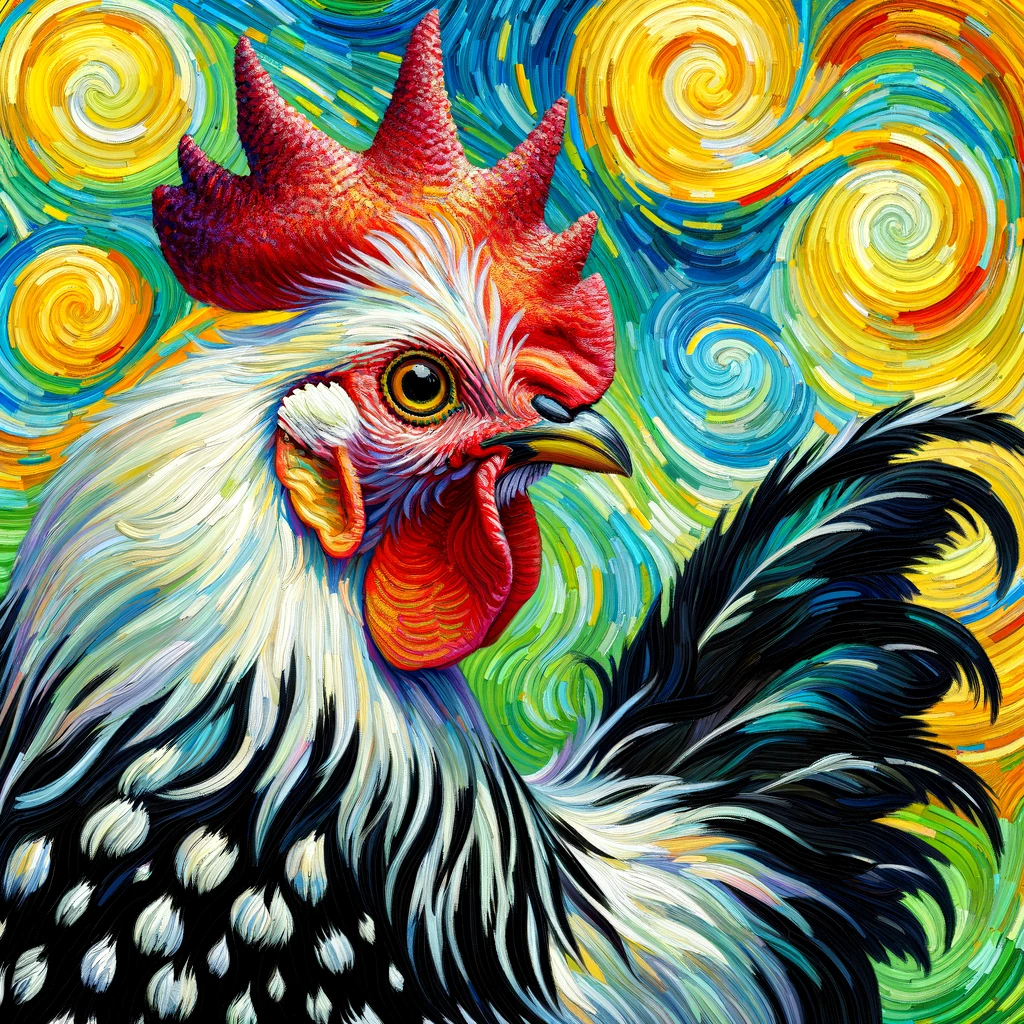
What Should You Do If Your Chicken Is Lethargic?
What Should You Do If Your Chicken Is Lethargic?
- Observe your chicken’s behavior; lethargy is a sign that requires immediate attention.
- Assess basic needs: ensure fresh water and check for moldy or spoiled feed.
- Understand each chicken’s unique personality and observe changes in their usual behavior.
- Evaluate their environment for factors like excessive heat or poor ventilation.
- If lethargy continues, consult a veterinarian specializing in poultry for expert advice.
- Connect with fellow chicken enthusiasts for support and shared experiences.
- Taking proactive steps can restore your chicken’s health and strengthen community bonds.
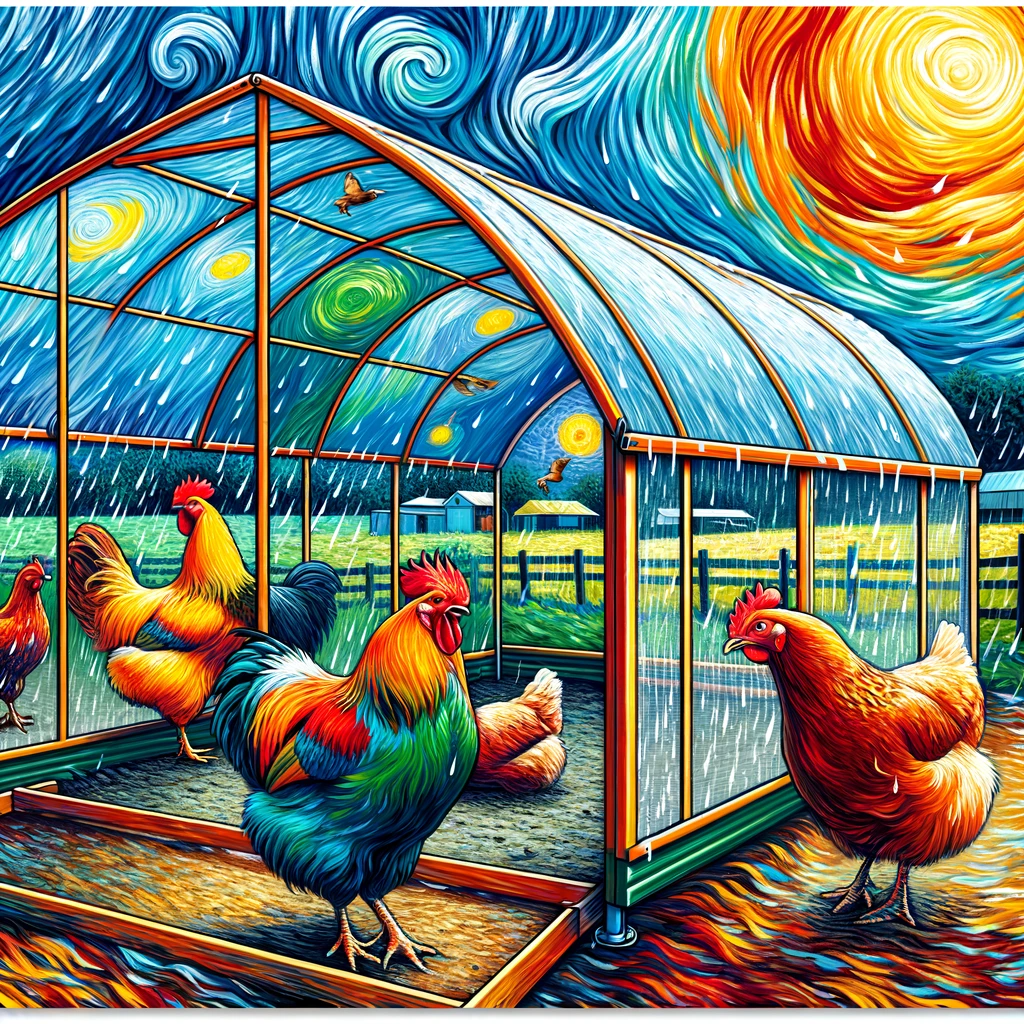
What Should You Do If Your Chicken Is Lethargic?
Are You Aware Of The Common AIlments That Affect Chickens?
When you decide to welcome backyard chickens into your life, you’re not just getting some feathered friends; you’re embarking on a journey of stewardship. It’s a beautiful venture, but along the path, there are common ailments that can sneak up on you, threatening the health and happiness of your flock.
Imagine gazing out your kitchen window, cup of coffee in hand, as your chickens scratch and peck in the morning sunshine. It’s a picturesque scene that’s tinged with responsibility. Just like any living creature, chickens can fall prey to a range of health issues that are as nuanced as they are serious. From respiratory illnesses to parasites, understanding these ailments can empower you to keep your backyard ecosystem thriving.
Now, let’s talk about the emotional stakes here. What draws us to these creatures? Their quirky personalities, their gentle clucks, and the joy they bring to our everyday lives. You want to nurture them, to ensure they are happy and healthy. But it’s not just about cuddles and coops—it’s about doing the right thing. Ethically, you owe it to these animals to be informed. Education transforms you from a simple chicken keeper into a protector and caregiver, fostering a deeper, more meaningful connection with your flock.
Consider this: a chicken’s well-being reflects your commitment as a caretaker. When you observe signs of illness, whether it’s lethargy or a sudden change in egg production, your instincts kick in. Ignoring these symptoms is not just irresponsible; it’s a betrayal of the trust these birds place in you. When you take action—consulting a vet, adjusting their diet, or improving their living environment—you’re doing more than just remedying a situation; you’re solidifying your bond with them.
Think about the social implications too. When you engage with other backyard chicken enthusiasts, sharing stories and strategies, you’re creating a community. You become part of a larger narrative, contributing to a collective understanding of chicken health. This knowledge isn’t just for you; it’s for everyone who loves these extraordinary creatures.
So, roll up your sleeves, tap into your instincts, and remember: you’re not just a chicken keeper; you’re a guardian of life. Educate yourself about these common ailments. Your commitment to their health isn’t merely an obligation; it’s a heartfelt mission that enriches your life and theirs. It’s a chance to nourish not just your backyard—but your very soul.
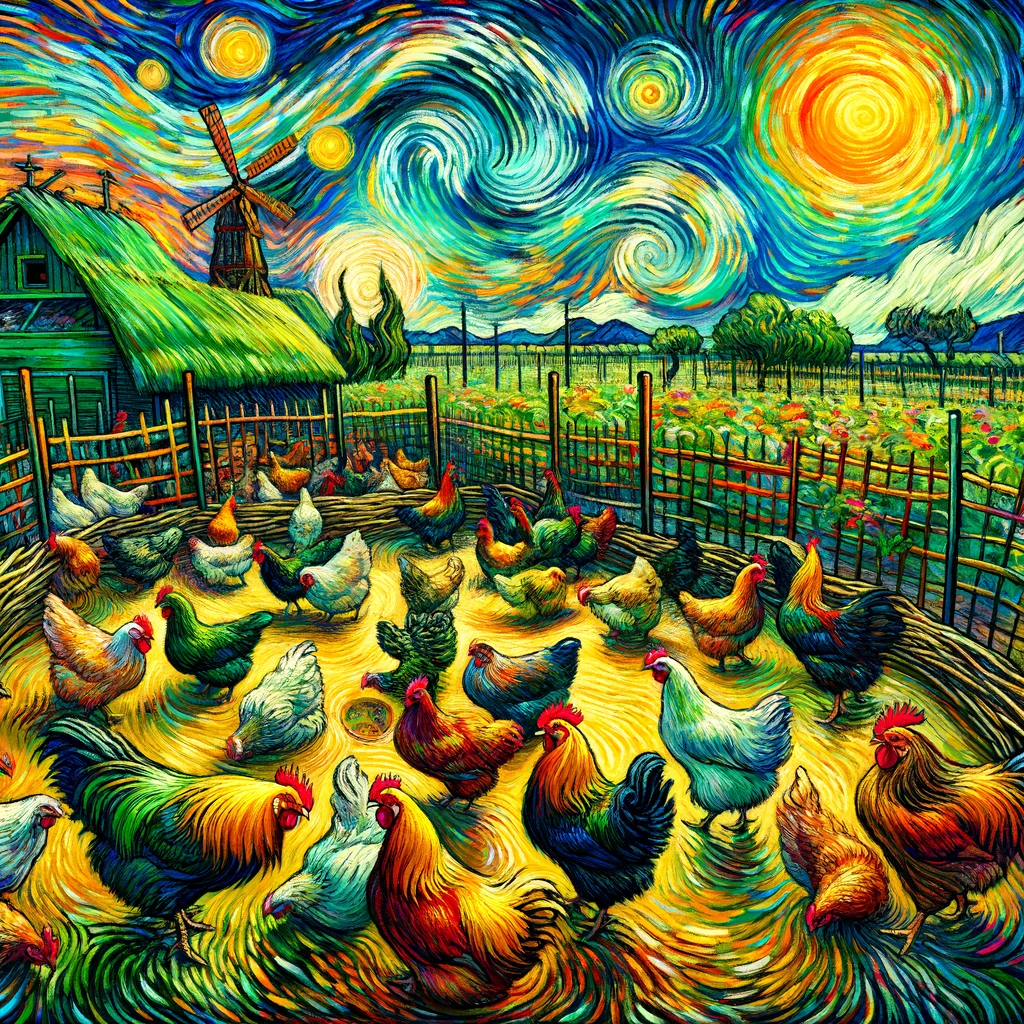
Are You Aware Of The Common AIlments That Affect Chickens?
Are You Aware Of The Common AIlments That Affect Chickens?
- Welcoming backyard chickens involves a journey of stewardship and responsibilities.
- Chickens are susceptible to various health issues, including respiratory illnesses and parasites.
- Understand health issues to maintain a thriving chicken ecosystem.
- Chickens bring joy and companionship, emphasizing the importance of nurturing their well-being.
- Being an informed chicken keeper fosters a deeper connection with your flock.
- Observing signs of illness and taking action reflects your commitment as a caretaker.
- Engaging with the chicken-keeping community enhances your knowledge and supports communal understanding.

Are You Aware Of The Common AIlments That Affect Chickens?
Conclusion
When you chose to welcome chickens into your backyard, you didn’t just add a few egg-layers to your life; you embraced a living, breathing community. As their caretaker, you have a profound responsibility—not just to provide food and shelter but to nurture and protect these remarkable creatures. Every day holds the potential for connection, but it also presents the serious duty of recognizing when something isn’t right. Just as our relationships with humans thrive on attention and understanding, so too does our bond with these feathered friends.
The signs that your chickens may be struggling can be subtle yet critical. Isolation, lethargy, and changes in appetite aren’t just quirks; they’re flags waving for help, begging for your attention. Trust your instincts. If something feels off, dive deeper—not just for the sake of one bird but for the harmony of the entire flock. Remember that the emotional fabric of your backyard is woven from their interactions. When even one chicken feels out of sorts, it disrupts the social dynamic, potentially affecting the well-being of all.
Caring for your chickens isn’t merely a pastime; it’s an ethical commitment. Each decision you make can either elevate or jeopardize their quality of life, transforming minor issues into potentially catastrophic health crises if left unchecked. This responsibility carries the weight of your integrity as a caretaker. As you engage with your chickens, you foster relationships that reflect shared joy and compassion. You’re not just tending to animals; you’re honoring the connection that blossoms between you and your flock.
The act of daily observation is empowering. It sharpens your awareness, making you the first line of defense against illness and stress. This proactive approach isn’t just smart; it’s a heartfelt promise that you’ll listen to their silent cries for help. In a world that often moves too fast, those quiet moments spent observing your flock can yield invaluable insights.
Finally, remember that community matters. Share your experiences, seek advice, and grow alongside fellow chicken enthusiasts. This shared journey creates a network of knowledge and support that enriches not just your backyard, but the lives of everyone involved in this cherished practice of raising chickens. By choosing to respond to your chickens’ needs, you’re not just preserving their lives—you’re reinforcing the joy, laughter, and lessons they bring into yours. Embrace this journey, honoring the quiet heartbeats and gentle clucks, and let your care resonate far beyond the coop.

Conclusion
Conclusion:
- Welcoming chickens into your backyard creates a living community that requires care beyond just food and shelter.
- Caretaking involves recognizing subtle signs of distress, such as isolation and changes in appetite.
- The emotional dynamics of the flock are interconnected; the well-being of one chicken affects the others.
- Caring for chickens is an ethical commitment that impacts their quality of life significantly.
- Daily observation is crucial, enhancing awareness and serving as the first line of defense against health issues.
- Engaging with fellow chicken enthusiasts fosters a supportive community and enriches the experience of raising chickens.
- Your responsiveness to your chickens’ needs not only preserves their lives but enhances the joy they bring into yours.
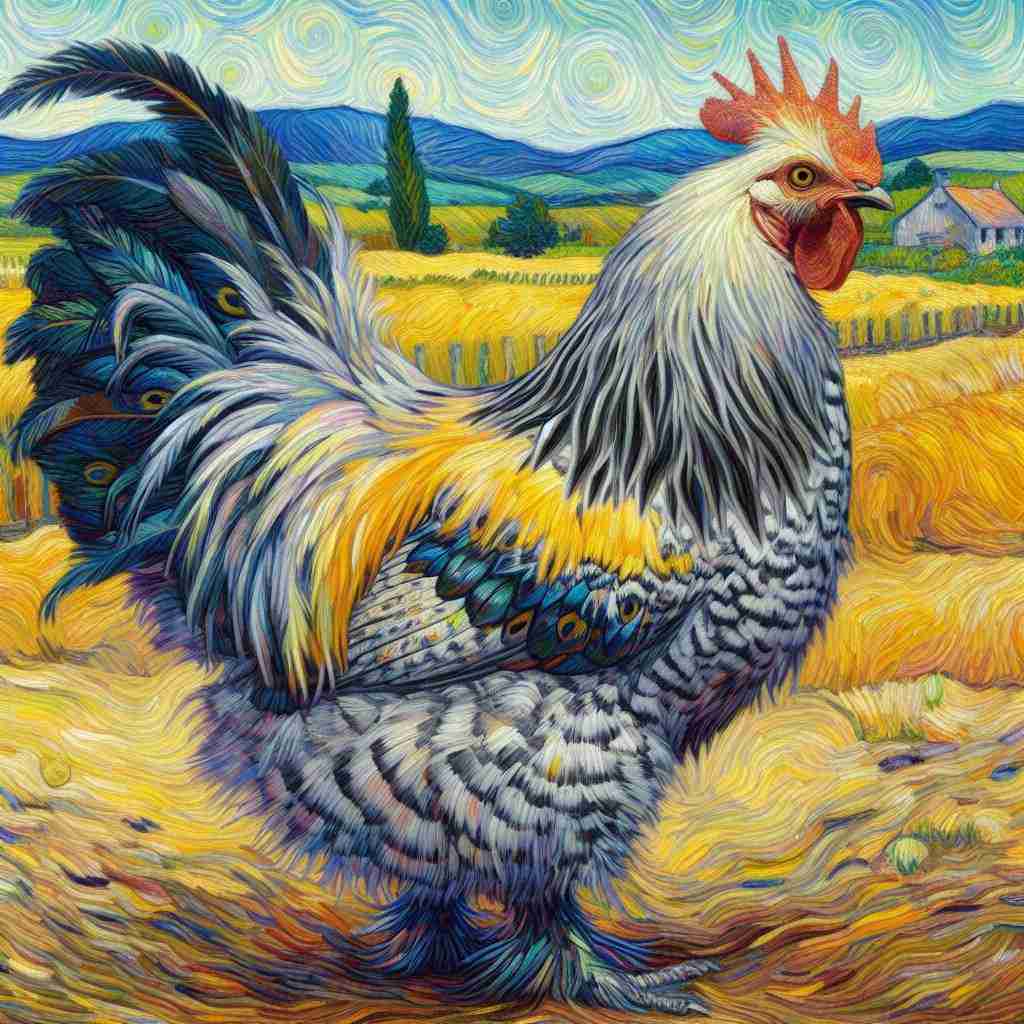
Conclusion
Other Resources

Other Resources
Here is a list of other resources you can review online to learn more:
- fermented feed
- Columbian Wyandotte
- Mycoplasmosis
- onions
- leghorn
- rhubarb
- Swedish Black Hen
- Cherry Egger
- blackberries
- United Orpington Club
- Sussex
- foxes
- Marans of America Club
- roaches
- Dutch Bantam
- Thread Worms
- Phoenix
- Araucana
Use This Prompt To Get More Resources With Your Favorite Online AI Tool: Please provide me with a list of online articles with their URLs in a bulleted list that I can read regarding Signs Your Chicken Needs Immediate Help

Other Resources
Glossary Terms
Signs Your Chicken Needs Immediate Help – Glossary Of Terms
1. Molt: The process by which chickens shed and regrow feathers, often causing temporary discomfort or reduced egg production.
2. Lethargy: A state of reduced activity and energy, indicating potential illness or distress in chickens.
3. Diarrhea: A condition characterized by watery droppings, which can signal digestive issues or infection.
4. Wheezing: A high-pitched sound during breathing, suggesting respiratory problems in chickens.
5. Pale Comb: A sign of anemia or illness, indicated by a comb that loses its vibrant red color.
6. Swelling: An indication of infection or injury, often found in areas like the eyes, joints, or abdomen.
7. Coughing: A noise made during breathing that can indicate respiratory infection or irritants present in the environment.
8. Lameness: Difficulty in movement or walking, which can be caused by injury, arthritis, or other health issues.
9. Loss of Appetite: A significant decrease in food intake, which can signify underlying health problems.
10. Ruffled Feathers: Feathers that do not lie flat against the body, often indicating stress or illness.
11. Isolation: When a chicken separates itself from the flock, it may indicate discomfort, illness, or social stress.
12. Foul Odor: Unpleasant smells emanating from the chicken or coop, indicating a potential health issue or unsanitary environment.
13. Bloody Droppings: The presence of blood in feces, signaling serious health concerns like infection or parasites.
14. Discharge: Fluid leaking from the eyes, nostrils, or vent, often indicating an infection or respiratory issue.
15. Weight Loss: Noticeable reduction in body weight, which can result from illness, malnutrition, or parasites.
16. Pasting: The condition where droppings stick to a chicken’s vent, often a sign of dehydration or digestive issues.
17. Dehydration: Insufficient fluid intake, which can lead to lethargy and various health complications.
18. Vent Gleet: An infection of the vent area, marked by swelling and discharge, often caused by yeast or bacteria.
19. Nervousness: Excessive agitation or restless behavior, which can be caused by stress or fear.
20. Bumblefoot: A infection in a chicken’s foot, characterized by swelling and a pus-filled cyst, requiring treatment.
21. Fighting: Aggressive behavior among flock members, possibly resulting from overcrowding or resource competition.
22. Egg Binding: A condition where a hen is unable to lay an egg due to blockage, posing serious health risks.
23. Ascites: The accumulation of fluid in the abdominal cavity, often resulting in a swollen belly.
24. Coccidiosis: A parasitic disease affecting the intestinal tract, common in young chickens, characterized by diarrhea and weight loss.
25. Fowl Pox: A viral disease presenting with lesions on the skin and respiratory issues, requiring management to prevent spread.
26. Marek’s Disease: A viral illness that affects the nervous system and immune response, often leading to paralysis and mortality.
27. Parasites: Organisms such as worms, mites, or lice that infest chickens, causing various health issues.
28. Hyperventilation: Rapid breathing that may indicate panic, overheating, or respiratory problems in chickens.
29. Conjunctivitis: Inflammation of the eye, leading to redness and discharge, frequently caused by infection or irritants.
30. Flock Dynamics: The social structure and behavior of a group of chickens, which can influence stress levels and health.

Glossary Of Terms
Other Questions
Signs Your Chicken Needs Immediate Help – Other Questions
If you wish to explore and discover more, consider looking for answers to these questions:
- What are some common health issues that chickens face?
- How can I ensure my chickens have a balanced diet?
- What preventative measures can I take to keep my flock healthy?
- How should I respond to a sick chicken before getting veterinary help?
- What are the signs of respiratory infections in chickens?
- How can I improve the living conditions of my chickens?
- What kind of veterinary care do chickens need?
- How can I monitor the emotional health of my chickens?
- What should I do if my chicken is not laying eggs?
- How can I tell if my chicken is stressed or anxious?
- What types of diseases are transmissible among chickens?
- How often should I check on my chickens and their health?
- What role does social interaction play in the well-being of chickens?
- What are the benefits of having a diverse flock?
- How do environmental factors affect chicken health?
- Where can I find reliable resources on chicken care?

Other Questions
Haiku
Signs Your Chicken Needs Immediate Help – A Haiku
Chickens need your care,
Silent cries beneath soft wings—
Hear their hearts, act fast.

Haiku
Poem
Signs Your Chicken Needs Immediate Help – A Poem
In a backyard haven where life does unfold,
Feathers whisper secrets, their stories untold.
With clucks and coos, a vibrant little team,
Yet hush falls heavy, like a forgotten dream.
Once lively and bright, now isolated and still,
A sign of distress, a call to fulfill.
Trust your instinct, feel the pull in your chest,
A guardian awaits; it’s time for the test.
Bright eyes turned dull, energy starts to wane,
Daily watchfulness is the antidote to pain.
An ethical duty, a bond deeply worn,
To cherish these creatures, their kinship reborn.
Watch for the combs; their colors will tell,
Of nutritional needs or if something’s not well.
A spiraling health might disrupt the whole flow,
One silent absence can bring down the show.
In community, find strength; share knowledge and care,
Learn from each other, embrace hearts laid bare.
For chickens are teachers, in simplicity, wise,
Instilling connection beneath open skies.
When lethargy whispers, don’t let fear take its hold,
Explore and discover; be brave and be bold.
Their wellbeing’s a treasure that depends on your heart,
Every heartbeat and cluck plays a passionate part.
So nurture your flock with a thoughtful embrace,
Stand resolute, steadfast, in this sacred space.
For in tending to life, you’ll uncover the truth:
In caring for others, we find our own proof.

Poem
Checklist
Signs Your Chicken Needs Immediate Help – A Checklist
Checklist: Signs Your Chicken Needs Immediate Help
Heart: Emotional Connection
1. Trust your gut feelings when observing your chickens.
2. Pay attention to signs of isolation or changes in behavior as indicators of distress.
3. Reflect on the emotional bond you have with your flock—remember they are members of your household.
Head: Rational Observations
4. Regularly assess appetite and eating habits—notice any sudden disinterest in food.
5. Observe behavioral changes, such as lethargy or unusual vocalizations.
6. Examine physical signs like dull eyes and pale combs or wattles.
Gut: Ethical Responsibilities
7. Recognize the ethical duty of care you have towards your chickens’ well-being.
8. Consider the broader impact on the flock when one chicken shows signs of distress.
9. Act promptly to prevent minor issues from evolving into health crises.
Authority: Knowledge and Learning
10. Consult veterinary resources specialized in poultry health.
11. Stay informed about common ailments that affect chickens and their symptoms.
12. Engage with experienced chicken keepers for advice on maintaining flock health.
Narrative: Building a Connection
13. Create a routine of daily observations to connect with each chicken’s personality.
14. Document and share your chicken-keeping experiences with others to foster community relationships.
15. Engage in storytelling that reinforces the importance of proactive care for your flock.
Social: Community Engagement
16. Participate in online forums or local groups for chicken enthusiasts.
17. Share knowledge and strategies for healthy chicken care with other chicken keepers.
18. Celebrate the joys and challenges of chicken-keeping as part of a supportive community.

Checklist
At BackyardChickenNews, we help people who want to raise backyard chickens by collating information and news blended with our own personal experiences.
Be sure to read our other related stories at BackyardChickenNews to learn more about raising chickens in your backyard.