

Timeless Wisdom: Safeguarding Flocks With Age-Old Techniques
By Tom Seest
At BackyardChickenNews, we help people who want to raise backyard chickens by collating information and news blended with our own personal experiences.
Be sure to read our other related stories at BackyardChickenNews to learn more about raising chickens in your backyard.
Simple Tricks That Protected Our Flocks Long Before Smart Coops
In the heart of every rural community lies a story that’s older than any smartphone app. It’s the tale of simple tricks that have safeguarded our flocks long before smart coops strutted into the scene. Picture this: in the early dawn, a farmer steps out, boots crunching on the frosty ground, greeted by a clamor of backyard chickens. This isn’t just a morning routine; it’s a ritual steeped in tradition and ingenuity.
Backyard chicken keeping has always been about more than just eggs; it’s a connection to our roots, a tangible link to the way things were done when life moved a touch slower but values ran deep. These flocks, with their rusty clucks and golden eggs, symbolize resilience. They remind us that, even in a high-tech world, the simplest methods are often the most effective. Take, for instance, the age-old practice of employing low-tech barriers—like strategically placed netting and sturdy coops—to keep out predators. It’s not just rational; it’s a testament to our ancestors’ wisdom, grounding us in the realities of nature.
Moreover, these tried-and-true tricks come with an ethical responsibility. When we care for our chickens, we participate in a cycle of sustenance and safety that fosters community. Each cluck and peck reflects our choices to prioritize compassion over convenience, sending ripples of confidence through our local ecosystem. There’s something reassuring about rolling up your sleeves and getting your hands dirty while knowing you’re making a difference.
Remember the stories passed down through generations? Tales of an elder neighbor, a seasoned chicken keeper, sharing wisdom over a cup of coffee about how to keep flocks safe from the cleverest of raccoons or hawks. Those moments create bonds, establish trust, and build respect within the community. The shared laughter, the knowledge exchanged—this is the essence of a life lived with intention.
When we embrace these simple tricks, we tap into a legacy that transcends time. We foster connection, not just with our flocks, but with each other. In a rapidly changing world, let’s take a step back, lean into tradition, and remember that sometimes, the most powerful solutions don’t require a Wi-Fi connection. They just need a heart, a head, and a little bit of gut instinct. So, let’s roll up our sleeves and protect what matters most—the heartbeat of our home.
Simple Tricks That Protected Our Flocks Long Before Smart Coops
Simple Tricks That Protected Our Flocks Long Before Smart Coops
- Rural communities have timeless stories rooted in traditions predating modern technology.
- Backyard chicken keeping symbolizes resilience and connection to our heritage.
- Low-tech methods, such as netting and sturdy coops, effectively protect flocks from predators.
- Caring for chickens fosters community, compassion, and a cycle of sustenance.
- Shared experiences and knowledge among chicken keepers strengthen community bonds.
- Embracing these simple practices allows for a connection with both nature and each other.
- Powerful solutions often stem from tradition rather than high-tech innovations.
Simple Tricks That Protected Our Flocks Long Before Smart Coops
Table Of Contents
- Simple Tricks That Protected Our Flocks Long Before Smart Coops
- What Simple Methods Kept Our Flocks Safe In the Past?
- How Did Our Ancestors Protect Their Birds with Minimal Resources?
- What Emotional Ties Do We Have with Our Livestock?
- How Do These Age-Old Techniques Hold Up Against Modern Methods?
- What Insights Can We Gain From Farmers Who Relied on These Tricks?
- How Did Community Knowledge Play a Role In Flock Protection?
- Why Do We Underestimate the Wisdom Of Past Generations?
- Conclusion
- Other Resources
- Glossary Of Terms
- Other Questions
- Haiku
- Poem
- Checklist
What Simple Methods Kept Our Flocks Safe In the Past?
When we think about the countless generations who tended the land, it’s easy to overlook the simple, yet effective methods they employed to keep their flocks safe. Take a moment to picture a small family farm, nestled in the heart of a sun-dappled valley. This was not just a place where crops grew; it was a sanctuary, where every living being was part of an intricate dance with nature. In this dance, whether it was the cluck of backyard chickens or the gentle bleat of sheep, there were no high-tech gadgets—only time-honored practices passed down through the ages.
One of the most impactful methods was the use of effective fencing. Farmers knew their land and the predators that prowled in the shadows. They crafted barriers, utilizing natural materials like wood and stone, which not only protected their flocks but also harmonized with the environment. These fences became symbols of community, not merely structures, as family and friends would come together to mend and raise them high, creating a bond that transcended generations. There’s comfort in knowing that something handmade and solid stands between your cherished animals and harm’s way.
Then there were the sacred guardians of the flock. Imagine a loyal livestock guardian dog, trained since puppyhood to protect its charges. This isn’t merely an animal; it’s a trusted companion whose instinct keeps dangers at bay. The relationship between farmer and guardian dog turned practical assistance into a profound bond. A good livestock dog was as much a part of the family as the children running through the fields, their laughter ringing in the air—a testament to trust and reliability that would resonate through every corner of the farm.
And let’s not forget the timeless practice of observation. Farmers learned to be in tune with their flocks, recognizing every subtle change, from a slight dip in appetite to a sudden nervousness in the yard. This attentiveness nurtured understanding, building a foundation of empathy and ethics. Caring for animals wasn’t just a responsibility; it was a commitment to safeguarding lives that depended on their keeper’s vigilance.
In embracing these simple methods, we reconnect with the essence of farming. They remind us that in our quest for modernity, the heartbeat of agriculture still reverberates in these age-old practices. Together, let’s honor that past, extending our hands to nurture and protect those who share our world, whether they have feathers or hooves.

What Simple Methods Kept Our Flocks Safe In the Past?
What Simple Methods Kept Our Flocks Safe In the Past?
- Generations of farmers employed simple, effective methods to protect their flocks.
- Family farms acted as sanctuaries where humans and nature coexisted harmoniously.
- Effective fencing was a critical method, crafted from natural materials to blend with the environment.
- Fences symbolized community through collective efforts of family and friends in their construction.
- Livestock guardian dogs played a vital role, acting as trusted companions and protectors.
- Farmers practiced keen observation to understand their animals, fostering empathy and commitment.
- Embracing these traditions reconnects us to the essence of farming amidst modern advancements.

What Simple Methods Kept Our Flocks Safe In the Past?
How Did Our Ancestors Protect Their Birds with Minimal Resources?
In the quiet hum of early mornings, our ancestors awoke to the sound of clucking hens and chirping chicks, reminding them that they were not alone in their struggles for survival. For those who tended to their backyard chickens, protecting these feathered friends was more than just a task; it was a deep-seated bond forged through necessity and love. With limited resources, they crafted meaningful solutions that would resonate with anyone who has ever sought to do their best with what they have.
Picture this: a small family farm, the sun breaking through the mist as the farmer walks through the coop, a handmade wooden fence surrounding the yard, barely taller than their waist. This wasn’t just a fence; it was a fortress, built with scrubby branches and discarded planks—whatever they could scavenge. The act symbolized resilience. They had little, but they poured their hearts into what they could create and protect.
Every precaution mattered, from a gravel pathway to deter would-be predators lurking in the shadows, to scattered herbs around the enclosure, designed not only for flavor but to ward off pests. Each choice inspired wisdom passed down through generations, embodying a blend of trial and error and the fierce spirit of survival. It wasn’t just about the birds; it was about preserving a way of life, a legacy woven into the fabric of their community.
We can find common ground in this narrative. In a world teeming with complexity, the simplicity of protecting one’s backyard chickens mirrors today’s hustle. Much like we safeguard our families, careers, and passions, our ancestors instinctively learned that every action they took created ripples beyond their immediate needs. It revealed the ethical commitments they made—choosing craftsmanship over consumption, nurturing over neglect.
When you embrace this story, you join a lineage of makers and doers who confronted obstacles with creativity and grit. The modern-day chicken-keeper, armed with social media and a wealth of DIY videos, still carries that torch, ensuring their flock remains safe and sound. Perhaps our ancestors weren’t so different after all. They remind us that while resources may be scarce, innovation, love, and community can bridge every gap. So let’s channel that same spirit, tend to our flocks with similar fervor, and remember the simple truth: protection often begins with a commitment to what matters most.

How Did Our Ancestors Protect Their Birds with Minimal Resources?
How Did Our Ancestors Protect Their Birds with Minimal Resources?
- Ancestors awoke to the sounds of chickens, symbolizing their connection to nature and survival.
- Tending backyard chickens created a strong bond built on necessity and love.
- Farmers utilized limited resources to build meaningful protective solutions, reflecting resilience.
- Every detail, from gravel pathways to protective herbs, was carefully considered to ensure safety.
- This legacy of care represents a commitment to a way of life and community values.
- The narrative highlights the parallels between past and present in safeguarding what matters.
- Modern chicken-keepers continue this tradition with creativity, love, and a sense of community.

How Did Our Ancestors Protect Their Birds with Minimal Resources?
What Emotional Ties Do We Have with Our Livestock?
It’s easy to think of livestock as mere commodities, neatly categorized by their economic value. But what if I told you that raising animals like backyard chickens can foster a profound emotional connection that goes far beyond profit margins? These feathered friends—they don’t just lay eggs or scratch at the dirt for bugs; they can transform your backyard into a canvas of unique stories and lasting memories.
Imagine walking out to your coop on a crisp morning, the sunlight filtering through the trees, and hearing the soft clucking of hens who recognize your voice. There’s a certain magic in that moment, a reminder that these creatures rely on you for their well-being. They’re not just livestock; they’re companions with whom we share our lives. As caretakers, we become their protectors, and in return, they offer something immeasurable—joy, responsibility, and a connection to nature.
From an ethical standpoint, the relationships we cultivate with our livestock challenge the notion of detachment in modern farming. Every chicken, every lamb, carries with it a responsibility. When we choose to understand their needs and behaviors, we forge a bond that encourages empathy. How we treat our animals reflects our values and our commitment to stewardship—an authority we owe to both them and ourselves.
But there’s a gut level call to action here. We’re at a crossroads where many feel disconnected from the food we consume. By raising backyard chickens, we reclaim that lost connection. We become part of a growing movement that champions ethical farming practices, aligning our lifestyles with clearer conscience.
Through engaging narratives of fair treatment and humane practices, we create a community that believes in the importance of sustainable living. Your neighbors might marvel at your flock, sharing in the simple pleasures of harvesting eggs together, or exchanging tips on their care. This interaction fosters a social fabric where agriculture isn’t just a profession; it’s a communal journey that invites conversation and shared experiences.
The emotional ties we form with our livestock remind us of our interdependence within the web of life. Backyard chickens offer us not just nourishment, but a pathway to deeper understanding—from heart to head and gut. When we embrace this role, we’re not just raising animals; we’re nurturing relationships that enrich our lives and those of our communities. So, let’s dive into this journey and explore the true essence of our connections with livestock, one chicken at a time.

What Emotional Ties Do We Have with Our Livestock?
What Emotional Ties Do We Have with Our Livestock?
- Raising backyard chickens fosters emotional connections beyond mere economic value.
- Chickens serve as companions, creating unique stories and lasting memories for their caretakers.
- The relationship with livestock encourages empathy and challenges detachment in modern farming practices.
- Caring for chickens promotes a sense of responsibility and reflects our values of stewardship.
- Raising backyard chickens helps reclaim the lost connection to food and supports ethical farming practices.
- Engaging with neighbors around chicken care cultivates a sense of community and shared agricultural experiences.
- These emotional ties enhance our understanding of interdependence within the web of life and enrich our lives.

What Emotional Ties Do We Have with Our Livestock?
How Do These Age-Old Techniques Hold Up Against Modern Methods?
When you look out at a simple patch of earth, you might not see much. But for those who’ve toiled on that soil, it’s a living testament to more than just hard work; it’s a connection to our past, a glimpse into age-old techniques that have fed families for generations. Take backyard chickens, for instance. In today’s fast-paced world, many of us have traded in those feathered friends for sleek, factory-farmed alternatives. But have we really weighed the costs of such convenience?
Emotionally, caring for chickens can ignite a spark in the soul. These creatures aren’t just egg layers; they have personalities, quirks, and a comedic flair that can lift your spirits after a grueling day. Imagine toddlers giggling as they chase a chicken that’s made a daring escape from its coop – how can one resist that charm? It’s this touch of life that modern farming tactics can’t replicate. It’s raw, it’s real, and it’s undeniably heartwarming.
From a rational perspective, the benefits of maintaining a small flock are clear. Fresh eggs, superior nutrition, and minimal environmental impact stand in stark contrast to eggs that have journeyed thousands of miles, often stripped of flavor and goodness. In a world increasingly concerned with sustainability and ethics, it’s hard to ignore the benefits of knowing exactly where your food comes from and how it’s been raised.
Ethically, the call to action is compelling. By choosing to support small-scale farming—like keeping backyard chickens—we promote animal welfare and community resilience. It empowers us as consumers, allowing us to opt out of the often grim realities of industrial agriculture. This isn’t just a personal choice; it’s a statement that reverberates throughout society.
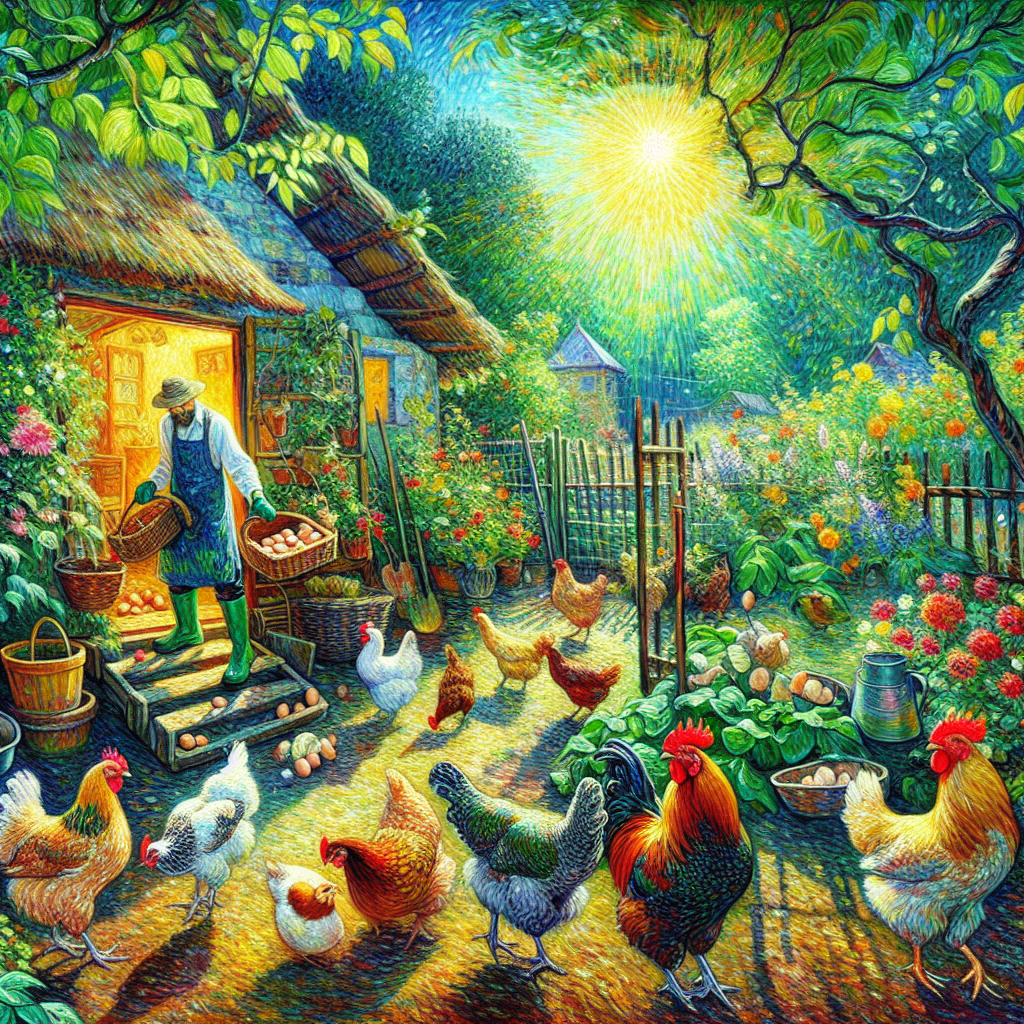
The narrative surrounding backyard chickens is one of empowerment, connection, and tradition. When you gather eggs from your backyard, you’re participating in a story that spans millennia. You’re not merely farming; you’re reclaiming a part of your heritage and fostering a deeper connection to the land.
As we navigate this intersection of the old and the new, we all have a role to play. It’s not just about what we eat; it’s about how we live. So, can age-old techniques endure against the allure of modern methods? If experience is any teacher, they do more than survive—they thrive. A movement rooted in tradition, camaraderie, and ethical responsibility is gaining momentum. Let’s embrace that—and maybe even consider adding a few chickens to our backyards.
How Do These Age-Old Techniques Hold Up Against Modern Methods?
How Do These Age-Old Techniques Hold Up Against Modern Methods?
- Simple patches of earth represent a connection to our past and traditional farming techniques.
- Backyard chickens offer emotional rewards beyond mere egg production, including personality and charm.
- Maintaining small flocks provides fresh eggs with superior nutrition and low environmental impact.
- Supporting small-scale farming promotes animal welfare and enhances community resilience.
- Choosing backyard chickens is a personal statement against the realities of industrial agriculture.
- Gathering eggs from your backyard connects you to a millennia-old tradition and heritage.
- A growing movement advocates for traditional methods, emphasizing ethical responsibility and community ties.
How Do These Age-Old Techniques Hold Up Against Modern Methods?
What Insights Can We Gain From Farmers Who Relied on These Tricks?
When you think of farmers who have leaned on time-tested tricks of the trade, consider the humble practice of raising Backyard Chickens. It may seem like a simple endeavor, but the lessons these farmers impart are profound, echoing through generations. These unsung heroes, with dirt under their nails and a twinkle in their eye, teach us more than just animal husbandry; they illuminate the very essence of resilience and sustainability.
Imagine a small community where every family has a few backyard chickens clucking in the yard. The income from those eggs—fresh, organic, and full of life—opens doors. It’s a small revelation: that self-sufficiency isn’t merely a trend; it’s a lifeline. Farmers tell stories of how they couldn’t afford store-bought eggs every week, so they took the plunge, built a coop, and watched their children learn responsibility, patience, and the joy of nurturing life. These moments resonate, tugging at our hearts while showcasing a fundamental truth: even the smallest actions can lead to meaningful change.
On a rational level, consider the economics. Those who embrace Backyard Chickens aren’t just raising pets; they’re making strategic choices that bolster their households. Each egg is like a coin saved, reinforcing the idea that every bit counts in the grand scheme of things. The facts are compelling: raising chickens can reduce grocery bills and provide a sustainable food source. It fosters a sense of independence and fosters a connection with the earth that many urban dwellers crave amidst the chaos of modern life.
Ethically, there’s a profound commitment to animal welfare. Farmers who raise their own chickens often adopt practices that prioritize humane treatment over factory-farmed alternatives. They champion ethical consumerism, inspiring a new generation to think critically about their food sources, promoting a movement towards a more humane lifestyle.
The narratives shared by these farmers bridge generations, revealing a tapestry of knowledge passed down through sweat and toil. Each story is a thread that connects us—all striving for a better tomorrow. And as this movement grows, it presents an opportunity to connect within our communities; we are reminded that we can come together, share resources, and support one another.
So, take a moment to reflect on those backyard coops and the farmers’ tales that stem from them. There’s more than meets the eye; it’s a call to action, an invitation to get involved, to step into the soil, and cultivate not just crops but relationships that fuel our souls. It’s in these simple acts of farming that we discover not just our independence, but our interconnectedness.

What Insights Can We Gain From Farmers Who Relied on These Tricks?
What Insights Can We Gain From Farmers Who Relied on These Tricks?
- Backyard chickens represent time-tested agricultural practices and lessons in resilience and sustainability.
- Having a few backyard chickens fosters self-sufficiency, providing families with fresh, organic eggs and financial relief.
- This experience teaches children responsibility, patience, and the joy of nurturing life, making a lasting impact.
- Raising chickens can strategically lower grocery bills and connect urban dwellers with sustainable food sources.
- Farmers often prioritize humane treatment of animals, promoting ethical consumerism and critiquing factory-farmed alternatives.
- The stories of these farmers create a generational tapestry of knowledge and highlight the importance of community support.
- Engaging in backyard farming encourages personal relationships and interconnectedness through shared resources and experiences.

What Insights Can We Gain From Farmers Who Relied on These Tricks?
How Did Community Knowledge Play a Role In Flock Protection?
In the heart of every community lies a treasure trove of knowledge, a repository of wisdom that transcends generations. When it comes to flock protection, this communal expertise is not just useful; it’s vital. Imagine your neighbor, a seasoned chicken keeper, sharing tales of their backyard chickens—each story steeped in lessons learned from long nights spent fending off predators to the joy of raising a healthy, thriving flock. These narratives are more than anecdotes; they’re lifelines woven into the fabric of community resilience.
Picture a sunny afternoon where locals gather not just to chat, but to exchange essential techniques for safeguarding their birds. Armed with the know-how passed down from one household to another, members start to form a tapestry of shared responsibility. They come together not as isolated families but as allies, bound by a common goal: to protect their flocks and foster the very spirit of their community. Each shared experience instills confidence, turning anxious new keepers into empowered stewards of their animals.
But it’s not just their flocks at stake; it’s about food sovereignty and ethical responsibility. When neighbors collaborate, knowledge flows freely. They discuss the importance of safe coop design, predator deterrents that are both effective and humane, and recognizing the signs of distress in their feathered companions. This collective awareness nurtures a culture of protection, ensuring that when one flock thrives, the community will thrive alongside it. Each discussion reinforces the idea that every bird matters, highlighting a deeper commitment to ethical stewardship that resonates with the hearts of all involved.
As stories unfold, it becomes clear that flock protection is about more than just safeguarding against threats; it’s about building relationships. The laughter, setbacks, and triumphs shared over those backyard fences strengthen bonds that last far beyond the plucking of feathers. Engaging in these conversations fosters trust, inspiring new keepers to become a pivotal part of this vibrant tapestry. This sense of belonging enhances not only individual commitment but the moral obligation to protect both the chickens and one another.
So, as you nurture your backyard chickens, remember the power of community knowledge. It’s an invaluable resource that inspires action and cultivates a spirit of collaboration. Flock protection is about building a legacy—one shared story, one helping hand, and one inspired neighbor at a time.

How Did Community Knowledge Play a Role In Flock Protection?
How Did Community Knowledge Play a Role In Flock Protection?
- Communities possess a wealth of knowledge crucial for flock protection.
- Experienced chicken keepers share valuable stories, fostering community resilience.
- Locals gather to exchange techniques for safeguarding their birds, enhancing shared responsibility.
- This collaboration transforms anxious new keepers into empowered caregivers.
- Discussions focus on food sovereignty and ethical responsibility in flock management.
- Building relationships through shared experiences strengthens community bonds.
- Community knowledge inspires action and cultivates a legacy of cooperation and stewardship.

How Did Community Knowledge Play a Role In Flock Protection?
Why Do We Underestimate the Wisdom Of Past Generations?
Why do we underestimate the wisdom of past generations? It’s a question worth pondering, especially when you consider how intertwined our lives are with the lessons learned through the ages. We live in a high-tech world where instant gratification reigns, but let’s not forget the simplicity and authenticity of those who came before us. Take, for instance, the humble practice of keeping backyard chickens. A seemingly simple venture has deep roots in our collective history, offering not just fresh eggs but profound life lessons.
From our grandparents’ stories to well-trodden paths in the countryside, the wisdom of previous generations often speaks of resilience and resourcefulness. There’s an art to tending to a flock—a delicate balance that reflects not only nature’s intricacies but also our responsibility as caretakers. Are we too quick to dismiss these traditions simply because they don’t fit neatly into our modern narrative? With every cluck and feather, these birds remind us of sustainable living, community support, and the importance of self-reliance.
Our failure to honor this wisdom can be traced to our incessant quest for novelty, which often outpaces our appreciation for the tried-and-true. Yet, when we connect with these age-old practices, we discover an underlying narrative about trust and ethical living. How many modern problems might be mitigated by recalling simpler solutions? Imagine the empowering feeling of growing your own food, raising backyard chickens, and knowing that self-sufficiency—an ancient art—can still be relevant today.
Moreover, there’s an emotional pull to embody the stories of our lineage. When we join in community efforts to promote backyard agriculture, we foster connections that transcend time. We engage with our neighbors, share our bounty, and cultivate friendships born from a shared understanding of the land and its rhythms. These practices elevate our daily lives, providing context and grounding amid the chaos of the modern world.
Ultimately, it takes a deliberate effort to appreciate the wealth of wisdom left by those before us. So, let’s pause, reflect, and embrace the lessons of our past. Let’s inspire ourselves and others to explore the beauty of the old ways—be it through raising backyard chickens or understanding the principles of sustainability. It’s a journey worth making, one where trust, connection, and the wisdom of ages converge.

Why Do We Underestimate the Wisdom Of Past Generations?
Why Do We Underestimate the Wisdom Of Past Generations?
- We often underestimate the wisdom of past generations, despite their intertwined lessons in our lives.
- The practice of keeping backyard chickens exemplifies how simple ventures can offer profound life lessons.
- Stories from previous generations highlight values of resilience and resourcefulness, which are crucial in modern life.
- Tending to chickens reflects nature’s balance and our responsibilities as caretakers.
- Many modern issues could benefit from the simplicity and sustainability of age-old traditions.
- Community efforts in backyard agriculture foster connections and friendships, enhancing our daily lives.
- We should reflect on and embrace the lessons of the past, exploring sustainable practices for a meaningful life.

Why Do We Underestimate the Wisdom Of Past Generations?
Conclusion
In the heart of our rural communities lies a wealth of wisdom that could easily slip through our fingers if we’re not careful. The art of raising backyard chickens embodies this timeless knowledge, connecting us to our roots in ways that all the tech in the world simply can’t replicate. As farmers have walked the same path before us, they forged bonds of resilience, sustainability, and community that still resonate today. Imagine the farmer rising with the dawn, boots crunching on frosty ground, surrounded by a cackle of chickens. This isn’t just a daily chore; this is a reminder of a way of life grounded in simplicity and tradition.
These age-old techniques revolve around careful observation and straightforward strategies—like effective fencing made from natural materials or companion animals like livestock guardian dogs. Each method reflects a respect for nature and a deep commitment to stewardship. When we choose to protect our flocks using these strategies, we engage with a legacy of empathy, care, and responsibility that speaks to our shared humanity.
Along the way, we find a narrative rich in community: neighbors gathering to share knowledge, exchanging stories of victories and hard-learned lessons over a cup of coffee. This exchange fosters trust, binds us closer together, and nurtures an ethos of collaboration. When one neighbor’s flock flourishes, it enriches the entire community, reaffirming our interdependence and the benefits of collective wisdom.
Moreover, the emotional connections we form with our birds transcend mere utility; they ground us in compassion and joy. Witnessing the goofy antics of a chicken or collecting freshly laid eggs transforms duties into delightful experiences that echo through the generations. Yet in our fast-paced, modern world, we often underestimate these traditions, lured by the allure of convenience and rapid advancements.
The truth is, these old-school methods not only hold their own against modern practices but offer profound lessons about sustenance and ethical living. They remind us that, at our core, we desire deep-rooted connections that nourish both our souls and bodies. Embracing these age-old techniques allows us to step back from our screens and lean into what truly matters: protecting our local ecosystems, sustaining our communities, and fostering relationships both human and avian.
As we reconnect with the essence of farming and the wisdom of those who have come before us, we reclaim our heritage and, perhaps more importantly, we cultivate a brighter future for ourselves and our flock. Let’s honor this legacy and roll up our sleeves, for right there, in the muck and clucking, lies the heartbeat of our home.

Conclusion
Conclusion:
- The art of raising backyard chickens connects us to our rural roots and timeless knowledge.
- Traditional farming methods emphasize resilience, sustainability, and community bonding.
- Age-old techniques include natural materials for fencing and using livestock guardian dogs.
- Community narratives are enriched through the sharing of knowledge and experiences among neighbors.
- Emotional bonds with chickens foster compassion and joy in our daily lives.
- Old-school methods offer valuable lessons in sustenance and ethical living, countering modern conveniences.
- Reconnecting with farming traditions helps us reclaim heritage and cultivate a sustainable future.

Conclusion
Other Resources

Other Resources
Here is a list of other resources you can review online to learn more:
- leafy greens
- Araucana
- Houdan
- Ulcerative Enteritis
- maggots
- Orloff
- Frizzle
- Dutch Bantam
- Light Brahma
- Australorp
- Marek’s Disease
- Silkie
- Salmonella
- Polish
- Nankin
- vegetation
- Erysipelas
Use This Prompt To Get More Resources With Your Favorite Online AI Tool: Please provide me with a list of online articles with their URLs in a bulleted list that I can read regarding Simple Tricks That Protected Our Flocks Long Before Smart Coops

Other Resources
Glossary Terms
Simple Tricks That Protected Our Flocks Long Before Smart Coops – Glossary Of Terms
1. Flocking: The behavior of birds grouping together for social or protective reasons, enhancing safety against predators.
2. Predator: An animal that preys upon other animals; poses a threat to flocks, necessitating protective measures.
3. Roost: A place where birds settle or rest, often at night, providing safety from ground predators.
4. Cover: Natural or man-made structures (like bushes or shelters) that provide concealment for birds against predators.
5. Decoy: An imitation of a bird used to distract predators or lure them away from flocks.
6. Pen: An enclosed area for keeping birds, protecting them from external dangers while allowing freedom of movement.
7. Fencing: Physical barriers made from materials like wire or wood to keep predators out and flocks contained.
8. Guard Animals: Animals, such as dogs, that are trained to protect flocks from predators.
9. Camouflage: Coloration or patterns that help birds blend into their surroundings, making them less visible to predators.
10. Noise Deterrents: Sounds, such as bells or alarms, used to startle or scare away potential predators.
11. Foraging: The act of searching for and gathering food, which can be made safer with protective strategies.
12. Surveillance: Monitoring techniques used to detect threats against flocks, often employing visual cues.
13. Shelter: A structure that provides protection from weather and potential predators, essential for flock safety.
14. Mob Behavior: A method where birds react as a collective unit to defend against predators by confusing them.
15. Sampling: The practice of observing and assessing the behavior and health of a flock to identify potential issues.
16. Rotational Grazing: A method of managing livestock that can be adapted to keep birds safe by preventing overexposure to threats.
17. Brooders: Heated enclosures that keep young birds warm and safe, mimicking natural maternal care.
18. Natural Deterrents: Substances or plants that naturally repel predators and protect flocks without harmful chemicals.
19. Egg Culling: The process of removing eggs or potential future threats to prevent them from becoming food for predators.
20. Landing Zone: A specific area that offers safe landing for birds, away from ground predators.
21. Herding: The practice of guiding or directing flocks by trained individuals or animals to safer areas.
22. Night Lockdown: A practice of securing coops or pens at night to protect flocks from nocturnal predators.
23. Behavioral Training: Techniques used to condition birds to react positively or defensively toward potential threats.
24. Social Structure: The hierarchy within a flock that influences safety and foraging strategies.
25. Microhabitat: A small, specific environment that provides unique safety features and resources for birds.
26. Nest Guards: Measures or other birds that protect nesting areas from predators.
27. Deterrent Systems: Technological or mechanical solutions developed to keep predators away from flocks.
28. Feeding Stations: Designated areas where food is provided safely to flocks, minimizing exposure to threats.
29. Alert Signals: Sounds or calls that birds make to inform others of potential dangers in their environment.
30. Community Watch: A cooperative effort by adjacent flock managers to monitor and protect each other’s birds.

Glossary Of Terms
Other Questions
Simple Tricks That Protected Our Flocks Long Before Smart Coops – Other Questions
If you wish to explore and discover more, consider looking for answers to these questions:
- What are some specific examples of traditional flock protection methods?
- How can modern chicken keepers implement these age-old techniques?
- What types of predators are most commonly faced by backyard chickens?
- What are the benefits of raising chickens for families beyond egg production?
- How do livestock guardian dogs contribute to flock safety?
- What role does community support play in successful chicken keeping?
- How can we foster empathy and ethical treatment in livestock care?
- What comparisons can be made between traditional farming practices and today’s methods?
- How can emotional ties with livestock enhance our quality of life?
- What resources are available for new chicken keepers seeking traditional advice?
- Why is it important to preserve the knowledge of past generations in agriculture?
- How do modern societal trends impact traditional farming practices?
- What are the challenges of balancing modern technology and traditional methods?
- How can backyard chicken keeping promote sustainability in urban areas?
- What lessons can we learn from farmers dedicated to ethical livestock practices?
Other Questions
Haiku
Simple Tricks That Protected Our Flocks Long Before Smart Coops – A Haiku
In dawn’s quiet light,
Ancient ways weave bonds of care,
Heart, flock, and home unite.

Haiku
Poem
Simple Tricks That Protected Our Flocks Long Before Smart Coops – A Poem
In dawn’s soft hush, the farmer strides,
With hearts entwined, where love abides.
Backyard flocks, in rust and cluck,
Echo tales of wisdom tucked.
Through generations, hands have healed,
Crafting fences, nature’s shield.
In simple tricks, resilience sings,
Life’s rhythm bound in fluttering wings.
Elders whisper over steaming cups,
Sharing tales of care and love,
Building bonds in laughter’s grace,
Community wisdom, a warm embrace.
With each careful choice, ethics rise,
Compassion, the thread that ties.
Raising chickens, a sacred chore,
Nurturing life, worth fighting for.
Their antics, a joy, a dash of cheer,
Guardian dogs, always near.
In every peck and puzzled glance,
We rediscover our soulful dance.
Amidst high-tech quests, let’s find our ground,
In tradition’s heart, true strength is found.
For these simple methods breathe profound,
A legacy that knows no bounds.
So roll up sleeves in morning’s glow,
Protect what matters, let the spirit flow.
With every flock, our spirits weave,
A tapestry of care we all believe.

Poem
Checklist
Simple Tricks That Protected Our Flocks Long Before Smart Coops – A Checklist
Checklist: Embracing Age-Old Techniques for Flock Protection
Emotional Appeals
_____ Reflect on your personal connection with animals. How do they enrich your life?
_____ Identify moments in your life where nature has brought joy and laughter into your home.
_____ Consider how caring for animals can strengthen your sense of responsibility and purpose.
Rational Appeals
_____ List the practical benefits of maintaining a small flock (e. g. , fresh eggs, reduced grocery bills).
_____ Examine the environmental impact of sustainable farming versus industrial agriculture.
_____ Analyze the economic advantages of self-sufficiency through backyard chicken keeping.
Ethical Appeals
_____ Evaluate your current food sources. Are they ethically raised?
_____ Assess your commitment to animal welfare and humane practices in your community.
_____ Pledge to support local farmers or engage in ethical consumerism.
Authority Appeals
_____ Seek out local experts or seasoned chicken keepers in your community for advice.
_____ Attend workshops or community gatherings focused on traditional farming practices.
_____ Read books or articles by trusted authors who advocate for sustainable agriculture.
Narrative Appeals
_____ Share stories of your own experiences or listen to others’ tales about raising backyard chickens.
_____ Document your journey with photographs or written reflections as a way to capture memories.
_____ Create a family tradition around farming or animal care, including storytelling as part of the process.
Social Appeals
_____ Connect with neighbors who are interested in backyard farming and share resources.
_____ Participate in local farming groups or online forums to exchange tips and experiences.
_____ Organize a community event to promote sustainable practices and share knowledge about flock protection.
Practical Steps
_____ Construct a simple, effective chicken coop and barrier using local materials.
_____ Create a checklist for daily flock care that includes observation, feeding, and protection measures.
_____ Set a timeline for engaging with your community on flock management and protection techniques.
By following this checklist, you’ll not only enhance your own backyard farming experience but also foster a deeper connection with your community and the wisdom of those who came before us.
Checklist
At BackyardChickenNews, we help people who want to raise backyard chickens by collating information and news blended with our own personal experiences.
Be sure to read our other related stories at BackyardChickenNews to learn more about raising chickens in your backyard.