

Unlock The Secrets Of Your Pet’s Future With AI Insights
By Tom Seest
At BackyardChickenNews, we help people who want to raise backyard chickens by collating information and news blended with our own personal experiences.
Be sure to read our other related stories at BackyardChickenNews to learn more about raising chickens in your backyard.
Stop Guessing – AI Predicts Adult Size, Egg Color, and Temperament
When it comes to raising backyard chickens, many of us dive into the adventure with dreams of fresh eggs and clucking companions. However, there’s more to these feathery friends than meets the eye. As we unpack the idea of using AI to predict adult size, egg color, and temperament, we start to see the practice not just as a novelty, but as a genuine benefit to our chicken-keeping journey.
Imagine standing in your backyard, with sunflowers swaying in the breeze and the soft sounds of clucking around you. You’ve chosen your breeds, maybe out of whimsy or a rustic charm, but what if you could know, with a degree of certainty, how your chickens would grow, what color of eggs they would lay, and their general personality traits? This is where artificial intelligence can step in, transforming guesswork into informed decisions.
Let’s get straight to the heart—our backyard space reflects who we are. Just as we curate our gardens, our choice in chickens speaks volumes about our values. Predictive AI offers a new layer of connection, helping us choose not just the right breed but the right companion for our lifestyle. Picture this: You select a chicken breed known for its friendly temperament, and thanks to AI, you find out it’s a reliable egg layer, too. You’re not just throwing darts in the dark anymore; you’re weaving a narrative for your little farm.
Now, to engage the rational mind—this isn’t just a hobby; it’s a smart investment. Raising chickens can be a source of income, especially if you sell the eggs. Being able to predict aspects like the size of your chickens and how productive they will be means you can tailor your approach. With the support of AI, you’re not just a chicken keeper; you’re a savvy entrepreneur, building your backyard enterprise one egg at a time.
Ethically, the idea of using technology to enhance our bond with these animals is refreshing. It invites us to be responsible caretakers, equipped with knowledge that fosters a better quality of life for our chickens. We become informed advocates for their welfare.
So, whether you’re in it for the eggs, the companionship, or the thrill of exploration, embracing AI in your backyard chicken journey can cultivate a bond that deepens your connection to these remarkable creatures. It’s not just chicken-keeping; it’s about becoming part of a broader narrative that celebrates resilience, life, and nurturing the earth beneath our feet.
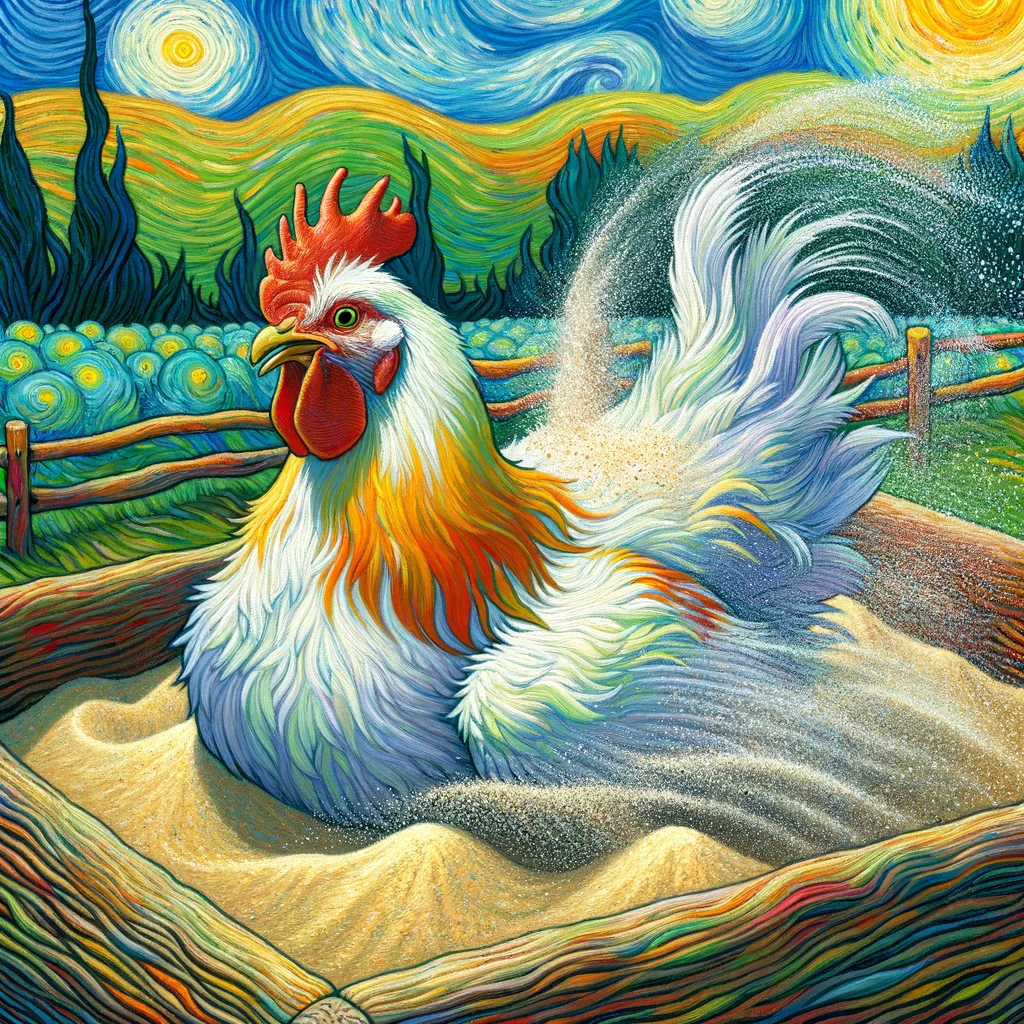
Stop Guessing – AI Predicts Adult Size, Egg Color, and Temperament
Stop Guessing – AI Predicts Adult Size, Egg Color, and Temperament
- Backyard chickens offer dreams of fresh eggs and companionship.
- AI can predict adult size, egg color, and temperament of chickens.
- Knowing breed characteristics helps make informed decisions in chicken-keeping.
- Choosing the right chicken breed enhances personal values and lifestyle.
- Raising chickens can be a smart investment and source of income through egg sales.
- Using AI fosters responsible caretaking and improves chicken welfare.
- Embracing AI deepens the bond between humans and chickens, enhancing the chicken-keeping experience.

Stop Guessing – AI Predicts Adult Size, Egg Color, and Temperament
Table Of Contents
- Stop Guessing – AI Predicts Adult Size, Egg Color, and Temperament
- What If AI Could End the Guesswork In Pet Breeding?
- How Can AI Improve Our Understanding Of Pet Traits?
- How Might AI Change Our Perceptions Of Breeding Ethics?
- Can AI Predictions Help Reduce Pet Abandonment Rates?
- What If AI Could Help Us Choose the Perfect Pet for Our Lifestyle?
- Conclusion
- Other Resources
- Glossary Of Terms
- Other Questions
- Haiku
- Poem
- Checklist
What If AI Could End the Guesswork In Pet Breeding?
What if AI could end the guesswork in pet breeding? Imagine walking into a world where the unpredictability of breeding decisions gives way to clarity and assurance, not just for breeders but for loving pet owners everywhere. Picture a bustling pet adoption event where families eagerly search for their perfect companion, no longer relying on chance to dictate the temperament or health of their future pets.
AI has the potential to become an invaluable ally in this journey. With advanced algorithms analyzing genetic data and traits, the possibility of predicting puppy behaviors and health outcomes arises. It’s much like raising backyard chickens, where success hinges on understanding genetics and breeding practices. The joy of collecting those fresh eggs can be mirrored in the thrill of choosing a pet that fits seamlessly into a family’s lifestyle, reducing the chances of disappointment and surprise.
But why is this important? Sharing our lives with pets brings joy, companionship, and a sense of purpose, yet too many animals end up in shelters due to mismatched expectations. This AI-guided approach can foster a deeper connection between humans and animals, ensuring each pet is not just a product of chance but a carefully considered part of a family’s story. It invites them into a journey where knowledge replaces instinct, leading to informed choices that could reduce the number of animals abandoned due to behavioral issues or health concerns that were overlooked.
Consider the heartwarming story of a couple who adopted a dog, only to discover later that their furry friend had severe anxiety issues, making life challenging for everyone in the home. Imagine an alternative scenario where they could have accessed an AI tool that evaluated the dog’s lineage and predicted such behaviors, helping them make a more informed decision. The impact could be profound, fostering a sense of trust in the breeders and a community that puts animal welfare at its core.
Not only does this approach benefit individual families, but imagine the ripple effect it would create within the broader social fabric. Communities rallying around responsible breeding foster stronger bonds, reinforcing the idea that pets are family members deserving of precision and care.
In this new landscape, it’s not just about breeding; it’s about creating a future where every pet is a welcomed member of the family—ensuring that joy, love, and companionship are never left to chance.

What If AI Could End the Guesswork In Pet Breeding?
What If AI Could End the Guesswork In Pet Breeding?
- AI can eliminate guesswork in pet breeding, providing clarity for breeders and pet owners.
- Advanced algorithms can analyze genetic data to predict puppy behaviors and health outcomes.
- This method reduces disappointment and enhances family compatibility with chosen pets.
- AI-guided breeding fosters deeper connections between humans and animals, minimizing shelter intakes.
- Informed choices can prevent abandonment due to behavioral or health issues.
- Communities supporting responsible breeding can strengthen bonds and promote animal welfare.
- The goal is a future where every pet is a cherished family member, ensuring love and companionship.

What If AI Could End the Guesswork In Pet Breeding?
How Can AI Improve Our Understanding Of Pet Traits?
Imagine standing in your backyard, the sun warming your face, birds chirping a hopeful melody, and a flock of backyard chickens pecking playfully at the soil. These seemingly simple creatures are bursting with unique traits and personalities, much like our beloved cats and dogs. Just as every chicken has its own quirks, every pet presents a tapestry of traits waiting to be understood. AI holds the key to unraveling these mysteries, enabling us to connect more deeply with our animals.
Artificial Intelligence can sift through mountains of data collected from pet owners, veterinary records, and behavioral studies. By analyzing patterns in the way pets behave, AI can spot trends linked to genetics, environment, and even social interactions. This isn’t just about clustering pets into neat categories; it’s about understanding the rich, complex personalities that lie beneath their fur or feathers. For instance, when you know that your backyard chickens express more affection when they have room to roam, you’re not just improving their quality of life, you’re deepening your bond. You’re tapping into what makes their little hearts beat.
As pet owners, we all yearn to understand why our companions act the way they do. When Fido digs through the garbage or Whiskers knocks over that precious vase, are they misbehaving or simply expressing an intrinsic trait? AI can help answer those questions. By harnessing technology, pet owners can learn to navigate their pets’ unique behaviors with empathy and insight. The emotional connection flourishes when we see our pets through the lens of informed understanding, transforming frustration into appreciation.
Ethically, leveraging AI in understanding pet traits raises the bar for how we treat animals. With insights derived from AI, the conversation shifts from merely sharing a space with our pets to acknowledging their needs and preferences. This fosters a profound sense of responsibility in caring for them, much like the obligation felt when tending to a flock of backyard chickens that you’ve come to know as individuals rather than mere animals.
The stories of those who have embraced technology in understanding their pets often elicit a collective sigh. A family learns that their rescue dog, once considered a troublemaker, simply craves more exercise, leading to enjoyable hikes together. A couple realizes that their cat’s aloofness is her way of asserting her independence, creating a newfound respect for her space.
As AI continues to enhance our grasp of pet traits, we move beyond superficial interactions, fostering a robust bond with our furry or feathered friends, turning pet ownership into a shared journey of growth, empathy, and connection.

How Can AI Improve Our Understanding Of Pet Traits?
How Can AI Improve Our Understanding Of Pet Traits?
- Backyard chickens and pets display unique traits and personalities.
- AI analyzes data from pet owners, veterinary records, and studies to understand pet behaviors.
- Insights from AI enhance the bond between pets and owners by revealing underlying traits.
- Technology helps owners comprehend and empathize with their pets’ behaviors.
- AI fosters ethical treatment by encouraging acknowledgment of pets’ needs and preferences.
- Stories illustrate the transformative effects of understanding pets through technology.
- AI enriches pet ownership, turning it into a journey of growth and connection.

How Can AI Improve Our Understanding Of Pet Traits?
How Might AI Change Our Perceptions Of Breeding Ethics?
The world of breeding, whether it’s animals or plants, has always danced on the edge of ethics. We often view breeding through the lens of tradition, even nostalgia. Take backyard chickens, for instance. Many enthusiasts relish the idea of raising a flock in their own yard—not just for fresh eggs but for the experience, the connection, and the responsibility it fosters. Now, picture this: artificial intelligence stepping into that realm. How will it reshape what we consider ethical?
Imagine a tired farmer, pouring over records of generations of livestock, analyzing traits meticulously like an artist studying a canvas. This is where AI steps in, transforming that laborious task into a harmonious symphony of data. It promises not just efficiency, but a new ethos in breeding. With AI’s capability to analyze genetic potential and health risks, we can envision a future where breeding practices prioritize not merely profitability but the welfare of the animals involved. This isn’t just technology; it’s a moral compass, guiding us toward compassion and better living conditions for all creatures involved.
Let’s consider a story: a young girl, discovering her passion for raising butterflies, learns that some species face extinction. She watches in awe, as scientists use AI to study migration patterns and breeding habits, ultimately leading to new practices that help revitalize lost populations. The ethical implications of AI here are profound. It reminds us that while we wield technology, we also hold the power to nurture life.
Yet, with all this power comes responsibility. The ethical conflict arises when decisions about breeding become driven by algorithms, devoid of gut feelings or personal connections. Will we allow AI, with its cold precision, to dictate what makes an animal desirable or valuable? Can we trust numbers alone to define the worth of a creature that brings joy, companionship, and even sustenance? Here’s where our shared humanity is paramount.
Imagine standing in a local farmer’s market, talking with a chicken farmer who passionately raises heritage breeds. She describes not just her birds, but their history, their connection to the land, and the community they serve. This is the conversation we must have as AI becomes a tool in breeding: one that honors our history and respects the lives we touch.
Trusting AI isn’t about relinquishing control; it’s about enhancing our understanding and finding a balance between innovation and tradition. It’s time to foster deeper connections between technology and the natural world, expanding our ethical compass to include the heart of breeding, honoring each creature in our care.

How Might AI Change Our Perceptions Of Breeding Ethics?
How Might AI Change Our Perceptions Of Breeding Ethics?
- The ethics of breeding, both in animals and plants, is a complex topic.
- Many backyard chicken enthusiasts appreciate the experience and responsibility of raising chickens.
- Artificial intelligence (AI) can transform traditional breeding practices by enhancing data analysis and efficiency.
- AI promises to prioritize animal welfare over mere profitability in breeding.
- A young girl’s interest in butterflies highlights AI’s role in conservation and ethical breeding practices.
- The reliance on algorithms raises concerns about losing personal connections and understanding in breeding decisions.
- Trust in AI should enhance knowledge while balancing innovation with tradition in breeding practices.

How Might AI Change Our Perceptions Of Breeding Ethics?
Can AI Predictions Help Reduce Pet Abandonment Rates?
Every year, countless pets find themselves abandoned, a heartbreaking reality that echoes through our communities. But imagine a future where technology steps in, not just to track data, but to enrich lives and support pet owners in ways we never thought possible. Enter AI—a powerful tool that, when harnessed correctly, can transform the landscape of pet ownership and reduce abandonment rates.
Picture this: a young couple in an urban setting excitedly adopting their first dog. They’re thrilled, sharing pictures on social media, feverishly buying chew toys and cozy beds. But as weeks turn to months, reality sets in. Work schedules conflict, and they find themselves overwhelmed. Without a proper support system, their enthusiasm fades, leading to the heartbreaking decision to relinquish their pet. This is more than just a story; it’s a common narrative in many households.
Now, imagine if AI could predict these challenges before they arise. By analyzing patterns in pet ownership, lifestyle changes, and even local resources nearby—think access to dog parks or pet-friendly facilities—AI could identify families at risk of abandoning their pets. It might suggest timely interventions, like connecting them to local training classes or community support groups. A little nudge, a reminder to reach out, and the consequences could ripple through the community.
This isn’t solely about data; it’s about empathy. When we think of support, we think of neighbors helping neighbors. Like backyard chickens requiring a little extra care to thrive, pets demand attention, training, and love. AI could serve as a modern-day neighbor, offering advice tailored to unique situations—reminding owners of check-ins and providing resources they might not have known existed.
Ethically, we must consider our responsibility as a society. Abandoning pets not only impacts the animals but also the overall community fabric. It costs money, time, and human resources to manage the fallout from such actions. By using AI predictive analytics, we can create an ethical framework wherein technology promotes not just stopgaps, but genuine, sustainable relationships between humans and their furry companions.
Trust in this technology isn’t just about algorithms; it’s about building connections. As we invite AI into the conversation, we foster community engagement—allowing us to weave a network of support and intervention. Strengthening the bond between pets and owners can be as simple as a well-timed email or community initiative. With combined efforts, we can turn the tide on pet abandonment and ensure a safe haven for every animal, sparking a movement rooted in compassion and responsibility.

Can AI Predictions Help Reduce Pet Abandonment Rates?
Can AI Predictions Help Reduce Pet Abandonment Rates?
- Many pets are abandoned each year, prompting a need for innovative solutions.
- AI has the potential to transform pet ownership and decrease abandonment rates.
- Predictive analytics can identify families at risk of pet abandonment by analyzing lifestyle patterns.
- AI can suggest timely interventions, such as local training classes and support groups.
- Using AI promotes empathy, serving as a modern support system for pet owners.
- There is an ethical responsibility to address pet abandonment, impacting community resources.
- Building trust in AI fosters community engagement and strengthens the bond between pets and owners.

Can AI Predictions Help Reduce Pet Abandonment Rates?
What If AI Could Help Us Choose the Perfect Pet for Our Lifestyle?
Imagine walking into your backyard, coffee in hand, watching a flurry of feathers and clucking as your backyard chickens peck and scratch at the ground. These charming creatures, familiar yet often overlooked, serve as the perfect metaphor for how artificial intelligence could revolutionize our pet selection process. Choosing the right pet isn’t merely about preference; it’s about aligning a living, breathing companion with our unique lifestyles, responsibilities, and emotional needs.
Picture this: You’re a busy professional living in an urban apartment, where a rambunctious dog or a high-maintenance breed might not suit your routine. Enter AI, analyzing your schedule, energy levels, and social preferences to suggest not just a pet, but the *right* pet for you. It could propose a low-key cat or, yes, even backyard chickens, who offer companionship, eggs, and their own brand of delightful chaos without the demands of traditional pets. This personalized insight can save pet owners from the heart-wrenching decision to rehome an animal or, worse, neglect its needs.
Traditionally, selecting a pet has felt like a shot in the dark—too much emotion and not enough rational criteria. But with AI, we can create a blend of head and heart. Leveraging data from countless successful pet-owner interactions, these systems could analyze traits such as a pet’s energy levels and temperament, matched to our lifestyle. Picture the peace of mind knowing your new furry or feathered friend will thrive in your home, tailored just for you.
Now, diving deeper into the ethical implications, it’s important to consider the plight of shelter animals. AI can prioritize pets needing homes, ensuring they’re not just statistics but cherished companions. Imagine a world where every pet is perfectly matched, reducing abandonment rates and fostering a deeper sense of community responsibility.
In stories shared around dinner tables, families could reflect on their pets, not just as companions but as lively threads woven into their lives. When you tell your friends about the feisty hen named Betty who steals the show at your backyard barbecues, you’re not just talking about a pet; you’re sharing a connection, a narrative that ties your community together.
AI has the potential to engender trust, making pet selection a thoughtful adventure rather than a mere choice. Choosing your perfect pet could become a journey of discovery, rooted in understanding ourselves and the animals we choose to welcome into our homes. The desire for connection, joy, and companionship can unite us all, one clucking chicken at a time.
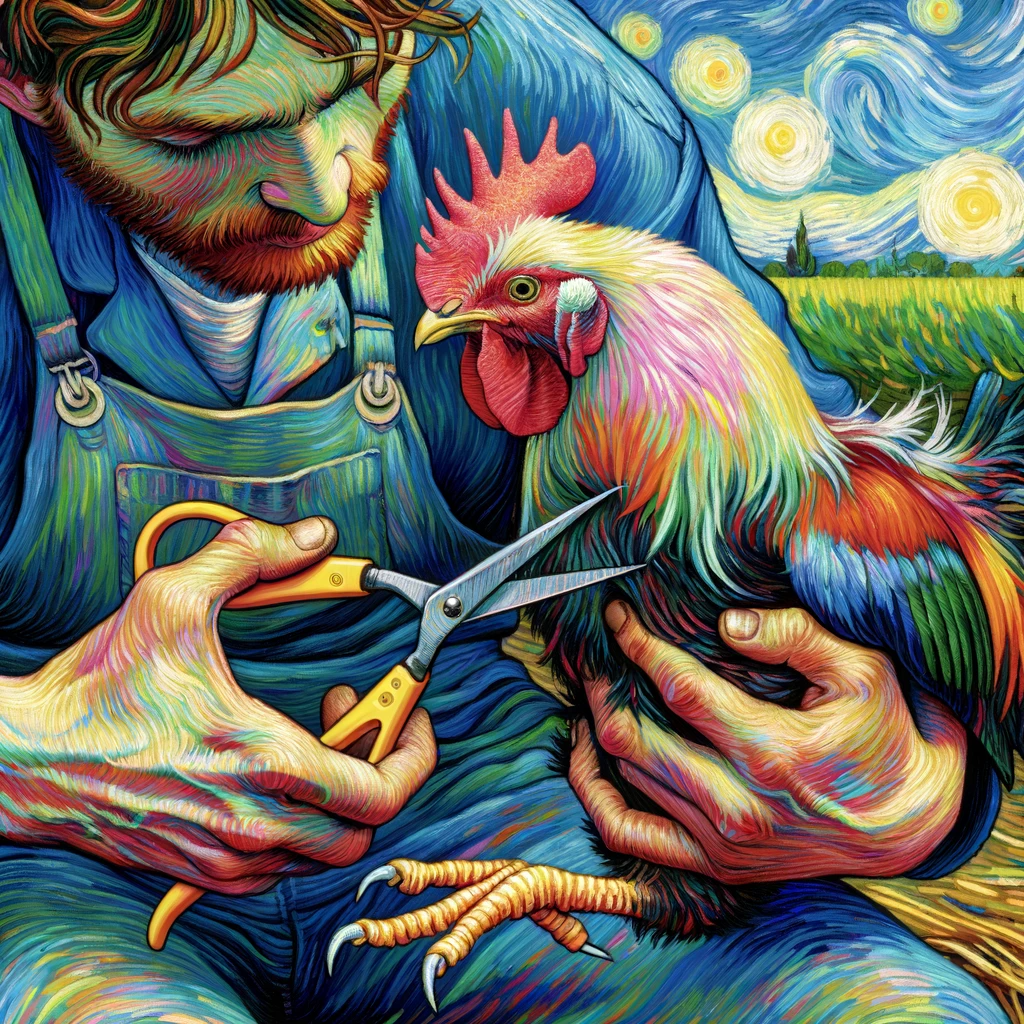
What If AI Could Help Us Choose the Perfect Pet for Our Lifestyle?
What If AI Could Help Us Choose the Perfect Pet for Our Lifestyle?
- AI can transform the pet selection process by aligning pets with individual lifestyles and emotional needs.
- For busy professionals, AI can suggest suitable pets, such as low-maintenance cats or even backyard chickens.
- This approach aims to prevent the rehoming or neglect of animals by ensuring well-matched pet-owner dynamics.
- AI utilizes data from successful pet-owner interactions to blend emotional preference with rational criteria.
- It can prioritize shelter animals, reducing abandonment rates and promoting community responsibility.
- Pets can become integral parts of family narratives, enriching social connections and communal ties.
- The process of choosing a pet could evolve into a meaningful journey of self-discovery and connection.
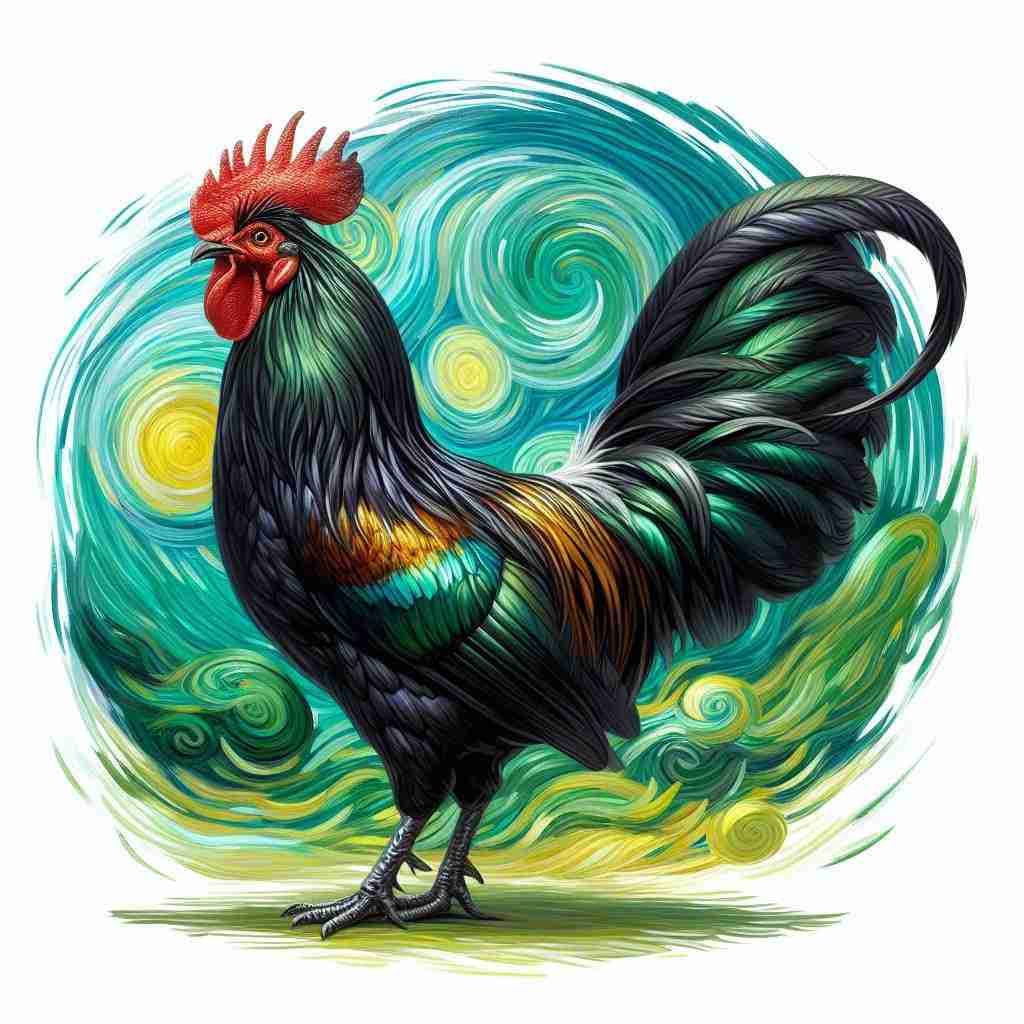
What If AI Could Help Us Choose the Perfect Pet for Our Lifestyle?
Conclusion
As we look to the horizon of backyard chicken-keeping and pet ownership, it’s clear that AI is no longer a distant concept; it’s here, ready to revolutionize how we engage with our animals. Think of that serene moment in your backyard, surrounded by clucking chickens, as you envision a future where technology not only simplifies our choices but enriches our connections. Raising chickens is more than just a hobby; it’s a reflection of who we are and the values we hold. With AI’s ability to predict growth, egg color, and temperament, we aren’t just choosing breeds; we’re forging relationships built on knowledge and understanding. Imagine knowing your chicken will be both a friendly companion and a dependable egg-layer—this predictive insight transforms our journey from guesswork to informed ownership.
When we think about ethical pet ownership, it’s about responsibility. AI offers a powerful tool to enhance our bonds with our animals, enabling us to be informed caretakers who prioritize their well-being. The emotional resonance of nurturing life is profound, and using technology to support this duty speaks volumes about our commitment to animal welfare. It invites us into a narrative of compassion and community, where every pet, including those in shelters, becomes a cherished member of the family, rather than just an option to fill a void.
Furthermore, AI shines a light on breeding and behavioral traits—unearthing insights that can prevent abandonment and misalignment between pets and their owners. The heartbreaking stories of rehomed pets are often rooted in unrealistic expectations. AI can arm potential owners with the knowledge necessary to make informed choices, ensuring that each adoption leads to a harmonious relationship rather than a painful separation. This empowers communities, reinforcing the idea that pets deserve our care and attention, fostering connections that go beyond ownership.
In a world where we can blend tradition with technological innovation, we’re not only enhancing our understanding of pets but also honoring their unique personalities and needs. We step away from the cold calculations of data and embrace the warmth of community—strengthening the emotional fabric that binds us. With AI as our ally, we embark on a journey of discovery—transforming the act of pet ownership into a celebration of life, compassion, and shared stories. Let’s not just manage our animals; let’s cherish them, ensuring that our homes echo with laughter, love, and the gentle sounds of clucking chickens or the pitter-patter of paws. Together, we can create a future where every pet belongs—a future worth believing in.

Conclusion
Conclusion:
- AI revolutionizes backyard chicken-keeping and pet ownership, enhancing engagement with animals.
- Chickens reflect personal values and raising them becomes an informed journey through AI predictive insights.
- Ethical pet ownership emphasizes responsibility, with AI improving caretaker relationships with pets.
- Technology supports animal welfare and nurtures compassionate communities, valuing shelter pets as family members.
- AI uncovers breeding and behavioral traits, reducing abandonment by aligning pet expectations with reality.
- Combining tradition with technology deepens understanding of pets and honors their individuality.
- AI transforms pet ownership into a celebration of life and compassion, promoting laughter and love in homes.

Conclusion
Other Resources

Other Resources
Here is a list of other resources you can review online to learn more:
- blackberries
- Australorp Club of Australia
- Golden Laced Wyandotte
- Chantecler
- cereals
- Coliform Infection
- Black Sex Link
- Onagadori
- chard
- Dutch Bantam
- earthworms
- salmonella
- Oatmeal
- Poultry Mites
Use This Prompt To Get More Resources With Your Favorite Online AI Tool: Please provide me with a list of online articles with their URLs in a bulleted list that I can read regarding Stop Guessing – AI Predicts Adult Size, Egg Color, and Temperament

Other Resources
Glossary Terms
Stop Guessing – AI Predicts Adult Size, Egg Color, and Temperament – Glossary Of Terms
1. Predictive model — An algorithm trained to estimate outcomes (adult size, egg color, temperament) from input data such as images, measurements, or behavioral records.
2. Machine learning — A field of algorithms and techniques that enable computers to learn patterns from data and make predictions without explicit programming.
3. Supervised learning — A training paradigm where models learn to map inputs to known outputs (labels) using labeled examples.
4. Training dataset — A curated collection of input examples and corresponding labels used to teach a model the target relationships.
5. Label — The ground-truth value or category assigned to an example (e. g. , measured adult weight, verified egg shell color, temperament class).
6. Feature — An individual measurable property or attribute extracted from raw data (e. g. , wing length, pixel color histogram, behavioral frequency).
7. Feature engineering — The process of selecting, transforming, or creating input features that improve model performance.
8. Convolutional neural network (CNN) — A deep learning architecture specialized for image and spatial data analysis, commonly used to predict physical traits from photos.
9. Random forest — An ensemble learning method that builds multiple decision trees and aggregates their outputs for robust tabular or mixed-data predictions.
10. Gradient boosting machine (GBM) — An ensemble of weak learners sequentially trained to correct previous errors, effective for structured data tasks.
11. Cross-validation — A technique that partitions data into training and validation folds to estimate model generalization and reduce overfitting.
12. Overfitting — When a model learns noise or idiosyncrasies of the training data and performs poorly on new, unseen examples.
13. Generalization — A model’s ability to maintain accurate predictions on new, previously unseen data across populations and conditions.
14. Model calibration — The alignment between predicted probabilities or scores and the true likelihood of outcomes, ensuring confidence scores are meaningful.
15. Confidence score — A numeric value expressing the model’s certainty in a prediction, often used to prioritize or flag uncertain cases.
16. Probability output — A model’s continuous prediction representing the estimated likelihood of a categorical outcome (e. g. , probability an egg will be blue).
17. Explainability — Methods and tools that make a model’s decision process understandable to humans, such as feature importance or saliency maps.
18. Ground truth — The verified, authoritative data used as the reference standard for labels during training and evaluation.
19. Annotation — The process of labeling raw data (images, videos, measurements) with ground-truth attributes for use in supervised learning.
20. Data augmentation — Artificially expanding a dataset by transforming inputs (rotations, color shifts, noise) to improve model robustness.
21. Transfer learning — Reusing a model or learned features from one task or dataset to accelerate training and improve performance on a related task.
22. Domain adaptation — Techniques for adjusting models so they remain accurate when applied to data from different sources, breeds, or environments.
23. Phenotype — Observable traits of an organism (size, egg shell color, behavior) resulting from genetic and environmental influences.
24. Genotype — The genetic makeup of an organism that contributes to inherited traits and can inform predictive models when available.
25. Heritability — The proportion of observed variation in a trait attributable to genetic differences rather than environment, used to gauge predictability.
26. Estimated breeding value (EBV) — A quantitative prediction of an animal’s genetic merit for specific traits, often derived from pedigree and phenotype data.
27. Egg color phenotype — The observable shell color and patterns resulting from pigment deposition, used as a categorical or continuous prediction target.
28. Adult size phenotype — Measurable final body dimensions or weight used as a target for growth prediction models.
29. Temperament score — A standardized numeric or categorical rating of behavioral tendencies (docility, aggression, flightiness) used for prediction and selection.
30. Model drift — The gradual degradation of model performance over time as input data distributions or management practices change, requiring monitoring and retraining.

Glossary Of Terms
Other Questions
Stop Guessing – AI Predicts Adult Size, Egg Color, and Temperament – Other Questions
If you wish to explore and discover more, consider looking for answers to these questions:
- How accurate are AI predictions for adult size, egg color, and temperament?
- What data does the AI use to make these predictions (photos, DNA, pedigree, behavior records)?
- Can AI predict traits for mixed-breed or crossbred animals?
- At what age can AI reliably predict an animal’s adult size and temperament?
- How does environment (diet, housing, handling) affect the accuracy of temperament predictions?
- How does the AI account for genetic variation within a breed?
- What level of uncertainty or confidence is provided with each prediction?
- How are egg color predictions made and what influences egg color variability?
- Can AI distinguish between temporary behavioral issues and inherent temperament traits?
- How often should predictions be updated as an animal grows or its environment changes?
- What are the common failure modes or limitations of these AI models?
- How is training data collected and how large/representative is the dataset?
- Are there known biases in the AI (breed, geographic, socioeconomic) and how are they mitigated?
- How transparent and interpretable are the AI’s predictions (can it show which features drove the result)?
- Can owners provide their own data to improve predictions for their flock or pets?
- What privacy protections exist for submitted data (photos, DNA, owner information)?
- Who owns the data and the prediction output—owners, service providers, or third parties?
- What are the costs and availability of these AI tools for hobbyists versus commercial breeders?
- Is DNA testing required and which genetic tests are compatible with the AI?
- How should breeders and owners interpret probabilistic predictions when making breeding or adoption decisions?
- Could reliance on AI encourage selection for narrow traits and reduce genetic diversity?
- What ethical safeguards are recommended to prevent misuse of AI in breeding (e.g., for cosmetic traits at the expense of health)?
- How might AI-driven selection affect long-term population health and disease susceptibility?
- Can AI predictions be used to screen for hereditary health risks in addition to behavior and size?
- What legal or regulatory frameworks govern the use of predictive AI in pet breeding and sales?
- How can AI tools help reduce pet abandonment, and what interventions would they trigger?
- Will AI recommendations be integrated with shelter or adoption platforms to improve matches?
- How do vets and animal behaviorists validate or override AI-based recommendations?
- Are there real-world case studies or success stories demonstrating measurable benefits?
- What happens if an AI prediction is wrong and leads to a costly or harmful decision?
- How user-friendly are the interfaces—apps, web tools, or integrated hardware?
- Can small-scale backyard keepers access the same level of prediction quality as commercial operations?
- How long does it take to get a prediction after submitting data, and what format is the output?
- Are there open-source or community-driven AI tools for predicting pet traits?
- How can owners improve prediction accuracy over time (more data, corrective feedback)?
- What are the cultural or social implications of using AI to choose and shape companion animals?

Other Questions
Haiku
Stop Guessing – AI Predicts Adult Size, Egg Color, and Temperament – A Haiku
Clucking in sunlight,
AI reveals our true kin—
Hearts and homes aligned.
Haiku
Poem
Stop Guessing – AI Predicts Adult Size, Egg Color, and Temperament – A Poem
In backyards where sunflowers sway,
Chickens cluck, a charming display.
With dreams of eggs and feathered friends,
AI helps guidance without ends.
No more guessing in breeds we seek,
Predicting size and traits unique.
Informed choices lead to bonds deep,
Nurtured connections, trust we keep.
When families choose their furry mates,
AI reveals their future fates.
No more heartbreak in mismatched pairs,
Understanding before love declares.
Through data’s lens, we comprehend,
Our pets, our choices, each their trend.
With empathy, our lives entwine,
Every animal deserves our time.
Technology dances with ethics bright,
In breeding’s art, we seek the light.
Compassion thrives as we engage,
Crafting stories on each new page.
AI as neighbor, guiding each heart,
Reducing abandonment, doing our part.
Together we weave a fabric so grand,
For pets and people, hand in hand.
Let’s cherish the joy, let kindness reign,
With every cluck, and every gain.
In this journey of care and fate,
We choose our pets—our hearts await.

Poem
Checklist
Stop Guessing – AI Predicts Adult Size, Egg Color, and Temperament – A Checklist
Checklist for AI-Enhanced Pet Ownership
✅______ Visualize your ideal environment: Picture your backyard or home with the perfect pet that complements your lifestyle.
✅______ Embrace companionship: Think about the joy and connection your chosen pet will bring to your life.
✅______ Share your story: Create a narrative around your pet’s role in your family to foster deeper emotional bonds.
Rational Appeal
✅______ Predictive insights: Use AI tools to assess and predict pet traits such as size, temperament, and egg-laying ability.
✅______ Investment mindset: Consider the financial aspects of pet ownership, including potential income from egg sales or responsible breeding practices.
✅______ Tailored solutions: Obtain AI-generated recommendations for the best pet that matches your specific lifestyle and schedule.
Ethical Appeal
✅______ Responsible ownership: Pledge to use AI insights to ensure the welfare and happiness of your pet.
✅______ Advocate for welfare: Become an informed advocate for animal rights, utilizing technology to improve living conditions for pets.
Authority Appeal
✅______ Consult the experts: Refer to AI recommendations backed by veterinary insights and behavioral studies.
✅______ Stay informed: Keep updated on AI advancements in animal care to enhance your knowledge and decision-making.
Narrative Appeal
✅______ Learn from real-life stories: Read success stories of pet owners who benefited from AI tools in their journey.
✅______ Share your journey: Document and share your experiences with your pet community.
Social Appeal
✅______ Community connection: Get involved in local pet groups or forums to exchange AI experiences and advice.
✅______ Support systems: Utilize AI to identify supportive resources in your community (e.g., training classes, pet-friendly venues) to enhance your pet’s life.

Checklist
At BackyardChickenNews, we help people who want to raise backyard chickens by collating information and news blended with our own personal experiences.
Be sure to read our other related stories at BackyardChickenNews to learn more about raising chickens in your backyard.