

Empowering Communities Through Ethical Protein Production
By Tom Seest
At BackyardChickenNews, we help people who want to raise backyard chickens by collating information and news blended with our own personal experiences.
Be sure to read our other related stories at BackyardChickenNews to learn more about raising chickens in your backyard.
Sustainably Sourced Protein-Right From Your Backyard
Picture this: the sun peeking over the horizon, a soft breeze whispering through the trees, and there you are, stepping into your backyard, a world of possibility just waiting to unfold. What if I told you that right there, just beyond your kitchen door, lies the potential for sustainable protein that not only nourishes your family but also enriches your connection to the earth? That’s right—backyard chickens.
Imagine the joy of gathering fresh eggs in the early morning light. It’s more than just breakfast; it’s a daily reminder of the cycle of life and responsibility. When you raise your own chickens, you’re not just feeding your family; you’re making a conscious choice to engage with your food source. Each egg represents a story—the simple yet profound act of caring for these creatures instills a sense of purpose in our modern, often disjointed lives.
Rationally speaking, backyard chickens are one of the most efficient ways to produce sustainable protein. They convert kitchen scraps into delicious, nutrient-rich eggs, cutting down on food waste while providing a reliable source of nutrition for your family. In an era where many are concerned about the environmental impact of industrial farming, raising chickens means embracing a smaller footprint, fostering biodiversity, and promoting a healthier ecosystem right in your backyard.
Ethically, there’s something powerful about choosing to take responsibility for your food sources. You know where your eggs come from, how your chickens are treated, and the quality of their diet. This level of transparency nurtures a bond between your family, your food, and the environment. You’re not just a consumer; you’re an active participant in a system that prioritizes welfare and sustainability over mass production.
And let’s talk social connection. There’s a community of backyard chicken enthusiasts out there—neighbors sharing stories, tips, and sometimes, even extra eggs. It’s a chance to forge relationships and strengthen bonds while collectively navigating the joys (and occasional challenges) of chicken rearing.
Ultimately, raising backyard chickens isn’t just about having a protein source; it’s about rekindling a connection to our roots—both literally and figuratively. So, why not dive in? With the right care and a little patience, you’ll find that those feathered friends can transform your backyard, your meals, and perhaps, even your life. Embrace the journey; it’s one worth taking.

Sustainably Sourced Protein-Right From Your Backyard
Sustainably Sourced Protein-Right From Your Backyard
- Backyard chickens offer sustainable protein right outside your kitchen door.
- Gathering fresh eggs fosters a connection to the cycle of life and responsibility.
- Chickens convert kitchen scraps into nutritious eggs, reducing food waste.
- Raising chickens promotes a smaller environmental footprint and biodiversity.
- Taking responsibility for food sources enhances transparency and ethical considerations.
- Engaging with the community of chicken enthusiasts builds social connections.
- The experience transforms not just your food sources, but your overall lifestyle.

Sustainably Sourced Protein-Right From Your Backyard
Table Of Contents
- Sustainably Sourced Protein-Right From Your Backyard
- How Can Backyard Protein Help Strengthen Our Connection to Nature?
- What Are the Environmental Benefits Of Raising Chickens At Home?
- How Does Growing Your Own Protein Impact Your Carbon Footprint?
- What Guidelines Should You Follow to Ensure Ethical Animal Care?
- What Stories Of Transformation Inspire Us to Grow Our Own Food?
- How Can Your Suburban Backyard Be a Sustainable Food Sanctuary?
- What Are the Costs Versus Benefits Of Home Protein Production?
- Conclusion
- Other Resources
- Glossary Of Terms
- Other Questions
- Haiku
- Poem
- Checklist
How Can Backyard Protein Help Strengthen Our Connection to Nature?
When we talk about strengthening our connection to nature, let’s dive into the unassuming wonder of backyard protein. Imagine stepping into your own backyard, sunlight warming your skin and the sound of a rooster crowing punctuating the morning air. You’ve taken a step that’s more than just a food source; you’ve embarked on a relationship with your environment that is as rich as it is rewarding.
Backyard chickens are the perfect gateway to this experience. Raising chickens cultivates an awareness of the cycles of life—those little cluckers scratch, peck, and raise a ruckus while converting scraps and leftovers into fresh eggs. For a young family, this can be a powerful narrative of sustainability and responsibility. It teaches kids where food comes from, nurturing an instinct to care for the planet. With every egg gathered, there’s a tangible connection to the ground beneath your feet, one that often gets lost in our fast-paced, urban lives.
Moreover, there’s an undeniable joy in watching these feathered companions. Their quirky personalities and simple needs remind us of the beauty in nature’s rhythms. You feed them, they give back more than just protein; they offer companionship, laughter, and even a sense of purpose to your day. This isn’t merely about fostering a sustainable food source; it’s about weaving threads of new relationships—both with the land and the living creatures that inhabit it.
Now, let’s appeal to your sense of ethics. By choosing to raise your own backyard chickens, you’re taking a stand against industrial farming. You’re saying yes to ethical stewardship and no to the faceless systems that prioritize efficiency over welfare. Every egg you collect embodies a commitment to humane practices and environmental awareness.
Let’s not forget the community aspect. Sharing your fresh eggs with neighbors or swapping chicken care tips fosters connections. It creates conversations around dinner tables, igniting a passion for local food and sustainability that can ripple beyond your yard.
In a world where disconnection can feel the norm, embracing backyard protein isn’t just about feeding ourselves; it’s about grounding ourselves in the earth, forging connections with the natural world, and igniting a way of life that’s rooted in stewardship and gratitude. It’s high time we reconnect to what truly matters and let the simple act of raising chickens remind us that nature is not just out there; it’s right at our doorstep, waiting for us to engage.

How Can Backyard Protein Help Strengthen Our Connection to Nature?
How Can Backyard Protein Help Strengthen Our Connection to Nature?
- Strengthening our connection to nature through backyard protein, particularly with chickens.
- Raising chickens encourages awareness of life’s cycles and fosters sustainability and responsibility.
- Teaches children where food comes from, nurturing a care for the planet.
- Backyard chickens offer companionship, joy, and a sense of purpose beyond just providing eggs.
- Choosing to raise your own chickens supports ethical stewardship against industrial farming practices.
- Sharing eggs and tips with neighbors builds community and ignites conversations about local food and sustainability.
- Embracing backyard protein fosters connections to nature and emphasizes the importance of stewardship and gratitude.

How Can Backyard Protein Help Strengthen Our Connection to Nature?
What Are the Environmental Benefits Of Raising Chickens At Home?
When you think about raising Backyard Chickens, you might picture clucking companions pecking about in your yard, but the environmental benefits of these delightful birds extend far beyond their charming antics. Let’s get to the heart of it, shall we?
Having a flock at home means you’re not just producing fresh eggs; you’re embracing a sustainable lifestyle that promotes eco-friendliness. Each chicken can turn your kitchen scraps into rich fertilizer, reducing the volume of waste heading to landfills. That’s right—a couple of worms and some organic matter become nutrient-dense compost thanks to your feathered friends. By keeping that food waste local, you’re taking a stand against excessive waste and championing a circular economy.
Let’s shift gears for a moment. Think about the carbon footprint involved in transporting eggs from commercial farms to grocery stores. By choosing to raise chickens, you cut that distance down to just a few steps outside your door. This isn’t merely convenient; it’s a powerful statement about mindful consumption. Each egg you collect is a small act of defiance against industrial farming practices that contribute to pollution and habitat destruction. You can enjoy the satisfaction of knowing you’re supporting more humane, eco-conscious choices.
Beyond faithful egg production and cutting back on waste, raising chickens promotes biodiversity. You can choose to keep local breeds, helping to preserve genetic diversity that’s often lost in large agricultural systems. When you raise diverse breeds, you contribute to the resilience of our food systems. Plus, these chickens are often resilient and easier to care for, meaning you spend less time and resources on upkeep.
And let’s not forget about the social aspect. Many communities are discovering the deep connections forged through sharing knowledge about chicken care, breeding, and even cooking. It’s about fostering a sense of camaraderie and purpose, where conversations about caring for animals lead to discussions on sustainability and responsible living. You’re not just helping the planet; you’re joining a network of like-minded individuals passionate about making a difference, however small it may seem.
So here’s the call to action: consider the chickens. They’re more than eggs and manure; they’re a step towards a healthier planet, a more connected community, and a sustainable future we can all be proud of. The decision is in your hands; make it count.

What Are the Environmental Benefits Of Raising Chickens At Home?
What Are the Environmental Benefits Of Raising Chickens At Home?
- Backyard chickens provide environmental benefits beyond just companionship and egg production.
- They help reduce kitchen waste by converting scraps into rich fertilizer, promoting sustainability.
- Raising chickens minimizes the carbon footprint associated with transporting eggs from commercial farms.
- Keeping chickens supports humane and eco-conscious choices, countering industrial farming practices.
- Raising local chicken breeds promotes biodiversity and preserves genetic diversity in food systems.
- The practice fosters community connections through shared knowledge about chicken care and sustainable living.
- Choosing to raise chickens contributes to a healthier planet, stronger communities, and a sustainable future.

What Are the Environmental Benefits Of Raising Chickens At Home?
How Does Growing Your Own Protein Impact Your Carbon Footprint?
When you think about reducing your carbon footprint, the idea of growing your own protein might not be the first thing that pops into your mind. But let me take you on a little journey that connects our hearts, minds, and guts. Picture this: you step into your backyard, and the sun hits your face just right. There they are—your backyard chickens. They cluck and flitter about, bringing a pulse of life to your outdoor space.
You might ask, “How do these feathery friends help the planet?” The answer lies in the joy of self-sufficiency intersecting with environmental responsibility. When you raise chickens, you’re not just producing eggs; you’re cultivating a relationship with the land. Each egg becomes a small but impactful victory against the industrial farming practices that often prioritize profit over planet. You’re taking control of your food source, and that simple act can inspire those around you. Your neighbors see those chickens pecking away and might just reconsider their own choices.
Now, let’s think rationally. Industrial-scale protein production—be it beef or poultry—comes with a hefty carbon price tag. The transportation, the processing, the food miles—all of it adds unnecessary emissions to the atmosphere. Imagine cutting that off at the source. When you grow your own, the only journey those eggs make is from coop to kitchen. It’s a small step but one that reverberates through the ecosystem.
But it doesn’t end there. There’s an ethical layer too. Factory farms often prioritize efficiency over animal welfare. By raising chickens in your backyard, you ensure a loving, humane environment for these creatures to thrive. They’re not just egg-laying machines; they’re part of your family, and that matters.
Let’s talk community. Your backyard can become a hub of connection. Share your fresh eggs with friends, swap tips with neighbors, or even start a local chicken co-op. These interactions can create bonds and foster a sense of shared responsibility for the environment.
Growing your own protein isn’t just about nutrition. It’s a rallying cry for action, an invitation to reconnect with where our food comes from, and a meaningful way to lower your carbon footprint while making a positive impact. So dig that hole, set up that coop, and start something that matters—both for you and for the planet.

How Does Growing Your Own Protein Impact Your Carbon Footprint?
How Does Growing Your Own Protein Impact Your Carbon Footprint?
- Growing your own protein, such as raising backyard chickens, can significantly reduce your carbon footprint.
- Backyard chickens promote self-sufficiency and environmental responsibility by providing a personal food source.
- Each egg produced at home represents a victory against industrial farming practices that harm the planet.
- Raising chickens cuts down on emissions associated with industrial-scale protein production, such as transportation and processing.
- Keeping chickens ensures ethical treatment and animal welfare, contrasting with factory farms’ focus on efficiency.
- Backyard chickens can foster community connections through sharing eggs and knowledge with neighbors.
- Growing your own protein is not just about nutrition, but also a movement towards sustainable living and environmental stewardship.
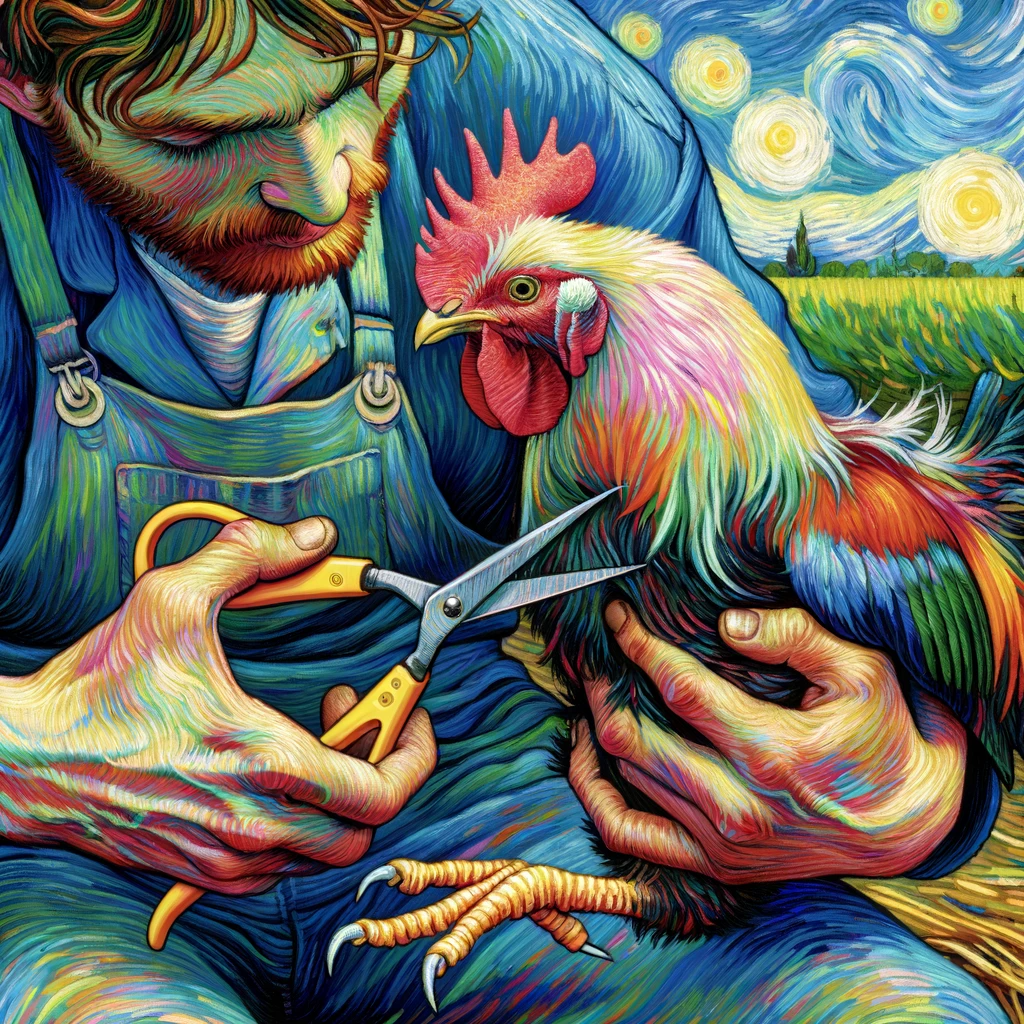
How Does Growing Your Own Protein Impact Your Carbon Footprint?
What Guidelines Should You Follow to Ensure Ethical Animal Care?
When we talk about ethical animal care, it’s not just about following rules; it’s about a shared commitment to the lives we’ve chosen to nurture and protect. Every creature, from the tiniest rabbit to the family of backyard chickens clucking around your yard, has a story shaping its existence. And as caretakers, we play a pivotal role in that narrative.
Consider the bond that forms when you lend a hand, whether it’s providing a cozy shelter for your chickens or ensuring your dog has enough room to roam. Each act of kindness connects you to the core of what it means to be human—compassionate beings capable of fostering safety and joy.
But let’s not kid ourselves; ethical animal care also requires a healthy dose of common sense. Animals, like us, have preferences and emotions. They thrive in environments that respect their natural behaviors. That means spacious coops for your backyard chickens, with ample sunlight and a dust bath for those happy little clucks to indulge in. So when you hear someone say, “They’re just animals,” remember that their lives hold value beyond our utilitarian perspective.
Engaging with the community strengthens this ethos. Sharing information about proper care techniques, or simply discussing the joys and challenges of keeping animals with your neighbors, fosters an environment of shared responsibility. When we prioritize ethical standards, we not only elevate our own practices but encourage those around us to do the same. It’s a ripple effect—a chance to cultivate a culture of respect for all living things.
But let’s go a step further. Ethical care is also about the research. Dive into why certain practices work best, not just for the animals, but for the environment and society at large. Check sources, talk to experts, and even learn from those who have been around the block a few times. Accountability is key—when you know better, you do better, and that translates to healthier, happier animals.
Ultimately, ethical animal care isn’t just a checklist; it’s a philosophy grounded in empathy and respect. Embrace the responsibility you have toward these beings. They’re counting on you—each happy cluck, playful bark, or curious gaze reflects trust in you as their guardian. Let that trust fuel every decision you make. It’s about building relationships that transcend species, fostering a world where kindness resonates in every coo and woof.

What Guidelines Should You Follow to Ensure Ethical Animal Care?
What Guidelines Should You Follow to Ensure Ethical Animal Care?
- Ethical animal care is rooted in a commitment to nurturing and protecting the lives of animals.
- Every animal has its own story, and caretakers play a pivotal role in shaping those narratives.
- Kinder actions, like providing suitable shelter and space, emphasize human compassion for animals.
- Animals have preferences and emotions, thriving in environments that honor their natural behaviors.
- Community engagement promotes shared responsibility and strengthens ethical animal care practices.
- Researching proper care techniques furthers accountability and leads to healthier, happier animals.
- Ethical animal care is a philosophy that fosters deep relationships based on empathy and trust.

What Guidelines Should You Follow to Ensure Ethical Animal Care?
What Stories Of Transformation Inspire Us to Grow Our Own Food?
There’s a palpable magic in the stories of those who took the leap, transformed their backyards, and embarked on the journey of growing their own food. Think about it—each seed planted represents a decision to nurture life and a commitment to a healthier future. These stories are more than just narratives; they are the heartbeat of a movement that invites us all to take back control of our plates.
Consider the family who once relied on grocery store fare, only to find themselves disheartened by the quality and origin of their food. They decided to plant a garden, turning their modest backyard into a mini-farm, and soon discovered the incredible joy of enjoying vine-ripened tomatoes and crisp cucumbers. This wasn’t just about food; it was a transformation of their very being—a reconnection with the earth and an opportunity to instill values of sustainability and self-sufficiency into their children. The simple act of sowing seeds became a vessel for those lessons, creating shared memories and deepening bonds.
Even more transformative is the rise of backyard chickens. Those pecking little wonders bring not just fresh eggs but a delightful daily routine and a sense of responsibility. The squeal of laughter from children as they chase clucking hens through the garden serves as a reminder of the simple joys of life. Through these experiences, families are not only providing quality food but also fostering a sense of community—connecting with neighbors, sharing surplus harvests, and exchanging tips, seeds, and stories. It’s all about people coming together, leaning on each other to cultivate both gardens and relationships.
Now, let’s get real for a moment. With health concerns and environmental challenges mounting, growing our own food isn’t just a whimsical choice; it’s becoming a moral imperative. By choosing to cultivate our own veggies, we are choosing to stand against the corporate giants that prioritize profit over quality. Every bite of kale grown in our backyard is a statement, an act of defiance that echoes through local markets and feeds the ethical consumer movement.
So, if you’re sitting on the fence, concerned about being overwhelmed or inexperienced, know this: there’s a community ready to welcome you, and an entire world of transformational stories waiting to inspire your own journey into the heart of growing food. Embrace it. You hold the power to cultivate your own narrative, one that might just encourage others to follow suit. So grab that trowel, and let’s dig in.

What Stories Of Transformation Inspire Us to Grow Our Own Food?
What Stories Of Transformation Inspire Us to Grow Our Own Food?
- The stories of backyard gardeners highlight a transformative journey towards growing their own food.
- Each seed planted symbolizes a commitment to nurturing life and promoting a healthier future.
- Families who transitioned from grocery reliance to gardening experienced joy and connection with nature.
- Growing food fosters values of sustainability and self-sufficiency, enriching family bonds and shared memories.
- Raising backyard chickens adds responsibility and joy, connecting families and enhancing community interactions.
- With rising health and environmental issues, growing one’s own food is increasingly seen as a moral imperative.
- A supportive community exists for new gardeners, encouraging them to embrace the journey of cultivating their own food.

What Stories Of Transformation Inspire Us to Grow Our Own Food?
How Can Your Suburban Backyard Be a Sustainable Food Sanctuary?
Imagine stepping out your back door and finding not just grass and a couple of flower beds, but a thriving ecosystem where life hums with purpose. Your suburban backyard can transform into a sustainable food sanctuary—a patch of green that nurtures not only your appetite but also your soul. It can become a sanctuary filled with ripe vegetables, herbs bursting with flavor, and yes, even a few clucking Backyard Chickens, each one turning the mundane chore of meal prep into a more profound connection with nature.
Start with those chickens. These feathery friends offer more than just fresh eggs; they provide an opportunity for you and your children to witness the miracles of life and the cycles of responsibility. Imagine the joy on your child’s face as they scoop a warm egg from the nest. Those moments foster a sense of stewardship. They learn to care for something outside themselves, grounding them in ethics and responsibility. In a world that often feels disconnected, these little beings can forge bonds, teaching patience and respect for all living things.
Now, let’s get practical. Consider the rising costs of groceries and the carbon footprint of transporting food long distances. Planting a garden brimming with seasonal vegetables is not only an ethical choice; it’s a smart economic strategy. You get to enjoy fresh produce, tailor your meals to your tasting desires, and reduce reliance on big food corporations that often prioritize profit over quality. The rational part of you knows this is a wise investment in both your health and your wallet.
Yet, think about the narrative you’re creating. By cultivating a sustainable food sanctuary, you’re setting an example for your neighbors. The act of growing your own food reverberates beyond your fence line. Soon enough, you might inspire your community to rethink their relationship with consumption. Each time your friends ask about your lush garden, you’re not just sharing produce; you’re cultivating conversations, sparking ideas, and weaving a tighter community fabric.
Now, visualize a Sunday gathering in that backyard sanctuary—friends and family gathering around a table laden with your homegrown feast. The laughter, the stories, the connections—these shared moments will sustain you just as surely as the food on that table. They resonate deep in the gut, serving as a reminder that we are all connected, driven by the desire to nourish not only our bodies but our relationships with each other. Embrace the challenge, and discover the rewards awaiting you in your own backyard.

How Can Your Suburban Backyard Be a Sustainable Food Sanctuary?
How Can Your Suburban Backyard Be a Sustainable Food Sanctuary?
- Transform your suburban backyard into a sustainable food sanctuary that nurtures both appetite and soul.
- Introduce backyard chickens for fresh eggs and educational experiences about life and responsibility.
- Encourage children to learn stewardship and respect for living beings through caring for animals.
- Combat rising grocery costs and reduce carbon footprint by planting a garden with seasonal vegetables.
- Create a narrative that inspires neighbors to rethink their relationship with consumption.
- Foster community connections through shared meals and experiences in your backyard sanctuary.
- Embrace the challenge of gardening to reap both personal and communal rewards.

How Can Your Suburban Backyard Be a Sustainable Food Sanctuary?
What Are the Costs Versus Benefits Of Home Protein Production?
When we think about home protein production, specifically raising backyard chickens, it’s easy to get swept away in the vision of a quaint urban farm. Picture this: you wake up to a chorus of cheerful clucks, the sun breaks through the morning mist, and there they are, your feathered friends—egg machines living in your backyard, contributed to by your own hands. This isn’t just a cozy dream; it’s a lifestyle choice with tangible benefits. But, let’s be honest, diving headfirst into chicken-keeping isn’t all sunshine and rainbows.
First, let’s lay out the emotional benefits. There’s something deeply satisfying about nurturing life. Watching those little chicks grow into egg-laying hens can forge a powerful connection to nature and food. You know where your food comes from, fostering a sense of authenticity that is rapidly dwindling in our fast-paced, pre-packaged society. Imagine sharing eggs with neighbors, producing vibrant, wholesome meals that spark connection and conversation at the dinner table.
Rationally, the benefits include cost savings. Think about how much you spend weekly on supermarket eggs. A well-fed hen can produce about 260 eggs a year. Do the math; it’s money in your pocket. And let’s be clear, these are not just any eggs. They’re fresh, delicious, and you’ll appreciate the taste in every scramble or sunny-side-up dish. The investment in feed, coop, and care might start off feeling steep, but as time rolls on, you’re creating a sustainable cycle—one where your investment pays dividends.
Ethically, raising chickens allows you to participate in animal welfare. You’re not supporting factory farming or the environmental toll of mass-produced protein. Instead, you’re opting for a life of transparency, where each crack of an egg represents a commitment to better practices. Plus, socially, your choice to produce your own protein can inspire others. Your friends might find themselves enchanted and encouraged to take a similar plunge into self-sufficiency.
But let’s not forget the gut factor. It’s not always easy managing livestock, and there are challenges—from the start-up costs and maintenance to potential health issues. Yet, every hurdle can be a teaching moment, transforming frustration into resilience.
Ultimately, raising backyard chickens is a blend of hard work, cost considerations, and immense rewards. The rich flavors, the sustainability, and the connection to one’s community weave a tapestry that illustrates why home protein production might just be worth the effort. Grab a few chicks, and let’s get started—your heart, head, and gut will thank you.

What Are the Costs Versus Benefits Of Home Protein Production?
What Are the Costs Versus Benefits Of Home Protein Production?
- Backyard chickens offer a vision of a quaint urban farm with emotional and tangible benefits.
- Nurturing chickens fosters a connection to nature and food, enhancing authenticity in a fast-paced world.
- Cost savings are significant, with a well-fed hen producing approximately 260 eggs per year.
- Home-raised eggs are fresher and tastier compared to supermarket options.
- Raising chickens supports animal welfare and avoids the ethical issues tied to factory farming.
- Your commitment to producing protein can inspire self-sufficiency in your community.
- Challenges in chicken-keeping are present but can lead to personal growth and resilience.

What Are the Costs Versus Benefits Of Home Protein Production?
Conclusion
Picture this: you stand in your backyard, sunlight filtering through the trees, a gentle breeze carrying the soft sounds of nature. This isn’t just a patch of grass; it’s a potential haven for sustainable living. Enter backyard chickens—an avenue toward nourishing not only your family but also your spirit and community. Imagine the delight of gathering fresh eggs, each one a testament to your commitment to ethical food sourcing. This experience transcends the mundane routine of grocery shopping; it rekindles the vital connection between you and your food.
Raising chickens isn’t just about a reliable protein source; it’s a conscious choice to participate in a cycle that honors the natural world. Each cluck and each egg speaks volumes about sustainability, a path that bridges ecological awareness and practical nourishment. These remarkable birds turn kitchen scraps into rich nutrition while cultivating a bond with the land that often fades in our urbanized lives. You’re not just reducing your carbon footprint; you’re actively contributing to a healthier ecosystem and a more vibrant community.
Let’s talk about the heart of it all: ethical responsibility. By choosing to raise your own chickens, you’re opting for transparency and humane practices over the faceless industrial systems that dominate food production. You know what your chickens eat and how they live, creating an intimate relationship that extends to the very food you serve your family.
What makes this whole journey even more rewarding is the social fabric it weaves. As you connect with fellow chicken enthusiasts, sharing tips and exchanging stories, you become part of a collective that champions local stewardship. It’s not just about the eggs; it’s about fostering connections that can ripple through neighborhoods and inspire a more sustainable lifestyle. Each egg shared is a conversation starter, igniting discussions about food ethics and encouraging others to consider their own choices.
In this era of disconnection, the simple act of raising chickens invites you to engage deeply with life—transforming your backyard into a sanctuary of purpose, community, and ecological awareness. It’s an invitation to step out of the chaos of consumer culture and reclaim the joy of nurturing life, one feathered friend at a time. So, grab that feed and embrace the challenge; you might just discover that this small endeavor leads to profound change in your life and beyond. It’s a journey worth taking.

Conclusion
Conclusion:
- The backyard offers a unique opportunity for sustainable living through raising chickens.
- Gathering fresh eggs fosters a deeper connection to ethical food sourcing and personal nourishment.
- Raising chickens supports a cycle of sustainability and ecological awareness.
- Chickens convert kitchen scraps into valuable nutrition, enhancing bond with the land.
- Choosing to raise chickens emphasizes transparency and humane practices in food production.
- Engaging with fellow chicken enthusiasts builds community and promotes local stewardship.
- This experience invites a deeper engagement with life and encourages a shift from consumer culture.

Conclusion
Other Resources

Other Resources
Here is a list of other resources you can review online to learn more:
- Isbar
- Araucana
- White Leghorn
- Thread Worms
- Oatmeal
- Shamo
- millipedes
- Red Jungle Fowl
- Cherry Egger
- Cubalaya
- Salmonella
- Breda
- Blue Laced Red Wyandotte
- Iowa Blue
- collards
- Ameraucana
- Cuckoo Marans
- Lavender Orpington
- United Orpington Club
Use This Prompt To Get More Resources With Your Favorite Online AI Tool: Please provide me with a list of online articles with their URLs in a bulleted list that I can read regarding Sustainably Sourced Protein-Right From Your Backyard

Other Resources
Glossary Terms
Sustainably Sourced Protein-Right From Your Backyard – Glossary Of Terms
1. Sustainable: Practices that meet current needs without compromising the ability of future generations to meet theirs.
2. Protein: Essential macronutrient composed of amino acids, vital for building and repairing tissues in the body.
3. Backyard Gardening: Growing plants and vegetables in one’s own outdoor space, often for personal use.
4. Permaculture: An agricultural philosophy focused on designing self-sustaining ecosystems that replicate natural ecosystems.
5. Aquaponics: A system that combines aquaculture (raising fish) with hydroponics (growing plants in water), creating a symbiotic environment.
6. Vertical Farming: Growing crops in vertically stacked layers to maximize space and efficiency, often in urban settings.
7. Composting: The process of decomposing organic waste to create nutrient-rich soil amendment.
8. Organic Farming: Agricultural practices that avoid synthetic fertilizers and pesticides, relying instead on natural substances and ecological balance.
9. Polyculture: The cultivation of multiple species of plants or animals in the same area to enhance biodiversity and resilience.
10. Locally Sourced: Foods produced and purchased within a specific radius, minimizing transportation and ensuring freshness.
11. Raising Chickens: The practice of keeping hens for egg production or meat, which provides a personal source of protein.
12. Microgreens: Young, edible plants that are harvested shortly after germination, packed with nutrients and flavor.
13. Foraging: The act of searching for and gathering wild food resources, including plants and mushrooms.
14. Soil Health: The condition of soil determined by its biological, chemical, and physical properties, crucial for plant growth.
15. Hydroponics: A method of growing plants in nutrient-rich water instead of soil, allowing for space-efficient cultivation.
16. Beekeeping: The practice of maintaining bee colonies for honey production and pollination, essential for many crops.
17. Crop Rotation: The practice of alternating different types of crops in a specific area across seasons to improve soil health and prevent pests.
18. Protein Variability: The range of protein sources available, including plant-based, animal-based, and alternative proteins.
19. Plant-Based Proteins: Proteins derived from plants, such as legumes, nuts, seeds, and grains, promoting eco-friendly nutrition.
20. Community Supported Agriculture (CSA): A model where consumers buy shares of a farm’s harvest in advance, providing farmers with upfront capital.
21. Ethical Farming: Farming practices that prioritize animal welfare, environmental sustainability, and fair treatment of workers.
22. Food Sovereignty: The right of people to define their own food systems, emphasizing local control and sustainable practices.
23. Agroforestry: Integrating trees and shrubs into agricultural practices to enhance biodiversity and crop productivity.
24. Biodiversity: The variety of life in a given ecosystem, essential for resilient agricultural systems.
25. Waste Reduction: Practices aimed at minimizing waste generation, such as composting and using food scraps creatively.
26. Nutrient Cycling: The natural process of the movement and exchange of nutrients within an ecosystem, vital for soil fertility.
27. Culinary Herbs: Flavor-enhancing plants grown for cooking, which can also provide nutritional benefits.
28. Soil Amendments: Materials added to soil to improve its physical properties, nutrient content, and microbial health.
29. Integrated Pest Management (IPM): An ecological approach to controlling pests using a combination of biological, cultural, physical, and chemical tools.
30. Fermentation: A metabolic process that converts sugars into acids, gases, or alcohol, enhancing the preservation and nutritional profile of food.

Glossary Of Terms
Other Questions
Sustainably Sourced Protein-Right From Your Backyard – Other Questions
If you wish to explore and discover more, consider looking for answers to these questions:
- What are the basic steps to start raising backyard chickens?
- What types of chickens are best for beginners?
- How much space is needed to raise chickens in a suburban backyard?
- What should I feed my backyard chickens for optimal health?
- Are there any local regulations regarding keeping chickens in urban areas?
- What are some common challenges faced when raising backyard chickens?
- How can I ensure my chickens are healthy and productive?
- What kind of shelter do chickens need in various climates?
- How do backyard chickens contribute to sustainability beyond egg production?
- What other backyard animals can complement a chicken-raising setup?
- How can chicken raising promote community engagement?
- What are some creative ways to use fresh eggs in cooking?
- How can I get my family involved in the chicken-raising process?
- What other sustainable practices can be combined with raising chickens?
- How does raising chickens compare to other forms of home food production?

Other Questions
Haiku
Sustainably Sourced Protein-Right From Your Backyard – A Haiku
Backyard chickens cluck,
Nurturing life, bonds will grow—
Eggs of joy and care.

Haiku
Poem
Sustainably Sourced Protein-Right From Your Backyard – A Poem
In the dawn’s soft glow, step out with grace,
To your backyard sanctuary, a nurturing space.
Here lie the dreams of a sustainable feast,
Where chickens cluck joy, and life’s cycles cease.
Gather the eggs, each one a small tale,
Of moments shared, where connections prevail.
Your hands, once empty, now cradle the sun,
In nurtured delight, your journey’s begun.
Rational choices dance with ethical care,
You know where they roam, the love that you share.
No faceless farms, just heartbeats and clucks,
In this tender bond, each worry unclucks.
Picture the little ones learning to sow,
In gardens of wonder, seeds teaching them flow.
With laughter and love, they tend to the green,
They discover the rhythm in where food has been.
Embrace the wisdom of soil and of sun,
A circular dance where waste meets its run.
Together you’re stronger, a neighborhood’s pride,
Sharing the bounty that nurtures inside.
In a world rushing past, find solace right here,
Where nature and family draw ever so near.
It’s not just for dinner; it’s life intertwined,
A tapestry woven with purpose and mind.
So, hear the call of those feathered friends,
A chorus of hope where connection transcends.
Transforming your life, your spirit and heart,
In backyard gardens, let this journey start.

Poem
Checklist
Sustainably Sourced Protein-Right From Your Backyard – A Checklist
Backyard Protein Production Checklist
Emotional Appeals:
1. Visualize the joy of gathering fresh eggs each morning.
2. Envision how caring for chickens fosters responsibility in children.
3. Reflect on the satisfaction of nurturing life and building connections with your food source.
Rational Appeals:
4. Calculate your annual egg production versus supermarket costs.
5. Assess the impact of reducing food waste by using kitchen scraps for your chickens.
6. Research the carbon footprint savings from home protein production compared to store-bought eggs.
Ethical Appeals:
7. Commit to humane treatment of your chickens by providing a comfortable living environment.
8. Ensure transparency in your food source to promote animal welfare.
9. Choose to raise local or heritage chicken breeds to preserve biodiversity.
Authority Appeals:
10. Consult local regulations or guidelines for backyard chicken raising.
11. Seek advice from experienced chicken keepers or local agriculture extensions.
12. Read up on best practices for chicken care and health.
Narrative Appeals:
13. Share personal stories of transformation and community building through raising chickens.
14. Document your journey and the lessons learned along the way.
15. Engage with other local chicken enthusiasts to exchange tips and experiences.
Social Appeals:
16. Join or create a local backyard chicken community or co-op.
17. Organize or participate in potluck gatherings to share homegrown produce.
18. Connect with neighbors to swap eggs, ideas, or gardening knowledge.

Checklist
At BackyardChickenNews, we help people who want to raise backyard chickens by collating information and news blended with our own personal experiences.
Be sure to read our other related stories at BackyardChickenNews to learn more about raising chickens in your backyard.